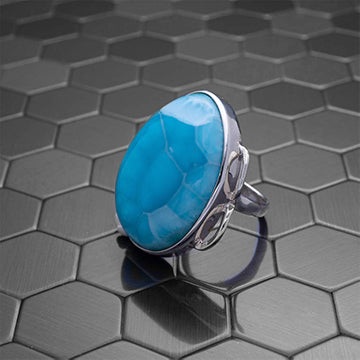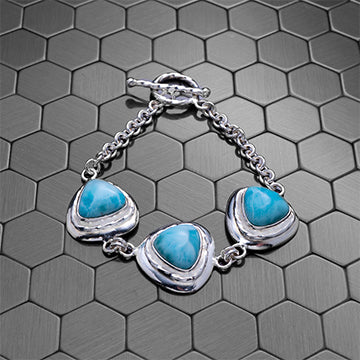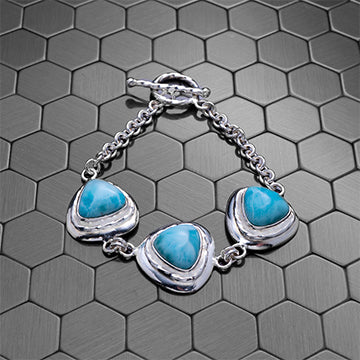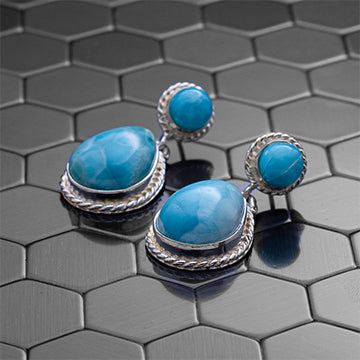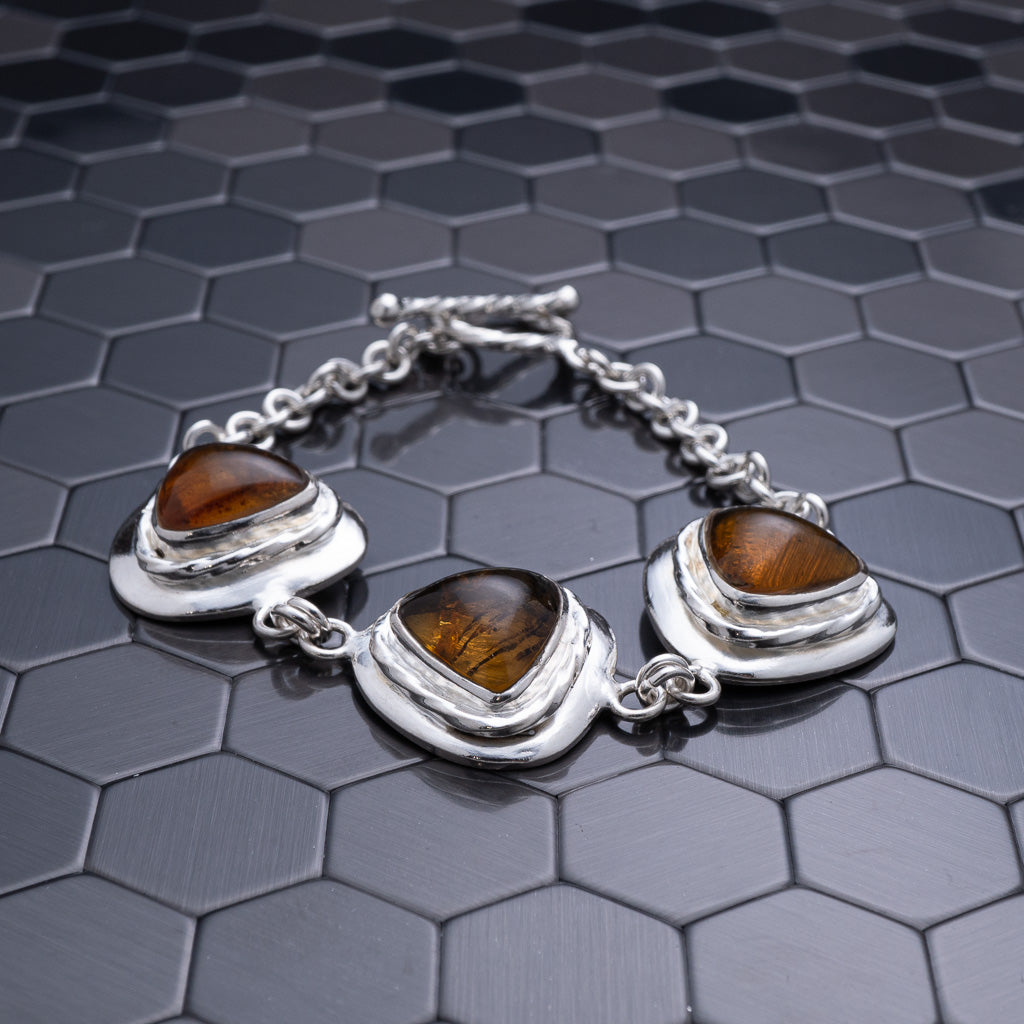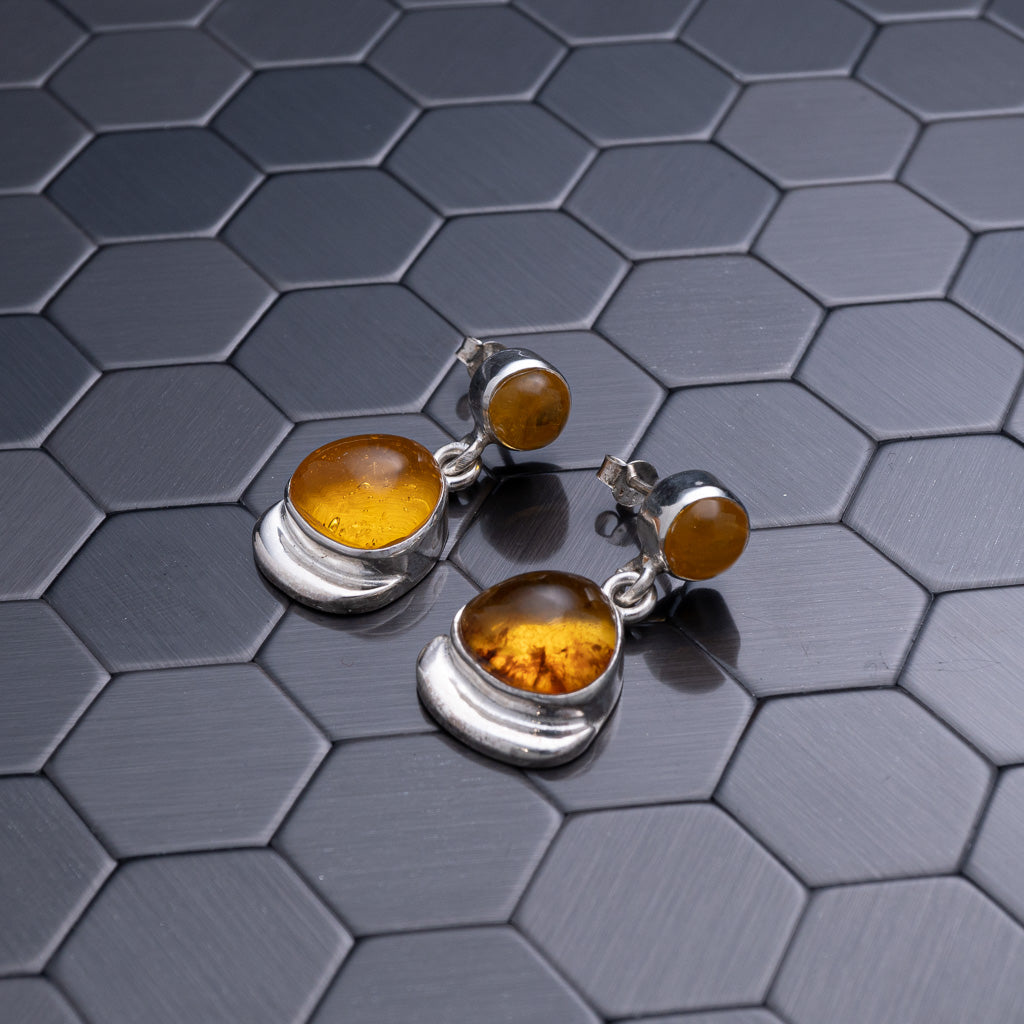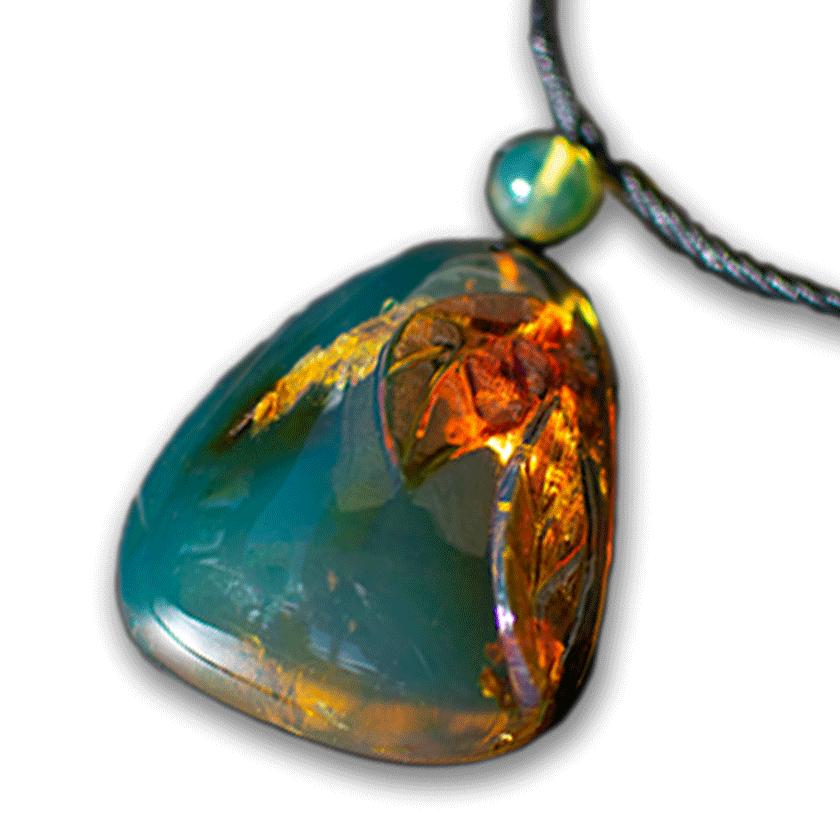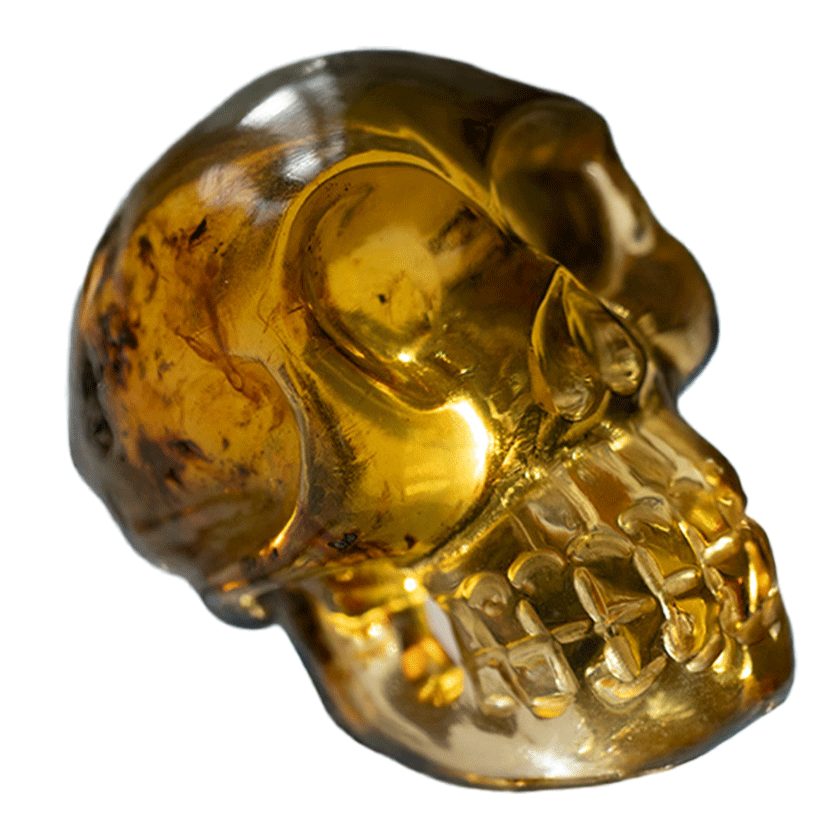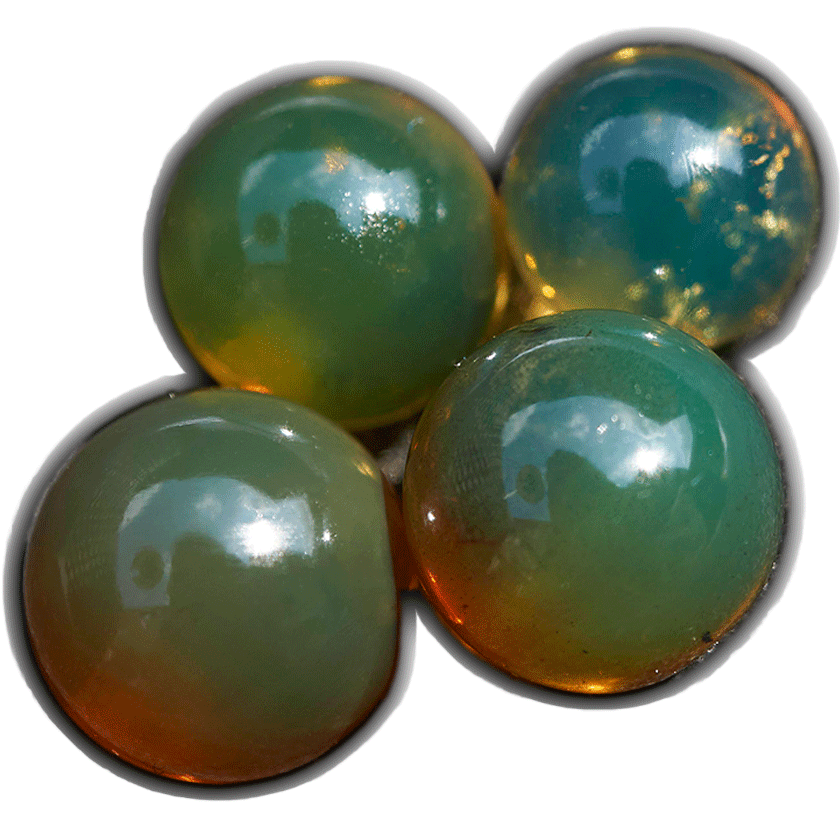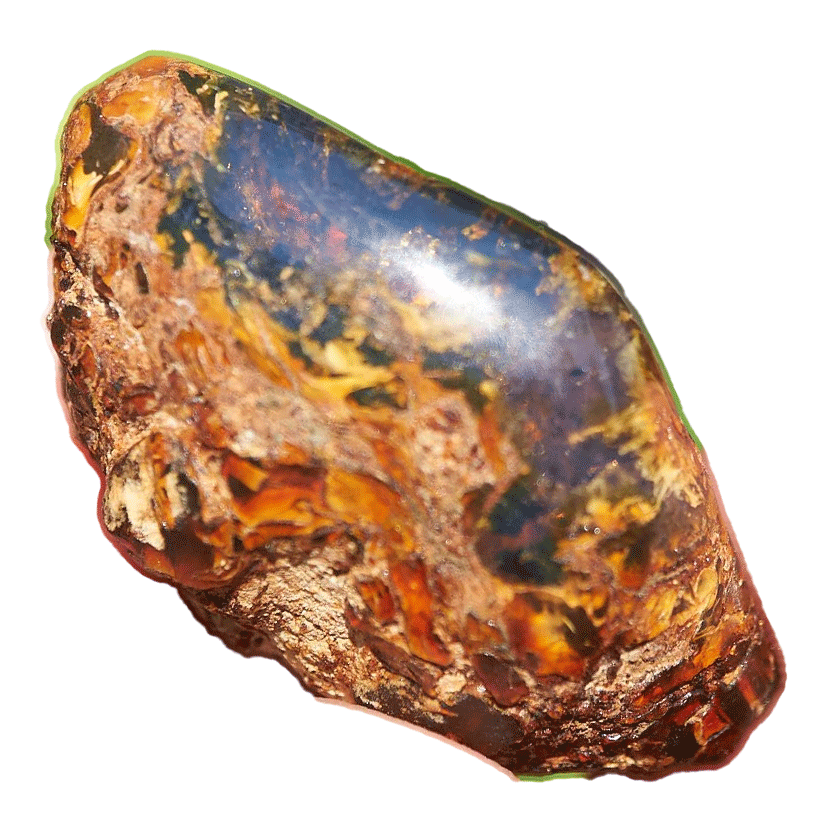


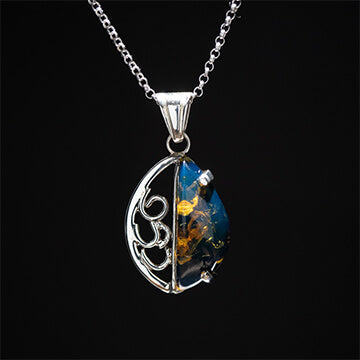
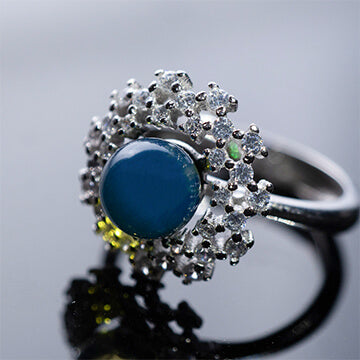
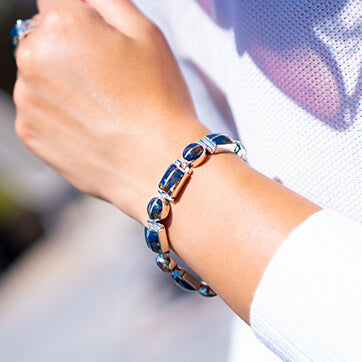
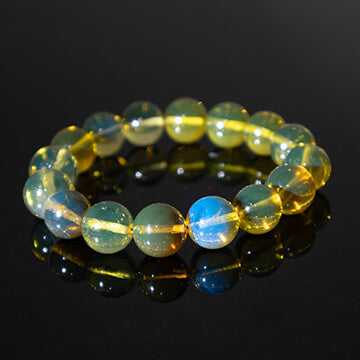
Handcrafted in DR.

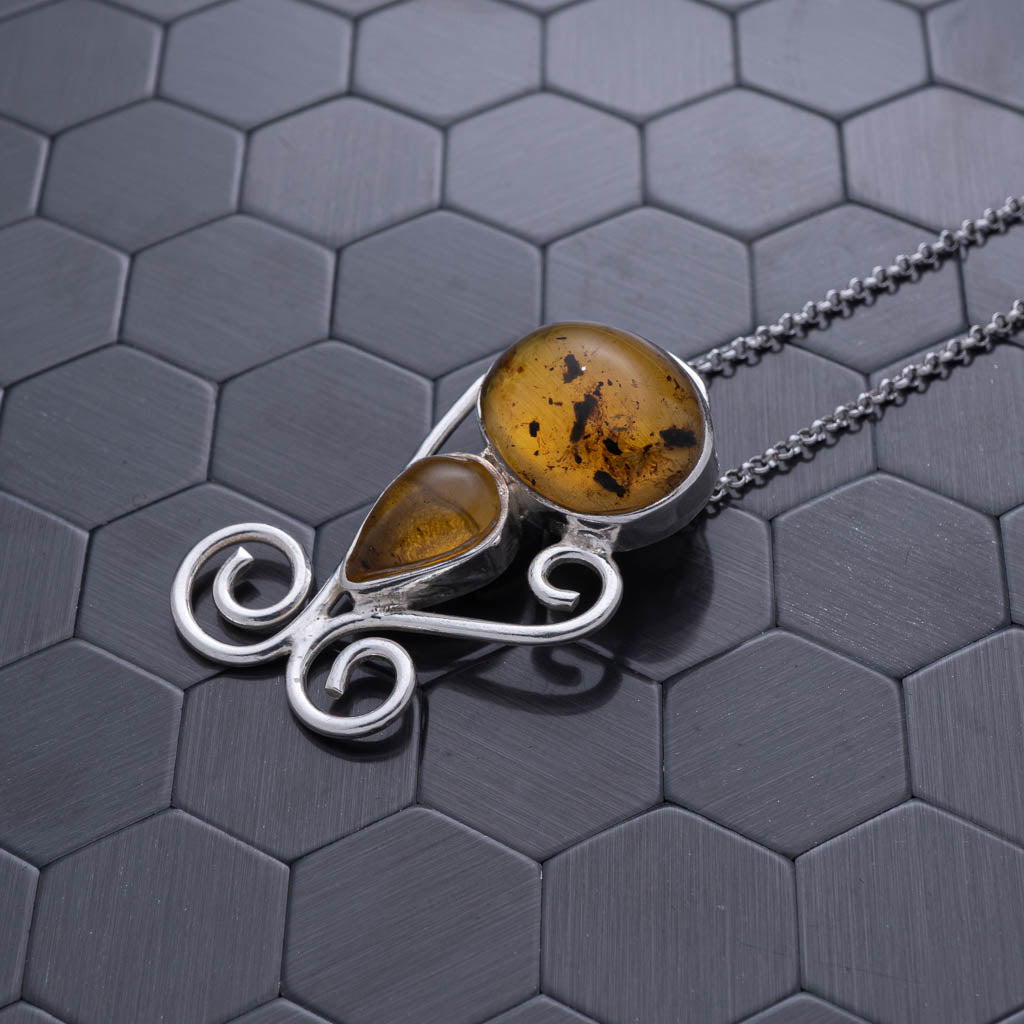
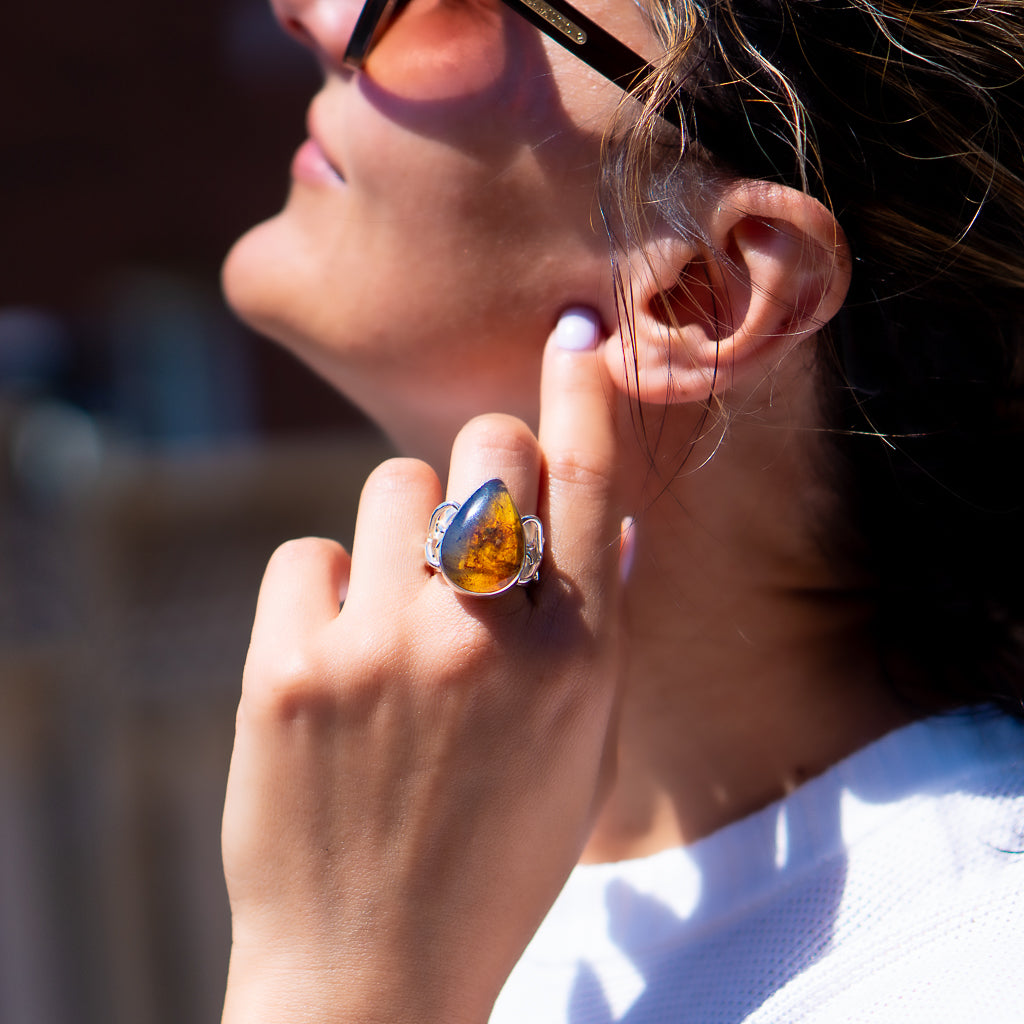
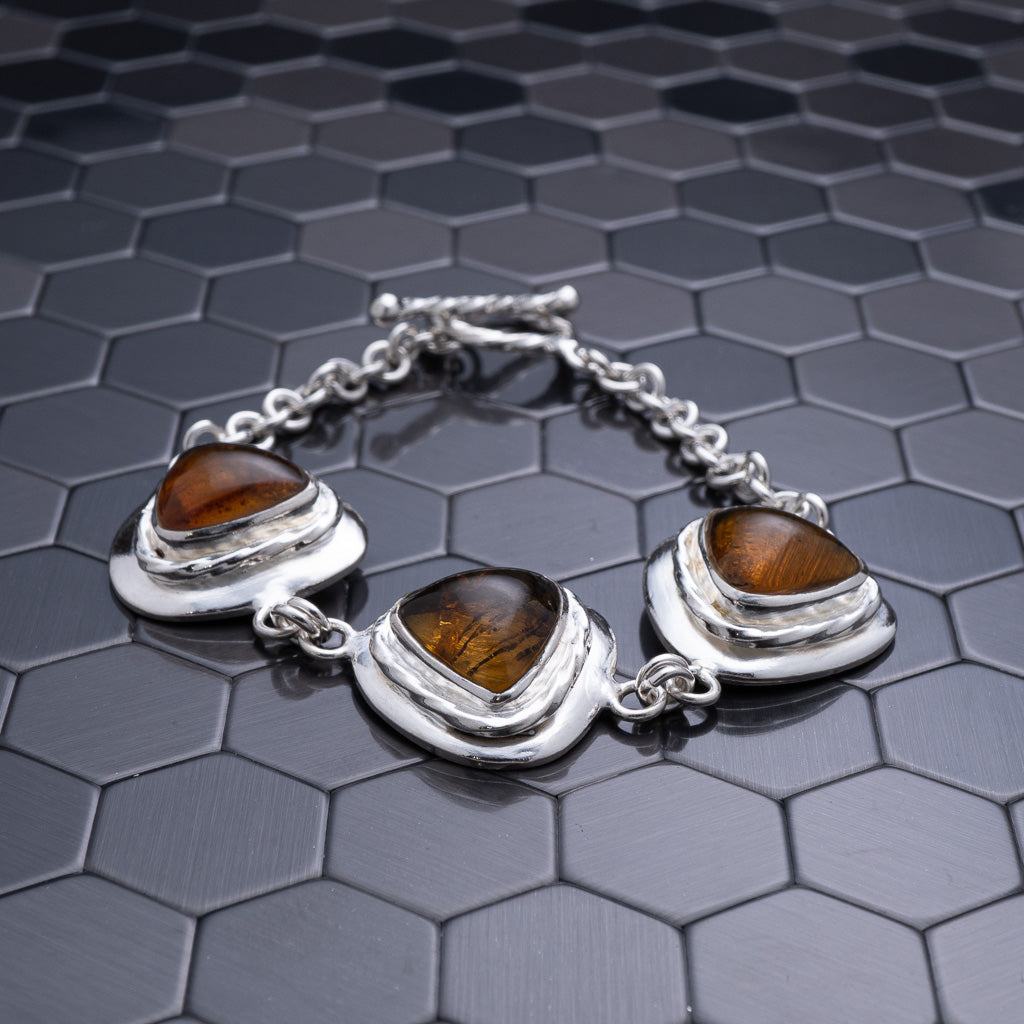
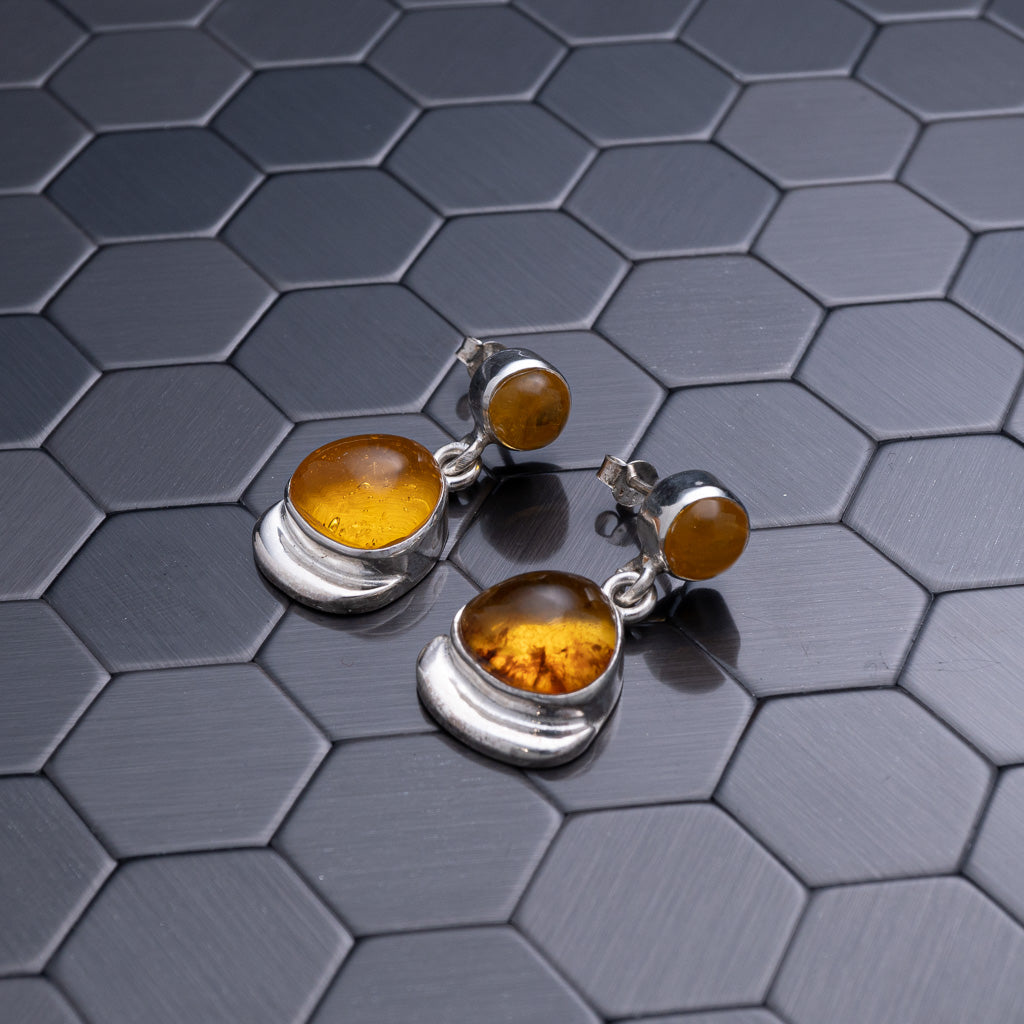


100% Handcrafted in DR.

The world of gemstones offers an extraordinary palette of colors, but few capture the imagination quite like stones blue. These captivating minerals have adorned royalty, inspired artists, and symbolized tranquility across cultures for thousands of years. From the deep oceanic hues of sapphire to the Caribbean-inspired tones of Larimar, blue gemstones represent one of the most diverse and sought-after categories in the jewelry world. Understanding what creates these mesmerizing colors, where these stones originate, and how to identify quality specimens empowers collectors and jewelry enthusiasts to make informed decisions when selecting their next treasured piece.
The captivating blue color in gemstones results from specific chemical compositions and light absorption patterns within the crystal structure. Most stones blue derive their color from trace elements that replace primary elements during formation, creating what gemologists call chromophores.
Transition metals play the most significant role in creating blue coloration. Titanium and iron work together in sapphires to produce their characteristic blue, while copper creates the vibrant turquoise blue in minerals like Larimar and certain varieties of turquoise. The concentration of these trace elements directly impacts color intensity, which is why stones blue from different locations often display unique shades.
Different blue gemstones achieve their color through distinct processes:
The geological environment during formation determines which trace elements incorporate into the crystal lattice. Temperature, pressure, and the presence of specific minerals all influence the final color outcome, making each deposit geographically unique.
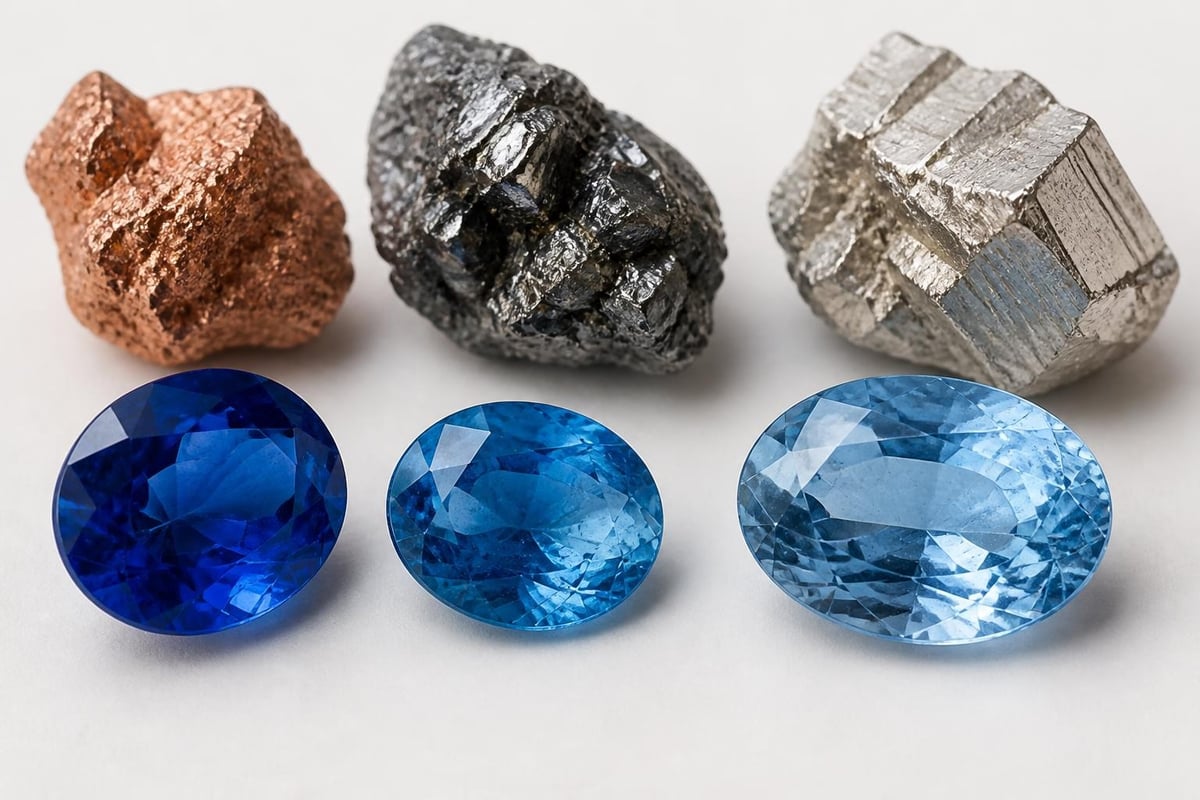
The gemstone world offers remarkable diversity within the blue color family, each type possessing distinct characteristics and value propositions.
| Gemstone Type | Hardness (Mohs) | Primary Sources | Color Range |
|---|---|---|---|
| Sapphire | 9 | Myanmar, Sri Lanka, Madagascar | Cornflower to royal blue |
| Aquamarine | 7.5-8 | Brazil, Pakistan, Africa | Pale to medium blue |
| Tanzanite | 6-6.5 | Tanzania (exclusive) | Blue-violet to deep blue |
| Larimar | 4.5-5 | Dominican Republic (exclusive) | Sky blue to teal |
| Blue Topaz | 8 | Brazil, Nigeria, Russia | Light to London blue |
| Turquoise | 5-6 | Iran, USA, China | Robin's egg to greenish blue |
Sapphire dominates the precious gemstone market among stones blue, valued for its exceptional hardness and brilliant color. The diverse range of blue gemstones available today reflects billions of years of geological processes across different continents.
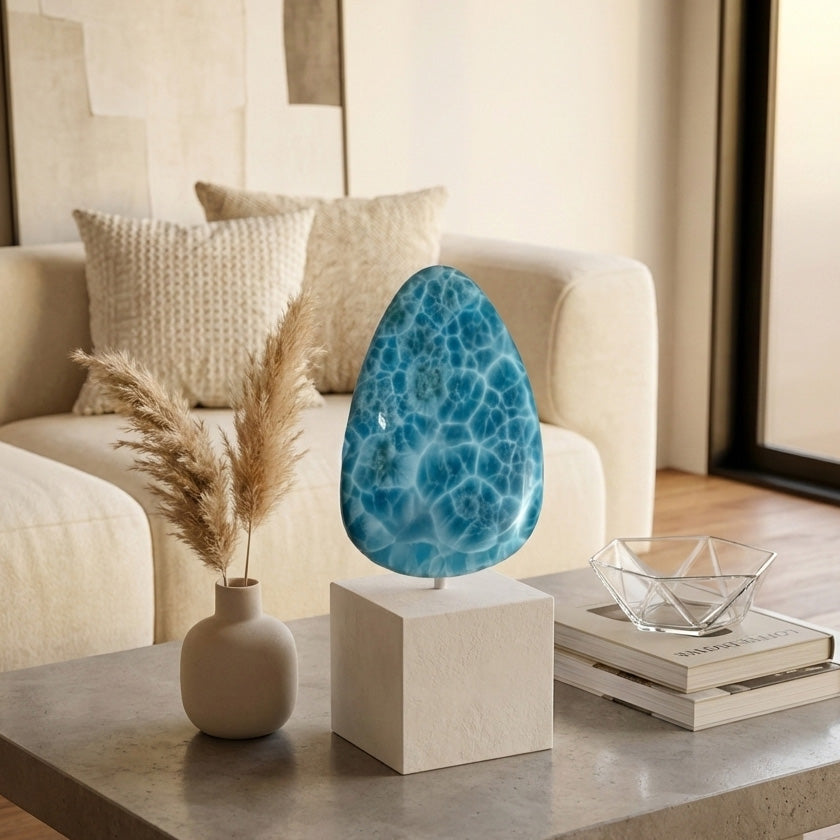
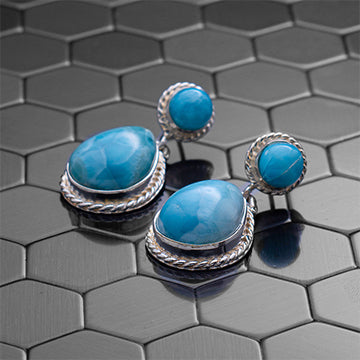
Certain stones blue exist only in single locations worldwide, making them exceptionally valuable to collectors. Larimar represents one such exclusive gemstone, found only in the Dominican Republic's mountainous regions. This rare pectolite variety exhibits stunning sky-blue to turquoise coloration created by copper substitution during volcanic formation.
Tanzanite similarly claims single-source status, mined exclusively from a small area near Mount Kilimanjaro. First discovered in 1967, this relatively recent addition to the gemstone world displays a unique trichroic property, showing different colors from different viewing angles.
Professional gemologists assess stones blue using standardized criteria that determine market value and desirability. Understanding these factors helps buyers make informed purchasing decisions.
Color consistency ranks as the primary value determinant. The most valuable stones blue display even saturation throughout the gem without color zoning or pale areas. Intensity matters significantly, with vivid, saturated hues commanding premium prices over pale or washed-out specimens.
Clarity standards vary by gemstone type. While aquamarine typically exhibits excellent transparency with minimal inclusions, Larimar naturally contains white calcite patterns that create its characteristic cloudlike appearance. These patterns don't diminish value but rather confirm authenticity in this rare material.
The cutting style dramatically affects how stones blue display their color and brilliance:
Master cutters orient stones blue to maximize color intensity visible from the face-up position. In pleochroic stones like tanzanite, proper orientation during cutting determines whether the stone appears more blue or violet.
The geological formation and mining locations of stones blue directly influence their characteristics and market availability. Each deposit produces material with distinctive qualities reflecting local geological conditions.
Madagascar has emerged as a significant source for multiple varieties of stones blue, including sapphire, aquamarine, and celestite. The island's complex geological history created diverse mineral-forming environments, resulting in an exceptional range of gemstone deposits discovered over the past three decades.
The Dominican Republic holds a special position in the stones blue market as the exclusive source of Larimar. This volcanic pectolite forms in cavities within basaltic lava, where hot fluids rich in calcium, sodium, and copper create the distinctive blue coloration. The unique geological conditions that produced Larimar existed nowhere else on Earth, making this stones blue variety truly irreplaceable.
Mining operations in the Barahona province extract Larimar through careful hand-mining techniques that preserve crystal quality. The remote mountain locations and limited deposit size contribute to Larimar's rarity and increasing value in the global market. The cultural significance of Dominican gemstones extends beyond geology into national identity and artistic heritage.
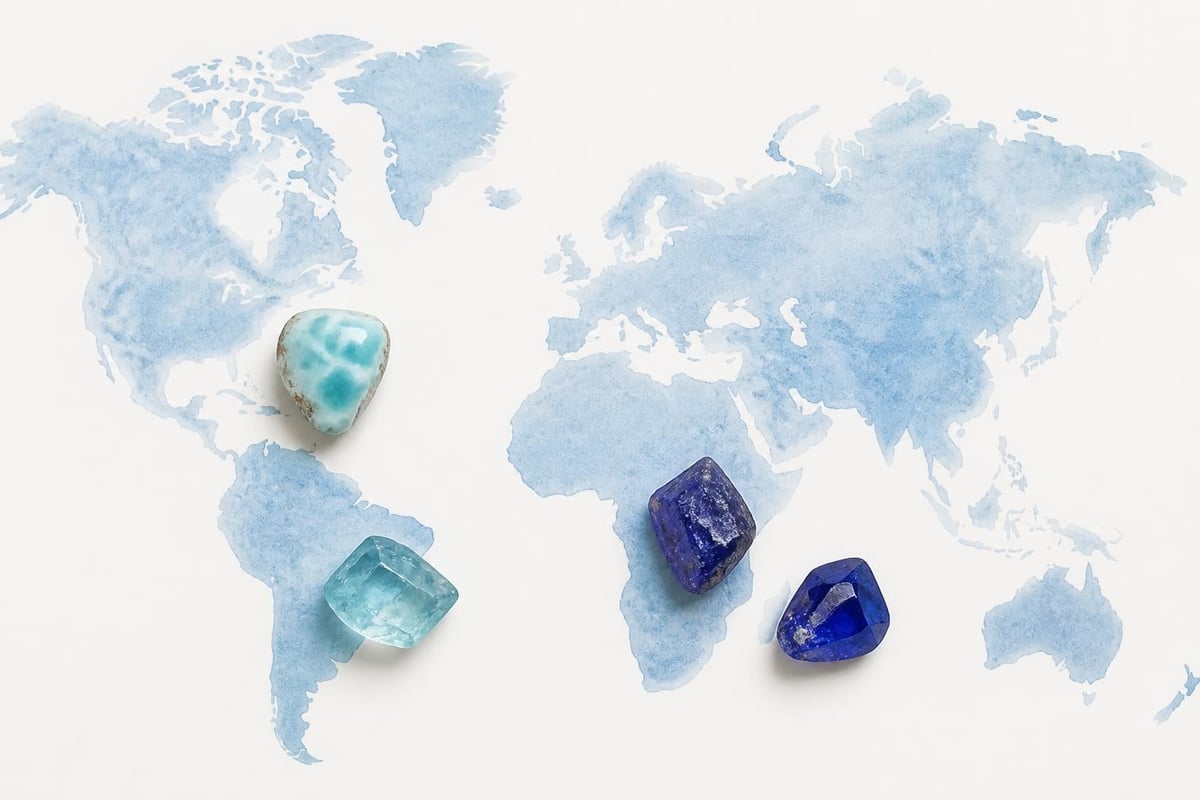
Stones blue have captivated human societies throughout recorded history, appearing in royal regalia, religious artifacts, and protective amulets across diverse cultures.
Ancient Egyptians prized turquoise and lapis lazuli among stones blue, incorporating them into burial masks, jewelry, and ceremonial objects. The vivid blue symbolized the life-giving Nile River and the heavens, representing divine power and eternal life. Pharaohs wore these stones blue as symbols of their godlike status and connection to celestial realms.
Medieval European nobility established sapphire as the ultimate symbol of wisdom, virtue, and divine favor. Cardinals wore sapphire rings to symbolize their spiritual devotion, while royal crowns featured these precious stones blue as emblems of heavenly authority. The British Crown Jewels contain numerous historic sapphires, including the Stuart Sapphire mounted in the Imperial State Crown.
Contemporary culture assigns specific meanings to different stones blue:
These associations influence purchasing decisions, particularly for meaningful gifts or personal talismans. The symbolic properties of blue gemstones resonate with buyers seeking stones that align with specific intentions or personal values.
The gemstone industry employs various treatments to enhance the color and clarity of stones blue, practices that buyers should understand when making purchases.
Heat treatment represents the most common enhancement for sapphires and aquamarines. Controlled heating at specific temperatures can intensify color, remove unwanted color zones, and improve clarity by dissolving certain inclusions. This permanent treatment is widely accepted in the industry and typically doesn't significantly reduce value when properly disclosed.
Irradiation creates the intense blue colors seen in many commercial blue topaz stones. Natural blue topaz rarely achieves deep saturation, so colorless topaz undergoes controlled radiation exposure followed by heat treatment to produce stable, vivid blue colors. The process creates permanent color changes that won't fade under normal wearing conditions.
Professional gemological laboratories and ethical dealers must disclose all treatments affecting stones blue:
| Treatment Type | Permanence | Market Acceptance | Value Impact |
|---|---|---|---|
| Heat (sapphire) | Permanent | Widely accepted | Minimal when disclosed |
| Irradiation (topaz) | Permanent | Standard practice | Creates commercial value |
| Diffusion | Permanent | Limited acceptance | Significant reduction |
| Dyeing | Temporary | Poor acceptance | Major reduction |
| Untreated | N/A | Highly valued | Premium pricing |
Untreated stones blue with exceptional natural color command significant premiums, particularly in sapphire and Larimar where natural beauty requires no enhancement.
Choosing appropriate stones blue for different jewelry applications requires understanding durability, wearability, and design compatibility.
Hardness determines suitability for various jewelry types. Sapphire's exceptional hardness (9 on the Mohs scale) makes it ideal for engagement rings and daily-wear pieces that withstand constant contact and potential impacts. These durable stones blue resist scratching and maintain their polish indefinitely with minimal care.
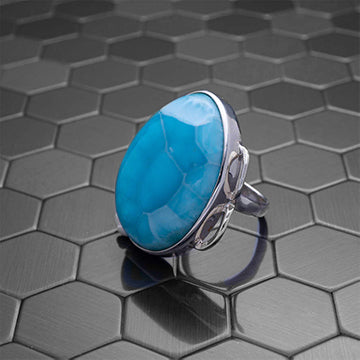
Softer stones blue like Larimar require more careful consideration. With hardness between 4.5 and 5, Larimar performs beautifully in pendants and earrings where they receive less direct contact than rings or bracelets. Protective settings with bezels or surrounding diamonds help safeguard more delicate stones blue in rings.
Different stones blue complement various metal choices and design aesthetics:
The size and cut of stones blue should balance with the overall design scale. Large cabochons make dramatic statement pieces, while smaller faceted stones blue create delicate, refined jewelry appropriate for professional settings.
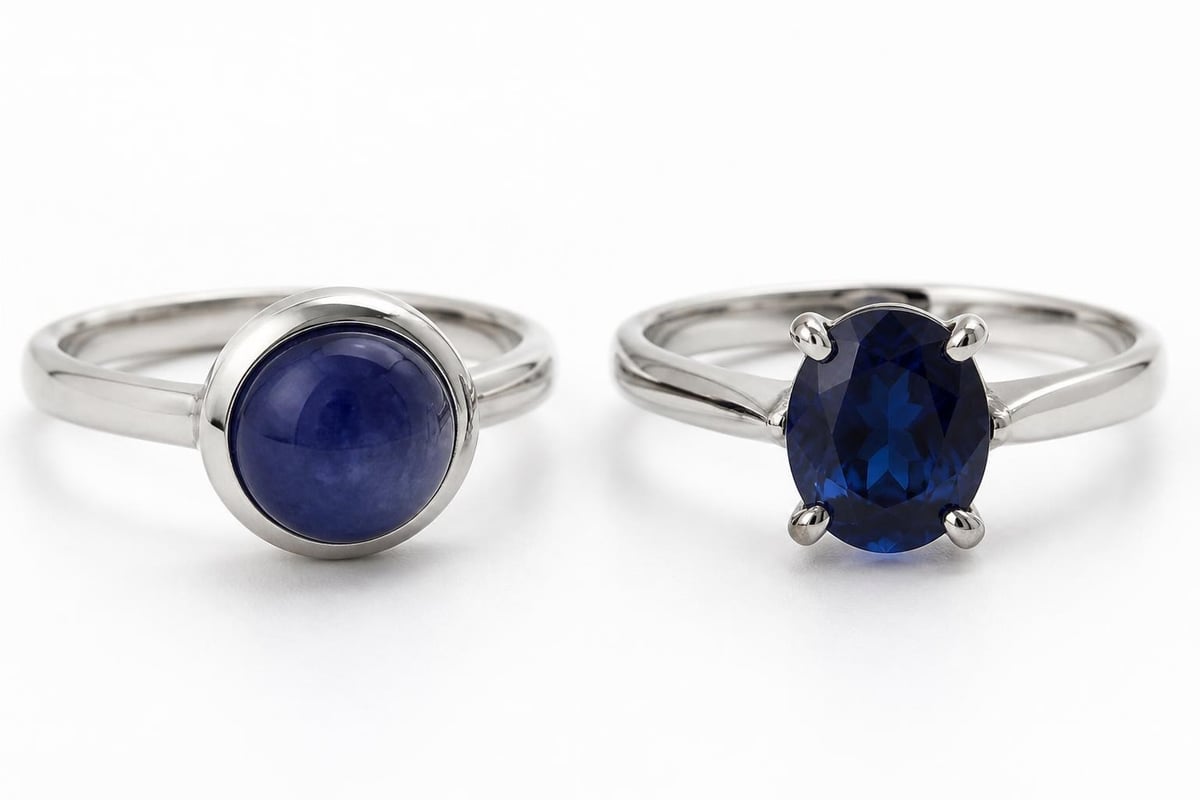
Proper care preserves the beauty of stones blue for generations, with specific requirements varying by gemstone type.
Cleaning methods must match the gemstone's durability and treatment history. Hard, untreated stones blue like sapphire tolerate ultrasonic cleaning and steam, while softer or treated materials require gentler approaches. Larimar responds best to mild soap solution and soft brushing, avoiding harsh chemicals or sudden temperature changes that might cause fracturing.
Storage practices prevent damage from contact with harder materials:
Turquoise and Larimar particularly benefit from occasional wearing, as skin oils can enhance their appearance and prevent drying. However, perfumes, hairsprays, and cosmetics should be applied before putting on jewelry featuring these porous stones blue.
The stones blue market experiences dynamic shifts driven by new discoveries, changing fashion preferences, and supply constraints.
Colored gemstone demand has grown substantially since 2020, with stones blue leading the category. Sapphires continue appreciating in value, particularly untreated specimens from classic sources like Kashmir, Burma, and Ceylon. Fine examples with vivid saturation and excellent clarity consistently achieve record prices at international auctions.
Larimar represents an emerging investment opportunity within stones blue. Its single-source availability, increasing international recognition, and limited production create favorable conditions for long-term value appreciation. As deposits become depleted and mining becomes more challenging, high-quality Larimar specimens become increasingly scarce.
Several factors influence the long-term market for stones blue:
Collectors increasingly seek distinctive blue gemstones that offer individuality and personal significance rather than following traditional hierarchy based solely on hardness or rarity.
The market includes laboratory-created and imitation stones blue alongside natural materials, each category serving different purposes and price points.
Synthetic gemstones possess identical chemical composition and crystal structure to their natural counterparts but form in controlled laboratory environments within weeks rather than millennia. Synthetic sapphire and spinel appear frequently in commercial jewelry, offering excellent color and clarity at accessible prices. When properly disclosed, synthetic stones blue provide ethical alternatives for buyers prioritizing affordability and environmental concerns over natural origin.
Imitations include glass, plastic, or unrelated minerals designed to resemble valuable stones blue. These materials differ chemically and physically from the gemstones they imitate. Common imitations include glass for aquamarine, dyed howlite for turquoise, and various resin composites for Larimar.
Professional gemologists employ multiple techniques to distinguish natural stones blue from synthetics and imitations:
| Test Method | What It Reveals | Equipment Required |
|---|---|---|
| Refractive Index | Chemical composition | Refractometer |
| Specific Gravity | Density measurement | Hydrostatic balance |
| Microscopy | Inclusions and growth patterns | Gemological microscope |
| Spectroscopy | Chemical elements present | Spectroscope |
| UV Fluorescence | Reaction to ultraviolet light | UV lamp |
Natural stones blue typically contain characteristic inclusions reflecting their geological formation, while synthetics often show curved growth lines or gas bubbles. Understanding the various types of blue gemstones and their diagnostic features helps buyers verify authenticity.
Combining multiple gemstone colors creates dynamic jewelry designs that showcase stones blue as focal points or complementary elements.
Monochromatic schemes use various shades of blue together, creating sophisticated, cohesive designs. Pairing deep blue sapphire with lighter aquamarine or pale blue topaz establishes visual depth while maintaining color harmony. These combinations work particularly well in graduated designs or ombre effects.
Complementary color pairings position stones blue against warmer tones for maximum visual impact:
These dynamic combinations create energy and visual interest, particularly in contemporary designs that celebrate color contrast.
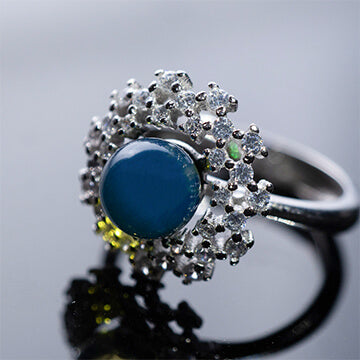
Diamonds and pearls serve as timeless partners for stones blue, providing brightness and elegance without competing for attention. White diamonds surrounding a central blue gemstone create the classic halo design, while accent diamonds along a band draw the eye toward featured stones blue. Pearls offer a softer, more organic complement, particularly effective with Caribbean-hued stones like Larimar that echo ocean imagery.
Geographic location profoundly influences the characteristics of stones blue, creating distinctive regional signatures that experienced collectors recognize.
Kashmir sapphires represent the pinnacle of the sapphire world, displaying a velvety cornflower blue color created by microscopic silk inclusions. Production from this remote Himalayan region ceased decades ago, making existing specimens extraordinarily valuable. These legendary stones blue established the color standard against which all other sapphires are compared.
Burmese sapphires from the Mogok region exhibit intense, saturated blue with slight violet undertones. The combination of iron and titanium in specific proportions creates this distinctive color profile. Burmese origin adds significant premium to sapphire pricing, particularly for stones above five carats with excellent clarity.
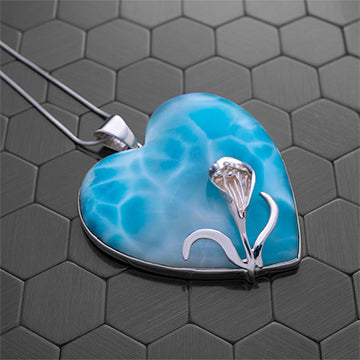
Dominican Larimar embodies the essence of Caribbean waters, ranging from pale sky blue to deep volcanic blue-green. The concentration of copper and the presence of white calcite patterns create each stone's unique character. No two Larimar stones appear identical, making each piece genuinely one-of-a-kind among stones blue.
The volcanic origin of Larimar connects this gemstone to the dynamic geological forces that shaped the Caribbean islands. Ancient lava flows created the cavities where Larimar crystallized, infusing each stone with millions of years of geological history.
Lighting conditions dramatically affect how stones blue appear, influencing both color perception and purchasing decisions.
Natural daylight provides the most accurate representation of stone color, which is why gemological laboratories conduct color grading under standardized daylight-equivalent illumination. Stones blue may appear more vivid in bright sunlight, with transparency and brilliance maximized under direct lighting.
Incandescent lighting adds warmth to stones blue, sometimes reducing color saturation or shifting hues toward violet. Sapphires may appear more purple under traditional tungsten bulbs, while aquamarines can lose some of their cool blue character. Understanding these shifts helps buyers evaluate stones blue under multiple lighting conditions before purchase.
Some stones blue exhibit fluorescence under ultraviolet light, creating additional visual interest:
While fluorescence rarely affects daytime appearance, it adds another dimension to stone character that some collectors prize.
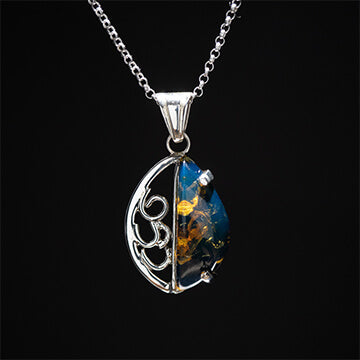
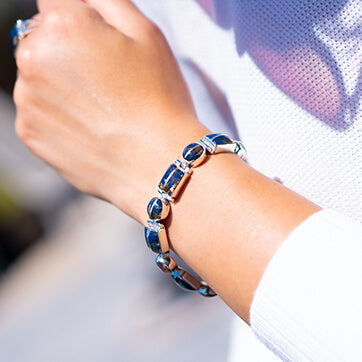
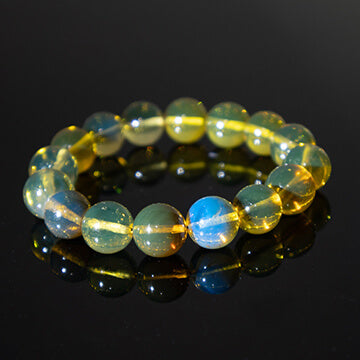
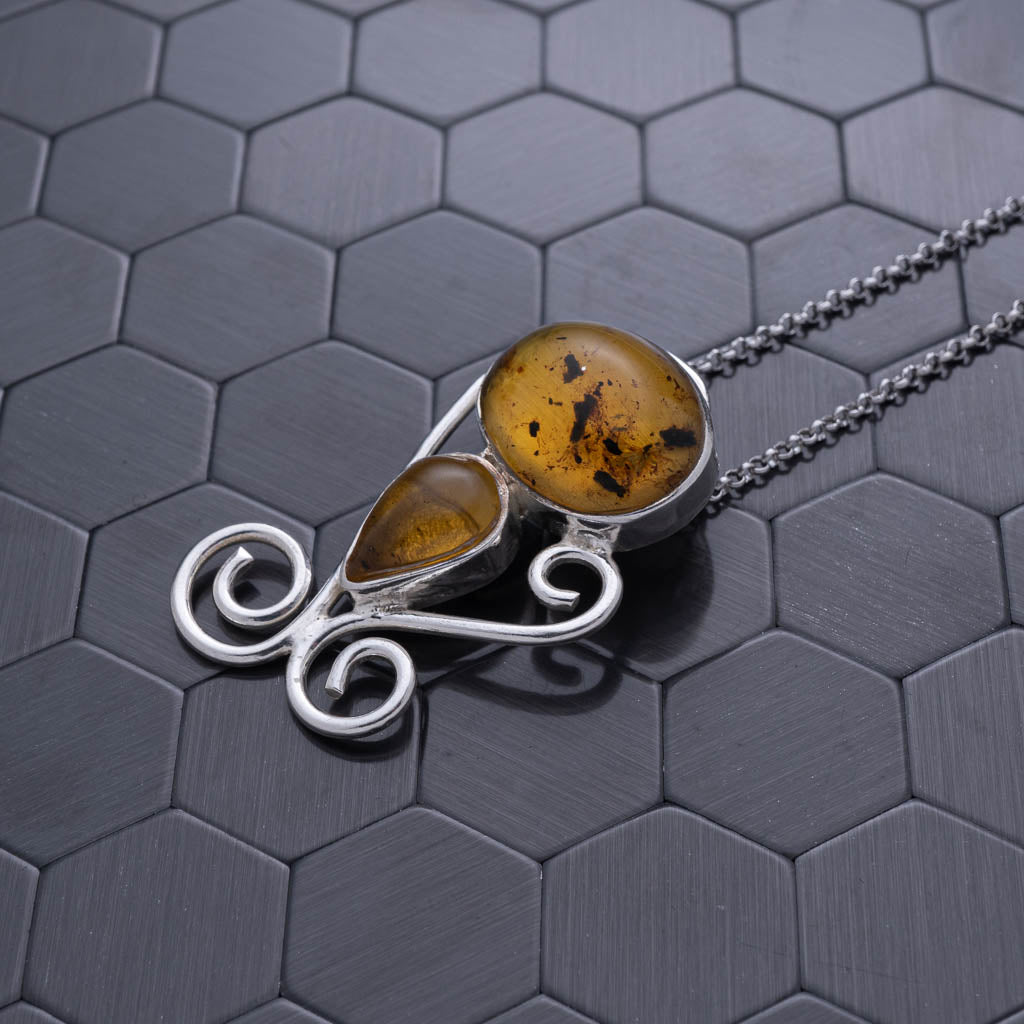
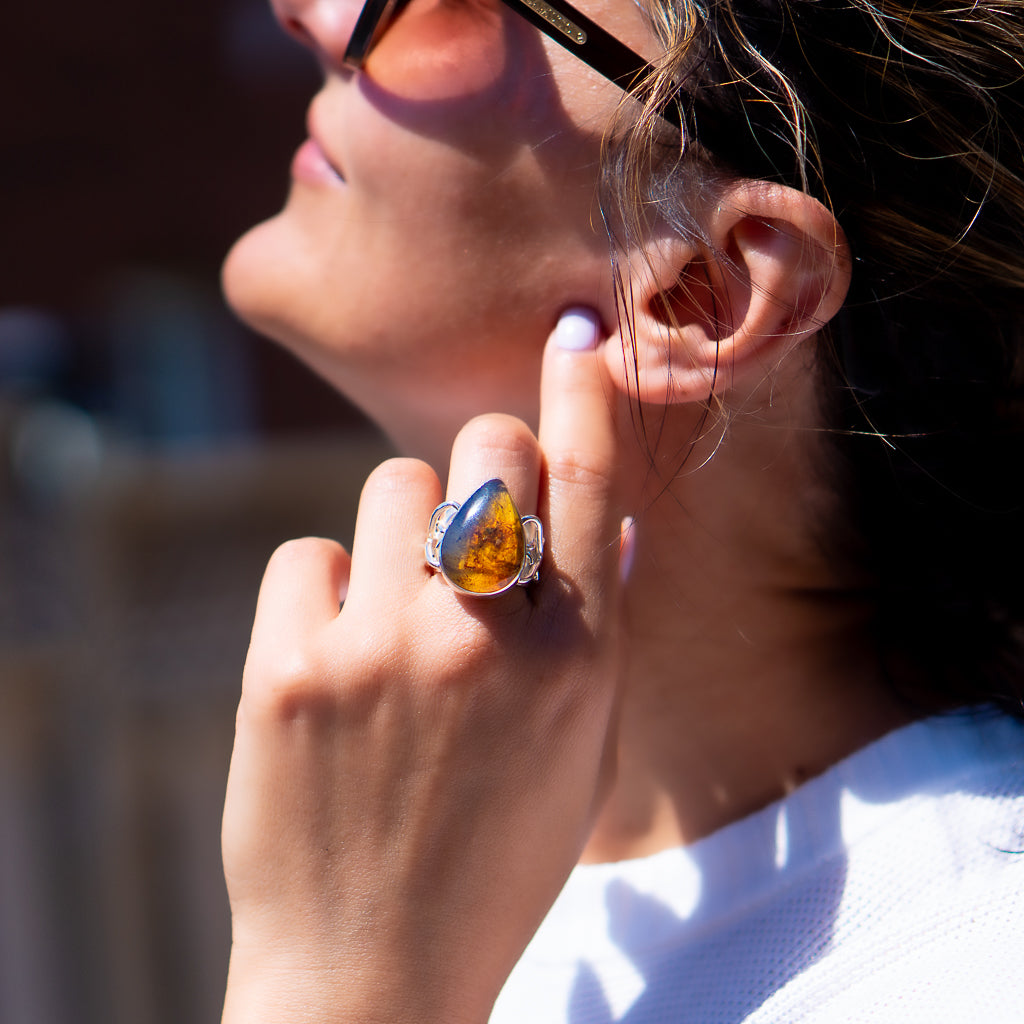
The remarkable diversity within stones blue offers jewelry enthusiasts endless possibilities for personal expression and meaningful adornment. From the regal elegance of sapphire to the Caribbean tranquility of Larimar, each blue gemstone carries its own geological story and cultural significance. Whether seeking a durable engagement ring centerpiece or a unique pendant that captures ocean memories, understanding the characteristics, origins, and care requirements of different stones blue ensures informed selection and lasting satisfaction. Larimar Creations specializes in handcrafted jewelry featuring authentic Dominican Larimar and Blue Amber, offering worldwide shipping so collectors everywhere can own these exceptional Caribbean treasures with confidence in their quality and authenticity.