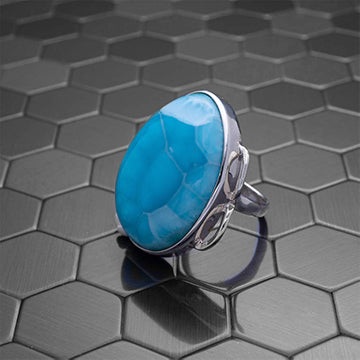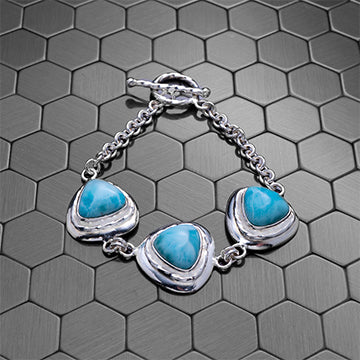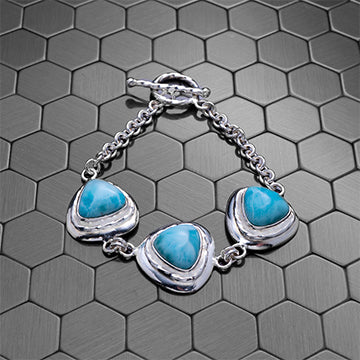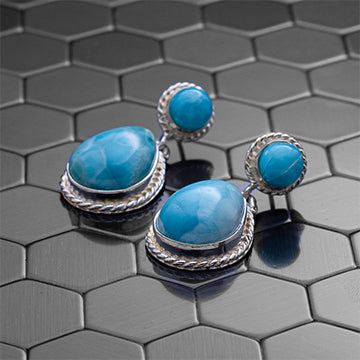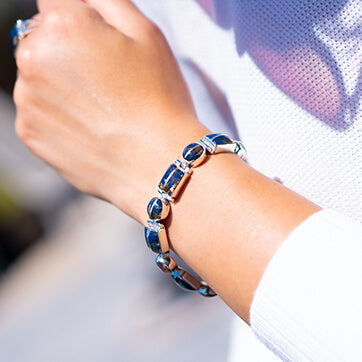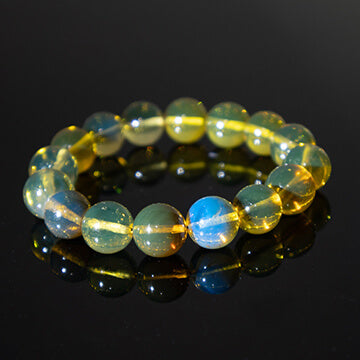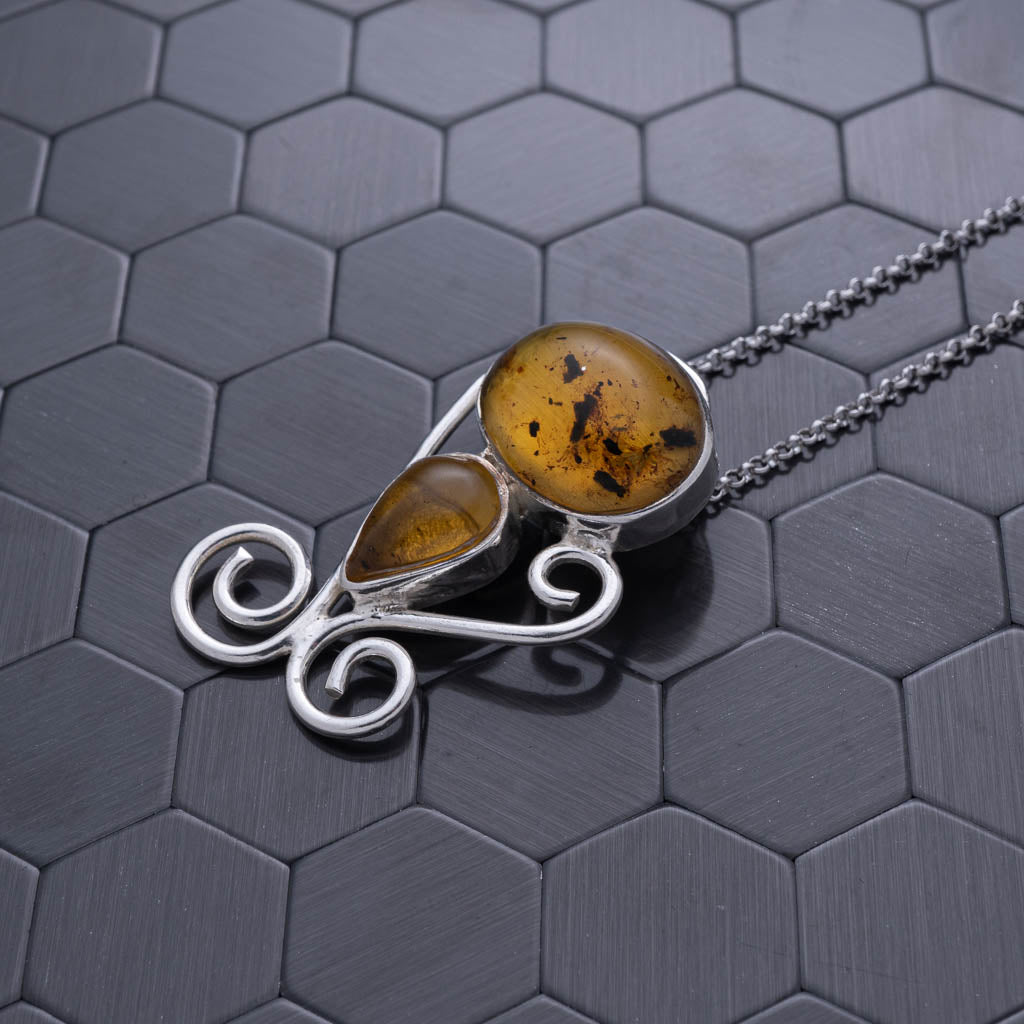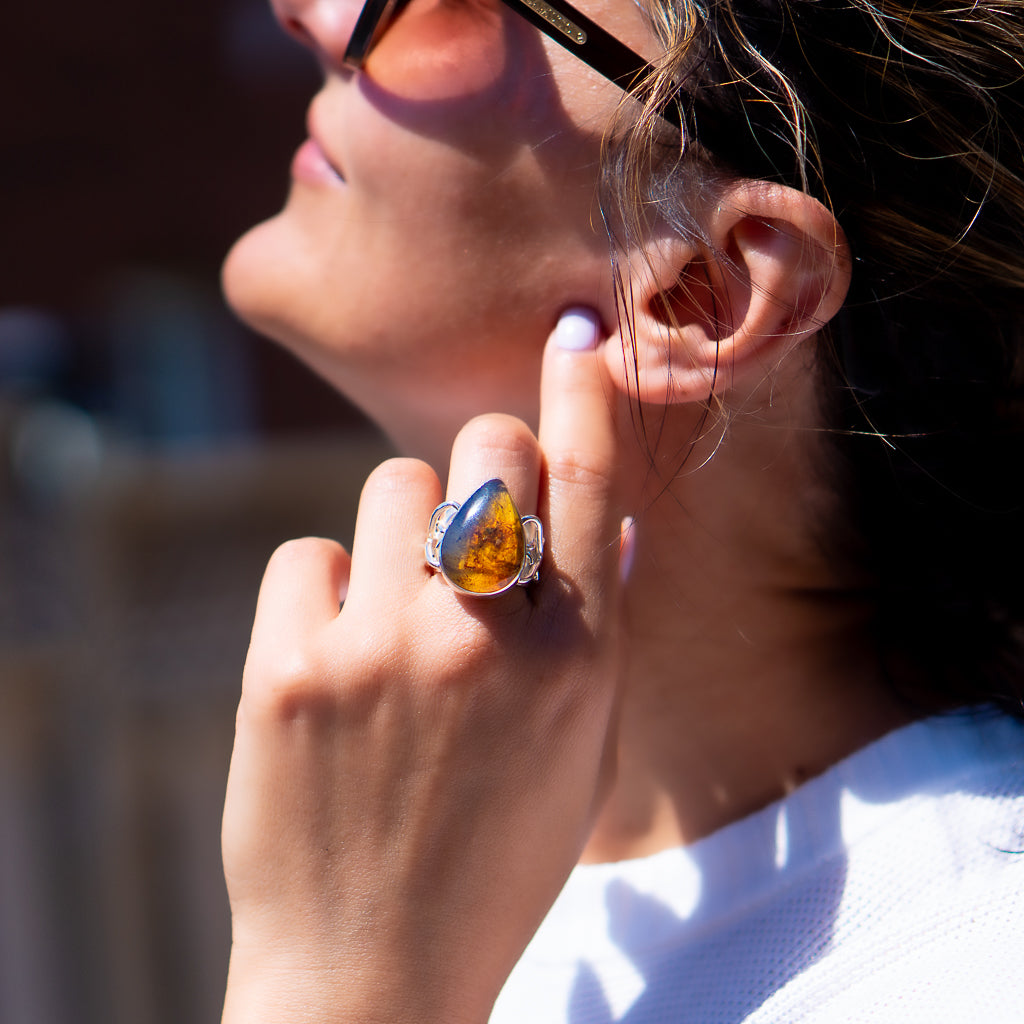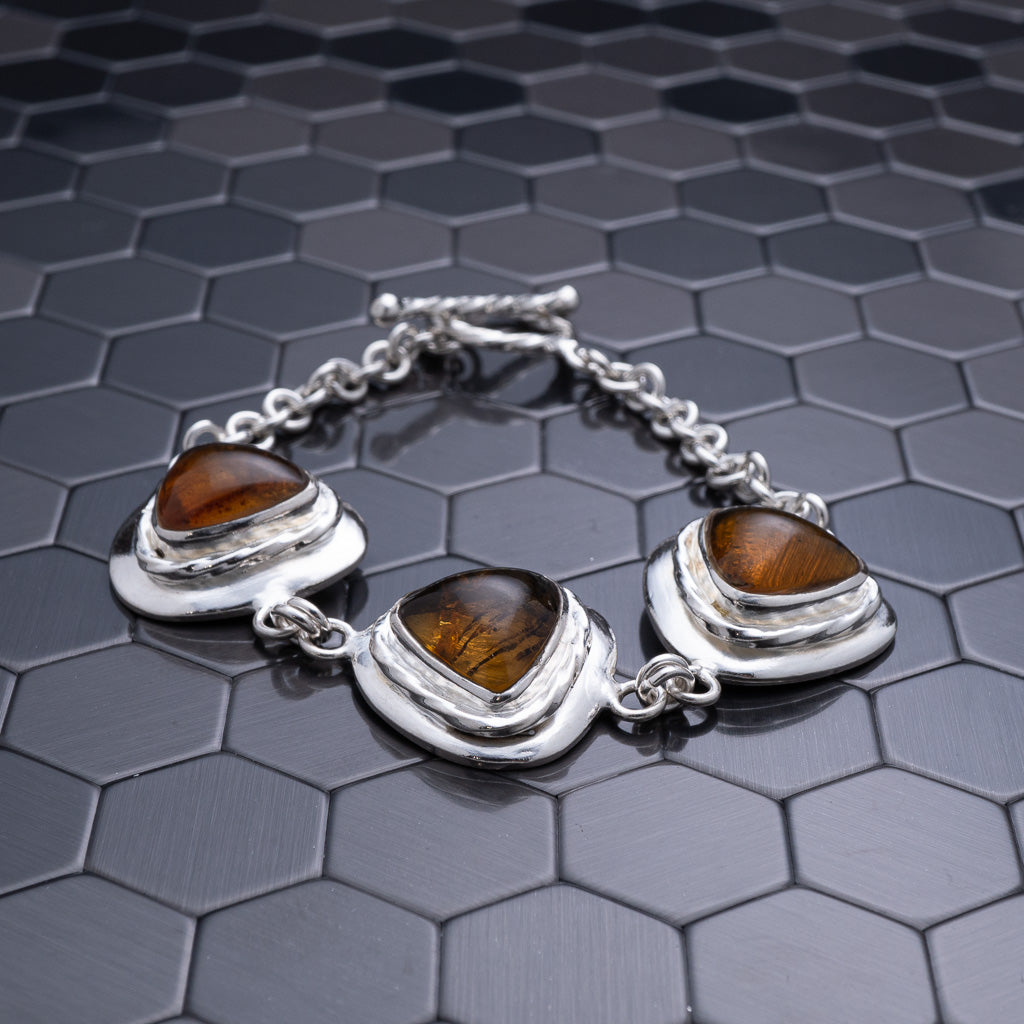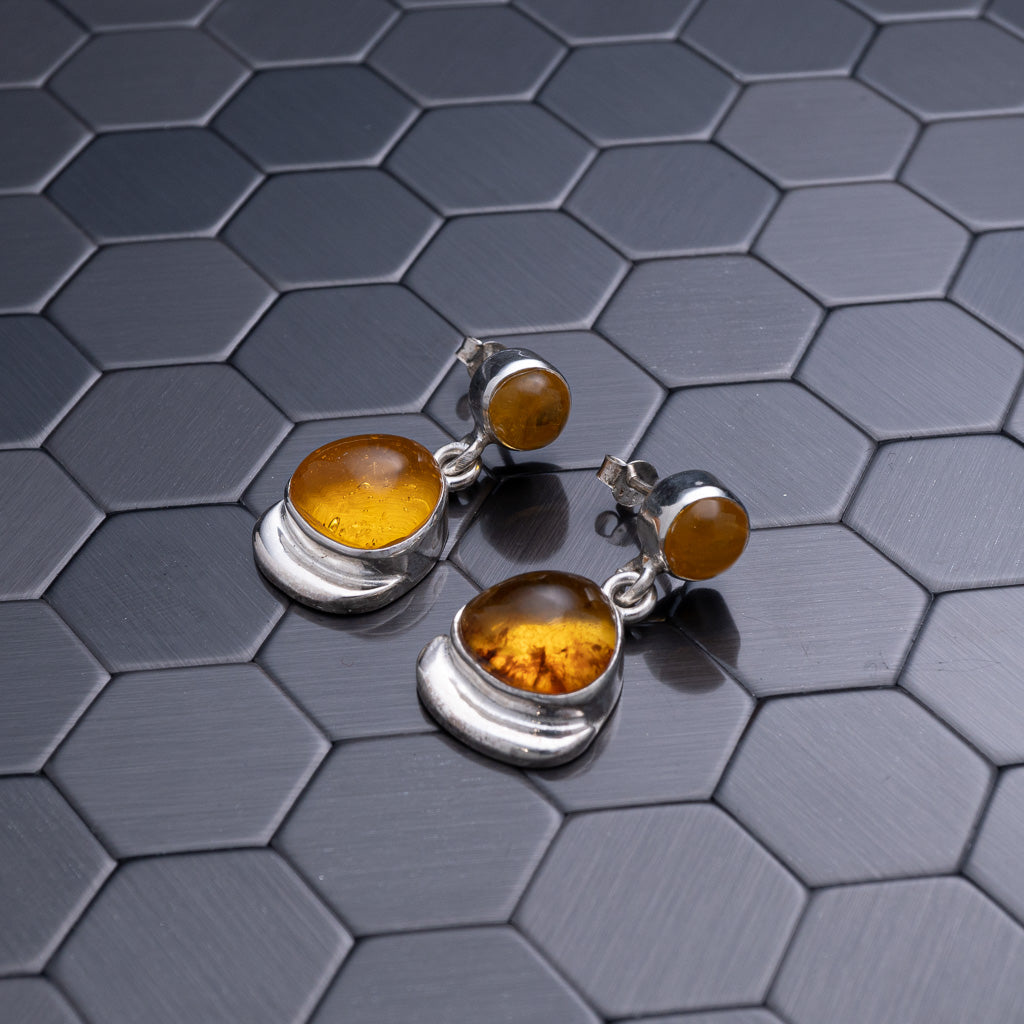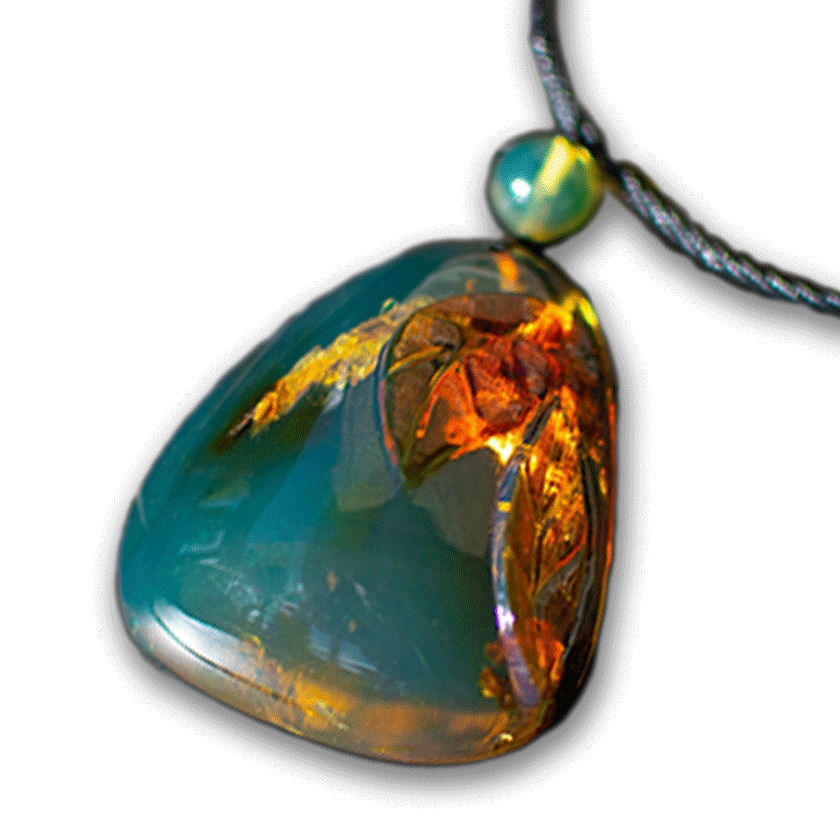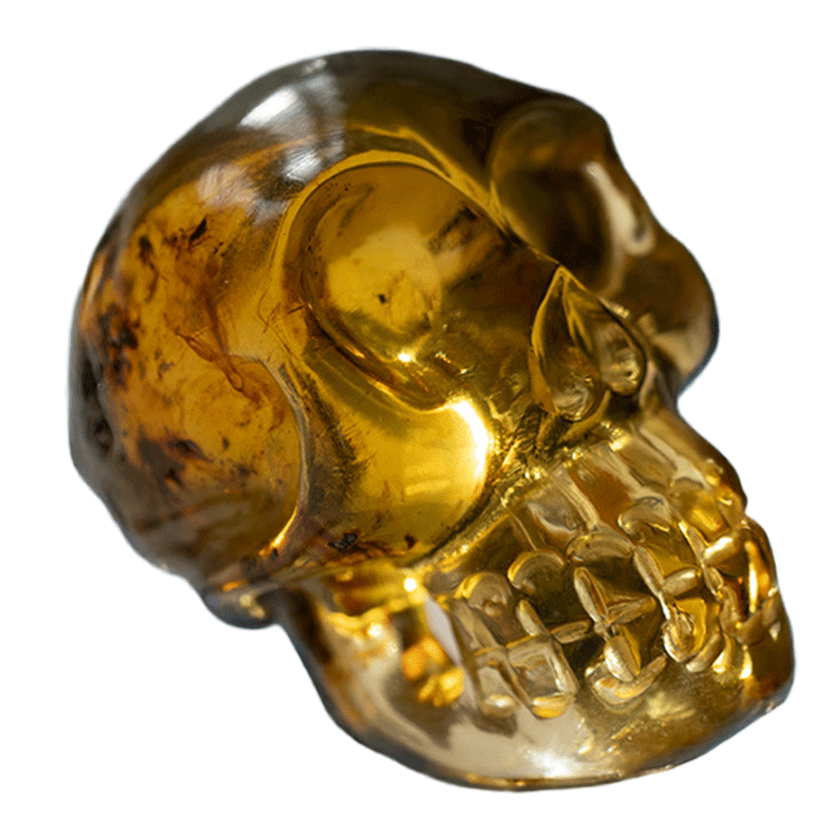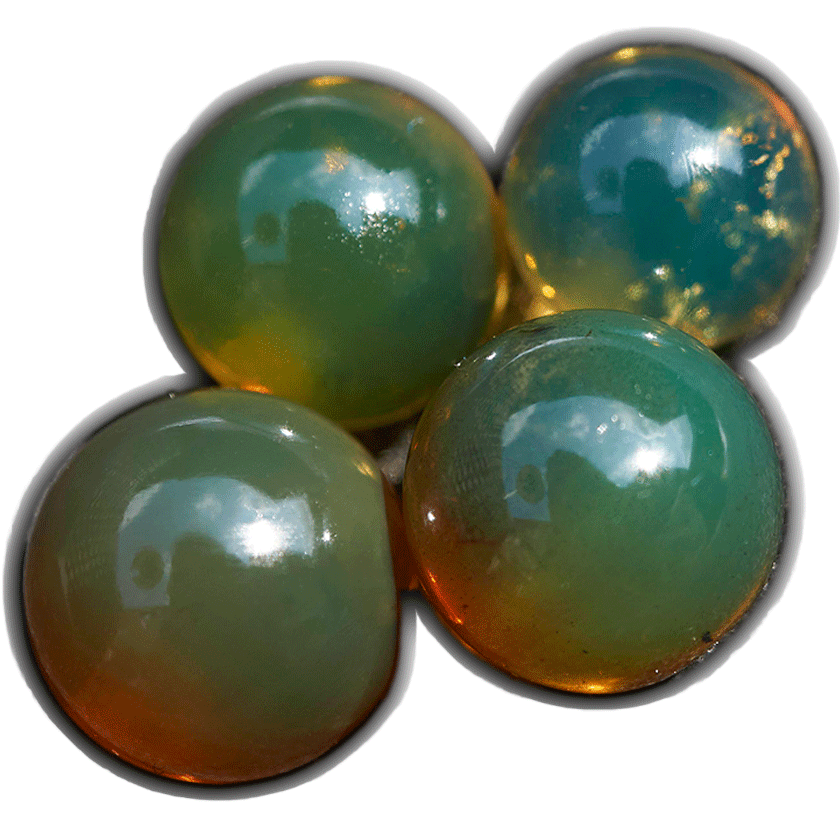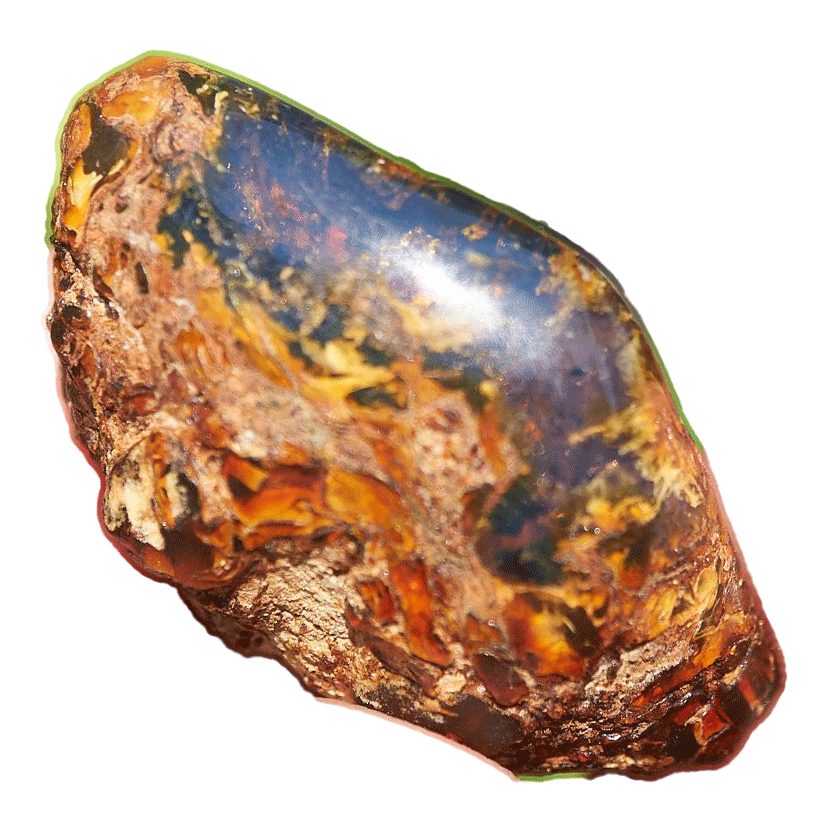


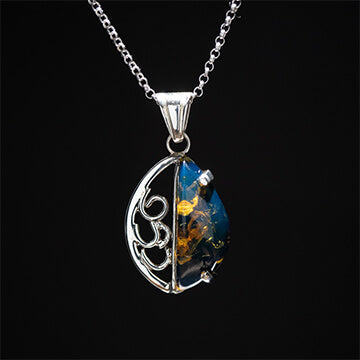
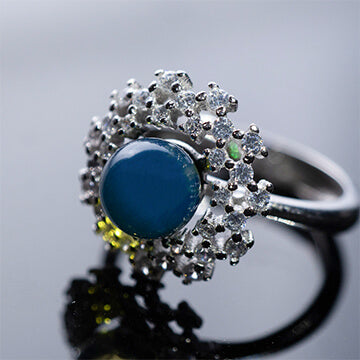
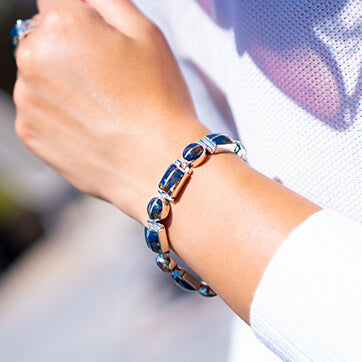
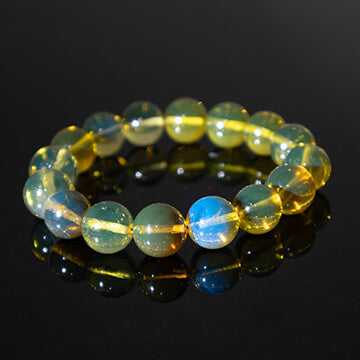
Handcrafted in DR.

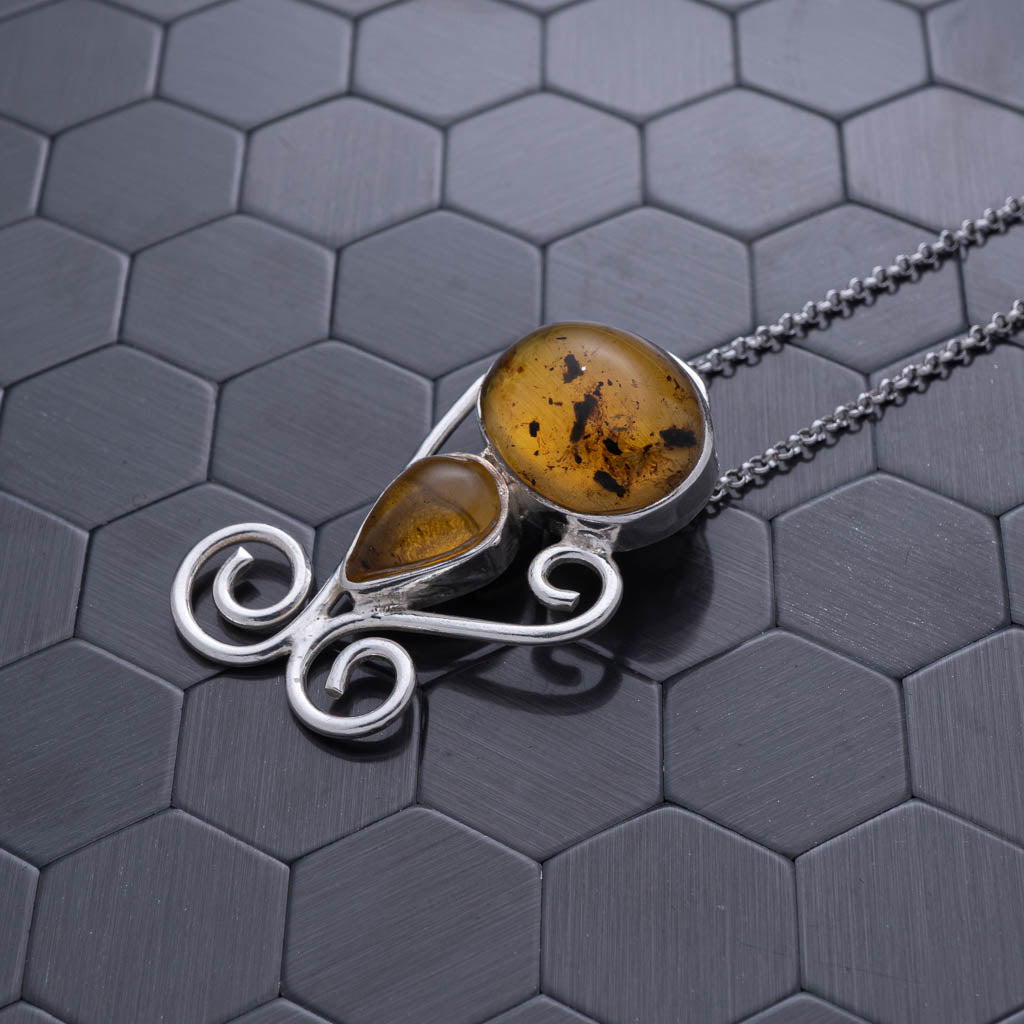
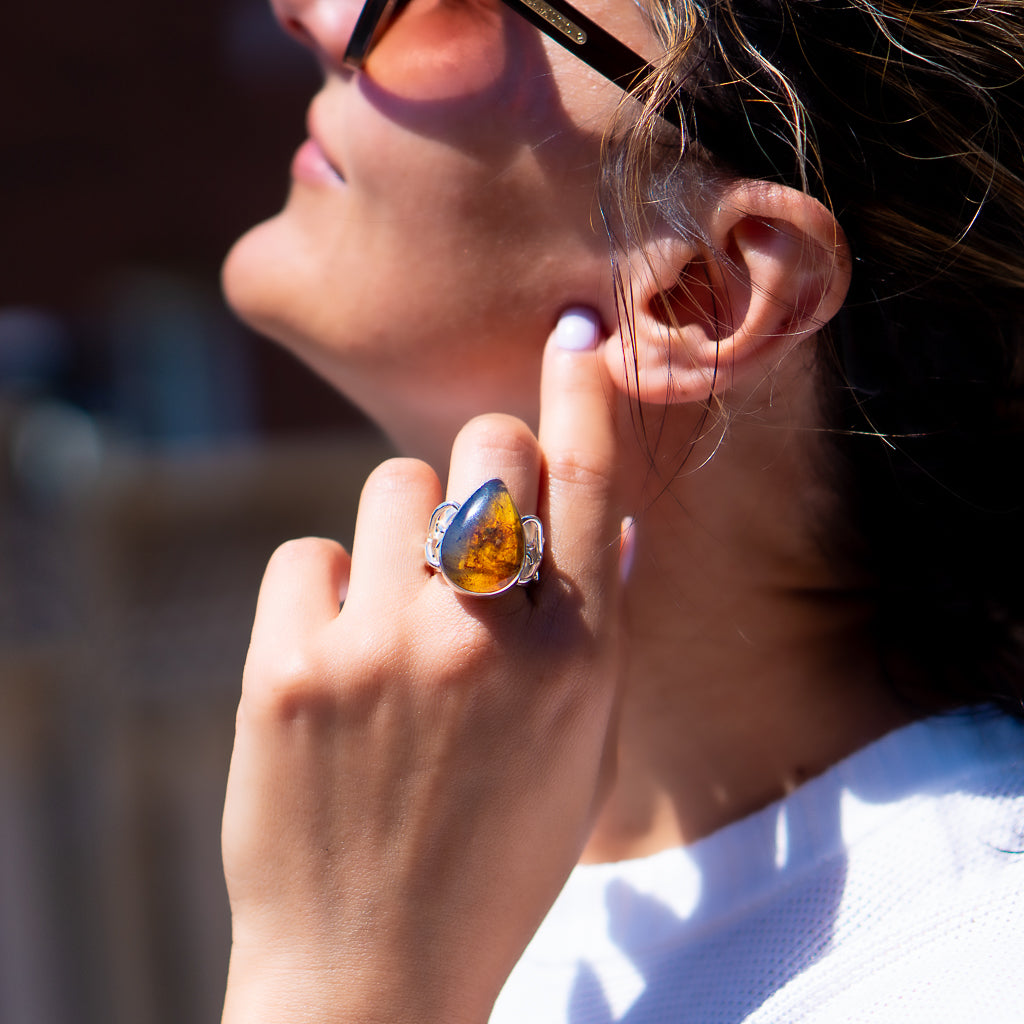
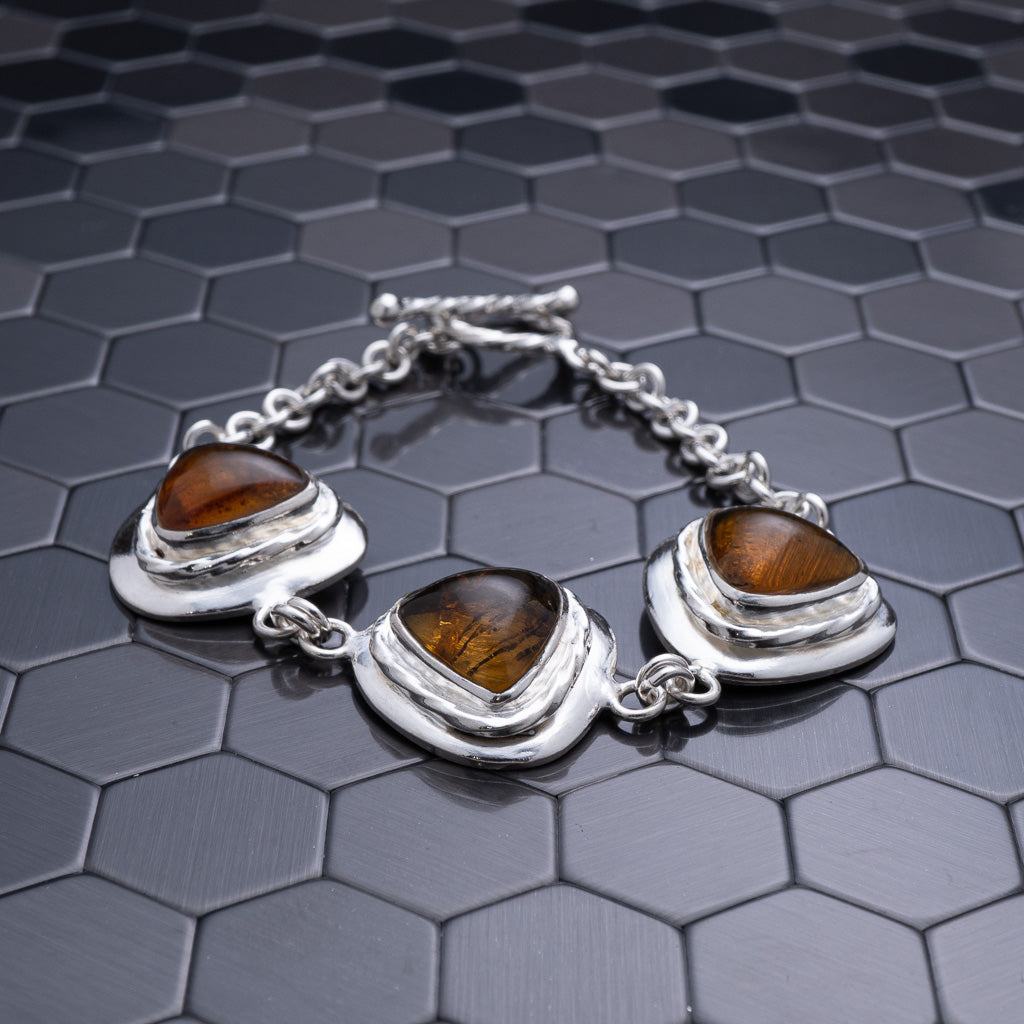
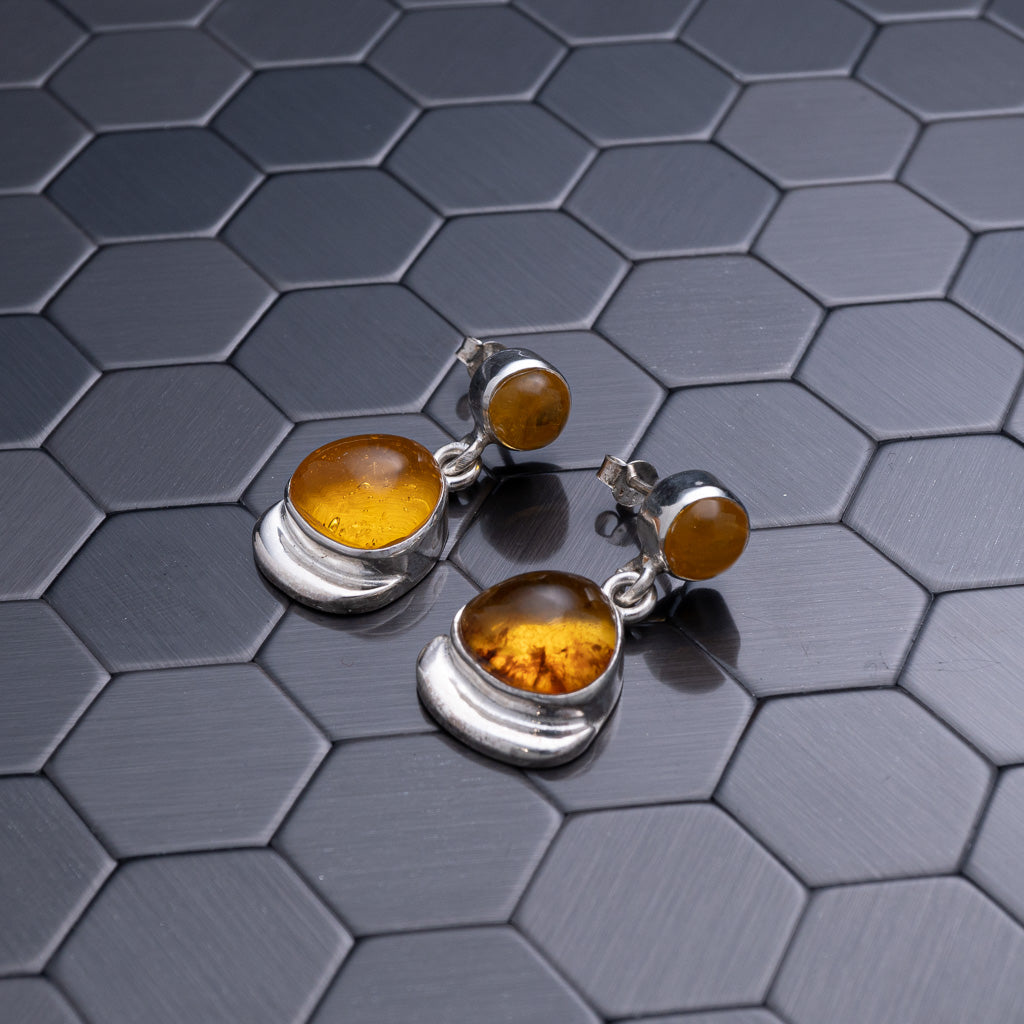


100% Handcrafted in DR.

Healing stone necklaces have captivated human imagination for thousands of years, bridging the gap between ancient traditions and contemporary wellness culture. These wearable pieces combine the natural beauty of gemstones with centuries-old beliefs about their energetic properties. Whether you're drawn to these pieces for their aesthetic appeal, cultural significance, or purported metaphysical benefits, understanding the history, science, and ethical considerations behind healing stone necklaces helps you make informed choices. As interest in holistic wellness continues to grow in 2026, the market for these gemstone pieces has expanded dramatically, making it essential to separate fact from fiction and identify quality craftsmanship.
Ancient civilizations across every continent incorporated minerals and gemstones into their healing practices. Historical records show the use of minerals in Levantine folk medicine dating back to medieval times, demonstrating that wearing stones as healing items has deep cultural roots. Egyptian priests used lapis lazuli in ceremonial contexts, while traditional Chinese medicine incorporated jade for its cooling properties.
The practice of wearing gemstones around the neck served multiple purposes throughout history:
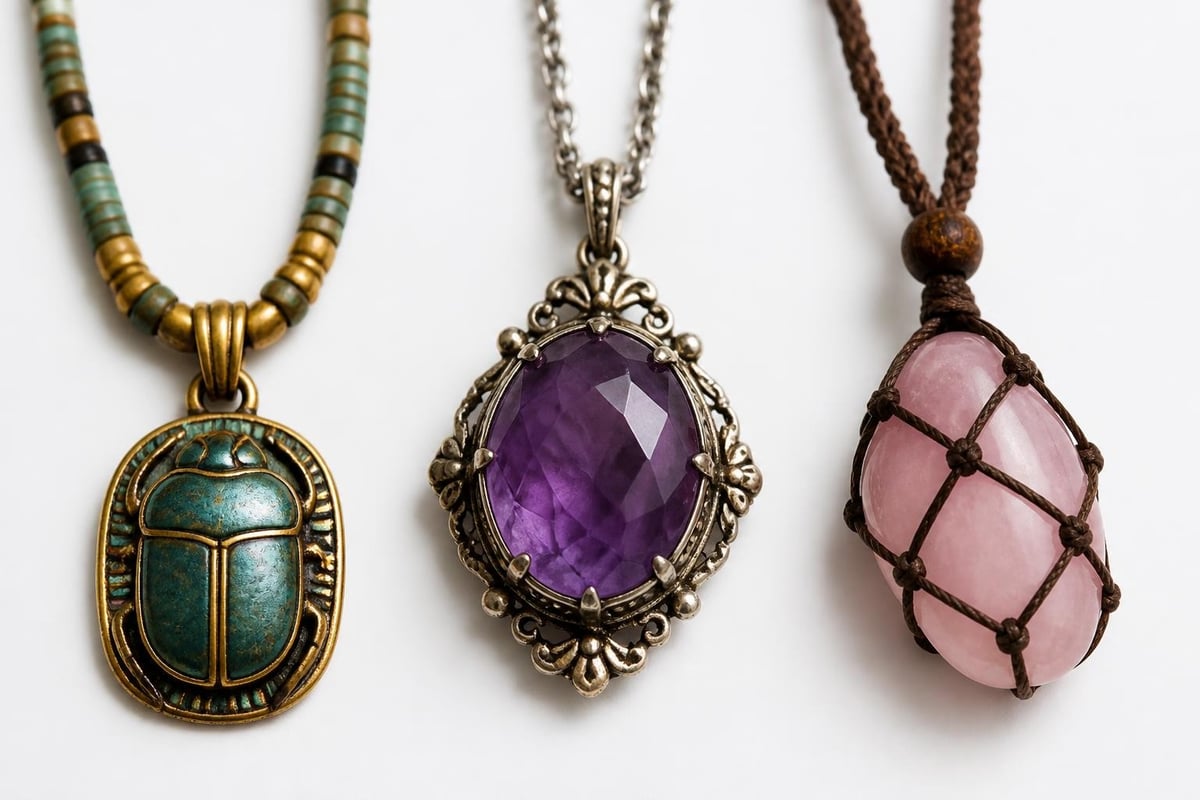
These traditions persist today, though often reinterpreted through modern wellness frameworks. The fundamental appeal remains unchanged: humans are drawn to beautiful natural objects and seek meaning in their connection to the earth.
The popularity of healing stone necklaces raises an important question: do these stones possess inherent healing properties, or do benefits arise from psychological mechanisms? Recent research provides valuable insights into this debate.
A 2025 randomized controlled trial on healing crystals revealed that anxiety reduction attributed to these stones depends primarily on prior belief rather than inherent crystal properties. This doesn't diminish the real benefits many people experience; instead, it highlights the powerful role of expectation and mindset in wellness practices.
The placebo effect represents a legitimate therapeutic mechanism. When someone wears a healing stone necklace believing it will promote calmness or confidence, their brain may actually produce measurable physiological changes supporting those outcomes. Contemporary perceptions of gemstone healing power demonstrate how widespread these beliefs remain across diverse populations.
From a strictly scientific perspective, gemstones possess measurable physical properties:
| Property | Scientific Basis | Common Claim |
|---|---|---|
| Piezoelectricity | Certain crystals generate electrical charge under pressure | Energy transmission |
| Thermal conductivity | Stones feel cool against skin | Calming effect |
| Color wavelengths | Different hues reflect specific light frequencies | Chakra alignment |
| Chemical composition | Unique mineral structures | Elemental influence |
While these properties are real, the leap to specific health benefits lacks rigorous scientific support. Interestingly, recent research on self-healing crystal materials explores literal material durability rather than mystical healing, reminding us that "healing crystals" can mean different things in scientific versus metaphysical contexts.
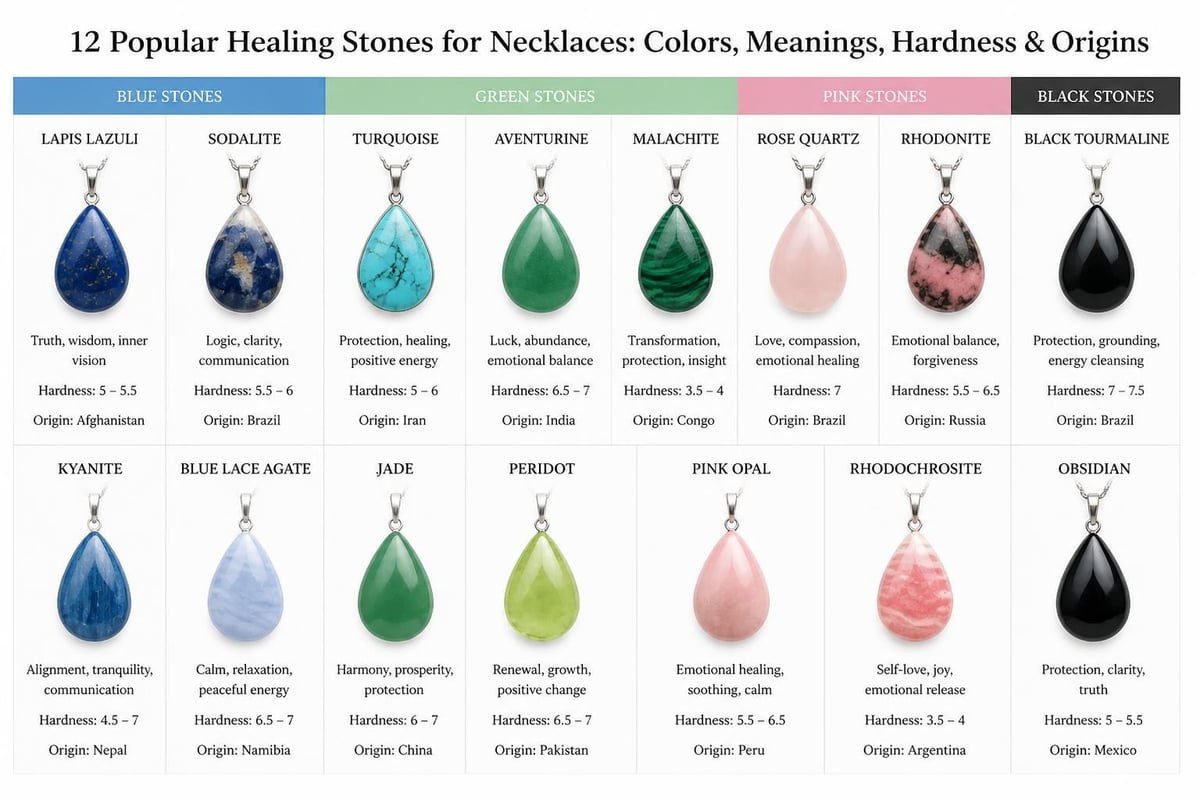
The market offers countless varieties of healing stone necklaces, each associated with different intentions and aesthetics. Understanding the most common options helps buyers make choices aligned with their preferences.
Stones in blue and aqua tones consistently rank among the most sought-after for healing necklaces:
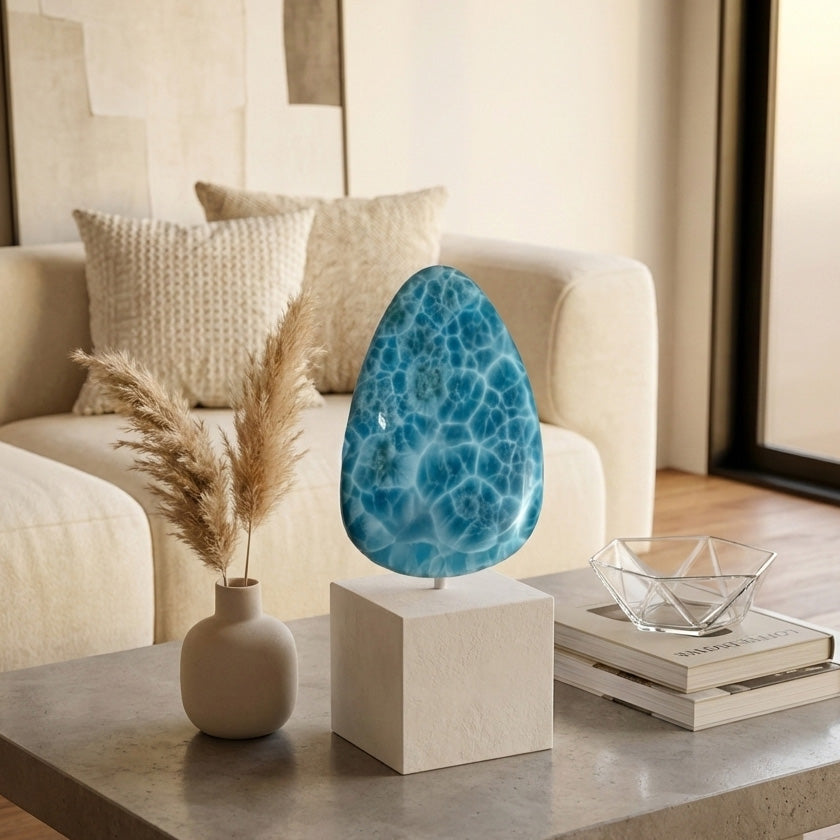
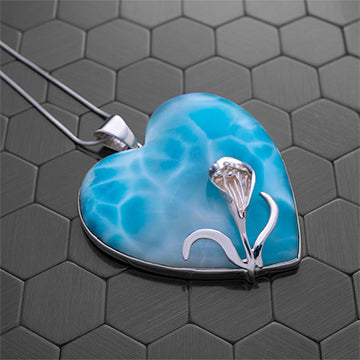
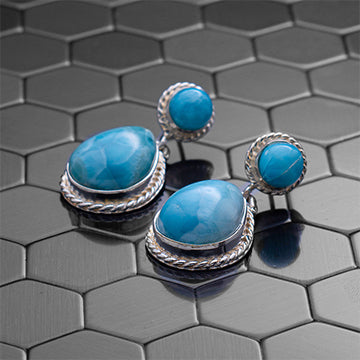
Larimar represents one of the rarest blue gemstones, found exclusively in the Dominican Republic. Its distinctive sky-blue coloration and unique patterns make each piece one-of-a-kind. Traditionally associated with tranquility and communication, larimar has become increasingly popular in wellness jewelry. Those interested in this exceptional stone can explore handcrafted Larimar Pendants that showcase its natural beauty.
Turquoise has been valued for millennia across Native American, Persian, and Egyptian cultures. Its robin's egg blue color and historical significance make it a perennial favorite.
Aquamarine derives its name from seawater and carries associations with clarity and courage. Its transparent blue-green hues appeal to those seeking subtle elegance.
Darker stones typically connect with grounding and protective intentions:
Pink and green stones traditionally align with emotional healing and compassion:
Not all healing stone necklaces offer the same quality, authenticity, or ethical sourcing. Developing discernment protects both your investment and ensures you're supporting responsible practices.
The gemstone market unfortunately includes numerous synthetic, treated, or misrepresented stones. Key verification steps include:
Industry guidance on health and safety through gemstone supply chains helps both makers and consumers identify quality concerns.
The environmental and social impact of gemstone mining has garnered increasing attention. National Geographic's investigation into ethical crystal sourcing reveals significant concerns about mining practices, from environmental destruction to exploitative labor conditions.
Responsible buyers should consider:
CIBJO's special report on ethical coloured stone supply chains highlights ongoing industry challenges around origin disclosure, treatment standards, and ethical verification.
The setting and construction of healing stone necklaces significantly impacts durability and wearability:
| Quality Factor | What to Look For | Red Flags |
|---|---|---|
| Metal components | Hypoallergenic materials, secure clasps | Tarnishing, weak links |
| Stone setting | Secure bezel or prong work | Loose stones, glue reliance |
| Stringing material | Silk, stainless cable, or quality cord | Fraying, stretching |
| Finish | Smooth edges, professional polish | Rough spots, uneven work |
Handcrafted pieces often demonstrate superior attention to detail compared to mass-produced alternatives. Necklaces from artisan jewelers typically feature more secure settings and unique designs.
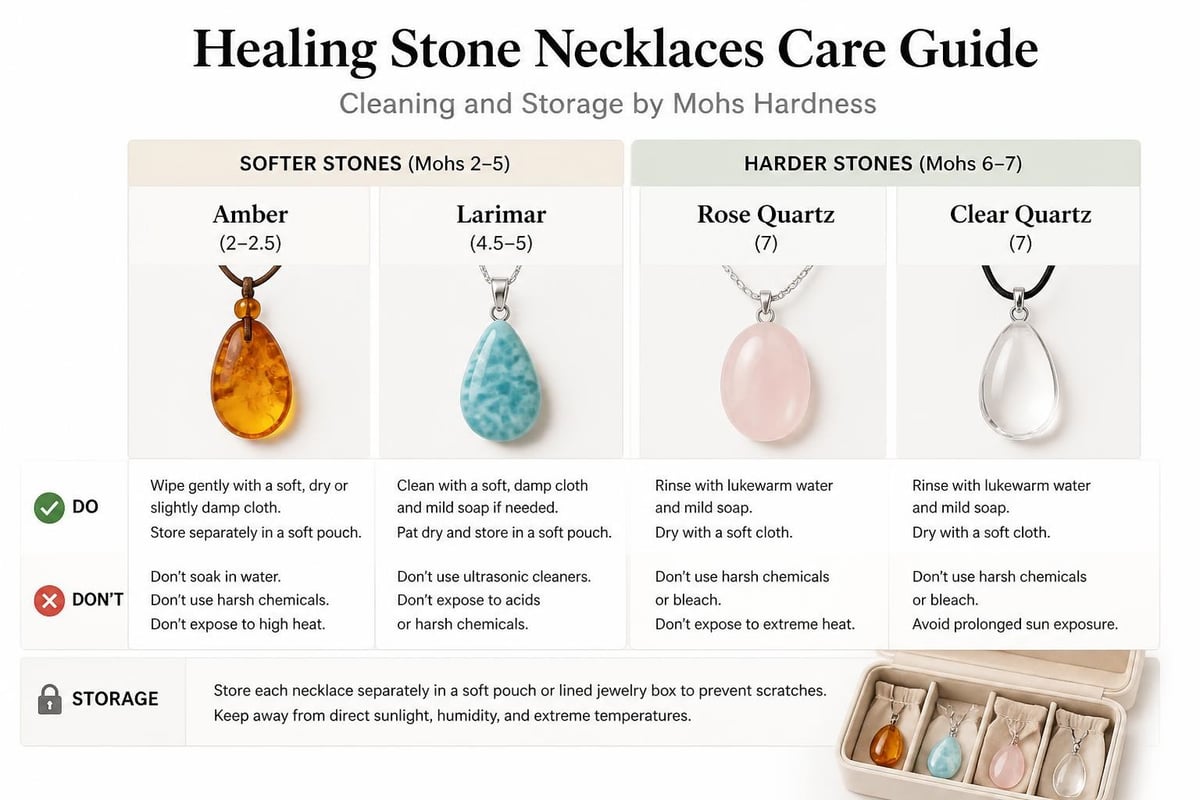
Proper care extends the lifespan of healing stone necklaces while maintaining their appearance. Different stones require different maintenance approaches based on their hardness, porosity, and chemical sensitivity.
Healing stone necklaces benefit from mindful wearing practices:
Remove during activities that expose stones to chemicals, extreme temperatures, or physical impact. This includes swimming (chlorine damages many stones), exercising (sweat and impact), and applying beauty products (oils and chemicals).
Store separately to prevent scratching. Softer stones like larimar (Mohs hardness 4.5-5) can be scratched by harder stones like quartz (Mohs 7). Individual pouches or compartments protect each piece.
Wear against skin mindfully. Some people prefer direct skin contact for energetic connection, while others find that prolonged contact with certain stones causes skin sensitivity. Pay attention to your body's responses.
Different stones tolerate different cleaning approaches:
Water-safe stones (quartz, amethyst, citrine): Rinse under lukewarm water, dry with soft cloth
Water-sensitive stones (larimar, turquoise, amber): Wipe gently with barely damp cloth, avoid submersion
Porous stones (lapis, malachite): Dry cloth only, no liquids
All stones: Avoid ultrasonic cleaners, harsh chemicals, and extreme temperature changes
Beyond physical cleaning, many healing stone enthusiasts practice energetic cleansing. While scientifically unverified, these rituals hold meaning for practitioners:
Whether these practices create measurable energetic changes or serve as meaningful rituals depends on individual belief systems. The psychological benefit of these intentional care practices can enhance your connection to the piece.
For those who incorporate healing stone necklaces into broader wellness routines, intentional use amplifies the experience regardless of whether benefits stem from stone properties or psychological mechanisms.
Many practitioners recommend setting clear intentions when first acquiring a healing stone necklace:
This practice creates a tangible anchor for personal development goals. The necklace becomes a touchstone (literally) that redirects attention toward desired qualities throughout the day.
Healing stone necklaces often complement rather than replace other wellness practices:
The most satisfied users of healing stone necklaces maintain balanced perspectives. They appreciate the beauty, craftsmanship, and cultural significance while remaining grounded about scientific limitations. These pieces work best as:
Meaningful adornment that reflects personal values and aesthetic preferences
Ritual objects that support intentional living and mindfulness practices
Conversation starters about wellness, geology, and cultural traditions
Collectible art pieces showcasing earth's natural beauty and human creativity
The healing stone necklace market has evolved considerably, reflecting broader trends in wellness, sustainability, and personalization. Understanding current market dynamics helps buyers navigate options effectively.
Healing stone necklaces span enormous price ranges based on multiple factors:
| Price Range | Typical Characteristics | Best For |
|---|---|---|
| $20-$50 | Common stones, basic settings, mass production | Experimentation, casual wear |
| $50-$150 | Semi-precious stones, quality metals, some handcrafting | Regular use, gift giving |
| $150-$500 | Rare stones, artisan craftsmanship, unique designs | Investment pieces, collectors |
| $500+ | Museum-quality stones, precious metals, master artisans | Heirloom pieces, serious collectors |
Rare stones from limited geographic sources, like larimar from the Dominican Republic, command premium prices reflecting their scarcity and extraction challenges.
Modern buyers increasingly seek personalized healing stone necklaces tailored to individual preferences:
Artisan jewelers often accommodate custom requests, creating unique pieces that mass retailers cannot match.
Consumer demand for ethical sourcing continues growing. Forward-thinking sellers now provide:
Origin documentation specifying mine locations and extraction methods
Artisan partnerships that ensure fair compensation for craftspeople
Environmental commitments including restoration efforts and responsible mining
Transparency about treatments (heating, dyeing, coating) applied to stones
This shift toward accountability benefits both the planet and mining communities while giving consumers confidence in their purchases.
Clearing up widespread misunderstandings helps buyers approach healing stone necklaces with realistic expectations and appreciation for what they genuinely offer.
Different traditions associate specific properties with particular stones based on color, mineral composition, and cultural history. A black tourmaline necklace carries different symbolic associations than a rose quartz piece. These distinctions matter to practitioners even if scientific evidence doesn't support differential effects.
Price reflects rarity, craftsmanship, and market demand rather than healing potency. A modestly priced piece that resonates with you personally may serve you better than an expensive stone that doesn't connect emotionally.
Responsible sellers and practitioners emphasize that healing stone necklaces complement rather than substitute for professional medical treatment. They may support emotional well-being and mindfulness, but serious health concerns require qualified healthcare providers.
Laboratory-created stones possess identical chemical compositions to natural equivalents but lack the geological formation process. For those who value earth connection and natural formation energy, this distinction matters significantly. For others focused purely on appearance, synthetic stones offer affordable alternatives.
Beyond energetic cleansing beliefs, all healing stone necklaces require physical maintenance. Strings weaken, clasps loosen, and stones collect oils and dirt. Regular inspection and care preserve both appearance and structural integrity.
With countless options available, selecting the right healing stone necklace becomes an enjoyable exploration rather than an overwhelming task when you follow a structured approach.
Two primary selection methods serve different buyer types:
Intention-based selection: Research traditional stone associations, identify qualities you wish to cultivate, and choose stones aligned with those goals. This analytical approach suits those who appreciate frameworks and correspondences.
Intuition-based selection: Browse collections without preconception, notice which stones attract your attention, and trust your instinctive responses. This approach honors the mysterious pull certain stones exert on specific individuals.
Neither method proves superior; effectiveness depends on personal preference and belief systems.
Beyond metaphysical considerations, practical elements impact satisfaction:
Developing ongoing relationships with knowledgeable sellers provides multiple advantages:
Education about stone characteristics, sourcing, and care
Access to new acquisitions before public release
Customization based on understanding your preferences
Trust in authenticity and fair pricing
Specialists in particular stone types, like larimar jewelry experts, offer depth of knowledge that generalist retailers cannot match.
New enthusiasts often benefit from beginning with one or two pieces rather than immediately acquiring extensive collections. This approach allows you to:
Some collectors eventually own dozens of healing stone necklaces, rotating them based on mood, outfit, or current life circumstances. Others find a single cherished piece that becomes their signature accessory.
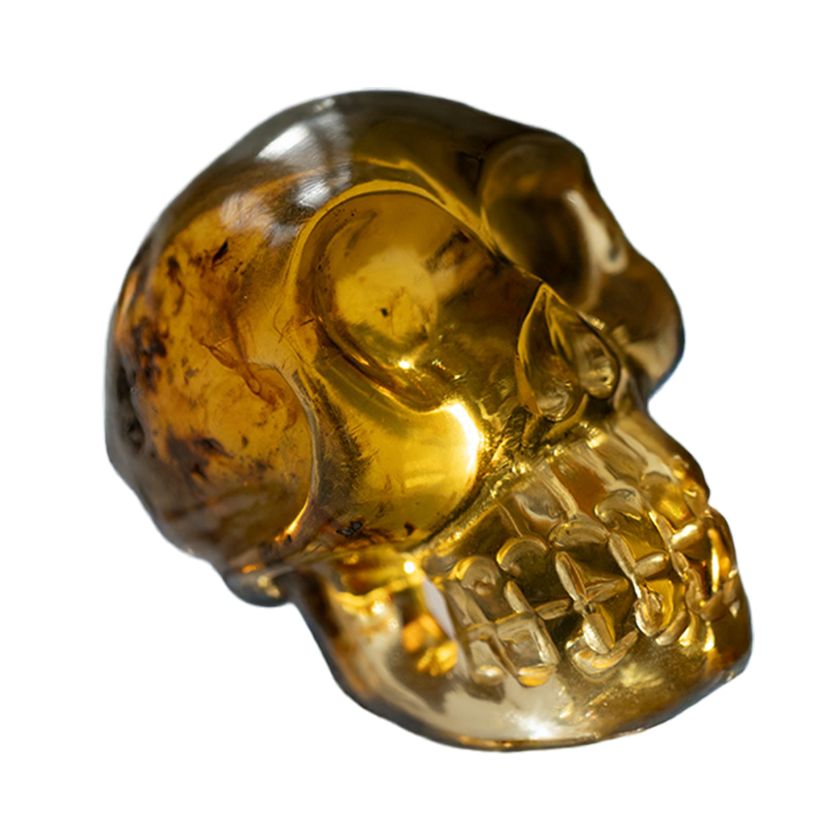
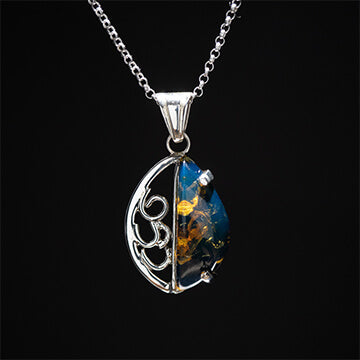
Healing stone necklaces represent a fascinating intersection of geology, history, craftsmanship, and personal belief systems that continues resonating with people seeking meaningful adornment in 2026. Whether you're drawn to these pieces for their undeniable beauty, cultural significance, or potential wellness support, choosing authentic, ethically-sourced stones from skilled artisans ensures satisfaction with your investment. Larimar Creations specializes in handcrafted jewelry featuring rare gemstones like Larimar and Dominican Blue Amber, offering worldwide shipping of meticulously crafted pieces that honor both the stones' natural beauty and traditional craftsmanship. Explore their collections to discover unique healing stone necklaces that speak to your individual aesthetic and intentions.