
FREE WORLD WIDE SHIPPING
HANDCRAFTED IN THE DOMINICAN REPUBLIC
30% DISCOUNT APPLIED AT CHECKOUT
FREE WORLD WIDE SHIPPING
HANDCRAFTED IN THE DOMINICAN REPUBLIC
30% DISCOUNT APPLIED AT CHECKOUT
FREE WORLD WIDE SHIPPING
HANDCRAFTED IN THE DOMINICAN REPUBLIC
30% DISCOUNT APPLIED AT CHECKOUT
FREE WORLD WIDE SHIPPING
HANDCRAFTED IN THE DOMINICAN REPUBLIC
30% DISCOUNT APPLIED AT CHECKOUT
FREE WORLD WIDE SHIPPING
HANDCRAFTED IN THE DOMINICAN REPUBLIC
30% DISCOUNT APPLIED AT CHECKOUT
FREE WORLD WIDE SHIPPING
HANDCRAFTED IN THE DOMINICAN REPUBLIC
30% DISCOUNT APPLIED AT CHECKOUT
100% Handcrafted in DR.
by Admin August 22, 2026 6 min read
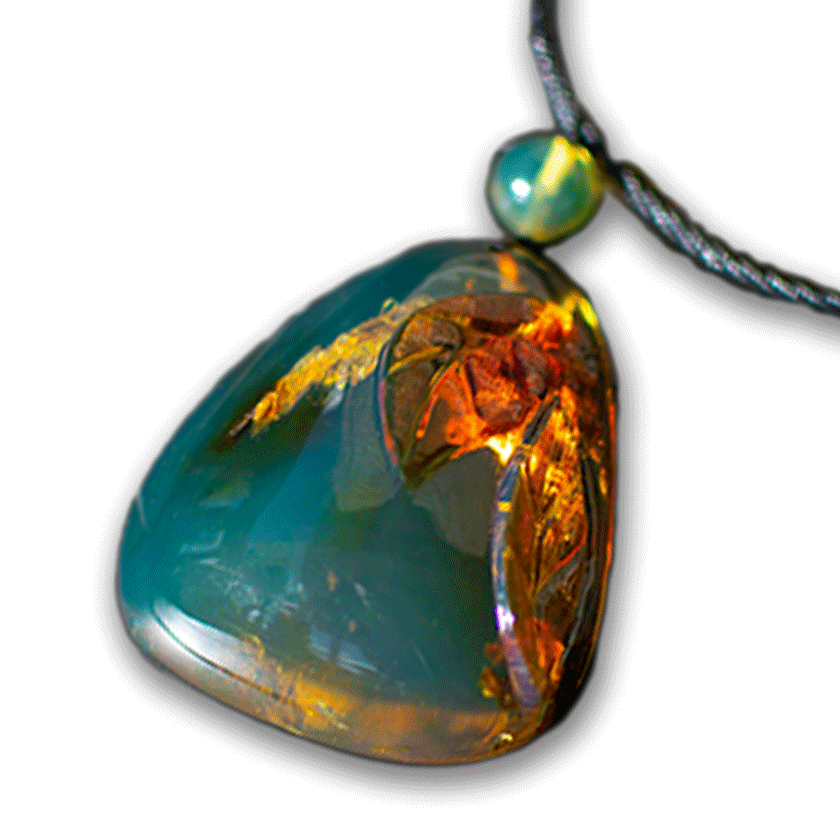
A blue Larimar pendant can look like a fragment of calm Caribbean water. A Dominican Blue Amber ring can appear golden in daylight, then reveal an otherworldly blue glow under ultraviolet light. Those natural effects are not merely found in the stone - they are revealed, protected, or transformed by its cut. When choosing between gemstone cabochons versus faceted stones, the question is not simply whether one style sparkles more. It is whether the cut honors the material, suits the jewelry, and reflects the way you want to wear a rare gem.
A cabochon is a gemstone shaped with a smooth, polished, usually domed surface and a flat or gently curved base. It has no facets. The cut may be a high dome, a low dome, an oval, freeform, pear, heart, or another silhouette chosen to follow the rough material.
A faceted stone has a series of precisely angled, polished planes. Those facets catch and return light, creating flashes of brightness, contrast, and movement. Faceting is often associated with diamonds and transparent gems, but skilled lapidaries can facet many colored stones as well.
Neither cut is inherently more valuable or more beautiful. The right choice depends on optical character, clarity, durability, the intended setting, and personal taste. A transparent gem with excellent clarity may come alive through facets. A stone with dreamy layers, shifting color, a fossil inclusion, or a painterly pattern may be far more compelling as a cabochon.
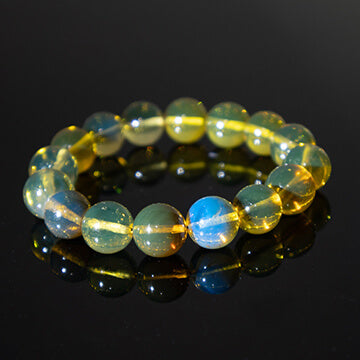
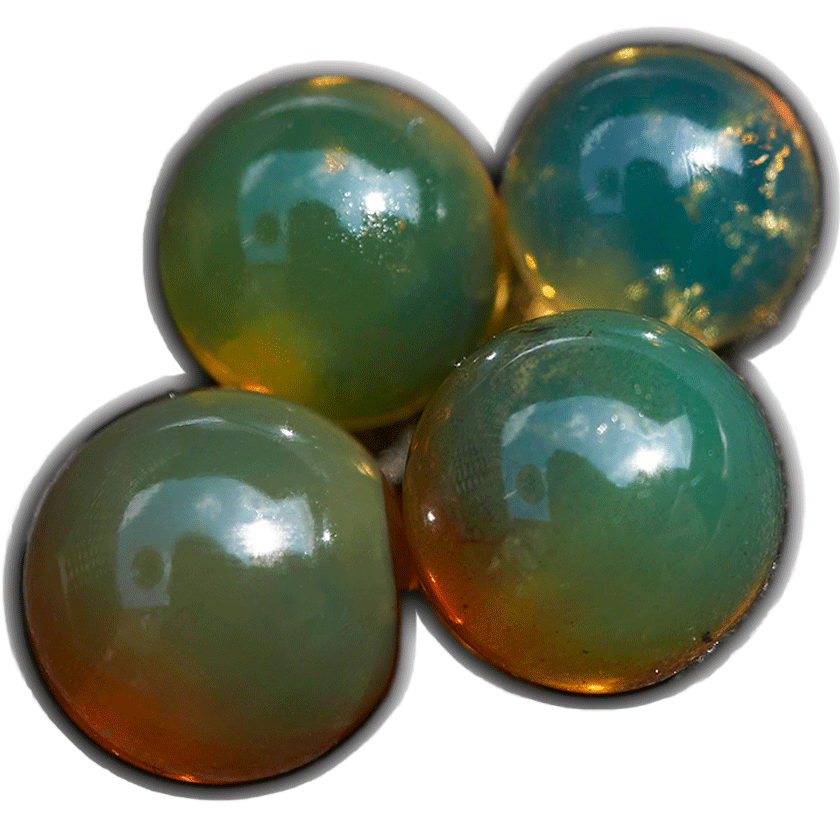
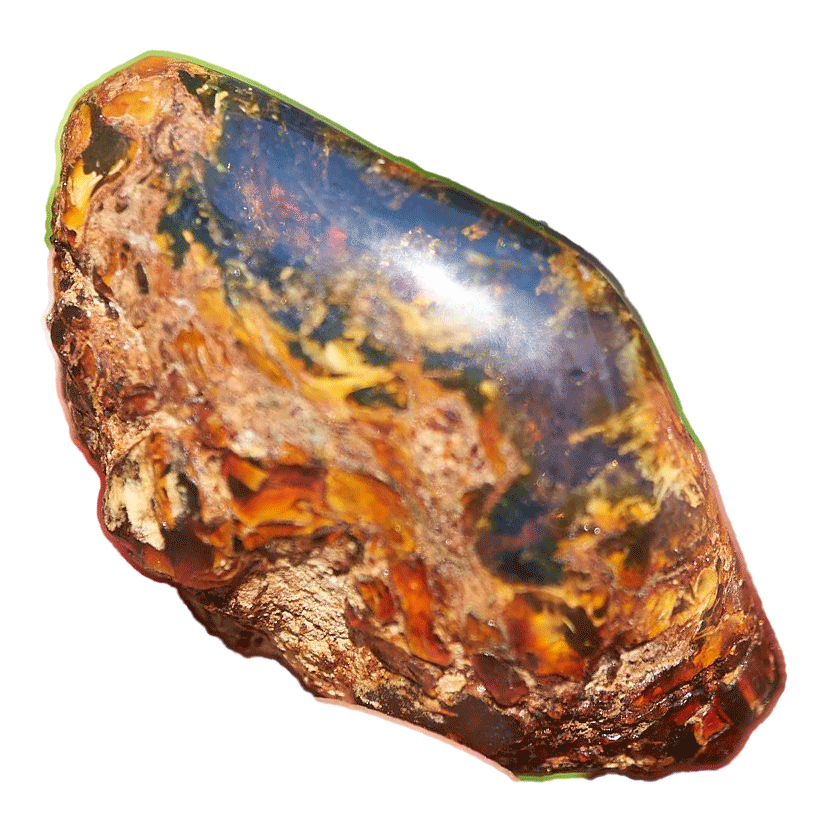
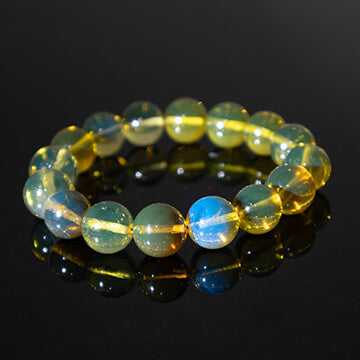
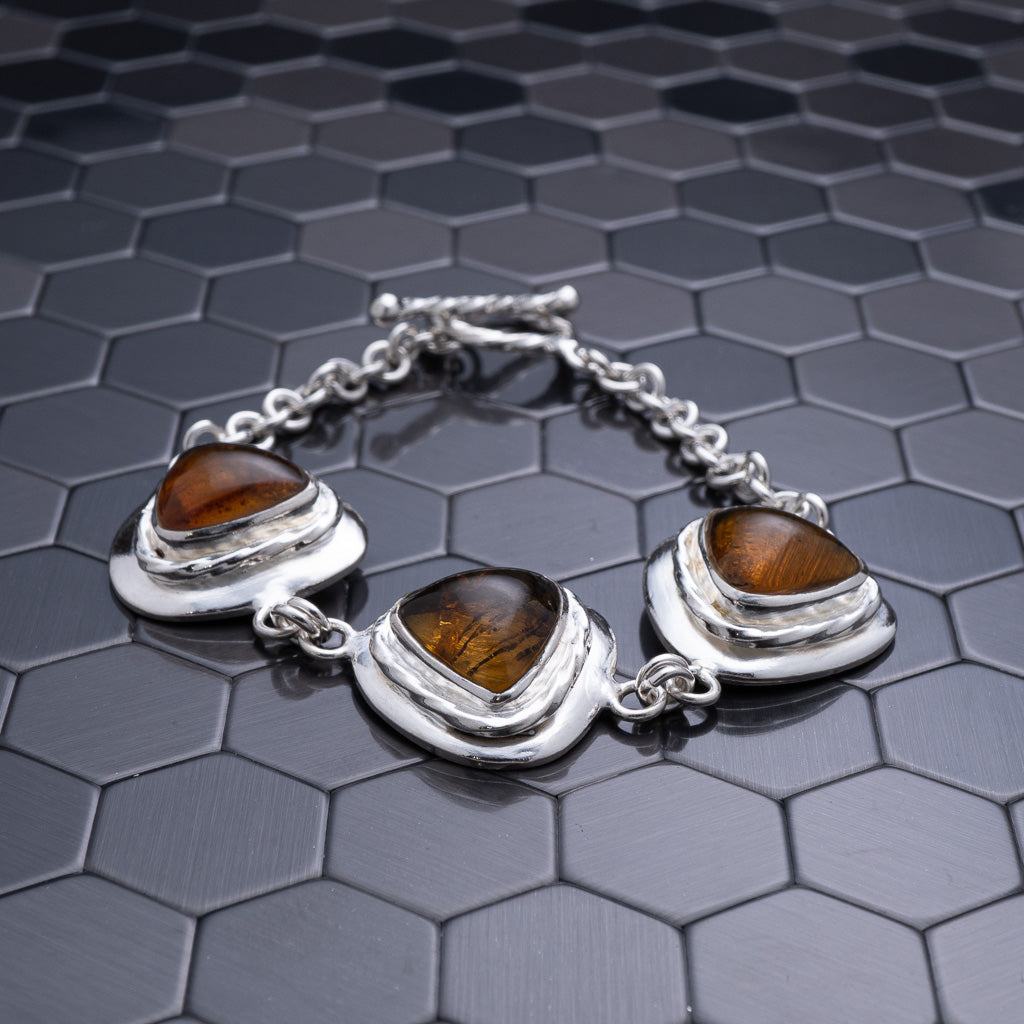
For Caribbean gems, the cabochon often tells the fuller story. It lets the natural surface read as landscape: Larimar’s white clouds and blue currents, amber’s warm golden depths, or the remarkable clarity and color play found in select Dominican Blue Amber.
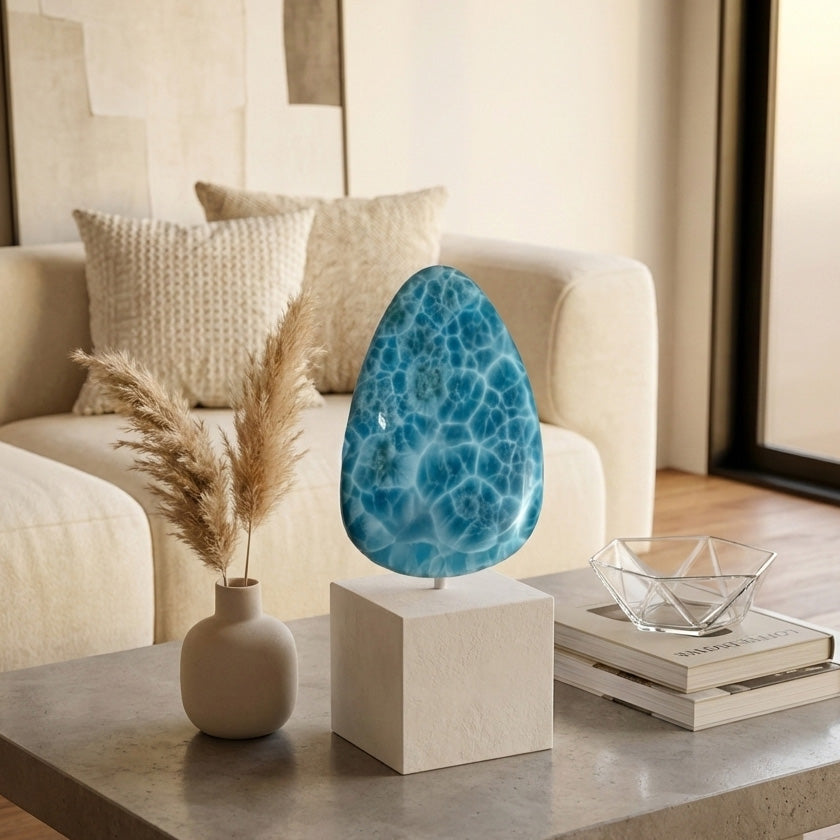
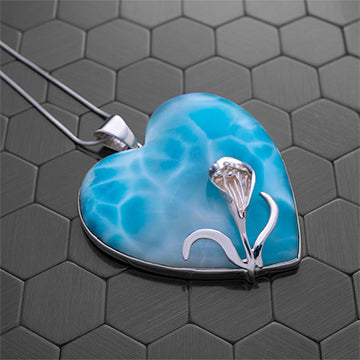
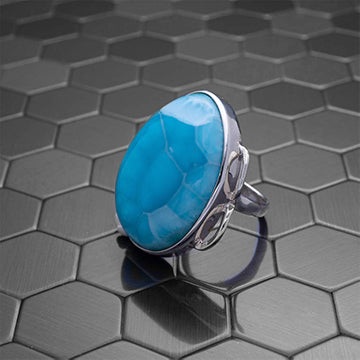
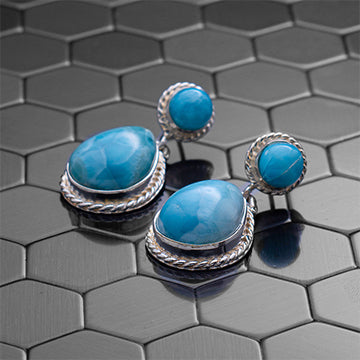
Larimar is prized for its ocean-blue color, soft white marbling, and individual patterns. A cabochon creates a broad, uninterrupted face where those patterns can be admired. Rather than breaking the surface into small reflective planes, the polished dome gives the stone a quiet depth. It can resemble foam moving over pale blue water, which is exactly why Larimar has such a strong emotional presence in pendants, rings, and heart jewelry.
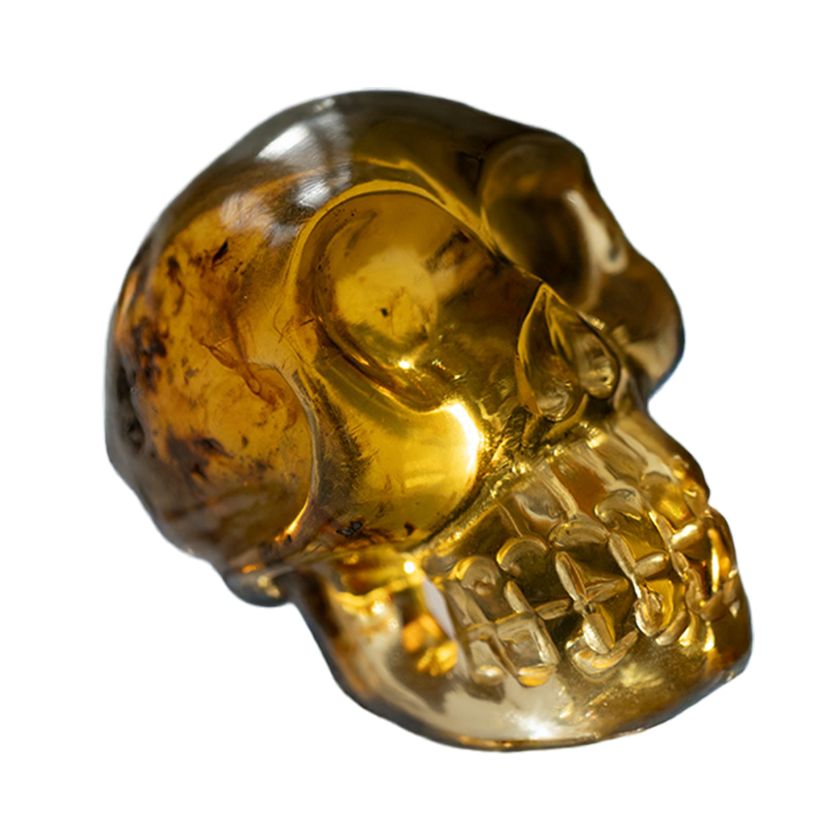
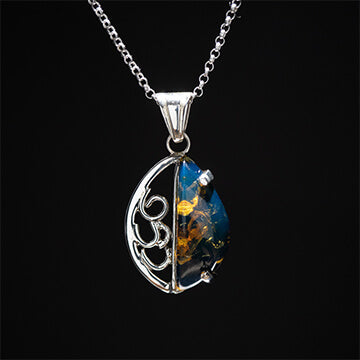
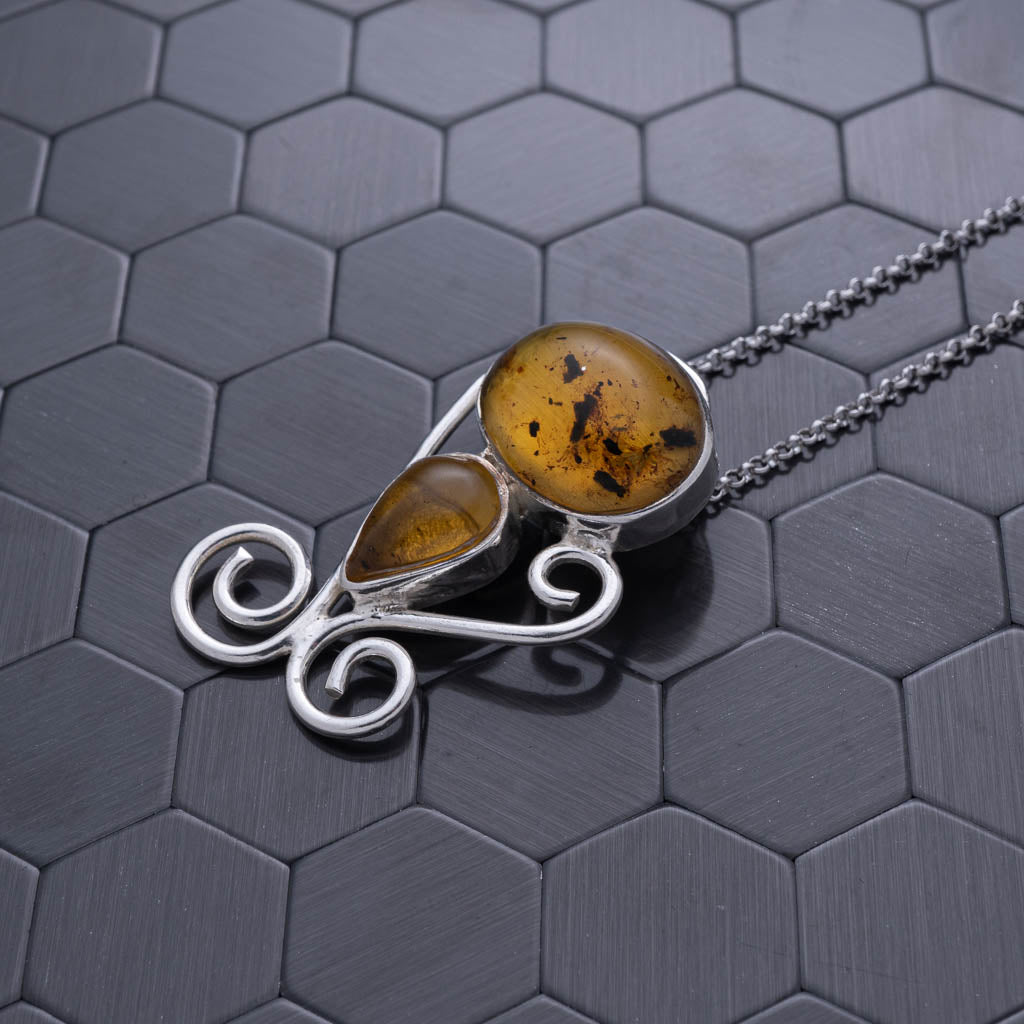
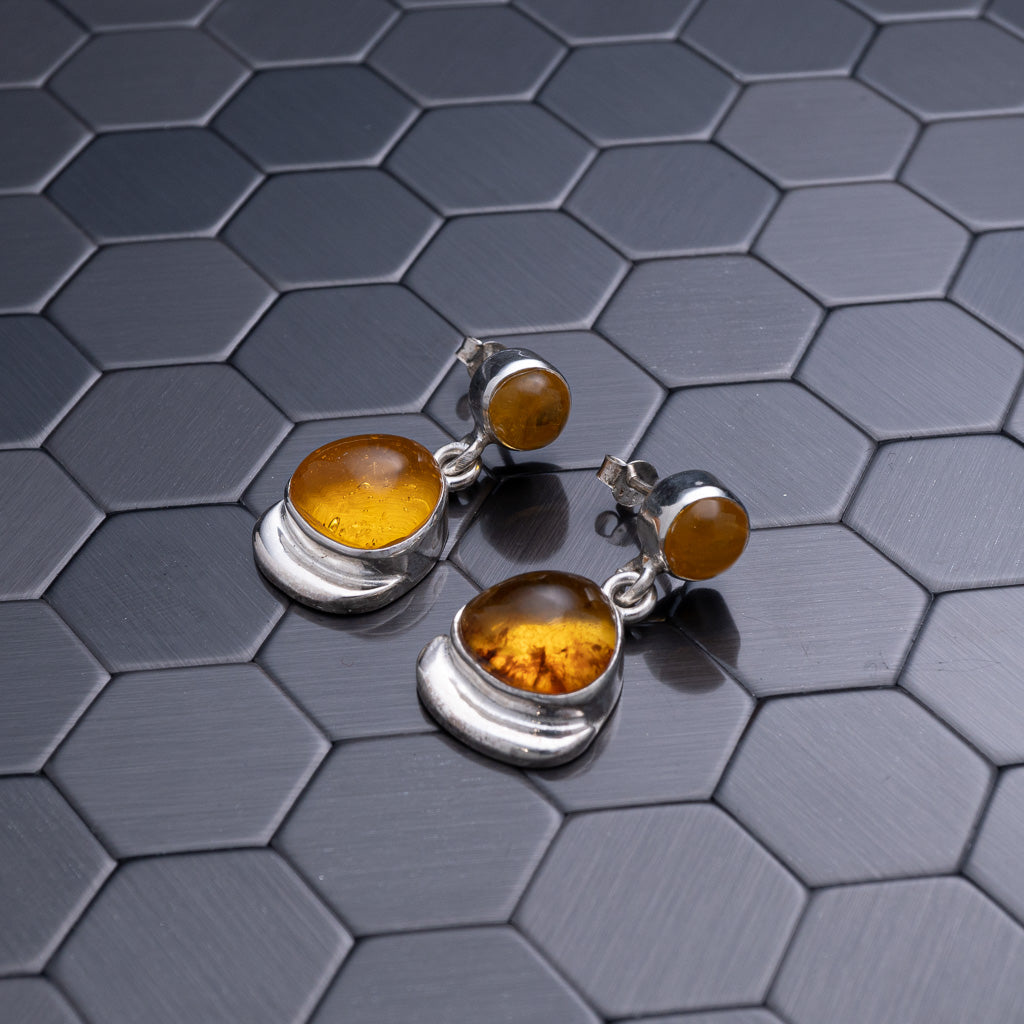
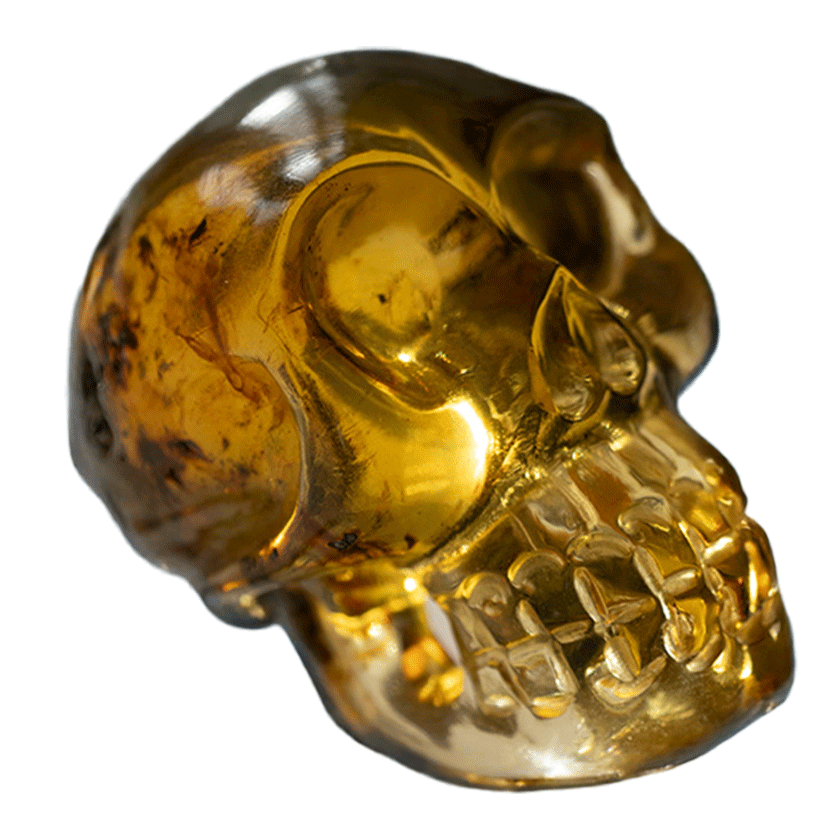
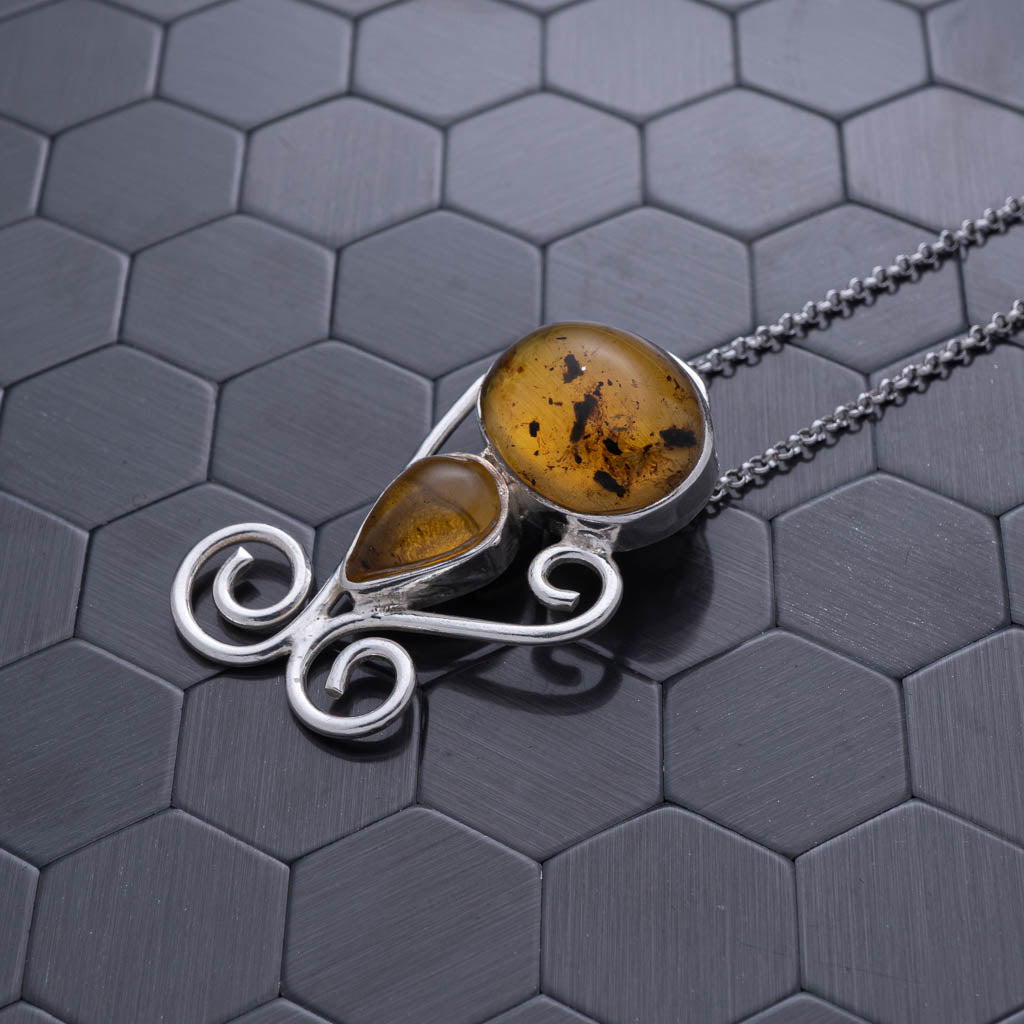
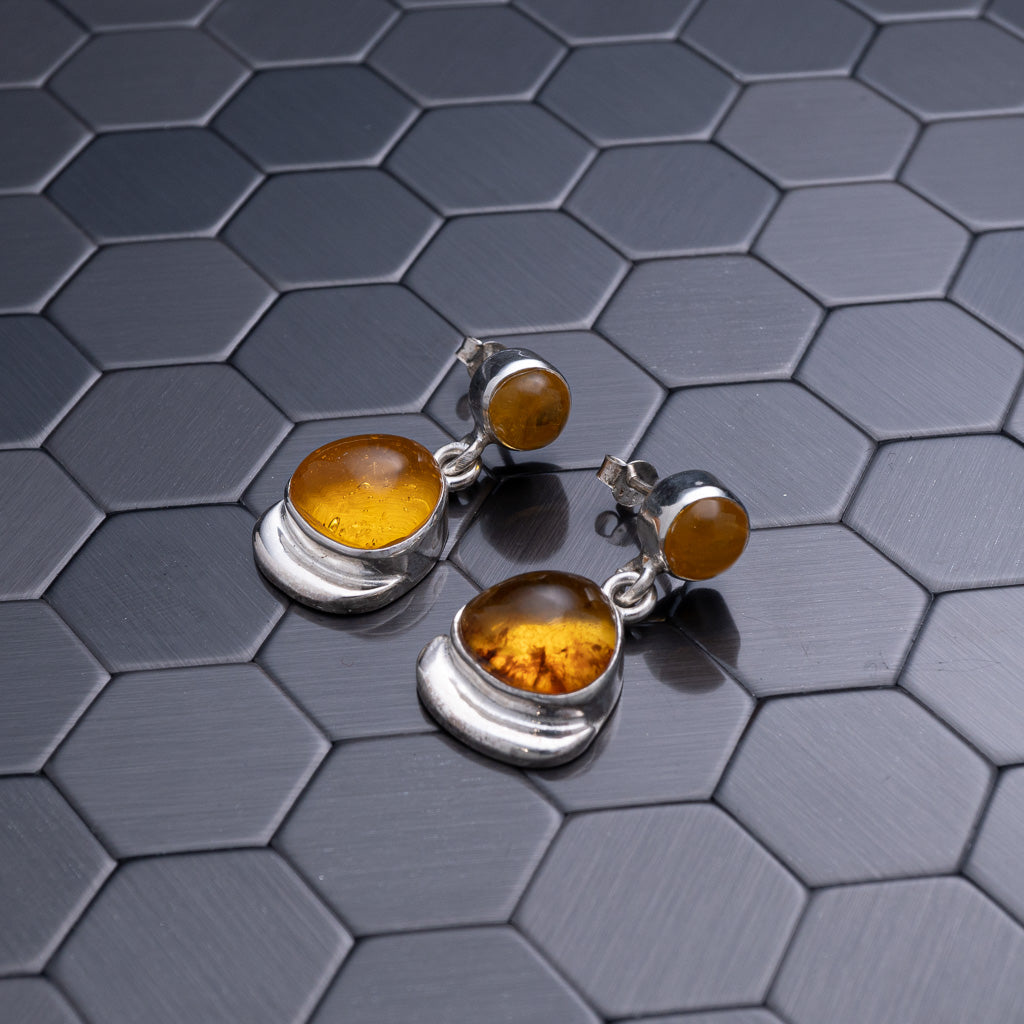
Amber benefits for a different reason. This ancient organic material can hold luminous color, natural inclusions, bubbles, and internal textures formed over millions of years. A smooth cabochon allows light to travel through the piece without distracting from what lies within. On a clear amber stone, that may create a glowing, almost liquid appearance. On an inclusion specimen, it keeps the eye focused on the rare natural detail.
Cutting is also a practical decision. Larimar measures roughly 4.5 to 5 on the Mohs hardness scale, while amber is significantly softer at about 2 to 2.5. Both deserve thoughtful handling, especially amber. Faceted edges and pointed corners are more vulnerable to wear, chipping, and abrasion than a smooth rounded surface.
A cabochon has no fragile facet junctions, so it is often the more protective option for stones intended for regular wear. This does not mean a faceted amber or Larimar stone cannot be beautiful. It means the design should be considered carefully, particularly for rings that encounter hard surfaces more often than earrings or pendants.
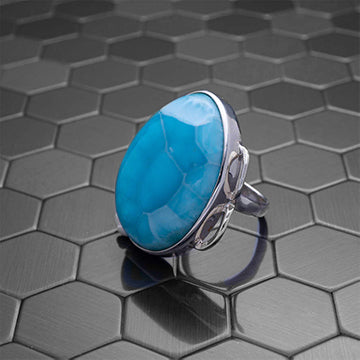
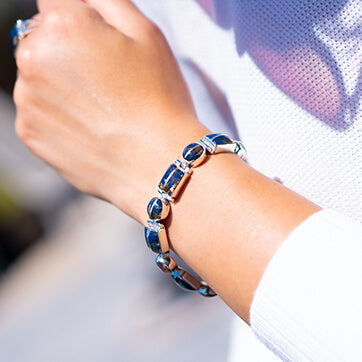
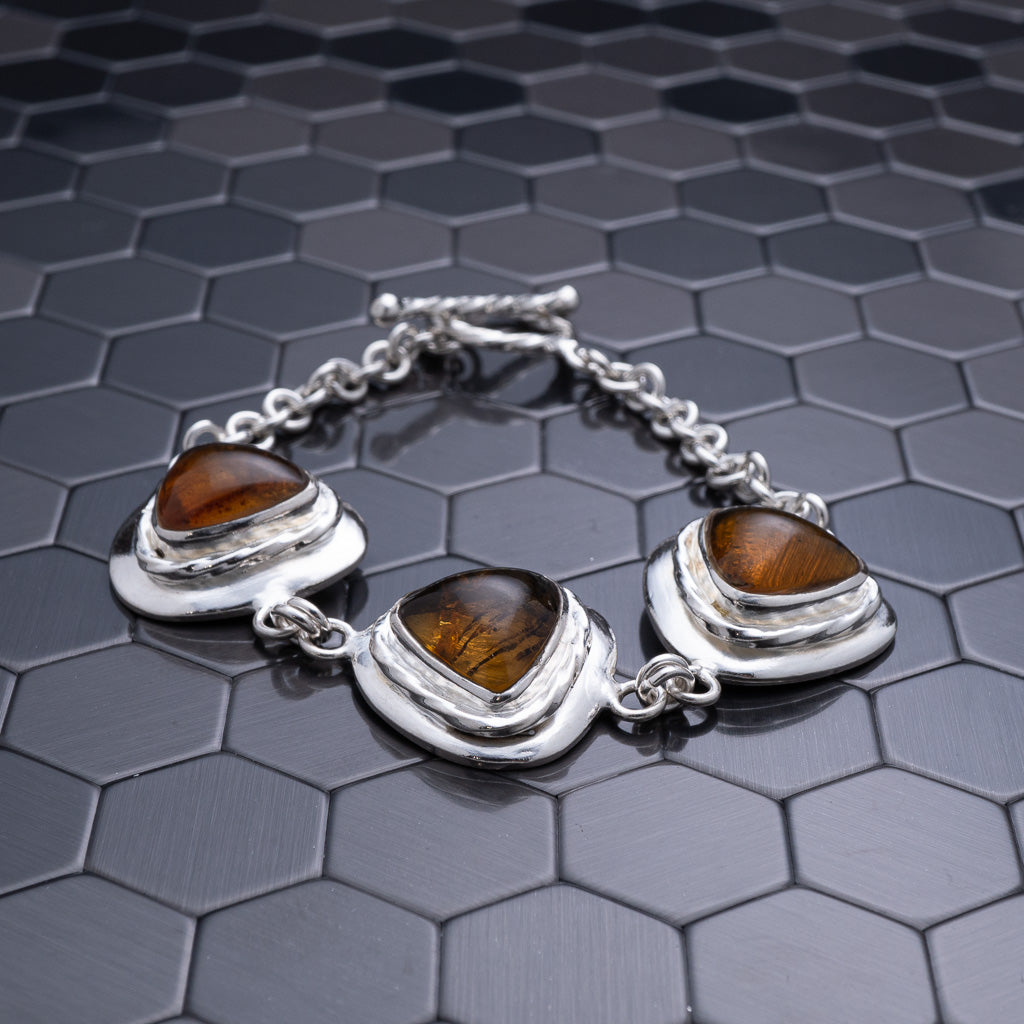
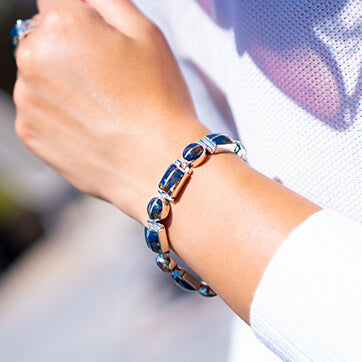
Bezel settings are especially natural partners for cabochons. A refined metal rim can frame the stone while shielding its edge, allowing the color and surface to remain the focal point. Prong settings can also work beautifully, but they require a secure and well-proportioned design.
Faceting is a disciplined craft built around symmetry. Cabochon cutting is equally skilled, yet it allows more freedom to respond to the material. A lapidary may choose an asymmetrical freeform shape because it best preserves a flash of blue amber, a distinctive Larimar pattern, or more of the original rough.
That is part of the appeal for collectors and gift buyers. Two cabochons cut from the same material can share color and origin while looking entirely different. One may be soft and cloudlike; another may have vivid blue fields and dramatic white contrast. The difference is not a flaw in consistency. It is evidence that natural gemstones are not mass-produced.
Facets bring energy. As a faceted stone moves, it can produce crisp flashes that cabochons do not. This makes faceting a strong choice for transparent gems where brightness and clarity are central to the design.
A well-cut faceted stone may also appear more formal or traditionally fine-jewelry oriented. In earrings, a clear faceted gem can catch evening light beautifully. In a pendant, facets can add a lively, bright finish to a smaller stone that might otherwise look understated.
With amber, faceting can create an appealing balance between warmth and sparkle, especially in clear material. Yet amber does not behave like diamond, sapphire, or zircon. Its optical properties create a softer glow rather than intense fire, and its softness calls for extra care in both cutting and wearing. The result can be distinctive, but it is not the same visual experience as a high-refractive-index faceted gem.
Larimar is more often presented as a cabochon because its attraction comes primarily from color and pattern, not transparency. A rare translucent piece may be faceted as a collector’s curiosity or an unconventional jewelry focal point, but faceting can divide the very blue-and-white scene many buyers want to see in full.
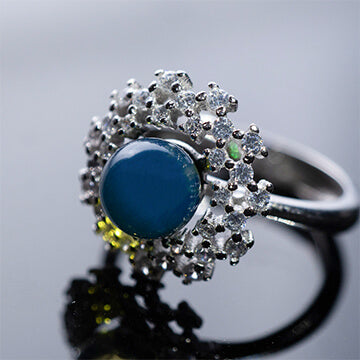
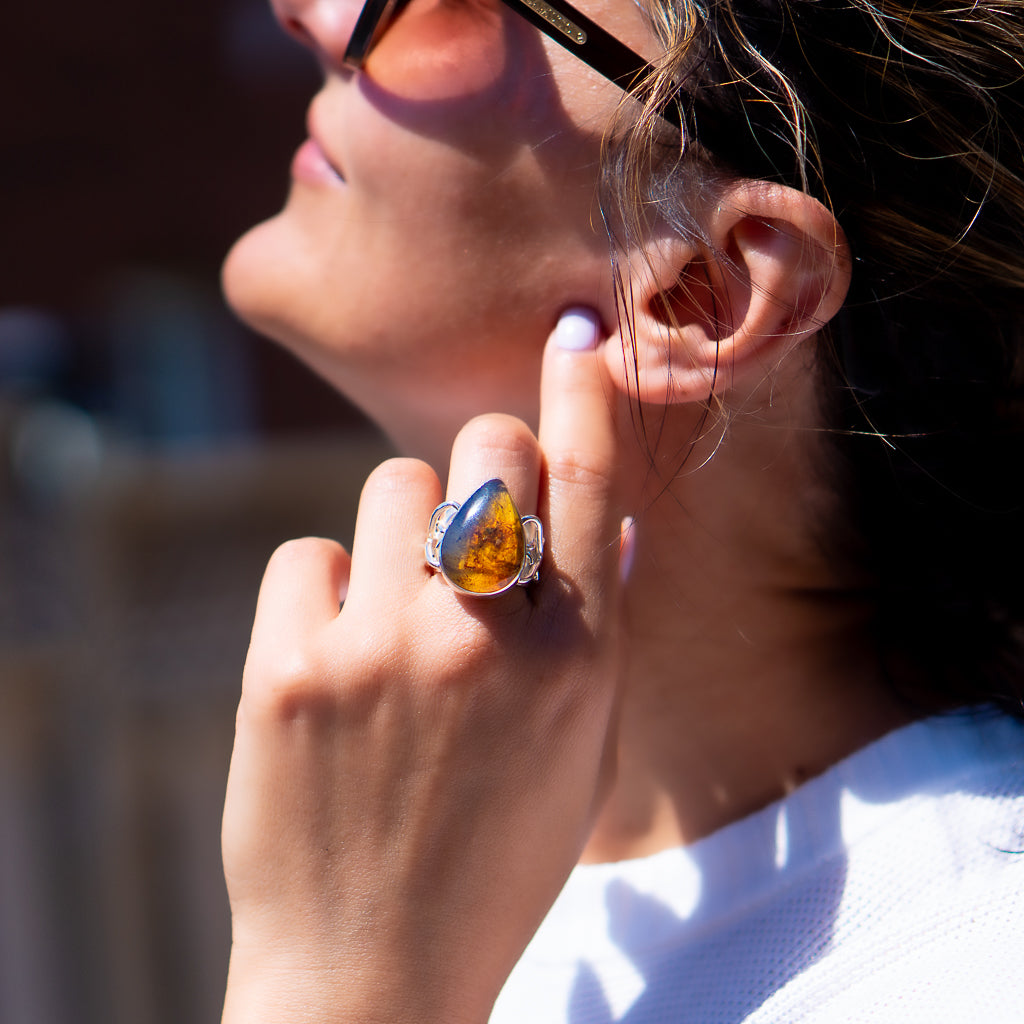
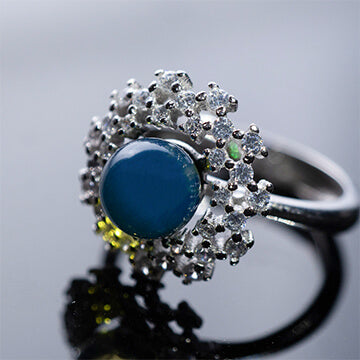
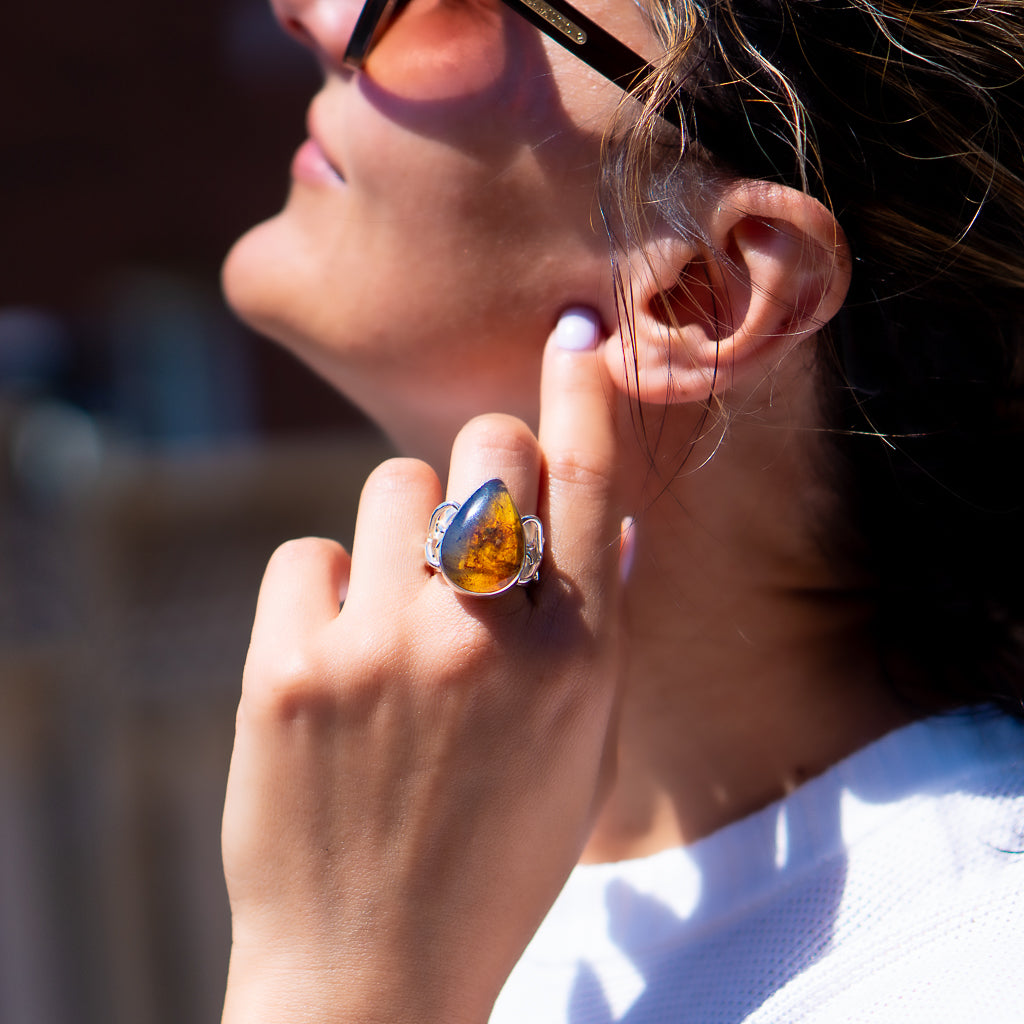
The jewelry category matters as much as the gemstone itself. A cabochon ring feels substantial, tactile, and personal. Its smooth surface is comfortable against the hand, and a low-profile cabochon can be especially practical for daily wear when properly set. Still, amber rings deserve mindful use: remove them for exercise, housework, gardening, and any task involving impact, chemicals, or high heat.
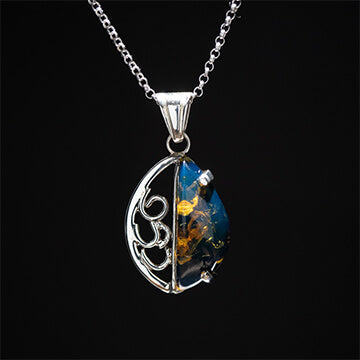
Pendants offer more freedom. Since they receive less direct contact than rings, a larger cabochon can become a true centerpiece. A Larimar pendant with a generous dome creates an expansive view of the stone’s pattern, while a polished amber cabochon can glow warmly against the skin. Faceted pendants are lovely for buyers who prefer movement and brightness, especially in a more polished evening design.
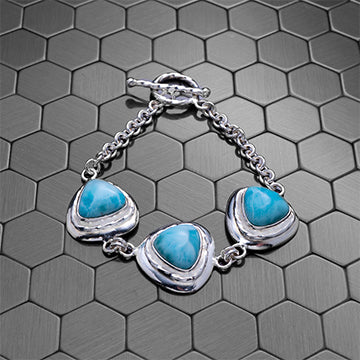
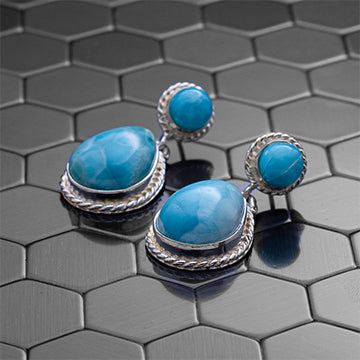
For earrings, weight and scale are usually the deciding factors. A thin, faceted amber drop may feel light and bright, while a smaller cabochon stud delivers color without excess weight. Bracelets require the most durability awareness because they are exposed to desks, doorframes, and everyday contact. Smooth, protected cabochons are generally a sensible choice for softer gems.
A beautiful cut cannot compensate for poor material, and a less familiar shape should not be dismissed if the gemstone itself is exceptional. Look first at authenticity and origin. Larimar is found in the Dominican Republic, and genuine Dominican amber carries its own valuable geological and cultural identity. Responsible sellers should be clear about what the gemstone is, where it comes from, and whether any treatments or enhancements are present.
Then consider workmanship. A quality cabochon should have an even polish, balanced outline, and a dome that complements the stone rather than making it look bulky or flat. There should be no obvious scratches, poorly finished edges, or distracting pits unless the piece is intentionally sold as a natural specimen.
For faceted stones, inspect symmetry, polish, and proportion. Facets should align cleanly, and the stone should not show easily visible abrasions along its edges. In both styles, a secure setting is essential. The finest gem deserves metalwork that protects it without hiding its character.
Choose a cabochon when you are drawn to natural pattern, depth, organic form, and a smooth, enduring presence. Choose facets when transparency, lively light return, and a more traditional sparkle matter most. For rare Larimar and Dominican amber, the cabochon is often not a compromise on brilliance. It is the cut that allows the Caribbean material to speak in its own voice.
At Larimar Creations, that distinction is part of the pleasure of choosing a piece: a cut should do more than decorate a gemstone. It should let you wear a genuine piece of the Caribbean in the form that feels most like your own.
Sign up to get the latest on sales, new releases and more …
9 min read
6 min read
11 min read