
by Admin June 30, 2026 6 min read

A genuine amber fossil can stop you in your tracks. One clear window of golden resin, and suddenly you are looking at a preserved fragment of ancient life - not a replica, not a decorative imitation, but a natural record of time. That is exactly why learning how to buy amber fossils matters. The right piece offers rarity, beauty, and authenticity in one object. The wrong one can be overpriced, misrepresented, or simply not amber at all.

For collectors, gift buyers, and gemstone lovers, amber fossils sit in a fascinating category between natural art and natural history. Some are chosen for scientific curiosity, others for visual drama, and many because they feel deeply personal. Whatever draws you in, the buying process should begin with quality, origin, and trust.

How to buy amber fossils without costly mistakes

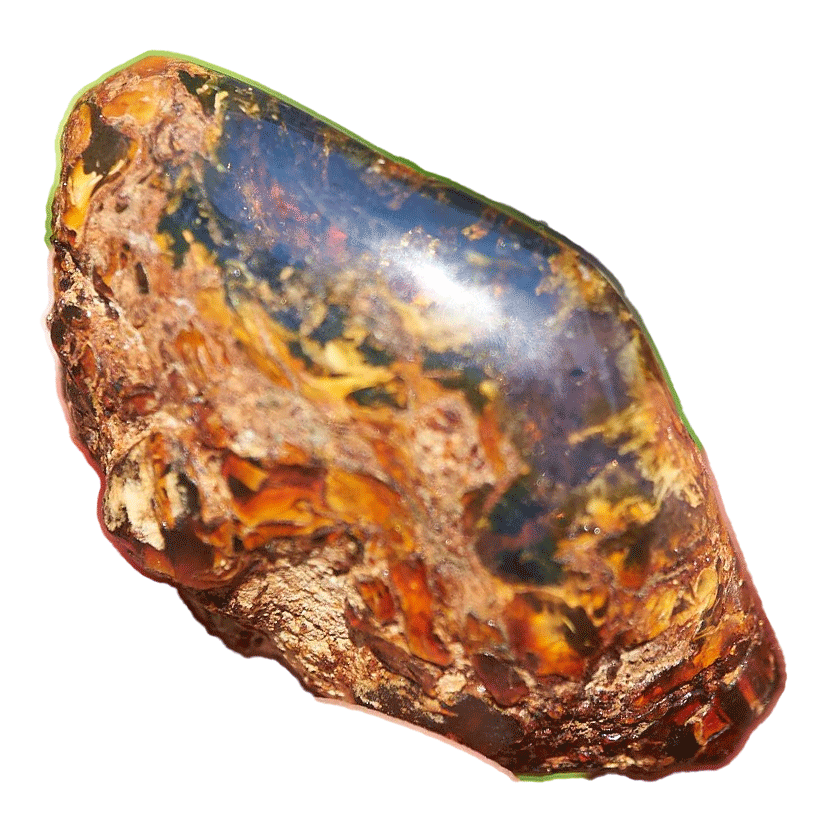
The first thing to understand is that not every fossil inclusion carries the same value. Amber with a visible insect, plant fragment, or small organic inclusion may be entirely authentic, yet its desirability depends on clarity, preservation, rarity, and presentation. A blurry dark shape trapped in cloudy resin is very different from a sharply preserved insect in transparent amber.

This is where many buyers get tripped up. They see an inclusion and assume rarity alone guarantees value. In practice, condition matters just as much. A beautifully preserved inclusion in clear amber often commands stronger interest than a larger but poorly visible specimen. If you are shopping for display, jewelry, or collecting, the visual quality of the fossil should match your reason for buying.

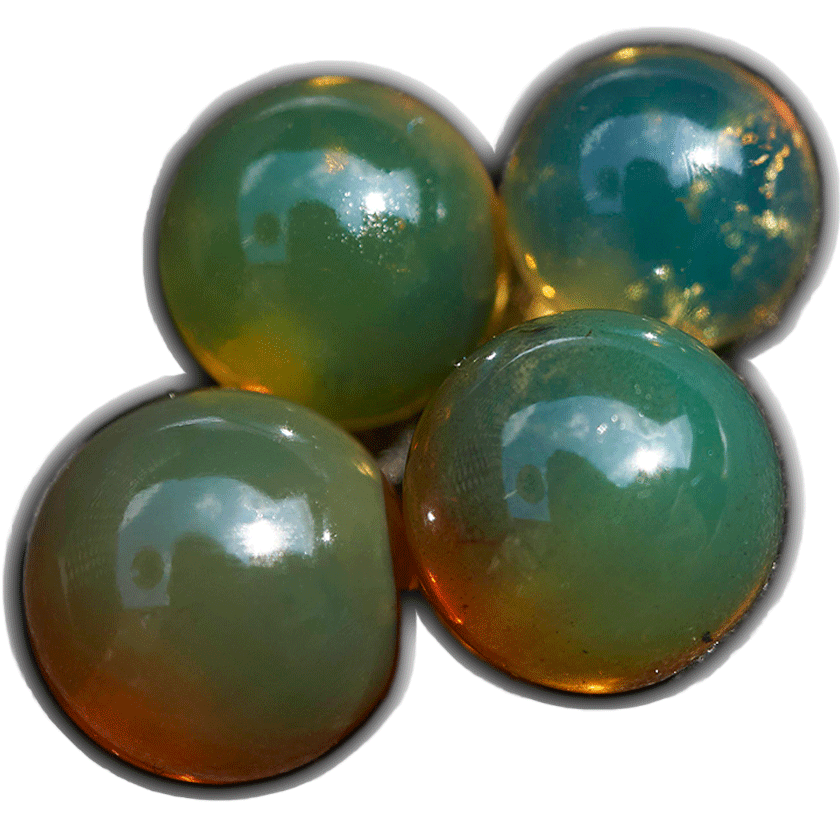
A second mistake is treating all amber origins as interchangeable. They are not. Dominican amber, especially in clearer and rarer color varieties, is prized for its beauty, transparency, and the dramatic way inclusions can be viewed. Baltic amber has its own legacy and appeal, but when you are evaluating fossils, origin affects appearance, age profile, and market perception. Serious sellers should tell you exactly where the amber comes from.

Start with authenticity, not price

A low price can feel tempting, especially if photos look impressive. But amber fossils are one of those categories where suspicious bargains usually deserve suspicion. Plastic imitations, pressed amber, copal, and assembled pieces all circulate in the market. Some are sold innocently, others less so.

Natural amber is fossilized tree resin. Copal is younger resin and not the same material, even if it looks similar at first glance. Pressed amber is made from smaller amber fragments fused together. Both can have decorative appeal, but they should be identified honestly and priced accordingly. If you are paying for a true amber fossil, you want confirmation that the piece is natural amber, not copal, not resin, and not a manufactured composite.

Ask direct questions. Is it natural amber? Is the inclusion natural? Has the piece been treated or stabilized? Is the origin confirmed? Is there certification or a written authenticity statement? Reputable sellers should answer clearly, not vaguely.

What makes an amber fossil valuable?

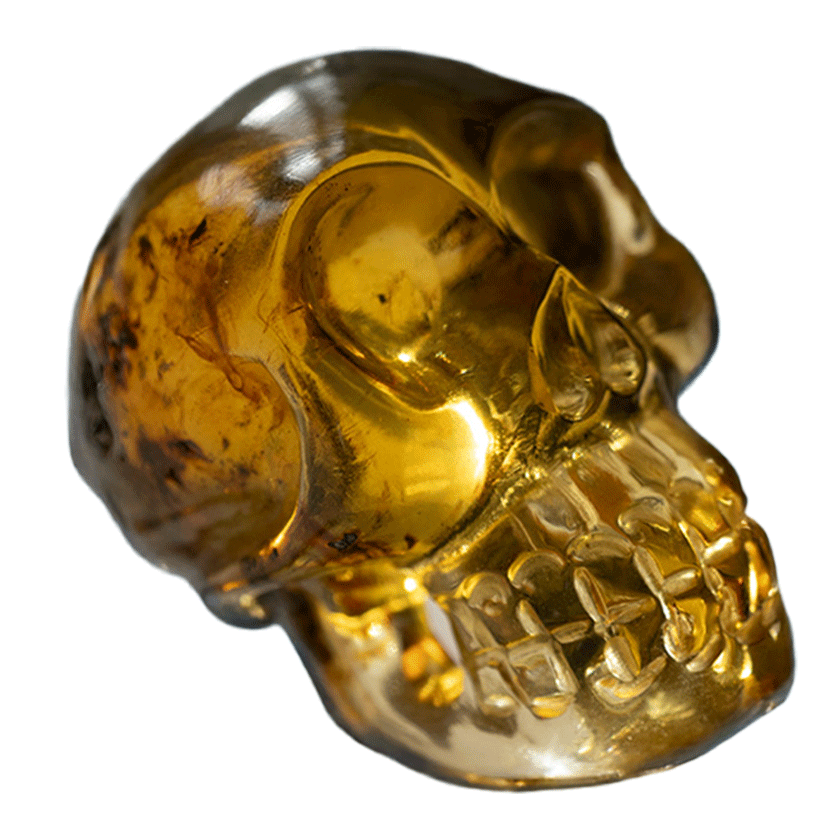
Value in amber fossils comes from a combination of factors rather than one dramatic feature. Clarity is a major one. The more transparent the amber, the easier it is to view the inclusion and appreciate its details. In collector-grade pieces, this can make a significant difference.

The inclusion itself matters too. Common plant debris may be attractive, but a well-preserved insect often creates stronger collector interest. That said, not every insect inclusion is rare. Tiny gnats and common flies appear more often than larger or more unusual specimens. If a seller describes every inclusion as exceptionally rare, that is worth slowing down for.

Size also needs context. A larger specimen is not automatically better if the amber is fractured, cloudy, or heavily polished in a way that distorts the fossil. Sometimes a smaller stone with a crisp, centered inclusion is the more refined purchase. In premium gemstone categories, beauty and integrity often matter more than sheer scale.

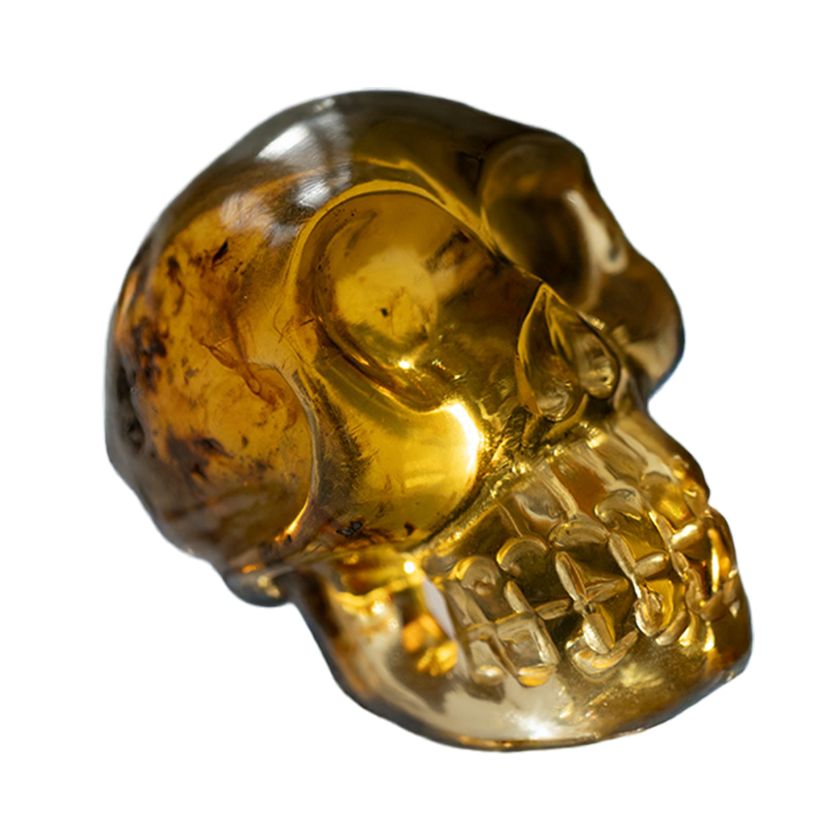
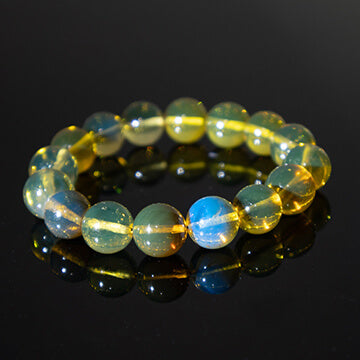
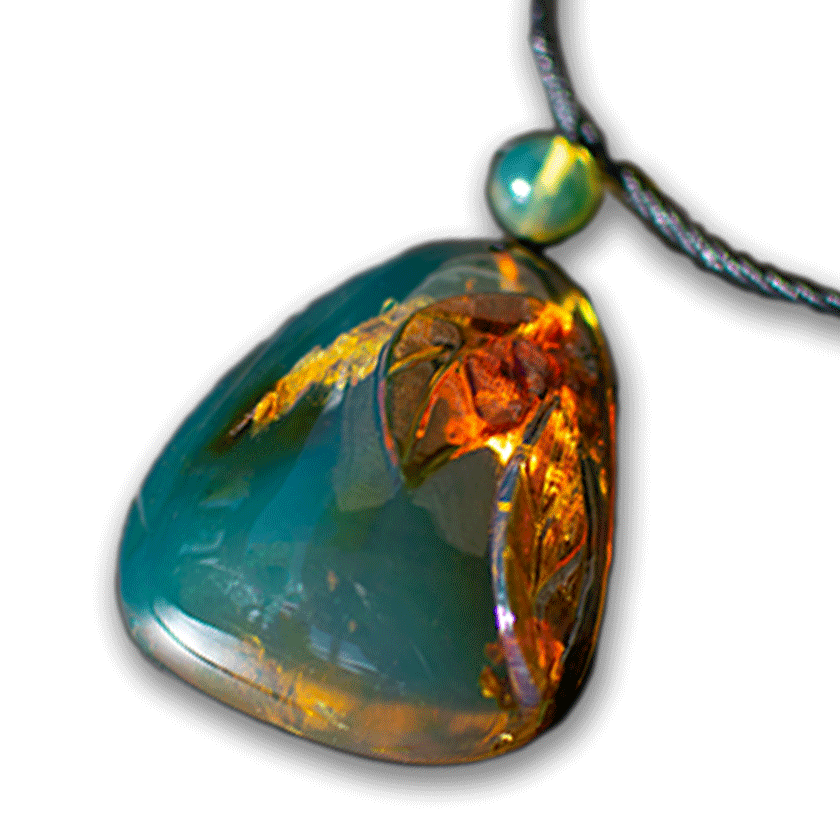
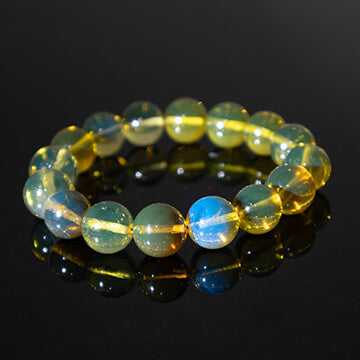
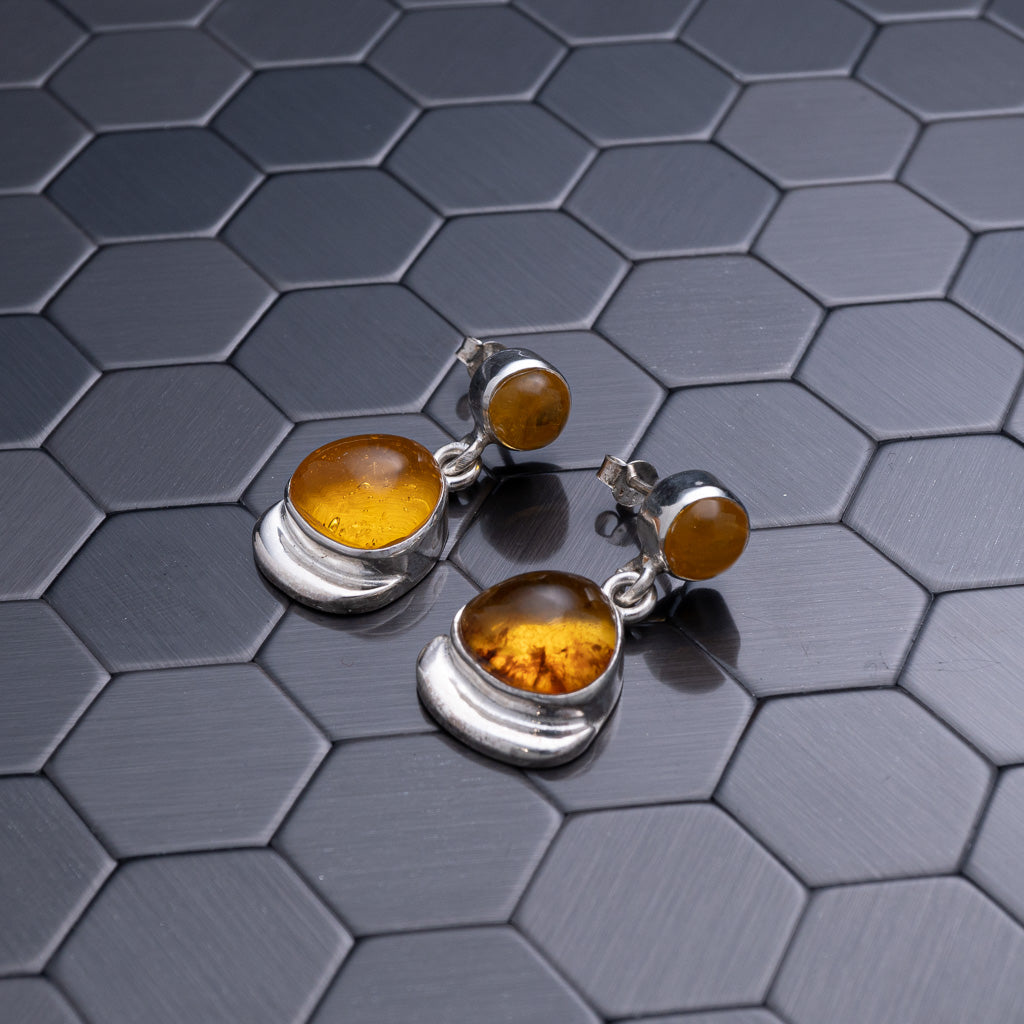
Color can influence appeal as well. Honey, cognac, yellow, and deeper golden tones are classic, while rarer amber varieties can carry additional desirability. In Dominican material, transparency and glow are part of the magic. For many buyers, the emotional response to color is just as important as technical rarity.

Questions to ask before you buy

If you want to know how to buy amber fossils wisely, the quality of your questions will shape the quality of your purchase. Start by asking for close-up photos in natural light. You should be able to inspect the inclusion, the surface, and any fractures or cloudiness. If the listing only shows distant or heavily edited images, that is not enough.

Next, ask whether the fossil is visible from multiple angles or only one. Some pieces photograph beautifully from a single direction but lose impact in person. This matters especially if the amber fossil will be worn as jewelry, where movement and light reveal everything.

It is also smart to ask about polishing. Most amber fossils are polished to some degree, which is normal, but over-polishing can reduce character or remove natural contours. If you prefer a more organic collector look, that is worth clarifying before purchase.

Finally, ask whether the seller specializes in amber or simply carries it. A specialist is more likely to understand origin, grading, treatments, and what makes one fossil more desirable than another. Depth of expertise is part of what you are paying for.

Buying for collecting versus buying for jewelry

The best amber fossil for a collector is not always the best amber fossil for jewelry. For collecting, buyers often prioritize inclusion visibility, rarity, and specimen integrity. A piece may be slightly irregular in shape yet still highly desirable because the fossil is exceptional.

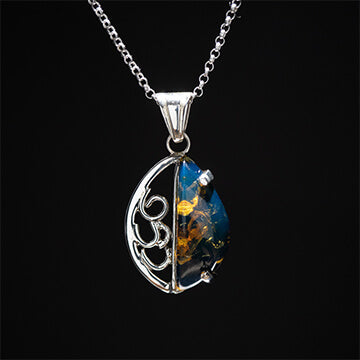
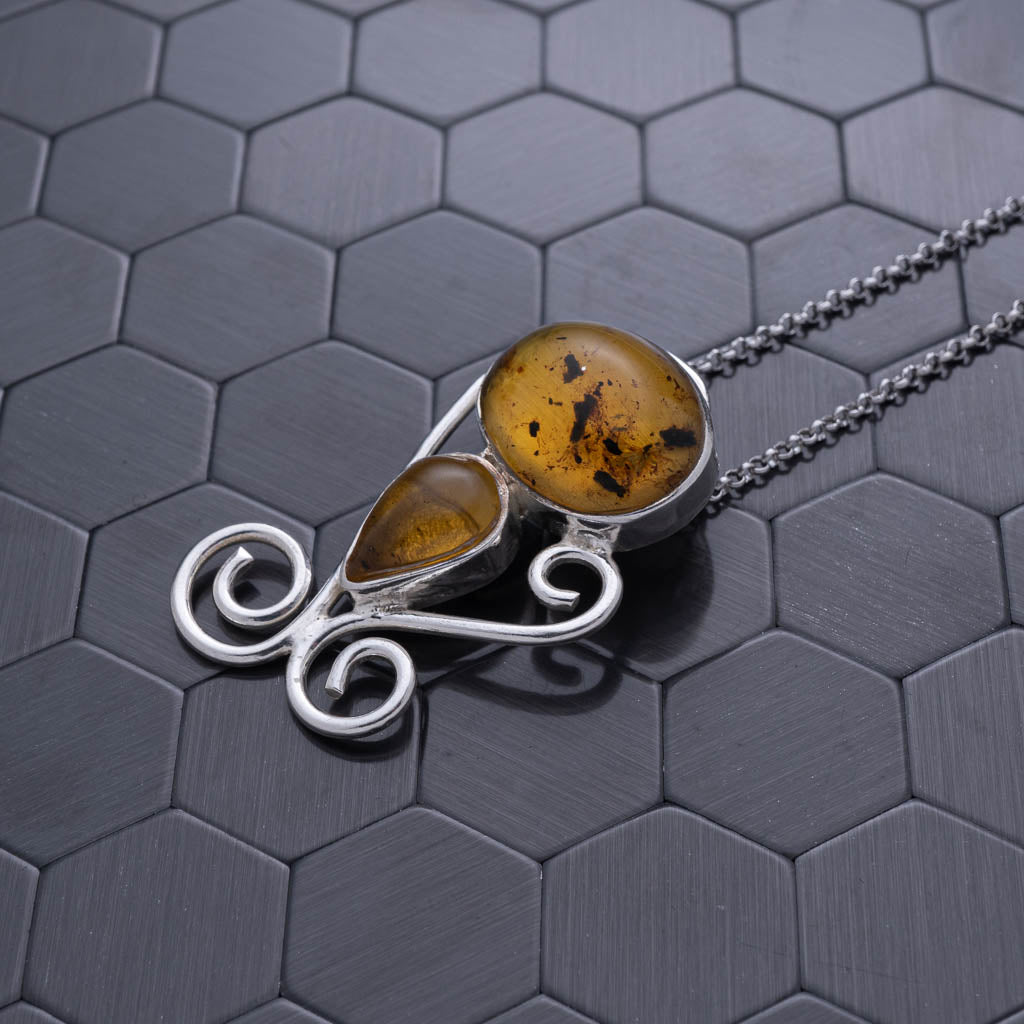
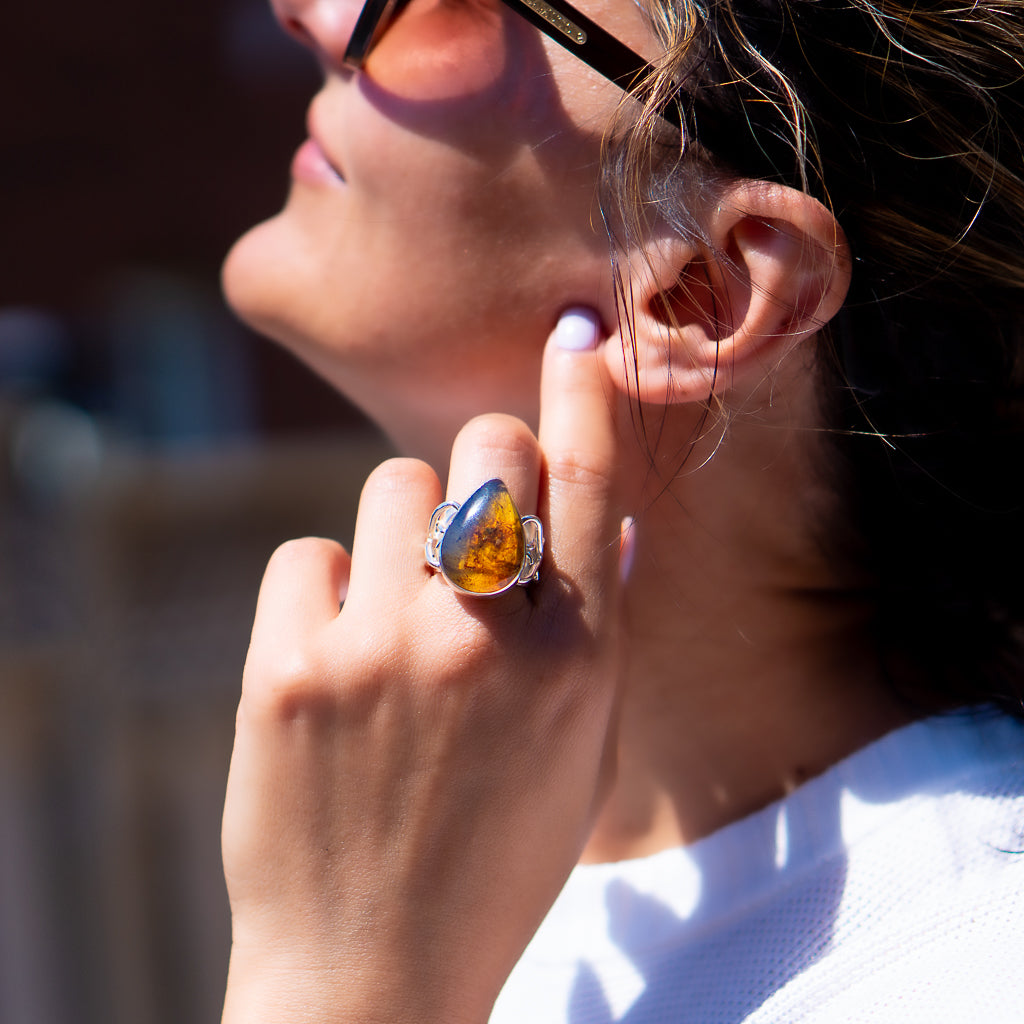
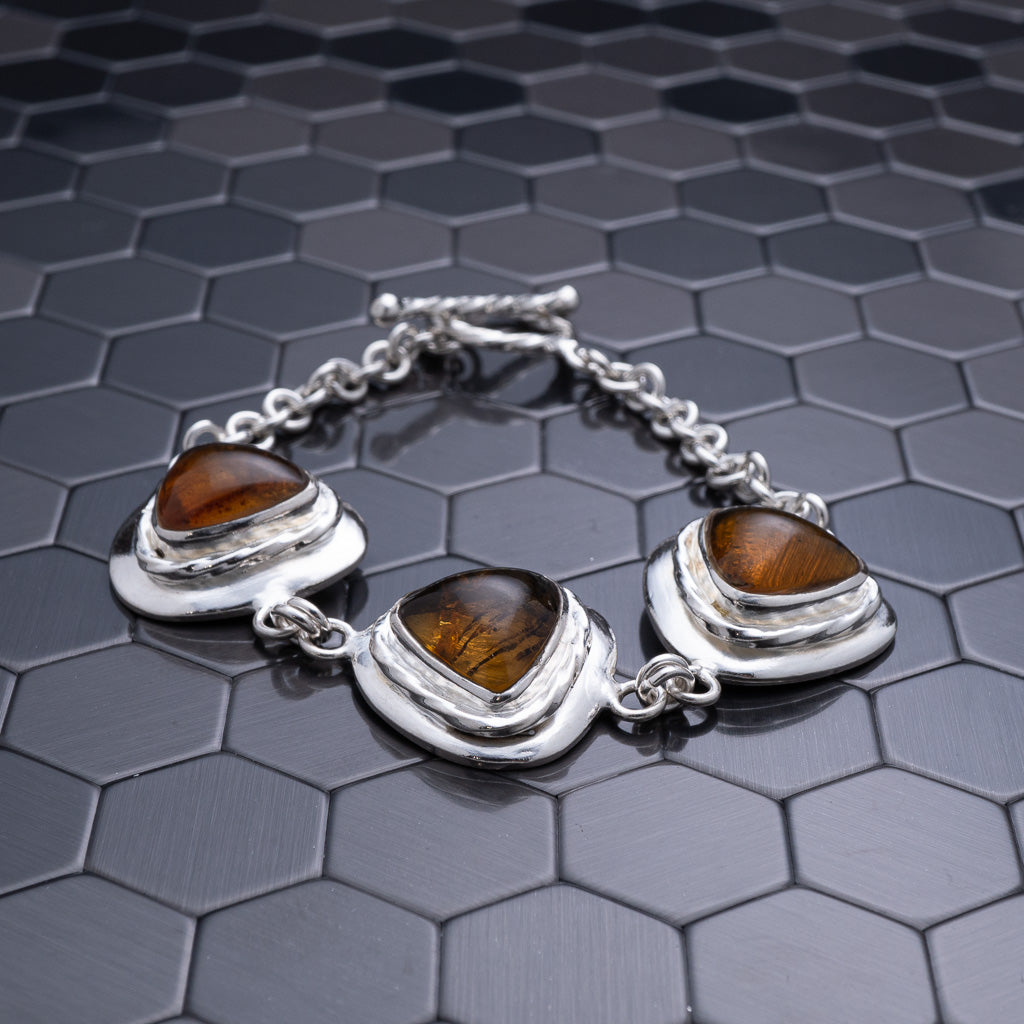
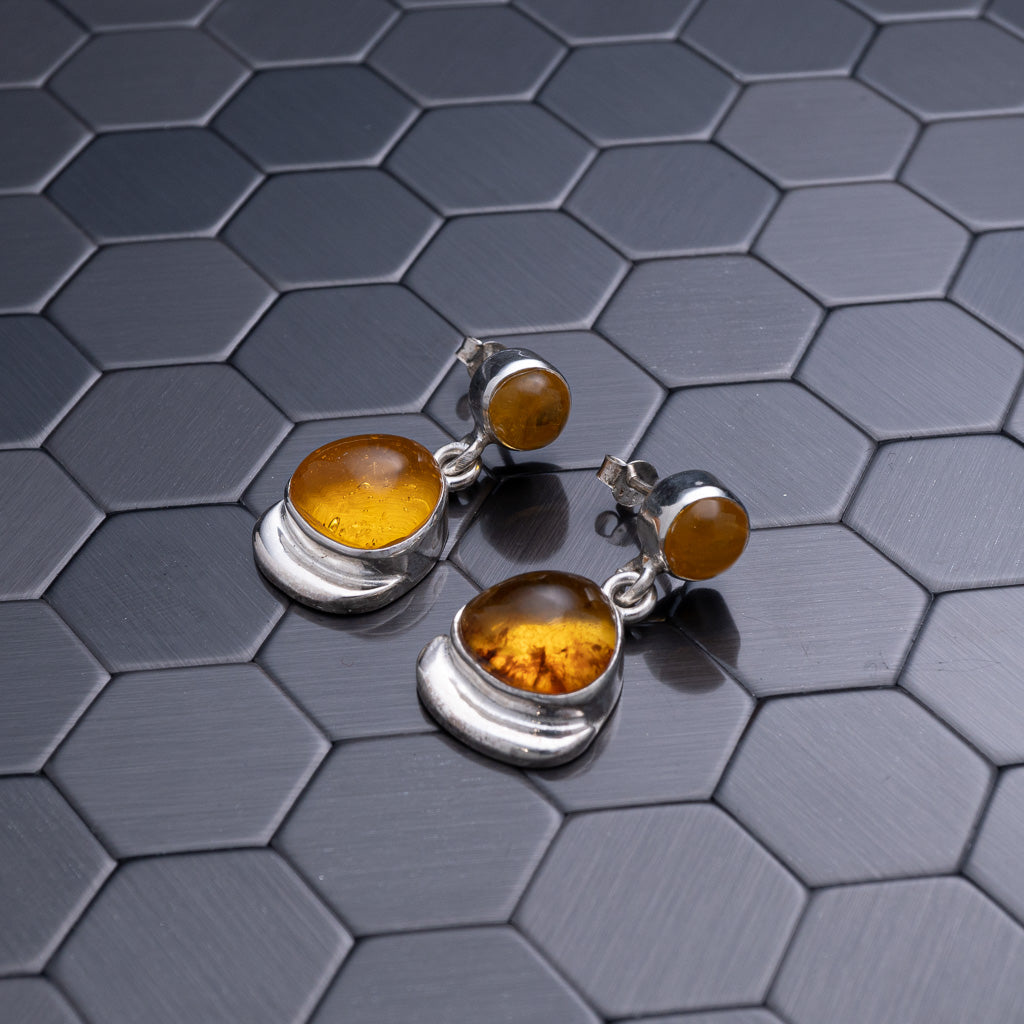
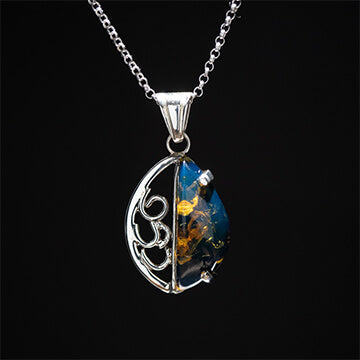
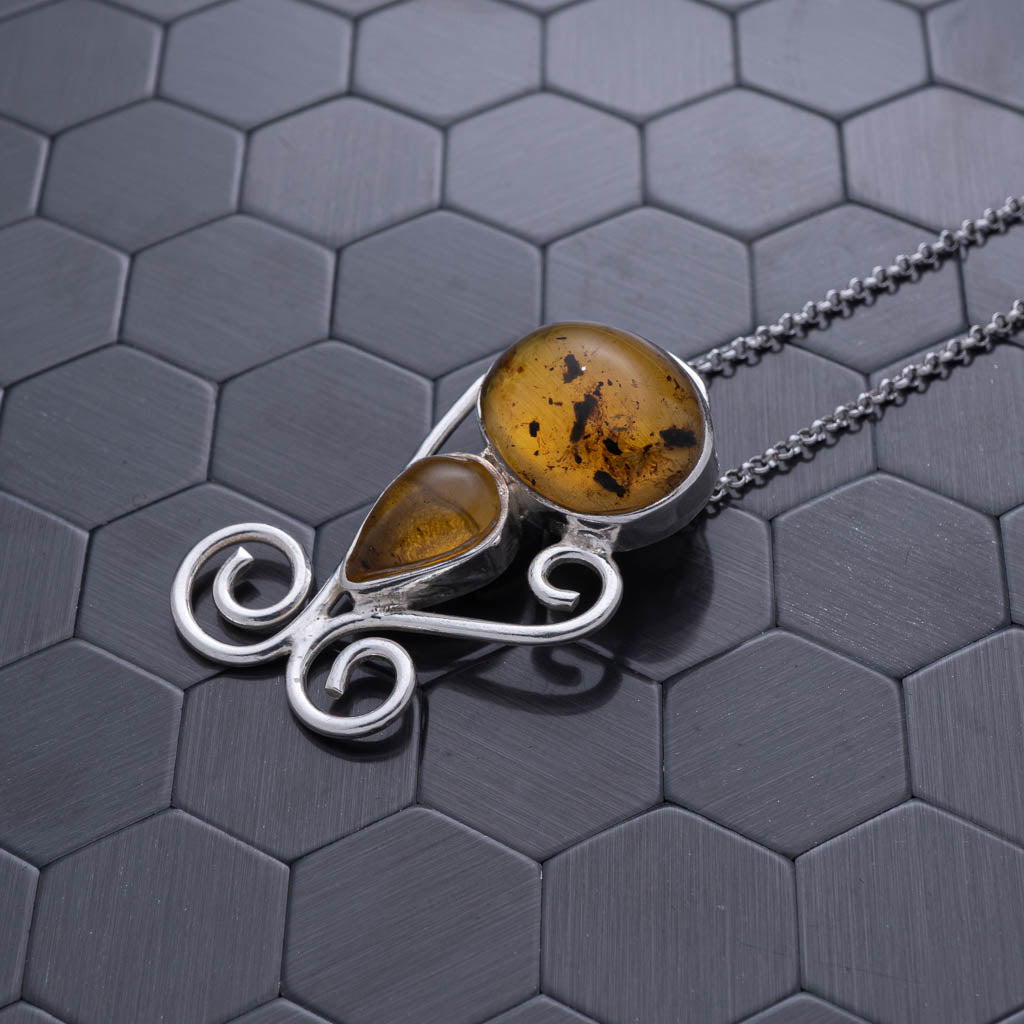
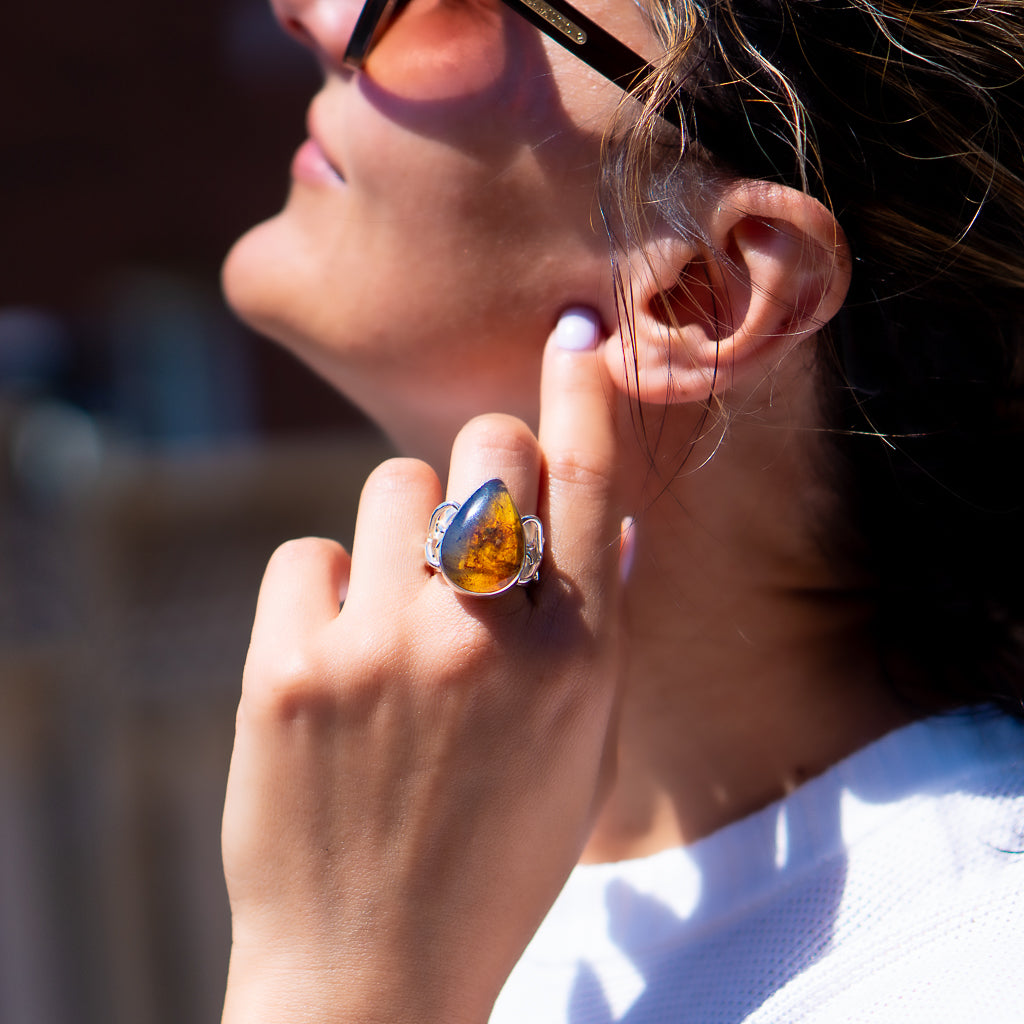
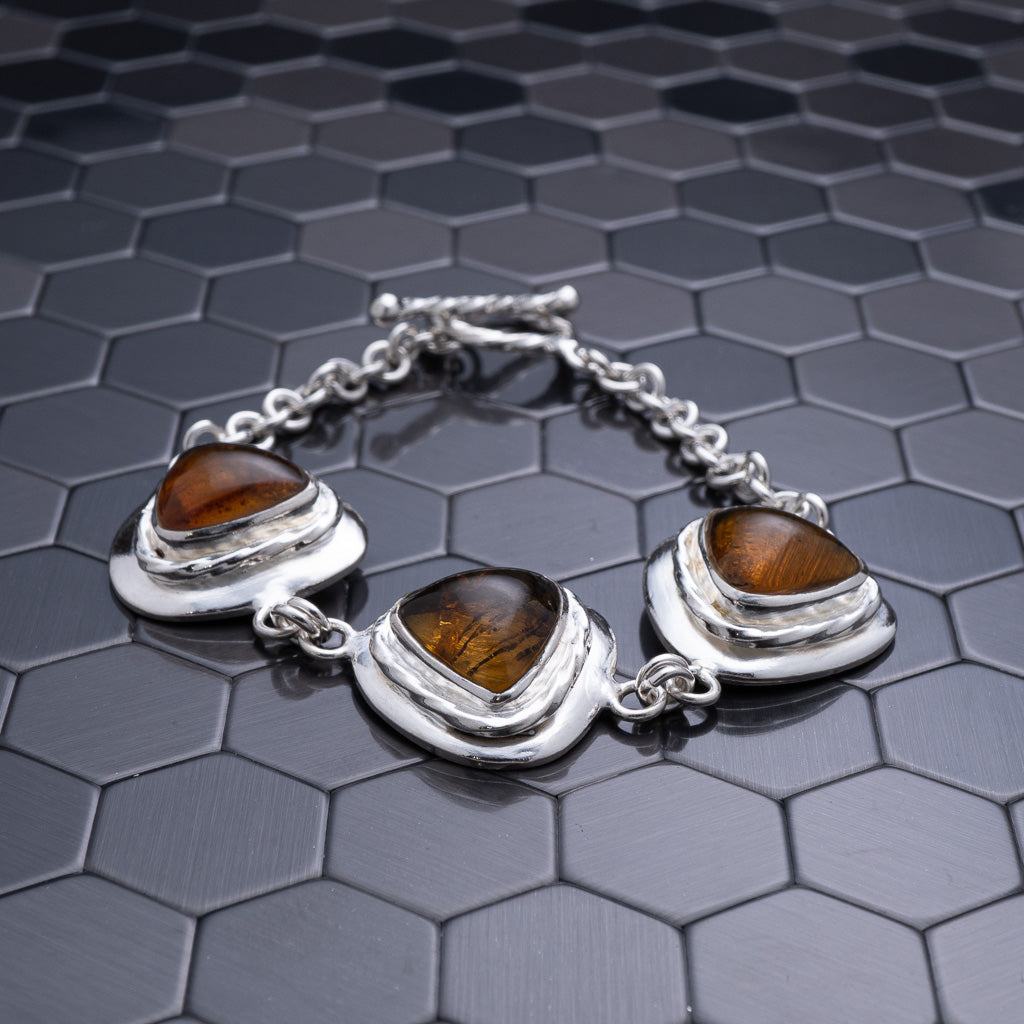
For jewelry, durability, comfort, and design matter more. Amber is beautiful, but it is softer than many traditional gemstones. A fossil pendant can be an elegant choice because it protects the piece better than a ring or bracelet that sees daily impact. If you want wearable amber with an inclusion, think about how the setting supports and frames the stone.

There is also an emotional difference. A collector may want a conversation piece with scientific intrigue. A jewelry buyer may want something luminous, romantic, and distinctly personal - a rare natural treasure that feels like wearing a piece of the Caribbean. Both are valid, but your purpose should guide your standards.

Red flags buyers should not ignore

The biggest red flag is a seller who avoids specifics. If origin, authenticity, or treatment details are missing, that should give you pause. The same goes for dramatic claims without evidence, such as exaggerated age statements tied to ordinary-looking pieces.

Another concern is a specimen that looks too perfect in a suspicious way. Inclusions can be faked or embedded in younger resin. If the insect appears unnaturally posed, too centered, or oddly pristine compared to the surrounding material, ask more questions.

Pricing that swings wildly can also be telling. Amber fossils vary in price for good reasons, but if one seller offers what appears to be a museum-style specimen at a mass-market price, there is usually a catch. Trustworthy amber is rarely the cheapest option, and rarity should feel supported by documentation, photography, and seller credibility.

Where trust becomes part of the purchase

Amber is one of those gemstones where confidence in the seller matters almost as much as the stone itself. A reputable source should present amber fossils with accurate descriptions, origin transparency, and a clear commitment to authenticity. That matters whether you are buying a simple inclusion piece or a standout collector specimen.

For buyers drawn to Dominican amber, this is especially important. Origin is not a decorative detail. It shapes color, transparency, and the overall character of the piece. Brands that focus on authentic Caribbean gemstones, such as Larimar Creations, bring an added layer of confidence because specialization tends to produce better sourcing standards and better product knowledge.

When you buy from a seller who respects the stone, you feel the difference. The experience becomes less about taking a gamble and more about selecting a piece with intention.

How to choose the right amber fossil for you

The best purchase is not always the rarest or most expensive one. It is the one that meets your purpose and still feels extraordinary when you look at it. If you want a gift, choose a piece with immediate visual charm and an inclusion that is easy to appreciate. If you are building a collection, take more time with origin, clarity, and inclusion type.

Let your eye lead, but let information support the decision. Amber fossils are deeply individual. Some buyers fall for a glowing golden specimen with delicate botanical matter. Others wait for the right insect inclusion with exceptional visibility. There is no single perfect formula, only a better standard for how you buy.

A beautiful amber fossil should feel like more than a purchase. It should feel like a rare meeting of nature, time, and craftsmanship - something you will be glad to own long after the first moment of discovery.


Let's Stay In Touch