
FREE WORLD WIDE SHIPPING
HANDCRAFTED IN THE DOMINICAN REPUBLIC
30% DISCOUNT APPLIED AT CHECKOUT
FREE WORLD WIDE SHIPPING
HANDCRAFTED IN THE DOMINICAN REPUBLIC
30% DISCOUNT APPLIED AT CHECKOUT
FREE WORLD WIDE SHIPPING
HANDCRAFTED IN THE DOMINICAN REPUBLIC
30% DISCOUNT APPLIED AT CHECKOUT
FREE WORLD WIDE SHIPPING
HANDCRAFTED IN THE DOMINICAN REPUBLIC
30% DISCOUNT APPLIED AT CHECKOUT
FREE WORLD WIDE SHIPPING
HANDCRAFTED IN THE DOMINICAN REPUBLIC
30% DISCOUNT APPLIED AT CHECKOUT
FREE WORLD WIDE SHIPPING
HANDCRAFTED IN THE DOMINICAN REPUBLIC
30% DISCOUNT APPLIED AT CHECKOUT
100% Handcrafted in DR.
by Admin September 28, 2026 6 min read
A gemstone cabochon is often chosen in a single glance: the blue that recalls shallow Caribbean water, the warm inner glow of amber, the distinctive pattern no two natural stones can repeat. Yet knowing how to buy gemstone cabochons means looking beyond that first spark. The finest cabochon should reward a closer look, with honest origin, thoughtful cutting, and a surface that will remain beautiful in the jewelry or collection you have in mind.
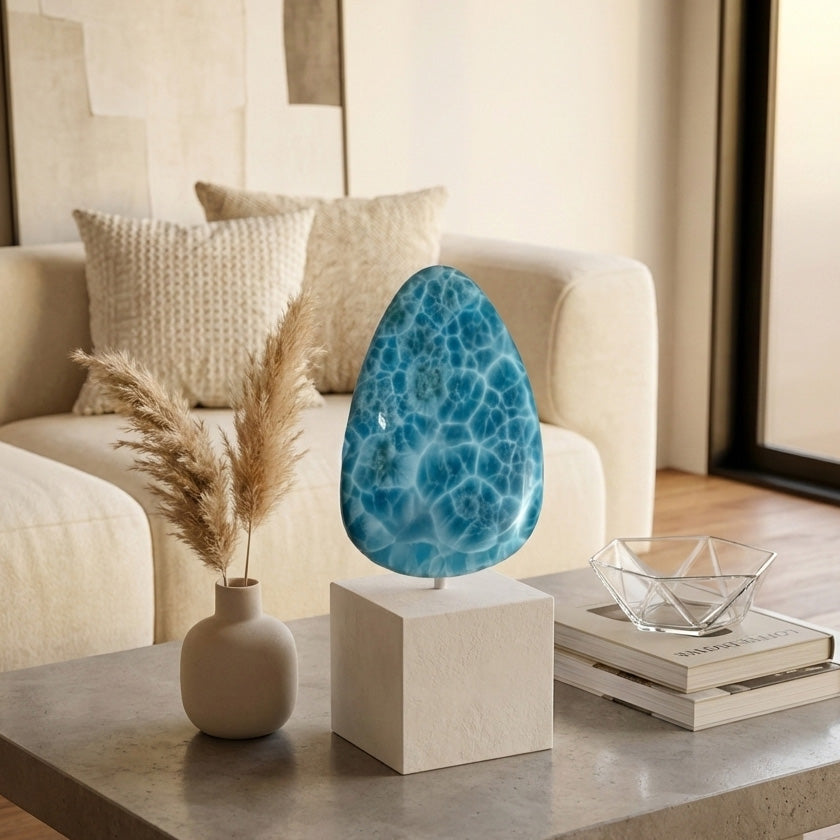
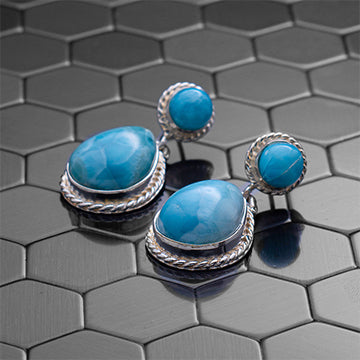
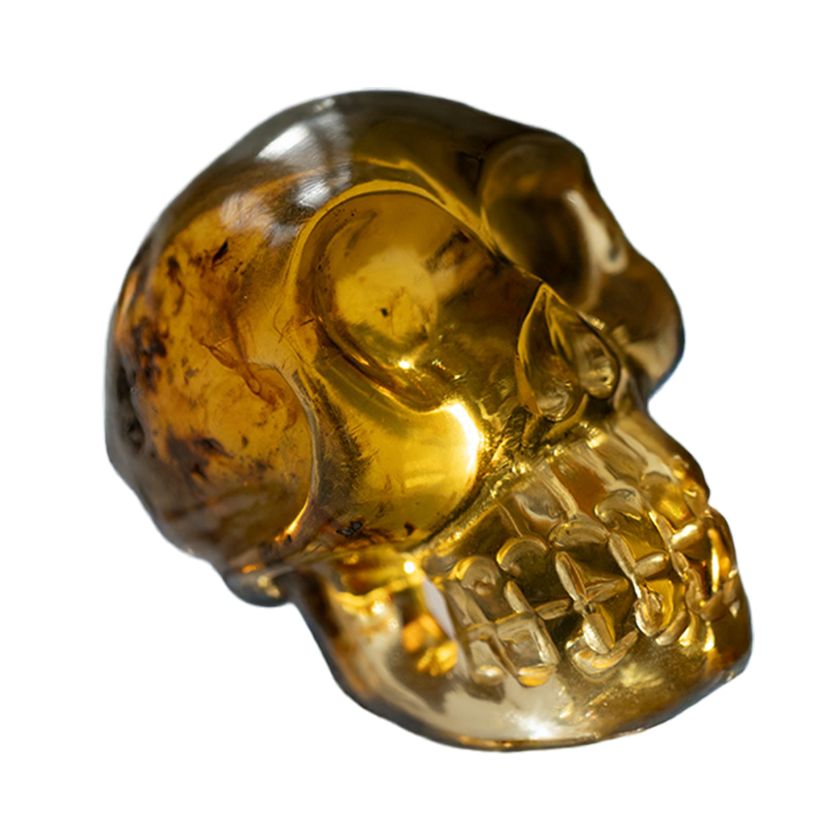
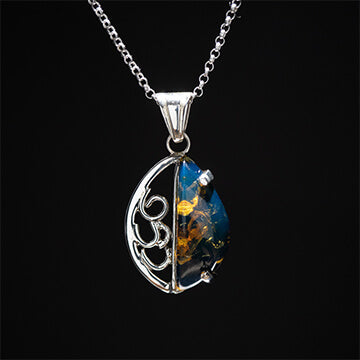
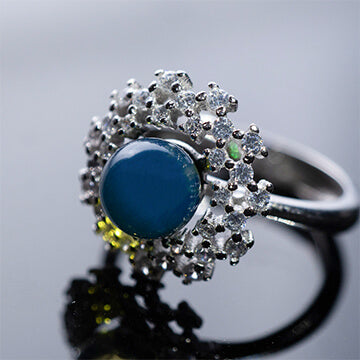
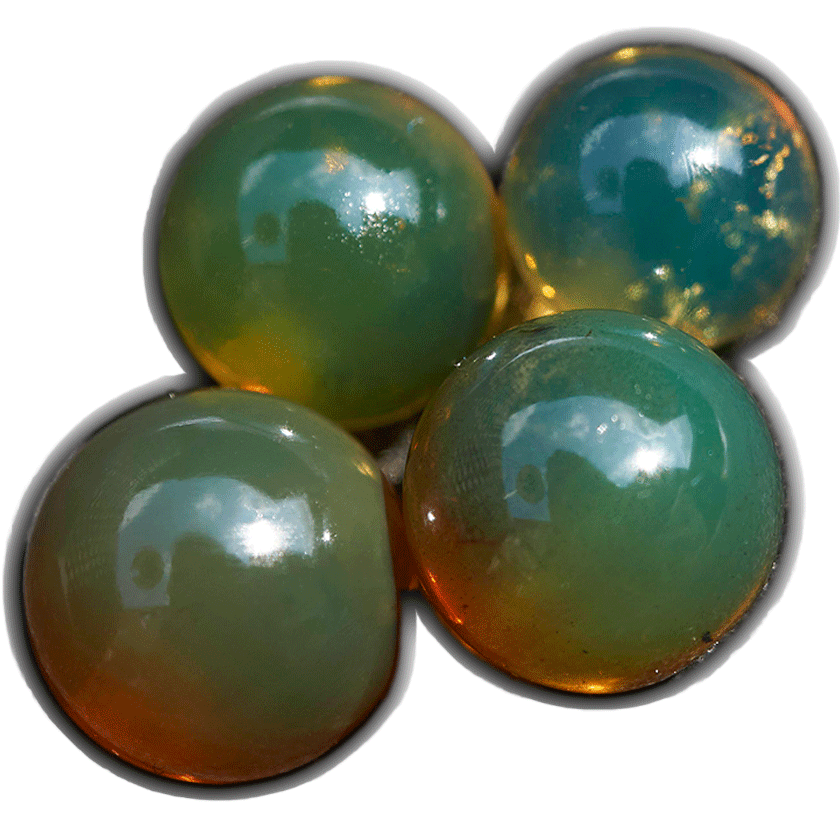
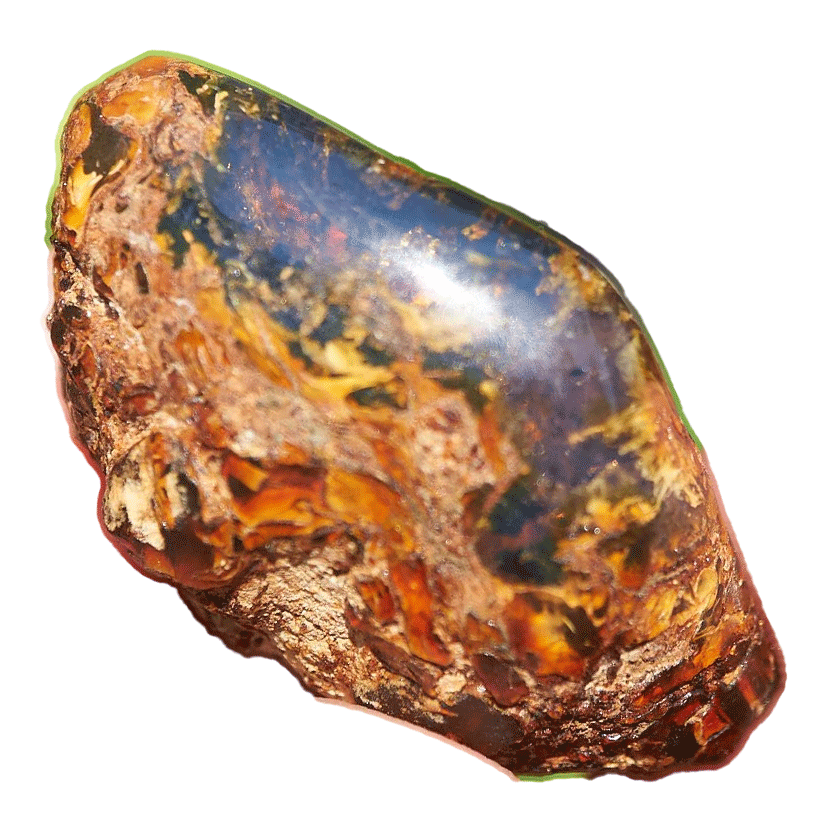
For collectors, makers, and gift buyers, cabochons offer something faceted stones cannot always provide. Their smooth domed form gives color, inclusions, and natural landscape-like patterns room to speak. A well-selected Larimar cabochon can feel like a small piece of the sea. A Dominican blue amber cabochon can hold a luminous, ancient world within it.
Before comparing prices, decide what you want the cabochon to become. A stone intended for a pendant can be larger and more expressive than one intended for a ring. A collector may value unusual inclusions, a rare color zone, or an organic freeform outline, while a jewelry designer may need precise dimensions and a predictable profile for a setting.
Cabochons are generally cut with a flat back and a polished, rounded top. Their appeal lies in the way they present material rather than sparkle. Look for a shape and dome that suit the stone. An oval can flatter a wide range of jewelry designs, while a freeform cabochon often preserves a particularly beautiful section of rough material. There is no universal “best” shape. The right choice depends on whether you value symmetry, rarity, wearability, or the stone’s individual character.
Color should be assessed with care. Natural gemstones vary under different lighting, and online images can make a pale stone appear deeper or a translucent one seem more opaque. Ask whether photos were taken in daylight, studio light, or both. When available, a video is especially useful because it reveals movement, translucency, and surface reflections that a still photograph may hide.
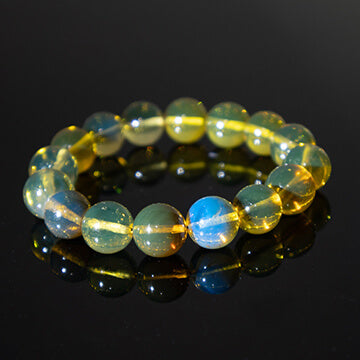
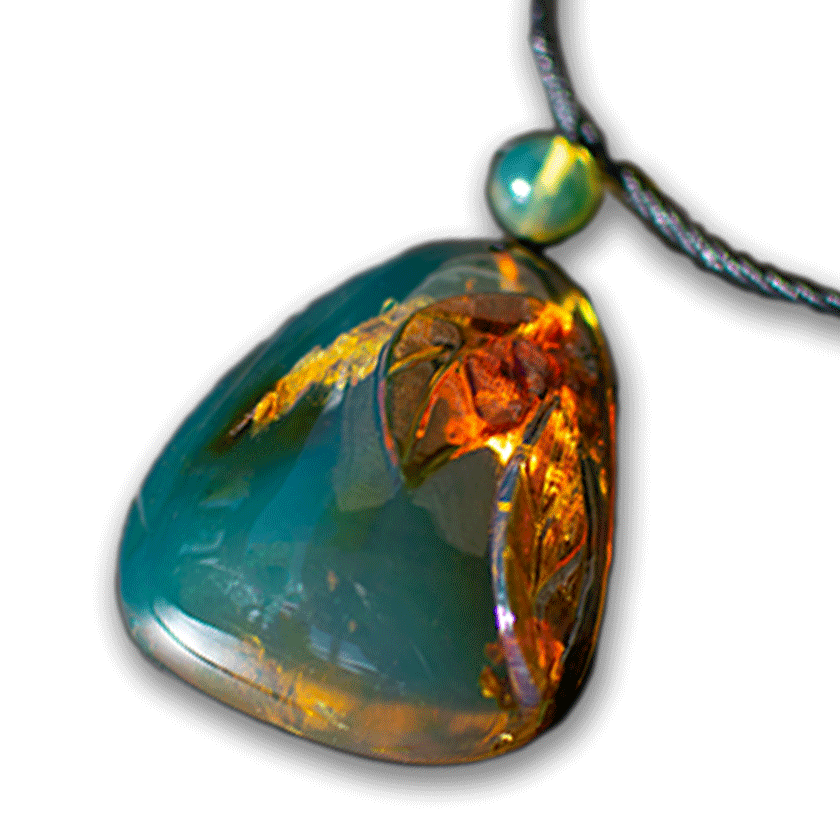
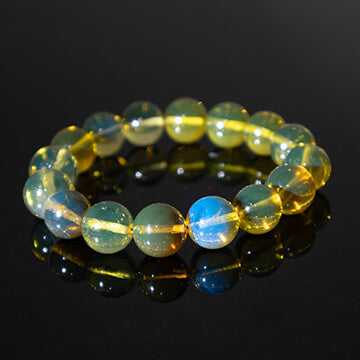
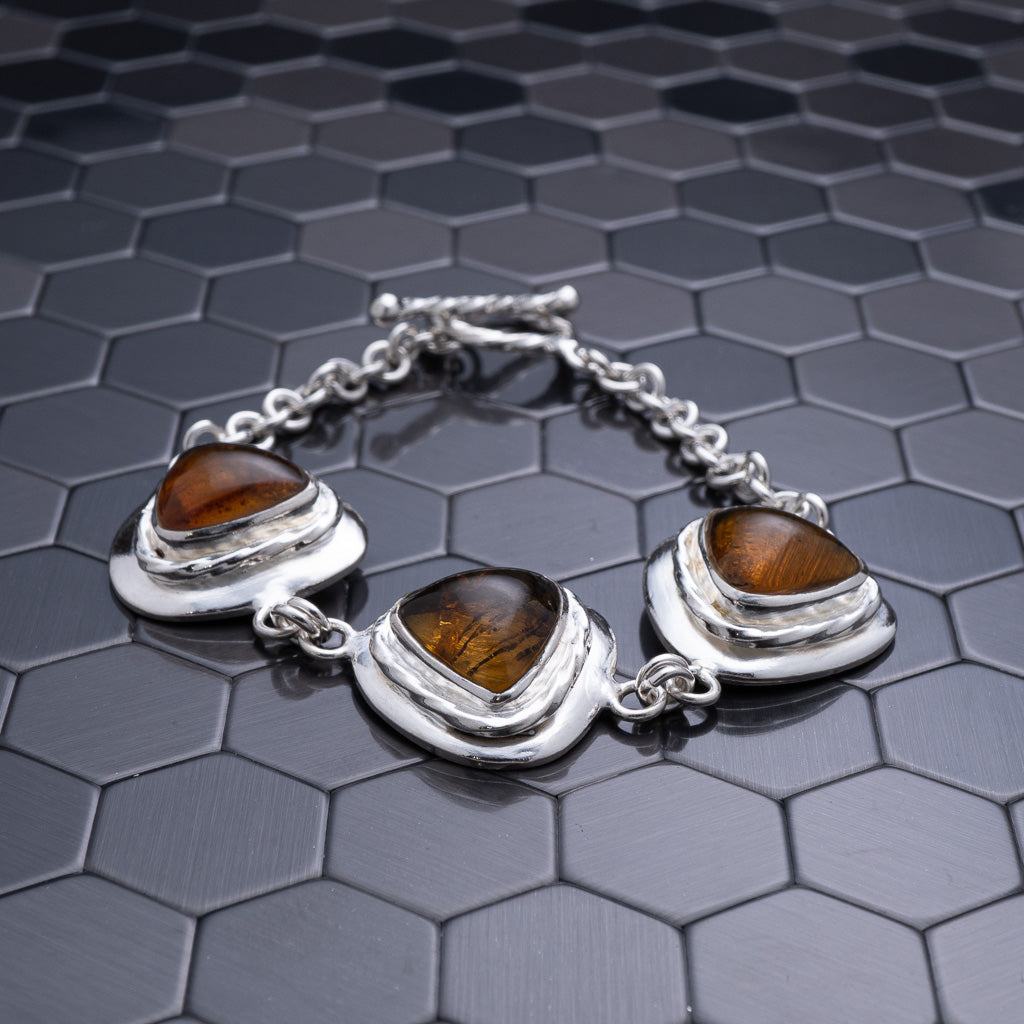
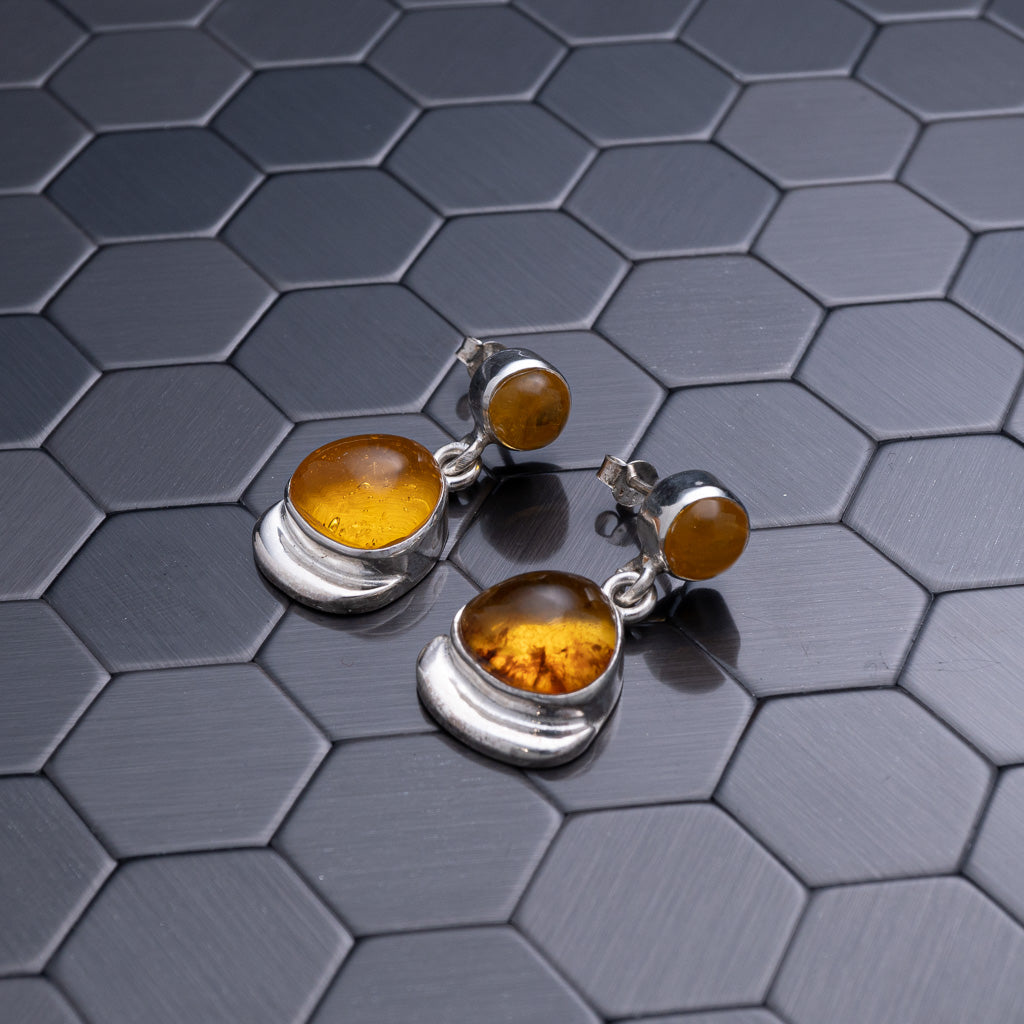
For Larimar, collectors often seek clear Caribbean blue with white cloud-like marbling. But a stone with softer blue, seafoam green, or dramatic matrix can be equally compelling when the pattern is balanced and the material is well cut. With Dominican blue amber, color may shift between honey, green, and electric blue depending on light and background. This optical character is part of the stone’s magic, not a flaw to be corrected.
A cabochon may be visually striking and still leave important questions unanswered. Origin matters because it shapes rarity, expected appearance, and long-term value. Larimar is found only in the Dominican Republic, making authentic material a naturally limited Caribbean treasure. Genuine Dominican amber has its own geological story, and blue amber is especially prized for its unusual fluorescence and color play.
A trustworthy seller should clearly identify the gemstone and, when relevant, its geographic origin. Be cautious with vague descriptions such as “Larimar-style,” “blue amber look,” or “natural stone” without further detail. These phrases can signal imitation, composite material, or a seller who cannot verify what is being offered.
Certification language deserves the same thoughtful attention. A certificate can be meaningful, but its value depends on who issued it and what it confirms. Some documents establish a seller’s guarantee of authenticity and origin; others are independent laboratory reports. Neither should replace careful product details, high-quality photographs, and a seller’s willingness to answer direct questions. The strongest purchase is supported by transparency at every level.
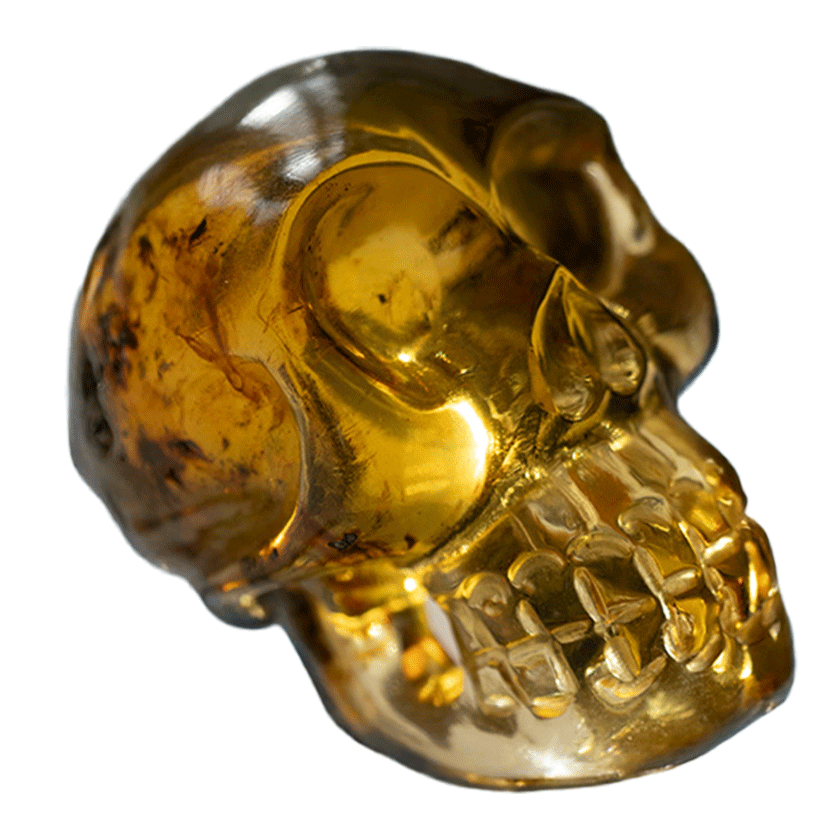
This is particularly relevant for amber. Copal, a younger tree resin, is sometimes presented in ways that can confuse buyers, while synthetic resin and heavily altered pieces may imitate amber’s appearance. Inclusions can add collector interest, but they should be described honestly rather than used as a dramatic claim without clear evidence.
The craft of cutting determines whether a natural gemstone looks merely acceptable or truly alive. Inspect the cabochon’s polish first. The surface should appear glossy and even, without obvious scratches, cloudy abrasion, pits, or dull patches. Minor natural features are not the same as damage. A visible inclusion or vein may be exactly what gives a stone its identity, while a chip along the edge can affect both appearance and setting security.
Then consider the dome. A very low dome may be practical for certain settings, but it can make a stone look flat. An overly high dome can be dramatic, though it may catch on clothing or require a deeper bezel. A pleasing cabochon has proportion: enough height to show its color and depth, with a stable flat back that can be set properly.
Edges deserve attention as well. They should be smoothly shaped, especially if the stone will be worn in a ring or bracelet. An uneven outline is not automatically a defect in a freeform stone, but sharp areas and thin vulnerable points need a setting designed to protect them.
When reviewing a listing, confirm the dimensions in millimeters rather than relying on photographs. A 20 by 15 millimeter cabochon may appear generous on screen but feel quite different in the hand. Weight can be helpful, particularly for amber, but dimensions and thickness often tell a jewelry maker more about whether the stone will work for a particular design.
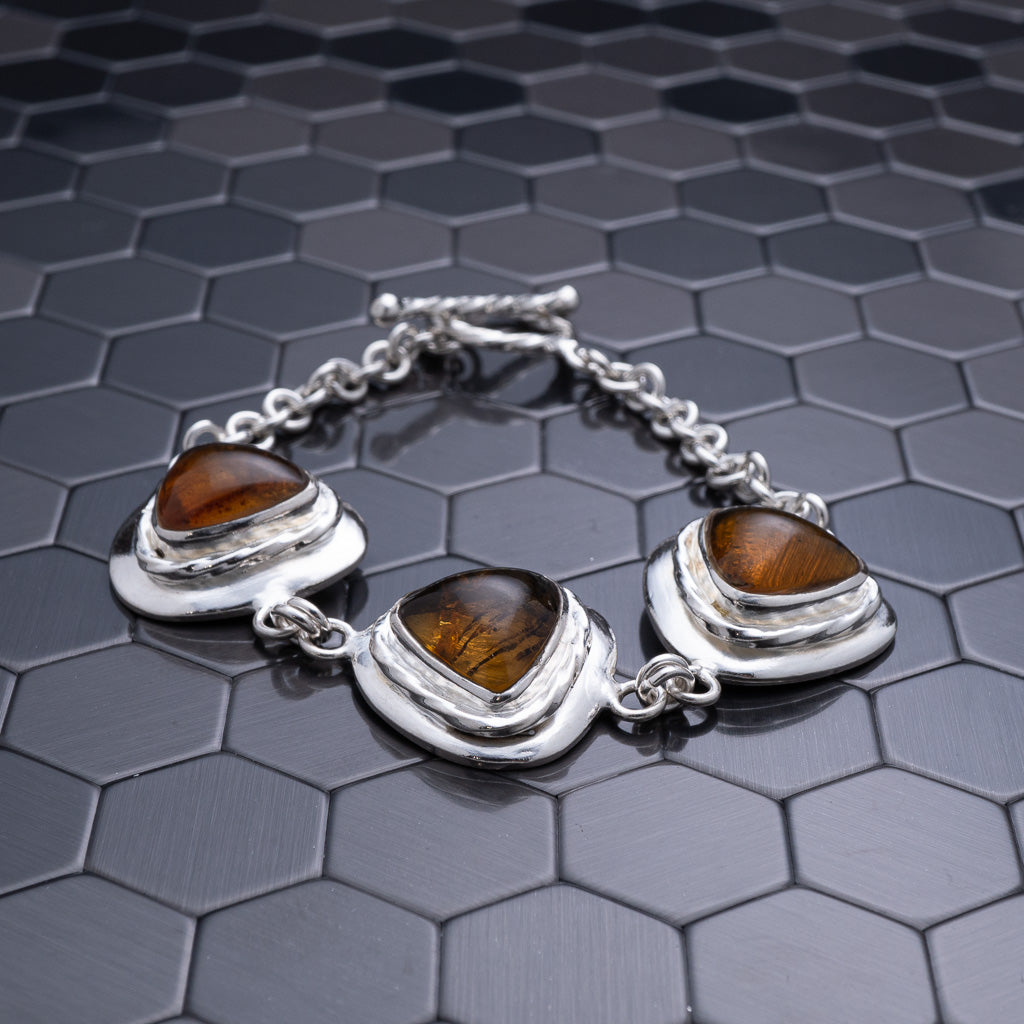
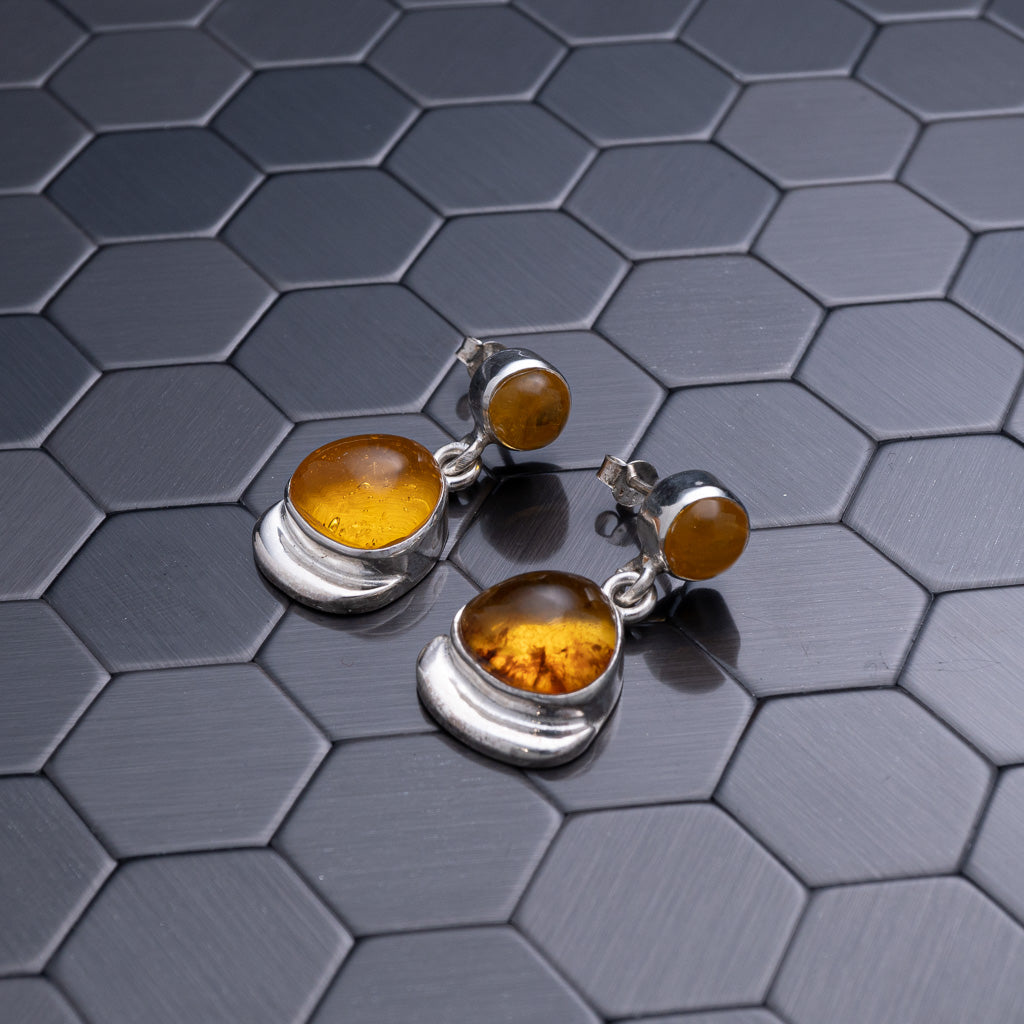
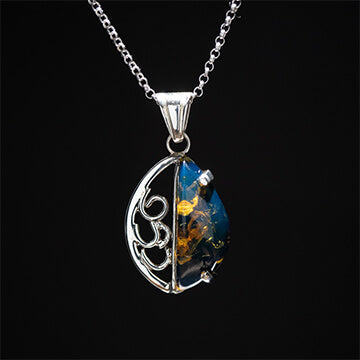
A beautiful stone deserves a setting that respects its nature. Softer or more delicate materials require more protection than hard gemstones. Amber is light and relatively soft, so it is often best suited to pendants, earrings, and carefully designed rings with protective bezels. It should not be treated like a diamond or sapphire that can tolerate everyday knocks with greater ease.
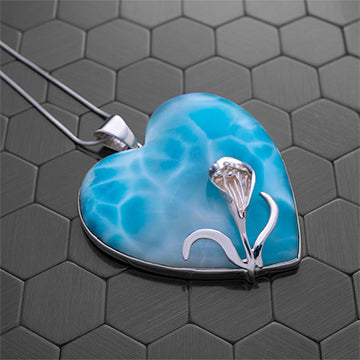
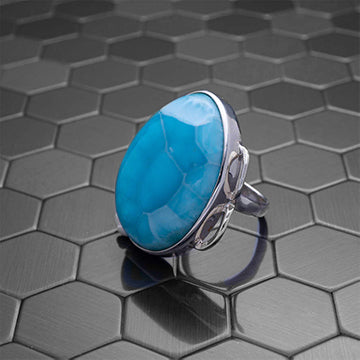
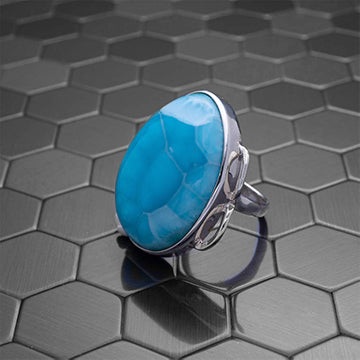
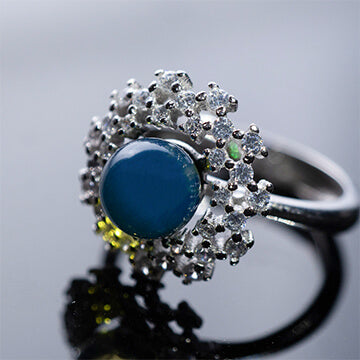
Larimar also benefits from mindful wear. Its ocean-blue beauty makes it a natural choice for pendants, statement rings, and bracelets, but a ring cabochon should have a secure setting and be removed for strenuous activity. A bezel can offer elegant protection around the stone’s edge, while prongs may leave more of the cabochon visible but demand exact placement and good craftsmanship.
If you are purchasing for a jeweler, provide the stone’s length, width, depth, shape, and photos before a setting is made. A calibrated oval can simplify the process, while a freeform cabochon may call for a custom setting. That extra work can be worthwhile when the stone is exceptional. Rather than forcing a rare cabochon into a standard design, allow the jewelry to follow the stone’s natural silhouette.
Cabochon pricing is shaped by more than size. Color quality, translucency, pattern, origin, polish, rarity, and cutting skill all influence value. A larger cabochon is not necessarily better if its surface is poorly finished or its color is lifeless. Conversely, a smaller stone with vivid blue color, fine polish, and exceptional natural pattern can be the more valuable choice.
For Dominican blue amber, pieces that show strong blue fluorescence or unusual internal features may command a premium. For Larimar, intense blue material with attractive white patterning is highly sought after, especially when the cut makes the color feel open and luminous rather than crowded by dark matrix. Still, personal preference belongs in the decision. A collector who loves bold matrix may find more meaning in a distinctive stone than in a technically higher-grade cabochon with a quieter appearance.
Compare like with like. Consider similar dimensions, visual quality, stated origin, and whether the piece is loose, finished, or accompanied by documentation. An unusually low price may be a reason to investigate rather than a reason to rush. Rare Caribbean gemstones carry the value of limited supply, careful sourcing, and skilled handwork.
A reliable seller should make an informed purchase feel straightforward. Before placing an order, ask for the exact stone dimensions, its origin, and whether color has been enhanced or the material stabilized. Request confirmation of any visible chips, fractures, repairs, or natural inclusions. It is also wise to understand the return policy, especially when buying a one-of-a-kind cabochon from photographs.
For a meaningful purchase, ask how the stone was selected and cut. At Larimar Creations, the appeal of a cabochon is not only its finished polish but its connection to authentic Dominican material and artisan workmanship. That connection gives a loose gemstone the presence of a future heirloom, whether it becomes a custom ring, an ocean-inspired pendant, or a cherished addition to a collection.
The most memorable cabochon is rarely the one that checks every textbook box. It is the stone whose color, origin, and natural character continue to draw you back - a small, enduring invitation to wear a piece of the Caribbean.
Sign up to get the latest on sales, new releases and more …
8 min read
6 min read
5 min read