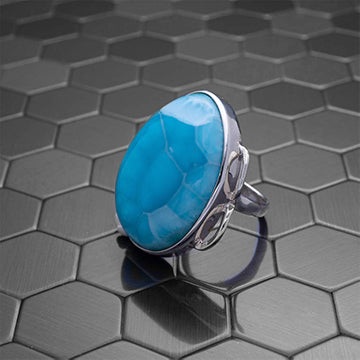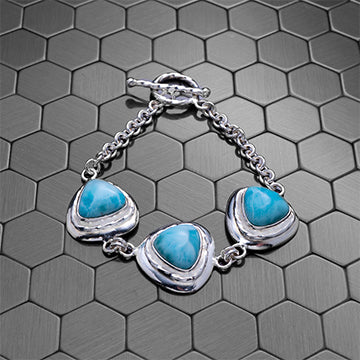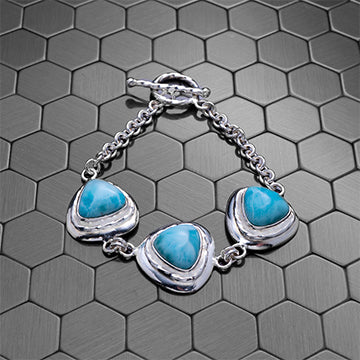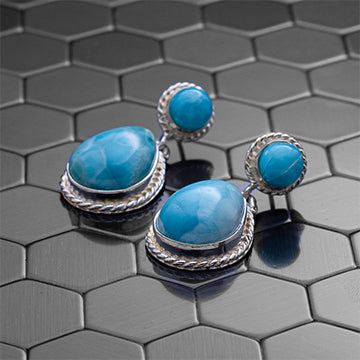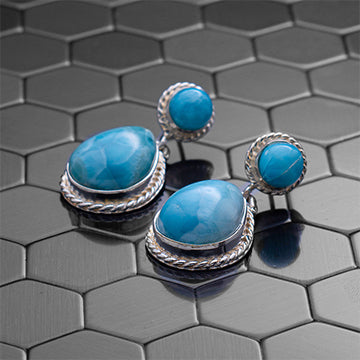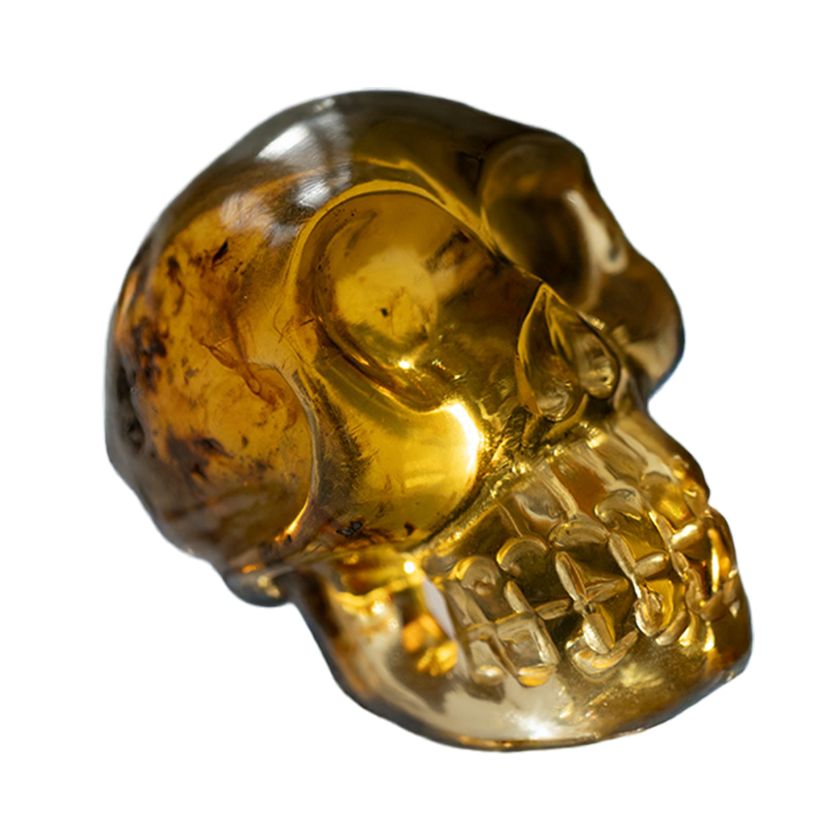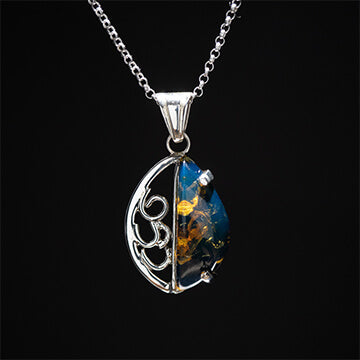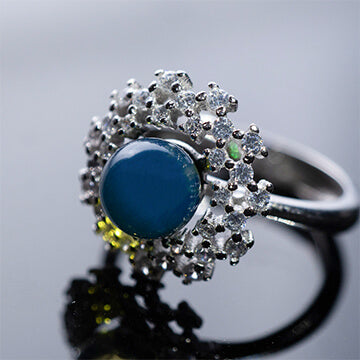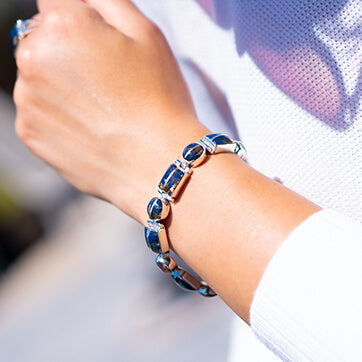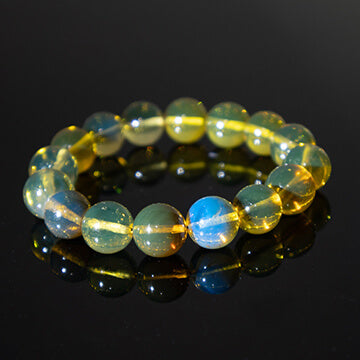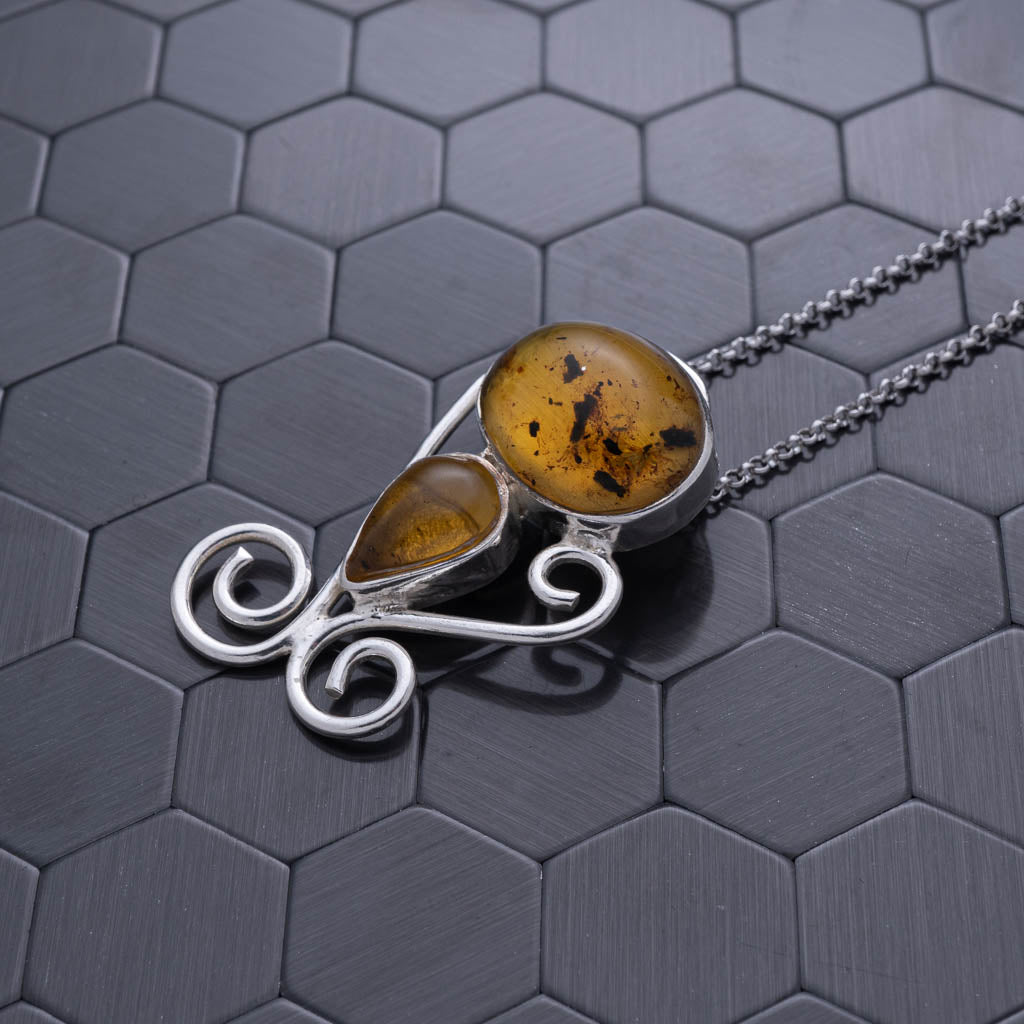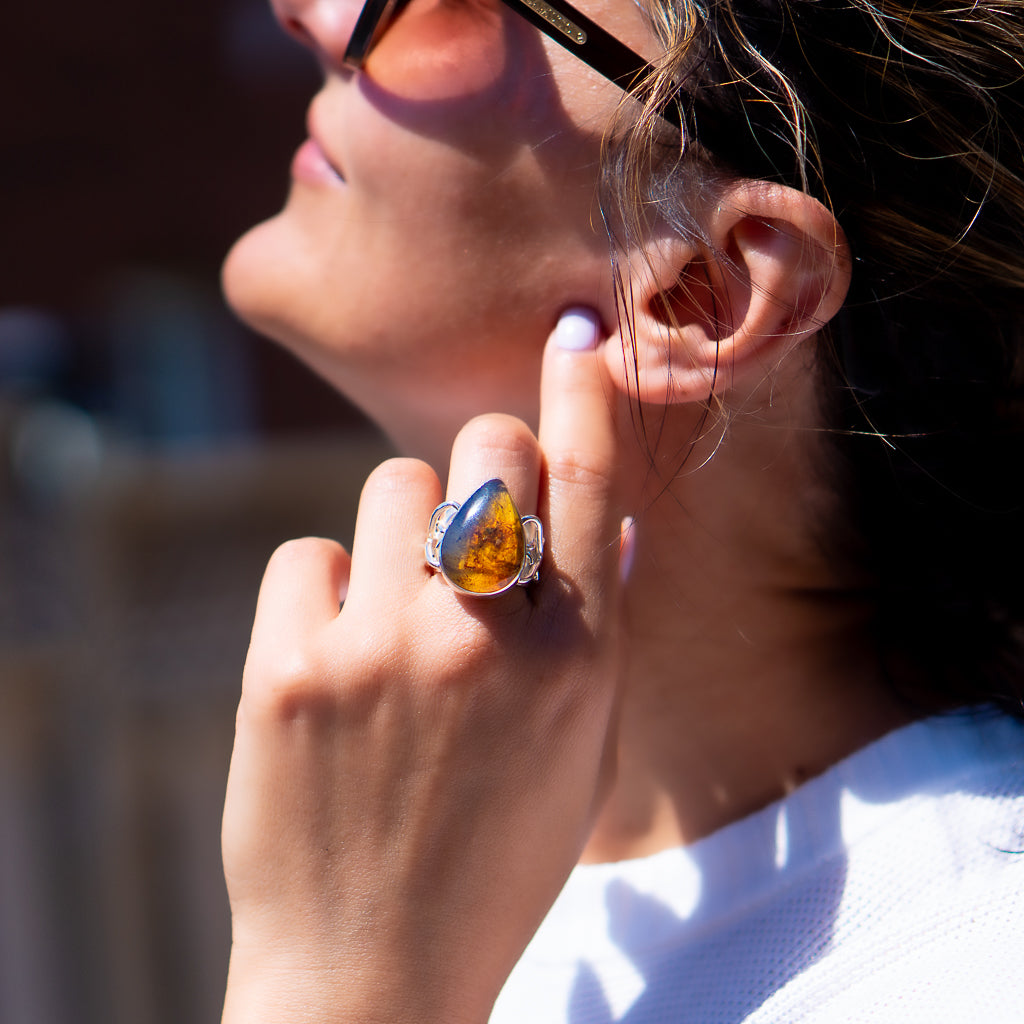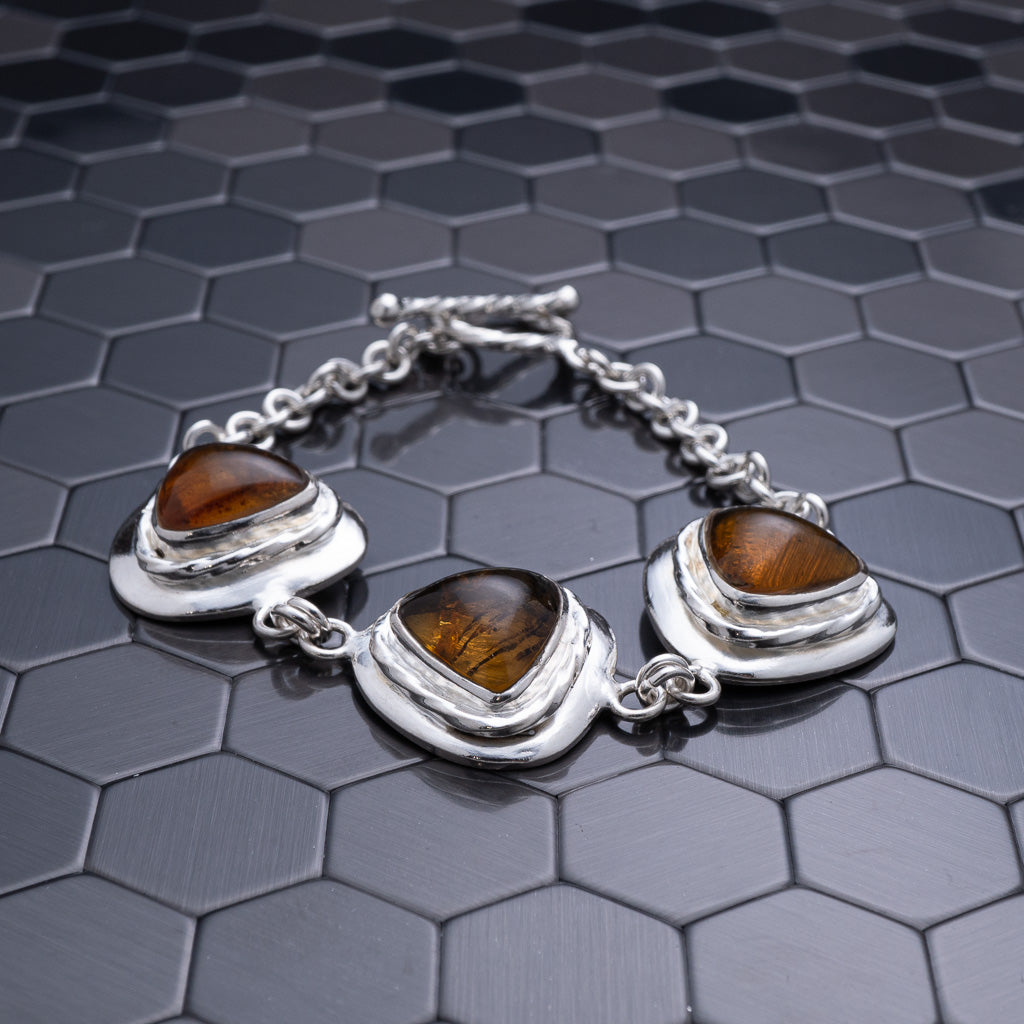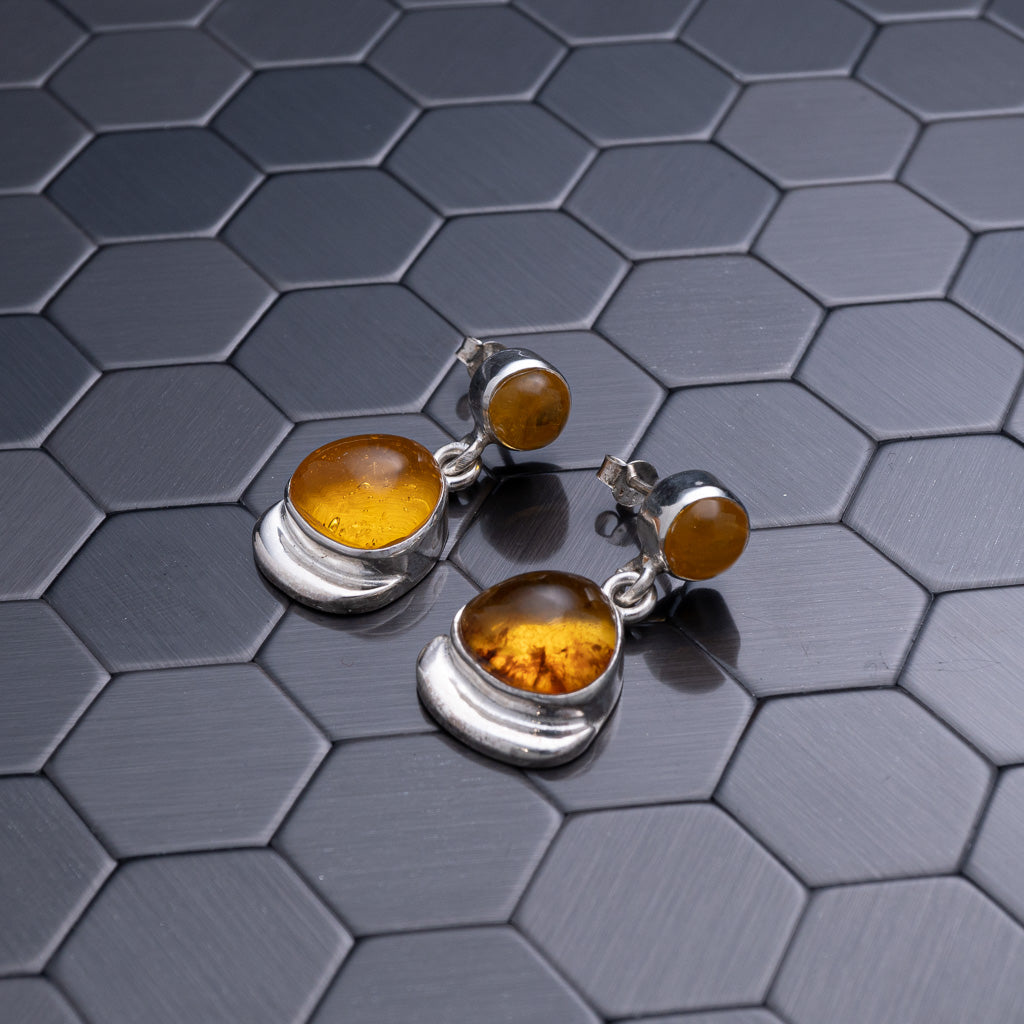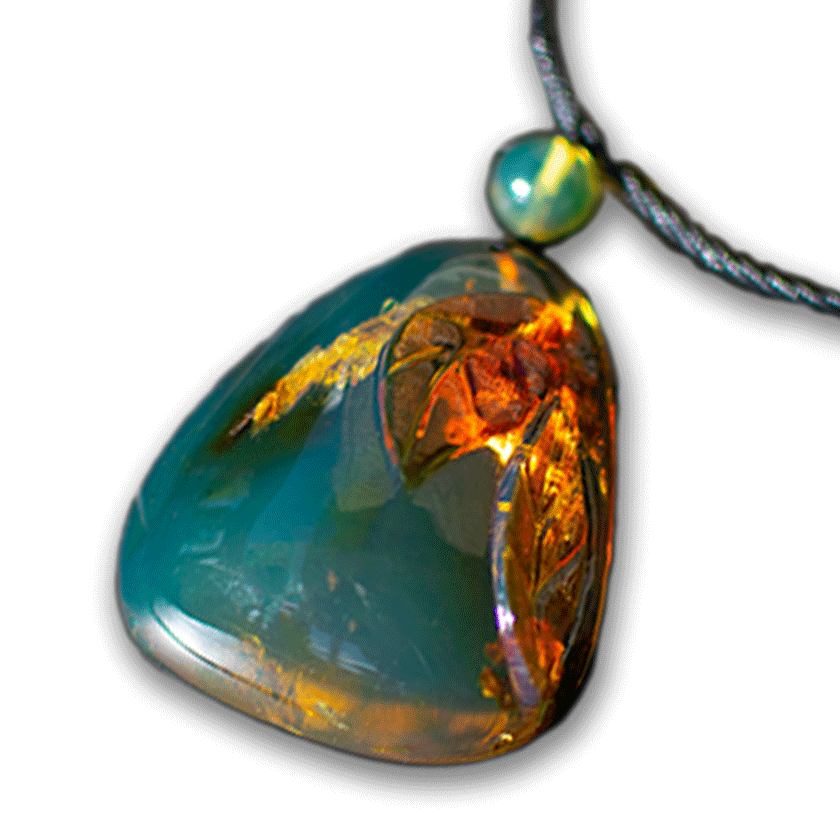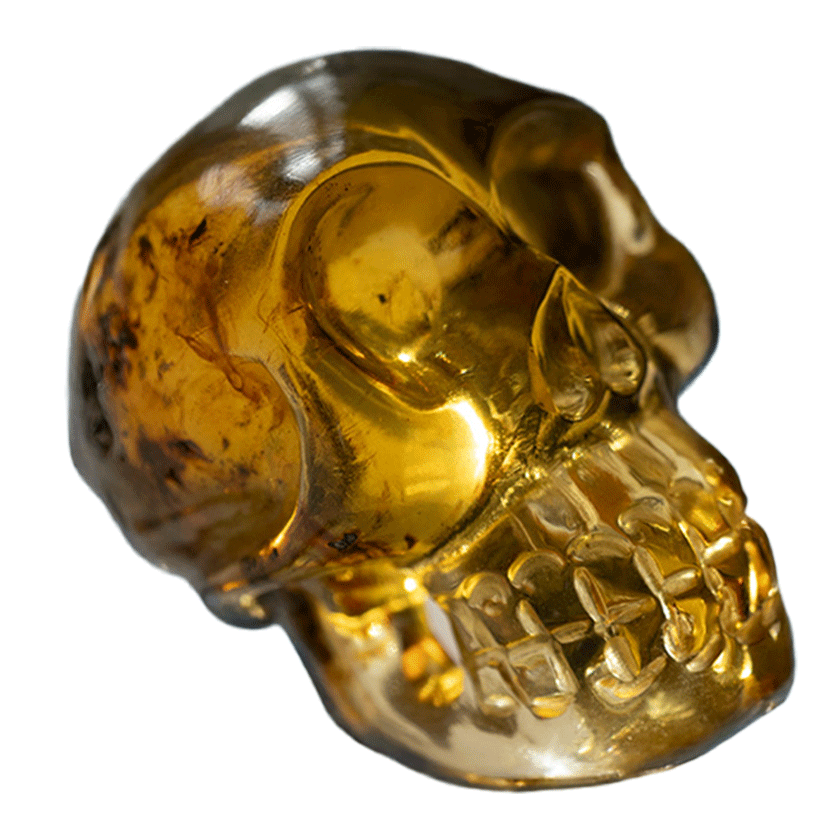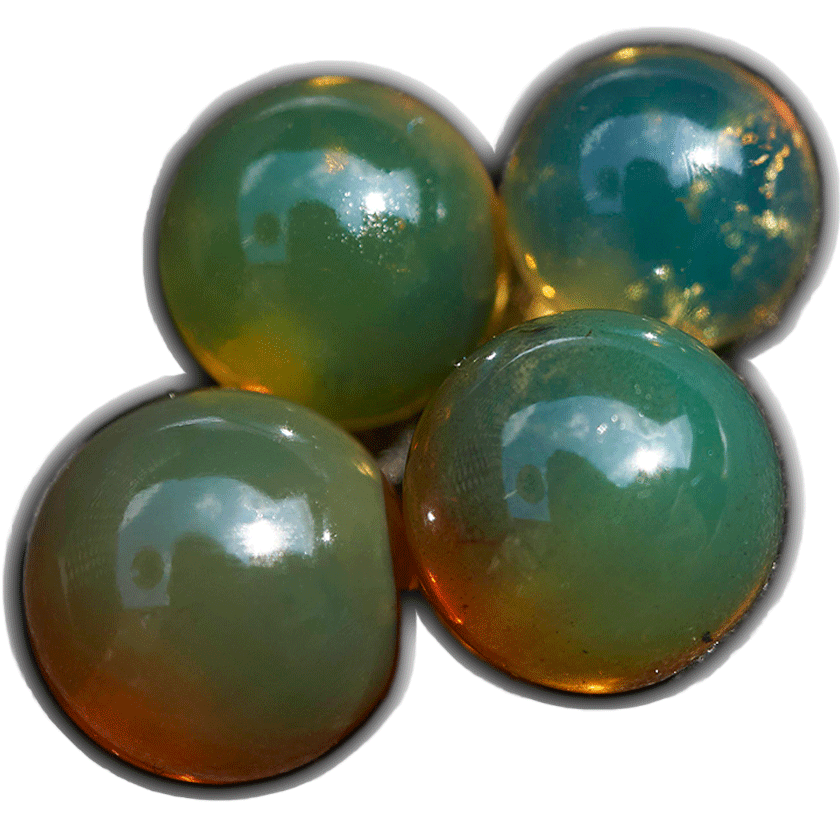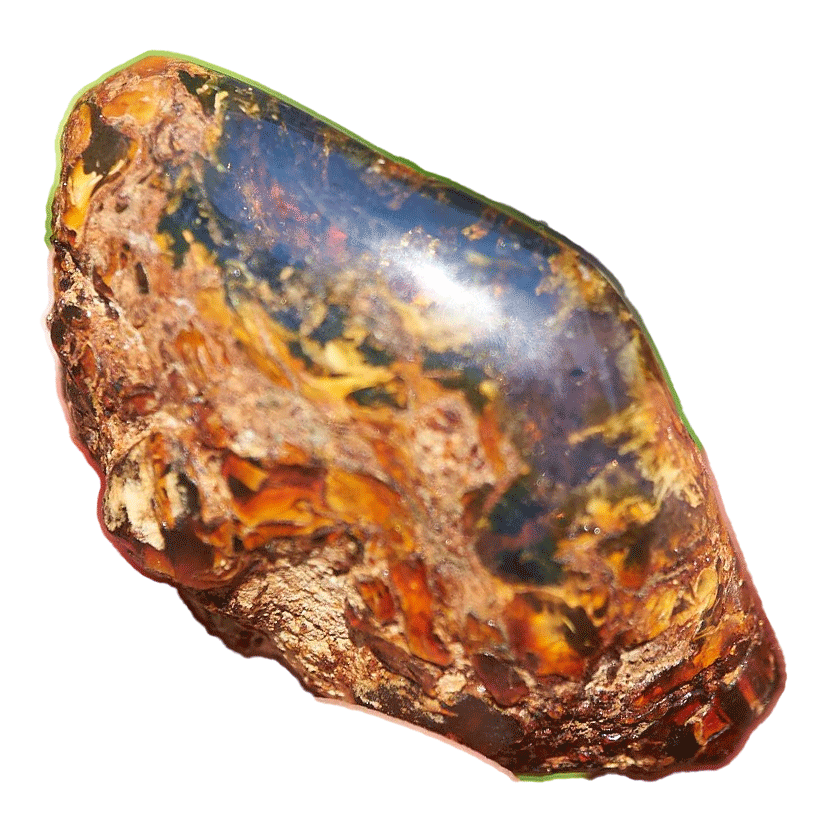


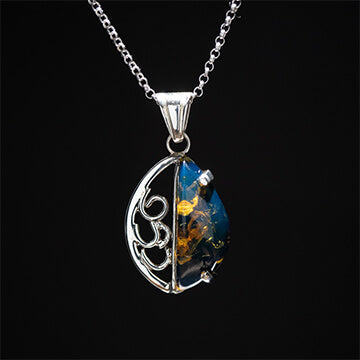
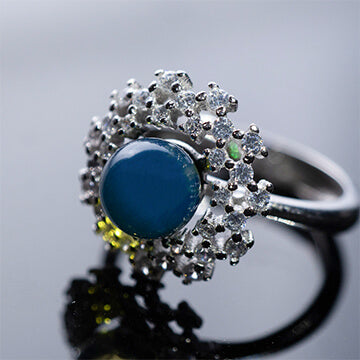
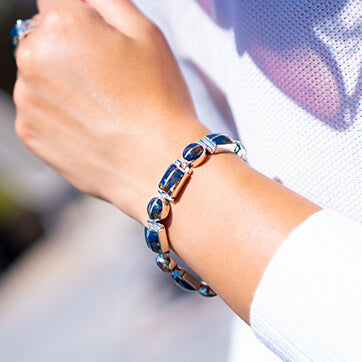
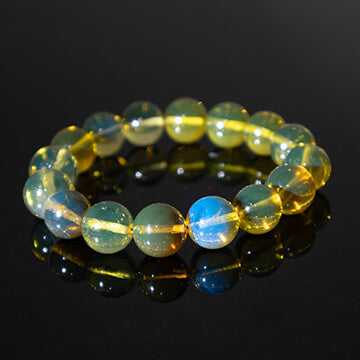
Handcrafted in DR.

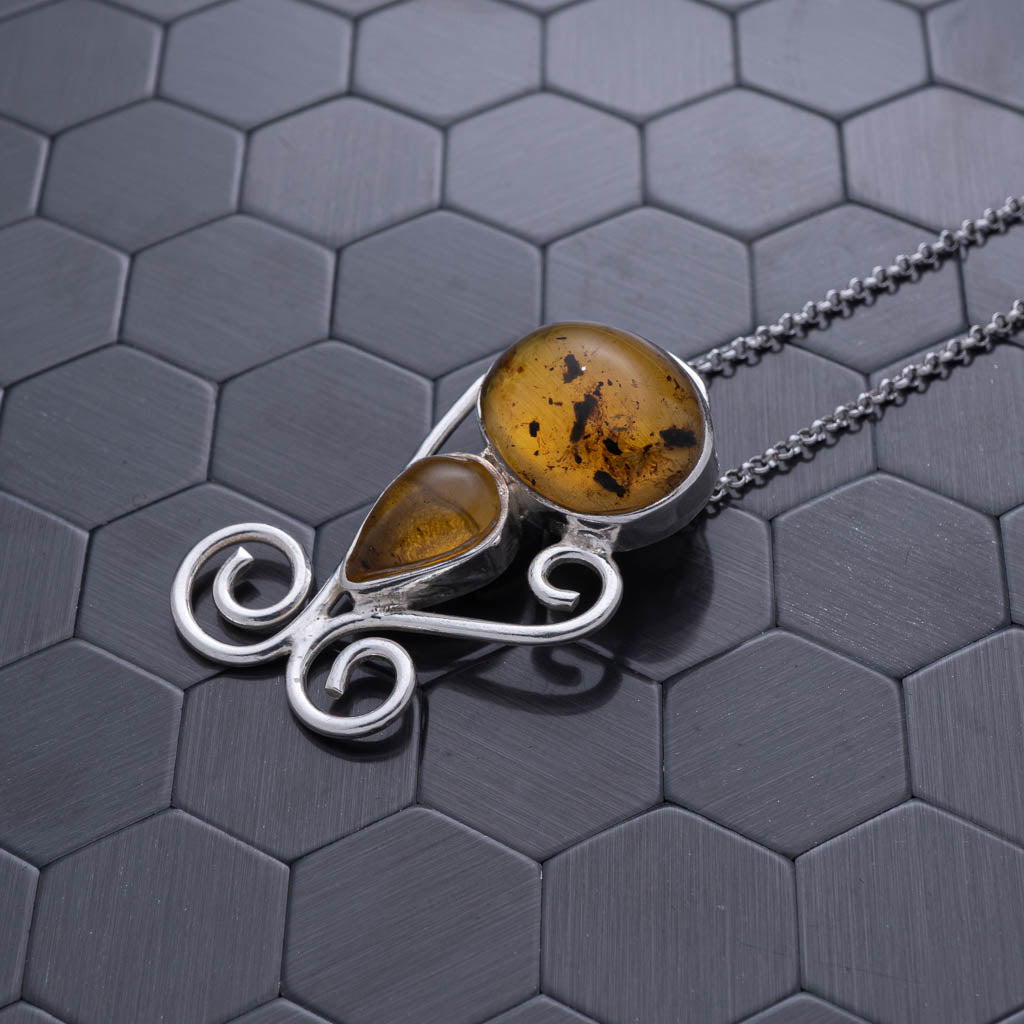
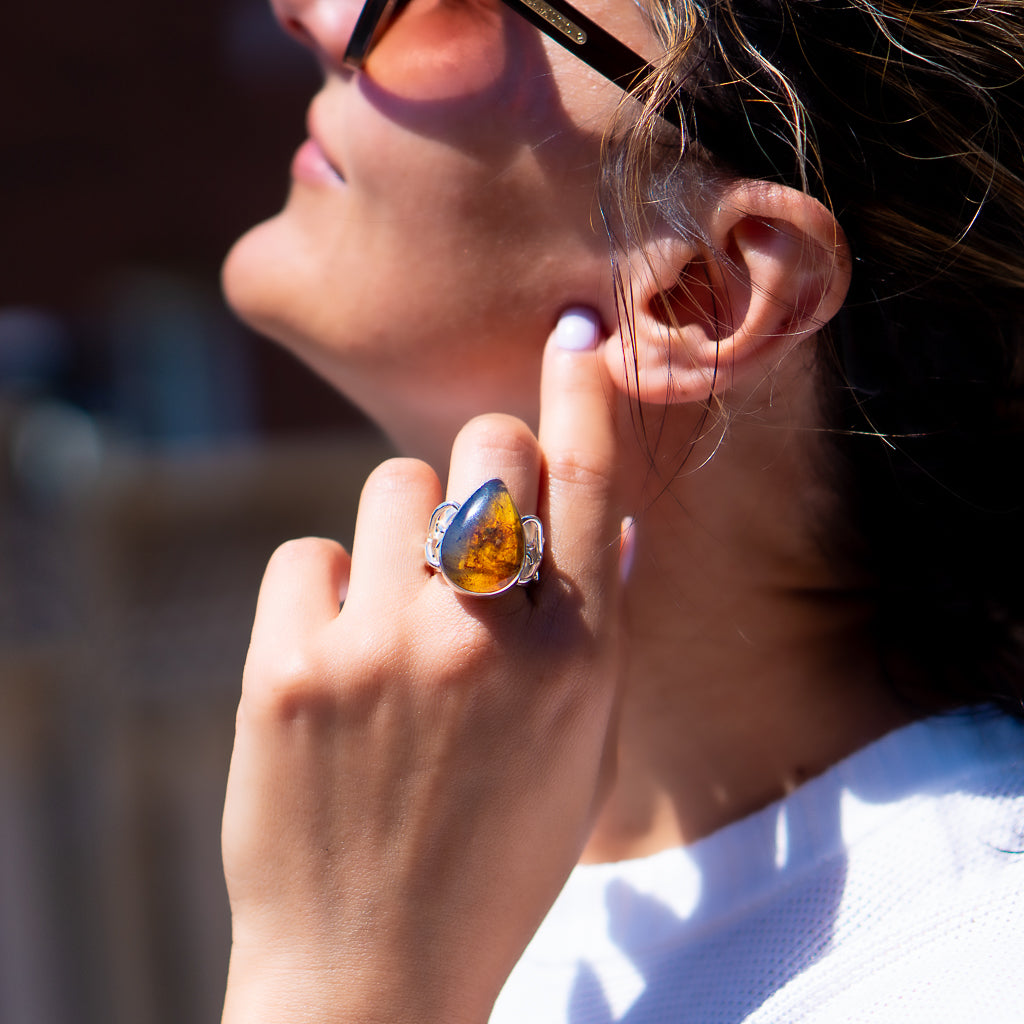
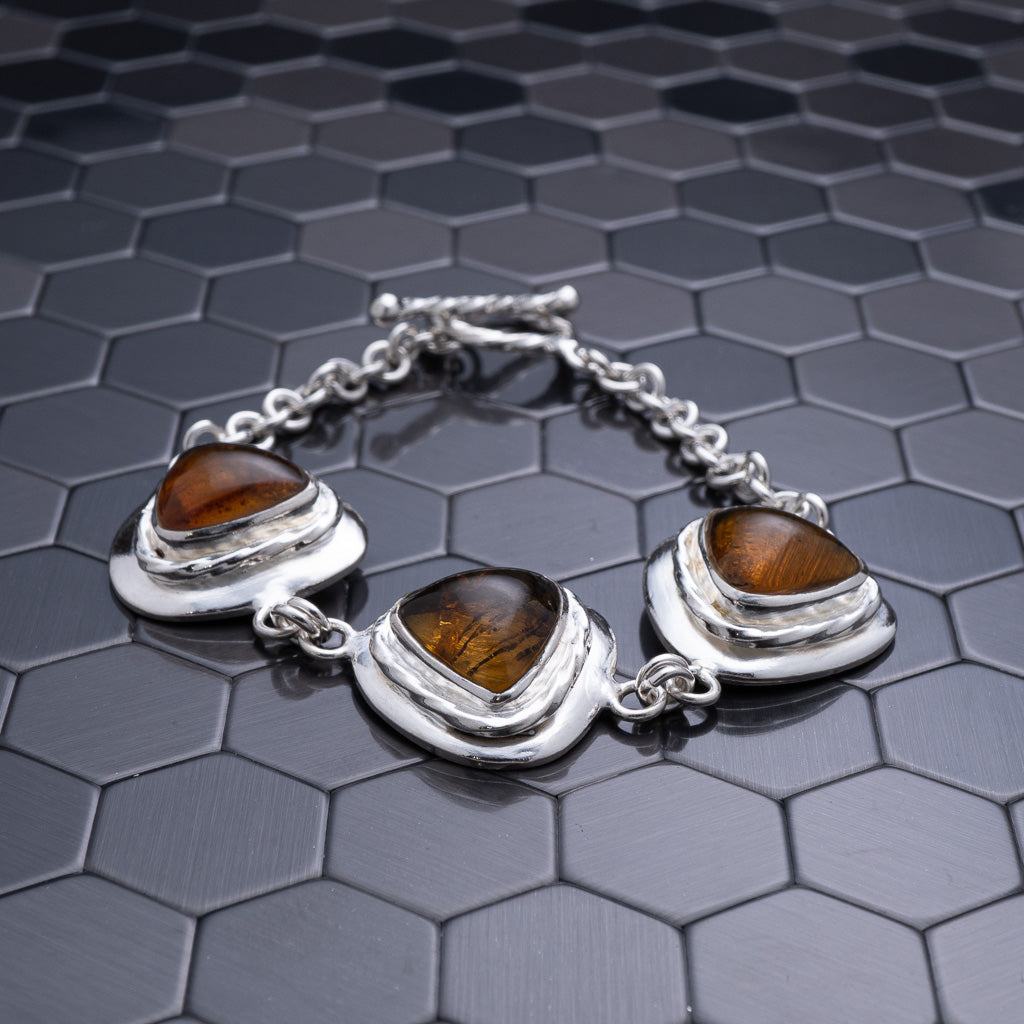
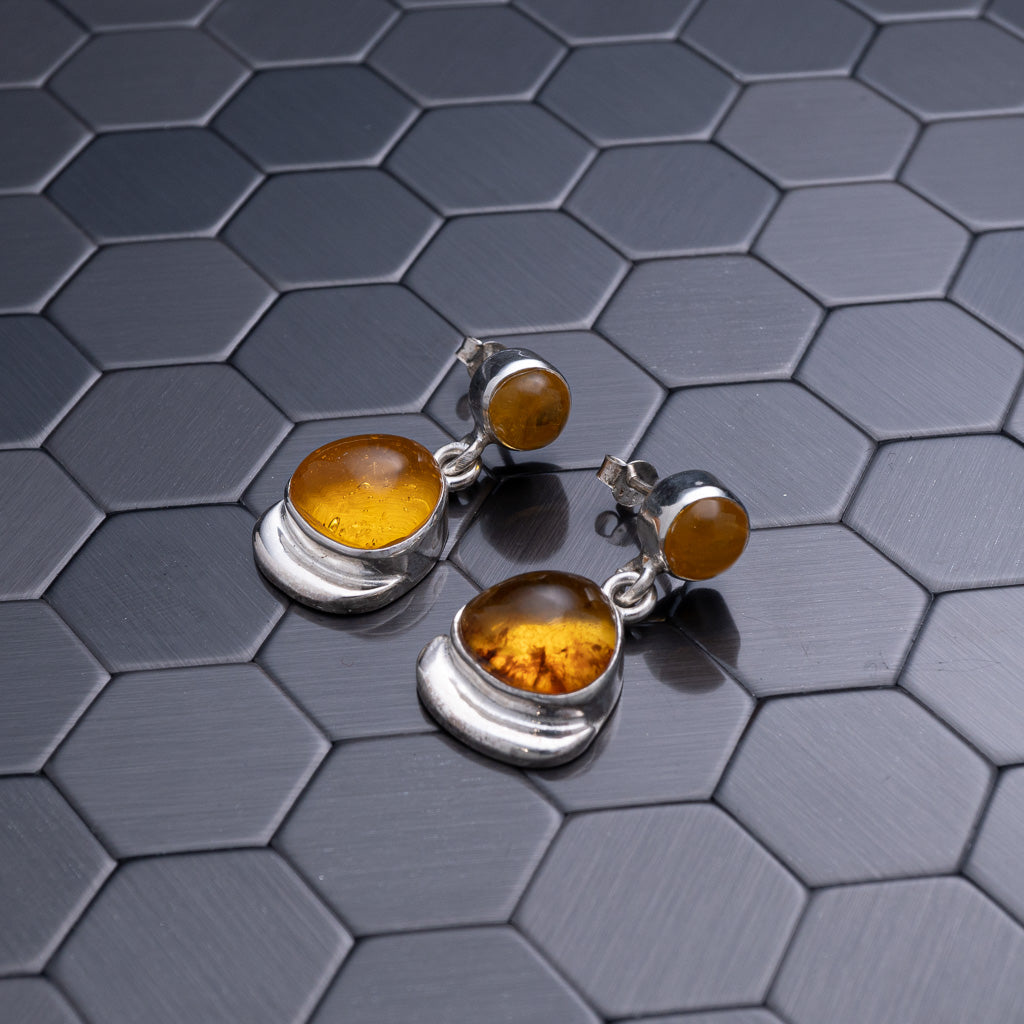


100% Handcrafted in DR.

The larimar gem stands as one of the world's rarest and most captivating gemstones, found exclusively in a single mountain range in the Dominican Republic. This stunning blue stone, with its colors reminiscent of Caribbean waters, has captivated jewelry enthusiasts and collectors since its official discovery in 1974. Unlike many precious stones that form deep within the earth's crust under extreme pressure, larimar's unique volcanic origins and limited geographic availability make it a truly exceptional treasure. Understanding the properties, authenticity markers, and cultural significance of this rare gem empowers collectors and jewelry lovers to make informed purchasing decisions while appreciating the extraordinary geological circumstances that created this natural wonder.
Larimar is a rare blue variety of pectolite, a mineral that typically appears white or gray in most locations worldwide. The distinctive azure coloration occurs due to the presence of copper during the stone's formation process, which happened during volcanic activity millions of years ago. The International Gem Society provides detailed information on pectolite and how larimar's unique chemical composition sets it apart from common varieties.
The stone forms in volcanic environments where hot gases and minerals interact under specific temperature and pressure conditions. This process created cavities within basaltic lava flows, allowing pectolite crystals to develop their characteristic fibrous structure. The cooling rate, mineral content, and precise geological conditions all contribute to the varying shades of blue that make each larimar gem unique.
The most remarkable aspect of larimar is its exclusive geographic origin. The larimar gem exists in only one location on Earth: the Los Chupaderos mine in the Bahoruco mountain range near Barahona, Dominican Republic. This singular source makes larimar rarer than many precious stones found across multiple continents.
The Dominican Ministry of Energy and Mines has implemented measures to support larimar miners while promoting responsible extraction practices. These governmental initiatives address formalization, social programs, and environmental stewardship within the mining community. The limited mining area, combined with the challenges of extraction from mountainous terrain, contributes to the stone's scarcity in the global marketplace.
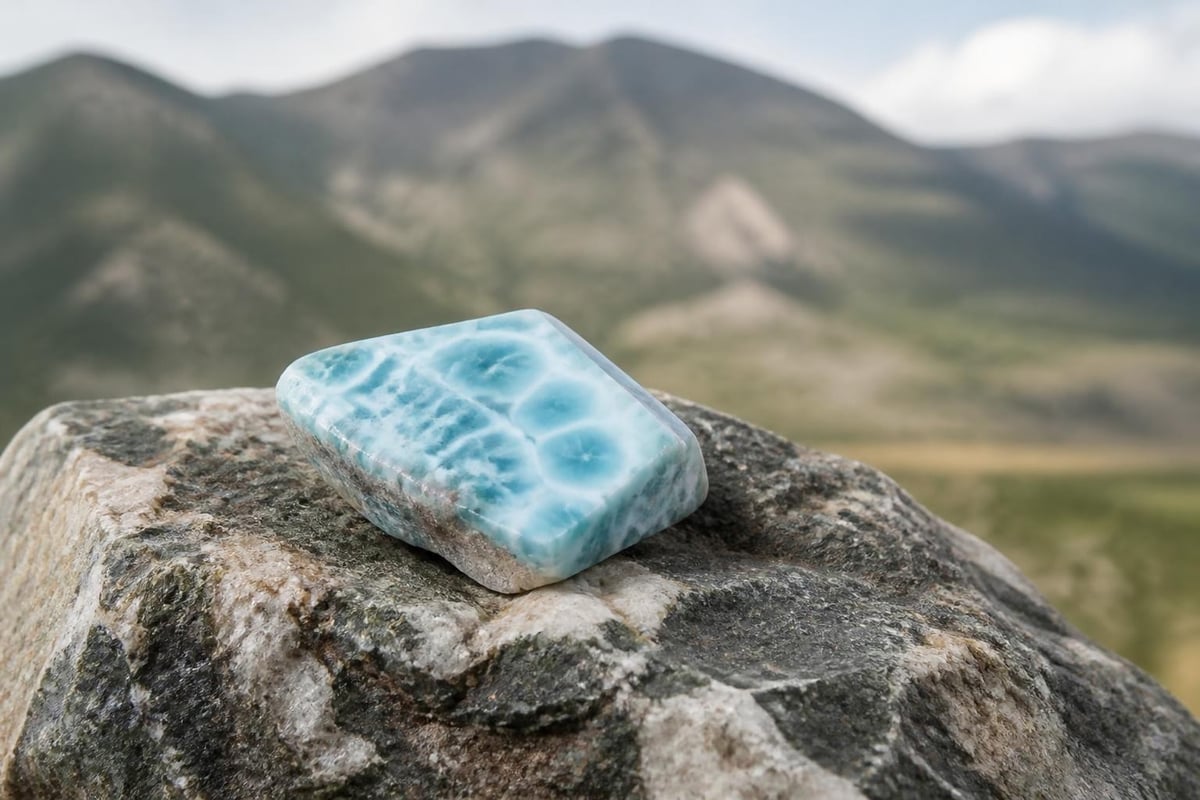
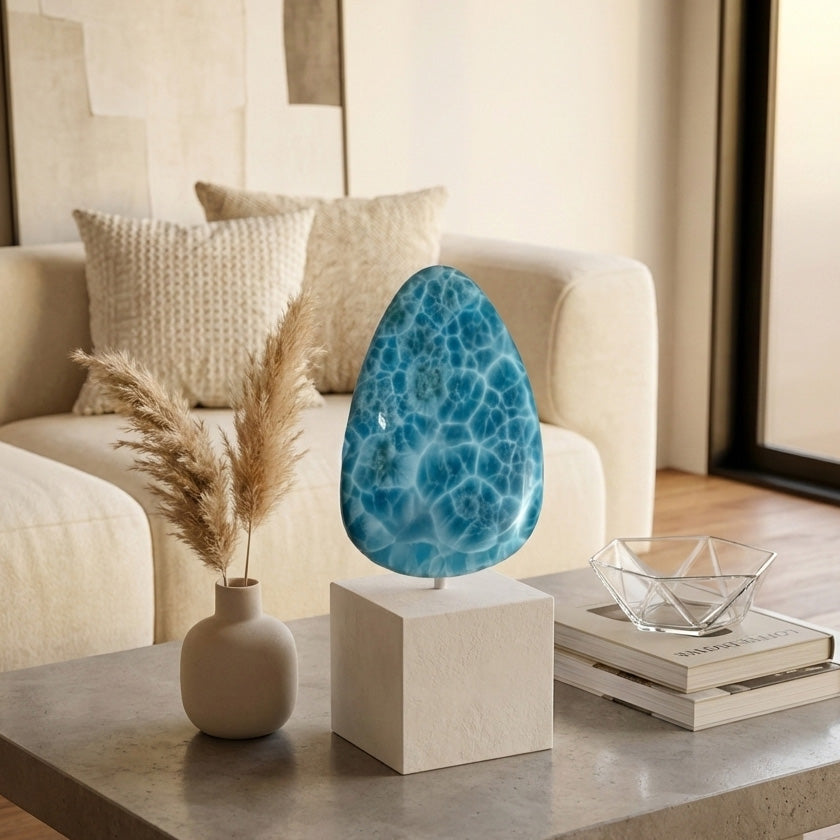
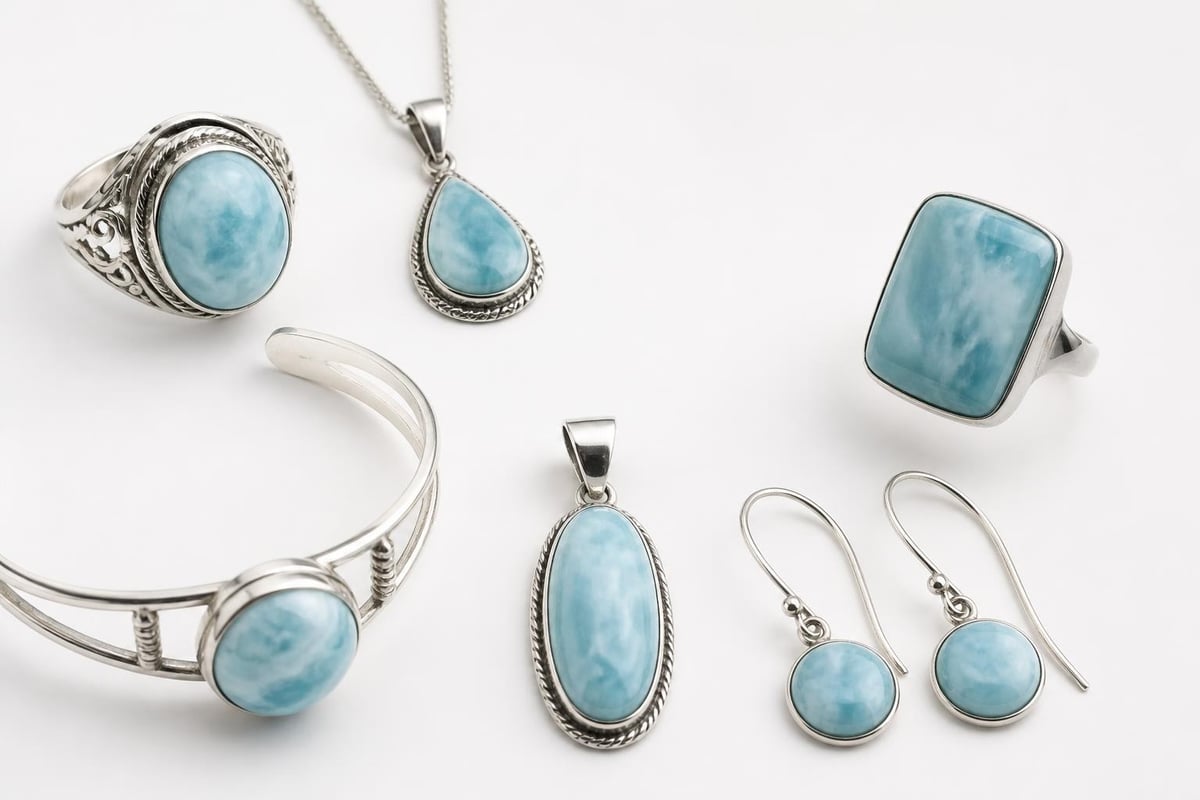
The larimar gem displays a spectrum of blue shades ranging from pale sky blue to deep volcanic blue, often with white patterns resembling ocean waves or clouds. The most prized specimens exhibit intense, saturated blue coloration with minimal white inclusions. However, the natural variations create unique patterns that many collectors specifically seek.
Several characteristics determine the value and desirability of larimar:
| Quality Grade | Color Description | Typical Characteristics | Market Position |
|---|---|---|---|
| AAA Premium | Deep volcanic blue | Minimal white, high translucency | Investment grade |
| AA High | Medium to dark blue | Some white patterns, good clarity | Fine jewelry |
| A Standard | Light to medium blue | Noticeable white matrix | Commercial jewelry |
| B Commercial | Pale blue | Heavy white inclusions | Entry-level pieces |
The grading system helps buyers understand pricing differences, though personal aesthetic preferences often matter more than technical grades. Some collectors specifically appreciate the artistic patterns created by white calcite veining, viewing these as natural artwork rather than imperfections.
With increasing demand for this rare gemstone, the market has seen attempts to sell imitations or treated materials as authentic larimar. Developing knowledge about genuine larimar gem characteristics protects buyers from fraudulent practices.
Authentic larimar displays several distinctive features. The stone exhibits a characteristic fibrous structure visible under magnification, with needle-like crystals creating its signature appearance. Natural larimar shows color variations within a single piece, never appearing perfectly uniform. The hardness measures between 4.5 and 5 on the Mohs scale, making it softer than quartz but harder than calcite.
Common substitutes include dyed howlite, synthetic materials, and treated chalcedony. Dyed howlite represents the most frequent impostor, as its porous nature readily accepts blue dyes. However, dyed stones typically show unnaturally even coloration and may reveal color concentration in cracks or surface irregularities.
Testing methods for authentication include:
The Dominican government established denomination of origin protections for "Larimar Barahona" to combat fraud and ensure proper labeling. These legal safeguards help maintain market integrity and protect both consumers and legitimate miners.
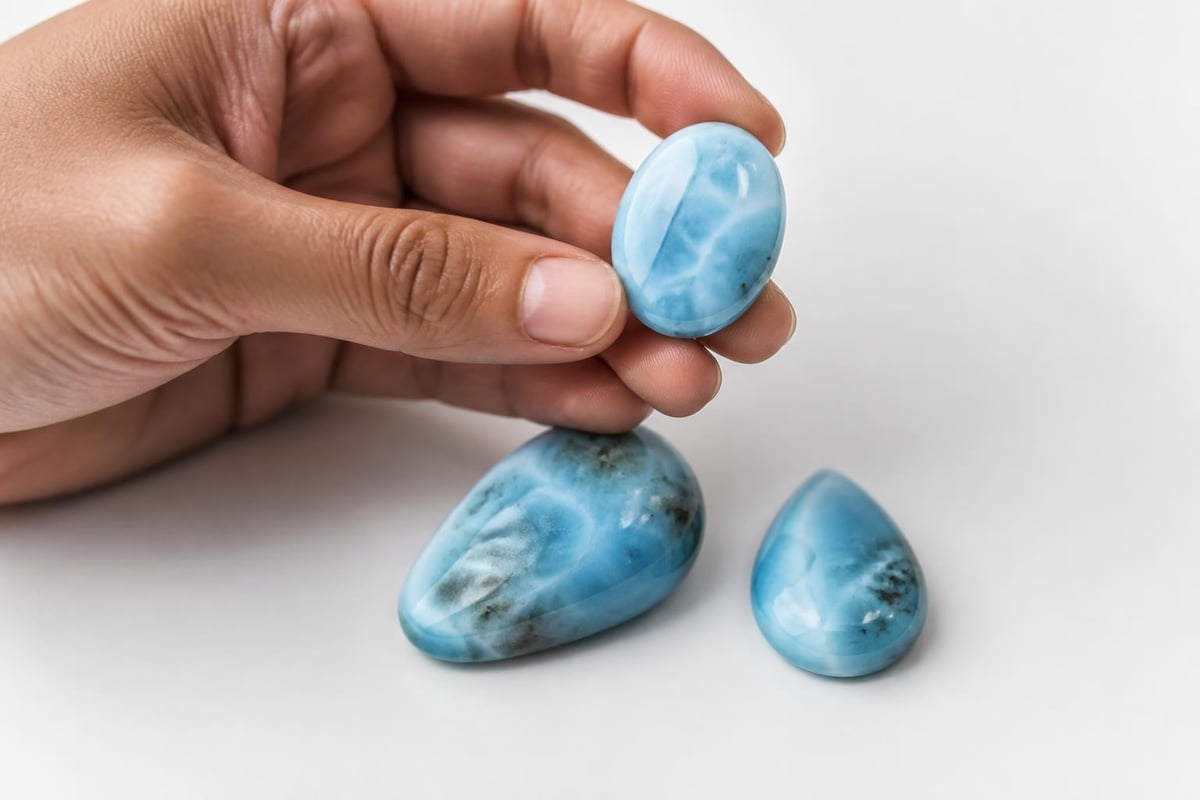
The larimar gem requires thoughtful care due to its moderate hardness and sensitivity to certain conditions. Proper maintenance preserves the stone's beauty and ensures longevity in jewelry pieces. Understanding these care requirements helps owners protect their investment while enjoying their pieces regularly.
Larimar responds poorly to harsh chemicals, extreme temperatures, and prolonged sun exposure. The stone's copper content, responsible for its blue color, can oxidize or fade under certain conditions. Household cleaners, chlorine, and acidic substances may damage the surface or alter the appearance over time.
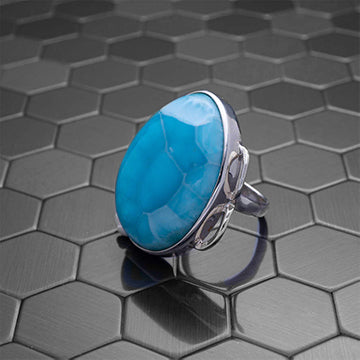
For those incorporating larimar into their regular jewelry rotation, protective settings become essential. Bezel settings or designs that shield the stone from direct impact work better than exposed prong settings for rings experiencing daily wear. Pendants and earrings generally face less physical stress than rings or bracelets, making them excellent choices for showcasing larger or higher-grade specimens.
Cleaning should involve only mild soap, lukewarm water, and soft brushes. Ultrasonic cleaners and steam cleaning equipment pose risks to larimar's structural integrity. After cleaning, thorough drying with soft, lint-free cloth prevents water spots and mineral deposits.
Storage practices matter significantly for long-term preservation. Individual soft pouches prevent scratching from harder gemstones, while climate-controlled environments protect against extreme temperature fluctuations. For valuable pieces, periodic professional inspection identifies potential issues before they develop into serious problems. Those interested in repairing larimar gemstone jewelry can find specialized guidance for restoration and maintenance.
The larimar gem holds deep cultural meaning within Dominican society, representing national pride and natural heritage. Local legends suggested indigenous Taino people knew of the stone's existence, though modern commercial mining began only in the 1970s. The name "larimar" combines "Larissa" (the daughter of one discoverer) with "mar" (Spanish for sea), reflecting the stone's oceanic appearance.
Beyond its Dominican roots, larimar has gained international recognition among metaphysical communities and jewelry designers. Many attribute calming and healing properties to the stone, associating it with peace, clarity, and emotional balance. Whether one embraces these beliefs or simply appreciates the aesthetic beauty, larimar's popularity continues growing in global markets.
Contemporary jewelry designers increasingly incorporate larimar into diverse styles:
The larimar jewelry collections demonstrate how artisans transform raw stones into wearable art. From delicate pendants to bold rings, each piece highlights the gem's unique characteristics while serving different style preferences and occasions.
The larimar gem industry represents an important economic sector for the Barahona region, providing livelihoods for miners, cutters, jewelry artisans, and retailers. However, the artisanal nature of extraction presents both opportunities and challenges. Small-scale mining operations dominate the landscape, with limited mechanization due to the mountainous terrain and irregular deposit distribution.
Transparency and formalization efforts aim to improve working conditions while ensuring environmental responsibility. The EITI validation report for the Dominican Republic discusses artisanal and small-scale mining challenges, including governance frameworks and community development initiatives related to gemstone extraction.
Responsible sourcing has become increasingly important to conscious consumers seeking ethically produced jewelry. Understanding the journey from mine to market helps buyers make informed decisions aligned with their values. Reputable dealers maintain relationships with mining communities and can trace their stones' origins.
The finite nature of larimar deposits raises long-term sustainability questions. Geological surveys suggest extractable reserves have limits, though precise estimates remain uncertain due to exploration challenges. This scarcity potentially increases value over time but also emphasizes the importance of responsible consumption and appreciation for existing pieces.
As awareness of the larimar gem expands beyond traditional Caribbean tourism markets, prices have shown steady appreciation for top-quality specimens. The combination of single-source origin, limited supply, and growing international demand creates favorable conditions for value retention. However, like all colored gemstones, larimar markets experience fluctuations based on fashion trends, economic conditions, and mining output.
Investment-grade larimar typically exhibits exceptional color saturation, minimal inclusions, and significant size. Stones exceeding twenty carats with deep volcanic blue coloration and high translucency represent the pinnacle of quality. These specimens appeal to serious collectors and may appreciate substantially over time.
| Size Range | AAA Quality Price Range | Market Considerations | Investment Outlook |
|---|---|---|---|
| 1-5 carats | Moderate | Widely available | Stable appreciation |
| 5-15 carats | Premium | Good selection | Strong potential |
| 15-30 carats | High premium | Limited availability | Excellent potential |
| 30+ carats | Ultra-premium | Rare specimens | Museum quality |
For those interested in larimar primarily for personal enjoyment rather than investment, the middle quality grades offer excellent value. These stones provide the characteristic beauty and rarity at more accessible price points, making them ideal for regular wear in jewelry pieces.
Lapidary artists and jewelry designers face unique considerations when working with the larimar gem. The stone's directional fibrous structure requires careful orientation during cutting to maximize visual appeal and structural integrity. Cabochon cuts remain most popular, as they showcase the stone's color and natural patterns while providing durability.
Faceting larimar presents greater challenges due to its moderate hardness and cleavage tendencies. While possible, faceted larimar appears less frequently in the market than cabochons. The stone's natural beauty often shines most brilliantly in smooth, polished domes that capture light while displaying the characteristic blue variations.
Metal choices significantly impact the final appearance of larimar jewelry. Sterling silver provides traditional pairing, offering clean contrast that enhances the blue tones without overwhelming them. Higher karat gold creates warmer combinations, with rose gold particularly complementing stones displaying greenish or teal undertones.
Design considerations include:
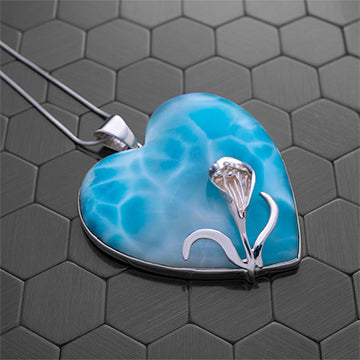
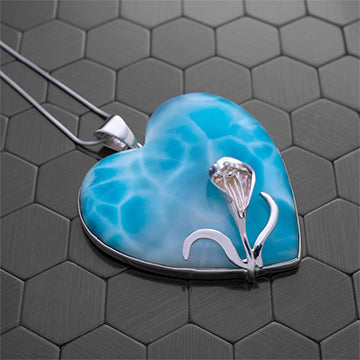
Professional jewelers experienced with softer gemstones understand the nuances of working with larimar. Their expertise ensures secure settings that protect the stone while showcasing its natural beauty. For those seeking Larimar Pendants, expertly crafted pieces demonstrate how proper design enhances the gem's inherent characteristics while providing durable, wearable art that symbolizes peace and natural beauty.
The growing interest in the larimar gem has fostered communities of collectors, designers, and enthusiasts who share knowledge and appreciation for this rare stone. Online forums, social media groups, and gem shows provide platforms for exchanging information about authenticity, care, and market trends.
Educational initiatives help consumers develop discernment when evaluating larimar. Understanding the geological factors that influence color, recognizing quality indicators, and learning about ethical sourcing all contribute to more meaningful purchases. Gemological organizations offer courses covering pectolite varieties, including specialized modules on larimar identification and grading.
Museum collections increasingly feature notable larimar specimens, allowing public viewing of exceptional examples. These displays educate broader audiences about the stone's formation, cultural significance, and place within mineralogical diversity. The Smithsonian Institution and other major museums have acquired significant larimar pieces, validating its status among important gemological specimens.
The larimar gem represents a convergence of geological rarity, natural beauty, and cultural heritage found nowhere else on Earth. Its exclusive Dominican origin, distinctive coloration, and limited availability make each piece a unique connection to specific volcanic conditions that occurred millions of years ago. Whether you're drawn to larimar for its aesthetic appeal, metaphysical associations, or investment potential, understanding its characteristics and proper care ensures lasting enjoyment of your pieces. Larimar Creations brings this exceptional gemstone to collectors worldwide through expertly handcrafted jewelry that honors both the stone's natural beauty and the artisan traditions of the Dominican Republic.