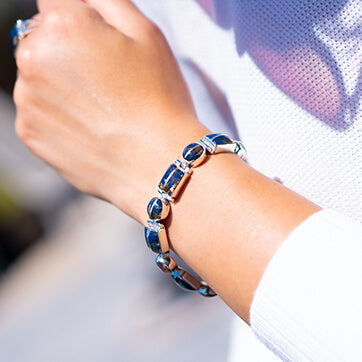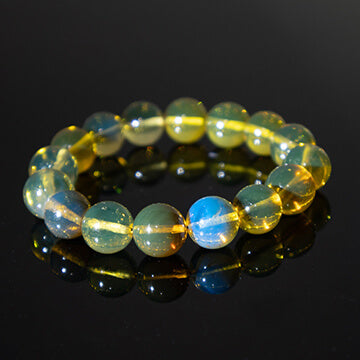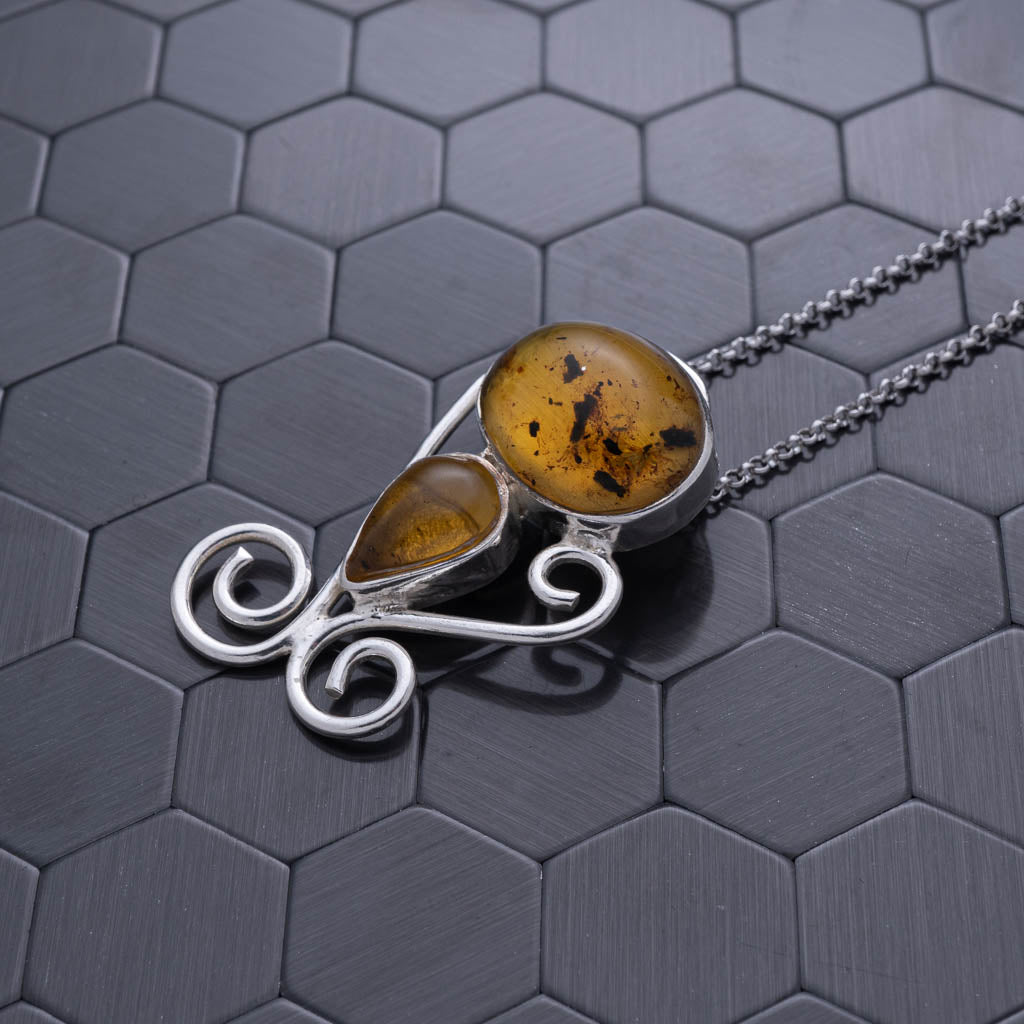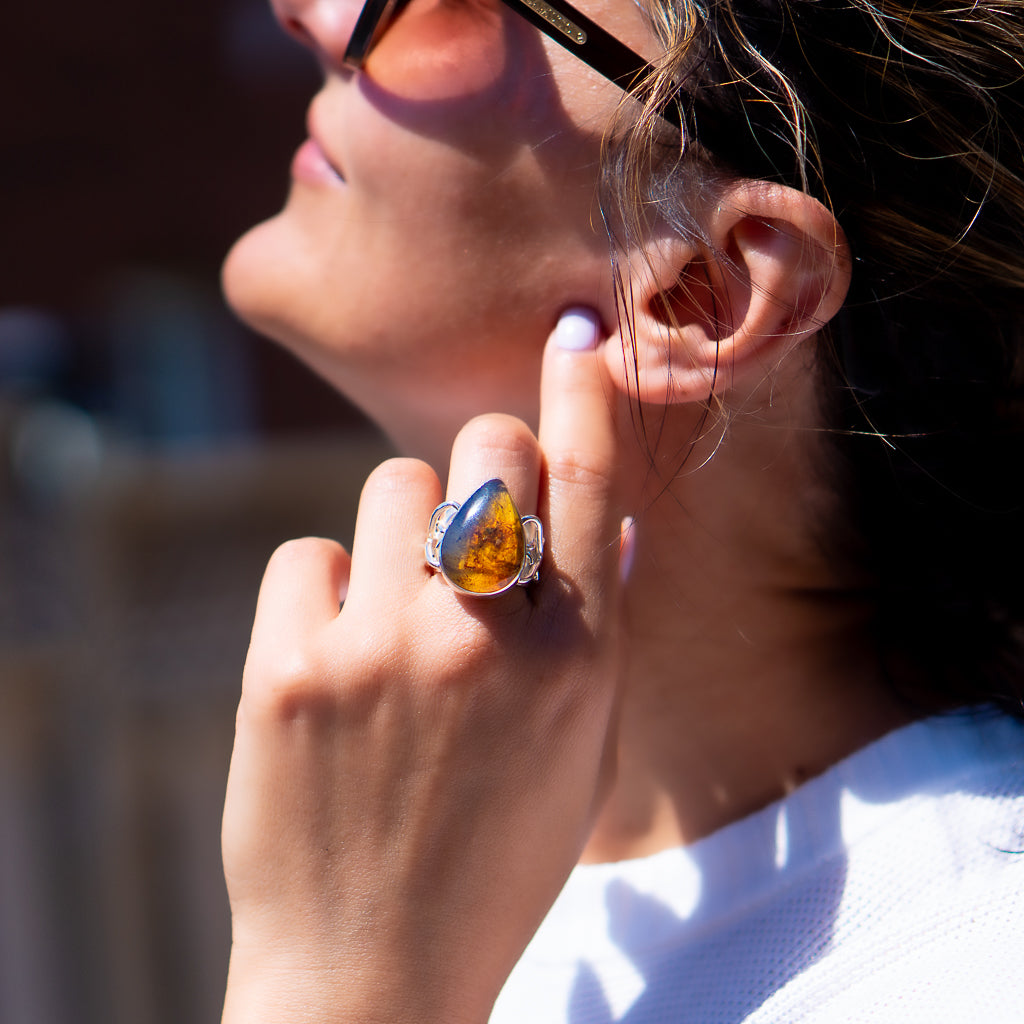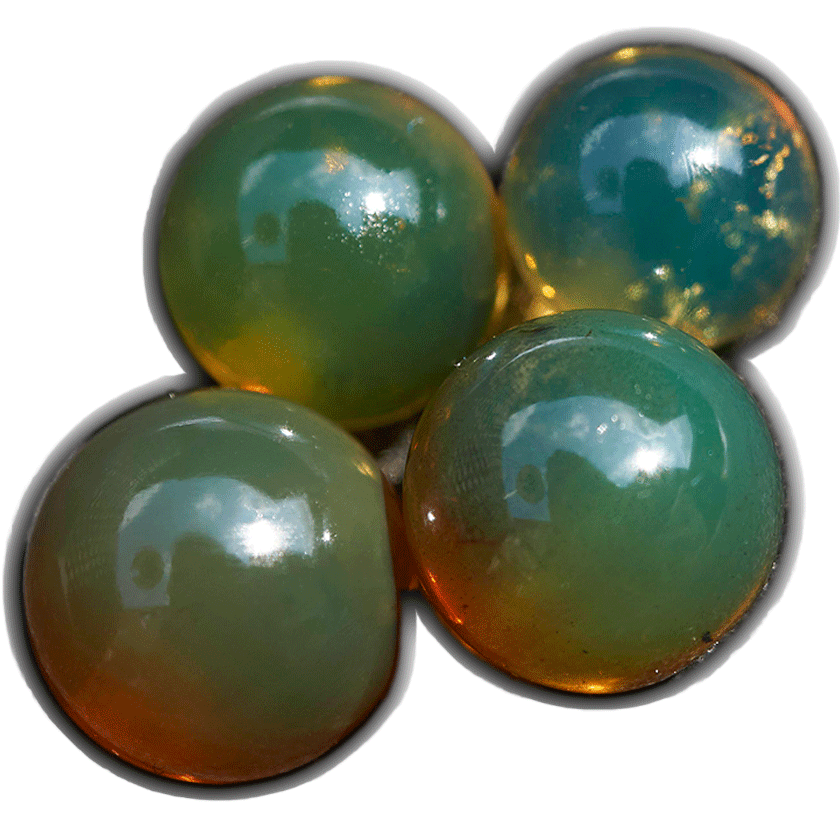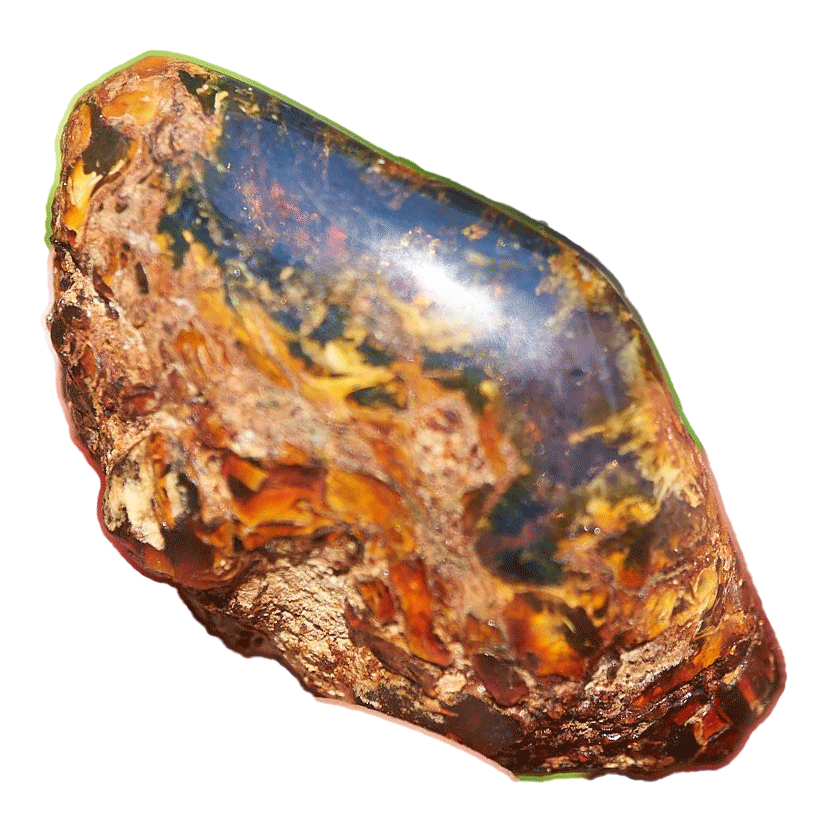

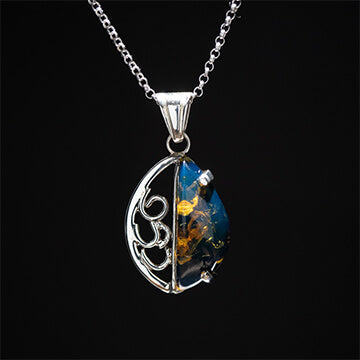
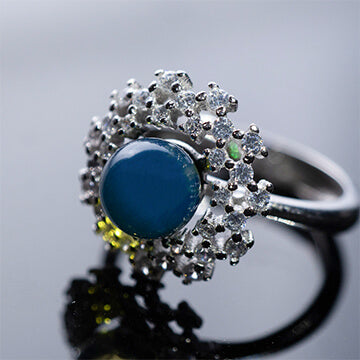
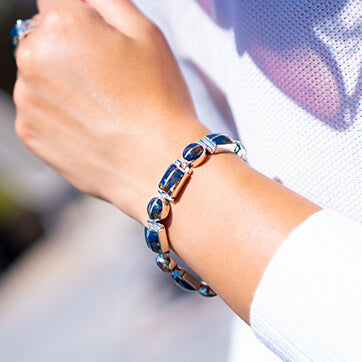
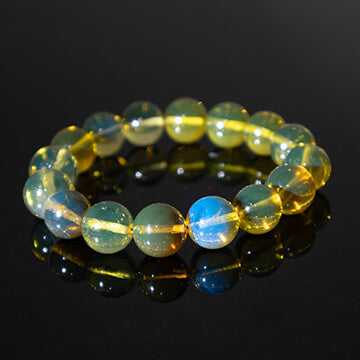
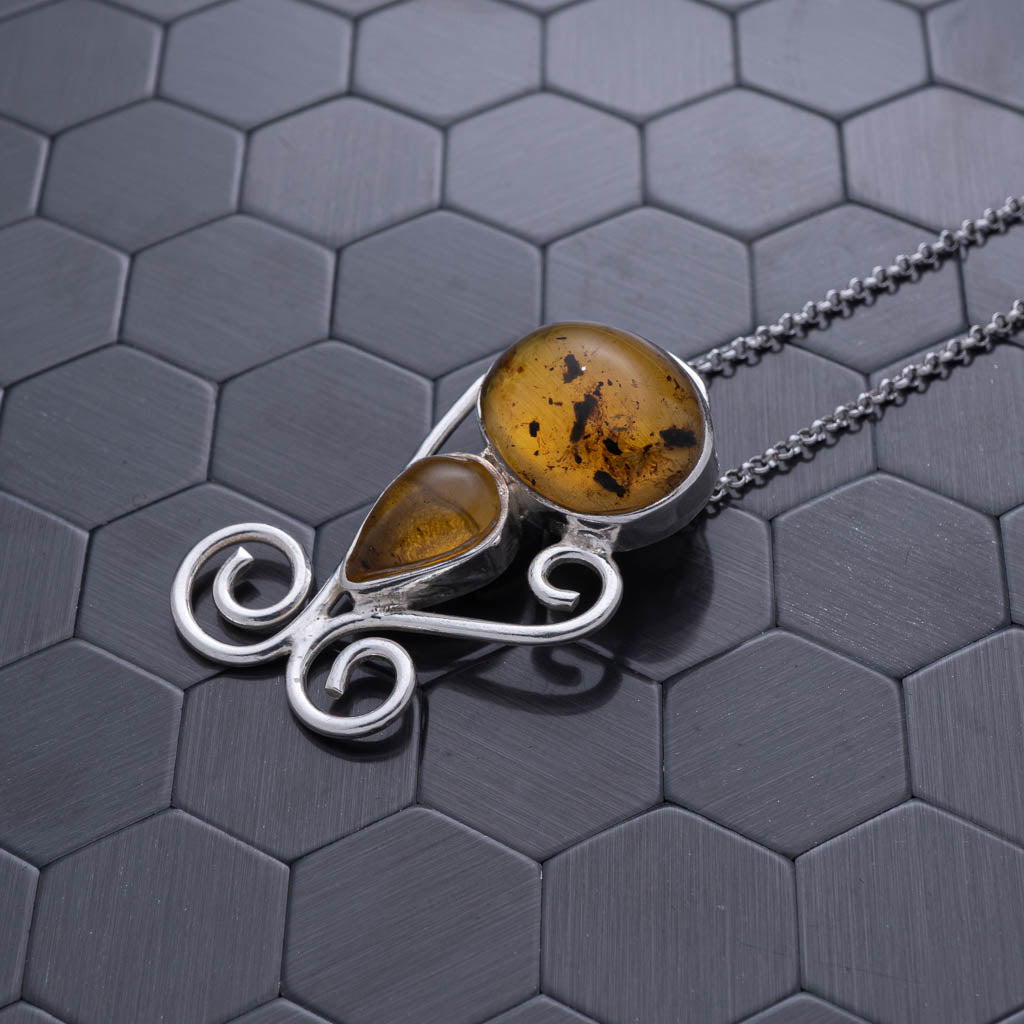
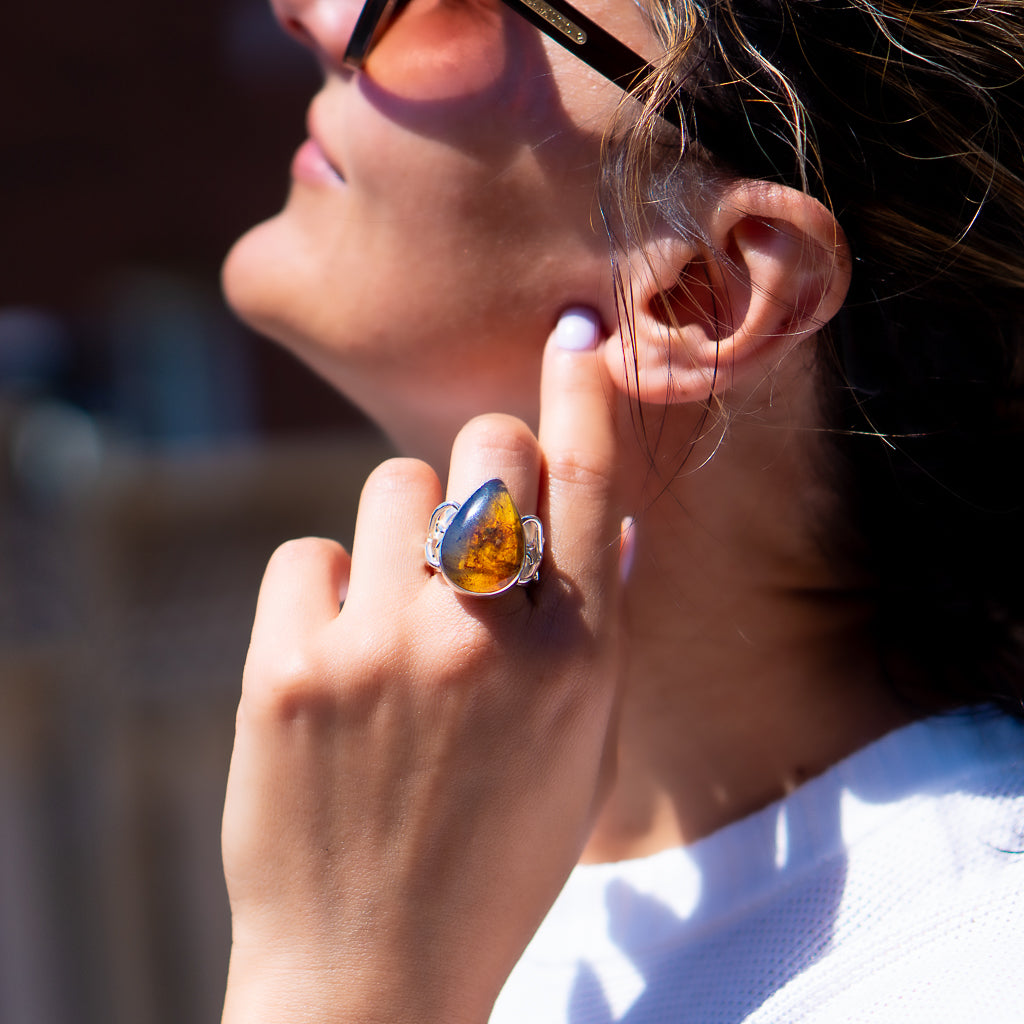
A larimar bead necklace brings the Caribbean close to the skin. Each bead carries its own wash of blue - from soft, clouded sky tones to deeper ocean color traced with white, wave-like patterning. No two strands are exactly alike, which is precisely why a well-chosen Larimar necklace feels more personal than ordinary gemstone jewelry.
The difference lies in the stone, the workmanship, and the honesty behind the piece. Larimar is rare, found only in the Dominican Republic, and its limited origin makes careful selection worthwhile. Whether you are choosing a necklace for daily wear, a meaningful gift, or a growing gemstone collection, the finest pieces let the natural character of Larimar take center stage.
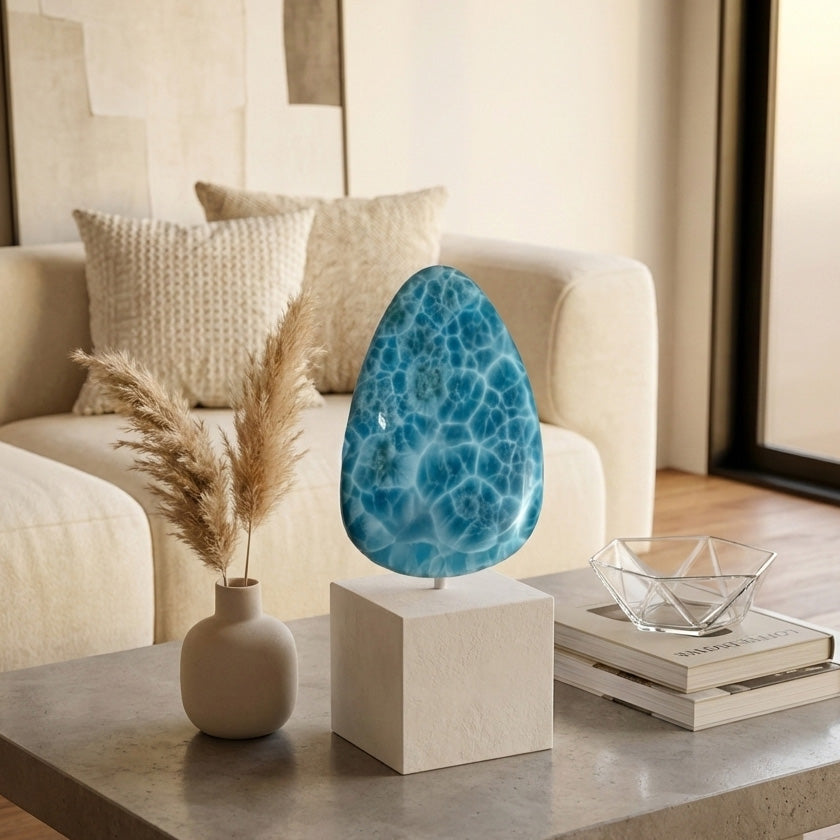
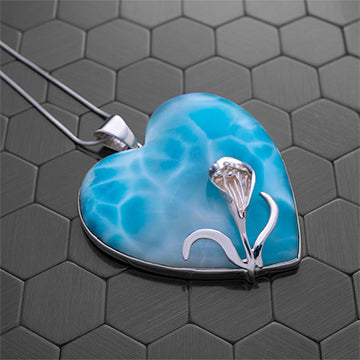
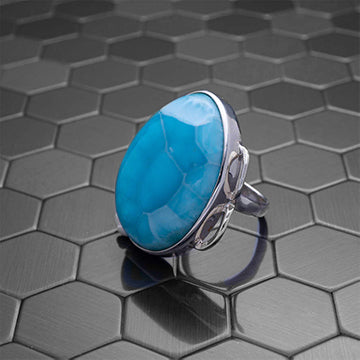
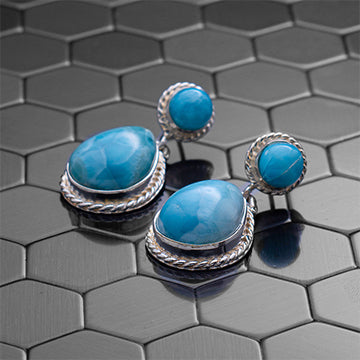
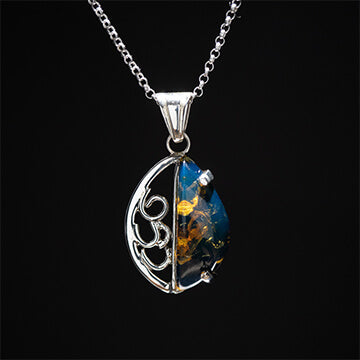
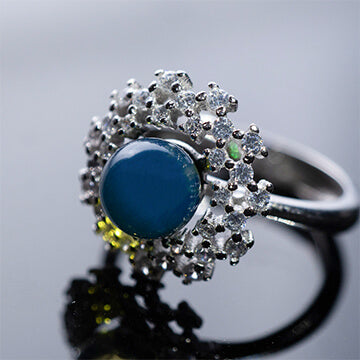
Larimar is a rare blue variety of pectolite, prized for color that can recall sunlit Caribbean water. Its signature look is not a flat or manufactured blue. Authentic material often shows a living interplay of blue, white, and sometimes subtle greenish or gray mineral areas. These variations are part of the gem's natural identity, not flaws to be erased.
The stone is mined in the Dominican Republic, and that origin matters. A genuine Larimar piece has a direct connection to a single Caribbean source and the skilled artisans who shape a fragile natural material into wearable art. It is not simply blue stone jewelry. It is a small expression of place, geology, and handcraft.
Color is important, but it is not the only measure of beauty. Vivid blue Larimar with clear white marbling is highly sought after, while paler beads can feel especially airy and refined. A necklace with gentle variation from bead to bead may have more visual depth than a perfectly uniform strand. The right choice depends on whether you prefer a bold blue statement or a quieter, more organic look.
The most reliable starting point is the seller. Look for a specialist with clear knowledge of Dominican sourcing, genuine gemstone materials, and the individual nature of Larimar. Authenticity should be treated as a meaningful promise, not a vague product description. Reputable jewelry houses can explain the stone's origin and how their pieces are selected and crafted.
Then look closely at the beads themselves. Natural Larimar typically has distinctive white marbling, soft transitions of color, and slight differences in pattern. Be cautious of strands that appear intensely blue in every bead with no natural movement or variation, particularly when the price seems unusually low. Imitation materials can be dyed, molded, or sold under misleading names.
A genuine necklace may also include small natural characteristics: a pale area, a tiny mineral line, or a shift in blue saturation. These details should not be confused with poor quality. What matters is the overall finish. Quality beads are smoothly polished, comfortably rounded, and drilled with care so their holes do not look chipped, rough, or poorly centered.
The necklace's supporting materials deserve equal attention. Sterling silver, gold, and well-made gold vermeil clasps provide a more lasting finish than disposable base-metal findings. Fine stringing is equally important. Beads should sit evenly, and a knotted design can offer both graceful spacing and added security if a strand is ever damaged.
Ask where the Larimar was sourced, whether the necklace uses natural stone, and what metal is used for the clasp and findings. If you are purchasing an especially valuable piece, request the documentation or certification offered by the seller. Clear answers reflect the confidence of a business that understands its materials.
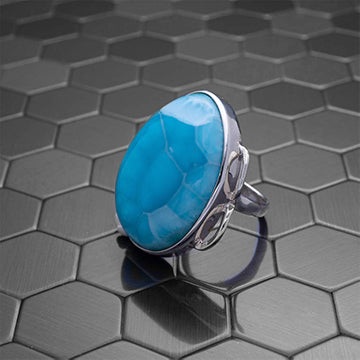
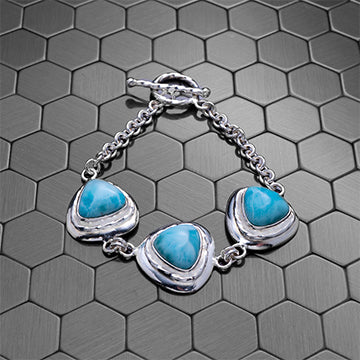
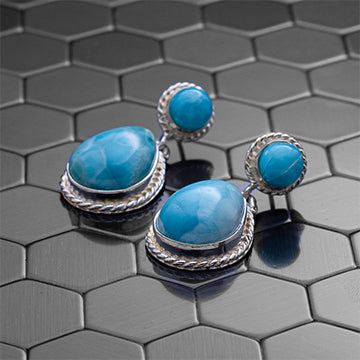
It is also reasonable to ask about bead size, necklace length, and whether the photographs show the exact piece. Because Larimar is naturally varied, images should represent the color and pattern you will actually receive whenever possible. This is especially valuable when selecting a gift or matching a necklace to an existing Larimar pendant, ring, or bracelet.
A Larimar necklace should suit the way you plan to wear it. Smaller beads, often around 4 to 6 millimeters, create a delicate ribbon of blue that layers easily with gold chains, silver pendants, or other fine gemstone pieces. They are an elegant choice for everyday wear and for those who want color without a heavy silhouette.
Medium beads offer a more visible display of Larimar's marbling. They work beautifully with open necklines, linen shirts, and simple dresses where the stone can provide the focal point. Larger beads are more sculptural and collector-minded. Their broad surfaces reveal more pattern, but they also create a bolder look and may feel less suited to constant wear.
Length changes the mood as much as bead size. A 16-inch necklace sits close to the collarbone and feels polished and classic. An 18-inch strand is versatile for most wardrobes, while longer lengths bring relaxed movement and pair naturally with resort wear or layered necklaces. Consider the neckline you wear most often rather than choosing by measurement alone.
For a thoughtful gift, an 18-inch length with medium-sized beads is often the most adaptable choice. Still, personal style should lead. Someone who wears understated jewelry may treasure a fine strand of pale blue beads, while a collector may prefer a larger, more dramatic necklace with strong ocean-blue color and pronounced white patterning.
Larimar pairs effortlessly with white, cream, sand, and soft blue, but its appeal reaches well beyond vacation dressing. Against black or navy, the stone becomes brighter and more graphic. With warm gold, it takes on a sunlit Caribbean character; with sterling silver, it feels cool, luminous, and timeless.
For a refined layered look, wear a short Larimar bead strand beside a slender gold or silver chain. Keep the other pieces simple so the beads remain visible. A Larimar necklace can also frame a meaningful pendant, provided the scale is balanced. If the pendant is large, choose smaller beads or a longer strand to avoid a crowded neckline.
For special occasions, let Larimar provide the color story. A white dress, silk blouse, or tailored neutral suit gives the stone room to glow. The beauty of a natural gemstone is that it never reads as a seasonal trend. It adds character precisely because every bead carries a pattern no mass-produced accessory can repeat.
Larimar is beautiful, but it is not a stone to treat casually. It is softer than diamonds, sapphires, and many everyday gems, so it benefits from mindful wear. Put your necklace on after applying perfume, hairspray, sunscreen, and lotion. Chemical residue can dull the polish over time, while impact against hard surfaces can damage a bead.
Remove the necklace before swimming, showering, exercising, or doing household work. Chlorinated water, saltwater, heat, and prolonged direct sunlight are not ideal for Larimar or for the thread and metal components of a beaded design. Store it separately in a soft pouch or lined jewelry box so harder jewelry cannot scratch the surface.
To clean the necklace, use a soft, slightly damp cloth and dry it immediately. Avoid ultrasonic cleaners, steam cleaners, harsh detergents, and abrasive polishing cloths. If the strand begins to loosen or the clasp no longer closes securely, have it restrung or repaired by a qualified jeweler before wearing it again.
A Larimar bead necklace is at its best when it is chosen slowly, worn often, and cared for with the respect rare natural stone deserves. Let the color draw you in, but let origin, craftsmanship, and the individuality of the beads guide your final choice. Wear a piece of the Caribbean not only for its beauty, but for the story held in every shade of blue.