


Larimar
Blue Amber
Green Amber
Amber Carvings
More

by Admin August 01, 2026 6 min read

A gemstone tasbih is held close, used often, and chosen with intention. That makes the material more than a visual detail. Learning how to choose gemstone tasbih begins with recognizing the balance between spiritual practice, authentic natural beauty, and the craftsmanship needed for beads that feel right in the hand.

For some, the deciding factor is the warm glow of Dominican amber. For others, it is the cool, ocean-toned calm of Larimar or the grounding character of darker stones. The finest choice is personal, but it should never be uninformed. A well-made tasbih honors both the stone and the purpose it serves.

How to Choose Gemstone Tasbih for Your Practice

Before comparing colors or bead counts, consider how you plan to use your tasbih. A piece carried every day needs a different level of durability than one displayed as part of a meaningful gemstone collection. If you use it frequently for dhikr, comfort in the hand, bead spacing, and cord strength matter as much as the gemstone itself.

A 33-bead tasbih is compact and practical for daily carry, while a 99-bead piece offers a fuller, more traditional rhythm for extended recitation. Neither is inherently better. The right count depends on your practice, preferences, and whether you want a piece that fits discreetly in a pocket or one that makes a more substantial personal statement.

The bead size also changes the experience. Smaller 6 mm to 8 mm beads feel refined and are easy to move through the fingers. Beads around 10 mm provide greater presence and make the gemstone’s natural character more visible. Larger beads can be especially striking in translucent amber, where light reveals internal texture, golden depth, and ancient inclusions.

Begin With Authentic Gemstone Quality

Natural gemstones are never perfectly uniform, and that is part of their appeal. Small variations in color, translucency, veining, or inclusions can confirm that a tasbih has been shaped from real material rather than manufactured to look identical bead after bead.

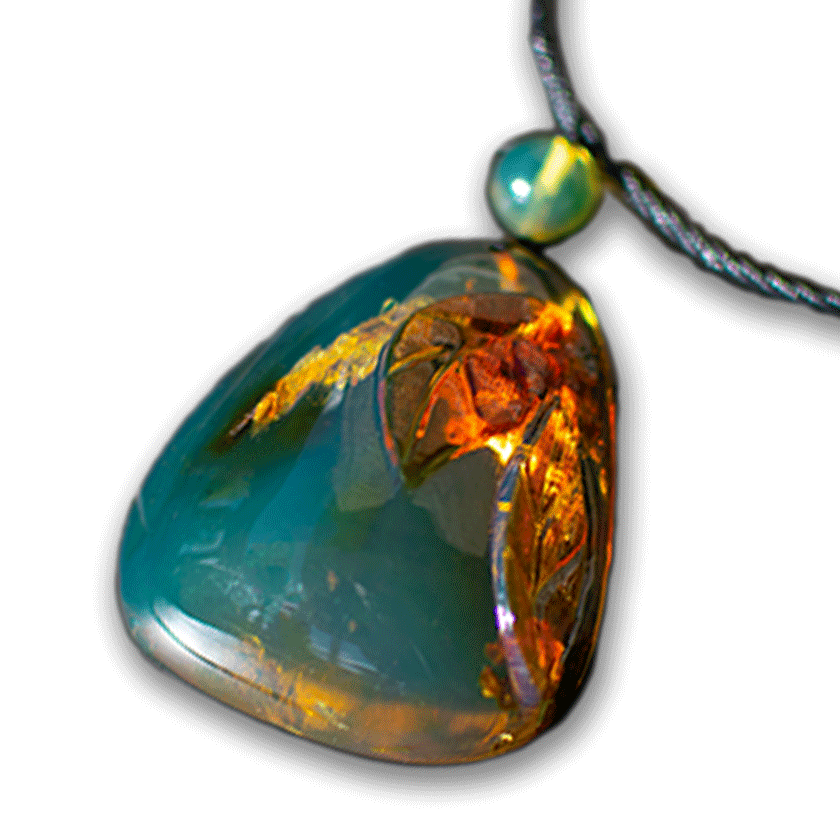
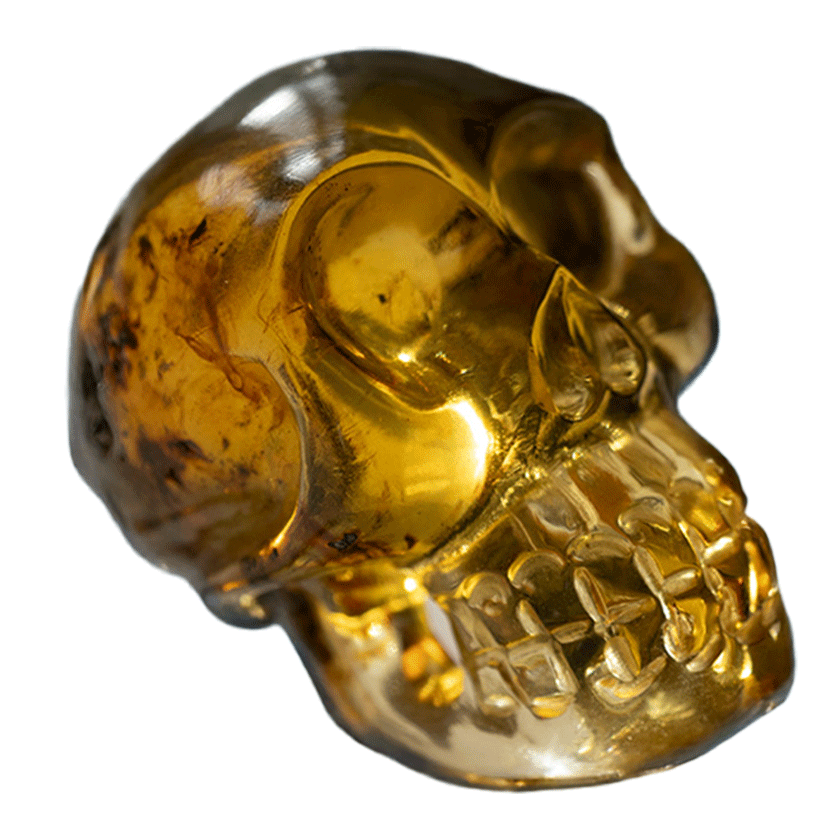
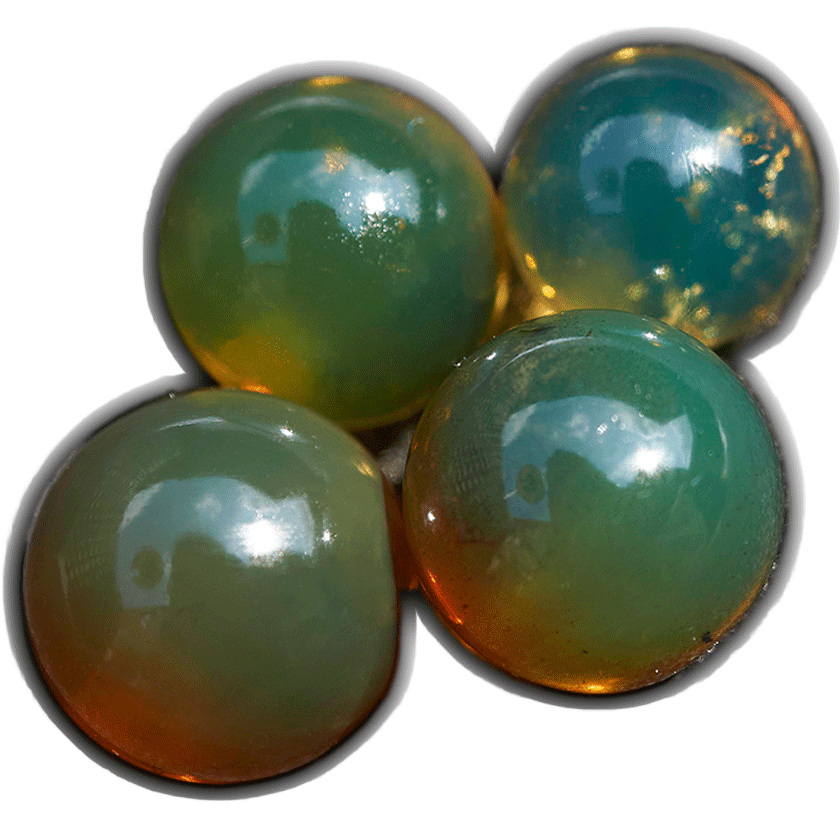
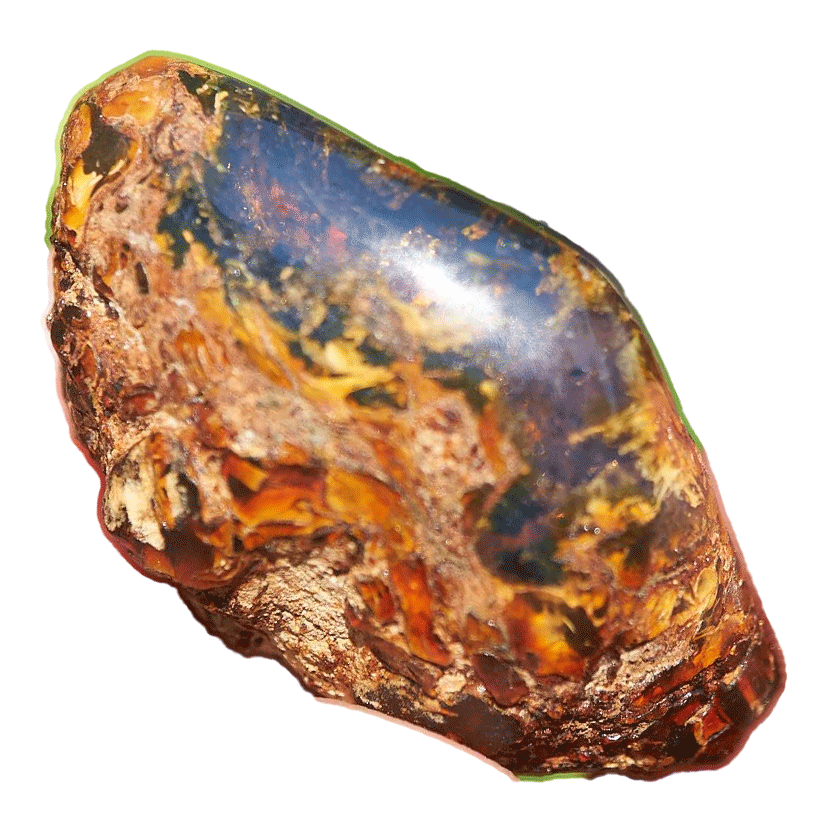
With amber, look for a lively inner glow rather than a flat plastic-like appearance. Genuine Dominican amber may range from honey gold and cognac to deep red, greenish tones, and the exceptionally rare blue amber associated with the Dominican Republic. Its color can shift under different light, particularly in pieces with natural fluorescence. Fine amber beads should be polished thoughtfully, with a smooth surface that preserves their organic warmth.

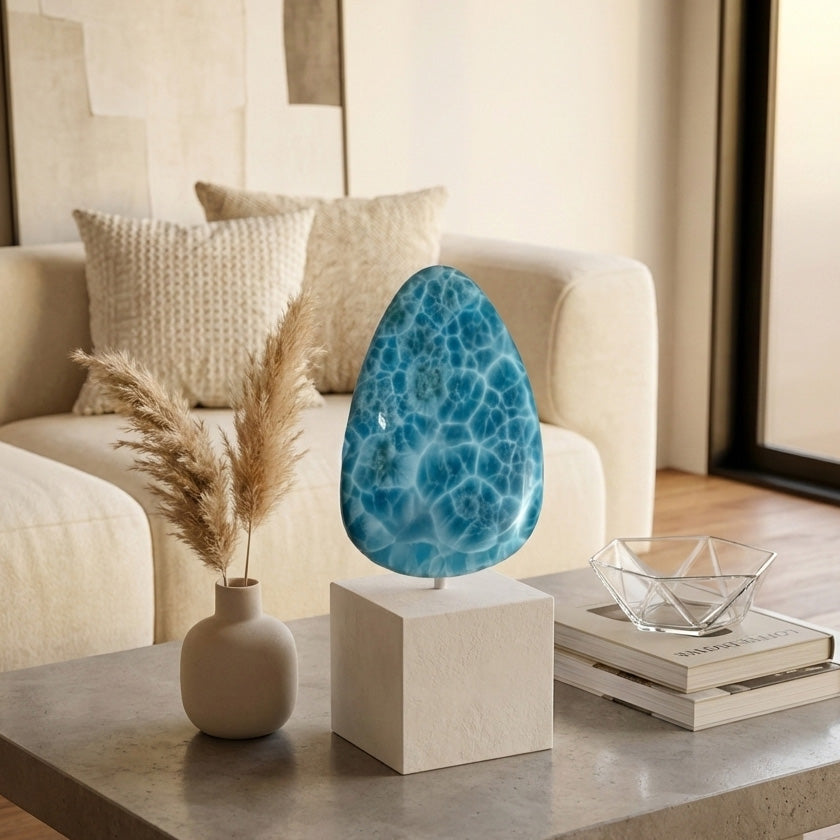
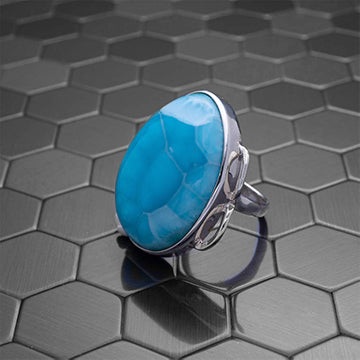
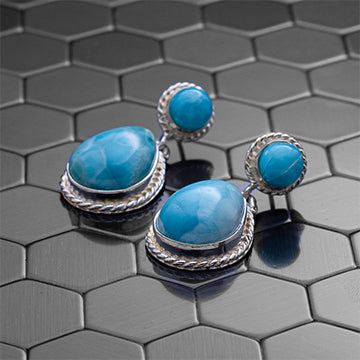
Larimar has a very different beauty. This rare Dominican stone is prized for blue and white patterns that call to mind Caribbean water, clouds, and breaking waves. In tasbih beads, look for natural variation rather than overly solid or artificial-looking color. Rich blue areas can be highly desirable, but a beautiful Larimar piece may also include soft white marbling or earthy matrix that speaks to its natural origin.

Ask clear questions about origin and material. Is the stone natural? Is it correctly identified? Has it been heavily dyed, reconstructed, or treated? Reputable sellers should be able to describe the gemstone honestly and provide certification or authentication information where appropriate. At Larimar Creations, authenticity is central to the experience because rare Caribbean gemstones deserve to be represented with care.

Match the Stone to Its Natural Strengths

Not every gemstone is equally suited to the same style of tasbih. Beauty must be considered alongside hardness, sensitivity to moisture, and how the material responds to daily handling.

Amber is lightweight, warm to the touch, and remarkably comfortable for regular use. It is also softer than many mineral gemstones, so it should be protected from sharp impacts, extreme heat, chemicals, and abrasive surfaces. This is a worthwhile trade-off for those drawn to its luminous color and exceptional Caribbean heritage. An amber tasbih feels less like cold stone and more like a living relic shaped by time.

Larimar is a mineral stone and generally has more weight than amber, giving each bead a satisfying tactile presence. It should still be treated gently, especially if the beads have delicate polish or prominent natural patterning. Avoid tossing it into a bag with keys or harder jewelry. A soft pouch is a simple way to preserve the finish.

Harder gemstones may better suit someone who wants a tasbih for constant travel or frequent handling. Yet hardness alone does not define quality. A softer authentic stone, selected for its rarity and meaning, can be the more treasured choice when cared for properly.

Look Closely at Craftsmanship

A tasbih can feature beautiful beads and still fall short if its construction is careless. Take time to examine the practical details that determine whether it will remain a pleasure to use.

The drilling should be centered and clean, with no obvious chipping around the holes. Beads should move comfortably without snagging, but they should not be strung so loosely that the piece feels unstable. Consistent spacing creates a graceful rhythm during use, while well-placed separators help the fingers keep count naturally.

Pay attention to the imam bead, also called the head bead, and the tassel or finishing detail. These elements should feel proportionate to the rest of the tasbih rather than overly heavy or decorative. A refined finish complements the stones without distracting from them. If metal accents are included, choose materials that suit your lifestyle, such as sterling silver for a luminous, elevated touch.

For a piece intended for regular prayer, strong stringing is essential. Ask whether it is knotted, threaded on durable cord, or constructed with wire. Knotted designs can offer extra security between beads, while carefully finished corded pieces may feel softer and more flexible. The best option depends on bead size and material, but the finishing should always look intentional and secure.

Choose Color With Meaning, Not Just Trend

The most memorable tasbih is often one that reflects the person who holds it. Color can connect a gemstone to a place, a memory, a prayer, or a season of life.

Golden amber carries the warmth of Caribbean sunlight and has an unmistakably ancient presence. Cognac and cherry tones feel rich and contemplative, while Dominican blue amber is prized by collectors for its rarity and unusual visual depth. Under the right light, it can reveal a remarkable blue glow that makes each bead feel quietly extraordinary.

Larimar offers another kind of connection. Its blue and white patterns evoke the sea surrounding the Dominican Republic, making it a meaningful choice for anyone drawn to ocean imagery, island heritage, or serene natural color. No two strands will look exactly alike, which gives a Larimar tasbih an intimate sense of individuality.

If you are buying a gift, avoid assuming that one gemstone has a universal meaning for every person. Instead, think about what the recipient values: a connection to the Caribbean, an appreciation for rare materials, a preferred color, or a piece that can become part of a daily spiritual ritual. Meaning is most lasting when it is personal.

Know What You Are Paying For

Gemstone tasbih pricing can vary widely because the value is not limited to the number of beads. Origin, rarity, clarity, color, bead size, matching, hand-finishing, and certification all affect the final price.

A strand of uniformly matched, translucent amber beads requires more selective material than a mixed-color strand. Dominican blue amber commands particular attention because it is scarce and visually distinctive. Likewise, Larimar with stronger blue color and attractive natural patterning may be more valuable than paler material. These qualities should be described transparently, not exaggerated.

Be cautious of prices that seem unusually low for a rare gemstone. A bargain may indicate imitation resin, dyed material, composite stone, or vague sourcing. This does not mean every accessible tasbih lacks value, but it does mean the seller should be clear about exactly what you are receiving. Authenticity is not a luxury detail. It is the foundation of a meaningful purchase.

Care for a Tasbih Worth Keeping

Store gemstone tasbih separately from harder jewelry, ideally in a soft pouch or lined box. Wipe beads gently with a clean, dry, soft cloth after handling. For amber, avoid perfumes, lotions, hairspray, household cleaners, hot water, and prolonged direct sunlight. For Larimar and other polished stones, skip ultrasonic cleaners and harsh chemical solutions.

Treat the tassel and stringing with the same attention as the beads. Do not pull the strand sharply or allow it to catch on clothing. If the cord begins to loosen, have it restrung before a break risks losing a treasured bead.

Choose the tasbih that invites you to reach for it. Whether it carries the honeyed light of authentic Dominican amber or the sea-blue character of Larimar, the right piece should feel honest in its materials, graceful in its construction, and deeply your own.

Larimar Spiritual Meaning: A Complete Guide for 2026

Larimar Spiritual Meaning: A Complete Guide for 2026

9 min read

Discover the profound larimar spiritual meaning and how this rare Caribbean gemstone connects wearers to tranquility, healing, and divine feminine energy.
Read More
How to Measure Ring Size at Home Every Time

How to Measure Ring Size at Home Every Time

6 min read

Learn how to measure ring size at home with a paper strip or existing ring, plus expert tips for a comfortable, confident fit for treasured gemstone rings.
Read More
Natural Stone Jewelry: Your 2026 Guide to Gemstone Quality - Larimar Creations

Natural Stone Jewelry: Your 2026 Guide to Gemstone Quality

9 min read

Discover how to choose, care for, and style natural stone jewelry in 2026. Expert guidance on quality, authenticity, and the beauty of gemstones.
Read More