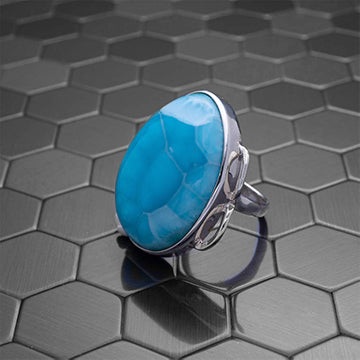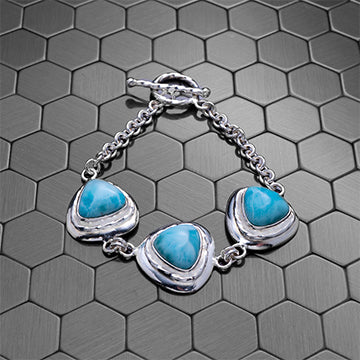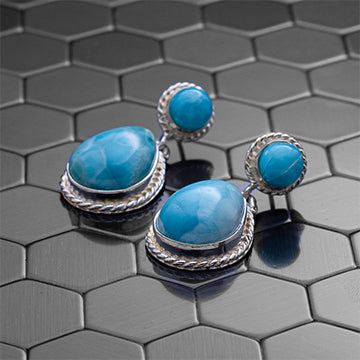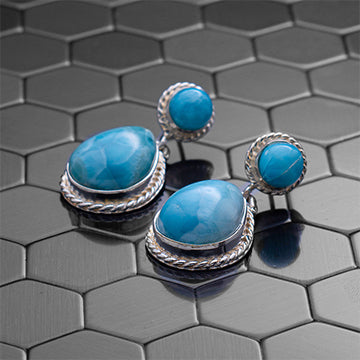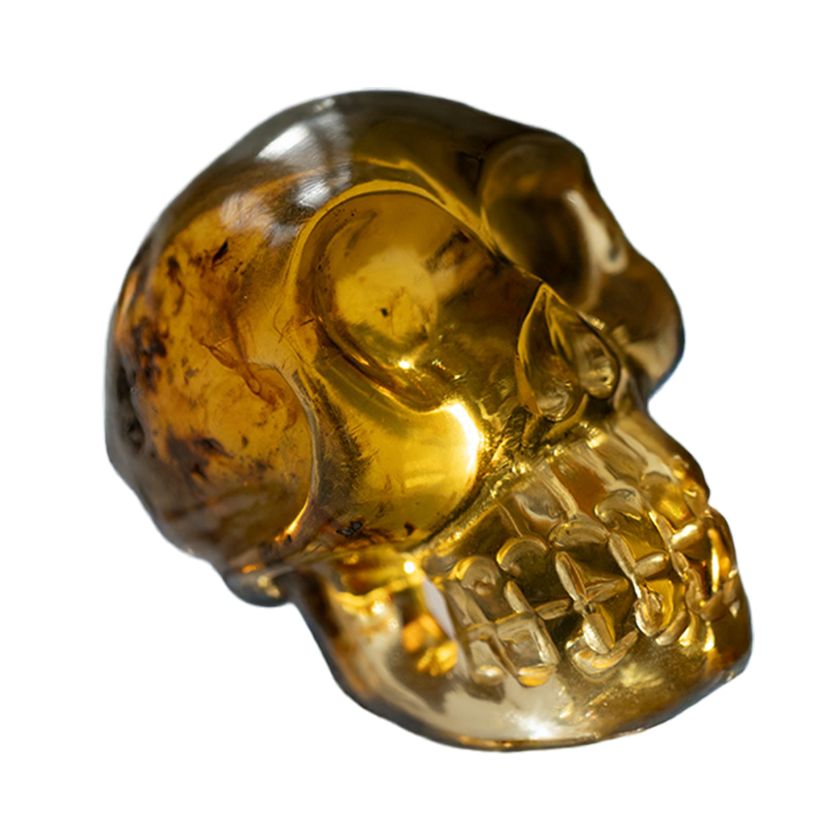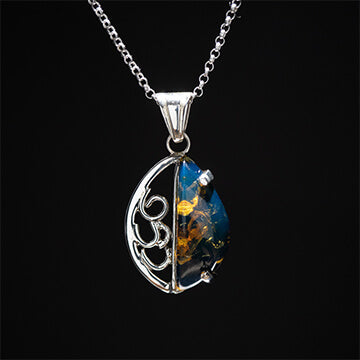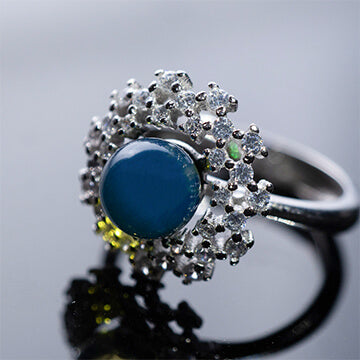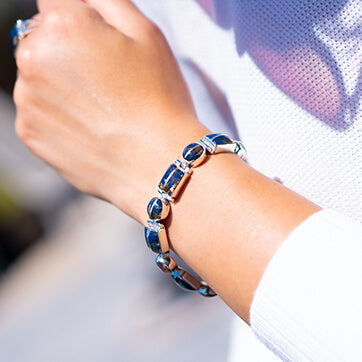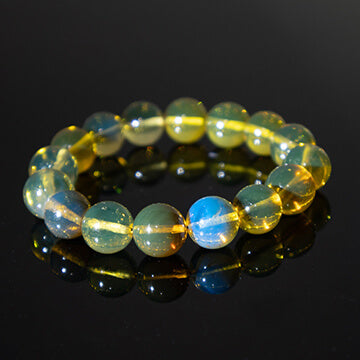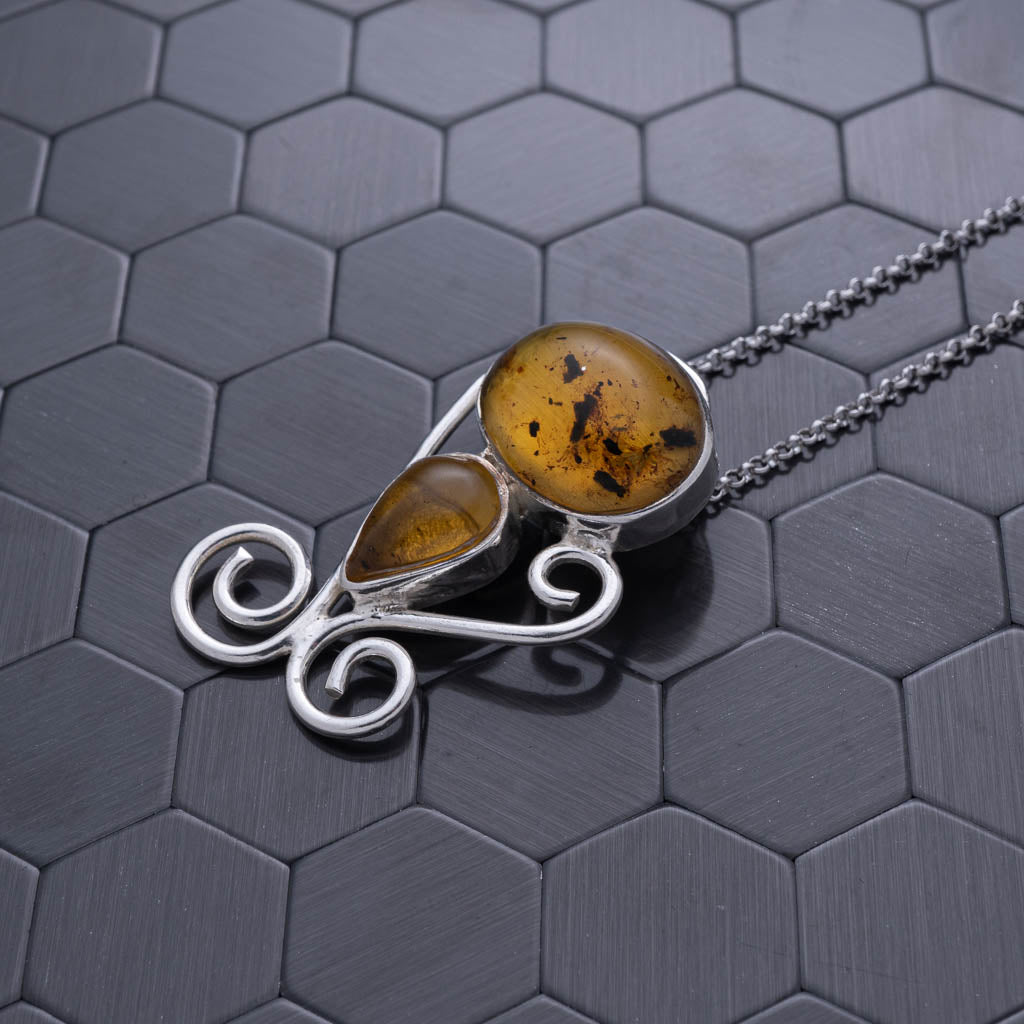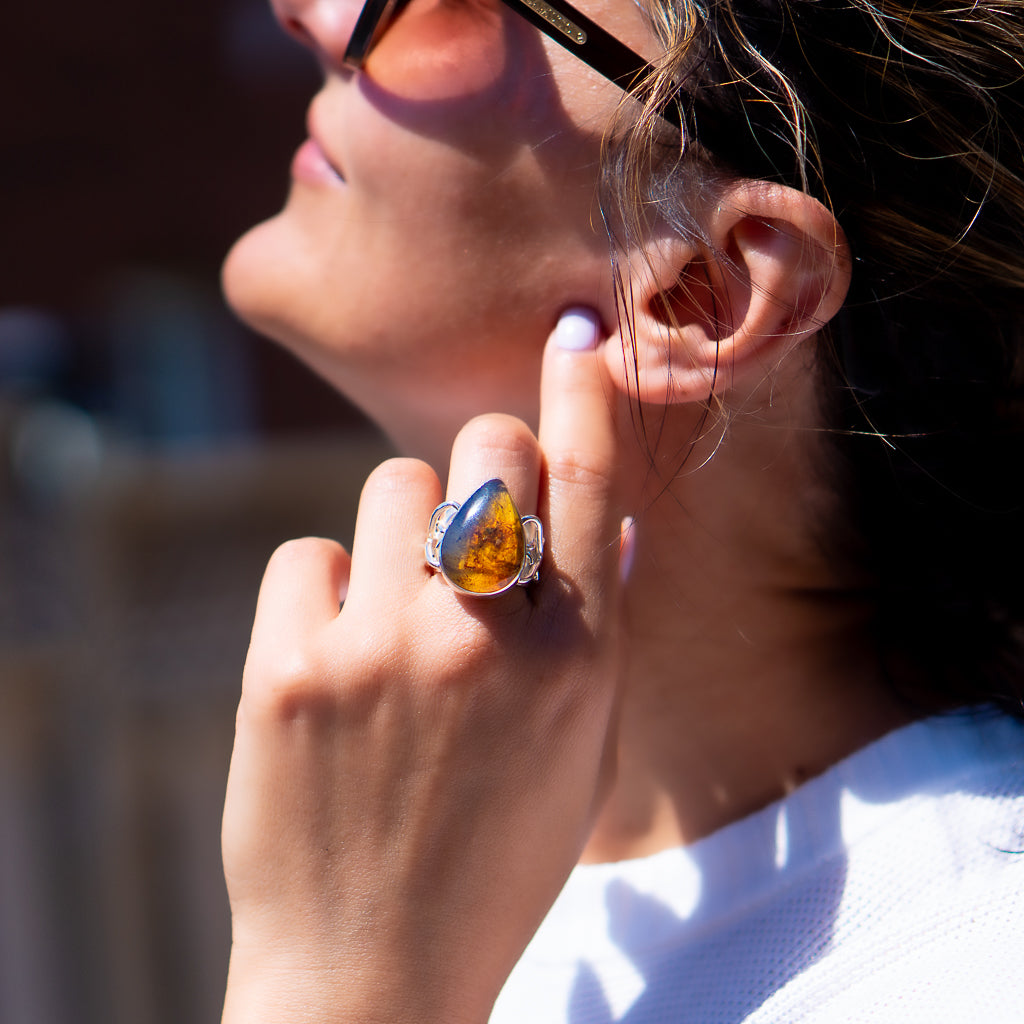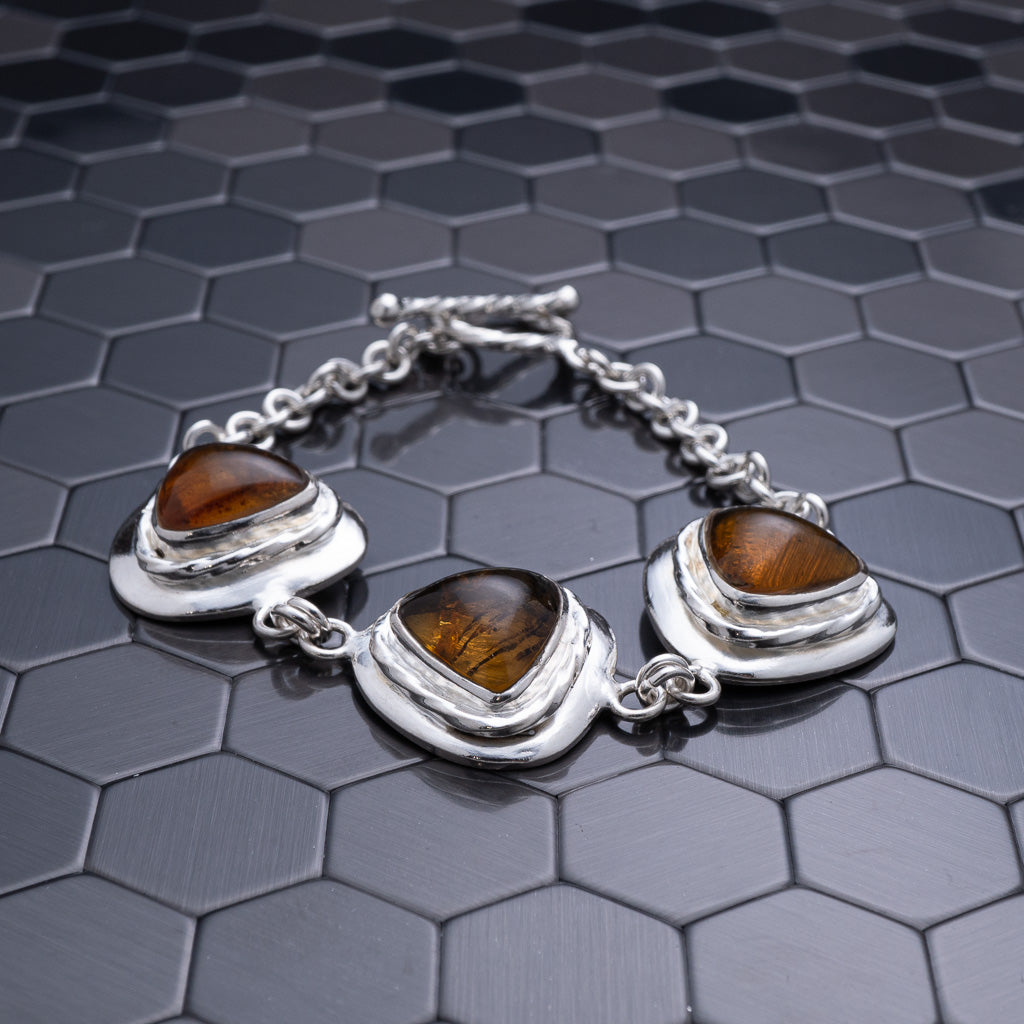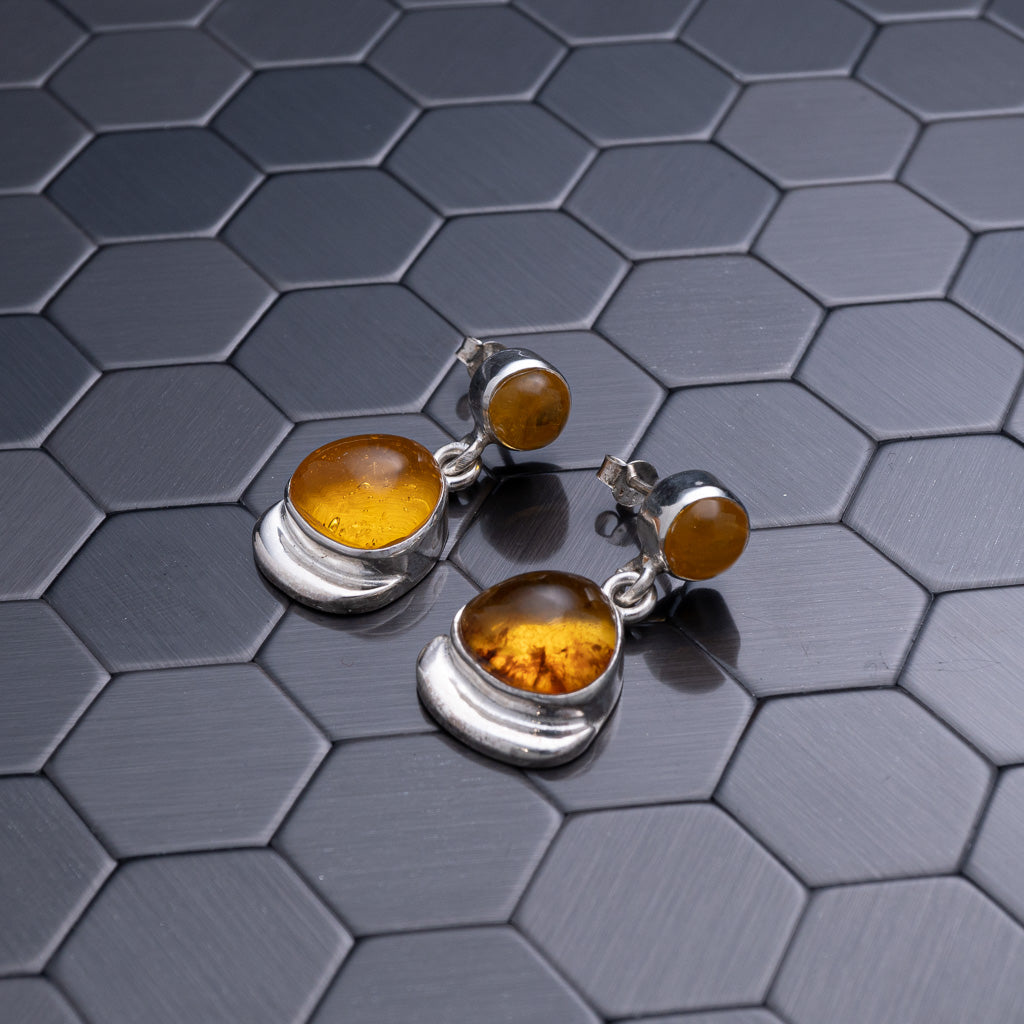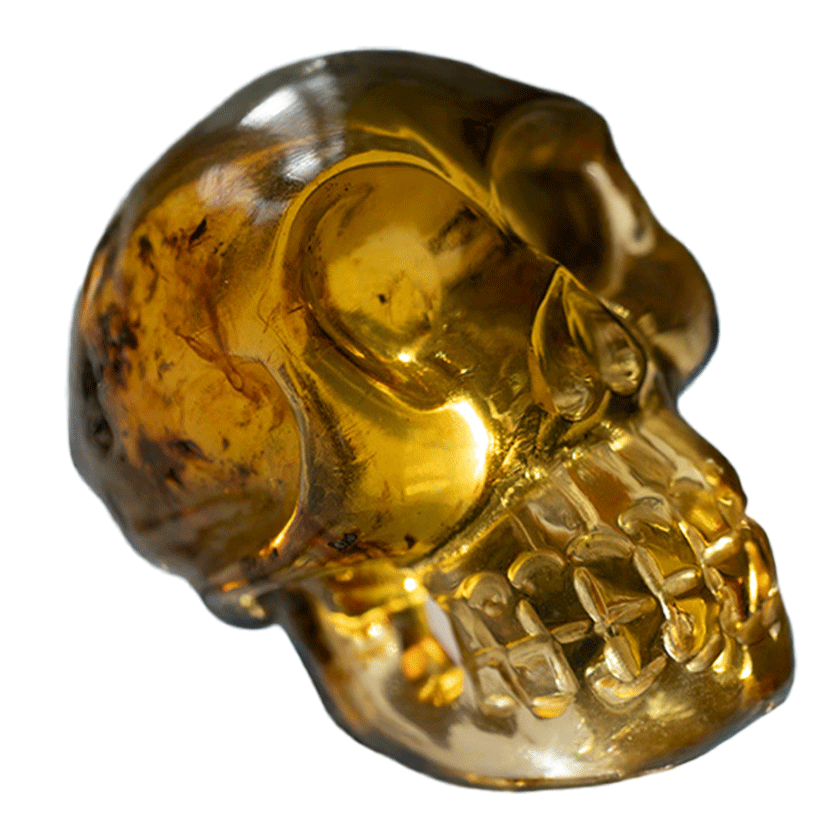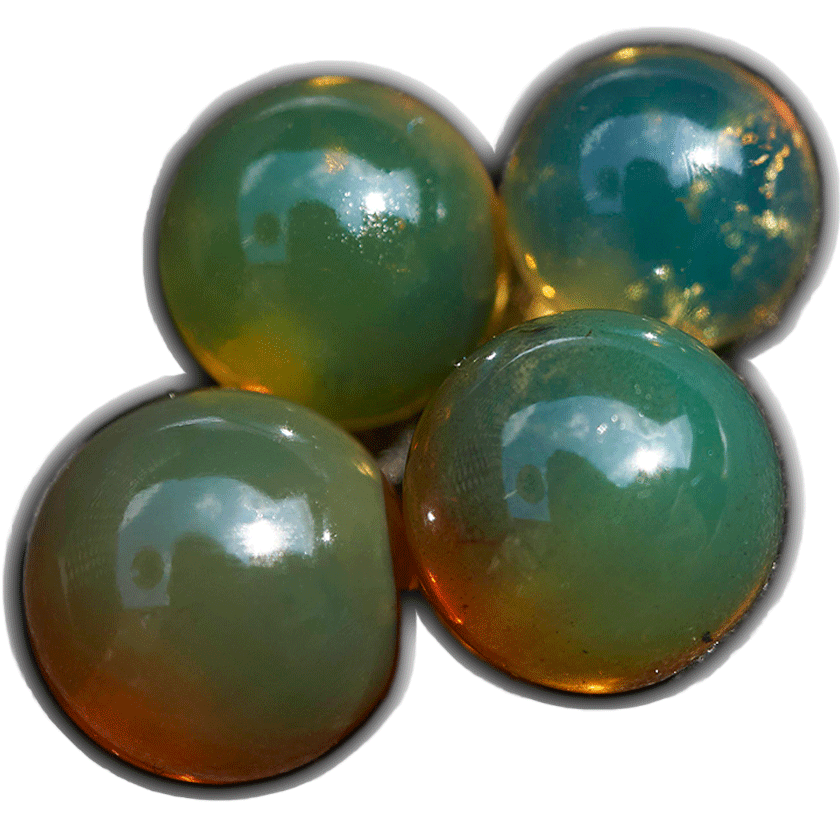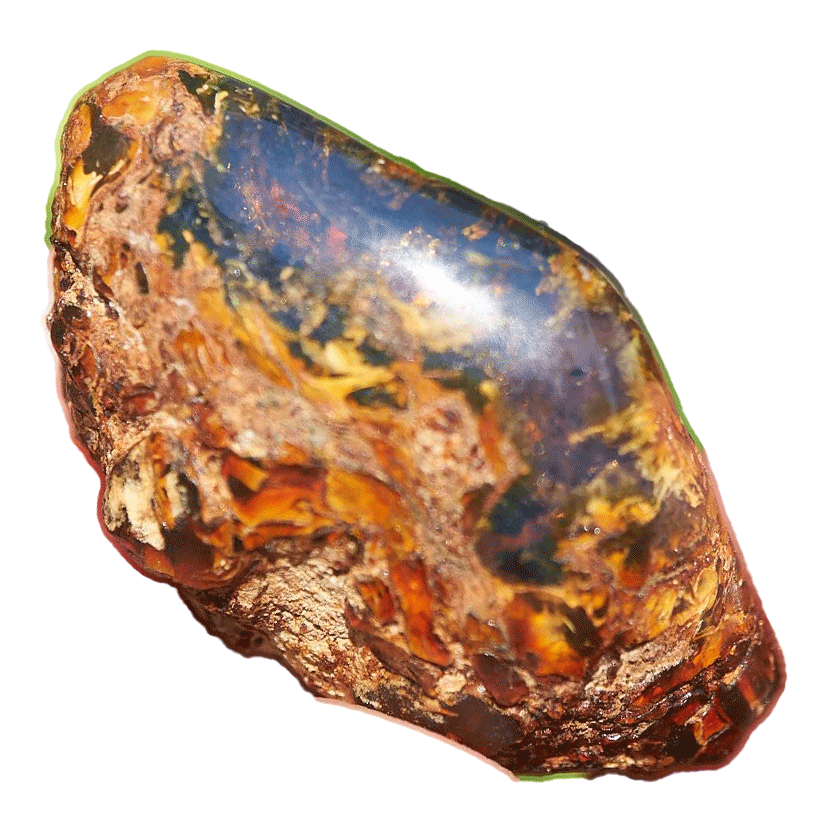


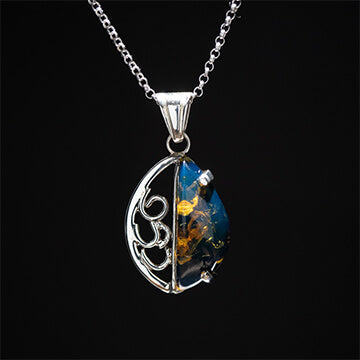
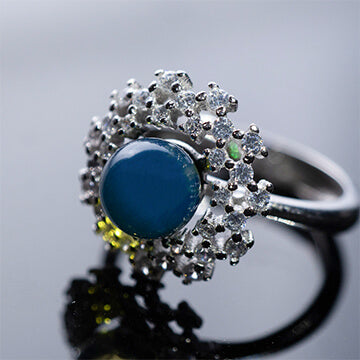
Handcrafted in DR.

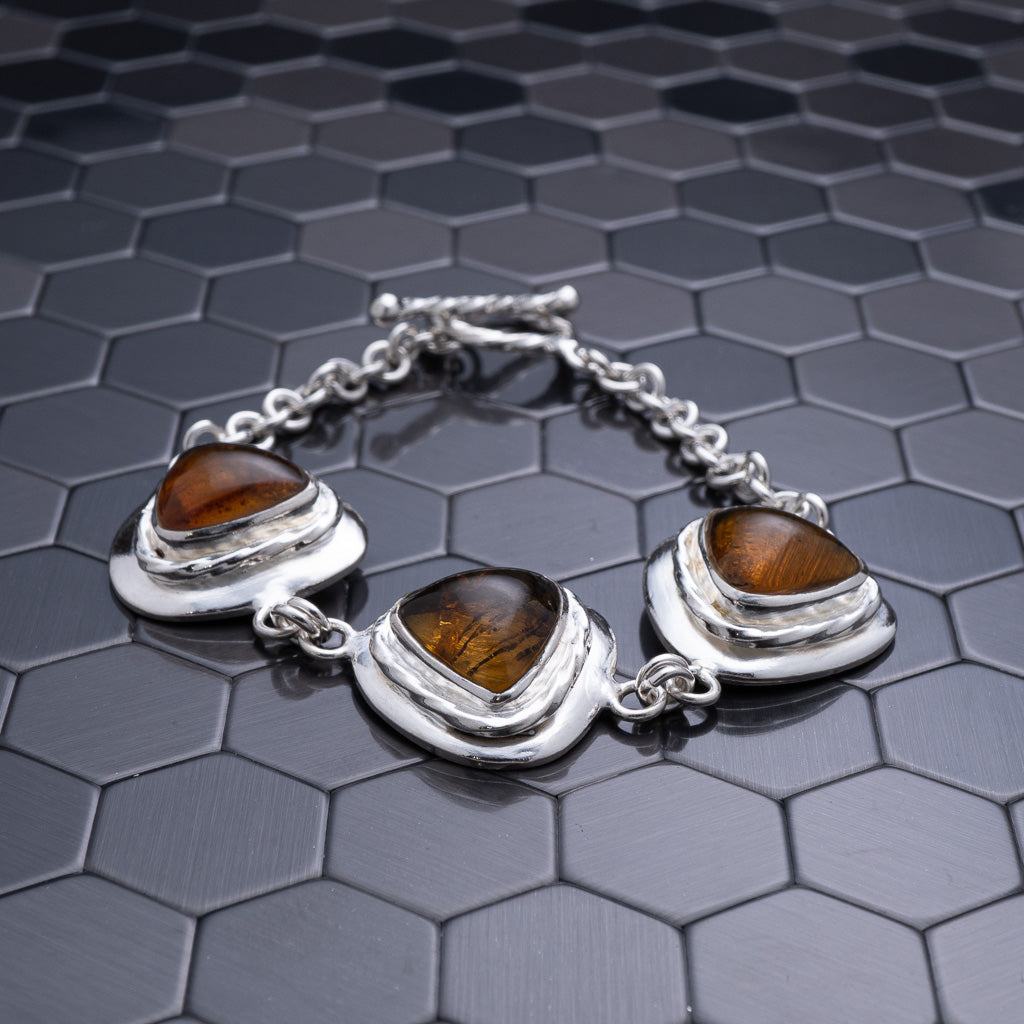
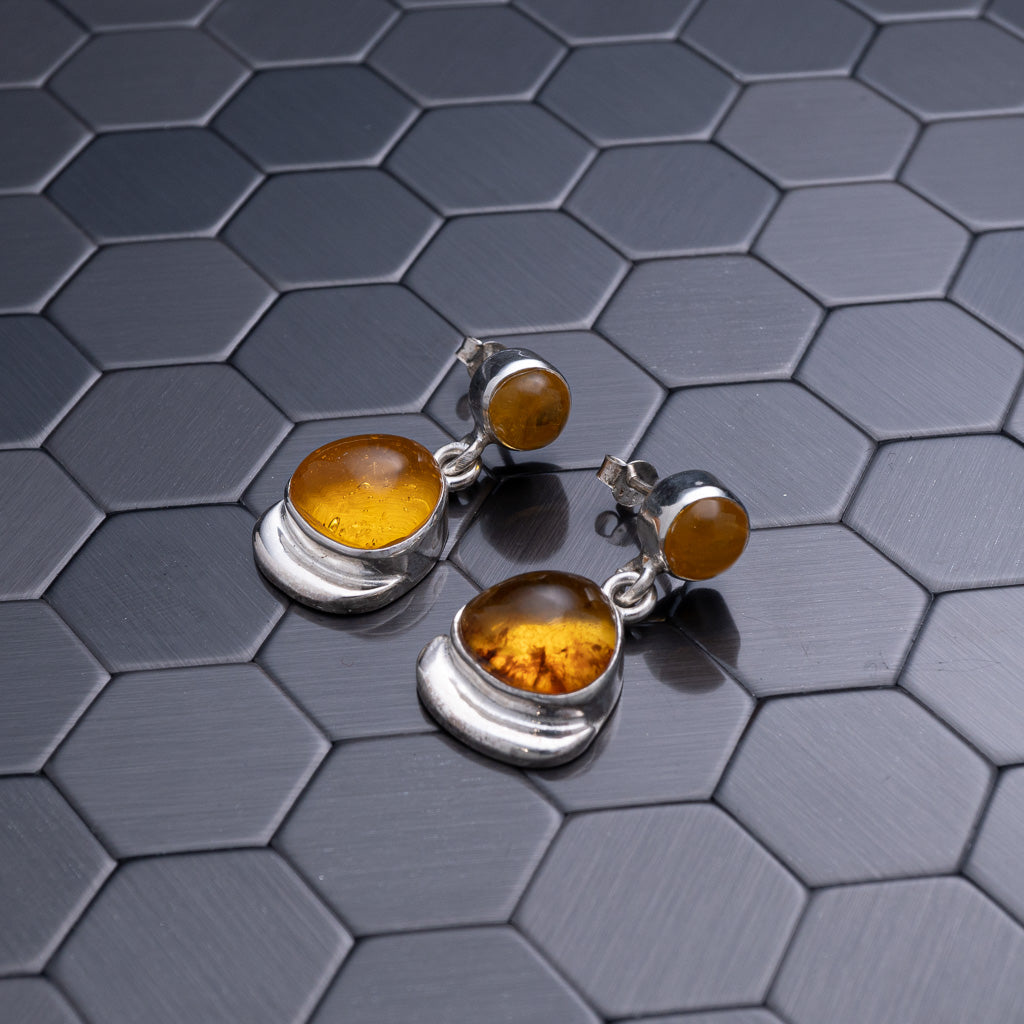


100% Handcrafted in DR.

Pendants for jewelry represent one of the most versatile and personalized forms of adornment available today. Whether you're seeking a statement piece to elevate your everyday style or searching for a meaningful gift that carries sentimental value, understanding the nuances of pendant selection, design, and craftsmanship ensures you make an informed choice. This comprehensive guide explores everything from traditional pendant types to contemporary design considerations, helping you navigate the diverse world of pendant jewelry with confidence.
A pendant is fundamentally a decorative element designed to hang from a chain, cord, or other form of necklace. What distinguishes a pendant from other jewelry components is its intended purpose as a focal point suspended freely, creating visual interest and drawing attention to the wearer's neckline. The term itself derives from the Latin word "pendere," meaning "to hang," which perfectly captures the essential nature of these jewelry pieces.
Key characteristics that define pendants include:
The construction of pendants for jewelry involves careful consideration of balance and proportion. A well-designed pendant hangs straight when worn, with the bail positioned at the exact center of gravity. This seemingly simple requirement demands expertise in both design and craftsmanship, particularly when working with irregular gemstones or asymmetrical designs.
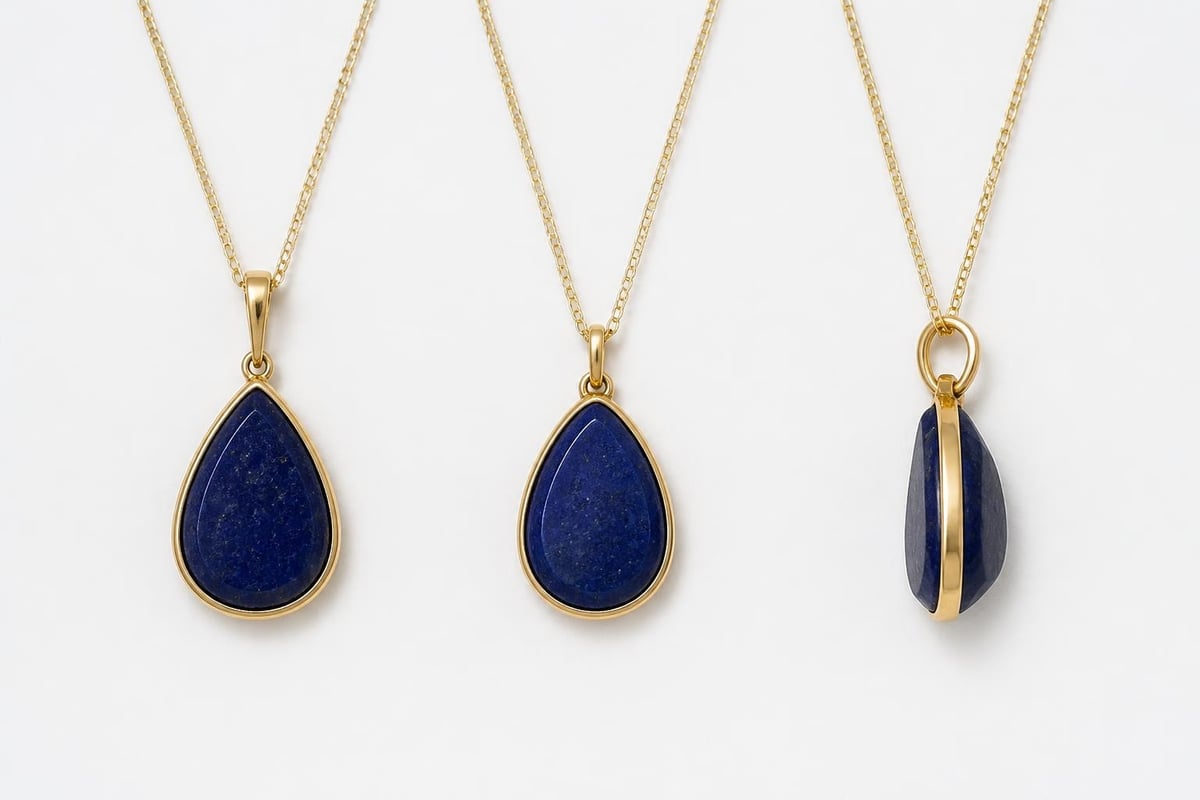
Throughout history, pendants have served purposes beyond mere decoration. Ancient civilizations used them as amulets for protection, symbols of status, or containers for precious substances. Egyptian pharaohs wore elaborate pendant pieces featuring scarabs and hieroglyphics, while medieval Europeans favored religious iconography and heraldic symbols.
The Victorian era brought sentimentality to pendant design, with lockets containing photographs or hair becoming cherished heirlooms. This tradition of personal meaning continues today, as modern pendants for jewelry often commemorate milestones, represent beliefs, or showcase gemstones with special significance to the wearer.
The diversity of pendant styles available in 2026 reflects both traditional craftsmanship and contemporary innovation. Understanding these categories helps you identify pieces that align with your aesthetic preferences and intended use.
| Pendant Type | Characteristics | Best Suited For |
|---|---|---|
| Solitaire | Single gemstone focal point | Showcasing exceptional stones |
| Locket | Opens to reveal compartment | Sentimental, personal items |
| Drop | Elongated vertical design | Creating length, formal occasions |
| Geometric | Defined shapes (circles, squares) | Modern, minimalist aesthetics |
| Nature-Inspired | Organic forms, flora, fauna | Casual wear, nature enthusiasts |
Gemstone pendants dominate the market, with options ranging from diamonds and precious colored stones to unique minerals like larimar. The choice between different pendant types often depends on the occasion, personal style, and the story you want your jewelry to tell.
Modern pendants for jewelry embrace both minimalism and maximalism, offering something for every taste. Layering multiple pendants of varying lengths has become increasingly popular, allowing wearers to create personalized combinations that reflect their individual style. This trend works particularly well when mixing different metals, textures, and gemstone types.
Current trending styles include:
The growing appreciation for artisan craftsmanship has elevated handmade pendants, with collectors seeking one-of-a-kind pieces that showcase individual maker techniques. This shift toward unique, personally meaningful jewelry aligns perfectly with the offerings from specialized creators who work with distinctive gemstones.
The materials used in pendants for jewelry significantly impact both aesthetic appeal and longevity. Understanding these options empowers you to select pieces that match your lifestyle while maintaining their beauty over time.
Sterling silver remains the most popular metal for pendants due to its affordability, workability, and timeless appeal. The bright white luster complements virtually any gemstone, making it an ideal canvas for showcasing colorful minerals. Gold variants (yellow, white, and rose) offer different aesthetic qualities and price points, with 14-karat being the standard for balancing purity with durability.
Metal comparison for pendant settings:
When selecting pendants for jewelry featuring gemstones, consider both aesthetic preferences and practical durability. Harder stones (diamonds, sapphires, rubies) withstand daily wear better than softer materials. However, some of the most beautiful and unique pendants feature rare gemstones that require more careful handling.
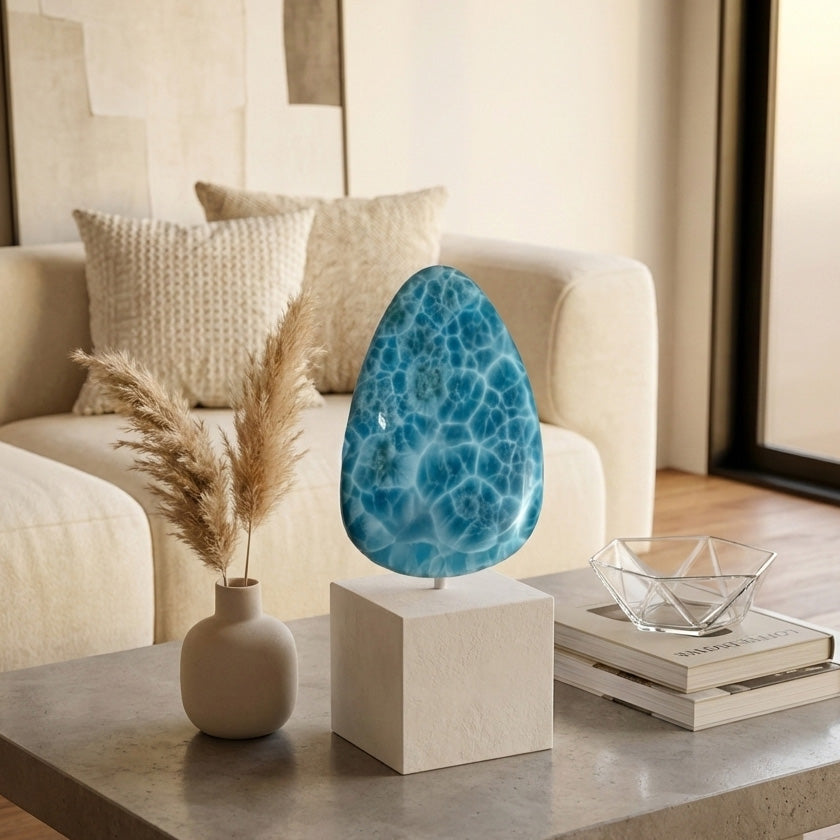
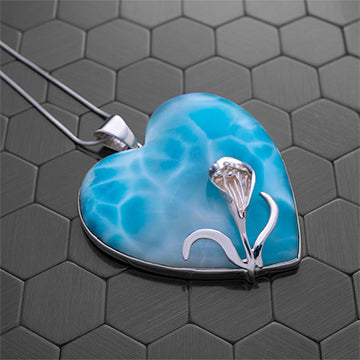
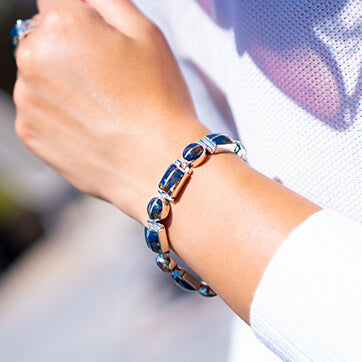
Larimar, found exclusively in the Dominican Republic, exemplifies how rare gemstones create distinctive pendant pieces. Its characteristic blue coloration ranging from sky blue to deep ocean tones makes each piece genuinely unique. For those drawn to exceptional gemstones, exploring larimar pendants reveals how this stone's natural patterns create wearable art.
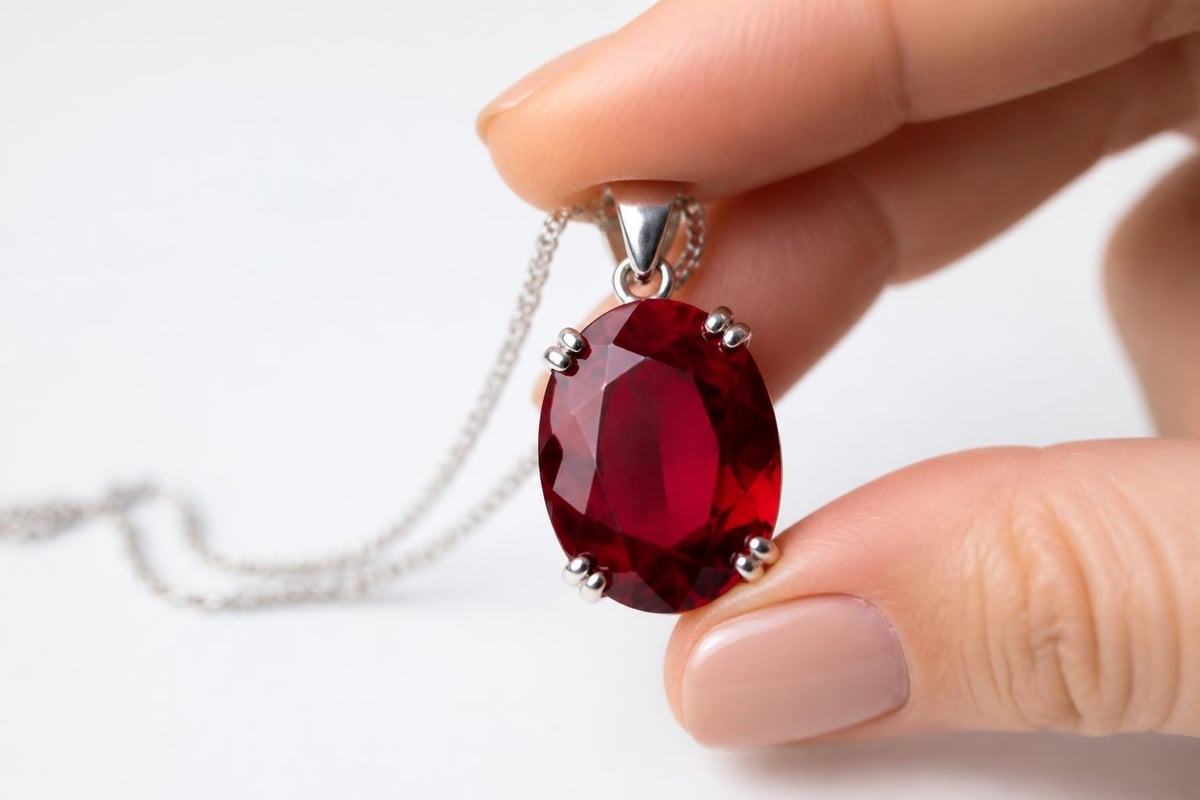
Creating exceptional pendants for jewelry requires understanding how design elements work together to produce pieces that are both beautiful and functional. Professional jewelers consider multiple factors during the design process, from initial concept to final polish.
The bail serves as the connection point between pendant and chain, but its importance extends far beyond function. Design considerations for pendants emphasize integrating the bail seamlessly into the overall aesthetic rather than treating it as an afterthought. A well-designed bail complements the pendant's style while ensuring secure attachment and proper hang.
Different bail styles suit different pendant types:
Successful pendant design requires careful attention to proportion relative to both the chain and the wearer. A delicate pendant gets lost on a heavy chain, while an oversized piece overwhelms a fine necklace. Consider your frame size, neck length, and typical neckline choices when selecting pendant dimensions.
Proportion guidelines:
The relationship between pendant weight and chain strength also matters for comfortable wear. Heavier pendants require sturdier chains to prevent breakage and minimize neck strain during extended wear. When exploring options like pendant sterling silver necklaces, ensure the chain gauge matches the pendant weight.
Pendants for jewelry achieve their full potential only when paired with appropriate chains. The interplay between pendant style, chain type, and length determines how the piece looks when worn and which outfits it complements.
| Chain Type | Best Pendant Match | Characteristics |
|---|---|---|
| Cable | Small to medium pendants | Classic, versatile, durable |
| Box | Lightweight geometric pieces | Modern, smooth texture |
| Rope | Traditional, larger pendants | Textured, substantial presence |
| Snake | Sleek contemporary designs | Fluid movement, formal appeal |
| Wheat | Medium statement pieces | Intricate, catches light beautifully |
The chain's visual weight should balance the pendant without competing for attention. Delicate gemstone pendants pair beautifully with finer chains that allow the stone to remain the focal point, while bold metalwork pendants can carry heavier, more decorative chains.
Necklace length dramatically affects how pendants for jewelry frame your face and complement your wardrobe. Standard lengths serve different purposes and work better with specific necklines.
Standard necklace lengths and their uses:
Consider your typical wardrobe when selecting length. If you primarily wear crew necks and turtlenecks, longer lengths prevent the pendant from getting lost in fabric. V-necks and scoop necks showcase pendants beautifully at shorter lengths where they rest at the neckline's lowest point.
Proper care ensures your pendants for jewelry maintain their beauty and structural integrity for years. Different materials require specific maintenance approaches, but general principles apply across all pendant types.
Remove pendants before activities that could cause impact or chemical exposure. Swimming pools contain chlorine that damages metals and some gemstones, while household cleaners can dull finishes or weaken settings. Exercise, particularly high-impact activities, risks catching the chain on equipment or having the pendant strike surfaces.
Protection strategies include:
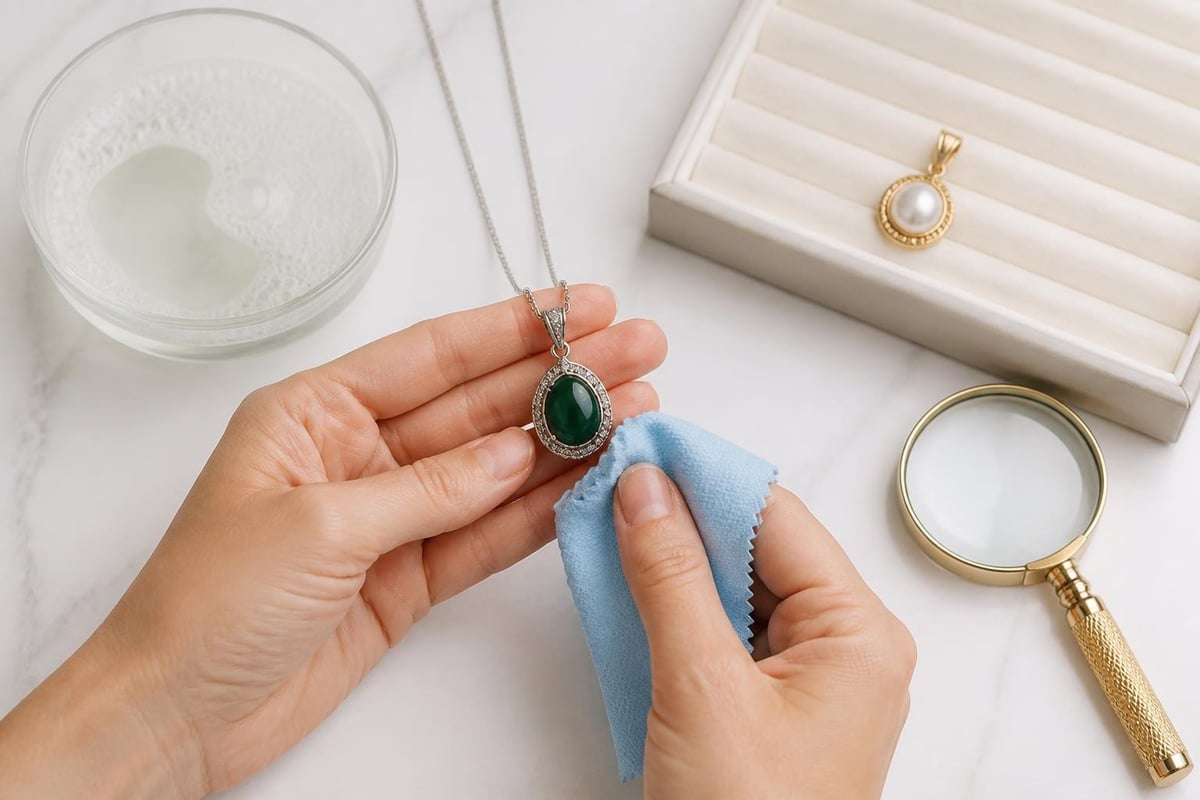
Regular cleaning maintains the brilliance of both metals and gemstones. For most pendants for jewelry, gentle washing with mild soap and lukewarm water using a soft brush removes accumulated oils and debris. Dry thoroughly with a lint-free cloth to prevent water spots.
Sterling silver pendants require periodic polishing to remove tarnish. Use a quality silver polishing cloth designed specifically for jewelry, applying gentle pressure in straight lines rather than circular motions. This technique minimizes micro-scratches while restoring shine.
Professional inspection annually ensures settings remain secure and identifies potential issues before they result in stone loss. Jewelers check prong integrity, bail strength, and overall structural soundness during these examinations. For valuable or sentimental pieces, this preventive maintenance proves invaluable.
Understanding what makes pendants for jewelry distinct from related items helps you communicate clearly when shopping and ensures you select the appropriate piece for your needs. While similarities exist between various hanging jewelry components, specific characteristics define each category.
The primary distinction between pendants and charms lies in scale and purpose. Charms versus pendants differ significantly in size and intended use. Charms typically measure smaller (under 15mm) and are designed for collection on bracelets or charm necklaces, while pendants stand alone as statement pieces on individual chains.
Charms often feature simpler construction with basic jump ring attachment, whereas pendants incorporate more sophisticated bail designs. Additionally, pendants serve as focal points meant to be displayed prominently, while charms create interest through accumulation and variety.
Medallions represent a specific pendant subcategory characterized by circular or oval shapes with engraved or relief designs. Religious medals, commemorative pieces, and vintage-inspired circular pendants fall into this category. They typically feature designs on both sides, allowing them to be worn with either face forward.
Drops and teardrops describe shape-specific pendant styles rather than separate categories. These terms specify the pendant's silhouette while still falling under the broader pendant classification. Understanding this terminology helps when searching for specific aesthetic qualities in pendants for jewelry.
Investing in quality pendants for jewelry requires knowledge of what distinguishes exceptional pieces from mediocre offerings. Whether purchasing for yourself or selecting a gift, these evaluation criteria ensure satisfaction with your choice.
Examine construction details carefully before purchase. Well-made pendants for jewelry exhibit clean solder joints with no visible gaps or rough edges. The bail should be firmly attached with no movement or gaps that could lead to separation. Settings should hold gemstones securely with evenly spaced, properly shaped prongs that don't extend awkwardly beyond the stone.
Quality checklist:
For gemstone pendants, assess the stone's quality independently of the setting. Look for good color saturation, minimal inclusions visible to the naked eye, and professional cutting that maximizes brilliance. The gemstone should be the appropriate size for the setting, neither swimming loosely nor cramped by too-tight prongs.
Price variation in pendants for jewelry reflects multiple factors beyond simple material costs. Handcrafted pieces command premiums due to skilled labor and unique designs. Rare gemstones significantly increase value, particularly when sourced from single origins. Brand reputation and designer names also influence pricing.
Consider the total cost of ownership, including the chain if not included. Purchasing guidance suggests budgeting for quality chains that complement your pendant investment rather than compromising with inferior necklaces that diminish the overall presentation.
Maximizing the impact of pendants for jewelry involves thoughtful styling that considers outfit choices, occasions, and personal proportions. Strategic wearing enhances both the pendant's beauty and your overall appearance.
Single pendants offer simplicity and elegance, working beautifully for professional settings or when you want the pendant to remain the sole jewelry focus. This approach particularly suits statement pieces with significant visual interest or exceptional gemstones that deserve undivided attention.
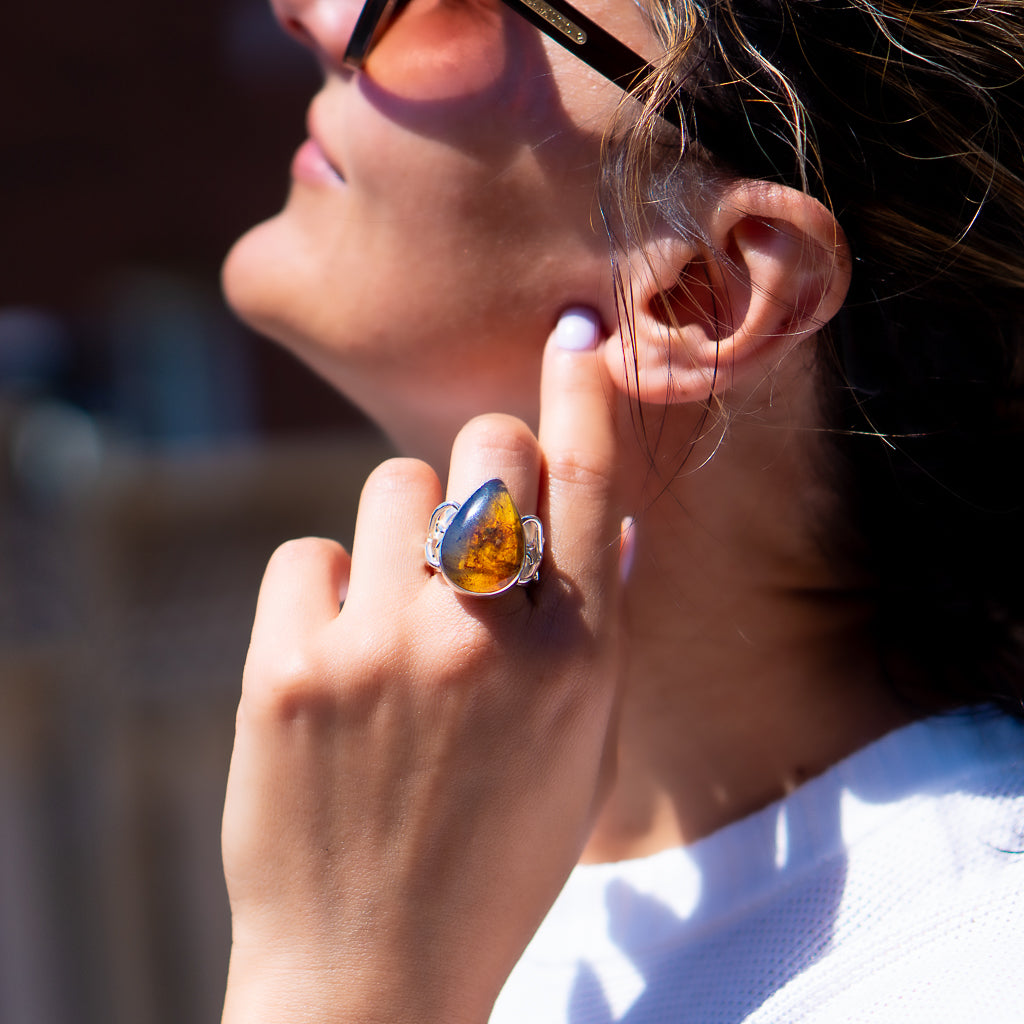
Layering multiple pendants creates contemporary, personalized style. This technique works best when varying lengths by at least two inches to prevent tangling. Mix different pendant sizes, with the largest at the longest length, creating a graduated visual effect. Consider how rings and pendants can coordinate to create cohesive jewelry ensembles.
Layering combinations that work:
Professional environments typically call for understated pendants for jewelry that complement rather than distract. Simple geometric shapes in precious metals or subtle gemstone pieces maintain polish without overwhelming conservative dress codes. Reserve larger, more ornate pendants for social occasions and creative workplaces with relaxed standards.
Evening events invite dramatic pendant choices. Longer chains with substantial pendants create elegance with formal wear, particularly when the neckline allows the pendant to rest prominently. Consider how lighting at evening venues will interact with your pendant - highly reflective metals and faceted gemstones create beautiful effects under strategic illumination.
Pendants for jewelry uniquely lend themselves to personalization, transforming decorative objects into meaningful keepsakes. This emotional dimension adds value beyond monetary worth, creating pieces that carry stories and memories.
Working with skilled artisans allows you to create truly unique pendants that reflect personal vision. Custom design accommodates specific gemstone preferences, symbolic elements, or incorporation of heirloom materials. This process typically involves consultation to discuss concepts, design sketches for approval, and iterative refinement before creation.
Consider incorporating birthstones, meaningful symbols, or design elements that reference important life events. Anniversary dates can be engraved discretely on pendant backs, while initials or short messages add personal touches visible only to the wearer. These customizations transform pendants from beautiful objects into treasured personal talismans.
Pendants for jewelry represent thoughtful gifts for virtually any occasion. Their combination of aesthetic appeal and personal significance makes them appropriate for birthdays, anniversaries, graduations, and milestone celebrations. When selecting pendants as gifts, consider the recipient's existing jewelry collection, typical style preferences, and metal sensitivities.
Safe gift choices include classic designs in universally flattering styles and colors. If uncertain about specific preferences, opt for versatile pieces that accommodate various wearing occasions rather than highly specific statement pieces. Including gift receipts allows recipients to exchange for different styles while appreciating the thoughtful gesture.
While diamonds and traditional precious stones dominate mainstream pendant jewelry, distinctive gemstones offer opportunities to own truly unique pieces. Rare minerals with limited geographical sources create pendants that spark conversation and showcase individuality.
Collectors and jewelry enthusiasts increasingly seek pendants featuring unusual gemstones that offer distinctive colors and patterns unavailable in common stones. These materials often come from single mining locations, making each piece genuinely rare. The geological processes that create unique colorations ensure no two stones appear identical, giving pendants featuring these materials true one-of-a-kind status.
Blue gemstones particularly captivate with their associations with tranquility and depth. Beyond traditional sapphires, options include aquamarine, blue topaz, and larimar. Each offers different shades and characteristics, from the ice-blue clarity of aquamarine to the Caribbean-inspired patterns found in premium larimar specimens.
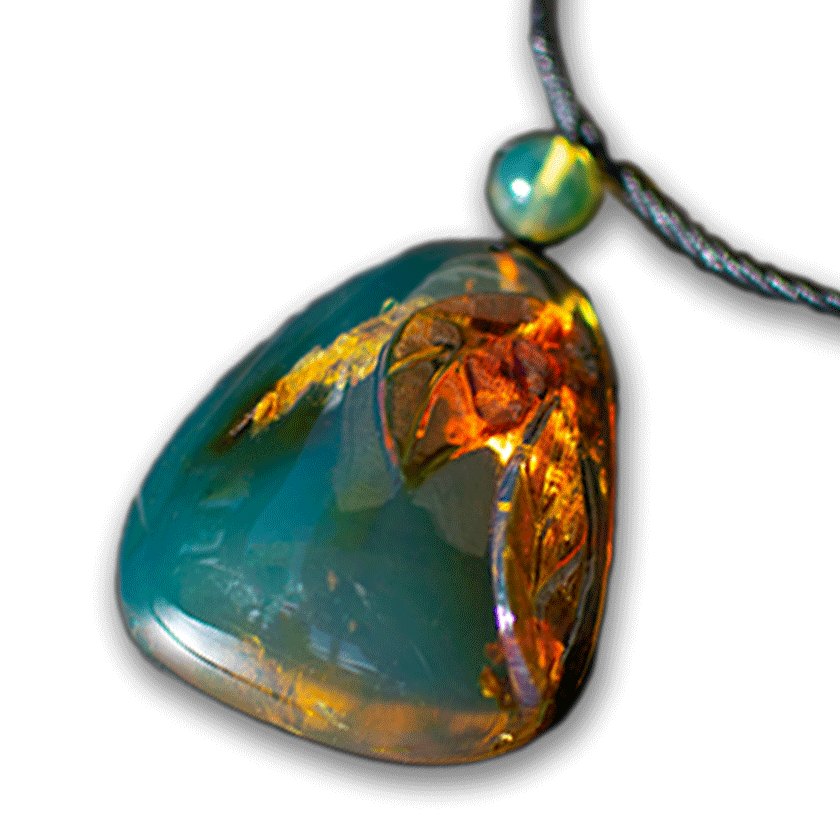
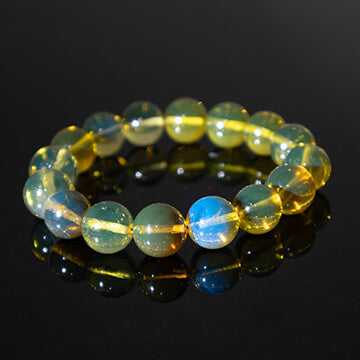
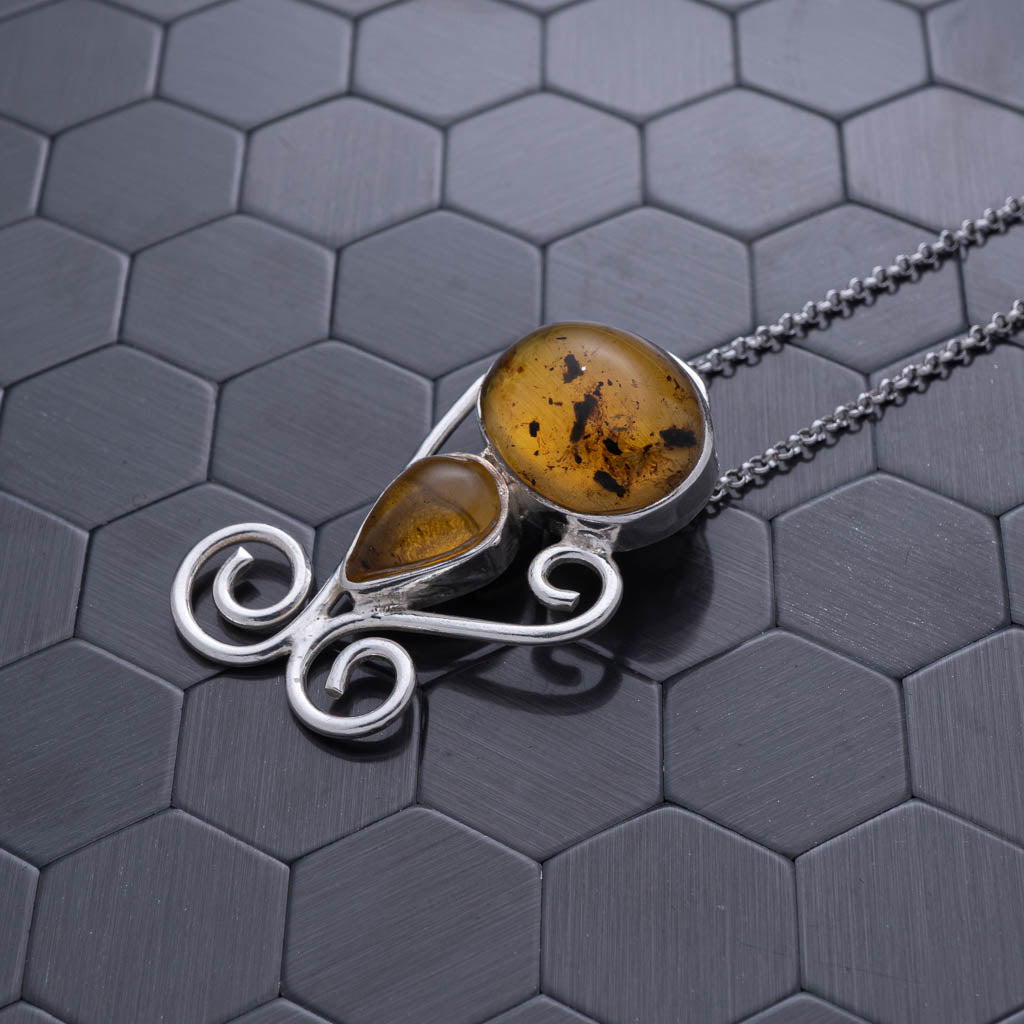
When exploring collections of blue amber pendants or other distinctive gemstones, examine how the stone's natural characteristics complement the metalwork. Exceptional artisans design settings that enhance rather than overpower the gemstone's inherent beauty.
For some enthusiasts, pendants for jewelry represent more than personal adornment - they constitute collectible investments that appreciate over time. Building a curated pendant collection requires strategy and knowledge of factors that influence long-term value.
Pendants most likely to maintain or increase value share specific characteristics. Pieces featuring rare gemstones from depleted or restricted mining sources gain value as availability decreases. Superior craftsmanship by recognized artisans commands premiums, particularly for handmade pieces with distinctive techniques.
Investment-worthy pendant characteristics:
Historical provenance adds significant value to antique pendants for jewelry. Pieces with verifiable connections to notable individuals, historical events, or prestigious makers achieve premium prices at auction. Even without famous connections, well-preserved antique pendants with original components and minimal alterations appeal to collectors.
Successful pendant collections typically focus on specific themes rather than random accumulation. Some collectors concentrate on particular gemstone types, assembling examples showing color and quality variation. Others focus on specific periods (Victorian, Art Deco) or techniques (enameling, filigree work).
Document your collection with professional photographs and detailed descriptions noting materials, dimensions, maker information, and purchase details. This record serves both insurance purposes and helps track collection development over time. Store valuable pendants in appropriate conditions - cool, dry environments away from direct sunlight - to preserve materials and prevent deterioration.
Selecting the perfect pendant involves balancing aesthetic preferences, quality considerations, and intended use to find pieces that bring lasting satisfaction. Whether you're drawn to classic designs or unique gemstone selections, understanding pendant construction, materials, and styling strategies ensures informed choices. Larimar Creations specializes in handcrafted pendants featuring exceptional larimar and Dominican blue amber, offering distinctive pieces that combine rare gemstones with expert artisanship for customers worldwide seeking truly unique jewelry.