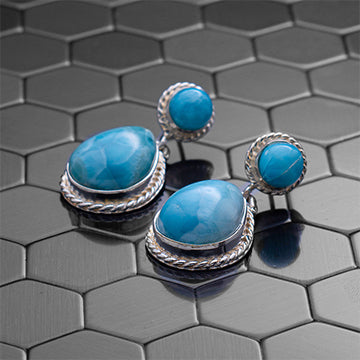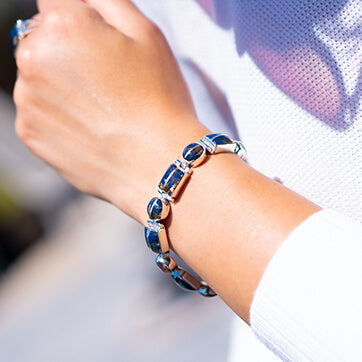

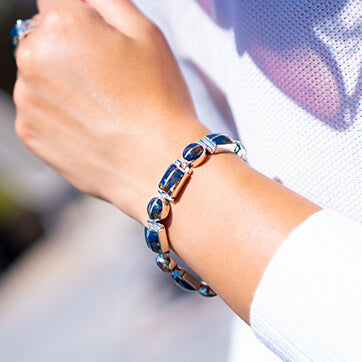
Larimar
Blue Amber
Green Amber
Amber Carvings
More

by Admin September 14, 2026 5 min read

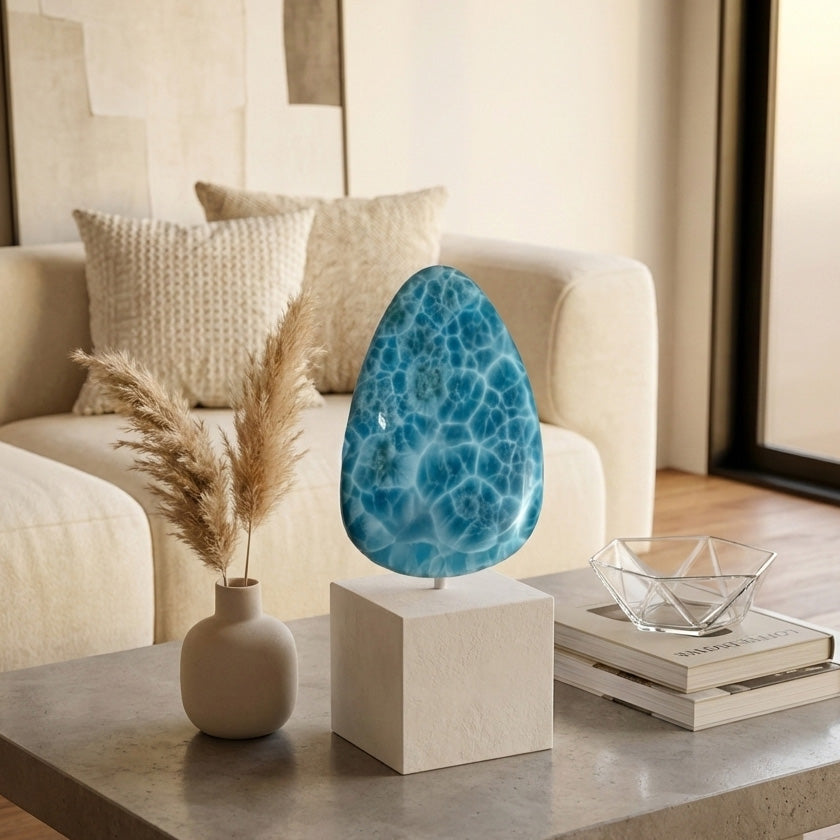
Larimar earns its unmistakable beauty from a soft wash of Caribbean blue, white cloud-like patterns, and natural variations that cannot be copied. Learning how to polish larimar stones calls for restraint more than force. This rare Dominican pectolite is softer than many popular gems, so a method that works beautifully on quartz or agate can leave Larimar dull, scratched, overheated, or uneven.

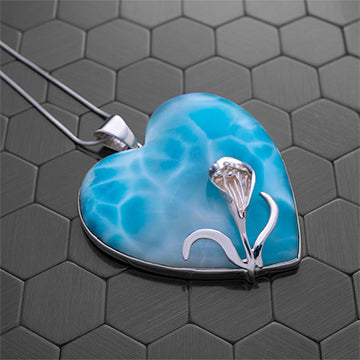
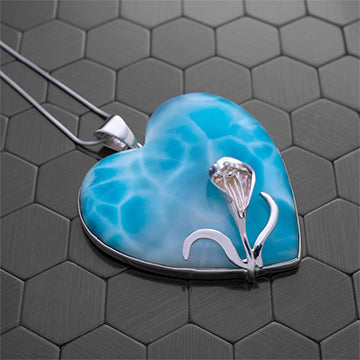
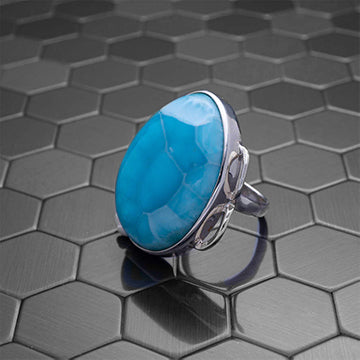
Whether you own a loose cabochon, a carving, or a beloved piece of Larimar jewelry, the goal is not to make it look artificially glossy. It is to preserve the luminous, ocean-inspired surface that makes every authentic stone feel like a small piece of the Caribbean.

Know Larimar Before You Polish It

Larimar generally measures about 4.5 to 5 on the Mohs scale of hardness. That places it well below sapphire, diamond, quartz, and even many everyday abrasives that can accidentally mark its surface. Its fibrous crystal structure can also make it vulnerable to stress along natural seams, especially in stones with visible white matrix, tiny pits, or existing fractures.

This is why polishing Larimar is best approached as a gradual refinement. Heat, pressure, and rushing are the three things to avoid. A high-quality cabochon may only need careful cleaning and a light hand polish, while a deeply scratched loose stone may need to be professionally re-finished by a lapidary artist.

Before doing anything, inspect the stone under bright indirect light. Look for scratches, dull patches, cracks, loose areas, or a worn setting around the gem. If the stone is mounted in a ring, pendant, bracelet, or pair of earrings, do not assume it can be sanded safely at home. Metal prongs, bezel edges, and nearby accent stones change the process considerably.

How to Polish Larimar Stones at Home

For a finished Larimar cabochon with minor surface dullness, begin with the gentlest possible approach. Mix a few drops of mild dish soap into lukewarm water. Dampen a soft microfiber cloth, wipe the stone carefully, then use a second clean, damp cloth to remove soap residue. Dry it completely with a lint-free cloth.

Often, this simple cleaning is enough to restore the stone’s visual depth. Body oils, lotion, sunscreen, and residue from everyday wear can create a haze that looks like damage but is not actually a scratch in the gem.

If the surface remains slightly lackluster after cleaning, use a dry, clean microfiber cloth and gently buff in small circular motions. Keep pressure light. You are lifting surface residue and encouraging the existing polish to reflect light, not grinding the stone.

Avoid household jewelry cleaners, toothpaste, baking soda pastes, and abrasive polishing cloths. These are frequently suggested for jewelry in general, but Larimar is not a general-purpose stone. A product made to brighten silver can be too aggressive for the gem itself, and a rough cloth can create fine scratches that soften its natural glow.

For loose stones with light scratches

A loose, unmounted Larimar stone gives you more control, but it also makes it easier to overwork the surface. If you have lapidary experience, use wet sanding only, beginning with the finest grit that can address the damage. For very light scratches, 1,500- or 2,000-grit wet/dry sandpaper may be sufficient. Work with water, use minimal pressure, and move evenly across the entire dome rather than concentrating on one small spot.

Progress gradually through finer grits, such as 3,000 grit and beyond, until the scratch pattern becomes very fine and uniform. Rinse the stone and your work surface between every grit. A single coarse particle carried forward can create a fresh scratch just when the finish is beginning to improve.

For the final polish, a small amount of cerium oxide or tin oxide polishing compound on a soft leather, felt, or polishing pad can produce a refined sheen. Keep the surface damp and the speed low if using a rotary tool. The stone should never become hot to the touch. If it does, stop immediately, rinse it with cool water, and allow it to rest before continuing.

The trade-off is simple: a more aggressive process may remove scratches faster, but it can also flatten a cabochon’s curve, blur crisp carving details, or expose a natural fracture. With Larimar, preserving proportion and integrity matters more than chasing a mirror finish.

When Not to Use Sandpaper or a Rotary Tool

Do not sand mounted Larimar jewelry. Even with careful tape protection, it is difficult to control abrasives near a bezel or prong setting. You may scratch the metal, weaken a setting, or leave an uneven edge where the stone meets the jewelry.

Do not use a tumbler for Larimar. Tumbling works through repeated impact and abrasion, which is far too harsh for this relatively soft gemstone. It can round details, worsen fractures, and turn a luminous surface into a chalky one.

Steam cleaners and ultrasonic machines are also poor choices. Heat, vibration, and the presence of natural inclusions or fractures create unnecessary risk. The same caution applies to harsh chemicals, including bleach, ammonia, acetone, and strong silver dips. If your Larimar sits in sterling silver, clean the metal around the stone with a silver cloth rather than soaking the entire piece in a chemical solution.

Choosing the Right Finish for Larimar

A beautiful Larimar polish does not always mean a glass-like shine. The best finish depends on the stone’s cut, color, and character. A richly blue cabochon with smooth color zones may suit a brighter polish that enhances its depth. A stone with dramatic white patterning, natural texture, or a hand-carved form can look more authentic with a soft satin luster.

Trying to remove every small imperfection is rarely the right choice. Natural matrix, tiny mineral variations, and subtle texture are part of Larimar’s identity. They distinguish a genuine Caribbean gemstone from a mass-produced imitation. A skilled artisan knows when a small mark should be refined and when it belongs to the story of the stone.

If you are polishing a collector cabochon or carving, take photos before you begin. This gives you a useful reference for shape, symmetry, and the placement of natural markings. It also makes it easier to recognize when the stone has reached its best finish instead of continuing out of habit.

Protect the Polish Afterward

Once Larimar has been cleaned or polished, thoughtful wear will help it stay radiant. Put Larimar jewelry on after applying perfume, lotion, hairspray, and sunscreen. Remove rings before gardening, exercising, lifting weights, or doing household cleaning. Bracelets deserve extra care because they encounter tabletops, door frames, and other hard surfaces throughout the day.

Store each piece separately in a soft pouch or a lined jewelry box compartment. Larimar should not rub against diamonds, sapphires, quartz, or metal chains, all of which can scratch it. Keep it away from prolonged direct sun and intense heat as well. A cool, dry place is best for preserving the stone’s gentle blue presence.

For a cherished ring or heirloom pendant with noticeable wear, a professional lapidary or jeweler experienced with soft gemstones is the safest choice. Ask specifically whether they have worked with Larimar or pectolite before. The right craftsperson will assess the stone’s structure, protect its setting, and preserve the handcrafted character that made you choose it.

Larimar is an ocean gift shaped by time, and its care should feel equally patient. Polish only what truly needs attention, let its natural cloud patterns remain, and allow the stone’s rare Dominican beauty to speak in its own quiet blue light.

How to Polish Larimar Stones Without Damage

How to Polish Larimar Stones Without Damage

5 min read

Learn how to polish larimar stones gently, preserve their ocean-blue color, and select the right finish for cabochons, jewelry, and collector pieces with care.
Read More
Choker Green: The Ultimate Guide to This Vibrant Trend - Larimar Creations

Choker Green: The Ultimate Guide to This Vibrant Trend

10 min read

Discover choker green, the captivating color trend transforming jewelry design. Learn styling tips, color theory, and how to incorporate this hue.
Read More
How to Polish Amber Beads Without Damaging Them - Larimar Creations

How to Polish Amber Beads Without Damaging Them

5 min read

Learn how to polish amber beads gently, protect their natural glow, and care for Dominican amber jewelry with methods that honor this rare, beautiful gem.
Read More