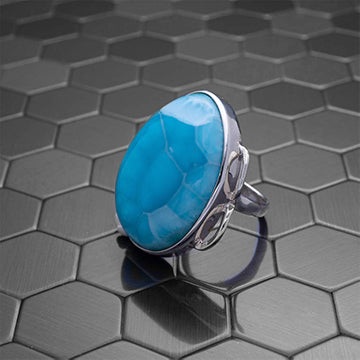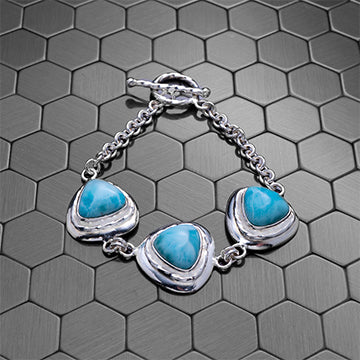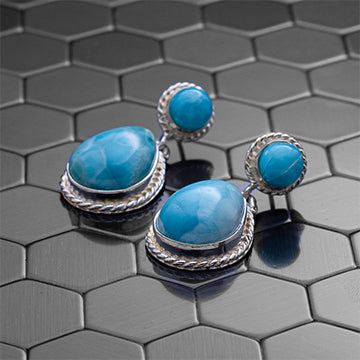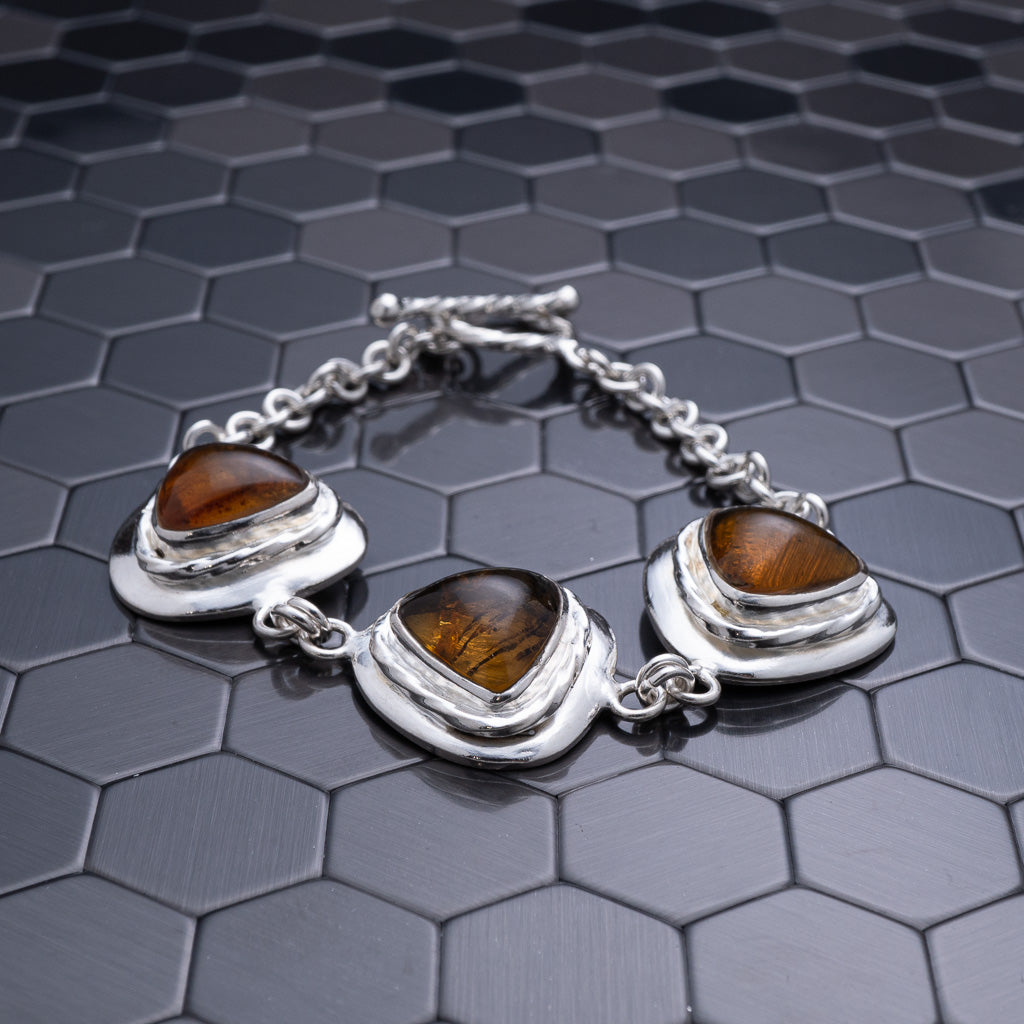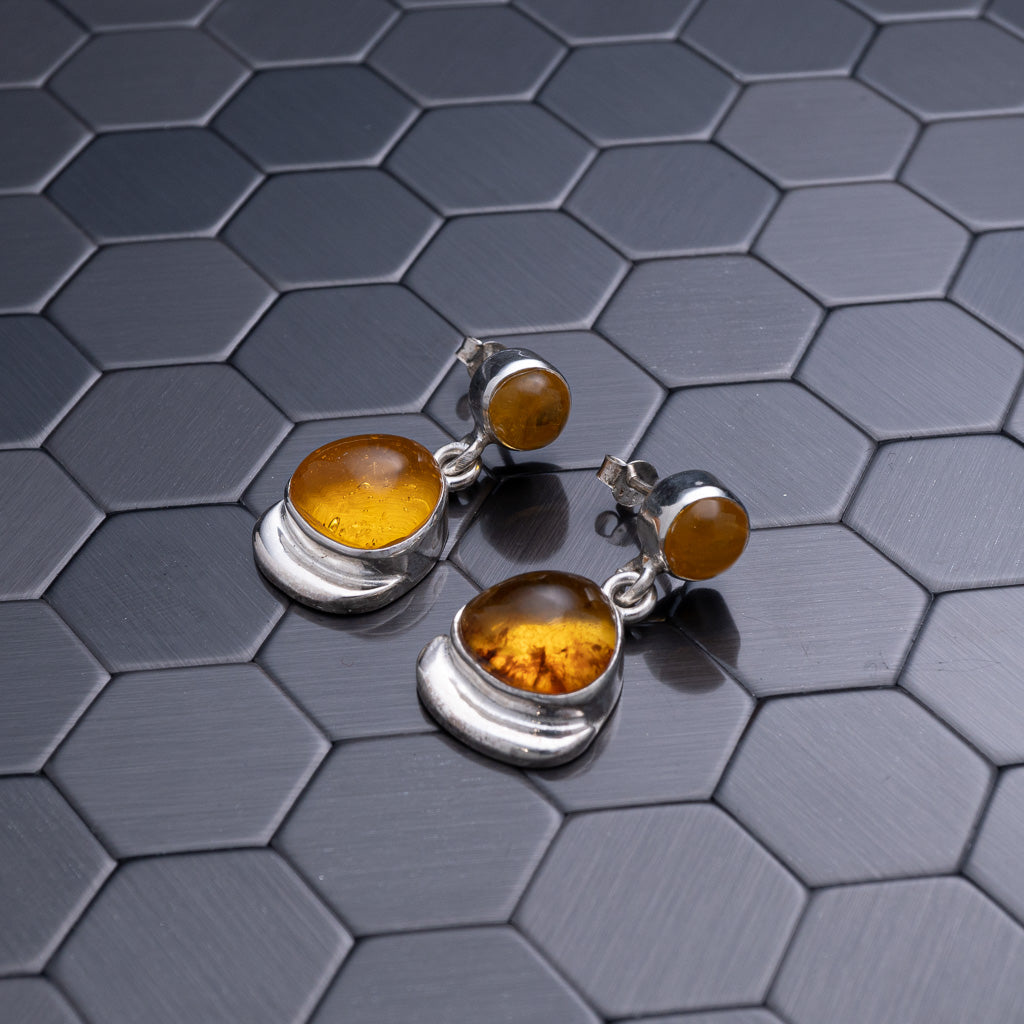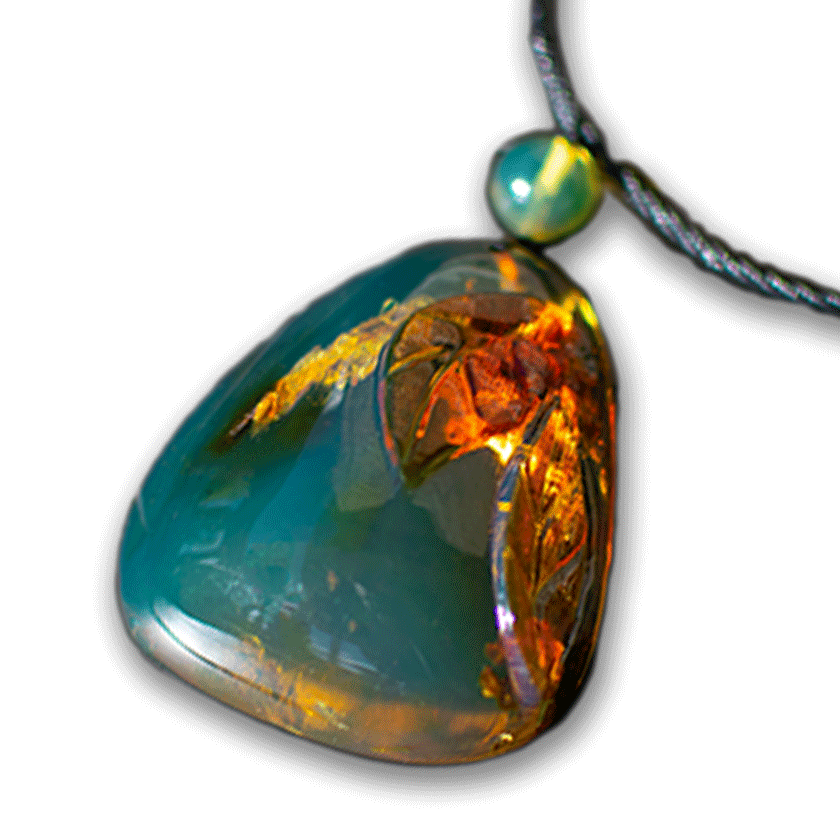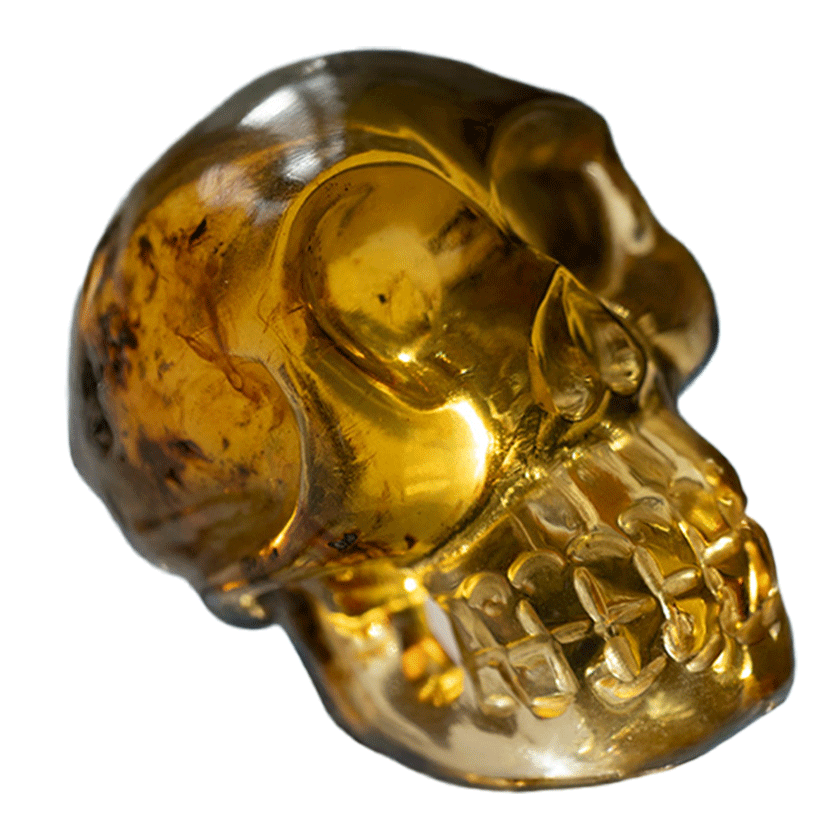


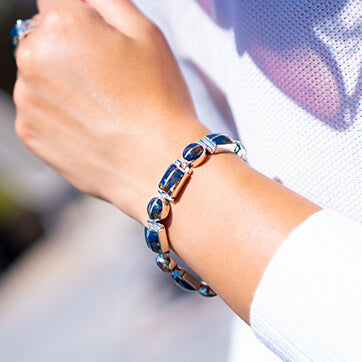
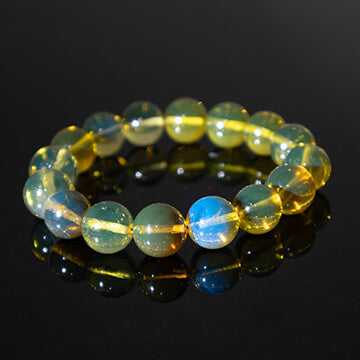
Handcrafted in DR.

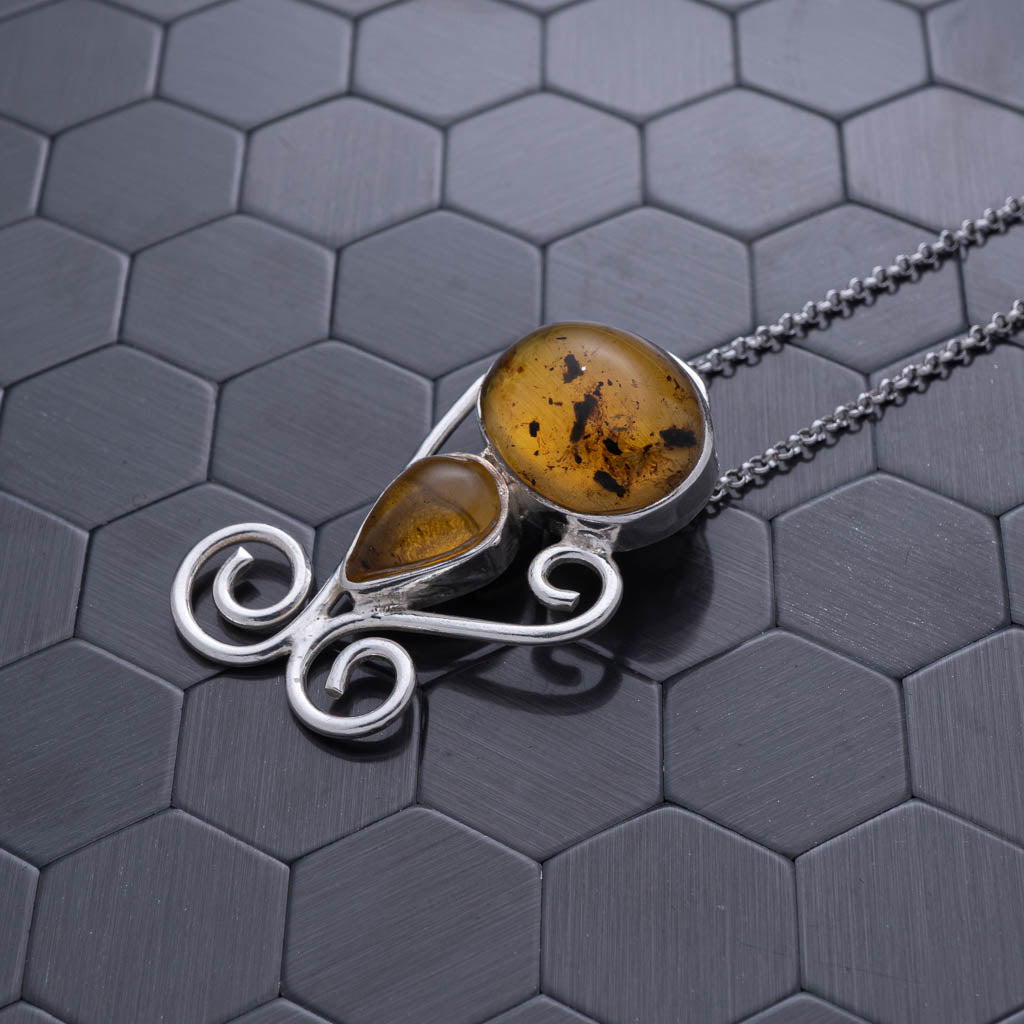
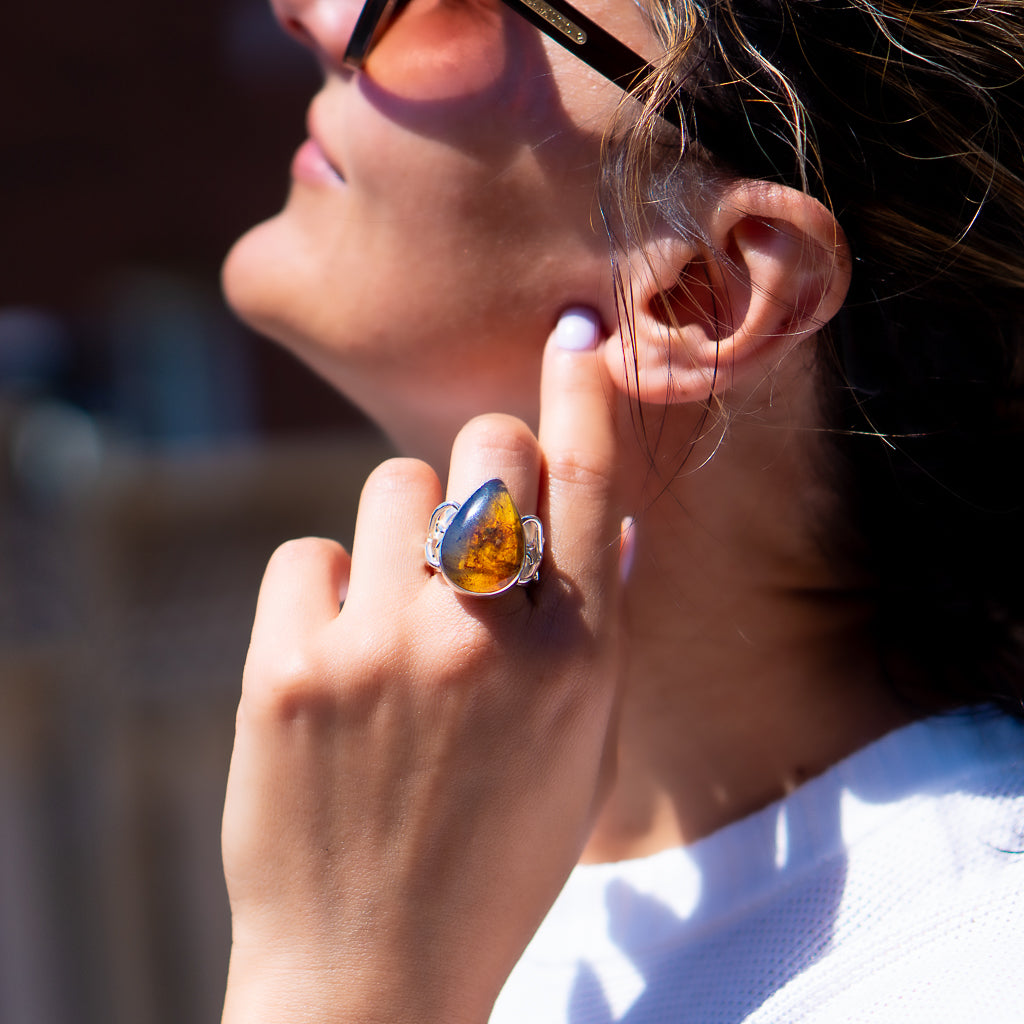
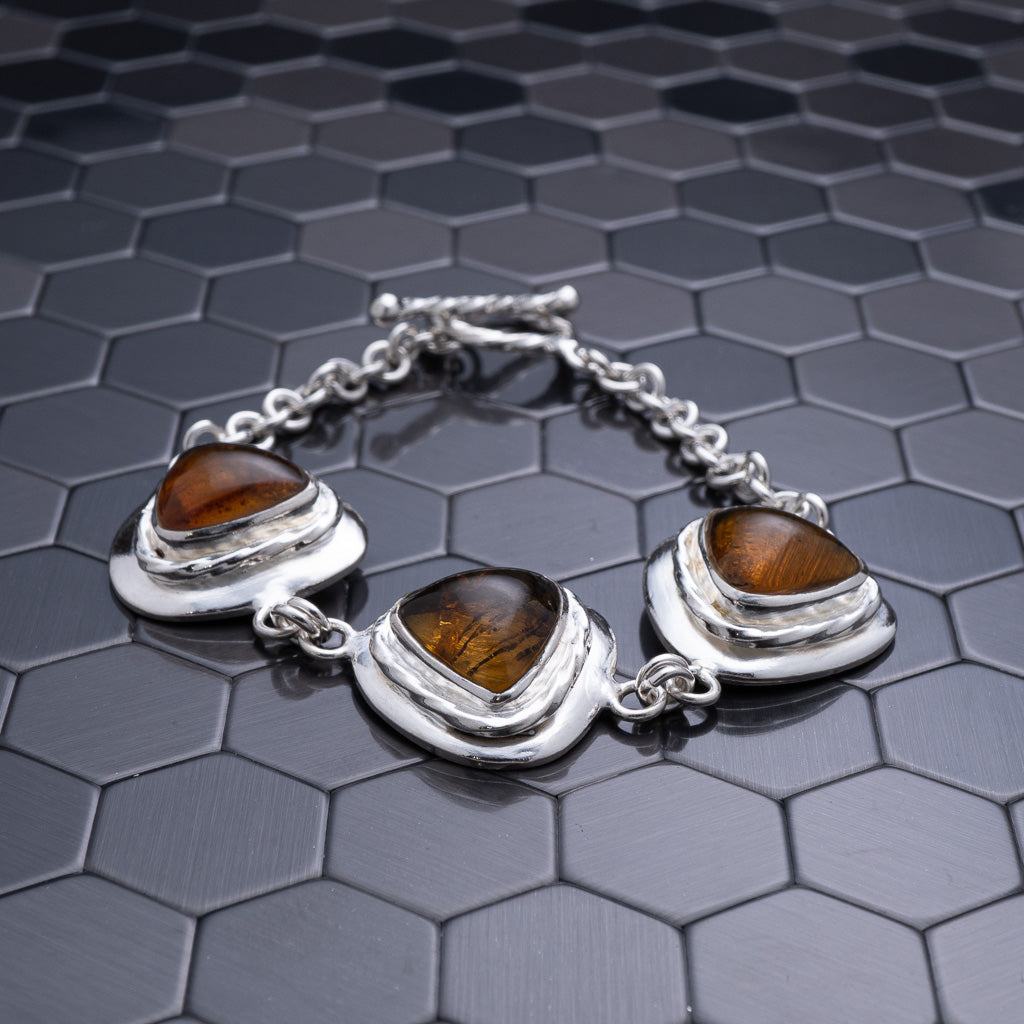
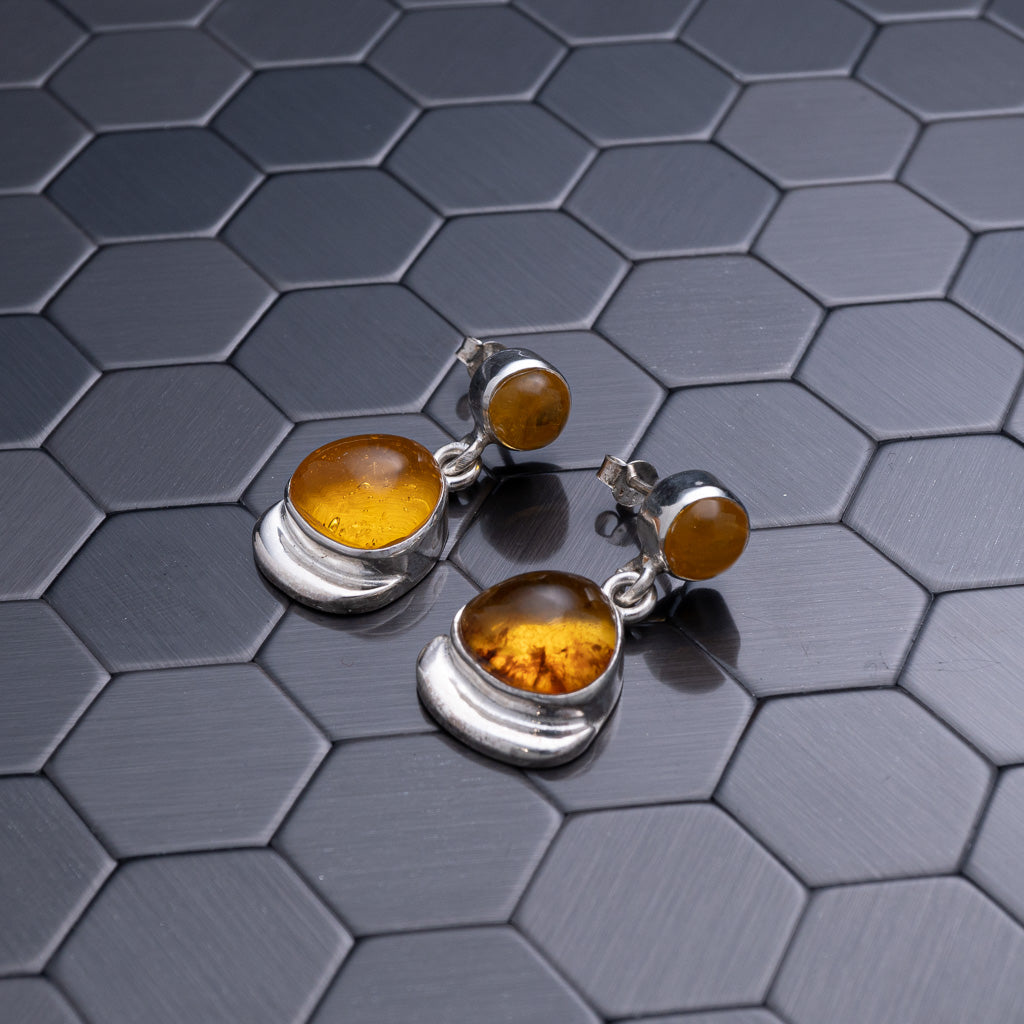


100% Handcrafted in DR.

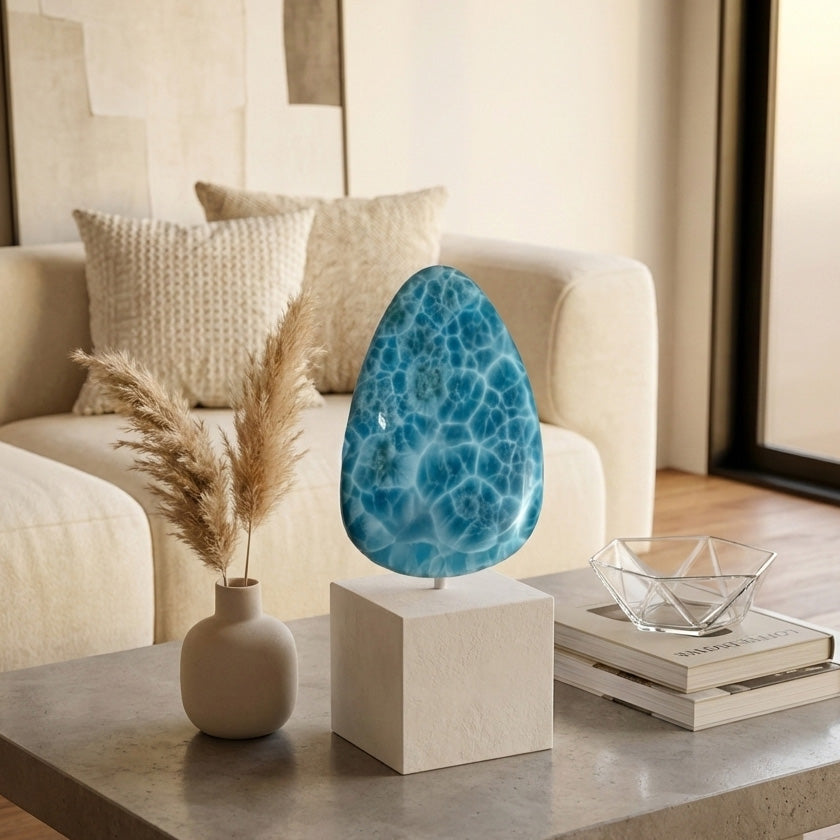
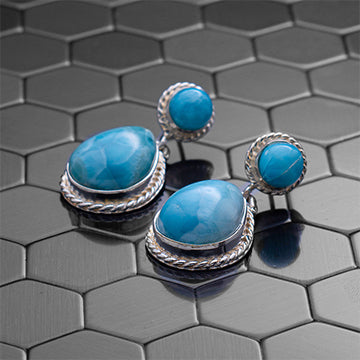
Larimar has captivated collectors and jewelry enthusiasts worldwide with its distinctive sky-blue hues and oceanic patterns. As one of the rarest gemstones on the planet, found exclusively in a single mountainous region of the Dominican Republic, understanding the factors that influence larimar price becomes essential for both buyers and sellers. In 2026, the market for this unique pectolite variety continues to evolve, shaped by mining challenges, global demand, and quality variations that can make two seemingly similar stones differ dramatically in value. Whether you're considering an investment piece or simply curious about what makes this gemstone so special, exploring the pricing landscape helps you make informed decisions and appreciate the true worth of authentic Dominican larimar.
The quality of larimar directly impacts its market value, with dramatic price differences between top-grade specimens and lower-quality material. Gemstone experts evaluate larimar using several critical criteria that determine its position within the quality spectrum.
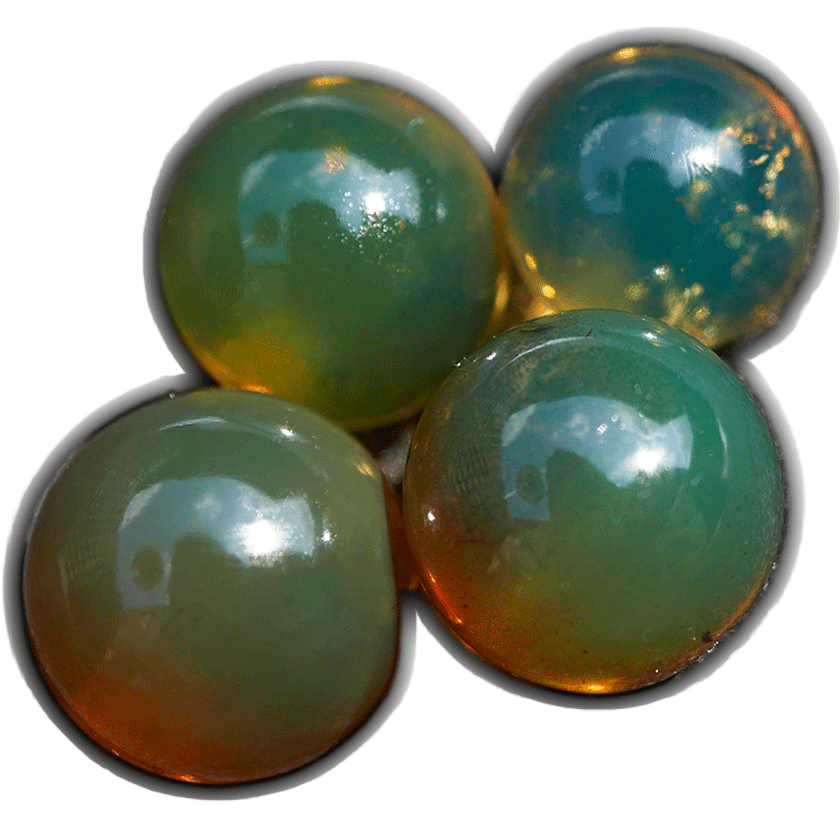
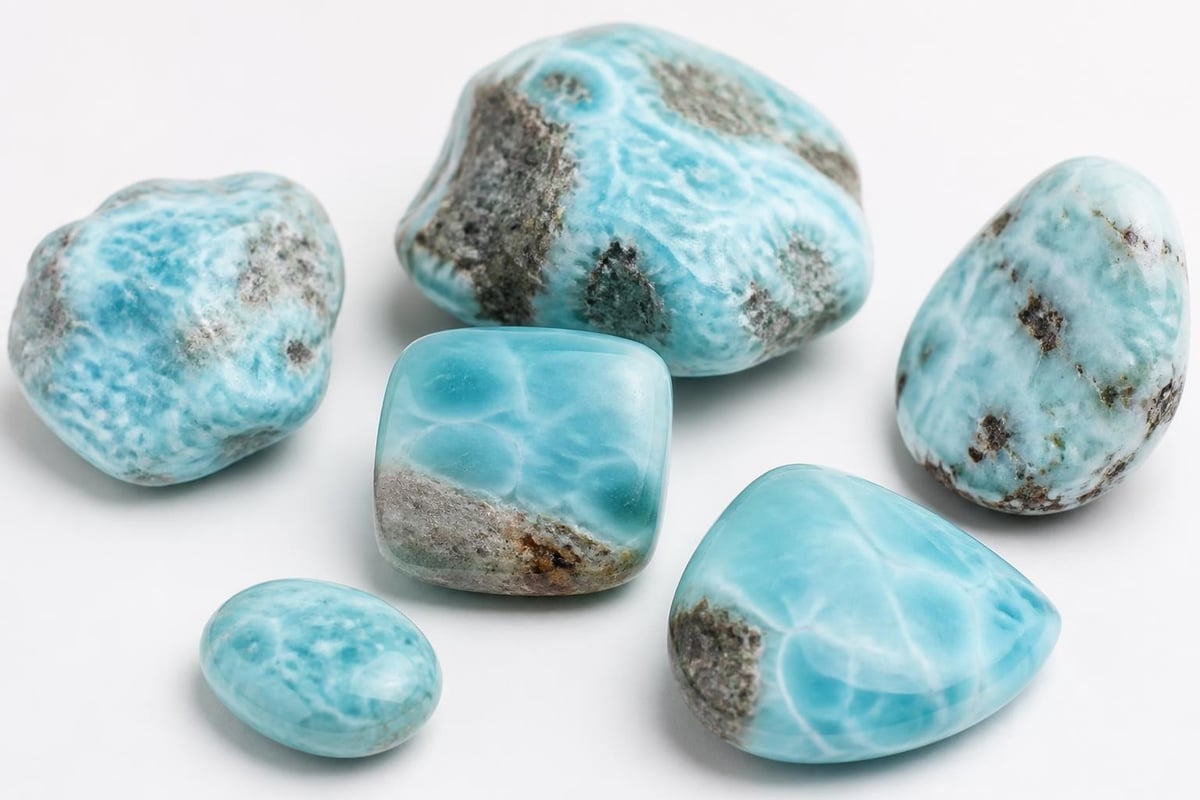
Volcanic blue larimar represents the highest quality tier, featuring deep, saturated blue tones reminiscent of Caribbean waters on a cloudless day. This premium grade commands the highest larimar price points in the market, often reaching several hundred dollars per carat for exceptional specimens. The color should appear consistent throughout the stone, without muddy brown or gray undertones that diminish value.
Mid-grade larimar displays lighter blue shades with good clarity but less intensity. These stones still possess the characteristic larimar appeal while offering more accessible price points for everyday jewelry pieces. According to Wikipedia's comprehensive overview of larimar, the blue coloration comes from copper substitution within the calcium structure, and higher copper content generally correlates with more desirable, deeper blue hues.
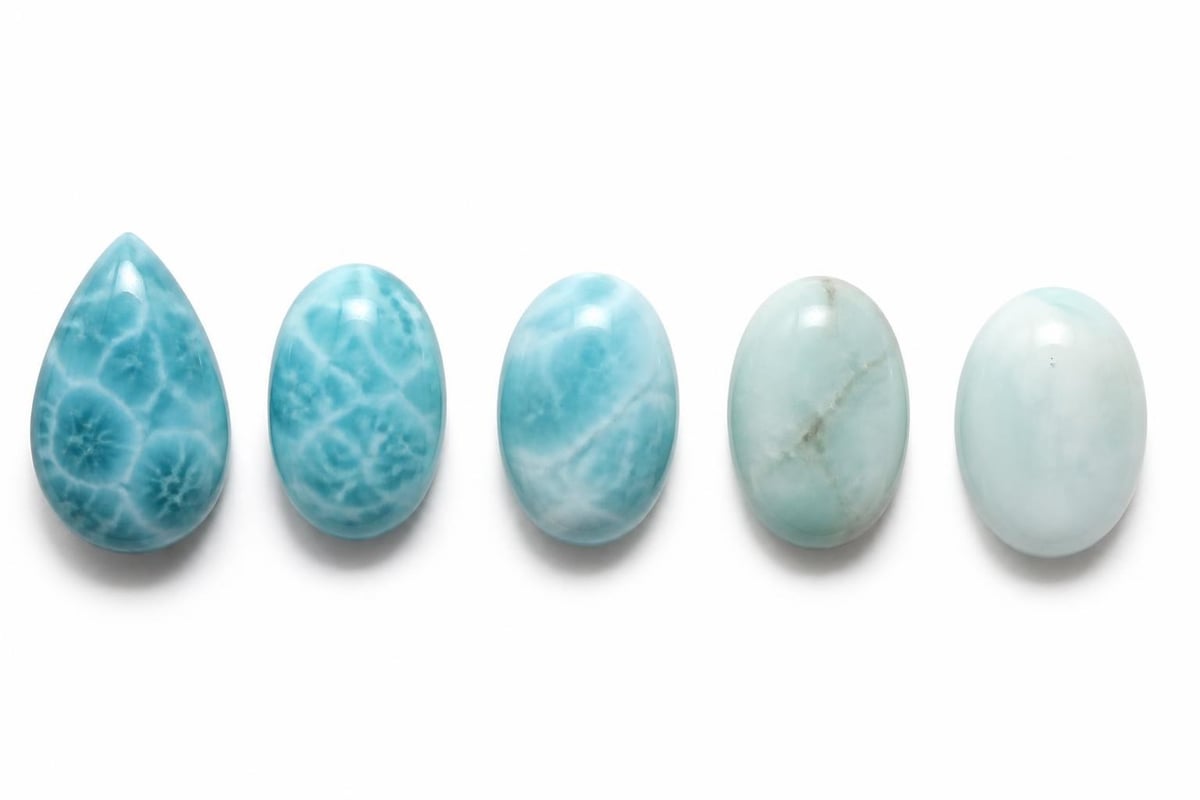
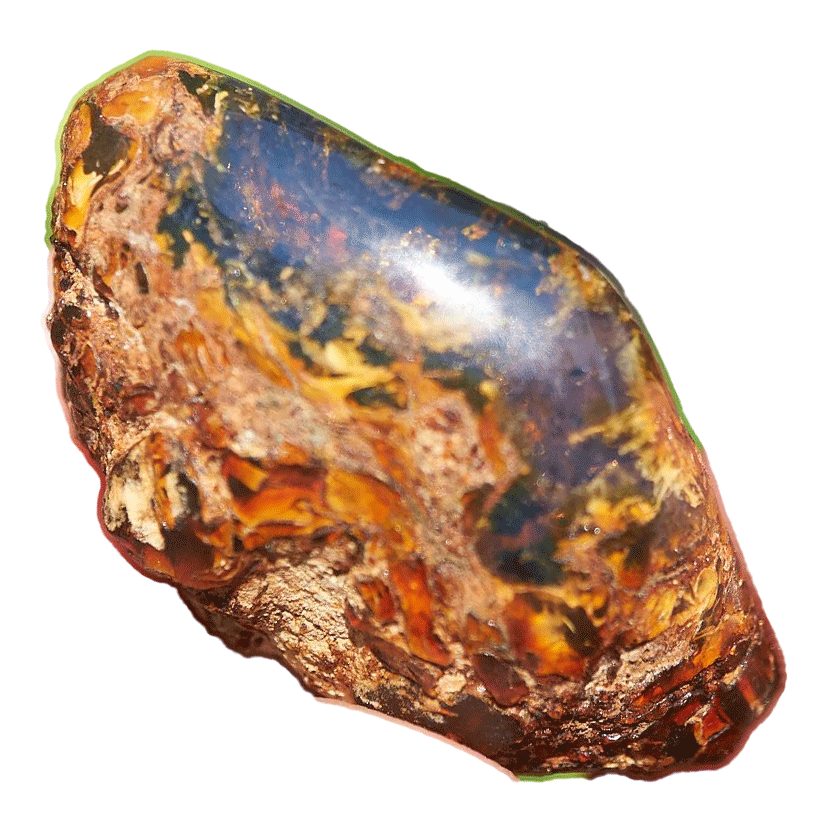
Beyond pure color, the internal patterns within larimar significantly affect pricing. Collectors particularly prize stones displaying distinctive white veining that creates cloud-like formations or wave patterns. These natural designs make each piece unique and can actually increase value when they enhance the stone's visual appeal.
The matrix characteristics include:
Stones with heavy brown matrix or irregular, unattractive patterns typically fall into commercial grades and command lower prices. However, some artisans specifically seek these variations for creative jewelry designs where contrast becomes a design element.
The Dominican Republic maintains exclusive rights to larimar as its national gemstone, and this geographic monopoly significantly influences pricing dynamics. Mining occurs primarily in the Barahona Province, specifically in the Los Chupaderos area, where extraction remains largely artisanal and labor-intensive.
Access to high-quality larimar deposits has become increasingly difficult as surface-level deposits have been exhausted. Miners now work deeper into the mountainside, facing challenges including:
The Dominican Republic Ministry of Energy & Mines reports indicate export volumes and domestic supply levels that directly impact market availability. When production decreases or export regulations tighten, the larimar price typically experiences upward pressure as supply constraints meet steady or growing demand.
| Supply Factor | Impact on Price | 2026 Trend |
|---|---|---|
| Mining Depth | Higher costs passed to consumers | Increasing depth |
| Annual Production | Scarcity drives premium pricing | Relatively stable |
| Export Regulations | Controls market availability | Moderate oversight |
| Artisanal Methods | Labor costs reflected in pricing | Traditional practices continue |
Dominican governmental initiatives play a substantial role in shaping the larimar market. The government's efforts to strengthen larimar's role for local artisans demonstrate a commitment to developing the domestic value chain while maintaining quality standards that protect the stone's reputation.
These policies aim to ensure fair pricing for miners while preventing market flooding with substandard material that could devalue the gemstone's prestige. The balance between supporting local communities and maintaining market integrity creates a pricing environment where authentic, high-quality larimar retains its value over time.
Unlike diamonds or other precious gems with standardized per-carat pricing, larimar follows a more complex valuation model. Larger pieces of high-quality larimar become exponentially rarer and more valuable, but the relationship isn't strictly linear.
Small larimar stones (under 5 carats) suitable for delicate jewelry pieces generally maintain consistent per-carat pricing within their quality grade. However, once specimens exceed 10 carats while maintaining premium color and clarity, prices can jump significantly. Exceptional stones over 20 carats with volcanic blue coloration become collector's items, often commanding premium prices that far exceed standard per-carat calculations.
Typical size categories include:
The challenge for buyers lies in finding larger pieces that maintain quality throughout. Many larger rough specimens contain significant matrix material or color variations that require cutting away substantial portions, ultimately yielding smaller finished stones.
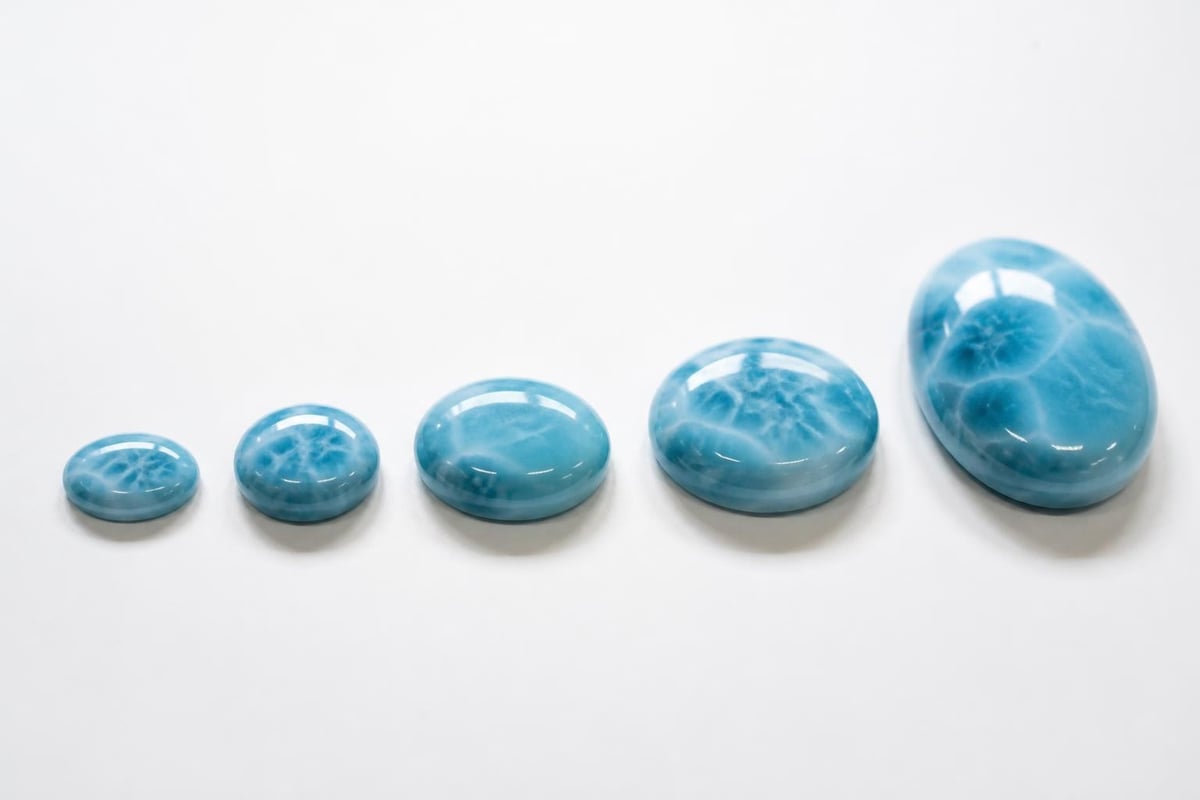
The transformation from rough larimar to finished jewelry adds multiple layers to the final price consumers pay. Cutting expertise, design complexity, and mounting materials all contribute to the ultimate cost of a larimar jewelry piece.
Most larimar jewelry features cabochon cuts rather than faceted designs, as this cutting style best displays the stone's unique patterns and color variations. Expert lapidaries carefully orient the stone to maximize visual appeal, positioning the most attractive patterns on the dome surface while minimizing visible flaws.
Premium cutting work can add 30-50% to the base stone value, particularly for:
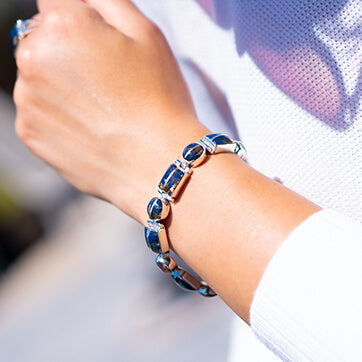
For those interested in exploring the full range of larimar applications, collections of larimar jewelry demonstrate how expert craftsmanship enhances the natural beauty of well-selected stones.
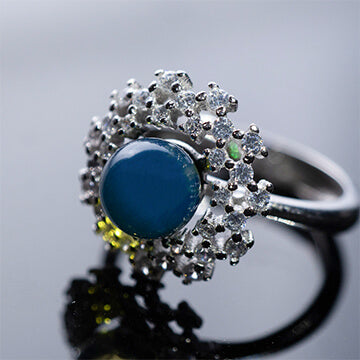
The mounting significantly impacts final retail prices for larimar jewelry. Sterling silver settings offer accessible price points while still providing quality craftsmanship. Gold settings (14K or 18K) substantially increase costs but also enhance the perceived value and longevity of the piece.
| Setting Type | Price Impact | Typical Use |
|---|---|---|
| Sterling Silver | Base setting cost | Everyday jewelry |
| 14K Gold | +200-400% over silver | Special occasion pieces |
| 18K Gold | +300-500% over silver | High-end collections |
| Platinum | +400-600% over silver | Premium investment jewelry |
Handcrafted designs with intricate metalwork, multiple stones, or custom specifications add further premiums. Mass-produced settings generally cost less than artisan-crafted pieces, though they may sacrifice uniqueness and personal character.
Where you purchase larimar dramatically affects the price you'll pay. Understanding the various market channels helps buyers identify fair pricing and avoid inflated costs or, conversely, suspiciously low prices that might indicate quality concerns.
Buying directly from Dominican artisans or specialized dealers offers potential savings by eliminating intermediary markups. However, this approach requires buyers to possess sufficient knowledge to evaluate quality independently. Reputable dealers with established track records provide authenticity guarantees and quality certifications that justify modest price premiums over uncertain sources.
Advantages of specialized dealers:
The Dominican Republic's tourism industry includes numerous vendors selling larimar to visitors. While some offer excellent value, the tourist market also contains lower-quality material marketed at premium prices to uninformed buyers. Prices in resort areas often include significant markups compared to specialized gem dealers.
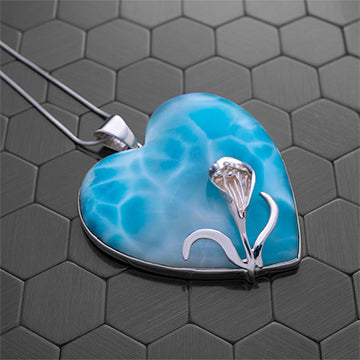
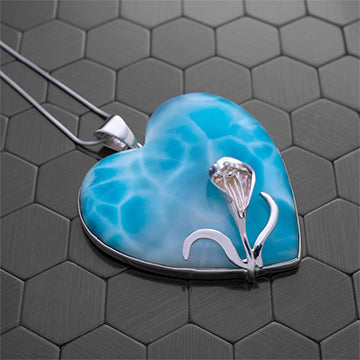
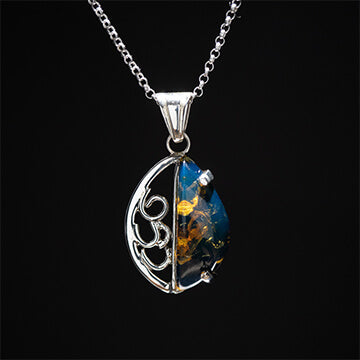
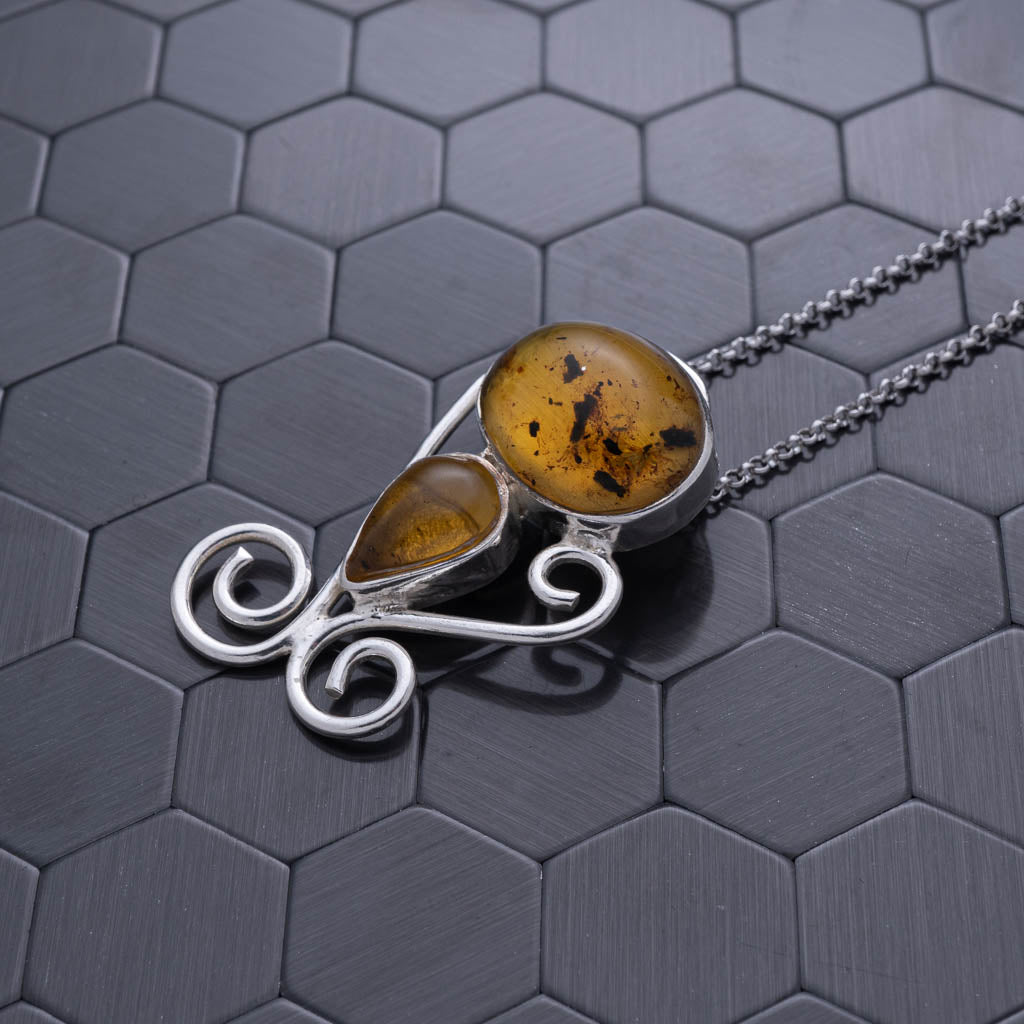
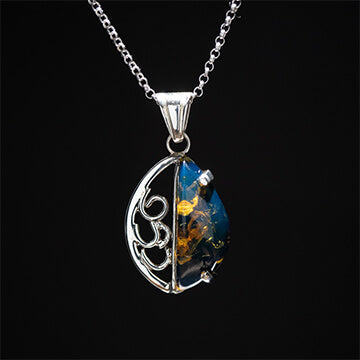
Savvy buyers research current market rates before traveling and understand quality indicators. Comparing multiple vendors and requesting information about stone origin and quality grades helps identify fair pricing. For authentic pieces that showcase proper quality, examining larimar pendants from established sources provides a helpful price reference point.
The growing popularity of larimar has unfortunately led to market confusion with imitations and misrepresentations. Understanding authentication factors helps buyers ensure they're paying larimar prices for genuine Dominican material rather than dyed alternatives or composite materials.
Authentic larimar displays specific characteristics that distinguish it from imitations:
The EITI-RD contextual report on the extractive sector provides background on mining practices and regulations that legitimate dealers should be able to reference when discussing their supply chains.
Unlike many gemstones, high-quality larimar typically receives no treatments beyond cutting and polishing. However, some commercial-grade material may undergo:
Treated stones should command substantially lower prices than untreated material. Reputable sellers disclose any treatments, and buyers should request this information explicitly before purchase. The absence of treatment disclosure at suspiciously low prices often indicates either treated material or potential authenticity issues.
As with any gemstone, understanding larimar's investment potential requires realistic expectations and market knowledge. While larimar has demonstrated price stability and gradual appreciation over the past decades, it operates differently than traditional investment gems like diamonds, rubies, or sapphires.
Larimar's exclusive geographic source creates natural scarcity that supports value retention. As mining becomes progressively more challenging and deposits become harder to access, the larimar price for premium specimens has shown steady appreciation. However, the relatively small global market means liquidity differs significantly from mainstream gemstones.
Factors supporting value retention:
Industry publications like the GemGuide market feature provide context on broader colored-stone pricing trends that can influence larimar's market position among collectors and investors.
Collectors seeking larimar for investment purposes should prioritize the highest quality grades within their budget. Volcanic blue stones with minimal matrix, excellent translucency, and attractive patterns hold value best over time. Larger specimens (10+ carats) of premium quality offer the strongest appreciation potential, though they require larger initial investments.
Diversifying across different jewelry applications provides both aesthetic variety and practical flexibility. While rings and earrings offer wearable options, pendants and loose stones may better serve pure collection purposes. Documentation of purchase details, quality grades, and authenticity certificates strengthens resale potential should you eventually decide to liquidate portions of your collection.
The larimar market doesn't operate in isolation from broader economic forces. Understanding these external factors helps buyers time purchases strategically and anticipate price movements.
Dominican tourism significantly influences local larimar markets, with peak tourist seasons (December through April) typically seeing increased demand and potentially higher prices in resort areas. Specialized dealers serving international collectors maintain more stable pricing year-round, though they may adjust based on supply availability and global economic conditions.
Market dynamics by season:
| Season | Tourist Activity | Market Impact | Buyer Strategy |
|---|---|---|---|
| Winter (Dec-Apr) | High | Peak prices in tourist zones | Buy from specialized dealers |
| Spring (May-Jun) | Moderate | Stabilizing prices | Good purchasing window |
| Summer (Jul-Sep) | Lower | Potential deals available | Negotiate opportunities |
| Fall (Oct-Nov) | Moderate | Pre-holiday inventory build | New selections available |
Luxury and semi-precious gemstone markets typically correlate with disposable income levels and consumer confidence. During economic expansions, collectors with discretionary spending capacity drive demand for premium larimar specimens. Economic contractions may soften prices for mid-grade material while premium specimens maintain value better due to their investment characteristics.
Currency exchange rates also matter for international buyers, particularly those purchasing from Dominican sources in local currency. A strong US dollar relative to the Dominican peso can create favorable buying opportunities for American purchasers, while a weaker dollar increases effective costs.
Armed with knowledge about quality factors, supply constraints, and market channels, buyers can assess whether specific larimar offerings represent fair value. This evaluation process combines objective quality assessment with subjective appreciation for particular stones.
Establishing reasonable price expectations requires comparing similar stones across multiple vendors. Quality, size, and setting should align with asking prices relative to market norms. Significant deviations warrant careful scrutiny.
Benchmark components to compare:
Examining larimar cabochons provides useful reference points for loose stone pricing across different quality grades and sizes. These unset stones eliminate setting costs from the equation, allowing clearer quality-to-price comparisons.
Certain warning signs indicate pricing that doesn't align with legitimate market values. Unusually low prices for supposedly premium-grade stones often signal quality misrepresentation or authenticity concerns. Conversely, excessive premiums without justification through exceptional quality, rarity, or craftsmanship suggest inflated pricing.
Red flags include vague quality descriptions, reluctance to provide origin documentation, no return policies, and prices dramatically out of line with established dealers. Taking time to verify authenticity and quality before committing to significant purchases protects both your investment and ensures satisfaction with your acquisition.
Proper care preserves both the beauty and value of larimar jewelry over time. Understanding the stone's physical properties helps owners protect their investments from damage that could diminish worth.
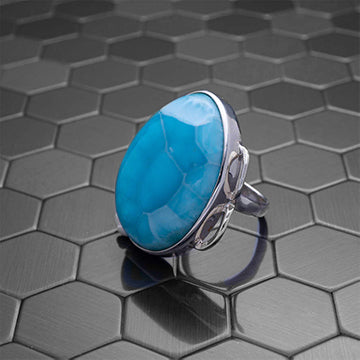
Larimar's moderate hardness (4.5-5 Mohs scale) makes it more susceptible to scratching than harder gemstones like sapphire or diamond. This characteristic influences both appropriate jewelry applications and care requirements. Rings receive the most wear exposure and risk, while pendants and earrings face fewer daily hazards.
Protection strategies include:
For detailed guidance on maintaining larimar pieces, resources on repairing larimar gemstone jewelry provide valuable maintenance insights that help preserve both appearance and value.
Over time, even well-maintained larimar may require professional attention. Repolishing can restore luster to stones dulled by wear, though this process removes minute surface material. Settings may need tightening or repair to secure stones properly. These maintenance investments protect the larger value of quality pieces and should be factored into ownership costs.
Quality restoration work maintains value, while poor repairs can diminish it. Using jewelers experienced with larimar specifically ensures appropriate techniques that respect the stone's properties and preserve its characteristics.
Predicting precise future pricing remains speculative, but understanding current trends and underlying fundamentals provides reasonable market expectations for larimar through the remainder of 2026 and beyond.
Mining operations face increasing challenges as easily accessible deposits diminish. Without discovery of new significant deposits outside the established Barahona Province mining area, supply constraints will likely tighten over time. This fundamental scarcity supports gradual price appreciation for quality material, particularly premium volcanic blue specimens.
The artisanal mining model limits rapid production expansion even if demand increases substantially. Unlike industrial mining operations that can scale production, the current small-scale approach restricts supply elasticity. This structural limitation creates a ceiling on available material regardless of market demand.
Growing international awareness of larimar among collectors and jewelry enthusiasts continues expanding the potential customer base. Social media exposure, celebrity endorsements, and increased tourism to the Dominican Republic all contribute to rising recognition. As more buyers discover this unique gemstone, demand pressure on limited supplies may drive prices higher for premium material.
However, the market remains relatively small compared to mainstream gemstones, limiting both upside potential and liquidity. Larimar occupies a niche position that attracts dedicated enthusiasts rather than broad mainstream adoption. This dynamic creates stability while moderating explosive growth potential.
Understanding larimar price dynamics requires appreciating the complex interplay of quality factors, supply constraints, and market channels that determine what you'll pay for this remarkable gemstone. Whether seeking a special jewelry piece or building a collection, informed buyers who recognize quality indicators and fair market values make confident decisions that deliver lasting satisfaction. Larimar Creations offers expertly crafted jewelry featuring authenticated larimar stones across various price points, with worldwide shipping bringing these exquisite pieces to enthusiasts globally who appreciate the rare beauty of genuine Dominican larimar.