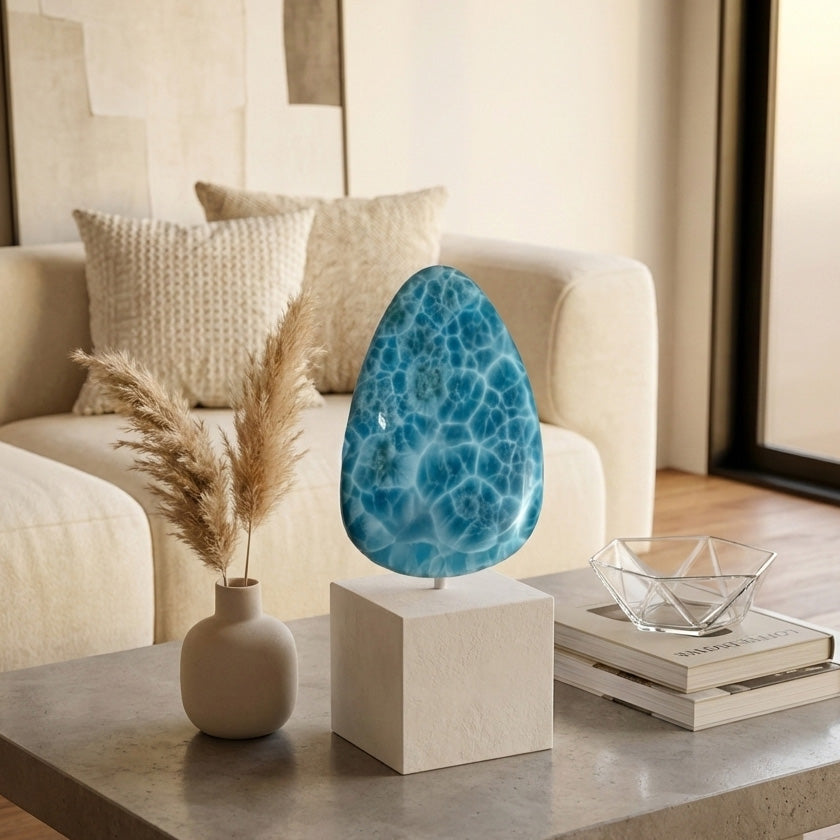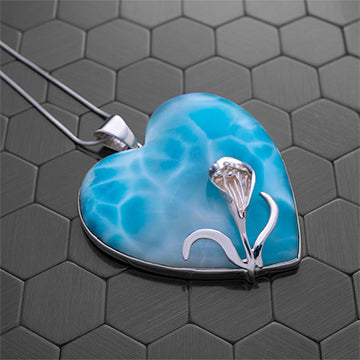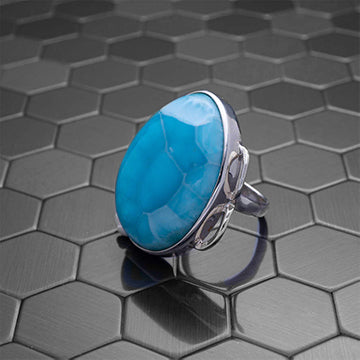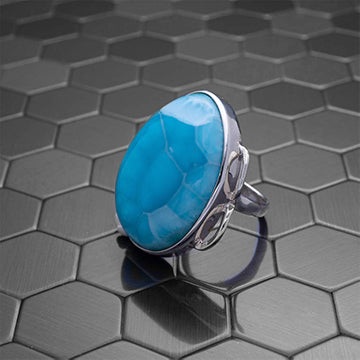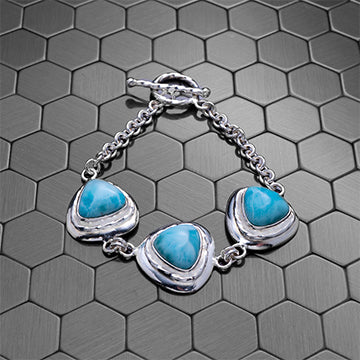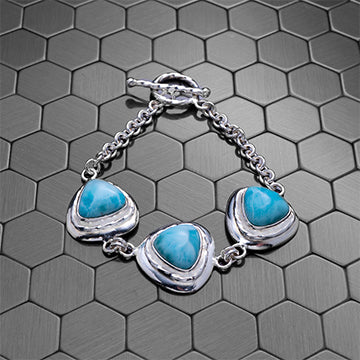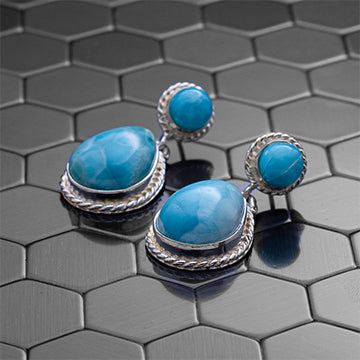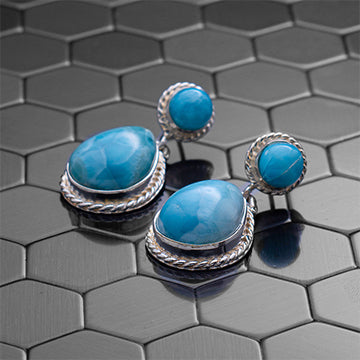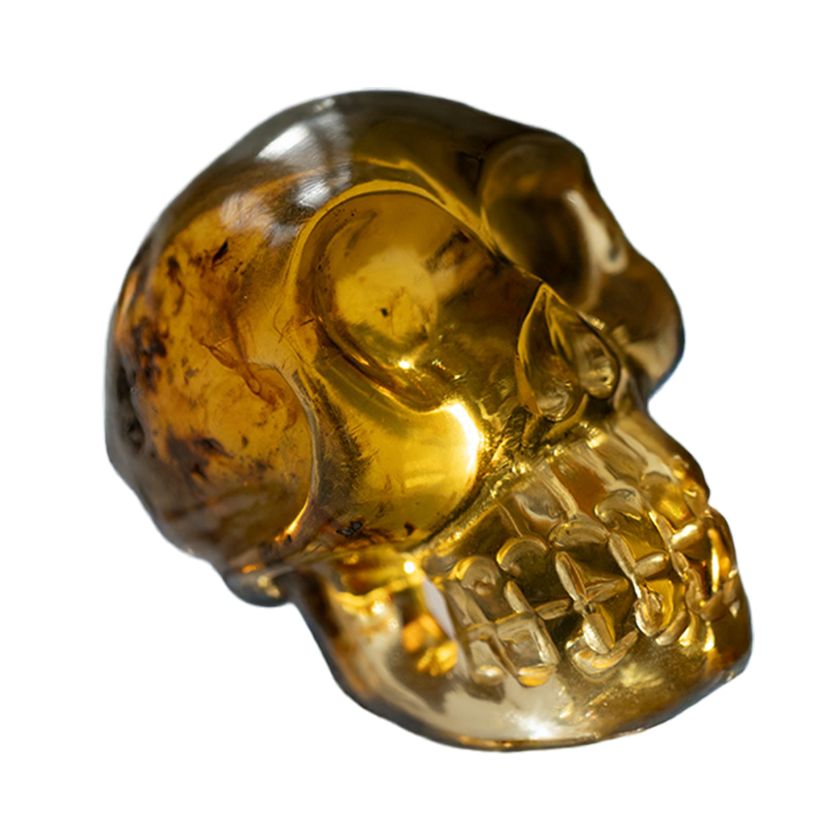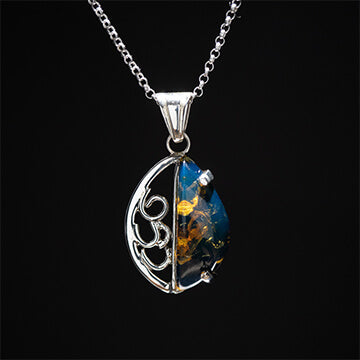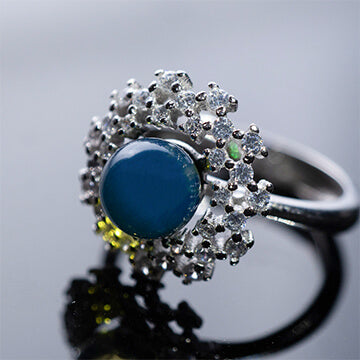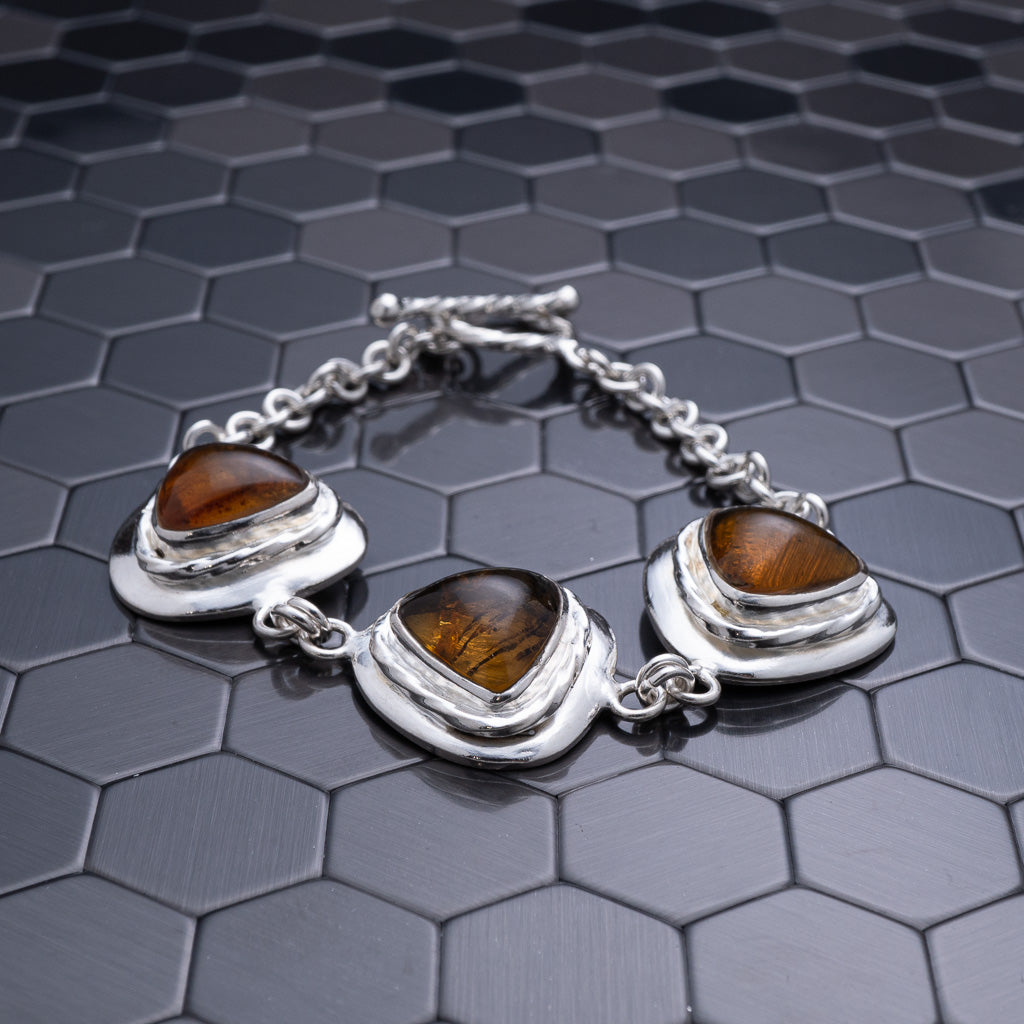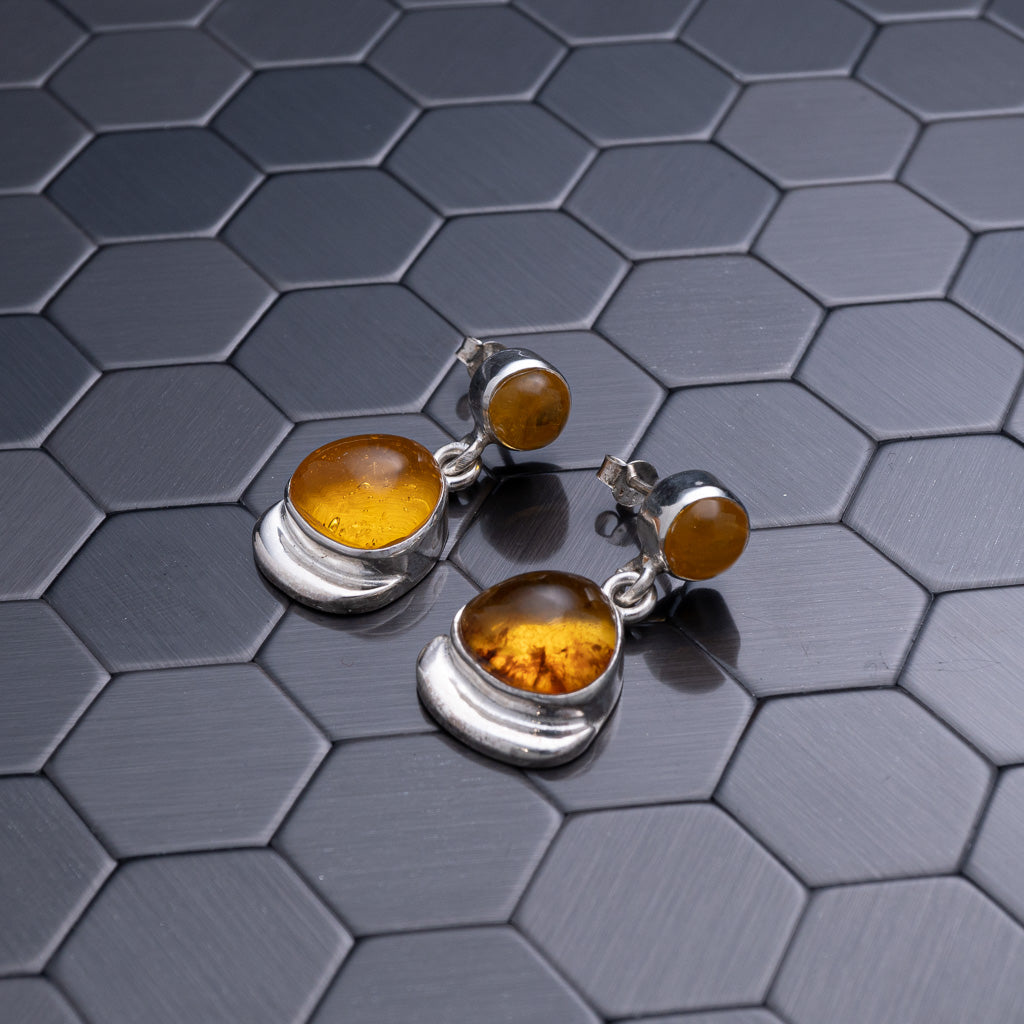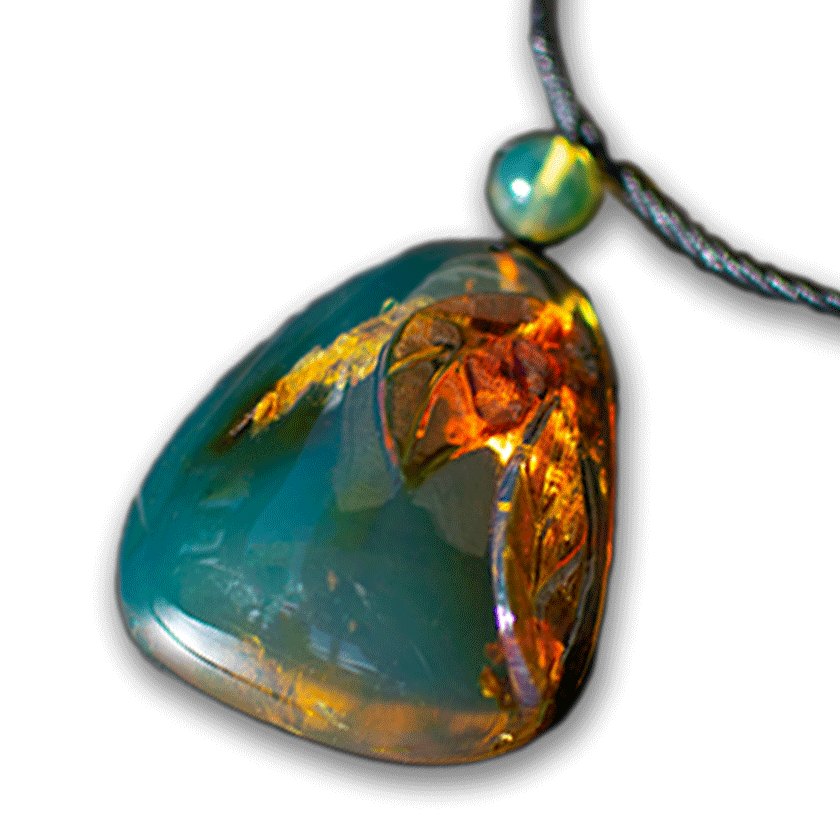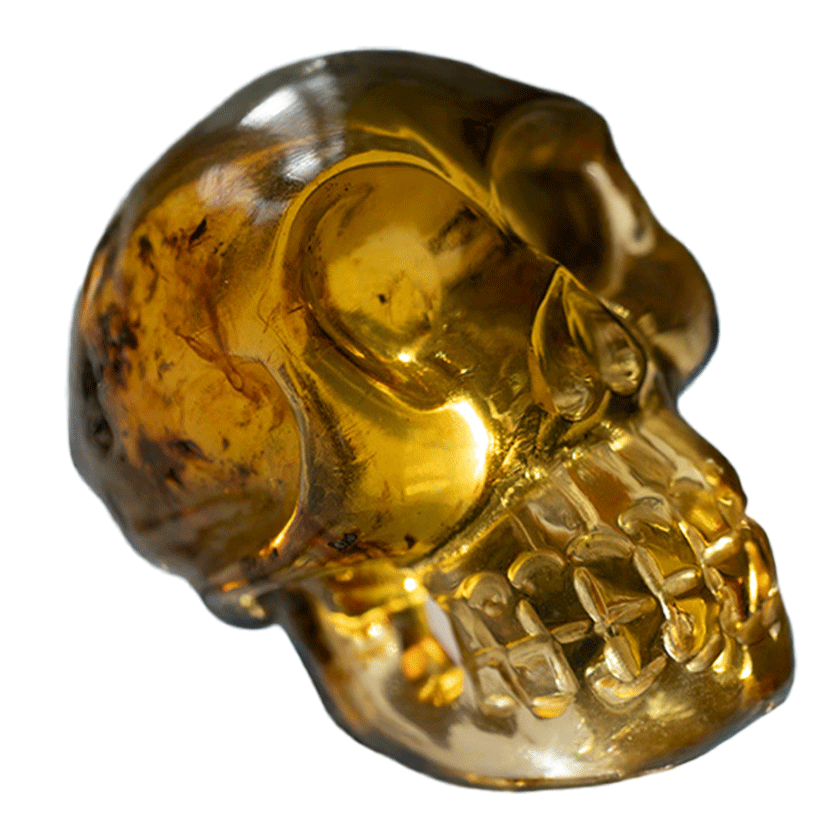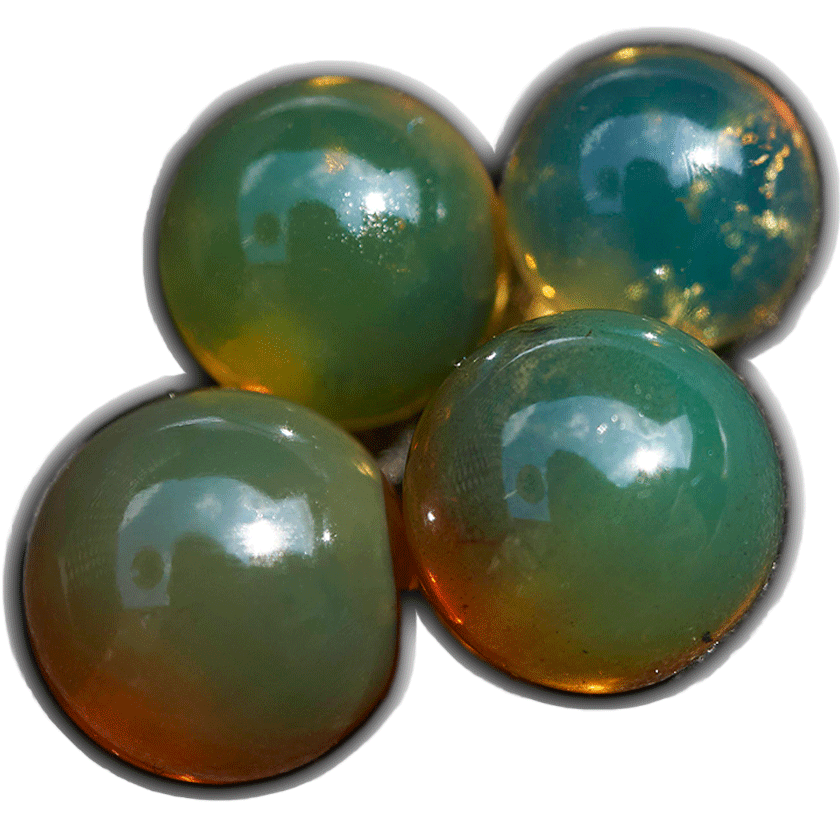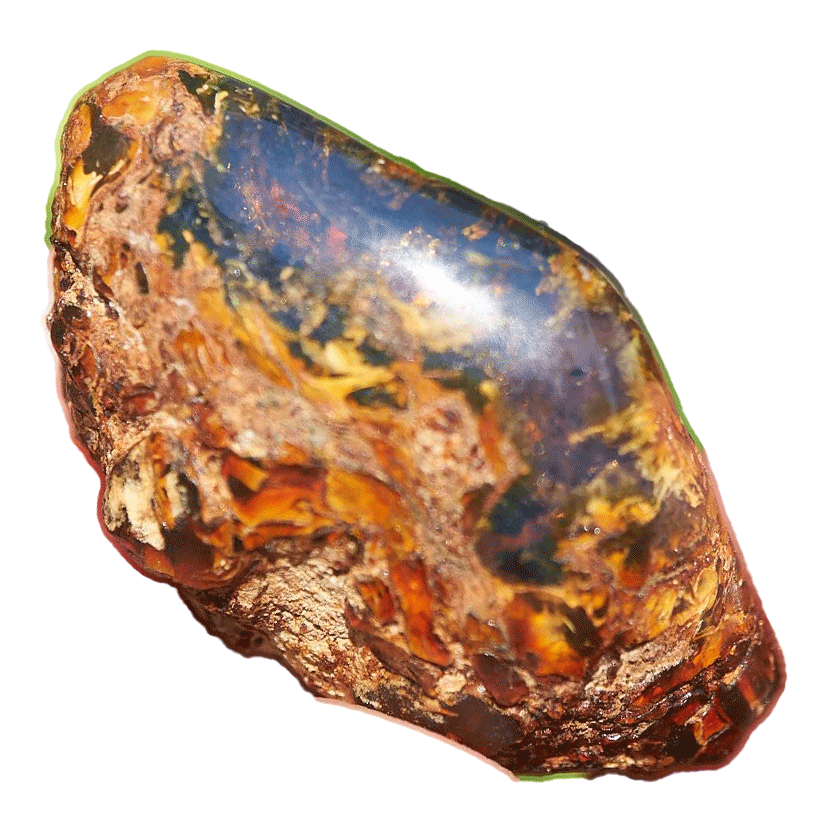


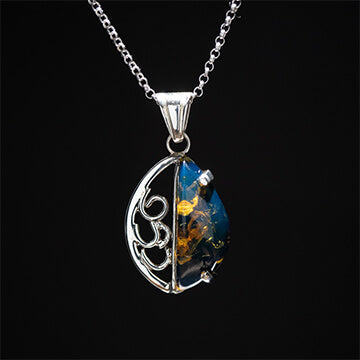
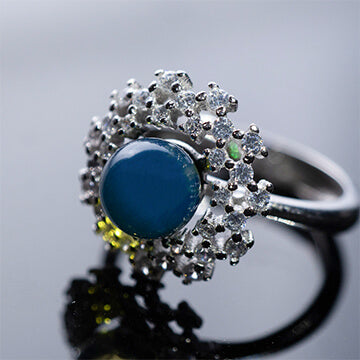
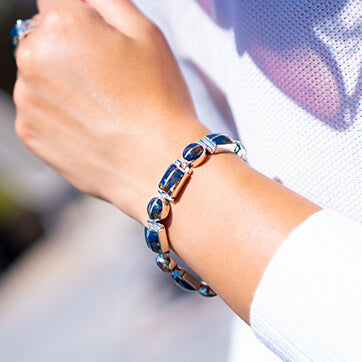
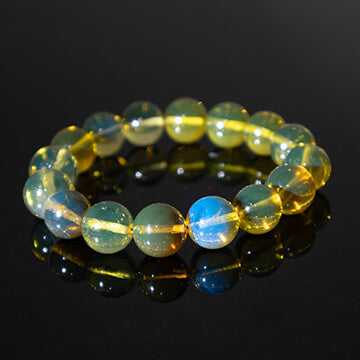
Handcrafted in DR.

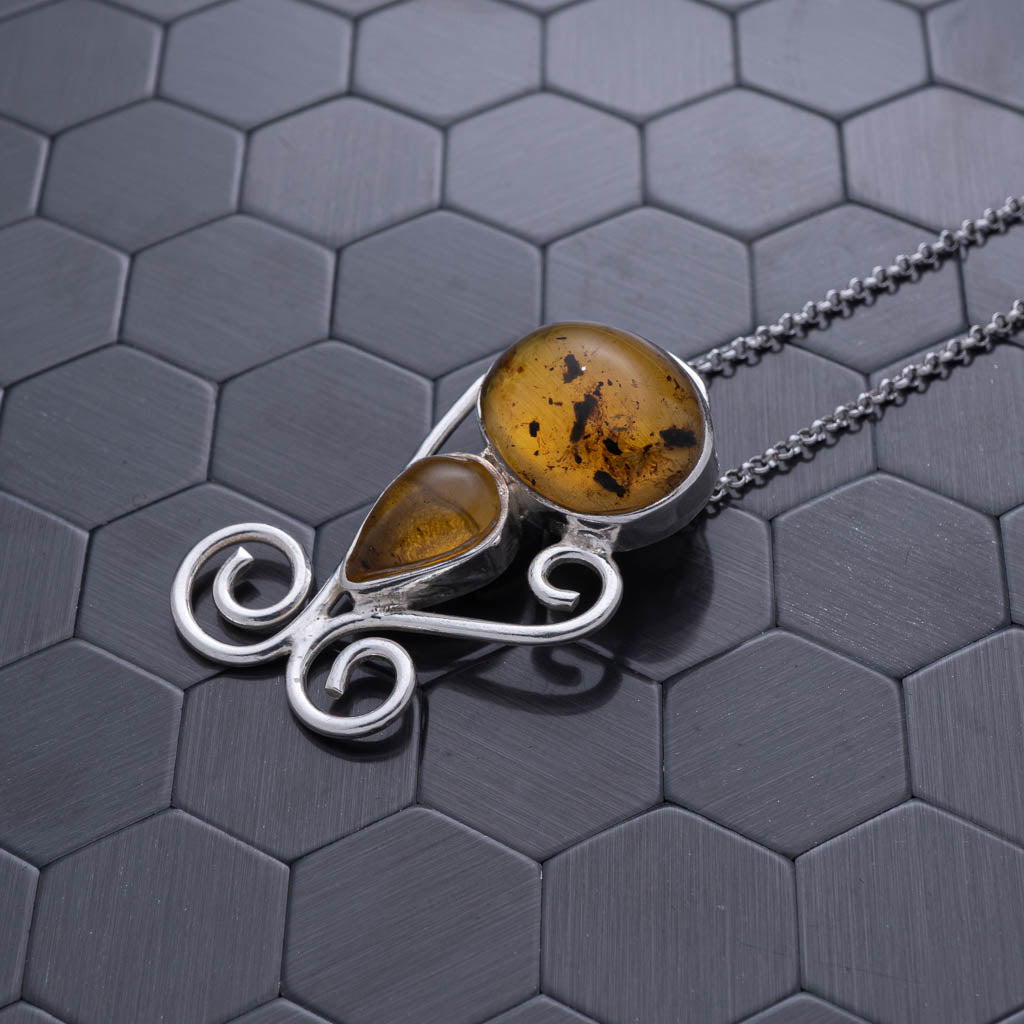
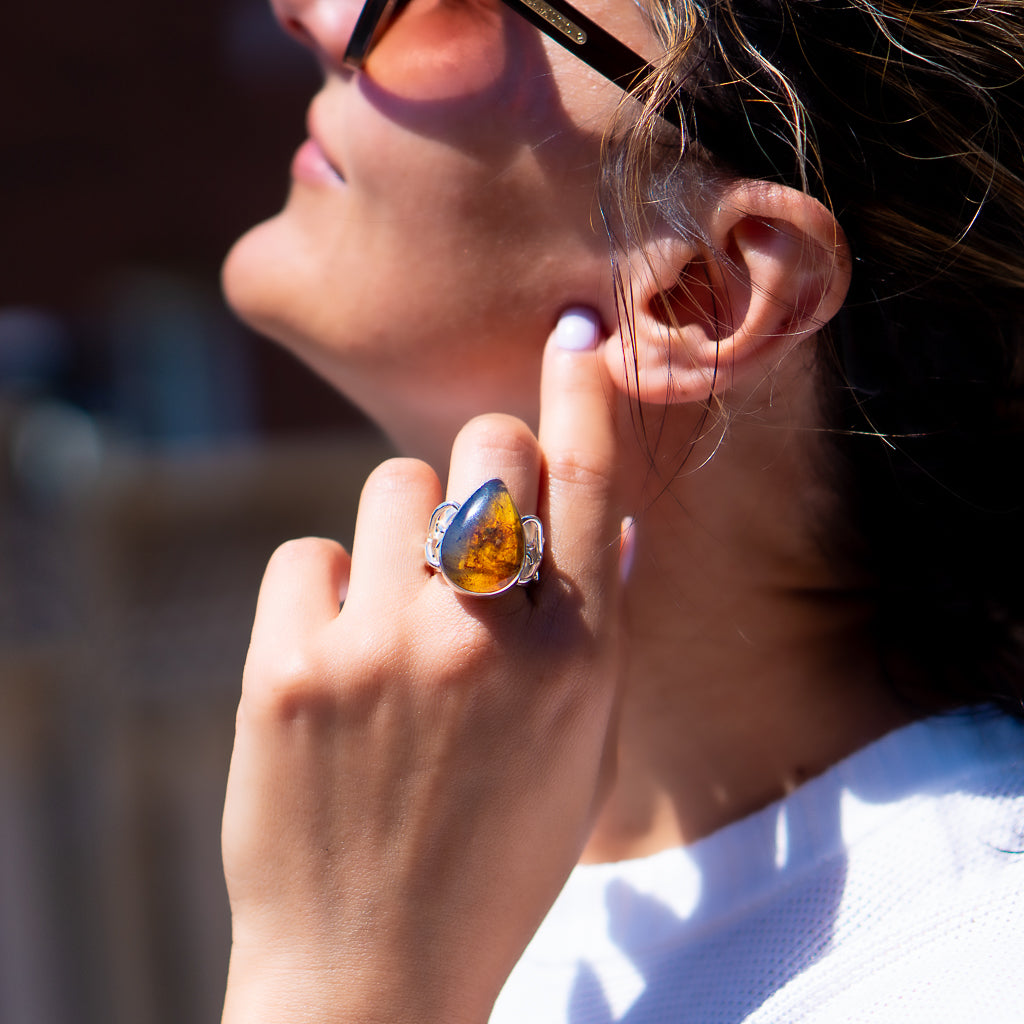
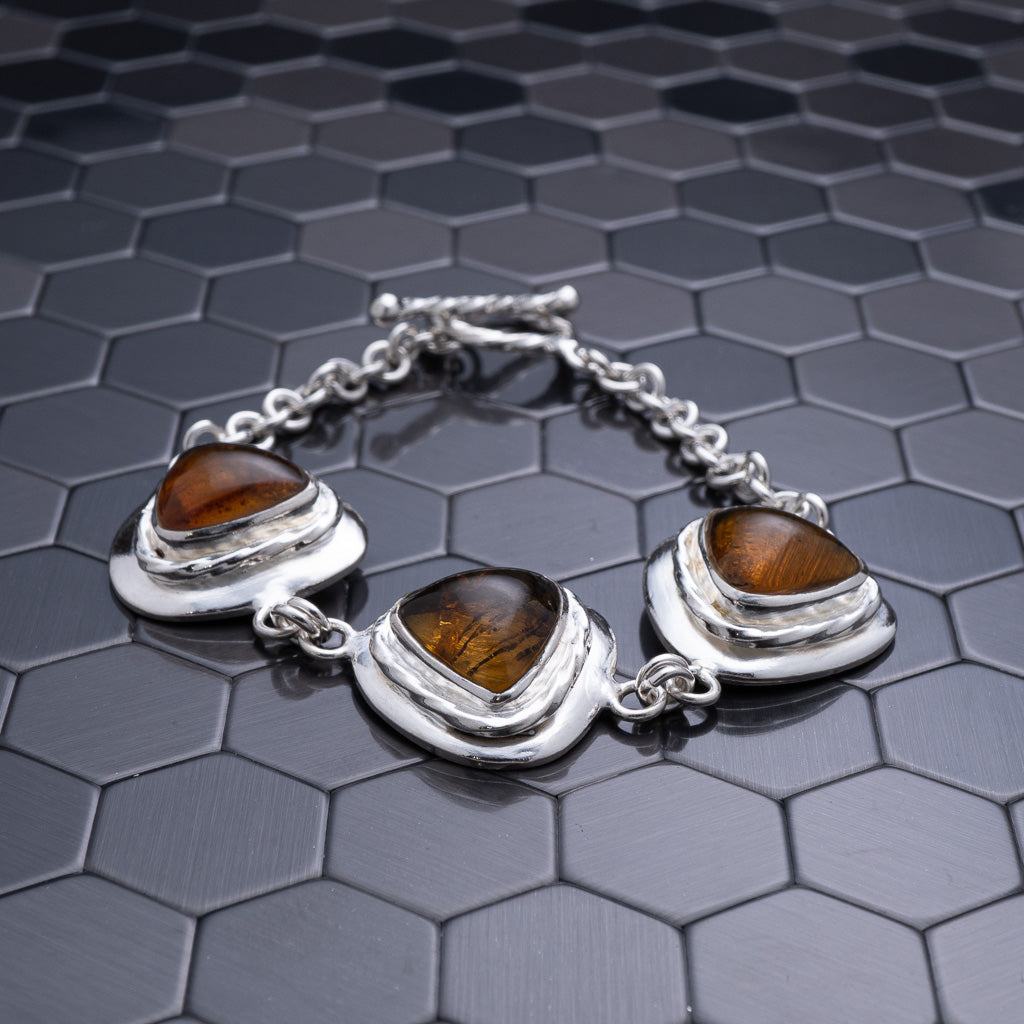
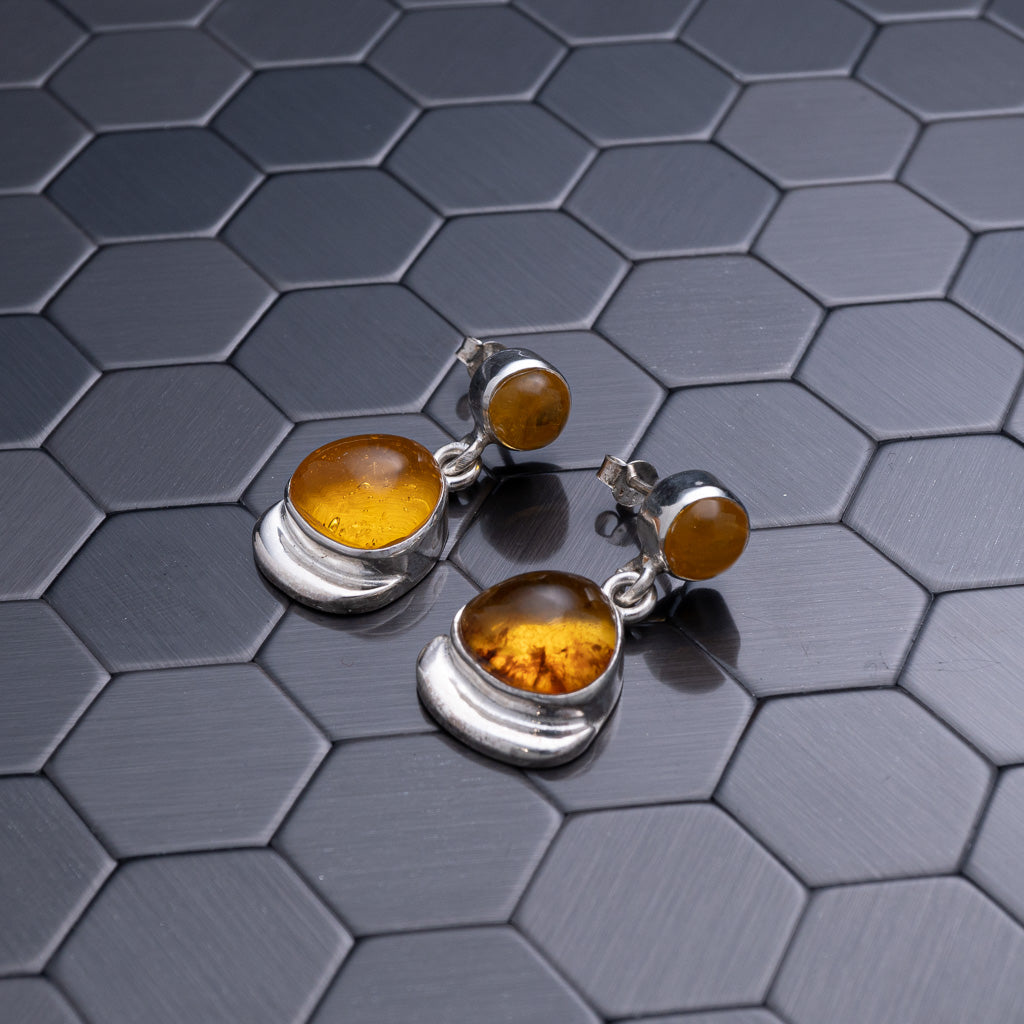


100% Handcrafted in DR.

Sterling silver jewelry has captivated collectors and fashion enthusiasts for centuries, and the pendant silver 925 designation represents the pinnacle of quality in silver craftsmanship. Whether you're purchasing your first silver pendant or expanding an established collection, understanding what "925" truly means can transform how you evaluate, purchase, and care for these timeless pieces. This comprehensive guide explores the chemistry, craftsmanship, and care behind pendant silver 925, helping you make informed decisions about your jewelry investments.
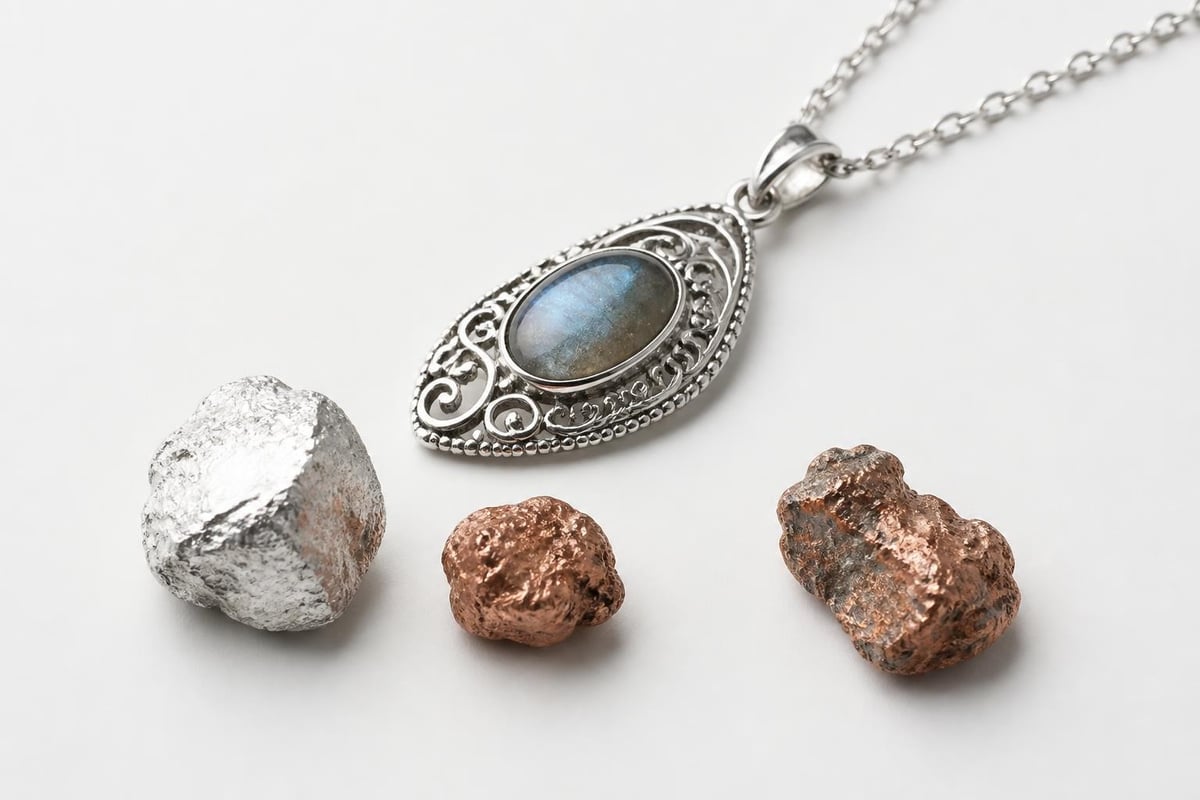
The "925" marking on a silver pendant isn't arbitrary-it represents a precise metallurgical standard that has governed fine silver jewelry for generations. This number indicates that the piece contains 92.5% pure silver, with the remaining 7.5% typically composed of copper or other metals. This specific ratio emerged as the optimal balance between purity and practicality.
Pure silver (99.9% fine silver) is too soft for most jewelry applications. A pure silver pendant would bend, scratch, and deform with regular wear, making it impractical for everyday use. The addition of strengthening metals creates an alloy that maintains silver's lustrous beauty while providing the durability required for wearable jewelry.
The Sheffield Assay Office has overseen sterling silver hallmarking for centuries, establishing credibility standards that consumers worldwide now recognize. When you see "925" stamped on a pendant, you're viewing a mark that connects modern jewelry to historic metalworking traditions.
Sterling silver's composition solves a fundamental materials science challenge. Copper, the most common alloying metal, doesn't significantly alter silver's appearance but dramatically improves its hardness and wear resistance. Some manufacturers experiment with other metals like zinc or germanium, but copper remains the industry standard.
Key properties of 925 sterling silver:
Authenticating pendant silver 925 requires understanding hallmarking systems that vary by country but share common principles. These marks serve as both quality guarantees and legal protections for consumers. The official UK government hallmarking guidance provides comprehensive documentation of how fineness marks function within regulatory frameworks.
In the United States, the Federal Trade Commission regulates jewelry marking under 16 CFR 23.5, which establishes strict requirements for sterling silver labeling. Manufacturers cannot legally mark items as "925" or "sterling" unless they meet the 92.5% silver content threshold. These regulations protect consumers from misrepresentation and establish marketplace trust.
| Marking | Meaning | Usage |
|---|---|---|
| 925 | 92.5% silver content | Universal standard |
| Sterling | Same as 925 | Common in US/UK markets |
| .925 | Decimal notation of purity | Alternative format |
| Lion Passant | UK sterling mark | Traditional British hallmark |
| Maker's Mark | Identifies craftsperson/company | Provenance tracking |
Beyond the 925 mark itself, reputable pendants often carry additional stamps identifying the maker, country of origin, or assay office. These supplementary marks provide traceability and add collectible value to pieces.
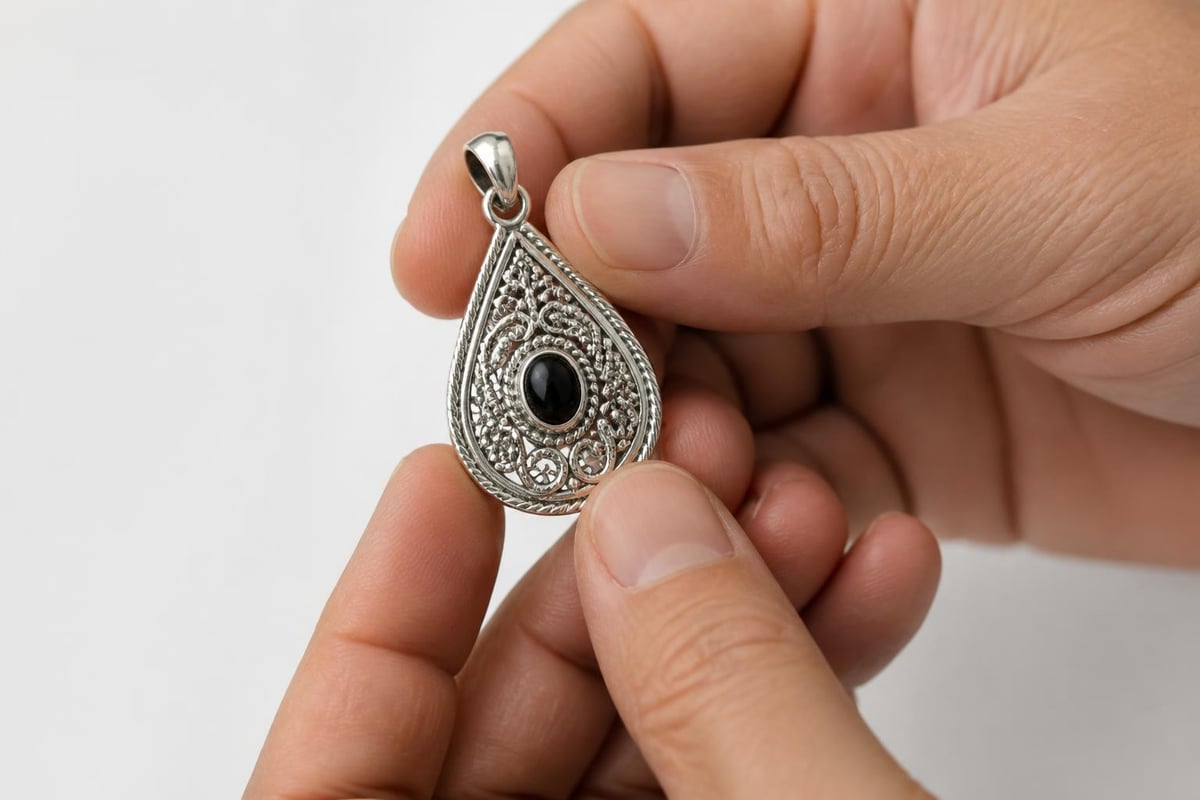
Not all pendant silver 925 items meet the same quality standards despite sharing identical silver content. Craftsmanship, design execution, and finishing techniques separate exceptional pieces from mediocre ones. Discerning buyers evaluate multiple factors beyond the 925 stamp.
Premium sterling silver pendants exhibit:
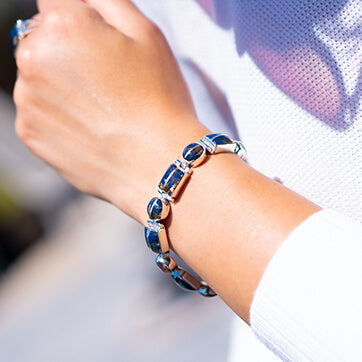
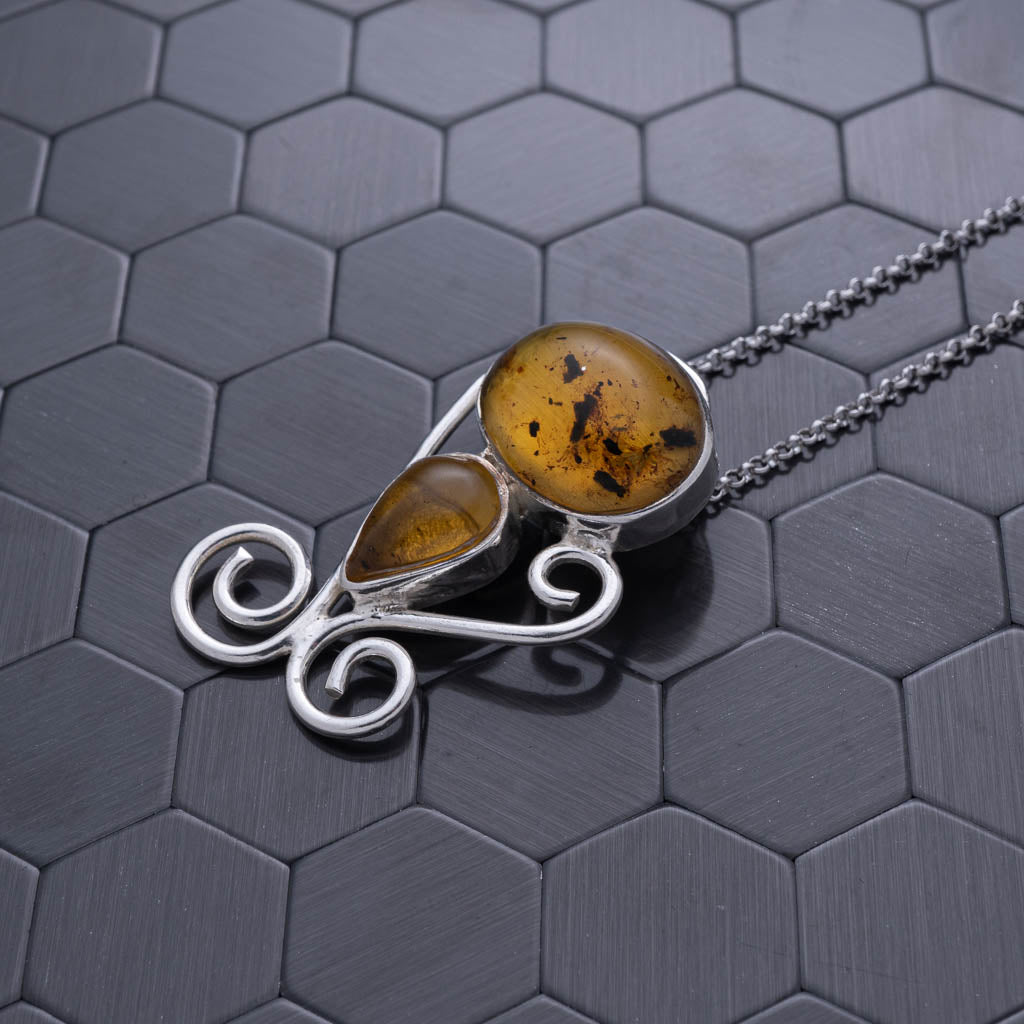
The integration of gemstones into pendant silver 925 settings requires particular skill. At Larimar Creations, artisans combine 925 sterling silver with rare Larimar gemstones, creating pieces where the setting's quality matches the stone's uniqueness. This pairing of premium silver with distinctive gemstones demonstrates how material quality and craftsmanship unite.
Weight provides another quality indicator. Sterling silver has a specific density that experienced collectors recognize. A pendant that feels unusually light for its size may indicate hollow construction or, in worst cases, plated base metal rather than solid sterling.
The cost of pendant silver 925 jewelry reflects multiple variables beyond simple silver content. Understanding these factors helps buyers evaluate whether prices align with actual value or represent markup unrelated to quality.
Primary price determinants:
As of 2026, silver prices remain relatively stable compared to gold, making pendant silver 925 an accessible entry point into fine jewelry collecting. However, pieces featuring rare gemstones or exceptional artistry may command prices well beyond the base metal value.
Some collectors approach pendant silver 925 as wearable investments, while others prioritize aesthetic appeal. Investment-grade pieces typically feature:
Fashion pieces prioritize current trends and personal expression over long-term value retention. Both approaches have merit depending on your goals and budget.
Proper care extends the beauty and lifespan of pendant silver 925 indefinitely. Sterling silver's greatest weakness-its tendency to tarnish-can be managed through understanding the chemical processes involved and implementing preventive measures.
The Canada Conservation Institute guidance on silver tarnish explains that tarnish forms when silver reacts with sulfur compounds in the air, creating silver sulfide (Ag2S). This blackish layer doesn't damage the silver itself but obscures its reflective surface.
Wearing guidelines:
Storage recommendations:
The Museums & Galleries Scotland advice on metal collections offers museum-standard care protocols applicable to personal collections. While these institutional guidelines may seem elaborate for everyday jewelry, they provide valuable insights into preserving pieces with sentimental or significant monetary value.
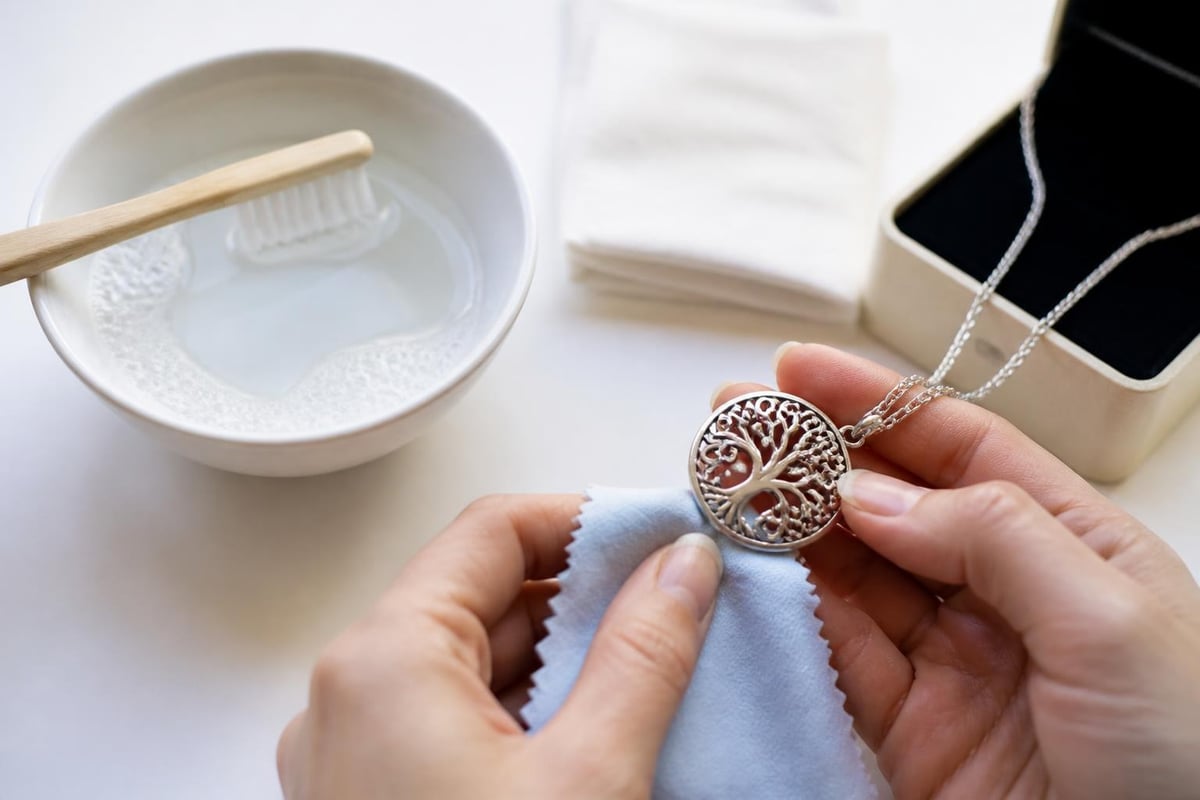
Cleaning pendant silver 925 requires gentle techniques that remove tarnish without abrading the metal surface. Overly aggressive polishing can wear away hallmarks and fine details over time, reducing both aesthetic and collectible value.
| Method | Best For | Cautions |
|---|---|---|
| Warm soapy water + soft brush | Light tarnish, regular maintenance | Avoid harsh detergents |
| Silver polishing cloth | Surface tarnish | Don't over-polish detailed areas |
| Baking soda paste | Moderate tarnish | Gentle circular motions only |
| Commercial silver dips | Heavy tarnish | Follow time limits precisely |
| Professional cleaning | Valuable or delicate pieces | Choose reputable jewelers |
For pendants featuring gemstones, research stone-specific care requirements before cleaning. Some stones react poorly to common silver cleaning methods. If you're working with rare gemstones like Larimar, understanding the stone's chemical and physical properties prevents accidental damage during routine maintenance.
The English Heritage conservation paper on managing silver tarnish explores advanced conservation techniques used by museums. While home collectors needn't employ all these methods, the research provides fascinating insights into silver chemistry and long-term preservation strategies.
The pendant silver 925 market in 2026 reflects both timeless classics and contemporary innovations. Understanding current trends helps buyers select pieces that balance personal taste with enduring appeal.
Minimalist geometric designs continue dominating fashion-forward collections. Clean lines, abstract shapes, and negative space create sophisticated statements that pair well with both casual and formal attire. These pieces often showcase the metal itself rather than relying on elaborate ornamentation.
Nature-inspired motifs remain perennial favorites. Leaves, flowers, animals, and organic forms translate beautifully into sterling silver, with artisans using various finishing techniques to create depth and dimension. Oxidized details in recesses highlight texture while maintaining the overall silver aesthetic.
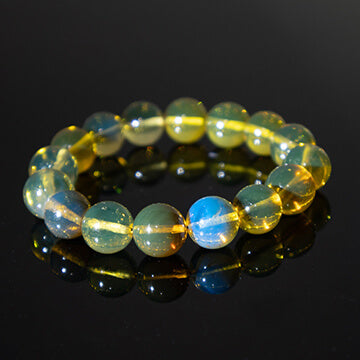
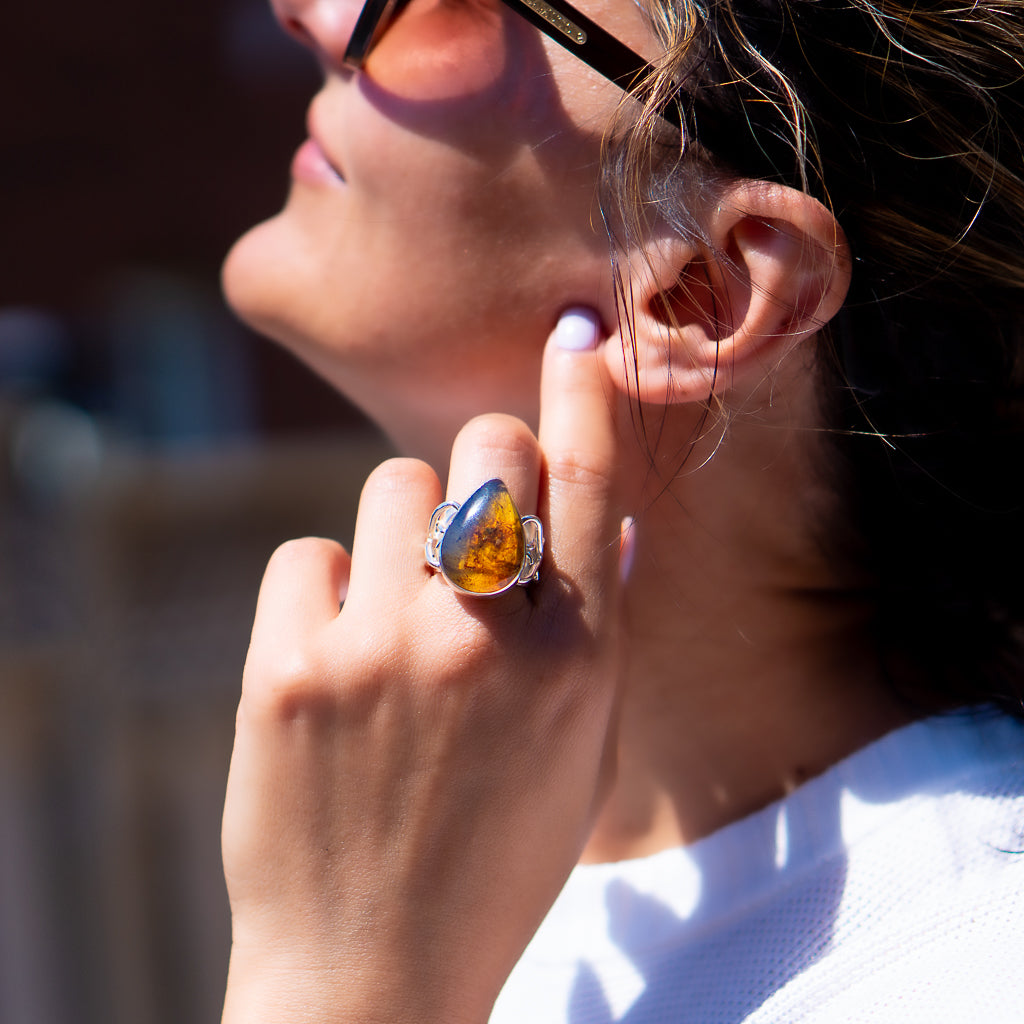
Gemstone-centered pendants combine sterling settings with colorful stones, creating focal points that draw the eye. From traditional choices like amethyst and topaz to rare specimens like Larimar and Dominican amber, these pieces allow personal expression through color and symbolism.
Vintage and antique reproductions appeal to collectors seeking historic styles with modern reliability. Art Nouveau, Art Deco, and Victorian-inspired designs translate period aesthetics into wearable contemporary pieces.
Personalized and custom work has expanded with advances in manufacturing technology. Laser engraving, 3D modeling, and small-batch production make custom pendant silver 925 more accessible than ever before.
Acquiring pendant silver 925 requires attention to detail and awareness of common quality issues. Whether buying online or in person, specific checkpoints help ensure you receive authentic, well-crafted pieces.
Reputable sellers provide transparent information about their pieces. Be cautious of vendors who can't or won't answer basic questions about silver content, manufacturing processes, or origin. The NIST guidance on silver marking standards offers technical background on testing and verification methods used to authenticate sterling silver.
Certain warning signs suggest potential problems:
Testing authenticity at home can be done through simple methods like magnet tests (silver isn't magnetic) or ice tests (silver conducts heat rapidly, melting ice quickly). Professional testing services offer definitive answers for high-value purchases.
A beautiful pendant silver 925 deserves an equally appropriate chain or necklace. Matching weight, style, and finish ensures the complete piece looks cohesive and wears comfortably.
Weight matching prevents damage and ensures balanced draping. Heavy pendants require sturdy chains with substantial links, while delicate pendants look best on finer chains. Mismatched weights can stress connection points, leading to breakage.
Style harmony considers whether the chain should complement or contrast with the pendant. A simple chain allows an ornate pendant to take center stage, while an elaborate chain might overwhelm a minimalist design.
| Chain Type | Best Pendant Match | Characteristics |
|---|---|---|
| Cable chain | Small to medium pendants | Classic, versatile, affordable |
| Box chain | Medium weight pieces | Smooth, substantial, durable |
| Rope chain | Larger statement pendants | Textured, strong, traditional |
| Snake chain | Sleek modern designs | Smooth, flexible, contemporary |
| Figaro chain | Bold geometric pendants | Pattern variety, visual interest |
Length considerations affect how the pendant sits. Standard lengths include:
When exploring complete pendant and chain combinations, considering handcrafted jewelry collections that offer matched sets can simplify the selection process while ensuring compatibility.
The jewelry industry increasingly focuses on ethical sourcing and sustainable practices. Conscious consumers evaluate not just the pendant silver 925 itself but also the supply chain behind it.
Responsible silver sourcing addresses:
Recycled sterling silver has become widely available, offering identical quality to newly mined silver while reducing environmental footprint. Many artisan jewelers now specifically source recycled materials, and some provide documentation of their metal's origins.
Supporting independent craftspeople and small studios often aligns with ethical consumption values. These makers typically:
Exploring our story and production philosophy helps buyers understand the values and practices behind jewelry makers. This transparency builds trust and allows purchasing decisions based on shared ethics.
Pendant silver 925 holds different cultural meanings across global traditions. Understanding these variations enriches appreciation for the craft and helps buyers connect with pieces on deeper levels.
Regional jewelry traditions:
Each tradition brings unique design languages and technical approaches to working with sterling silver. Collectors often specialize in particular regional styles, developing expertise in specific periods or cultural contexts.
Understanding where pendant silver 925 fits within the broader precious metals landscape helps buyers make appropriate choices for their needs and budgets.
| Metal | Purity | Durability | Price Point | Maintenance |
|---|---|---|---|---|
| Silver 925 | 92.5% | Good | Most affordable | Regular cleaning needed |
| Gold 14K | 58.3% | Excellent | Mid-range | Minimal maintenance |
| Gold 18K | 75% | Very good | High | Minimal maintenance |
| Platinum | 95%+ | Exceptional | Highest | Very minimal |
| Palladium | 95%+ | Excellent | High | Minimal maintenance |
Sterling silver offers the best combination of affordability and precious metal authenticity. While it requires more maintenance than gold or platinum, many wearers appreciate the ritual of caring for their pieces and the bright, cool tone that distinguishes silver from warmer-toned metals.
Advantages of choosing pendant silver 925:
Even well-cared-for pendant silver 925 may eventually require professional repair. Understanding common issues and repair options helps maintain pieces for generations.
Typical repair needs include:
Professional jewelers can address most sterling silver issues. The repair process often involves techniques similar to those used for gemstone repairs, requiring skill in metalworking and stone setting to maintain both functionality and aesthetic integrity.
Consider repair when:
Consider replacement when:
Serious collectors approach pendant silver 925 acquisition strategically, building coherent collections that reflect personal taste while potentially appreciating in value.
Collection strategies:
Maintaining collection documentation adds value and aids in insurance claims or eventual sales. Photograph pieces, record purchase information, note provenance details, and store any certificates or authentication documents securely.
Collections serve little purpose locked away unseen. Consider:
For those building specialized collections, connecting with specialty jewelry creators who focus on specific gemstones or styles can provide access to unique pieces not available through general retailers.
Understanding pendant silver 925 transforms jewelry shopping from simple purchasing into informed collecting, where you recognize quality craftsmanship and make choices aligned with your values and aesthetic preferences. Whether you're drawn to minimalist modern designs or ornate traditional styles, sterling silver's versatility and enduring beauty make it a worthy foundation for any jewelry collection. Larimar Creations brings this expertise to life through handcrafted pendants that pair 925 sterling silver with rare gemstones like Larimar and Dominican Blue Amber, creating pieces where precious metal quality meets distinctive natural beauty. Explore our worldwide collection and discover how artisan craftsmanship and premium materials unite in pendants designed to treasure for generations.