
Larimar
Blue Amber
Green Amber
Amber Carvings
More

by Admin September 25, 2026 6 min read

A gemstone fossil should never disappear into a crowded shelf. Whether it is Dominican amber holding an ancient inclusion, a polished fossil coral specimen, or a carved piece that reveals the meeting of mineral beauty and prehistoric life, it deserves a setting that protects its character. Learning how to display gemstone fossils begins with one guiding idea: let the specimen remain the focal point.

Unlike ordinary decor, these pieces carry visible time. Their color, internal detail, surface finish, and provenance all contribute to their appeal. A thoughtful display does more than make a collection look refined. It preserves a rare natural treasure while making its story easy to appreciate.

Begin With the Fossil's Material and Condition

Not all gemstone fossils should be displayed in the same way. Amber, for example, is fossilized tree resin, not a hard mineral crystal. It is comparatively soft, can scratch easily, and may become brittle when exposed to heat, harsh chemicals, or prolonged strong light. A polished ammonite, petrified wood slice, or fossil coral may be more durable, but each still benefits from a stable, clean environment.

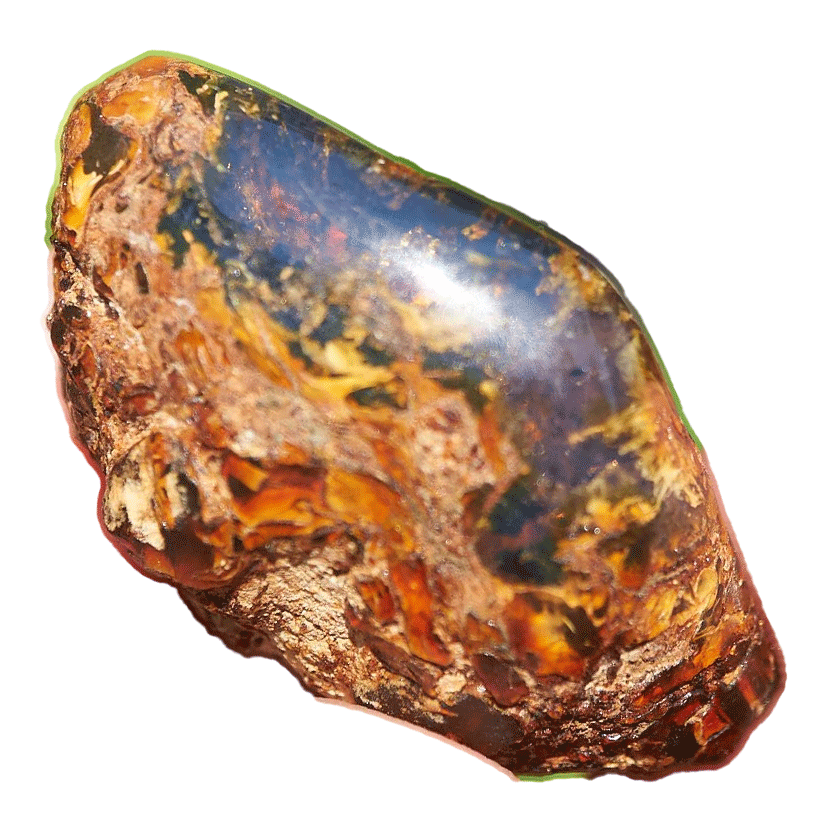
Before selecting a stand or case, examine the specimen closely. Is it polished or natural? Does it have delicate edges, visible fractures, an insect inclusion, or a high-domed cabochon surface? A smooth amber palm stone can rest securely on a low cradle, while a fragile fossil slab may need a deeper groove or custom support. The display should support the object without squeezing it, covering meaningful details, or placing pressure on one narrow point.

If your gemstone fossil came with certification, origin information, or a collector card, keep those details with it. A discreet label transforms a beautiful object into a conversation piece. For Dominican blue amber, noting its Caribbean origin and natural fluorescence adds context without distracting from the stone itself.

How to Display Gemstone Fossils With the Right Light

Light reveals what the eye might otherwise miss: golden layers in amber, mineral veining in fossil coral, or the intricate silhouette of a preserved inclusion. Yet the most dramatic lighting is not always the safest lighting.

Place amber and other light-sensitive fossils away from direct windowsills. Constant sun and heat can gradually alter amber's surface and color, while temperature swings may stress older, more delicate specimens. Indirect daylight is beautiful, particularly near a bright room with curtains or filtered light, but a shaded display shelf is usually the wiser choice for long-term care.

For everyday illumination, choose a low-heat LED light with a warm to neutral tone. It gives amber a rich honey glow and allows the natural color of surrounding stones to remain true. Position the light above or slightly to one side rather than directly in front. Side lighting brings out texture and depth, especially in rough amber, fossil carvings, and specimens with layered mineral patterns.

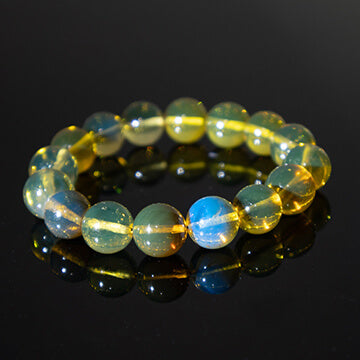
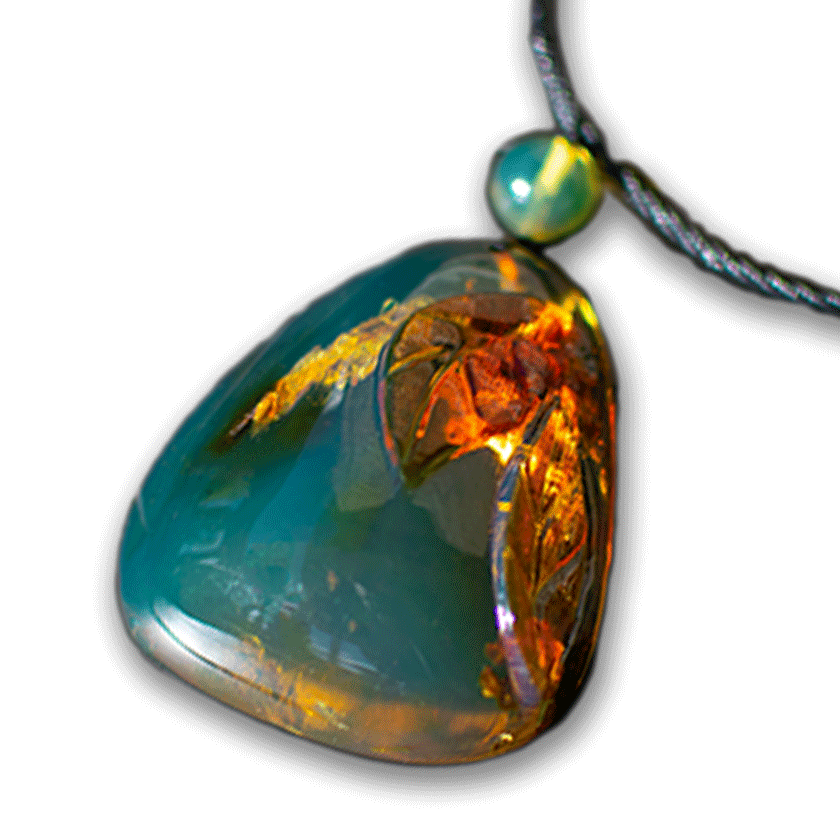
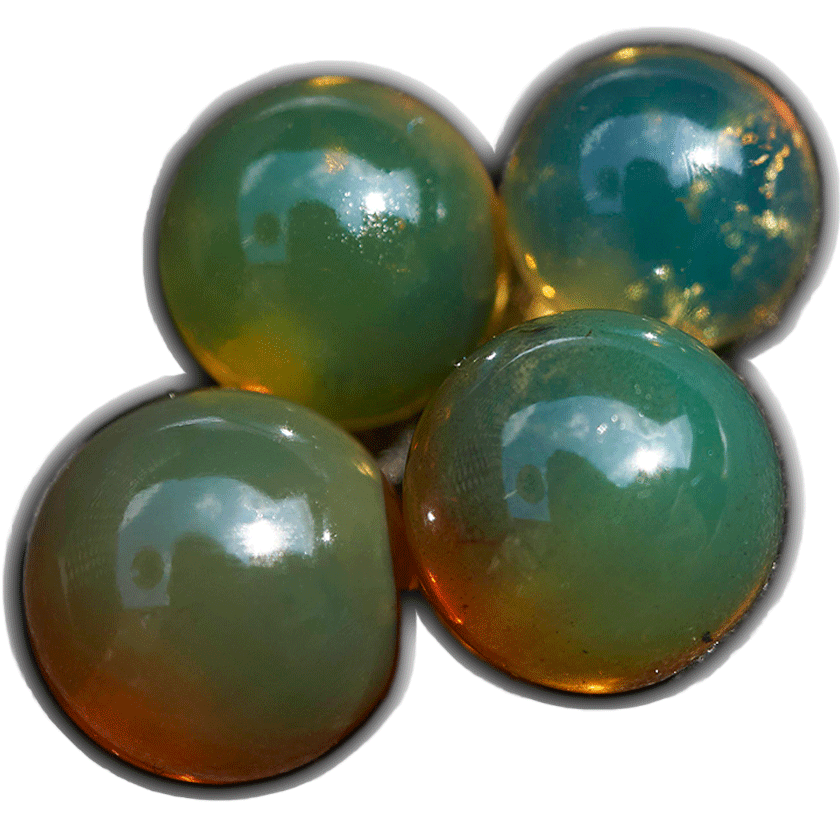
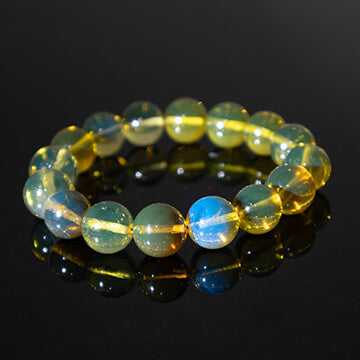
Dominican blue amber offers a special display opportunity. Under ultraviolet light, genuine pieces can reveal their celebrated blue fluorescence. This can be an unforgettable detail when sharing a collection with guests, but it is best treated as an occasional viewing experience rather than permanent lighting. Use a small UV light briefly, then return the piece to its normal low-heat display conditions.

Choose a Display That Protects Without Hiding

The right presentation depends on whether you own one meaningful specimen or a growing collection. An open stand creates an intimate, sculptural look and makes it easy to hold the piece. A covered case offers stronger protection from dust, curious hands, and accidental contact. Neither choice is automatically better. It depends on the room, the rarity of the fossil, and how often you want to enjoy it up close.

For a single polished gemstone fossil, a small wood, stone, or acrylic easel can feel elegant. Choose a neutral finish such as matte black, warm walnut, ivory, or clear acrylic. These materials frame the fossil without competing with it. Avoid metal prongs that can rub against a soft amber surface, and avoid unfinished wood that could transfer oils or residue.

A glass display box is ideal for finer collector specimens. It keeps dust at a distance while allowing light to move around the piece. Look for a case with a stable base and enough interior space that the fossil does not touch the sides. If the piece is valuable or fragile, place it on a soft, inert lining such as archival fabric rather than loose decorative gravel, sand, or shells. Those materials may look coastal, but they can trap dust and scratch a polished surface.

For several small fossils, a shallow collector tray can be more effective than a crowded cabinet. Give each specimen a defined place. Grouping by color alone can be striking, but grouping by origin or fossil type often tells a richer story: Caribbean amber beside an inclusion card, fossil coral near a polished cabochon, or petrified wood arranged by its natural patterns.

Create Contrast, Not Competition

Gemstone fossils already possess visual complexity. Their display background should create contrast without turning the arrangement into a themed vignette. Deep charcoal, soft cream, muted sand, and natural wood are dependable choices because they allow translucent amber and patterned fossils to stand forward.

A dark background is particularly effective for blue amber and specimens with bright inclusions. Against black or charcoal, the warm body color appears more luminous, and fluorescence becomes more dramatic during occasional UV viewing. Pale backgrounds suit darker fossilized materials and pieces with intricate surface carving.

Keep neighboring objects intentional. A single framed origin card, a small magnifying loupe, or one complementary gemstone can enhance the presentation. Too many shells, crystals, candles, or decorative signs can dilute the sense of rarity. Let the fossil be the piece that draws the eye first.

Height also matters. A small amber fossil placed flat at the back of a shelf can easily be overlooked. Raise it on a low pedestal, angled stand, or clear riser so light reaches it and viewers can see through it. For flat slabs or polished slices, a gentle vertical angle generally reveals more color and pattern than a horizontal placement.

Protect Your Collection From Everyday Damage

A beautiful display must also account for the realities of home life. Keep gemstone fossils away from humid bathrooms, steamy kitchens, radiators, air vents, and areas where temperatures change quickly. Amber is especially best kept in a cool, stable place with moderate humidity.

Dust with a very soft, dry microfiber cloth or a soft artist's brush. Do not use household glass cleaners, jewelry dips, alcohol, perfume, or ultrasonic cleaners on amber. If a specimen needs more than gentle dusting, seek advice based on its exact material and finish before attempting a home treatment.

Take extra care to avoid these common display mistakes:

  • Leaving amber in direct sun for extended periods.
  • Resting a polished specimen directly on rough stone, sand, or metal.
  • Using adhesive putty, tape, or glue on the fossil itself.
  • Crowding pieces so they can touch, shift, or scratch one another.
For homes with children, pets, or frequent guests, a covered case is often the most graceful solution. It allows the collection to remain visible while giving delicate pieces the protection their age and rarity deserve.

Let Provenance Become Part of the Presentation

The most memorable gemstone fossil displays communicate more than appearance. They reveal where a piece came from and why it matters. A small printed label can include the specimen name, place of origin, approximate geological age when known, and a short note about its natural features. Keep the typography restrained and the card smaller than the fossil itself.

This approach is especially meaningful for authentic Dominican amber. Its warm Caribbean origin, natural inclusions, and occasional blue fluorescence distinguish it from ordinary decorative resin. When displayed with care, it becomes more than an accent for a bookshelf or desk. It is a tangible connection to an ancient forest and the enduring artistry of the natural world.

A display does not need to be elaborate to feel exceptional. Give your gemstone fossil clean light, a secure resting place, and enough visual space to be noticed. Then let its color, history, and one-of-a-kind details do what no manufactured object can: hold attention quietly and completely.

Larimar Gem: Discovery, Properties & Jewelry Guide

Larimar Gem: Discovery, Properties & Jewelry Guide

8 min read

Discover the rare larimar gem from the Dominican Republic. Learn about its unique properties, mining origins, and how to identify authentic pieces.
Read More
How to Buy Gemstone Cabochons With Confidence

How to Buy Gemstone Cabochons With Confidence

6 min read

Learn how to buy gemstone cabochons with confidence, checking origin, cut, polish, and value so you choose a rare stone made to be treasured for years.
Read More
Meaningful Gemstone Heart Gifts With Lasting Beauty - Larimar Creations

Meaningful Gemstone Heart Gifts With Lasting Beauty

5 min read

Meaningful gemstone heart gifts pair rare Caribbean beauty with personal sentiment. Learn how Larimar and Dominican amber make a lasting gift for years ahead.
Read More