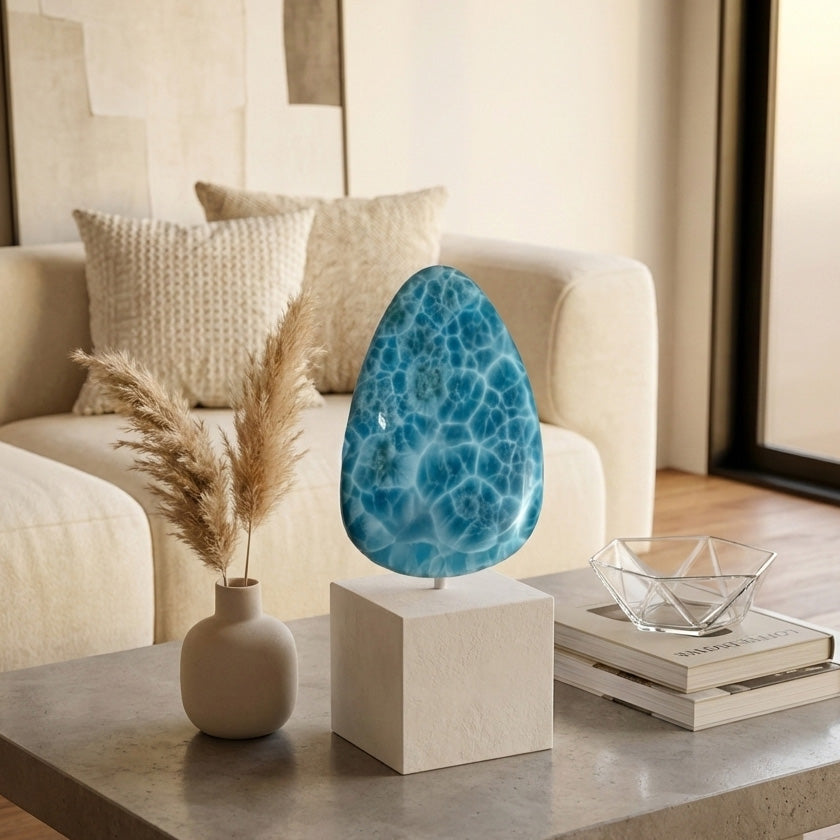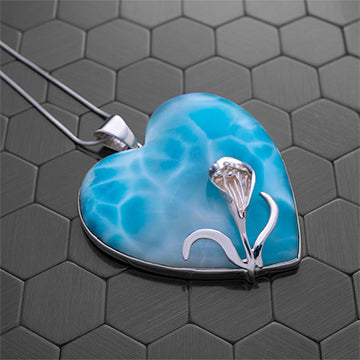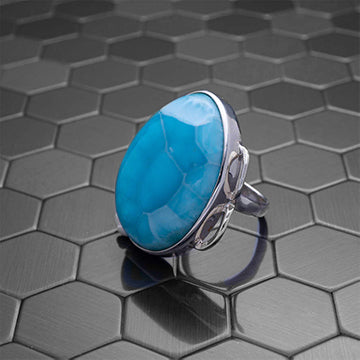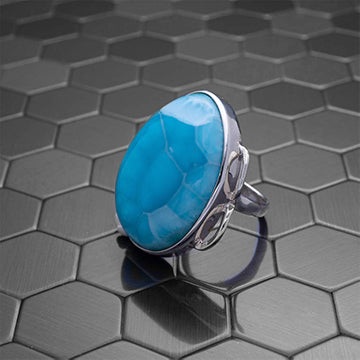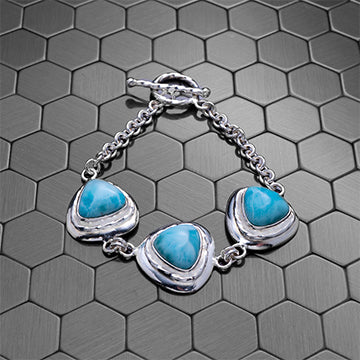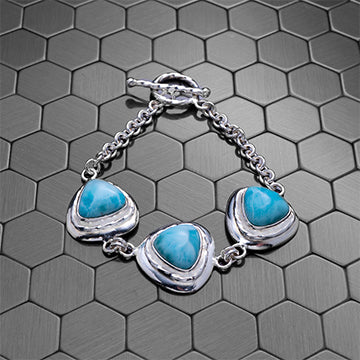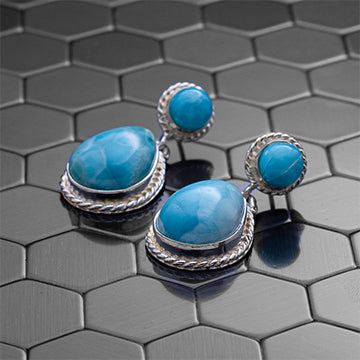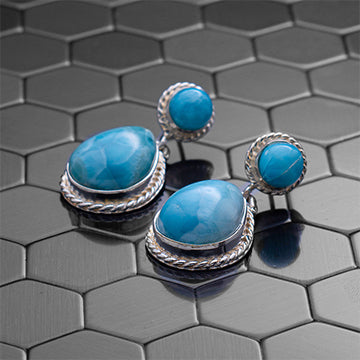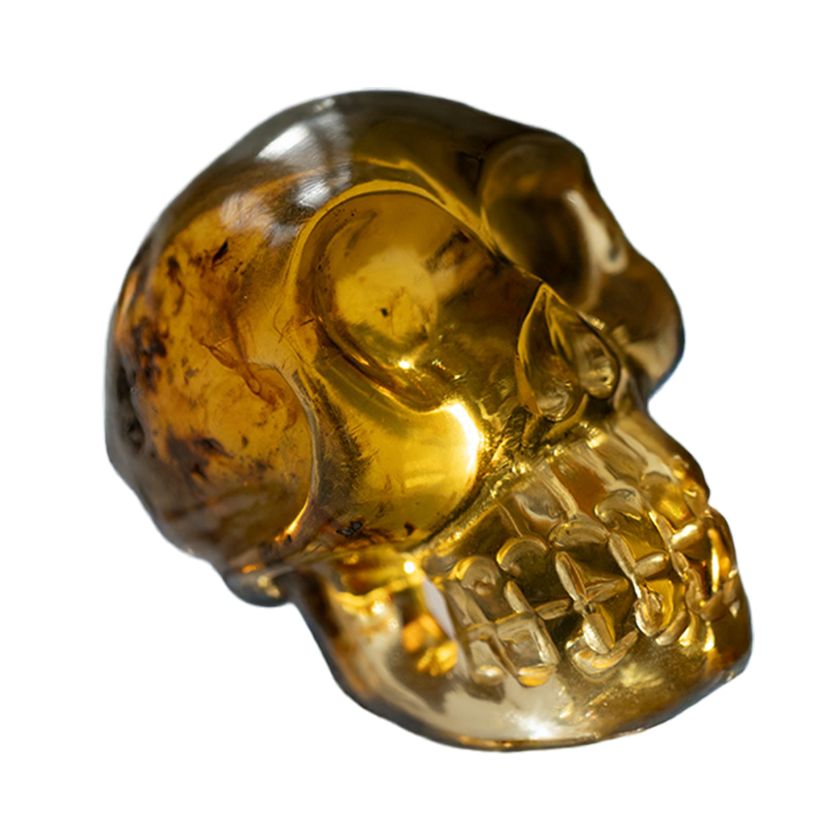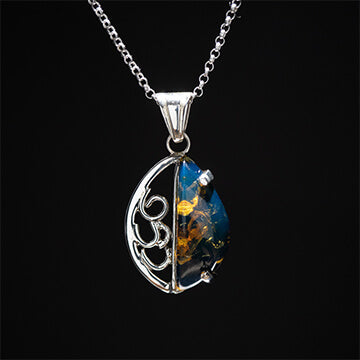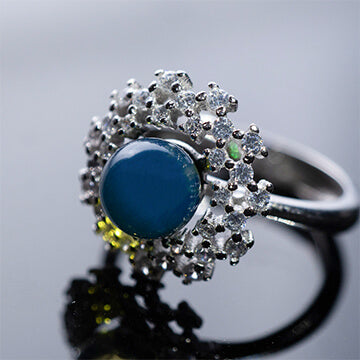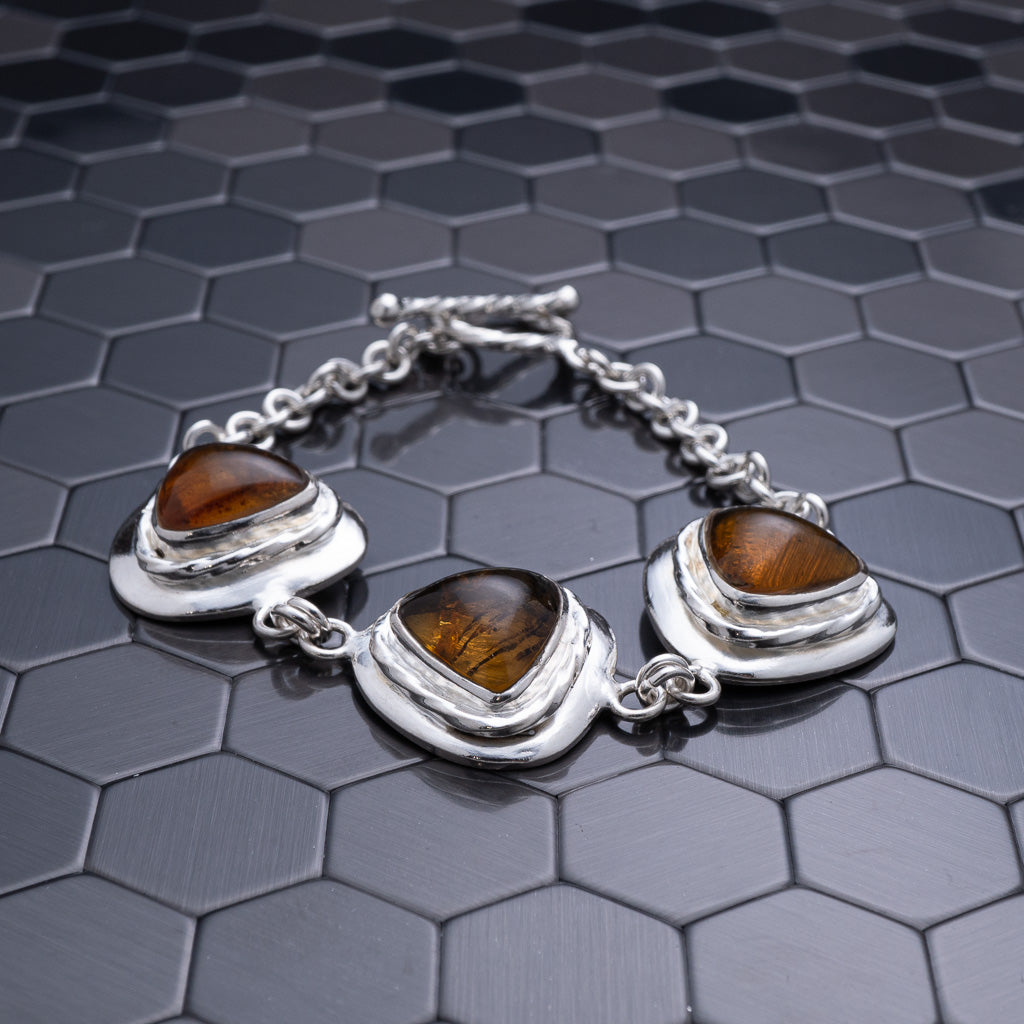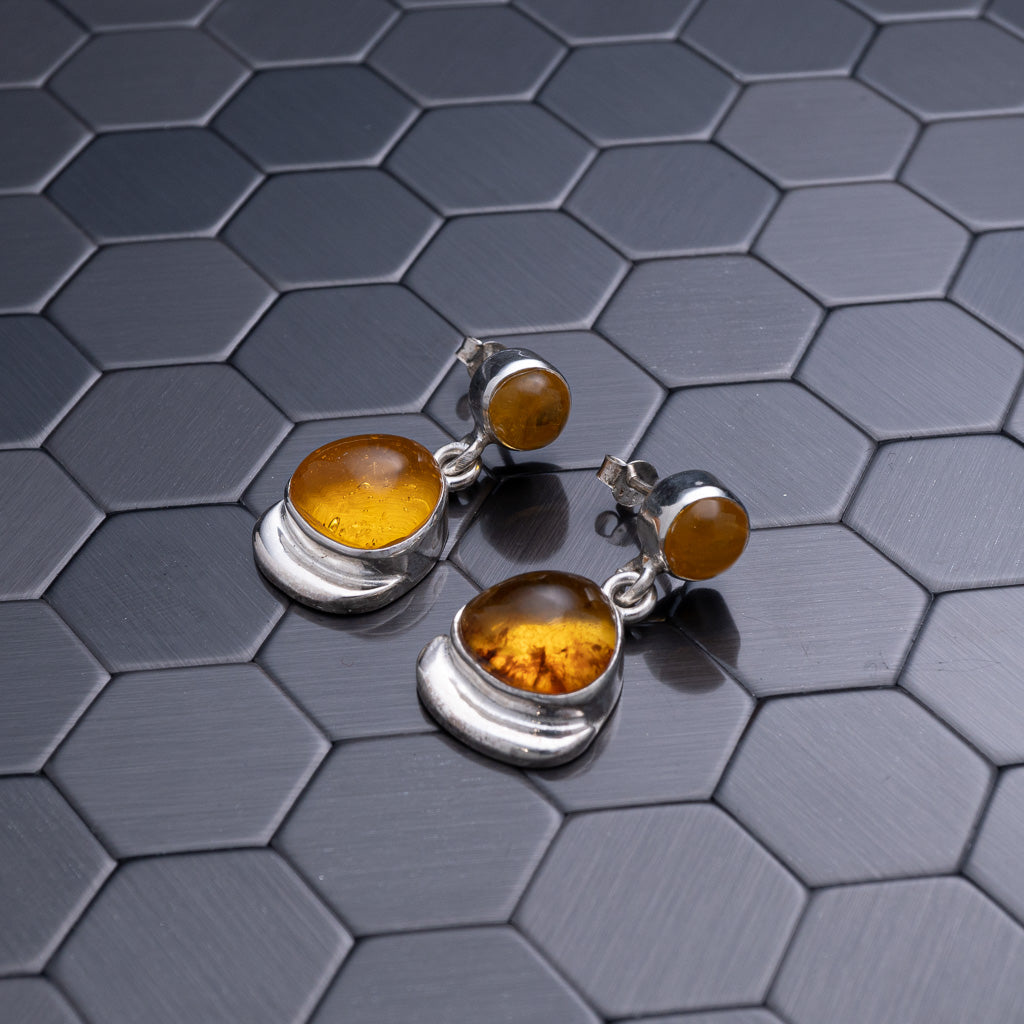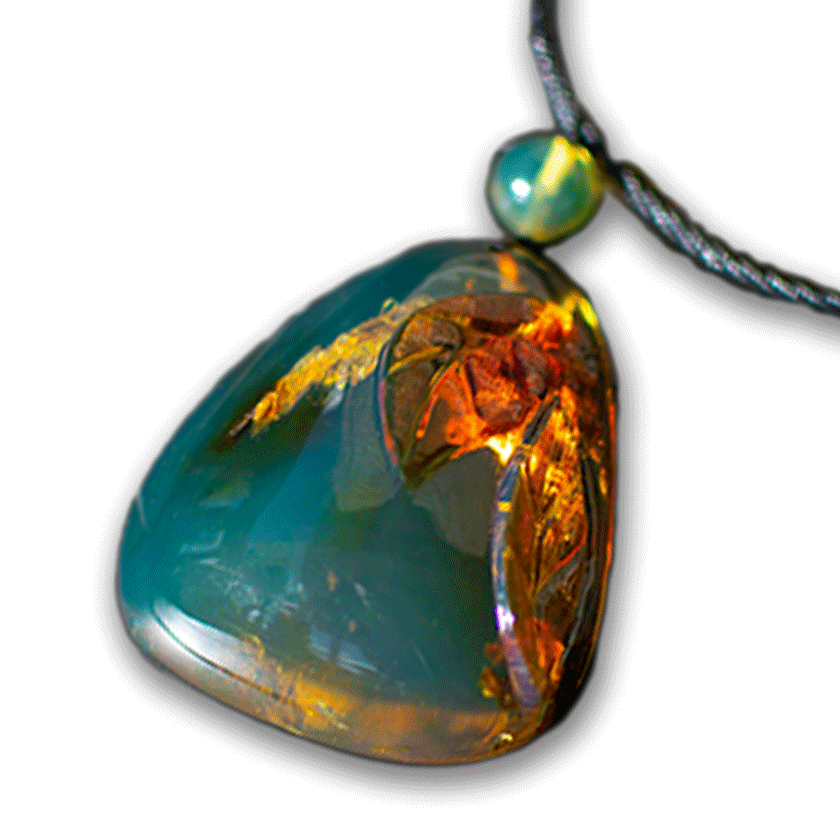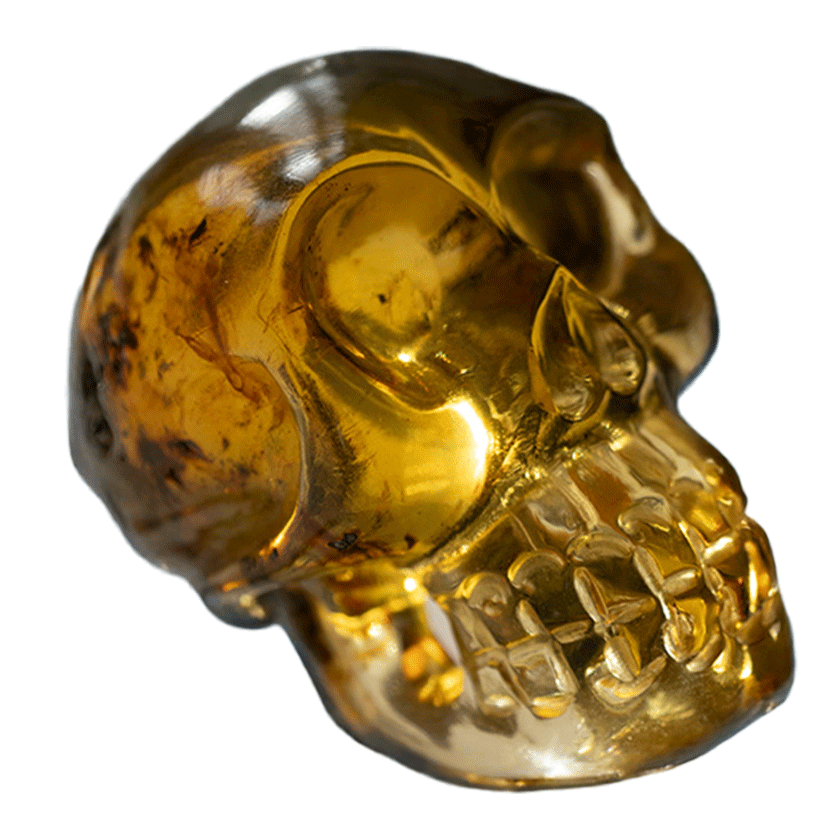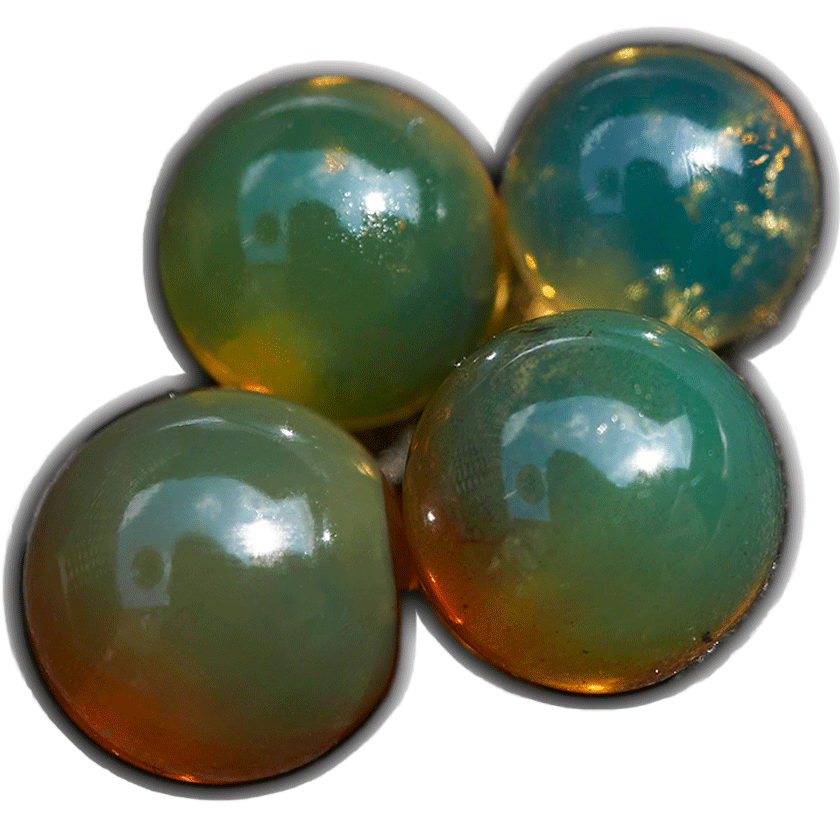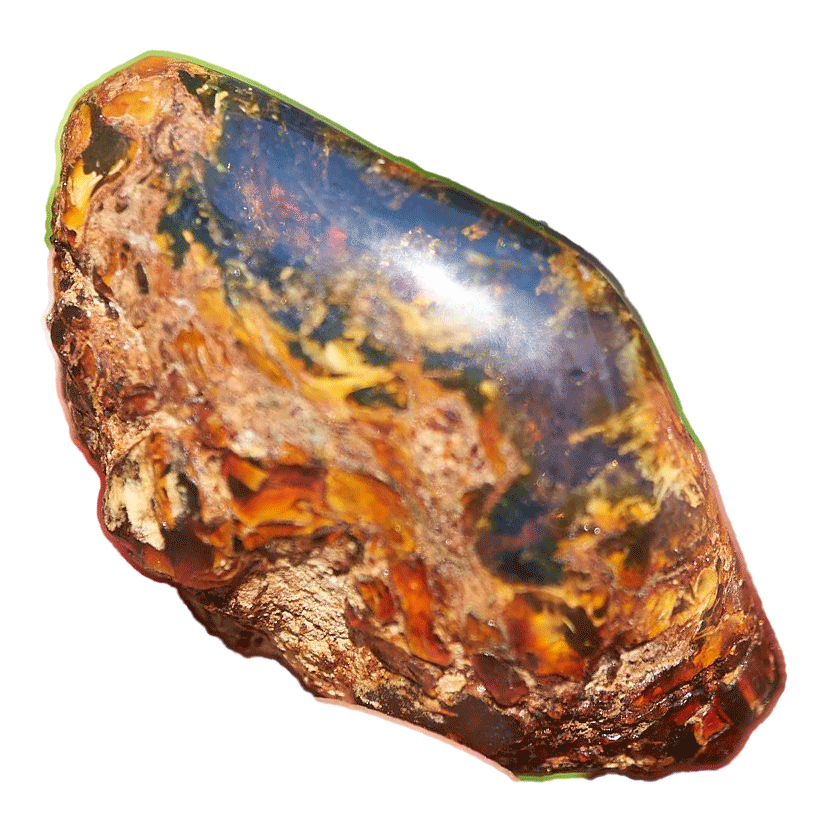


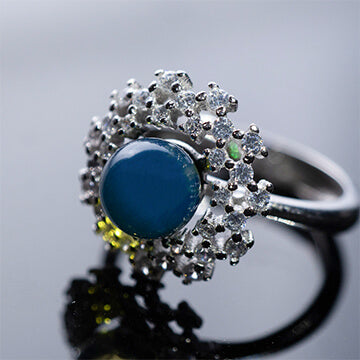
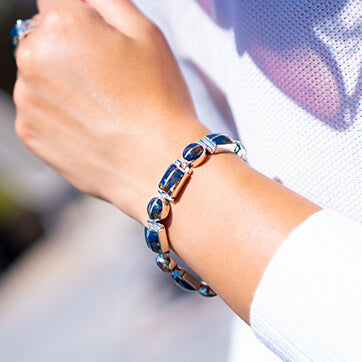
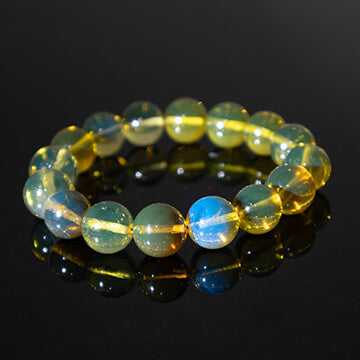
Handcrafted in DR.

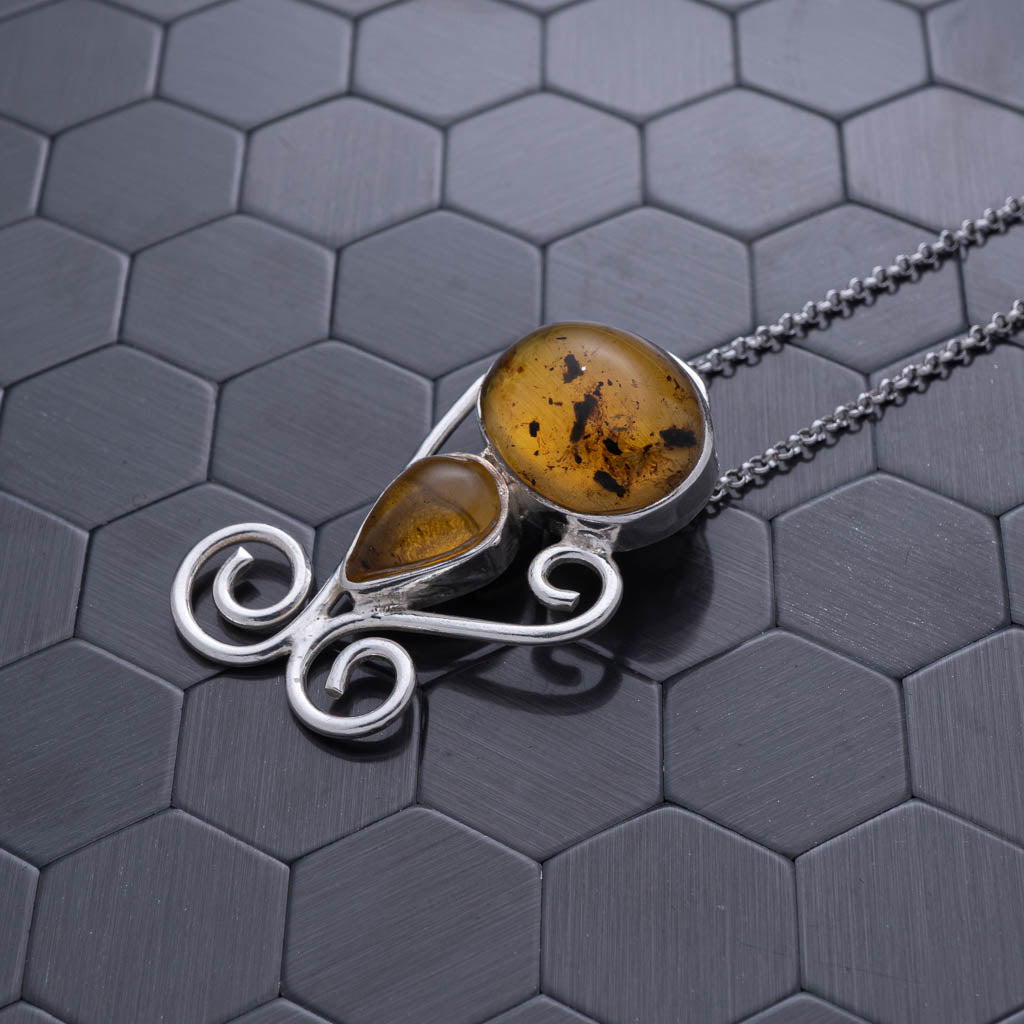
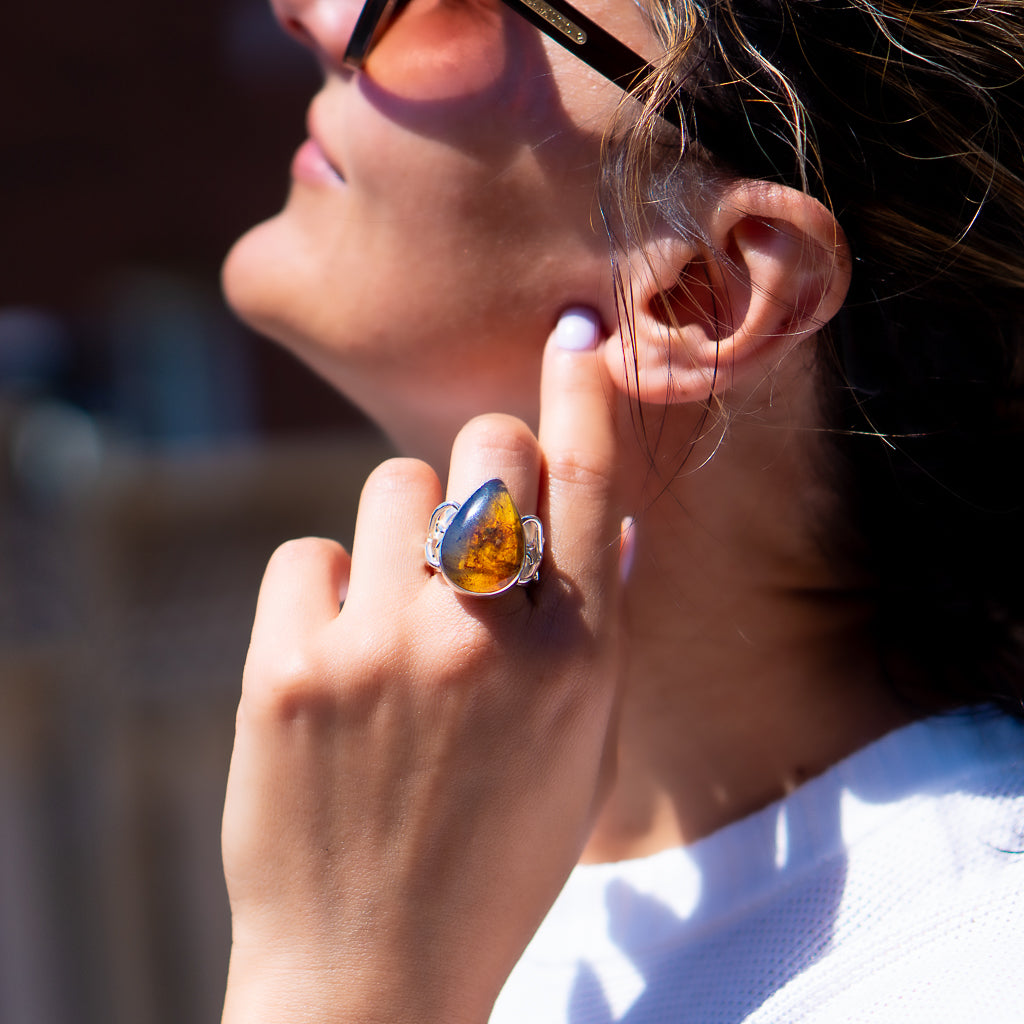
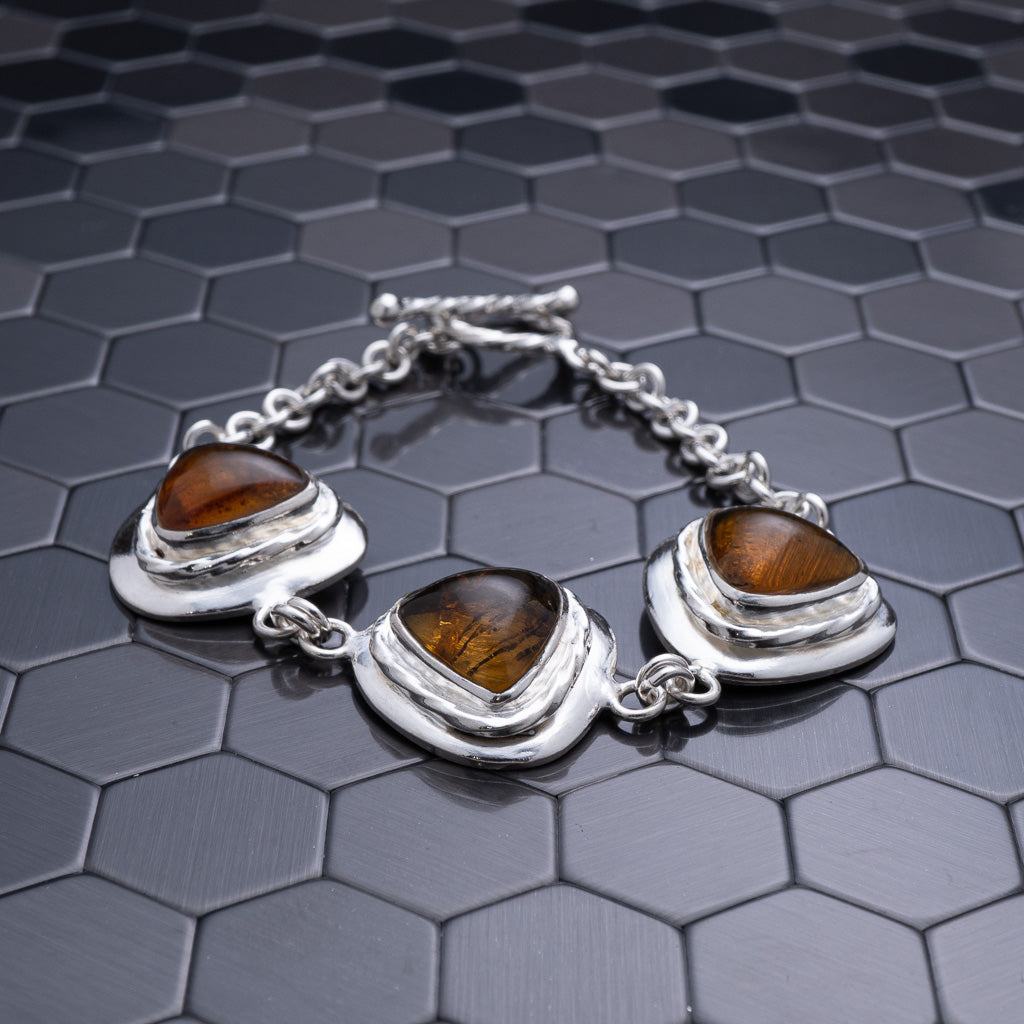
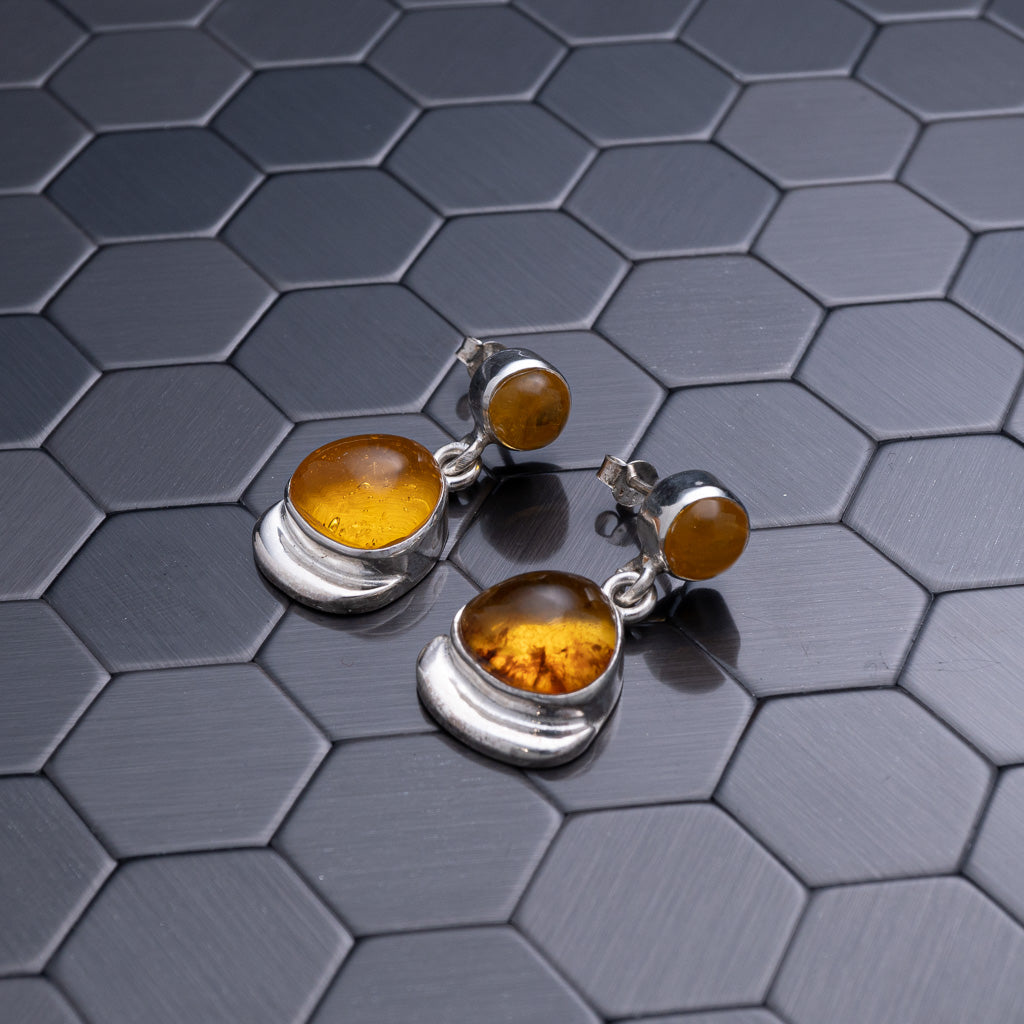


100% Handcrafted in DR.

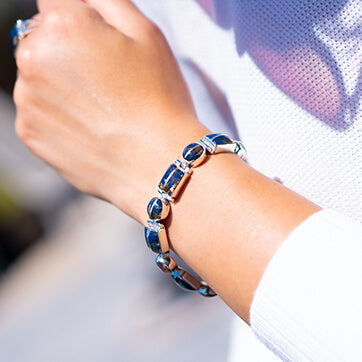
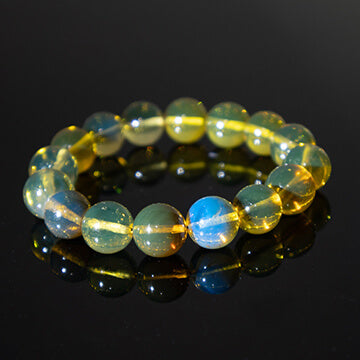
Natural stones bracelets have captivated jewelry enthusiasts for centuries, blending aesthetic appeal with deeply rooted cultural significance. These handcrafted accessories feature genuine gemstones carefully strung together to create wearable art that connects the wearer to the earth's natural beauty. Whether you're drawn to the serene blues of larimar, the protective qualities of black tourmaline, or the clarifying energy of clear quartz, natural stone bracelets offer something unique for every personality and preference. Understanding the characteristics, benefits, and proper selection criteria helps ensure you invest in quality pieces that will remain cherished additions to your collection for years to come.
Natural stones bracelets represent far more than simple fashion accessories. Each gemstone carries its own geological history, formed over millions of years through specific mineral compositions and environmental conditions. The authenticity of these materials makes every bracelet genuinely one-of-a-kind, with natural variations in color, pattern, and texture that mass-produced synthetic alternatives cannot replicate.
The rising popularity of natural stones bracelets stems from multiple factors. Consumers increasingly value sustainable, earth-sourced materials over synthetic alternatives. The uniqueness of each piece appeals to those seeking individuality in their jewelry choices. Additionally, many wearers appreciate the traditional associations between specific stones and particular qualities or intentions.
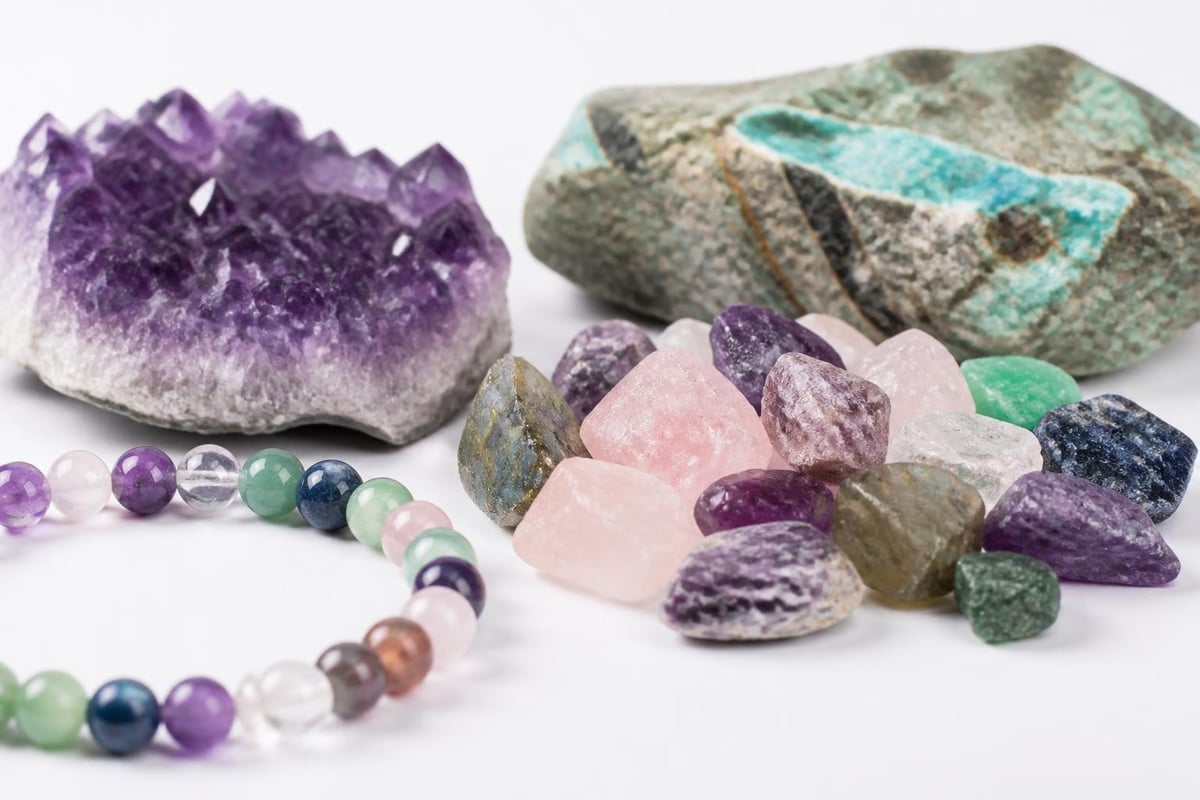
When evaluating natural stones bracelets, authenticity remains paramount. Genuine gemstones display natural imperfections, color variations, and weight differences that distinguish them from glass, plastic, or dyed imitations. Understanding what makes natural stone bracelets authentic helps buyers make informed purchasing decisions and avoid common marketplace pitfalls.
Superior natural stones bracelets require meticulous attention to detail throughout the creation process. Skilled artisans select stones based on quality grades, ensuring consistent sizing while preserving each gem's individual character. The stringing material significantly impacts durability and longevity, with options ranging from elastic cord for stretch bracelets to wire and thread for more permanent designs.
Professional jewelers understand that the stringing technique directly affects how long a bracelet will last. Higher quality pieces incorporate techniques like knotting between beads or using reinforced stringing materials that withstand daily wear. The clasp mechanism, when present, should provide secure closure without compromising the bracelet's aesthetic appeal.
The variety of gemstones available for natural stones bracelets provides extensive options for different preferences, budgets, and intended purposes. Each stone possesses distinct physical characteristics and traditional associations that influence selection choices.
Certain gemstones command higher prices due to their rarity, difficulty of extraction, or exceptional beauty. Larimar stands among these exclusive stones, found exclusively in the Dominican Republic. Its captivating blue hues ranging from pale sky to deep ocean tones make it highly sought after by collectors and jewelry enthusiasts worldwide. Understanding the unique properties of larimar provides insight into why this gemstone creates such stunning jewelry pieces.
Other premium stones frequently featured in natural stones bracelets include:
Many beautiful gemstones offer accessibility without compromising quality or visual appeal. Amethyst presents rich purple variations from pale lavender to deep violet. Rose quartz displays gentle pink tones that complement virtually any wardrobe. Tiger eye showcases mesmerizing chatoyancy with golden-brown bands that seem to shift in different lighting conditions.
Clear quartz remains perpetually popular for its crystal clarity and versatility. Black onyx provides sophisticated contrast in bracelet designs, while turquoise offers distinctive blue-green hues with characteristic matrix patterns. These stones allow jewelers to create stunning natural stones bracelets at various price points accessible to broader audiences.
Throughout history, cultures worldwide have attributed specific qualities and associations to different gemstones. While these traditional beliefs lack scientific validation, they add meaningful dimension to the experience of wearing natural stones bracelets. Understanding crystal bracelet meanings helps wearers select stones that resonate with their personal intentions or goals.
The table below outlines some commonly referenced stone associations:
| Gemstone | Traditional Association | Primary Colors |
|---|---|---|
| Amethyst | Calming, clarity, spiritual awareness | Purple, violet |
| Citrine | Abundance, motivation, creativity | Yellow, golden |
| Lapis Lazuli | Wisdom, truth, communication | Deep blue with gold flecks |
| Rose Quartz | Love, compassion, emotional healing | Pink, pale rose |
| Black Tourmaline | Protection, grounding, stress relief | Black, dark charcoal |
| Aventurine | Prosperity, opportunity, optimism | Green, orange, blue |
Many wearers select their natural stones bracelets based on these traditional associations, choosing stones aligned with specific intentions or life circumstances. A student might gravitate toward fluorite for focus and learning, while someone seeking balance might prefer amazonite or sodalite.
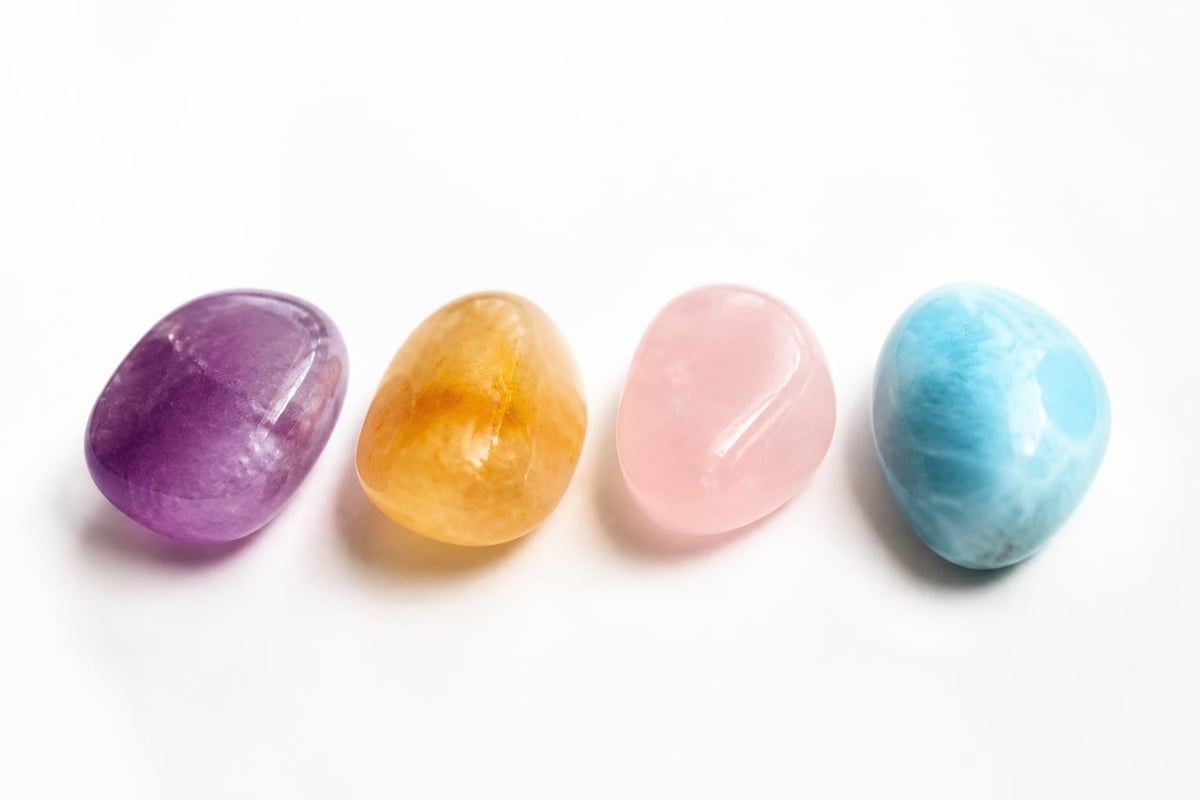
Whether gemstone bracelets actually work remains a personal question without definitive scientific answers. Many wearers report positive experiences they attribute to their natural stones bracelets, while skeptics view benefits as placebo effects or simple aesthetic pleasure. The personal meaning and intention you bring to wearing these pieces often shapes your experience more than any inherent stone properties.
What matters most is selecting natural stones bracelets that genuinely resonate with you personally. Whether drawn to a stone's appearance, traditional associations, or simply its aesthetic appeal, your connection to the piece enhances your wearing experience. Authentic enjoyment of your jewelry requires no external validation or scientific proof.
Making informed purchasing decisions ensures your natural stones bracelets provide lasting value and satisfaction. Several key factors distinguish superior quality pieces from inferior alternatives.
Genuine natural stones display characteristics that synthetic or treated alternatives cannot perfectly replicate. Temperature provides a simple initial test. Real stones feel cool to the touch initially and slowly warm with body heat, while plastic or glass warms quickly. Weight offers another clue, as authentic gemstones typically feel heavier than synthetic lookalikes of similar size.
Visual inspection reveals important authenticity indicators. Natural stones contain subtle imperfections, color variations, and inclusions formed during their geological creation. Perfect uniformity often signals synthetic materials or heavily treated stones. Learning to recognize these natural characteristics helps identify authentic pieces.
Professional certification provides the highest confidence level for expensive purchases. Reputable sellers offer certificates from recognized gemological laboratories verifying stone authenticity, treatments applied, and quality grades. While less common for affordable bracelets, certification becomes increasingly important as price points rise.
Beyond the stones themselves, overall construction quality determines how well natural stones bracelets withstand regular wear. Examine these specific elements:
The stringing material deserves particular attention as it directly impacts longevity. Exposure to water can affect natural stone bracelets differently depending on construction materials. Elastic cord degrades faster with repeated water exposure, while certain stringing wires resist moisture damage more effectively.
Understanding how natural stones bracelets compare to alternatives helps buyers determine which option best suits their needs and lifestyle. Each material category offers distinct advantages and limitations.
Natural stone bracelets versus metal alternatives present different benefits depending on individual priorities. Natural stones offer superior variety in colors, patterns, and textures. Each stone provides unique visual characteristics that metal cannot replicate. The lighter weight of most stone beads enhances comfort during extended wear.
Metal bracelets excel in durability and longevity, particularly solid gold or platinum pieces. They resist scratching better than softer stones and typically require less careful handling. However, metal may trigger skin sensitivities in some wearers, while natural stones generally prove hypoallergenic.
Consider these comparison points:
| Feature | Natural Stones | Metal |
|---|---|---|
| Color variety | Extensive natural range | Limited, requires plating |
| Weight | Generally lighter | Heavier, especially precious metals |
| Durability | Varies by stone hardness | Excellent for solid metals |
| Skin sensitivity | Usually hypoallergenic | May cause reactions |
| Uniqueness | Each piece one-of-a-kind | More uniform appearance |
| Price range | Broad spectrum | Higher for precious metals |
The gemstone market includes various synthetics, simulants, and treatments that affect value and desirability. Lab-created stones share chemical composition with natural counterparts but form in controlled environments rather than geological processes. These represent genuine gemstones but lack the billions-years formation history of natural stones.
Simulants like glass or plastic imitate gemstone appearance without matching their composition. These alternatives cost significantly less but offer no genuine gemstone characteristics. Treatments including heat, dyeing, or coating enhance appearance but should be disclosed by ethical sellers.
For natural stones bracelets, untreated or minimally treated stones typically command higher values and provide more authentic wearing experiences. Quality jewelers transparently disclose any treatments applied to their gemstones, allowing informed purchasing decisions.
Proper care extends the lifespan and preserves the beauty of natural stones bracelets. Different stones require varying maintenance approaches based on their physical characteristics and chemical composition.
Protecting your natural stones bracelets during daily activities prevents unnecessary damage. Remove bracelets before activities involving harsh chemicals, including household cleaning, swimming in chlorinated pools, or applying beauty products. Chemical exposure can damage both stones and stringing materials.
Physical activity demands similar caution. Take off bracelets before exercise, sports, or heavy manual work. Impact against hard surfaces can chip or crack stones, particularly softer varieties like turquoise or pearl. Even durable stones like quartz benefit from protection against unnecessary impacts.
Storage practices matter significantly. Keep natural stones bracelets separated in soft pouches or compartmented jewelry boxes. Contact with harder materials causes scratching on softer stones. Avoid extreme temperature fluctuations and direct sunlight exposure, which can fade certain stones over time.
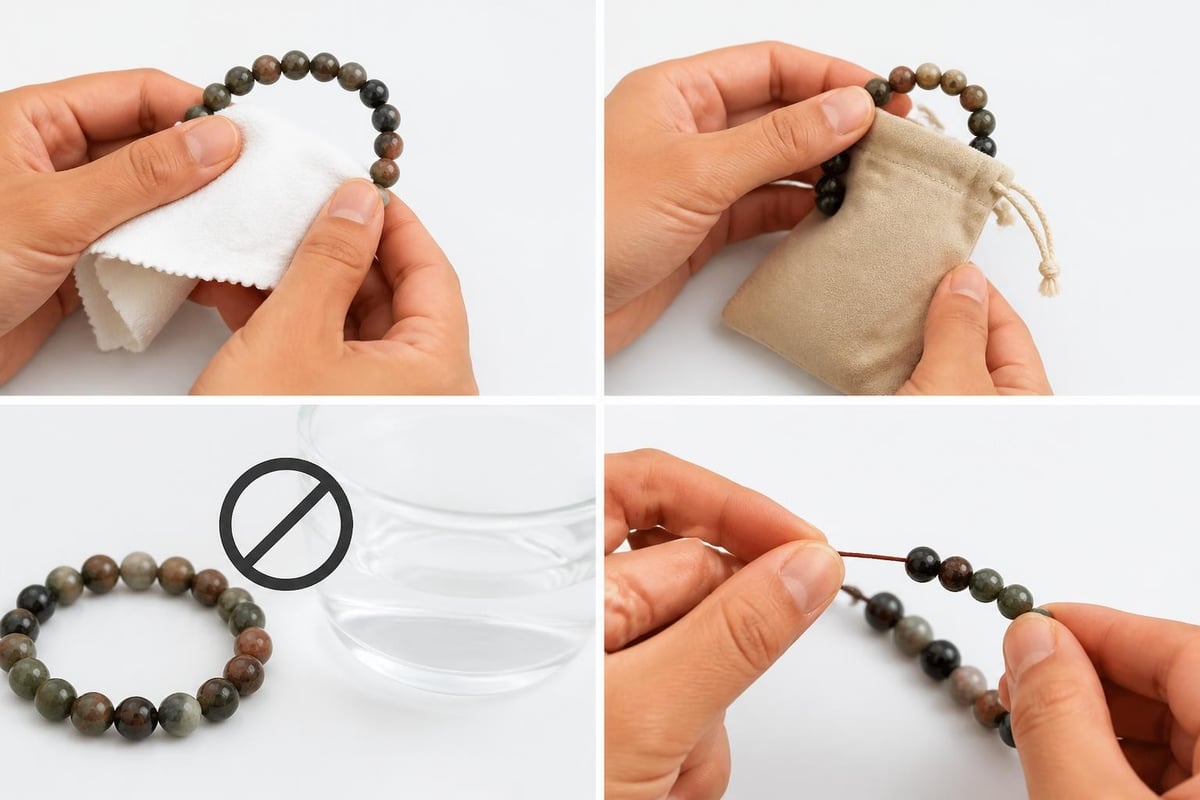
Cleaning requirements vary based on stone type and hardness. Generally, gentle approaches prove safest across all varieties. Use lukewarm water with mild soap and a soft cloth for most stones. Avoid ultrasonic cleaners unless specifically recommended for your stone type, as vibrations can damage certain varieties.
Specific stones require special considerations:
The stringing material also needs attention during cleaning. Elastic cord weakens with water exposure and should dry completely before storage. Check regularly for signs of stretching or fraying, replacing when necessary to prevent breakage and stone loss.
Many enthusiasts develop extensive collections of natural stones bracelets, selecting pieces for different occasions, intentions, or aesthetic preferences. Strategic collecting enhances versatility while avoiding redundancy.
Begin with foundational neutral stones that coordinate with various outfits. Black onyx, white howlite, and grey labradorite provide sophisticated bases. Add colorful statement pieces gradually, choosing hues that complement your wardrobe color palette. Exploring how rings and pendants coordinate with bracelets helps create cohesive jewelry ensembles.
Consider acquiring stones across different traditional association categories. A calming stone like amethyst, an energizing stone like carnelian, a grounding stone like hematite, and a heart-centered stone like rose quartz provide diverse options for different circumstances and moods.
Size and style variation prevents monotony. Mix single-strand bracelets with multi-strand pieces. Include different bead sizes from delicate 4mm to bold 12mm options. Combine smooth polished beads with faceted cuts for textural interest.
Balance your collection between investment-grade pieces featuring rare or premium stones and affordable everyday bracelets. Reserve delicate or valuable natural stones bracelets for special occasions, protecting them from daily wear damage. Select durable, less expensive options for regular rotation.
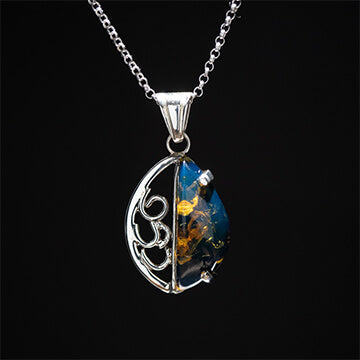
Investment pieces might include rare stones like larimar, sugilite, or high-grade jade. These warrant careful handling and storage in protective cases. Larimar Pendants showcase this exceptional stone's beauty, demonstrating how premium materials create stunning jewelry pieces worth protecting.
Everyday selections emphasize durability and replaceability. Hardy stones like jasper, agate, or quartz withstand regular wear with minimal care concerns. Lower price points make replacement less concerning if damage occurs.
The enduring appeal of natural stones bracelets transcends temporary fashion trends. Several factors explain their sustained popularity across demographics and cultures.
In an increasingly digital world, natural stones bracelets provide tangible connection to earth's geological wonders. Each stone represents millions of years of natural processes, carrying its formation story within its structure. This connection resonates with consumers seeking authenticity and meaning in their possessions.
The benefits and meanings of natural stone bracelets attract those exploring mindfulness practices and intentional living. Whether or not stones possess measurable energetic properties, the ritual of selecting and wearing them with specific intentions creates meaningful personal practices.
Natural stones bracelets complement virtually every fashion aesthetic from bohemian to minimalist to professional. Stack multiple delicate strands for trendy layered looks, or wear a single bold statement piece for sophisticated simplicity. Mix stones with metal bangles or leather cuffs for eclectic combinations.
This versatility extends across occasions. Wear polished neutral stones to business meetings, colorful beaded designs to casual gatherings, or elegant small-bead bracelets to formal events. Few jewelry categories offer such broad applicability across contexts.
Natural stones bracelets occupy a unique market position offering luxury materials at accessible prices. While rare stones command premium values, many beautiful varieties remain affordable for average consumers. This accessibility democratizes fine jewelry, allowing broader audiences to experience genuine gemstone ownership.
Several compelling reasons support adding natural stone bracelets to your collection, from aesthetic appeal to personal significance. The combination of beauty, meaning, and accessibility explains their persistent popularity.
Purchasing natural stones bracelets from reputable sources ensures authenticity, quality, and fair pricing. Several indicators distinguish trustworthy sellers from questionable vendors.
Quality sellers provide comprehensive information about their natural stones bracelets. Product descriptions specify stone types, bead sizes, stringing materials, and overall dimensions. Photographs show actual pieces or accurate representations, not stock images misrepresenting products.
Disclosure of treatments, enhancements, or synthetic materials demonstrates ethical business practices. Reputable vendors clearly differentiate between natural, treated, and lab-created stones. They answer questions knowledgeably and provide care instructions appropriate for specific stone types.
Return policies and authenticity guarantees offer additional confidence. Sellers confident in their product quality allow reasonable return periods and stand behind authenticity claims. Understanding a company's story often reveals their commitment to quality and customer satisfaction.
Examine seller portfolios for construction quality consistency. Professional artisans produce pieces with uniform quality standards across their inventory. Stringing appears neat and secure. Finishes show attention to detail. Sizing remains consistent with descriptions.
Customer reviews provide valuable insights into actual product quality and seller reliability. Look for patterns in feedback regarding accuracy of descriptions, shipping practices, and response to problems. Consistent positive reviews across extended periods suggest trustworthy operations.
Pricing should align with material values and craftsmanship quality. Suspiciously low prices often indicate synthetic materials, poor construction, or misrepresented stones. While bargains exist, genuine gemstones and quality craftsmanship require fair compensation.
Natural stones bracelets generally accommodate sensitive skin better than many metal alternatives. However, certain considerations ensure comfortable wear for those prone to reactions.
Most natural stones prove inherently hypoallergenic, causing no skin reactions in typical wearers. The stones themselves rarely trigger sensitivities. Problems more commonly arise from metal components like clasps, spacer beads, or charm attachments.
Select natural stones bracelets with minimal metal contact if you experience metal sensitivities. Choose pieces using surgical steel, titanium, or sterling silver for necessary metal components. Avoid mystery metals or nickel-containing alloys commonly used in inexpensive jewelry.
Elastic stretch bracelets eliminate metal clasps entirely, providing excellent options for sensitive individuals. Ensure the elastic itself contains no latex if you have latex allergies. Quality sellers specify elastic composition in product descriptions.
Some natural stones display porous structures that absorb substances from their environment. Stones like turquoise, lapis lazuli, or unglazed ceramic beads may absorb skin oils, lotions, or perspiration over time. This absorption typically doesn't cause skin reactions but can gradually alter stone appearance.
Seal porous stones with appropriate products if absorption concerns you, though this slightly alters natural appearance. Alternatively, remove porous natural stones bracelets before applying lotions or during activities causing heavy perspiration. Regular gentle cleaning removes accumulated substances before they penetrate deeply.
Approaching your first natural stones bracelets purchase with knowledge and realistic expectations ensures satisfaction with your selection. Comprehensive guides to natural gemstone bracelets provide additional detailed information for beginners.
Understand that natural variations make each bracelet unique. Color may differ slightly from photographs due to natural stone variation and photography limitations. Patterns, inclusions, and color distribution vary between individual pieces even from the same stone type.
Size considerations matter for comfortable fit. Measure your wrist accurately and consult sizing charts provided by sellers. Stretch bracelets should fit snugly without excessive tightness. Clasp-style bracelets need appropriate length allowing comfortable movement without sliding over the hand.
Budget realistically for desired quality levels. Beautiful natural stones bracelets exist across price ranges, but premium materials and craftsmanship command fair compensation. Determine priorities between stone rarity, size, construction quality, and price.
Begin with versatile pieces suited to multiple occasions and outfits. Select neutral colors or classic stones before acquiring bold statement pieces. Purchase from sellers offering reasonable return policies while you learn preferences.
Consider starting with moderately priced options rather than immediately investing in expensive rare stones. Experience wearing different stone types, sizes, and styles before committing significant funds. You'll develop clearer preferences through actual wearing experience.
Ask questions freely before purchasing. Reputable sellers welcome inquiries about stone authenticity, treatments, construction methods, and care requirements. Their responses reveal expertise levels and commitment to customer education. Contact pages facilitate communication with knowledgeable sellers who prioritize customer satisfaction.
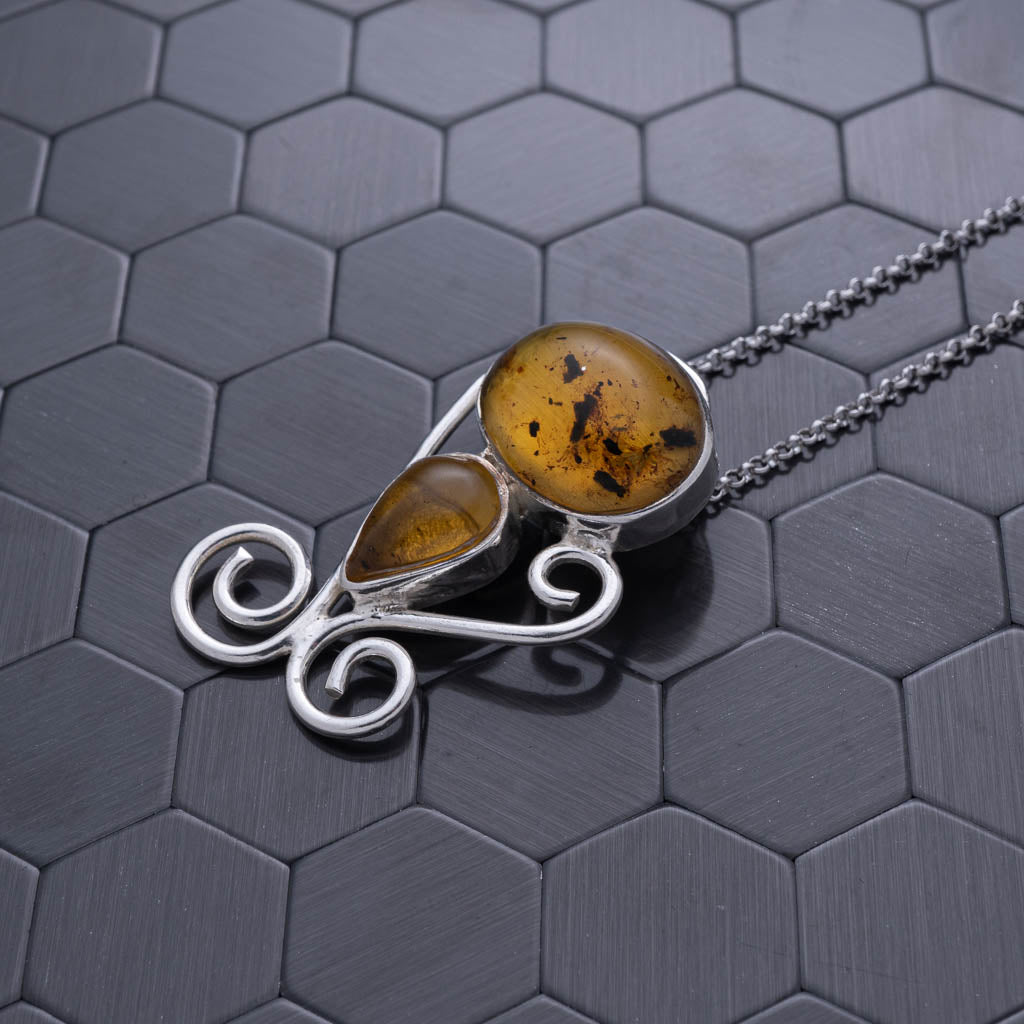
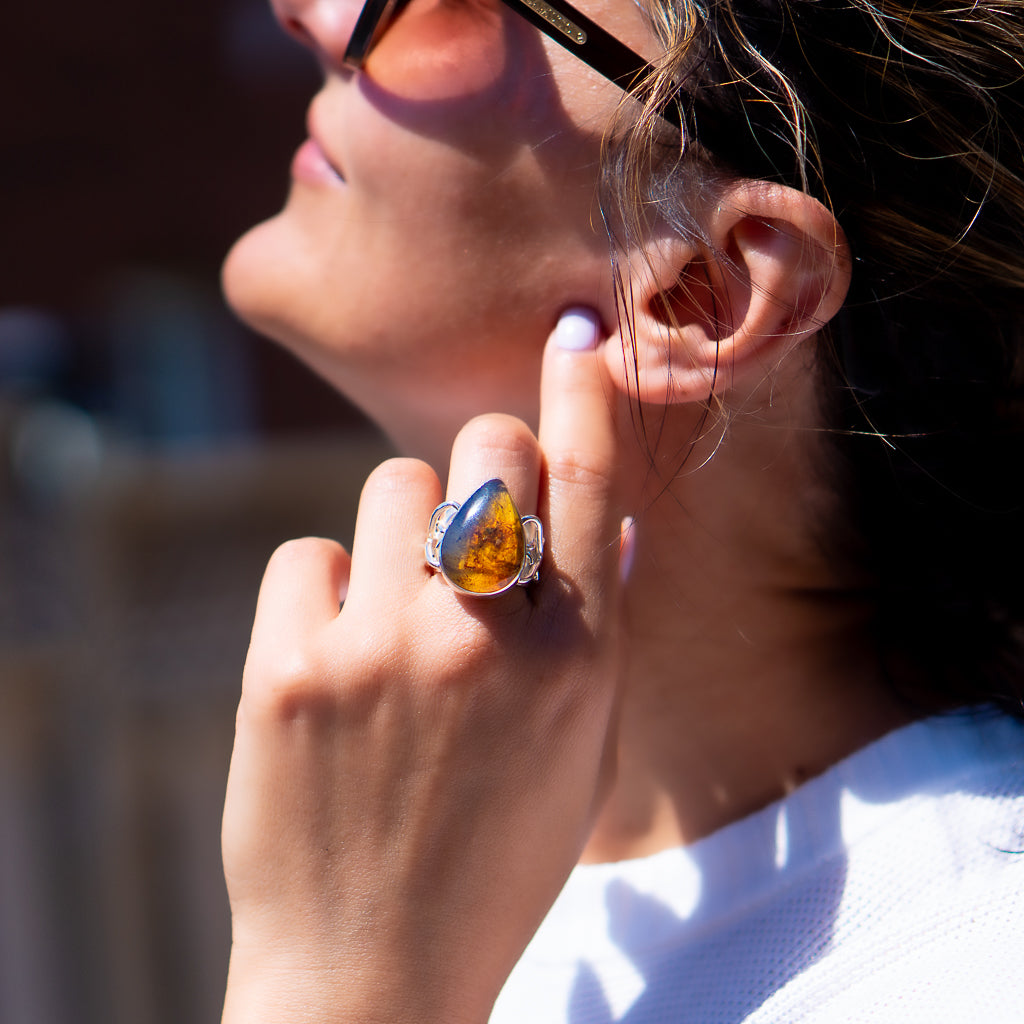
Natural stones bracelets offer timeless beauty, meaningful connections to earth's geological wonders, and versatile styling options for every occasion. Understanding gemstone characteristics, construction quality indicators, and proper care practices helps you select pieces providing lasting satisfaction and value. Whether you're drawn to rare stones like larimar or classic favorites like amethyst, authentic craftsmanship transforms natural materials into wearable art you'll treasure for years. Larimar Creations specializes in handcrafted jewelry featuring exceptional gemstones including exclusive larimar and Dominican blue amber, delivering worldwide the authentic quality and artisan craftsmanship discerning collectors demand.