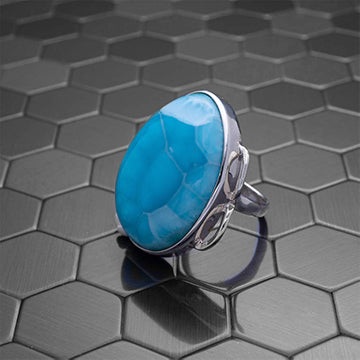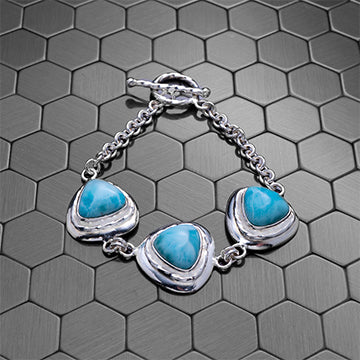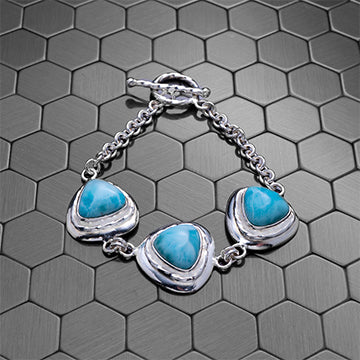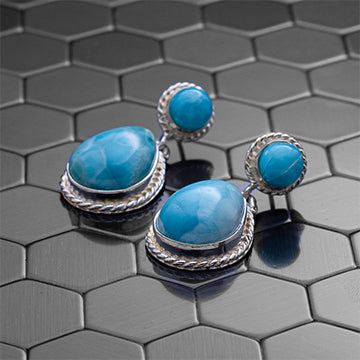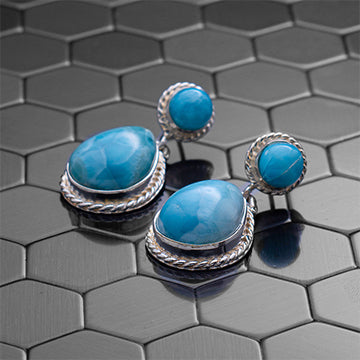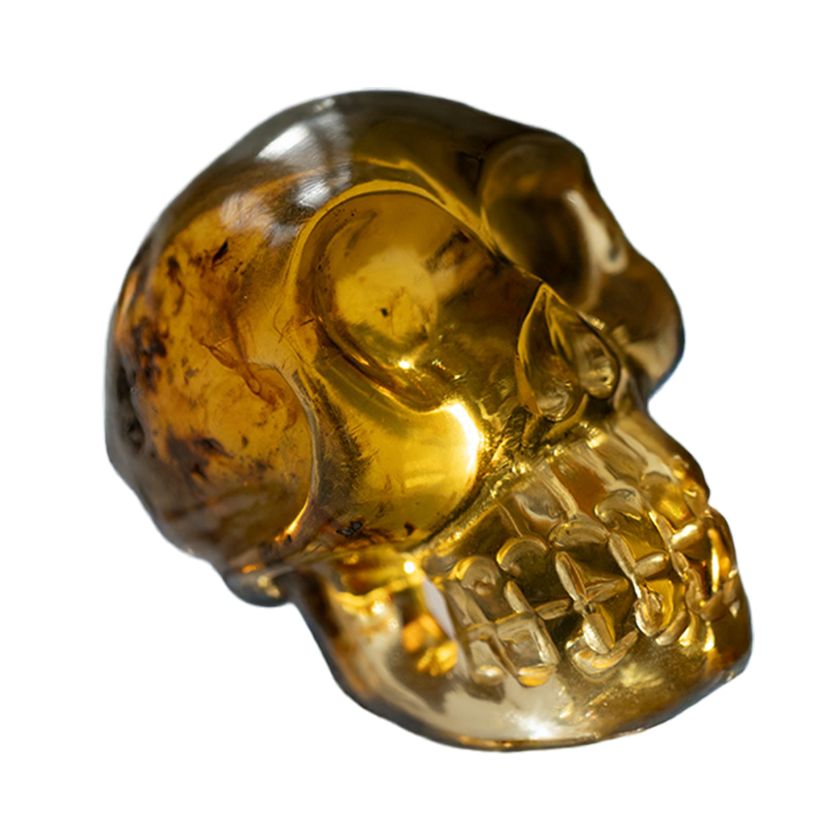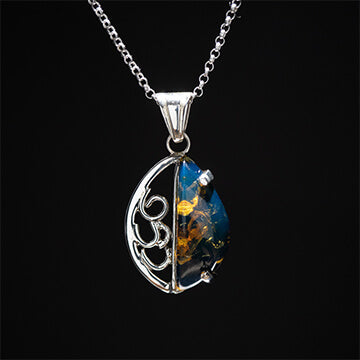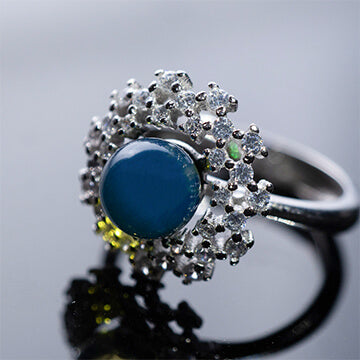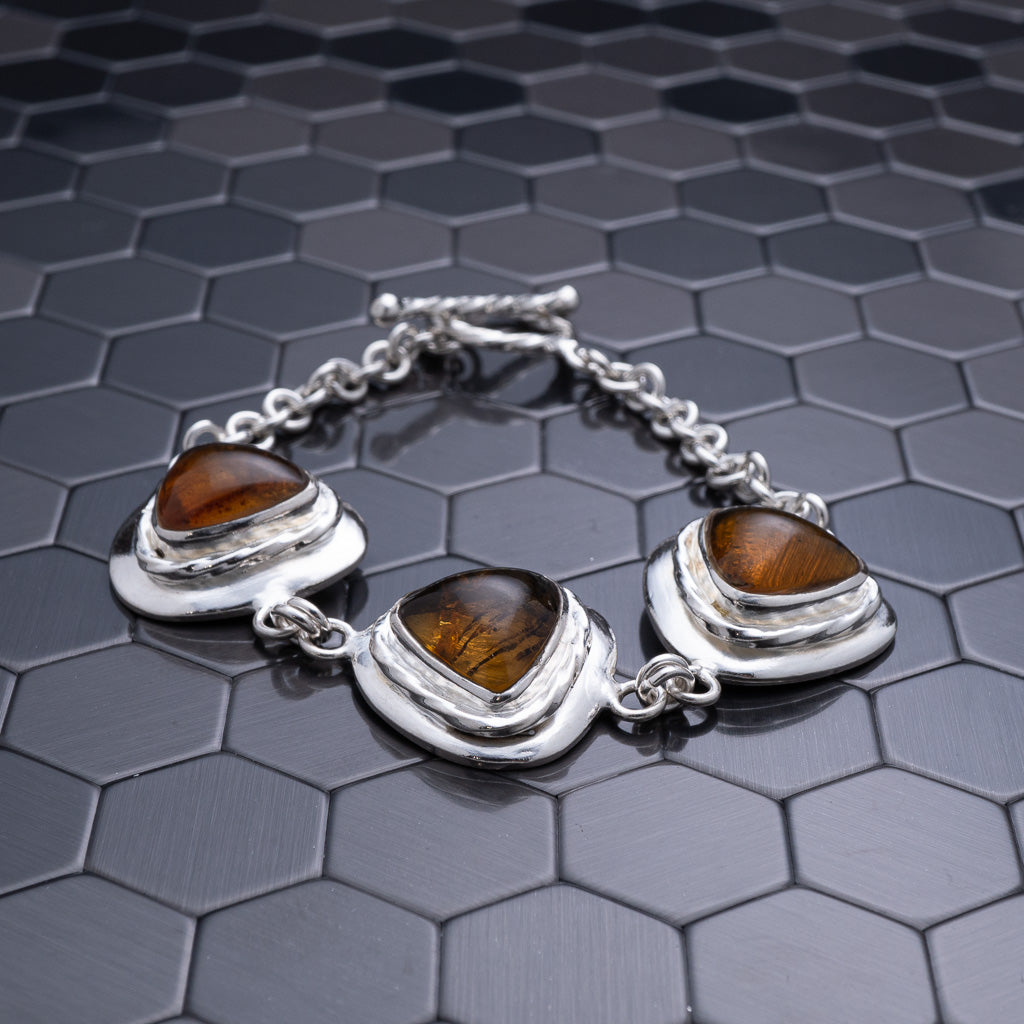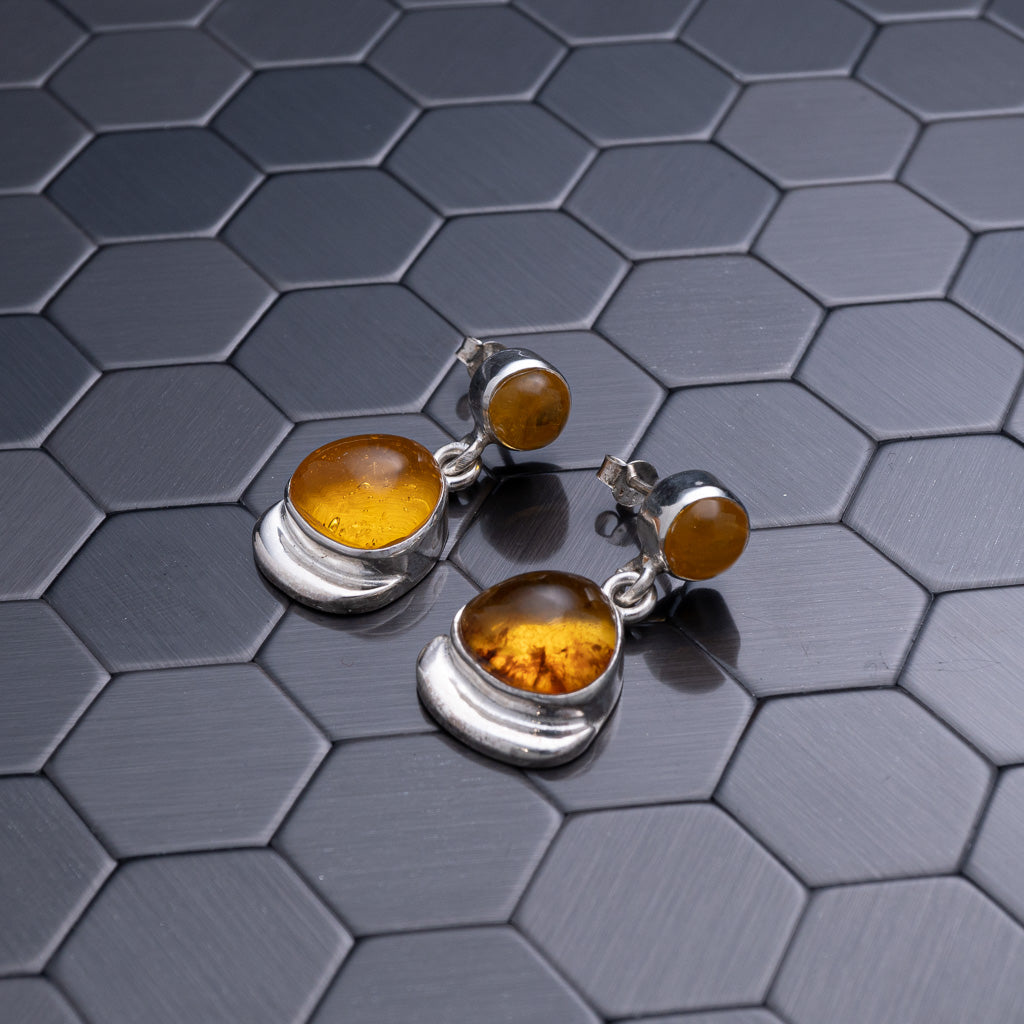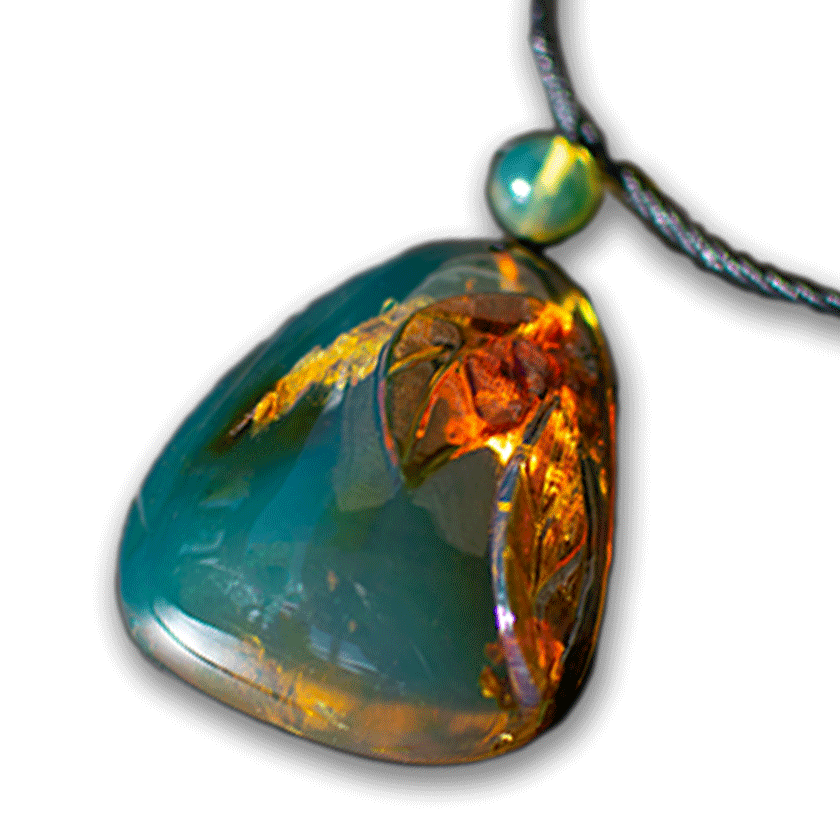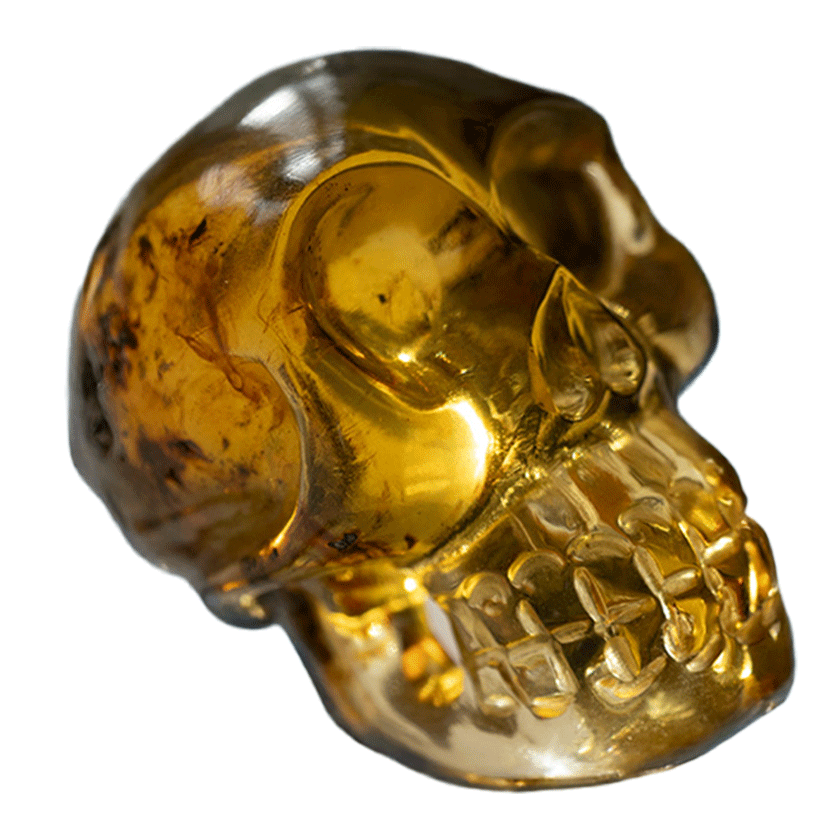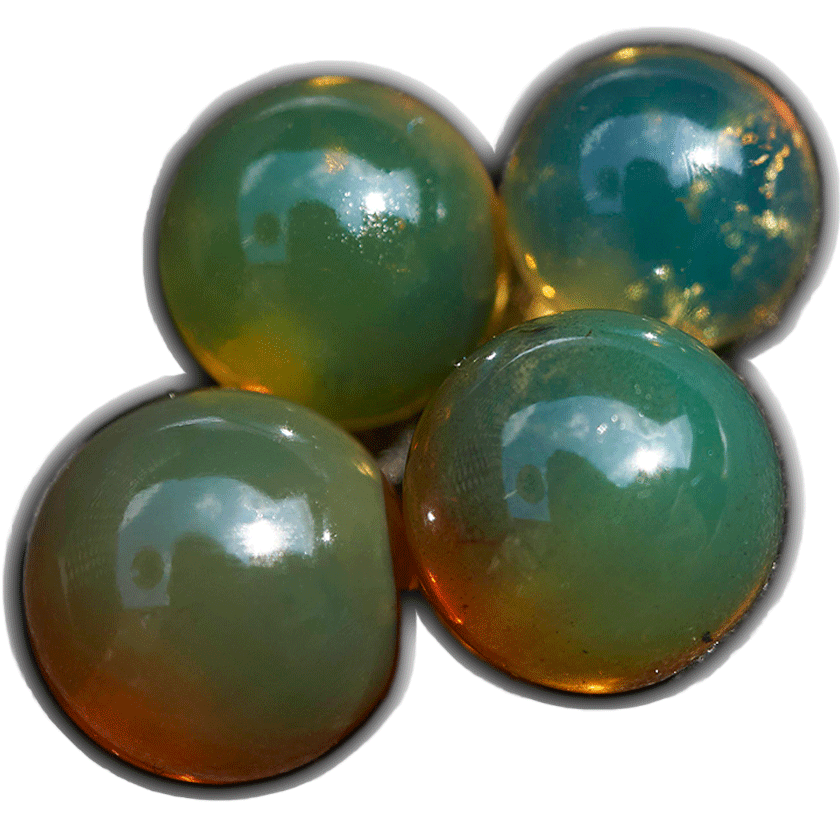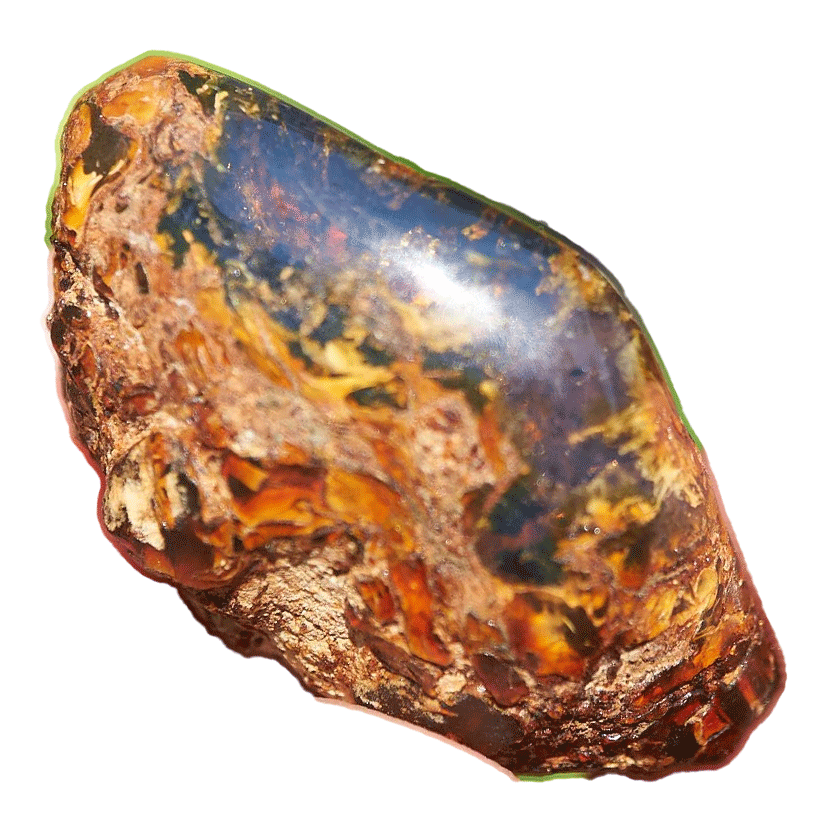


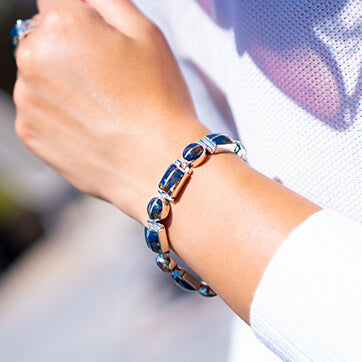
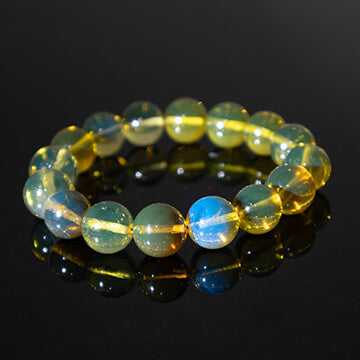
Handcrafted in DR.

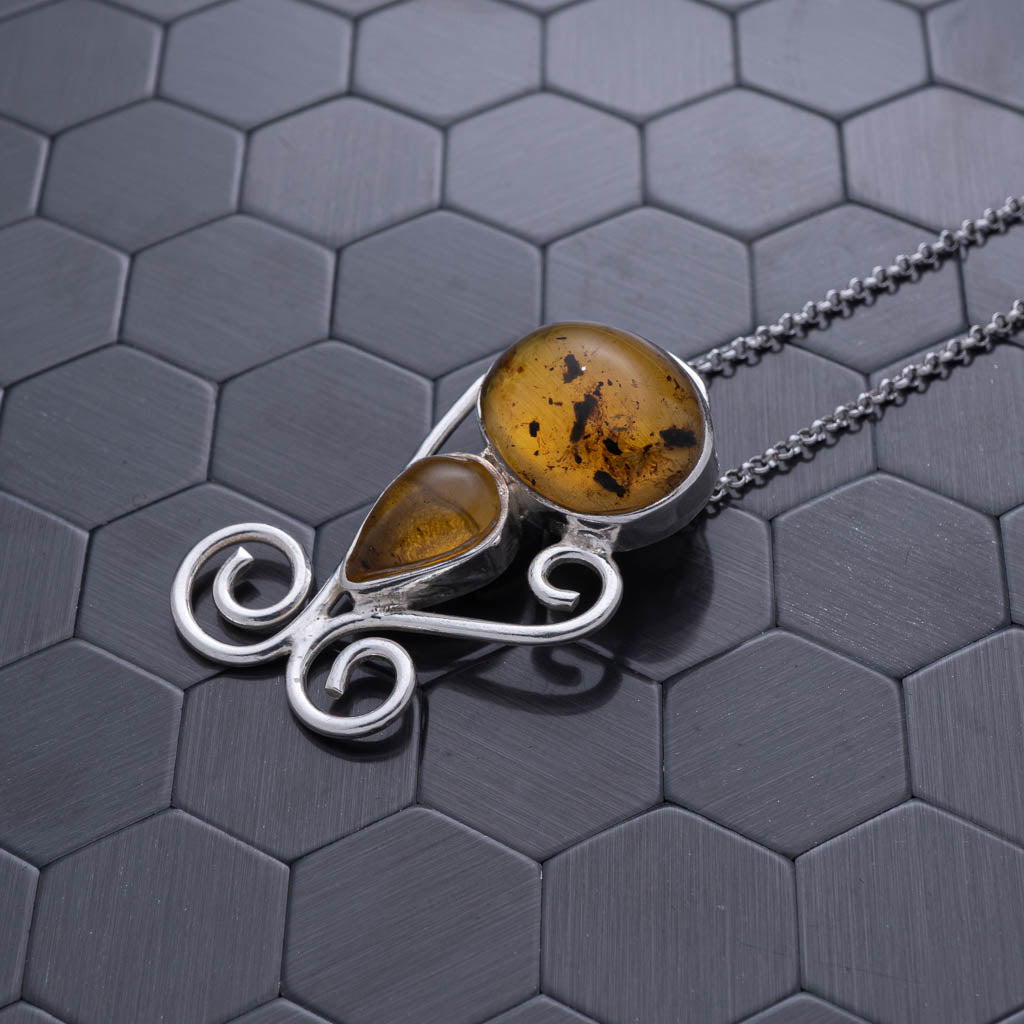
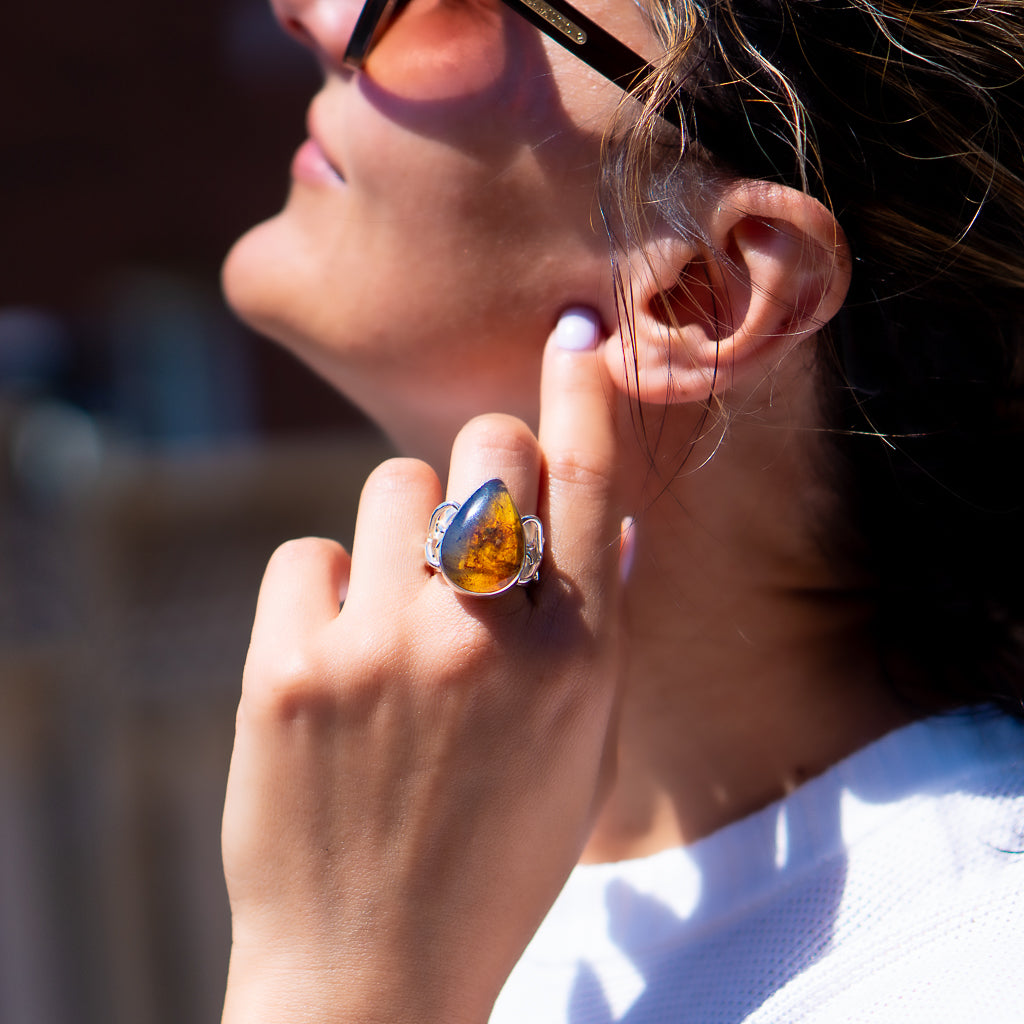
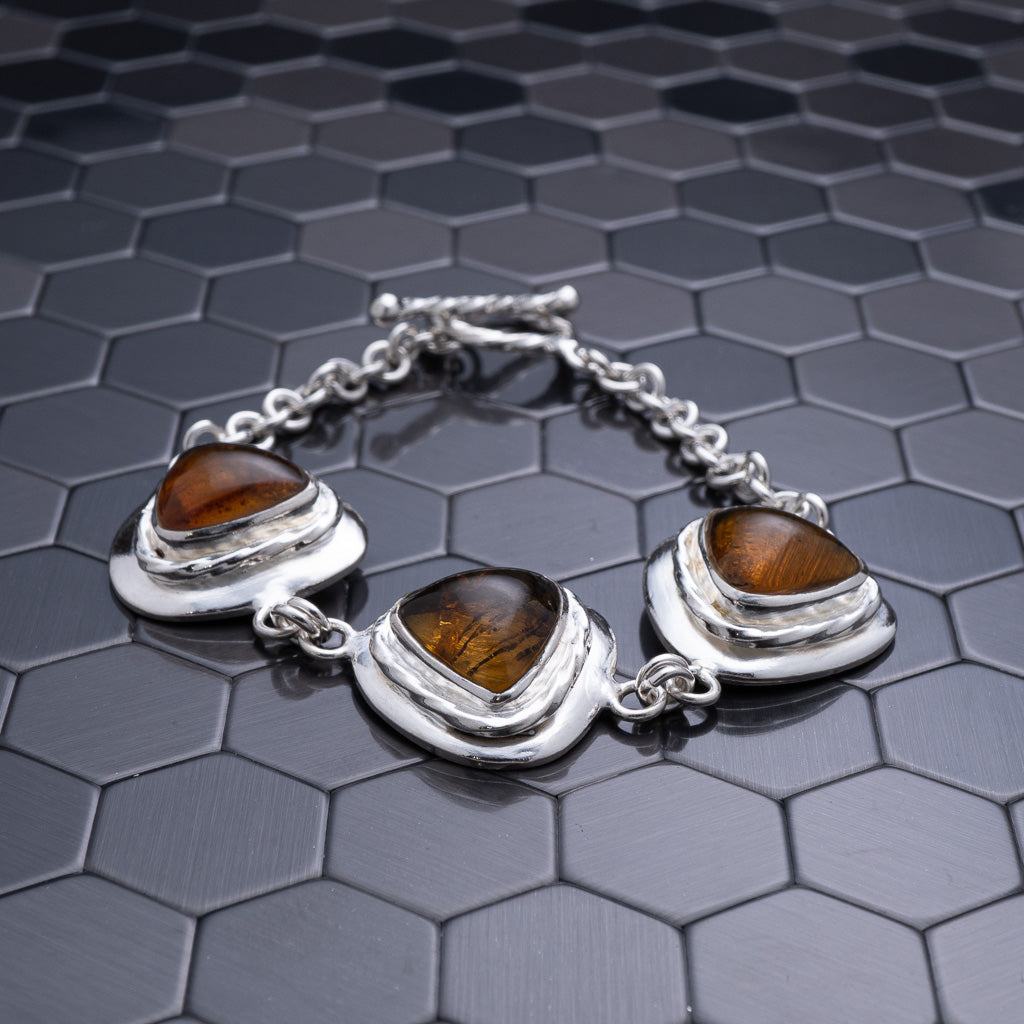
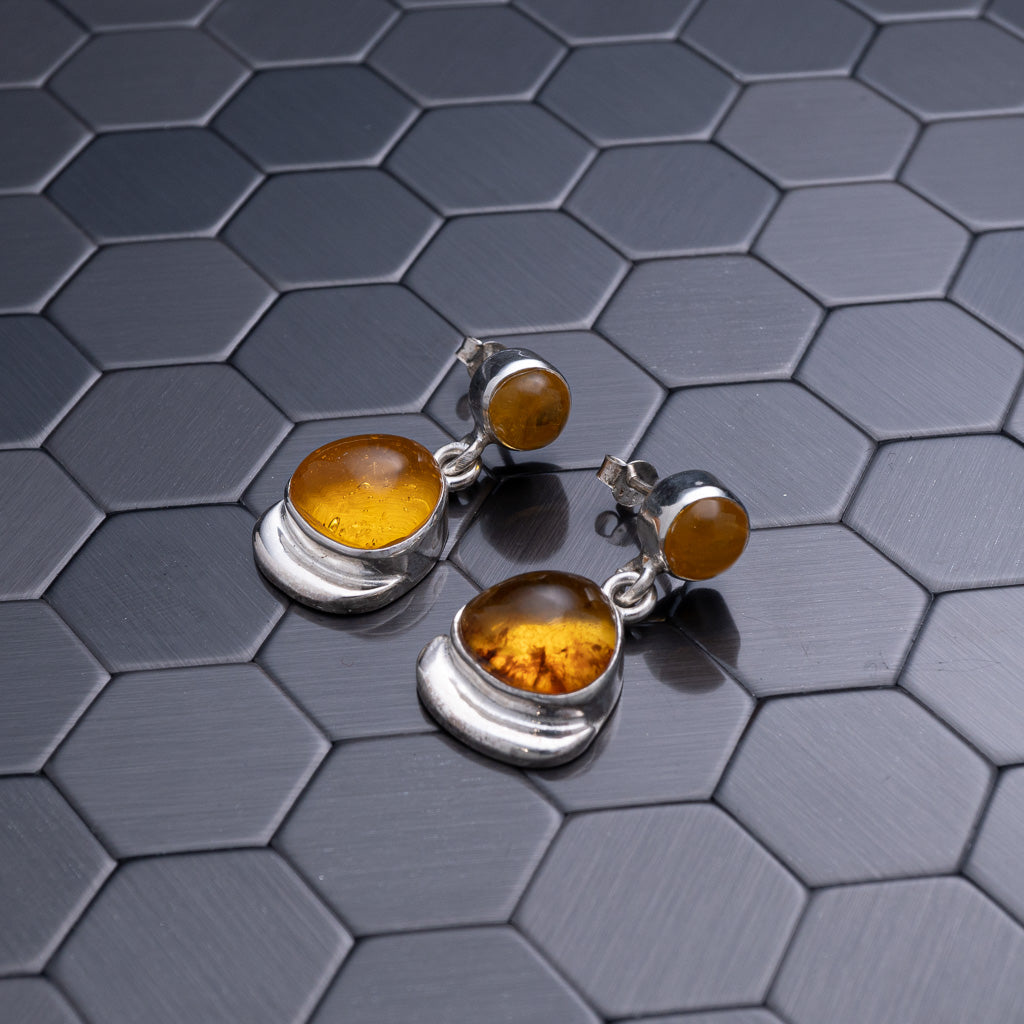


100% Handcrafted in DR.

Jewelry has adorned human bodies for millennia, serving purposes far beyond mere decoration. Among the most enduring and meaningful forms of personal adornment are rings and pendants, two categories that have transcended cultures, religions, and epochs to remain essential elements of human expression. These pieces carry stories, symbolize commitments, mark achievements, and connect wearers to their heritage. Understanding the depth of meaning behind rings and pendants enriches our appreciation for these timeless accessories and helps us select pieces that resonate with our personal narratives.
The earliest examples of rings and pendants date back thousands of years, with archaeological evidence revealing their use across ancient civilizations. Roman lead amulets, including both rings and pendants, demonstrate the magical significance these objects held in the Graeco-Roman world. These pieces served as protective talismans, embodying beliefs about divine protection and personal power.
Ancient Egyptians crafted elaborate rings bearing scarabs and hieroglyphics, while simultaneously developing sophisticated pendant designs featuring symbols like the ankh and the Eye of Horus. These weren't simply decorative choices but represented deeply held spiritual beliefs about the afterlife, protection, and divine favor.
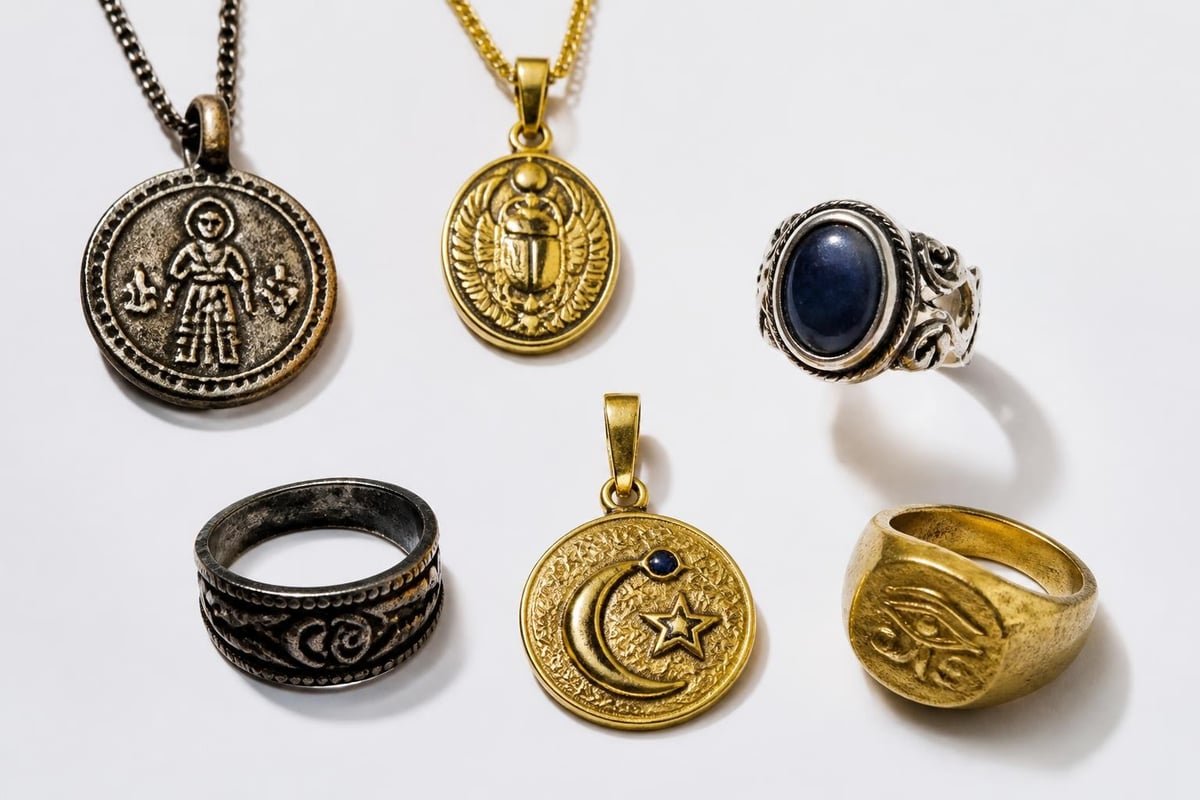
Throughout history, rings have held particular importance in religious contexts, serving as symbols of authority, commitment, and divine connection. Bishops' rings signified their marriage to the church, while papal rings represented supreme ecclesiastical authority. These liturgical applications elevated rings beyond personal adornment to markers of sacred office.
Pendants similarly carried religious weight across traditions. Christian crosses, Jewish Stars of David, Islamic calligraphic pieces, and Buddhist symbols transformed simple necklaces into declarations of faith. Research on pendants from the north-eastern Baltic Sea region between the 9th and 13th centuries reveals how these pieces functioned simultaneously as personal adornment, self-definition tools, and religious practice markers.
When evaluating rings and pendants, several fundamental design principles separate exceptional pieces from ordinary ones. Understanding these elements helps discerning buyers make informed decisions.
Superior craftsmanship manifests in multiple ways:
The quality of metalwork directly impacts both aesthetics and durability. Hand-forged pieces often display subtle variations that machine-made jewelry lacks, creating unique character while maintaining structural integrity. For pendants, the bail (the loop through which the chain passes) requires particular attention, as this connection point bears the piece's full weight.
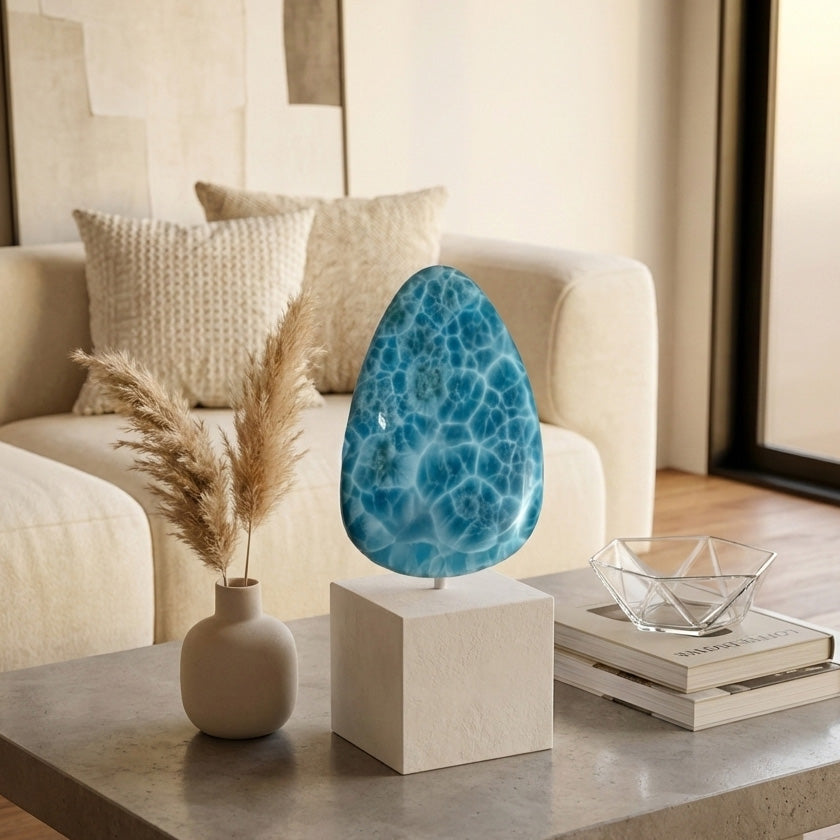
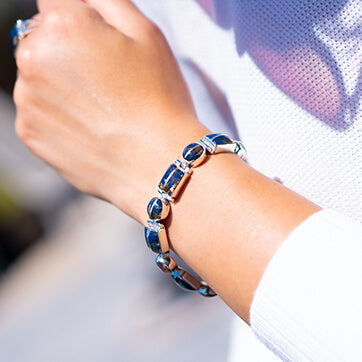
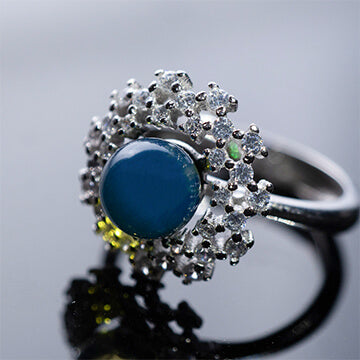
Natural gemstones bring individual personality to rings and pendants. Rare stones like Larimar, found exclusively in the Dominican Republic, offer distinctive coloration ranging from volcanic blue to seafoam green. When examining gemstone jewelry, consider these factors:
| Quality Factor | What to Assess | Why It Matters |
|---|---|---|
| Color Saturation | Depth and vibrancy of hue | Determines visual impact and value |
| Clarity | Presence of inclusions | Affects light transmission and beauty |
| Cut Quality | Proportions and polish | Maximizes brilliance and fire |
| Carat Weight | Size relative to setting | Ensures proper balance and proportion |
| Origin | Geographic source | Impacts rarity and authenticity |
The rich history of necklaces and pendants demonstrates how gemstone selection has evolved alongside cultural values and aesthetic preferences. Contemporary designers balance traditional techniques with innovative approaches to showcase each stone's unique properties.
Rings and pendants serve diverse functions, from everyday accessories to ceremonial pieces marking life's significant moments.
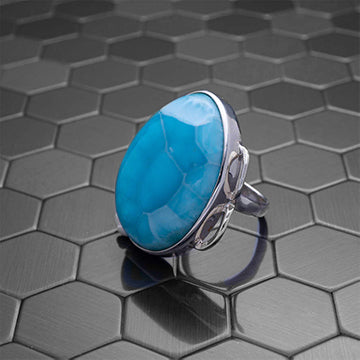
Perhaps no category of rings carries greater symbolic weight than those exchanged during marriage ceremonies. The circular shape represents eternity, with no beginning or end, while the opening in the center symbolizes a gateway to unknown futures together. Modern engagement rings typically feature a prominent center stone, while wedding bands may be simpler or complementary designs.
Key considerations for bridal rings:
For those seeking proper fit, resources like a ring sizer guide prove invaluable in ensuring comfort and security.
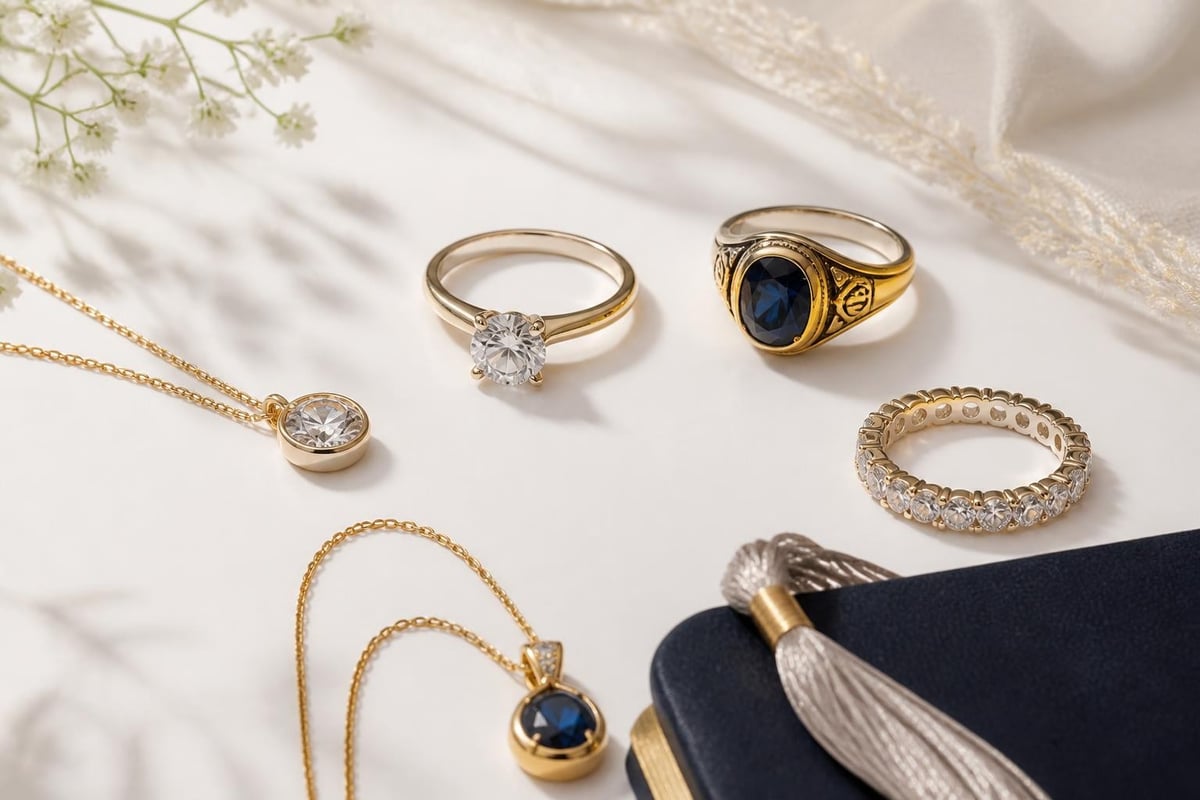
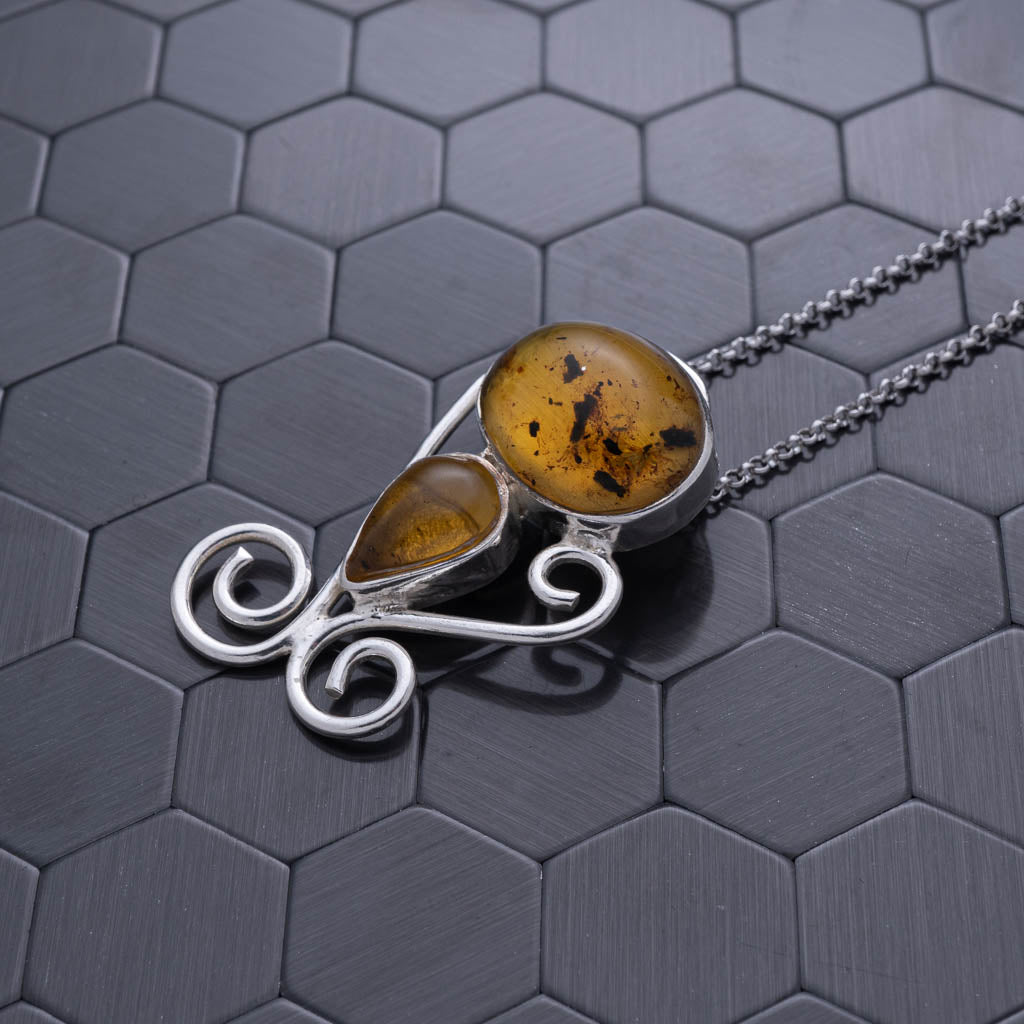
Pendants offer versatility that rings sometimes cannot match. A single pendant can transform multiple outfits, serving as both conversation starter and personal talisman. Statement pieces featuring bold gemstones or intricate metalwork anchor an ensemble, while delicate pendants provide subtle elegance suitable for professional settings.
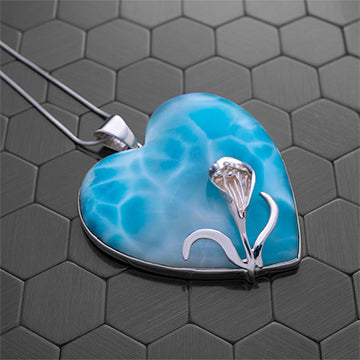
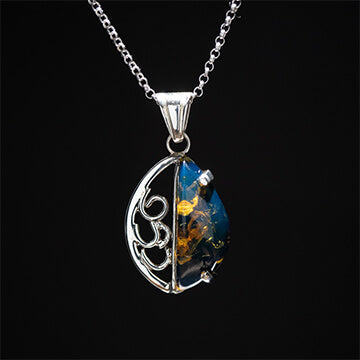
The beauty of Larimar gemstone pendants lies in their ability to evoke Caribbean waters while remaining sophisticated enough for any occasion. These pieces symbolize love, peace, and calmness, functioning as more than accessories-they tell stories of rare geological formation and artisan dedication.
Signet rings have served as personal seals and symbols of identity since ancient times. Originally pressed into wax to authenticate documents, these rings bore family crests, monograms, or personal symbols. Contemporary signet rings continue this tradition, allowing wearers to carry emblems of heritage, achievement, or affiliation.
Modern interpretations include:
Different cultures have developed distinct approaches to rings and pendants, reflecting unique values and aesthetic sensibilities.
Asian jewelry traditions often emphasize auspicious symbols and protective properties. Chinese jade pendants carved as dragons, phoenixes, or Buddha figures serve dual purposes as adornment and spiritual safeguards. Indian jewelry incorporates intricate filigree work and gemstone arrangements based on astrological principles, with specific stones believed to enhance particular life aspects.
Japanese minimalism influences contemporary pendant design through clean lines and negative space, while Korean traditions favor delicate metalwork and subtle gemstone accents. These Eastern approaches offer alternatives to Western maximalism, appealing to those seeking understated elegance.
Western jewelry design has evolved through numerous movements, from Victorian romanticism to Art Deco geometry to mid-century modernism. Contemporary Western rings and pendants often blend these historical influences with innovative materials and techniques.
Characteristics of Western jewelry design:
Collections from houses like La Maison Val D'or exemplify how traditional craftsmanship meets contemporary aesthetics, offering pieces that honor heritage while embracing modern sensibilities.
Matching jewelry to occasions requires understanding both the event's formality level and the message you wish to convey.
Workplace-appropriate rings and pendants share common characteristics:
A simple pendant on a delicate chain or a classic band ring maintains professionalism while allowing personal expression. Those in creative industries may embrace bolder pieces, while traditional corporate environments typically favor restraint.
Evening wear permits more dramatic jewelry choices. Cocktail rings featuring substantial gemstones create focal points, while statement pendants draw attention to necklines in formal gowns. The key lies in balance-if wearing a prominent pendant, consider simpler earrings and rings to avoid overwhelming the overall look.
| Occasion Type | Recommended Approach | Pieces to Consider |
|---|---|---|
| Black Tie | One statement piece | Large pendant OR cocktail ring |
| Cocktail Party | Moderate glamour | Gemstone ring with delicate pendant |
| Business Formal | Elegant restraint | Classic band with small pendant |
| Casual Evening | Personal expression | Mixed metals, textured designs |
Daily jewelry should withstand regular wear while providing consistent pleasure. Rings and pendants chosen for everyday use benefit from practical considerations beyond aesthetics. Hardness ratings of gemstones matter-softer stones like opals require more protective settings than diamonds or sapphires.
The unique properties of Larimar stone make it particularly suitable for pendants, where protective settings safeguard this rare pectolite mineral while showcasing its distinctive blue coloration. Understanding your gemstone's characteristics ensures appropriate care and longevity.
Modern jewelry consumers increasingly seek pieces reflecting individual stories rather than mass-produced designs. Rings and pendants offer numerous customization opportunities.
Personal messages, dates, coordinates, or symbols transform standard pieces into meaningful heirlooms. Inside ring bands provide private spaces for intimate inscriptions, while pendant backs accommodate longer texts or detailed imagery. Consider these popular engraving choices:
Working with skilled artisans allows complete creative control. The process typically involves initial consultations, sketches or CAD renderings, material selection, and iterative refinement before final production. Understanding the story behind gemstones enhances the custom design process, ensuring selected stones align with intended symbolism and aesthetic goals.
Custom design stages:
Beyond personal enjoyment, fine rings and pendants represent tangible assets potentially appreciating over time. Several factors determine investment potential.
Precious metals and gemstones carry inherent worth independent of their crafted form. Gold, platinum, and silver fluctuate with commodity markets, while rare gemstones from limited sources may appreciate as deposits deplete. Larimar's exclusive Dominican origin creates natural scarcity affecting long-term value.
Exceptional artisanship commands premiums beyond material costs. Hand-forged details, complex stone settings, and innovative designs justify higher prices while offering greater appreciation potential. Mass-produced pieces typically depreciate, while artisan-crafted rings and pendants may increase in value as makers gain recognition.
Authenticated pieces with clear origin stories and quality certifications maintain value more reliably than undocumented jewelry. Proper documentation includes:
| Document Type | Information Included | Purpose |
|---|---|---|
| Gemstone Certificate | Origin, treatment, characteristics | Verifies quality and authenticity |
| Appraisal | Current market value, detailed description | Insurance and estate planning |
| Maker's Mark | Artist signature or studio identifier | Establishes provenance |
| Purchase Receipt | Date, price, specifications | Ownership and value documentation |
Preserving the beauty and integrity of rings and pendants requires understanding proper care techniques tailored to specific materials.
Protect jewelry from damaging exposure:
Different gemstones require varying care levels. Harder stones like sapphires tolerate more wear than softer materials like pearls or turquoise. The general overview of rings as jewelry provides context for understanding how different ring styles withstand daily use.
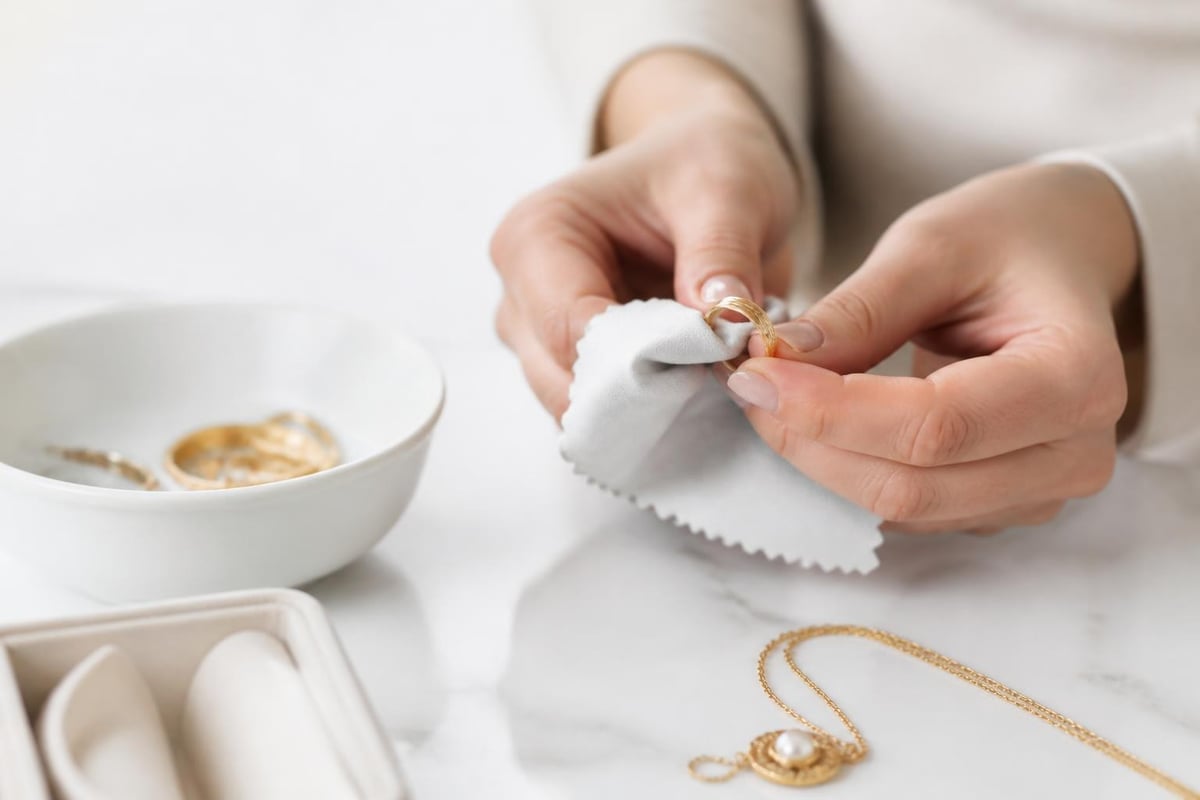
Regular cleaning maintains brilliance, but methods vary by material. Warm water with mild soap suffices for most pieces, using soft brushes to remove debris from crevices. Ultrasonic cleaners effectively clean certain jewelry but can damage others-emeralds, opals, and pearls require gentler approaches.
Professional services to schedule regularly:
Current movements in rings and pendants reflect broader cultural shifts toward sustainability, personalization, and meaningful consumption.
Consumers increasingly demand information about material origins and production conditions. Transparency regarding mining practices, artisan compensation, and environmental impact influences purchasing decisions. Jewelry makers responding to these concerns build trust and loyalty among conscientious buyers.
Traditional rules dictating single-metal wear have dissolved, with contemporary designs intentionally combining gold tones, silver, platinum, and alternative metals. This freedom allows greater versatility, as pieces complement diverse wardrobes without matching constraints.
Geometric precision gives way to flowing, natural shapes inspired by botanical forms, geological formations, and abstract art. These designs celebrate imperfection and uniqueness, appealing to those seeking alternatives to conventional symmetry. The natural variations in stones like Larimar complement this aesthetic perfectly, as no two pieces display identical patterning.
Single statement pieces yield to curated collections worn simultaneously. Ring stacking creates personalized combinations reflecting multiple aspects of identity, while pendant layering allows adjusting visual impact through addition or subtraction. This trend encourages building jewelry wardrobes over time rather than seeking complete solutions in individual purchases.
Choosing rings and pendants that genuinely resonate requires balancing multiple considerations beyond initial aesthetic appeal.
Understanding your authentic style prevents impulse purchases that languish unworn. Consider your existing wardrobe colors, typical outfit formality, and lifestyle activities. Someone in casual creative fields may embrace bold, artistic pieces, while corporate professionals might prefer refined classics.
Questions to guide selection:
Distinguishing superior craftsmanship from mediocre work requires examining specific details. Check clasps and closures for smooth operation and secure engagement. Inspect stone settings for evenness and security-all prongs should contact the stone at identical heights. Examine metal surfaces under magnification for tool marks, porosity, or incomplete polishing.
Reputable sources provide clear information about materials, construction methods, and care requirements. Explore various offerings at Larimar Creations to understand how quality materials and expert craftsmanship combine in finished pieces. Their commitment to authenticity ensures customers receive genuine gemstones crafted to exacting standards.
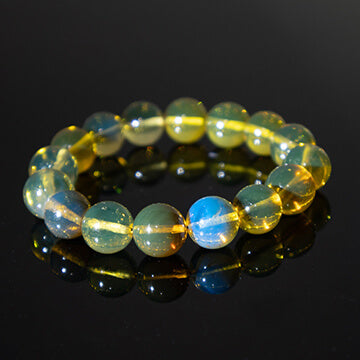
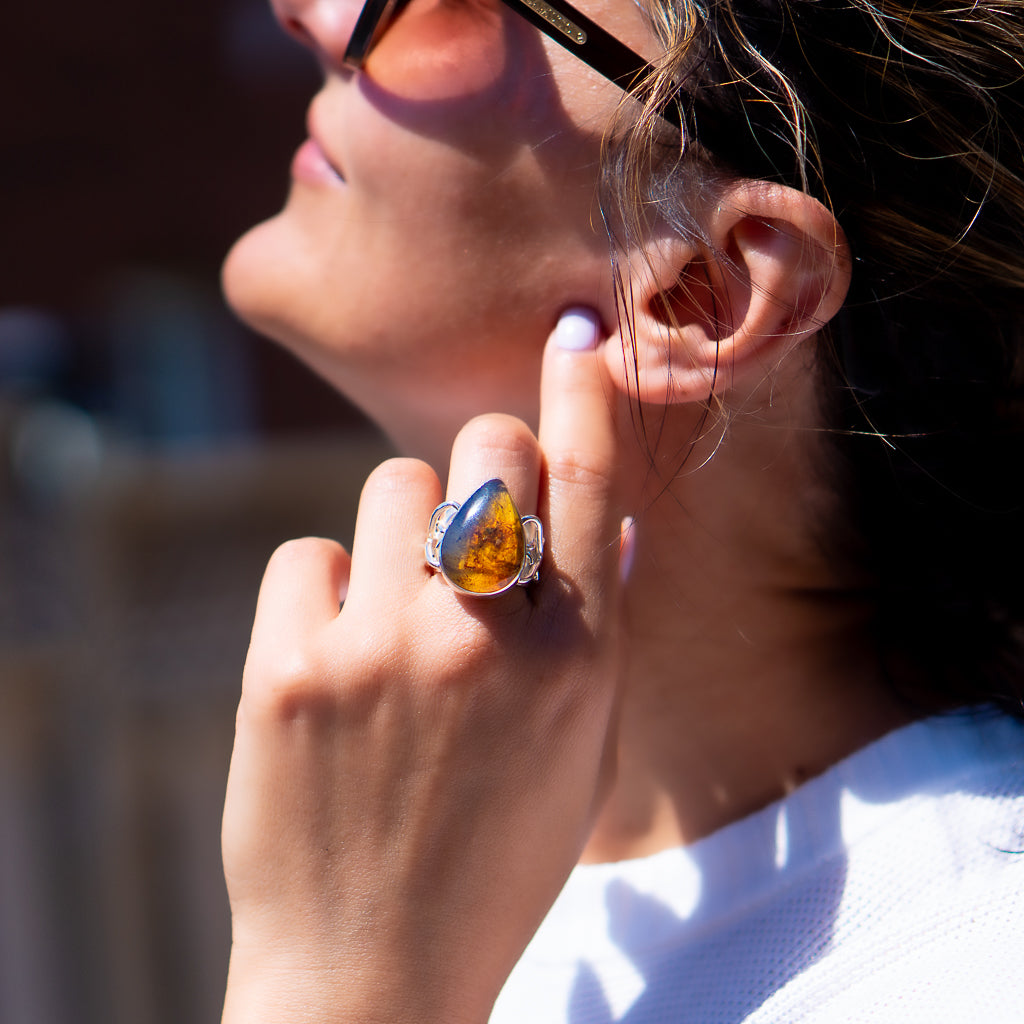
Rings and pendants represent far more than decorative accessories-they embody personal narratives, cultural heritage, and timeless human desire for beauty and meaning. Whether selecting engagement rings marking new beginnings, statement pendants expressing individual style, or heirloom pieces connecting generations, understanding these jewelry categories' rich history and design principles ensures choices that provide lasting satisfaction. Larimar Creations specializes in transforming rare Dominican gemstones into exquisite handcrafted jewelry, offering worldwide shipping so collectors everywhere can experience the unique beauty of Larimar and Dominican Blue Amber. Explore their curated collections to discover pieces that resonate with your personal story while celebrating exceptional craftsmanship and geological rarity.