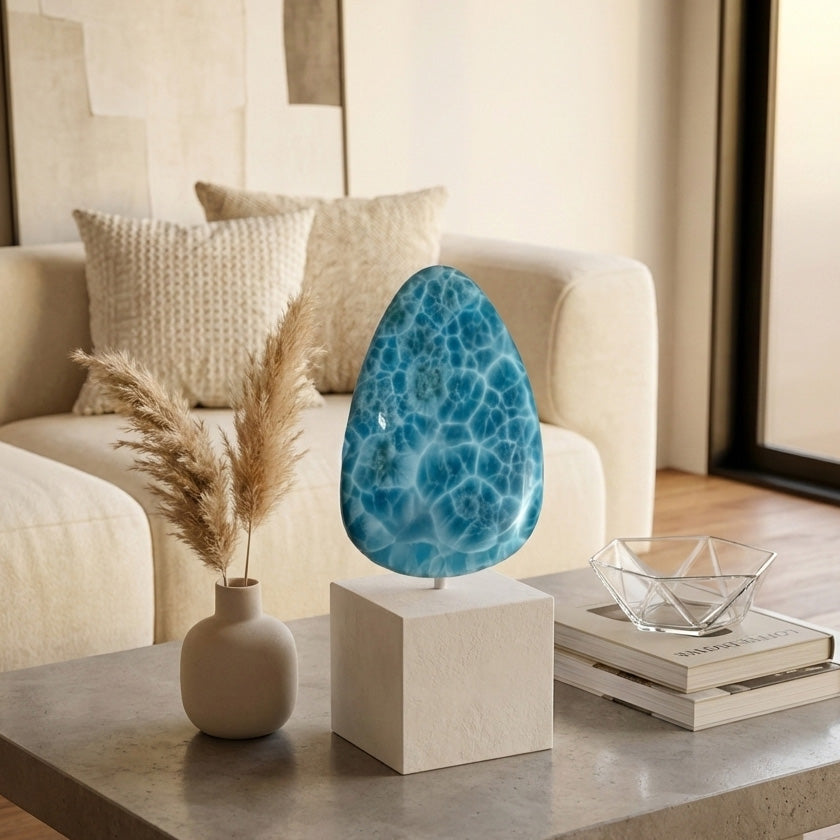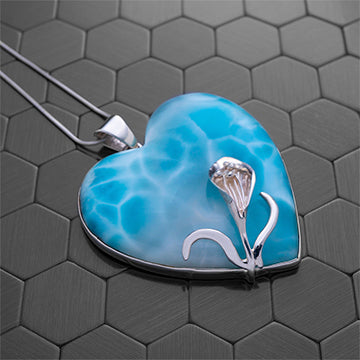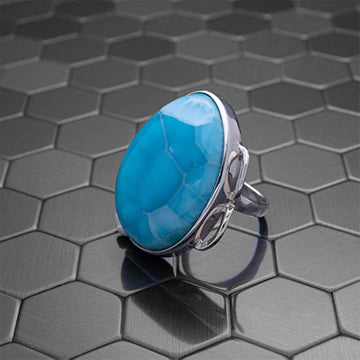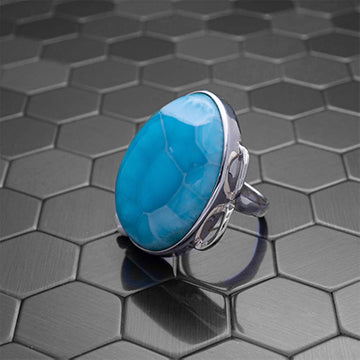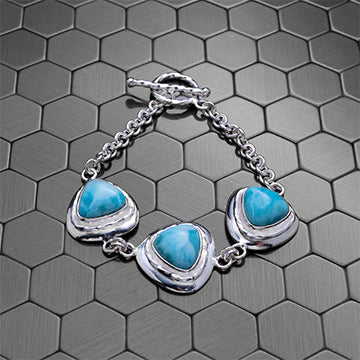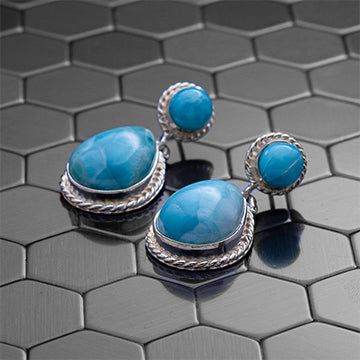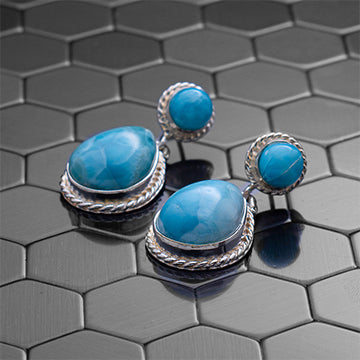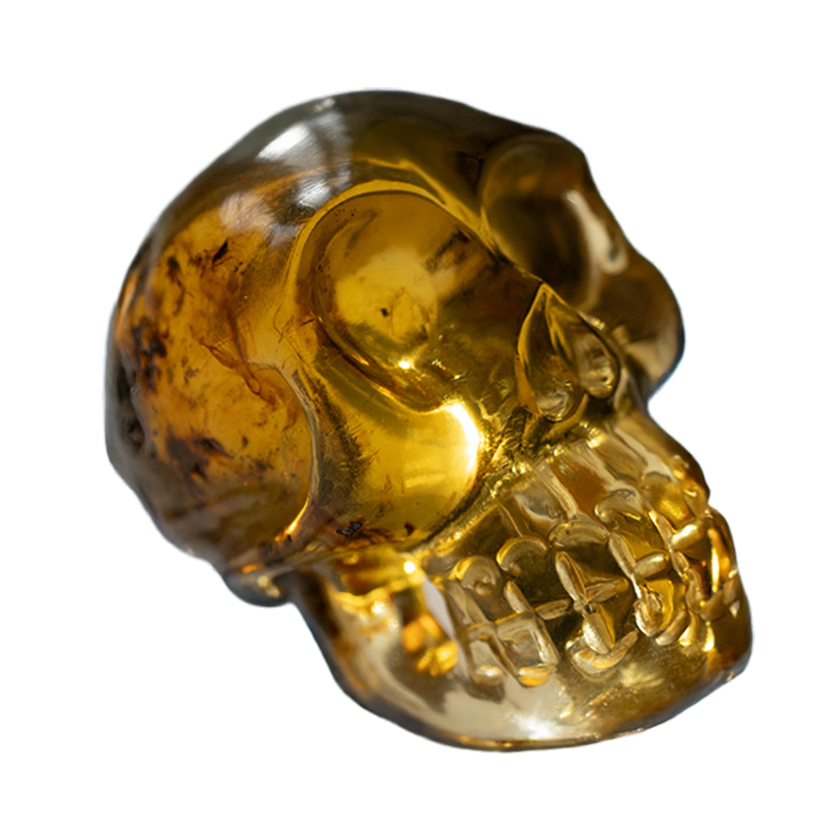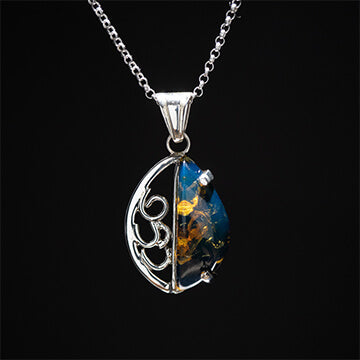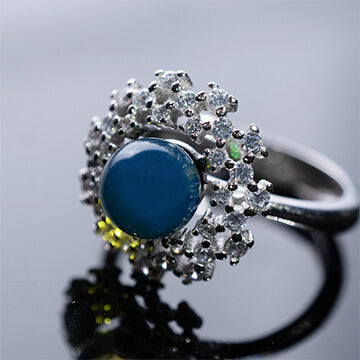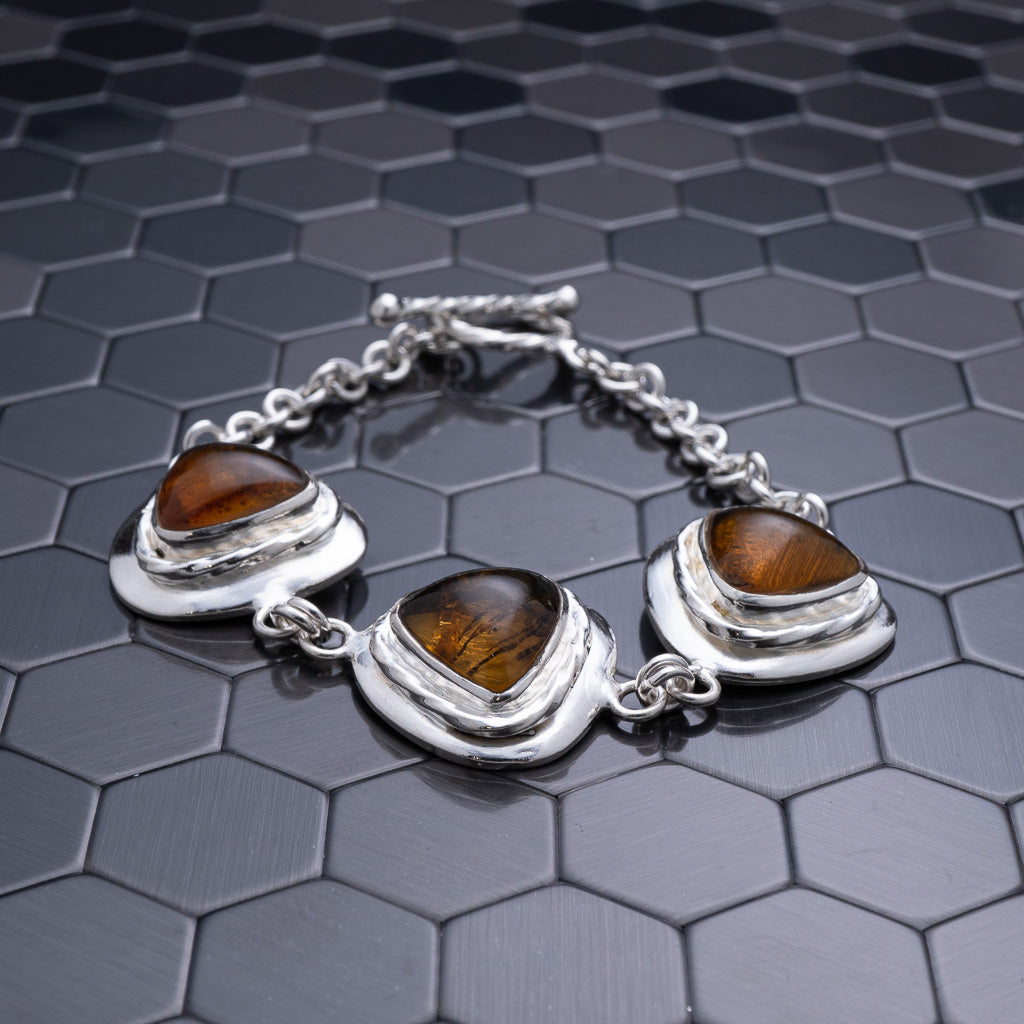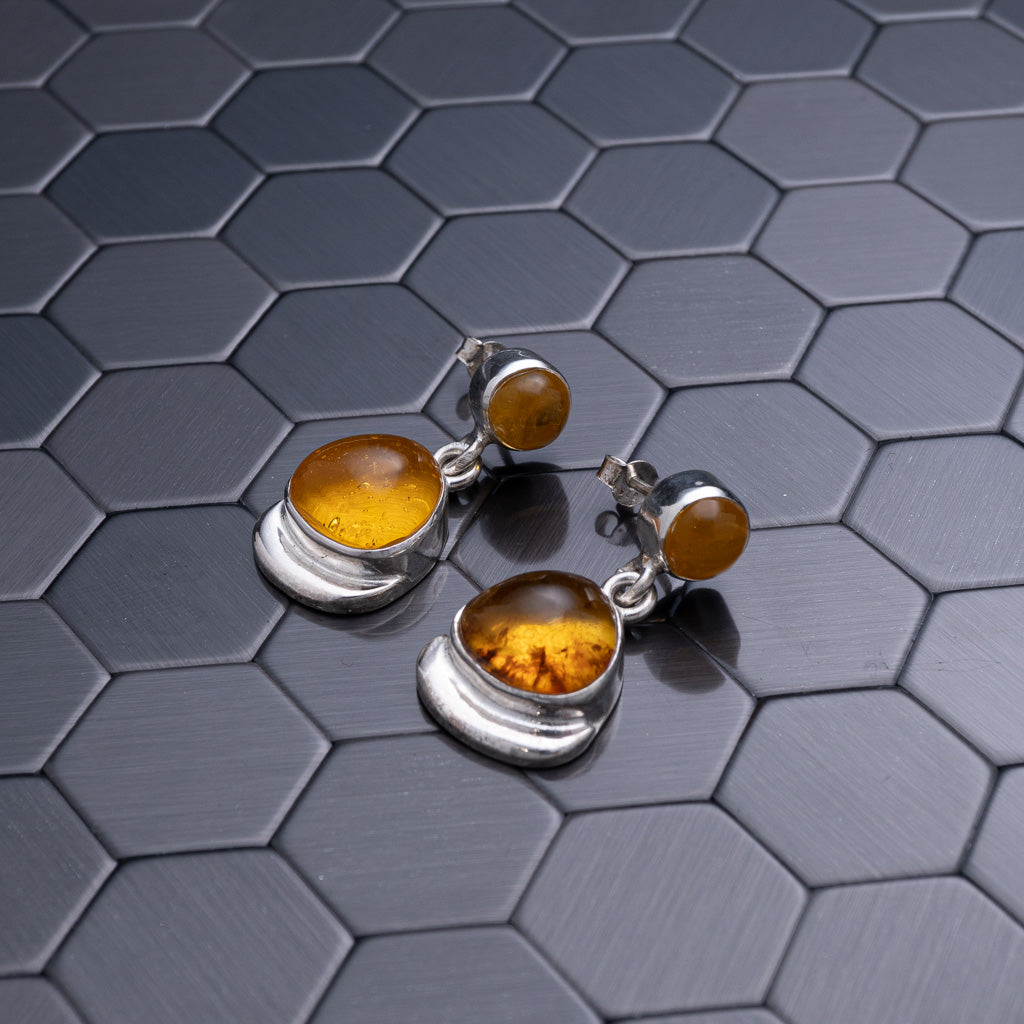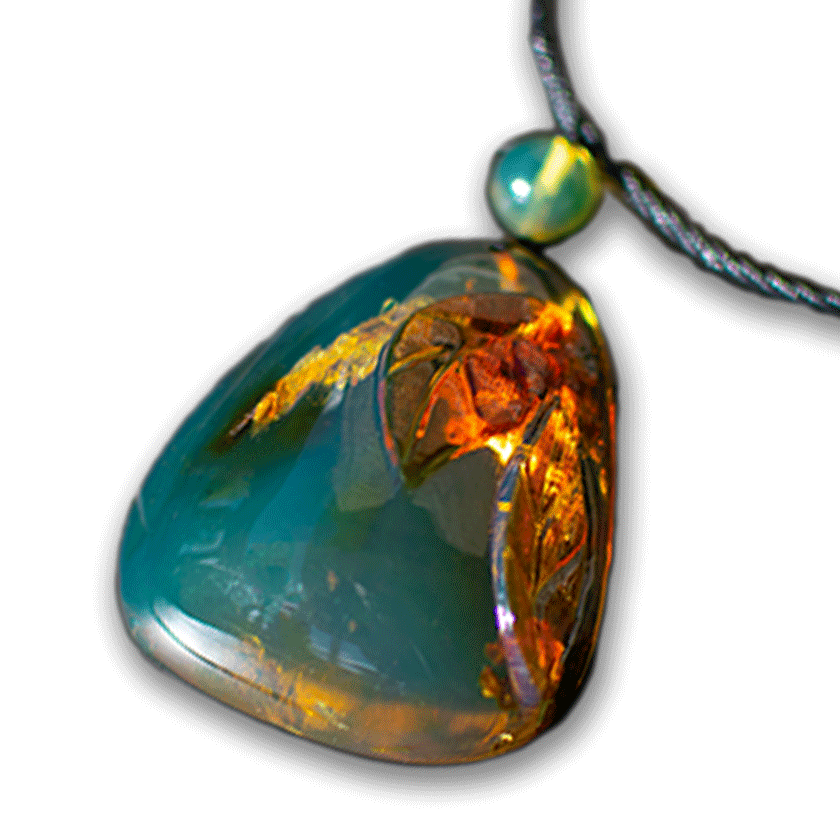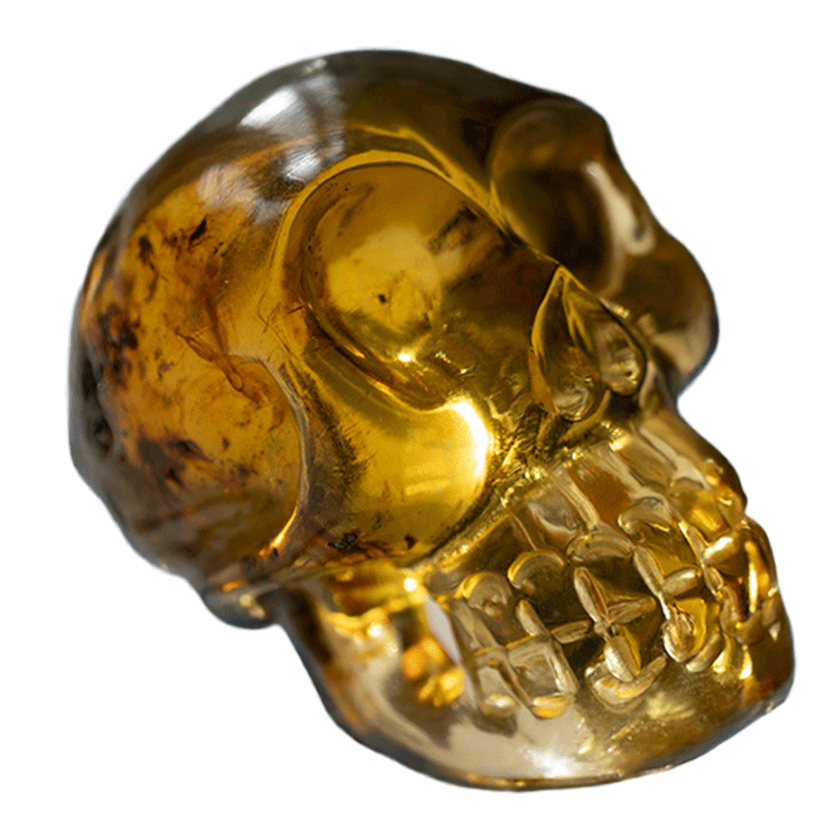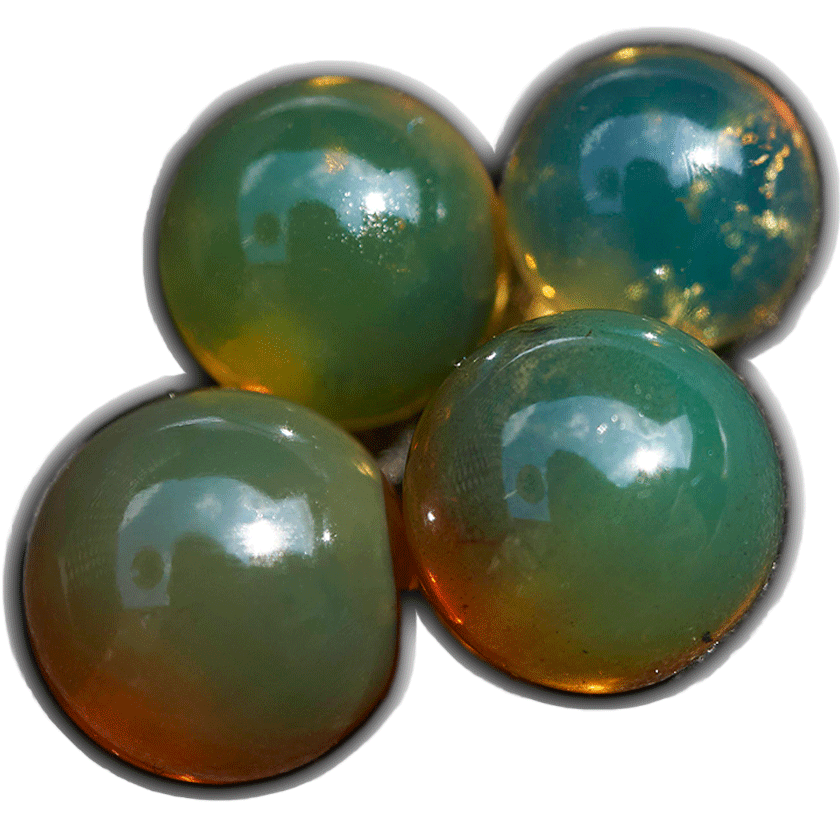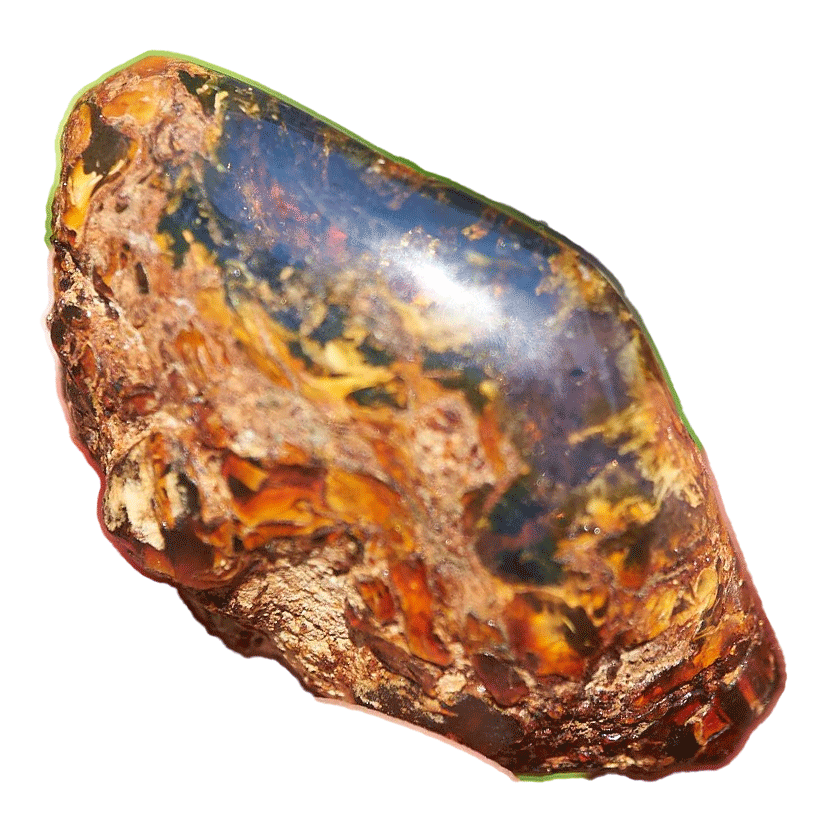


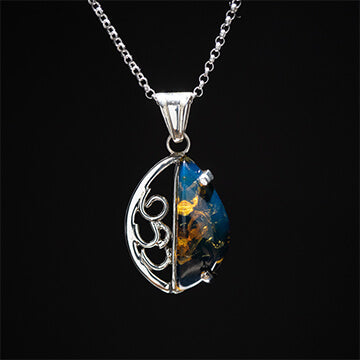
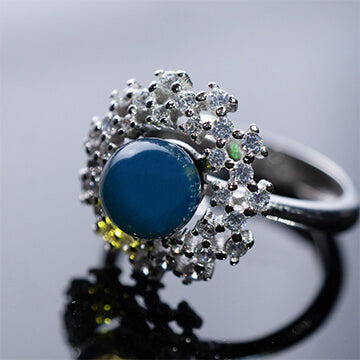
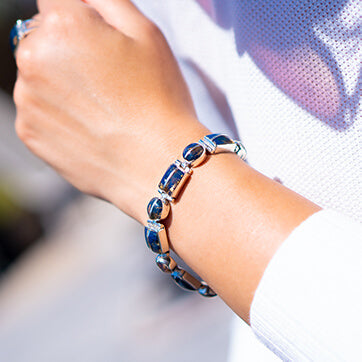
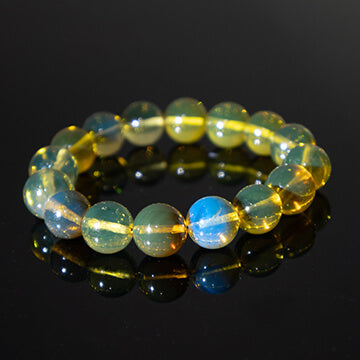
Handcrafted in DR.

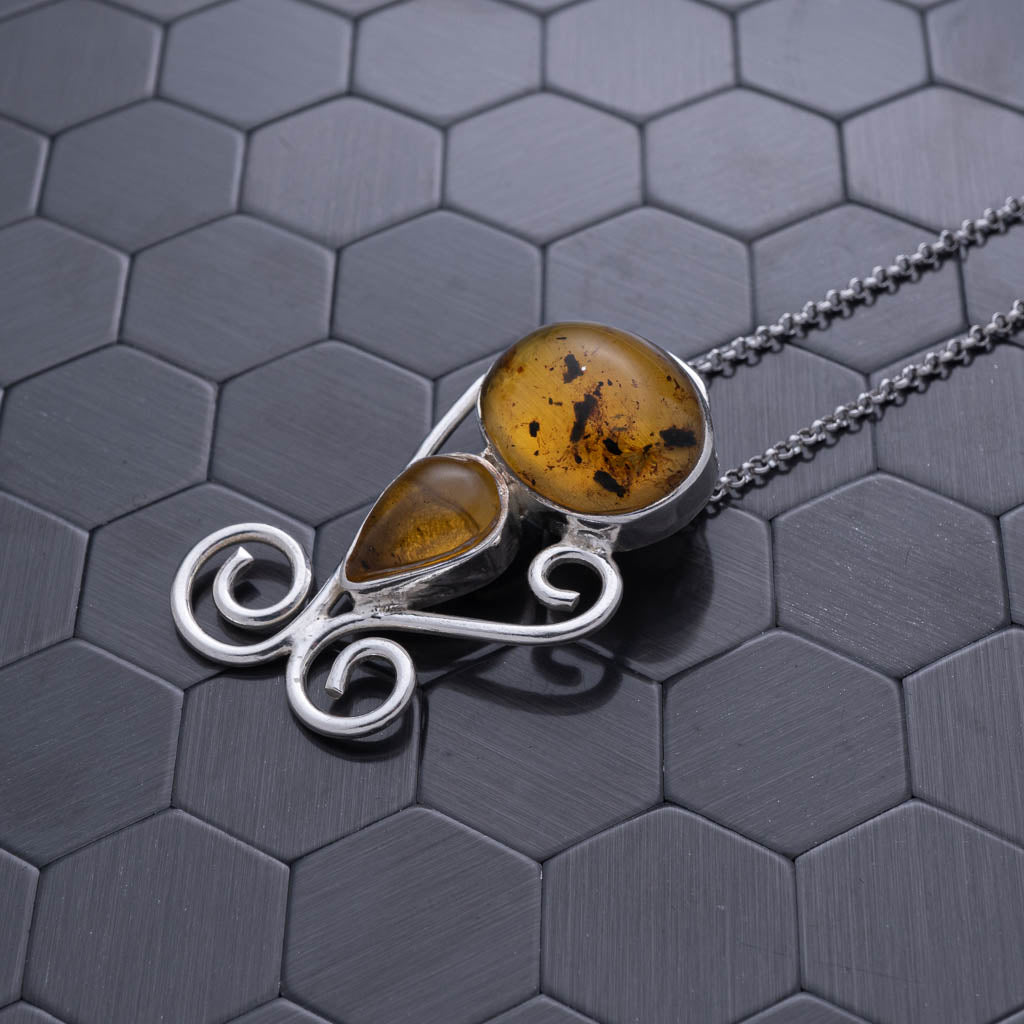
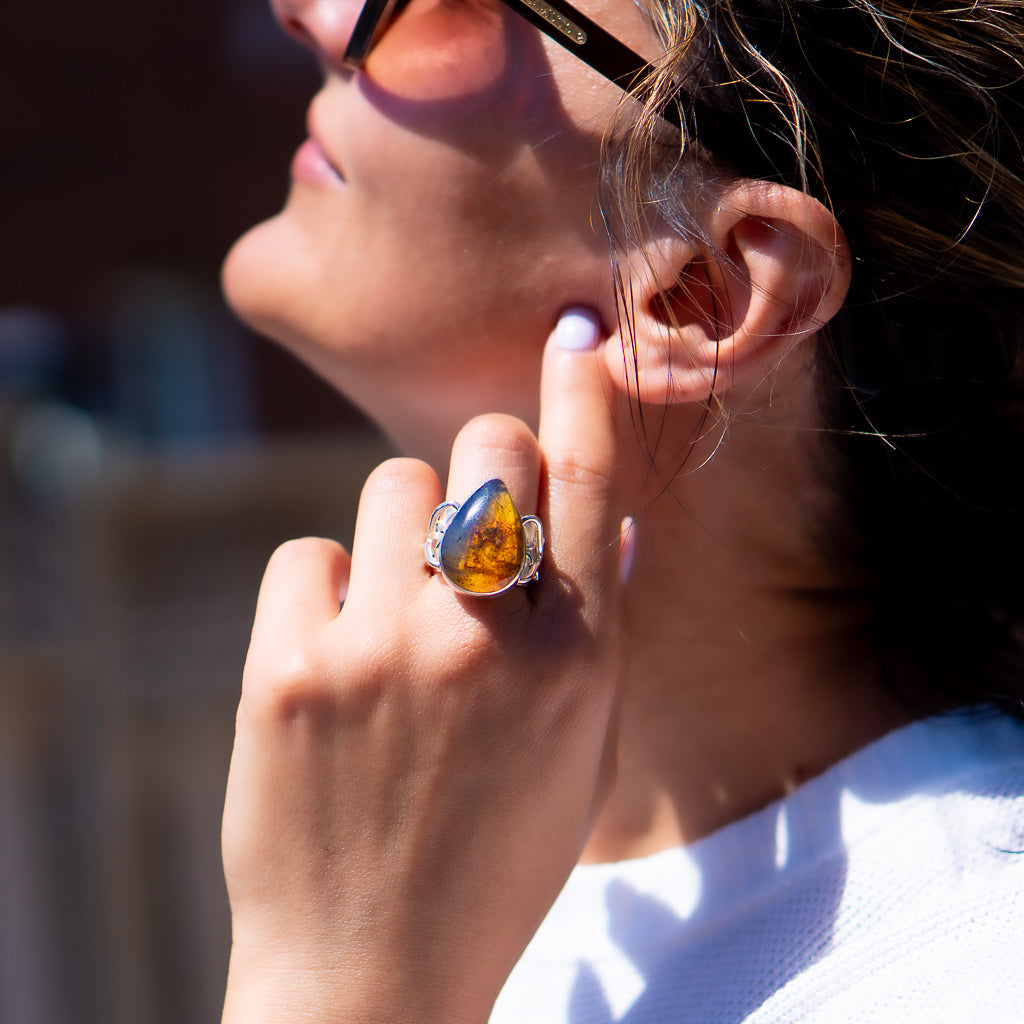
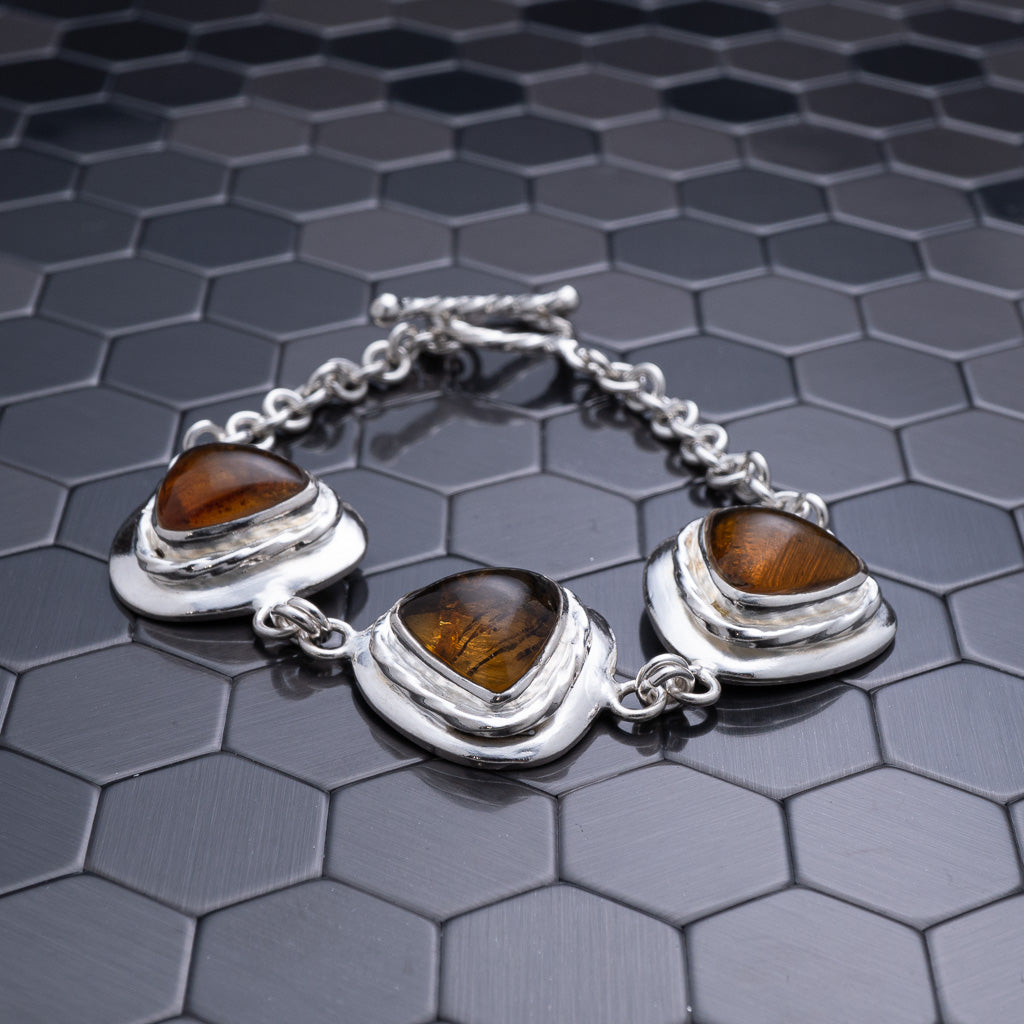
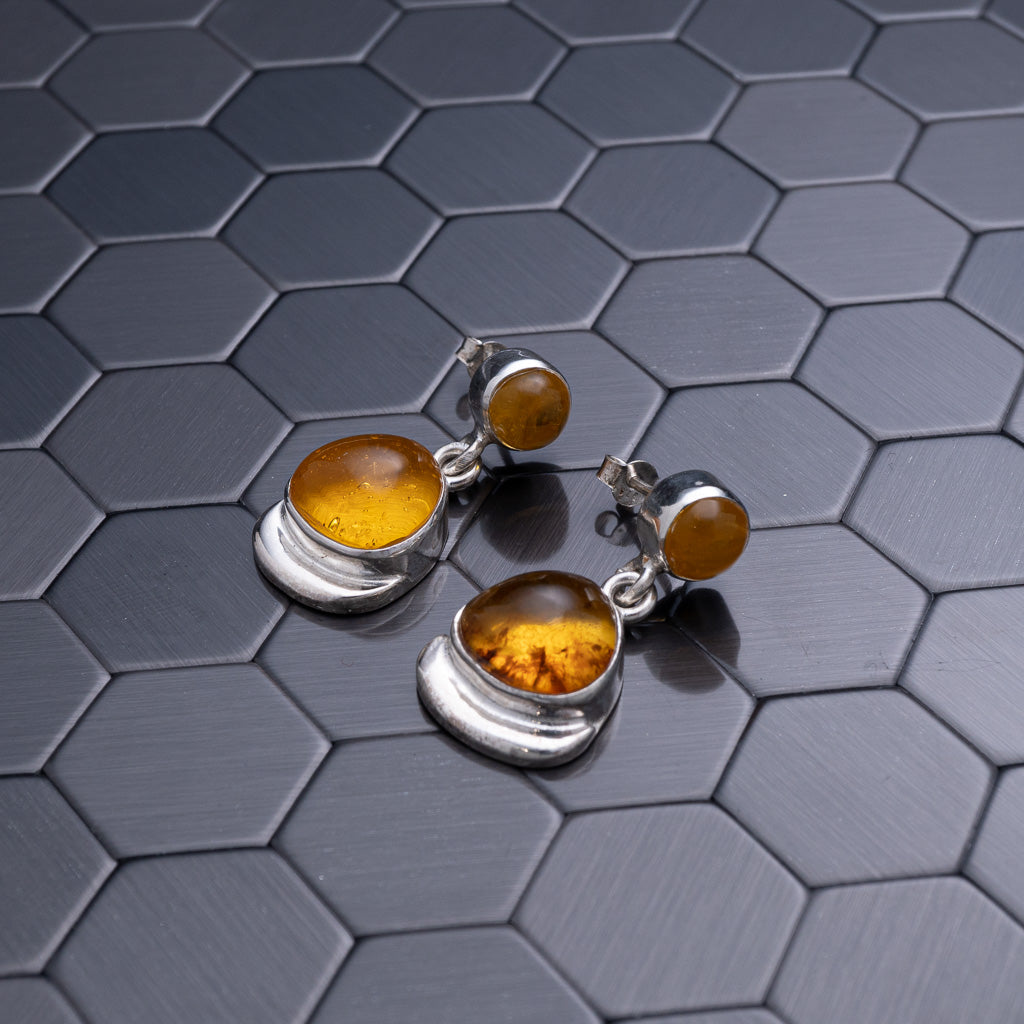


100% Handcrafted in DR.

The world of pendant green jewelry represents one of the most captivating segments in the gemstone market, combining timeless elegance with the refreshing vibrancy of nature's palette. Green gemstone pendants have surged in popularity as consumers seek distinctive alternatives to traditional diamond jewelry, with industry data showing sustained growth in colored stone demand throughout 2026. Whether you're drawn to the deep forest tones of emerald, the bright apple-green of peridot, or the serene jade hues, understanding the nuances of pendant green options helps you make informed decisions that balance aesthetic appeal, investment value, and ethical considerations.
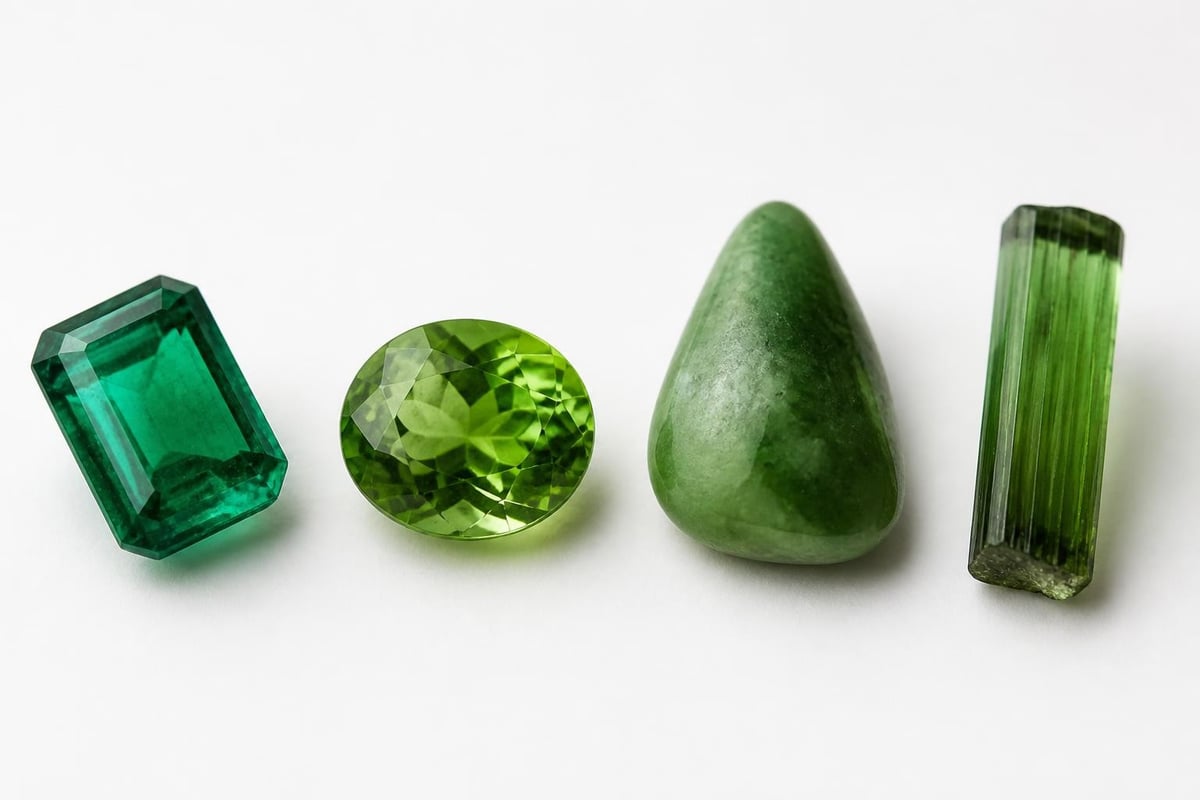
The term pendant green encompasses a remarkable diversity of gemstone materials, each with distinct mineralogical origins and visual characteristics. The U.S. Geological Survey identifies dozens of mineral species that produce green coloration, ranging from the beryl family (emerald and green beryl) to varieties of tourmaline, garnet, and jade.
Emerald stands as the most prestigious member of the pendant green family, commanding premium prices for fine specimens. This variety of beryl achieves its distinctive green through trace amounts of chromium and vanadium, as Geoscience Australia explains in their emerald overview. Colombian emeralds typically exhibit a bluish-green saturation, while Zambian stones lean toward deeper, slightly bluish tones.
Peridot offers a unique olive-green appearance that derives from iron content within the olivine mineral structure. Unlike emerald, peridot's color comes from the basic chemical composition rather than trace elements, meaning all peridot displays green coloration in varying intensities.
| Gemstone | Hardness (Mohs) | Typical Price Range | Color Characteristics |
|---|---|---|---|
| Emerald | 7.5-8 | $500-$50,000+/carat | Vivid bluish-green to pure green |
| Peridot | 6.5-7 | $50-$500/carat | Olive to lime green |
| Jade (Jadeite) | 6.5-7 | $100-$10,000+/carat | Apple green to deep emerald |
| Jade (Nephrite) | 6-6.5 | $10-$500/carat | Spinach to dark green |
| Green Tourmaline | 7-7.5 | $100-$2,000/carat | Mint to forest green |
| Tsavorite Garnet | 7-7.5 | $300-$8,000/carat | Brilliant yellowish to bluish green |
The diversity within pendant green options allows consumers at every budget level to access the verdant beauty that green gemstones provide. Understanding these distinctions proves essential when evaluating quality and value.
Assessing pendant green jewelry requires a systematic approach to grading that considers multiple quality dimensions beyond simple visual appeal. Professional gemologists evaluate green gemstone pendants using standardized criteria that determine both aesthetic merit and market value.
Color represents the most critical value factor for pendant green pieces. The ideal green gemstone displays vivid saturation without appearing too dark (which reduces brilliance) or too light (which appears washed out). Medium to medium-dark tones with strong saturation command premium prices across all green gemstone categories.
Clarity expectations vary dramatically across different pendant green gemstone types. Emeralds almost always contain visible inclusions (termed "jardin" or garden), and eye-clean specimens command extraordinary premiums. Conversely, peridot and tsavorite garnet typically offer better clarity at accessible price points.
Inclusion tolerance by gemstone type:
The relationship between clarity and value differs significantly from colorless diamonds, where clarity plays a more dominant role in pricing hierarchies.
Current market dynamics reveal strong consumer enthusiasm for pendant green designs, driven by sustainability consciousness and desire for distinctive self-expression. Industry trend analysis from JCK Online highlights the rising popularity of softer green tones, including pistachio and sage shades, particularly among younger luxury consumers.
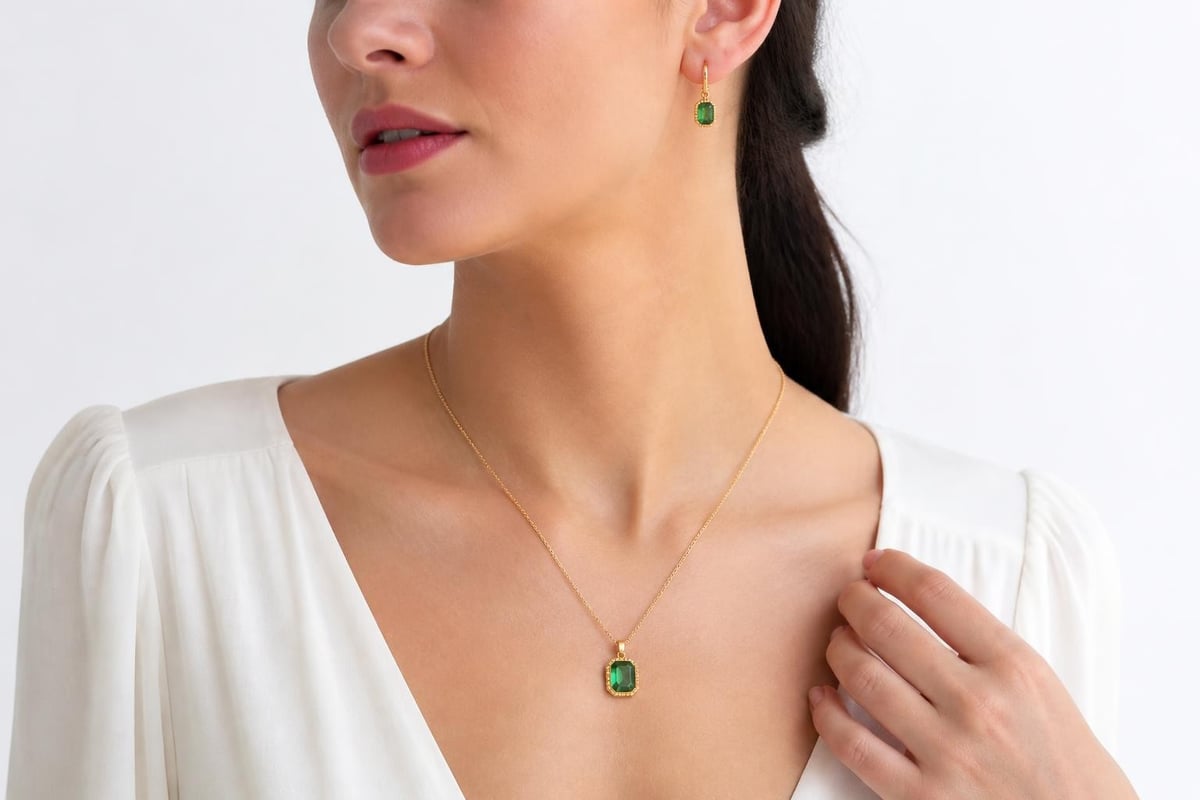
Modern pendant green jewelry reflects evolving aesthetic sensibilities that balance traditional elegance with contemporary minimalism. Designers increasingly favor bezel and half-bezel settings that protect softer green gemstones while creating sleek, modern silhouettes.
Popular pendant green design elements in 2026:
The versatility of pendant green pieces extends their appeal across formal and casual contexts, making them practical investments for daily wear rather than special-occasion-only jewelry.
High-quality pendant green jewelry, particularly emeralds and fine jadeite jade, demonstrates strong value retention and appreciation potential. Market data from the Gem & Jewellery Export Promotion Council indicates sustained growth in colored gemstone trade throughout 2025 and into 2026, with green stones maintaining particularly robust demand.
Investment-grade pendant green pieces should meet specific criteria:
While not every pendant green purchase needs investment-grade quality, understanding these benchmarks helps consumers recognize exceptional value when encountered.
The provenance of pendant green gemstones carries increasing importance as consumers demand transparency regarding environmental impact and labor conditions. The Responsible Jewellery Council's 2024 Code of Practices establishes comprehensive standards for ethical sourcing, covering everything from mining practices to supply chain traceability.
Understanding where pendant green gemstones originate and how they reach retailers helps consumers align purchases with personal values. CIBJO's special report on ethical coloured-stone supply chains identifies practical challenges and emerging solutions for improving traceability across the complex global gemstone trade network.
Key questions to ask when purchasing pendant green jewelry:
Reputable jewelers increasingly recognize that transparency builds trust and customer loyalty, making them more willing to share detailed sourcing information.
Different pendant green gemstones carry varying environmental footprints based on mining methods, geographic origin, and processing requirements. Small-scale artisanal mining operations often produce lower environmental impact than large industrial operations, though this varies significantly by location and specific practices.
Relative environmental considerations by gemstone:
| Gemstone Type | Mining Impact | Processing Intensity | Sustainability Notes |
|---|---|---|---|
| Emerald | Moderate-High | Moderate | Often from large-scale mining; some artisanal sources available |
| Peridot | Low-Moderate | Low | Often surface mining; relatively abundant |
| Jade | Moderate | Moderate | Artisanal mining common; sustainability varies by region |
| Green Tourmaline | Low-Moderate | Low-Moderate | Frequently from small-scale operations |
Consumers seeking the most environmentally responsible pendant green options should prioritize suppliers who can document sustainable mining practices and support for mining communities. While Larimar Creations specializes in the distinctive blue hues of larimar and Dominican blue amber, their commitment to ethical practices and artisan craftsmanship reflects the broader industry movement toward responsible sourcing that extends across all gemstone jewelry categories.
The versatility of pendant green pieces makes them remarkably adaptable across diverse wardrobes and occasions. Understanding color theory and proportion helps maximize the visual impact of these beautiful gemstones.
Green occupies a central position on the color wheel, creating natural harmony with both warm and cool tones. This flexibility makes pendant green jewelry exceptionally wearable across seasonal color palettes.
Complementary color pairings:
The specific green hue guides optimal color coordination. Bluish-green emeralds pair beautifully with cool silvers and blues, while warmer olive peridot tones harmonize with gold metals and earth tones.
The chain supporting pendant green jewelry significantly influences overall presentation and wearability. Proper length ensures the gemstone rests at the most flattering position while the chain style complements the pendant's design aesthetic.
Standard pendant chain lengths:
Chain thickness should balance with pendant size. Delicate 1-2mm chains suit smaller pendant green pieces (under 1 carat), while substantial 3-4mm chains better support larger gemstones and heavier settings.
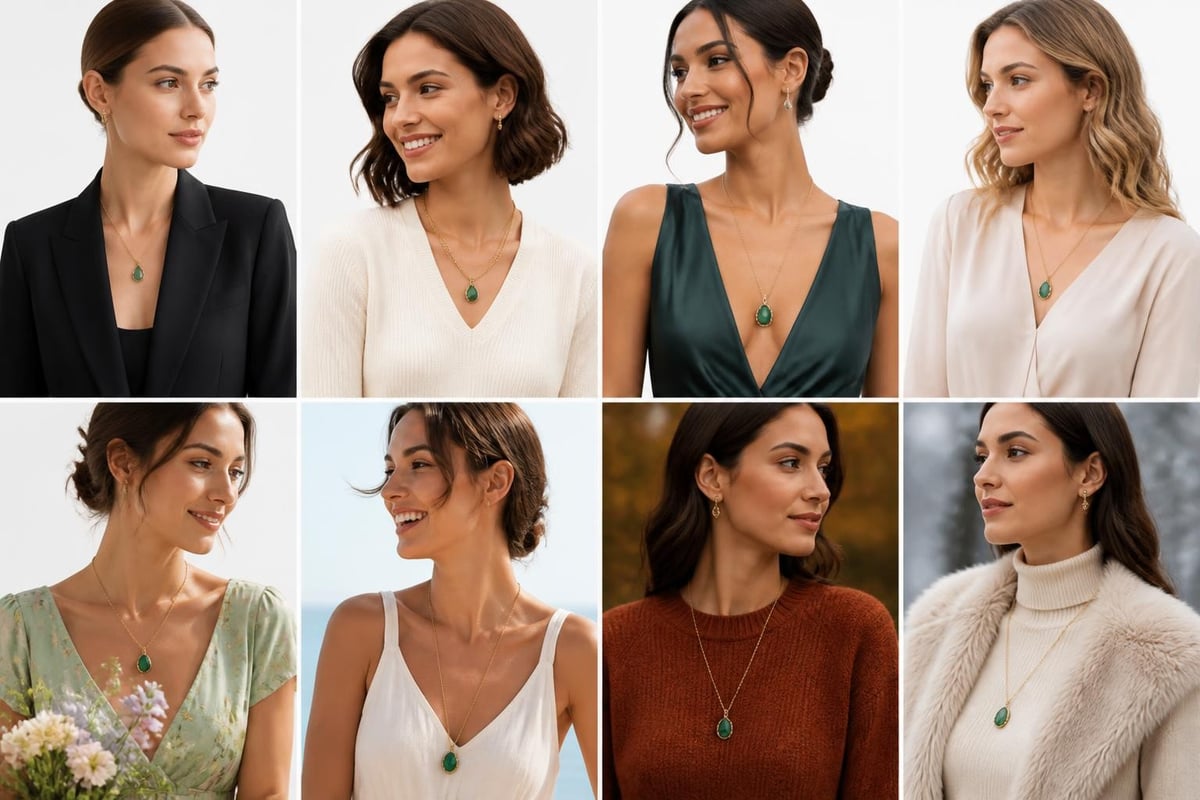
Preserving the beauty of pendant green gemstones requires understanding each stone's specific vulnerabilities and appropriate care protocols. Hardness, porosity, and chemical sensitivity vary significantly across green gemstone types.
Even durable pendant green gemstones benefit from mindful wear habits that minimize exposure to potential damage sources. Remove pendant green jewelry during high-risk activities to extend its beauty and structural integrity.
Activities requiring pendant green removal:
Creating a consistent routine of removing pendant green pieces before these activities becomes second nature and prevents most accidental damage.
Appropriate cleaning techniques depend entirely on the specific pendant green gemstone type, as methods safe for one material may damage another. Always identify your gemstone before attempting cleaning beyond gentle wiping.
Safe cleaning approaches:
Professional cleaning services offered by jewelers provide deep cleaning while checking prongs, settings, and overall structural integrity. Annual professional maintenance catches developing problems before they result in gemstone loss.
For pendant enthusiasts interested in other distinctive gemstones, Larimar Pendants offer a unique Caribbean-blue alternative that requires similar gentle care approaches to preserve their natural beauty and lustrous finish.
Documentation from recognized gemological laboratories provides essential verification of pendant green authenticity, treatment status, and quality characteristics. Understanding certification standards helps consumers make informed purchasing decisions.
Several international laboratories offer respected certification services for pendant green gemstones. Their reports provide independent verification of gemstone identity and quality parameters.
Leading certification sources:
Certification costs typically range from $75 to $500 depending on gemstone size, laboratory chosen, and report detail level. For pendant green pieces valued above $2,000, certification provides valuable documentation for insurance purposes and resale consideration.
Most pendant green gemstones undergo enhancement treatments considered standard industry practice. Full disclosure of these treatments represents ethical selling practice and affects valuation significantly.
| Treatment Type | Permanence | Market Acceptance | Value Impact |
|---|---|---|---|
| Emerald oiling/resin | Temporary-Stable | Standard practice | Minimal if minor |
| Heat treatment | Permanent | Widely accepted | Moderate |
| Irradiation | Permanent | Generally accepted | Moderate |
| Dyeing | Temporary | Disclosure critical | Significant negative |
| Diffusion | Permanent | Controversial | Major negative |
Untreated pendant green gemstones command significant premiums when quality merits natural status. However, treated stones offer accessible beauty at lower price points, provided treatments receive proper disclosure.
Collectors and investors seeking pendant green pieces as appreciating assets should apply rigorous quality standards and strategic acquisition approaches. Not all pendant green jewelry qualifies as investment-grade, even at premium price points.
Origin significance: Certain geographic sources command premiums based on historical reputation and current production levels. Colombian emeralds, Burmese jade, and Kashmir green garnets (rare tsavorite) carry origin premiums reflecting their prestige.
Size thresholds: Investment consideration generally begins at meaningful carat weights - 2+ carats for emerald, 5+ carats for peridot, 3+ carats for tsavorite. Larger sizes in fine quality become exponentially rarer and more valuable.
Color excellence: Only the top 5-10% of production in color quality merits investment consideration. Vivid saturation, ideal tone, and pure hue separate investment stones from commercial quality.
Provenance documentation: Complete certification from top laboratories, purchase receipts from established dealers, and any historical significance documentation enhance investment value and facilitate eventual resale.
The pendant green investment market rewards patience and selectivity. Rushed purchases rarely identify the exceptional quality needed for strong appreciation potential.
Pendant green jewelry offers remarkable diversity in gemstone options, design possibilities, and price ranges, allowing every jewelry enthusiast to find pieces that resonate with their personal aesthetic and values. From understanding quality factors and ethical sourcing to proper care and investment considerations, informed consumers can select pendant green pieces that deliver lasting beauty and satisfaction. Whether you're drawn to the vibrant hues of emerald and peridot or exploring other distinctive gemstones like the rare larimar and Dominican blue amber, Larimar Creations provides expertly crafted pendants with worldwide shipping, commitment to authenticity, and exceptional artisan quality that transforms natural gemstones into treasured jewelry pieces.