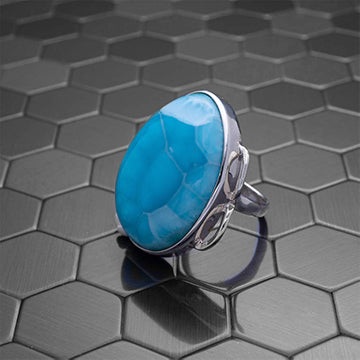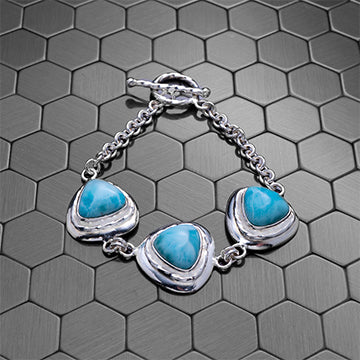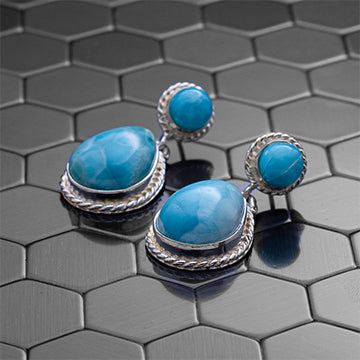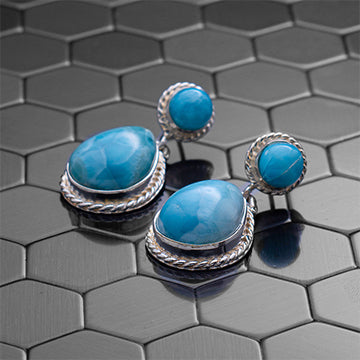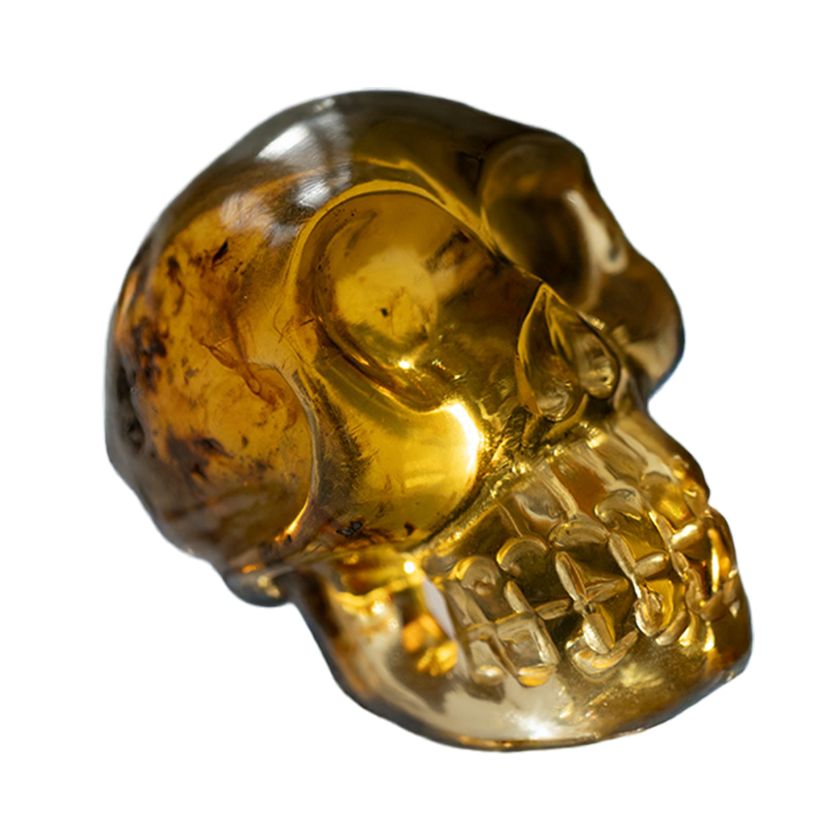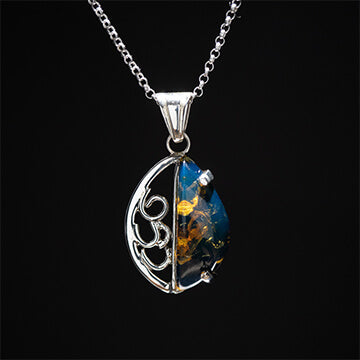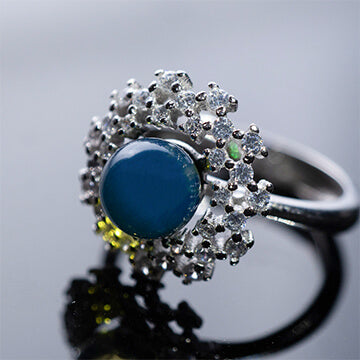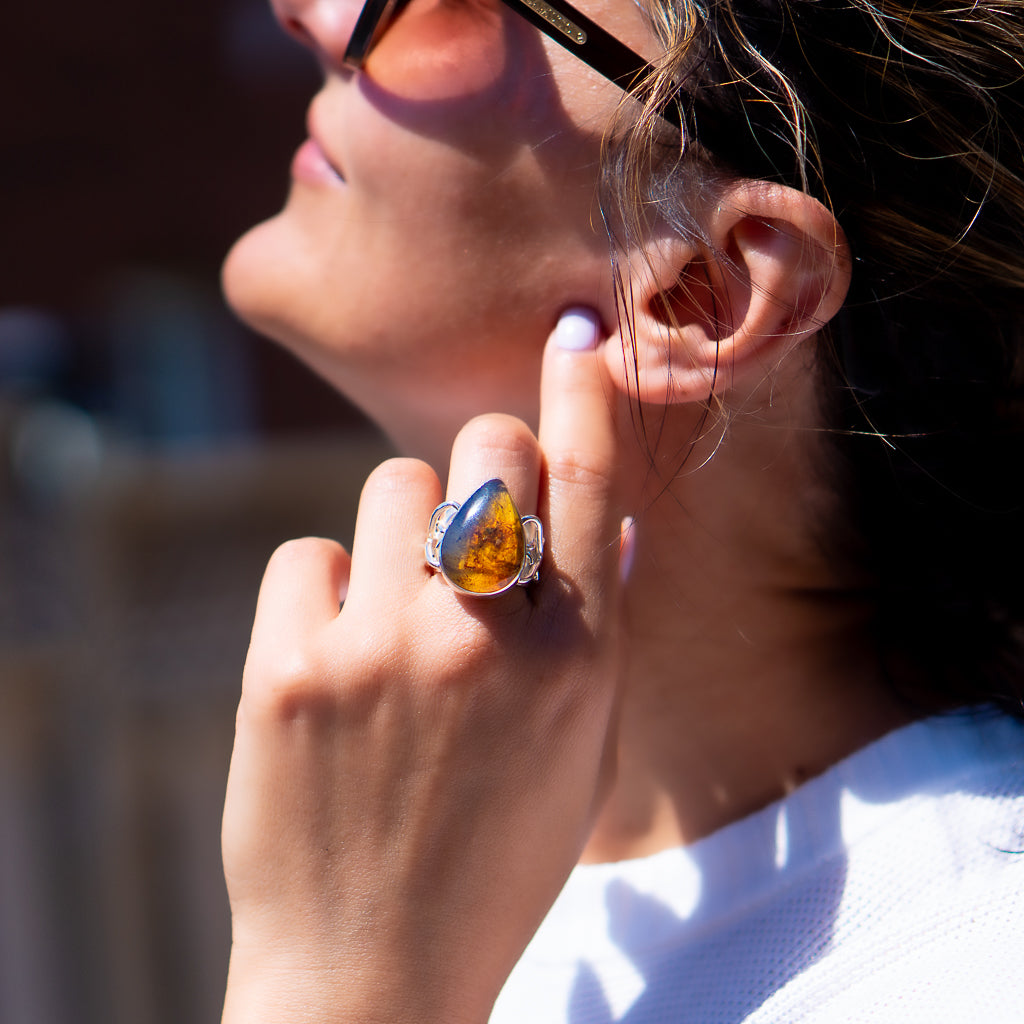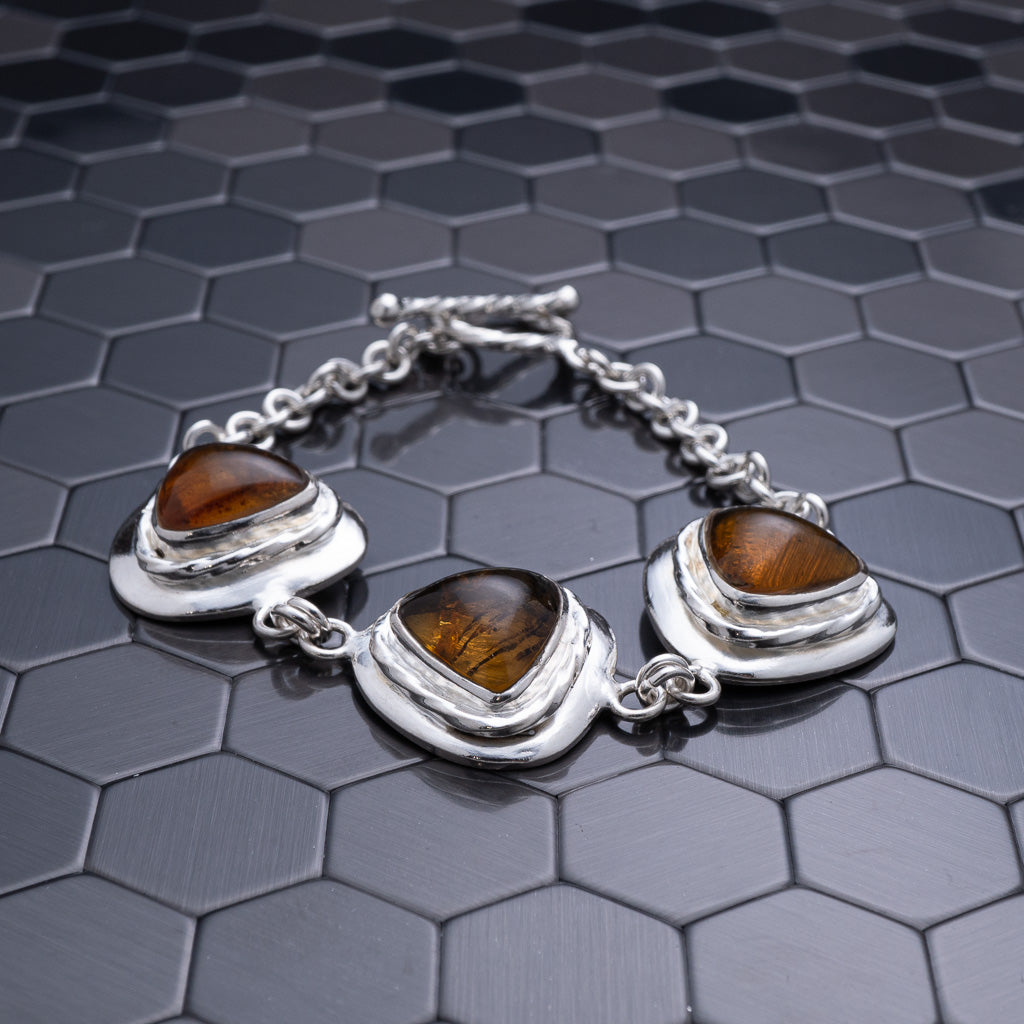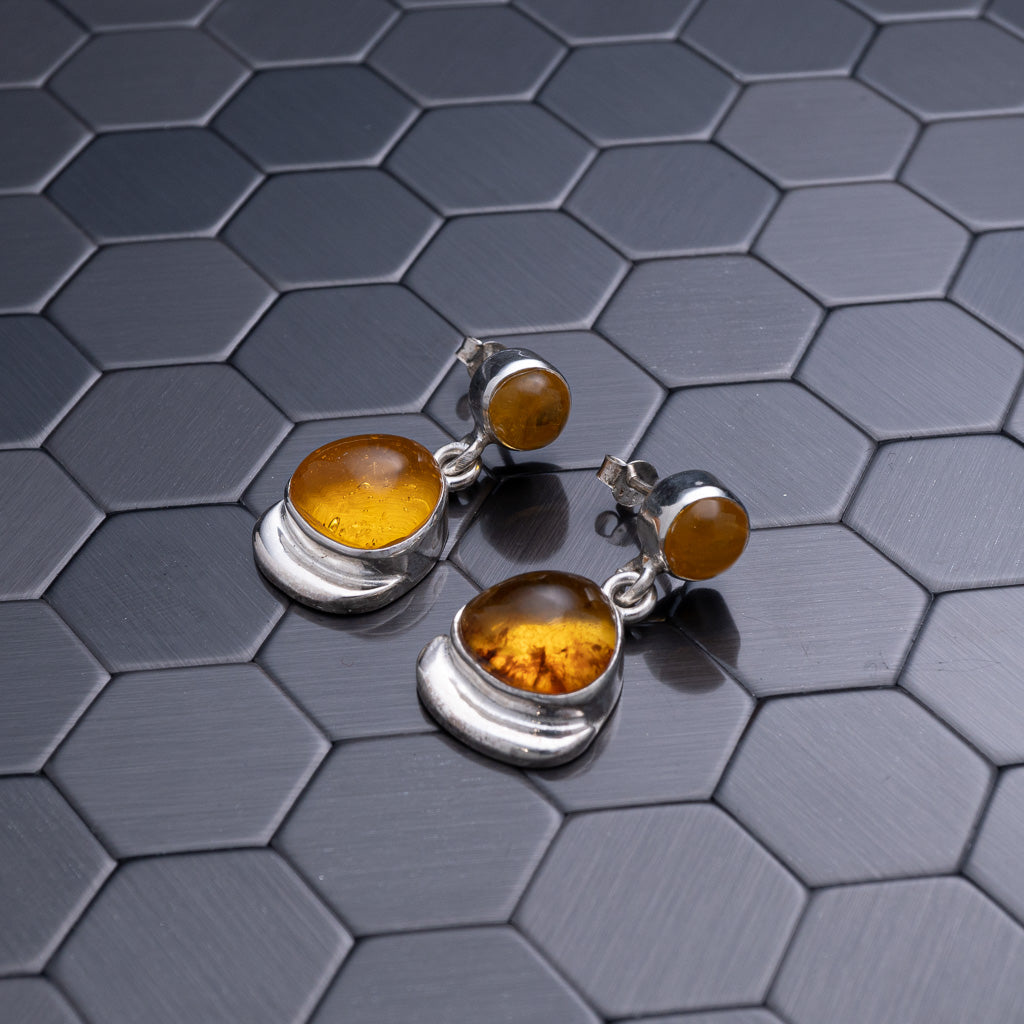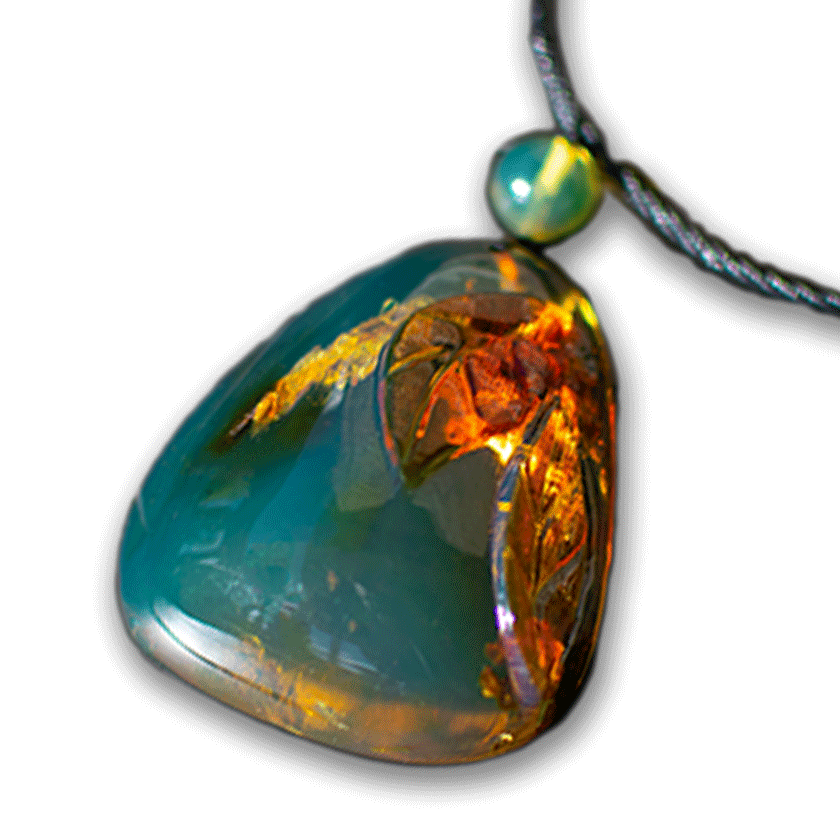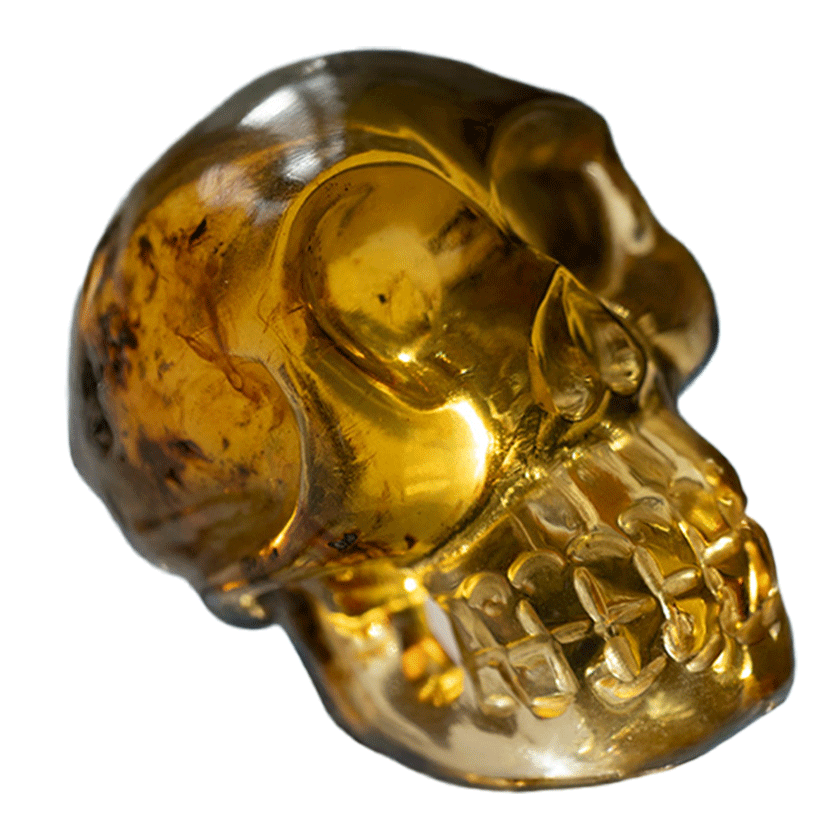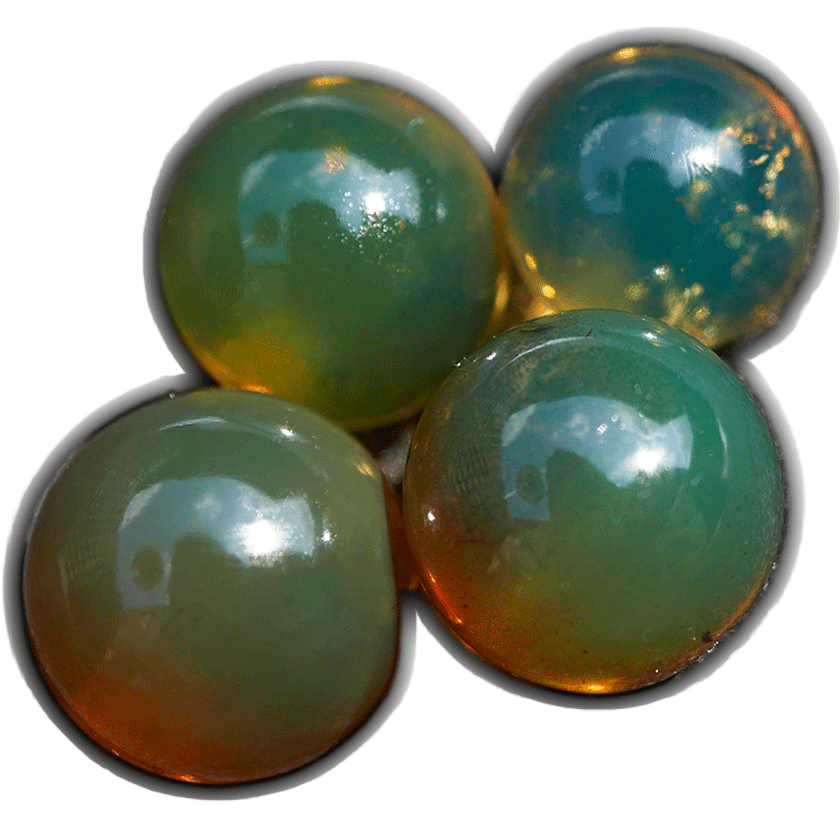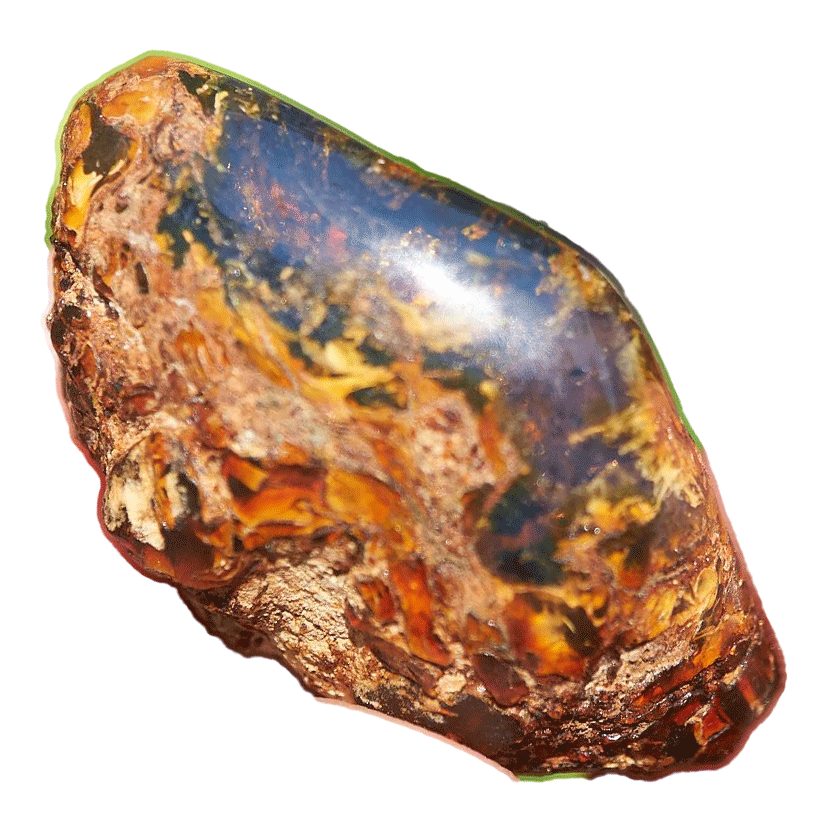


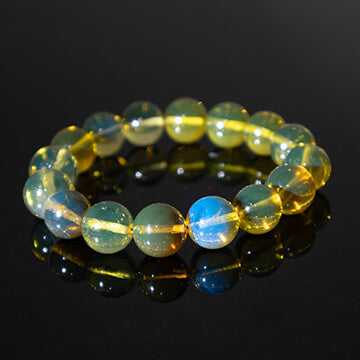
Handcrafted in DR.

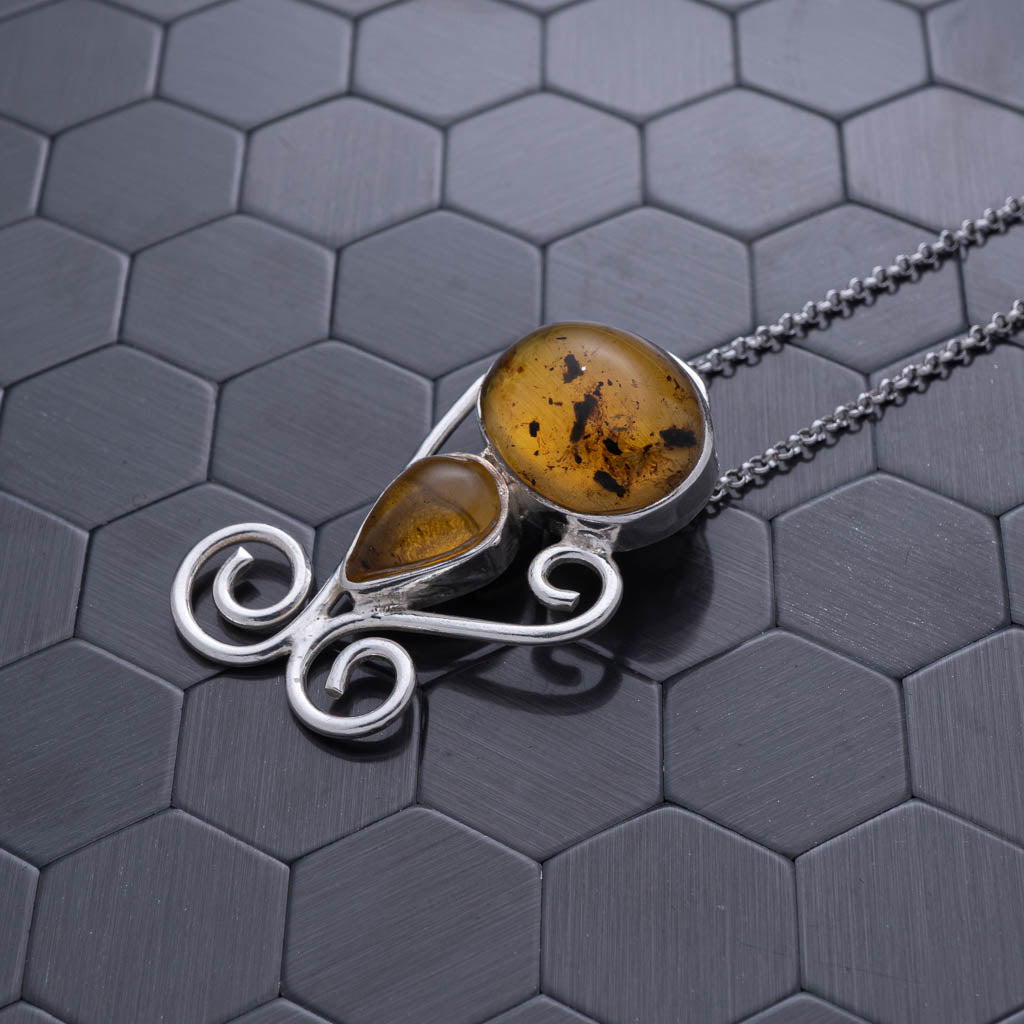
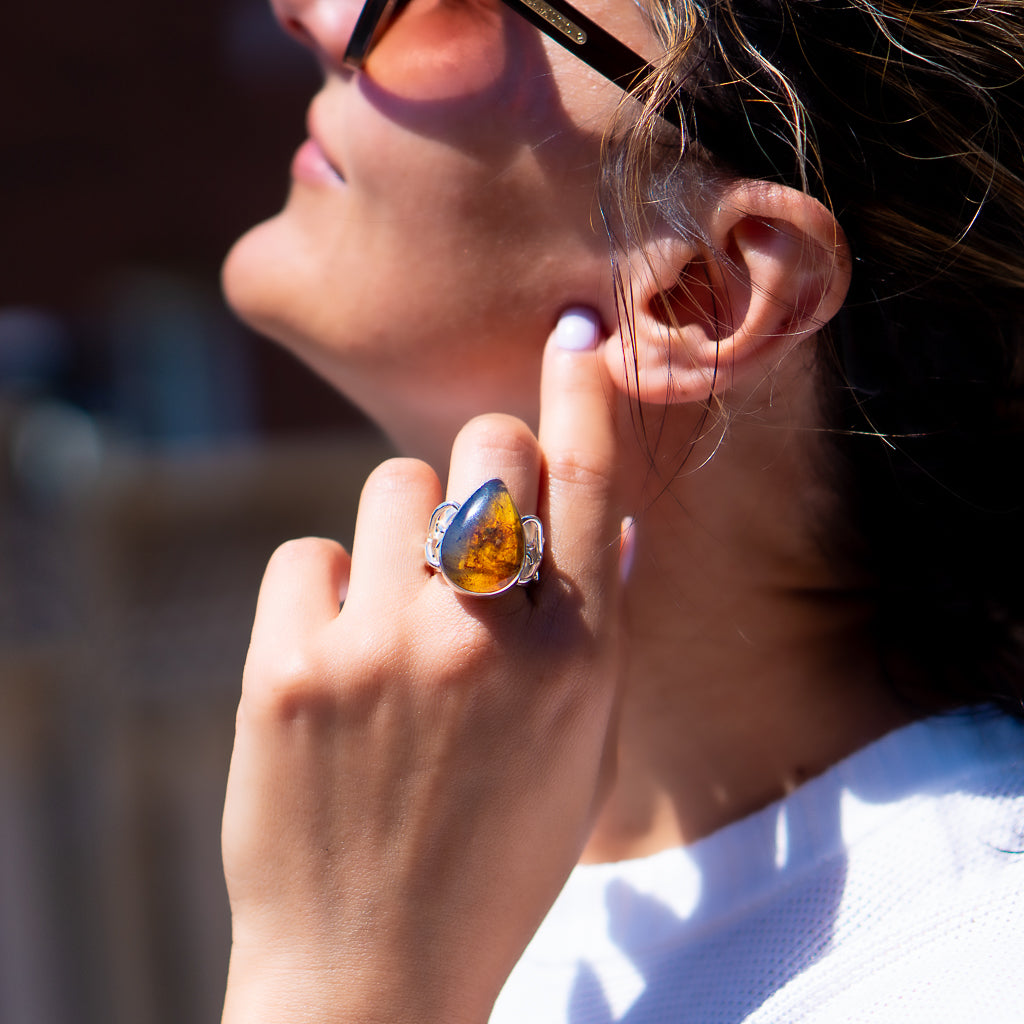
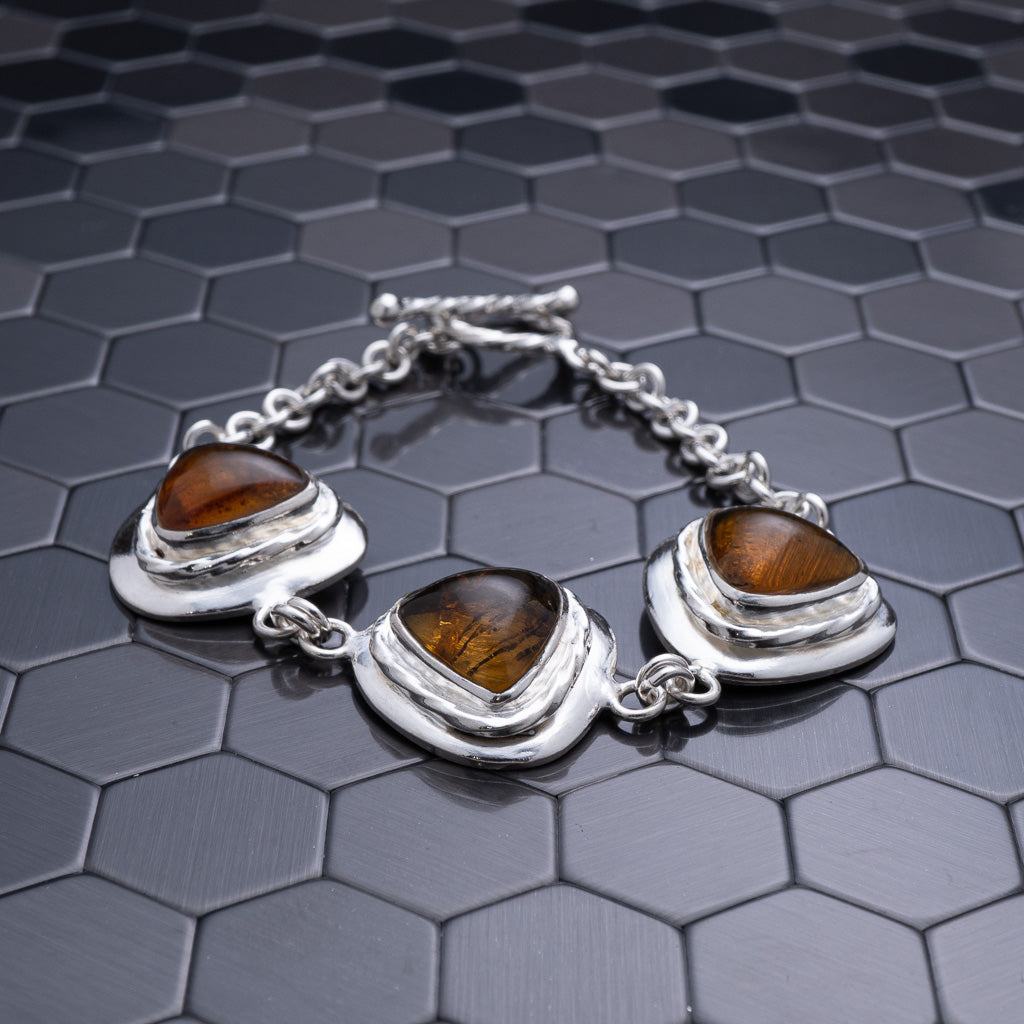
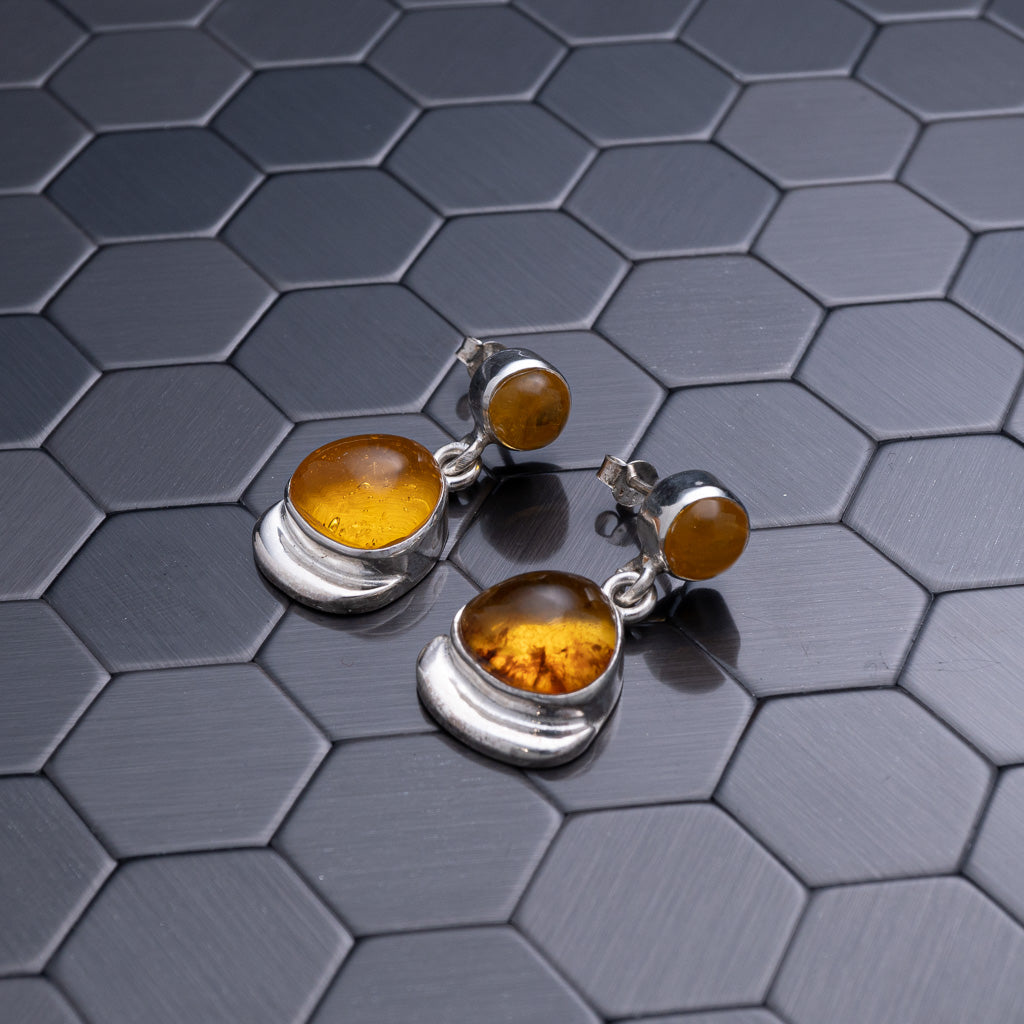


100% Handcrafted in DR.

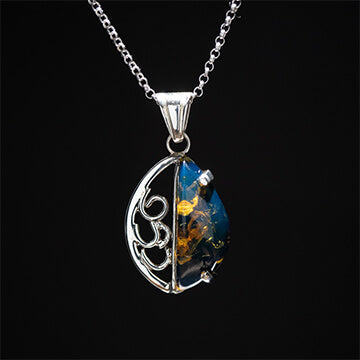
The pendant teardrop represents one of jewelry's most enduring silhouettes, combining elegance with versatility in a shape that flatters virtually every wearer. This distinctive form, characterized by its rounded top tapering to a gentle point, has captivated jewelry enthusiasts for centuries, appearing across cultures and design movements. Whether you're selecting your first teardrop pendant or expanding a refined collection, understanding the nuances of this classic shape helps you make informed choices that align with both aesthetic preferences and practical considerations. From gemstone selection and setting techniques to styling principles and care requirements, the pendant teardrop offers remarkable depth for those who appreciate fine craftsmanship.
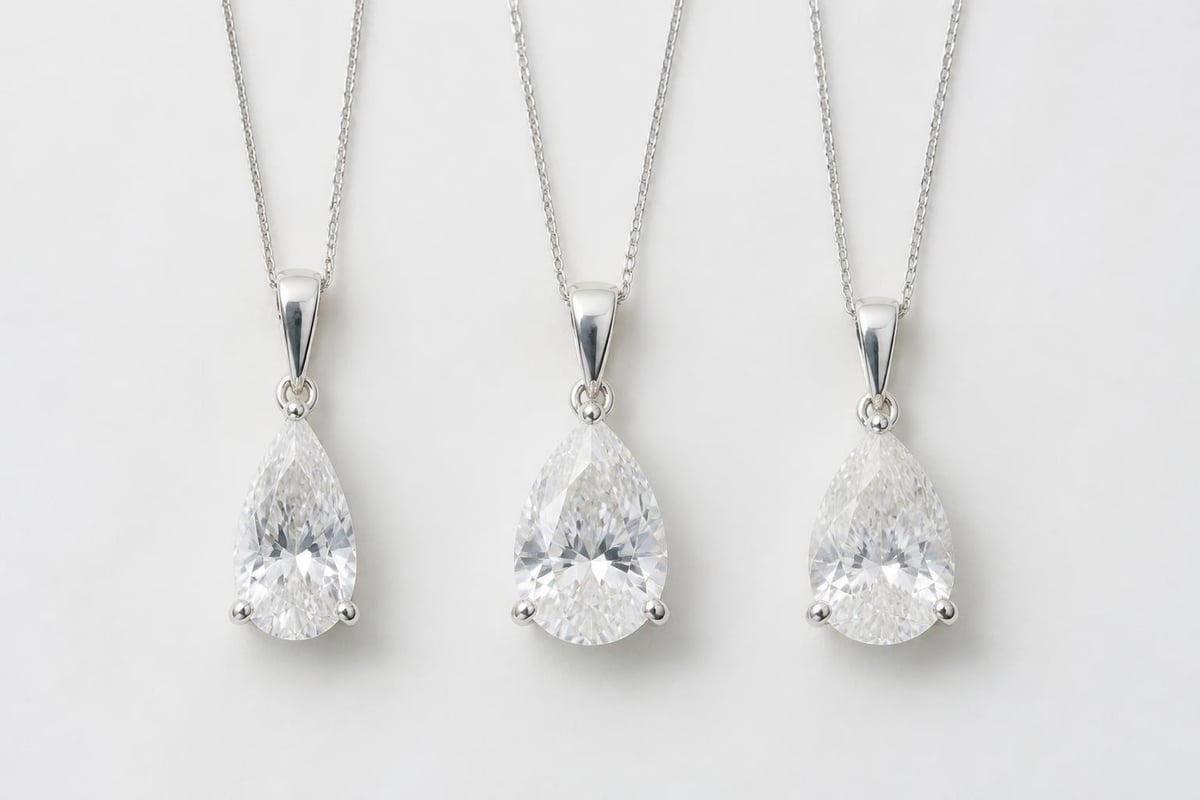
The teardrop silhouette, also known as the pear shape, occupies a unique position in jewelry design due to its inherent asymmetry and graceful proportions. This shape combines the rounded curves of a circle with the directional point of a marquise, creating visual interest that draws the eye downward and elongates the neckline.
The ideal pendant teardrop typically follows a length-to-width ratio between 1.5:1 and 1.75:1, though preferences vary across design traditions. This ratio ensures the piece maintains balance while maximizing the gemstone's visual impact. When evaluating teardrop proportions, jewelers assess symmetry along the central axis, shoulder evenness, and point definition.
Key proportion considerations include:
Throughout jewelry history, the teardrop form has symbolized different meanings across cultures. Renaissance jewelers favored drop-shaped gems in elaborate court pieces, while Victorian craftsmen incorporated teardrop pendants into mourning jewelry. In contemporary design, the shape transcends symbolic associations, appreciated primarily for its universal flattering qualities.
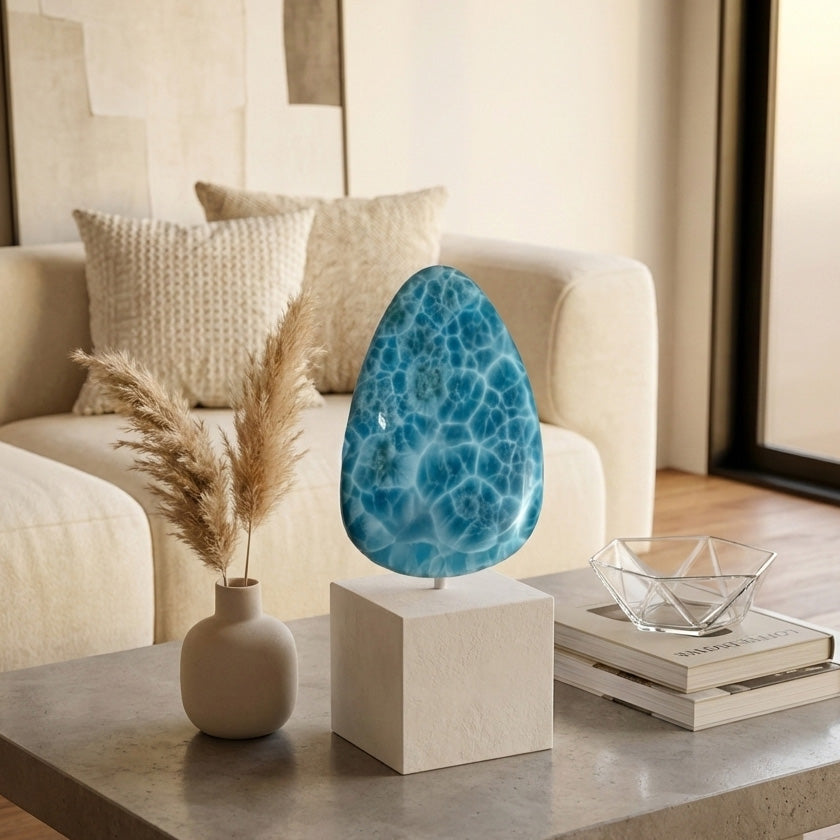
The 2026 market shows renewed interest in classic teardrop silhouettes, particularly when paired with rare or unusual gemstones. This trend aligns perfectly with pieces featuring distinctive materials like Larimar, where the stone's unique patterning gains additional emphasis through the teardrop's elongated canvas.
Choosing the right gemstone for a pendant teardrop involves considerations beyond color preference, encompassing durability, cutting potential, and how the material's inherent characteristics complement the teardrop form.
Daily wear requires gemstones with sufficient hardness to resist scratching and abrasion. The Mohs scale provides essential guidance, with materials rating 7 or higher generally suitable for regular pendant wear. However, many beautiful gemstones below this threshold, including Larimar (rated 4.5-5), thrive in pendant settings where they face less direct impact than ring stones.
| Gemstone Category | Mohs Hardness | Teardrop Suitability | Special Considerations |
|---|---|---|---|
| Hard (Diamond, Sapphire) | 9-10 | Excellent | Ideal for all settings |
| Moderately Hard (Quartz, Beryl) | 7-8 | Very Good | Excellent general wear |
| Moderate (Larimar, Turquoise) | 4.5-6 | Good (with care) | Protective settings recommended |
| Soft (Pearl, Amber) | 2.5-4 | Fair (special care) | Gentle handling essential |
The teardrop shape demands precise cabochon cutting fundamentals when working with opaque or translucent materials. Lapidaries must carefully orient the stone to showcase its best features, whether that means highlighting color zones, pattern direction, or chatoyancy effects.
For materials like Larimar, where natural patterning creates each stone's personality, skilled artisans use teardrop cabochon templates to maximize visual impact. The template allows the cutter to preview pattern placement before committing to the final shape, ensuring the stone's most compelling features align with the pendant's orientation.
Pattern orientation strategies include:
The pendant teardrop requires specialized setting approaches that secure the stone while complementing its distinctive asymmetry. Professional jewelers employ various techniques, each offering different aesthetic and functional characteristics.
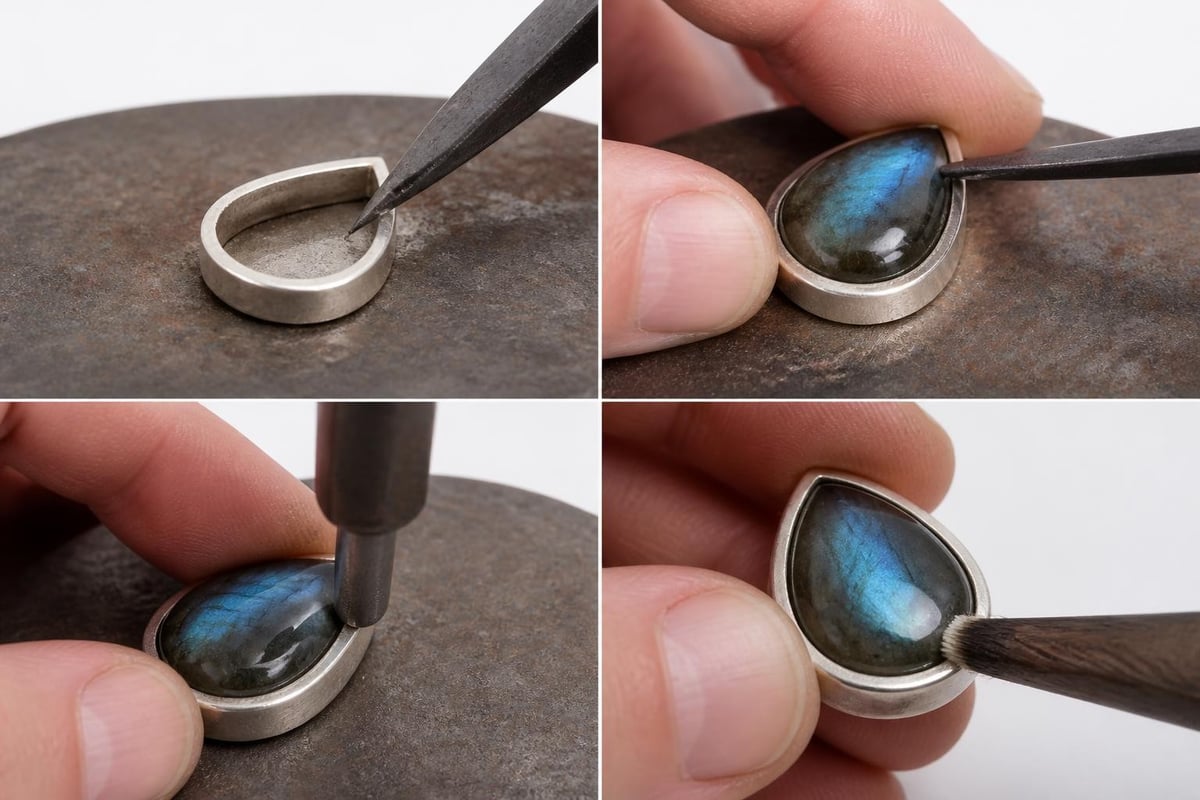
Bezel settings surround the gemstone with a metal rim, offering superior protection particularly valuable for moderately hard materials. The continuous metal band shields vulnerable edges while creating clean, contemporary lines. Professional bezel-setting techniques require careful metal thickness selection and precise forming to ensure the bezel compresses evenly around the stone's perimeter.
For teardrop shapes, jewelers often use tapered bezels that follow the stone's contours, maintaining consistent metal visibility around the entire perimeter. This approach demands more advanced metalworking skills than standard oval bezels but delivers superior results with asymmetric forms.
Prong settings use minimal metal contact points, allowing maximum light transmission and showcasing transparent or translucent stones. Three to five prongs typically secure a pendant teardrop, with placement demanding careful planning to maintain symmetry while ensuring structural integrity.
The point of a teardrop pendant always requires secure prong placement, as this area experiences the most stress during wear. Many designers position one prong directly at the point, with additional prongs distributed evenly along the shoulders. Setting oval and cabochon pendants shares principles with teardrop mounting, particularly regarding seat cutting and prong positioning.
The bail connects the pendant to its chain, and its design significantly impacts the piece's overall presentation. Teardrop pendants traditionally orient with the point downward, requiring bail attachment at the rounded top. Integration methods range from simple jump rings to elaborate decorative bails that extend the design vocabulary.
Common bail approaches include:
The pendant teardrop adapts to countless design interpretations, from minimalist modern pieces to elaborate vintage-inspired creations. Understanding these variations helps identify styles that resonate with personal aesthetic preferences.
Modern minimalist teardrop pendants emphasize clean lines, simple settings, and stone-forward design. These pieces often feature bezel settings in polished precious metals, allowing the gemstone's color and pattern to dominate. The restraint in design elements makes minimalist teardrops versatile wardrobe staples that transition seamlessly from casual to formal contexts.
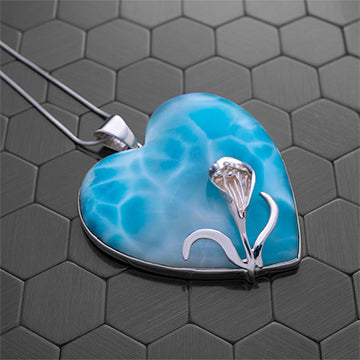
Contemporary designers working with distinctive materials like Larimar frequently adopt minimalist approaches, recognizing that the stone's inherent beauty requires little embellishment. Simple Larimar pendants showcase the gemstone's natural patterns and color variations without competing visual elements.
Vintage-inspired teardrop pendants incorporate decorative elements like filigree, granulation, milgrain edging, and accent stones. These designs draw from historical periods, particularly Art Nouveau, Art Deco, and Victorian eras, each contributing distinctive ornamental vocabularies.
Art Nouveau teardrops often feature flowing organic forms surrounding the central stone, while Art Deco interpretations emphasize geometric precision and contrasting metal tones. Victorian styles frequently incorporate additional smaller stones creating halos or accent clusters.
Some pendant teardrop designs incorporate multiple stones, either as halos surrounding the primary teardrop or as descending cascades where several teardrops graduate in size. These compositions create more elaborate visual statements suitable for special occasions and formal wear.
| Design Category | Visual Complexity | Versatility | Ideal Occasions |
|---|---|---|---|
| Minimalist Single Stone | Low | High | Daily wear, all occasions |
| Decorative Accent | Medium | Medium-High | Work to evening events |
| Halo or Multi-Stone | High | Medium | Special events, formal wear |
| Vintage Ornate | High | Medium-Low | Statement occasions |
Successfully incorporating a pendant teardrop into your wardrobe involves understanding how chain length, neckline compatibility, and proportional relationships affect overall presentation.
Chain length dramatically influences how a teardrop pendant frames the face and interacts with clothing. Standard lengths include choker (14-16 inches), princess (18 inches), matinee (20-24 inches), and opera (28-36 inches). Each length creates different visual effects and works better with specific necklines.
Length recommendations by occasion:
The teardrop's elongating effect intensifies with longer chains, creating vertical lines that flatter most body types. When layering multiple necklaces, position the pendant teardrop as the longest piece to maintain visual hierarchy.
Different necklines interact uniquely with pendant teardrops, either complementing or competing with the jewelry's lines. V-necks and scoop necks naturally echo the teardrop's directional flow, creating harmonious compositions. High necklines and turtlenecks work better with longer chains that position the pendant below the fabric edge.
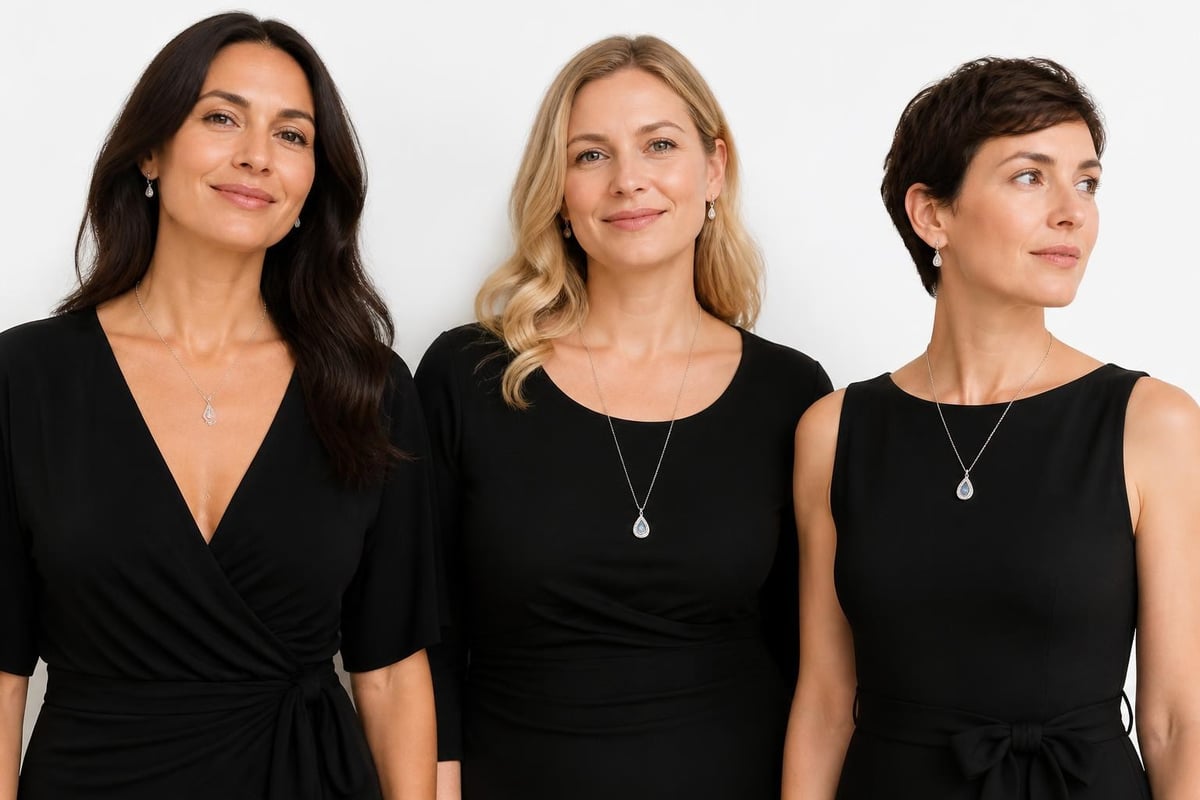
Strapless and straight-across necklines benefit from shorter chains that draw attention to the décolletage, while asymmetric necklines may compete with the pendant's shape, requiring careful consideration of visual balance.
Proper care extends the life and beauty of pendant teardrops, particularly when working with gemstones requiring special attention. Maintenance requirements vary significantly based on gemstone hardness, setting type, and metal choice.
Hard gemstones like sapphire and diamond tolerate ultrasonic cleaning and steam, but moderate-hardness materials like Larimar require gentler approaches. For Larimar and similar stones, use lukewarm water with mild soap, soft brushes, and immediate thorough drying to prevent water spotting or surface dulling.
Material-specific cleaning guidance:
The setting type also influences cleaning methods. Bezel settings protect stone edges during cleaning, while prong settings require inspection for loose metalwork before any cleaning attempts.
Individual storage prevents scratching when harder jewelry contacts softer pendant teardrops. Fabric-lined compartments or individual pouches keep pieces separated while protecting from environmental factors like excessive humidity or temperature fluctuations.
Remove pendants before activities involving chemicals, including household cleaners, chlorinated pools, and beauty products. These substances may damage both gemstones and metal components, causing discoloration, etching, or structural weakening.
Annual professional inspection identifies potential issues before they become serious problems. Jewelers check prong tightness, bezel integrity, bail security, and chain condition during routine examinations. For frequently worn pieces, semi-annual inspections provide additional security.
The 2026 pendant teardrop market reflects broader jewelry trends emphasizing unique materials, artisan craftsmanship, and pieces with documented provenance. Understanding these trends helps buyers make informed decisions aligned with both personal taste and potential long-term value.
Pendants featuring unusual or geographically limited gemstones command premium pricing, particularly when stones exhibit exceptional color, pattern, or size. Larimar's exclusive Dominican origin makes quality pieces increasingly collectible as awareness of the material spreads beyond traditional markets.
The relationship between rarity and value extends beyond the gemstone itself to encompass the entire piece's execution. Exceptional lapidary work, innovative setting designs, and superior metalwork all contribute to a pendant's overall market position.
The gap between artisan-crafted and mass-produced pendant teardrops continues widening in both price and quality. Handcrafted pieces offer unique character, superior finishing, and often better stone selection, while factory production delivers consistency and lower price points.
Buyers increasingly value transparency regarding production methods, maker identity, and material sourcing. This trend particularly benefits specialized creators focusing on specific materials or techniques, where expertise translates directly to superior results.
Current preferences favor moderate-sized pendant teardrops (15-25mm length) over both delicate minimalist pieces and dramatic oversized statements. This middle ground balances visibility with versatility, creating pendants substantial enough to showcase gemstone characteristics while remaining appropriate for daily wear.
However, occasion-specific pieces still drive demand at both size extremes, with cocktail pendants exceeding 30mm and delicate everyday pieces under 12mm both maintaining dedicated audiences.
Commissioning a custom pendant teardrop allows precise control over every design element, from gemstone selection through final finishing details. This process requires understanding the collaboration between client vision and maker expertise.
Successful custom projects begin with clear communication about preferences, intended use, and budget parameters. Bringing reference images, discussing lifestyle factors, and articulating design priorities helps artisans develop proposals aligned with your vision.
The design development phase typically involves sketches or digital renderings showing the proposed pendant from multiple angles, with specifications for dimensions, materials, and construction methods. This stage allows refinement before fabrication begins, ensuring the final piece meets expectations.
Custom commissioning often begins with gemstone selection, as the chosen stone's characteristics influence all subsequent design decisions. When working with materials like Larimar, where each stone presents unique patterning, selecting the specific piece that resonates personally creates deeper connection with the finished pendant.
Reputable artisans provide detailed information about each stone's characteristics, origin, and any treatments or enhancements applied. This transparency ensures informed decisions and establishes realistic expectations for the finished piece's appearance and performance.
Custom pendant teardrops typically require 4-8 weeks from initial consultation through completion, depending on design complexity and artisan workload. Rush services may be available at premium pricing, though allowing adequate time generally produces superior results as makers work without time pressure.
Investment ranges vary dramatically based on materials, size, and maker reputation. Setting realistic budget expectations early prevents disappointment and allows artisans to propose designs achievable within financial parameters while maintaining quality standards.
Choosing the right pendant teardrop involves balancing aesthetic preferences with practical considerations, ensuring the piece both delights visually and serves its intended role within your collection.
Consider whether the pendant will serve as an everyday staple, special occasion piece, or investment acquisition. Daily wear demands durable materials, secure settings, and moderate proportions, while occasional pieces allow more delicate construction and dramatic scale.
Understanding the pendant's primary context influences every selection criterion, from gemstone hardness through chain strength specifications. A piece intended for office wear requires different characteristics than one designed for evening events or casual weekends.
The pendant teardrop should resonate with your established aesthetic preferences while potentially expanding your collection's range. If you typically favor minimalist designs, an ornate vintage-inspired piece might feel uncomfortable despite its objective beauty. Conversely, those drawn to elaborate jewelry may find simple designs unsatisfying regardless of stone quality.
Color preferences play crucial roles, particularly when selecting opaque or heavily colored gemstones. Consider how the pendant's hues interact with your typical wardrobe palette and whether you prefer harmonious matching or intentional contrast.
Evaluate potential purchases using consistent quality criteria across categories. For gemstones, assess color saturation, pattern appeal, cutting precision, and surface finishing. Settings require inspection for clean solder joints, even prong heights, smooth bezel edges, and secure bail attachment.
Essential quality checkpoints:
Different jewelry traditions bring distinct approaches to the pendant teardrop, reflecting local aesthetic preferences, available materials, and cultural symbolism. Understanding these variations enriches appreciation for the form's versatility.
North American and European contemporary design typically emphasizes clean lines, precise geometric execution, and stone-forward presentation. Settings tend toward minimalism, allowing gemstone characteristics to dominate. Metal choices favor white metals (platinum, white gold, silver) or yellow gold in polished finishes.
This approach aligns particularly well with distinctive gemstones where inherent beauty requires minimal embellishment. Artisans specializing in materials like Larimar often adopt these principles, creating pieces where the stone's natural patterns take center stage against simple, refined metalwork.
Traditional jewelry cultures in Asia, the Middle East, and South Asia bring ornate detailing, extensive metalwork, and symbolic elements to teardrop pendants. These pieces often incorporate granulation, filigree, enamelwork, and accent stones creating elaborate compositions where the central teardrop anchors more complex designs.
Heritage approaches value visible craftsmanship, with intricate metalwork demonstrating maker skill as prominently as gemstone selection. These traditions influence contemporary designers seeking to blend historical techniques with modern sensibilities.
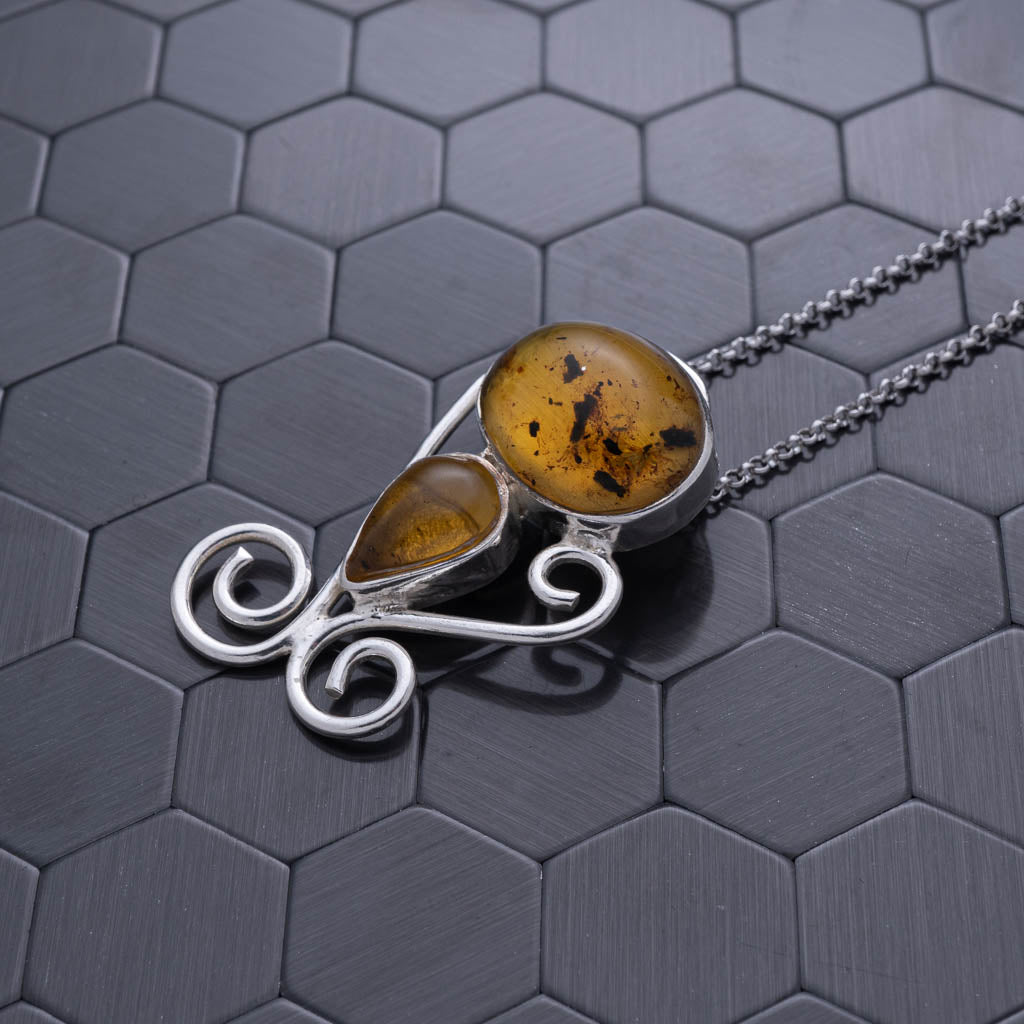
The pendant teardrop endures as a jewelry staple because its elegant proportions and universal flattery transcend temporary trends, offering timeless appeal that complements diverse personal styles. Whether you're drawn to minimalist contemporary designs or ornate vintage-inspired pieces, selecting quality materials and expert craftsmanship ensures your pendant becomes a cherished component of your collection. Larimar Creations specializes in handcrafted teardrop pendants featuring rare Larimar and Dominican Blue Amber, combining exceptional gemstones with meticulous artisan techniques to create pieces of lasting beauty. Explore our collection to discover how these unique materials transform the classic teardrop form into distinctive jewelry that tells your personal story.