
Larimar
Blue Amber
Green Amber
Amber Carvings
More

by Admin August 26, 2026 6 min read

A substantial-looking amber pendant can be surprisingly light when it rests in your hand. That contrast is part of its appeal. If you are asking, is amber lightweight, the answer is yes: genuine amber is one of the lightest natural materials used in fine and artisan jewelry. It offers warm color, remarkable history, and easy wear without the heaviness often associated with larger gemstone pieces.

For jewelry lovers drawn to Dominican amber, especially the rare blue varieties found in the Caribbean, this lightness makes it possible to wear a generous cabochon or carving with exceptional comfort. A piece can look bold, luminous, and beautifully present while remaining easy on the neck, wrist, or ears.

Is Amber Lightweight Compared With Other Gemstones?

Amber is fossilized tree resin, not a mineral crystal like sapphire, quartz, or turquoise. Its structure is the reason it feels so different from most gemstones. Genuine amber has a low density, commonly around 1.05 to 1.10 grams per cubic centimeter. By comparison, quartz is roughly 2.65 grams per cubic centimeter, while many popular jewelry stones are heavier still.

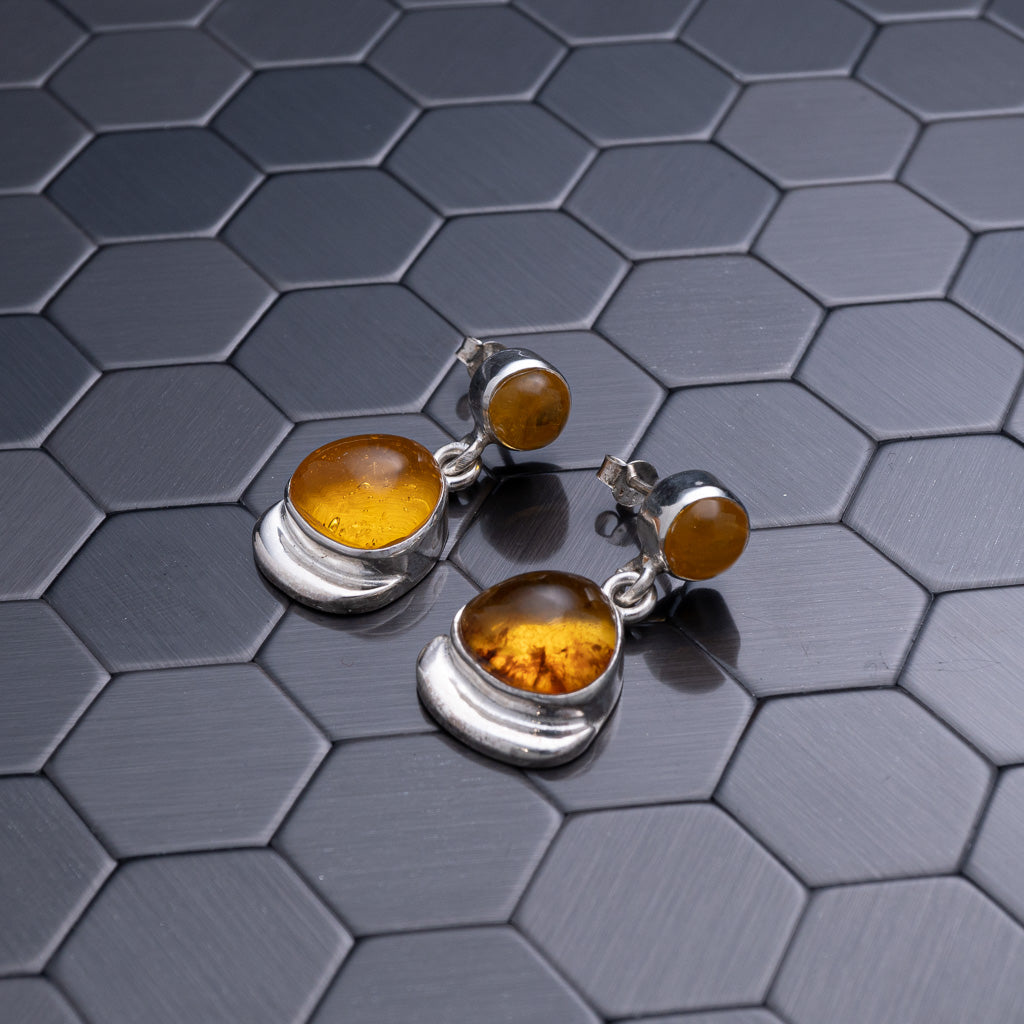
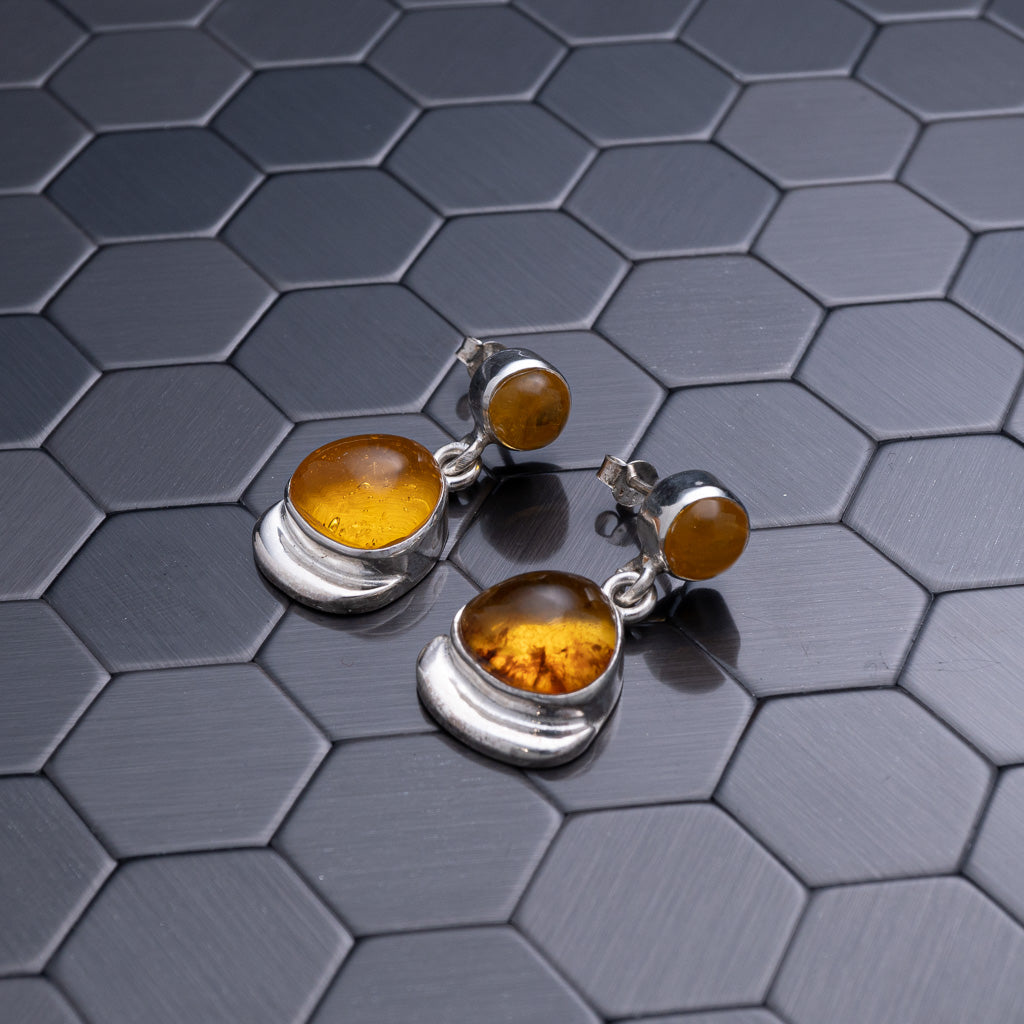
This means an amber cabochon of the same visual size as an agate, amethyst, or turquoise cabochon will usually weigh much less. In practical terms, a large amber statement pendant can feel pleasantly airy rather than pulling on a fine chain. Amber earrings can have noticeable presence without becoming tiring over a long dinner, a celebration, or a full day of wear.

The material is famously light enough to float in highly salted water. That fact reflects amber's low density, but it should not be used as a stand-alone at-home authenticity test. Jewelry settings, inclusions, treatments, and imitation materials make professional sourcing and clear gemstone documentation far more meaningful than a single test.

Why Lightweight Amber Makes Exceptional Jewelry

Amber’s low weight is not simply a technical detail. It shapes the way a piece can be designed and worn. Jewelers can showcase larger organic forms, intricate carvings, rounded beads, and dramatic freeform cuts without needing excessively heavy hardware to support them.

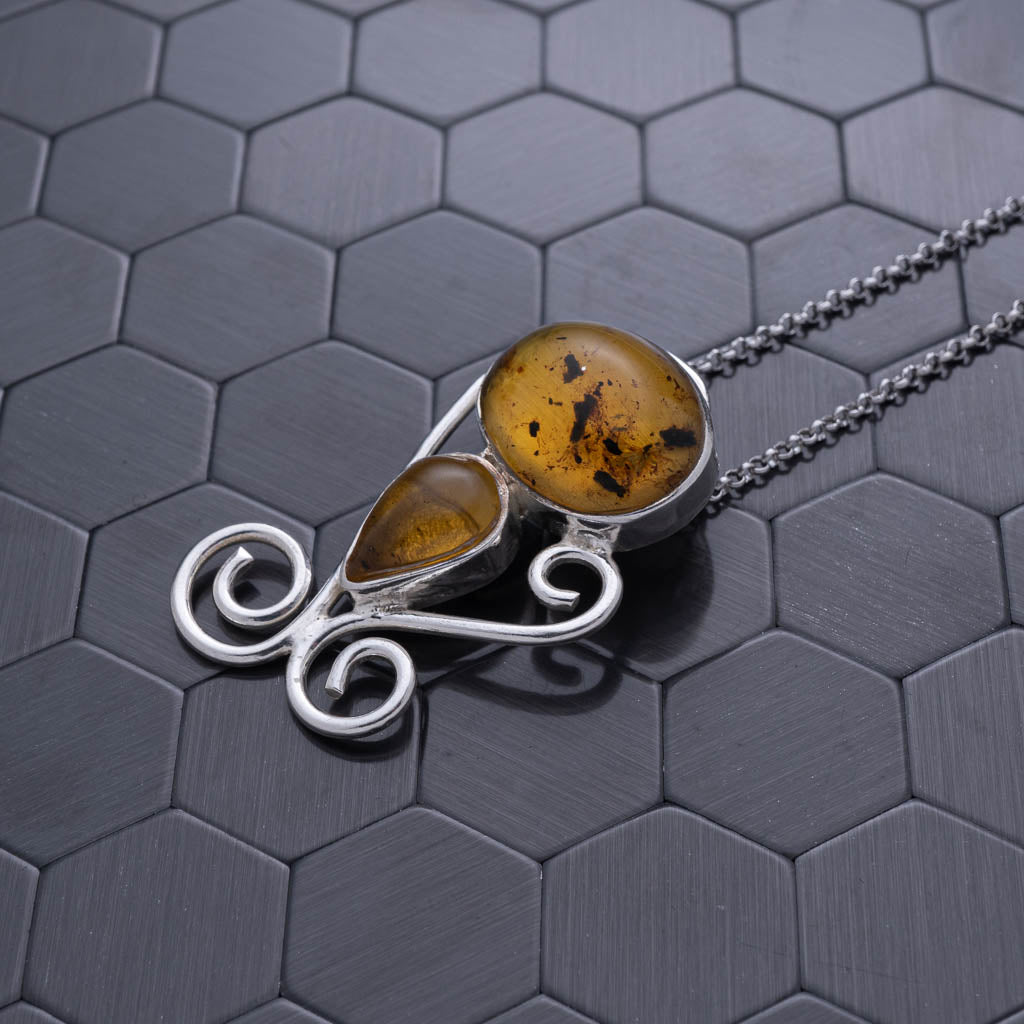
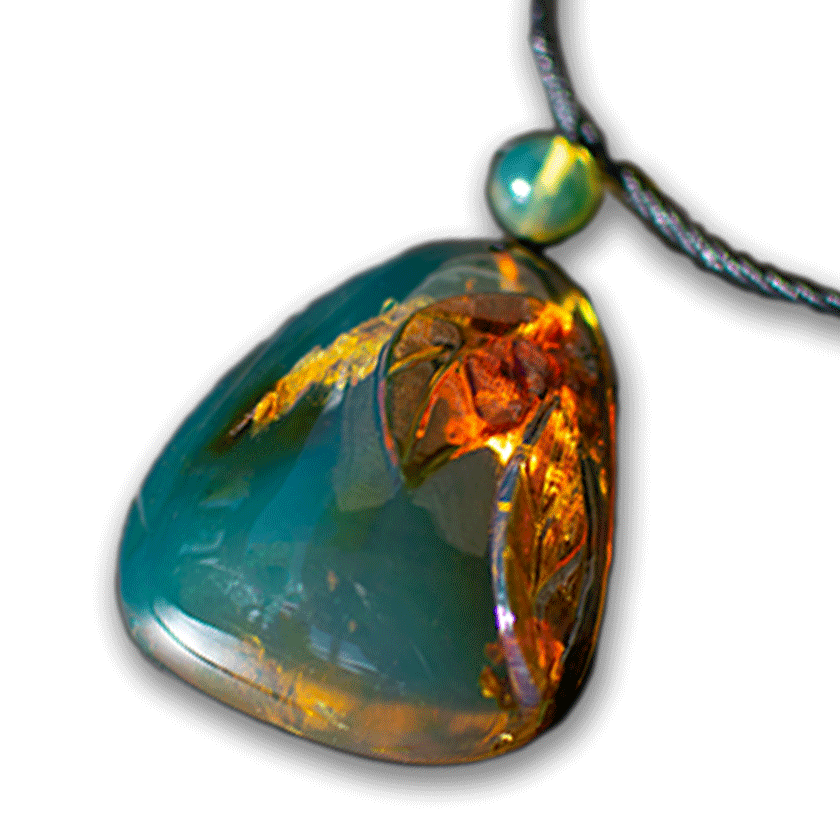
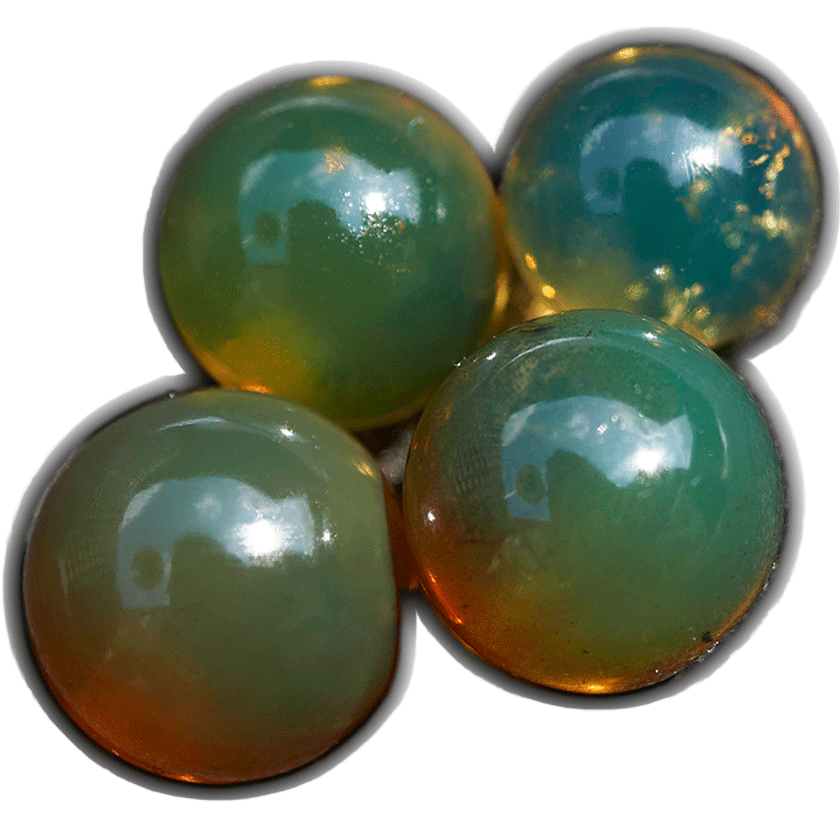
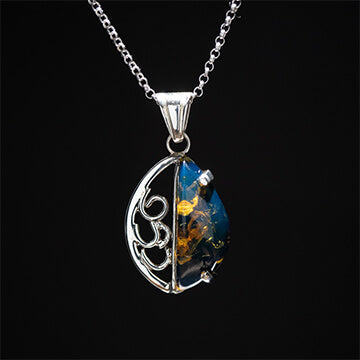
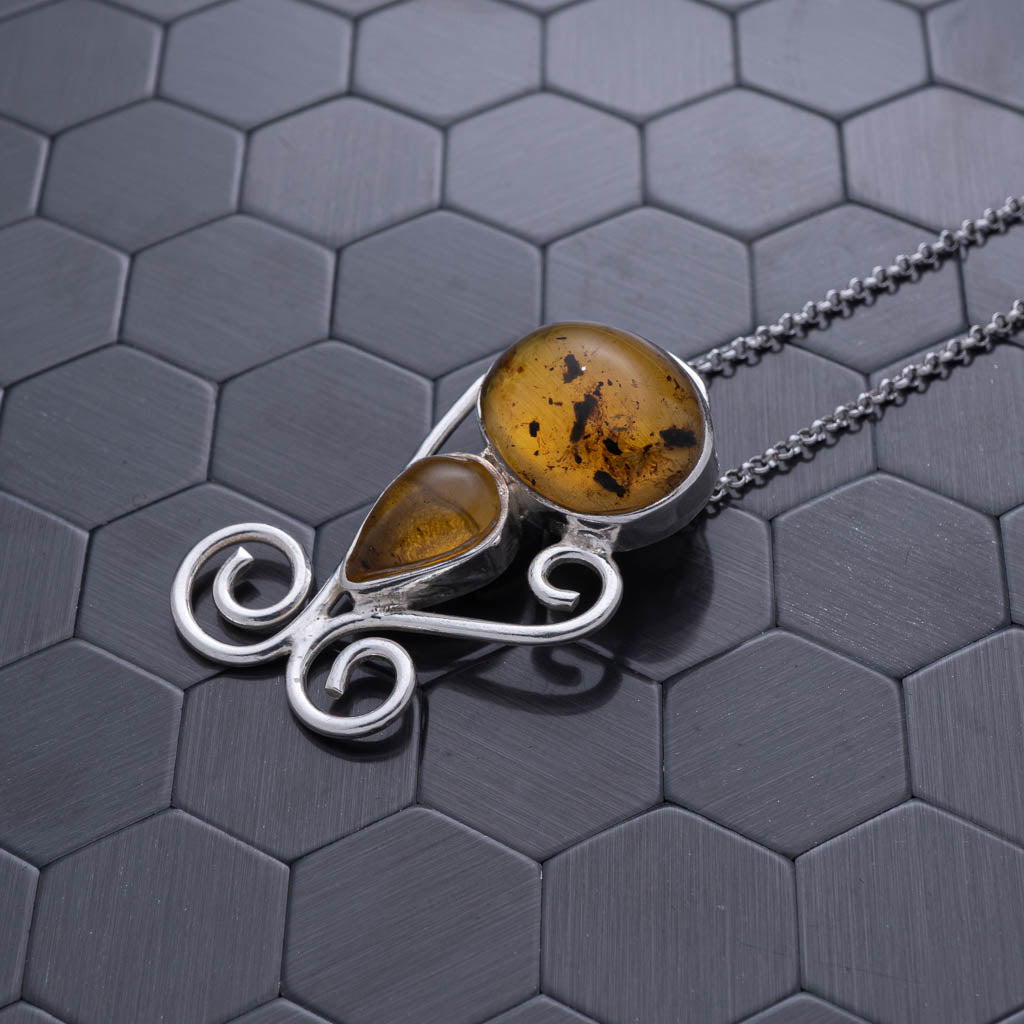
A substantial Dominican amber pendant may frame the neckline with a deep honey, cognac, green, or blue glow while feeling almost effortless. This makes amber especially appealing for gift buyers who want a piece with visual impact but do not know whether the recipient enjoys heavier jewelry. It is also a thoughtful option for people who find dense gemstone earrings or oversized pendants uncomfortable.

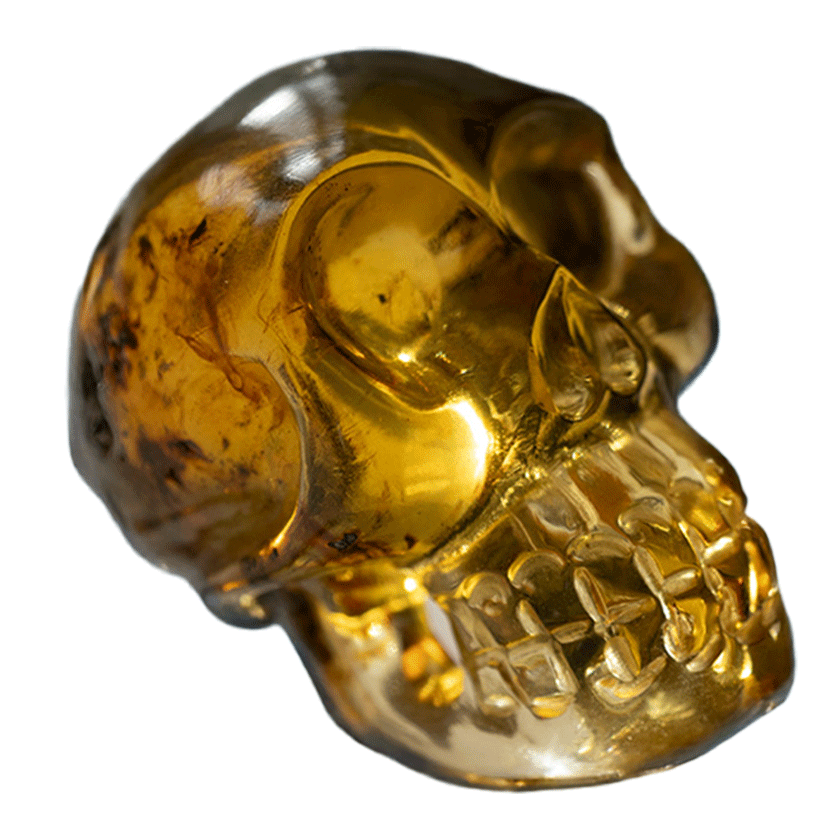
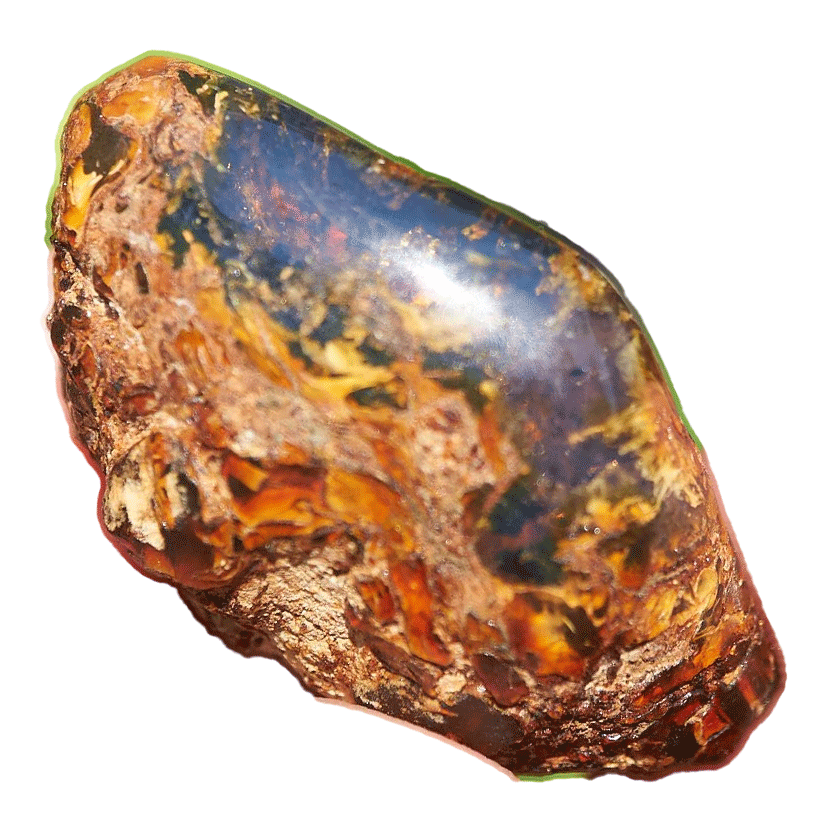
For collectors, lightness creates another kind of pleasure. An amber carving or fossil specimen can hold extraordinary visual detail - ancient plant matter, insects, bubbles, or flowing internal patterns - in a material that feels delicate and almost weightless. Holding it creates a quiet reminder that this luminous gem began as resin millions of years ago.

Blue Amber’s Light Feel and Rare Glow

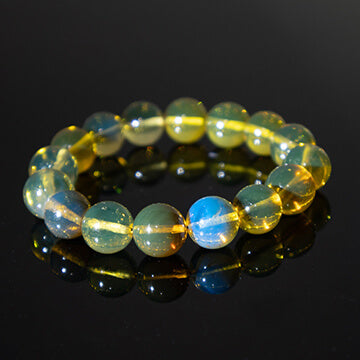
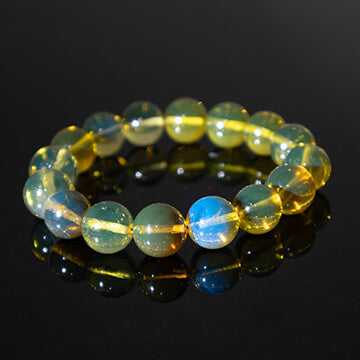
Dominican Blue Amber shares the naturally light character of other authentic amber, but its optical experience is distinctly special. In daylight or under ultraviolet light, select pieces can reveal blue, teal, violet, or green fluorescence. The color may appear to move beneath the surface as the stone changes angle.

A blue amber pendant can therefore feel visually rich without feeling physically heavy. That balance is one reason it is so desirable for jewelry. Its Caribbean beauty has presence, yet it remains comfortable enough for frequent wear.

The intensity of blue color varies greatly. Some pieces show a soft smoky blue only under certain light, while exceptional material may reveal a vivid electric glow. Greater color intensity, clarity, rarity, and craftsmanship can affect value, but a heavier piece is not automatically a better one. The quality of amber is expressed through its authenticity, color, condition, natural character, and artistry rather than weight alone.

What Determines the Weight of an Amber Piece?

Two amber pendants can look similar from a distance and still feel very different in the hand. The first reason is simple: thickness. A domed cabochon retains more material than a flatter cut, so it will weigh more even when its face-up dimensions are the same.

The stone’s internal character also matters. Amber can contain tiny air bubbles, plant fragments, fissures, cloudiness, or clear open-looking areas. These features are part of its natural identity, not necessarily flaws. Their effect on weight is usually modest in a finished jewelry piece, but they can influence the appearance and personality of the gem.

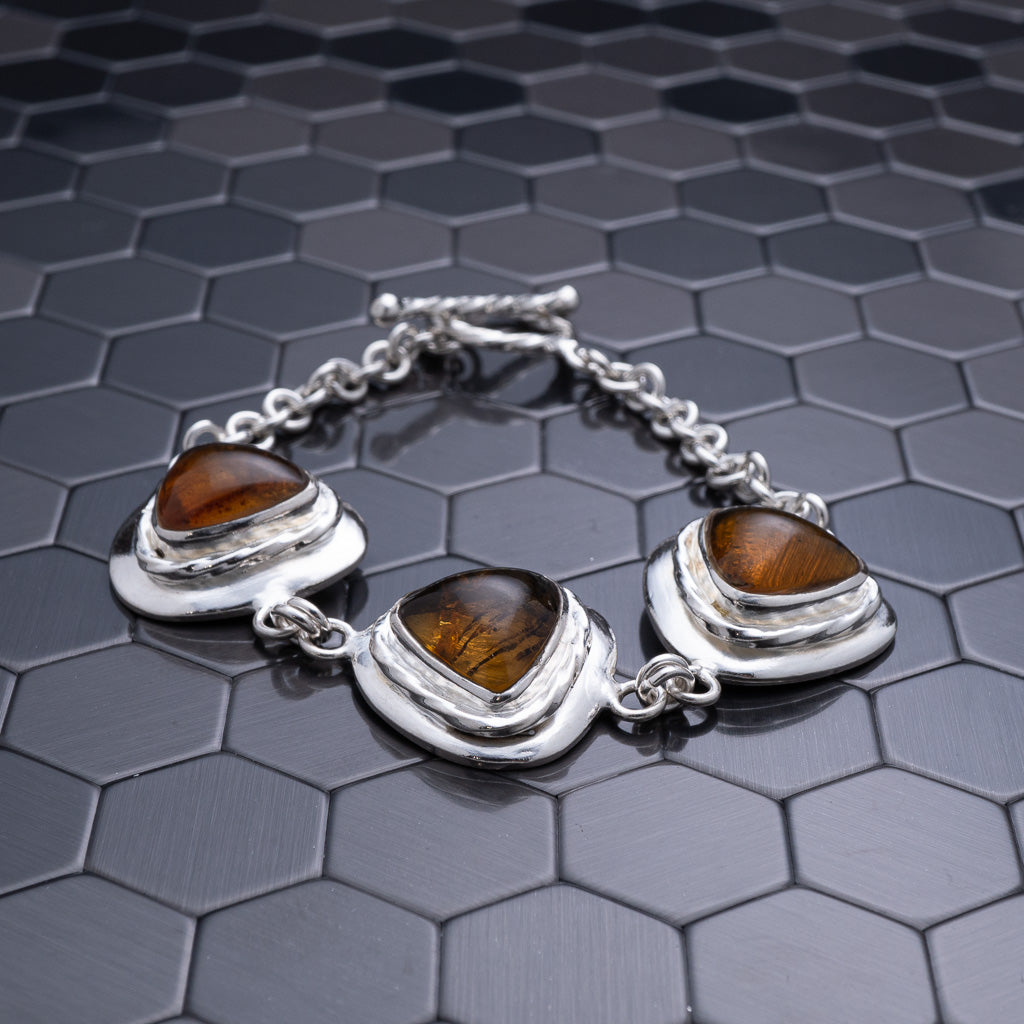
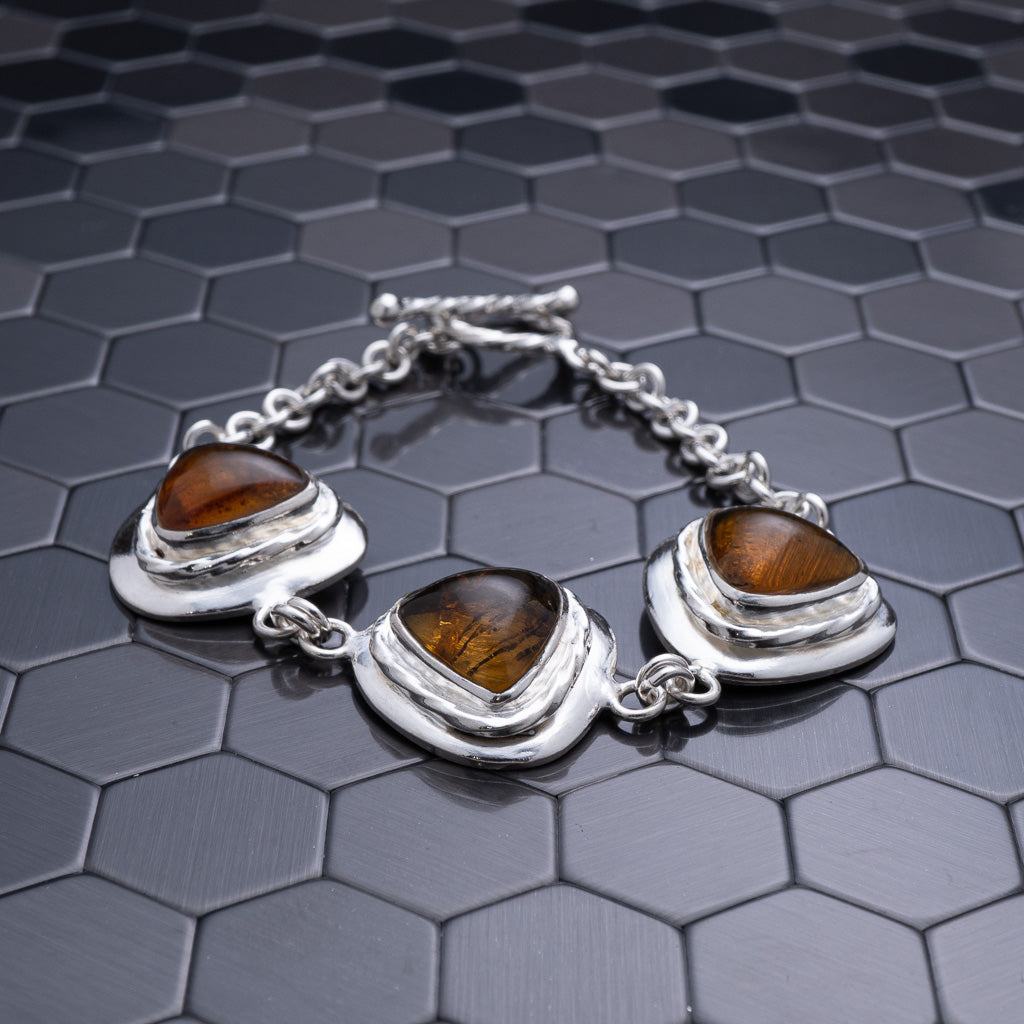
Then there is the setting. Sterling silver, gold, vermeil, and other metals contribute significantly to the overall weight of a pendant, ring, bracelet, or pair of earrings. A petite amber stone in a substantial silver bezel may feel weightier than a larger stone set in a more open design. For earrings, the post, backing, metal frame, and stone proportions all deserve consideration.

Does Lightweight Mean Amber Is Fragile?

Lightweight does not mean weak, but amber should be treated with care. Its relative softness is a more important consideration than its weight. Amber ranks about 2 to 2.5 on the Mohs scale, which means it can scratch more easily than quartz, diamond, or many traditional gemstone choices.

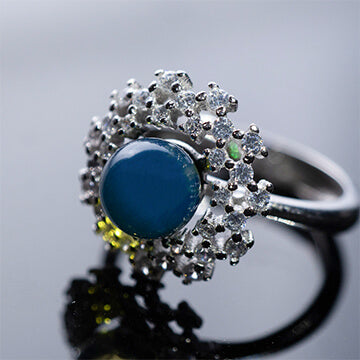
That is why amber is best suited to thoughtful everyday wear rather than rough activity. A pendant is generally less exposed to impact than a ring, while bracelets and rings may need more care around hard surfaces. A protective bezel setting can be an excellent choice for preserving the edges of a cabochon, particularly in a ring designed for regular use.

Avoid exposing amber to perfume, hairspray, household chemicals, ultrasonic cleaners, or prolonged heat. Clean it gently with a soft, dry cloth or a lightly damp cloth, then dry it immediately. Store it separately from harder jewelry so a diamond, sapphire, or metal edge does not scratch its polished surface.

These considerations are not drawbacks so much as part of amber ownership. Like silk, pearls, and finely made artisan jewelry, amber rewards a little attention. Its beauty is organic, warm, and personal, rather than engineered for indestructibility.

Can Weight Help Identify Genuine Amber?

A light feel can be a useful first impression, but it cannot confirm authenticity. Plastic, resin, and young copal can also feel light, and some imitations are designed specifically to resemble natural amber. Conversely, a finished piece may feel heavier because of a substantial metal setting, even when its amber is entirely genuine.

Authentic sourcing is the more reliable foundation. Ask where the amber originated, whether it is natural amber or copal, and whether any treatments have been disclosed. Natural inclusions and surface features can be fascinating, but they should never be treated as automatic proof on their own. Artificial inclusions can be added to imitation material, while genuine amber may be wonderfully clear and free of visible inclusions.

Dominican amber is particularly valued for its clarity, color range, and the extraordinary fluorescence found in blue amber. Choosing a specialist with clear origin information and a commitment to authentic gemstones gives buyers more confidence than relying on internet tricks or a quick weight comparison. At Larimar Creations, the focus on Dominican stones reflects the difference that provenance and craftsmanship make in a piece meant to be treasured.

Choosing the Right Amber Weight for Your Style

If you love a bold look but dislike heavy jewelry, amber is an unusually rewarding choice. A larger pendant can become a signature piece, bringing the warmth of the Caribbean to a simple linen dress, a silk blouse, or an evening neckline without feeling burdensome. Freeform cuts and carvings are especially compelling because they preserve the natural, individual character of the material.

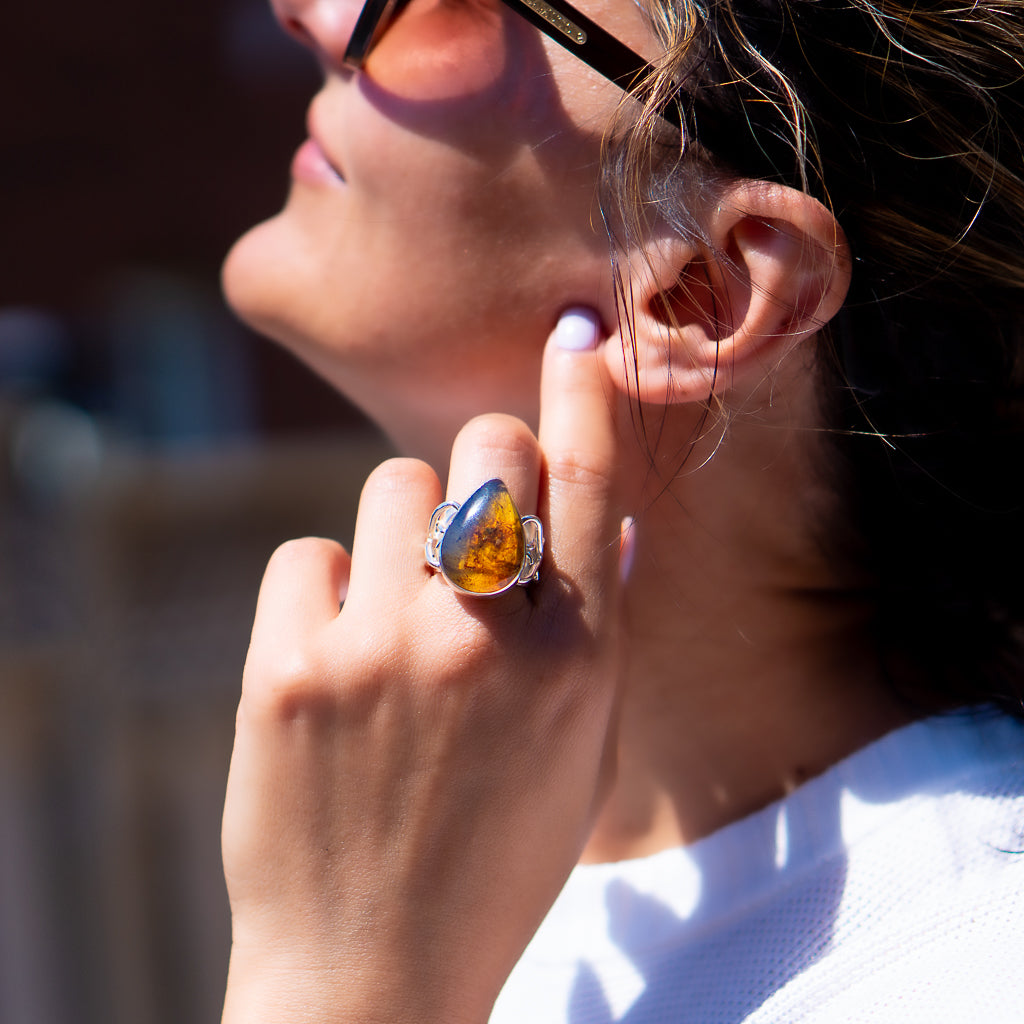
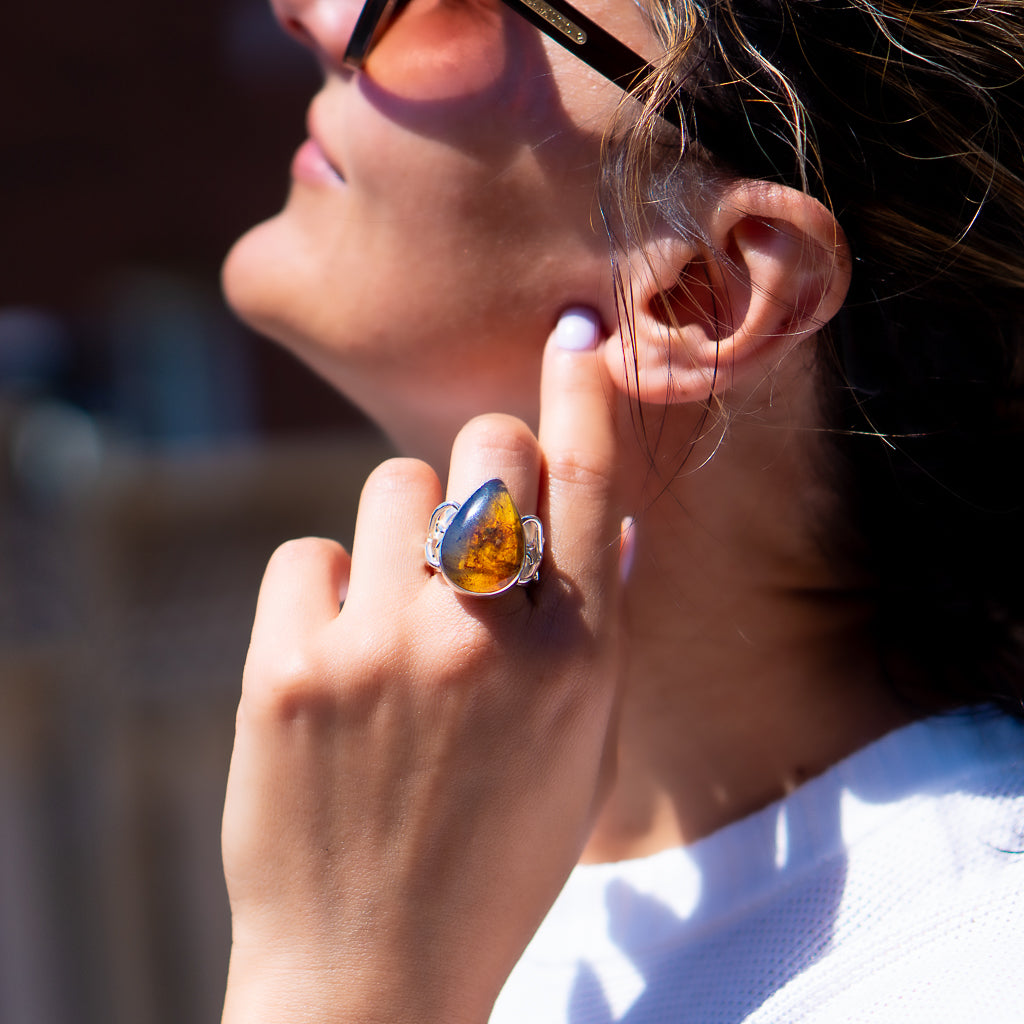
For earrings, choose proportions that suit your comfort level. Small amber studs offer understated golden warmth, while elongated drops and carefully balanced silver designs can create movement without excessive pull. For rings, look for a setting that protects the stone and feels comfortable across the finger, especially if the amber has a high dome.

When selecting a gift, consider the recipient’s lifestyle as much as their favorite color. A pendant is often the most versatile choice, while a bracelet or ring may be more personal for someone who already wears jewelry daily. Whether you choose golden amber, cognac amber, or luminous Dominican Blue Amber, let the piece be guided by the character you respond to most. The finest amber jewelry does not need to feel heavy to leave a lasting impression.

Natural Stone Jewelry: Your 2026 Guide to Gemstone Quality - Larimar Creations

Natural Stone Jewelry: Your 2026 Guide to Gemstone Quality

9 min read

Discover how to choose, care for, and style natural stone jewelry in 2026. Expert guidance on quality, authenticity, and the beauty of gemstones.
Read More
A Guide to Amber Fluorescence and Blue Amber - Larimar Creations

A Guide to Amber Fluorescence and Blue Amber

6 min read

Our guide to amber fluorescence explains blue amber's glow, UV testing, authenticity limits, and how to choose a rare Caribbean gemstone with confidence.
Read More
Large Pendant Necklace: Style Guide & Buying Tips - Larimar Creations

Large Pendant Necklace: Style Guide & Buying Tips

11 min read

Discover how to choose, style, and care for a large pendant necklace. Expert tips on materials, proportions, and making statement jewelry work.
Read More