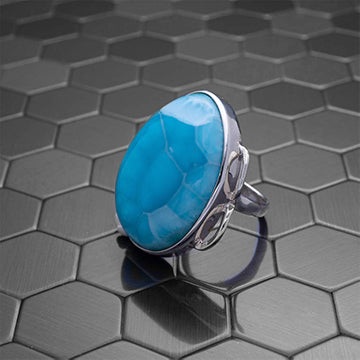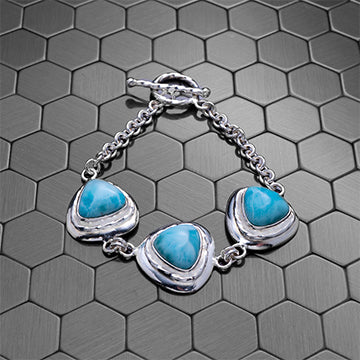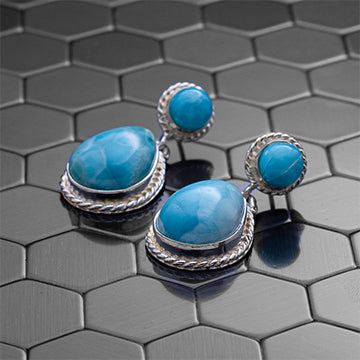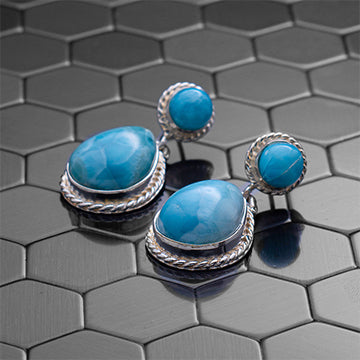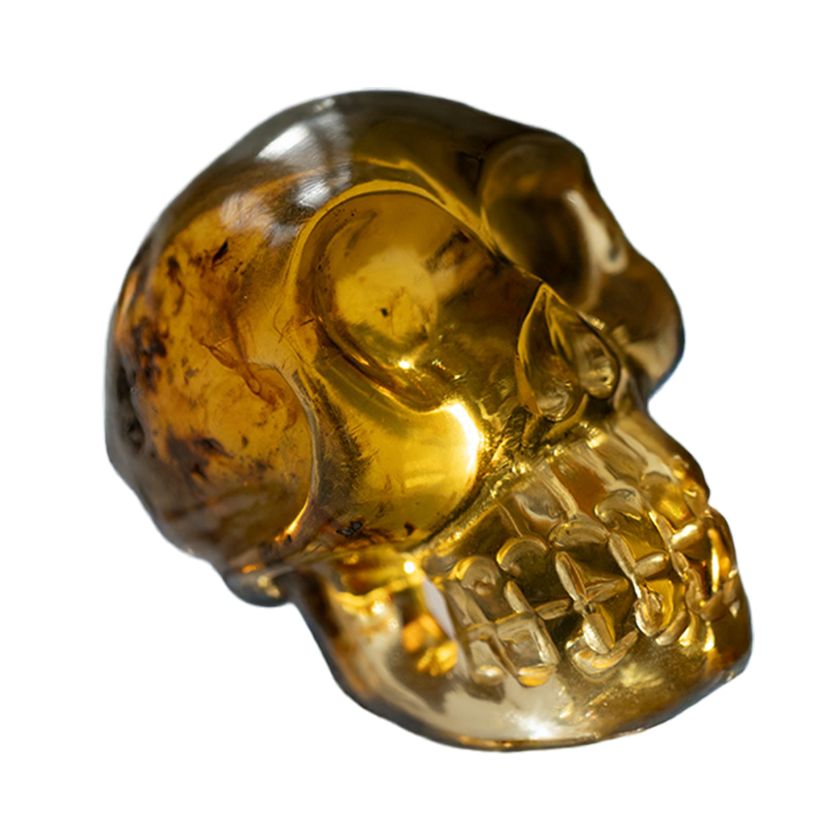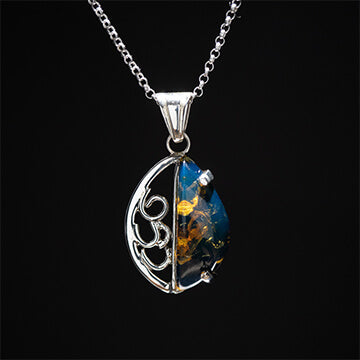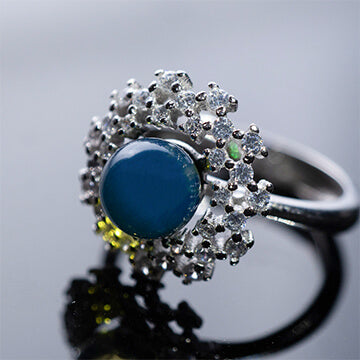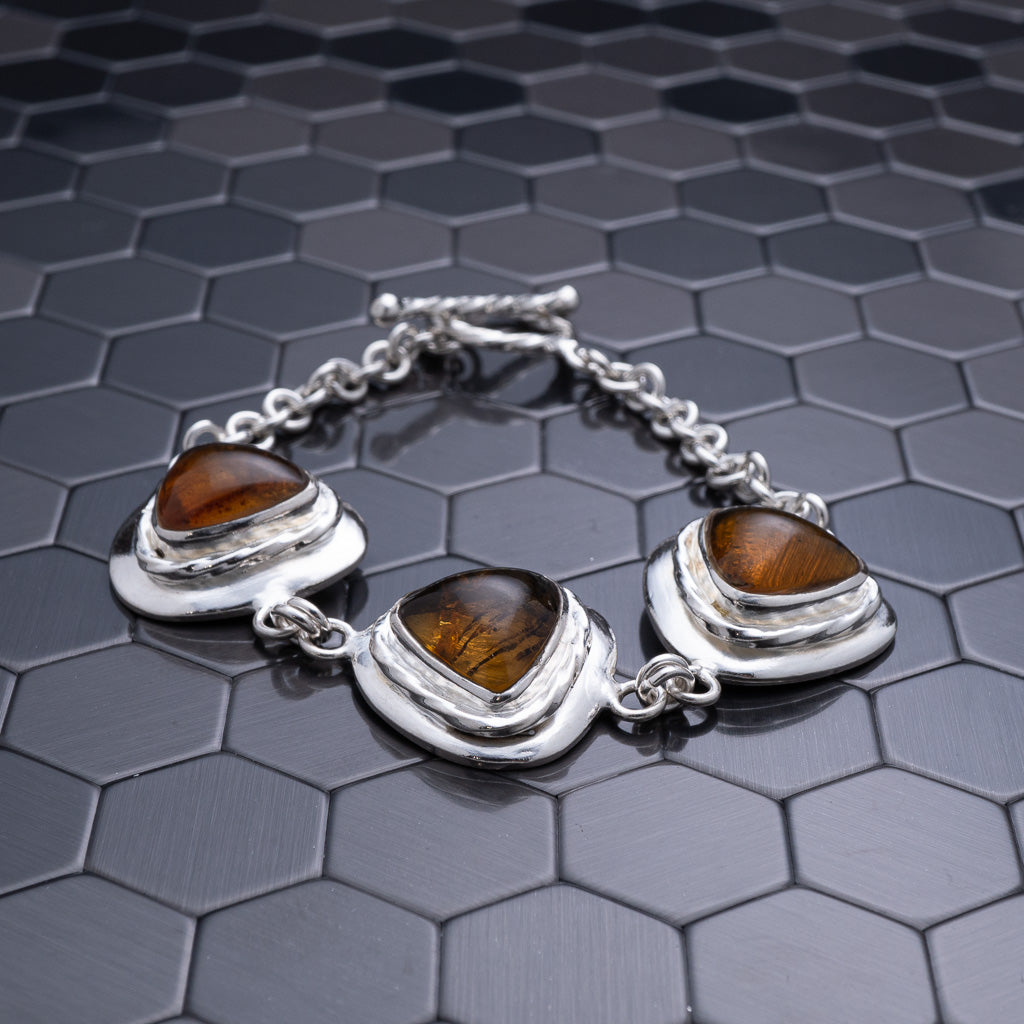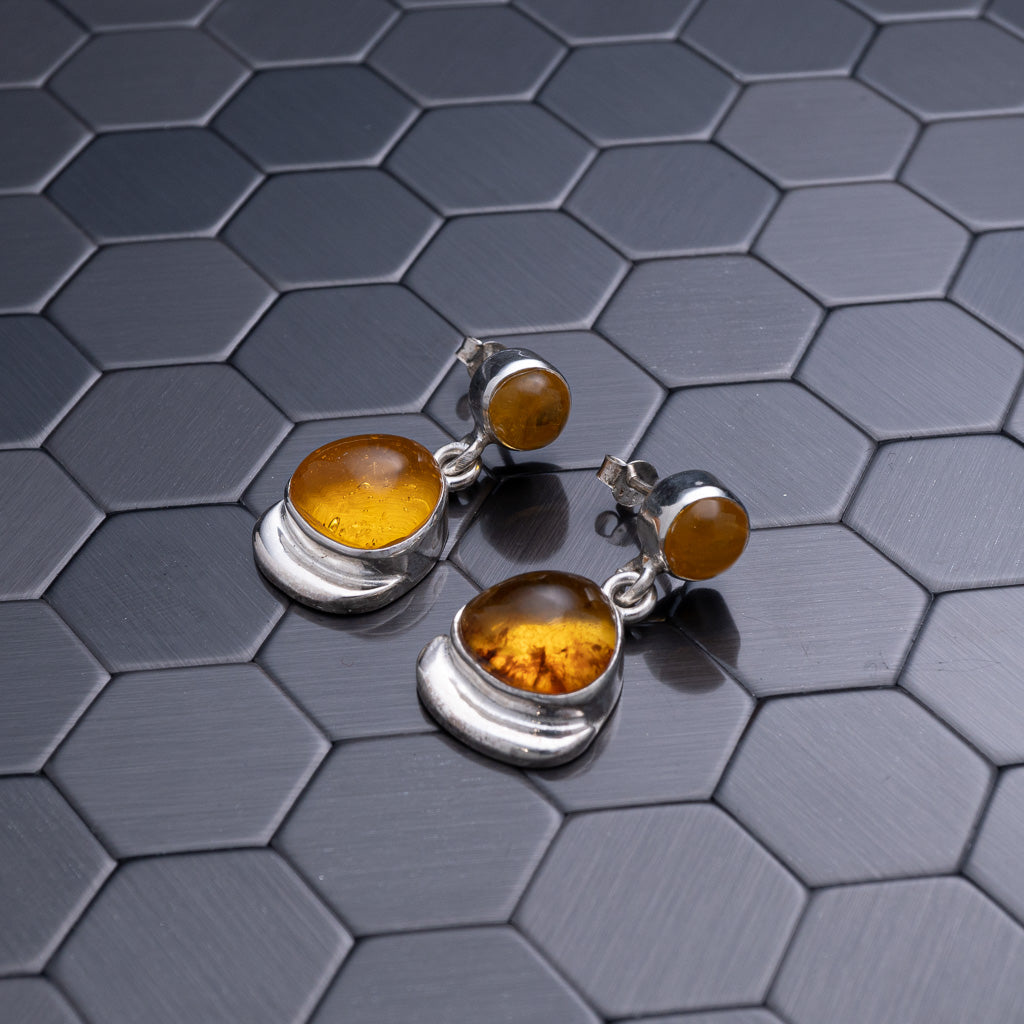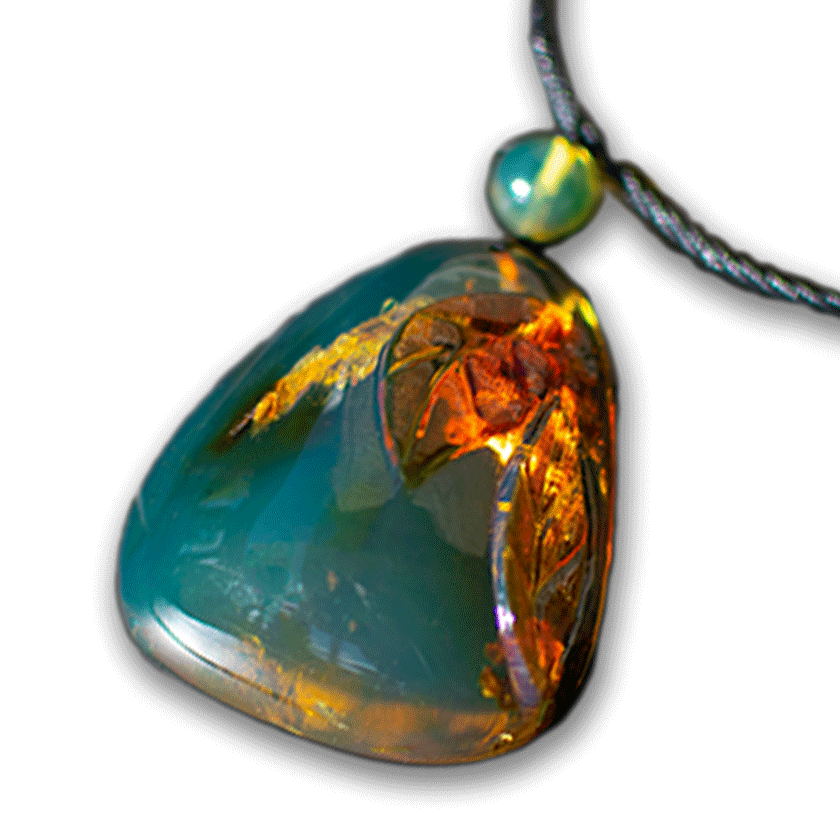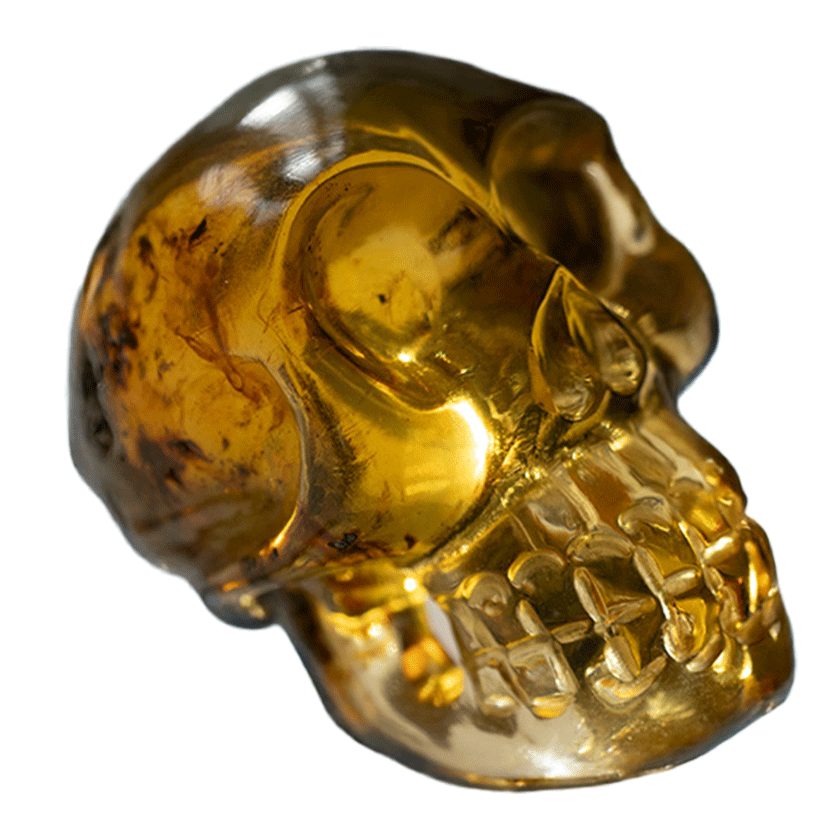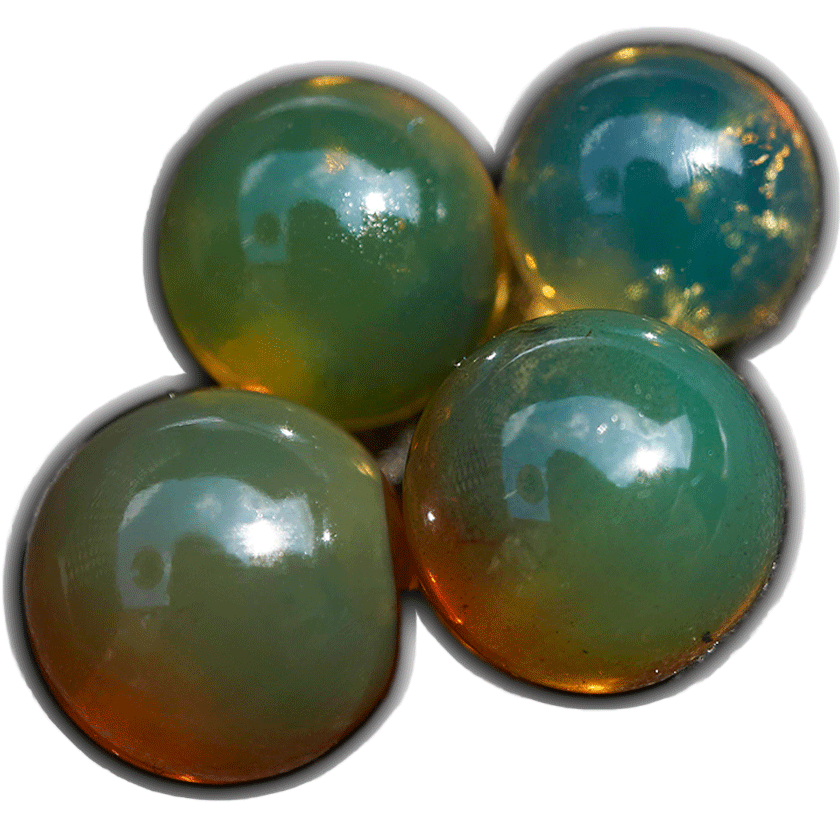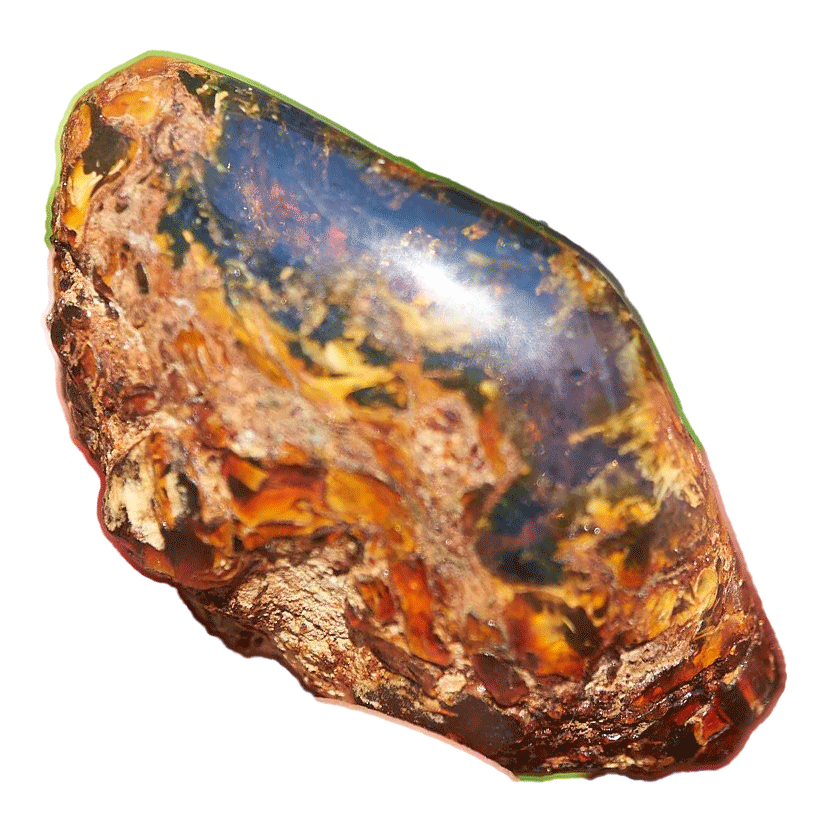


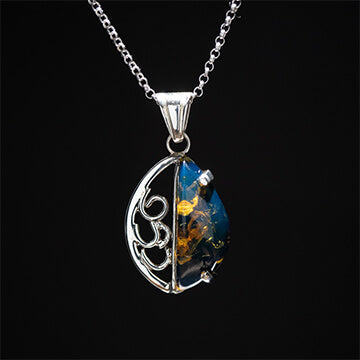
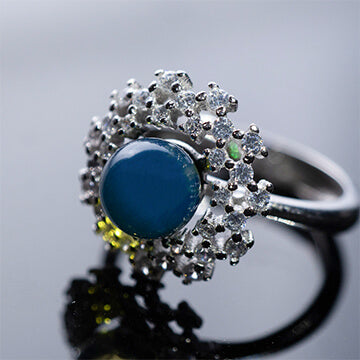
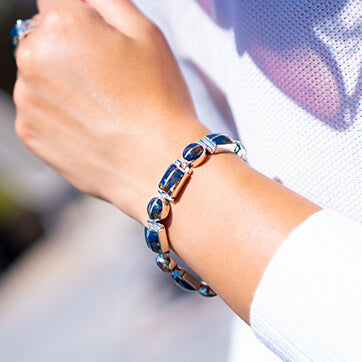
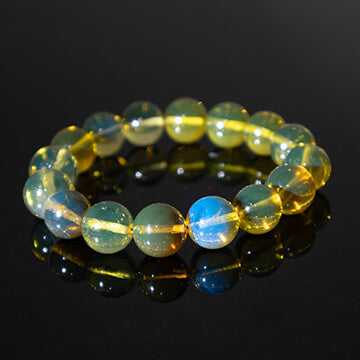
Handcrafted in DR.

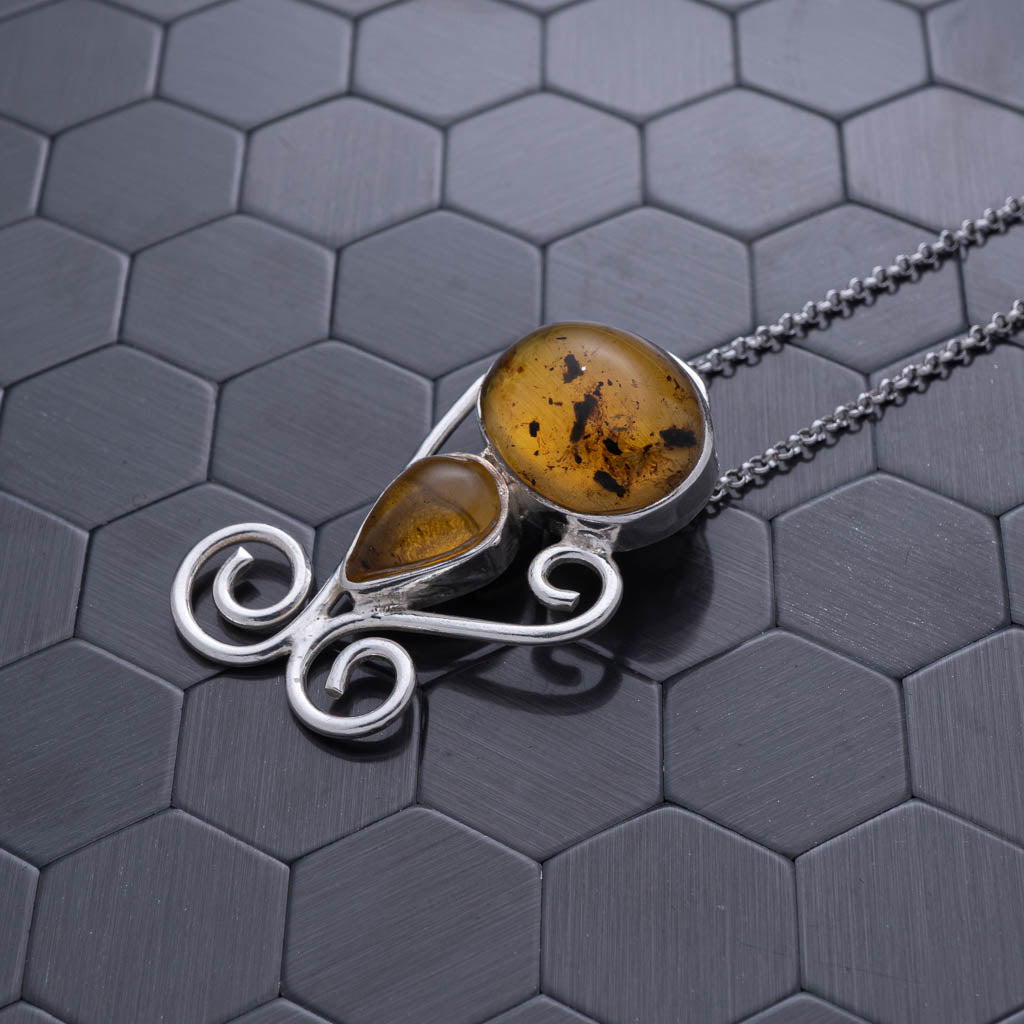
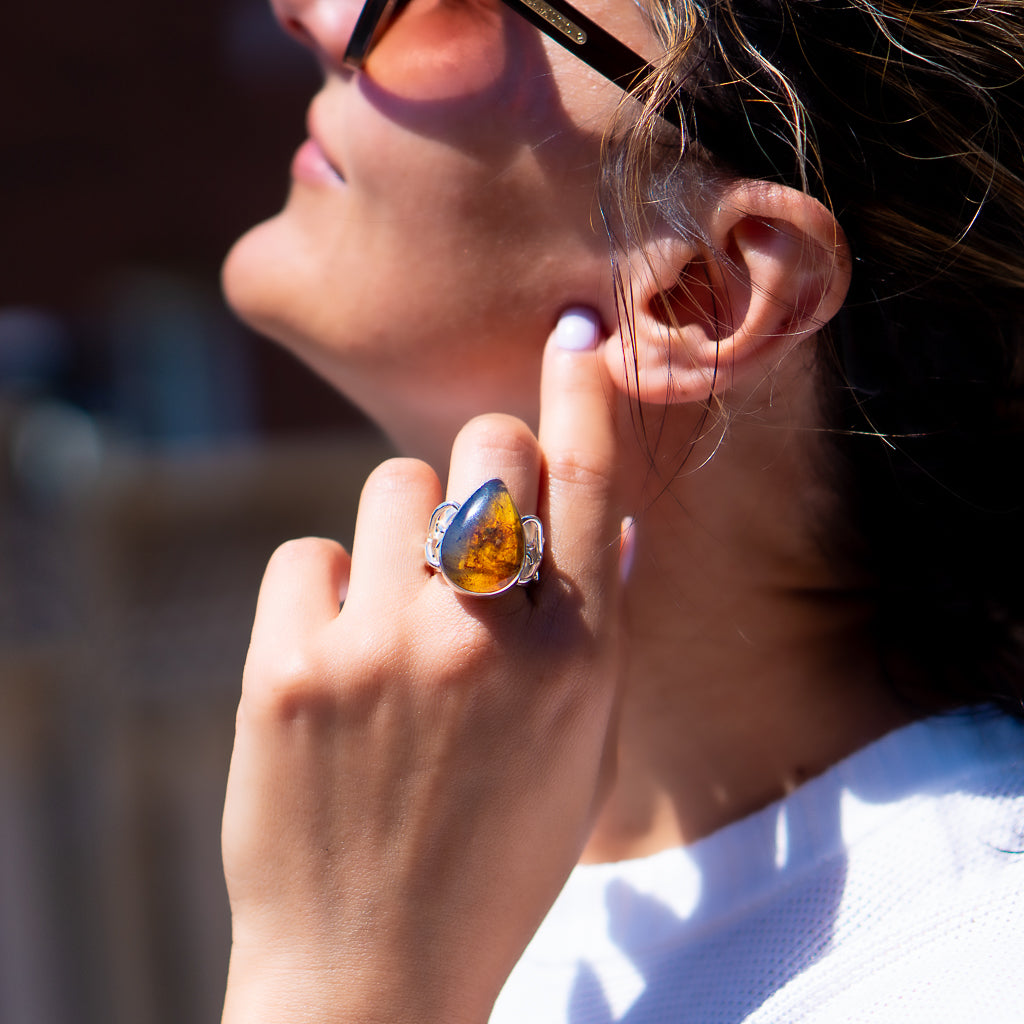
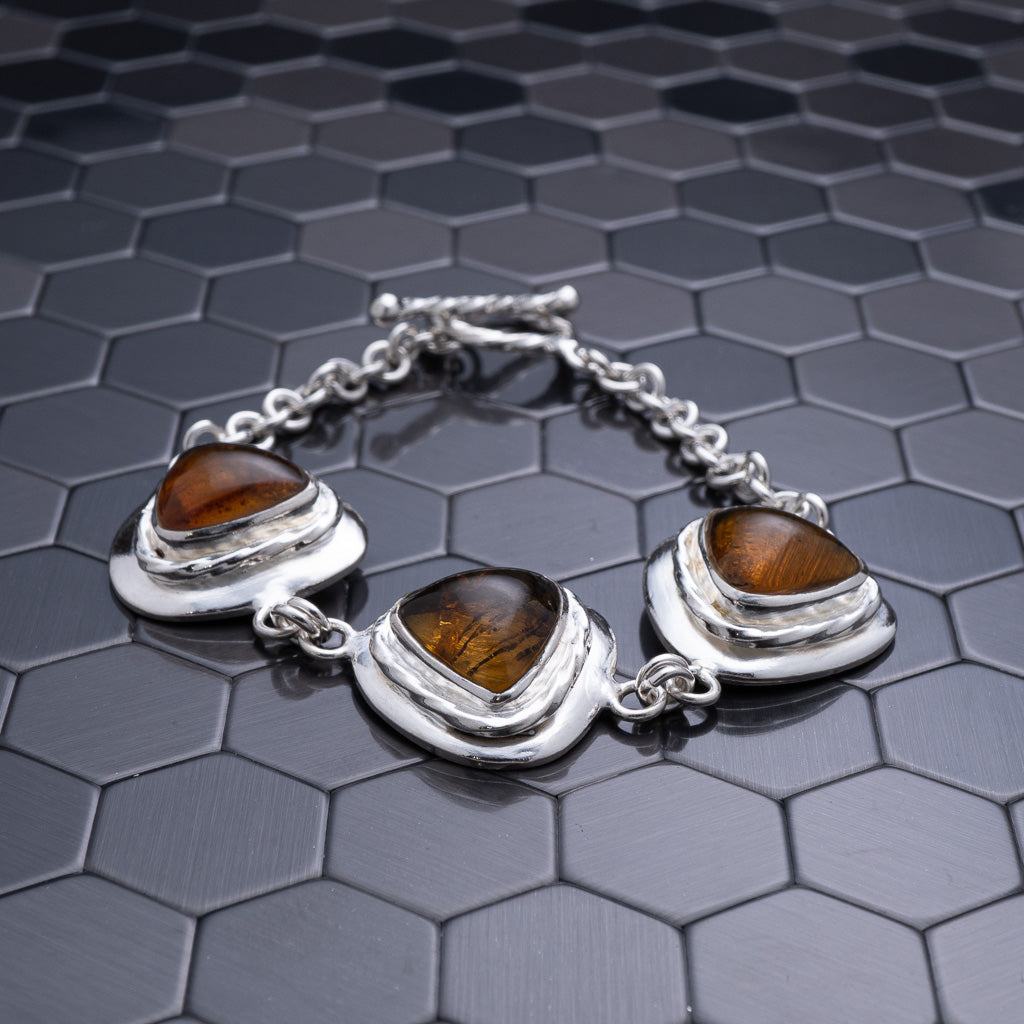
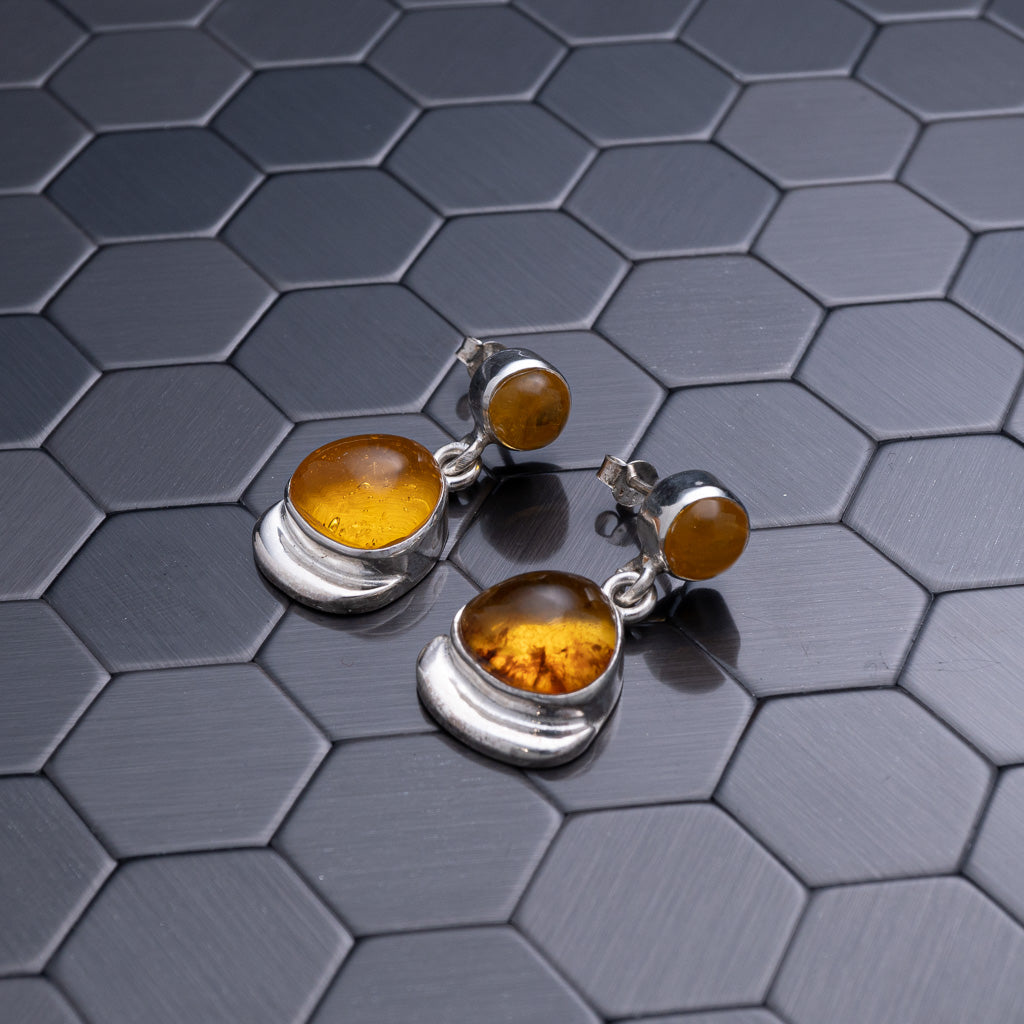


100% Handcrafted in DR.

Selecting the perfect rings for stones requires understanding the delicate balance between design, functionality, and gemstone characteristics. Whether you're choosing a setting for a rare Larimar gemstone or another precious stone, the ring's design must protect and showcase the gem while complementing the wearer's lifestyle. This comprehensive guide explores the essential considerations for creating and selecting rings for stones, from understanding different settings to caring for your precious jewelry pieces.
The foundation of any successful stone ring lies in its setting. The history and cultural significance of rings spans thousands of years, with various civilizations developing unique methods to secure gemstones. Modern rings for stones employ several distinct setting techniques, each offering unique advantages for different stone types and wearing situations.
Prong settings remain the most popular choice for rings for stones, featuring metal claws that grip the gemstone securely while allowing maximum light exposure. This traditional approach works exceptionally well for transparent and translucent stones, enabling light to enter from multiple angles and enhance the stone's natural brilliance.
Key benefits of prong settings include:
However, prong settings require regular maintenance. The metal claws can wear thin over time or catch on fabrics, necessitating periodic inspection by a professional jeweler to ensure stones remain secure.
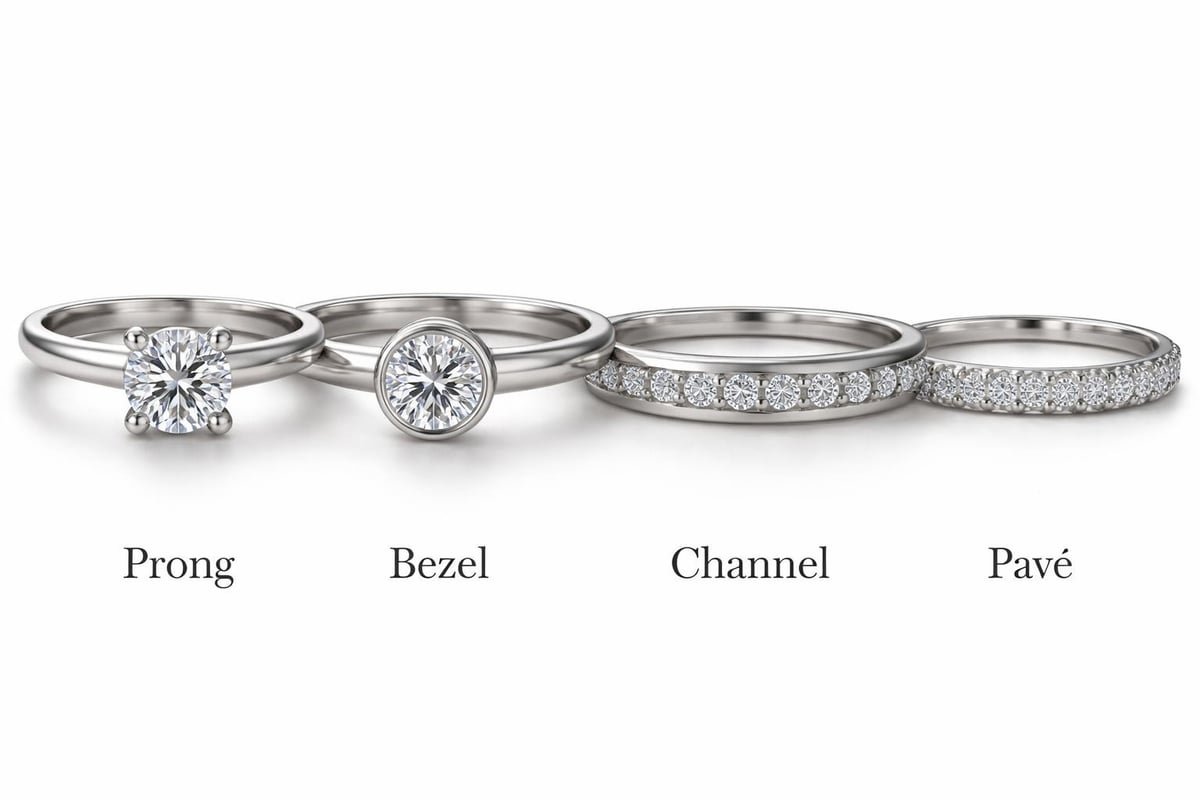
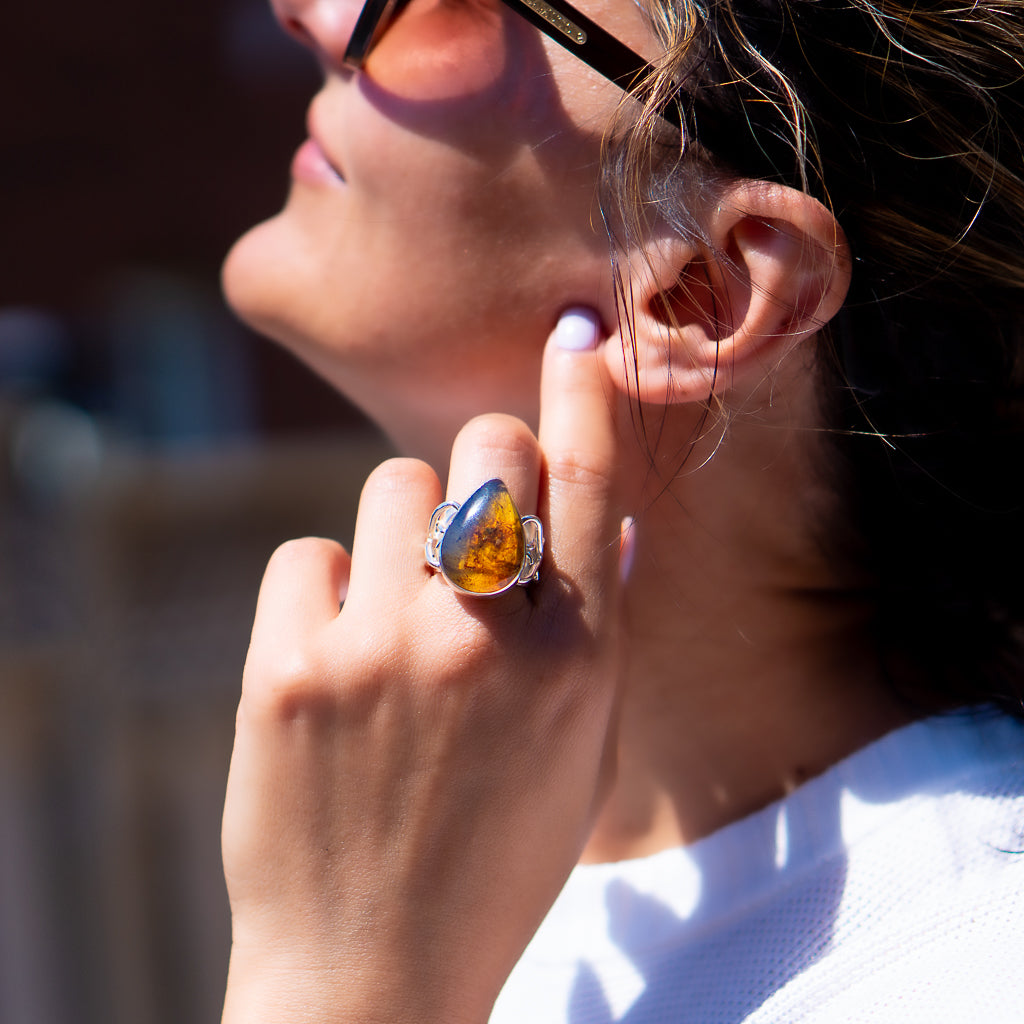
Bezel settings encircle the gemstone completely with a metal rim, offering superior protection for delicate or softer stones. This setting style proves particularly advantageous for rings intended for daily wear, as the surrounding metal shields the stone's edges from impacts and abrasions.
| Setting Type | Protection Level | Light Exposure | Best For |
|---|---|---|---|
| Full Bezel | Excellent | Moderate | Soft stones, active wear |
| Half Bezel | Good | High | Balanced protection and display |
| Prong | Moderate | Maximum | Hard stones, formal pieces |
| Channel | Excellent | Good | Multiple small stones |
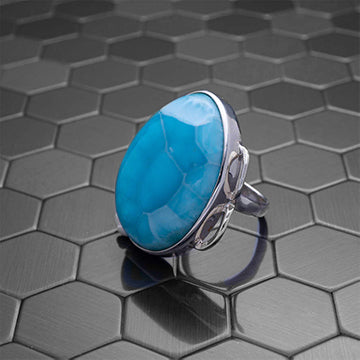
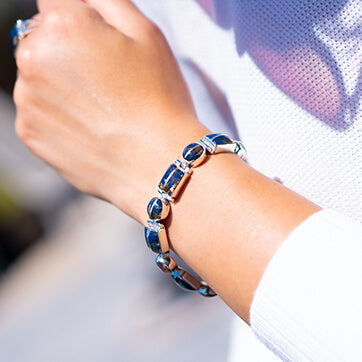
Bezel settings work beautifully with cabochon-cut stones, creating a sleek, modern aesthetic. For blue stones like Larimar, bezel settings can create an elegant frame that emphasizes the stone's unique coloration while providing everyday durability.
Choosing the right stone for your ring involves evaluating multiple factors beyond aesthetic appeal. The Mohs hardness scale provides crucial information about a gemstone's durability and suitability for ring wear.
Gemstones rating 7 or higher on the Mohs scale typically withstand daily ring wear effectively. Diamonds, sapphires, and rubies fall into this category, making them excellent choices for engagement rings and everyday jewelry. Softer stones require more protective settings and careful handling.
Hardness categories for rings for stones:
Understanding your gemstone's properties ensures you select appropriate rings for stones that will maintain their beauty over time.
Color intensity and clarity significantly impact how rings for stones appear when worn. Saturated colors typically show best in settings that allow ample light penetration, while inclusions or cloudiness may benefit from settings that minimize magnification effects.
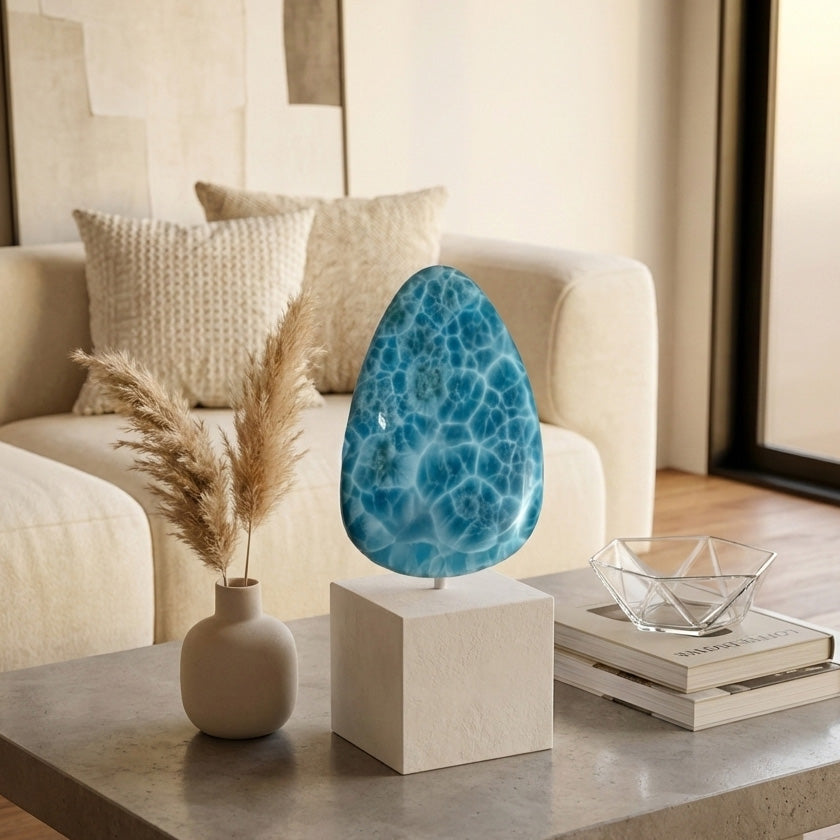
The unique patterns within stones like Larimar create one-of-a-kind pieces. Each Larimar jewelry piece showcases distinctive volcanic blue patterns, making stone selection a deeply personal experience. When evaluating color, consider how different lighting conditions affect appearance, from natural sunlight to indoor artificial lighting.
Contemporary rings for stones reflect evolving aesthetic preferences while honoring traditional craftsmanship. Current design trends emphasize individuality, sustainability, and meaningful symbolism.
Clean lines and simplified designs dominate 2026 jewelry trends. Minimalist rings for stones feature streamlined bands that direct attention to the gemstone itself, often employing innovative tension settings or floating designs that create the illusion of stones suspended in air.
Contemporary sculptural designs showcase how modern jewelers push creative boundaries while maintaining wearability. These pieces often incorporate asymmetrical elements, unexpected metal textures, or unconventional stone placements.
Vintage aesthetics continue gaining popularity, with many seeking rings for stones that evoke specific historical periods. Art Deco geometric patterns, Victorian floral motifs, and Edwardian filigree work provide timeless appeal.
Trilogy rings, featuring three stones representing past, present, and future, remain particularly meaningful choices for milestone celebrations. Acrostic rings, where gemstone initials spell meaningful words, add another layer of personalization to rings for stones.
The metal chosen for rings for stones affects both aesthetic and practical considerations. Different metals offer varying levels of durability, color options, and compatibility with specific gemstones.
Yellow gold provides warm, classic appeal and works particularly well with earth-toned and warm-colored gemstones. White gold and platinum offer cool, contemporary aesthetics that complement blue, purple, and cool-toned stones beautifully.
Metal choice also impacts long-term maintenance requirements. Understanding these differences helps in selecting appropriate rings for stones that align with maintenance preferences and budget.
Certain metal-stone combinations create particularly harmonious effects. Blue gemstones often appear most vibrant against white metals, while warm-toned stones glow against yellow or rose gold. The metal's reflective properties can either enhance or diminish a stone's natural color.
| Stone Color | Recommended Metal | Effect Achieved |
|---|---|---|
| Blue stones | White gold, platinum | Enhanced coolness and clarity |
| Red/pink stones | Rose gold, yellow gold | Warmth amplification |
| Green stones | Yellow gold | Natural, organic appeal |
| Purple stones | White gold, platinum | Regal, sophisticated look |
| Colorless stones | Any metal | Versatile across all metals |
Proper sizing ensures rings for stones remain comfortable and secure during wear. Stone placement affects how rings fit, with larger stones or higher settings potentially requiring different sizing approaches than simple bands.
Professional jewelers measure ring size using standardized sizing systems, with US sizes typically ranging from 3 to 13. Rings for stones with wide bands often require sizing up by one-quarter to one-half size compared to narrow bands, as width affects how the ring sits on the finger.
Temperature, time of day, and individual finger characteristics influence fit. Fingers tend to swell slightly in warm weather and decrease in cold conditions. For optimal comfort, size rings for stones during moderate temperature conditions at mid-day.
Not all rings for stones can be resized easily. Settings with stones encircling the entire band (eternity settings) present significant resizing challenges. Tension settings and certain contemporary designs may have limited or no resizing capability.
Resizing considerations:
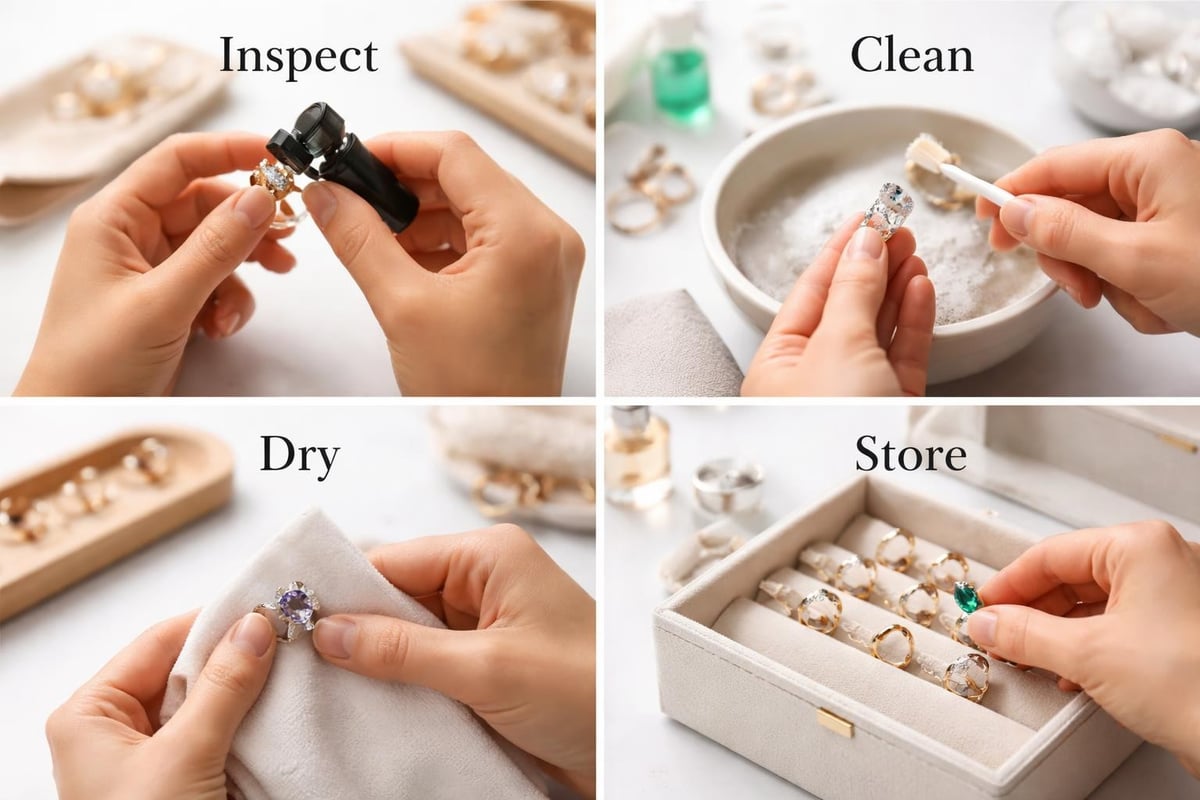
Proper care extends the life and beauty of rings for stones significantly. Different gemstones require specific cleaning methods and storage considerations to prevent damage and maintain their optimal appearance.
Remove rings for stones during activities involving harsh chemicals, heavy physical work, or water exposure. Chlorine, cleaning products, and certain cosmetics can damage both stones and metal settings over time.
Develop a routine for inspecting your rings for stones regularly. Check prong integrity, look for loose stones, and watch for any signs of metal wear or damage. Early detection of problems prevents stone loss and costly repairs.
Different gemstone types require specific cleaning approaches. Hard stones like diamonds tolerate ultrasonic cleaning, while softer porous stones need gentler methods.
Cleaning guidelines:
For delicate gemstones, professional cleaning ensures safe handling. Many jewelers offer complimentary cleaning services for rings purchased from their establishments.
Creating custom rings for stones allows complete personalization, from selecting the exact gemstone to designing unique setting elements. This approach ensures your ring perfectly matches your vision and requirements.
Collaborating with experienced jewelers transforms concepts into wearable art. The process typically begins with discussing preferences, lifestyle needs, and budget parameters. Jewelers can source specific stones, create design renderings, and guide technical decisions.
Collections of rings from specialty jewelers provide inspiration while showcasing craftsmanship capabilities. When working with artisan jewelers, examine previous work to ensure their style aligns with your aesthetic preferences.
Custom rings for stones incorporate numerous design elements that contribute to the final piece's character. Band width, profile shape, surface finish, and decorative details all impact appearance and wearability.
Consider incorporating meaningful symbols, engraved messages, or specific cultural design elements. The combination of thoughtful design and quality craftsmanship creates rings for stones that transcend mere adornment to become cherished heirlooms.
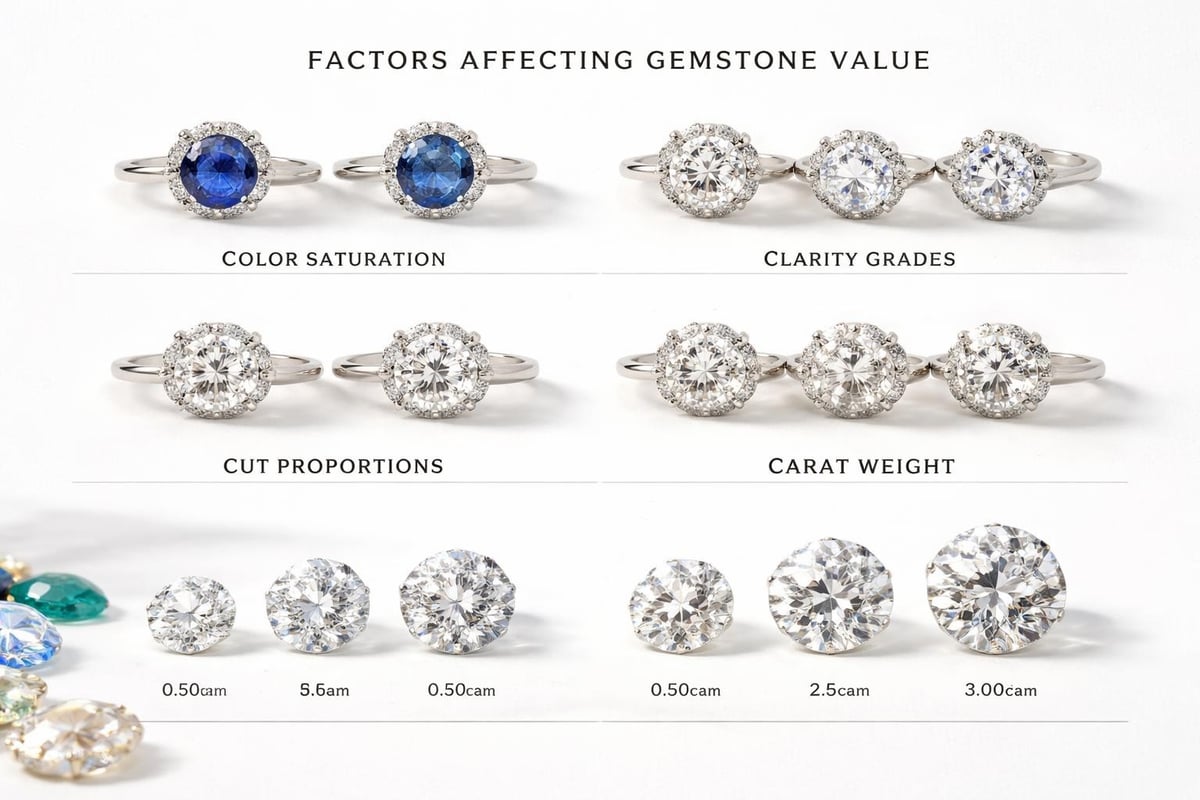
Rings for stones represent both emotional and financial investments. Understanding factors affecting value helps in making informed purchasing decisions and proper insurance coverage.
Multiple elements contribute to a ring's overall value. The gemstone's quality (considering the four Cs for diamonds or equivalent criteria for colored stones), metal type and purity, craftsmanship quality, and designer or brand reputation all influence pricing.
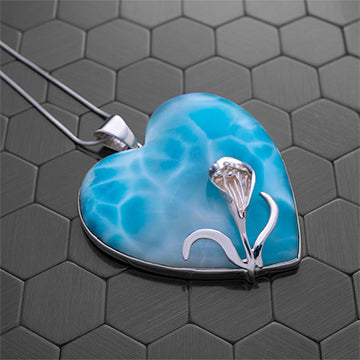
Rarity significantly impacts value. Gemstones from specific locations or with unusual characteristics command premium prices. For instance, Larimar pendants featuring high-quality stones showcase the value of rare gemstones found only in the Dominican Republic.
Protect valuable rings for stones through appropriate insurance coverage. Obtain professional appraisals from certified gemologists, documenting stone characteristics, metal specifications, and current replacement values.
Update appraisals every 3-5 years to reflect current market values. Store appraisal documents, purchase receipts, and detailed photographs separately from jewelry. This documentation proves invaluable for insurance claims, estate planning, or eventual resale.
Modern consumers increasingly prioritize ethically sourced materials for rings for stones. Understanding sourcing practices ensures purchases align with personal values and support responsible mining operations.
Verify gemstone origins through seller documentation and certifications. Reputable jewelers provide information about mining locations, labor practices, and environmental considerations. Different stone varieties from various sources carry different ethical considerations.
Small-scale artisan mining operations often provide better working conditions and environmental stewardship than large industrial operations. Supporting these sources through conscious purchasing decisions promotes sustainable practices industry-wide.
Recycled precious metals offer environmental benefits without compromising quality. Reclaimed gold and platinum undergo refining processes that restore original purity and characteristics. Many contemporary jewelers exclusively use recycled metals, reducing mining's environmental impact.
Lab-created gemstones provide ethical alternatives to mined stones, offering identical physical properties at lower price points. While natural stones carry geological history and rarity, lab-created options enable larger or higher-quality stones within budget constraints.
Throughout history, rings for stones have conveyed meanings beyond decoration. Different stones, settings, and design elements communicate specific messages and hold cultural significance across various traditions.
Ancient civilizations attributed specific powers and meanings to gemstones. These associations persist in contemporary jewelry selection, with many choosing stones based on symbolic properties aligned with personal intentions or celebrations.
Blue stones traditionally represent peace, communication, and emotional healing. The healing properties associated with Larimar include stress relief and enhanced clarity, making rings featuring this stone particularly meaningful for those seeking calming influences.
Contemporary rings for stones balance traditional symbolism with personal meaning. Birthstones, anniversary stones, and stones representing specific life events create deeply personal connections between wearer and jewelry.
The trend toward meaningful jewelry extends beyond stone selection to overall design. Every element, from the number of stones to specific motifs incorporated into the metalwork, can carry significance tailored to individual stories and values.
Selecting rings for stones involves balancing aesthetic preferences, practical considerations, and personal meaning to create pieces that enhance daily life and commemorate special moments. Understanding settings, stone properties, metal options, and care requirements ensures informed decisions that result in lasting satisfaction.
Whether you're drawn to rare gemstones or classic designs, expert craftsmanship makes all the difference. Larimar Creations specializes in handcrafted jewelry featuring exceptional Larimar and Dominican Blue Amber, creating unique pieces that showcase these rare gemstones' natural beauty. Explore our worldwide collection to discover expertly crafted rings that transform precious stones into wearable art, delivered to your door no matter where you are.