Your Cart is Empty

Selecting the perfect stone for rings represents one of the most important decisions in jewelry creation and purchase. Whether you're designing an engagement ring, a statement piece, or an everyday accessory, understanding the characteristics that make certain gemstones ideal for ring settings can ensure your jewelry remains beautiful and durable for years to come. The right stone balances aesthetic appeal with practical wearability, transforming a simple band into a cherished heirloom.
When evaluating any stone for rings, durability stands as the paramount consideration. Unlike pendants or earrings that experience minimal contact with surfaces, rings face constant exposure to impacts, scratches, and environmental factors. Gemstone durability encompasses three critical properties: hardness, toughness, and stability.
The Mohs hardness scale measures a gemstone's resistance to scratching, ranging from 1 (talc) to 10 (diamond). For rings worn regularly, experts recommend stones with a hardness rating of at least 7. This threshold ensures the stone resists scratching from common materials like quartz, which has a hardness of 7 and appears in everyday dust particles.
Gemstones by Hardness Category:
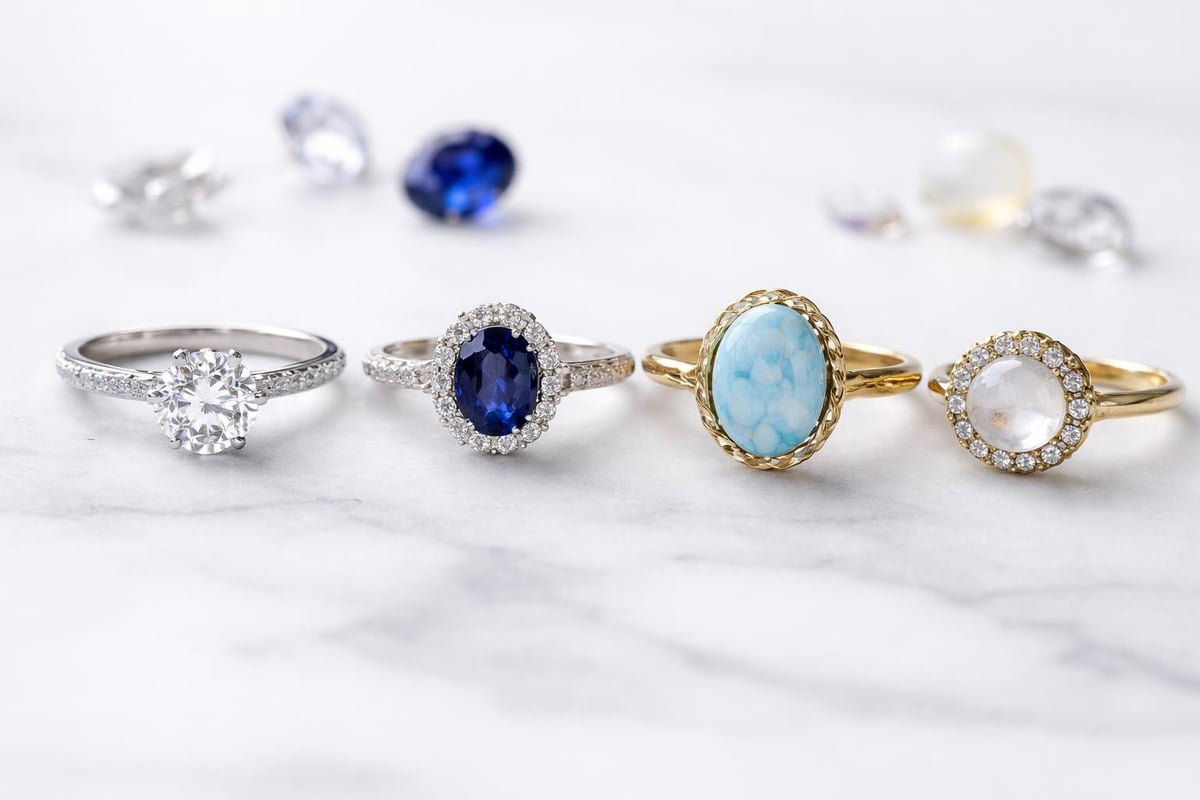
Understanding gemstone hardness and its impact on wearability helps buyers make informed decisions based on their lifestyle needs. A construction worker requires different stone characteristics than an office professional.
Many people confuse hardness with toughness, but these properties differ significantly. Toughness measures a stone's resistance to chipping, breaking, or cracking from impact. A diamond ranks highest in hardness but exhibits only good toughness, making it vulnerable to sharp blows along specific crystallographic directions. Conversely, jade rates lower in hardness but possesses exceptional toughness due to its interlocking crystal structure.
For the ideal stone for rings, balancing both properties creates jewelry that withstands daily wear. Consider how you'll wear the piece-will it face heavy physical activity or occasional formal events?
Different gemstones bring unique characteristics to ring designs, from traditional favorites to rare discoveries. Understanding each option's strengths and limitations guides better selection.
Diamonds remain the most popular choice for engagement rings and fine jewelry, offering unmatched hardness and brilliance. However, colored gemstone alternatives have gained significant popularity among those seeking distinctive pieces.
| Gemstone | Hardness | Toughness | Best For |
|---|---|---|---|
| Diamond | 10 | Good | All ring types, daily wear |
| Sapphire | 9 | Excellent | Engagement rings, everyday jewelry |
| Ruby | 9 | Excellent | Statement rings, bridal jewelry |
| Emerald | 7.5-8 | Poor to Fair | Occasional wear, protective settings |
Sapphires and rubies, both varieties of corundum, offer exceptional durability for ring applications. Their excellent toughness combined with superior hardness makes them ideal gemstones for engagement rings and pieces intended for daily wear.
Beyond traditional choices, many semi-precious stones create stunning rings when properly set and cared for. These options often provide unique colors and patterns unavailable in harder gemstones.
Amethyst (hardness 7) presents beautiful purple hues at accessible price points. Its adequate hardness suits rings with protective settings, though it may show wear over decades of daily use.
Aquamarine (hardness 7.5-8) delivers serene blue tones with good durability. This beryl family member works well in rings designed for regular wear, especially when bezel-set or protected by surrounding diamonds.
Citrine (hardness 7) offers warm golden to orange tones. While durable enough for rings, it requires care to avoid sharp impacts that could cause internal fracturing.
Some of the most captivating rings feature rare gemstones that tell unique stories. These stones require special consideration regarding durability and care.
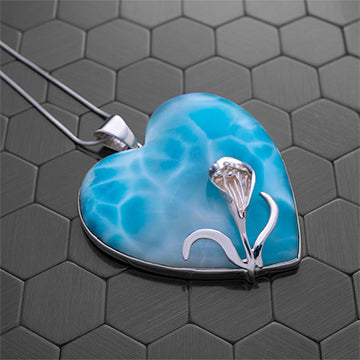
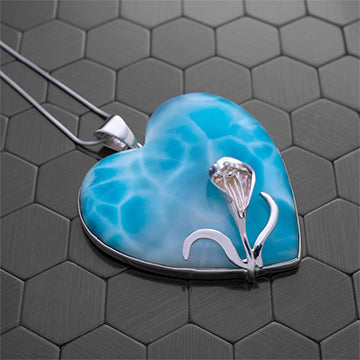
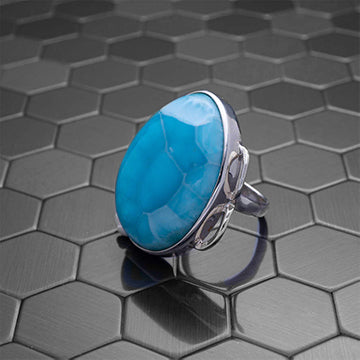
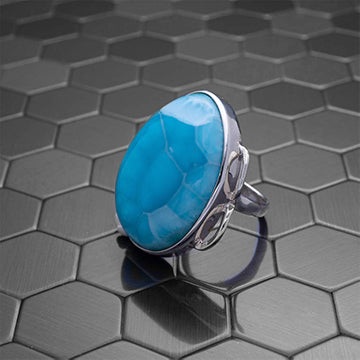
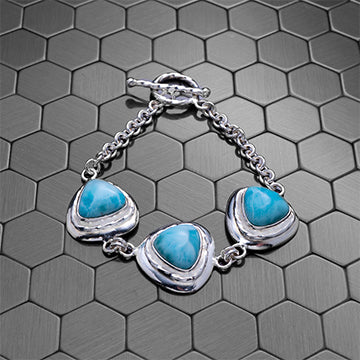
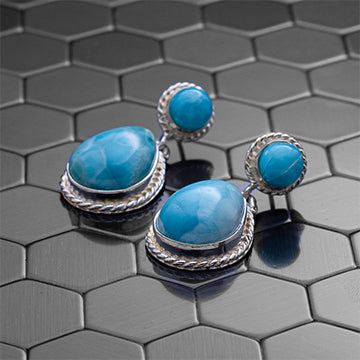
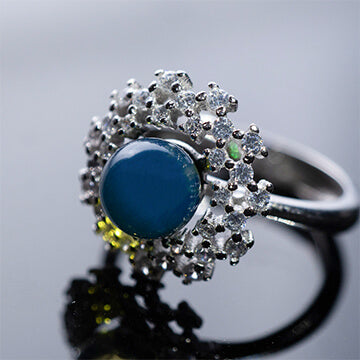
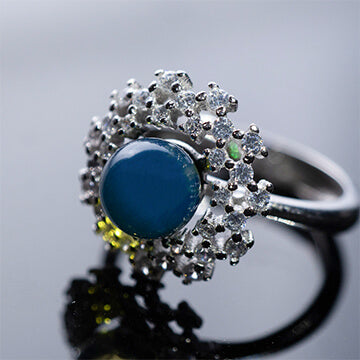
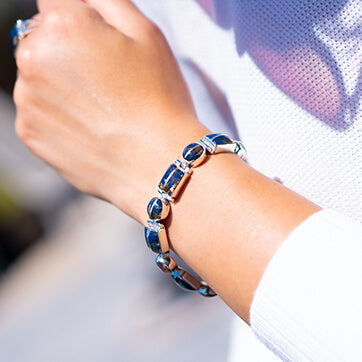
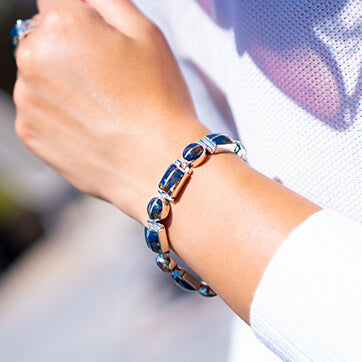
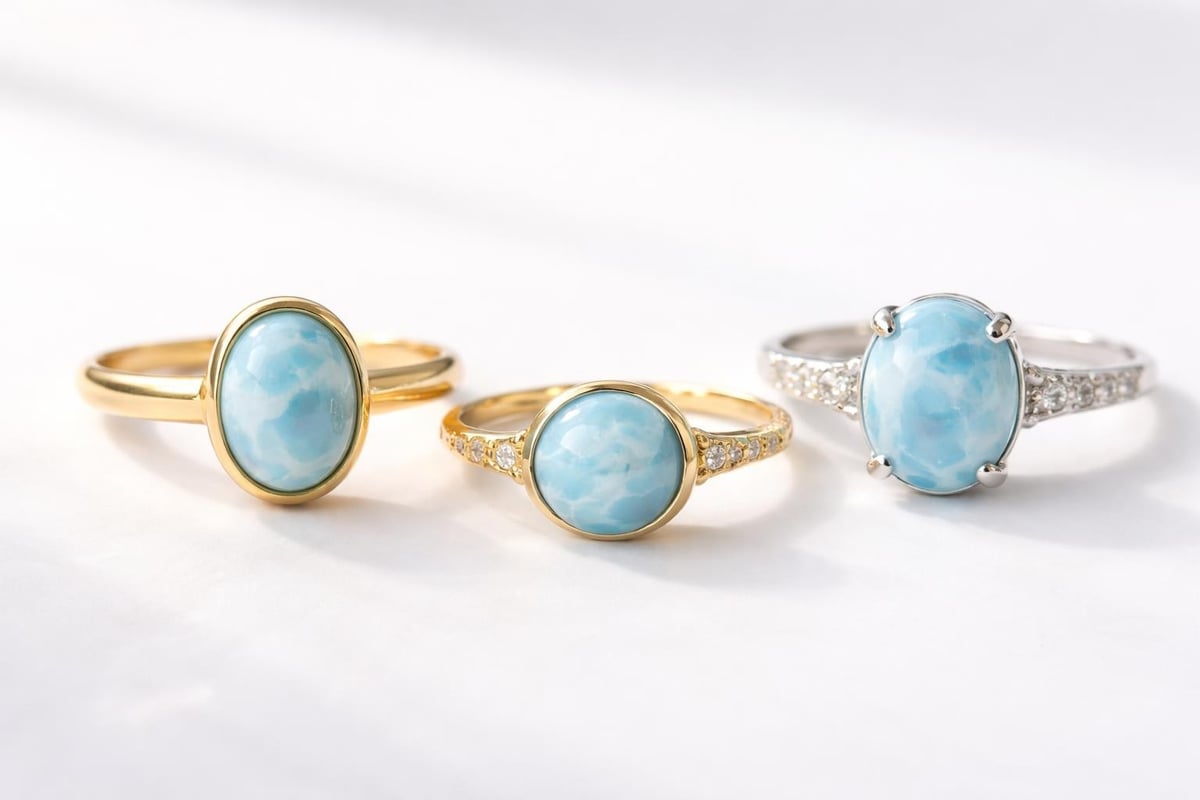
Larimar, found exclusively in the Dominican Republic, creates breathtaking rings with its distinctive blue coloration ranging from light sky blue to deep volcanic blue. This rare pectolite variety typically measures 4.5 to 5 on the Mohs scale, placing it in the moderately soft category for ring stones.
Despite its moderate hardness, larimar's unique beauty makes it a sought-after stone for rings when properly designed. Understanding how to identify genuine larimar ensures you invest in authentic pieces. Protective settings such as bezels or partial bezels help shield the stone from impacts while showcasing its remarkable patterns.
The stone's rarity and connection to Caribbean culture add meaningful symbolism to larimar rings. Many wearers appreciate the healing properties associated with larimar, believing it promotes tranquility and clear communication.
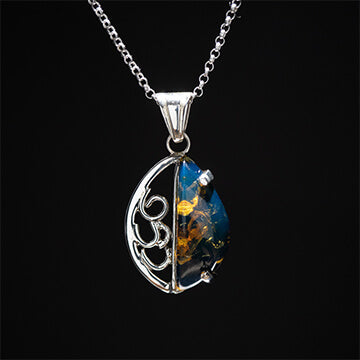
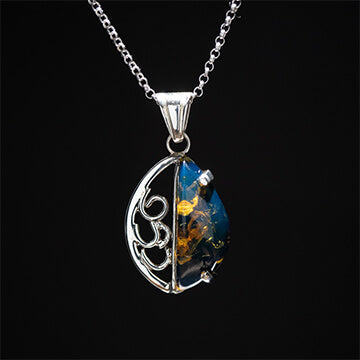
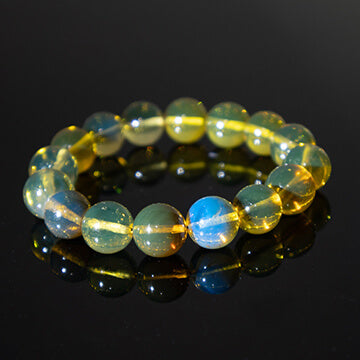
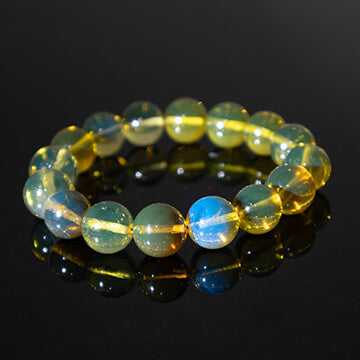
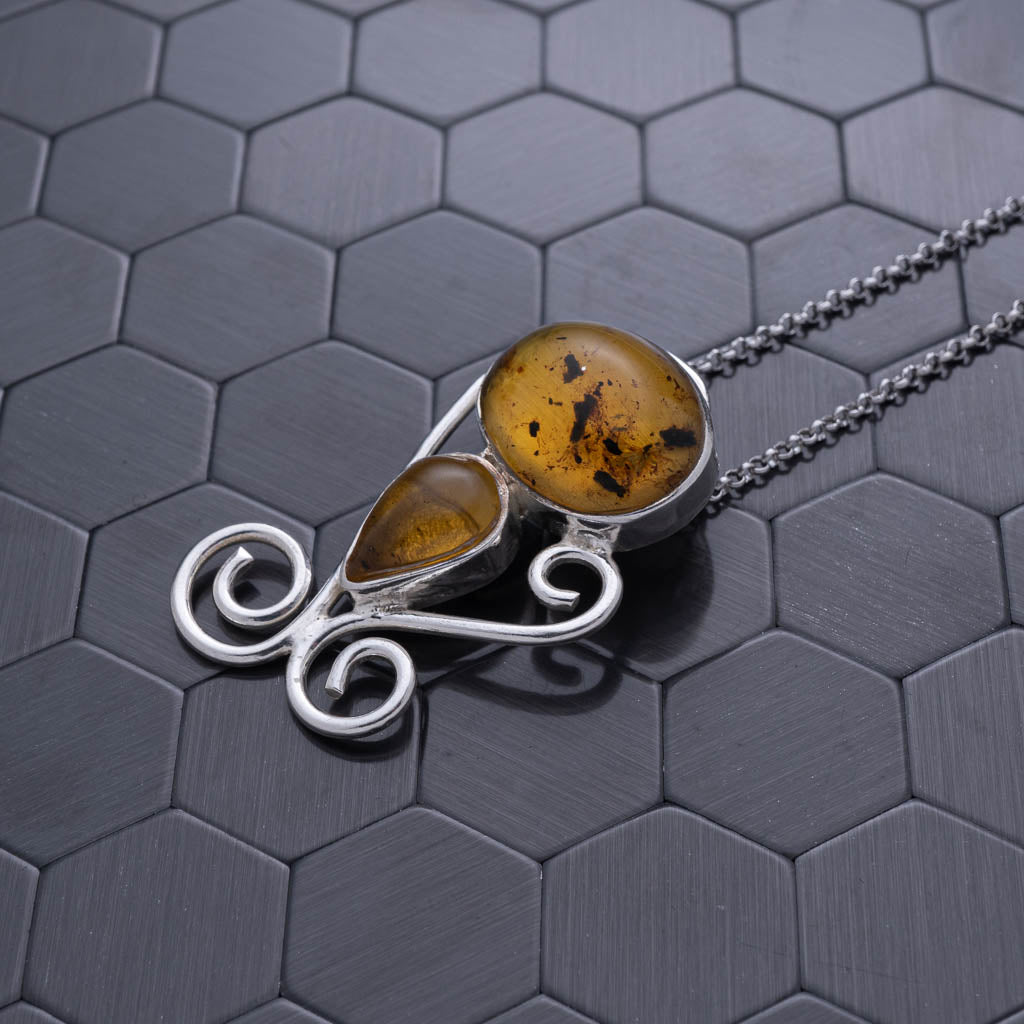
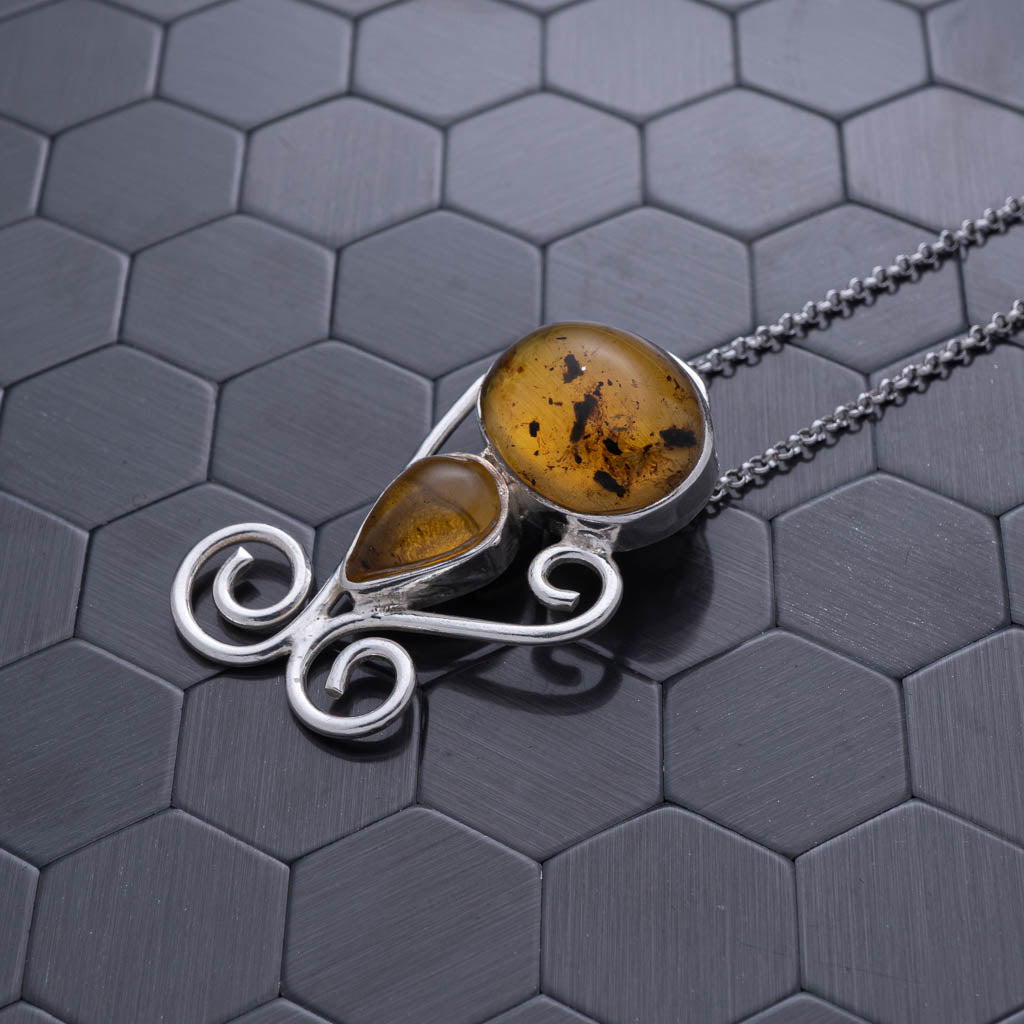
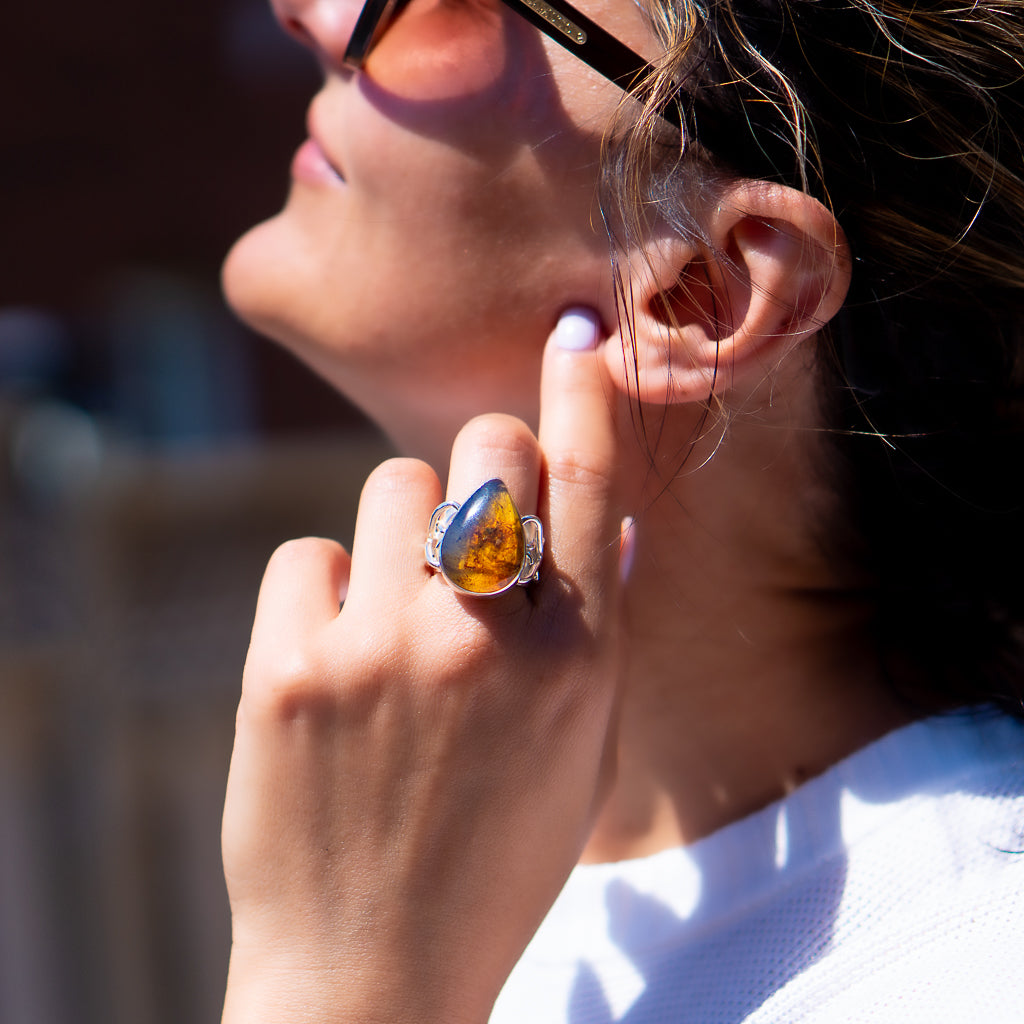
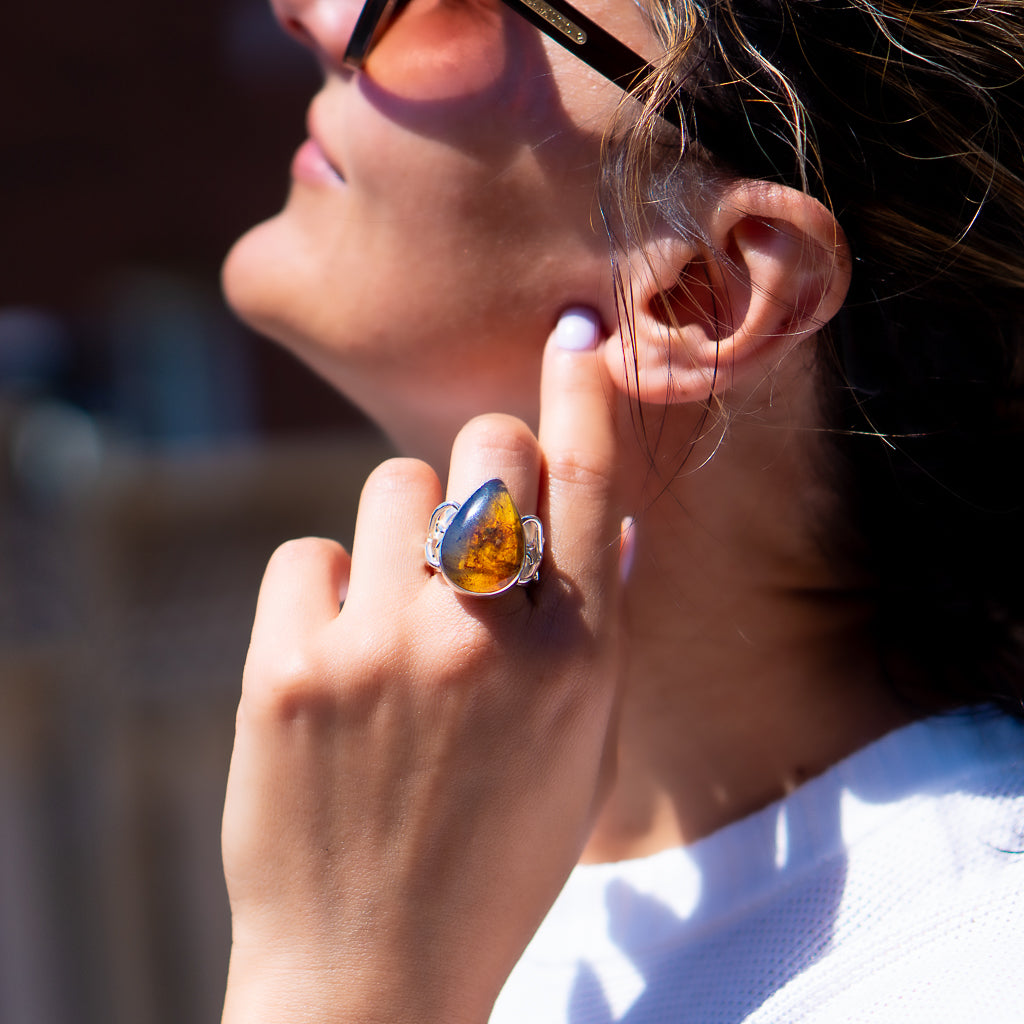
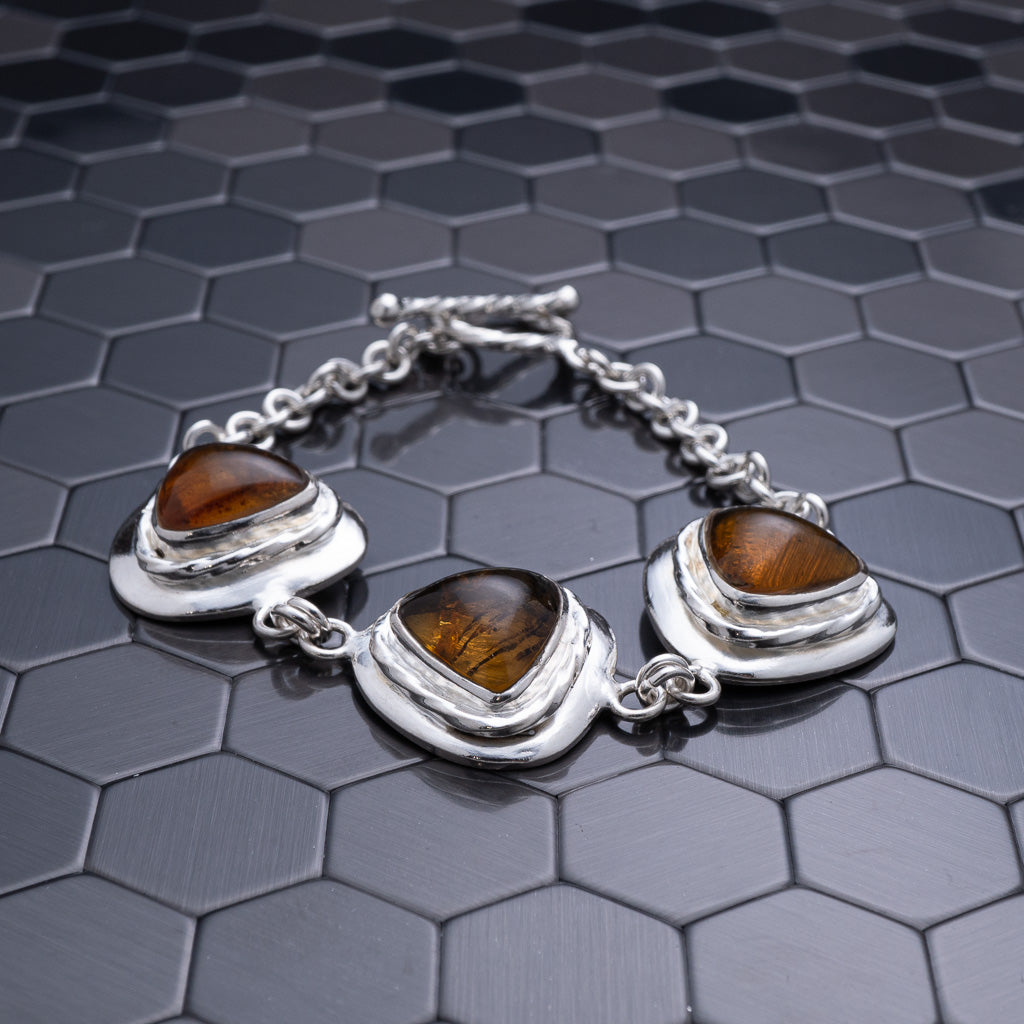
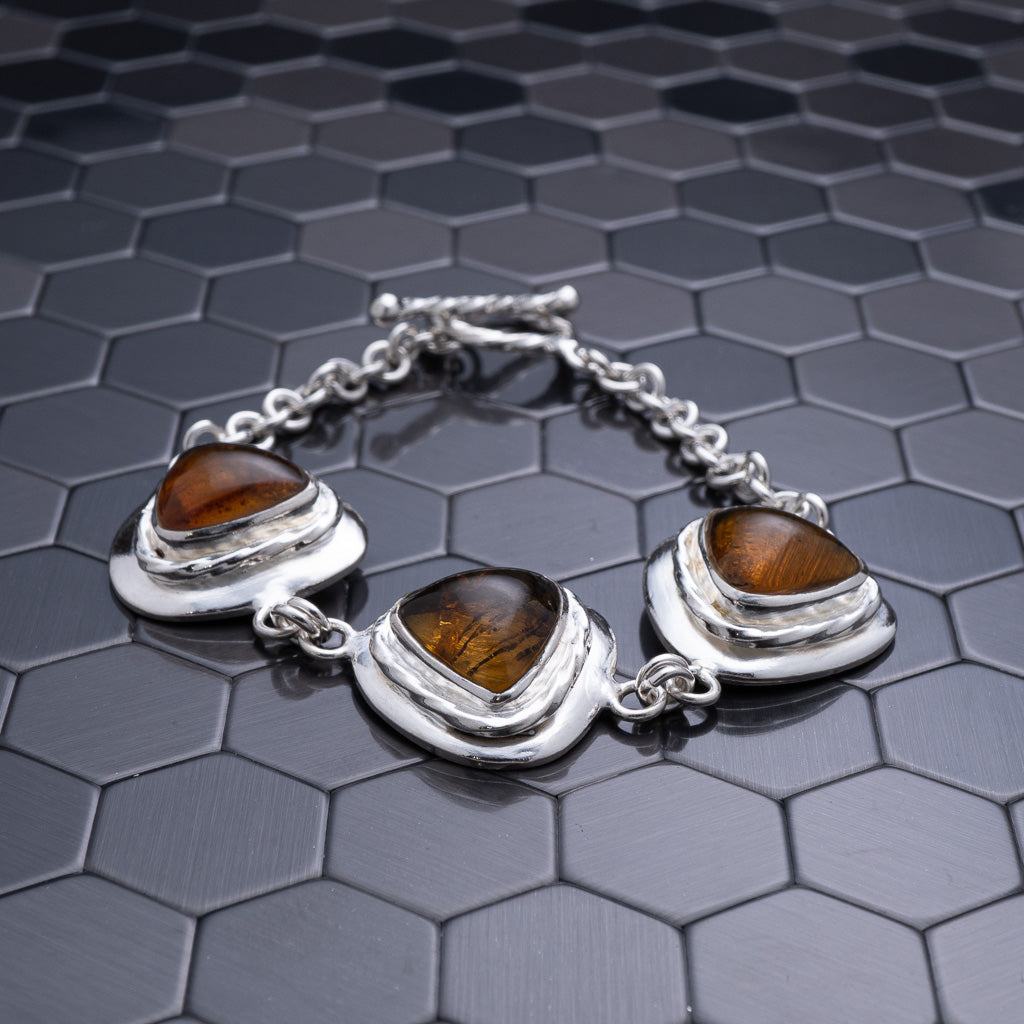
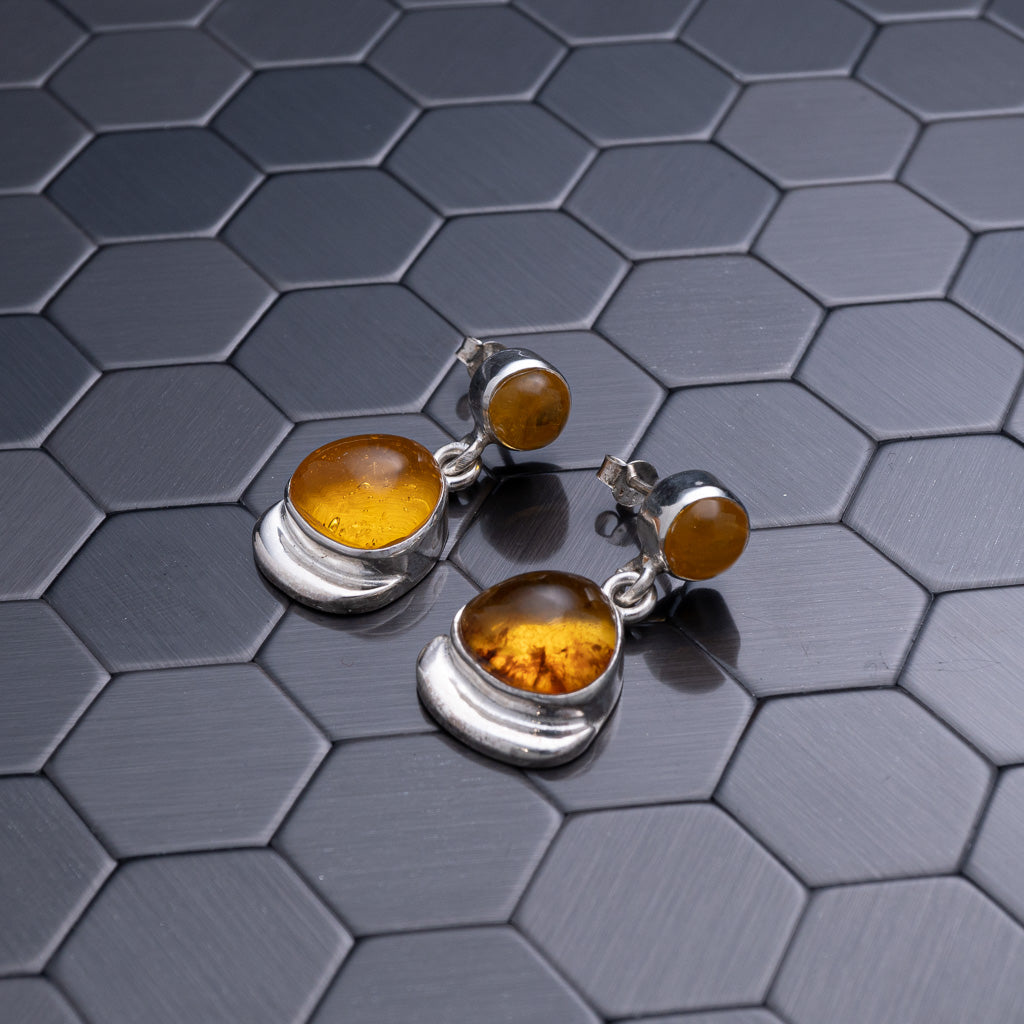
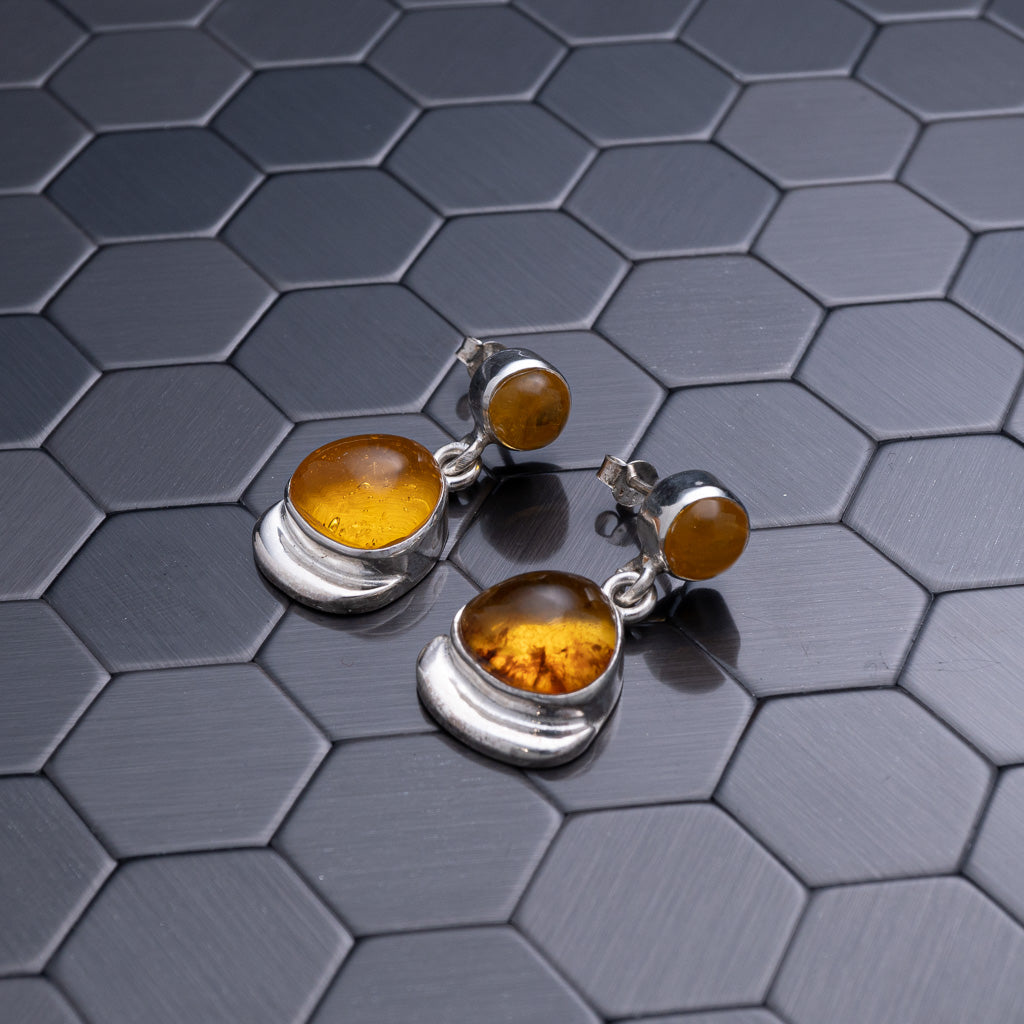
Dominican blue amber represents another extraordinary option for distinctive rings. This fossilized resin exhibits remarkable blue fluorescence under UV light while appearing golden in normal lighting. With a hardness of 2 to 2.5, blue amber requires careful setting design and mindful wearing.
Rings featuring blue amber work best as occasional-wear pieces or designs incorporating protective elements. The unique blue stone characteristics make these rings conversation pieces that showcase nature's artistry.
Moonstone (hardness 6-6.5) enchants with its adularescence-a floating light effect beneath the surface. This feldspar variety creates ethereal rings but requires protective settings and careful handling. Avoid wearing moonstone rings during activities involving hand impacts.
Opal (hardness 5.5-6.5) displays spectacular play-of-color but remains fragile for ring applications. Its high water content makes it susceptible to cracking in dry environments or from temperature changes. Boulder opal and matrix opal offer slightly better durability than precious opal due to their supporting rock matrix.
The right setting significantly extends the life of any stone for rings, particularly for softer gemstones. Protective ring settings combine security with aesthetic appeal.
Bezel settings surround the stone's girdle with a metal rim, providing maximum protection from impacts and snags. This design works exceptionally well for softer stones, active lifestyles, and vintage-inspired aesthetics. Full bezels offer complete protection, while partial bezels balance security with light exposure.
Benefits of bezel settings:
Prong settings use metal claws to secure stones, maximizing light entry for brilliant stones like diamonds and sapphires. However, prongs require regular inspection and maintenance to ensure they haven't worn thin or bent.
For optimal protection with prong settings, choose designs with at least four prongs (six for larger stones) and ensure prongs fully cover vulnerable stone corners on fancy cuts.
Halo settings surround the center stone with smaller accent stones, creating visual impact while providing peripheral protection. This design helps guard the center stone's edges while amplifying its appearance. Cluster settings achieve similar protective benefits by grouping multiple stones together.
Selecting the appropriate stone for rings requires honest assessment of your daily activities and wearing habits. Understanding which stones suit daily wear prevents disappointment and ensures longevity.
Individuals with physically demanding jobs or active hobbies should prioritize harder gemstones (8+ on Mohs scale) in protective settings. Healthcare workers, athletes, gardeners, and manual laborers benefit from:
Office environments prove gentler on rings, allowing more flexibility in stone selection. Moderately hard stones (6-7.5 hardness) perform well with proper care. Computer work, paperwork, and typical desk activities pose minimal threat to properly set gemstones.
Rings designated for occasional wear accommodate more delicate stones. Larimar, opal, moonstone, and other softer gems shine in special occasion jewelry when wearers understand their limitations. Store these pieces separately in soft pouches and avoid wearing during physical activities.
Beyond durability, color preference drives stone selection for rings. Different gemstones offer varying color saturation, consistency, and visual effects.
| Color Preference | Gemstone Options | Hardness Range |
|---|---|---|
| Blue | Sapphire, aquamarine, larimar, tanzanite | 4.5-9 |
| Red/Pink | Ruby, garnet, pink sapphire, morganite | 6.5-9 |
| Green | Emerald, tsavorite garnet, peridot, jade | 6.5-8 |
| Purple | Amethyst, purple sapphire, iolite | 7-9 |
| Yellow/Orange | Citrine, yellow sapphire, topaz | 7-9 |
Color intensity varies within individual stones and between different specimens of the same gemstone type. Examine multiple examples before selecting your perfect stone for rings to ensure satisfaction with color depth and consistency.
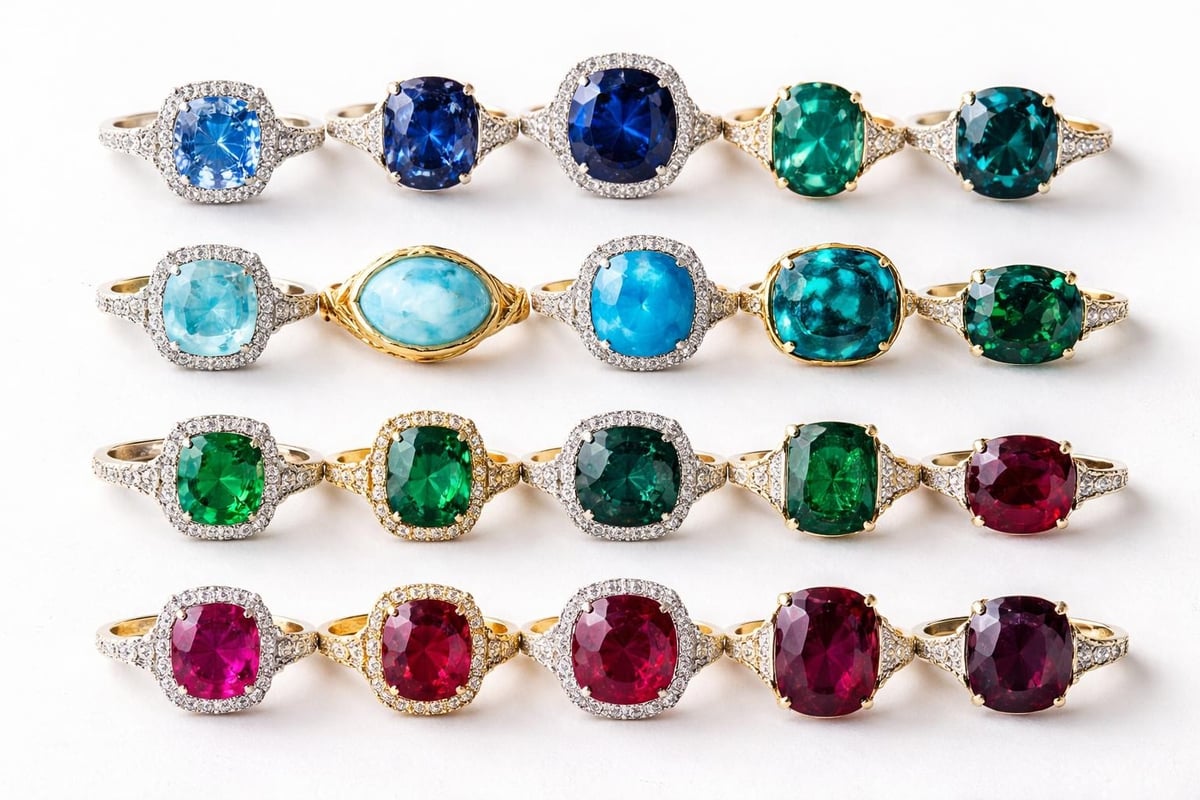
Some gemstones derive value from distinctive internal patterns rather than pure color. Larimar's volcanic blue swirls and white patterns create one-of-a-kind appearances. Similarly, rutilated quartz features golden needle inclusions that add character and visual interest.
These pattern variations mean each stone for rings offers individuality impossible to replicate. Dominican handcrafted jewelry particularly celebrates these natural variations, creating pieces that honor each stone's unique characteristics.
Proper maintenance extends the life of any stone for rings regardless of its hardness rating. Different stones require specific care approaches.
Remove rings before activities involving harsh chemicals, extreme temperatures, or significant hand impacts. Household cleaners, chlorine, and even some cosmetics can damage certain gemstones or their settings.
Quick daily care routine:
Hard gemstones (diamonds, sapphires, rubies) tolerate ultrasonic cleaning and steam cleaning. However, softer stones require gentler approaches.
For larimar and other moderately soft stones, use lukewarm water with mild soap and a soft brush. Rinse thoroughly and pat dry with a lint-free cloth. Avoid ultrasonic cleaners, steamers, and harsh chemicals that could damage the stone's surface or structure.
Porous stones like opal, turquoise, and amber absorb liquids and should never soak in water or cleaning solutions. Use only slightly dampened cloths for these materials.
Annual professional inspections catch potential problems before stones loosen or settings wear thin. Jewelers can:
Professional maintenance proves especially valuable for rings with valuable or irreplaceable stones, including rare gemstones like larimar.
When selecting a stone for rings intended as heirlooms or significant investments, consider both current appeal and long-term value retention.
Rare gemstones from limited geographic sources may appreciate over time as deposits deplete. Larimar's exclusive Dominican origin makes it increasingly valuable as mining becomes more challenging. Similarly, high-quality emeralds, rubies, and sapphires from historically significant mines command premium prices.
Understanding gemstone treatments affects both value and care requirements. Heat treatment, commonly applied to sapphires and aquamarines, remains stable and widely accepted. However, fracture filling in emeralds or surface coating on mystic topaz requires special care and may affect long-term value.
Always request treatment disclosure when purchasing stones for rings. Reputable sellers provide detailed information about any enhancements applied to their gemstones.
For significant purchases, gemological certification from laboratories like GIA, AGL, or other respected institutions provides valuable documentation of stone characteristics, treatments, and authenticity. This documentation supports insurance claims and future resale while confirming you received the quality you purchased.
The most meaningful stone for rings often connects to personal significance beyond market value or durability ratings. Birth stones, anniversary stones, or gems from meaningful locations create emotional connections that transcend practical considerations.
Many couples choosing engagement rings now select colored gemstones reflecting personal style rather than defaulting to traditional diamonds. This trend celebrates individuality while often providing better value and unique aesthetics.
Larimar Pendants showcase how rare gemstones can create meaningful gifts symbolizing love, peace, and calmness-qualities many seek in their most treasured jewelry pieces.
Different cultures attribute various meanings to gemstones, adding layers of significance to your selection. Research the symbolism associated with stones that attract you-you might discover connections that deepen your appreciation for the piece.
Working with artisans who understand both the technical and cultural aspects of gemstones ensures your ring captures your intended meaning while meeting durability requirements for your lifestyle.
Selecting the perfect stone for rings balances aesthetic preferences with practical durability requirements, lifestyle considerations, and personal meaning. Whether choosing traditional hard gemstones or rare treasures like larimar, understanding each stone's characteristics ensures your jewelry remains beautiful through years of wear. Larimar Creations specializes in crafting exquisite rings featuring rare Caribbean gemstones, combining expert craftsmanship with authentic materials to create pieces that tell your unique story. Explore their collection of handcrafted larimar and Dominican blue amber jewelry to discover one-of-a-kind rings backed by their commitment to quality and worldwide shipping.