Your Cart is Empty

The Dominican Republic holds a remarkable distinction in the gemstone world as the exclusive source of two extraordinary treasures: Larimar and Blue Amber. This Caribbean nation's unique geological conditions have created stone from Dominican Republic specimens that captivate collectors, jewelers, and enthusiasts worldwide. While other countries produce various gemstones, the specific volcanic activity, mineral compositions, and environmental factors that shaped these Dominican stones remain unmatched anywhere else on Earth. Understanding these rare minerals provides insight into both their inherent beauty and their increasing value in the global market.
The story of stone from Dominican Republic begins millions of years ago when volcanic activity and unique environmental conditions converged to create exceptional mineral formations. The island's position on the Caribbean tectonic plate, combined with specific chemical interactions within volcanic rock, established the perfect conditions for these rare gemstones to develop. Unlike common minerals found in multiple locations worldwide, Larimar's formation occurred exclusively in a small mountainous region of the Dominican Republic where copper-rich pectolite crystallized under precise temperature and pressure conditions.
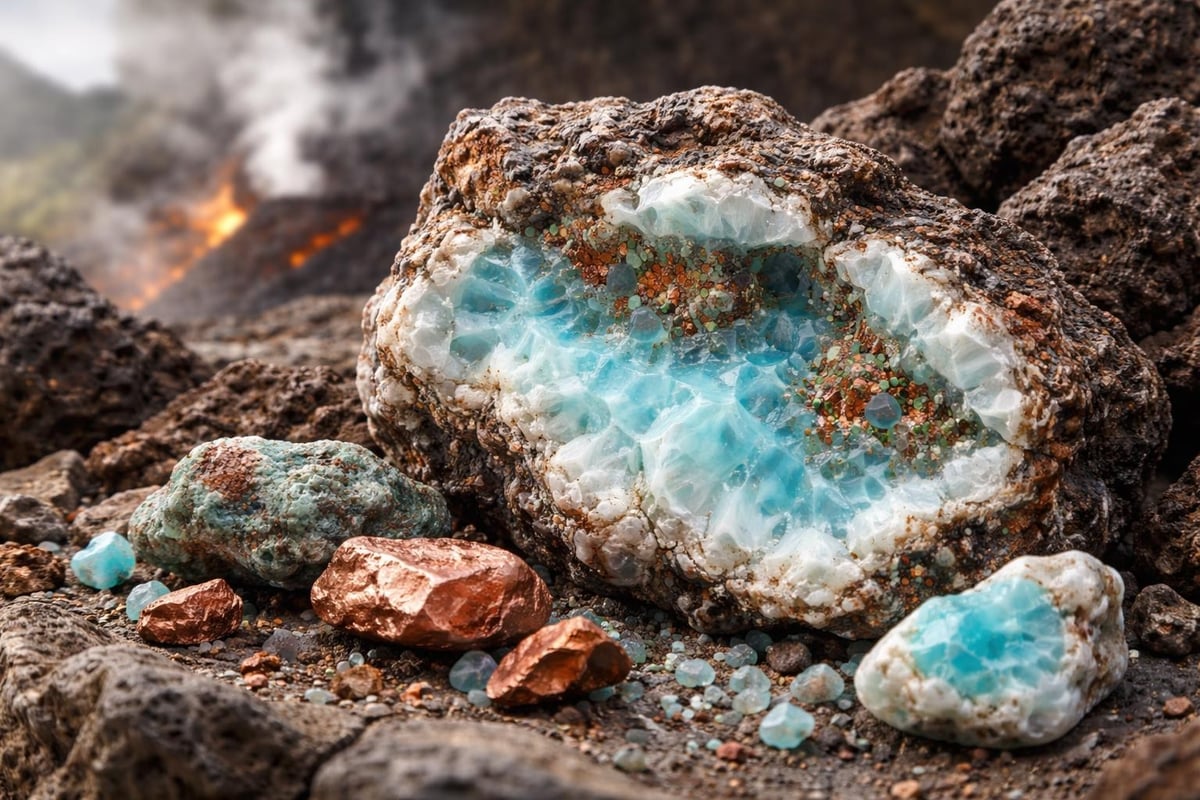
The mineral composition of these stones reflects their extraordinary genesis. Larimar, scientifically classified as a blue variety of pectolite, contains calcium, sodium, and silicon with traces of copper that produce its characteristic blue coloration. This copper content distinguishes it from white or gray pectolite found elsewhere.
Different stone from Dominican Republic varieties formed during distinct geological periods:
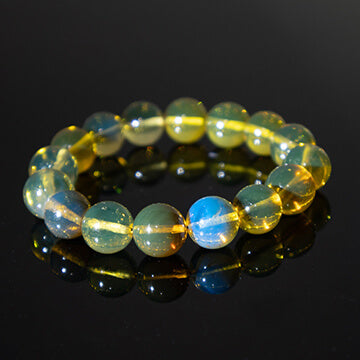
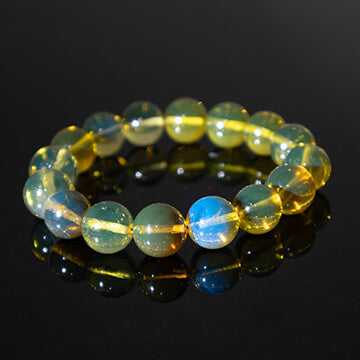
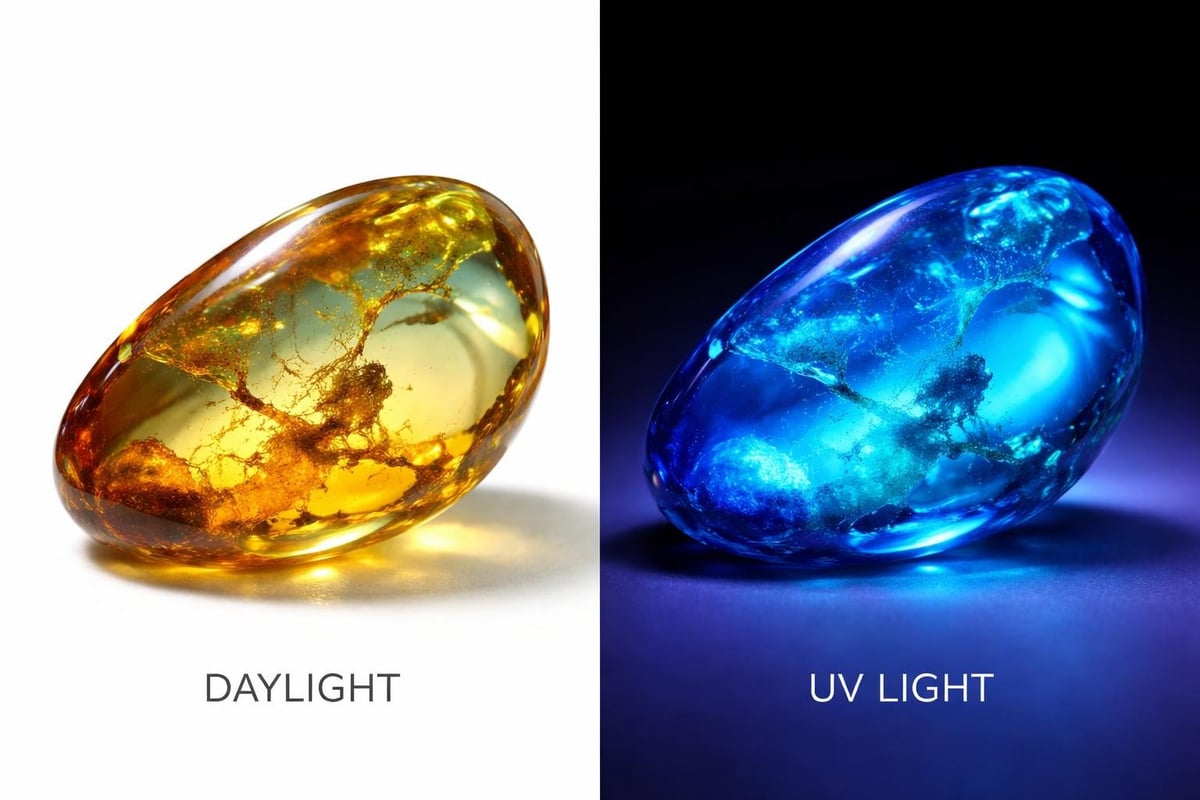
The Dominican amber's unique properties distinguish it from Baltic amber, which formed under different botanical and environmental conditions. The resin originated from extinct Hymenaea protera trees, contributing to the amber's distinctive blue fluorescence under UV light.
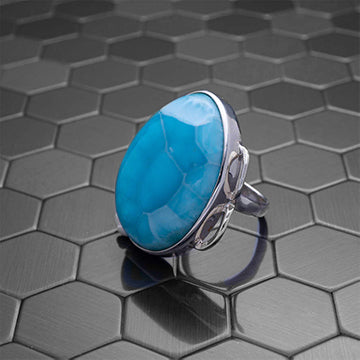
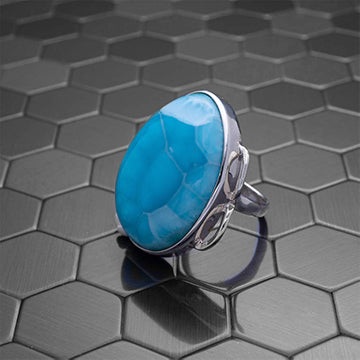
Larimar stands as perhaps the most celebrated stone from Dominican Republic, recognized for its striking resemblance to Caribbean waters. Discovered in 1916 and rediscovered in 1974, this gemstone derives its name from "Larissa" (the discoverer's daughter) combined with "mar" (Spanish for sea). The stone's coloration ranges from white and light blue to deep turquoise and intense volcanic blue, with the most valued specimens displaying rich, saturated hues with minimal white veining.
Mining operations for this precious stone from Dominican Republic remain concentrated in the Barahona province, specifically near the Los Chupaderos mine. The extraction process presents significant challenges due to the stone's location deep within mountainous terrain and the limited geographical extent of Larimar deposits.
| Property Category | Characteristics | Significance |
|---|---|---|
| Hardness | 4.5-5 on Mohs scale | Requires careful setting in jewelry |
| Color Range | White to deep blue | Copper content determines intensity |
| Transparency | Translucent to opaque | Clarity affects value and desirability |
| Pattern | White calcite veining | Creates distinctive appearance |
Beyond its physical attributes, many enthusiasts attribute healing properties to this stone from Dominican Republic. The metaphysical properties of Larimar include associations with throat chakra activation, stress relief, and emotional healing. Whether these spiritual benefits hold scientific validity or represent cultural beliefs, they contribute to the stone's appeal among wellness-oriented consumers.
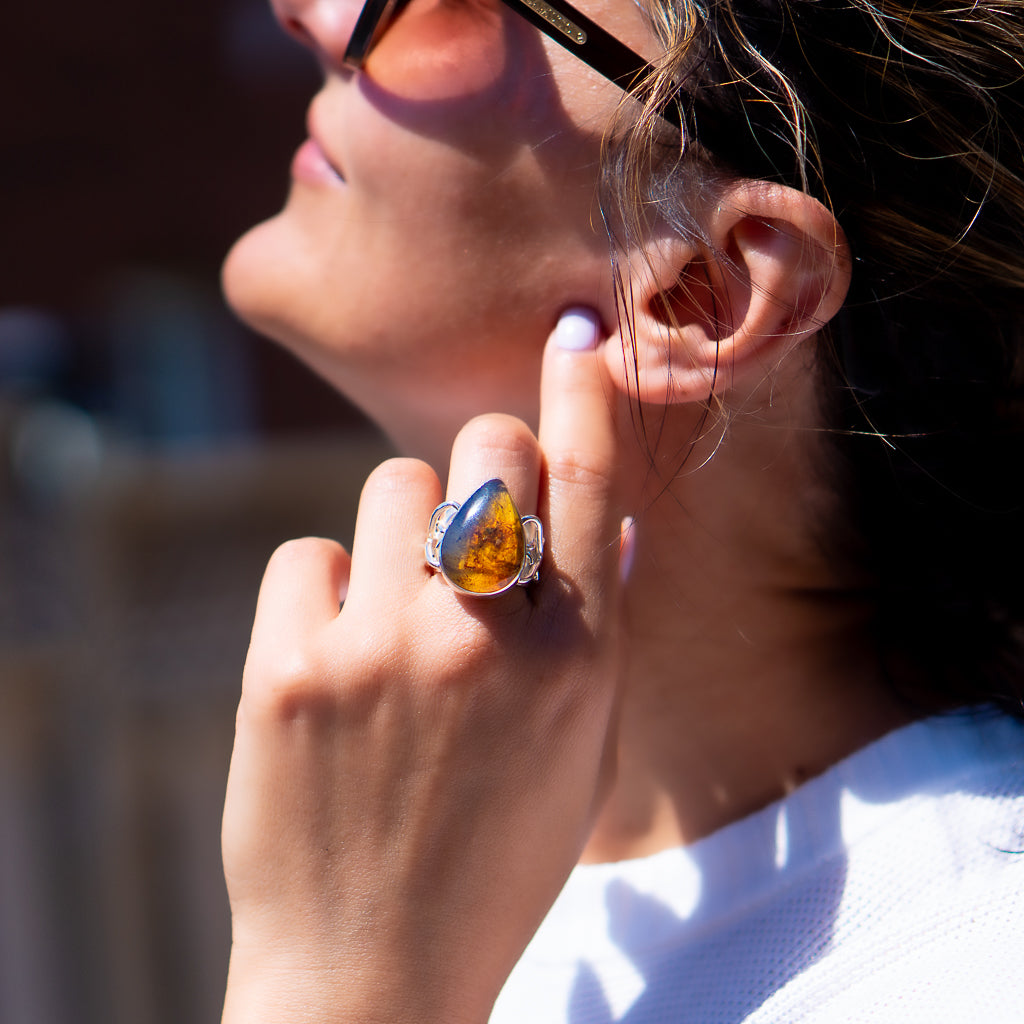
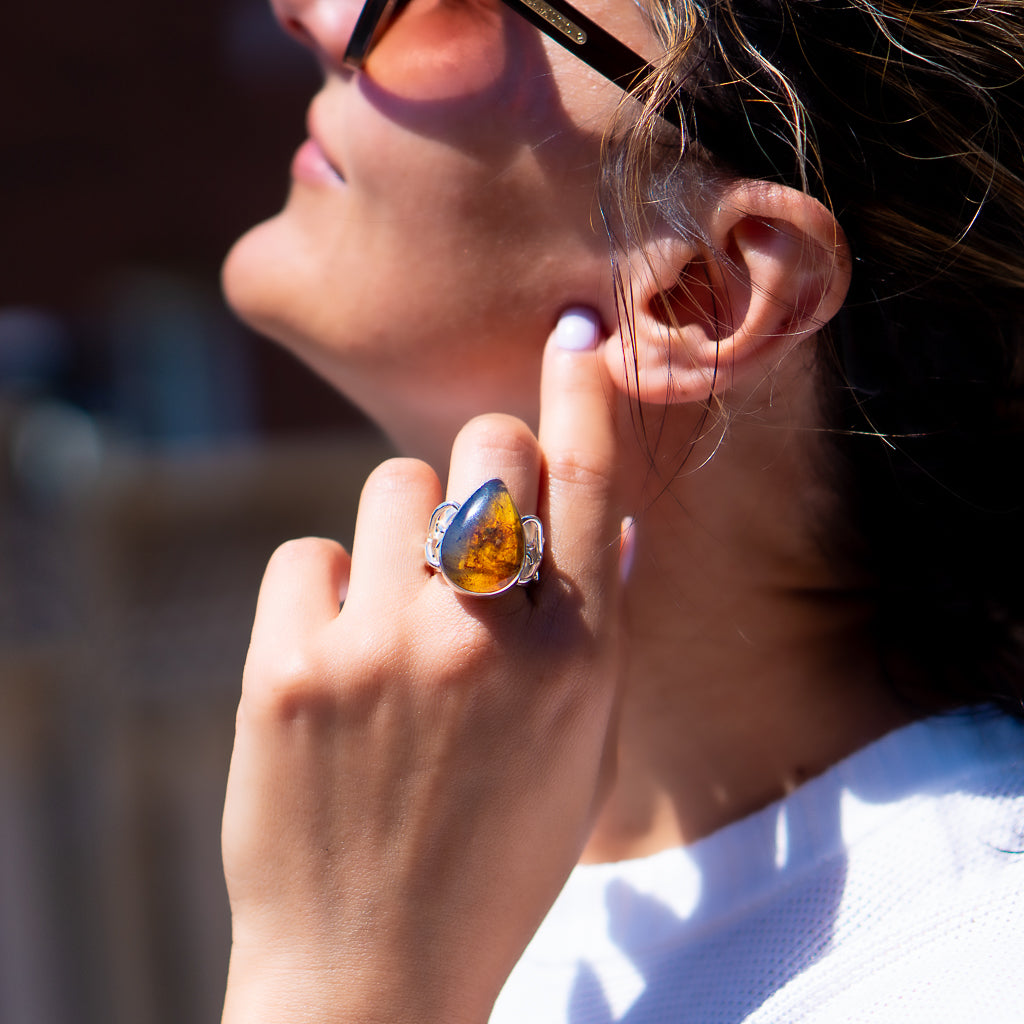
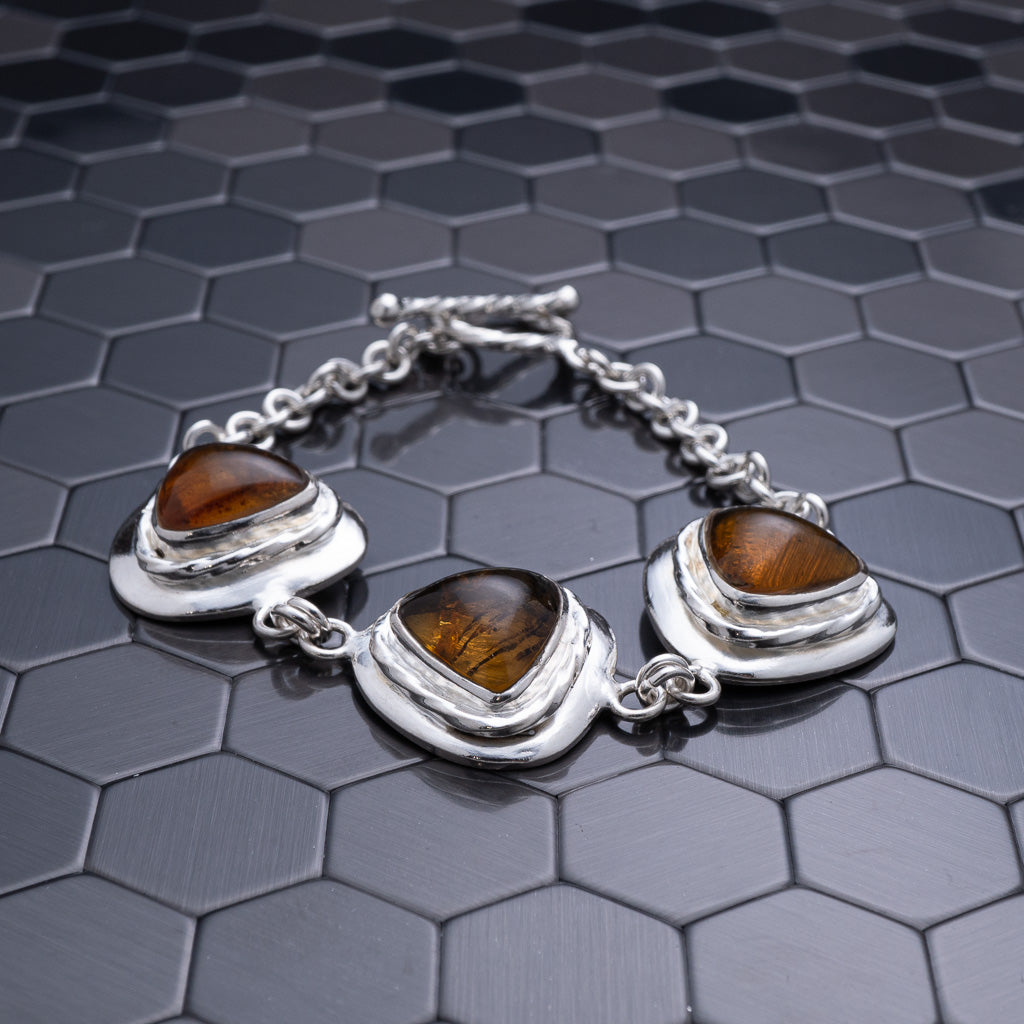
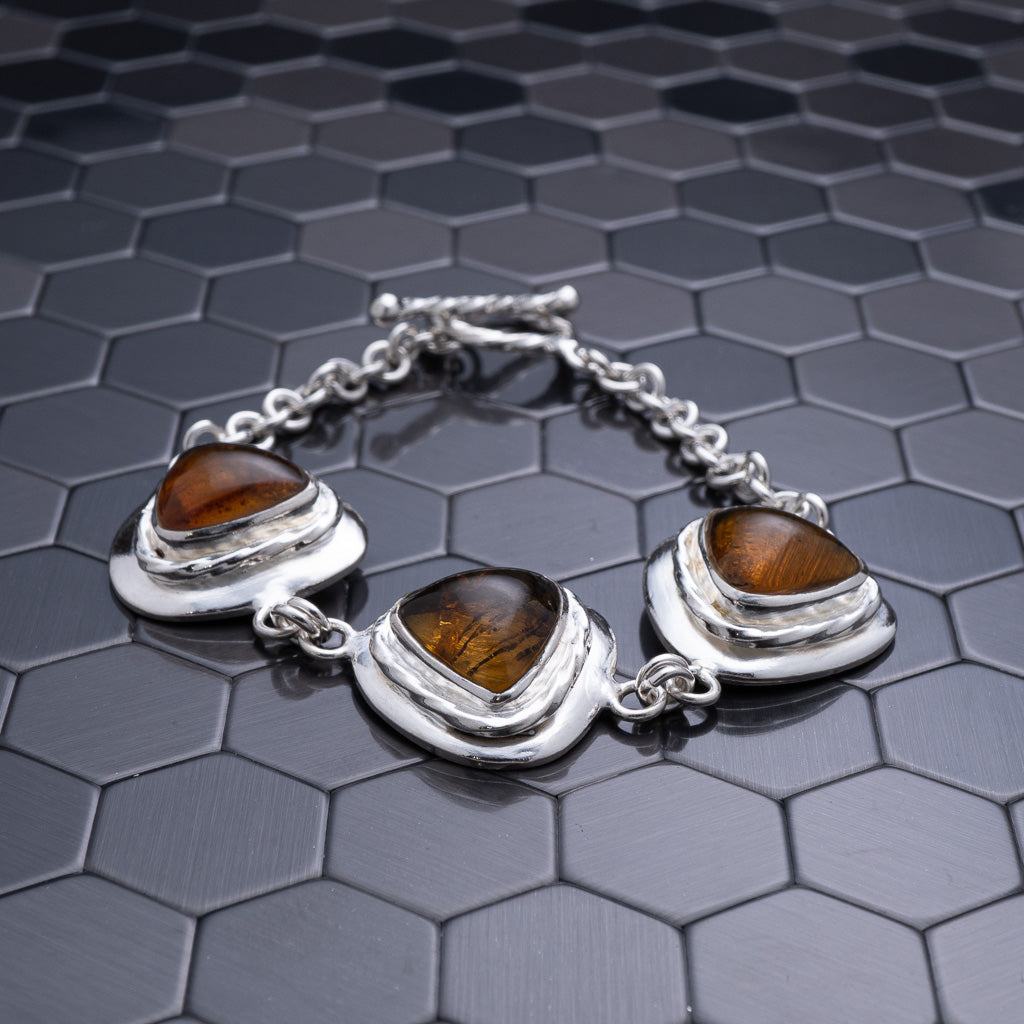
Blue Amber represents another exceptional stone from Dominican Republic, distinguished by its remarkable fluorescence under ultraviolet light. Unlike traditional amber's golden-yellow appearance, Dominican Blue Amber exhibits an extraordinary blue glow that results from specific hydrocarbon compounds within the fossilized resin. This phenomenon occurs exclusively in Dominican specimens due to the unique tree species and environmental conditions present millions of years ago.
The rarity of this stone from Dominican Republic cannot be overstated. While amber deposits exist in various countries, including Mexico and Indonesia, the intense blue fluorescence characteristic of Dominican specimens remains unparalleled. The challenges of extracting Larimar parallel those faced in Blue Amber mining, where deposits occur in scattered locations requiring extensive manual labor and geological expertise.
Gemologists evaluate this stone from Dominican Republic based on several critical factors:
The grading system for Blue Amber differs from traditional gemstone evaluation methods. While some specimens contain fascinating prehistoric inclusions-insects, plant fragments, or air bubbles-others derive value purely from their optical properties and size. Collectors and investors recognize that high-quality stone from Dominican Republic pieces represent finite resources with appreciation potential.
The extraction of stone from Dominican Republic involves labor-intensive processes that reflect both traditional methods and modern sustainability concerns. Small-scale artisanal mining dominates the industry, with miners working in challenging mountainous terrain using hand tools and basic equipment. This approach contrasts sharply with large-scale industrial mining operations common in diamond or gold extraction.
Mining communities face ongoing challenges balancing economic needs with environmental preservation. The limited geographical distribution of these gemstones means that ethical sourcing and craftsmanship become paramount concerns for responsible businesses. Organizations working with local miners emphasize fair compensation, safe working conditions, and environmental stewardship to ensure the long-term viability of these resources.
The economic impact extends beyond mining operations. Processing, cutting, polishing, and jewelry creation provide employment for skilled artisans throughout the Dominican Republic. This complete supply chain, from extraction to finished jewelry, supports numerous families and preserves traditional craftsmanship techniques passed through generations.
Distinguishing genuine stone from Dominican Republic specimens from imitations requires expertise and careful examination. The market unfortunately contains synthetic alternatives, dyed stones, and outright fakes marketed as authentic Dominican gemstones. Understanding how to identify genuine Larimar protects consumers from fraudulent products while supporting legitimate artisans and miners.
Professional gemologists employ several testing methods:
Consumers purchasing this stone from Dominican Republic should request certificates of authenticity from reputable dealers. Established jewelers often provide documentation tracing the gemstone's origin from specific mines to finished pieces, ensuring transparency throughout the supply chain.
The stone from Dominican Republic market has experienced steady growth as awareness of these rare gemstones expands globally. Larimar prices vary significantly based on color saturation, clarity, and size, with premium specimens commanding substantial prices. Similarly, high-quality Blue Amber pieces, particularly those with significant size or prehistoric inclusions, achieve impressive valuations at auction and through specialty dealers.
| Factor | Impact on Value | Considerations |
|---|---|---|
| Color Intensity | High | Deeper blues command premium prices |
| Size | High | Larger pieces increasingly rare |
| Clarity | Medium-High | Translucency preferred in Larimar |
| Craftsmanship | Medium | Quality of cutting and setting matters |
| Provenance | Medium | Verified Dominican origin essential |
| Market Demand | Variable | International awareness growing |
Investment-minded collectors recognize that the finite nature of these deposits positions stone from Dominican Republic as potentially appreciating assets. As mining becomes more difficult and deposits deplete, scarcity drives increased valuations. However, like all collectibles, the market experiences fluctuations based on fashion trends, economic conditions, and consumer preferences.
Beyond commercial value, stone from Dominican Republic holds deep cultural meaning for Dominican people. The art and craftsmanship of creating amber and Larimar jewelry represents an important cultural tradition connecting contemporary artisans with geological heritage. National pride in these unique resources manifests through festivals, museums, and educational programs celebrating their significance.
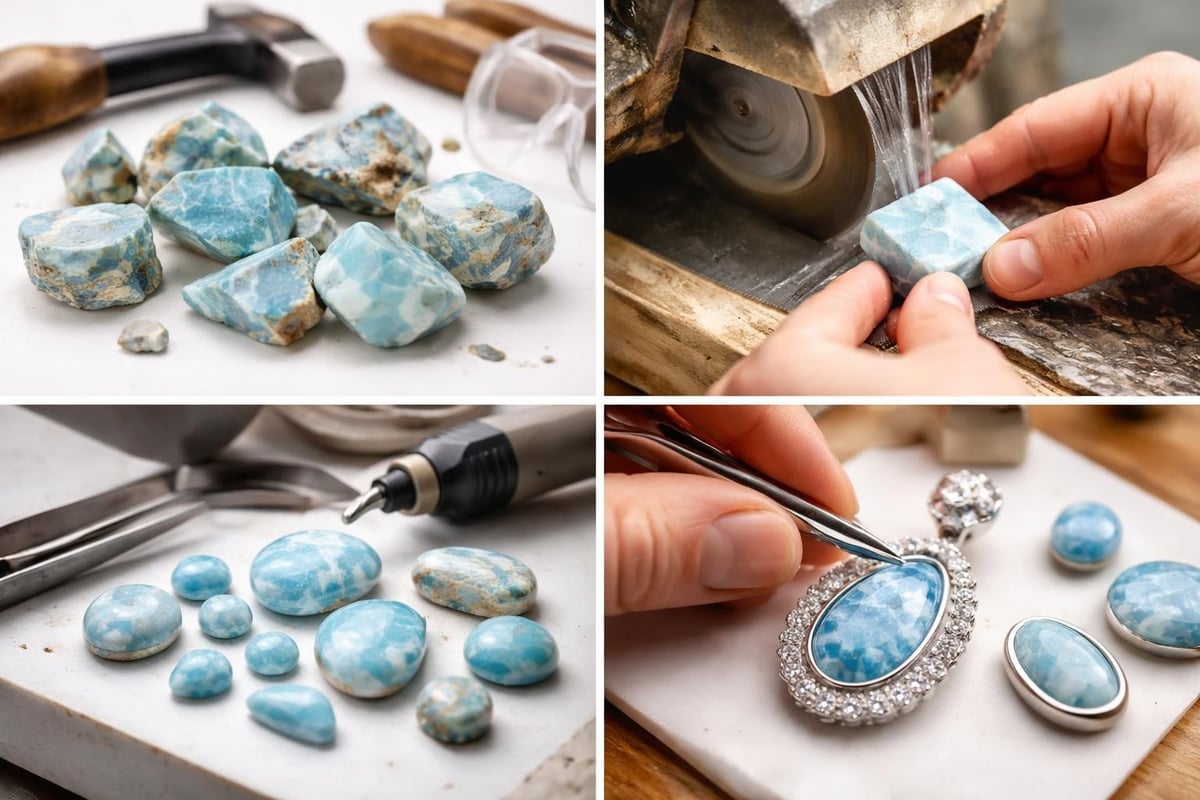
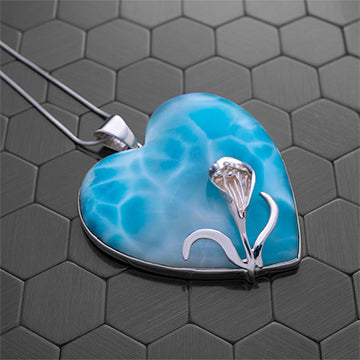
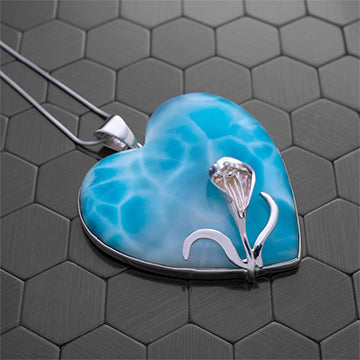
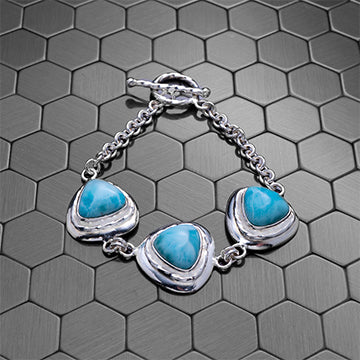
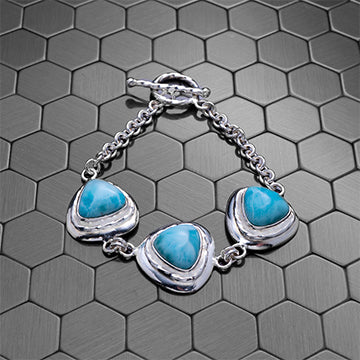
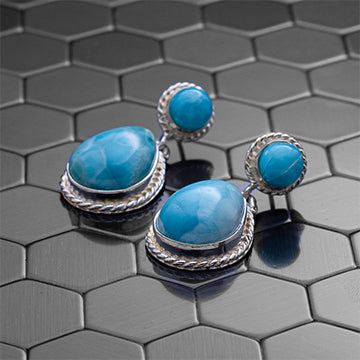
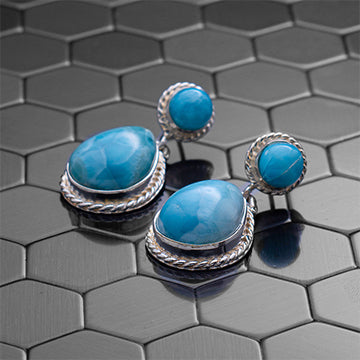
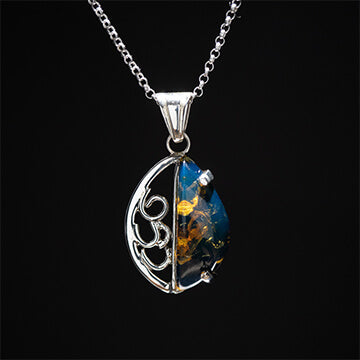
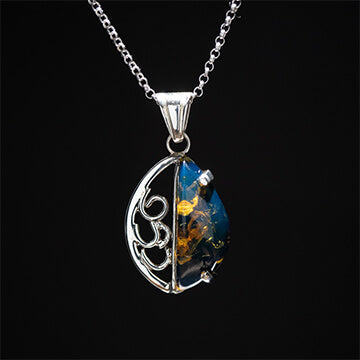
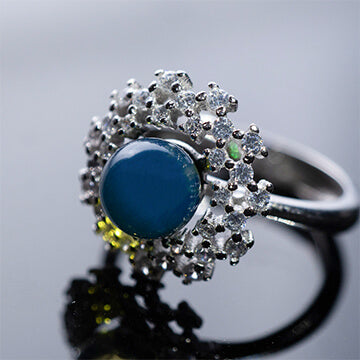
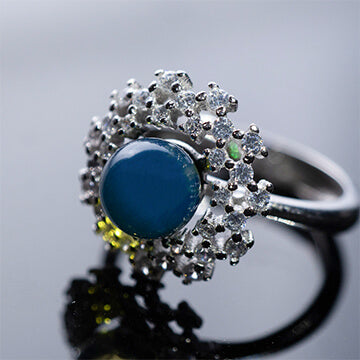
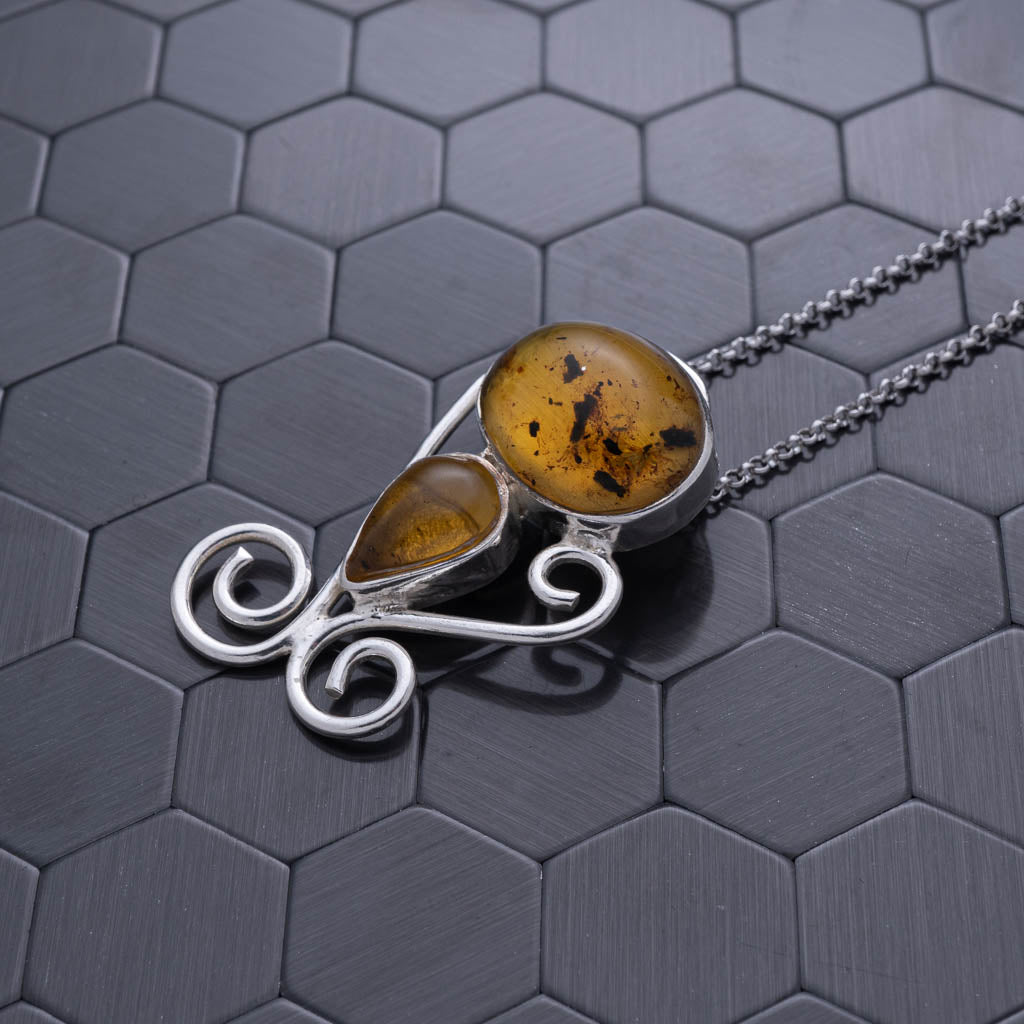
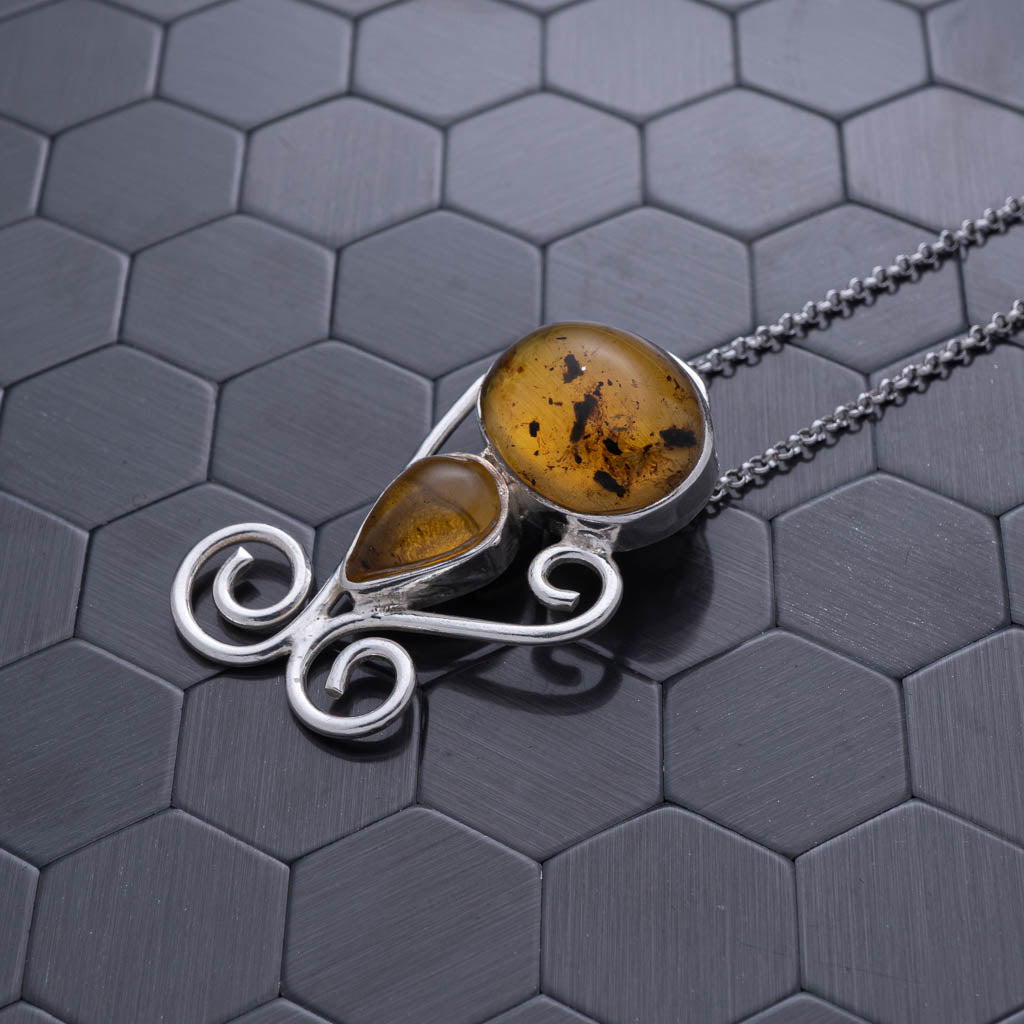
Jewelry designers worldwide incorporate this stone from Dominican Republic into diverse creations. Traditional settings in sterling silver remain popular, though contemporary designers experiment with gold, platinum, and mixed-metal designs. The versatility of both Larimar and Blue Amber allows for various applications from simple pendants to elaborate statement pieces. Those seeking elegant pieces often appreciate Larimar pendants that showcase the stone's natural beauty while providing wearable art suitable for both casual and formal occasions.
Current jewelry trends favor natural, organic aesthetics that highlight the inherent characteristics of stone from Dominican Republic rather than heavy modifications. Minimalist settings allow the gemstone's color and pattern to dominate, while artisan-crafted pieces emphasize handwork and unique interpretations. Buyers increasingly value authenticity, seeking pieces that tell stories of geological wonder and cultural heritage.
The spiritual wellness movement has amplified interest in Larimar particularly, with consumers attracted to potential metaphysical benefits alongside aesthetic appeal. Whether approached from scientific curiosity or spiritual belief, this dimension adds depth to the gemstone's appeal beyond pure decoration.
Navigating the marketplace for stone from Dominican Republic requires informed decision-making and careful vendor selection. Shopping destinations in Santo Domingo offer opportunities to purchase directly from artisans and established retailers, though international buyers increasingly access these gemstones through reputable online platforms with authentication guarantees.
Smart shopping strategies include:
For those interested in learning more about these exceptional materials, resources about Dominican gemstones provide valuable educational content covering identification, care, and appreciation.
Preserving the beauty of stone from Dominican Republic jewelry requires appropriate care techniques. Larimar's moderate hardness (4.5-5 on Mohs scale) makes it susceptible to scratching from harder materials, while Blue Amber's organic nature demands gentle handling to prevent damage. Understanding proper maintenance extends the lifespan of these precious pieces.
For Larimar Jewelry:
For Blue Amber Jewelry:
Professional jewelers can provide periodic inspections ensuring settings remain secure and gemstones maintain optimal condition. The investment in proper care preserves both the aesthetic appeal and monetary value of stone from Dominican Republic pieces.
The long-term sustainability of stone from Dominican Republic extraction raises important questions about resource management and conservation. Geological surveys suggest that accessible deposits, particularly of Larimar, may face depletion within coming decades if current extraction rates continue. This reality emphasizes the importance of responsible mining practices, fair trade initiatives, and consumer awareness.
Conservation efforts focus on:
The Dominican government, mining cooperatives, and international organizations collaborate on initiatives protecting both the natural resources and the communities dependent upon them. As awareness grows regarding these finite treasures, responsible consumption and appreciation become increasingly vital.
The unique stone from Dominican Republic-Larimar and Blue Amber-represents geological marvels found nowhere else on Earth, combining natural beauty with cultural significance and investment potential. Understanding their origins, properties, and proper evaluation empowers collectors and jewelry enthusiasts to make informed decisions while appreciating these Caribbean treasures. Larimar Creations specializes in authentic, handcrafted jewelry featuring these exceptional Dominican gemstones, offering worldwide shipping and a commitment to quality that ensures you receive genuine pieces showcasing nature's artistry at its finest.