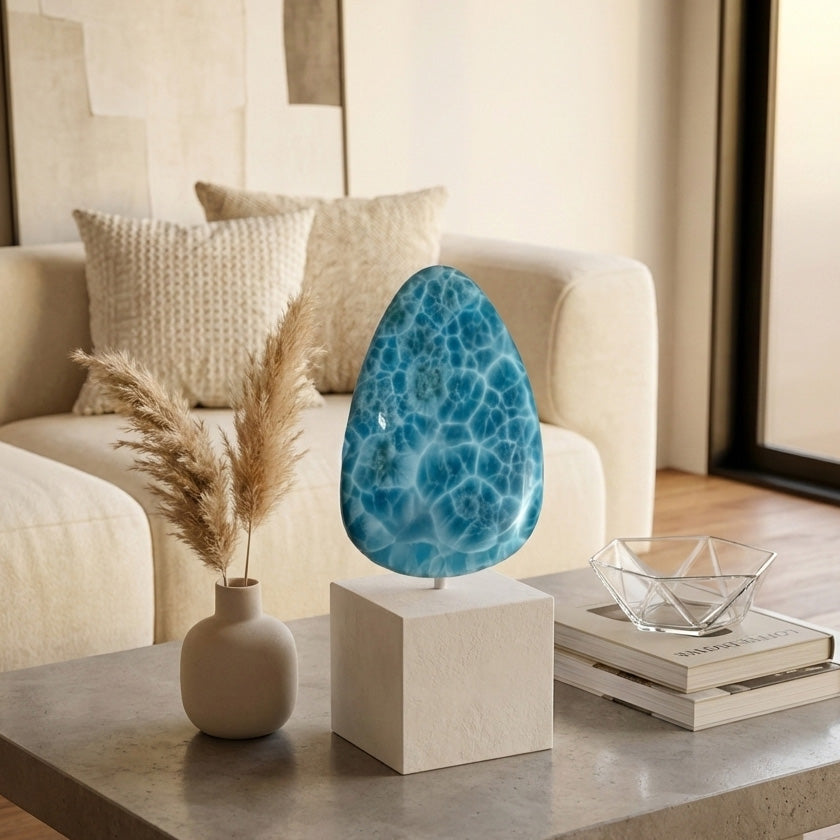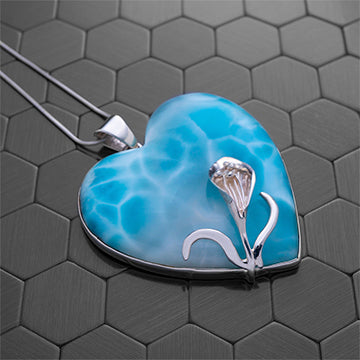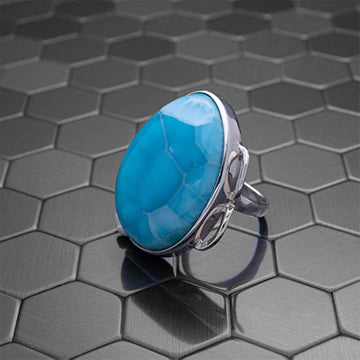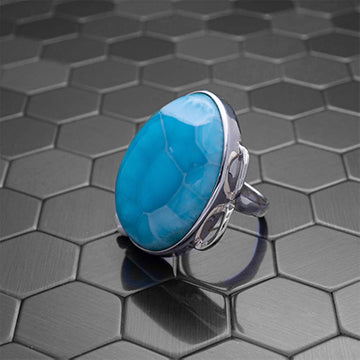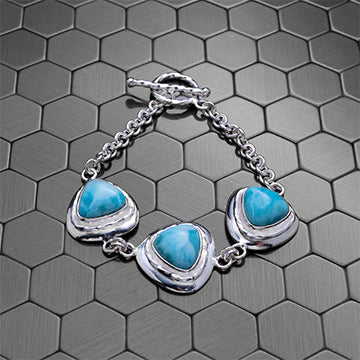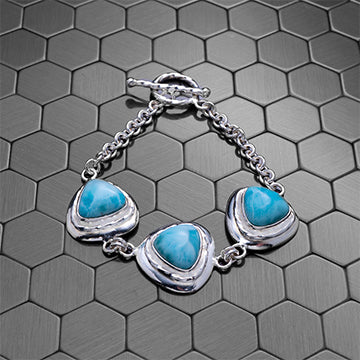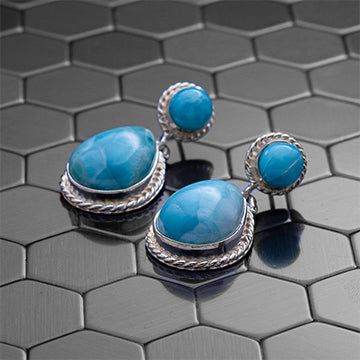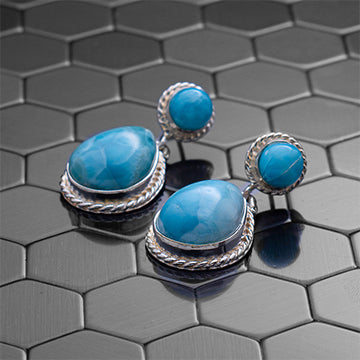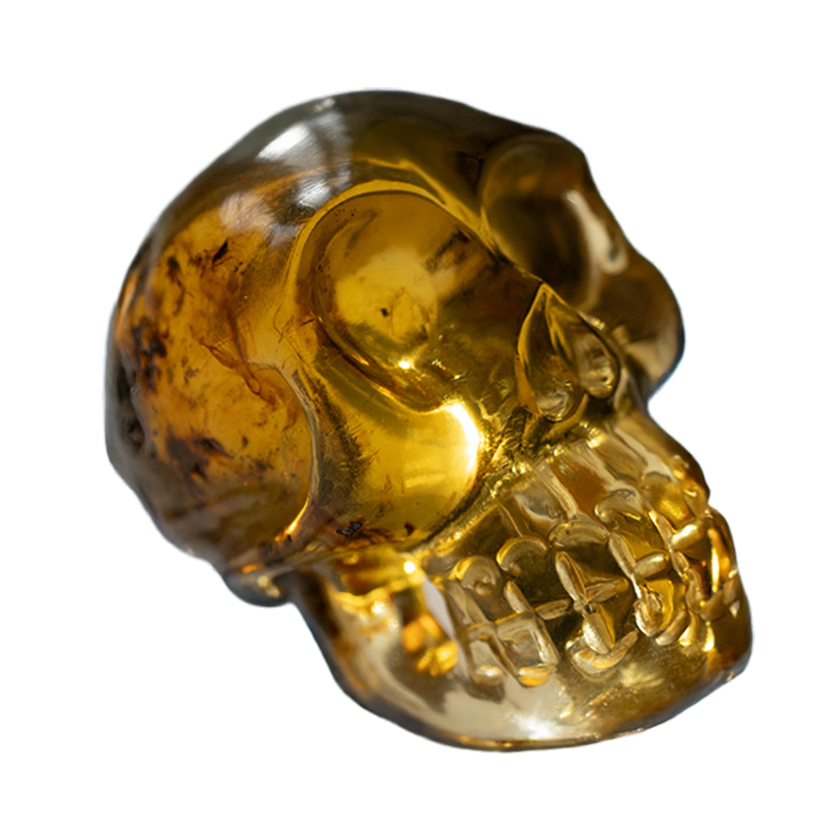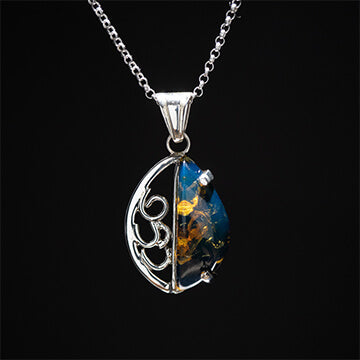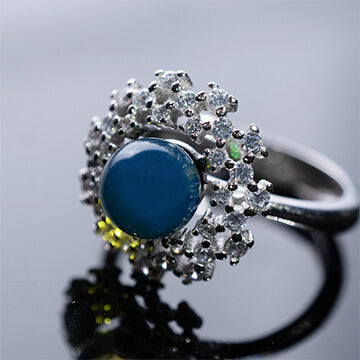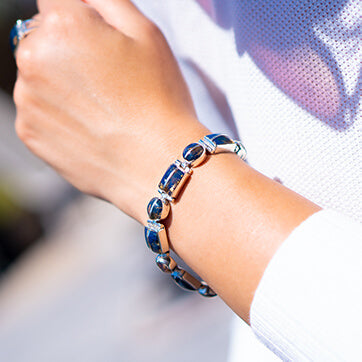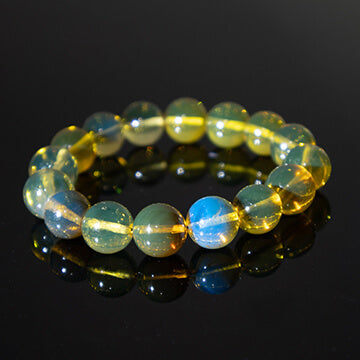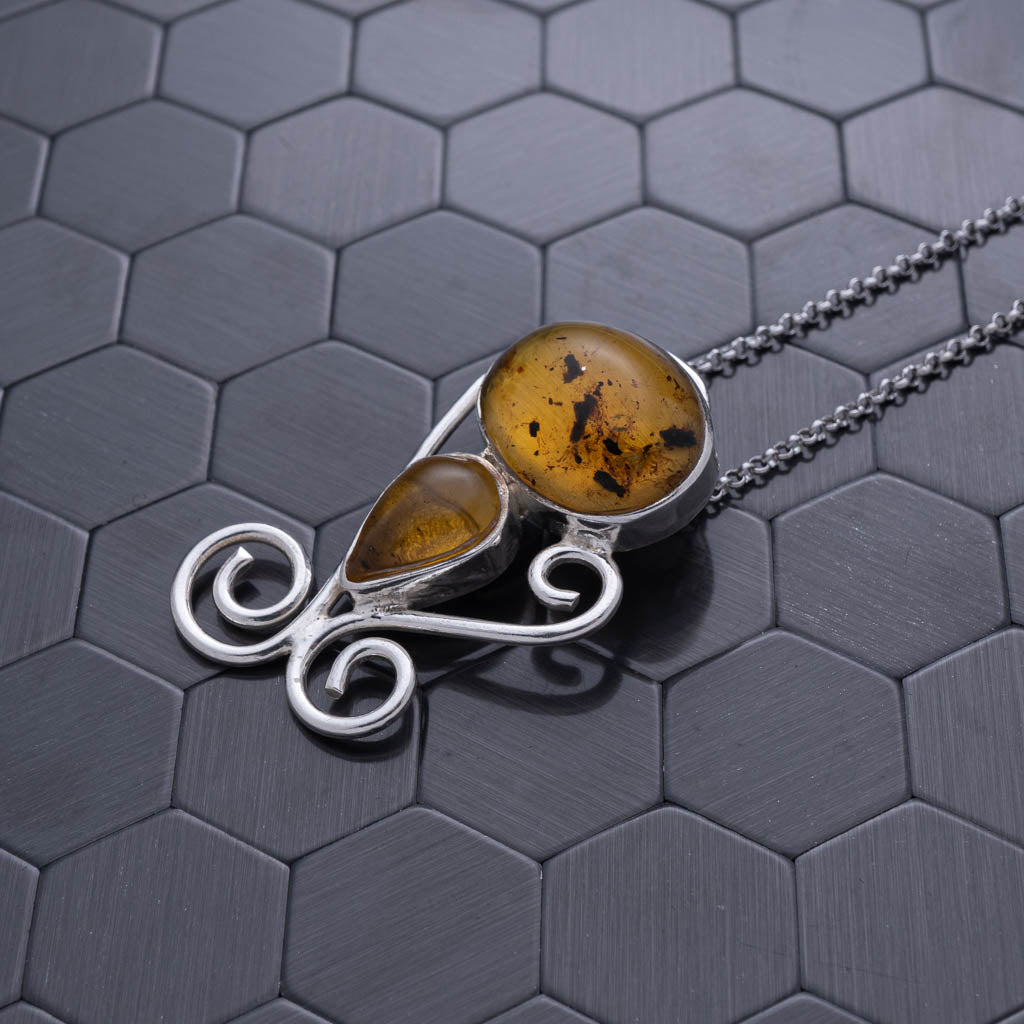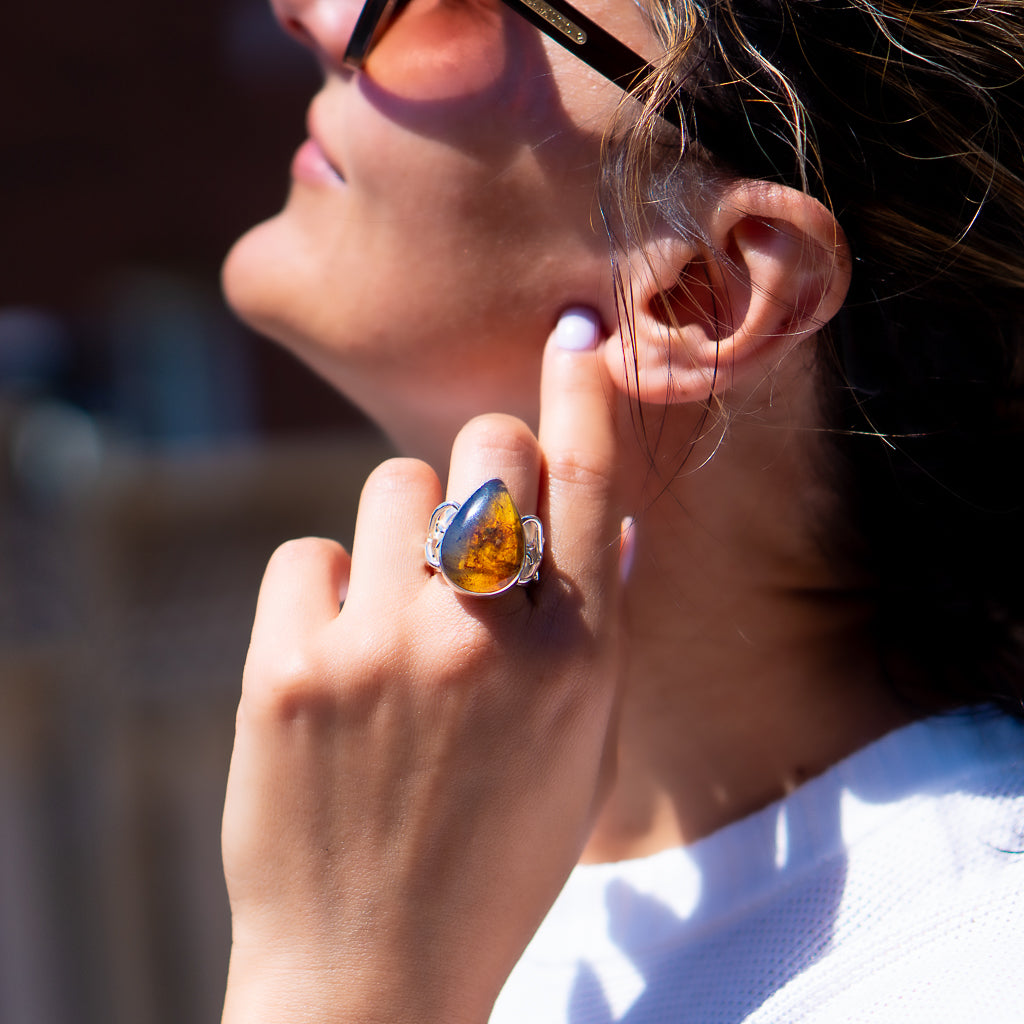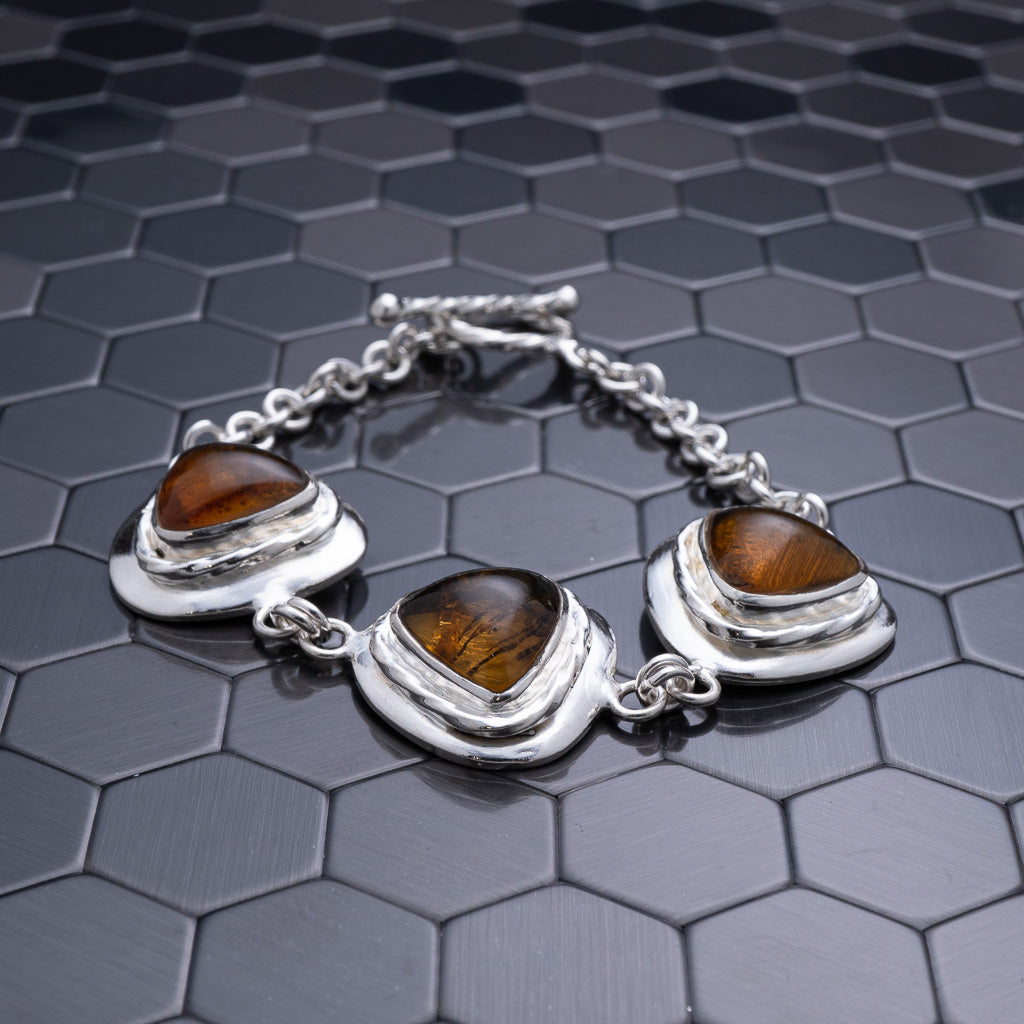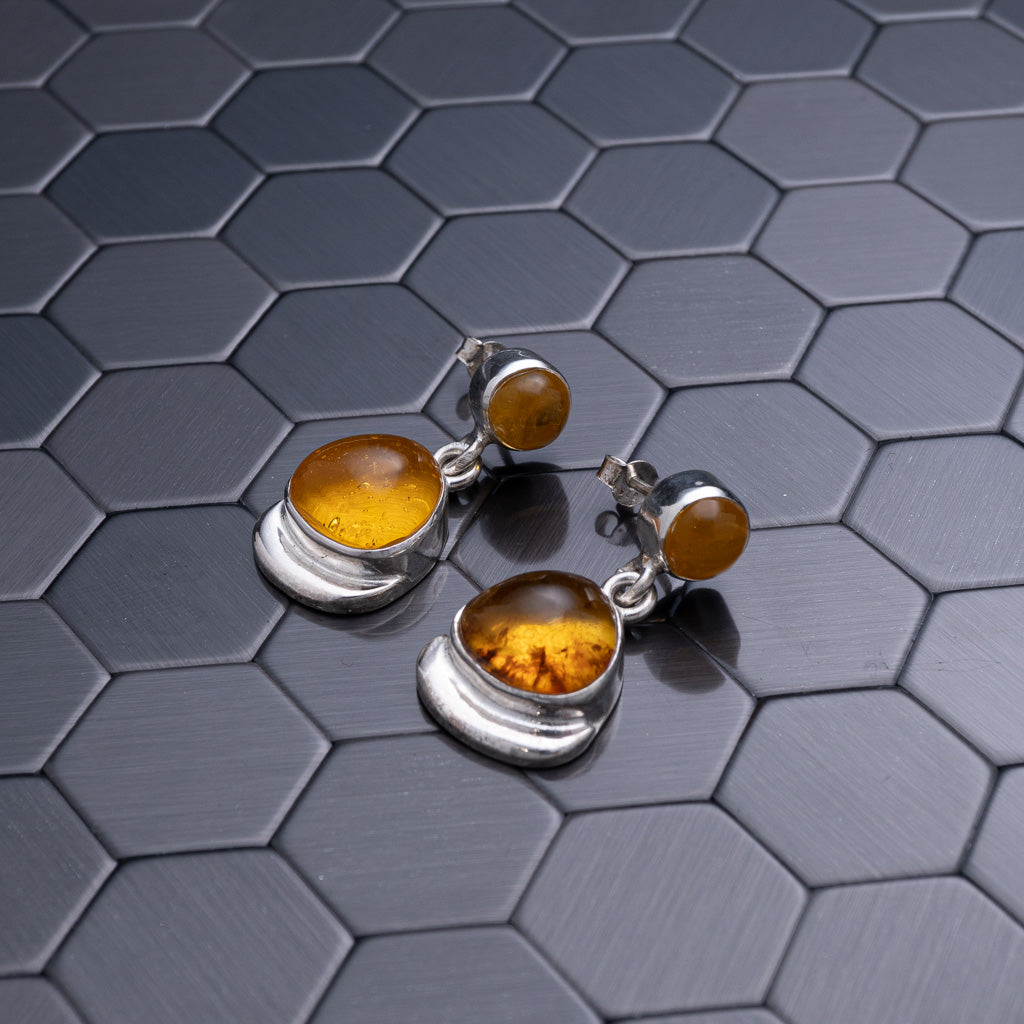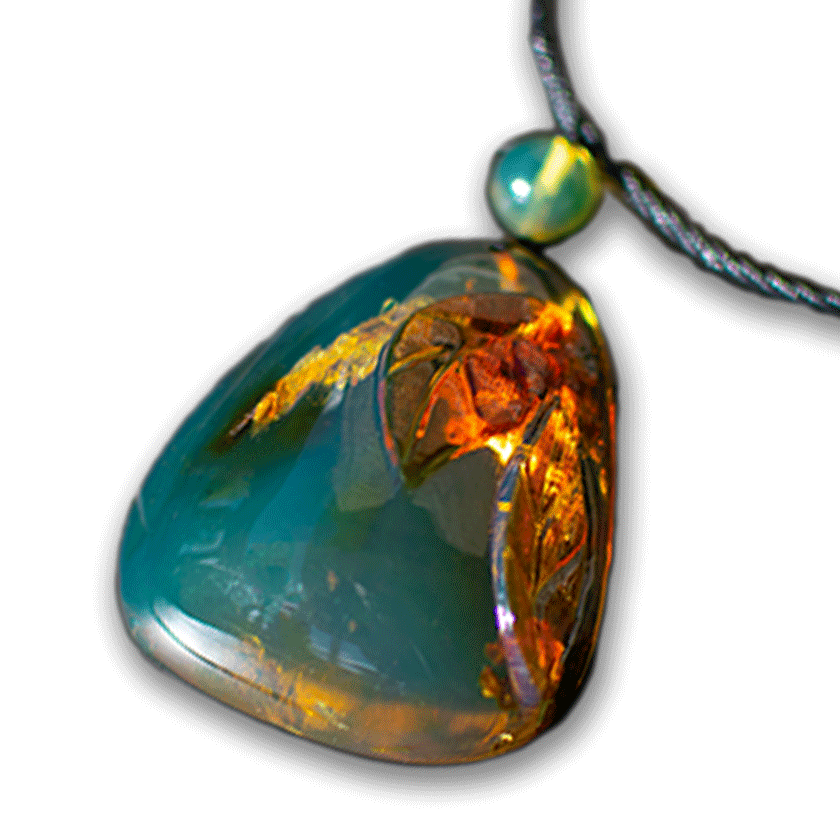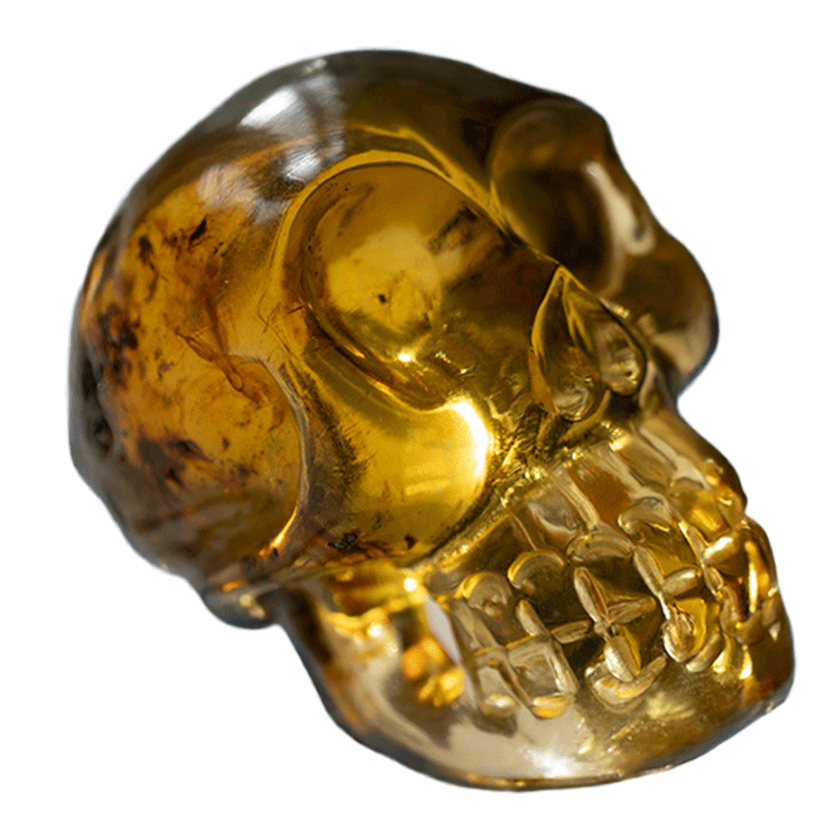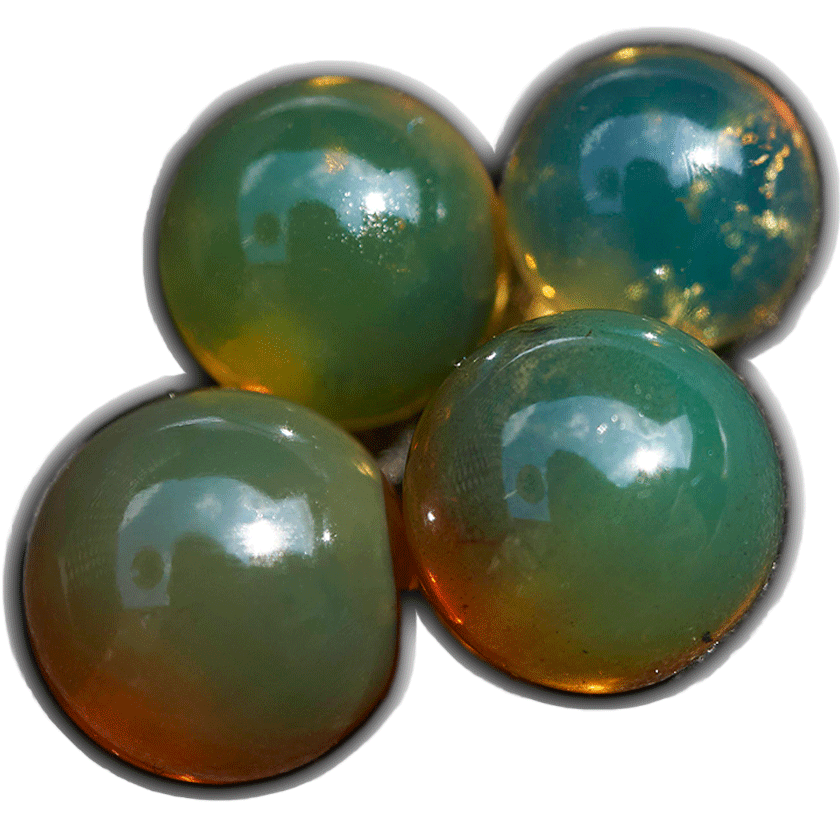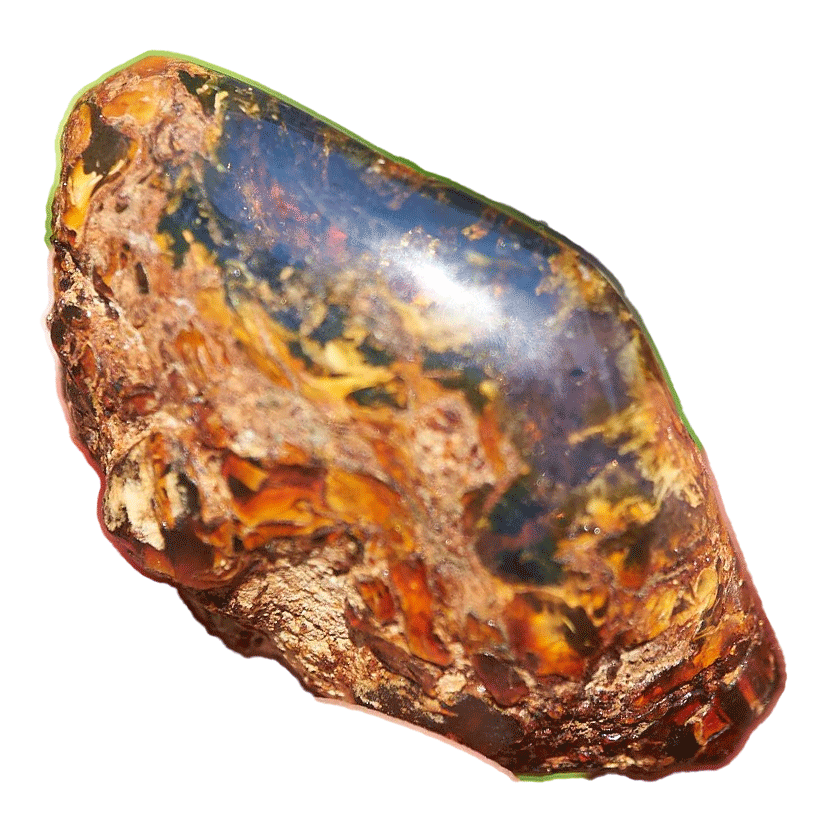


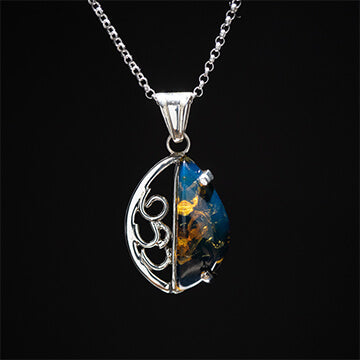
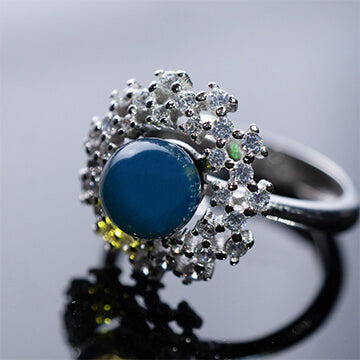
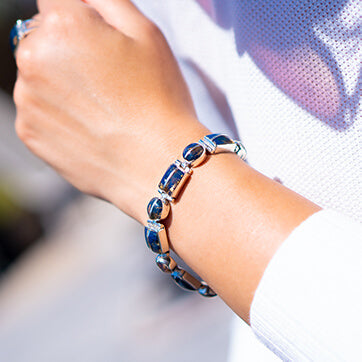
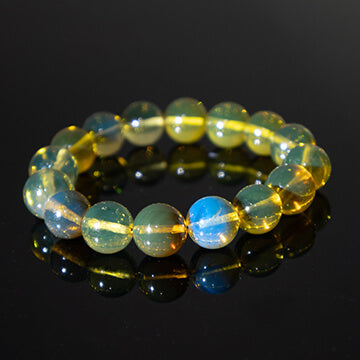
Handcrafted in DR.

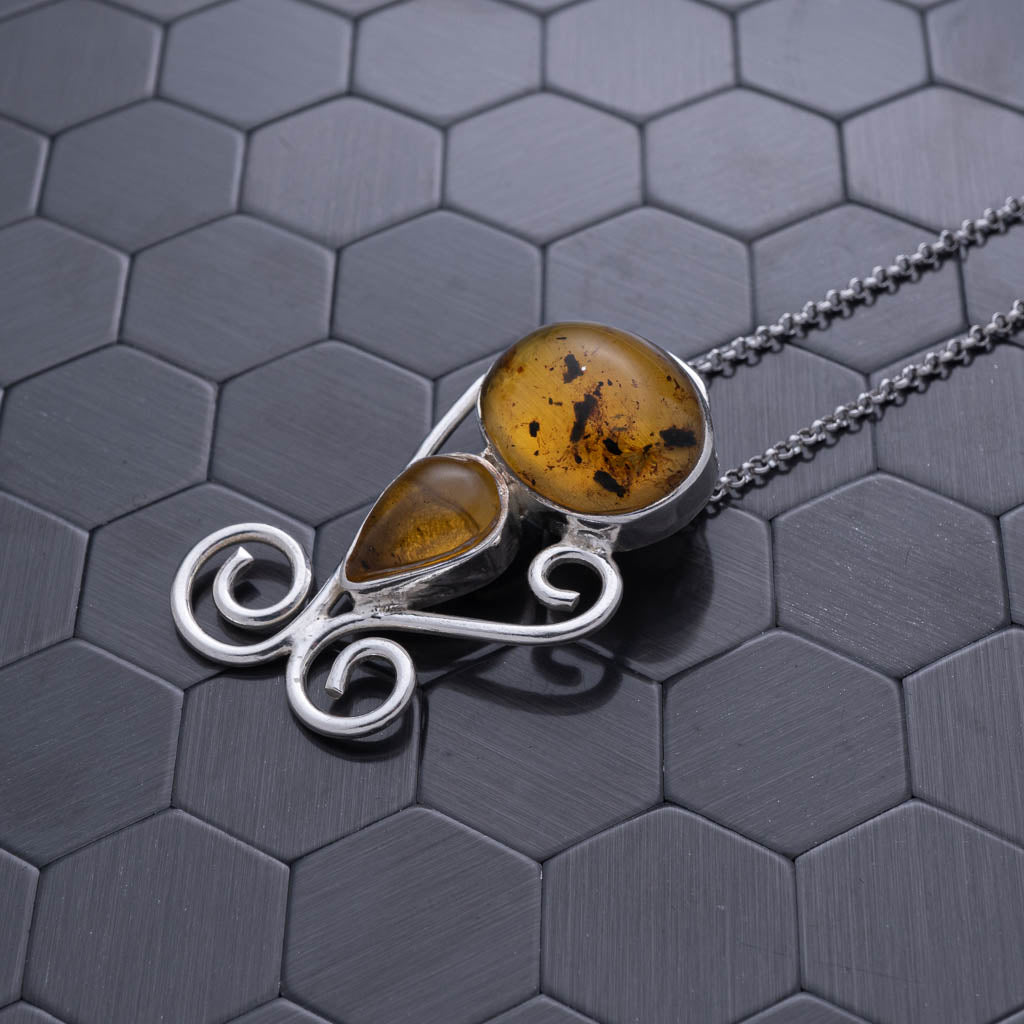
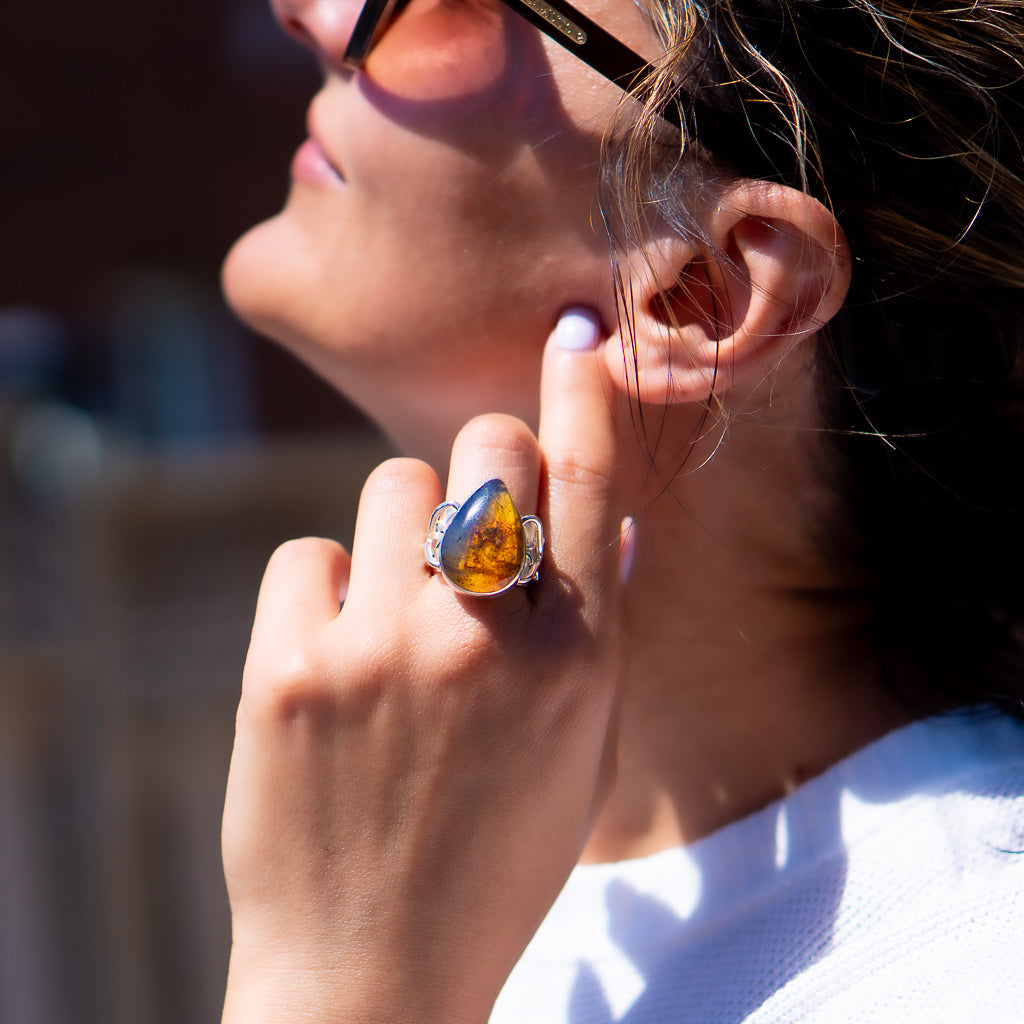
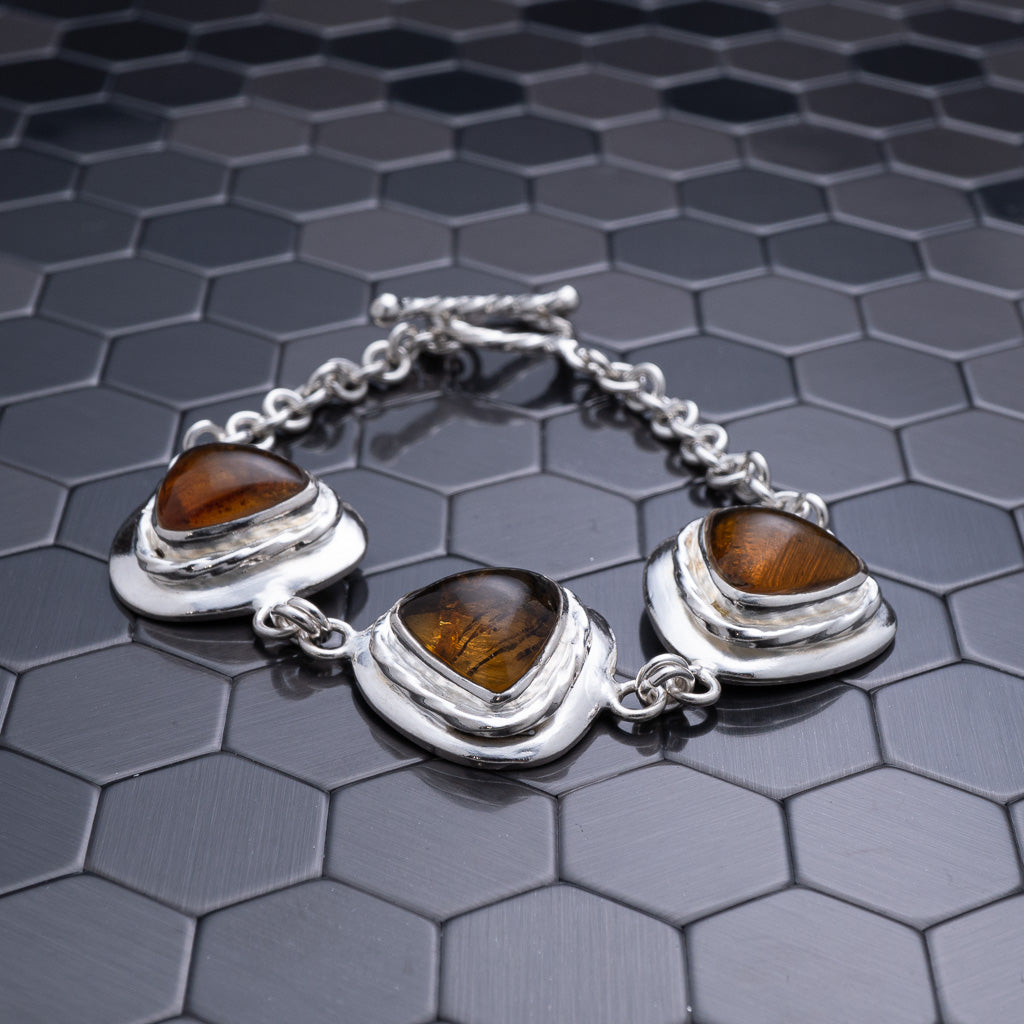
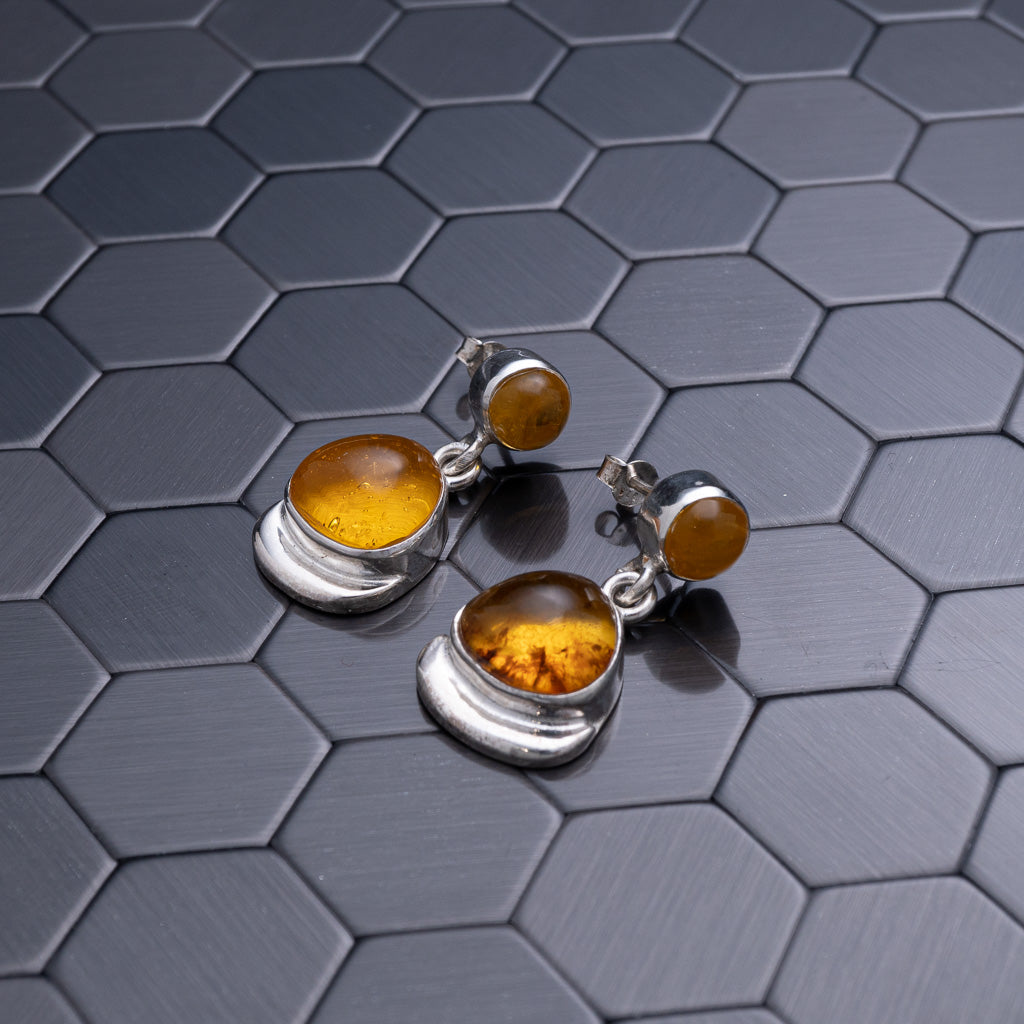


100% Handcrafted in DR.

When shopping for fine jewelry, you'll frequently encounter the term "925 sterling" stamped on rings, pendants, and other precious items. This marking represents far more than a simple number; it's a globally recognized standard that guarantees quality, purity, and value. Understanding what 925 sterling means empowers you to make informed purchasing decisions and appreciate the craftsmanship behind your favorite jewelry pieces. Whether you're investing in statement pieces featuring rare gemstones or building a collection of everyday accessories, knowledge of sterling silver standards protects your investment and ensures you're receiving authentic, durable jewelry.
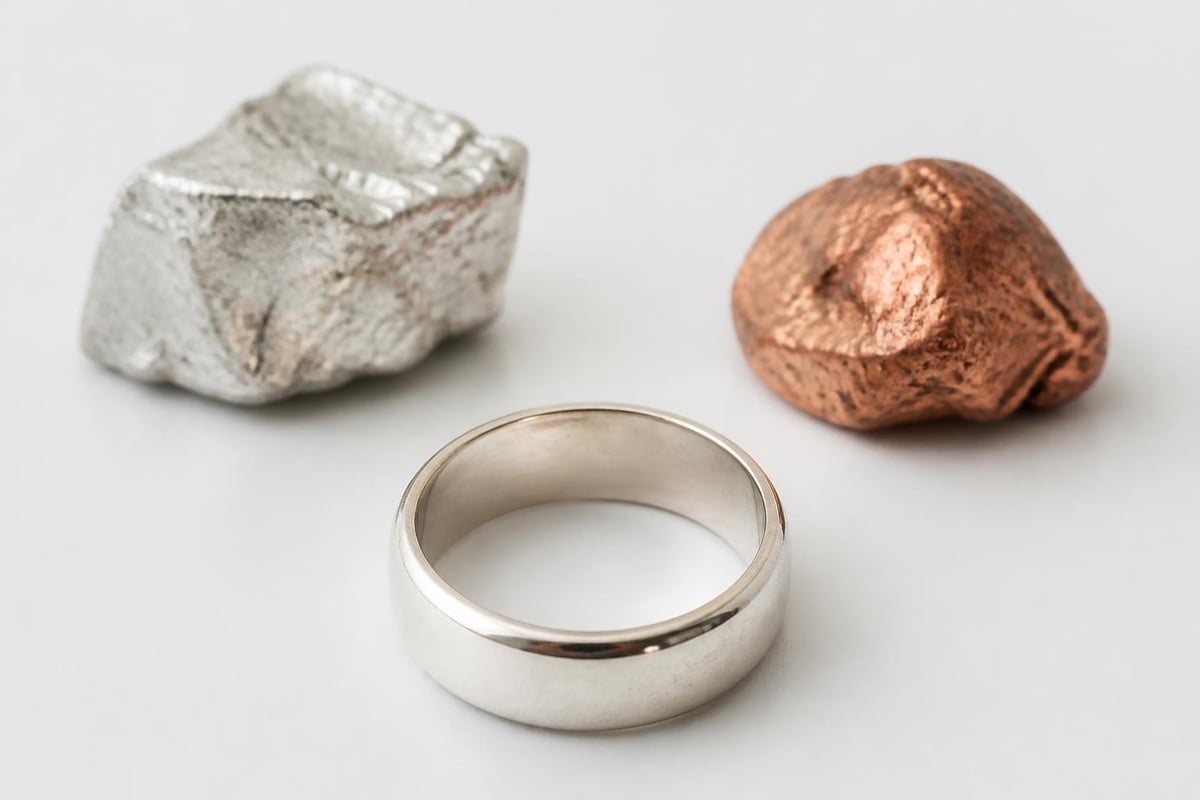
The "925" in 925 sterling refers to the metal's purity level, specifically indicating that the piece contains 92.5% pure silver. The remaining 7.5% consists of other metals, typically copper, which are added to create a stronger, more durable alloy. Pure silver, while beautiful, is too soft for practical jewelry applications and would bend, scratch, or deform easily with regular wear.
This precise composition has become the international benchmark for quality silver jewelry. The Jewelers of America recognizes this standard as essential for consumer protection and quality assurance across the industry.
Metallurgists and jewelers settled on the 92.5% ratio through centuries of experimentation and practical application. This specific balance achieves several critical objectives:
The 7.5% alloy content creates a hardness level that supports gemstone settings, intricate metalwork, and structural integrity without compromising the bright, reflective qualities that make silver desirable. When jewelers create pieces like Larimar pendants, the 925 sterling setting provides the strength needed to securely hold rare gemstones while complementing their natural beauty.
Proper hallmarking ensures that consumers receive genuine 925 sterling products. These small stamps serve as permanent guarantees of metal content and quality. Different countries have established specific hallmarking systems, though the "925" mark remains universally recognized.
| Marking | Meaning | Common Locations |
|---|---|---|
| 925 | 92.5% pure silver | Universal standard |
| Sterling | Alternative to 925 | United States |
| Ster | Abbreviated form | United States |
| Lion Passant | British hallmark | United Kingdom |
| Crown | Additional quality mark | Various countries |
The UK government guidance on hallmarking establishes legal requirements for marking precious metals, including 925 sterling silver. These regulations protect consumers from fraudulent claims and ensure marketplace integrity. Understanding sterling silver jewelry standards helps buyers identify authentic pieces and avoid common counterfeits.
Hallmarks appear in discrete locations that preserve the piece's aesthetic while remaining accessible for verification. Common placement areas include:
Examining these areas with a jeweler's loupe or magnifying glass reveals the tiny stamps that authenticate your jewelry. Reputable jewelers always make hallmarks visible and verifiable before purchase.
Not all 925 sterling jewelry demonstrates equal craftsmanship quality. While the metal content remains consistent at 92.5% silver, manufacturing processes, finishing techniques, and construction methods vary significantly across producers.
Premium 925 sterling pieces exhibit specific characteristics that distinguish them from mass-produced alternatives:
Surface Finish: High-quality pieces feature smooth, even polishing without tool marks, pitting, or irregular surfaces. The metal should reflect light uniformly across all surfaces.
Joint Construction: Examine connection points where different components meet. Superior craftsmanship shows seamless soldering with no visible gaps, excess solder, or weak points.
Stone Settings: In gemstone jewelry, prongs should be uniform in thickness, properly aligned, and securely hold stones without excessive metal bulk. When working with precious materials like those featured in Larimar jewelry pieces, proper setting techniques become especially crucial.
Weight Distribution: Well-made pieces feel balanced and substantial without unnecessary heaviness. The metal thickness should be appropriate for the design and intended use.
925 sterling jewelry production employs two primary methods, each with distinct characteristics:
| Method | Characteristics | Best For | Considerations |
|---|---|---|---|
| Lost-wax casting | Allows complex designs, consistent reproduction | Intricate patterns, production runs | May show subtle casting marks |
| Hand-fabrication | Unique pieces, superior durability | Custom work, artisan jewelry | Higher labor costs, longer production time |
| Die-striking | Extremely precise, strong metal structure | Chains, findings, components | Requires specialized equipment |
Understanding these manufacturing differences helps explain price variations among seemingly similar 925 sterling pieces. Hand-fabricated items typically command premium pricing due to the skill and time required for their creation.
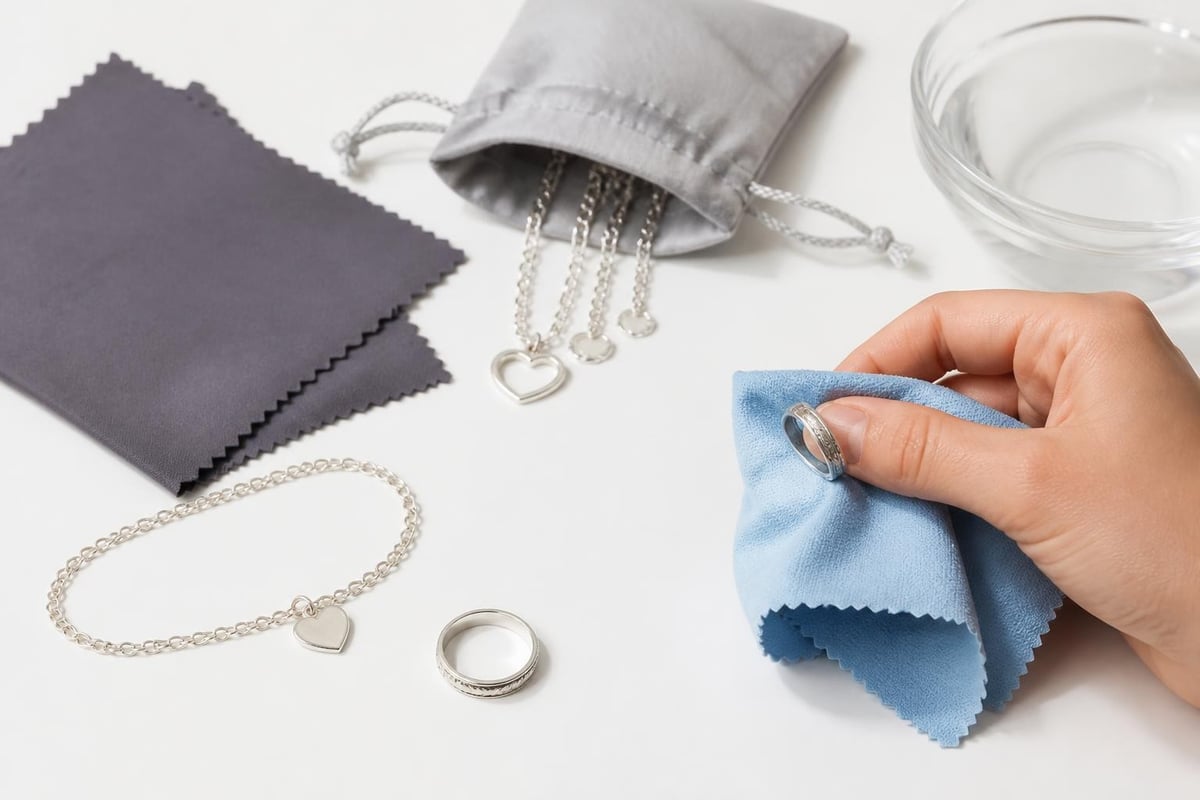
Proper maintenance preserves the beauty and value of 925 sterling jewelry for decades. Silver naturally tarnishes through oxidation reactions with sulfur compounds in the environment, but appropriate care minimizes this process and keeps pieces looking brilliant.
Incorporating simple habits into your routine protects 925 sterling pieces from unnecessary wear:
These preventive measures significantly extend the time between professional cleaning sessions and maintain the metal's natural luster.
925 sterling pieces feature various surface treatments that require specific cleaning approaches:
Polished Finishes: Use a specialized silver polishing cloth or mild silver cleaner. Apply gentle, straight-line motions rather than circular rubbing to avoid creating fine scratches. Rinse thoroughly with lukewarm water and dry completely with a soft, lint-free cloth.
Oxidized or Antiqued Finishes: These intentionally darkened areas create visual contrast and depth. Clean only the raised, polished surfaces while preserving the dark recesses. Use a soft cloth dampened with mild soap solution, avoiding abrasive cleaners that remove the oxidation.
Textured Surfaces: Brushed, hammered, or matte finishes require non-abrasive cleaning to maintain their distinctive appearance. A soft-bristled brush with mild soap solution effectively removes debris from crevices without altering the texture.
Professional ultrasonic cleaning works well for most 925 sterling pieces, though gemstone jewelry requires verification that the stones can withstand ultrasonic vibrations. Understanding proper silver jewelry care ensures your investment maintains its beauty and value.
The intrinsic value of 925 sterling jewelry derives from multiple factors beyond the silver content alone. While silver prices fluctuate based on market conditions tracked by organizations like The Silver Institute, finished jewelry value reflects craftsmanship, design, brand reputation, and gemstone quality.
Understanding price determinants helps buyers assess fair market value:
When purchasing 925 sterling pieces featuring rare gemstones like those in Dominican blue amber or Larimar stone jewelry, the gemstone often represents the primary value component, with the sterling setting providing both functional support and aesthetic enhancement.
While 925 sterling jewelry offers better investment potential than fashion jewelry, several realistic considerations apply:
Melt Value: The scrap value of 925 sterling equals approximately 92.5% of current silver spot prices, minus refining costs. This establishes the minimum baseline value for any piece.
Collectibility: Designer pieces, vintage items, and works by recognized artisans may appreciate beyond metal value. Provenance, condition, and market demand significantly influence collectible value.
Wearable Investment: Unlike bullion, jewelry provides aesthetic enjoyment and utility while retaining tangible value. Quality 925 sterling pieces serve as portable, functional assets that can be liquidated if necessary.
Sterling silver's neutral coloring and durability make it an excellent setting material for various gemstones. The metal's bright surface enhances colored stones without competing for visual attention, while its strength securely holds valuable gems.
Different gemstones create distinct visual effects when set in 925 sterling:
The versatile nature of sterling silver settings complements virtually any gemstone color, making it a popular choice for jewelry featuring rare materials. Those exploring rare Larimar colors will find that 925 sterling settings enhance the stone's distinctive blue hues without overwhelming its natural beauty.
Gemstone hardness, cleavage, and size determine appropriate setting methods:
| Setting Type | Best For | Security Level | Visual Impact |
|---|---|---|---|
| Prong | Faceted stones, maximum light exposure | High with proper construction | Maximum stone visibility |
| Bezel | Cabochons, softer stones, active wear | Excellent | Modern, protective |
| Channel | Multiple small stones, bands | Very high | Continuous stone line |
| Pave | Decorative surfaces, accent stones | Good | Sparkle and texture |
Softer stones like larimar (hardness 4.5-5 on Mohs scale) benefit from protective settings like bezels that shield stone edges from impact. Harder stones withstand prong settings that maximize light transmission and visual impact.
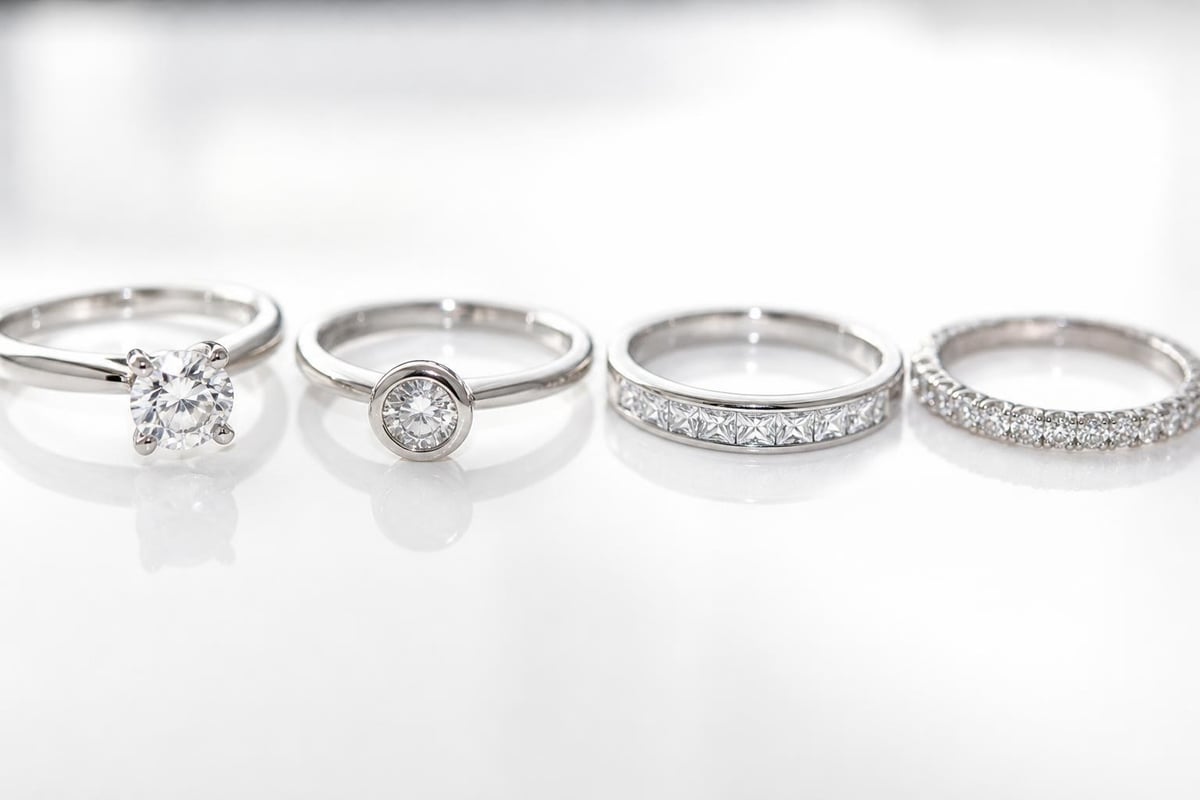
While 925 sterling represents a universal standard, different countries maintain unique hallmarking systems and regulatory frameworks. These variations reflect cultural traditions, legal requirements, and consumer protection priorities.
Several systems operate worldwide:
United States: Voluntary marking system with "925," "Sterling," or "Ster" indicating silver content. The Federal Trade Commission regulates claims but doesn't require mandatory hallmarking for all pieces.
United Kingdom: Mandatory hallmarking through assay offices for items exceeding specified weights. Multiple symbols indicate silver purity, maker's mark, assay office, and year of manufacture.
European Union: Various national systems operating under EU consumer protection directives. Most countries require official hallmarking for commercial silver jewelry.
Asia: Increasingly adopting international standards, though enforcement and verification systems vary by country. The "925" stamp remains widely recognized across Asian markets.
These differing systems occasionally create confusion in international commerce, making it essential to verify authenticity through reputable dealers regardless of the piece's origin. Understanding jewelry authenticity markers helps consumers navigate global marketplaces confidently.
Modern consumers increasingly prioritize sustainability and ethical practices in jewelry production. The 925 sterling industry has responded with improved sourcing transparency and environmental responsibility.
Silver recycling offers environmental benefits without compromising quality:
Recycled silver is chemically identical to newly mined silver. Once refined to proper purity, no difference exists in appearance, durability, or value. Many premium jewelers now emphasize recycled metal use as part of their sustainability commitments.
For newly mined silver, certification programs verify responsible sourcing:
Consumers seeking ethically produced 925 sterling jewelry should inquire about sourcing practices and look for certifications from recognized organizations. Supporting jewelers committed to quality and authenticity encourages industry-wide improvements in environmental and social responsibility.
Current jewelry design reflects evolving aesthetic preferences while maintaining the timeless appeal of 925 sterling silver. Understanding trends helps buyers select pieces that offer both immediate satisfaction and lasting value.
Modern consumers favor clean lines and simple forms:
These designs emphasize the inherent beauty of 925 sterling itself, allowing the metal's natural luster to serve as the primary aesthetic element. The simplicity also ensures versatility, enabling pieces to complement various styles and occasions.
Contrasting with geometric minimalism, organic designs draw inspiration from natural elements:
Botanical motifs featuring leaves, flowers, and vines rendered in detailed metalwork demonstrate the versatility of 925 sterling in capturing intricate patterns. These designs often incorporate oxidized finishes that emphasize depth and texture.
Marine themes resonate particularly well with ocean-sourced gemstones. Sterling silver's cool tone naturally complements water-related imagery, creating cohesive designs that tell visual stories. Those interested in blue gemstone jewelry often select nature-inspired sterling settings that enhance the oceanic qualities of stones like larimar.
Asymmetrical arrangements mirror nature's imperfect beauty, creating one-of-a-kind pieces that celebrate individuality. This trend particularly suits handcrafted jewelry where subtle variations become distinctive features rather than flaws.
Understanding 925 sterling standards empowers you to make informed jewelry investments that combine beauty, durability, and lasting value. Whether you're selecting pieces for daily wear or special occasions, knowledge of composition, hallmarking, and care ensures your jewelry maintains its brilliance for generations. Larimar Creations combines the timeless quality of 925 sterling silver settings with the rare beauty of Dominican Larimar and Blue Amber, creating exquisite handcrafted pieces that showcase both superior metalwork and exceptional gemstones. Explore our worldwide collection to discover jewelry that meets the highest standards of authenticity and craftsmanship.