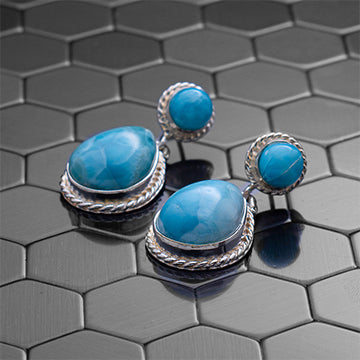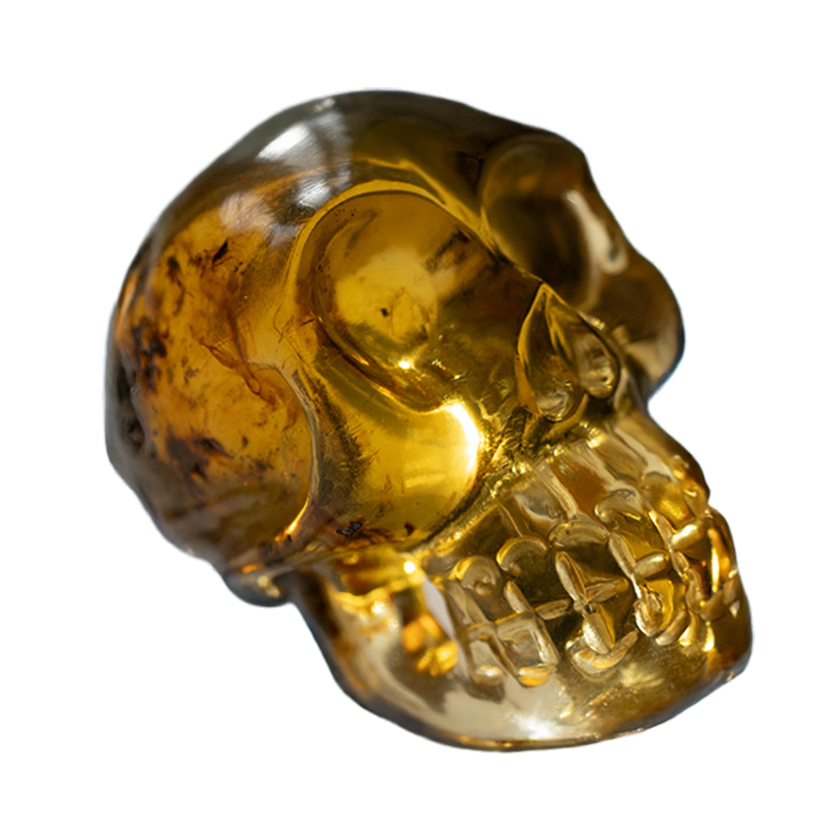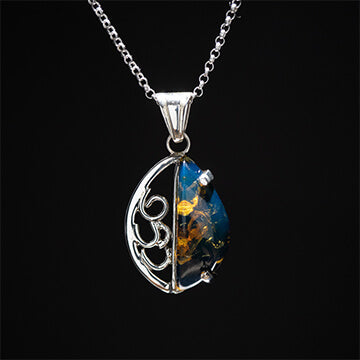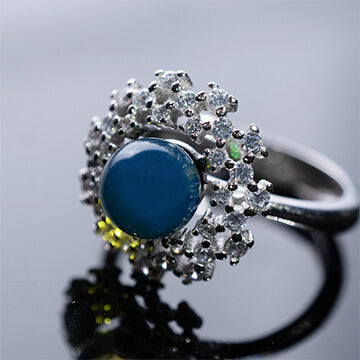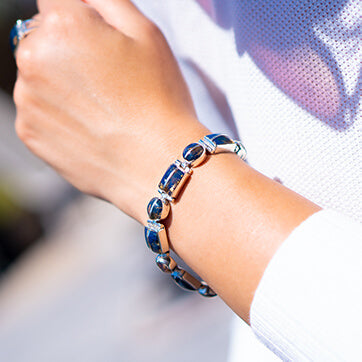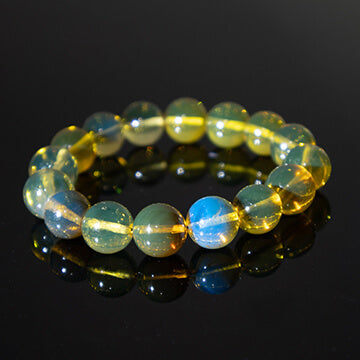

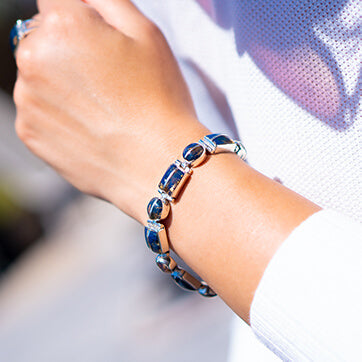
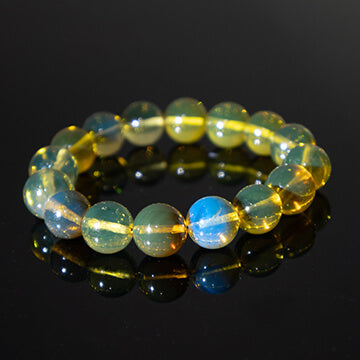
Larimar
Blue Amber
Green Amber
Amber Carvings
More

by Admin October 31, 2026 6 min read

A fine gemstone can be extraordinary before it ever reaches the jeweler’s bench. Yet a gemstone setting review often reveals the detail that determines whether that beauty becomes a lasting treasure or a piece best reserved for occasional wear. For Larimar and Dominican amber, setting is not merely decoration. It is the quiet architecture that protects the stone, frames its color, and lets its Caribbean character take center stage.

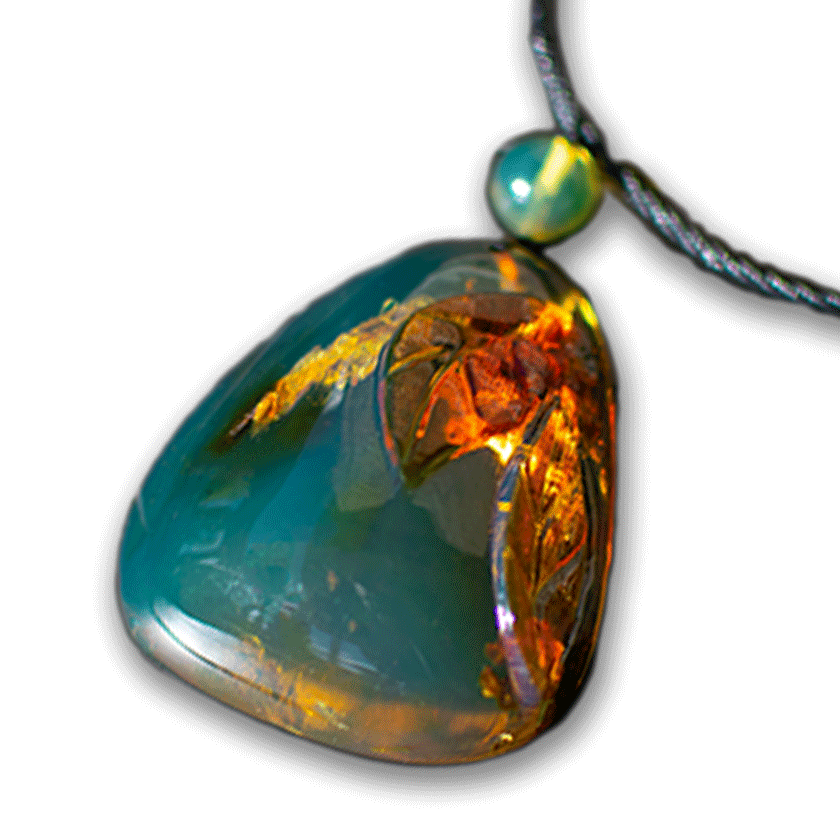
A setting should never overpower a rare natural gem. The best designs hold the stone securely while honoring what makes it singular: the cloudlike blues of Larimar, the warm honey tones of amber, or the mysterious blue and green flash found in Dominican Blue Amber. Because no two natural stones are identical, the setting must respond to the individual gem rather than force it into a generic mold.

What a Gemstone Setting Review Should Examine

A meaningful review begins with craftsmanship, not just style. Look closely at how the metal meets the gemstone. The stone should sit evenly, without gaps, visible adhesive, rough edges, or pressure points that distract from its surface. A carefully made setting feels intentional from every angle, including the back and sides that are easy to overlook in a product photo.

Security matters as much as appearance. Gently inspect whether prongs are substantial and properly finished, whether a bezel wraps the stone consistently, and whether the piece feels balanced when worn. A ring with a large cabochon may need a lower profile for everyday comfort, while a pendant can accommodate a more dramatic silhouette because it receives less direct impact.

It also helps to consider the gemstone itself. Diamonds and sapphires tolerate a different approach than Larimar or amber. Larimar is a naturally beautiful but comparatively softer stone, and amber is organic fossilized resin rather than a mineral crystal. Both reward thoughtful construction and mindful wear. A setting that looks delicate can still be well made, but it should be designed with the stone’s real-world needs in mind.

Bezel Settings: Protection With a Clean, Artisanal Finish

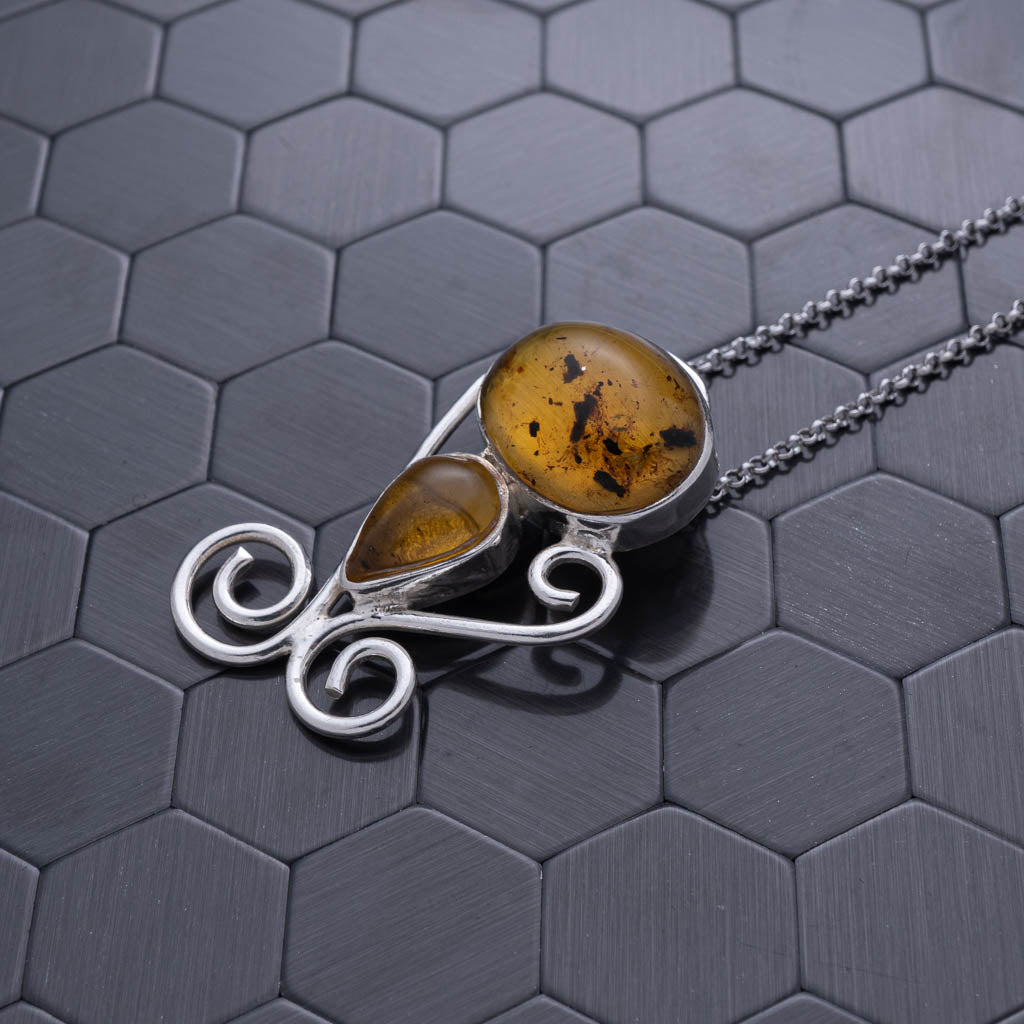
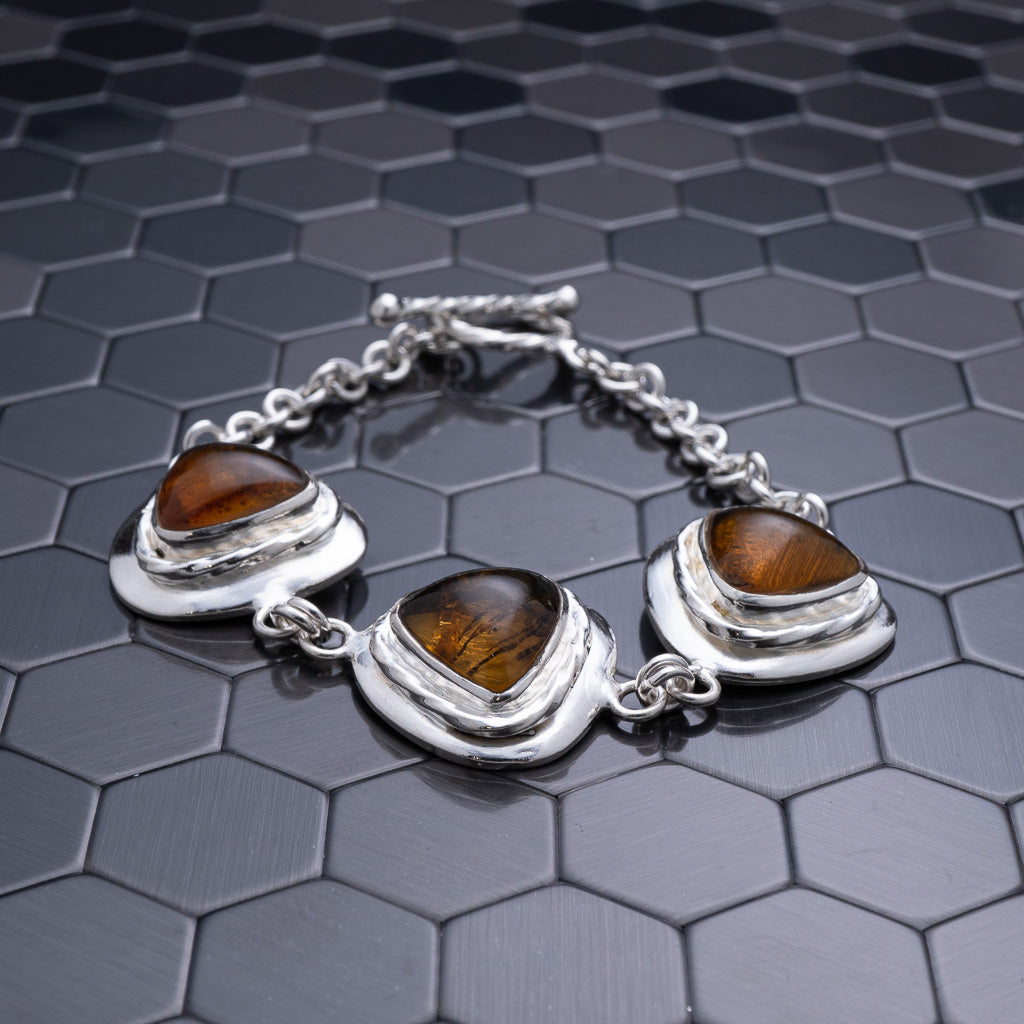
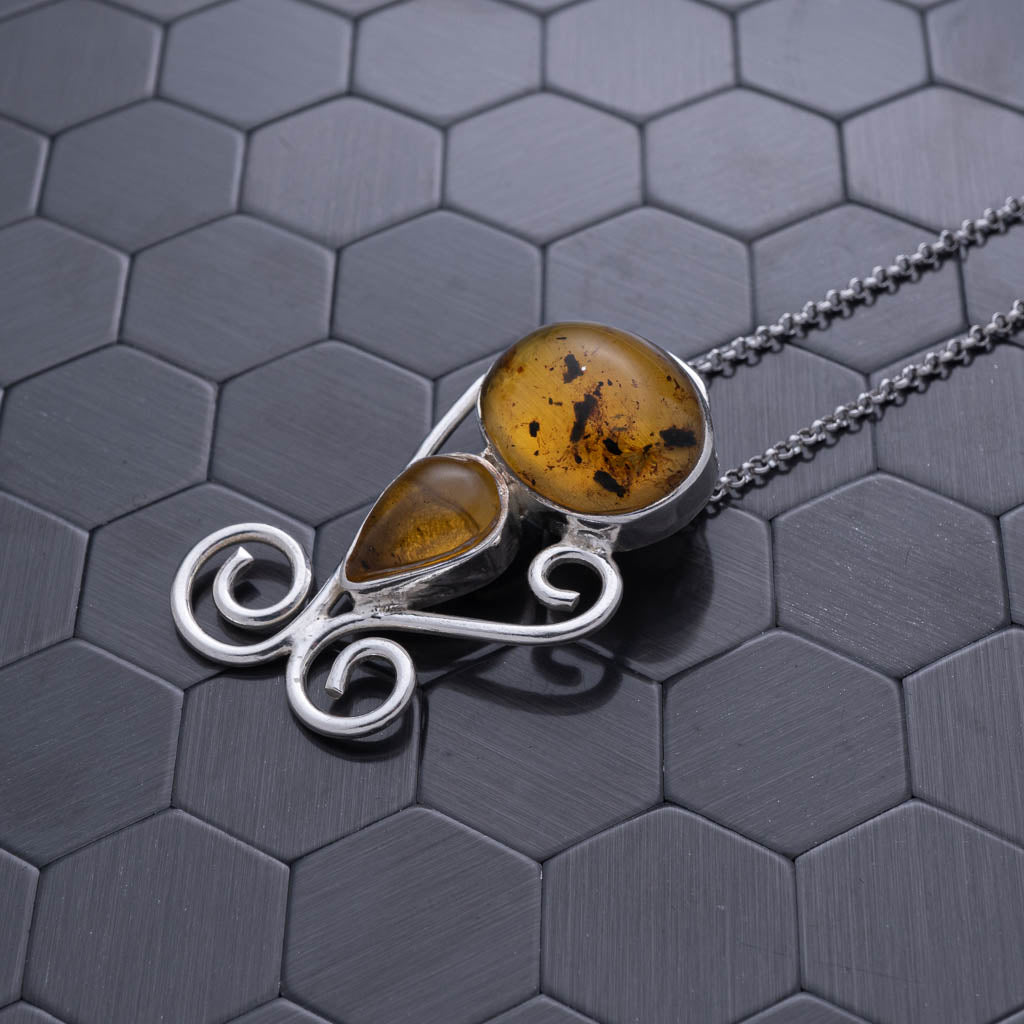
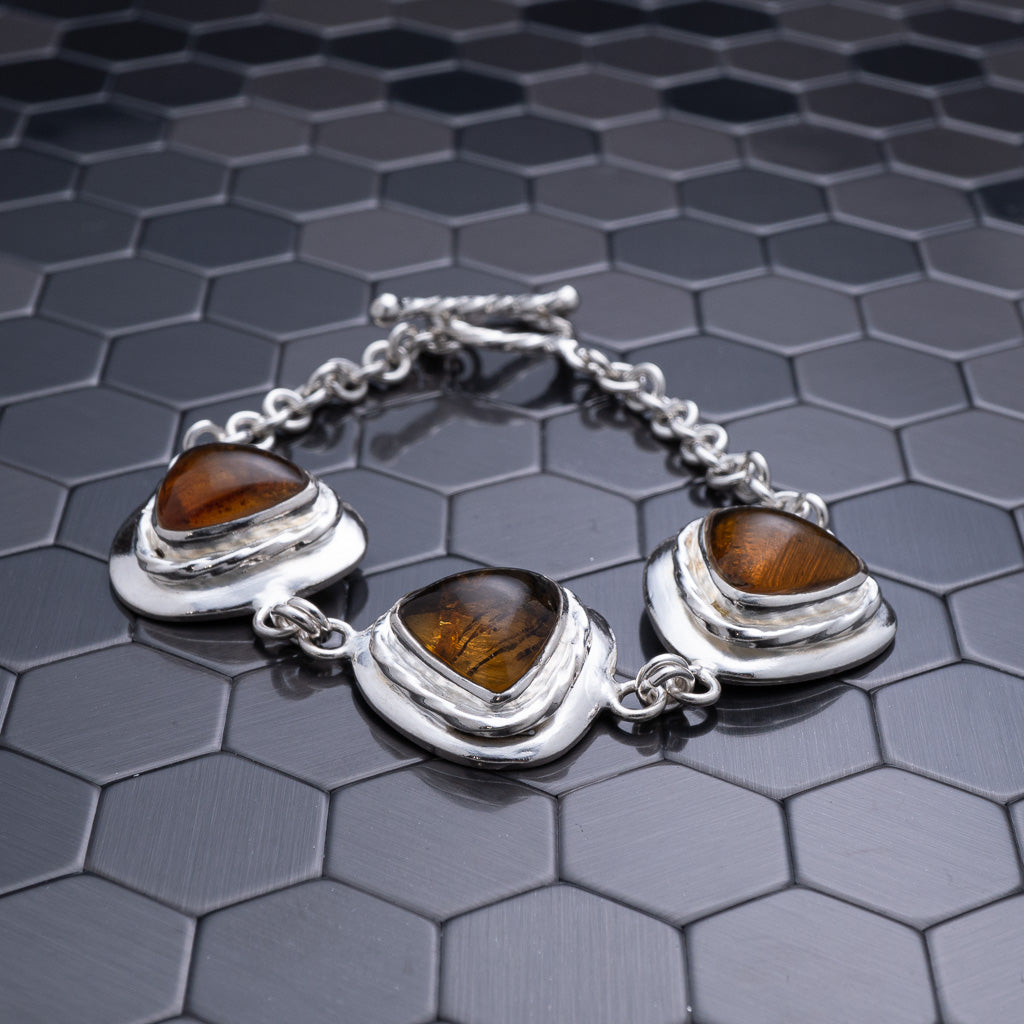
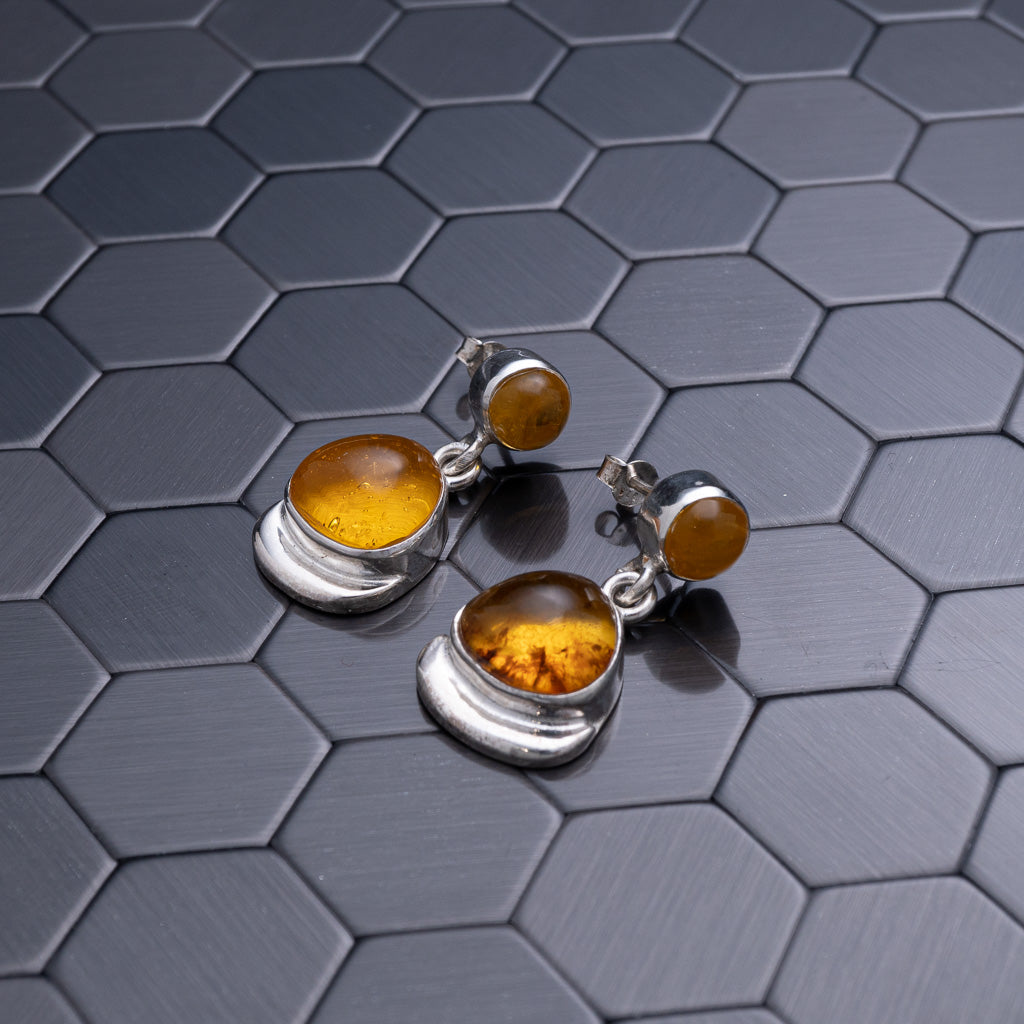
A bezel setting encircles the edge of a gemstone with a rim of metal. For smooth Larimar cabochons and polished amber, this is often one of the most graceful and protective choices. It creates a clean outline that can make pale Caribbean blue appear more saturated or give golden amber a rich, luminous border.

The practical advantage is substantial. Because the metal guards the stone’s perimeter, a bezel reduces exposure along vulnerable edges. This makes it especially appealing for rings, bracelets, and pendants meant to become part of a regular jewelry rotation. It also suits freeform stones, whose organic shapes are part of their appeal and do not need to be cut into standardized outlines.

Not every bezel is equally refined. In a quality piece, the metal edge should be smooth and even, with no sharp lip pressing awkwardly over the stone. The bezel should enhance the cabochon’s curve rather than hide too much of its face. With Dominican Blue Amber, an open-backed or thoughtfully designed bezel can also allow light to interact with the material, preserving the shifting glow that makes the stone so captivating.

Prong Settings: Light, Presence, and a More Open View

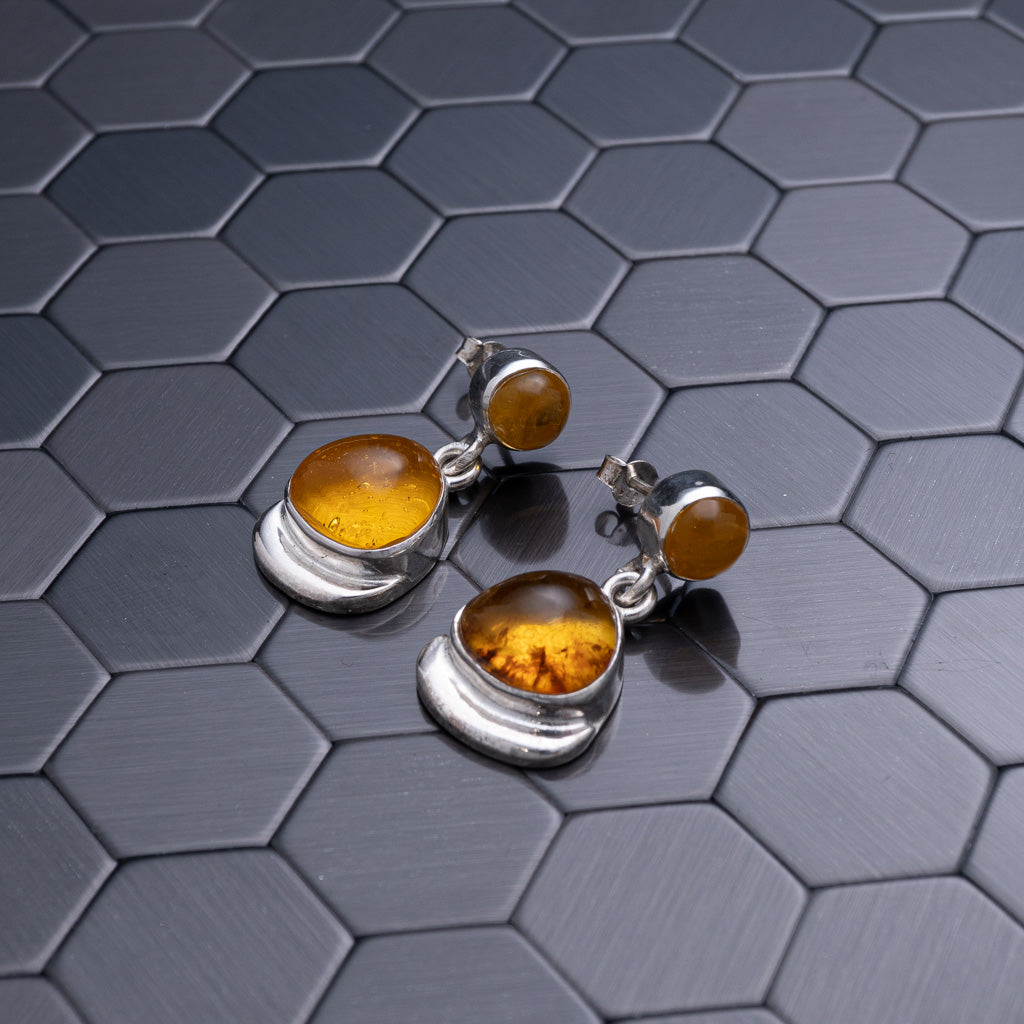
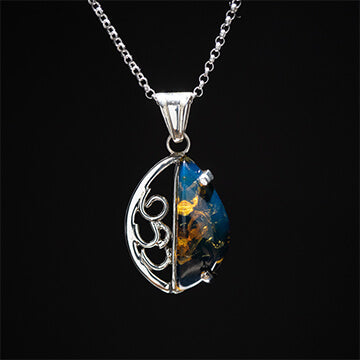
Prongs hold a gemstone in place at selected points instead of surrounding its entire edge. This allows more of the stone to remain visible and can create a lighter, more elevated look. In earrings and pendants, prongs can give a special Larimar or amber gem a sense of air and movement, especially when paired with an open gallery beneath the stone.

For softer gems, however, prongs ask more of the wearer. They leave more of the edge exposed, and they must be inspected occasionally to ensure they remain snug. A loose prong is not a small cosmetic issue. It can allow a gemstone to shift, chip, or eventually become lost.

When reviewing a prong-set piece, look for smooth, rounded tips that sit neatly over the stone without crowding it. Four prongs provide an open, classic presentation, while more prongs can offer additional points of security. The right choice depends on the stone’s shape, size, and intended use. An amber pendant worn for celebrations may favor a more open setting; an everyday Larimar ring may benefit from the extra protection of a bezel or partial bezel.

Open Backs, Closed Backs, and the Character of the Stone

The back of a setting changes more than the profile of the jewelry. It influences light, comfort, cleaning, and the way the stone is experienced. Open-backed designs permit light to pass around a gem, which can be particularly appealing for translucent amber. They also create a pleasing sense of hand-finished detail when a piece is viewed from behind.

Closed backs can offer a more protected, polished presentation. They are frequently well suited to opaque or semi-opaque Larimar, where the visual drama comes from the stone’s ocean-blue pattern rather than transparency. A closed-back pendant can also feel smooth against the skin and provide a solid backdrop for a particularly pale stone.

There is no universal winner. A high-quality setting uses the back design to serve the specific gem. The question is whether the construction supports the stone’s beauty and intended function, not whether one style is inherently more luxurious.

Metal Choice Is Part of the Setting Review

Sterling silver is a natural partner for Larimar. Its cool brilliance echoes the stone’s blue and white palette, creating a fresh, ocean-inspired effect. It also lends itself beautifully to artisan textures, sculpted waves, and hand-finished details that give each piece a distinct Caribbean spirit.

Gold settings offer a different kind of warmth. Yellow gold can amplify the sunlit tones of Dominican amber, while rose gold adds a romantic contrast to honey, cognac, and red amber. White metals create a cooler, more contemporary frame, particularly striking around blue amber with visible fluorescence or blue-green undertones.

Beyond color, inspect the metal’s finish and thickness. A piece intended for frequent wear should not feel overly thin at the shank, bail, clasp, or stone-setting points. Fine jewelry may be delicate by design, but delicacy should not be confused with fragility. Well-considered proportions are a sign that the maker has balanced visual elegance with durability.

A Gemstone Setting Review for Everyday Wear

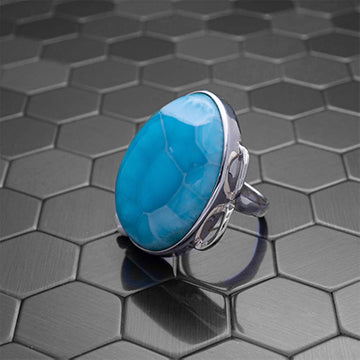
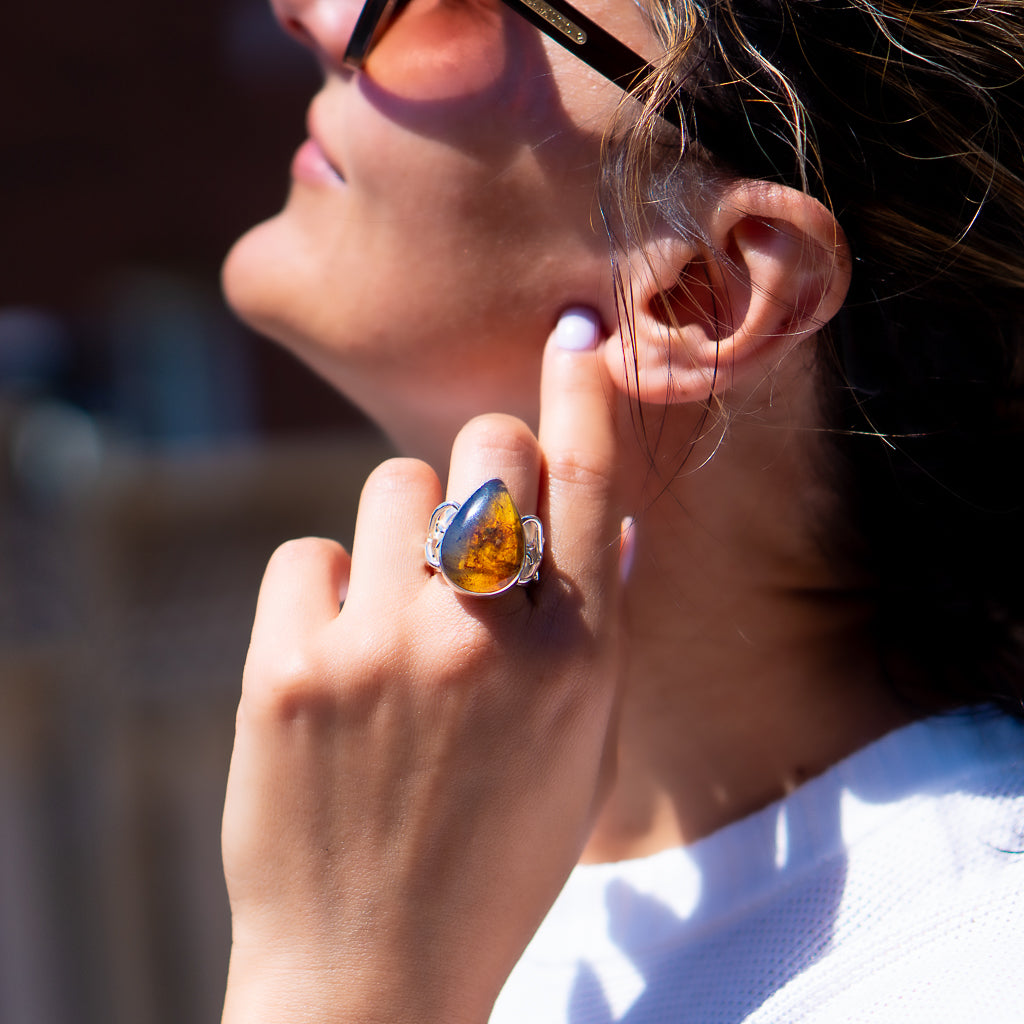
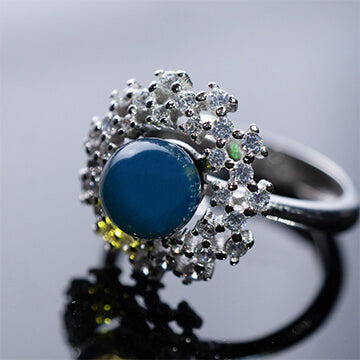
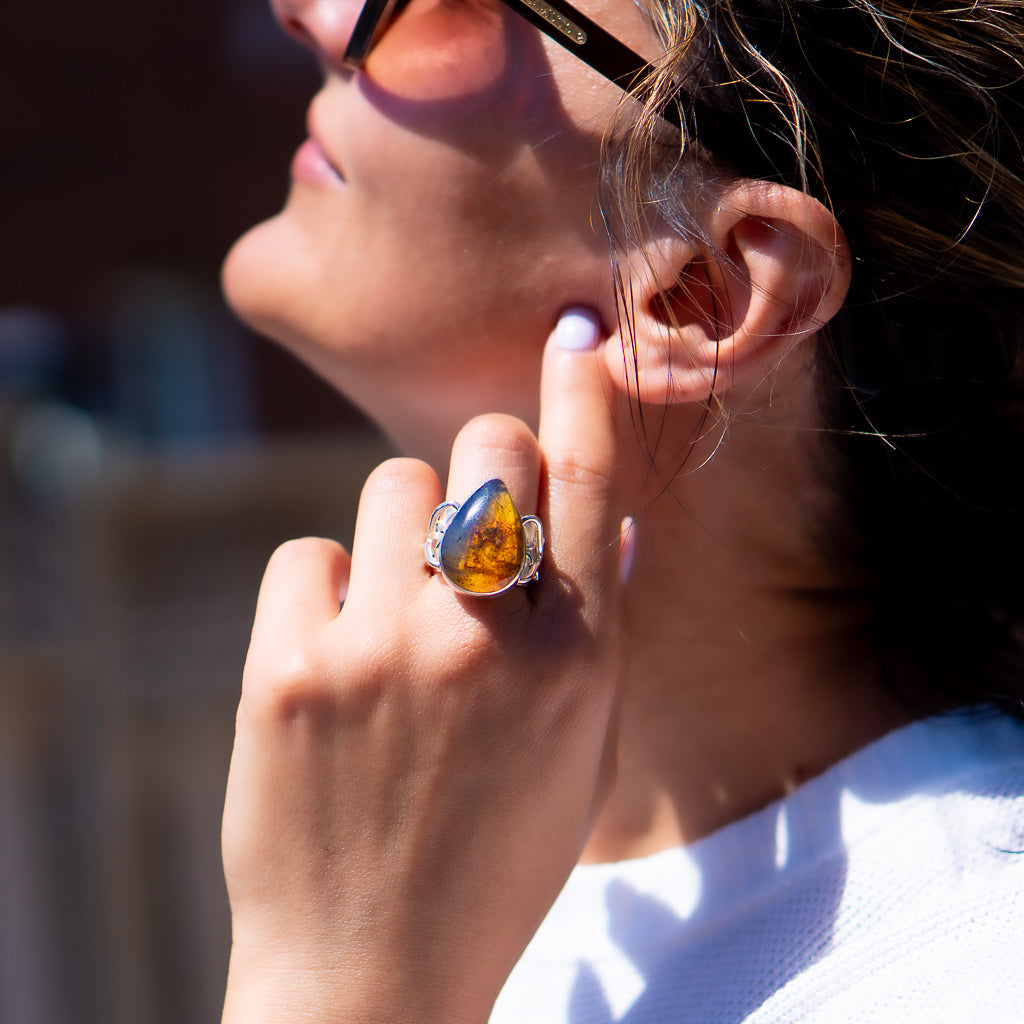
A beautiful piece becomes more meaningful when it fits the life of the person wearing it. If a ring will be worn while traveling, working with hands, or caring for family, choose a setting with a lower profile and protected edges. A bezel-set Larimar ring, for example, can offer an ideal balance of visual presence and practical peace of mind.

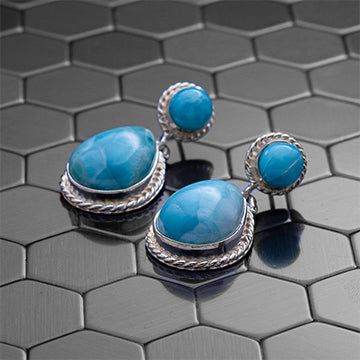
For earrings and pendants, you may have more freedom to choose elevated or open designs. Still, check the details that carry the weight: earring posts, hooks, clasps, jump rings, and pendant bails. These small components determine whether jewelry feels secure and comfortable long after the first wear.

Collectors may choose differently. A striking cabochon with a high dome, unusual pattern, or exceptional blue may deserve a more sculptural setting that showcases its individuality. In that case, the priority may be display and artistry rather than daily utility. Knowing which role the piece will play makes the decision much clearer.

Questions Worth Asking Before You Choose

Ask how the gemstone is held, whether the setting protects its edges, and whether the profile suits your routine. Ask whether the metal complements the stone’s natural color instead of competing with it. If you are selecting a gift, consider the recipient’s style as well as their lifestyle: a bold statement pendant can be perfect for someone who treasures special occasions, while a streamlined bezel ring may suit someone who rarely removes their jewelry.

Authenticity belongs in the conversation, too. Rare Caribbean gemstones deserve clear identification and careful sourcing. At Larimar Creations, the enduring appeal of certified Larimar and Dominican amber lies not only in their beauty, but in the connection each stone carries to its origin and handcrafted transformation.

The right setting does not ask a remarkable gem to become something else. It gives Larimar room to recall calm Caribbean water, lets Dominican amber hold its ancient light, and gives you confidence to wear a piece of the Caribbean in the way that feels most natural to you.

Gemstone Color Grading and True Color Value - Larimar Creations

Gemstone Color Grading and True Color Value

6 min read

Gemstone color grading reveals how hue, tone, and saturation shape the beauty, rarity, and value of Larimar, Dominican amber, and more.
Read More
Gemstone Setting Review for Lasting Beauty - Larimar Creations

Gemstone Setting Review for Lasting Beauty

6 min read

A gemstone setting review explains how bezels, prongs, and artisan details protect Larimar and Dominican amber while honoring their natural beauty.
Read More
925 Sterling Silver: The Quality Standard in Fine Jewelry - Larimar Creations

925 Sterling Silver: The Quality Standard in Fine Jewelry

9 min read

Discover why 925 sterling silver is the gold standard for quality jewelry. Learn about composition, hallmarks, care, and what makes it perfect for fine pieces.
Read More