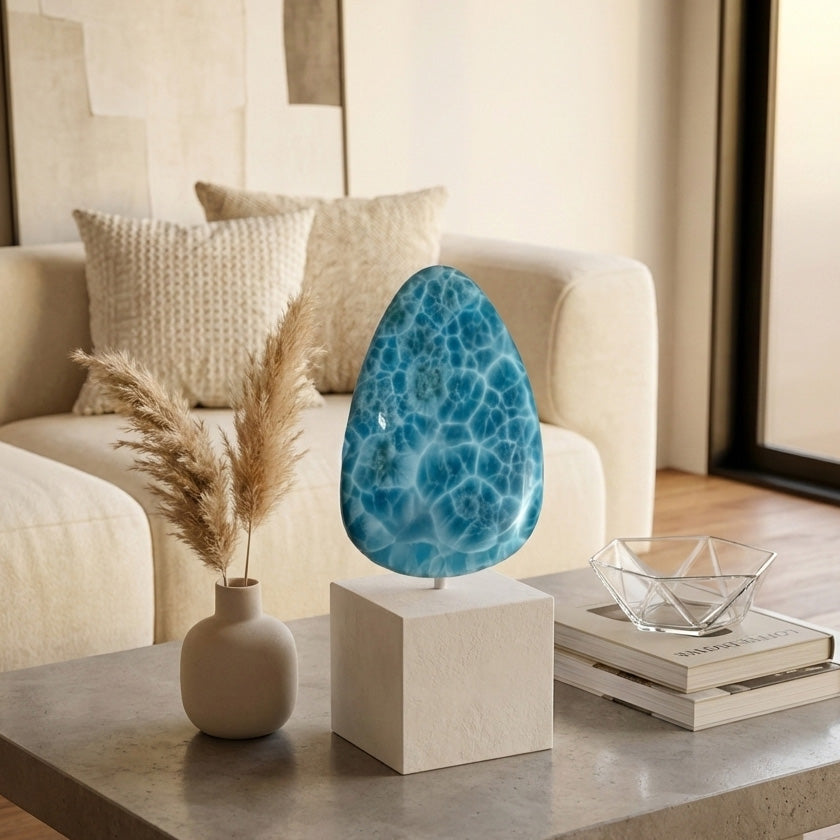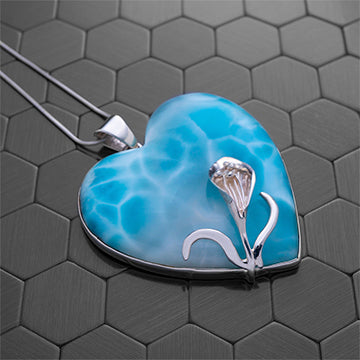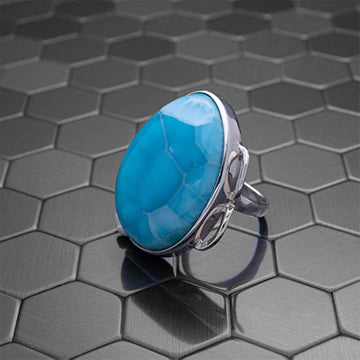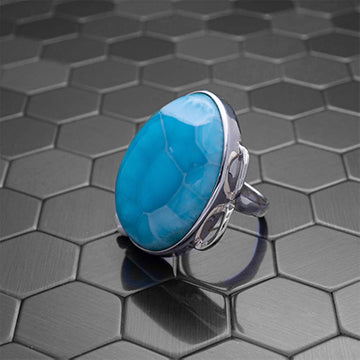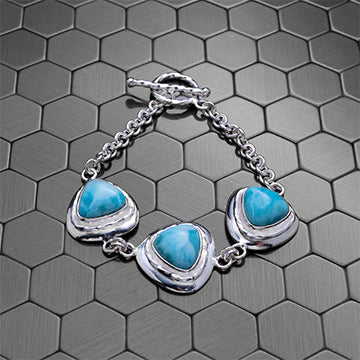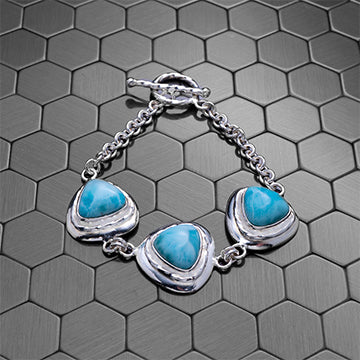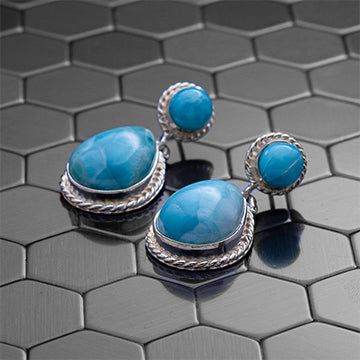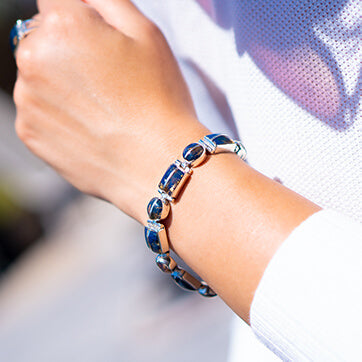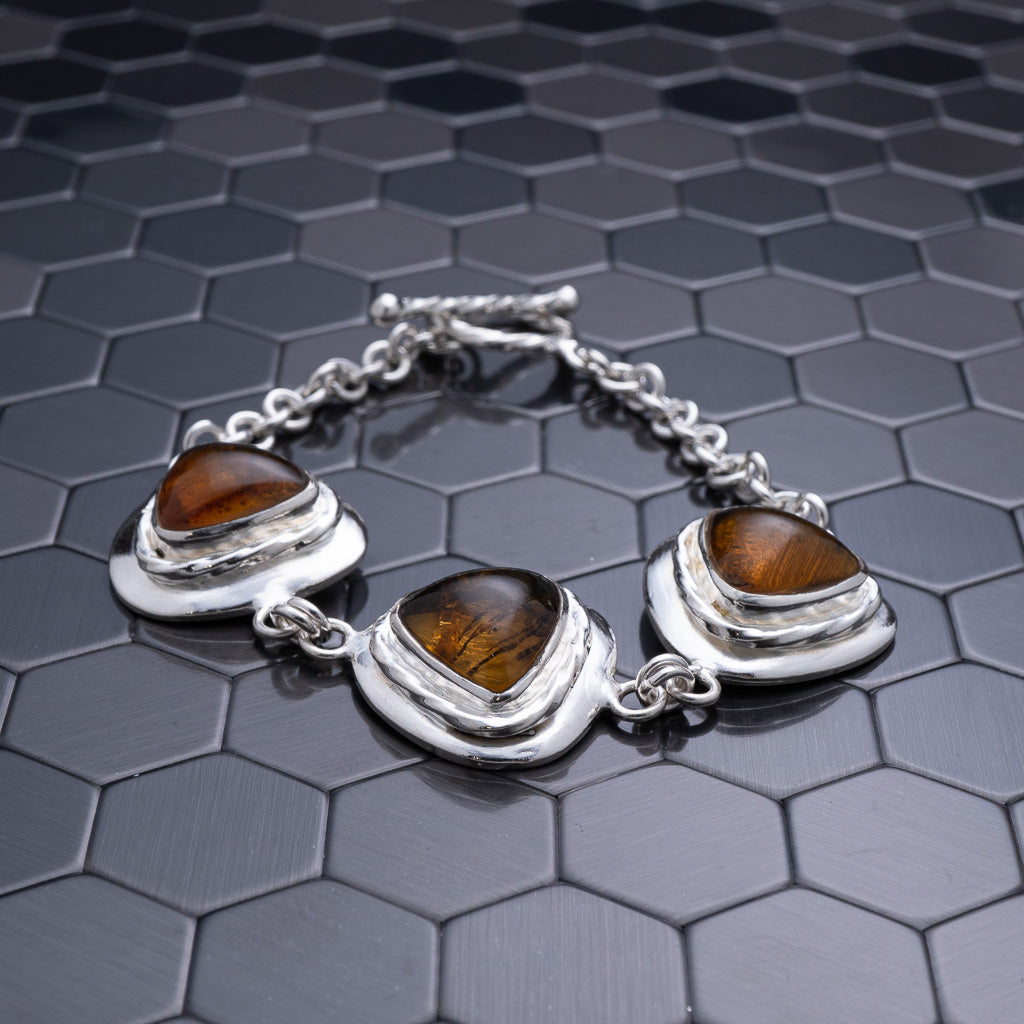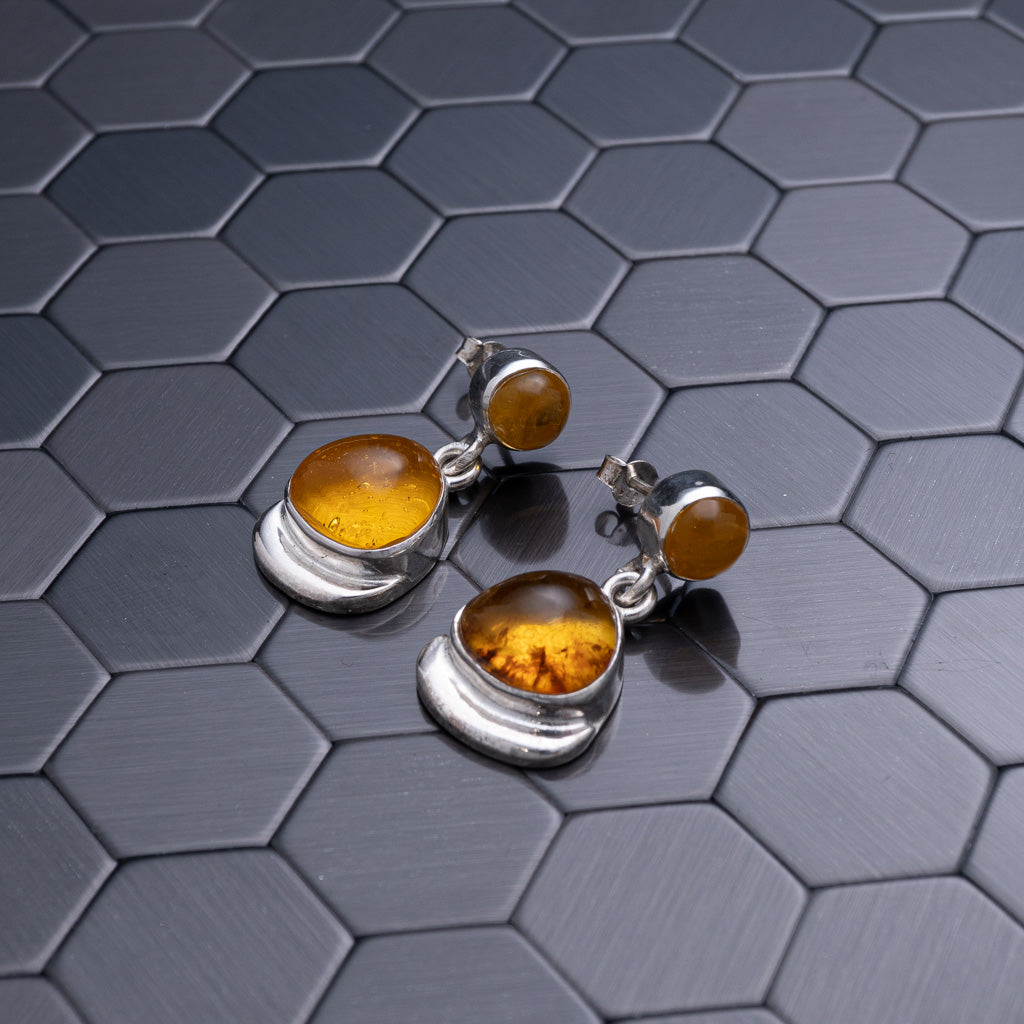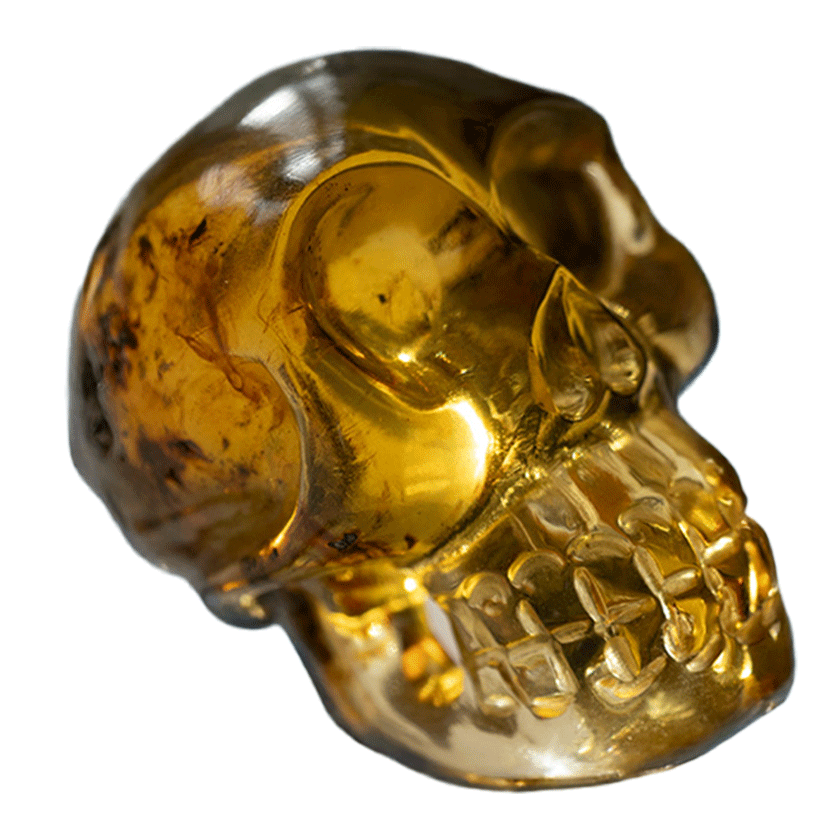


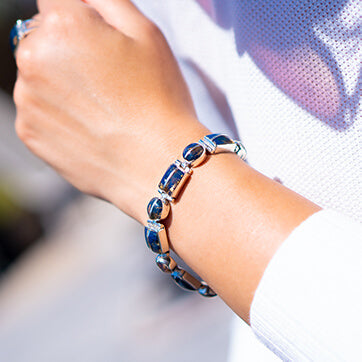
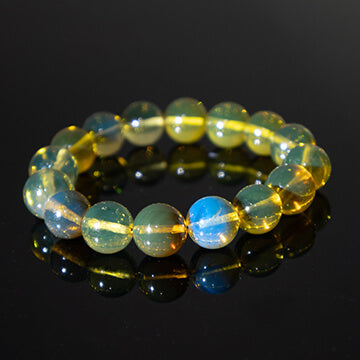
Handcrafted in DR.

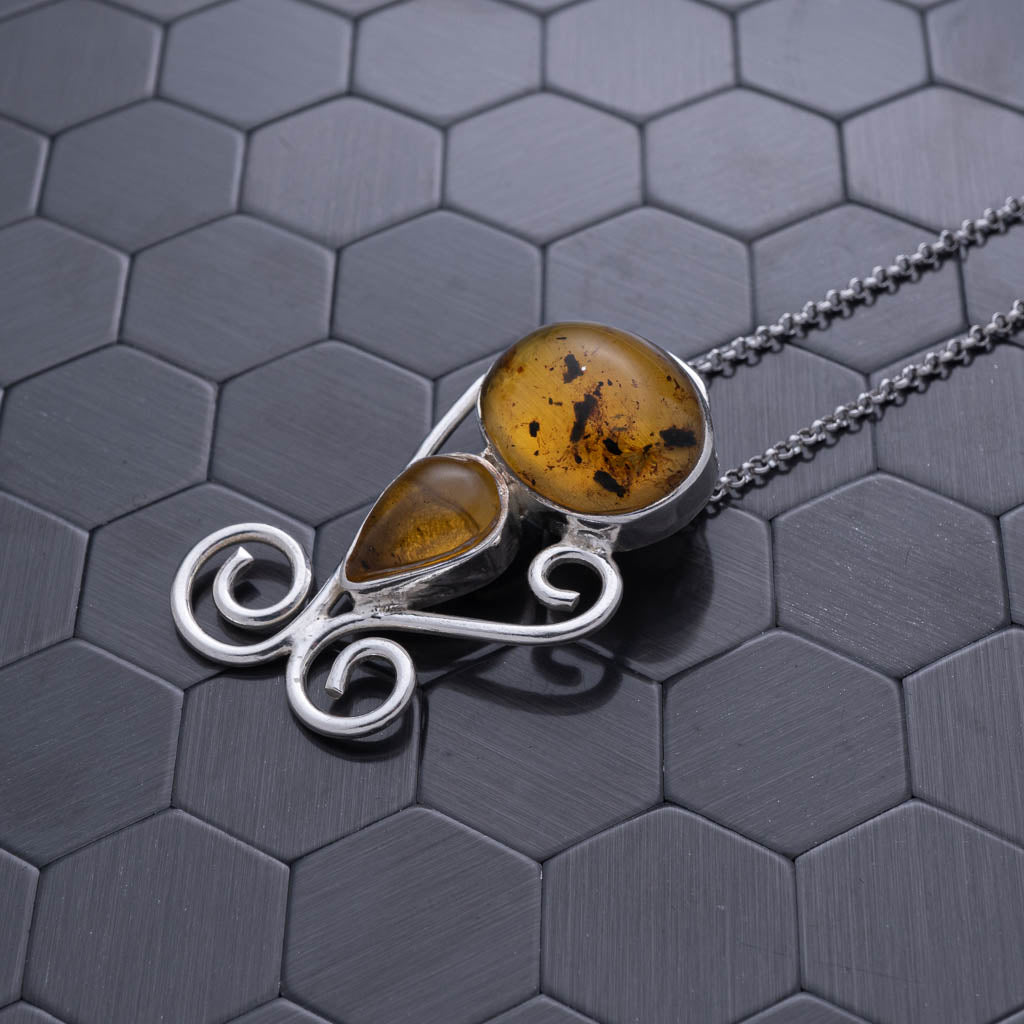
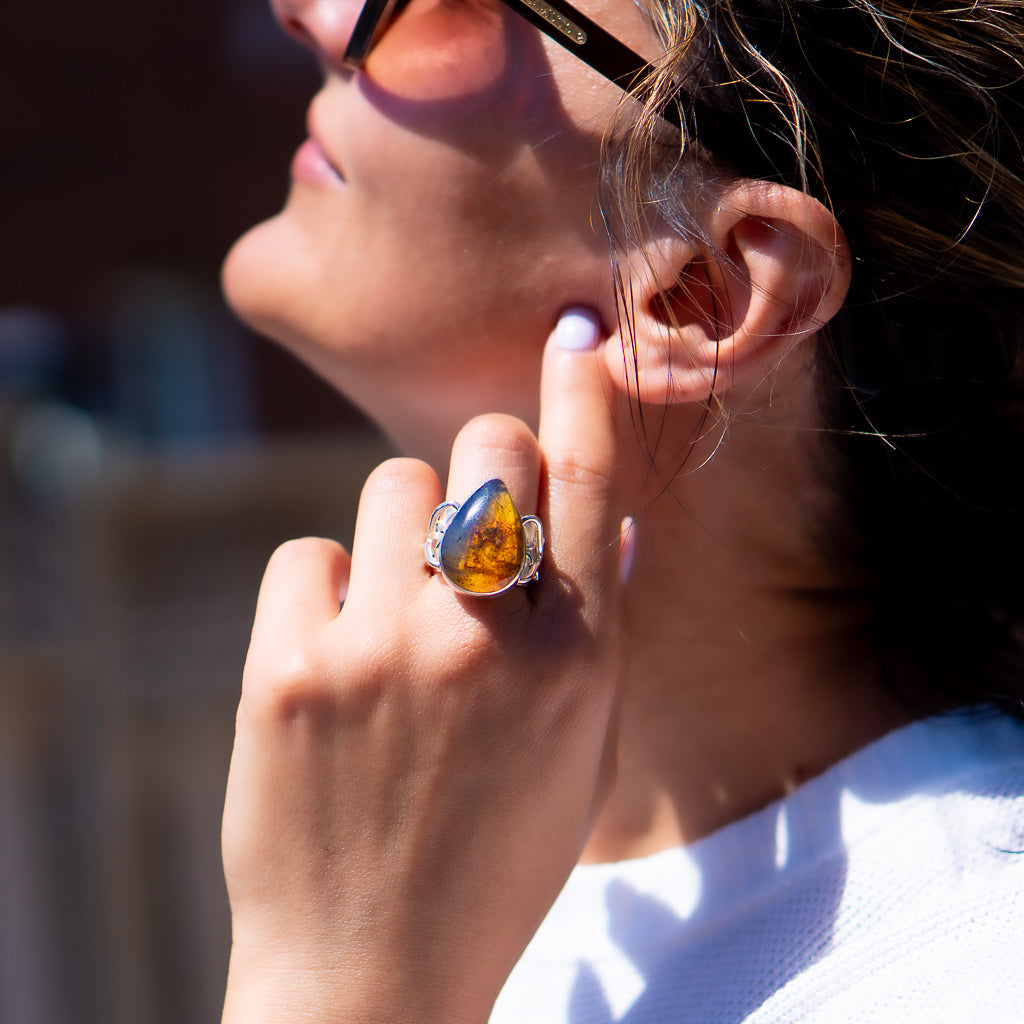
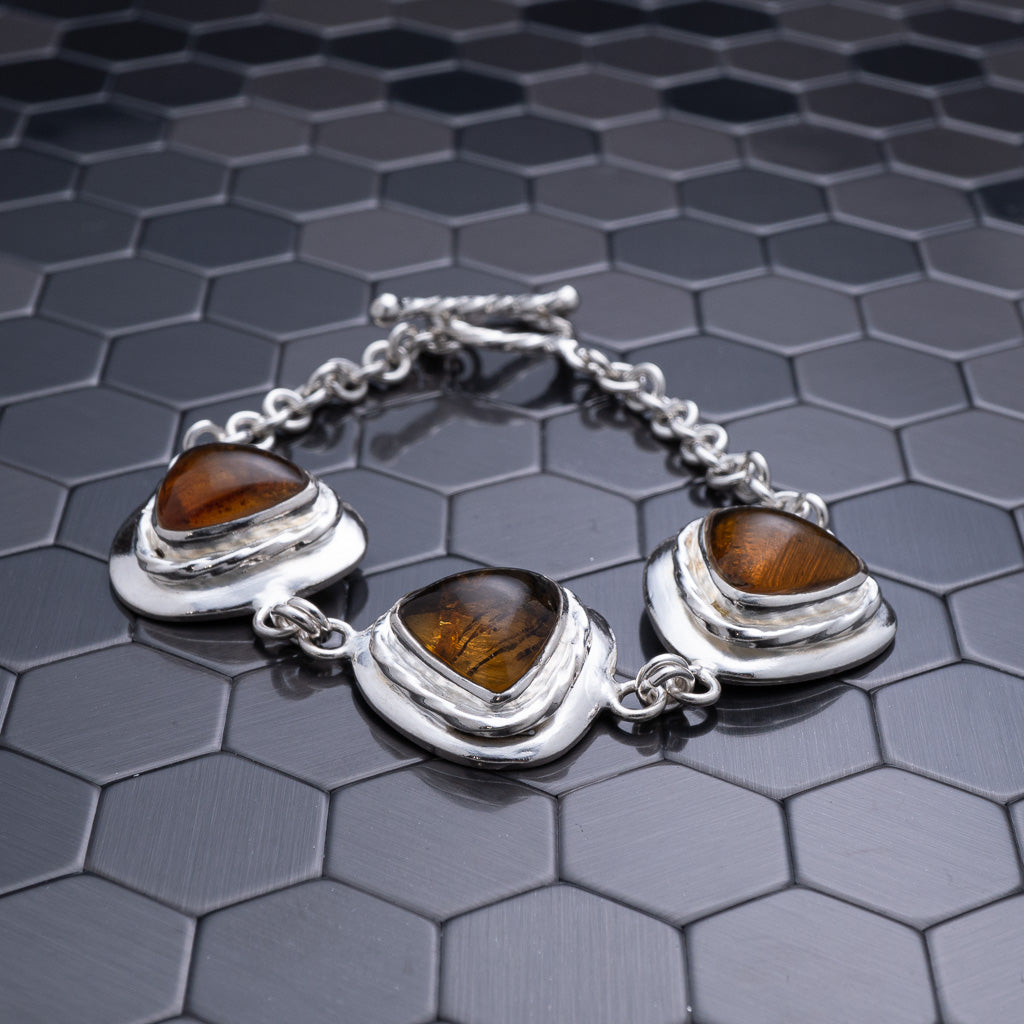
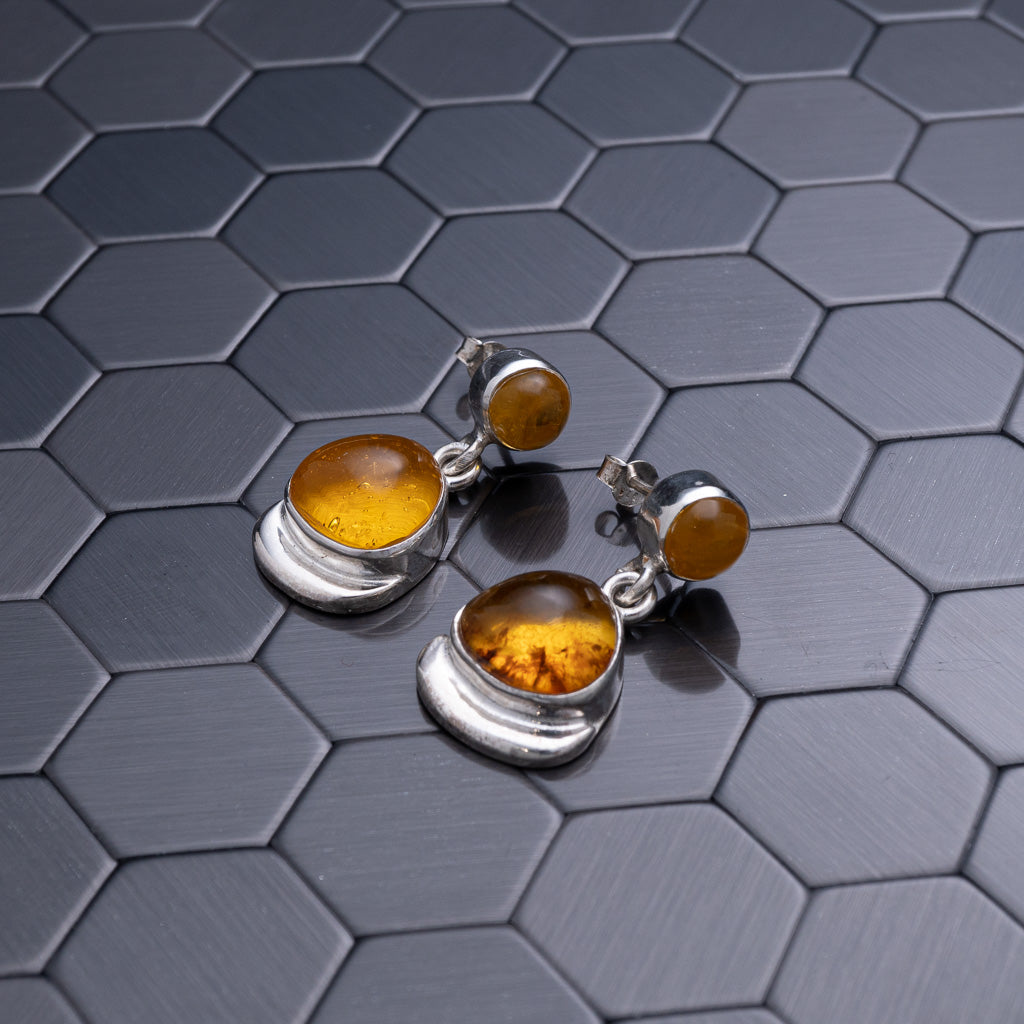


100% Handcrafted in DR.

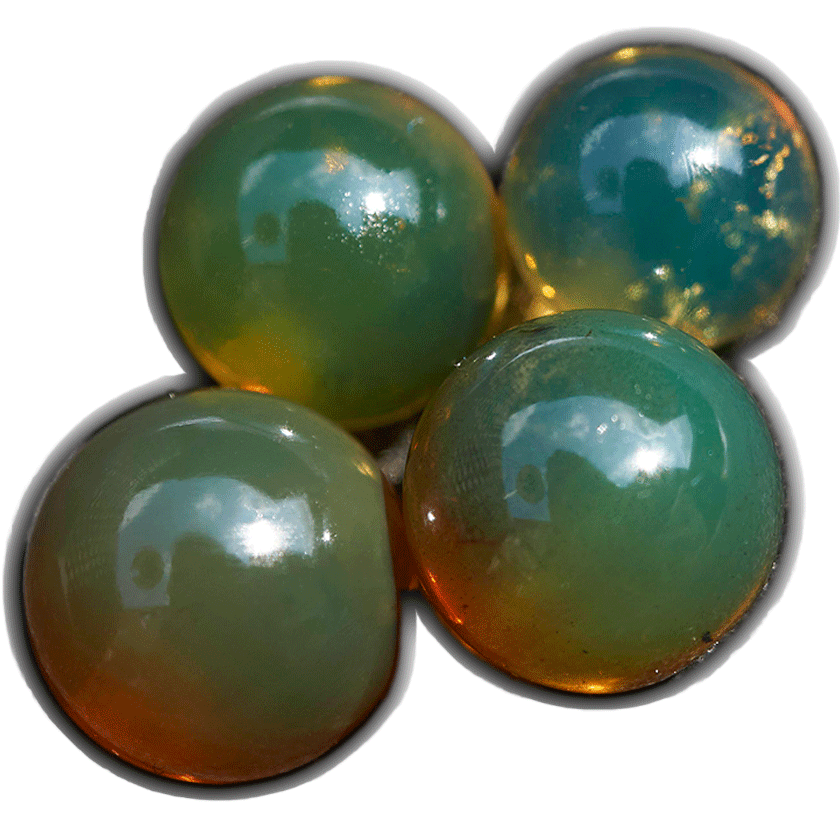
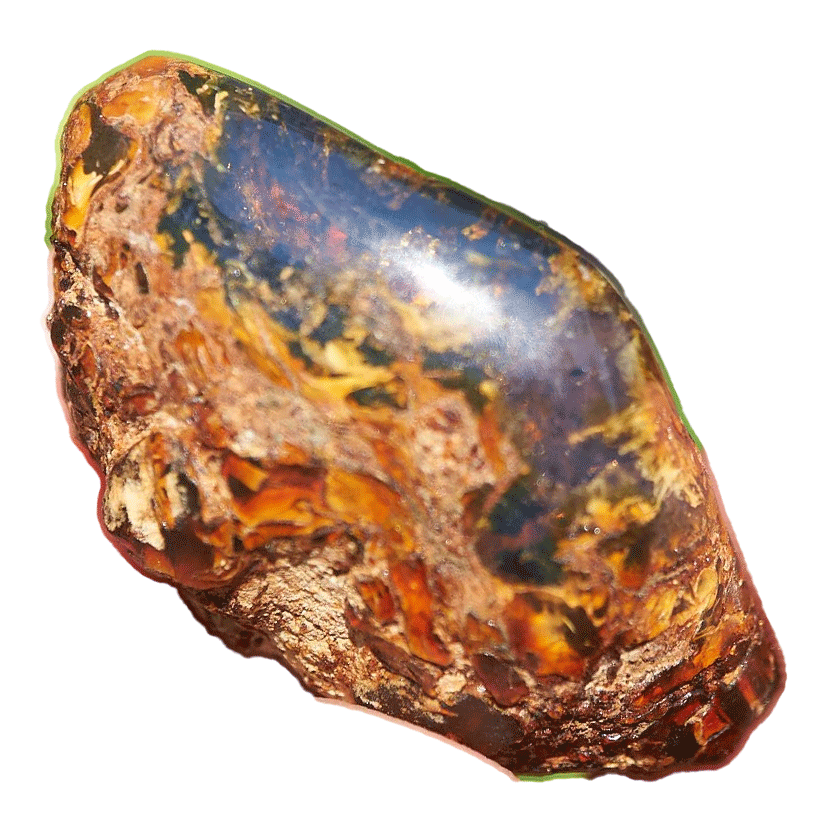
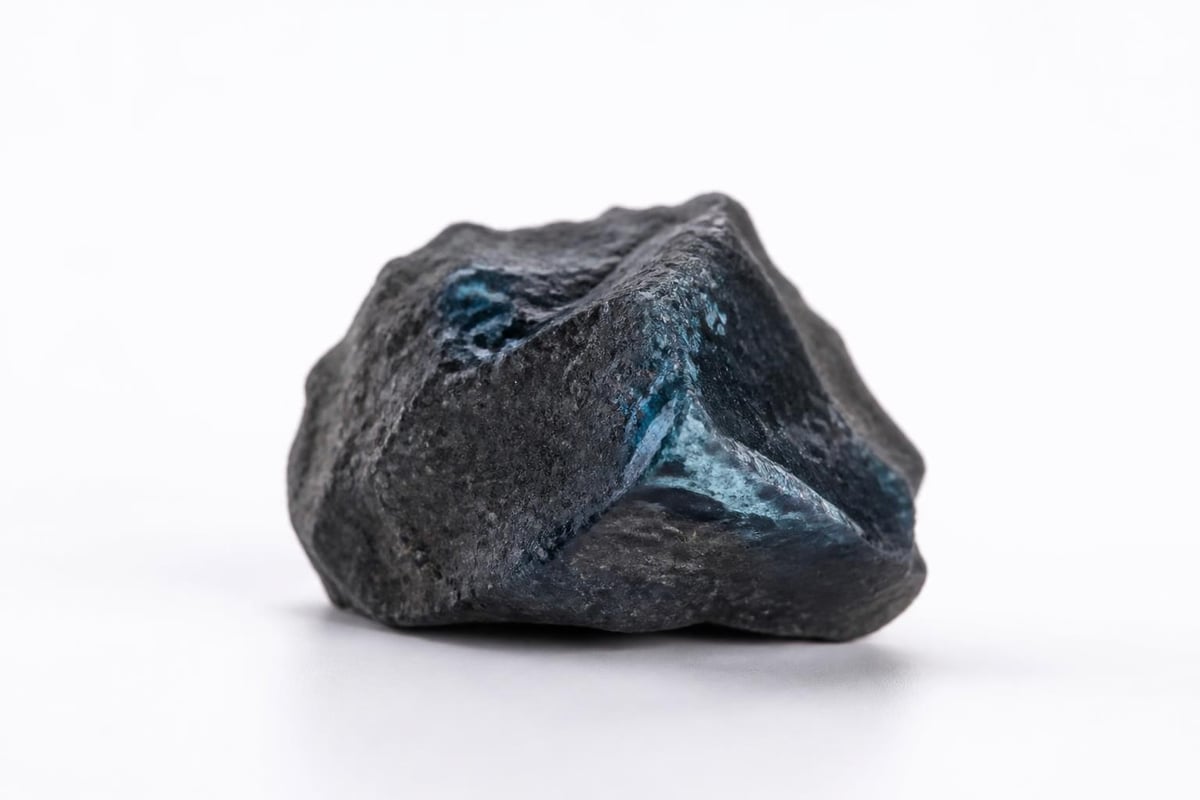
Amber blue represents one of nature's most captivating optical phenomena, a gemstone that transforms from warm golden hues to stunning electric blue under ultraviolet light. This extraordinary material, found almost exclusively in the Dominican Republic, has fascinated collectors, scientists, and jewelry enthusiasts for decades. Unlike traditional amber varieties that display consistent warm tones, amber blue exhibits a remarkable luminescent quality that sets it apart in the world of fossilized resins. Understanding this rare gemstone requires exploring its unique formation, chemical composition, and the scientific principles behind its mesmerizing color shift.
The blue phenomenon in Dominican amber stems from complex molecular interactions within the fossilized resin. Recent research has shed light on the specific compounds responsible for this optical effect, particularly focusing on aromatic hydrocarbons embedded within the ancient tree resin matrix. Scientific analyses of Dominican amber have revealed that the blue fluorescence originates from perylene derivatives, which form during the fossilization process under specific geological conditions.
The chemical transformation that creates amber blue begins millions of years ago when leguminous trees in the prehistoric Caribbean forests produced resin. This resin contained unique precursor compounds that, under heat and pressure over millennia, converted into fluorescent molecules. The concentration and distribution of these molecules determine the intensity and quality of the blue appearance.
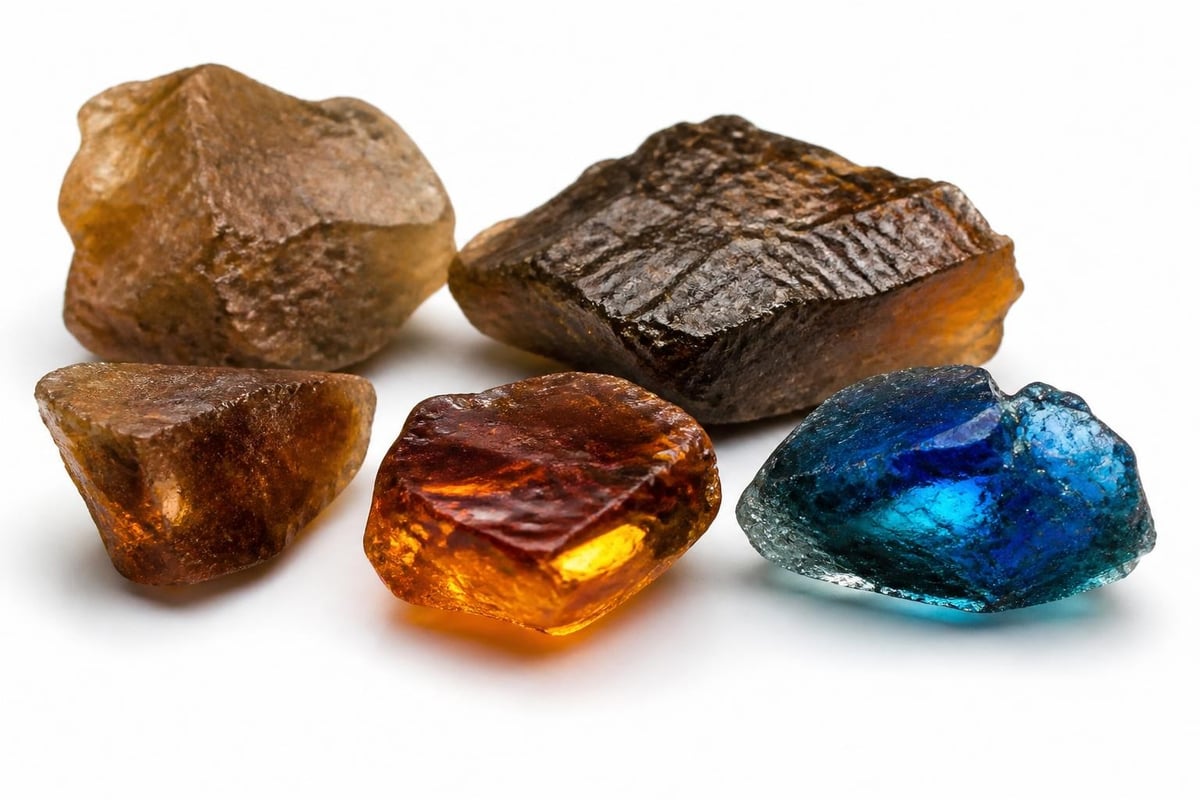
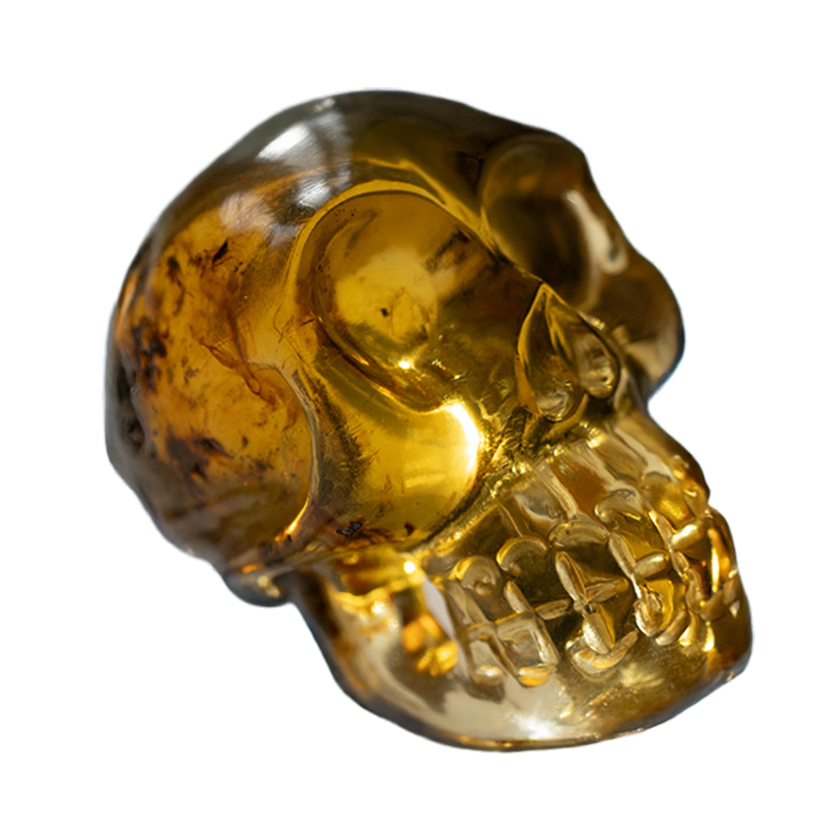
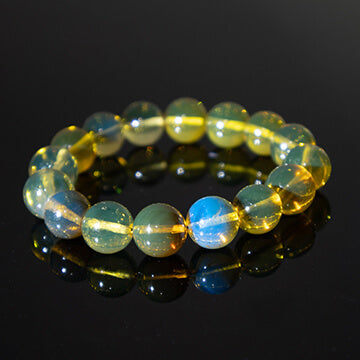
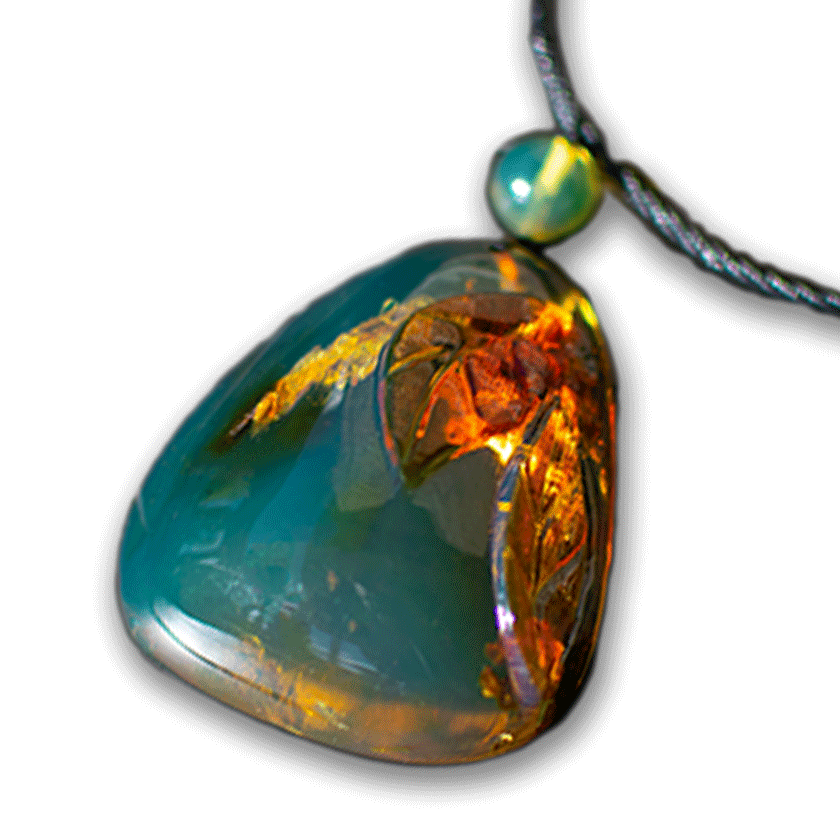
Amber blue displays different appearances depending on the light source, a property that distinguishes it from virtually all other gemstones. In natural daylight, specimens typically appear honey-colored, golden, or reddish-brown. When exposed to ultraviolet light, particularly long-wave UV, the material erupts into brilliant blue, sometimes with green or violet undertones.
This dramatic transformation occurs because the fluorescent compounds absorb UV energy and re-emit it as visible blue light. Advanced fluorescence microspectroscopy techniques have enabled researchers to map the distribution of fluorescent compounds throughout individual specimens, revealing complex patterns that make each piece unique.
The intensity of the blue effect varies significantly:
Dominican amber blue originates from specific mining regions in the northern Dominican Republic, particularly around the Cordillera Septentrional mountain range. The La Cumbre mine and surrounding areas produce the most sought-after specimens, where geological conditions created the perfect environment for this rare variety to form.
The fossilization process that created amber blue began approximately 15 to 20 million years ago during the Miocene epoch. Extinct species of Hymenaea trees, relatives of modern legumes, produced copious resin flows that eventually became buried in sedimentary deposits.
| Geological Factor | Impact on Amber Blue Formation |
|---|---|
| Temperature range | 100-150°C optimal for perylene development |
| Pressure conditions | Moderate burial depth preserves fluorescent compounds |
| Sediment type | Clay-rich environments protect resin during fossilization |
| Time duration | 15-20 million years for complete transformation |
The unique combination of volcanic activity, tectonic shifts, and tropical conditions in the ancient Caribbean created an environment unlike anywhere else on Earth. This explains why Dominican blue amber remains extraordinarily rare compared to amber from Baltic, Mexican, or Myanmar deposits.
Collectors and gemologists must understand the characteristics that separate authentic amber blue from treated, synthetic, or misidentified materials. The global amber market includes numerous varieties, but only Dominican specimens exhibit true blue fluorescence combined with specific physical properties.
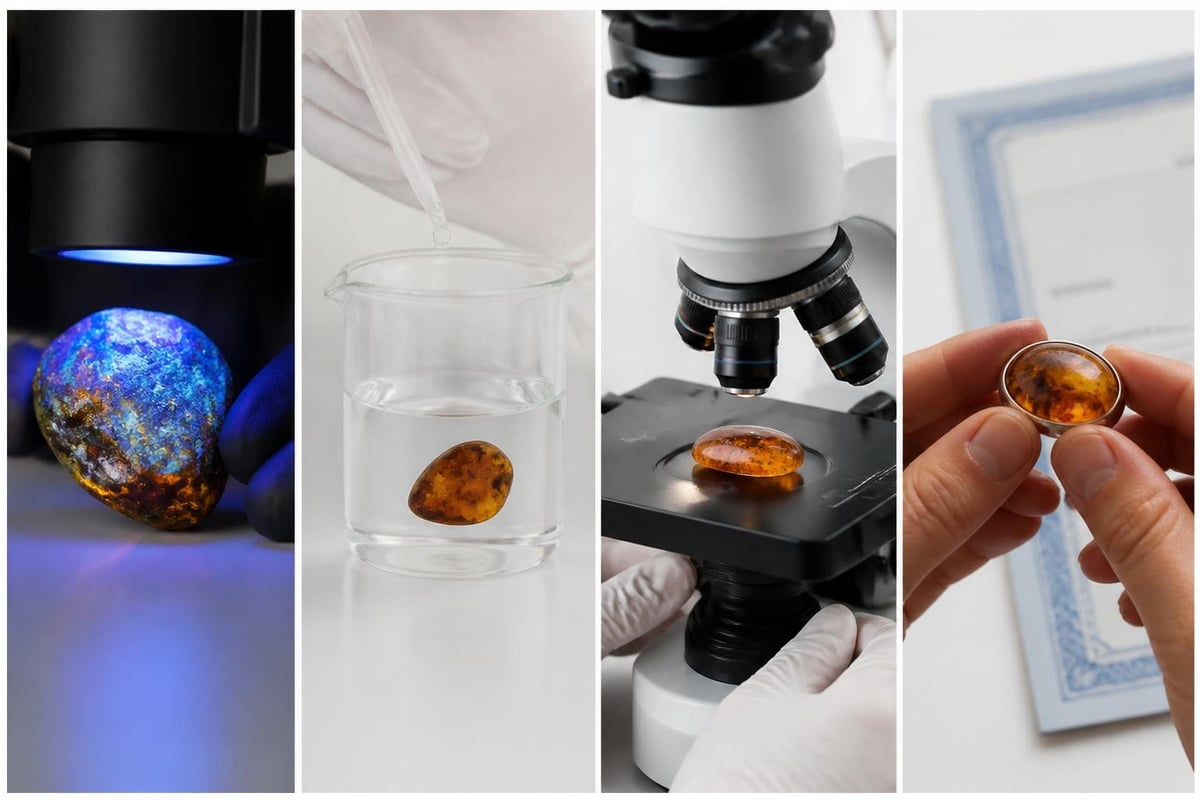
Genuine amber blue demonstrates consistent behavior across multiple tests. Beyond UV fluorescence, authentic specimens display specific gravity between 1.05 and 1.10, making them slightly denser than water. They feel warm to the touch and carry a distinctive pine-resin scent when heated or rubbed vigorously.
Professional evaluation of amber blue requires multiple verification techniques:
The National Park Service guidelines on amber identification provide valuable protocols for distinguishing authentic specimens from modern imitations, particularly important given the increasing sophistication of synthetic materials.
The value and desirability of amber blue depend heavily on fluorescence intensity, clarity, and overall appearance. Industry professionals use specific criteria to grade specimens, with the most vivid blue examples commanding premium prices in both collector and jewelry markets.
Expert evaluation considers multiple factors when assessing amber blue quality:
High-grade amber blue suitable for premium jewelry displays electric blue fluorescence visible even in shaded natural light, where scattered UV rays trigger the response. These exceptional specimens represent less than 5% of total production and drive significant interest among serious collectors.
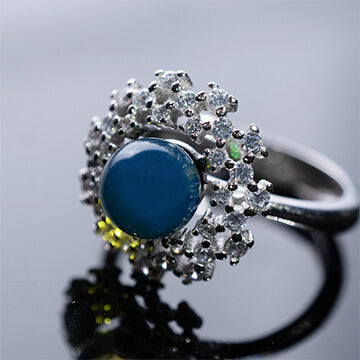
Amber blue has transformed from a geological curiosity into a sought-after jewelry material, particularly in pieces that celebrate its unique optical properties. Designers who work with this material understand that showcasing the fluorescent effect requires thoughtful approaches to settings, lighting, and complementary elements.
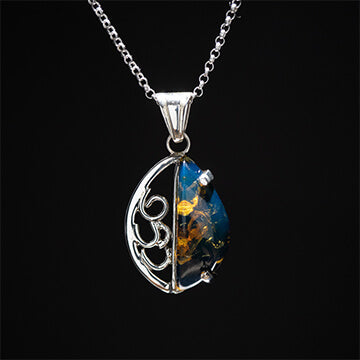
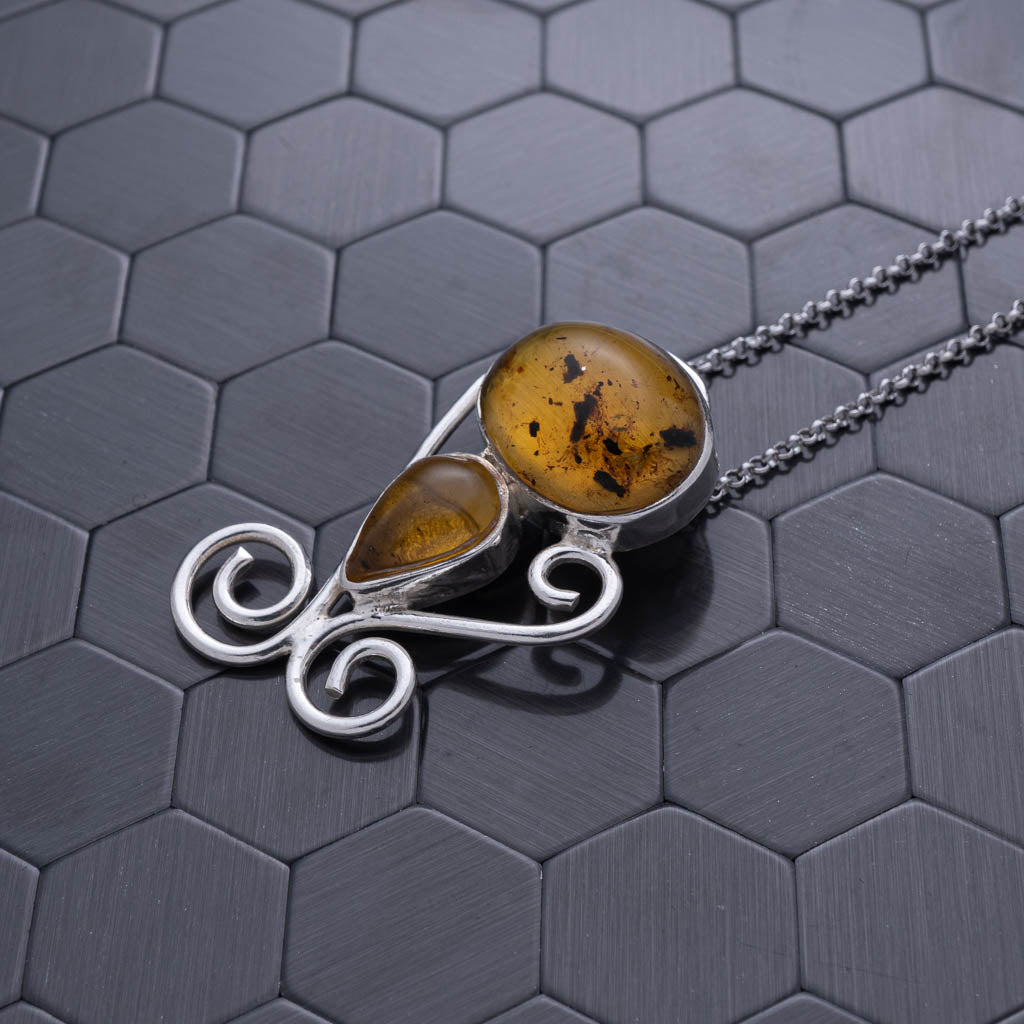
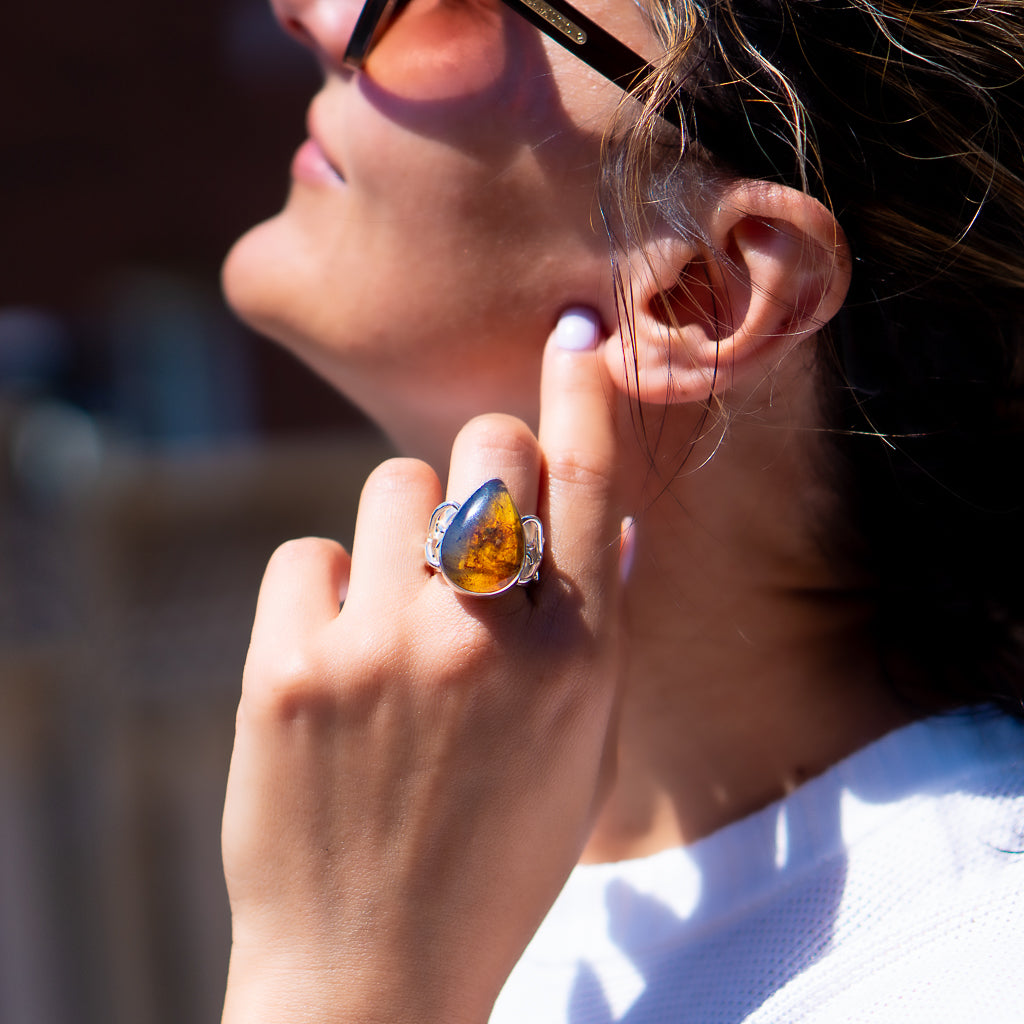
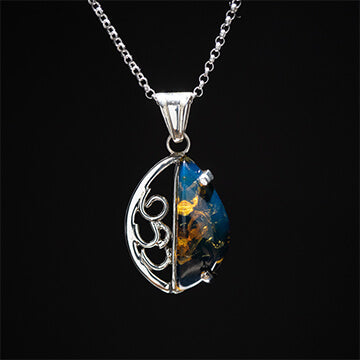
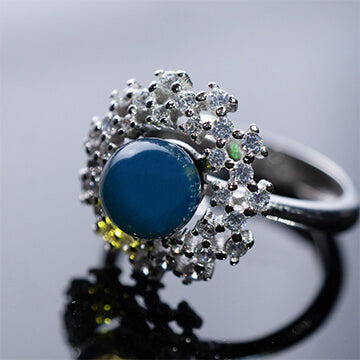
Contemporary jewelers often pair amber blue with metals that enhance rather than compete with its luminescent qualities. Sterling silver provides an excellent backdrop, offering neutral brilliance that allows the amber's natural colors to dominate. Some artisans create pendant designs that position the stone to catch maximum natural UV from sunlight throughout the day.
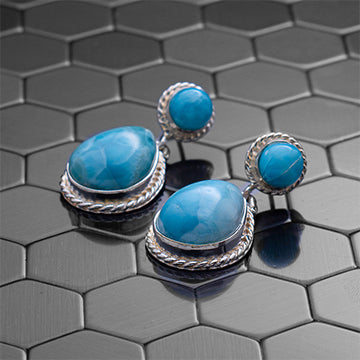
For those seeking to experience this remarkable gemstone, Larimar Pendants offer an opportunity to wear exceptional Caribbean treasures, though collectors interested specifically in amber blue should explore pieces that highlight its distinctive fluorescent properties.
| Design Element | Recommendation | Rationale |
|---|---|---|
| Metal choice | Sterling silver or white gold | Neutral tones emphasize color shift |
| Setting style | Open-back bezels | Allows light transmission through stone |
| Accompanying stones | Minimal or complementary blue gems | Avoids visual competition |
| Pendant vs. ring | Pendant preferred | Greater exposure to natural UV light |
Maintaining amber blue's optical properties requires understanding its physical vulnerabilities and implementing appropriate care protocols. As an organic material, amber blue differs significantly from crystalline gemstones in its sensitivity to environmental factors and chemical exposure.
The primary threats to amber blue include prolonged heat exposure, harsh chemicals, and physical abrasion. Unlike harder gemstones, amber registers only 2 to 2.5 on the Mohs scale, making it susceptible to scratching from common materials. Storage protocols recommended by conservation authorities emphasize individual wrapping and separation from harder jewelry pieces.
Proper maintenance extends the life and beauty of amber blue jewelry:
Understanding why blue amber exhibits its unique color helps collectors appreciate the importance of preservation, as the fluorescent compounds could theoretically degrade under extreme conditions over extended periods.
The amber blue market has evolved considerably since the 1990s when Dominican deposits first gained international recognition. Today's marketplace reflects growing awareness among collectors, combined with relatively limited supply from active mining operations. This dynamic creates interesting opportunities and challenges for both buyers and sellers.
Pricing for amber blue varies dramatically based on quality factors. Small specimens with weak fluorescence might sell for modest amounts per gram, while museum-quality pieces with intense blue fire command prices rivaling precious gemstones. The market distinguishes sharply between commercial-grade material and investment-quality specimens.
Collectors seeking amber blue as both aesthetic treasures and potential value stores should prioritize specific attributes:
The price dynamics of Dominican blue amber reflect broader trends in colored gemstone markets, where rarity and optical phenomena increasingly drive collector interest beyond traditional precious stones.
Amber blue holds special meaning within Dominican culture, representing both natural heritage and economic opportunity for mining communities. Local artisans have developed deep expertise in working with this material, creating distinctive regional styles that honor both the stone's properties and Caribbean artistic traditions.
Indigenous peoples of the Caribbean recognized amber's special qualities long before modern scientific analysis revealed the mechanisms behind its fluorescence. While pre-Columbian cultures primarily encountered standard amber varieties, the blue phenomenon would have appeared magical under torchlight or in certain natural conditions.
Modern Dominican craftspeople have elevated amber blue jewelry to an art form, developing techniques that maximize the visual impact of fluorescence while respecting the material's physical limitations. These artisans understand that successful amber blue pieces balance several considerations:
The expertise concentrated in Dominican Republic's amber workshops represents generations of accumulated knowledge about working with this challenging but rewarding material. Many pieces demonstrate sophisticated understanding of how to present amber blue's dual nature effectively.
Ongoing research continues to refine our understanding of amber blue's formation, composition, and properties. Advanced analytical techniques developed in the past decade have revealed previously unknown details about the fluorescent compounds and their distribution patterns within fossilized resin matrices.
Studies on phosphorescence and luminescence behavior in fossil resins have expanded beyond simple fluorescence documentation to explore time-dependent optical effects and multi-wavelength responses. These investigations suggest amber blue may contain additional optical phenomena not yet fully characterized or exploited in gemological applications.
Researchers are particularly interested in mapping the precise geological conditions that favor blue amber formation. Understanding these parameters could help predict additional deposits or explain variations in fluorescence intensity across different mining locations. Such knowledge carries both scientific and commercial implications.
Modern gemological laboratories employ increasingly sophisticated equipment to study amber blue:
| Technology | Application | Insights Gained |
|---|---|---|
| Raman spectroscopy | Molecular structure identification | Compound distribution mapping |
| X-ray fluorescence | Elemental composition analysis | Trace element signatures |
| UV-Vis spectroscopy | Absorption and emission profiling | Fluorescence mechanism details |
| Micro-CT scanning | Internal structure visualization | Inclusion documentation |
These analytical advances benefit collectors through improved authentication services and help researchers understand the relationship between geological history and observable properties. The expanding knowledge base about Dominican blue amber identification strengthens confidence in the marketplace.
International appreciation for amber blue has grown substantially as collectors seek alternatives to traditional precious stones. The gemstone's unique combination of rarity, optical drama, and organic origin appeals to buyers interested in distinctive pieces with compelling geological narratives.
Major gem and mineral shows now regularly feature amber blue specimens, with Dominican dealers and international distributors showcasing everything from rough material to finished jewelry. These venues provide opportunities for direct comparison between quality grades and allow collectors to experience the fluorescent effect under controlled lighting conditions.
The global market dynamics reflect several trends:
As more consumers learn about amber blue through educational resources and comprehensive guides, market awareness continues expanding beyond traditional gem collector circles into broader jewelry enthusiast communities.
The Dominican Republic produces another exceptional blue gemstone, creating opportunities for artisans to showcase multiple rare Caribbean treasures in complementary designs. While distinct in origin and properties, these blue stones share regional heritage and visual appeal that resonates with collectors appreciating geological provenance.
Designers who work with multiple Caribbean materials understand the importance of respecting each stone's individual character while creating harmonious compositions. The warm blue of one material versus the cooler fluorescent blue of amber creates interesting color dynamics that tell stories about different formation processes and geological timescales.
Exploration of Larimar jewelry reveals how Caribbean blue gemstones have captured global imagination, with each variety offering distinctive aesthetic and metaphysical properties valued by different collector segments.
Amber blue represents a remarkable intersection of geological rarity, optical science, and artistic potential that few gemstones can match. Its transformation from golden warmth to electric blue luminescence embodies the hidden wonders waiting to be discovered in Earth's ancient deposits. Whether you're drawn to amber blue's scientific fascination, investment potential, or sheer visual drama, Larimar Creations offers expertly crafted pieces featuring the Dominican Republic's most exceptional gemstones, delivering worldwide the beauty and authenticity that only genuine Caribbean treasures can provide.