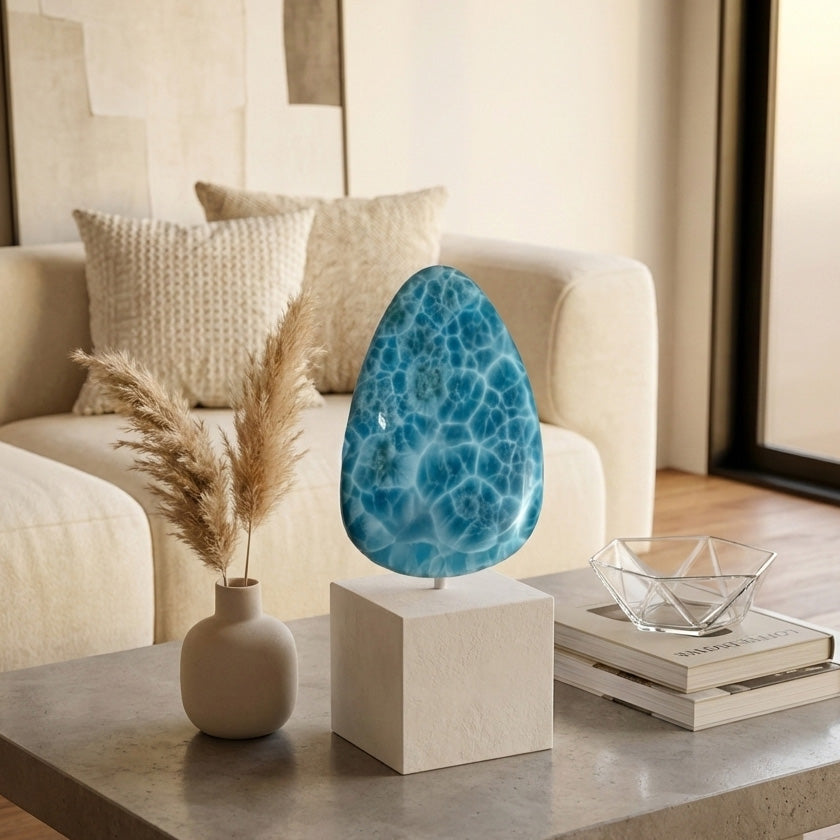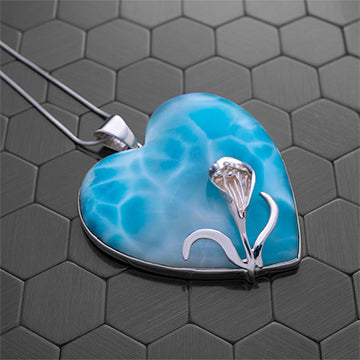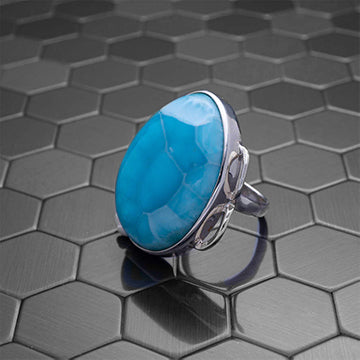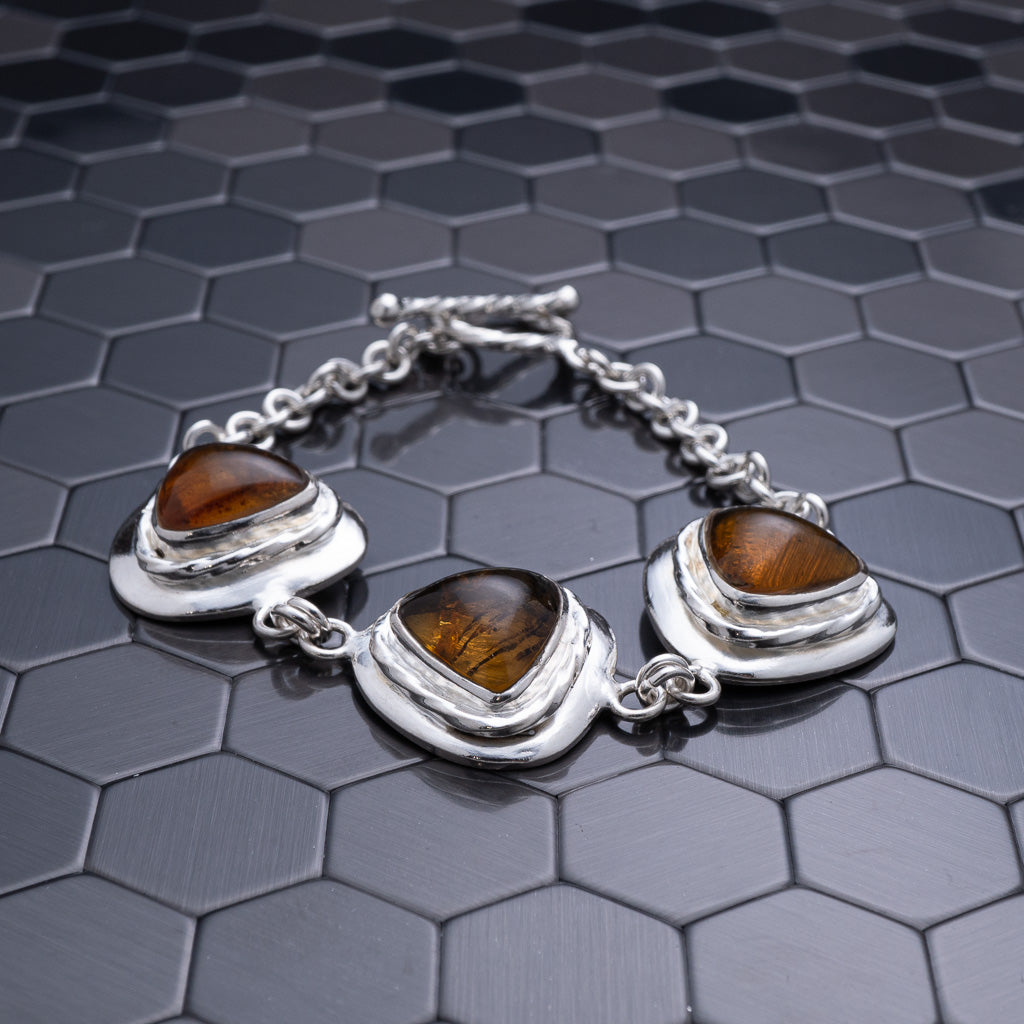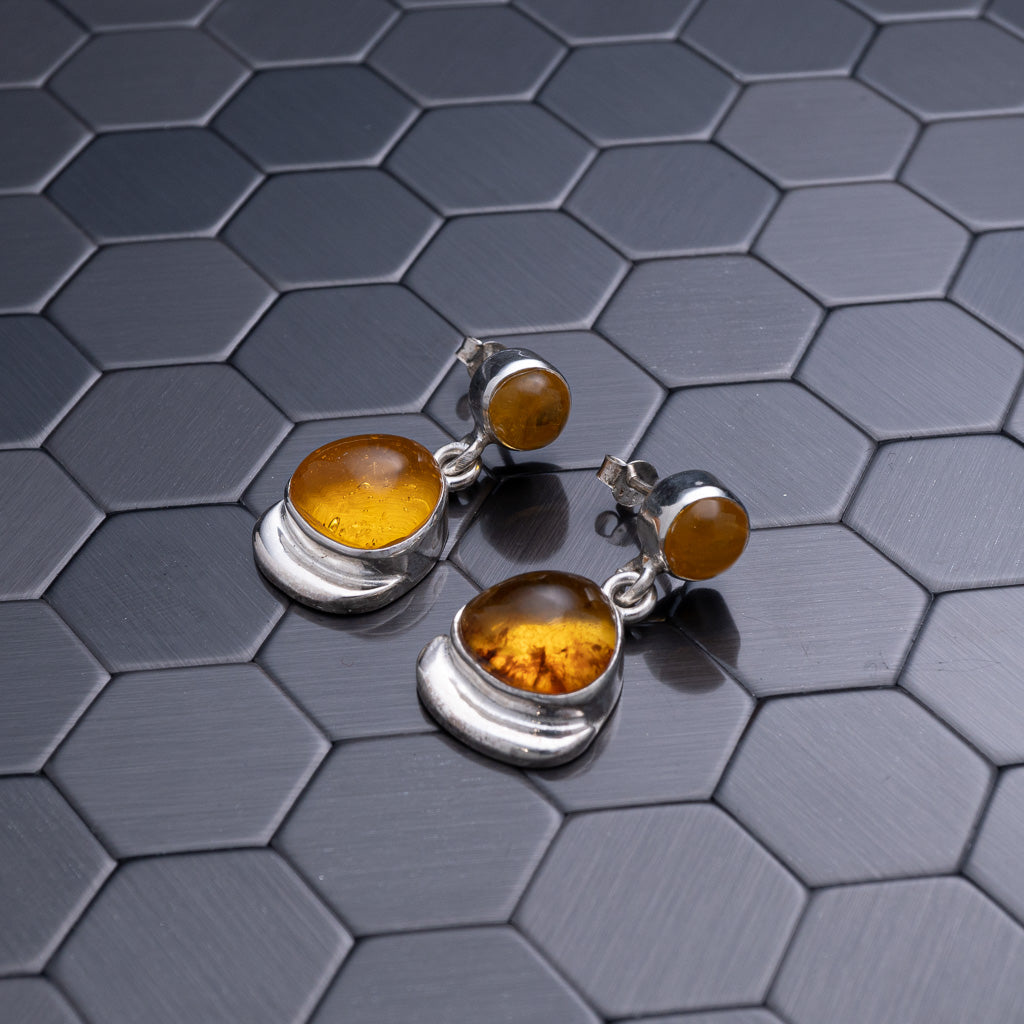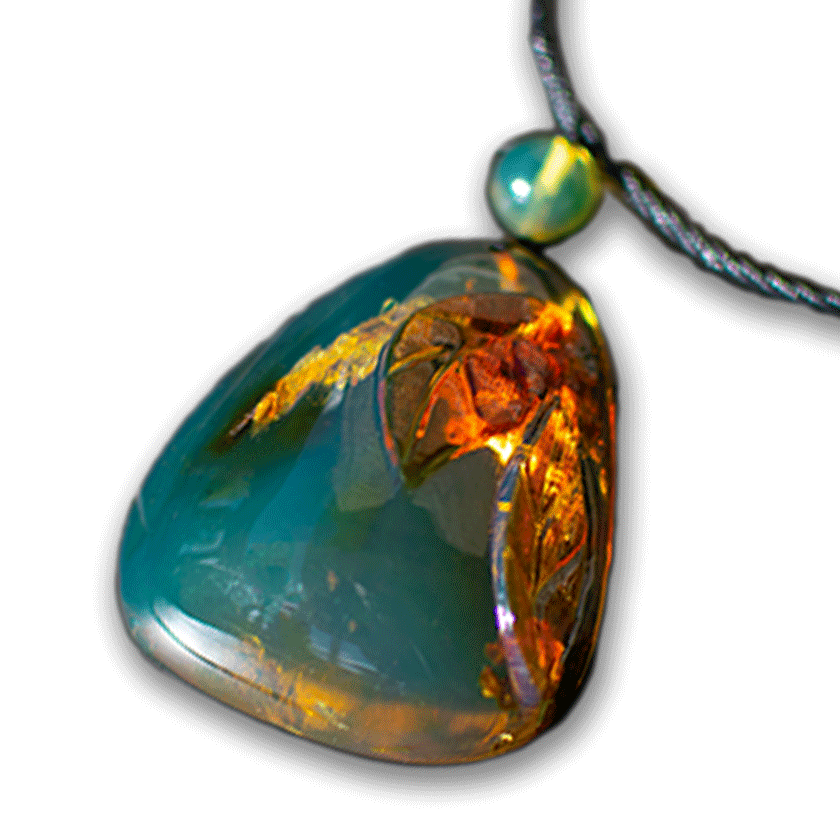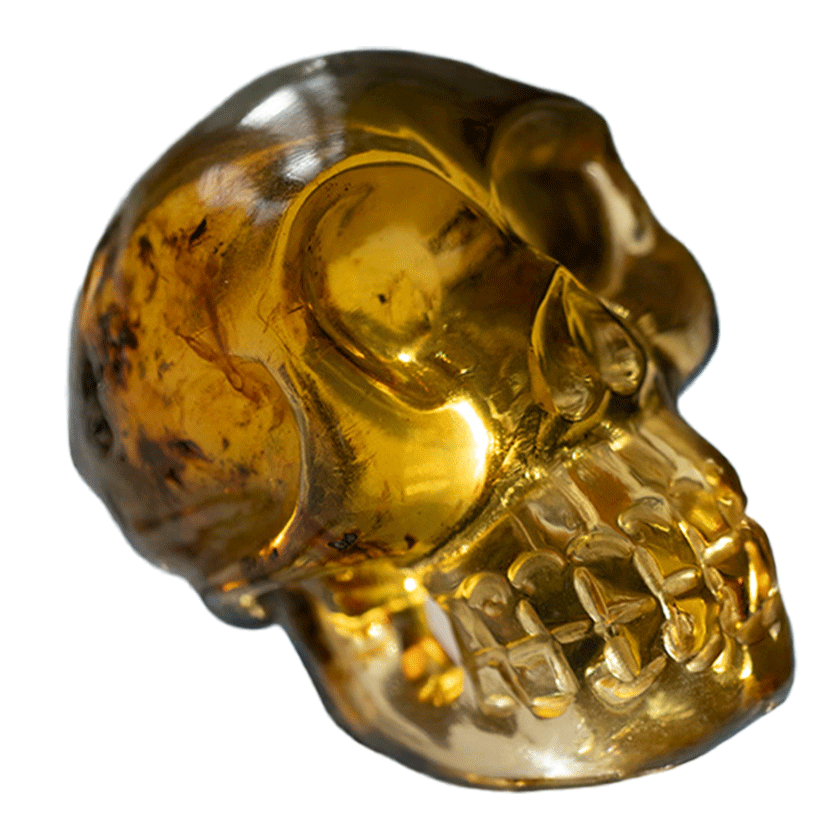


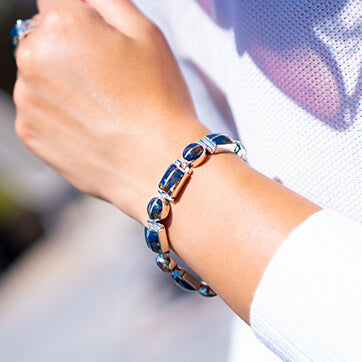
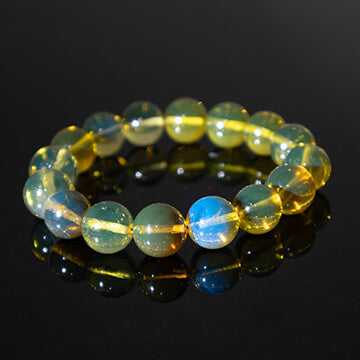
Handcrafted in DR.

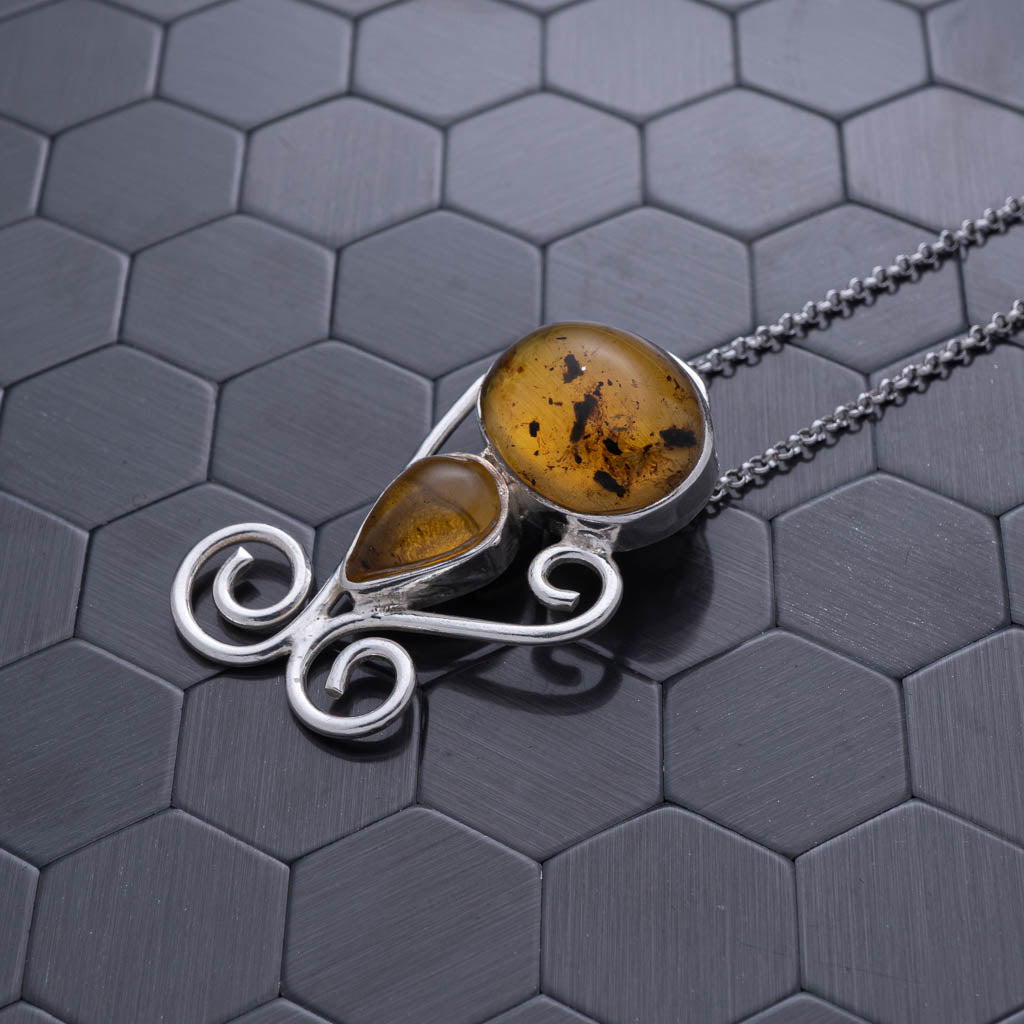
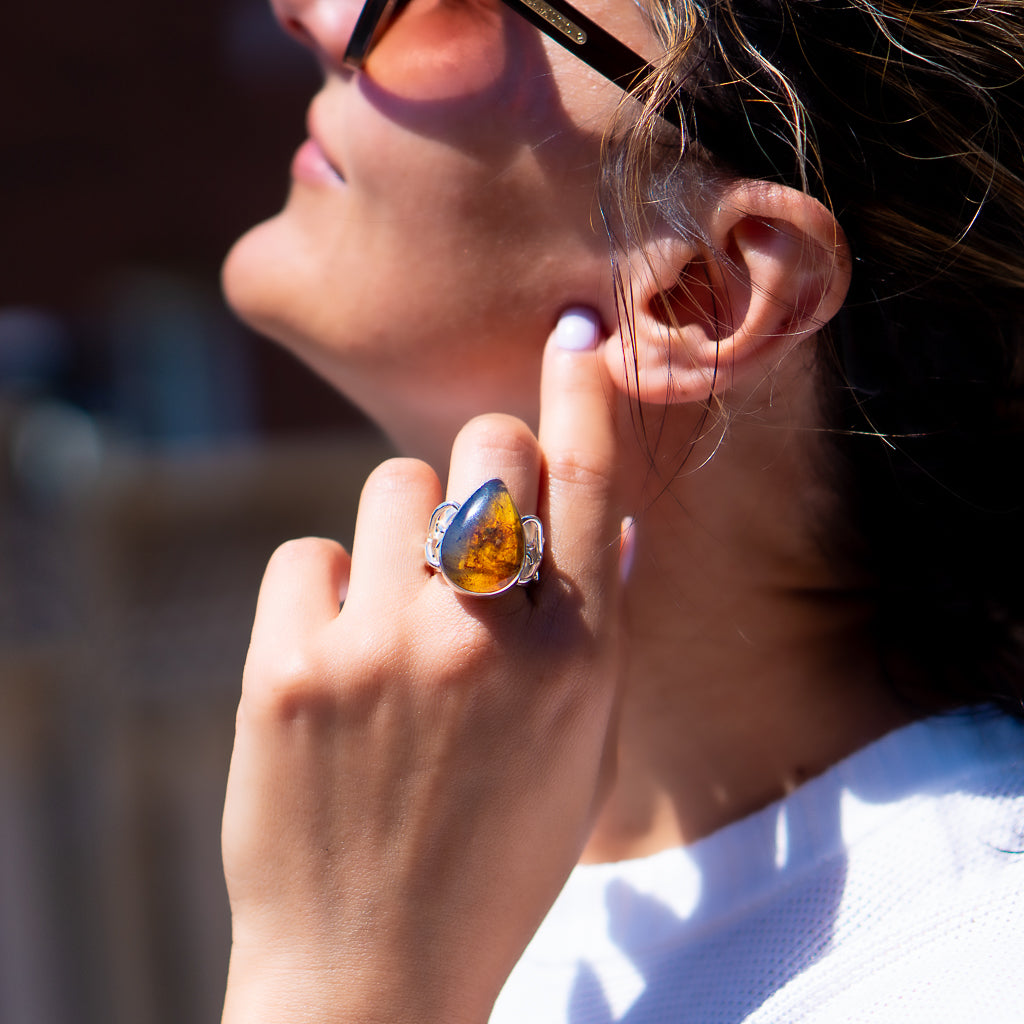
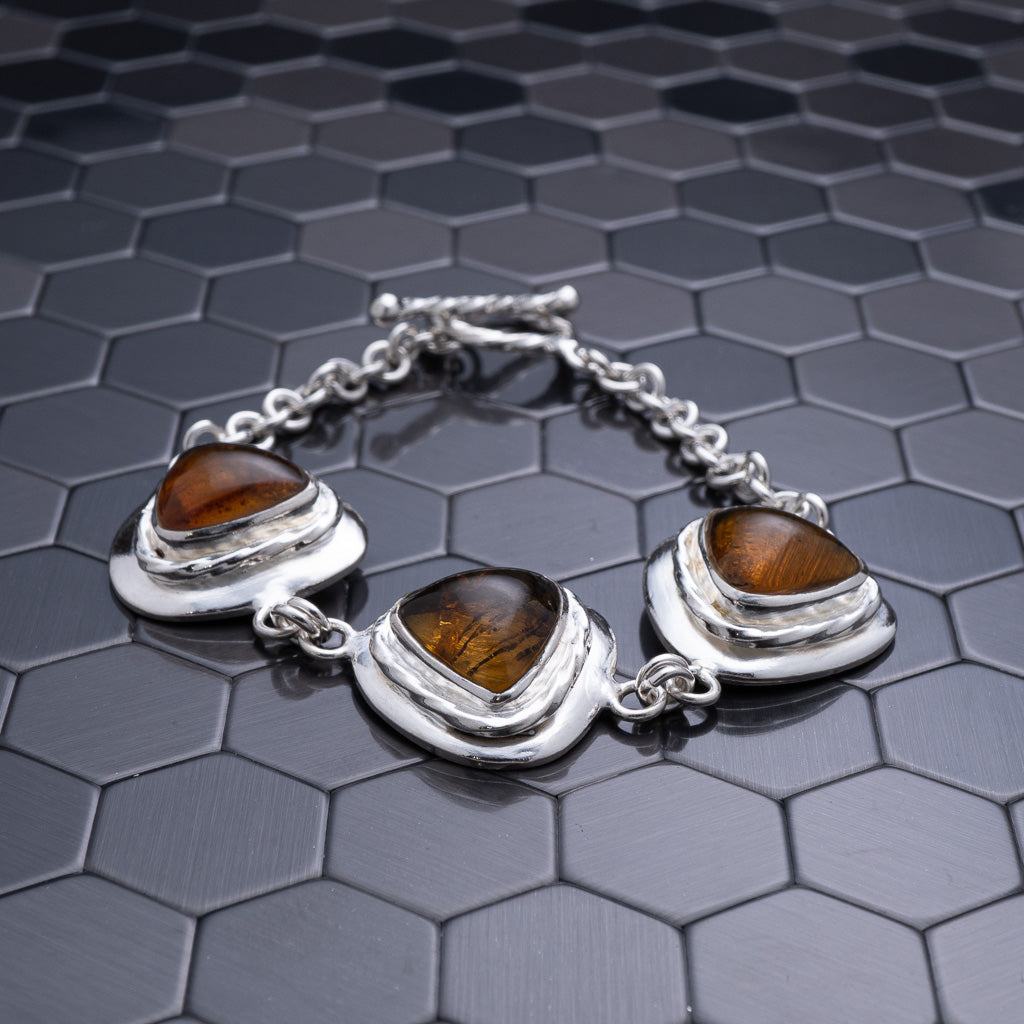
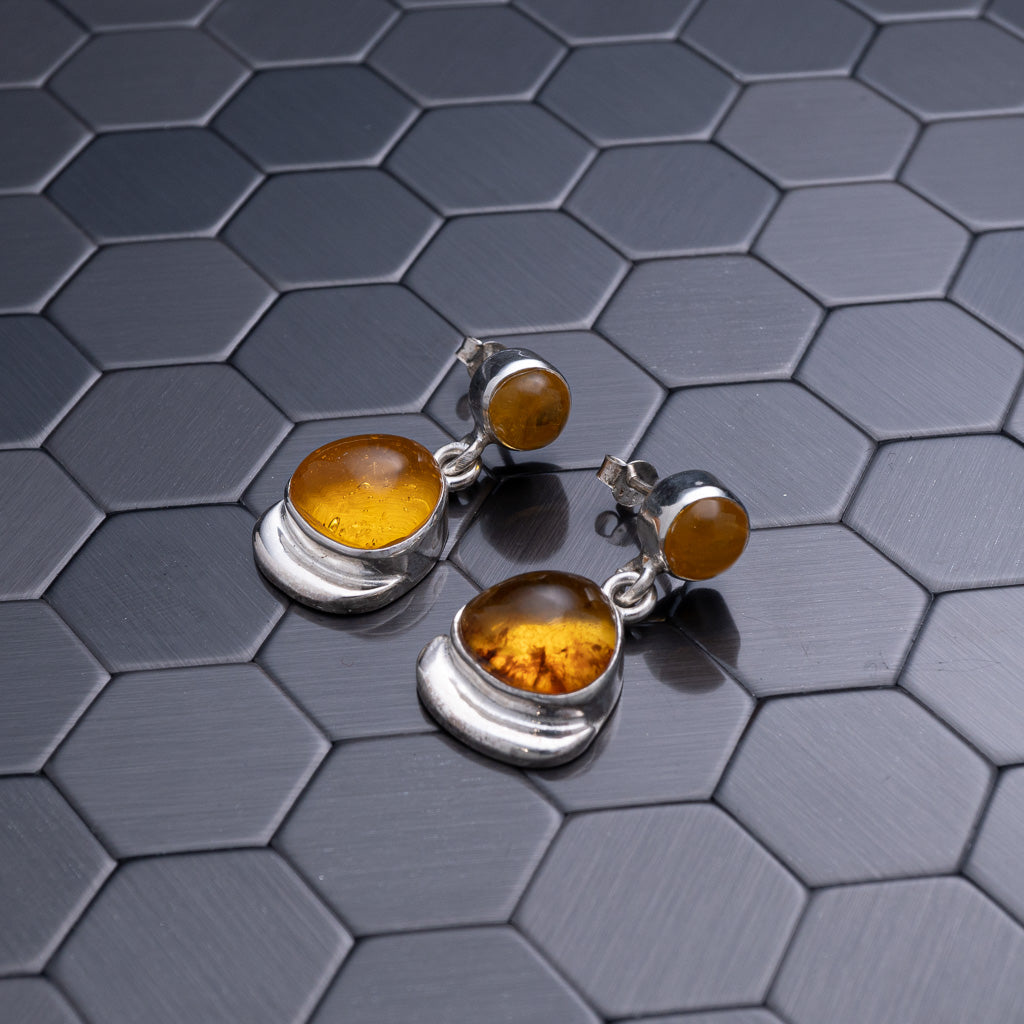


100% Handcrafted in DR.

Ever wondered why everyone is suddenly talking about Larimar? This rare, blue gemstone is found only in the Dominican Republic, and in 2025, it’s at the center of the jewelry world’s attention.
If you’ve ever been curious about how larimar is made, you’re in the right place. This guide breaks down the process from its fiery volcanic beginnings all the way to its transformation into breathtaking jewelry.
You’ll get a step-by-step look at Larimar’s unique geological origins, the hands-on mining process, expert craftsmanship, and what truly sets this stone apart. Whether you’re a collector or just love beautiful things, you’ll find plenty to discover here.
Larimar’s story starts deep within the earth, where ancient volcanoes shaped the Caribbean landscape. If you’ve ever wondered how larimar is made, it all begins with intense heat and pressure forcing minerals to react with copper-rich hydrothermal fluids. This process, unique to the Dominican Republic, forms a rare blue variety of pectolite found nowhere else on the planet.
The secret ingredient is copper. When copper replaces calcium in the pectolite structure, it gives larimar its signature range of colors, from sky blue to deep ocean hues. Barahona province is the only place you’ll find these deposits, thanks to a perfect mix of geology, climate, and millions of years of volcanic activity.
Larimar’s geological exclusivity is striking. While other gemstones form in many locations, larimar’s formation is a one-off event tied to a specific volcanic belt. Compare that to turquoise or jade, which are found worldwide.
| Gemstone | Primary Color | Key Element | Locations Found |
|---|---|---|---|
| Larimar | Blue | Copper | Barahona, Dominican Rep |
| Turquoise | Blue-Green | Copper | Iran, USA, China |
| Jade | Green | Iron, Chromium | Myanmar, Guatemala |
Scientists have spent decades studying how larimar is made, analyzing its crystal structure and the fascinating variations in color and streaks. You’ll spot pieces with white, green, or deep blue patterns, each telling a story about shifting minerals and changing conditions underground. If you’re curious about the nitty-gritty science behind this process, explore Geological Formation of Larimar for an in-depth look at its origins and unique color spectrum.
Ongoing research continues to reveal new facets of larimar’s formation, helping us understand what makes this gem so rare and hinting at the future of mining in the region.
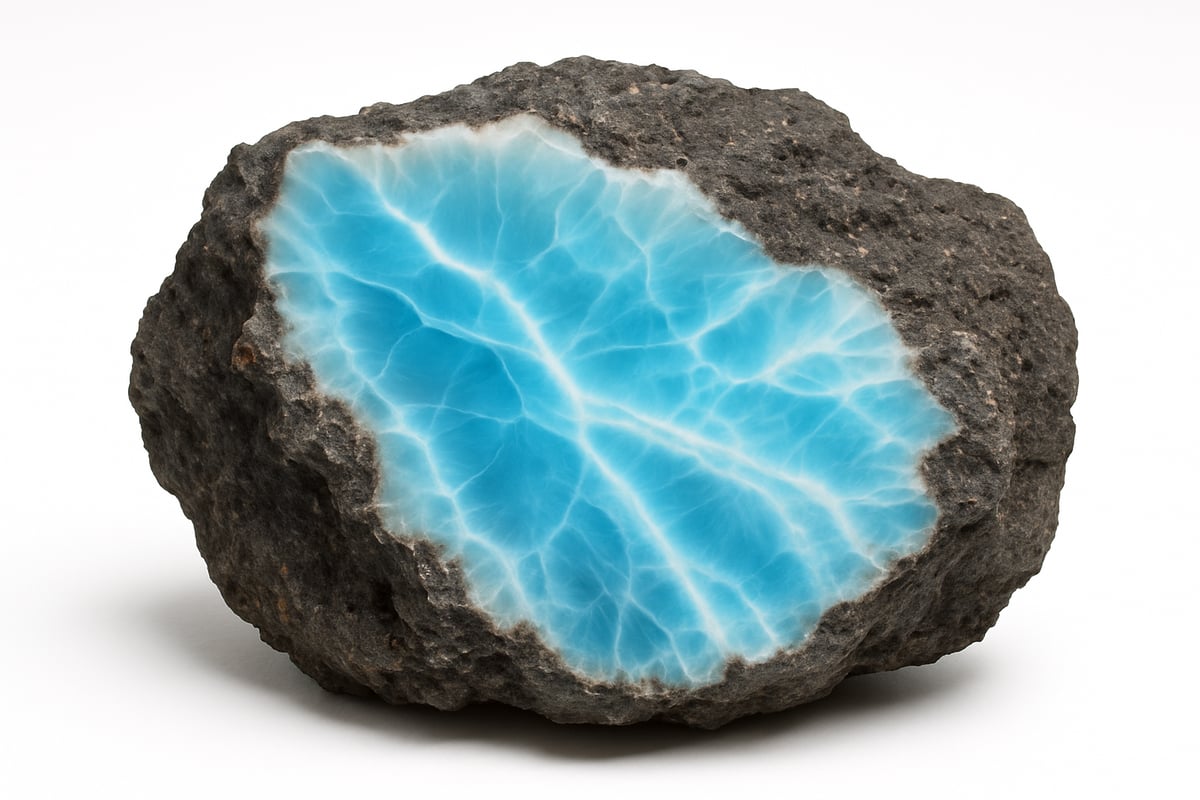
Getting to the heart of how larimar is made starts with what happens deep in the mountains of the Dominican Republic. Here, mining is more than just digging—it's tradition, skill, and community rolled into one fascinating process.
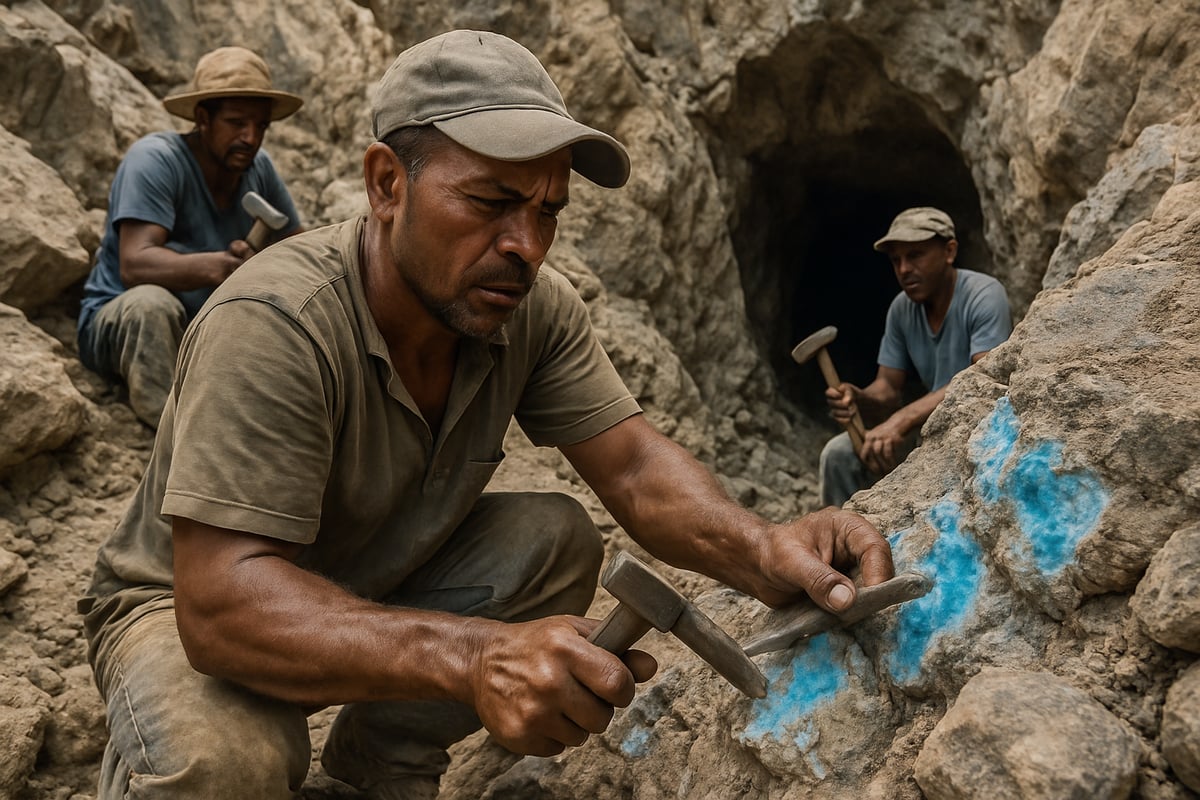
Finding larimar isn't as simple as following a map. Generations of miners rely on a mix of local know-how and modern geological surveys to spot promising veins. The Barahona region’s rugged landscape means most searching is done on foot, with families passing down their secrets.
Community wisdom is essential in understanding how larimar is made, ensuring the hunt for this rare stone remains sustainable and respectful to the land.
Once a vein is found, the process turns hands-on. Miners use chisels, hammers, and even homemade tools to carefully extract larimar from narrow tunnels. Safety is a top priority, given the risk of cave-ins and tricky weather conditions.
In 2025, sustainable mining is on the rise, with more cooperatives adopting better practices. For a deeper dive into current methods and challenges, check out the Current State of Larimar Mining. These careful steps are a key part of how larimar is made, influencing quality and availability.
Mining larimar impacts more than the landscape—it shapes local communities. Responsible miners are restoring land after extraction and following strict regulations for fair labor.
Some mining cooperatives in the Dominican Republic set the standard for ethical practices, showing that how larimar is made can benefit both people and the planet.
Turning rough stones into jewelry-ready gems is a fascinating part of how larimar is made. The process starts right after mining, with careful cleaning and sorting before any cutting or grading can happen.
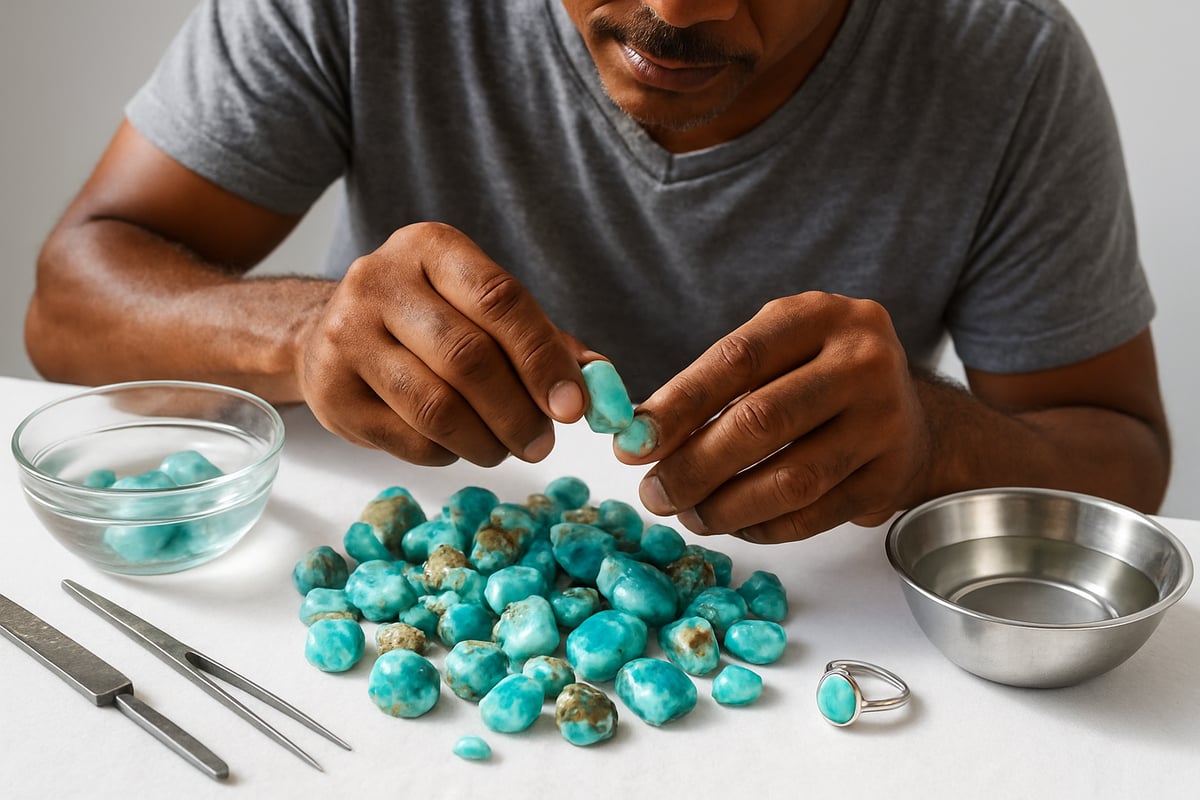
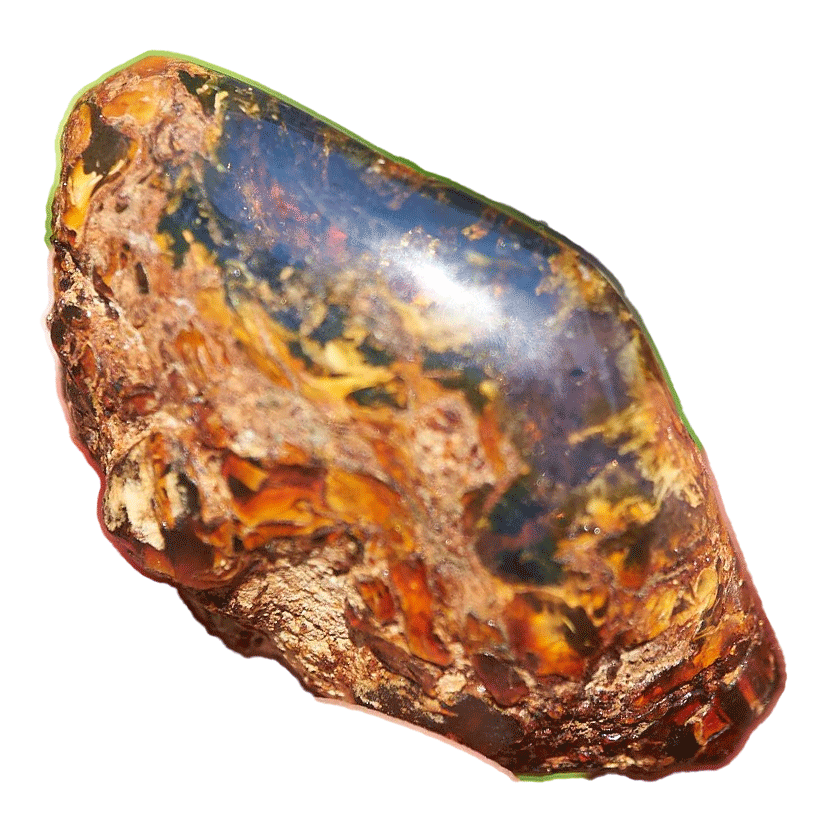
The journey of how larimar is made begins with removing the tough matrix rock that surrounds each stone. Artisans use water and brushes to gently clean away dirt, revealing the blue or green hues underneath.
Next, stones are sorted by size, color, and visible quality. High-grade larimar stands out with deep blue color and minimal white streaks, while lower grades look paler or have more inclusions. This early sorting makes all the difference for the next steps.
Once sorted, lapidary experts use saws and grinders to shape each piece, always preserving the stone’s natural patterns. The goal is to keep as much vibrant color as possible while minimizing waste.
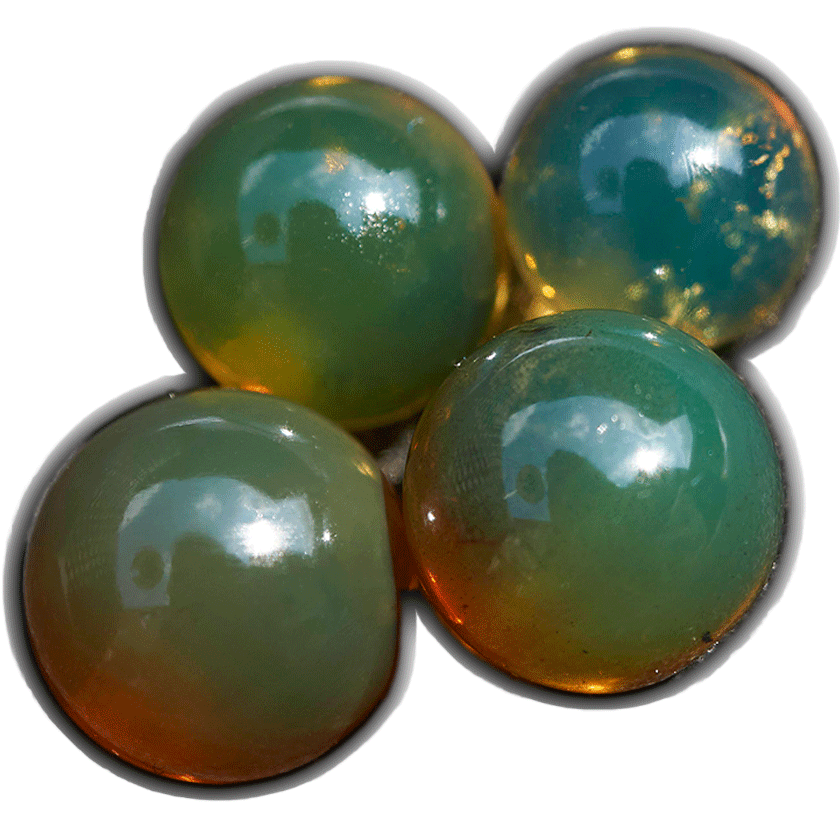
Polishing wheels bring out the luster, but no artificial treatments are needed. Creating cabochons or unique shapes takes real skill, and every cut is made to highlight the best features of each stone.
The final part of how larimar is made is grading and valuation. Experts judge each stone by color intensity, pattern, translucency, and the absence of inclusions. Premium stones with vivid blue color and clear structure fetch the highest prices.
Industry grading scales are used to keep things fair, and demand for top-grade larimar keeps growing in 2025. For a deeper dive into grading and authenticity, check out the Larimar Grading and Authenticity Guide for practical tips and details.
Ever wondered what happens after raw Larimar leaves the earth? This is where the magic really begins. Let’s take a closer look at how larimar is made into the beautiful pieces you see in shops and online, following the stone’s journey through design, authenticity checks, and its rise in global popularity.

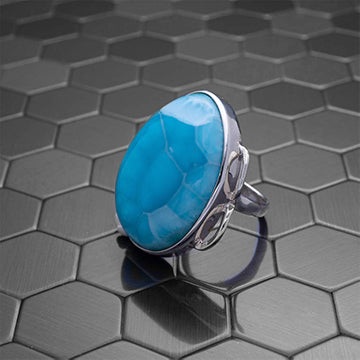
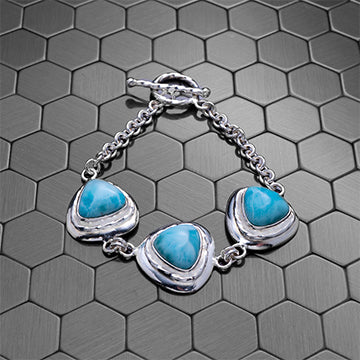
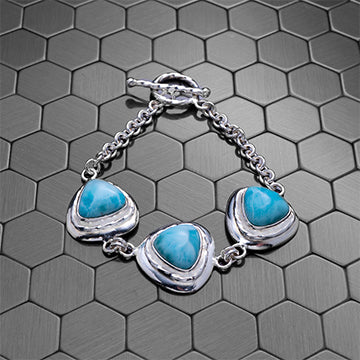
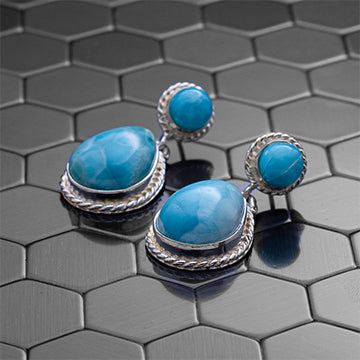
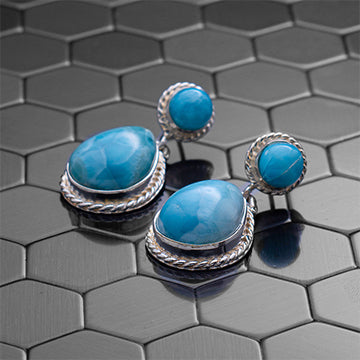
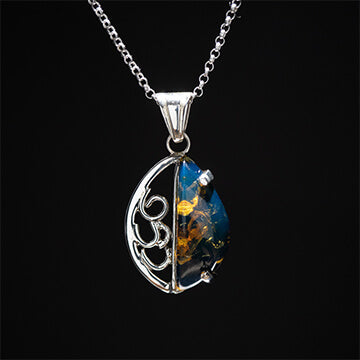
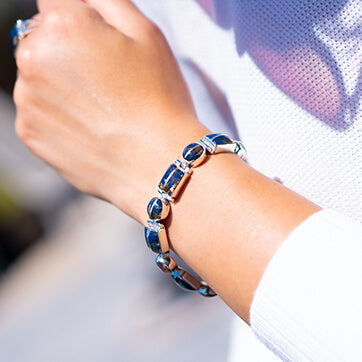
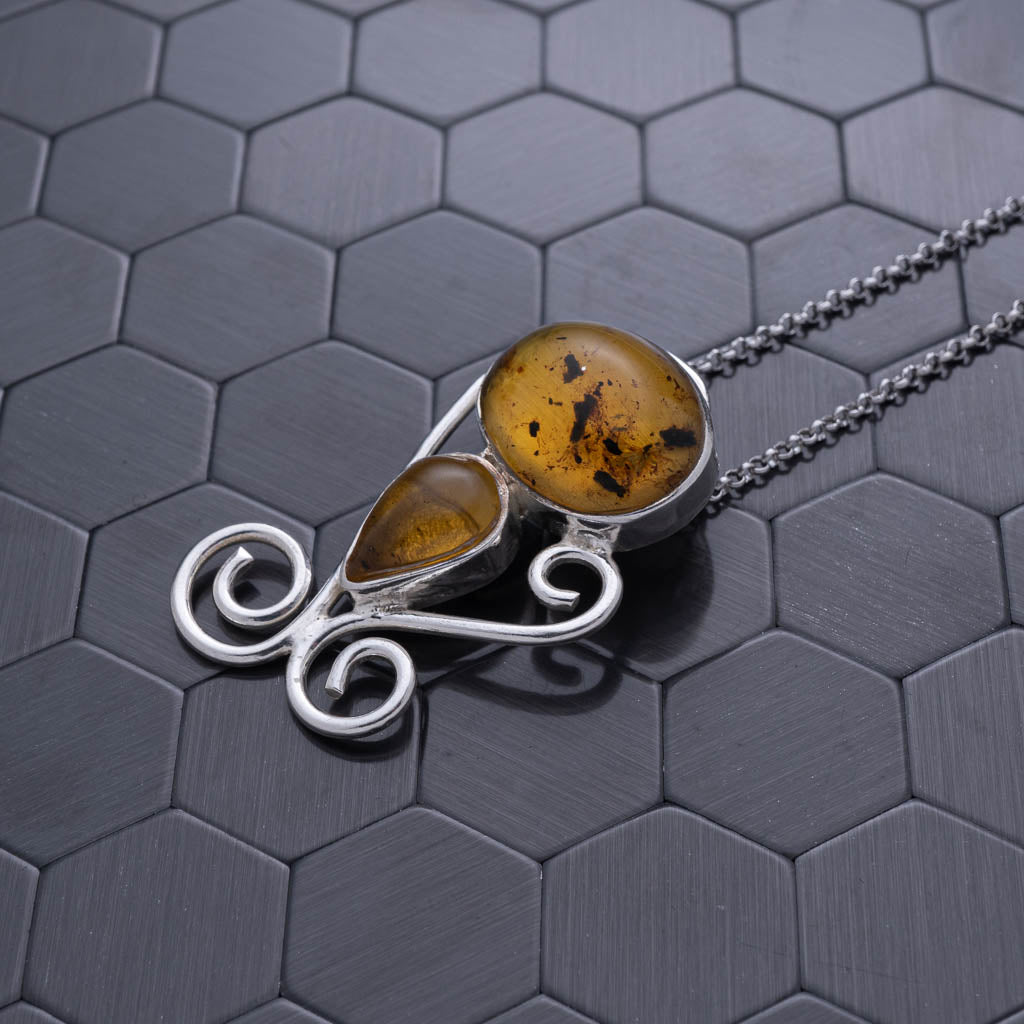
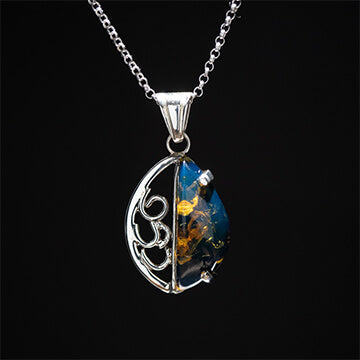
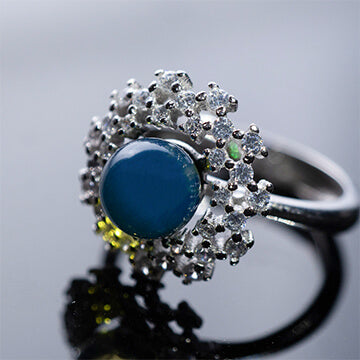
Larimar jewelry starts with the hands of skilled artisans. Traditional Dominican designs, like bold pendants and intricate earrings, mix with modern trends to create wearable art. Silver, gold, and mixed metals are all used to let the blue stone shine.
Artisans focus on each stone’s unique pattern, often crafting custom, one-of-a-kind pieces. Curious about how larimar is made into jewelry? Check out this detailed look at Artisanal Larimar Jewelry Creation for a behind-the-scenes perspective on the techniques and creativity involved.
Trust is everything when you’re buying Larimar. Each piece goes through strict quality checks before reaching the market. Certification and hallmarking guarantee you’re getting the real deal, not a lookalike.
Learning how larimar is made helps spot imitations. Look out for deep blue color, natural patterns, and a smooth, polished feel. Asking for documentation and buying from reputable sources makes a big difference.
Larimar is turning heads far beyond the Dominican Republic. Demand is climbing in North America, Europe, and Asia, with more people drawn to its rare blues and tropical vibe.
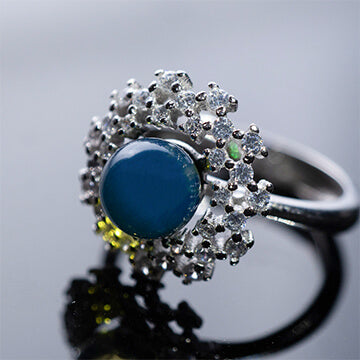
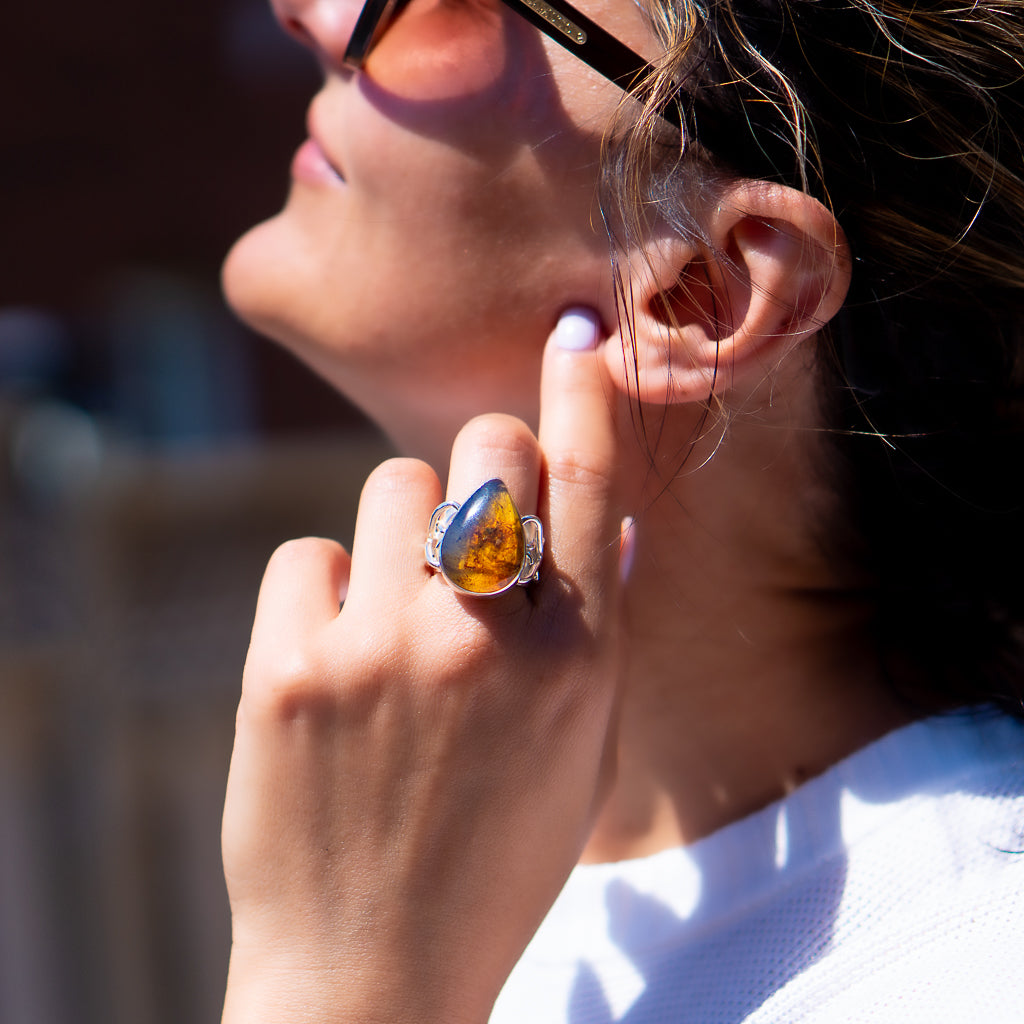
Celebrities and designers are showing off Larimar in everything from statement necklaces to subtle rings. Its cultural roots and growing reputation make it a must-have for collectors and fashion lovers alike.
If you want to understand how larimar is made and why it stands out in 2025, start with its rarity. Larimar only comes from a single spot in the Dominican Republic, and the deposits are small. That means supply is limited, which naturally drives up demand.
What really grabs people’s attention is the color. Larimar can be sky blue, deep ocean blue, or even have hints of green or white streaks. Each stone is a little different, almost like a fingerprint. Some patterns are so rare, collectors seek them out for years. For a closer look at these colors and what makes them valuable, check out this guide on Rare Larimar Colors and Value.
There’s a whole world of beliefs around larimar, too. Many people say it’s calming, helps with stress, or even brings a sense of peace. Whether you buy into the metaphysical side or not, these stories add to the appeal.
The market for larimar jewelry is growing fast. As more people learn how larimar is made and see the new designs coming out in 2025, prices are climbing. Experts say investment value is on the rise, especially for stones with vivid colors and unique patterns.
Technology is making mining and processing safer and more efficient, but it hasn’t changed the fact that larimar is hard to find. Designers are getting creative, blending traditional Dominican styles with modern looks.
How does larimar stack up against other rare gems? Here’s a quick comparison:
| Gemstone | Source Location | Color Range | 2025 Trend |
|---|---|---|---|
| Larimar | Dominican Republic | Sky blue, green | Rising demand |
| Tanzanite | Tanzania | Blue-violet | Steady interest |
| Paraiba | Brazil, Nigeria | Neon blue-green | High value |
Larimar’s story, limited supply, and beauty make it a true standout for collectors and jewelry lovers in 2025.
Learning how larimar is made gives you a deeper appreciation for caring for this rare stone. Larimar is stunning, but it needs gentle treatment to keep its color and shine.
Clean your Larimar jewelry with a soft cloth and mild soap. Avoid harsh chemicals or ultrasonic cleaners, which can dull or damage the stone. Always dry pieces completely before storing.
To preserve that beautiful blue, keep Larimar out of direct sunlight for long periods. Excessive heat or light can fade its color. Store each piece separately in a soft pouch to avoid scratches.
If you’re collecting Larimar, buy from reputable sellers who provide authenticity certificates. Look for stones with vivid color and minimal inclusions. For those curious about stone quality, check out these Larimar Cutting and Polishing Techniques to understand what sets premium pieces apart.
For valuable pieces, consider insurance and keep documentation handy. Building a Larimar collection is all about careful sourcing and smart care, so your gems stay as vibrant as the day you found them.
Now that you know how Larimar forms deep within the Dominican Republic and how much care goes into turning each stone into a work of art, it’s easy to see why these gems are so special. If you’re feeling inspired to own a piece of this rare beauty yourself or to share its calming energy with someone you care about, you’re in the right place. You can bring a little serenity into your life (or give a thoughtful gift) by checking out the gorgeous selection of pendants—plus, worldwide shipping makes it simple.
Find the Perfect Gift of Serenity – Shop Larimar Pendants with Free Worldwide Delivery