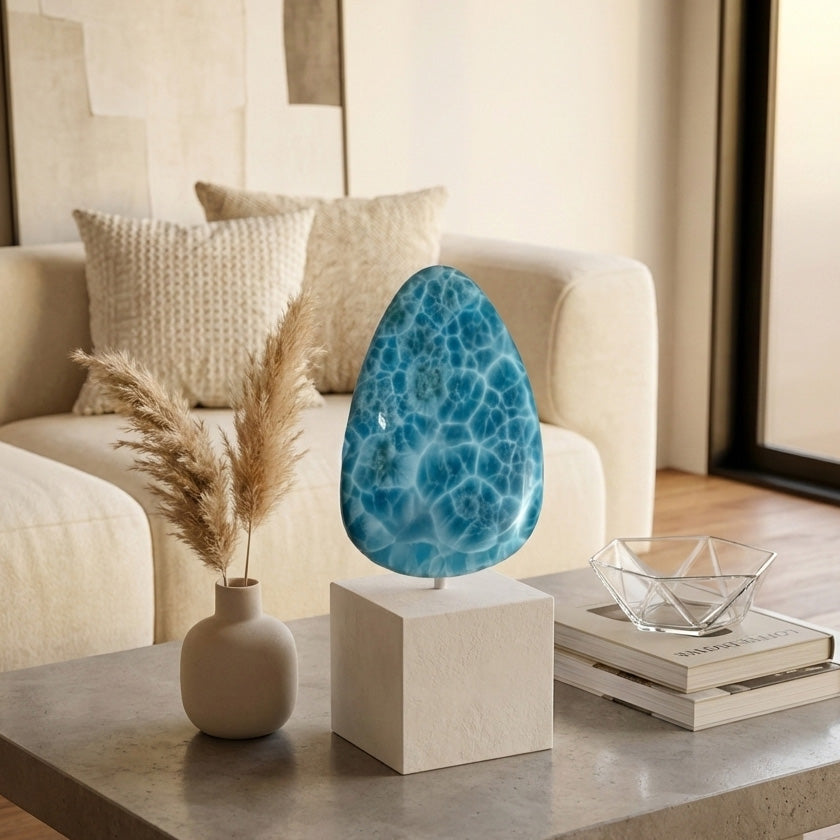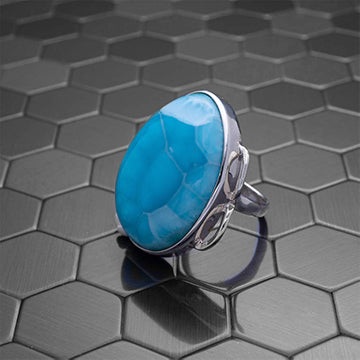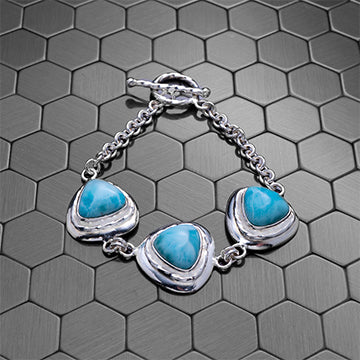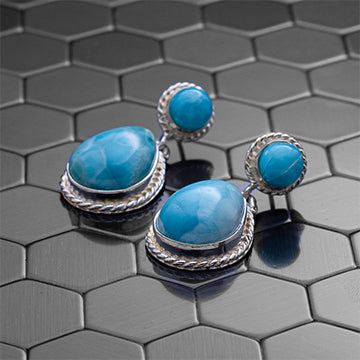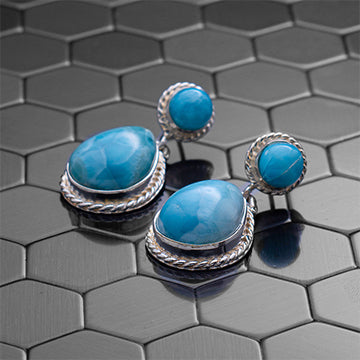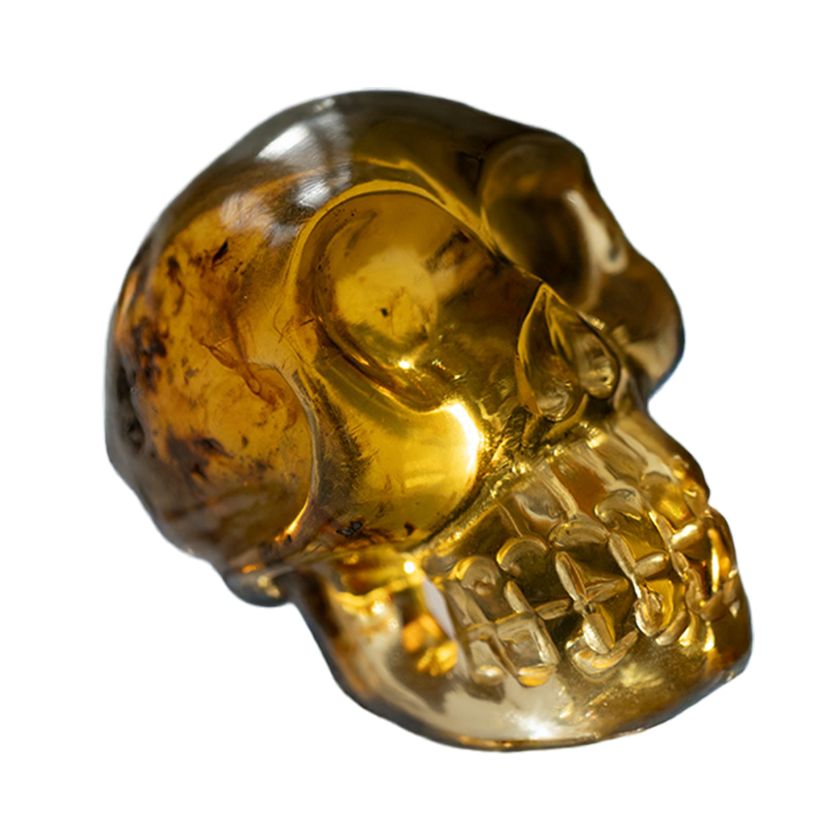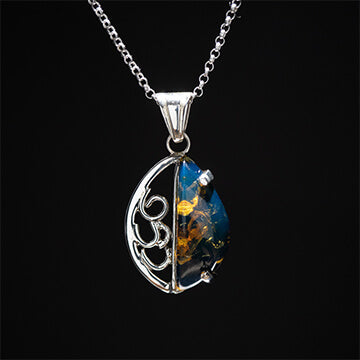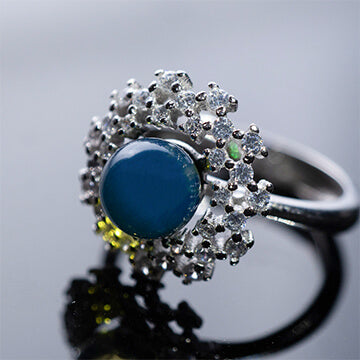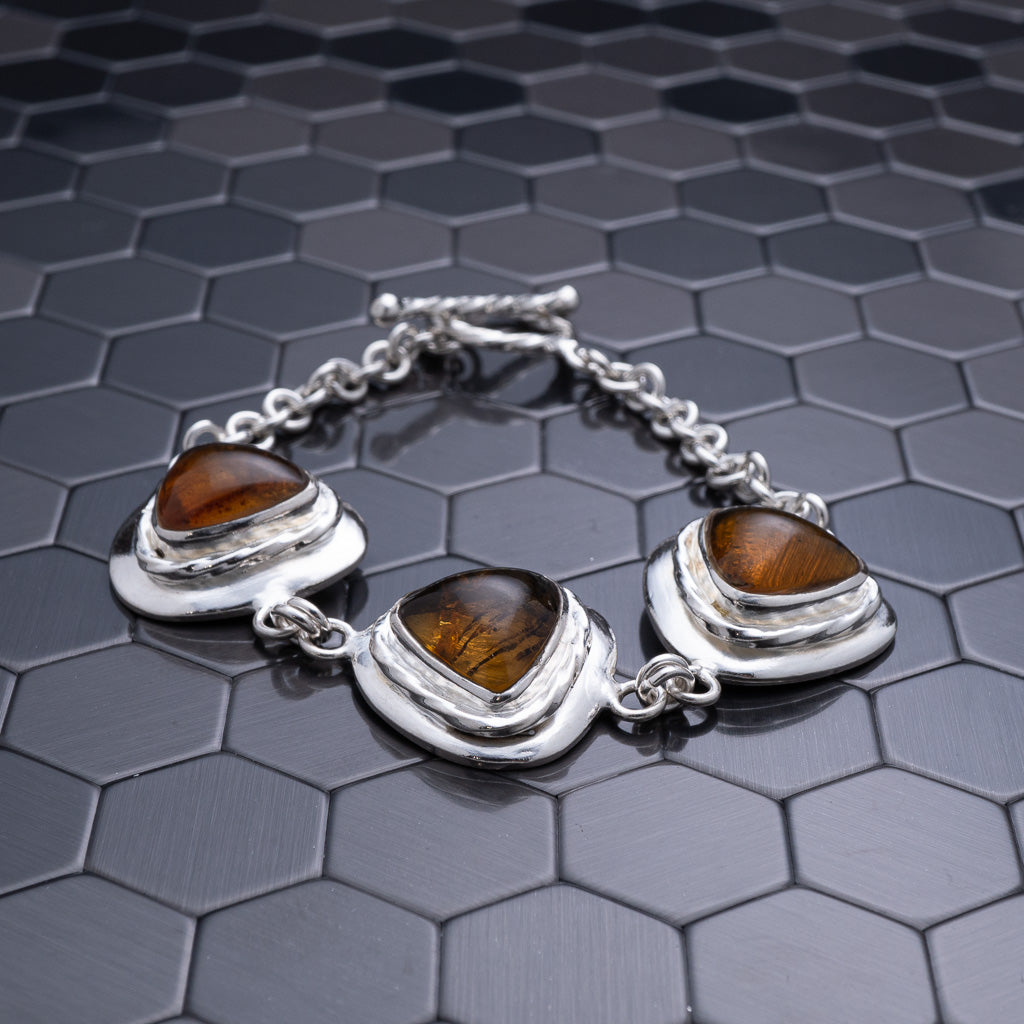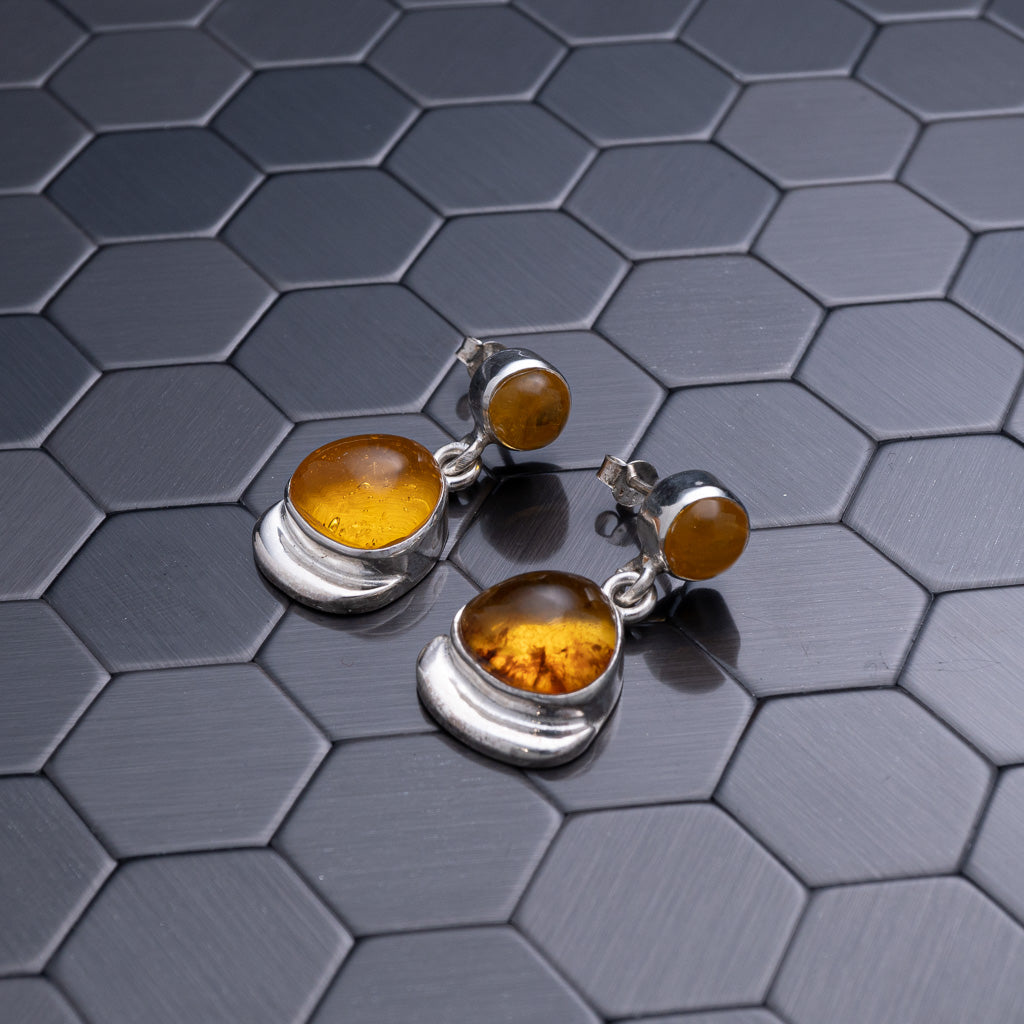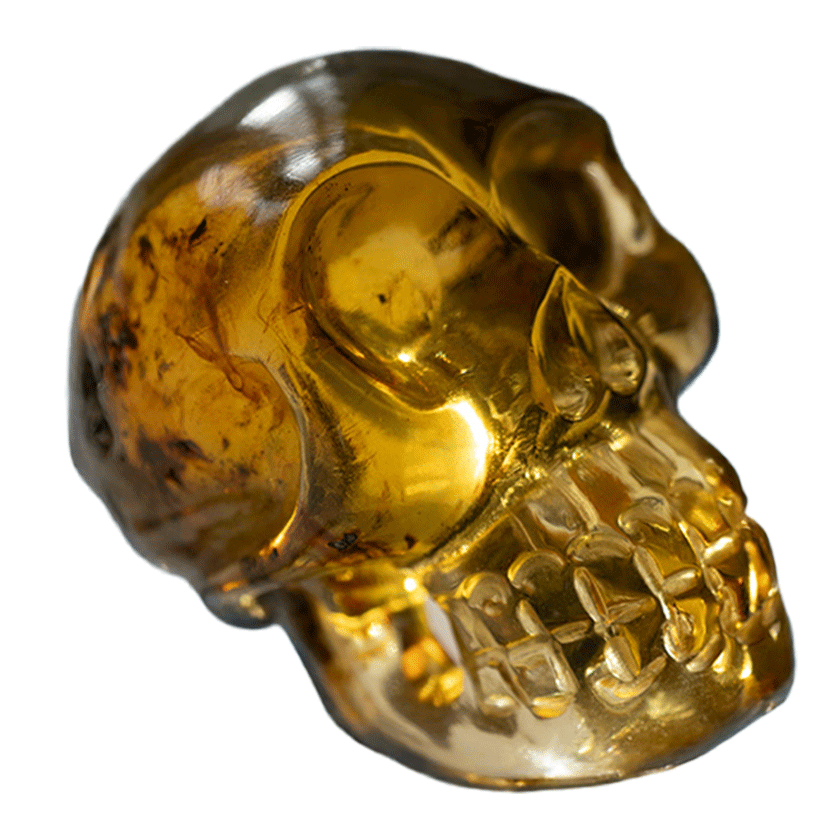


Handcrafted in DR.

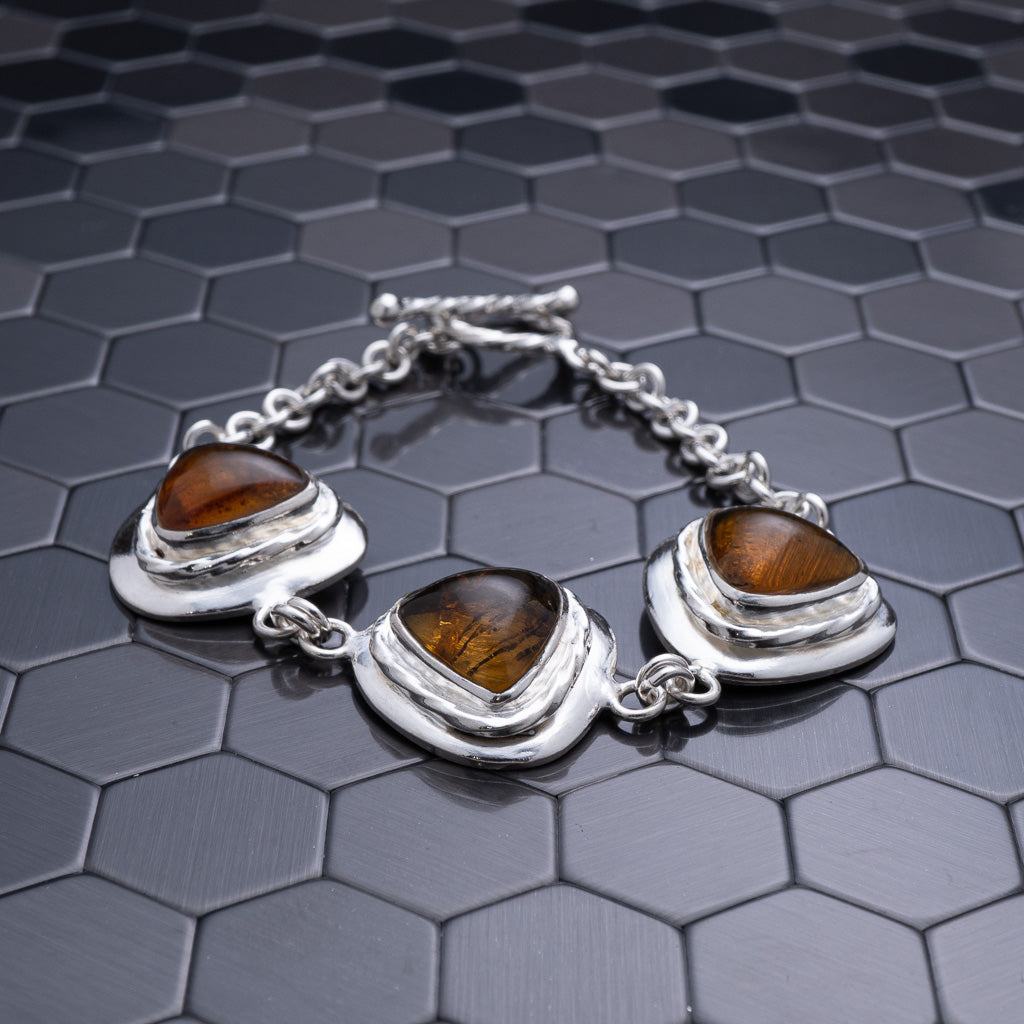
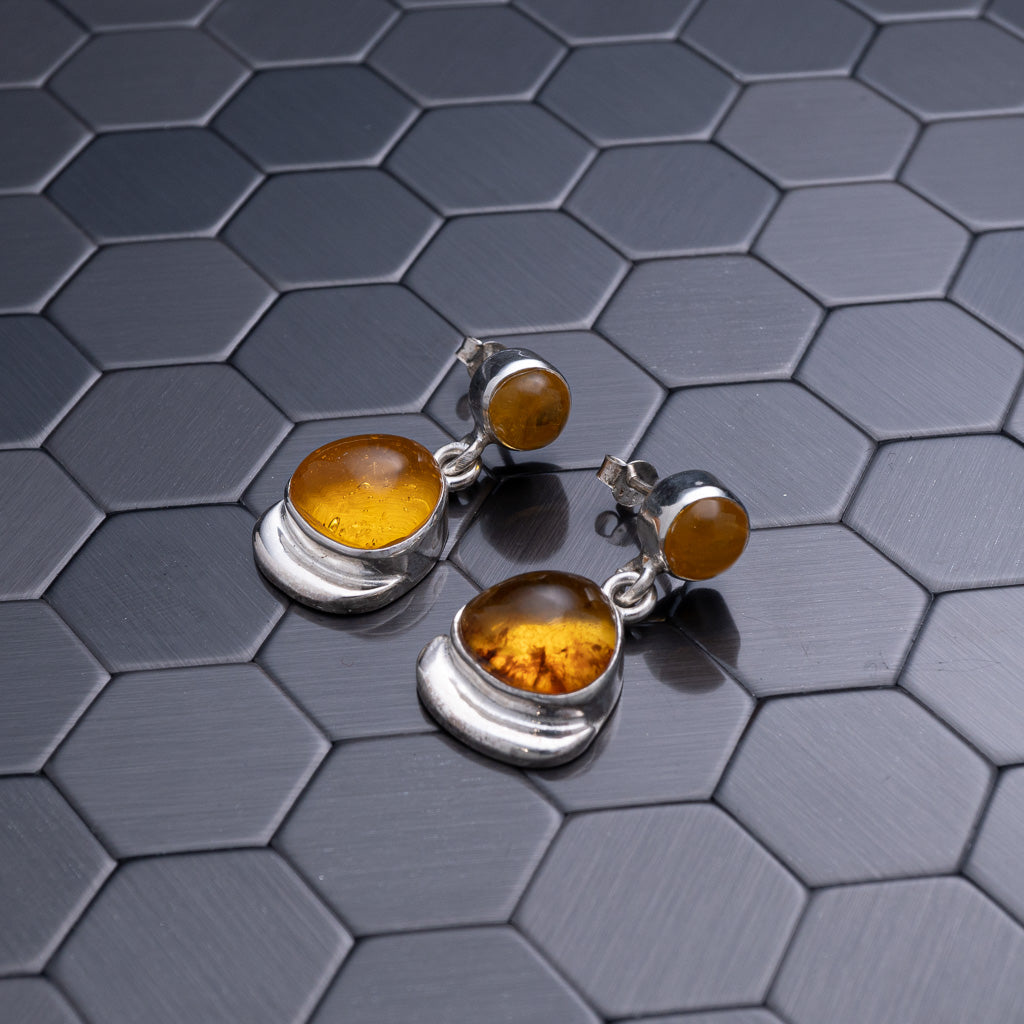


100% Handcrafted in DR.

A beaded amber necklace represents one of humanity's oldest forms of adornment, combining the warmth of fossilized resin with timeless craftsmanship. These distinctive pieces have captivated wearers for thousands of years, prized for their natural beauty, remarkable variety, and deep cultural significance. Whether you're drawn to the golden hues of Baltic amber or the rare blue fluorescence of Dominican specimens, understanding what makes these necklaces special helps you make informed decisions about authenticity, quality, and proper care.
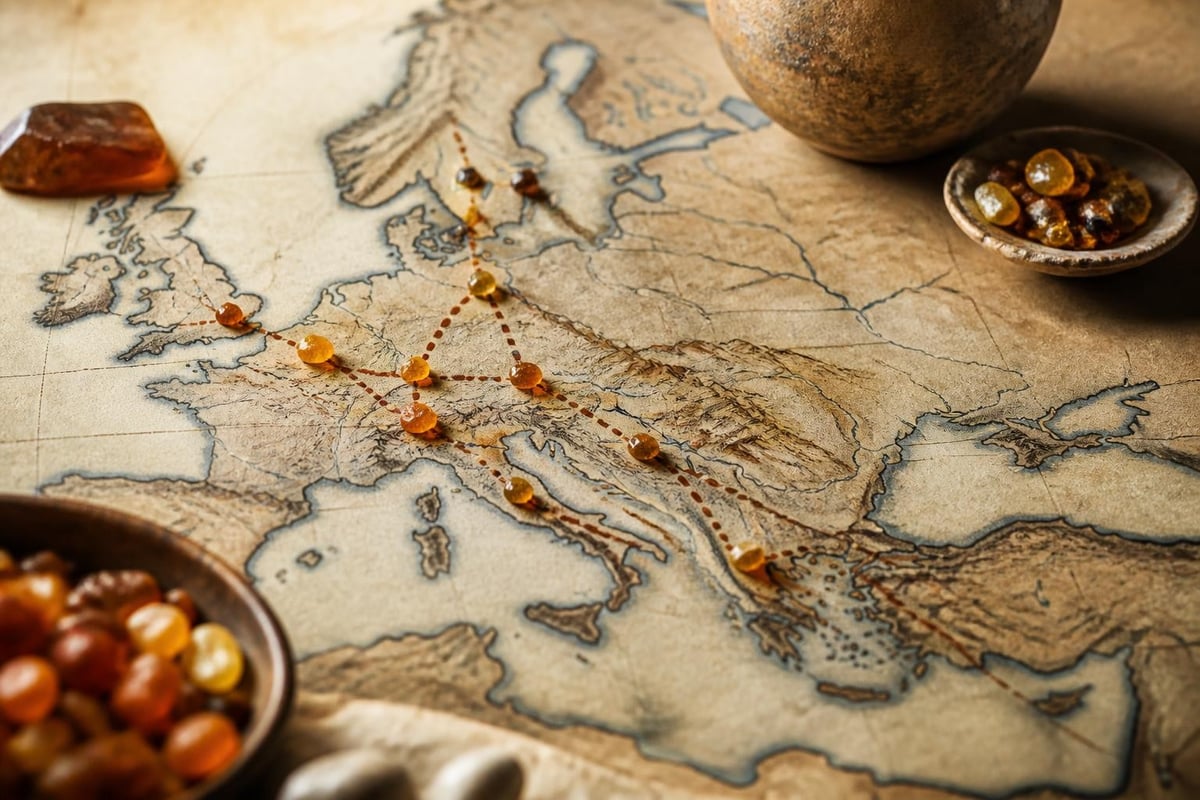
The history of amber beads stretches back to the Stone Age, when early humans first discovered this golden gem washed up on Baltic shores. Archaeological evidence shows that amber beads were among the earliest trade goods in human history, traveling thousands of miles along ancient routes.
Ancient civilizations established extensive trade routes specifically for amber, known collectively as the Amber Road. These networks connected the Baltic Sea region with the Mediterranean, Middle East, and beyond. The Amber Road facilitated commerce between northern Europe and ancient Rome, where amber commanded prices higher than gold during certain periods.
Merchants transported amber beads across vast distances, creating cultural exchanges that shaped ancient societies. Roman nobility particularly favored beaded amber necklaces, believing they offered protection and healing properties. Egyptian pharaohs included amber pieces in burial chambers, while Greek philosophers wrote about its mysterious ability to attract lightweight objects when rubbed.
Not all amber is created equal, and understanding the different varieties helps you appreciate what makes each beaded amber necklace unique. Geographic origin significantly influences color, clarity, and characteristics.
Baltic amber, formed 44 million years ago from ancient pine forests, represents approximately 90% of the world's amber supply. This variety typically exhibits:
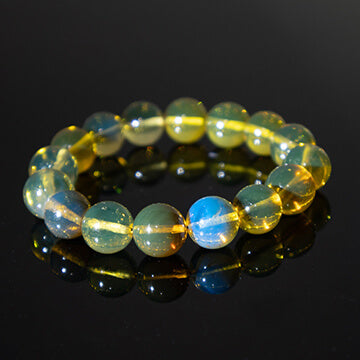
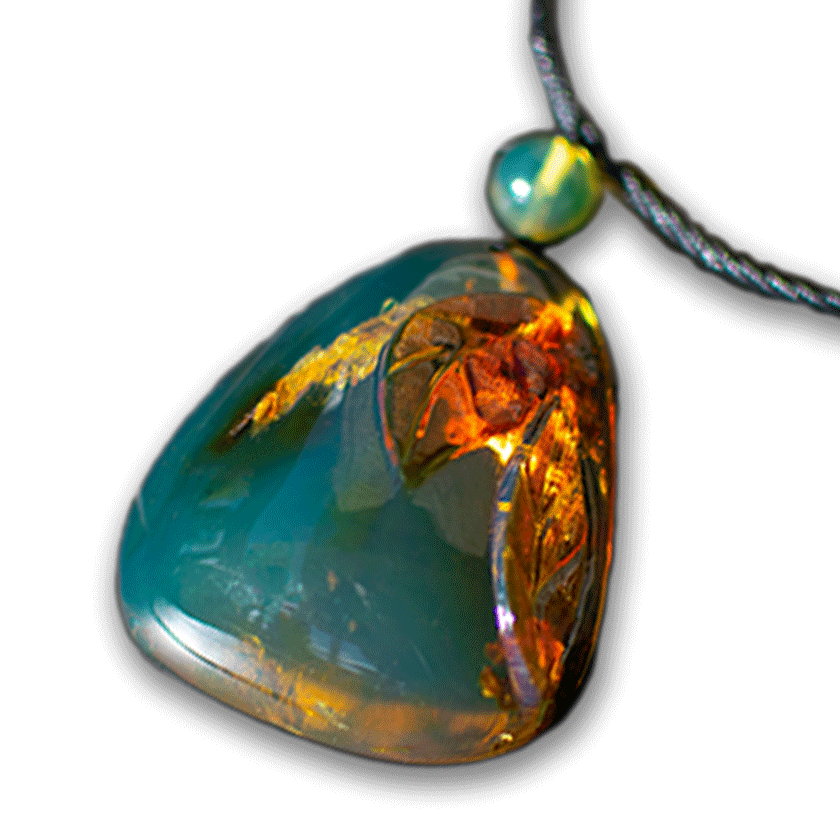
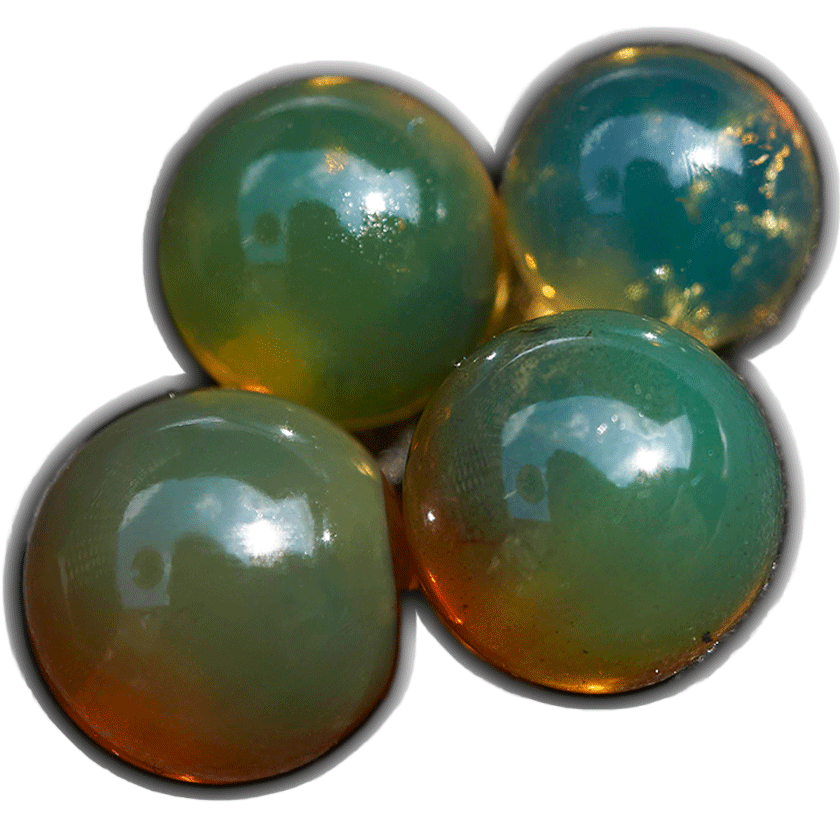
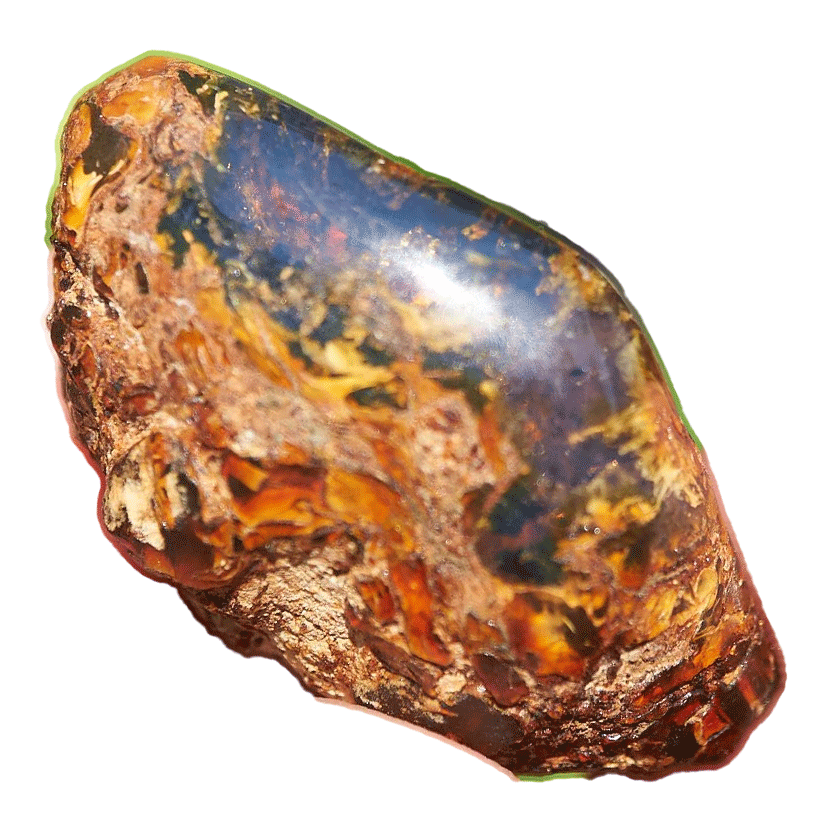
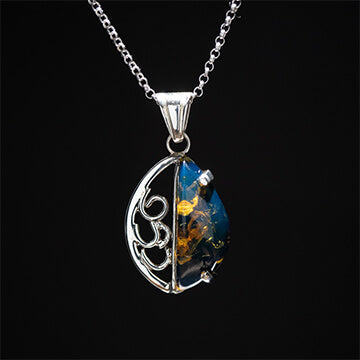
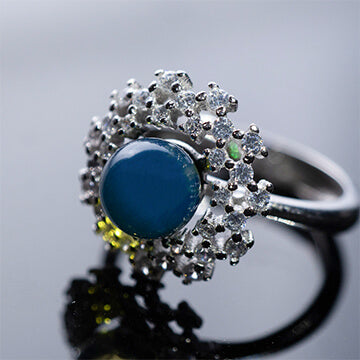
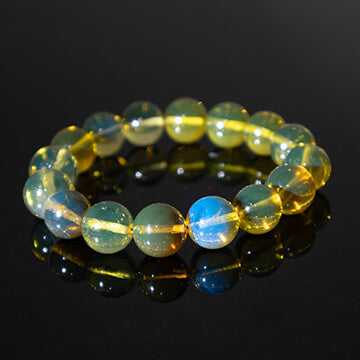
Dominican amber, significantly younger at 15-40 million years old, originates from extinct Hymenaea trees. This amber variety offers remarkable characteristics that set it apart. The most prized specimens exhibit blue fluorescence under UV light, creating stunning visual effects. Dominican Blue Amber represents one of the rarest forms of amber in the world, found exclusively in specific mining regions.
| Amber Type | Age | Primary Colors | Special Features |
|---|---|---|---|
| Baltic | 44 million years | Yellow, orange, cognac | High succinic acid, classic warmth |
| Dominican | 15-40 million years | Yellow, red, blue fluorescence | Rare blue amber, exceptional clarity |
| Mexican | 23 million years | Red, cherry, cognac | Deep red tones, limited availability |
| Burmese | 99 million years | Red, brown, yellow | Oldest amber, frequent inclusions |
Beyond standard golden tones, beaded amber necklaces can feature extraordinary colors. Green amber results from specific organic materials in the original resin, while cherry red amber develops through heat and pressure over millennia. White or "Royal" amber contains numerous tiny air bubbles that create an opaque appearance highly valued in certain cultures.
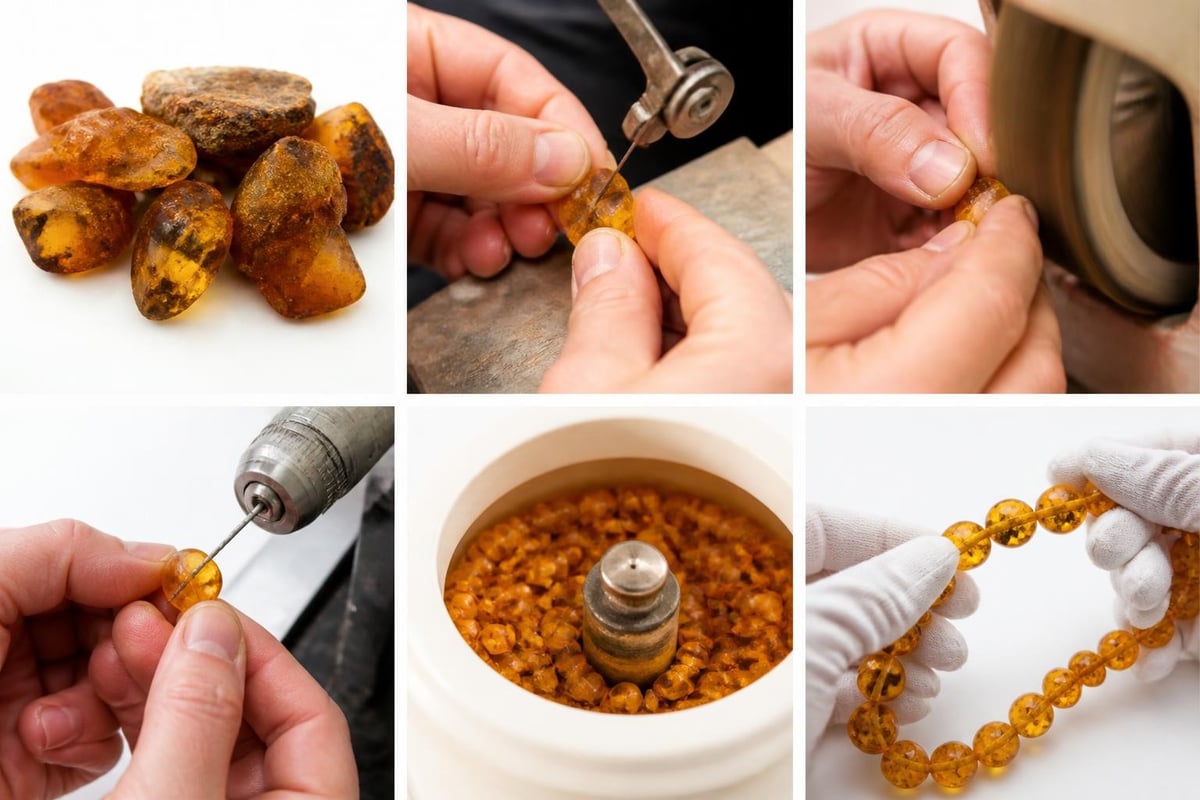
The way amber beads are cut, polished, and strung significantly impacts a necklace's appearance, durability, and value. Traditional and modern techniques each offer distinct advantages.
Authentic beaded amber necklaces often feature hand-knotting between each bead. This centuries-old technique involves:
Hand-knotting serves multiple purposes beyond aesthetics. The knots prevent beads from rubbing together, which could cause surface damage over time. If the strand breaks, knots prevent all beads from scattering. This method also creates visual spacing that showcases each bead's individual beauty.
Contemporary beaded amber necklaces may use alternative construction methods suited to different designs:
Each technique suits different wearing occasions and personal preferences. Formal pieces typically employ traditional methods, while casual or bohemian styles might incorporate modern materials.
With synthetic materials and imitations flooding the market, knowing how to verify authentic amber protects your investment and ensures you receive genuine fossilized resin.
Several simple tests can help identify real amber without damaging your necklace:
The Saltwater Float Test involves mixing one part salt to two parts water. Genuine amber floats in this solution, while most plastics and glass sink. This test works because amber's specific gravity (1.05-1.10) falls between fresh water and saltwater.
The Hot Needle Test applies a heated needle to an inconspicuous spot. Real amber produces a pine-like scent and crumbles slightly, while plastic melts and creates acrid fumes. Use extreme caution with this test as it can damage the piece.
The Acetone Test involves applying nail polish remover to the surface. Genuine amber remains unaffected, while copal (young resin) and some plastics become tacky or damaged.
Experienced collectors recognize authentic amber through visual examination:
Reputable sellers provide certification and detailed provenance information. When considering amber jewelry, seek vendors who transparently discuss their sourcing and quality standards.
Choosing the right beaded amber necklace involves balancing aesthetic preferences with practical wearing considerations. Different bead sizes and strand lengths create distinct visual impacts.
| Bead Diameter | Best For | Visual Impact |
|---|---|---|
| 4-6mm | Delicate, layered looks | Subtle, feminine elegance |
| 8-10mm | Classic, everyday wear | Balanced, versatile styling |
| 12-14mm | Statement pieces | Bold, eye-catching presence |
| 16mm+ | Dramatic, special occasions | Maximum visual impact |
Smaller beads work well for professional environments where subtlety matters, while larger beads make powerful fashion statements. Graduated strands, featuring beads that increase in size toward the center, offer elegant proportions that flatter most necklines.
Your body proportions and personal style should guide length selection. Petite frames often look best with shorter lengths, while taller individuals can carry longer strands beautifully.
The popularity of beaded amber necklaces has generated numerous health claims, particularly regarding infant teething products. Understanding the evidence and risks is essential for informed decision-making.
Amber teething necklaces have been marketed with claims about natural pain relief properties attributed to succinic acid absorption through the skin. However, peer-reviewed research analyzing these claims found no clinical evidence supporting effectiveness for teething pain or other health benefits.
Medical and pediatric organizations have issued clear guidance. The American Academy of Pediatrics warns against amber teething necklaces, citing serious safety risks including choking and strangulation hazards. Clinical studies documenting reported injuries reinforce these concerns.
Advertising standards authorities have scrutinized health claims made about amber jewelry. The UK Advertising Standards Authority investigated and restricted marketing claims lacking substantiation, emphasizing that sellers must provide credible evidence for therapeutic assertions.
For adult wearers, a beaded amber necklace poses minimal safety concerns when worn appropriately. However, consumers should approach health claims skeptically and rely on amber's aesthetic and cultural value rather than unproven therapeutic properties.
Proper care extends the life and beauty of your beaded amber necklace while preserving its value. Amber's organic nature requires specific handling compared to mineral gemstones.
Put jewelry on last: Apply perfumes, hairsprays, and cosmetics before wearing amber, as chemicals can damage the surface. Remove during physical activities: Swimming pools, hot tubs, and intense exercise expose amber to harmful chlorine, heat, and impacts.
Store separately: Keep your beaded amber necklace away from other jewelry in a soft cloth pouch to prevent scratching. Amber registers only 2-2.5 on the Mohs hardness scale, making it susceptible to damage from harder materials.
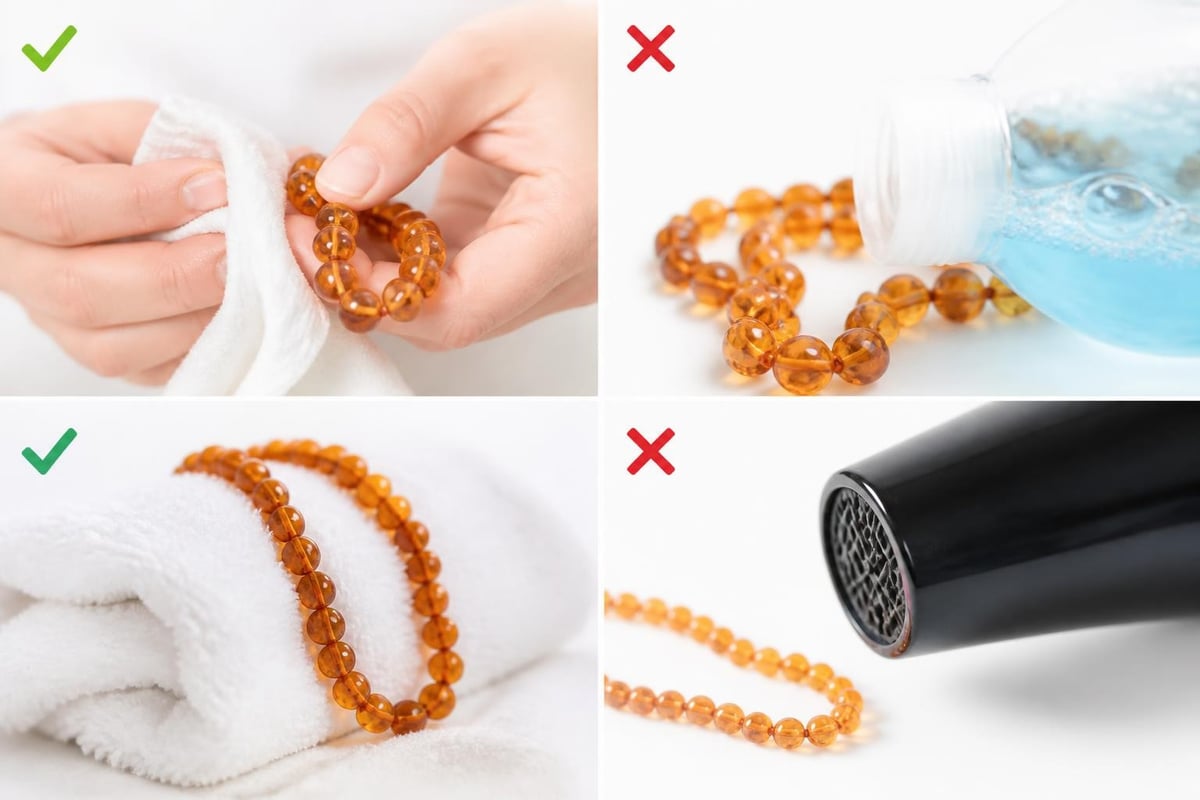
Clean amber gently using:
Avoid ultrasonic cleaners, steam cleaning, and harsh chemicals. These methods can crack, cloud, or permanently damage amber. Never use commercial jewelry cleaners unless specifically formulated for amber.
The market for beaded amber necklaces varies significantly based on amber type, bead quality, age, and provenance. Understanding value factors helps you make informed purchasing decisions.
Color rarity significantly impacts price. While golden amber remains most common, rare colors command premium prices. Blue Dominican amber represents the pinnacle of rarity and value, with exceptional specimens fetching thousands of dollars.
Inclusions can dramatically increase value when they preserve well-defined ancient insects, plant material, or other organic matter. Scientific significance adds further premium for specimens documenting extinct species.
Age and provenance matter for antique pieces. Victorian-era beaded amber necklaces with documented history carry value beyond their material worth. Similarly, amber beads from Dominican sources authenticated by reputable dealers maintain strong market positions.
| Quality Level | Typical Price Range | Characteristics |
|---|---|---|
| Commercial grade | $50-$200 | Small beads, common colors, possible treatments |
| Fine quality | $200-$800 | Larger beads, good clarity, natural colors |
| Premium grade | $800-$3,000 | Exceptional clarity, rare colors, superior craftsmanship |
| Collector pieces | $3,000+ | Rare varieties, significant inclusions, antique provenance |
Beware of prices that seem too good to be true, as they often indicate synthetic materials or heavily treated amber. Reputable dealers provide detailed information about treatments, enhancements, and authenticity.
A beaded amber necklace offers remarkable versatility, complementing both casual and formal wardrobes. Understanding styling principles helps you maximize your piece's impact.
Amber's warm tones pair beautifully with:
Avoid competing with amber by limiting other jewelry to minimal pieces. If you wear Larimar Pendants or other gemstone jewelry, consider the color interplay carefully to ensure cohesive styling.
Professional settings: Choose refined beaded amber necklaces with uniform bead sizes in classic lengths. Pair with structured blazers and simple necklines.
Casual wear: Layer multiple amber strands of varying lengths, or combine with leather cord pieces for bohemian flair. Denim and natural fiber clothing provide perfect backdrops.
Formal events: Select graduated bead designs or pieces featuring larger, statement beads. Rich cognac or cherry amber complements evening wear beautifully.
Cultural celebrations: Honor amber's historical significance by wearing traditional designs during heritage events or family gatherings.
Geographic origin influences not only amber's physical characteristics but also the craftsmanship traditions applied to beaded necklaces. Different regions have developed distinctive styles over centuries.
Countries surrounding the Baltic Sea, including Poland, Lithuania, Russia, and Denmark, maintain centuries-old amber working traditions. Baltic artisans often favor:
Dominican amber workers have developed techniques suited to their unique material. The rarity of blue amber has inspired:
Understanding these regional differences enhances appreciation for the cultural context behind your beaded amber necklace.
As with all natural resources, amber extraction and trade raise environmental and ethical considerations. Conscious consumers increasingly seek responsibly sourced pieces.
Most amber harvesting occurs through surface collection after storms wash material ashore, or through small-scale mining operations. Sustainable practices include:
Fair trade practices ensure that artisans receive equitable compensation for their skilled work. When purchasing from companies like Larimar Creations, inquire about their sourcing practices and commitment to supporting craftspeople fairly.
Transparent supply chains allow consumers to understand exactly where their beaded amber necklace originated and who benefited from its creation. This knowledge adds meaningful context to ownership.
While traditional beaded amber necklaces remain popular, contemporary designers continue innovating with this ancient material. Current trends reflect evolving aesthetic preferences and technical capabilities.
Modern minimalism has influenced amber jewelry design, resulting in:
Contemporary pieces increasingly combine amber with other materials for unique effects:
These innovations respect amber's traditional appeal while offering fresh interpretations for current tastes.
Creating a custom beaded amber necklace allows you to design a piece perfectly suited to your preferences, body proportions, and style requirements.
Work with skilled jewelers to specify:
Custom pieces ensure optimal fit and allow you to create truly unique jewelry that reflects your personality.
Commissioning custom work provides direct connection with craftspeople who understand amber's properties. Discuss:
Building relationships with skilled artisans, whether through direct commissioning or choosing pieces from dedicated craftspeople, supports traditional skills and ensures quality workmanship.
A beaded amber necklace represents far more than simple adornment, carrying millennia of human history, natural wonder, and artistic tradition. From ancient trade routes to modern styling choices, these pieces offer timeless beauty backed by fascinating stories. Whether you're drawn to classic Baltic golden tones or rare Dominican blue specimens, understanding amber's characteristics, care requirements, and value factors ensures you make informed choices. Larimar Creations brings this same dedication to quality and authenticity to every piece, offering exquisite handcrafted jewelry that honors both tradition and innovation, with worldwide shipping that brings rare gemstone beauty directly to your door.