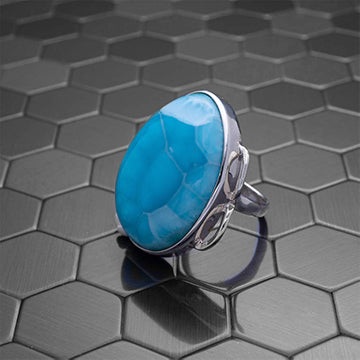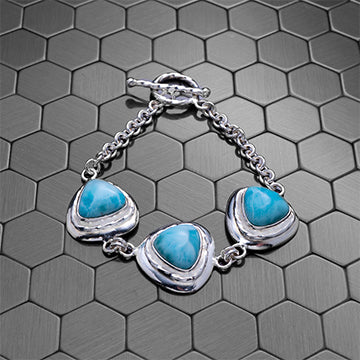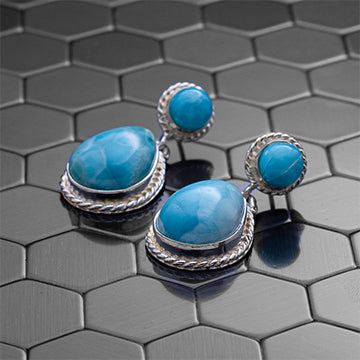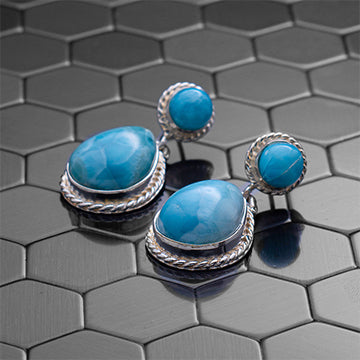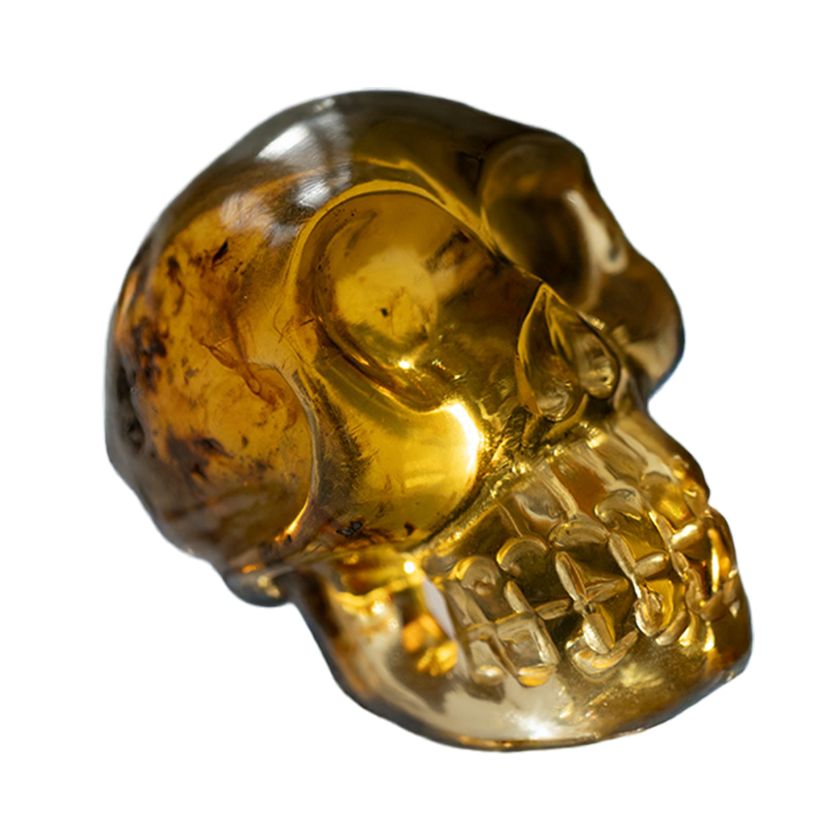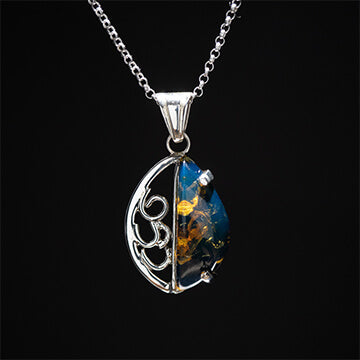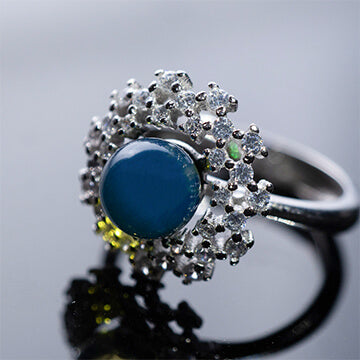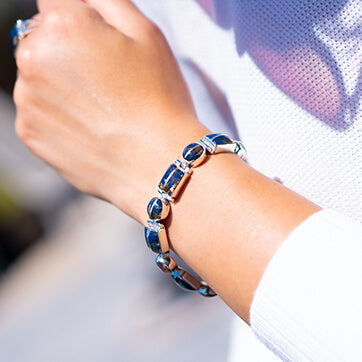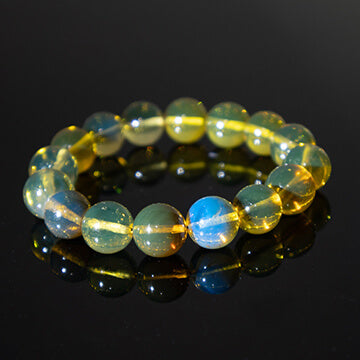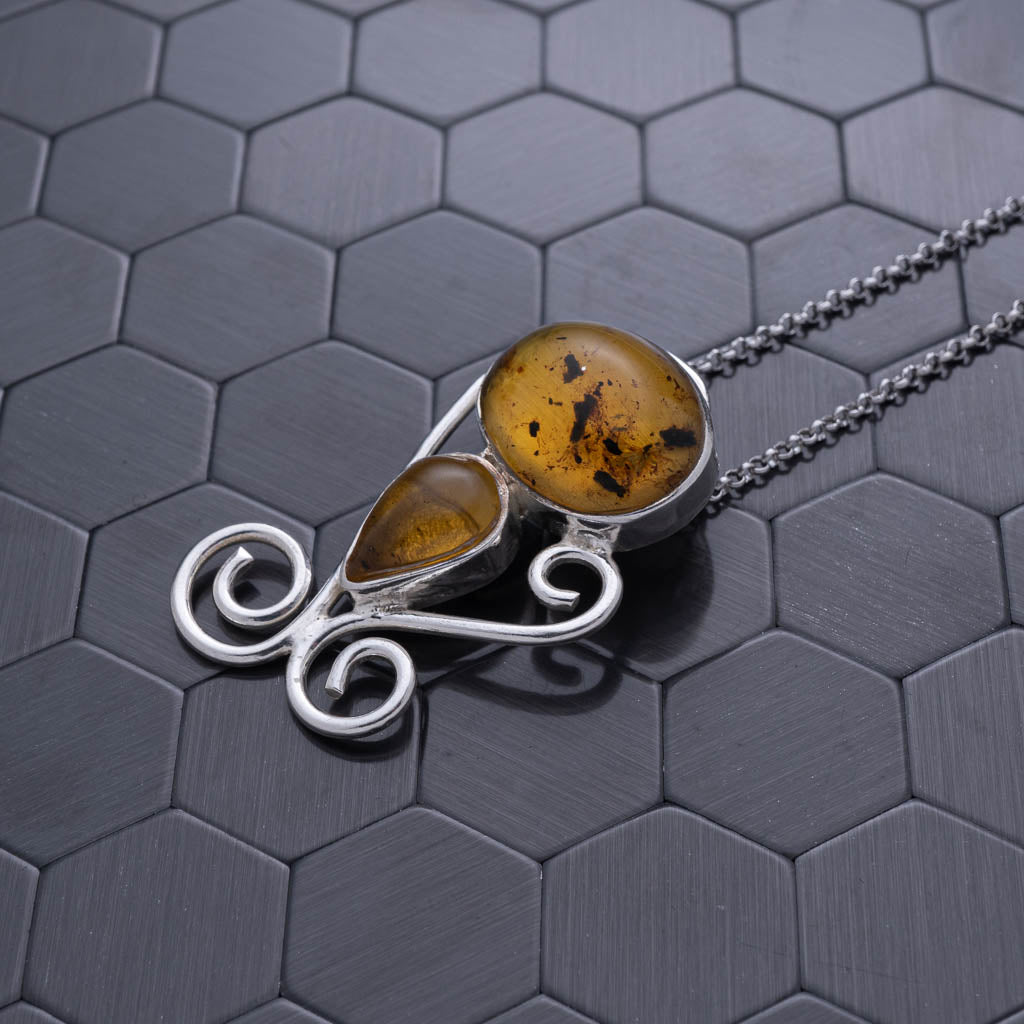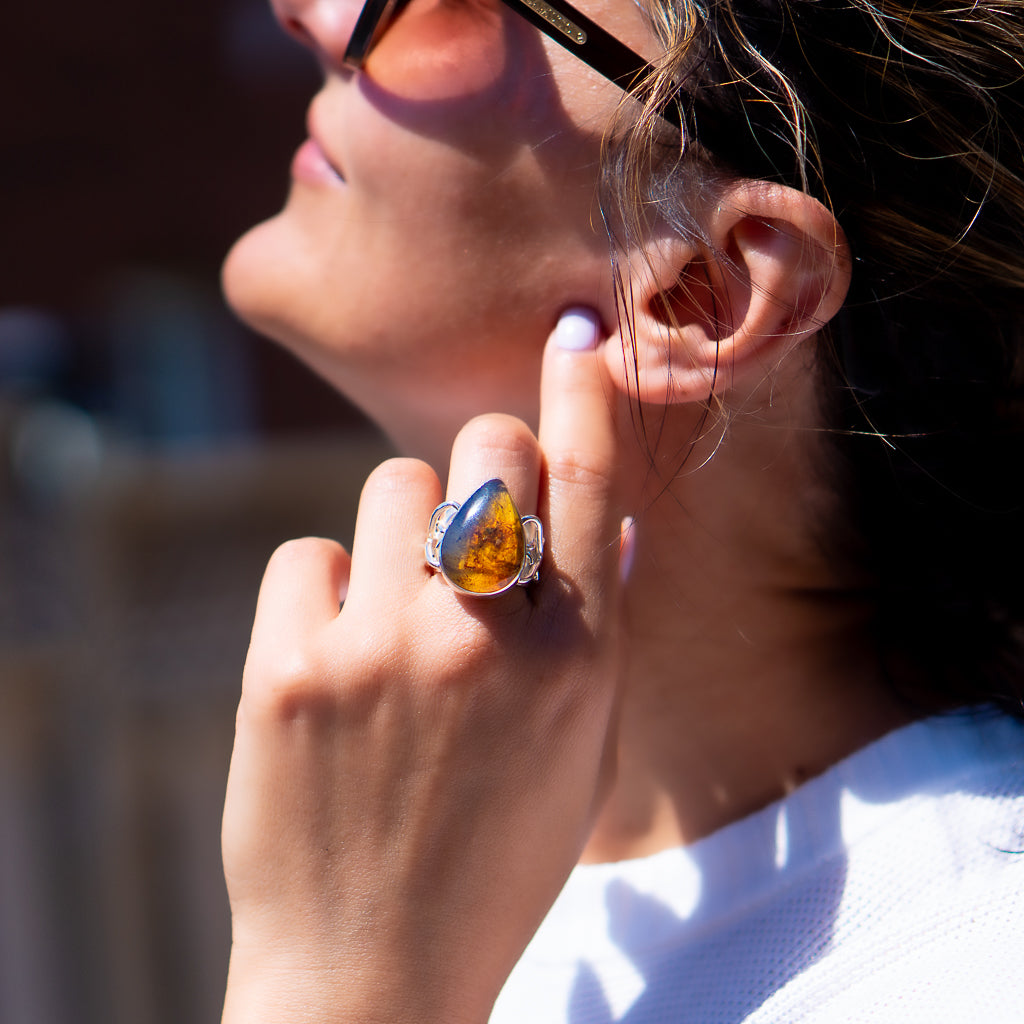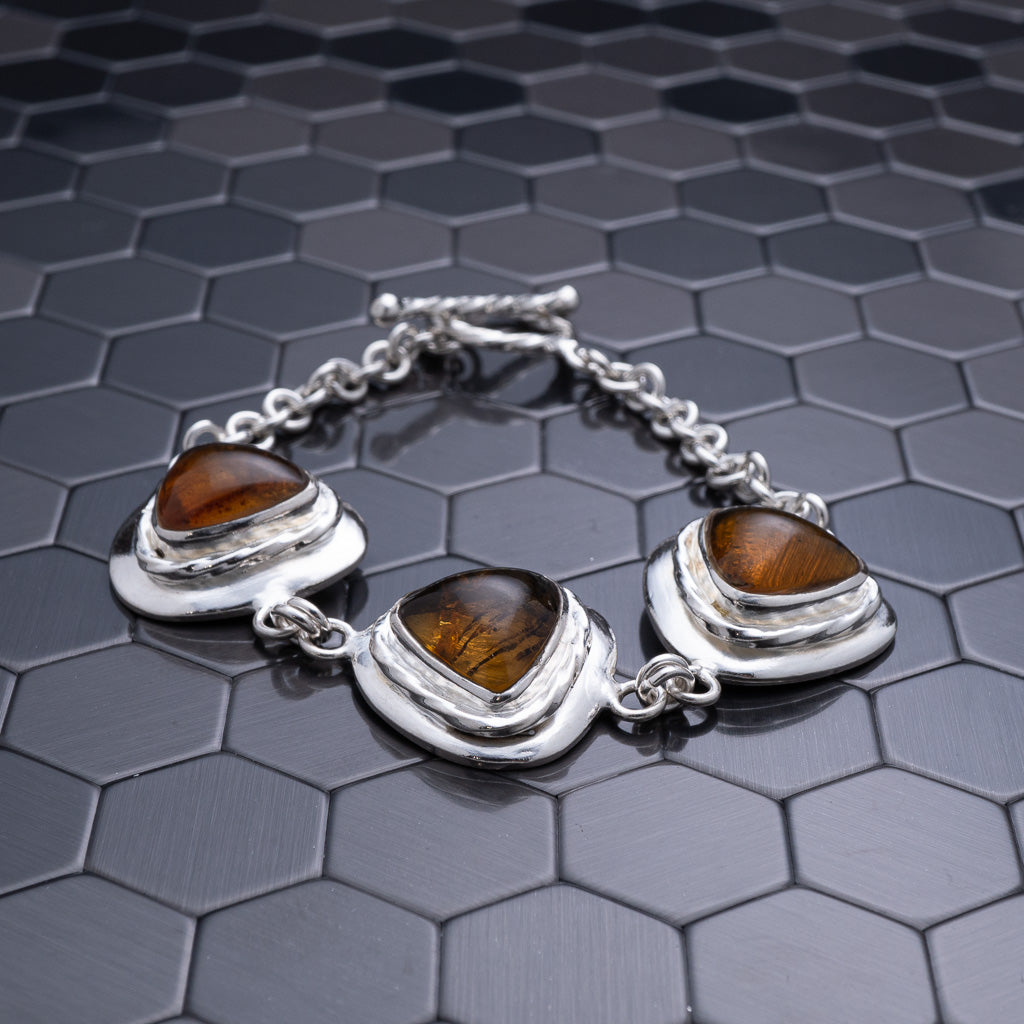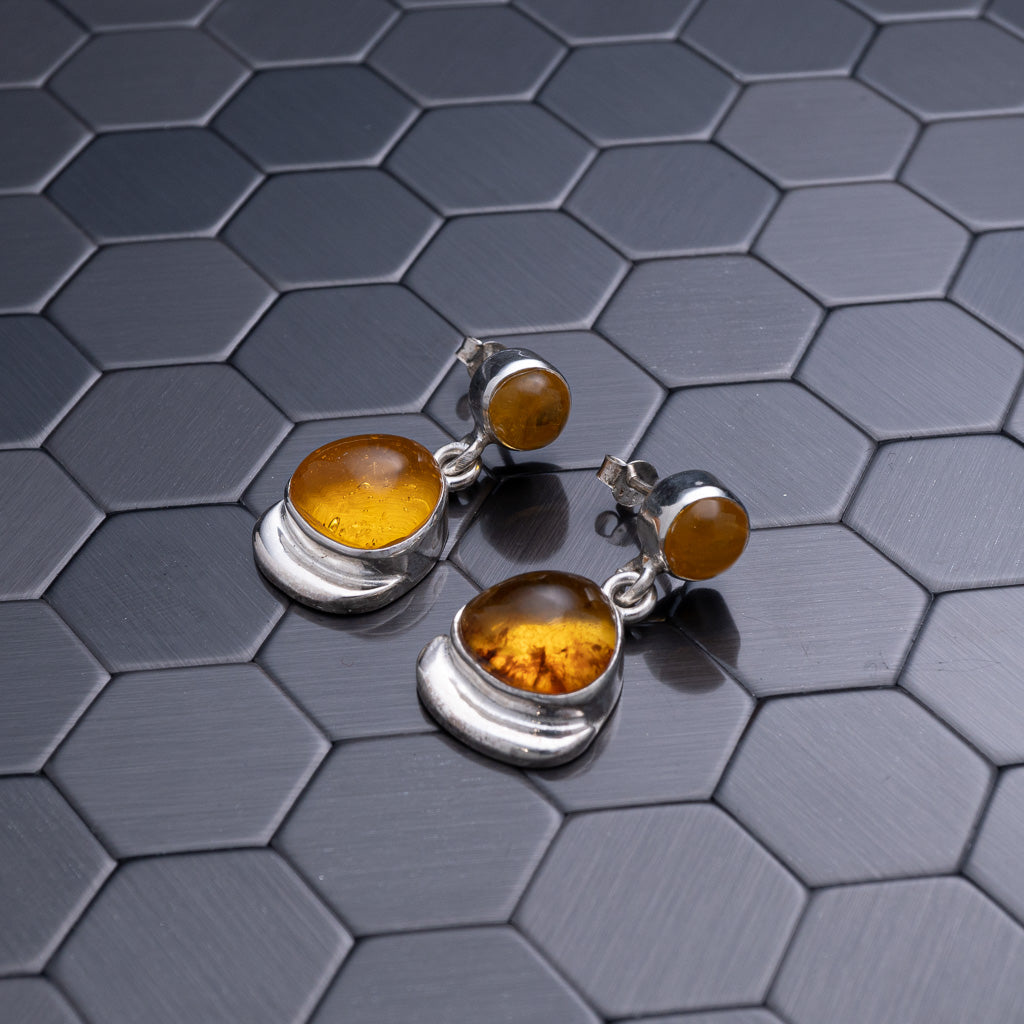


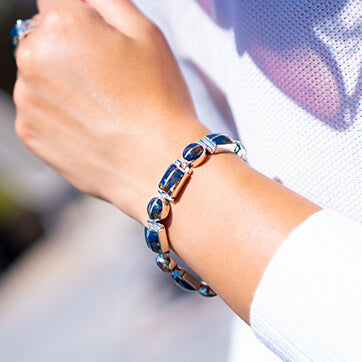
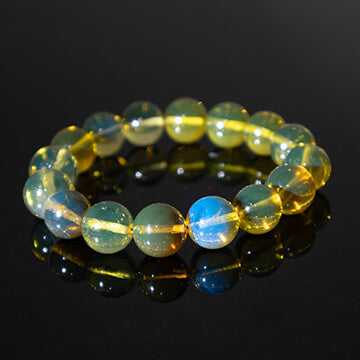
Handcrafted in DR.

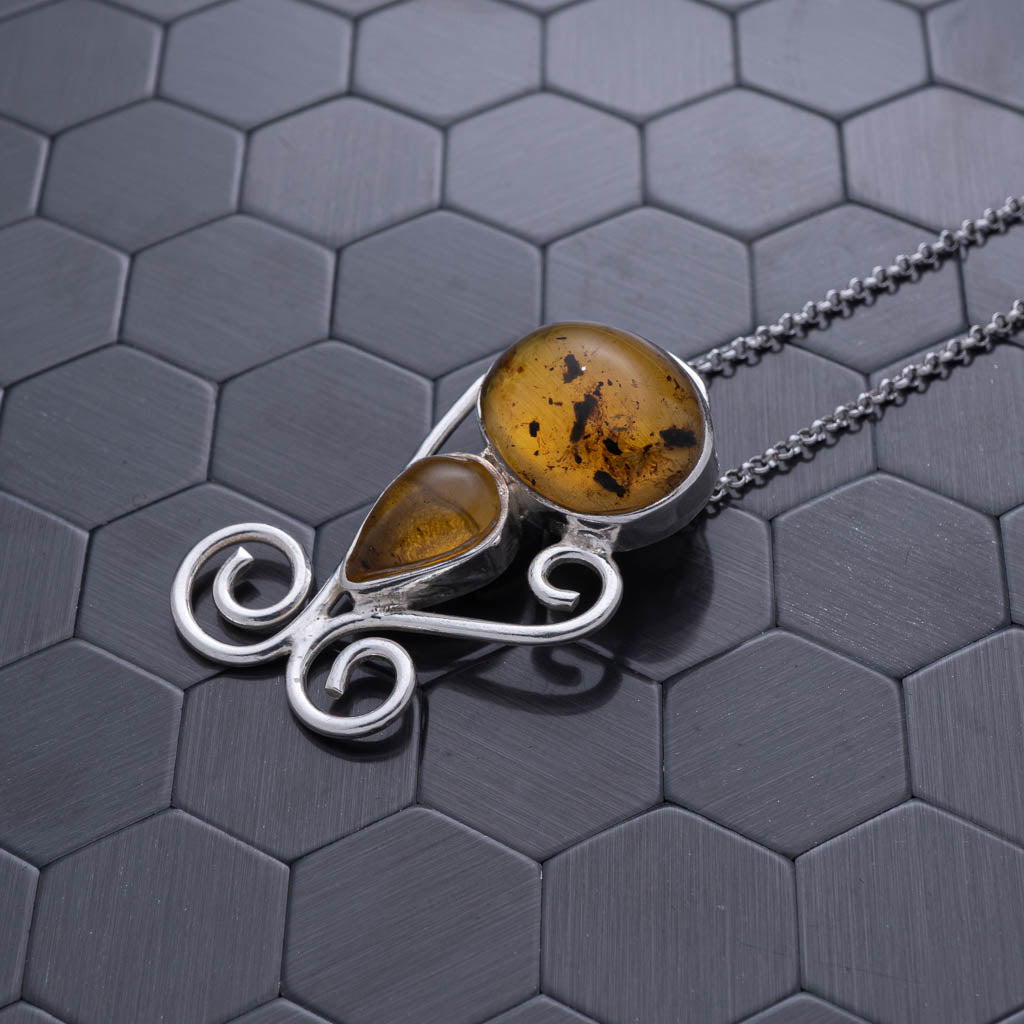
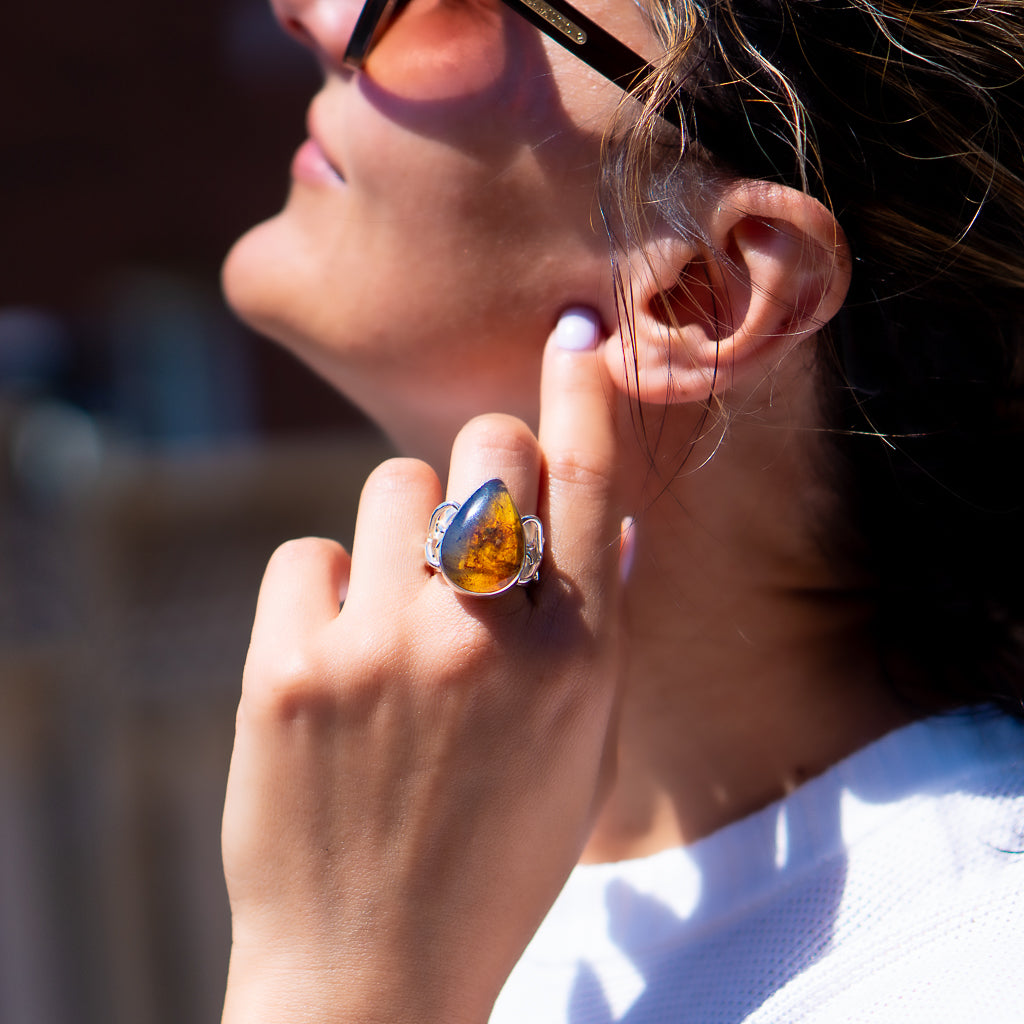
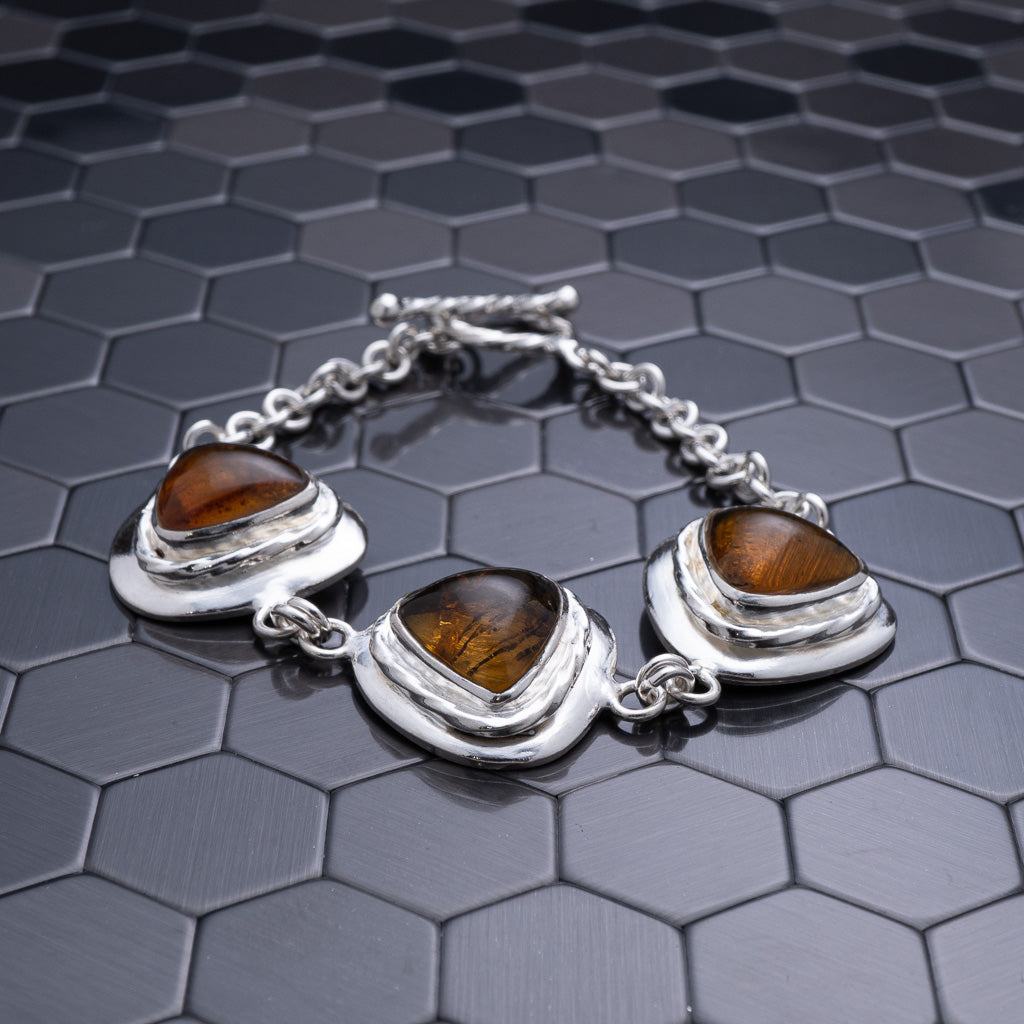
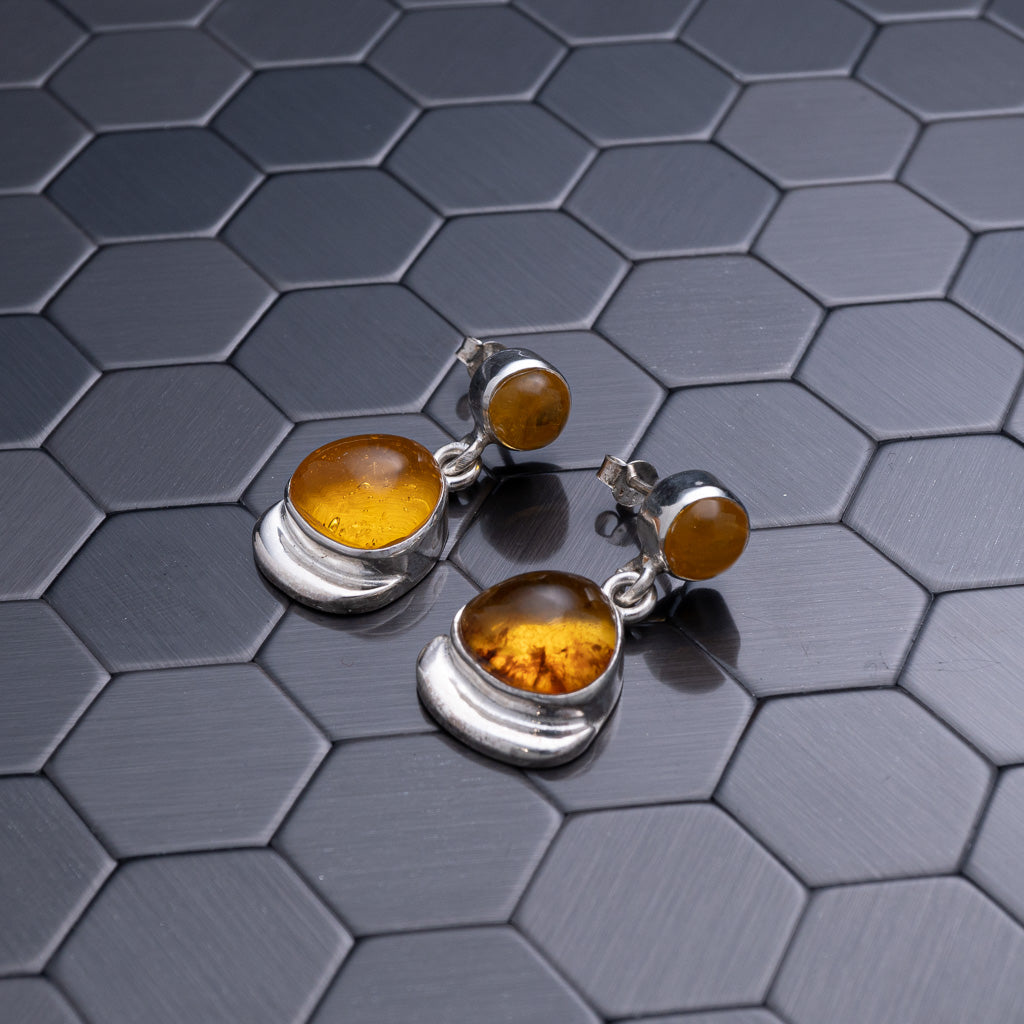


100% Handcrafted in DR.

The allure of handmade rings extends far beyond their physical beauty. Each piece represents hours of skilled craftsmanship, artistic vision, and dedication to a centuries-old tradition. Unlike mass-produced jewelry, handcrafted rings carry the unique fingerprint of their maker, ensuring that no two pieces are exactly alike. For those seeking jewelry that tells a story and reflects individual style, understanding the world of artisan-crafted rings opens doors to exceptional pieces that combine traditional techniques with contemporary design sensibilities.
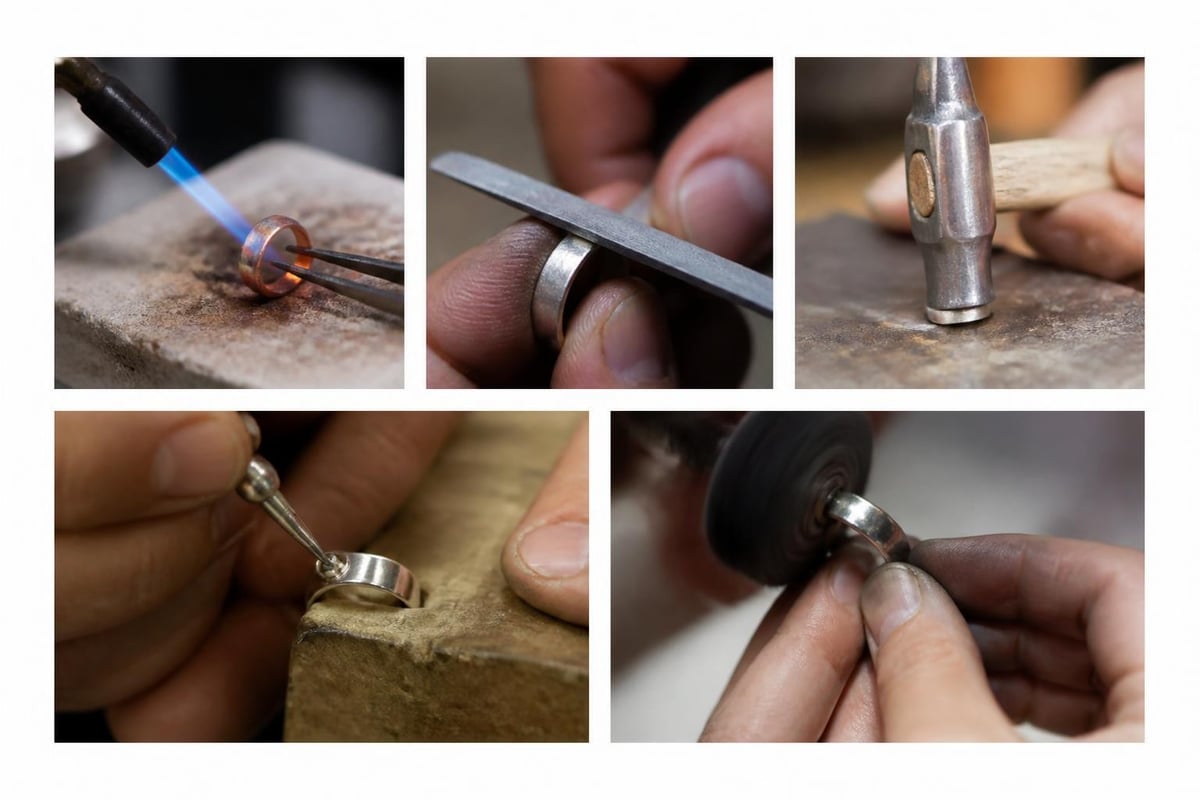
Creating handmade rings requires mastery of fundamental metalsmithing skills passed down through generations. Artisans begin with raw materials, carefully selecting precious metals and gemstones that will become the foundation of each unique piece.
The Ganoksin Learning Center documents numerous traditional techniques that remain essential in contemporary ring making. Soldering joins metal components using precise heat application, while annealing softens metal through controlled heating and cooling cycles, making it workable for shaping.
Core techniques include:
Each method requires years of practice to master. The difference between adequate and exceptional craftsmanship often lies in subtle details invisible to untrained eyes but palpable in the finished piece.
Professional makers must navigate strict regulations governing precious metal content. The UK government hallmarking guidance explains legal requirements for marking metal purity, ensuring consumer protection and industry accountability.
Sterling silver (92.5% pure silver) represents the most common precious metal choice for handmade rings, offering durability and workability. Gold alloys range from 10K to 24K, with 14K and 18K providing optimal balances of strength and value. Understanding silver jewelry characteristics helps buyers appreciate quality craftsmanship.
| Metal Type | Purity Percentage | Durability | Typical Applications |
|---|---|---|---|
| Sterling Silver | 92.5% | Moderate | Daily wear, detailed work |
| 14K Gold | 58.3% | High | Engagement rings, wedding bands |
| 18K Gold | 75% | Moderate-High | Fine jewelry, luxury pieces |
| Platinum | 95% | Very High | Bridal jewelry, heirloom pieces |
The choice of gemstone dramatically influences a ring's character, color palette, and symbolic meaning. Handmade rings often showcase rare or unusual stones that mass manufacturers overlook.
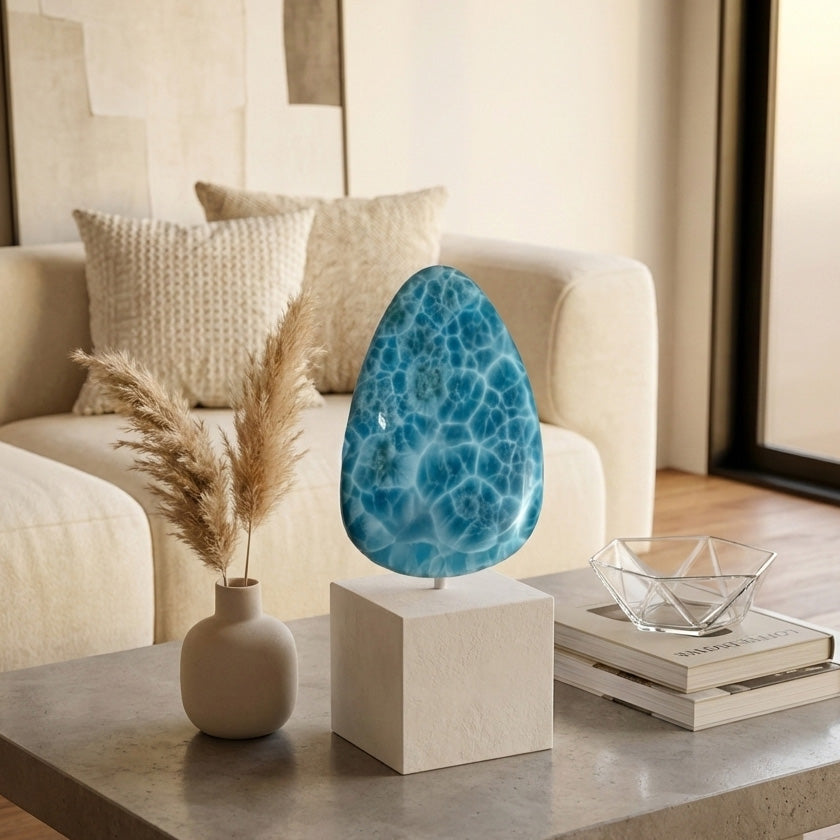
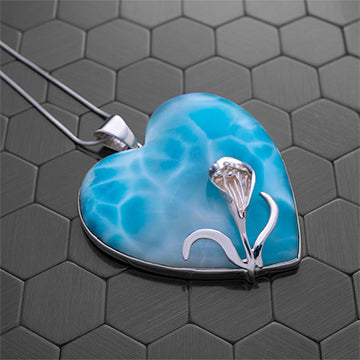
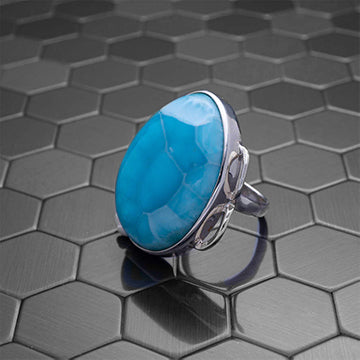
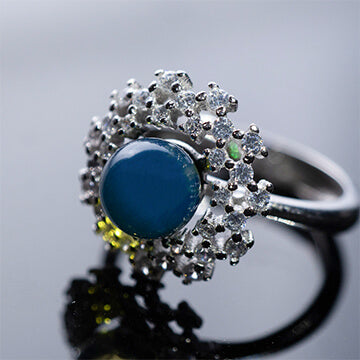
While diamonds dominate commercial jewelry, artisan jewelers frequently work with distinctive alternatives. Larimar, found exclusively in the Dominican Republic, offers ethereal blue tones reminiscent of Caribbean waters. This rare gemstone creates stunning centerpieces in handmade rings, particularly when paired with sterling silver settings that complement its natural coloring.
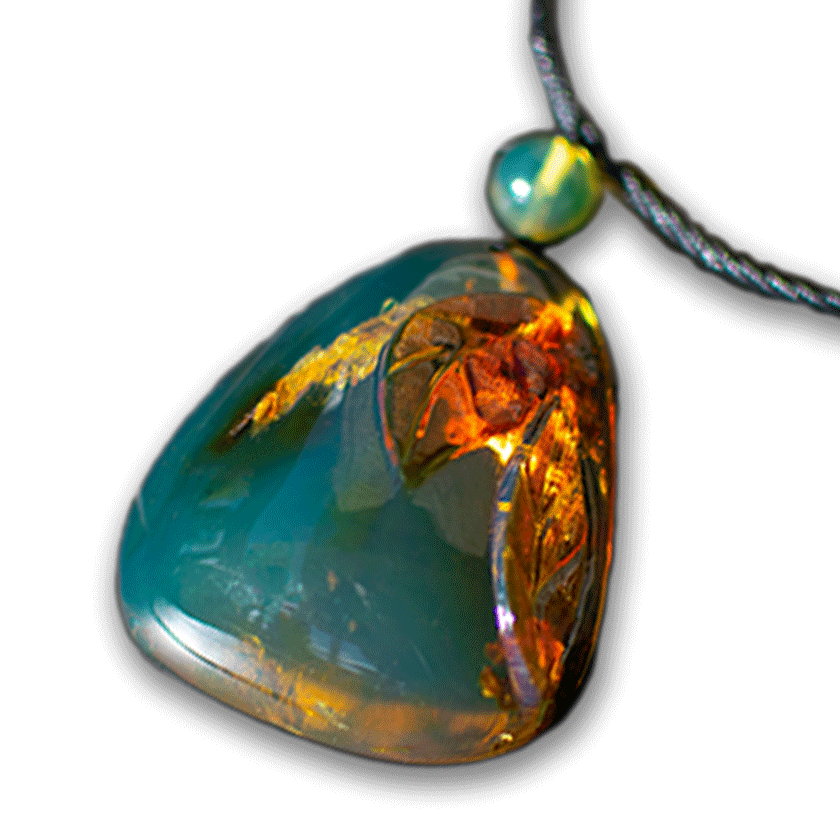
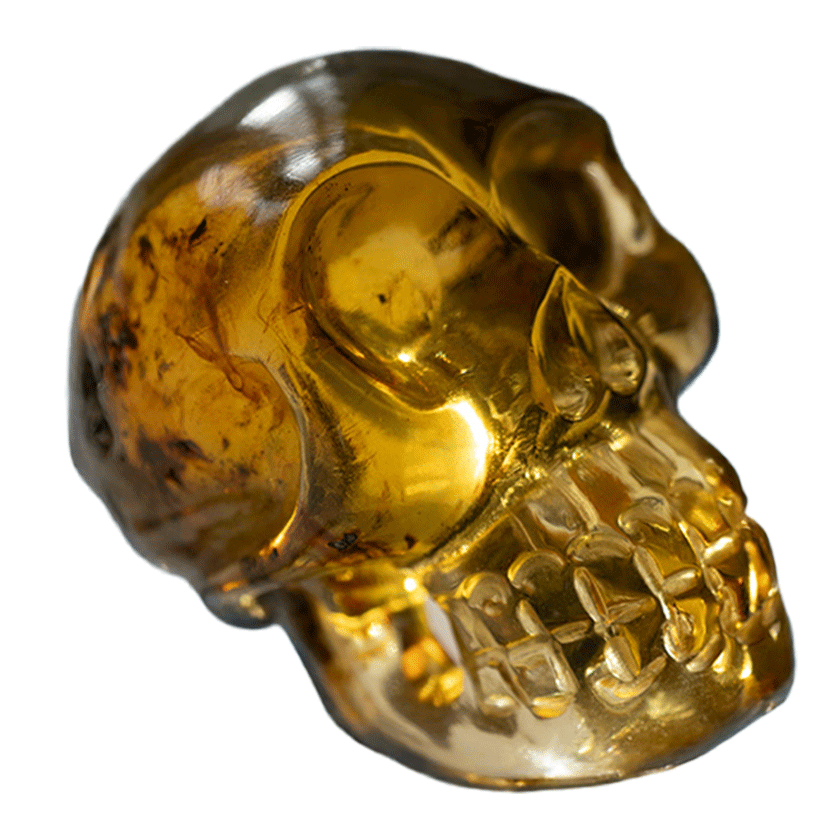
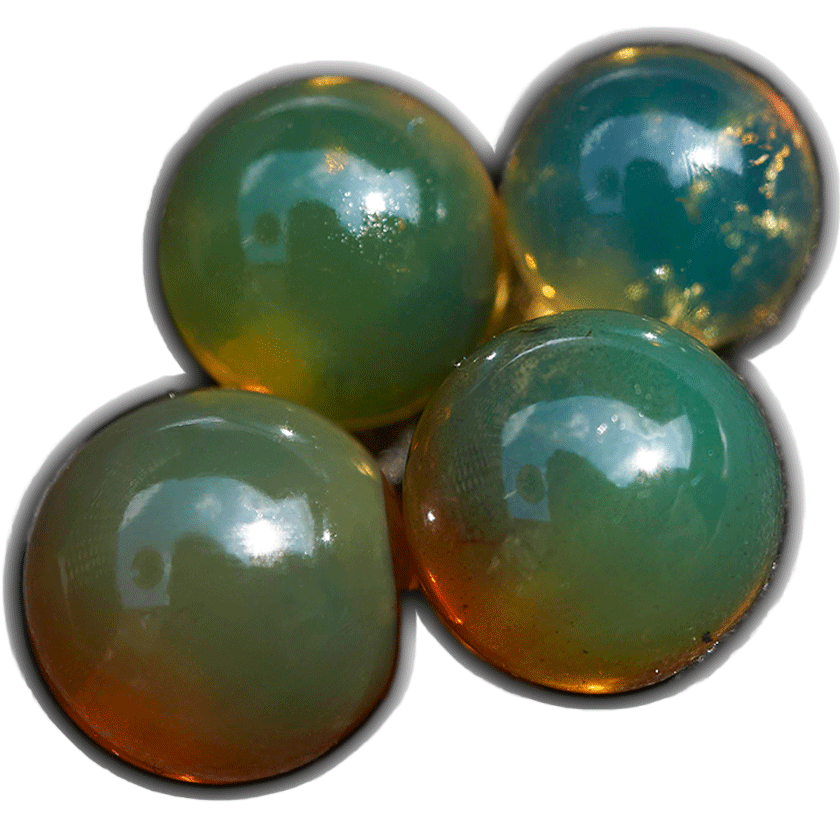
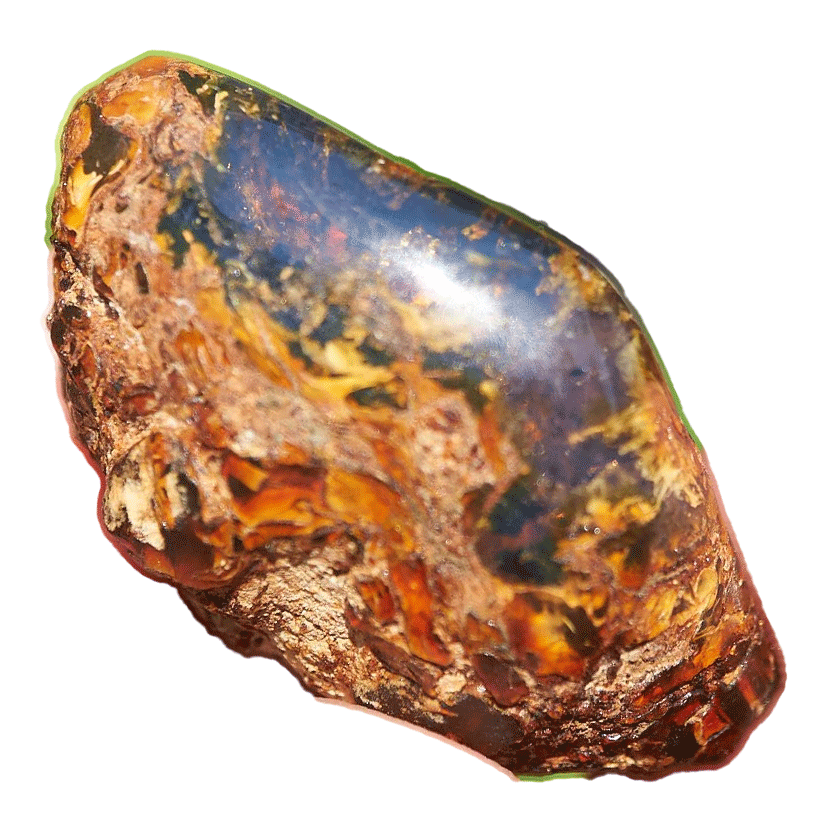
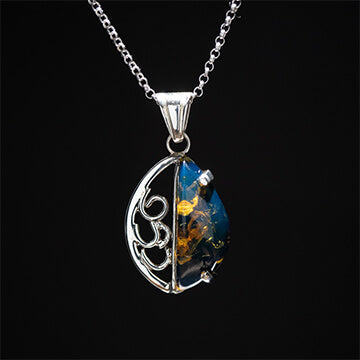
Dominican Blue Amber provides another exceptional option, displaying remarkable fluorescence under UV light. These unique gemstones allow wearers to own truly one-of-a-kind pieces unavailable through conventional retail channels.
Artisans also favor:
Stone setting combines technical precision with aesthetic judgment. Bezel settings surround gemstones with metal bands, offering maximum protection for softer materials. Prong settings elevate stones, maximizing light exposure and visual impact. Channel settings secure multiple stones in grooves, creating continuous lines of color.
The Federal Trade Commission's jewelry guides establish disclosure requirements for gemstone treatments, ensuring consumers understand whether stones have undergone enhancement processes. Ethical makers prioritize transparency about stone origins and any treatments applied.
Creating handmade rings begins long before metal touches flame. The design process requires balancing aesthetic vision, technical feasibility, and wearer comfort.
Successful ring designs account for multiple practical factors. Band width affects comfort and durability, with wider bands requiring larger finger sizes. Profile shapes range from flat to domed, each offering different aesthetic effects and wear characteristics. Weight distribution ensures rings sit properly without spinning or causing discomfort.
Design elements to consider:
Understanding these factors separates functional art from beautiful objects that prove impractical for regular wear. Tools like a ring sizer help ensure proper fit from the initial design phase.
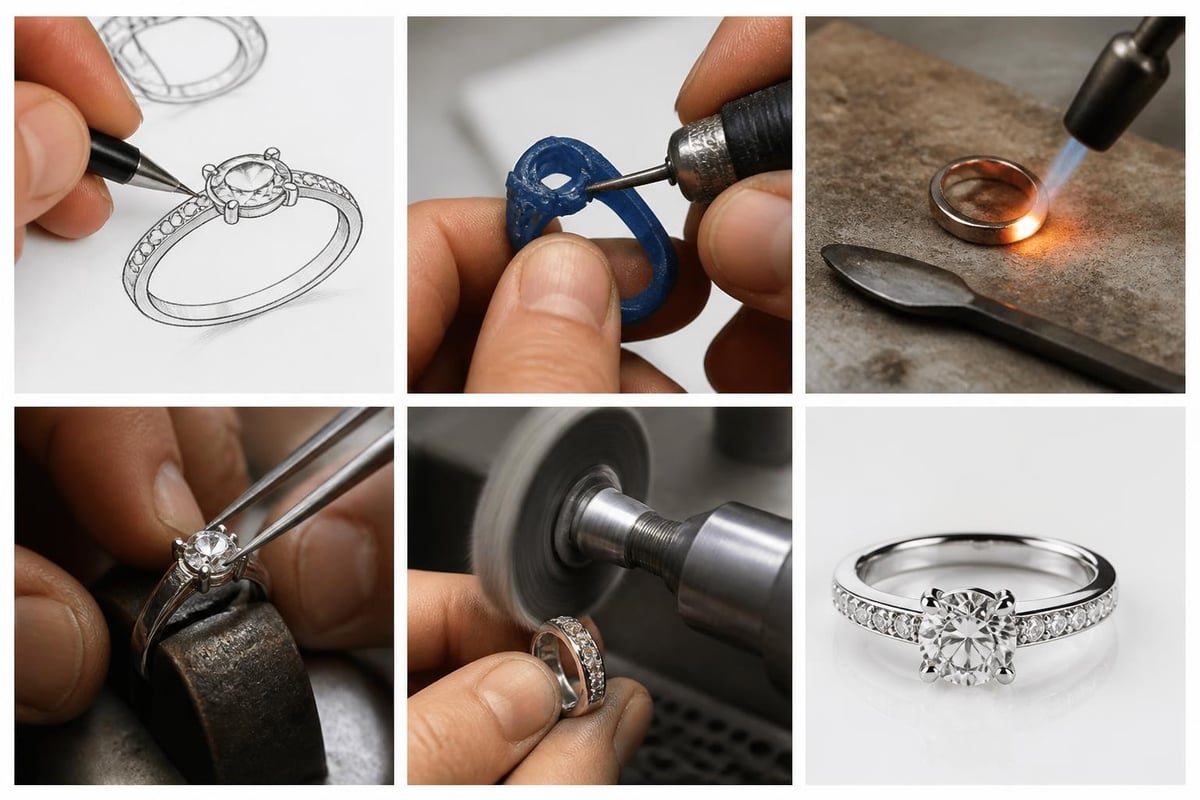
The journey from concept sketch to finished handmade ring involves numerous intermediate steps. Artisans often create wax models, allowing three-dimensional visualization before committing precious materials. This prototyping phase reveals potential issues with proportions, stone settings, or structural weaknesses.
Some makers embrace traditional methods exclusively, while others incorporate modern tools like CAD software for complex designs. Regardless of approach, the final steps always involve hands-on craftsmanship, ensuring each piece receives individual attention and refinement.
Creating handmade rings as a profession requires business acumen alongside artistic skill. Understanding market dynamics, legal requirements, and financial management determines whether makers can sustain their craft.
The IRS provides guidance distinguishing hobbies from businesses, essential knowledge for artisans selling handmade rings. Professional makers must maintain detailed records, understand tax obligations, and structure pricing to cover materials, labor, overhead, and profit margins.
Many successful jewelers begin by selling at craft fairs and local markets before expanding to online platforms. Building a customer base requires consistent quality, reliable communication, and authentic storytelling about the creative process. The Society of North American Goldsmiths offers resources supporting professional development and community connections.
Contemporary consumers increasingly demand accountability regarding material origins. The Responsible Jewellery Council's Code of Practices establishes industry standards for ethical sourcing, environmental responsibility, and fair labor practices throughout supply chains.
Artisans committed to transparency document their material sources, explaining how precious metals are recycled or responsibly mined and how gemstones are obtained. This openness builds trust and aligns with values-driven purchasing decisions increasingly common among jewelry buyers.
Superior craftsmanship deserves equally excellent presentation. Professional photography transforms handmade rings from physical objects into compelling visual narratives that attract buyers.
Shopify's jewelry photography guide outlines best practices for capturing intricate details. Proper lighting reveals metal textures, gemstone clarity, and dimensional qualities that distinguish handcrafted pieces from mass-produced alternatives.
| Photography Element | Recommendation | Purpose |
|---|---|---|
| Lighting Setup | Diffused natural or LED panels | Minimize harsh shadows, reveal detail |
| Background | Neutral white or subtle texture | Focus attention on ring |
| Camera Settings | Macro lens, f/8-f/11 aperture | Sharp focus throughout piece |
| Angles | Multiple views including profile | Show construction and stone setting |
| Scale Reference | Finger model or size indicator | Communicate actual dimensions |
Consistent, high-quality imagery across product lines establishes professional credibility and helps customers understand the craftsmanship behind each piece.
Beyond technical excellence, compelling photographs communicate the maker's artistic vision. Detail shots highlighting unique textures, gemstone inclusions, or signature techniques help buyers appreciate the artistry involved. Environmental shots showing rings worn in natural settings create emotional connections and help customers envision pieces in their own lives.
Proper maintenance ensures handmade rings retain their beauty across decades of wear. Different materials require specific care approaches, and educating customers about maintenance builds long-term relationships.
Handmade rings incorporating softer gemstones like larimar require gentler treatment than diamond jewelry. Removing rings during activities involving chemicals, heavy impacts, or abrasive materials prevents unnecessary damage. Storing pieces individually in soft pouches prevents scratching from contact with harder materials.
Essential care practices include:
Sterling silver naturally tarnishes through oxidation, requiring periodic cleaning or professional polishing. Anti-tarnish storage solutions slow this process but cannot eliminate it entirely. Gold alloys resist tarnish but may scratch through daily wear, particularly in lower karats. Platinum develops a patina that many owners appreciate, though polishing can restore original luster.
Understanding these characteristics helps customers maintain realistic expectations and appreciate how handmade rings develop character through years of wear, much like fine leather goods or wooden furniture.
While mass-produced jewelry often depreciates immediately upon purchase, handmade rings from respected artisans can maintain or increase value over time. Several factors influence long-term investment potential.
Maker reputation significantly impacts resale value. Established artisans with consistent quality and distinctive styles develop followings that support secondary market interest. Limited production naturally creates scarcity, particularly for pieces incorporating rare gemstones like larimar or Dominican Blue Amber.
Documentation proving authenticity, metal content, and gemstone quality preserves value. Professional appraisals establish baseline values for insurance purposes and future reference. Pieces recognized in exhibitions or publications gain additional cachet that translates to market premiums.
Most buyers of handmade rings prioritize emotional value over pure financial investment. These pieces mark significant life events, express personal style, or commemorate relationships. The daily pleasure of wearing a beautifully crafted, unique piece often outweighs potential appreciation in monetary value.
That said, purchasing from established makers using quality materials and sound construction techniques ensures pieces remain wearable and valuable across generations. Heirloom potential represents a form of investment that transcends simple financial calculations.
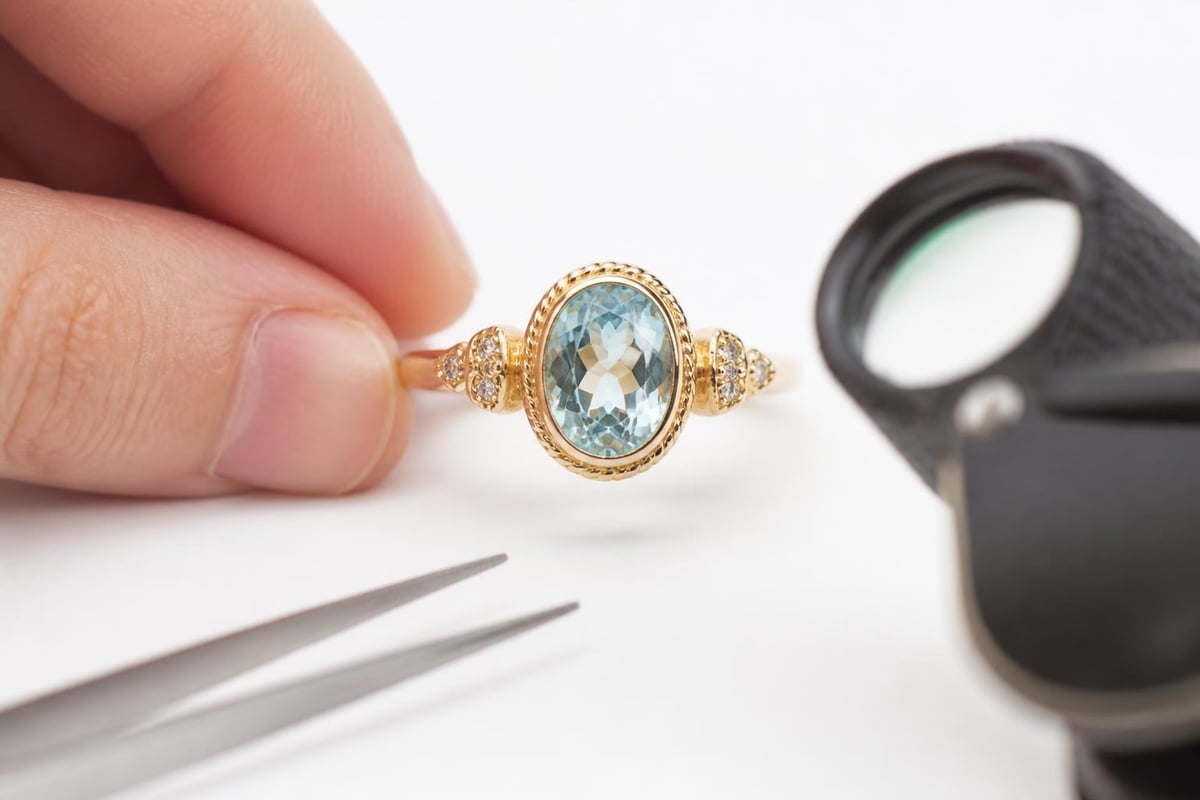
Artisan jewelry reflects evolving aesthetic preferences while honoring traditional techniques. Current trends reveal growing interest in organic forms, alternative materials, and meaningful personalization.
Asymmetrical designs challenge conventional symmetry, creating dynamic visual interest. Mixed metals combine gold and silver tones within single pieces, offering versatility and contemporary appeal. Nature-inspired motifs including botanical elements, water patterns, and geological textures resonate with environmentally conscious consumers.
Minimalist aesthetics emphasizing clean lines and negative space appeal to buyers seeking understated elegance. Conversely, maximalist approaches layering textures, multiple gemstones, and complex patterns attract those who view jewelry as bold artistic statements.
Custom engraving transforms handmade rings into deeply personal talismans. Coordinates marking significant locations, dates commemorating important events, or phrases holding private meaning add layers of significance invisible to casual observers. Some artisans incorporate fingerprints, handwriting, or voice wave patterns, creating truly unique memorial pieces.
Birthstone selections, symbolic imagery, and culturally significant motifs allow wearers to express identity and values through their jewelry choices. This trend toward meaningful personalization aligns perfectly with the handmade jewelry ethos, where individual attention and custom work are already central to the creative process.
Purchasing a handcrafted ring requires different considerations than buying mass-produced jewelry. Understanding what questions to ask and what qualities to evaluate ensures satisfaction with your investment.
Examine solder joints for smooth, invisible connections. Inspect stone settings for secure prongs or bezels with clean edges. Check for consistent metal thickness that suggests durability. Look for even polishing without missed areas or over-buffed details. Quality handmade rings demonstrate meticulous attention throughout, not just on visible surfaces.
Questions to ask makers:
Reputable artisans welcome these inquiries, viewing them as opportunities to educate customers and demonstrate their expertise.
Exploring maker portfolios reveals individual style signatures. Some jewelers favor bold, sculptural forms while others excel at delicate, intricate detailing. Consider whether you're drawn to traditional or contemporary aesthetics, organic or geometric forms, understated or statement pieces.
Many artisan jewelers specialize in particular materials or techniques, developing deep expertise that elevates their work. For instance, Larimar Creations focuses specifically on larimar and Dominican Blue Amber jewelry, offering specialized knowledge and exceptional examples of these rare gemstones. When a maker dedicates their craft to specific materials, they develop unparalleled understanding of how to showcase those materials' unique properties.
Visiting studio open houses, craft exhibitions, or online galleries helps identify makers whose work resonates with your personal style. Building relationships with artisans often leads to custom commissions that perfectly reflect your vision.
Throughout human history, rings have symbolized commitment, status, achievement, and identity. Handmade rings carry additional meaning as tangible connections to maker communities and traditional crafts.
Different cultures assign specific meanings to ring placement, materials, and design elements. Wedding rings trace back thousands of years, with placement on the fourth finger reflecting ancient beliefs about direct connections to the heart. Signet rings historically functioned as personal seals, authenticating documents and demonstrating authority.
Contemporary handmade rings continue these traditions while adapting to modern contexts. Sustainable materials reflect environmental values. Non-traditional engagement ring designs challenge gender norms and conventional relationship markers. Artisan rings allow wearers to participate in living craft traditions rather than simply consuming disposable fashion.
Purchasing handmade rings directly supports individual artisans and strengthens creative communities. Unlike purchases from large corporations where profits concentrate at executive levels, money spent on handcrafted jewelry reaches makers who invest it back into tools, materials, education, and local economies.
This economic model preserves traditional skills that might otherwise disappear as industrial production dominates jewelry manufacturing. Each purchase represents a vote for craftsmanship, quality, and the human element in objects we wear daily.
Handmade rings represent the intersection of artistry, technical skill, and personal expression, offering wearers unique pieces that carry stories and meaning beyond their material value. Whether you seek an engagement ring marking life's most significant commitment, a statement piece reflecting your individual style, or a meaningful gift for someone special, handcrafted jewelry provides options unavailable through mass production. Larimar Creations brings this artisan tradition to life through expertly crafted rings featuring rare larimar and Dominican Blue Amber, combining traditional metalsmithing techniques with exceptional gemstones to create pieces as unique as the individuals who wear them. Explore their collection to discover how handmade jewelry can become a cherished part of your story.