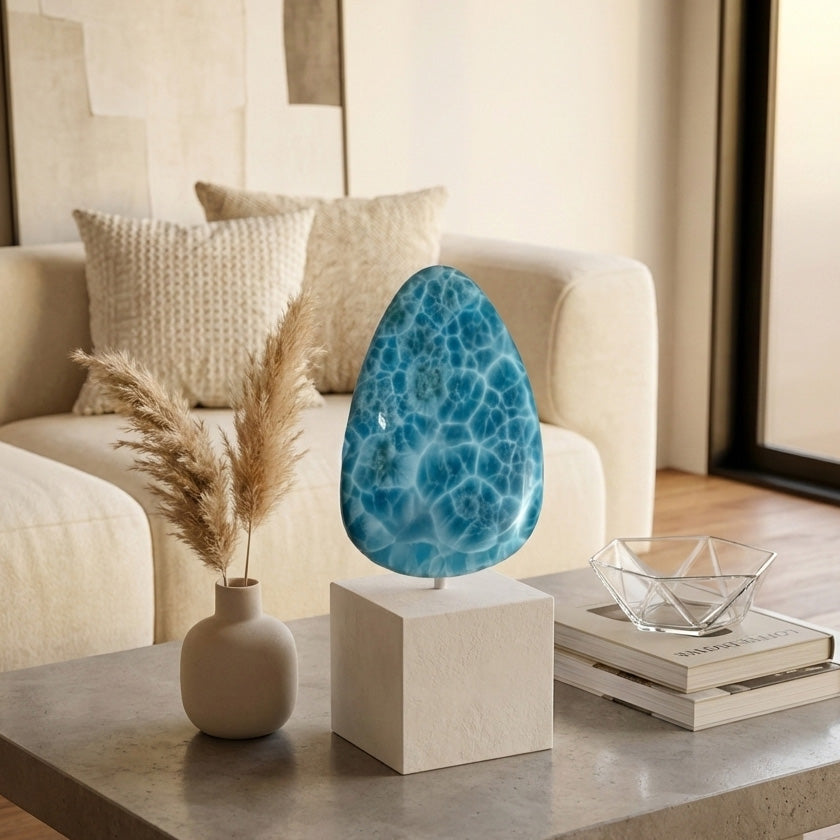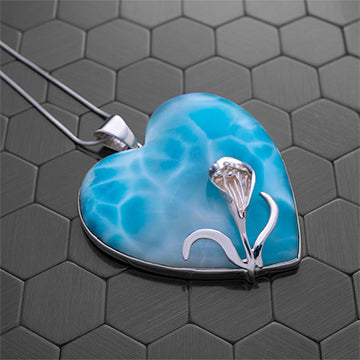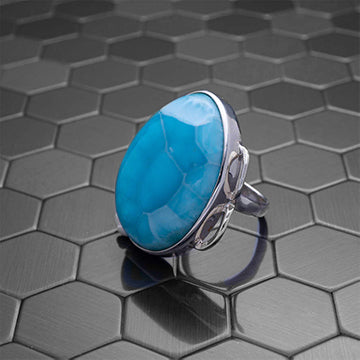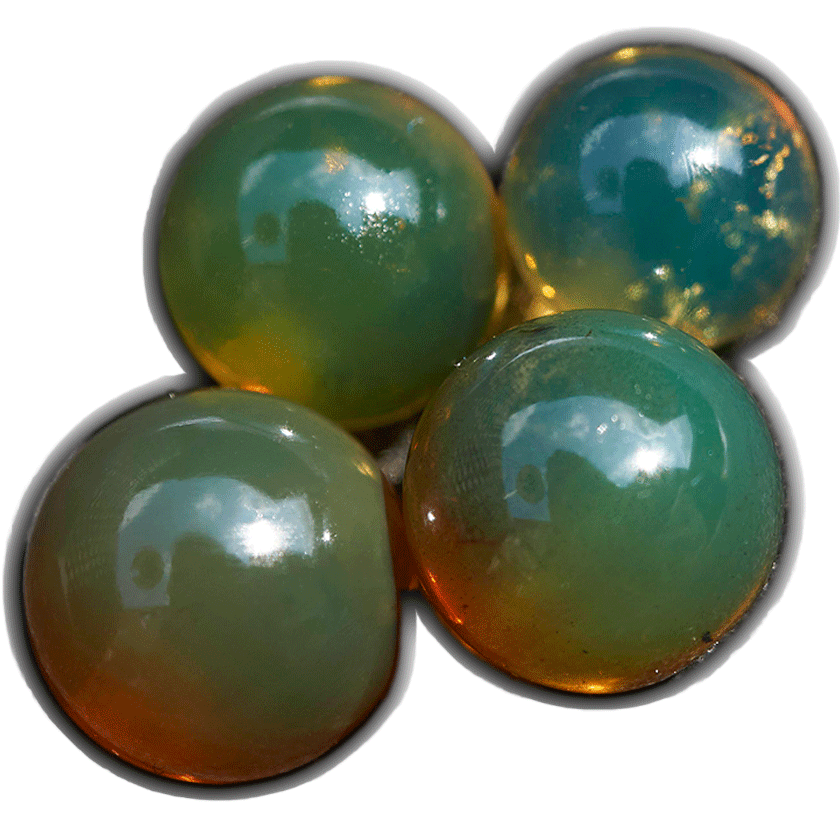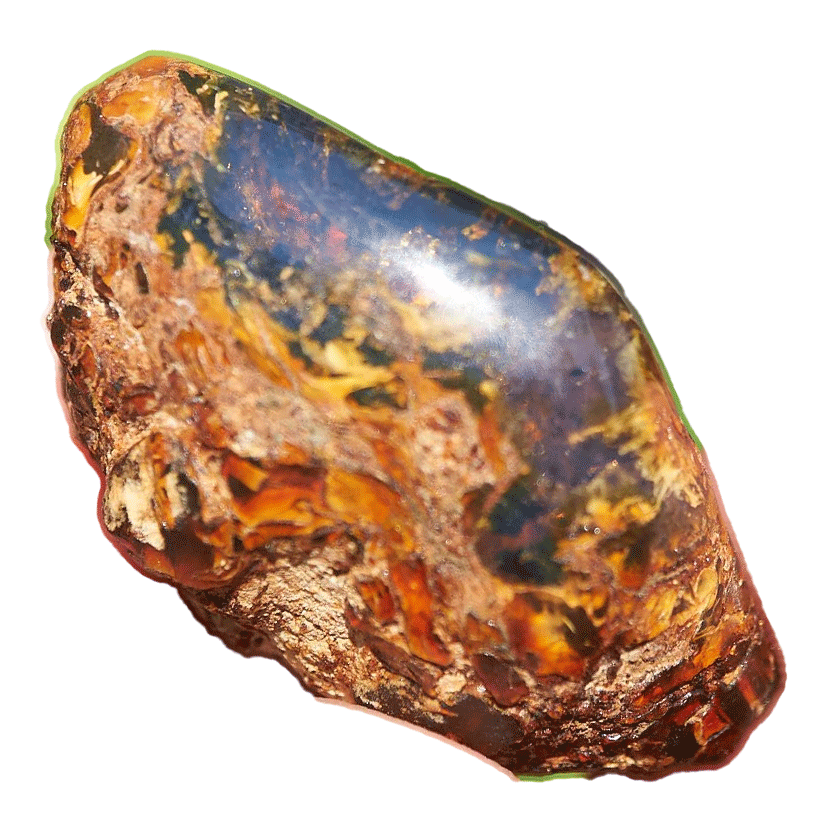

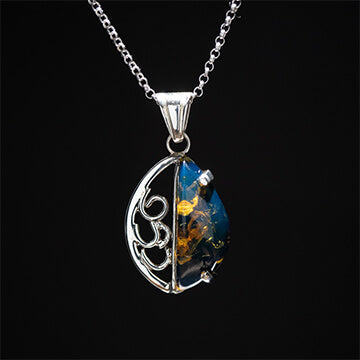
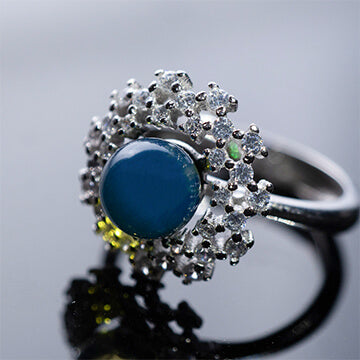
A collector who bought blue amber five years ago for its glow alone is shopping differently now. The conversation has shifted from simple visual appeal to origin, certification, cut quality, and long-term rarity. That change defines today's blue amber collector trends, especially among buyers who want more than a beautiful stone - they want a verified piece of the Caribbean with lasting value.
Blue amber has always occupied a rare place in the gemstone world. Its optical character feels almost otherworldly, with body color that can appear warm in one light and electric in another. But rarity by itself is no longer enough for serious buyers. Collectors are becoming more selective, more educated, and more interested in pieces that carry a clear story of authenticity.
The strongest shift in the market is trust. As more buyers enter the collector space, they are asking sharper questions about whether a stone is genuinely Dominican blue amber, whether it has been treated, and whether its source can be verified. This matters because blue amber is one of those gemstones that attracts attention quickly, and attention always brings imitation.
For experienced collectors, this is not new. What is new is how widely this mindset has spread. Even first-time buyers now look for certified stones, seller transparency, and craftsmanship details that support the claim of authenticity. A polished cabochon or pendant is no longer judged only by color and glow. It is judged by confidence.
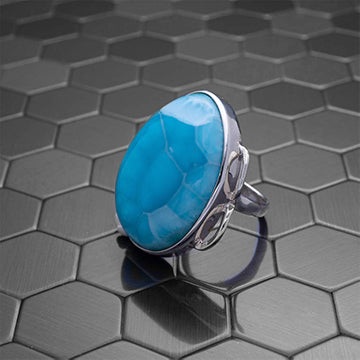
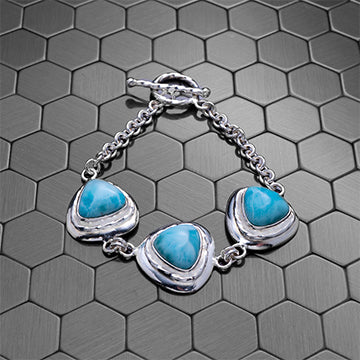
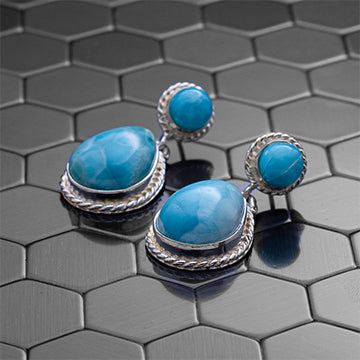
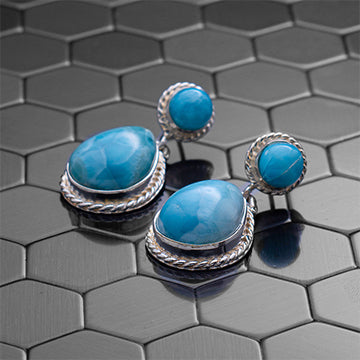
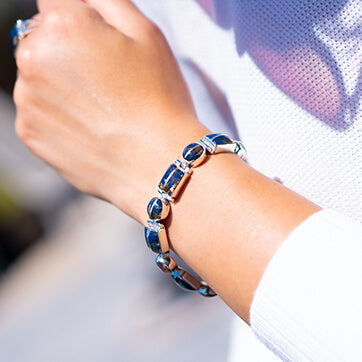
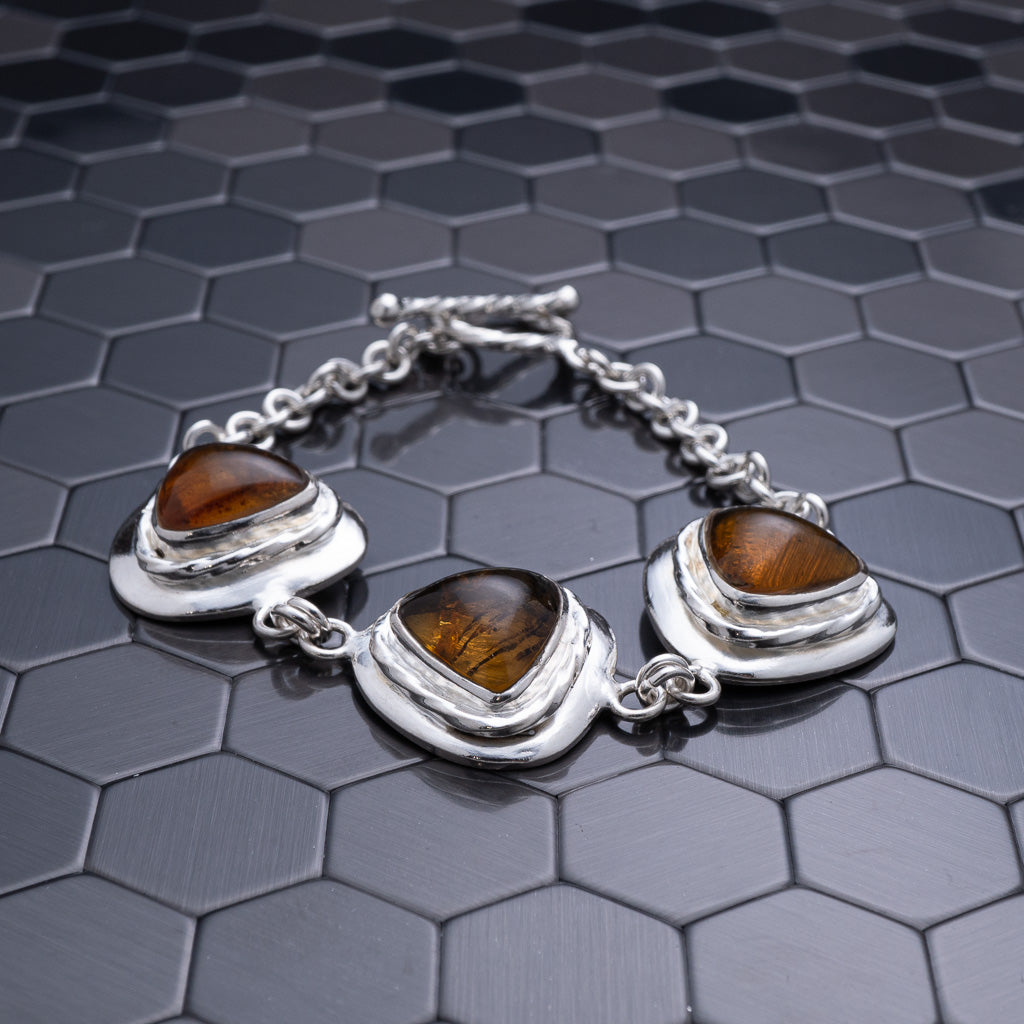
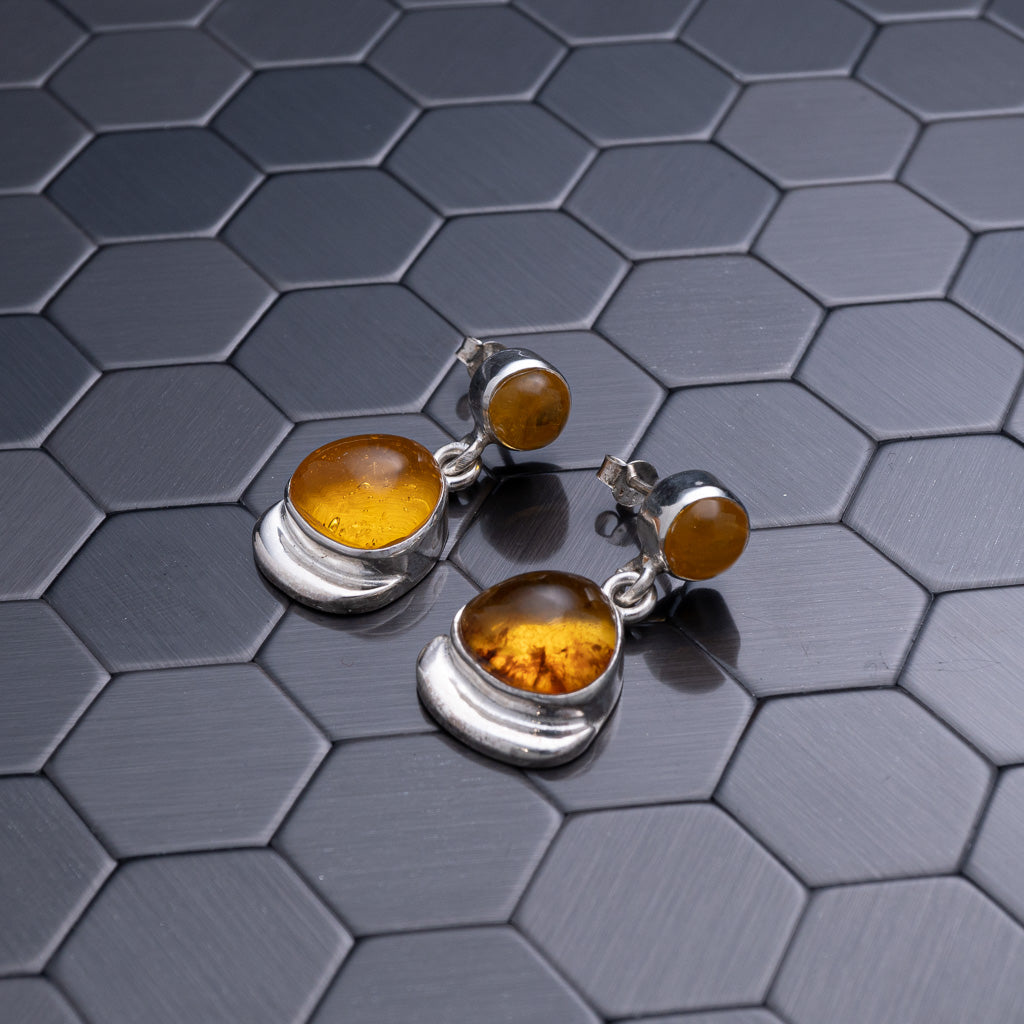
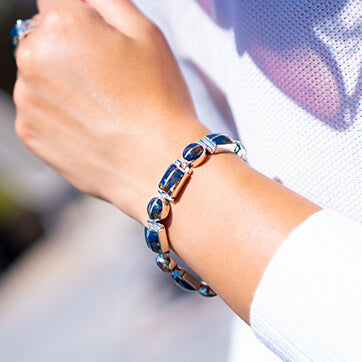
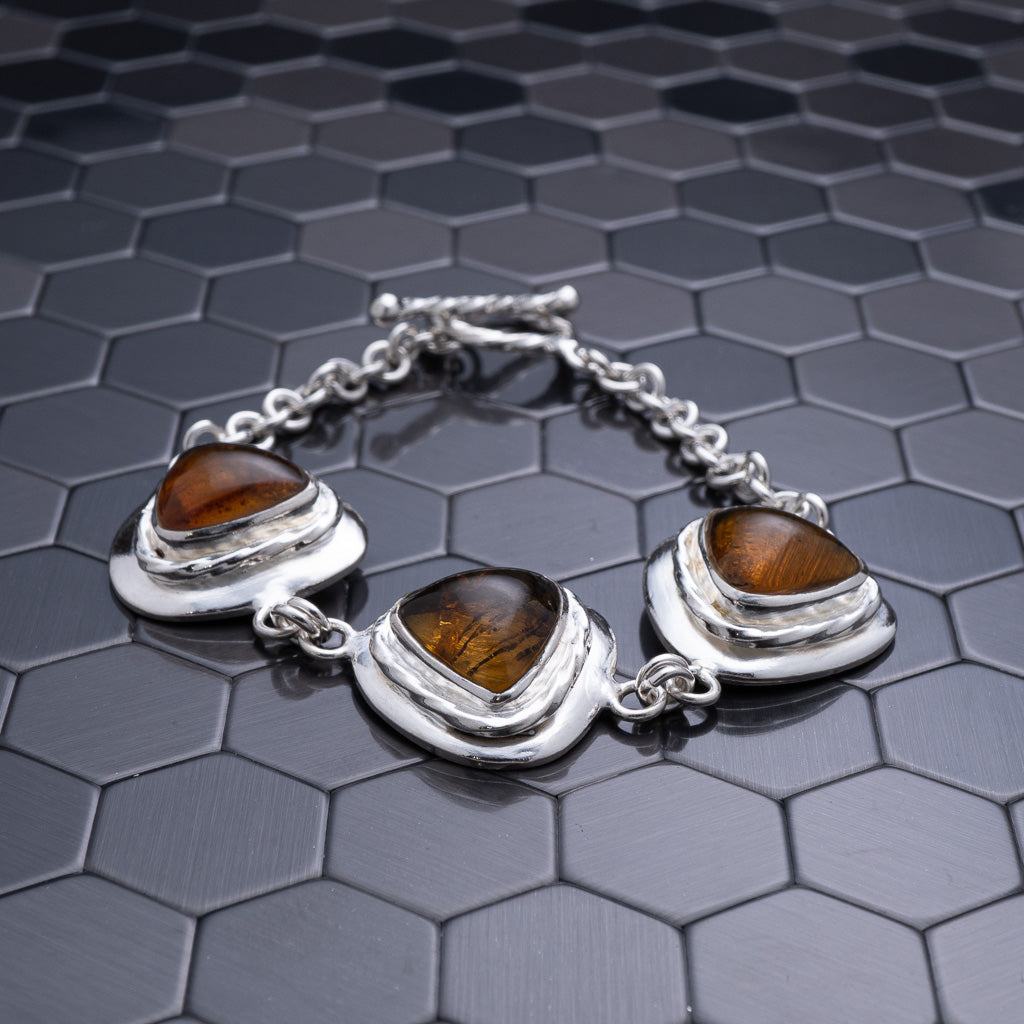
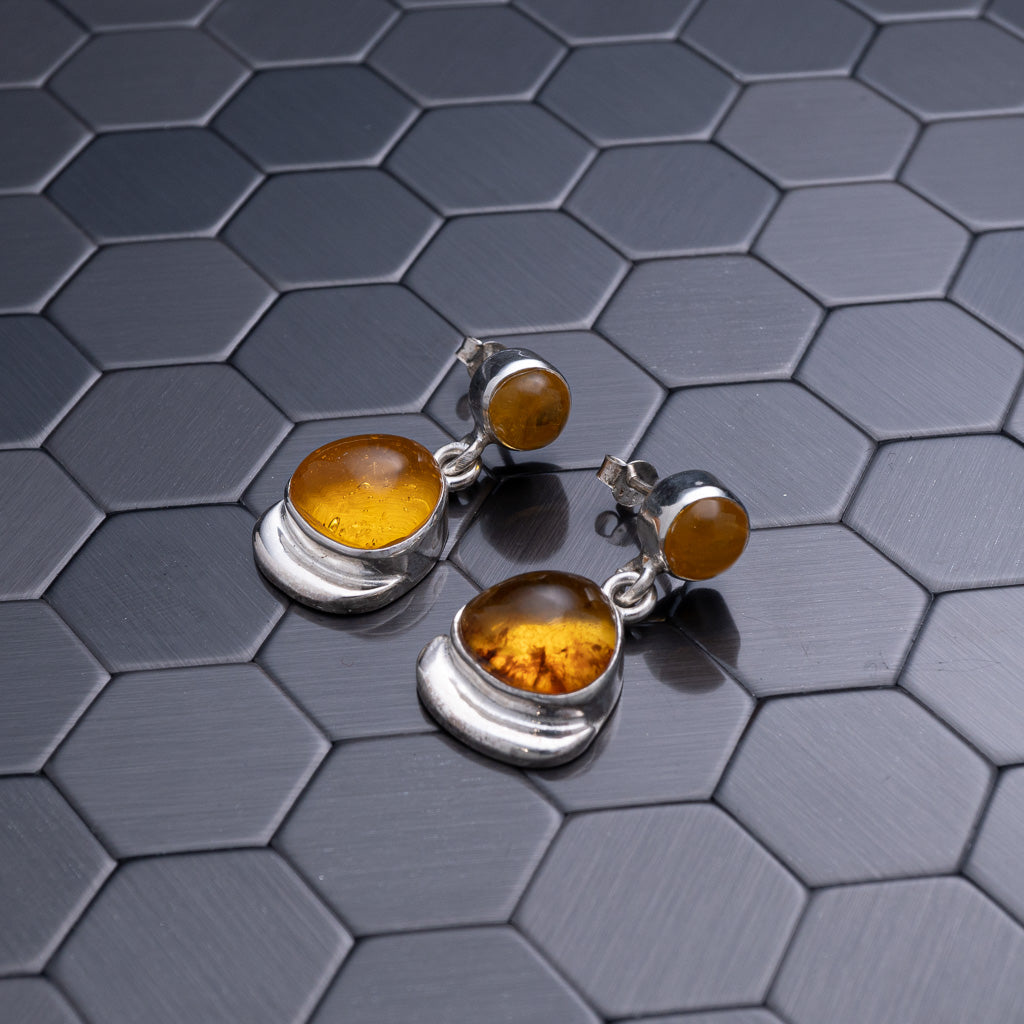
Another major trend is the blending of collector and jewelry markets. In the past, some buyers pursued raw pieces, specimens, or loose cabochons, while others focused only on finished jewelry. That line is softer now. Many collectors want wearable rarity - rings, pendants, bracelets, and earrings that still preserve the identity of the stone. They are not stepping away from collecting. They are simply choosing pieces they can live with and enjoy more often.
If one trend stands above the rest, it is the rise of origin-first collecting. Dominican blue amber carries a prestige that generic amber cannot match, and buyers know it. They are increasingly drawn to stones that are clearly identified by source, especially when paired with certification or seller-backed authenticity language.
This reflects a broader luxury buying habit. People are more willing to invest when provenance is clear. With blue amber, origin affects not only credibility but desirability. Dominican material has a recognized place among rare ambers, and collectors who understand the category tend to prioritize it.
There is also a practical reason for this preference. Clear origin helps reduce uncertainty in resale, appraisal, and long-term collection building. A beautiful stone with vague sourcing may still appeal visually, but it often falls short when compared with a documented piece. For collectors building a thoughtful collection rather than making impulse purchases, that difference matters.
Perfect symmetry and ultra-clean presentation still have a place, especially in fine jewelry. But among collectors, there is growing appreciation for stones with distinct personality. That might mean an unusual shape, a dramatic internal scene, visible organic structure, or an inclusion that makes the specimen unmistakably individual.
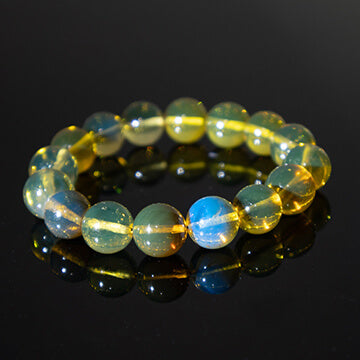
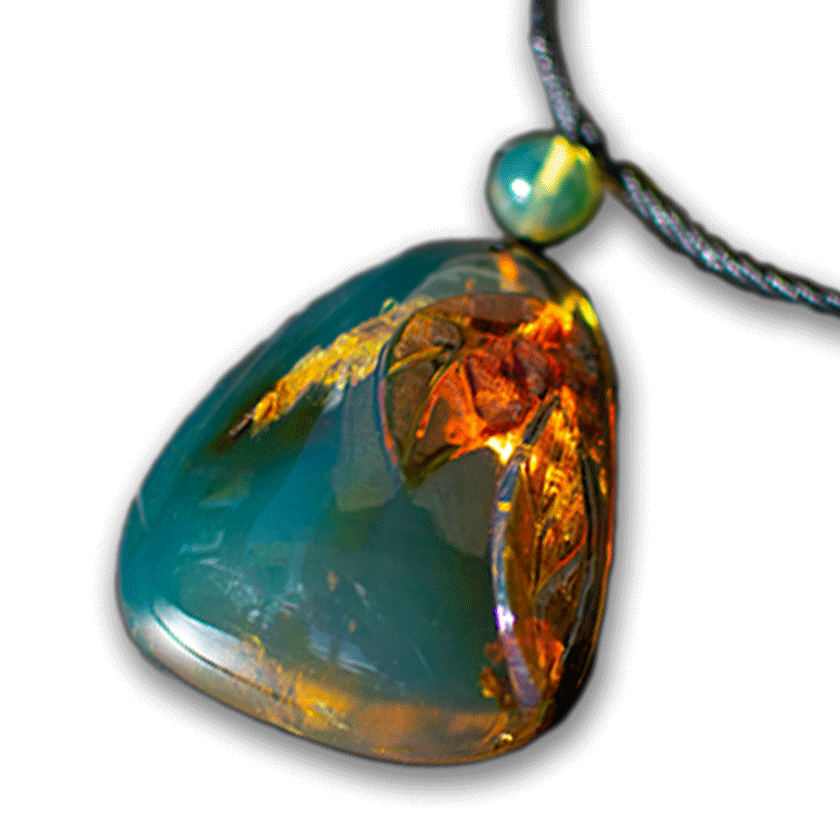
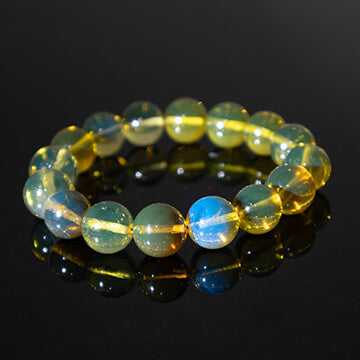
This is where blue amber becomes especially compelling. Because no two pieces behave exactly the same in light, collectors often respond to nuance rather than textbook perfection. One stone may have a more dramatic blue fluorescence. Another may show warmer honey undertones in daylight. Another may carry fossil traces or natural textures that turn it into a conversation piece.
The trade-off is simple. Highly character-rich stones can be harder to match in jewelry sets, and they may not fit every design style. But for collectors, uniqueness often outweighs standardization. A stone that feels singular can be more desirable than one that is merely polished to uniformity.
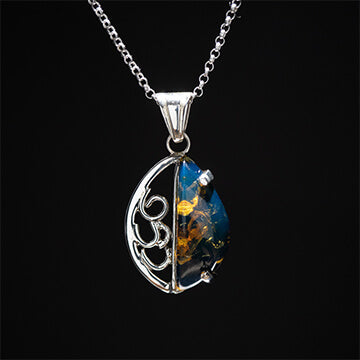
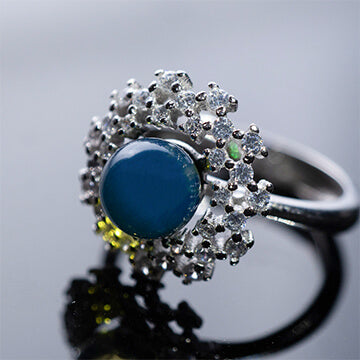
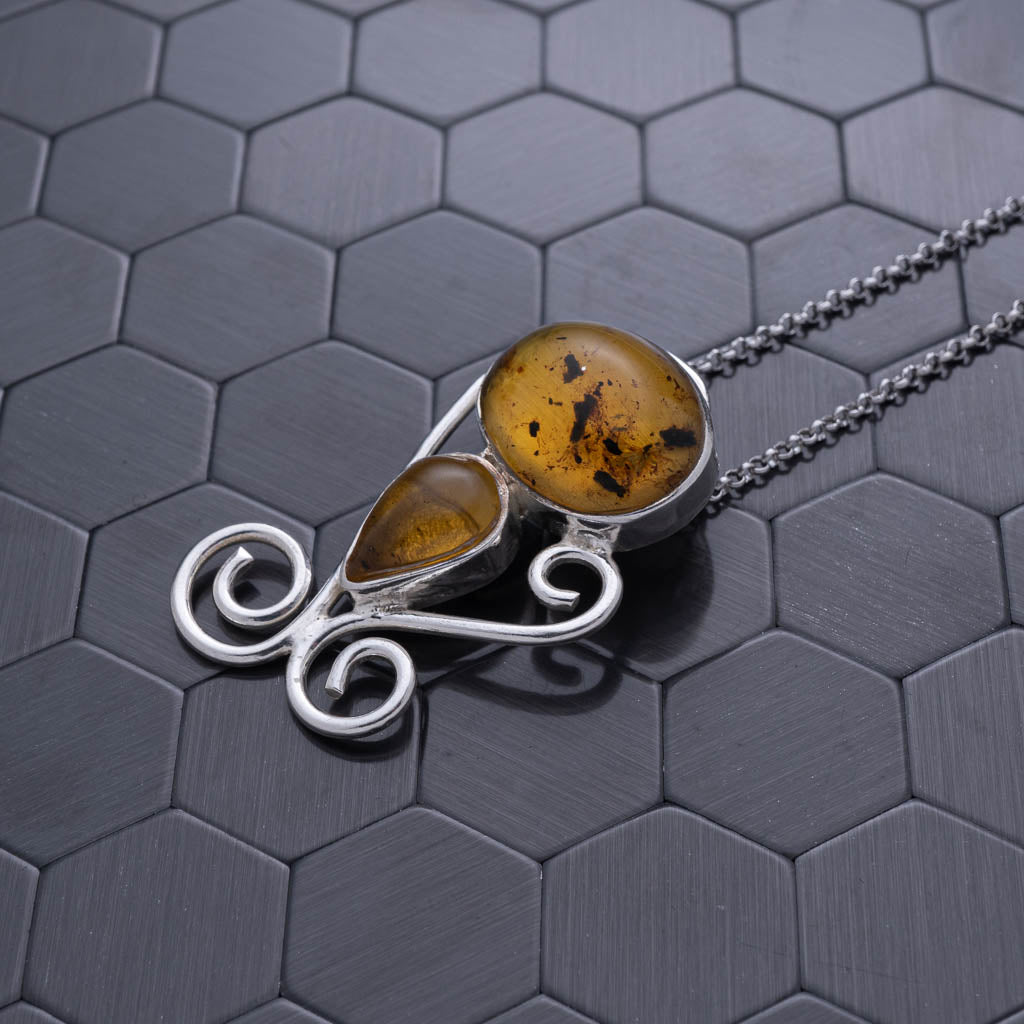
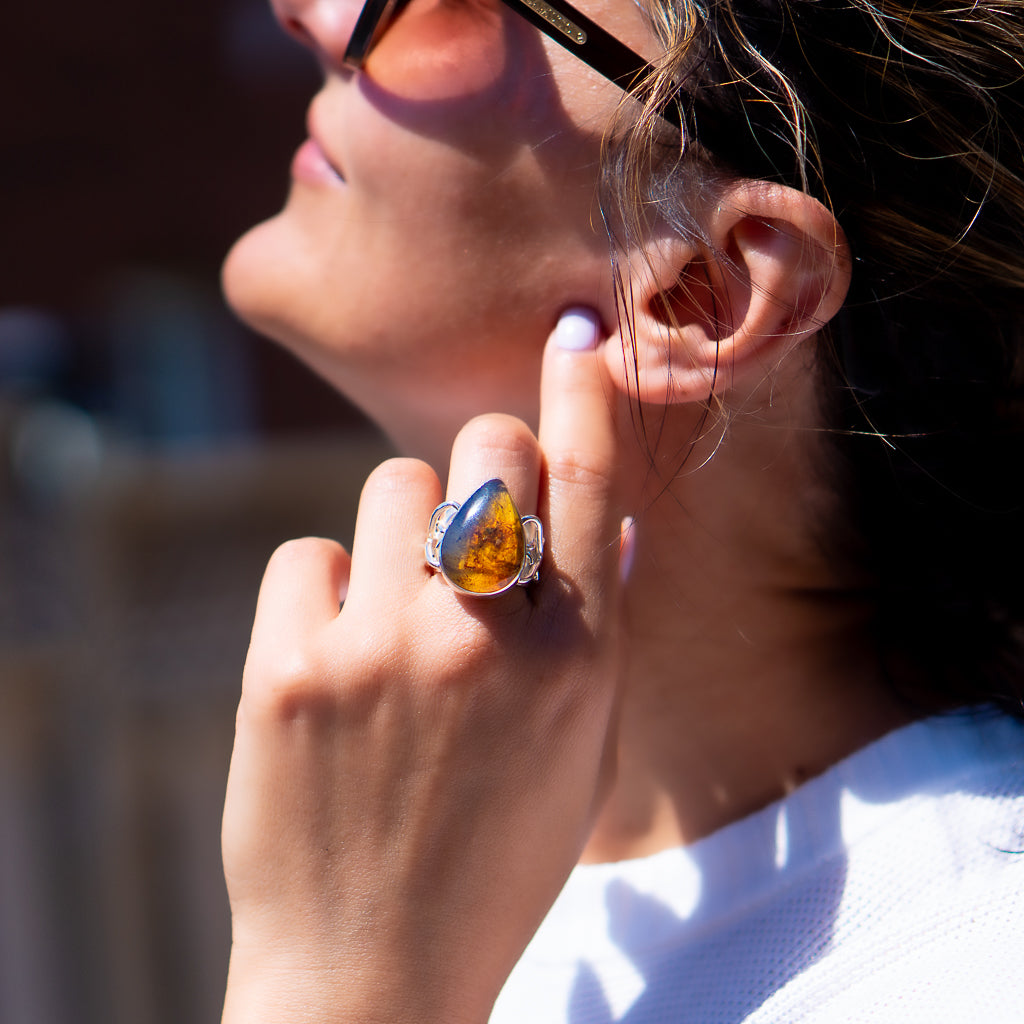
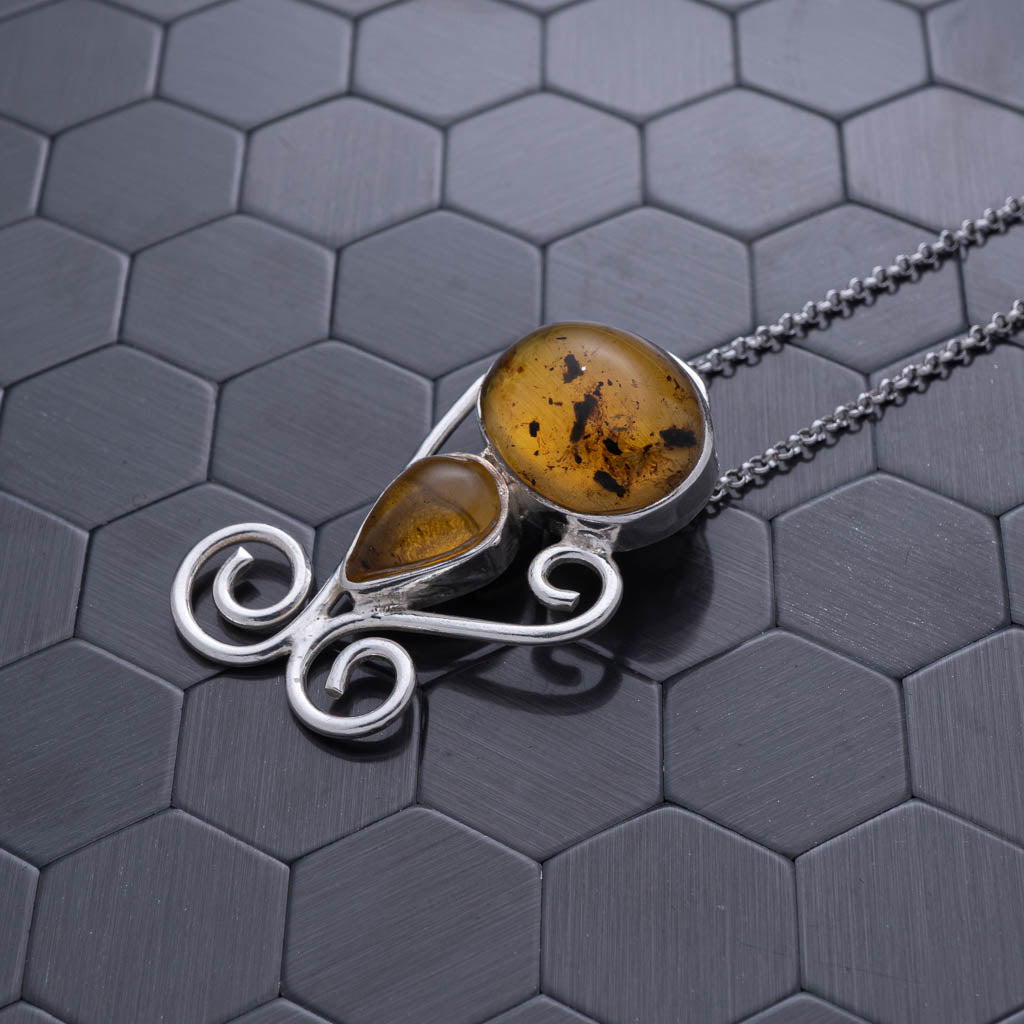
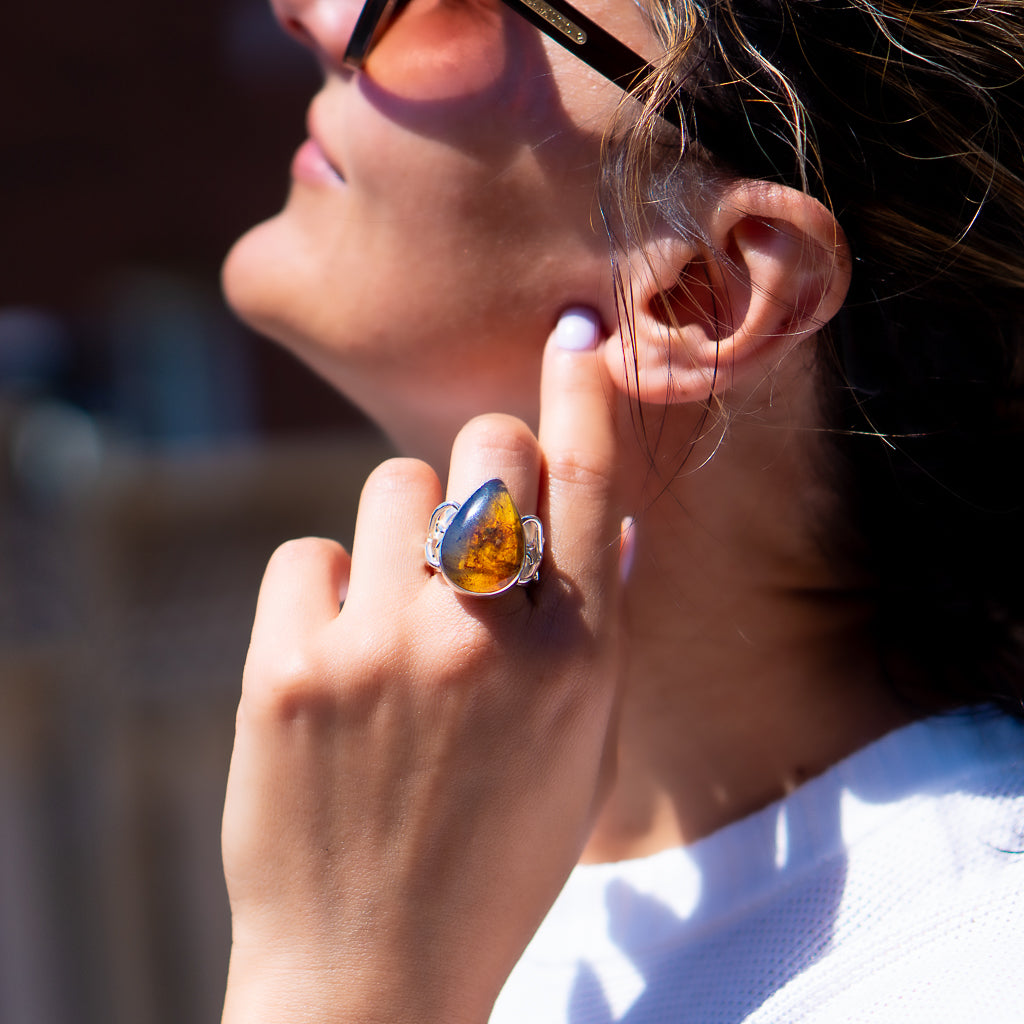
One of the clearest market movements is toward collectible jewelry rather than purely display-based acquisition. Buyers want pendants that preserve a bold cabochon, rings that highlight natural depth, and earrings that showcase blue amber's changing color without over-designing it.
This does not mean simple jewelry is replacing collector material. It means the design language is changing. Settings that let the amber remain the focus are performing well because they respect the gemstone's rarity. Heavy ornament can distract from a remarkable stone. Refined, artisan workmanship tends to serve blue amber better, particularly when the goal is to wear a piece of the Caribbean while still honoring its natural identity.
For gift buyers, this trend also makes sense. A blue amber heart pendant or artisan ring can satisfy both emotional and collector instincts. It offers beauty, rarity, and meaning in one purchase. That combination is part of what keeps the category strong.
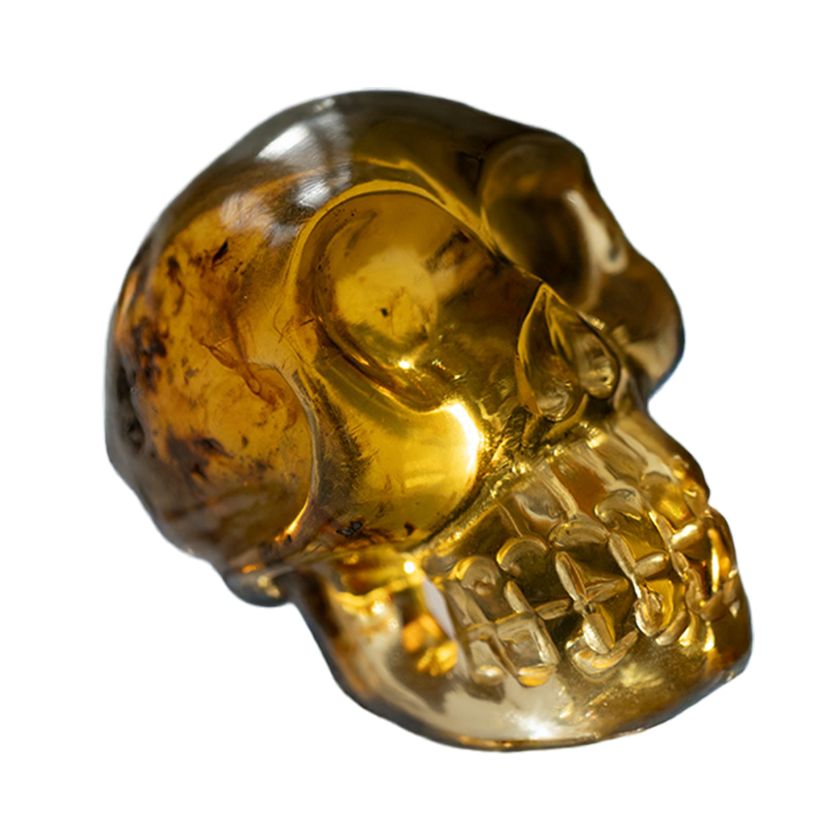
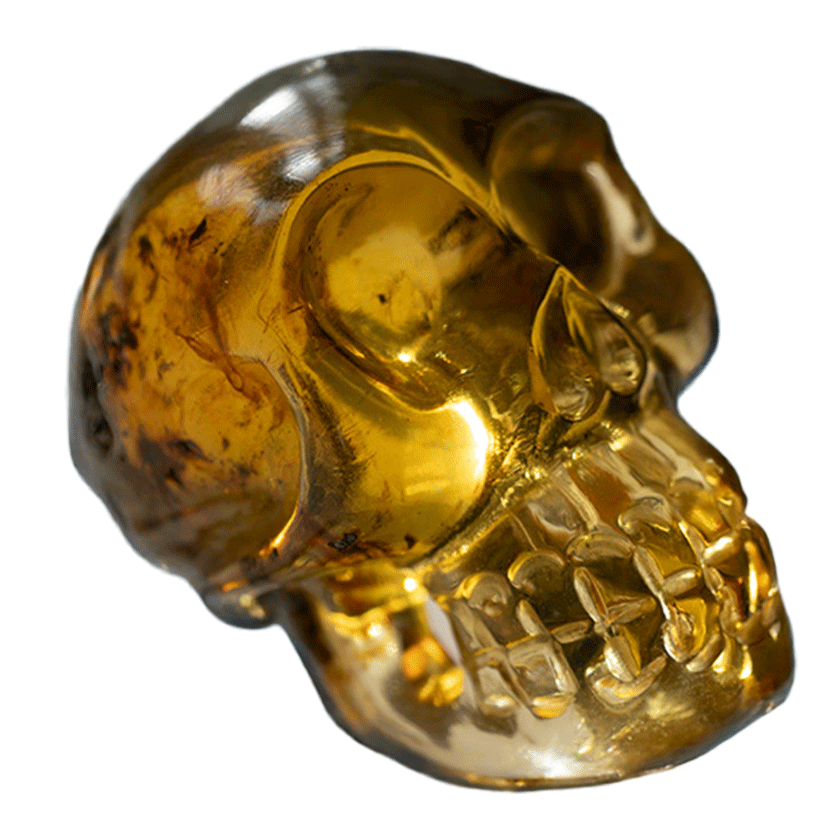
Not every collector begins with a museum-level specimen, and today's market reflects that reality. There is rising interest in smaller but exceptional stones - especially cabochons, beads, carvings, and modest jewelry pieces with strong color response and clean authenticity claims.
This trend makes blue amber more accessible without making it ordinary. Buyers who may not be ready for a major acquisition can still start with a certified piece that has genuine collector appeal. Over time, those smaller purchases often become the foundation of deeper collecting habits.
There is a practical side here too. Buyers have grown more cautious about paying for size alone. A larger piece with weak blue effect or uncertain sourcing may feel less attractive than a smaller stone with vivid visual performance and trustworthy documentation. Quality over scale is becoming a defining preference.
Collectors have always admired amber for its connection to ancient organic life, but the current market shows renewed interest in pieces that feel especially natural and uncommon. Inclusions, fossil content, freeform carvings, and distinctive cuts are getting more attention because they bring story and individuality.
This is an area where taste varies. Some collectors prefer clean, luminous stones for jewelry. Others actively seek the intrigue of preserved natural detail. Neither approach is more correct. It depends on whether the buyer values elegance, scientific fascination, symbolic meaning, or all three.
What matters is that unusual features are no longer treated as niche appeal only. They are becoming part of mainstream collector interest, particularly among buyers who want their gemstone to feel less commercial and more personal.
The most important long-term trend may be education. Buyers are learning how lighting affects blue amber. They are comparing natural appearance under daylight and UV conditions. They are asking better questions about treatment, polish, and country of origin. That knowledge is raising standards across the category.
This has an interesting effect on demand. It can slow impulse buying, but it strengthens serious purchasing. When buyers understand what makes a piece exceptional, they are more willing to commit to quality. They become less interested in vague claims and more interested in stones that stand up to scrutiny.
For trusted specialists, this is a healthy shift. Brands like Larimar Creations benefit when authenticity, craftsmanship, and Dominican sourcing are valued rather than treated as background details. In a market built on rarity, expertise is part of the product.
Looking ahead, blue amber collector trends are likely to continue moving toward documented authenticity, fewer but better purchases, and pieces that bridge collecting with personal wear. The buyer who once collected by appearance alone is now collecting by origin, confidence, and emotional connection.
That does not mean every collector wants the same thing. Some will chase rare specimens with dramatic fluorescence. Others will build a wardrobe of artisan jewelry centered on exceptional Dominican stones. Others will focus on spiritual symbolism, natural history, or gift-worthy designs. Blue amber is one of the rare gemstone categories that can hold all of those meanings at once.
The smartest purchases in this market are usually the ones that balance beauty with proof. A remarkable glow may catch the eye first, but verified authenticity, careful workmanship, and true Caribbean character are what give a piece staying power. If you are watching the market closely, that is the signal worth following - buy the stone that still feels rare after the excitement of first light has passed.