
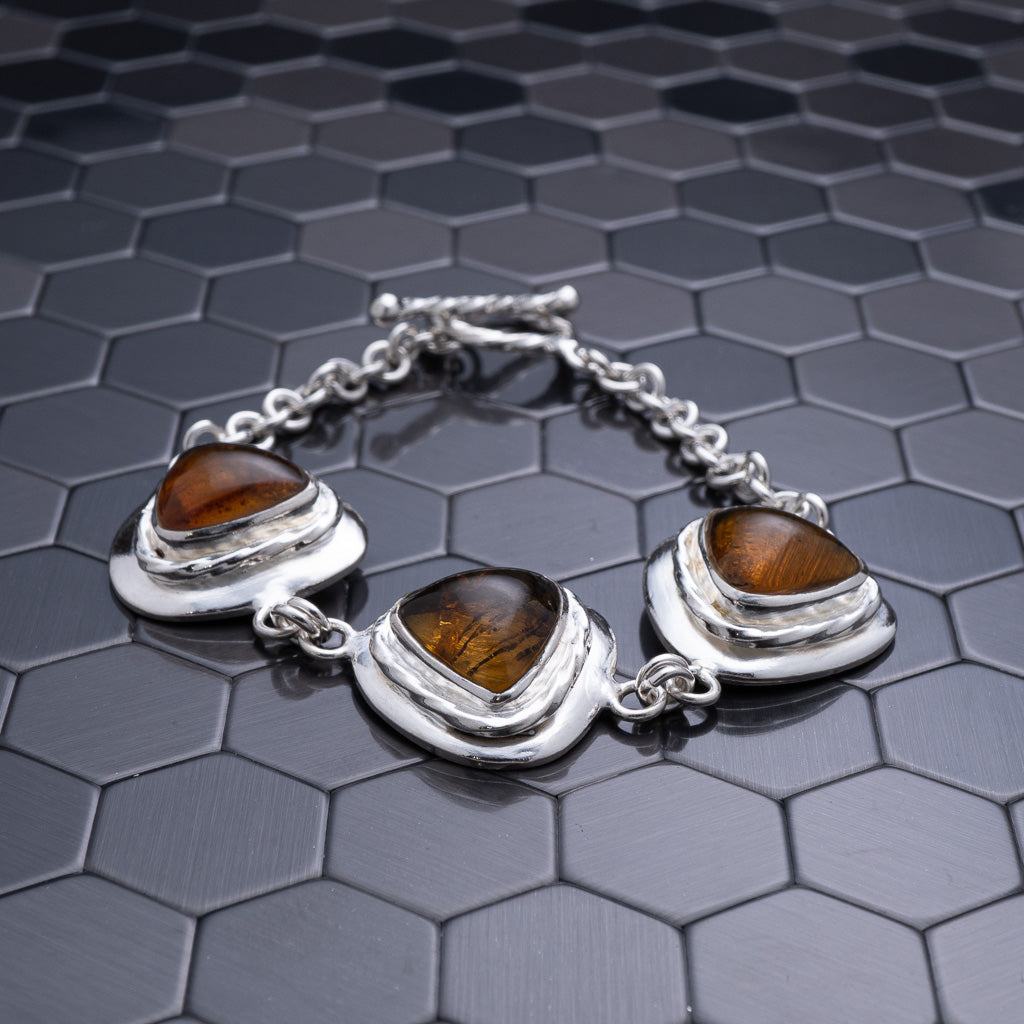
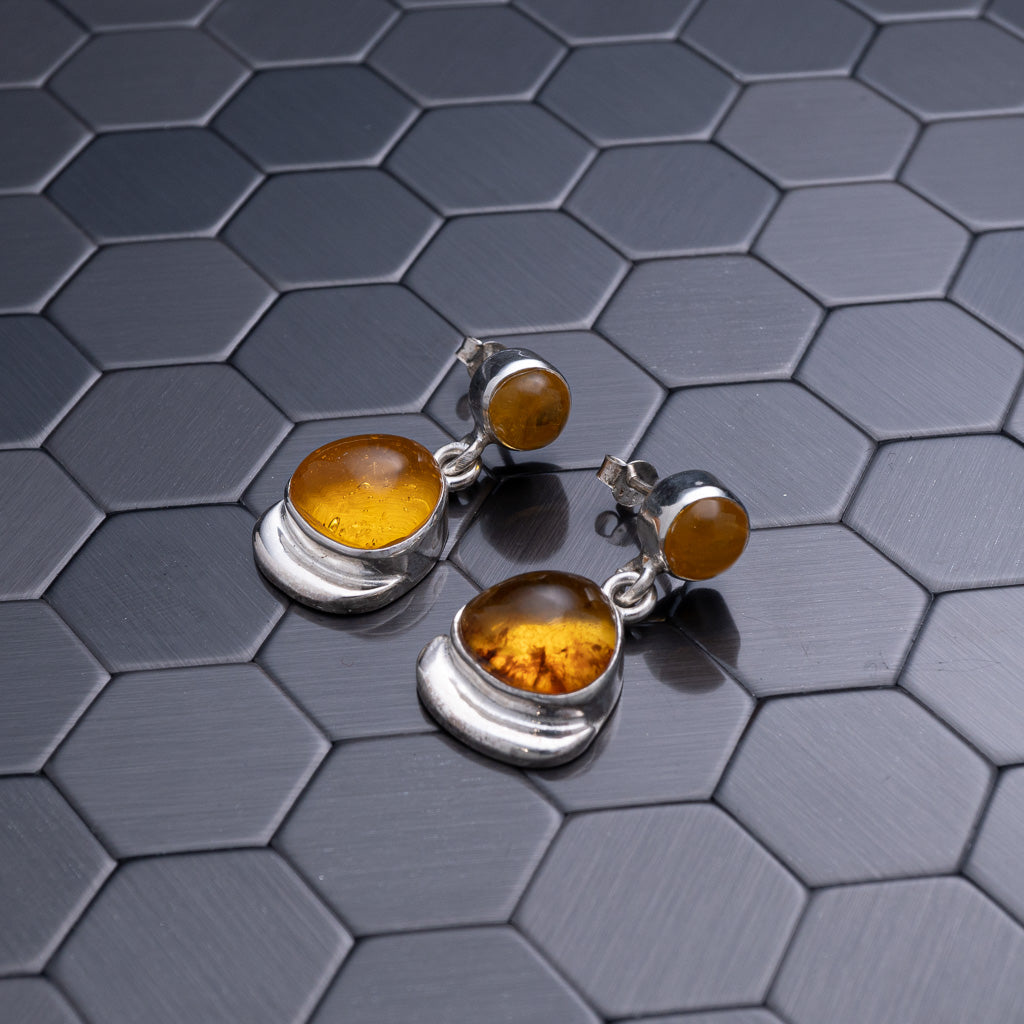
A gemstone bracelet can look perfectly radiant when you take it off at night, then somehow appear dulled, tangled, or lightly scratched a few weeks later. Most of that damage does not happen while you wear it. It happens in storage. If you are wondering how to store gemstone bracelets so they keep their color, polish, and structure, the answer is less about elaborate systems and more about protecting each piece from pressure, friction, heat, and moisture.
That matters even more when you collect distinctive natural stones. Gem materials are not all built the same way. A durable bracelet with harder beads may tolerate casual handling, while softer or more sensitive stones need gentler placement and a more controlled environment. Fine artisan jewelry deserves storage that respects the rarity of the material and the craftsmanship behind it.
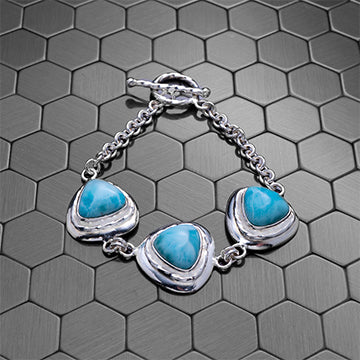
Gemstone bracelets face a particular kind of wear because they are flexible jewelry. Unlike a pendant that usually rests flat, a bracelet bends, twists, and often includes moving parts such as links, elastic cords, bead strands, sterling silver findings, or gold-filled components. When it is tossed into a tray with rings, chains, and earrings, the stones rub against metal edges and harder surfaces. Over time, that friction can cloud polished finishes, loosen stringing, or create tiny chips along bead holes and edges.
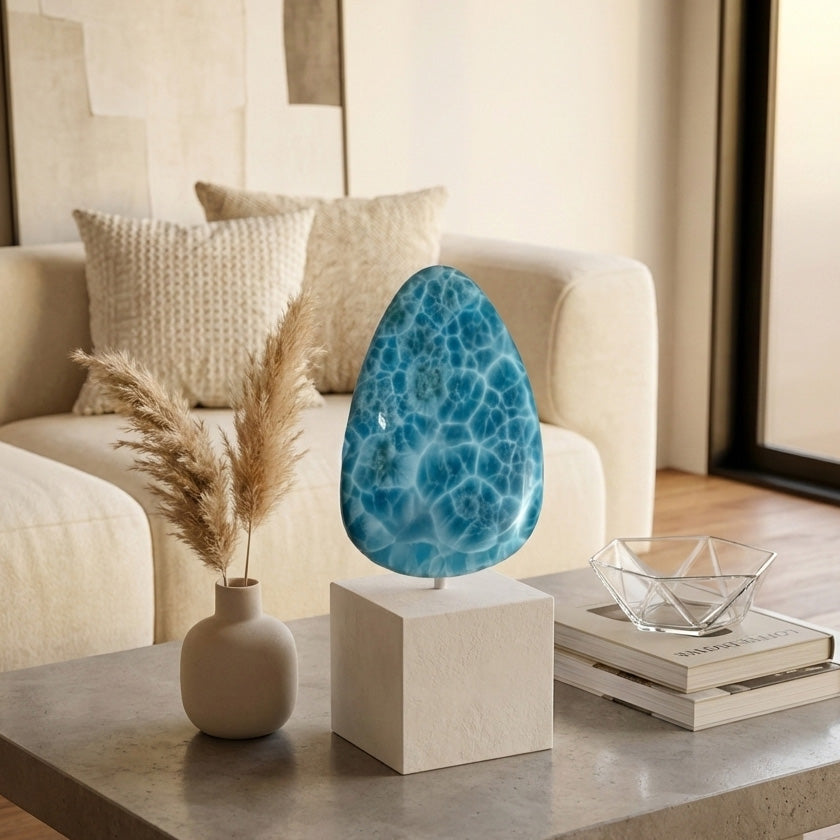
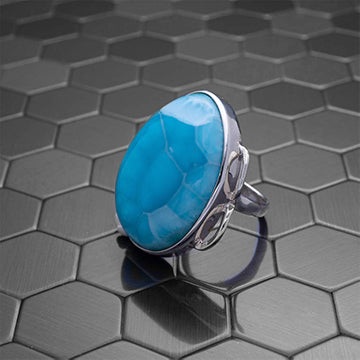
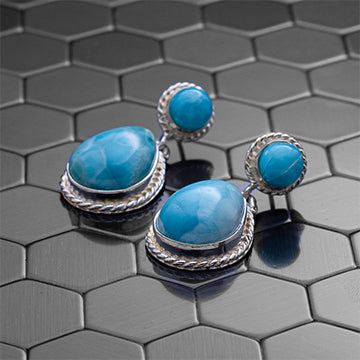
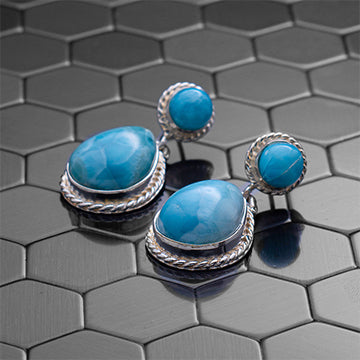
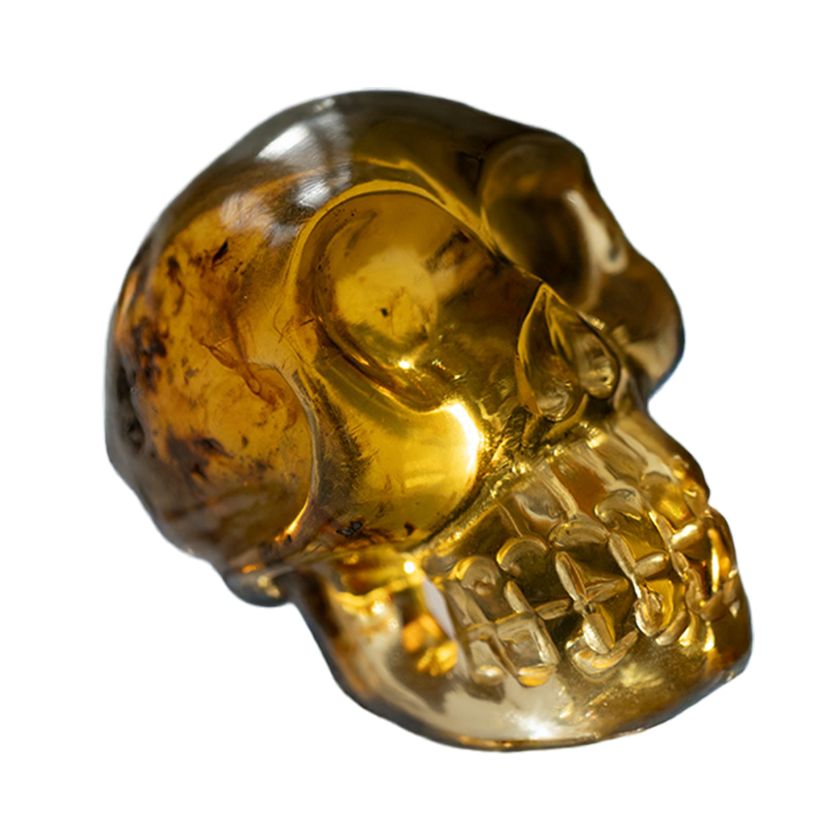
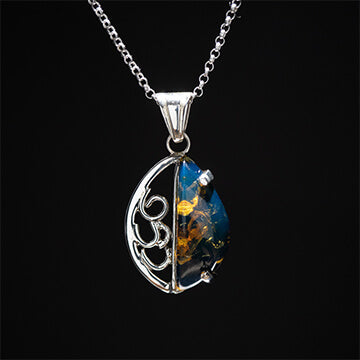
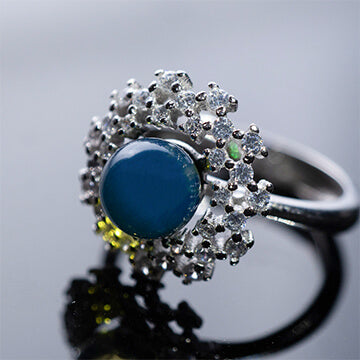
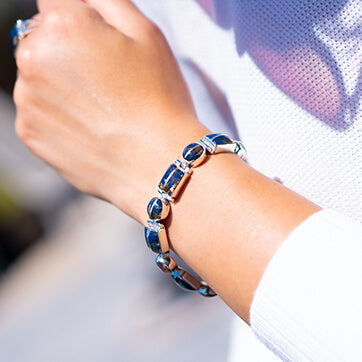
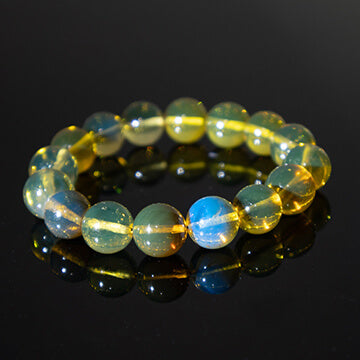
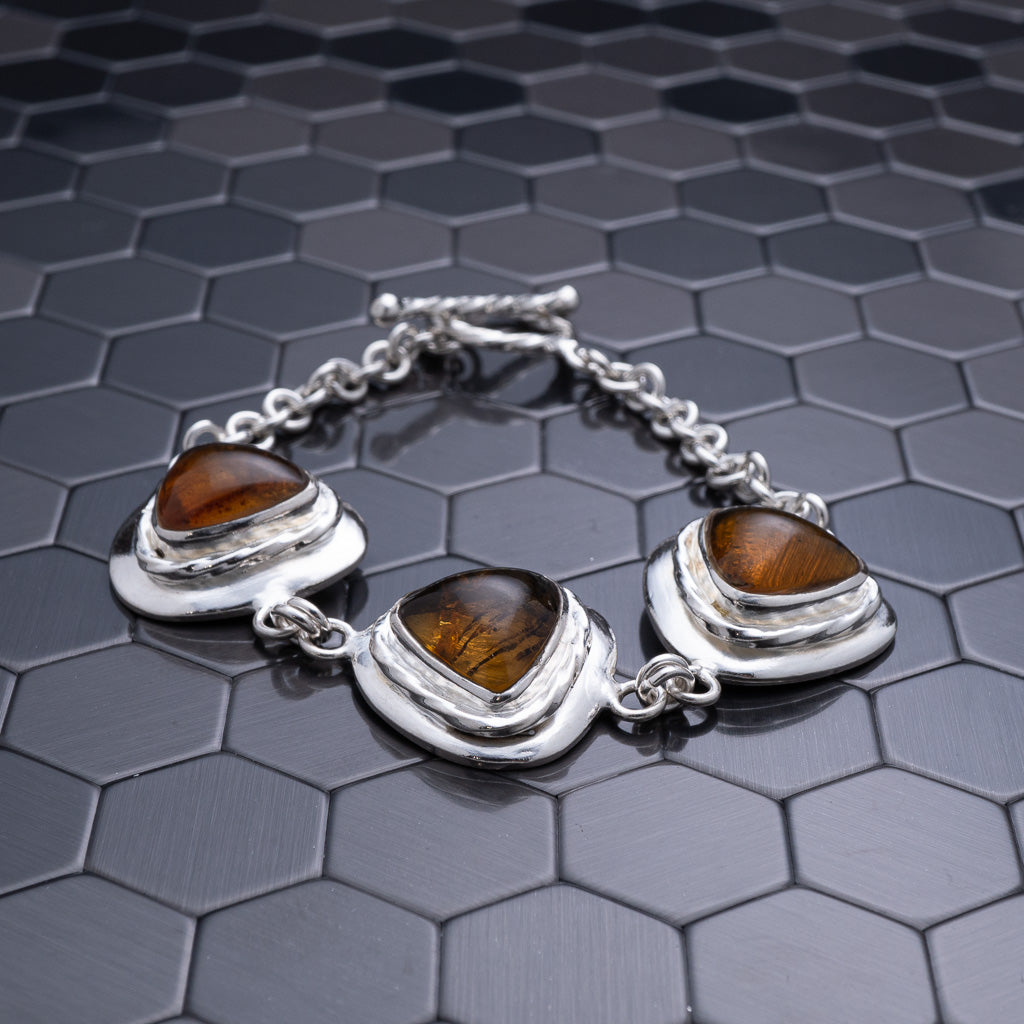
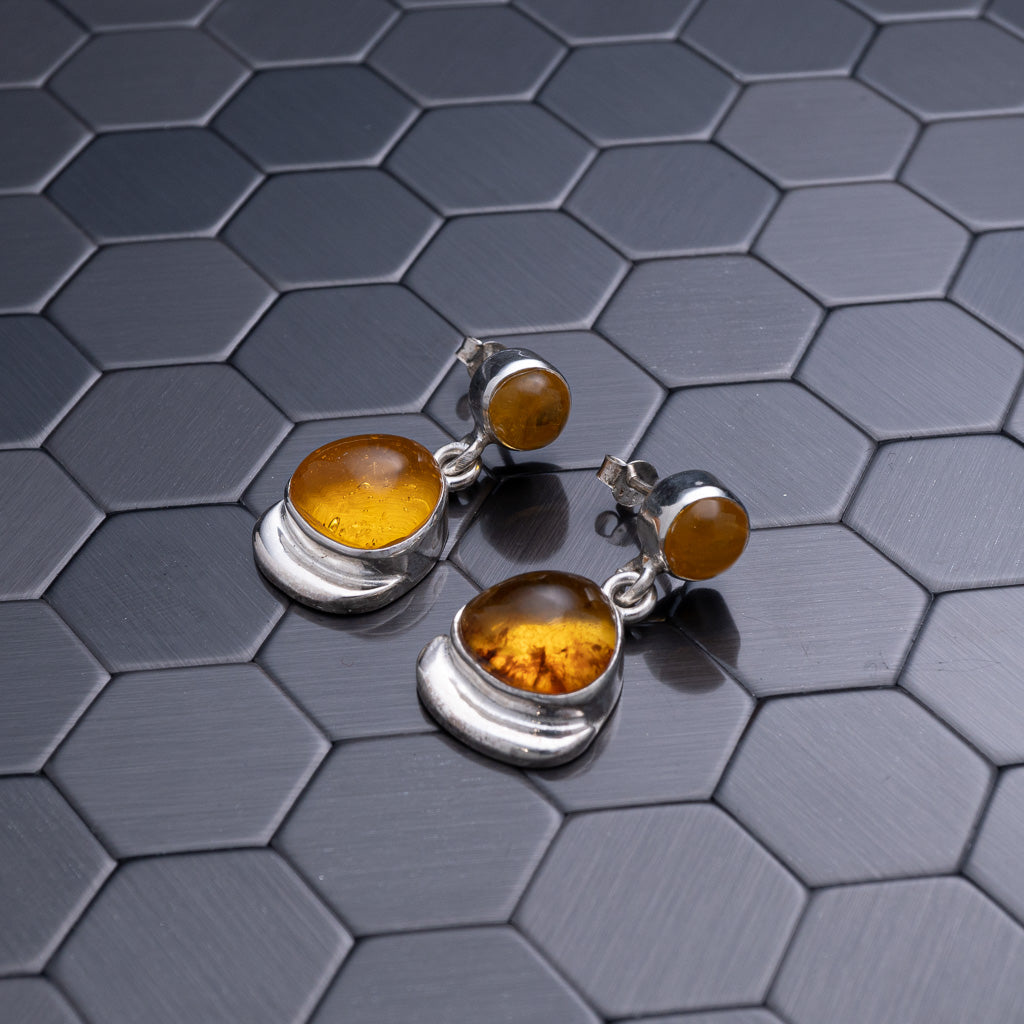
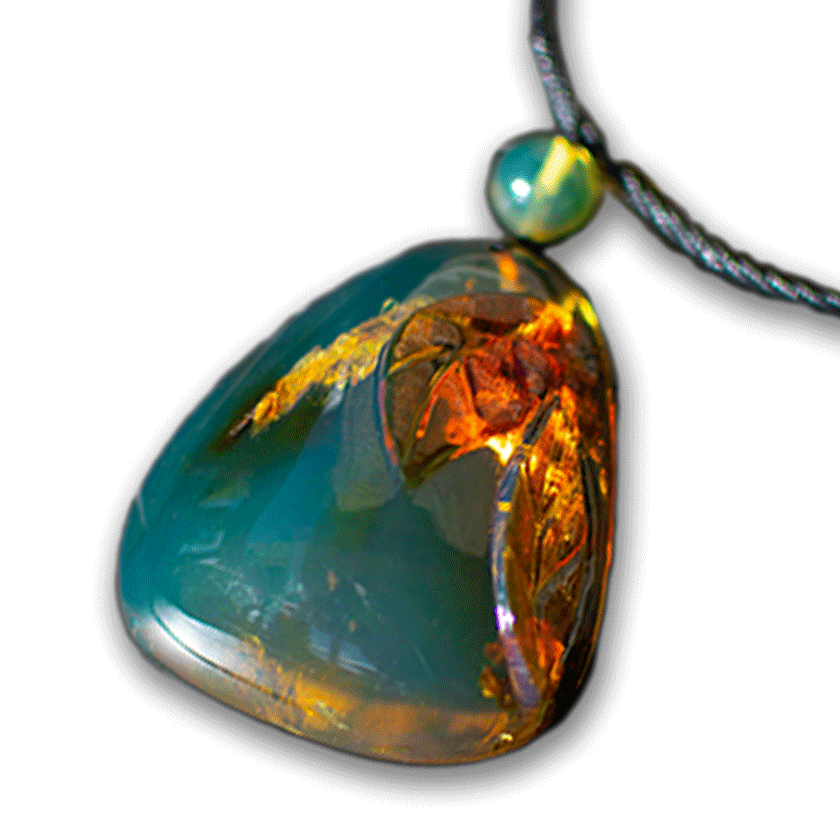
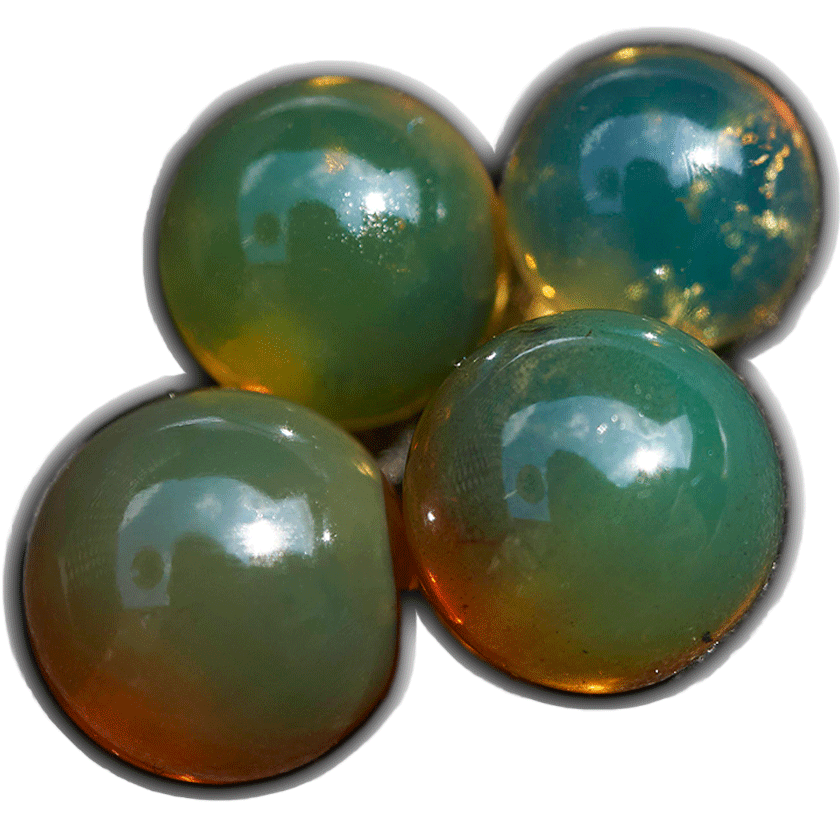
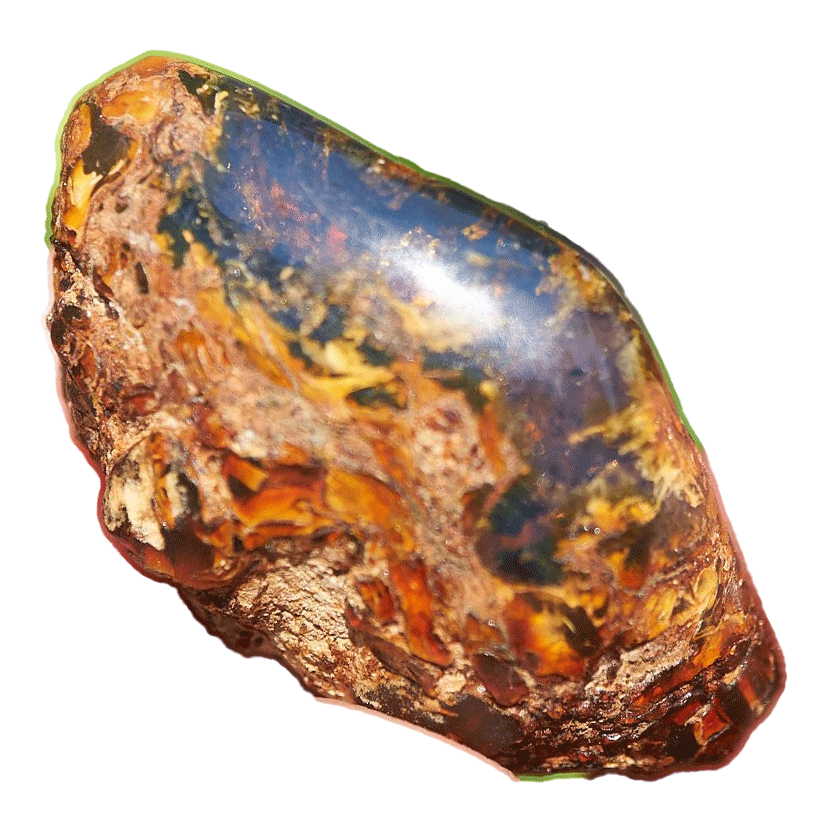
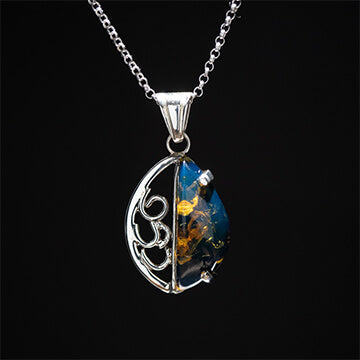
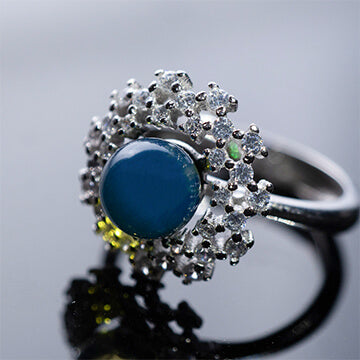
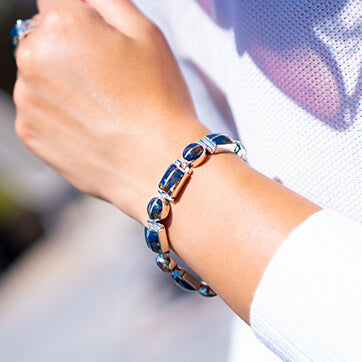
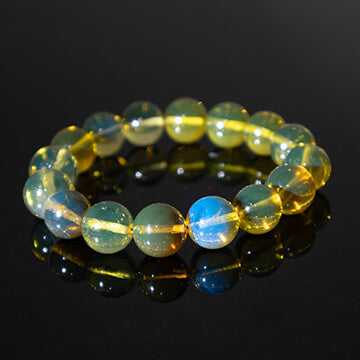
Storage also affects appearance in quieter ways. Sunlight can alter the look of certain stones. Heat can weaken adhesives or stretch elastic. Humidity may encourage tarnish on metal components, while very dry conditions can be harsh on some organic gem materials. If your bracelet features Larimar or amber, thoughtful storage becomes especially important. Larimar is treasured for its ocean-blue patterning, but it is not a stone that should be treated roughly. Amber, especially rare blue amber from the Dominican Republic, is lighter and softer than many traditional gemstones and benefits from careful handling.
The safest approach is simple: store each bracelet separately, keep it clean before putting it away, and choose a location with stable room conditions. A jewelry box can work beautifully, but only if the interior helps prevent contact between pieces. Soft-lined compartments are better than open, crowded trays. If your box does not have divided sections, individual pouches offer more protection.
For everyday organization, a soft fabric pouch, a lined jewelry case, or a compartmentalized box usually gives the best balance of convenience and preservation. Hard containers are not automatically bad, but the inside should never leave gemstones knocking against wood, acrylic, or exposed metal. A polished stone can still be scratched if it is stored carelessly next to a sharper clasp or a ring with prongs.
Before storing a bracelet, wipe it gently with a soft, dry cloth. That removes skin oils, lotion residue, perfume traces, and perspiration that can collect around beads and metal fittings. Putting jewelry away without that quick wipe may not cause instant damage, but residue builds over time and can make a piece look less luminous than it should.
This is the rule that prevents the most avoidable damage. Even bracelets that look delicate can be surprisingly abrasive when they knock together. Beaded styles can scratch polished cabochons. Metal charms can mark softer stones. Chain bracelets can wrap around bead strands and create tension where the bracelet closes or stretches.
If you own several gemstone bracelets, resist the urge to stack them in one decorative dish. It may look attractive on a dresser, but it is not ideal for long-term care. Separation protects both the gemstone and the structure of the bracelet itself.
Open bracelet stands and display trays can be useful if you rotate jewelry often, but they are best for short-term display in a low-humidity, low-sunlight area. For longer storage, softness matters more than presentation. Velvet, microfiber, silk-lined compartments, and nonabrasive cotton pouches are all safer choices than bare ceramic, glass, or wood.
It also helps to avoid materials that can trap moisture or shed fibers onto prongs and links. The goal is protective, clean, breathable storage rather than something purely decorative.
A cool, dry drawer or a closed jewelry box in a bedroom is usually better than a bathroom counter. Bathrooms expose jewelry to repeated humidity swings, and that is not ideal for metal components or more sensitive stones. Windowsills are another poor choice, even when the light looks beautiful. Prolonged sun exposure can fade or stress some materials, and heat buildup near glass is easy to underestimate.
A stable interior space is usually enough. You do not need vault-style storage for most personal jewelry collections. What you do need is consistency. Sudden changes in temperature, damp air, and direct light are more troublesome than an ordinary room kept in good condition.
If you travel with gemstone bracelets, use a structured travel case with individual compartments or wrapped sections. Travel is one of the easiest ways to damage bracelets because jewelry gets compressed, jostled, and packed beside cosmetics, chargers, and other hard objects. A little separation goes a long way.
Knowing how to store gemstone bracelets well means recognizing that some stones deserve extra caution. Larimar and amber are both exceptional in beauty and origin, yet they are not stones to treat like highly resistant diamonds or sapphires.
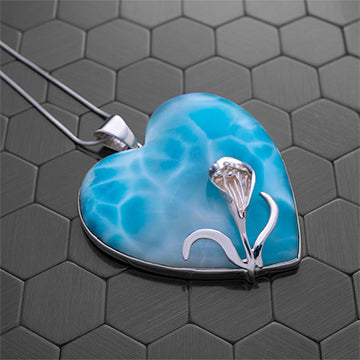
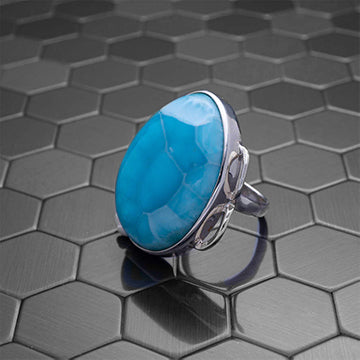
Larimar is loved for its serene blue tones and natural marbling that call to mind Caribbean water. To preserve that surface beauty, store Larimar separately in a soft pouch or lined compartment where it will not rub against harder jewelry. Keep it away from direct sunlight and high heat, especially for extended periods. Harsh conditions can affect the appearance of the stone and the finish over time.
A Larimar bracelet with silver details should also be stored in a way that limits tarnish. That does not mean sealing it in a damp environment-free chamber. It simply means choosing a dry place and avoiding storage areas that invite humidity and residue.
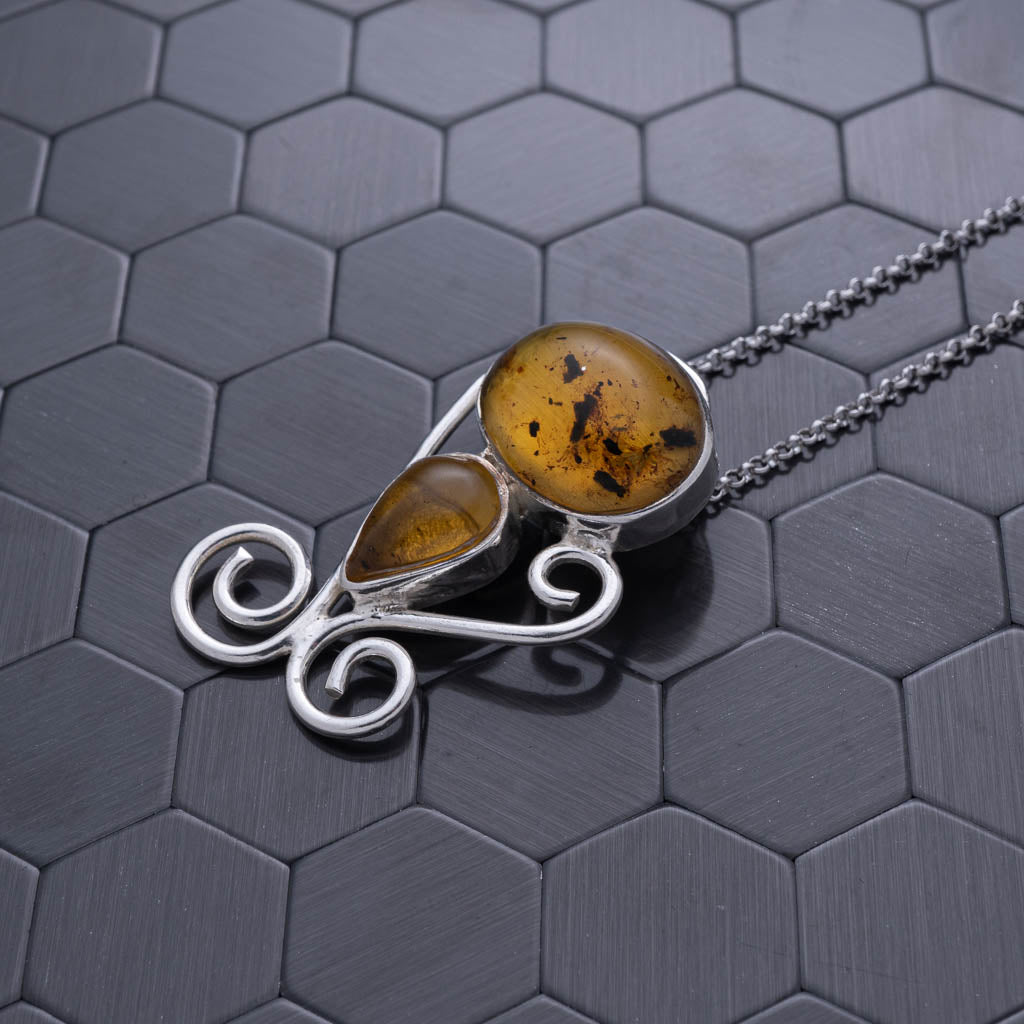
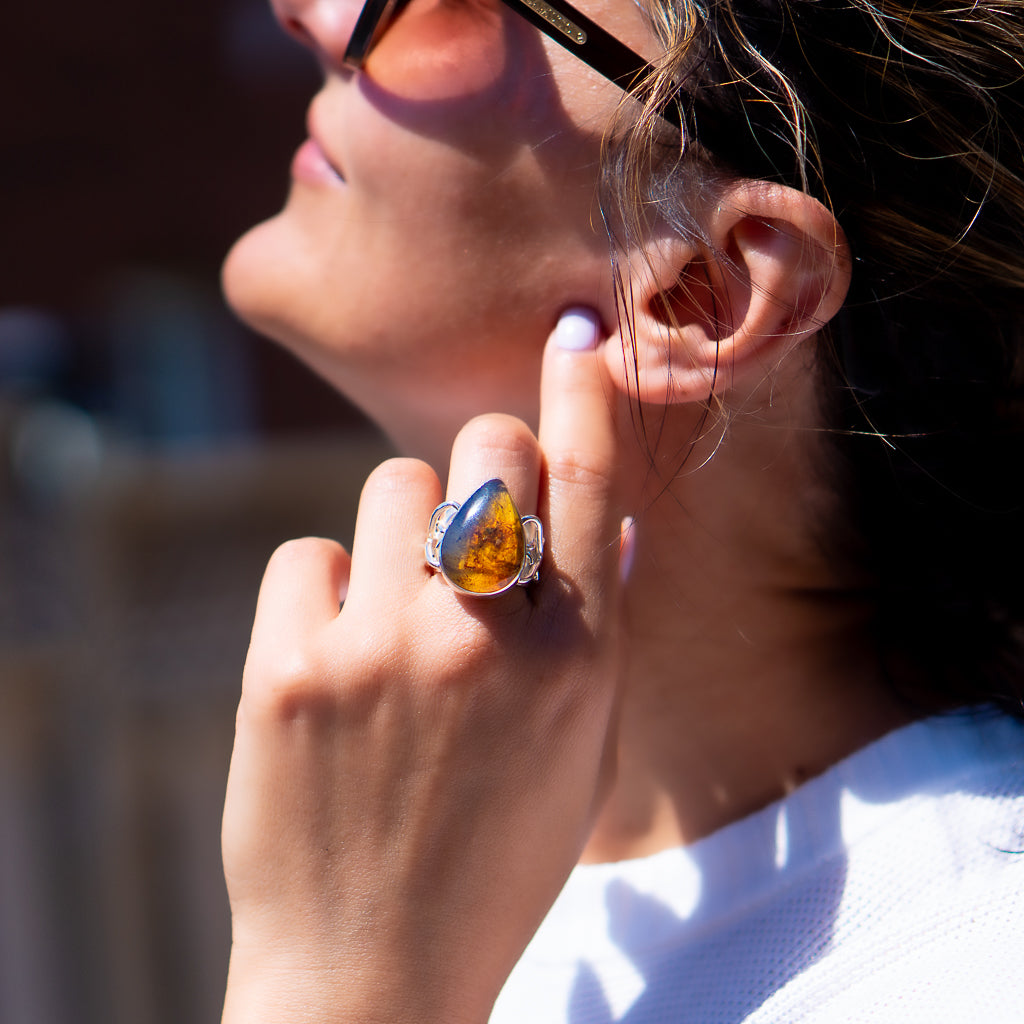
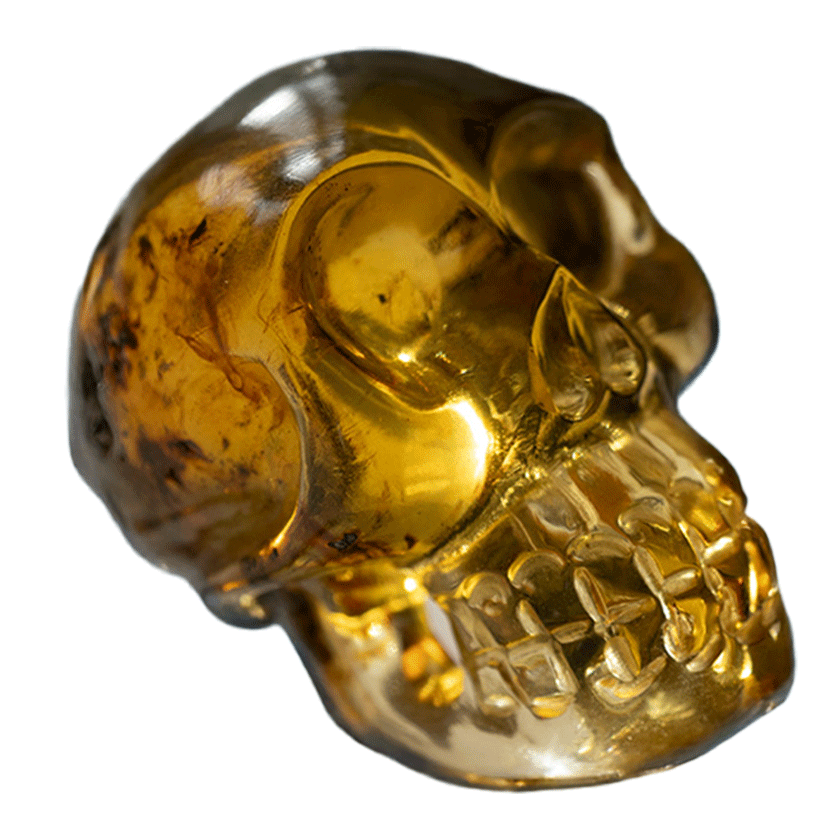
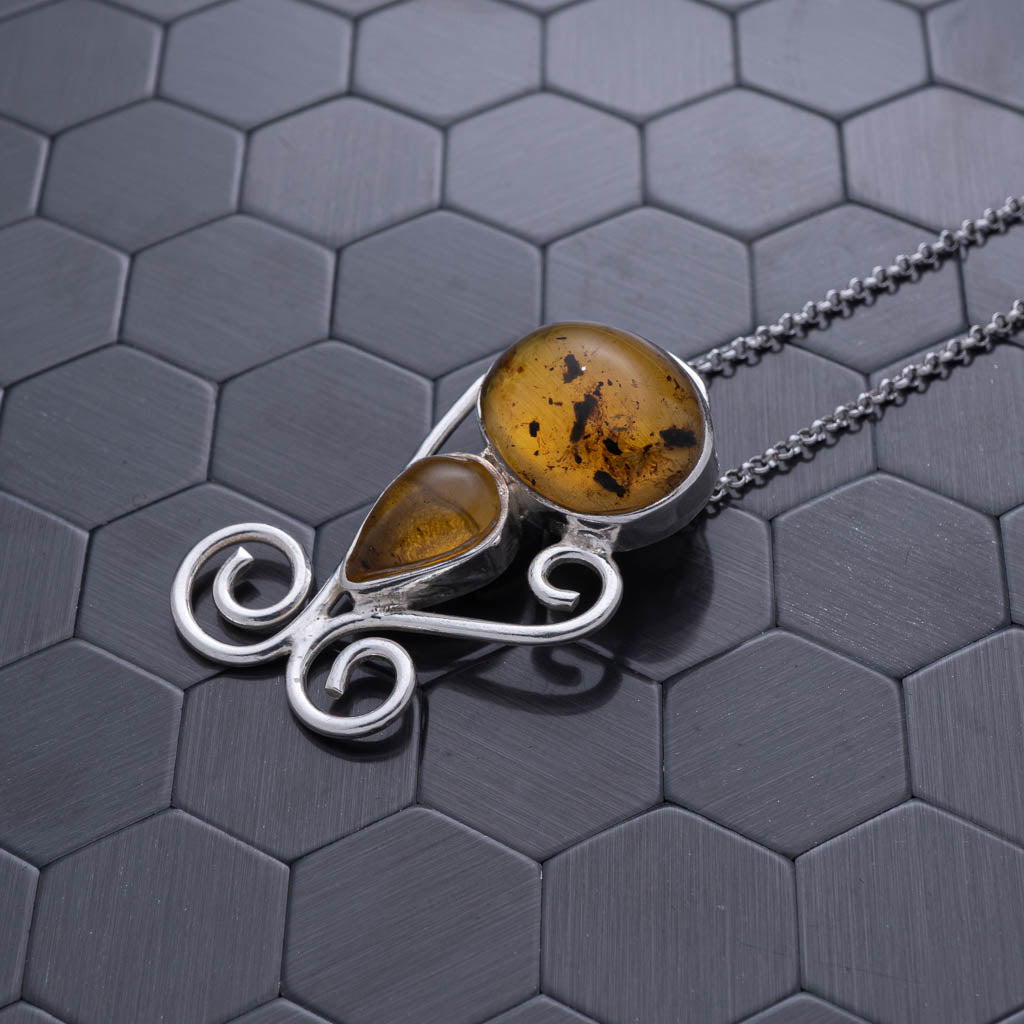
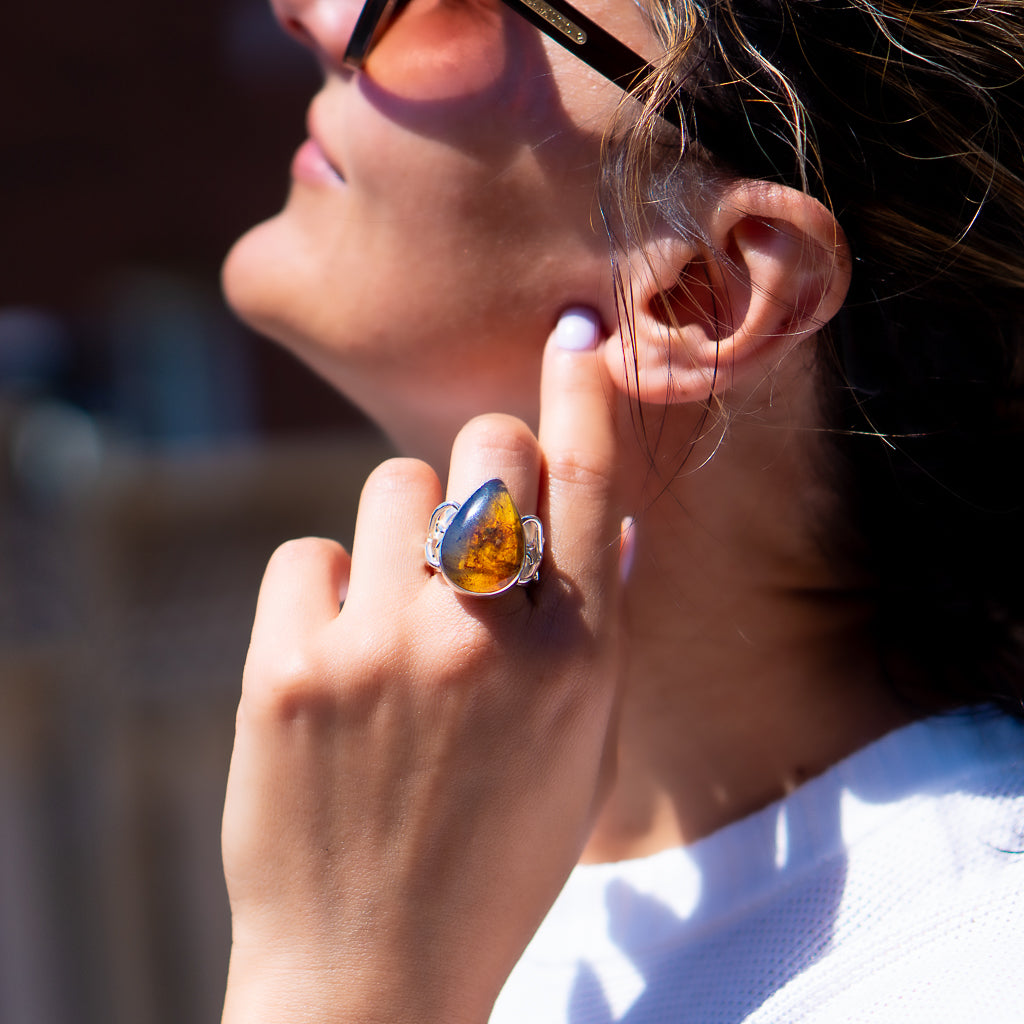
Amber is an organic gemstone, not a mineral crystal, and that difference matters. It is lighter, warmer to the touch, and softer than many traditional stones. It can scratch more easily and should never be crowded into mixed jewelry storage. A soft individual pouch is often the best option.
Heat and prolonged sun exposure are especially worth avoiding with amber. So are rough storage habits that place pressure on polished surfaces or carved details. If your bracelet features Dominican amber or blue amber, proper storage helps preserve the uncommon character that makes the piece so compelling in the first place.
The biggest mistake is storing gemstone bracelets while they are still coated with perfume, body oil, sunscreen, or hair product residue. The second is mixing everything together. After that, most issues come from exposure: too much sun, too much moisture, or too much pressure from overpacked storage.
There is also a trade-off between accessibility and protection. If jewelry is buried so deeply that you stop wearing it, the storage system is not serving you well. But if every piece is left out in open air and light for convenience, preservation suffers. The best setup is one that makes your bracelets easy to enjoy while still giving each piece a protected place to rest.
For collectors and gift buyers alike, original packaging can be useful for occasional storage, but it depends on the quality and structure of the box. Some presentation boxes are excellent for protection. Others are better suited for gifting than long-term care. If the box allows the bracelet to shift freely or press awkwardly against the lid, transfer it to a softer, more secure compartment.
Even well-stored bracelets benefit from an occasional look. Every few months, inspect clasps, cords, bead holes, spacer components, and surface polish. Catching a stretched elastic band or a loosened finding early is far better than discovering it after a bracelet breaks during wear.
This is also a good time to refresh your storage habits. If pieces have begun sharing compartments, if pouches are overcrowded, or if a jewelry box has migrated to a sunny spot, small adjustments can prevent larger problems. At Larimar Creations, we believe rare gemstones should be worn with pleasure and cared for with intention.
Store your gemstone bracelets the way you would store anything rare and meaningful - clean, separate, protected, and ready to wear again when the moment calls for something truly special.