
FREE WORLD WIDE SHIPPING
HANDCRAFTED IN THE DOMINICAN REPUBLIC
30% DISCOUNT APPLIED AT CHECKOUT
FREE WORLD WIDE SHIPPING
HANDCRAFTED IN THE DOMINICAN REPUBLIC
30% DISCOUNT APPLIED AT CHECKOUT
FREE WORLD WIDE SHIPPING
HANDCRAFTED IN THE DOMINICAN REPUBLIC
30% DISCOUNT APPLIED AT CHECKOUT
FREE WORLD WIDE SHIPPING
HANDCRAFTED IN THE DOMINICAN REPUBLIC
30% DISCOUNT APPLIED AT CHECKOUT
FREE WORLD WIDE SHIPPING
HANDCRAFTED IN THE DOMINICAN REPUBLIC
30% DISCOUNT APPLIED AT CHECKOUT
FREE WORLD WIDE SHIPPING
HANDCRAFTED IN THE DOMINICAN REPUBLIC
30% DISCOUNT APPLIED AT CHECKOUT
100% Handcrafted in DR.
by Admin September 07, 2026 6 min read
A gemstone can change character with a single turn of the wrist. In the question of blue amber versus green amber, that shifting color is not a minor detail - it is the heart of what makes each piece so captivating. Both hues can appear luminous, tropical, and distinctly unlike the honey-colored amber many buyers expect. Yet their visual effects, rarity, and buying considerations are not exactly the same.
For jewelry lovers and collectors, the best choice is rarely about which color is objectively better. It is about whether you want the vivid, mysterious glow associated with Dominican blue amber or the softer botanical radiance of green amber. Knowing what creates those colors helps you select a piece with confidence and appreciate the natural story held inside it.
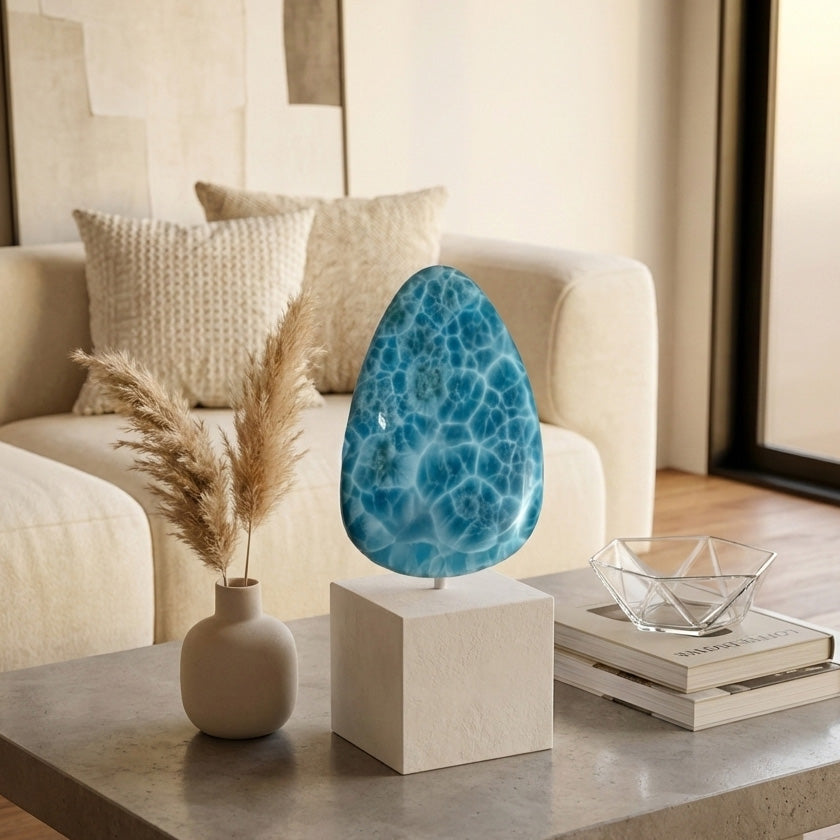
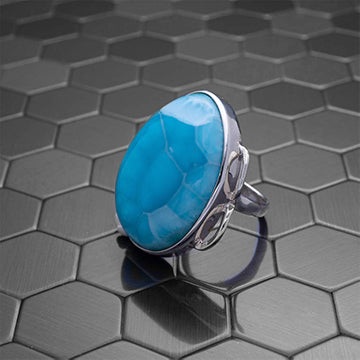
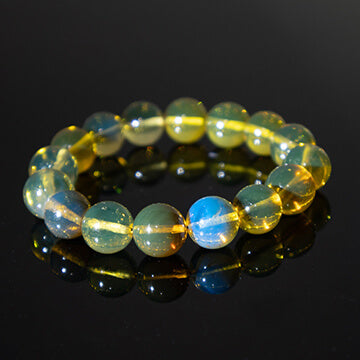
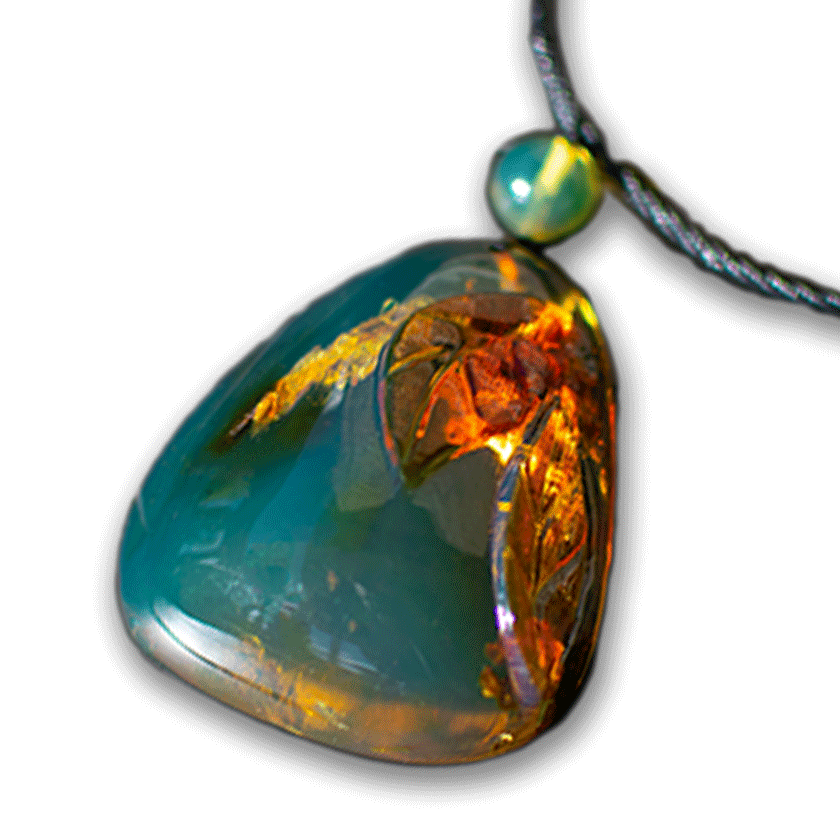
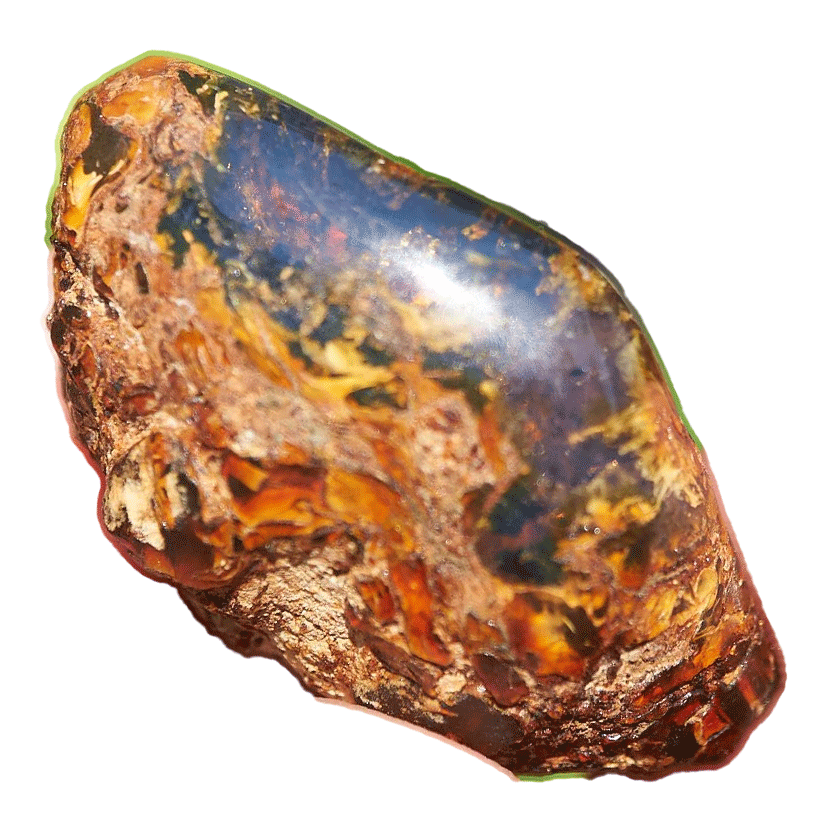
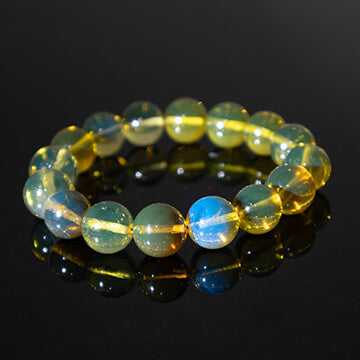
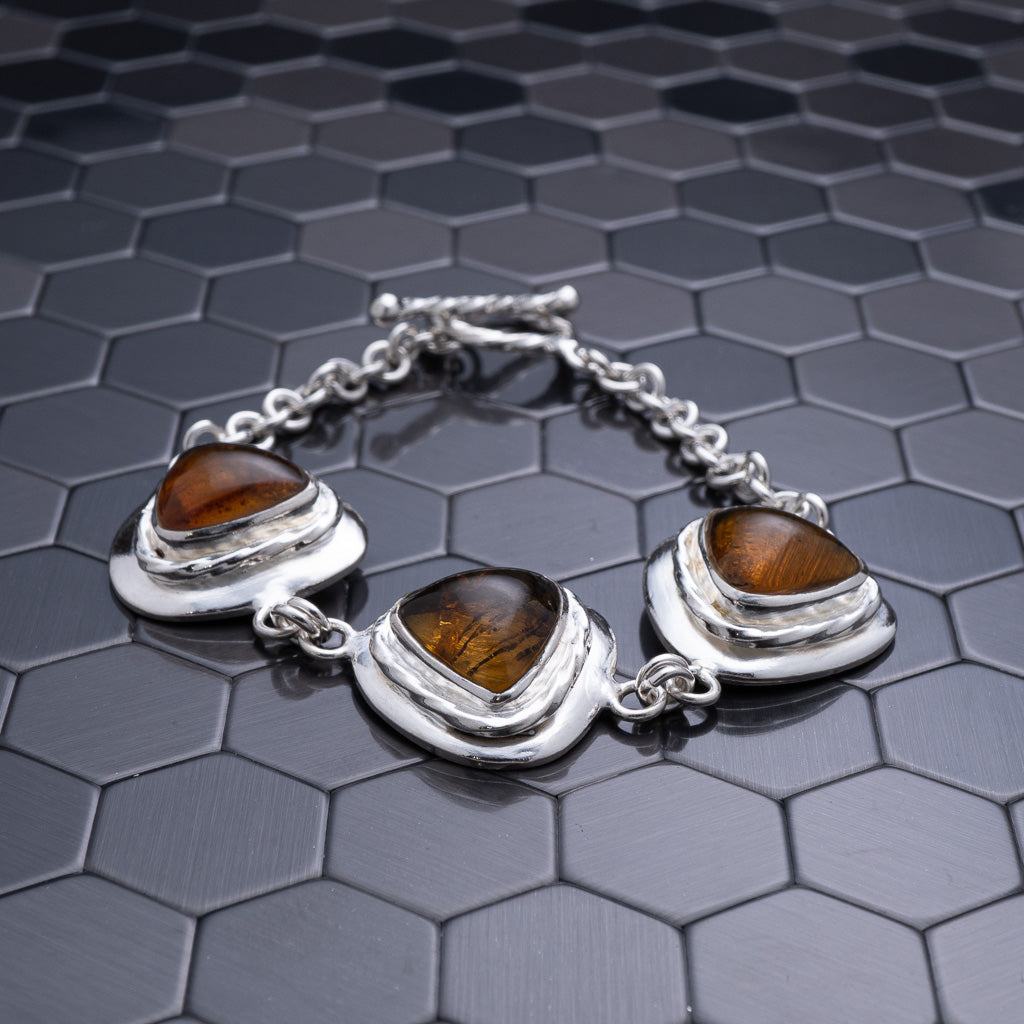
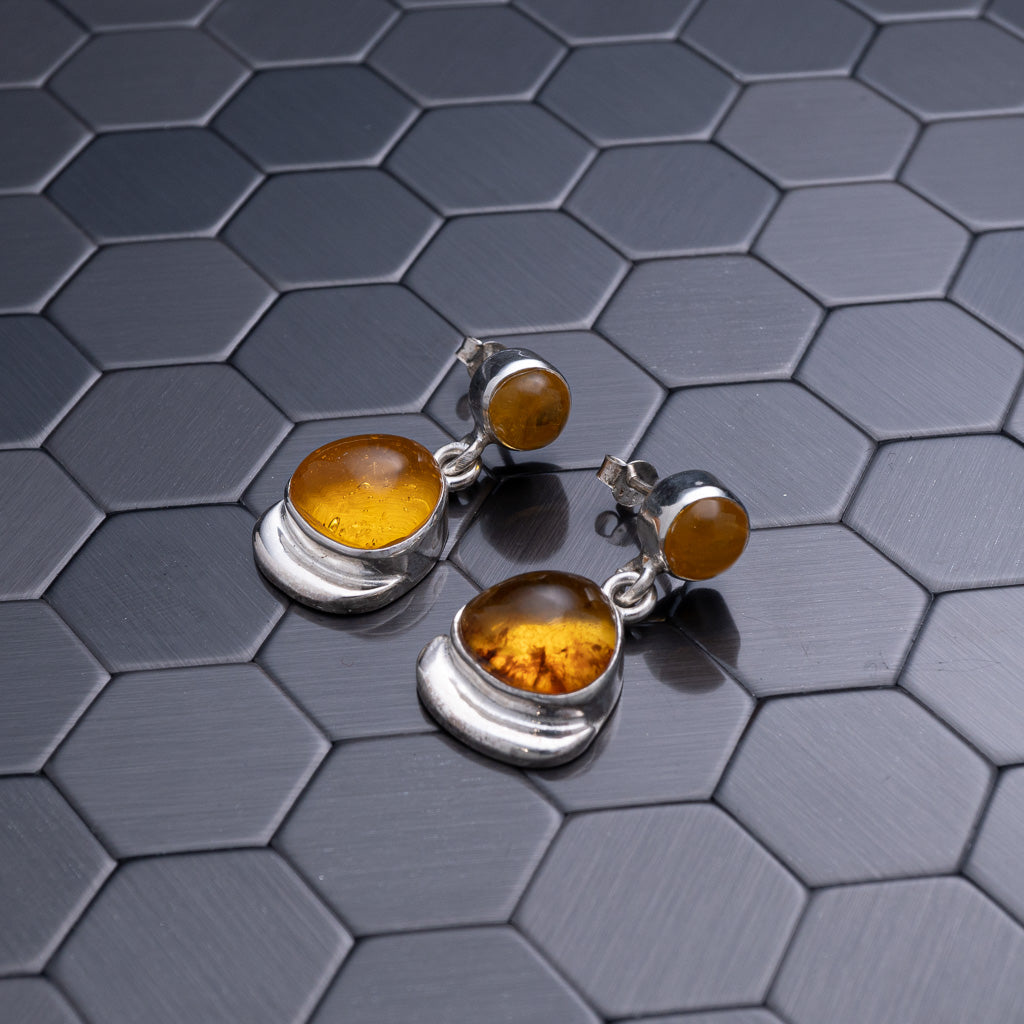
Blue amber is famous for its extraordinary optical display. In direct light, a blue amber stone may appear golden, cognac, pale yellow, or even nearly clear. Place it against a dark background or view it in indirect daylight, and blue tones can rise to the surface. The effect ranges from a gentle smoky blue to an electric Caribbean-blue flash that seems to glow from within.
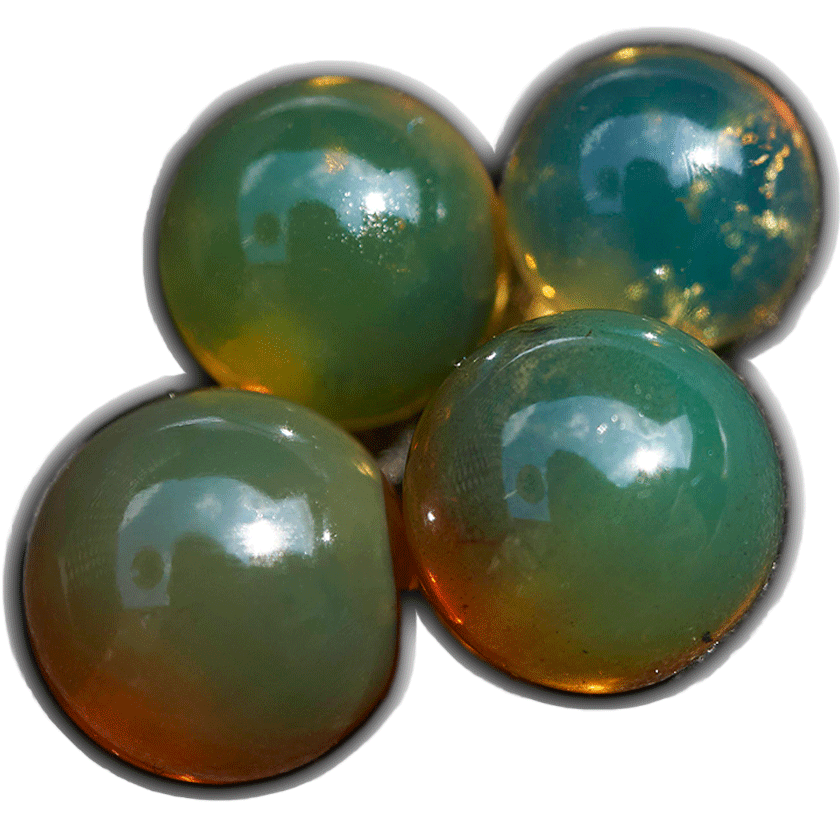
Green amber can be equally compelling, but its personality is usually different. It may show olive, moss, lime, teal, or yellow-green tones, often with a warm golden base beneath. Rather than the cool, ocean-like flash of exceptional blue amber, green amber can evoke filtered sunlight through tropical leaves. Some pieces also move between green and blue depending on the angle and lighting.
The line between the two is not always sharp. A single natural amber cabochon may show blue at one angle and green at another, especially when its surface is polished into a high dome. Gemstone color is a spectrum, not a fixed label. This is why photographs are helpful but cannot fully replace seeing a fine amber piece in changing light.
Amber is fossilized tree resin, formed over immense periods of time. Its color depends on a complex combination of original resin chemistry, microscopic inclusions, internal structure, oxidation, and the way light travels through the material. The most prized optical colors are not simply painted onto the surface. They arise from the amber's interaction with light.
Dominican blue amber is particularly celebrated because of its strong fluorescence. Under ultraviolet light, it can emit an intense blue glow. In daylight, its distinctive blue appearance is often most visible against a dark background, where scattered light becomes easier for the eye to perceive. This remarkable phenomenon has made blue amber one of the most sought-after varieties in the amber world.
Green appearance may result from similar light-scattering properties, natural internal features, or color layers within the material. Green amber is found in multiple amber-producing regions, so origin matters greatly when evaluating it. Dominican material can display beautiful green tones, but not every green amber offered in the market has the same source, formation, or value.
Natural variation is part of the appeal. Two stones cut from the same rough piece can reveal noticeably different color play because their thickness, polish, orientation, and inclusions differ. A skilled artisan studies these traits before shaping a pendant, ring, bead, or collector cabochon.
When buying blue amber, Dominican Republic origin is a central part of its prestige. Dominican amber is widely admired for its clarity, remarkable fluorescence, and ancient inclusions. It is a Caribbean treasure with a distinctive geological identity, not merely a fashion color.
Blue amber is strongly associated with the Dominican Republic, particularly when a seller describes a vivid blue optical effect and fluorescence. That does not mean every blue-looking piece will display the same depth of color. Quality exists on a range. Some stones offer a delicate blue haze, while rare specimens show intense, saturated color that catches attention immediately.
Green amber deserves equally careful questions. Ask where it was sourced, whether the color is natural, and how it looks in normal daylight rather than only under bright studio lighting. A reputable seller should be clear about the gemstone's origin and should not present a broad color term as proof of rarity by itself.
At Larimar Creations, the focus on authentic Dominican gemstones reflects a simple principle: the story behind a stone should be as genuine as its beauty. Certification, transparent origin information, and careful craftsmanship give buyers a stronger foundation than a dramatic product photo alone.
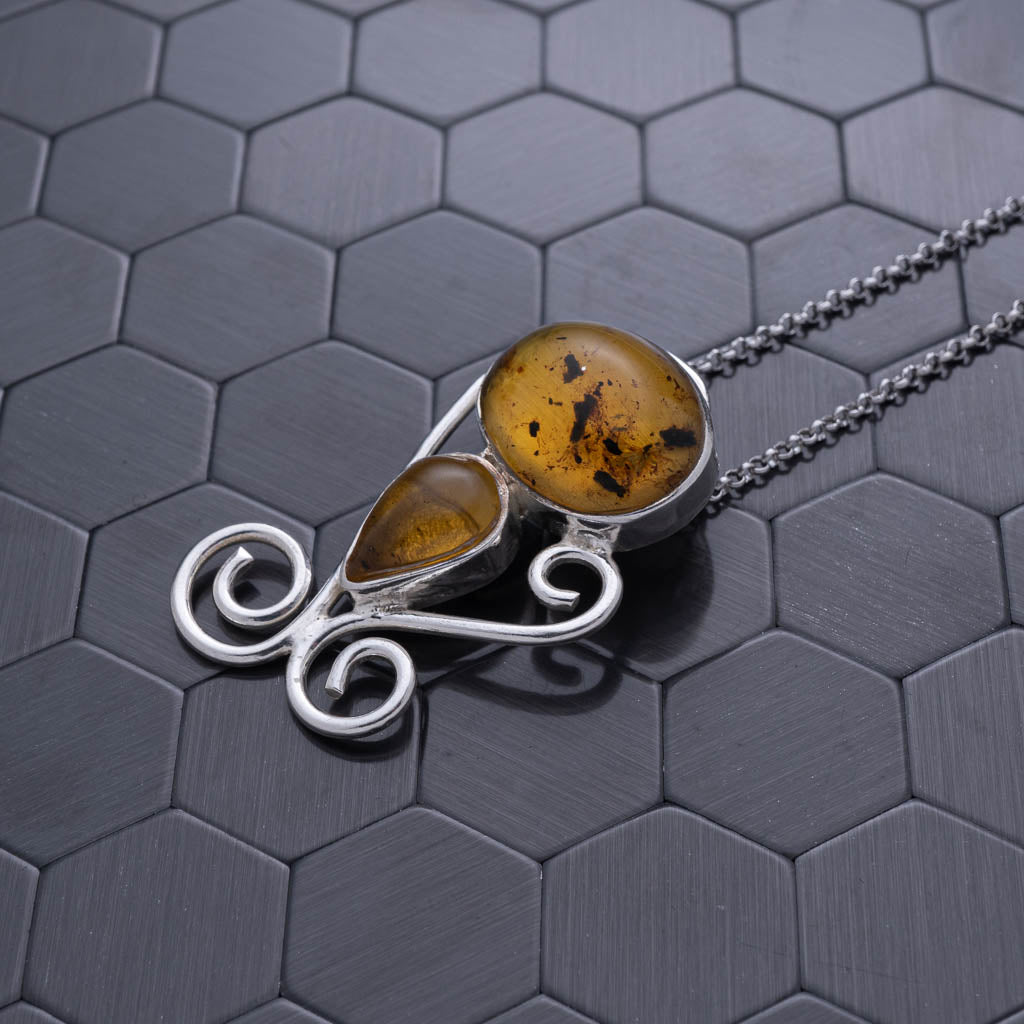
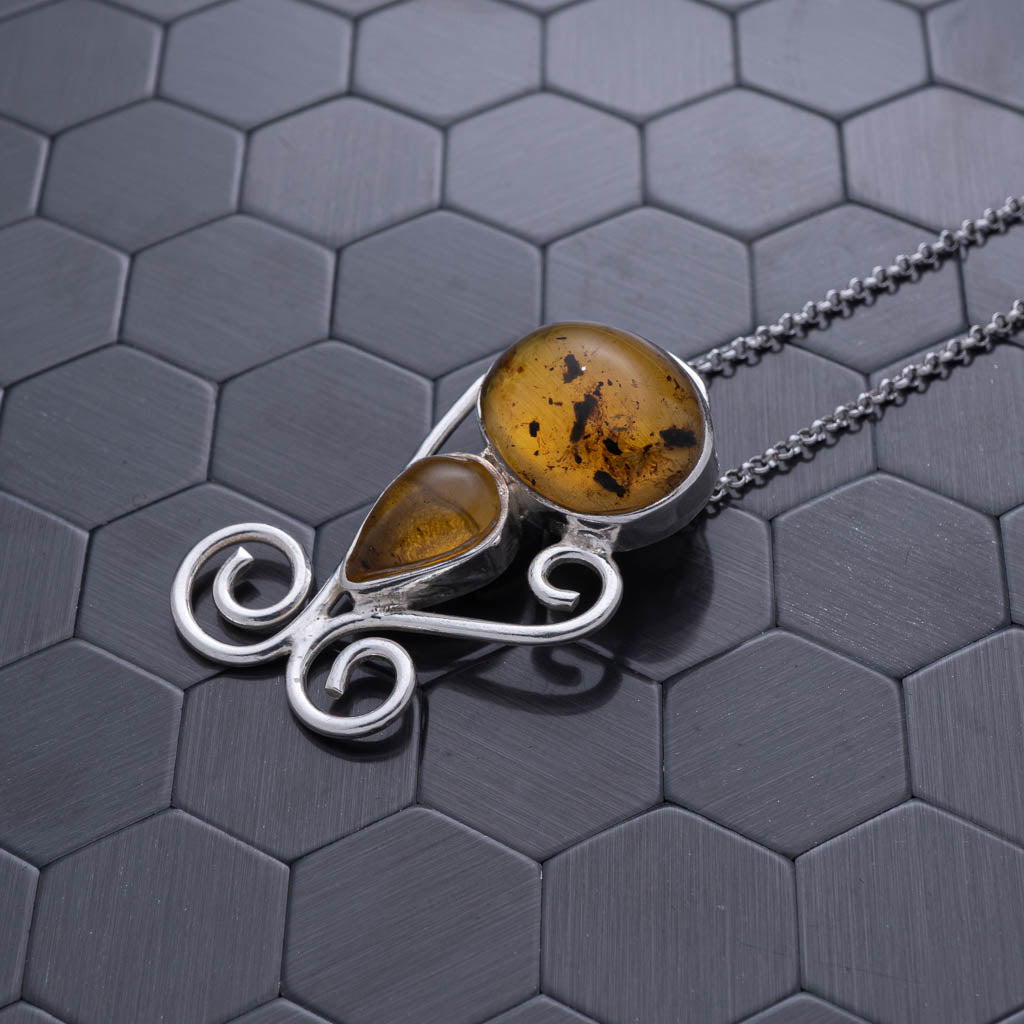
In general, high-quality natural Dominican blue amber is rarer and often commands a higher price than more common golden amber. The finest pieces combine clarity, substantial size, a desirable blue effect, and strong fluorescence. Amber containing a well-preserved insect, plant fragment, or other prehistoric inclusion may also appeal strongly to collectors, although the value depends on the quality and visibility of that inclusion.
Green amber can also be scarce, beautiful, and valuable, especially when it has appealing transparency, natural color, and a documented source. Still, green is a broader market category than Dominican blue amber. Its price can vary widely based on origin, treatment status, cut, clarity, and jewelry design.
Color intensity alone should not decide value. A deeply colored stone that is heavily clouded or artificially altered may be less desirable than a cleaner, more natural specimen with a softer glow. In fine jewelry, the setting also matters. A handcrafted sterling silver or gold design can protect the amber while framing its changing color, whereas an overly enclosed setting may hide the very light play that makes the stone special.
Amber is warm, lightweight, and comparatively soft, which makes it wonderful to wear but easy to imitate. Plastic, glass, copal, and laboratory-made materials can be sold with vague or misleading color descriptions. Treatments can further complicate the market. Heating, pressure treatment, dyes, surface coatings, and composite construction may alter or intensify appearance.
This does not mean every treated amber piece lacks beauty. It does mean buyers deserve honest disclosure. If you are choosing a meaningful gift, a collector specimen, or a statement pendant you hope to keep for years, authenticity should take priority over an unrealistically low price or unusually perfect color.
Look for a seller who identifies the material clearly, shares the claimed origin, and can explain whether the amber is natural or enhanced. Be cautious with descriptions that promise intense blue color in every lighting condition. Genuine blue amber is admired precisely because its appearance is responsive and alive. It changes with the environment rather than behaving like uniformly colored glass.
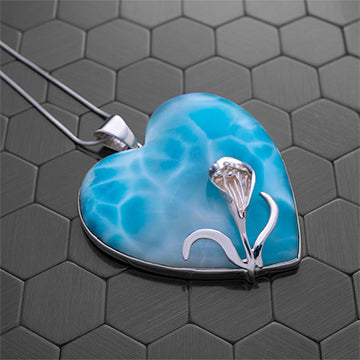
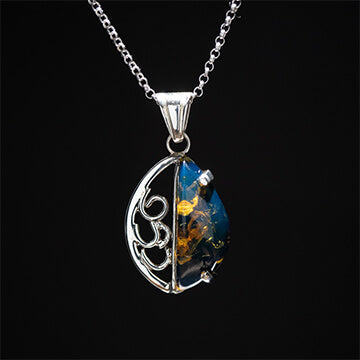
Blue amber is an exceptional choice for someone drawn to rare Caribbean gems, cool luminous color, and conversation-starting jewelry. It pairs beautifully with silver for a crisp, moonlit effect and with warm gold for a richer contrast. A blue amber pendant can feel elegant and understated indoors, then reveal its blue fire outdoors or near a dark garment.
Green amber suits buyers who prefer earthier color, a softer sense of mystery, or a gemstone that complements green, gold, brown, and neutral wardrobes. It can feel especially personal in rings, earrings, and carved pieces where its shifting tones are seen from close range.
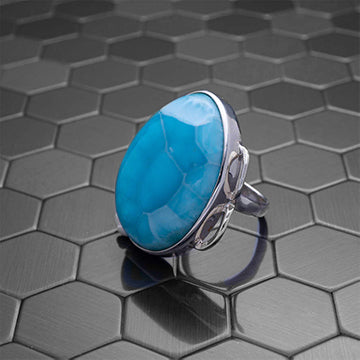
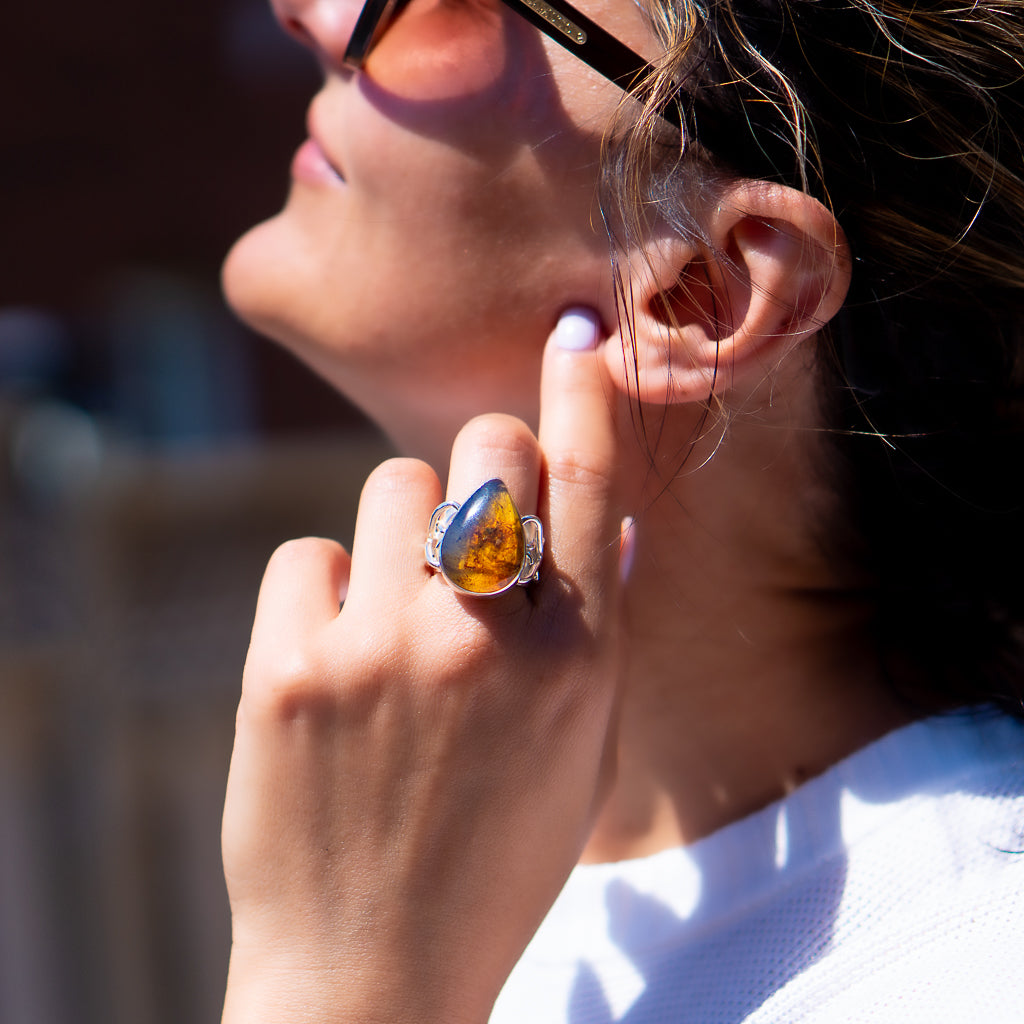
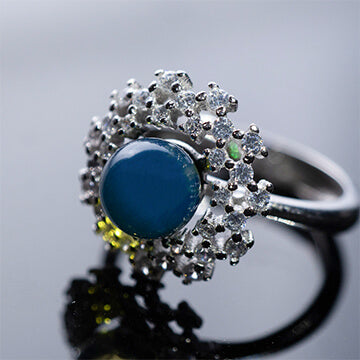
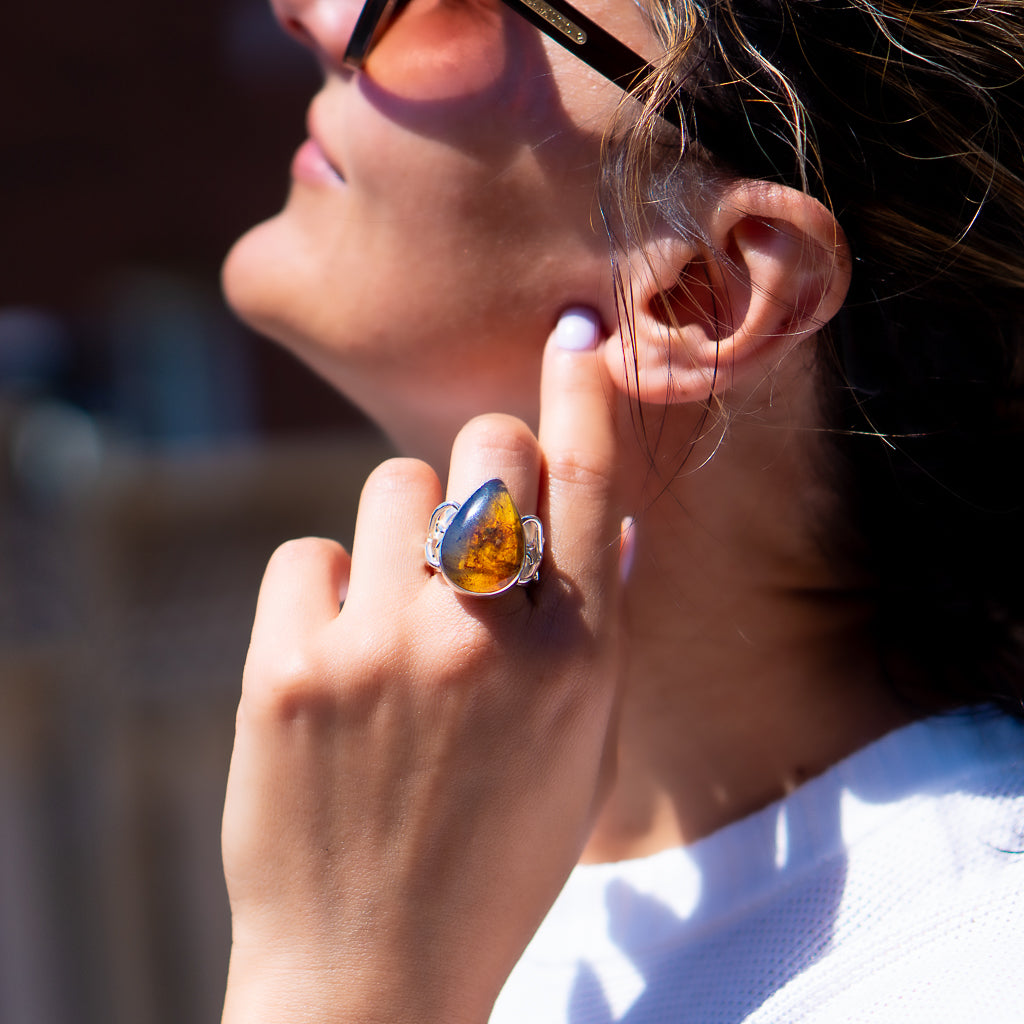
Practical wear should guide your choice as well. Amber is softer than diamonds, sapphires, and many traditional jewelry stones. Pendants and earrings generally experience less impact than rings and bracelets. If you choose amber for a ring, a protective bezel or thoughtful setting can make everyday wear more comfortable. Remove amber jewelry before swimming, exercising, applying perfume, or using household chemicals, and store it separately to avoid scratches.
If you are deciding between blue and green amber, ask to see how the stone behaves rather than relying only on its label. View it against both light and dark backgrounds. Notice whether it carries a clear inner glow, how transparent it is, and whether its color feels true to your style. The right piece should look beautiful in your hand before it ever becomes part of an outfit.
Choose blue amber when you want to wear a rare flash of Caribbean sky. Choose green amber when you are drawn to the warmth of sunlit foliage and subtle color play. Either way, an authentic, thoughtfully crafted amber piece offers more than decoration: it carries ancient resin, natural light, and a story that becomes more personal every time you wear it.
Sign up to get the latest on sales, new releases and more …
10 min read
9 min read
6 min read