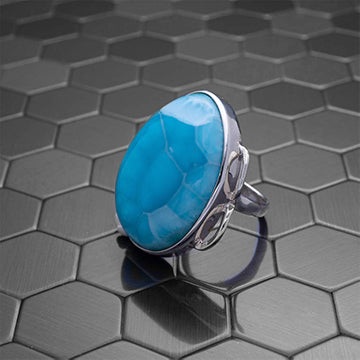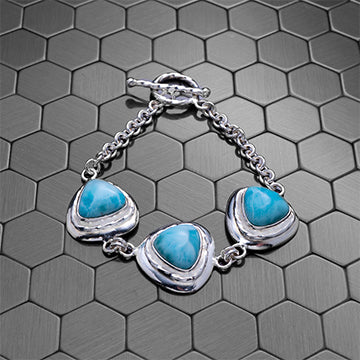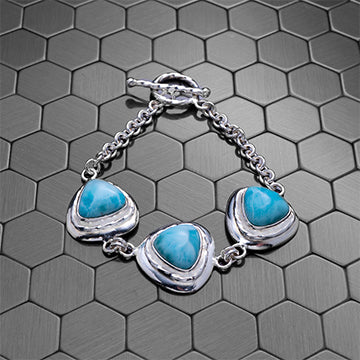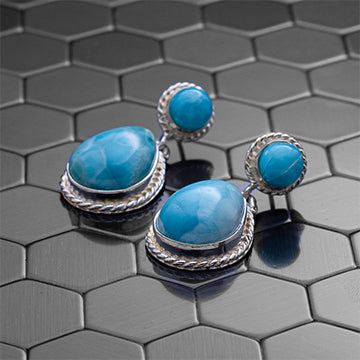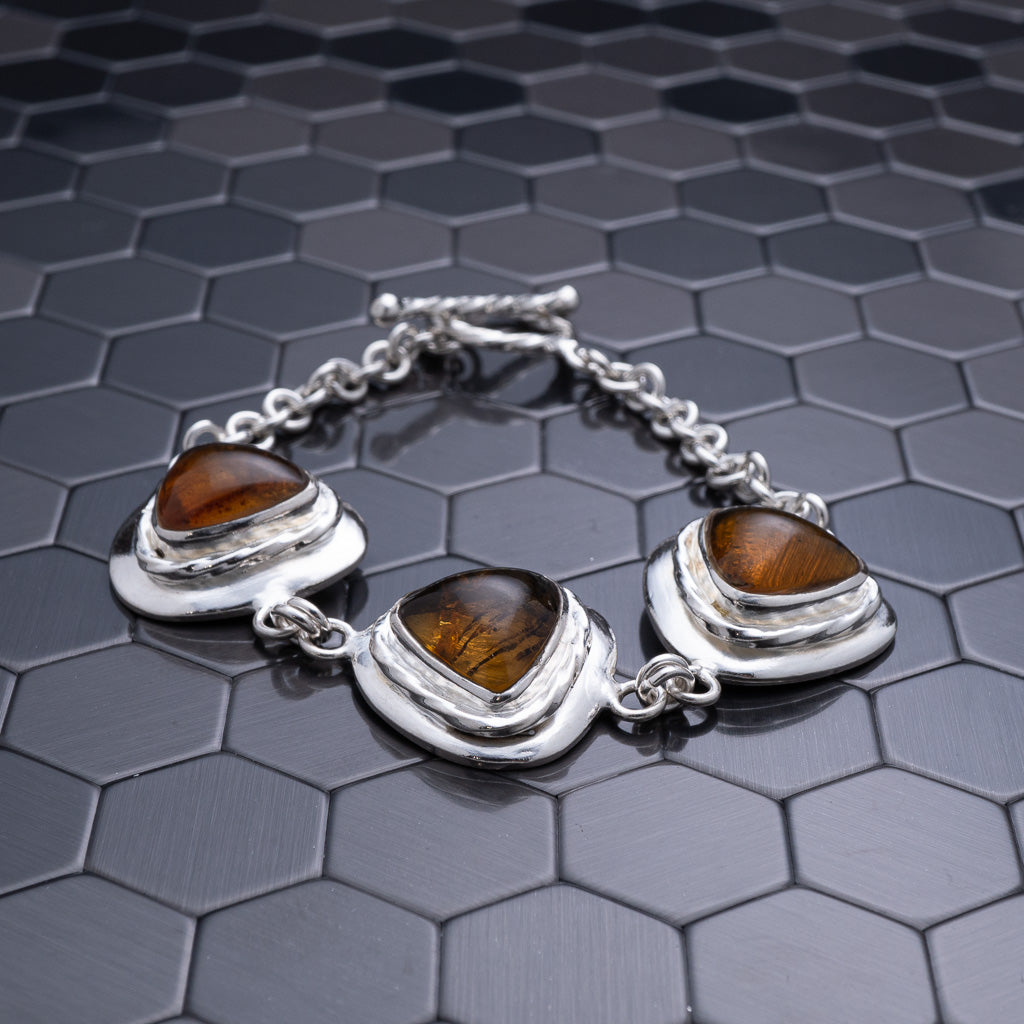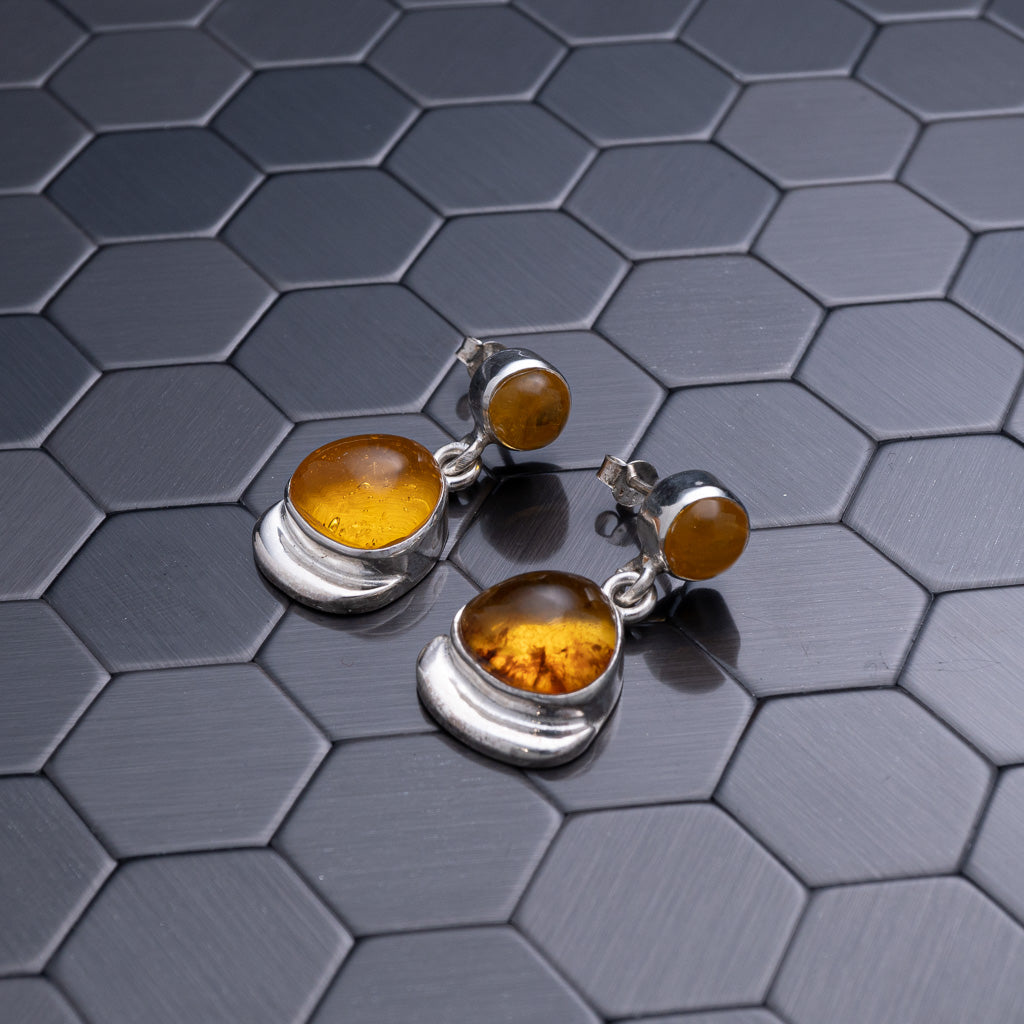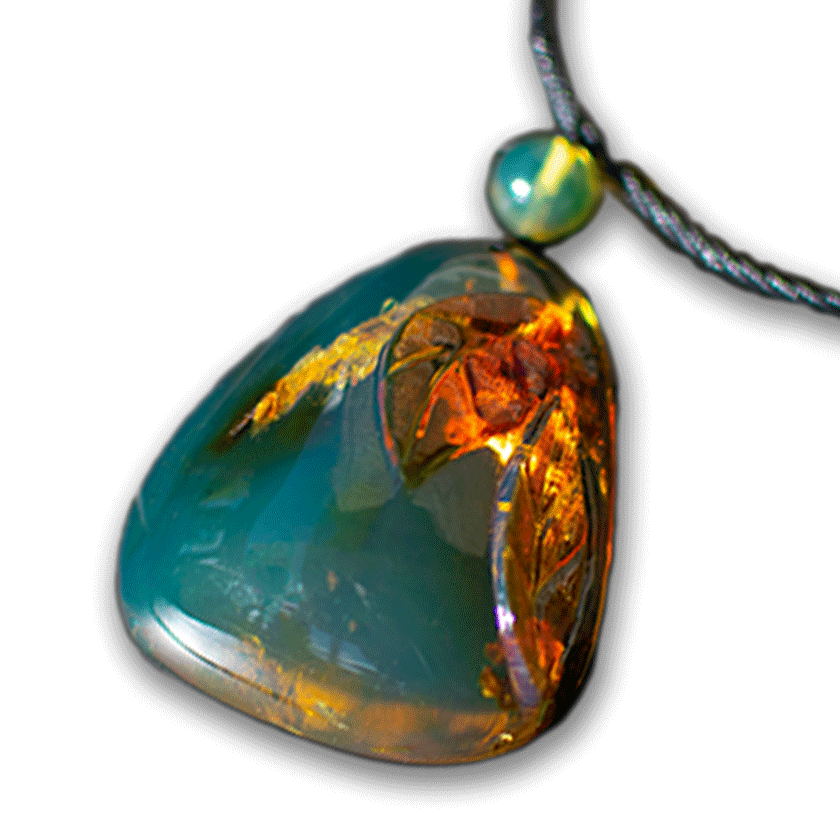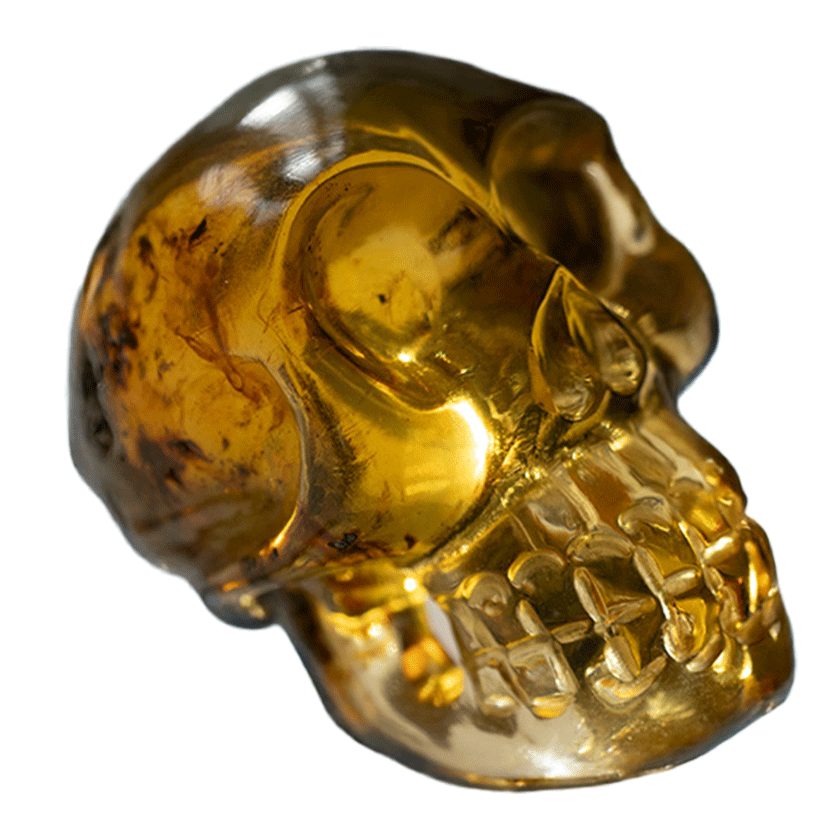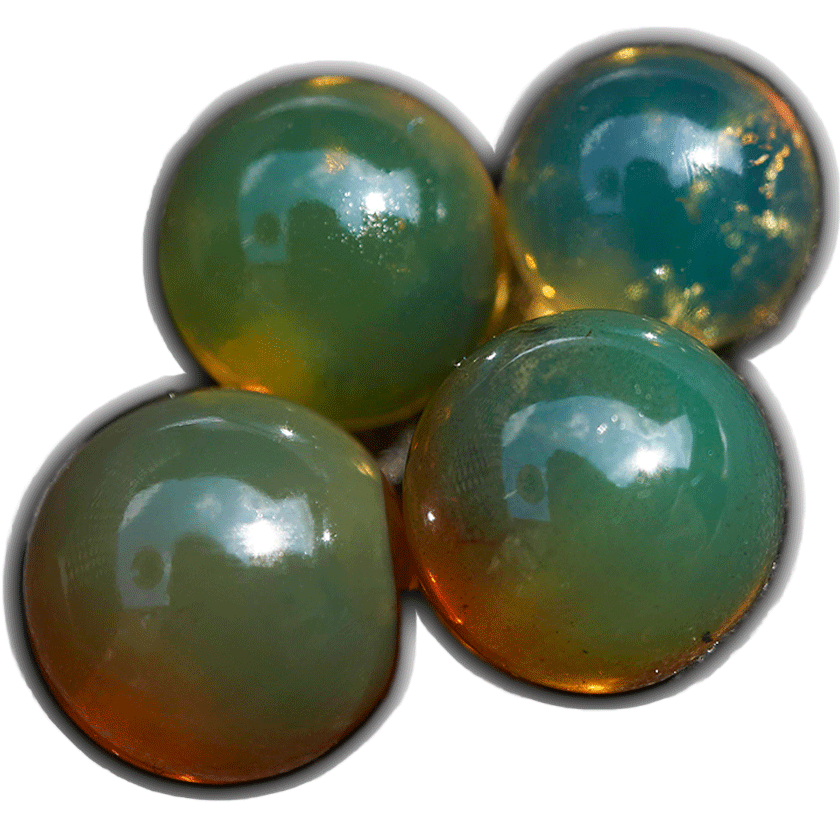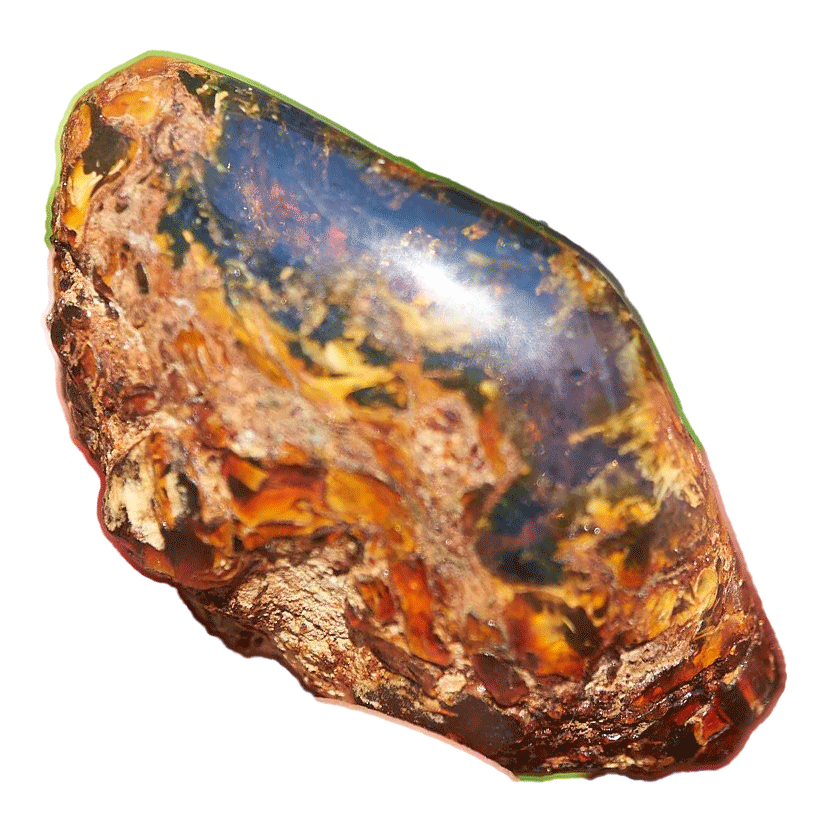


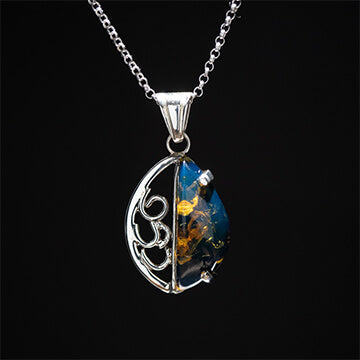
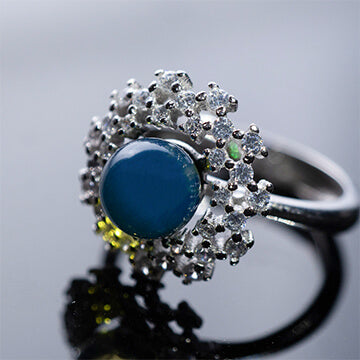
Handcrafted in DR.

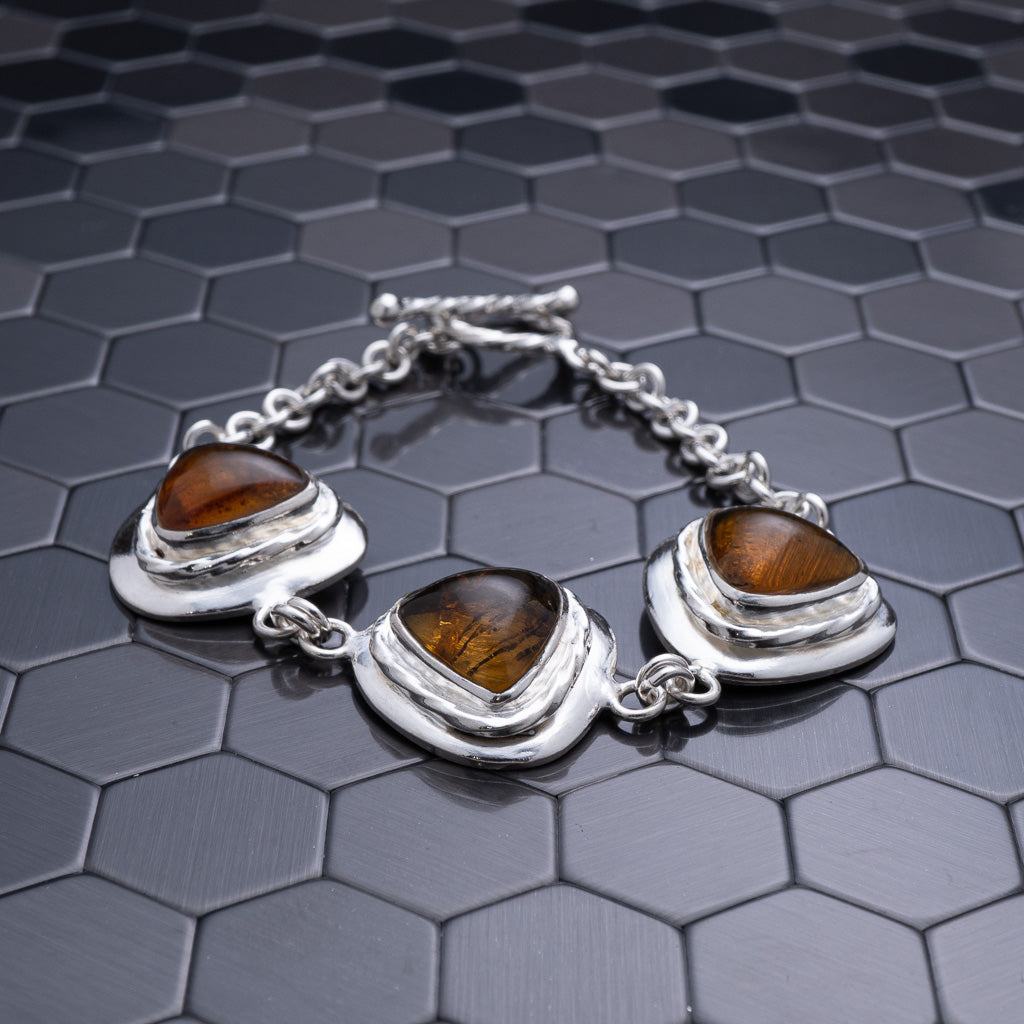
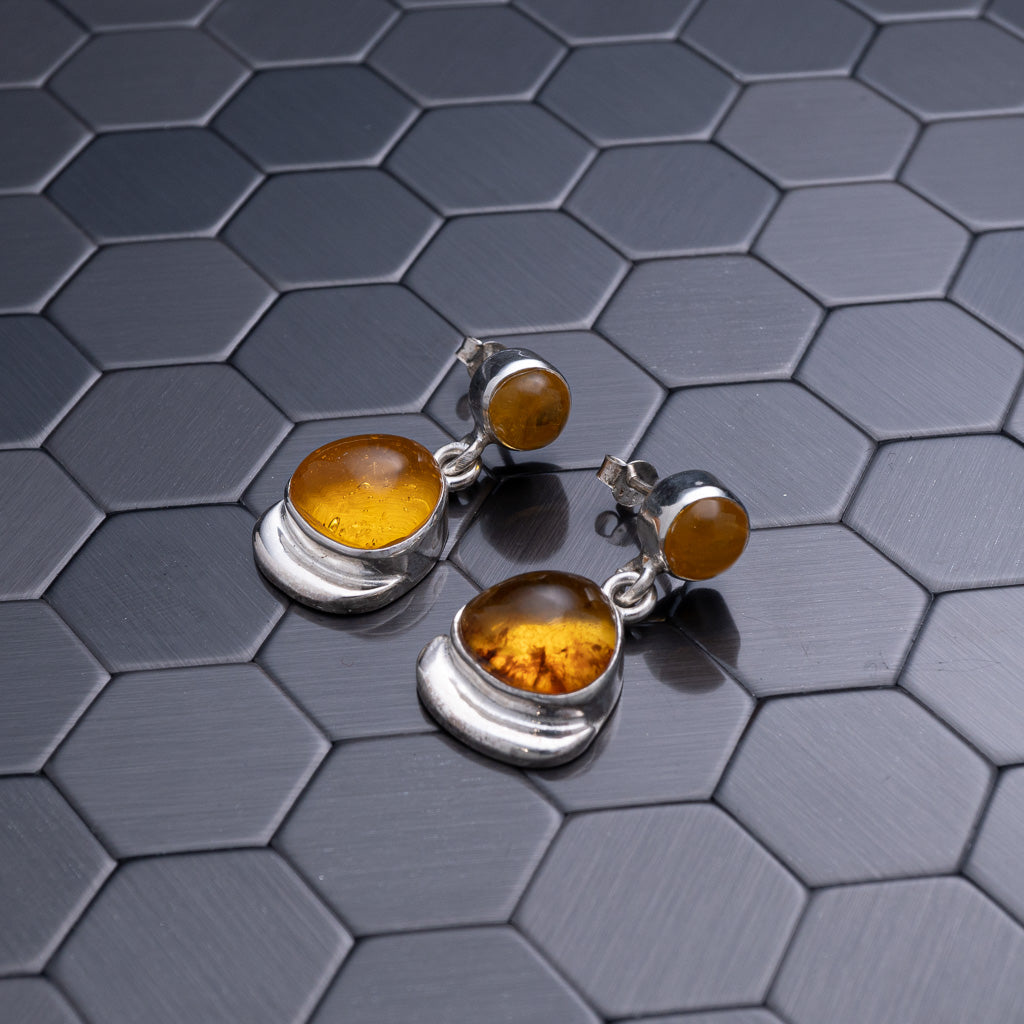


100% Handcrafted in DR.

The allure of a blue gemstone crystal has captivated collectors, jewelry enthusiasts, and spiritual practitioners for millennia. From the tranquil hues of Caribbean waters captured in rare stones to the deep celestial blues reminiscent of midnight skies, these magnificent minerals offer more than aesthetic beauty. They represent geological marvels formed over millions of years under specific conditions, each variety possessing unique chemical compositions, physical properties, and cultural significance. Whether you're seeking to understand the science behind these captivating stones, explore their metaphysical attributes, or make an informed purchasing decision, understanding the diverse world of blue crystals enhances appreciation for nature's artistry.
The mesmerizing blue coloration in gemstone crystals results from specific trace elements and structural features within the mineral matrix. Copper creates the distinctive blue-green tones in stones like turquoise and larimar, while iron and titanium produce the rich blues found in sapphires. The geological formation of blue gemstones involves complex interactions between minerals, heat, pressure, and time, creating the optical phenomena we admire today.
Crystallization occurs when minerals cool slowly beneath Earth's surface, allowing atoms to arrange themselves into ordered patterns. The presence of specific impurities during this formation process determines the final coloration. For instance, when volcanic activity combines with unique mineral deposits, extraordinary stones emerge with colors found nowhere else on the planet.
The saturation and tone of blue in gemstone crystals depend heavily on concentration levels of chromophores-the chemical elements responsible for color. Higher concentrations typically produce more intense hues, though this relationship varies by mineral type.
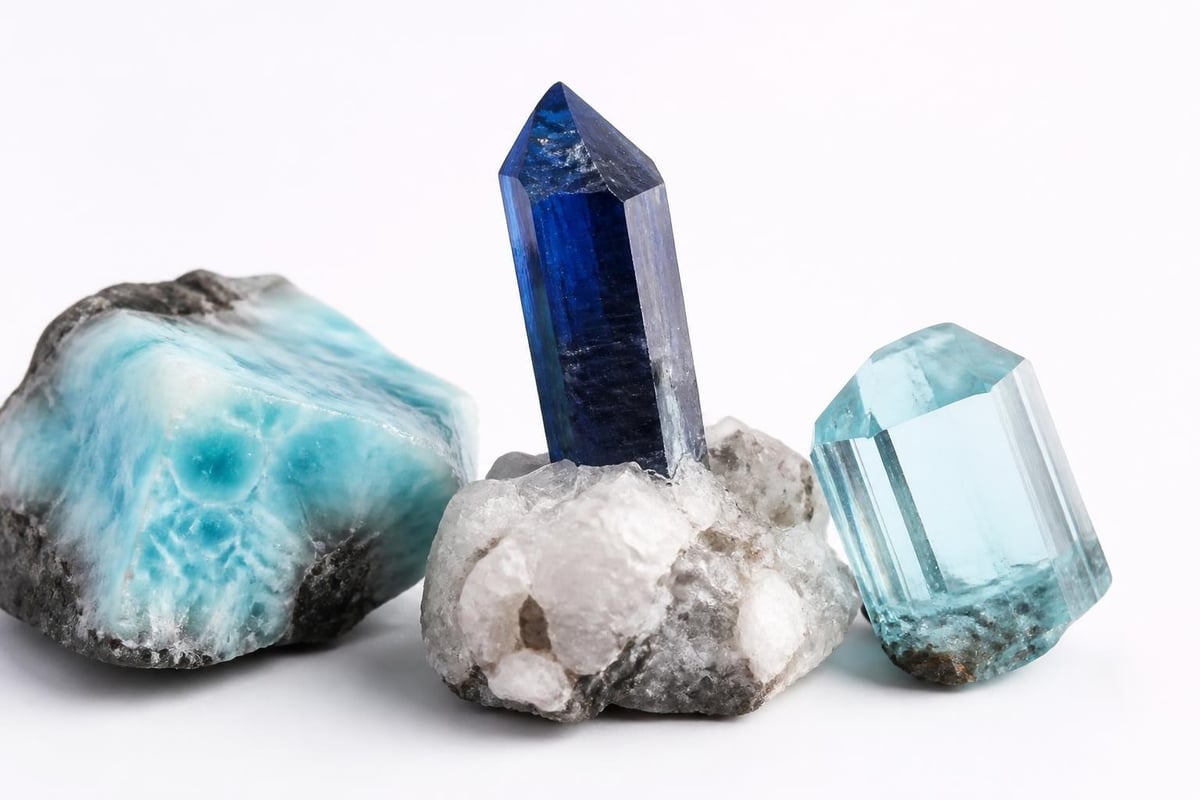
The diversity of blue gemstones available today offers options for every preference, budget, and application. Each variety possesses distinct characteristics that influence durability, appearance, and suitability for different jewelry settings.
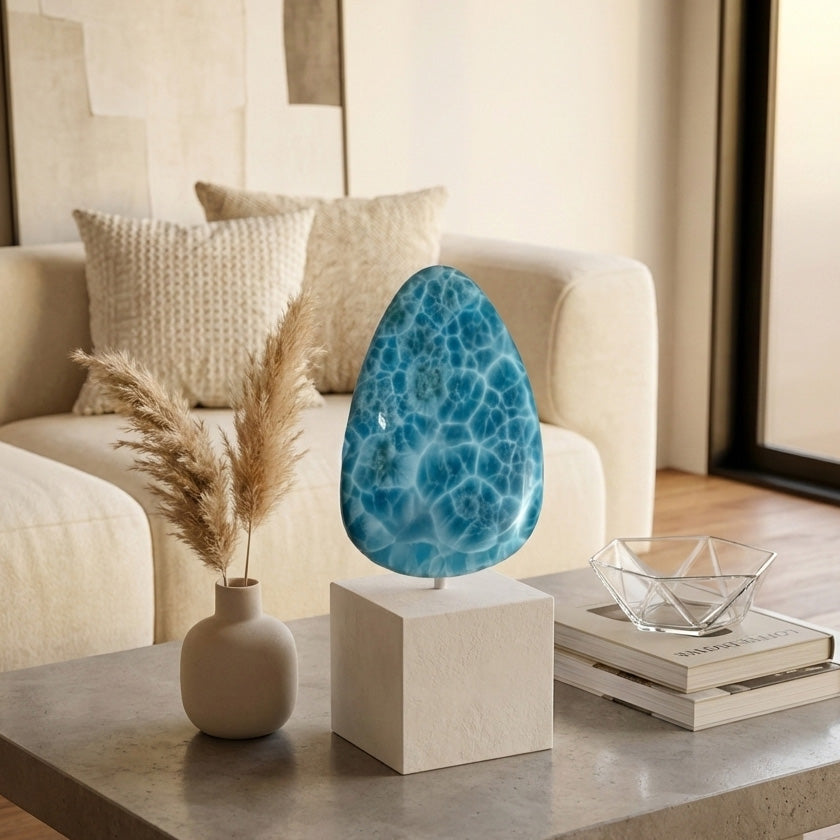
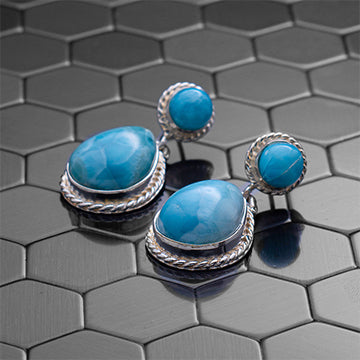
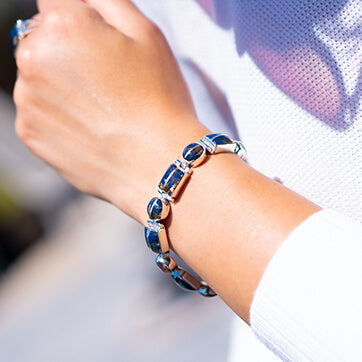
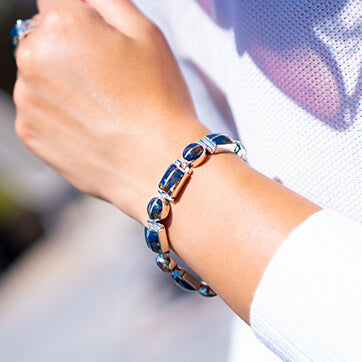
Larimar stands among the rarest blue gemstone crystal varieties, found exclusively in the Dominican Republic. This volcanic blue pectolite displays swirling patterns reminiscent of Caribbean waters, with colors ranging from light sky blue to deep volcanic blue. The unique geological conditions required for larimar formation make it one of the world's most sought-after stones.
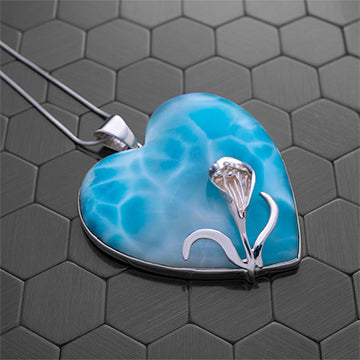
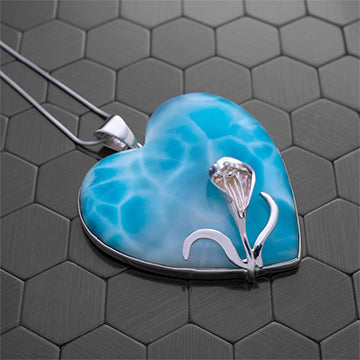
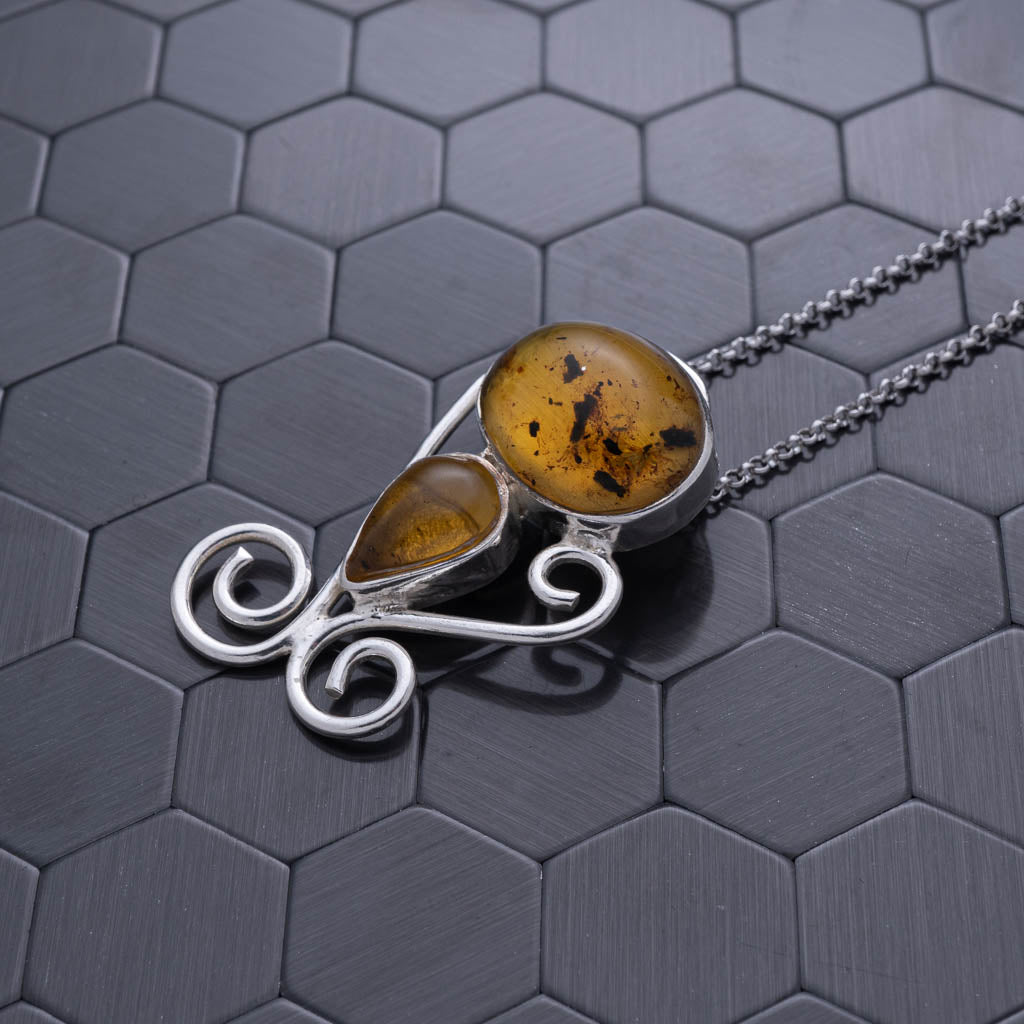
The mineral forms when hot gases push through volcanic rocks, creating cavities where copper-rich fluids crystallize over millennia. Each piece exhibits distinct patterning, ensuring no two specimens appear identical. Many artisans prize larimar for its workability and stunning visual appeal, particularly in larimar pendants that showcase the stone's natural beauty.
| Property | Specification |
|---|---|
| Hardness | 4.5-5 on Mohs scale |
| Specific Gravity | 2.7-2.9 |
| Chemical Formula | NaCa₂Si₃O₈(OH) |
| Primary Location | Barahona, Dominican Republic |
| Crystal System | Triclinic |
Sapphire represents the benchmark against which other blue gemstone crystals are often measured. Composed of aluminum oxide (corundum), sapphires rank 9 on the Mohs hardness scale, making them exceptionally durable for daily wear. The most prized specimens display a rich, velvety blue known as "cornflower blue" or "Kashmir blue."
Geographic origin significantly impacts value, with stones from Kashmir, Myanmar, and Sri Lanka commanding premium prices. Modern treatments including heat and diffusion can enhance color and clarity, though untreated natural sapphires remain most valuable to collectors.
Named for its resemblance to seawater, aquamarine belongs to the beryl family alongside emeralds. This blue gemstone crystal typically displays lighter, more transparent blues than sapphire, often with excellent clarity. The stone's durability (7.5-8 Mohs) makes it practical for various jewelry applications.
Iron impurities create aquamarine's characteristic color, which can range from pale blue to deeper blue-green tones. Heat treatment commonly enhances the blue while removing greenish undertones, a widely accepted practice in the gem trade.
Beyond their visual appeal, blue gemstone crystals have been associated with various physical properties and metaphysical beliefs throughout history. Understanding both aspects helps collectors and wearers appreciate the full significance of these stones.
The Mohs hardness scale provides crucial information about a blue gemstone crystal's resistance to scratching and abrasion. This knowledge guides appropriate jewelry settings and care requirements.
Cleavage-the tendency to break along specific planes-also affects durability. Some blue gemstone crystals exhibit perfect cleavage, requiring careful setting and handling to prevent damage. The comprehensive guide to blue gemstones offers detailed specifications for each variety.
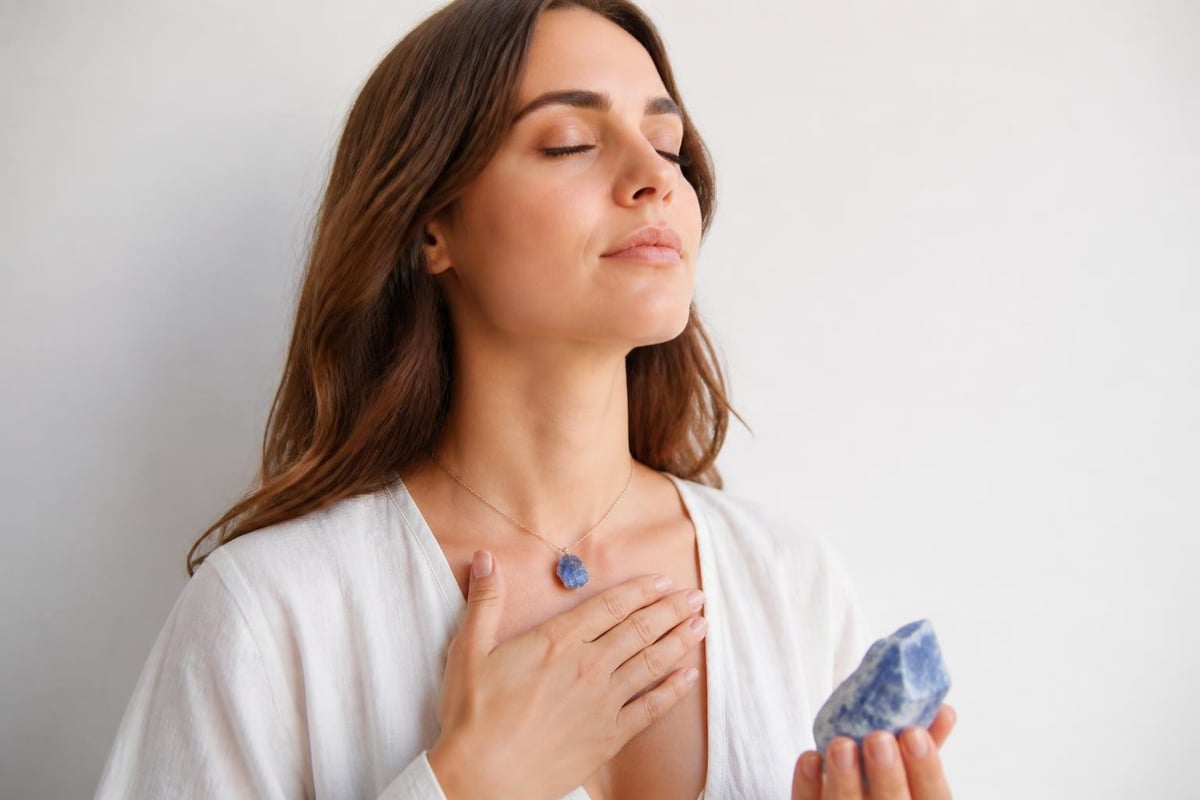
Many practitioners believe blue gemstone crystals resonate with the throat chakra, supporting clear communication and self-expression. While scientific evidence for these claims remains limited, cultural traditions spanning centuries have attributed specific qualities to blue stones.
The calming influence of blue hues extends beyond metaphysical claims, as color psychology research demonstrates that blue tones can lower blood pressure and reduce anxiety. Whether worn for spiritual purposes or aesthetic enjoyment, these stones connect wearers to ancient traditions and natural beauty.
The market contains numerous synthetic, treated, and imitation blue gemstone crystals alongside natural specimens. Developing identification skills protects consumers from misrepresentation and ensures fair pricing.
Modern laboratories produce synthetic versions of many blue gemstone crystals that share identical chemical compositions with natural stones. These lab-created gems offer affordability but lack the geological history and rarity of mined specimens.
| Feature | Natural | Synthetic | Imitation |
|---|---|---|---|
| Chemical Composition | Naturally formed | Identical to natural | Different material |
| Value | Higher | Moderate | Lower |
| Inclusions | Natural patterns | Uniform or absent | Artificial patterns |
| Price Point | Premium | Affordable | Budget |
Inclusions-internal features like mineral deposits or growth patterns-often provide the best clues for authentication. Natural blue gemstone crystals typically contain characteristic inclusions that synthetic versions lack. Gemological laboratories use advanced equipment to detect treatments and determine origin.
Ethical sellers disclose treatments applied to blue gemstone crystals, as these modifications significantly impact value. Common treatments include heat enhancement, fracture filling, and surface coating. The properties and care of blue gemstones vary based on treatment history.
Heat treatment permanently alters color in many varieties and generally receives market acceptance when disclosed. Surface treatments prove less stable, potentially deteriorating over time. Asking sellers about treatment history before purchase ensures informed decision-making.
Proper maintenance preserves the beauty and integrity of blue gemstone crystals for generations. Each variety requires specific care protocols based on hardness, porosity, and sensitivity to chemicals or temperature changes.
Ultrasonic and steam cleaners work safely for harder blue gemstone crystals like sapphire but can damage softer varieties or treated stones. When uncertain about appropriate cleaning methods, consult professional jewelers who understand specific mineral properties.
Temperature fluctuations and humidity levels affect certain blue gemstone crystals over time. Storing pieces in climate-controlled environments prevents thermal shock and moisture damage. Individual cloth pouches or lined compartments prevent contact between stones of different hardness levels.
Periodic inspection reveals loose settings, worn prongs, or surface changes requiring professional attention. Many jewelers offer complimentary inspections, providing opportunities to address minor issues before they become serious problems. Those interested in learning more about specific varieties can explore information about larimar's unique characteristics.
Choosing the right blue gemstone crystal for jewelry involves balancing aesthetic preferences, practical considerations, and budget constraints. Understanding quality factors helps buyers make confident decisions aligned with their needs.
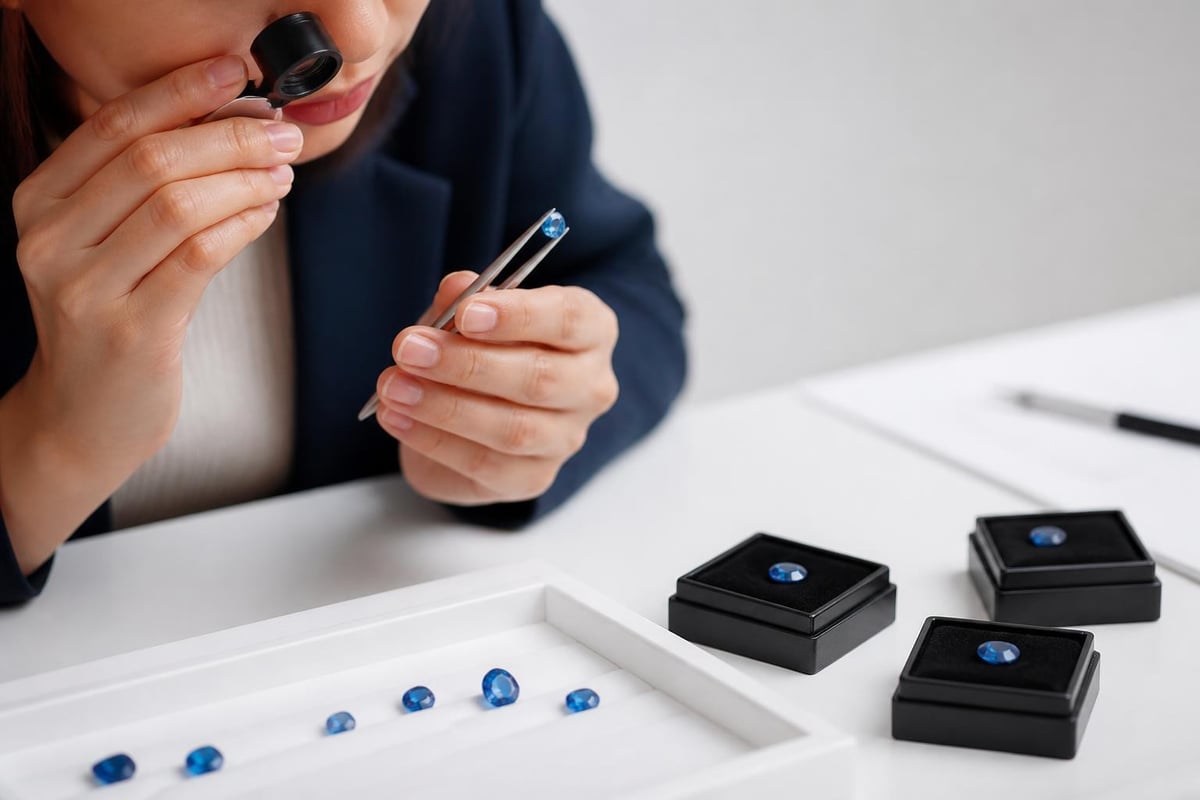
Color represents the most crucial quality factor for blue gemstone crystals. Evaluate hue (the basic color), tone (lightness or darkness), and saturation (intensity). Most buyers prefer medium to medium-dark tones with strong saturation and pure blue hues without secondary colors.
Clarity standards vary by gemstone type. Some blue gemstone crystals, like sapphire, commonly contain inclusions that don't significantly impact beauty, while others demand high clarity for market acceptance. Understanding typical inclusion patterns for each variety prevents unrealistic expectations.
Cut quality dramatically influences how blue gemstone crystals interact with light. Well-proportioned cuts maximize brilliance and color, while poor cutting diminishes natural beauty regardless of material quality. The variety of blue crystals and their properties demonstrates how different cuts suit different stone types.
The choice of metal setting affects both the appearance and security of blue gemstone crystals. White metals like platinum, white gold, and silver enhance cool blue tones, while yellow and rose gold create warm contrasts that suit certain varieties.
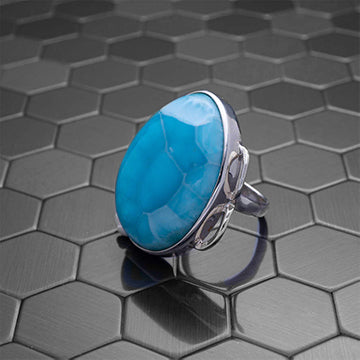
Lifestyle considerations influence setting selection. Active individuals benefit from lower-profile designs with protective elements, while formal jewelry can feature more elaborate settings showcasing stone beauty. The extensive selection of handcrafted larimar jewelry demonstrates various setting approaches.
The location where a blue gemstone crystal forms significantly influences both its characteristics and market value. Certain deposits produce stones with distinctive color profiles, clarity, or size potential that command premium prices.
Different regions yield specific blue gemstone crystal varieties due to unique geological conditions. Madagascar supplies significant quantities of sapphire, while Brazil produces exceptional aquamarine. The Dominican Republic remains the sole source of genuine larimar, contributing to its rarity and desirability.
| Region | Primary Blue Stones | Notable Characteristics |
|---|---|---|
| Dominican Republic | Larimar | Exclusive source, volcanic patterns |
| Kashmir, India | Sapphire | Velvety blue, highly prized |
| Brazil | Aquamarine, Topaz | Large crystals, excellent clarity |
| Madagascar | Sapphire | Various blues, good availability |
| United States | Turquoise | Copper-rich, matrix patterns |
Mining practices impact environmental sustainability and ethical considerations. Responsible buyers increasingly seek stones from operations that minimize ecological damage and ensure fair labor conditions. Supporting artisans who source materials ethically contributes to positive industry change.
While most blue gemstone crystals serve primarily ornamental purposes, certain rare specimens appreciate over time. Factors influencing investment potential include origin, size, quality, treatment status, and market demand trends. Untreated stones from historically significant deposits typically offer the strongest long-term value retention.
The meanings and uses of blue crystals extend beyond monetary considerations, as many collectors value personal connection and aesthetic enjoyment over financial returns. Building relationships with reputable dealers provides access to exceptional pieces and reliable market information.
Contemporary jewelry design embraces blue gemstone crystals across all style categories, from minimalist pieces to elaborate statement jewelry. Designers appreciate the versatility these stones offer, complementing both casual and formal wardrobes while carrying symbolic significance.
Modern consumers gravitate toward unique, one-of-a-kind pieces that reflect individual personality rather than mass-produced designs. This trend benefits rare blue gemstone crystals like larimar, which naturally produce distinctive patterns in every specimen. Stackable rings, layered necklaces, and mixed-metal designs incorporate blue stones in fresh, contemporary ways.
Sustainability consciousness influences purchasing decisions, with buyers seeking ethically sourced materials and supporting small-scale artisans. The comprehensive overview of blue gemstones shows how traditional stones adapt to modern aesthetic preferences.
Different blue gemstone crystals suit various occasions and purposes. Engagement rings frequently feature sapphire as a durable, meaningful alternative to diamonds. Aquamarine symbolizes calm and clarity, making it popular for milestone birthday gifts. Larimar's association with tranquility and communication suits gifts celebrating new beginnings or personal growth.
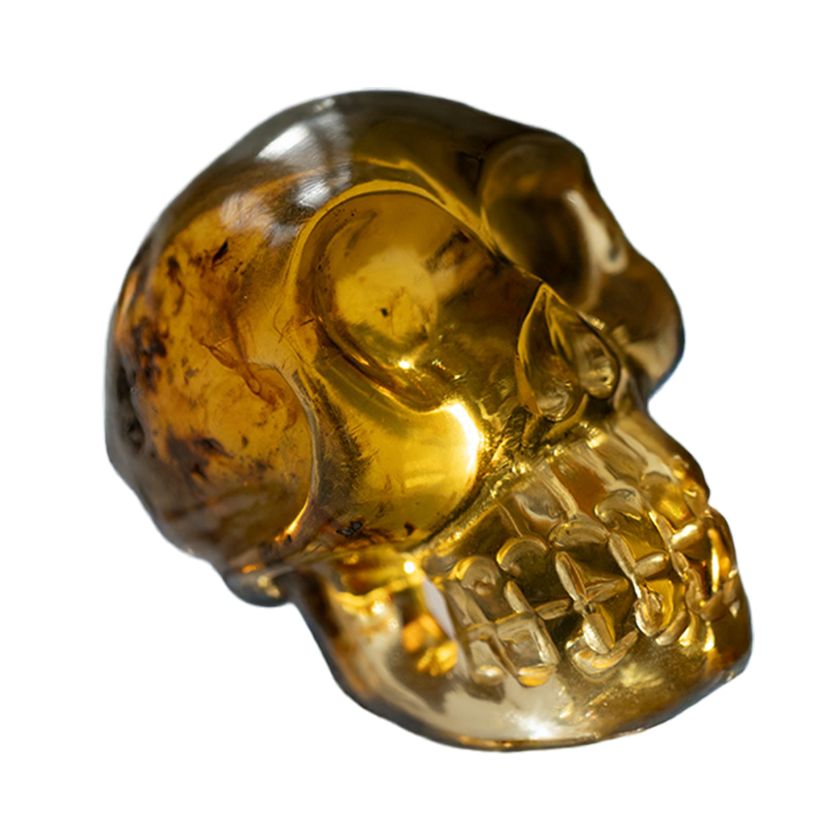
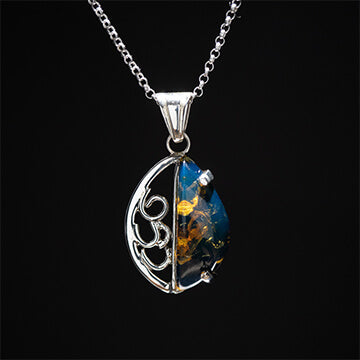
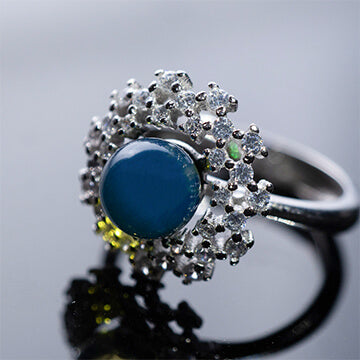
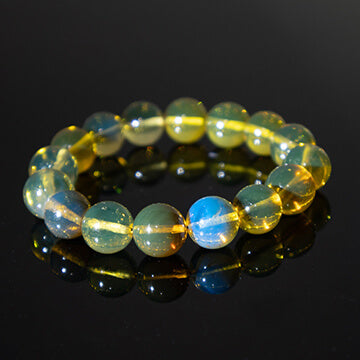
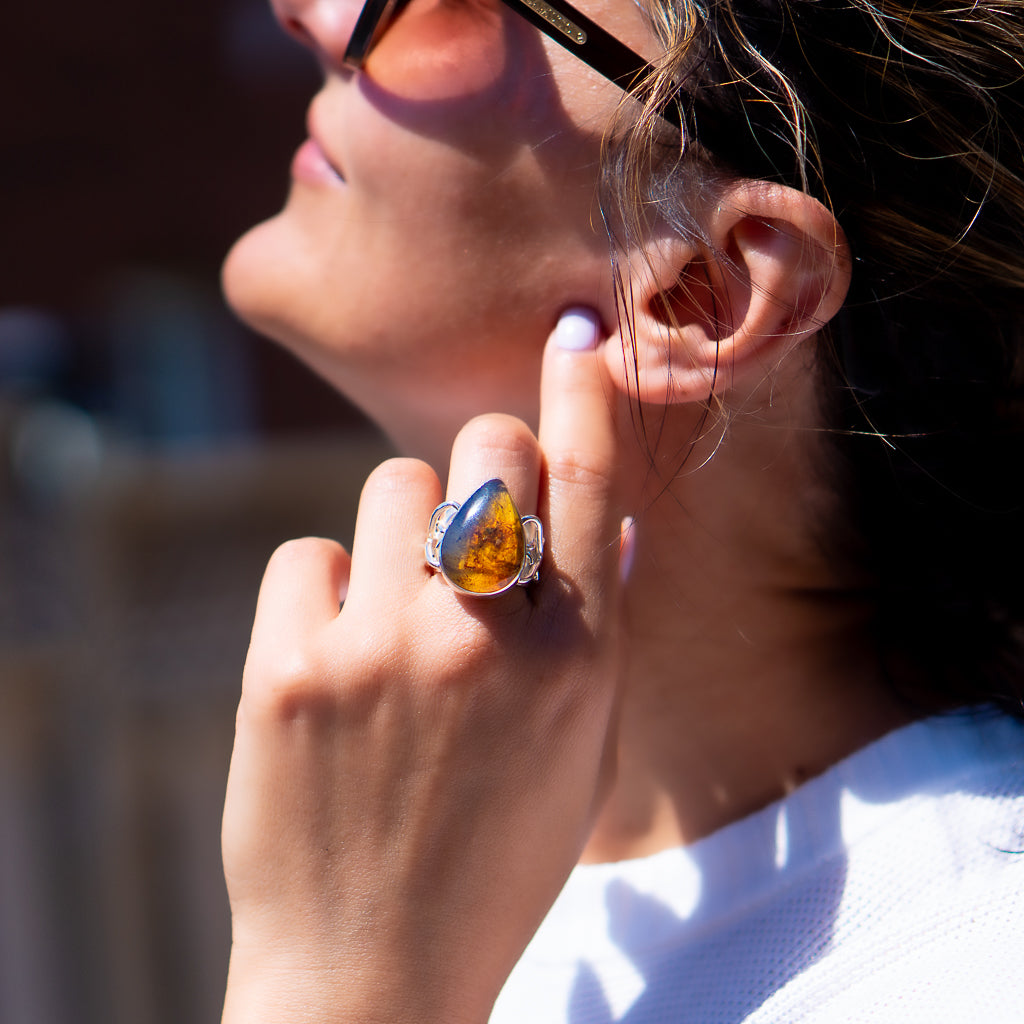
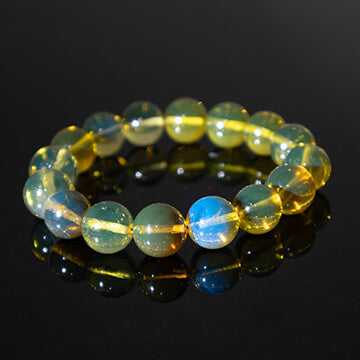
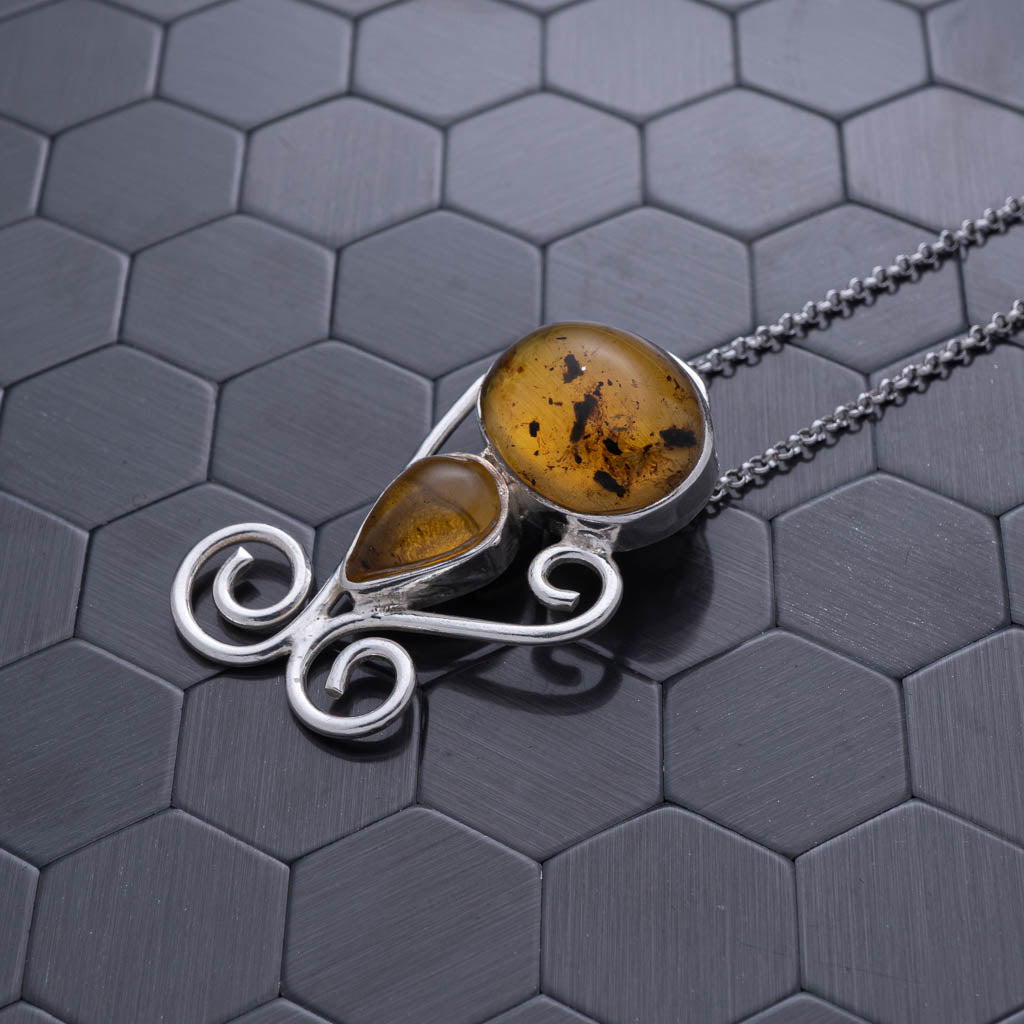
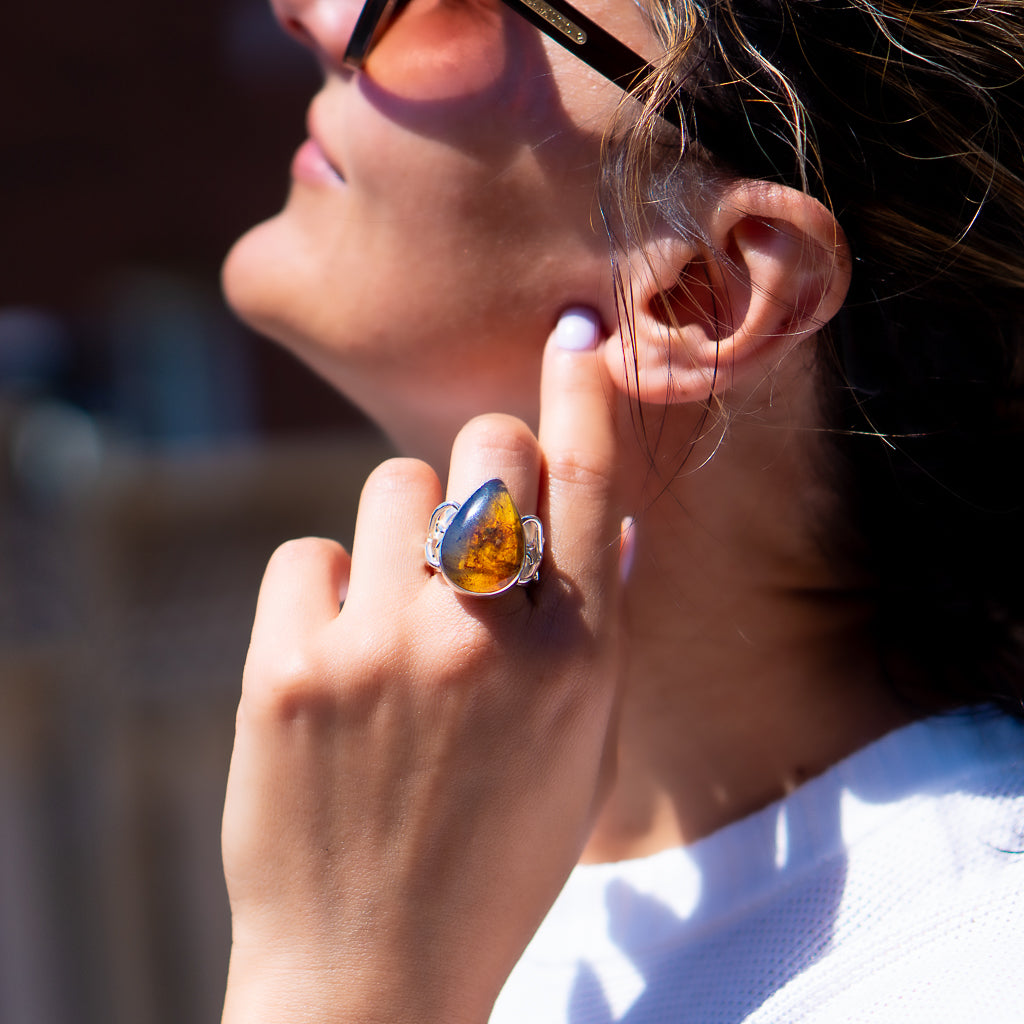
The versatility of blue stones allows them to transition seamlessly between settings. A blue gemstone crystal pendant worn daily can also complement formal evening attire, providing excellent value through multi-purpose wearability. Exploring collections of blue amber jewelry reveals the range of styles available.
Throughout history, civilizations have treasured blue gemstone crystals for their beauty and attributed powers. Ancient Egyptians adorned pharaohs with lapis lazuli, believing it connected wearers to divine wisdom. Medieval Europeans associated sapphires with heavenly blessings and clerical authority.
Blue gemstone crystals appear in religious texts, royal regalia, and cultural ceremonies worldwide. The consistent association with wisdom, truth, and spiritual connection transcends geographic and temporal boundaries. Whether these beliefs stem from the calming psychological effects of blue hues or deeper metaphysical realities remains debated, but the cultural significance persists.
Modern interpretations blend ancient symbolism with contemporary understanding. Birthstone traditions assign specific blue gemstone crystals to particular months, creating personal connections between individuals and stones. September celebrates sapphire, while March honors aquamarine, linking birth dates to specific mineral varieties.
Legendary blue gemstone crystals have shaped history and captured imaginations for centuries. The Hope Diamond, despite its controversial history, remains among the world's most recognized gemstones. The Star of India sapphire, weighing 563 carats, demonstrates the remarkable sizes these minerals can achieve under ideal formation conditions.
These famous specimens inspire collectors while raising awareness about proper sourcing and ownership ethics. Museums worldwide display historic blue gemstone crystals, allowing public appreciation of extraordinary examples rarely available for private purchase. Such exhibitions educate visitors about geology, history, and artistry simultaneously.
Blue gemstone crystals offer endless fascination through their geological formation, visual beauty, and cultural significance. Whether drawn to these stones for their aesthetic appeal, metaphysical properties, or investment potential, understanding their characteristics ensures informed selection and proper care. Larimar Creations specializes in showcasing rare Caribbean treasures through handcrafted jewelry that honors each stone's unique character, offering worldwide shipping so enthusiasts everywhere can experience the captivating beauty of these remarkable minerals.