
by Admin July 20, 2026 5 min read

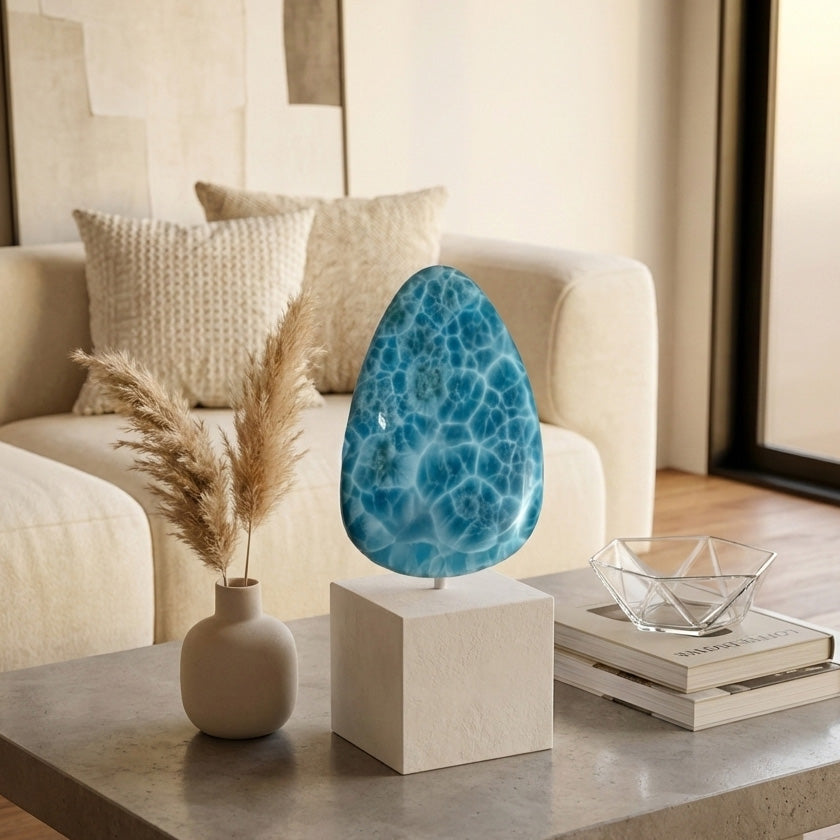
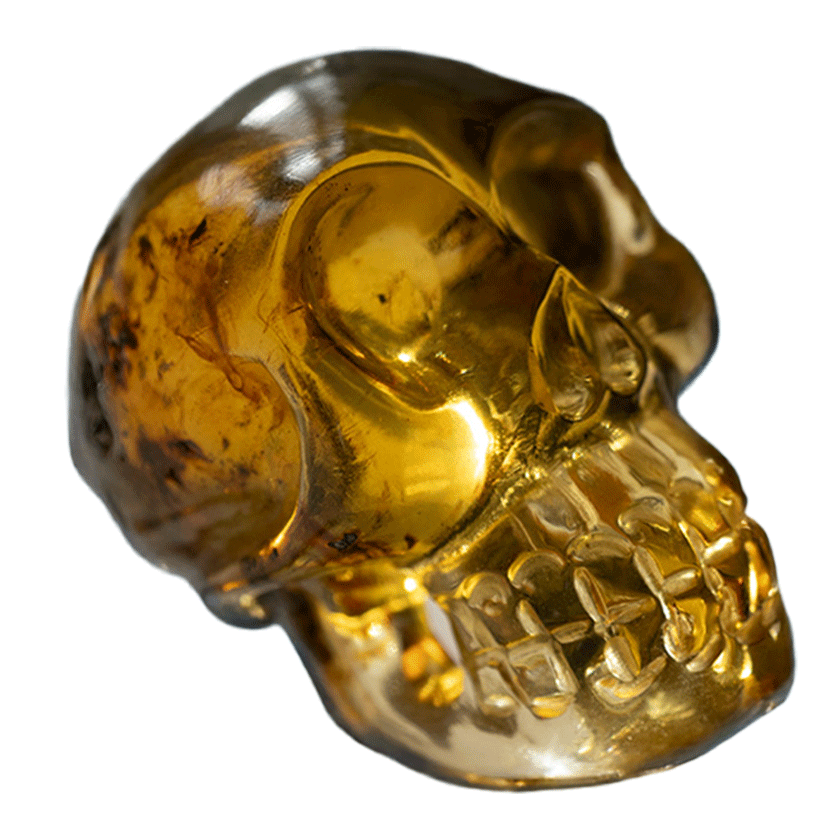
A natural amber carving is never merely decorative. Within its warm gold, honey, cognac, or rare blue glow sits fossilized tree resin formed over millions of years - a small, luminous record of the natural world. When a skilled artisan shapes that material into a heart, animal, flower, talisman, or polished collector piece, the result carries both geological history and human intention.

For jewelry lovers, collectors, and thoughtful gift buyers, natural amber carvings offer something mass-produced accessories cannot: individuality. Each piece has its own internal landscape of color, clarity, texture, and inclusions. A carving may reveal a sunlit golden transparency, a deep reddish warmth, or the dramatic electric fluorescence associated with exceptional Dominican Blue Amber.

Why Natural Amber Carvings Feel So Personal

Amber is organic, not mineral. It began as resin from ancient trees, then hardened and transformed beneath the earth over immense spans of time. That origin gives amber a softer, warmer visual character than many gemstones. It seems to hold light rather than simply reflect it.

Carving adds another layer of distinction. The artisan must work with the amber's natural shape, density, clarity, and internal features rather than force the material into a uniform result. A well-made piece respects the stone's character. Instead of hiding a swirling veil or a small natural inclusion, the carver may position it where it enriches the design.

This is why two carvings of the same motif can feel entirely different. One butterfly may be transparent and golden; another may carry dark cognac tones and a misty, ancient-looking interior. The subject may be repeated, but the amber remains one of a kind.

For many people, that individuality is the point. A carved amber pendant can become a keepsake for a birthday, anniversary, new beginning, or personal milestone. A palm-sized carving or cabochon can also become the centerpiece of a serious mineral collection. Its appeal depends on how you intend to enjoy it.

The Caribbean Distinction: Dominican Amber

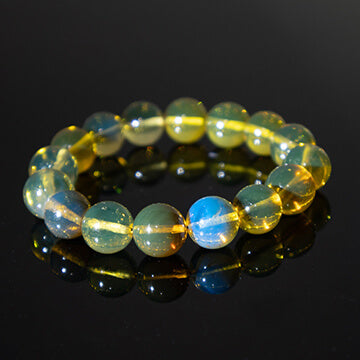
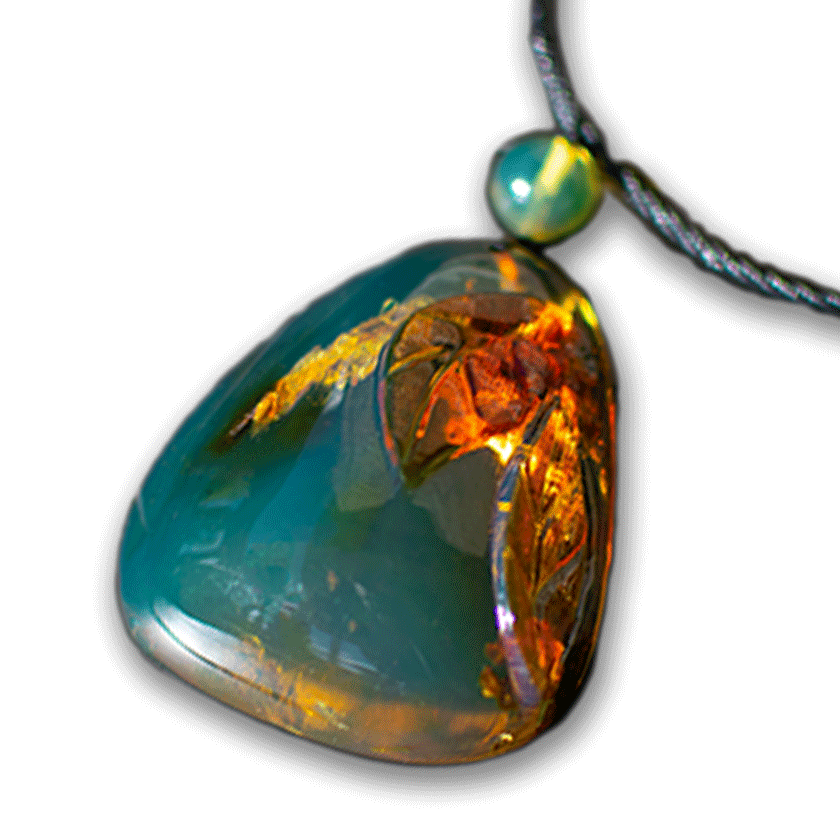
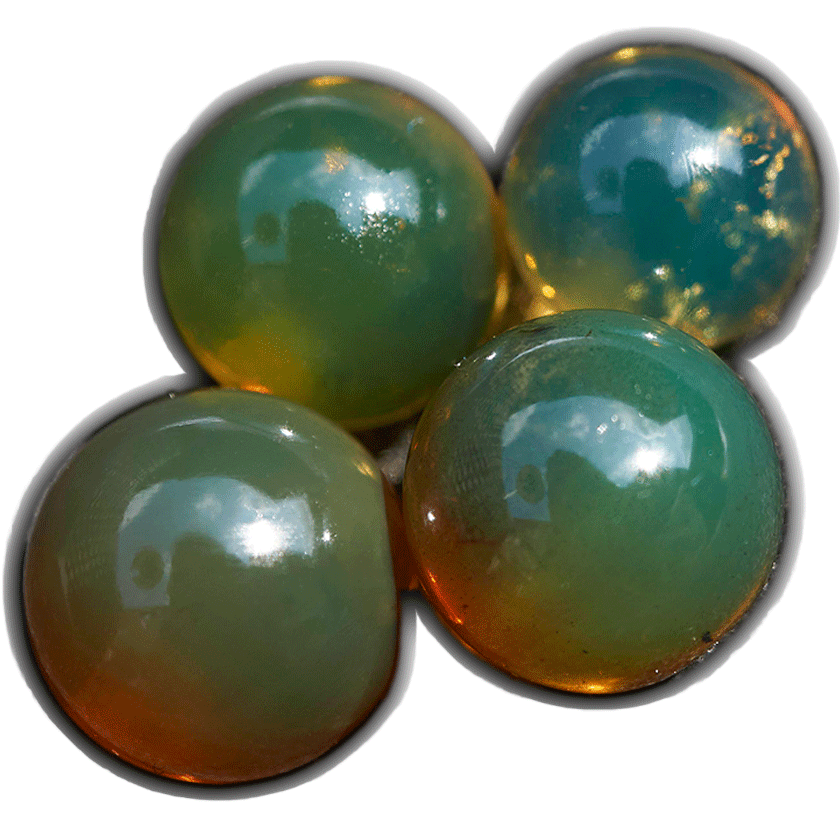
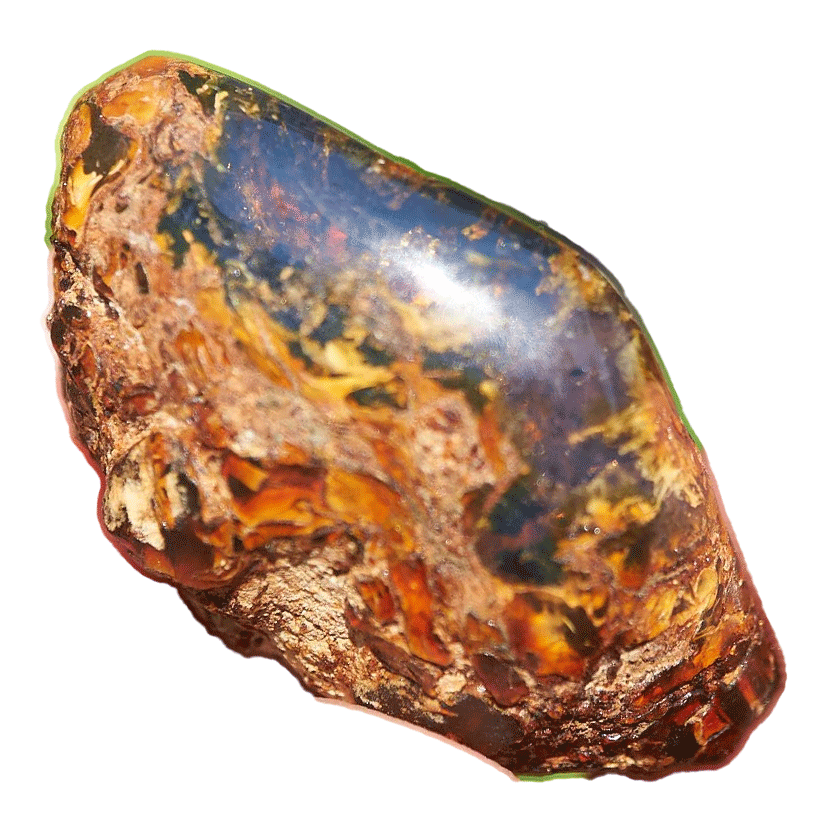
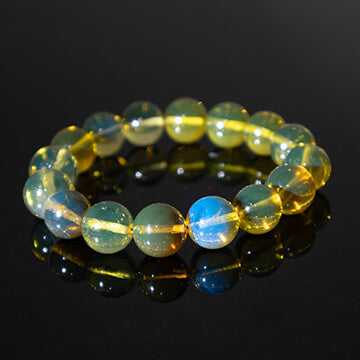
Dominican amber holds a special place among collectors because of its remarkable clarity, beautiful range of tones, and celebrated blue variety. Found in the Dominican Republic, this amber often appears warm yellow, honey, cognac, red, or greenish in ordinary light. Certain rare material displays a vivid blue fluorescence or blue appearance under sunlight and UV light - a quality that has made Dominican Blue Amber especially sought after.

Blue Amber should be appreciated with realistic expectations. Its color can shift according to the background, lighting, thickness, and viewing angle. A piece that seems golden indoors may show a striking blue glow in direct natural light. That changing appearance is not a flaw. It is part of what makes authentic Blue Amber so captivating.

Carved Dominican amber offers an especially beautiful connection between material and place. Its warm radiance recalls Caribbean sunlight, while its rare blue fire can evoke the depth and movement of the sea. For those drawn to meaningful jewelry, it is a chance to wear a piece of the Caribbean with a story far older than any trend.

Choosing an Authentic Amber Carving

The beauty of amber has also led to imitation materials. Plastic, resin, copal, and reconstructed amber can be attractive, but they are not the same as natural amber. If authenticity matters to you, purchase from a specialist that clearly identifies material, origin when known, and any relevant certification or documentation.

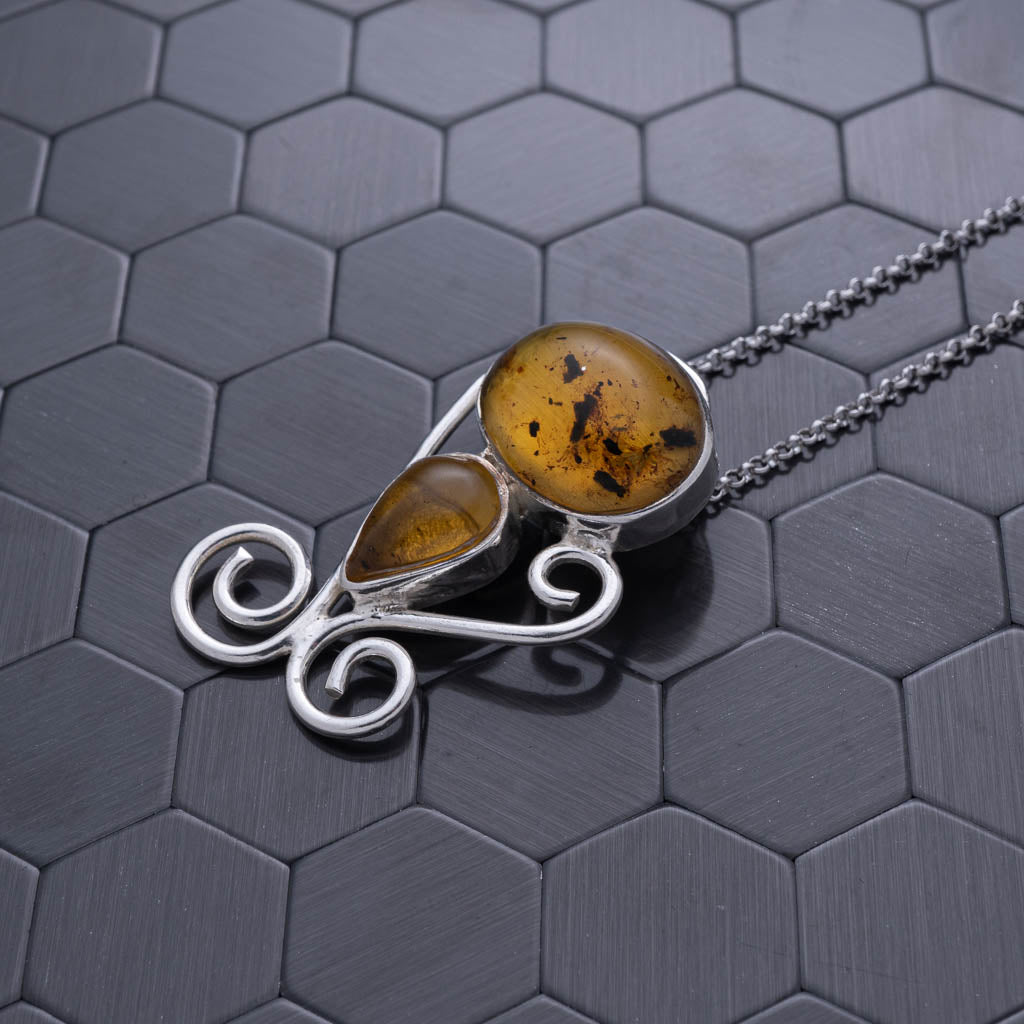
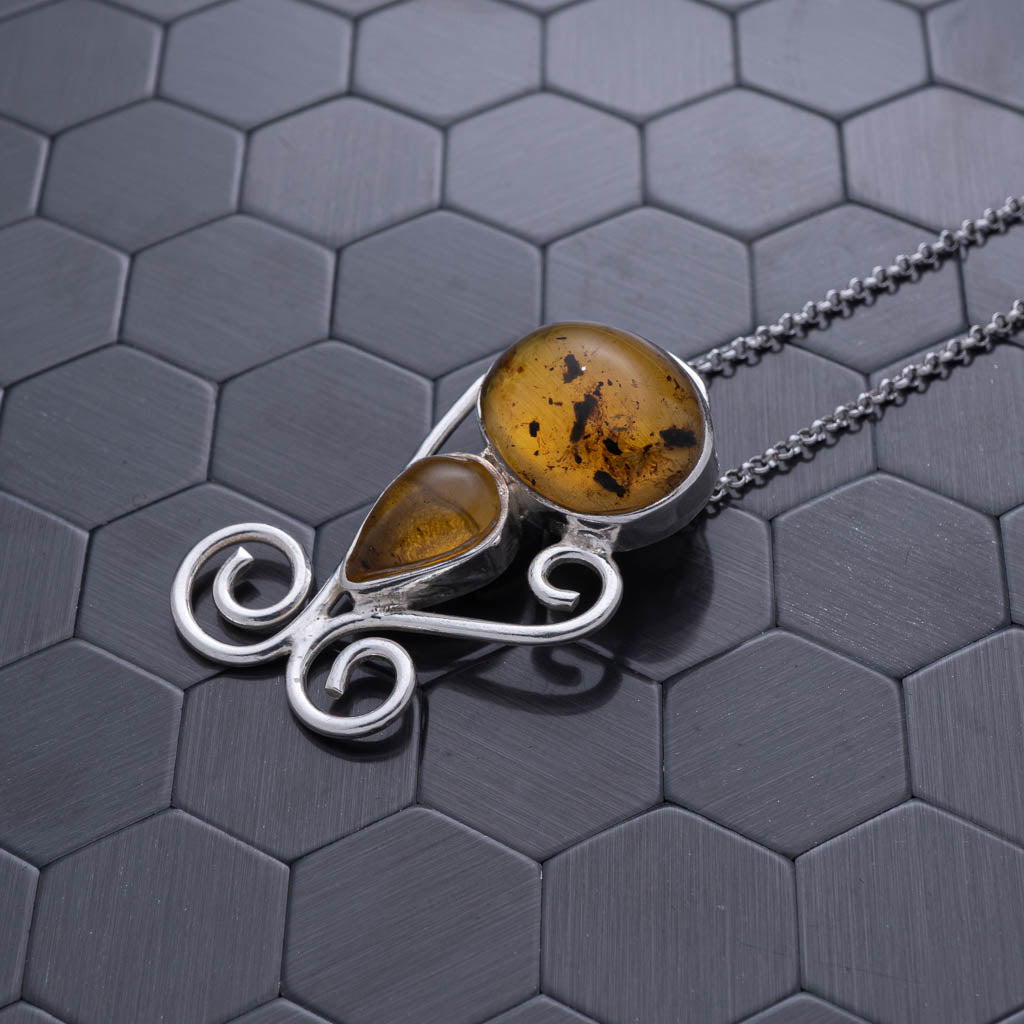
Natural amber often shows subtle variation rather than factory-perfect uniformity. Look closely at the polish, color transitions, internal texture, and carving details. An authentic piece may contain tiny bubbles, organic-looking wisps, mineral traces, or plant matter. These features can add value and visual interest, although clear amber without visible inclusions is also desirable.

It is wise to avoid relying on home tests. Saltwater, heat, solvents, and static-electricity experiments are often oversimplified and can damage a polished carving or provide misleading results. A trusted seller's expertise, transparent descriptions, and established focus on genuine Dominican amber are far more meaningful indicators.

Price is also part of the picture. Natural amber carvings vary widely in cost based on size, clarity, color, artistry, rarity, and whether the piece contains an inclusion. A small, finely carved pendant may be more valuable than a larger but less refined object. Rare blue material, detailed figural carving, and exceptional transparency can all command a premium.

Let the Intended Use Guide Your Choice

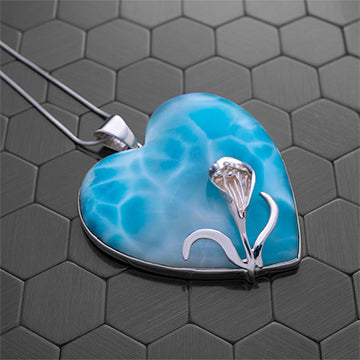
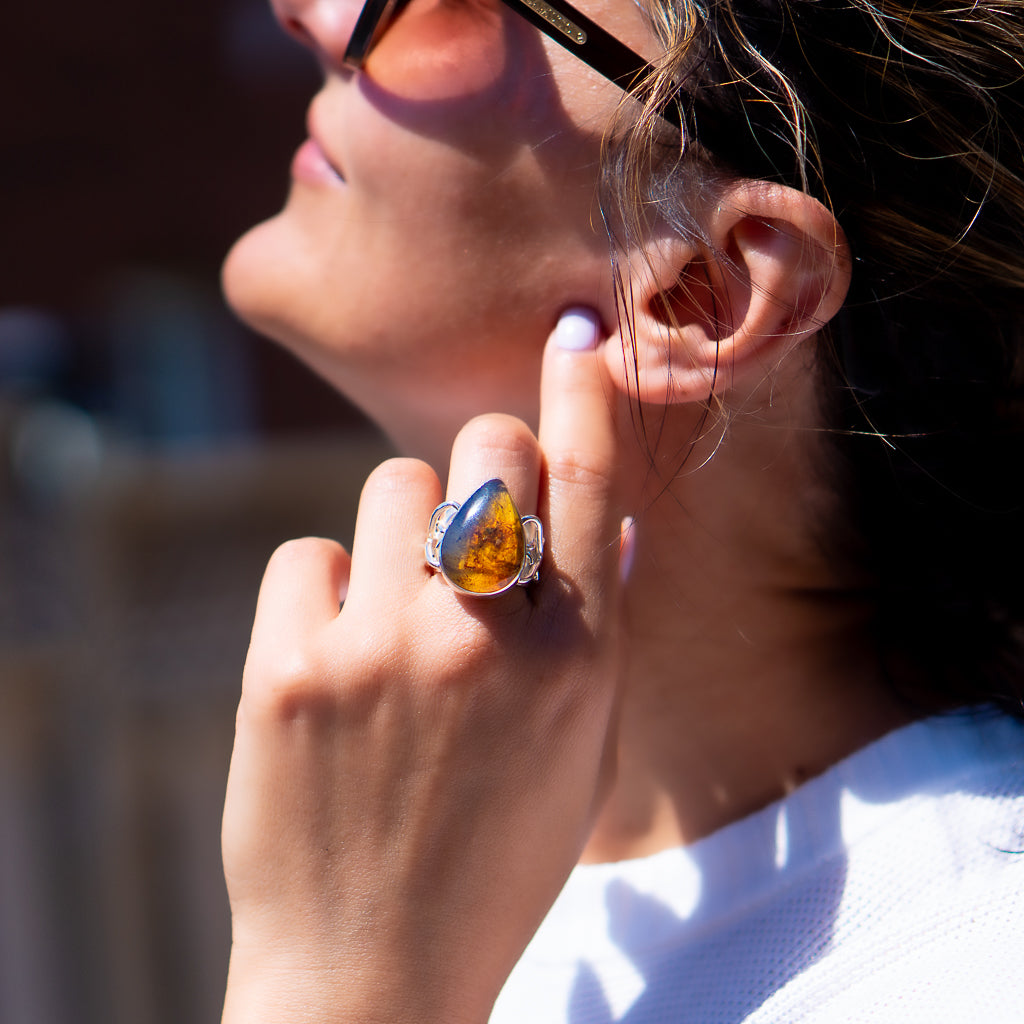
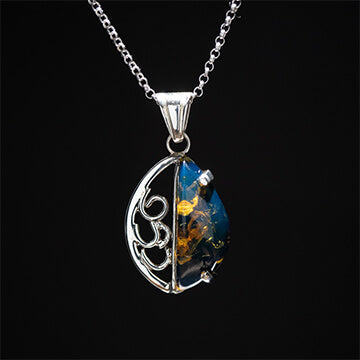
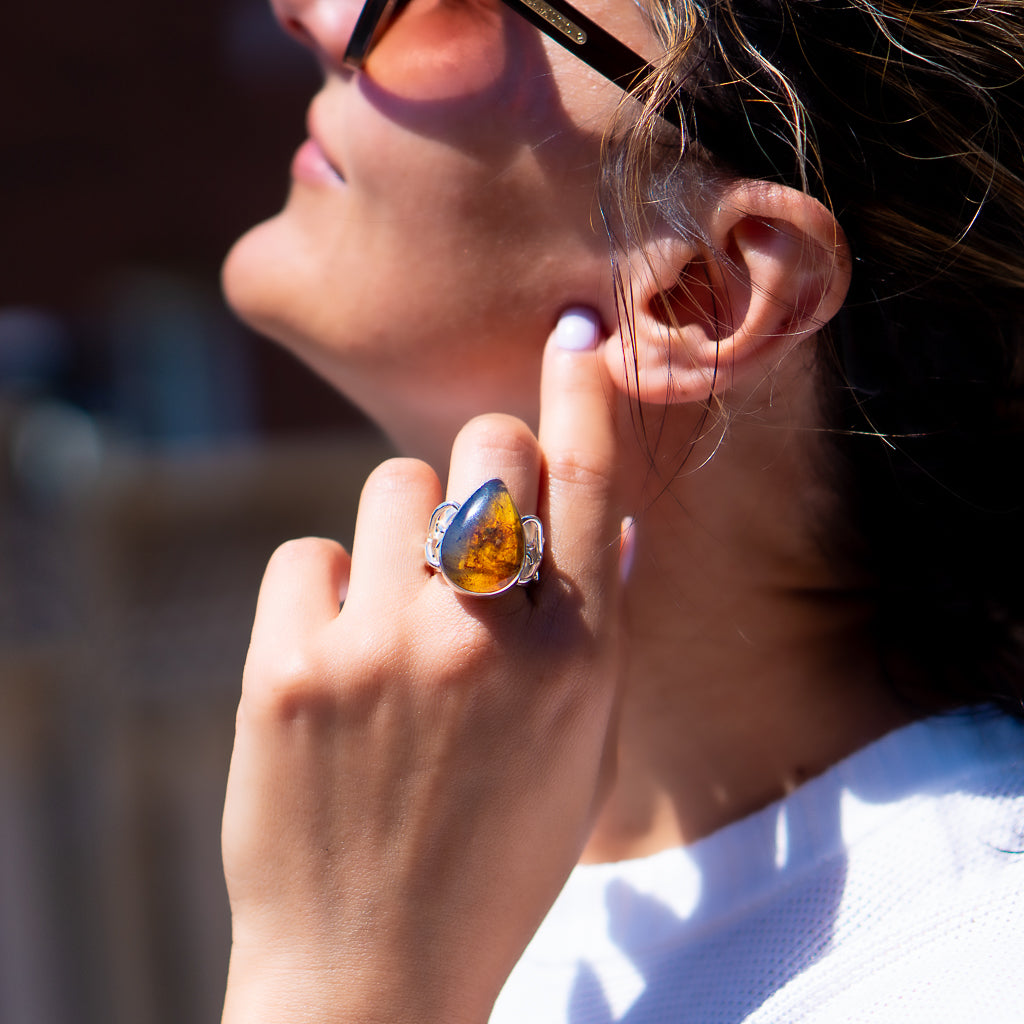
A carving chosen for jewelry should balance beauty with wearability. A pendant benefits from a comfortable weight, secure setting or bail, and a shape that lies gracefully against the body. Hearts, leaves, polished freeforms, and symbolic motifs make particularly meaningful gifts because they feel intimate without requiring a perfectly known ring size.

Collector carvings can be more adventurous. Larger freeforms, animals, religious or cultural motifs, fossil-bearing pieces, and display specimens invite closer inspection. Here, the artistry and specimen quality may matter more than whether the piece is practical for daily wear.

If you are shopping for someone else, consider what they are most likely to value. A person who loves refined jewelry may prefer a clean, luminous carving with elegant metalwork. A gemstone enthusiast may be drawn to an unusual shape, a visible inclusion, or the changing light of Blue Amber. There is no universally "best" amber carving - only the one that suits the wearer or collector.

Craftsmanship You Can See and Feel

Fine amber carving requires patience because amber is comparatively soft and can be scratched, overheated, or fractured if handled carelessly. The best work has intentional proportions, crisp but not brittle-looking details, and a polished surface that lets the material glow.

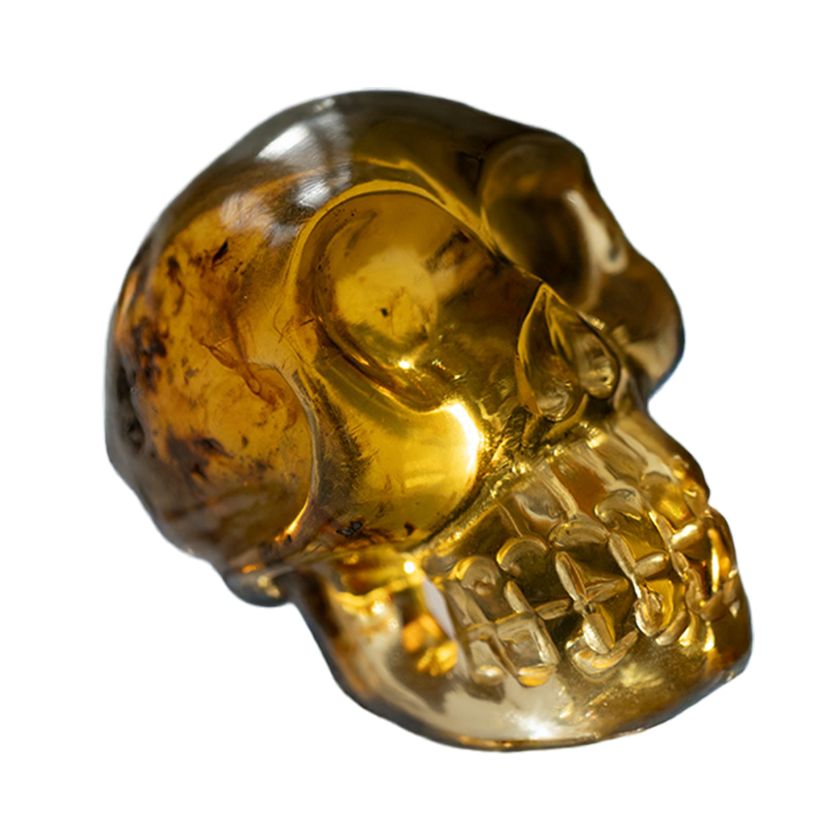
Examine the design from every angle. On a quality carving, the motif should feel integrated with the amber rather than stamped onto it. The artist may use a naturally darker area to define a wing, petal, or facial feature. In a translucent carving, gentle depth can create the impression that the design is floating inside the stone.

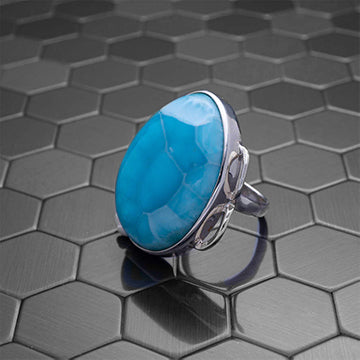
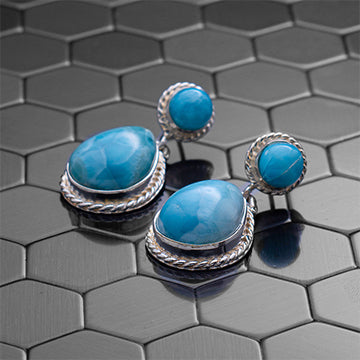
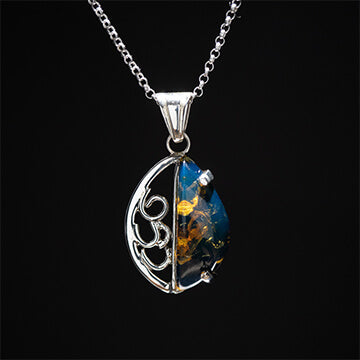
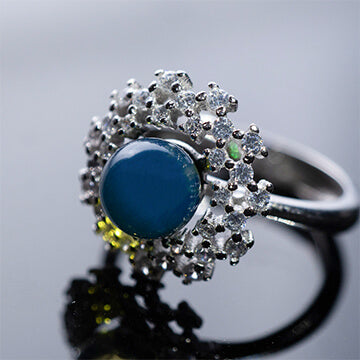
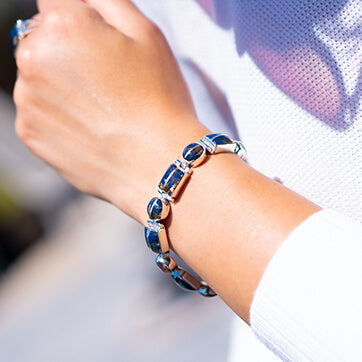
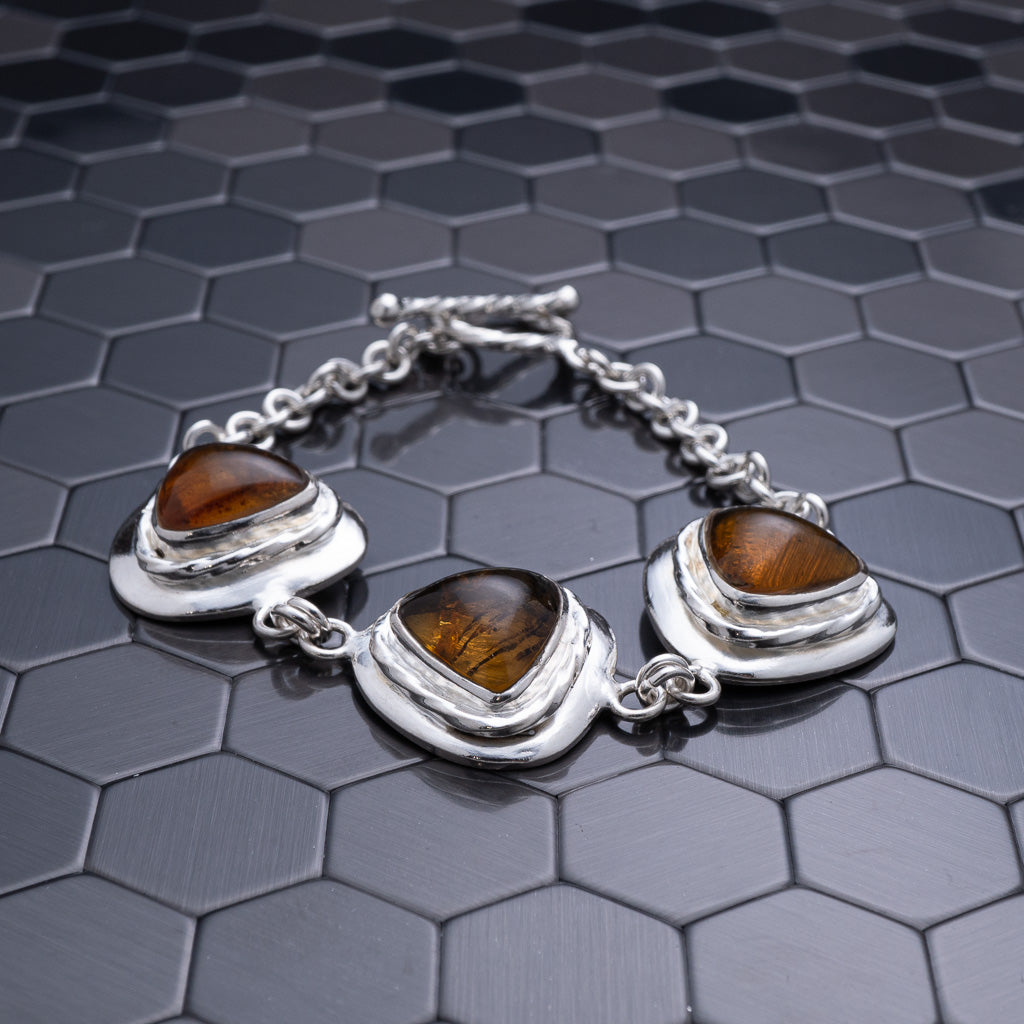
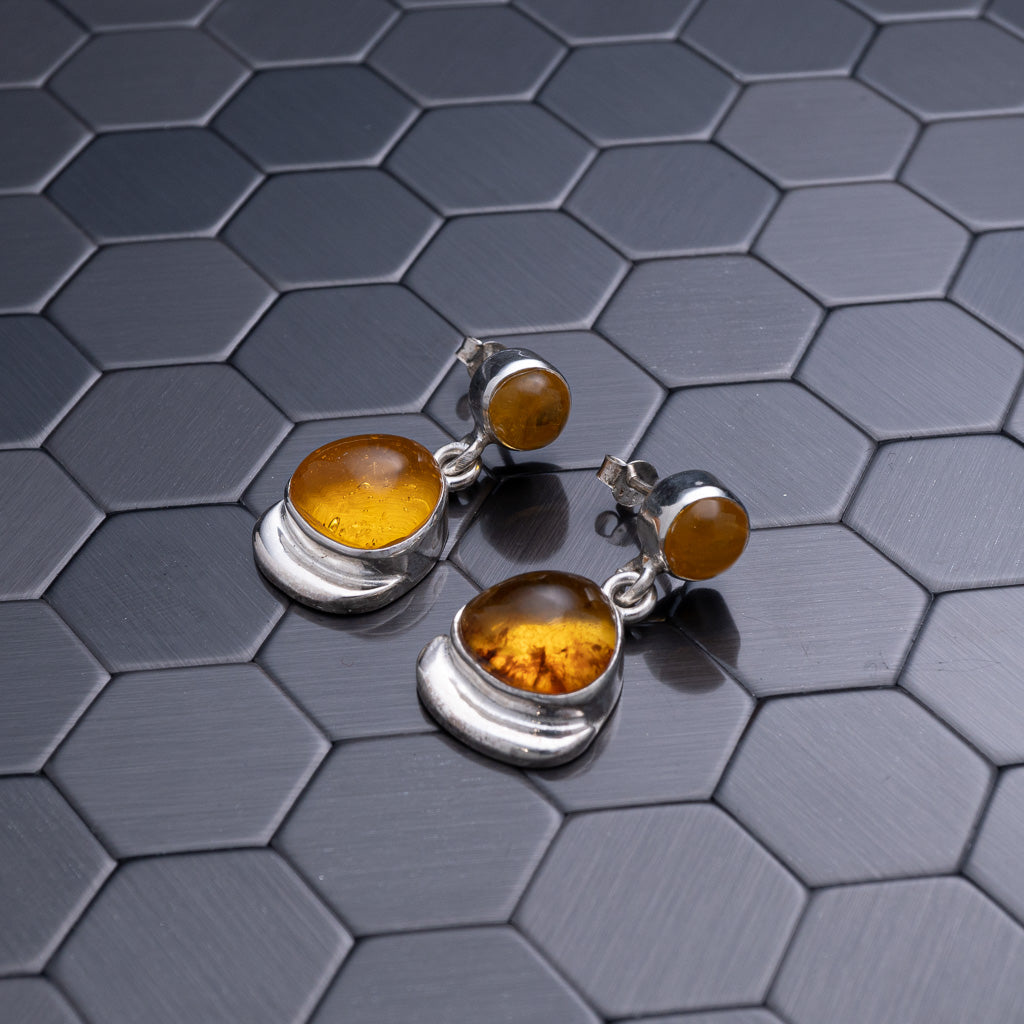
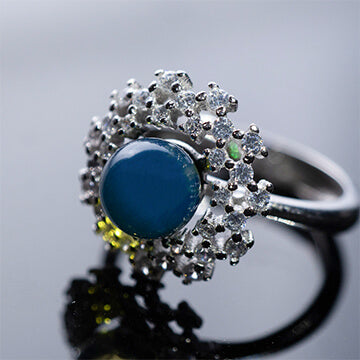
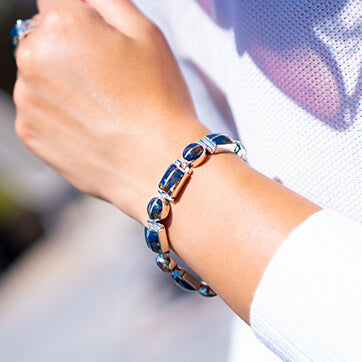
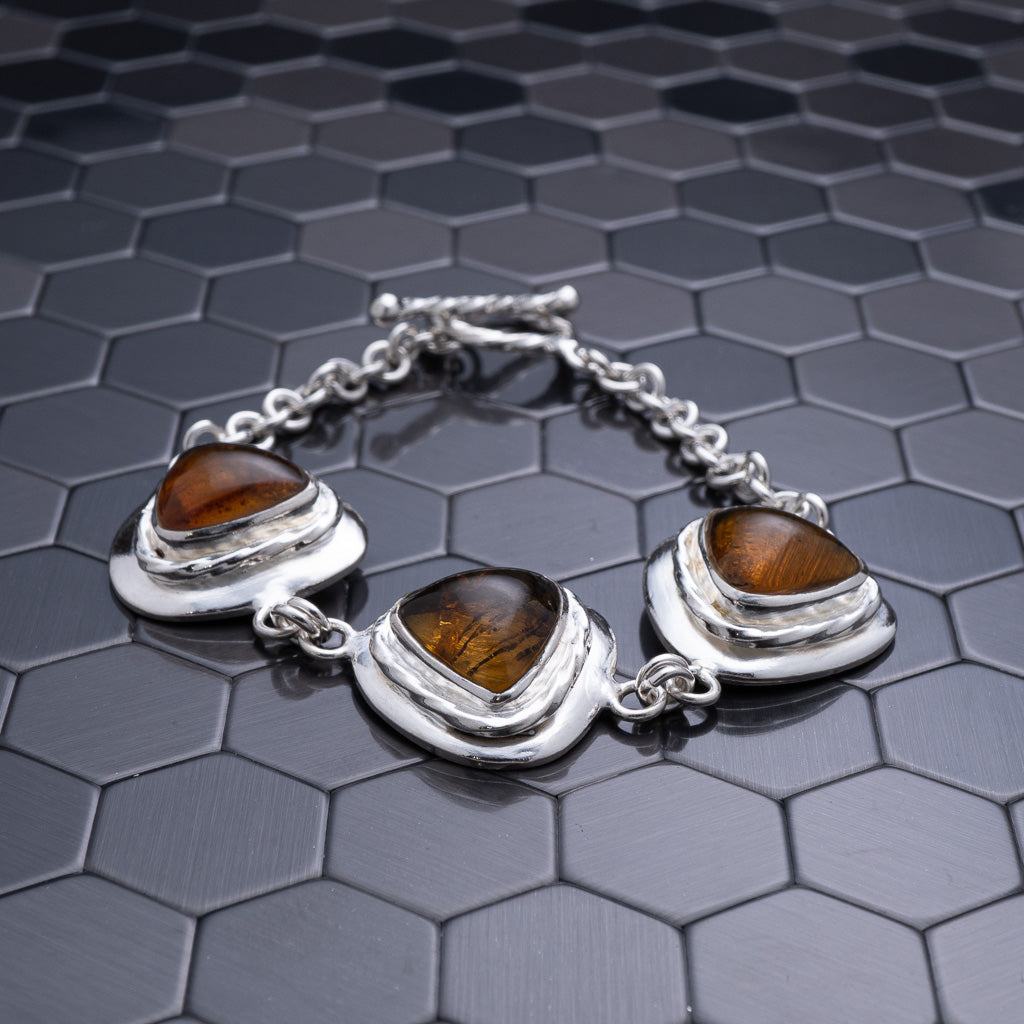
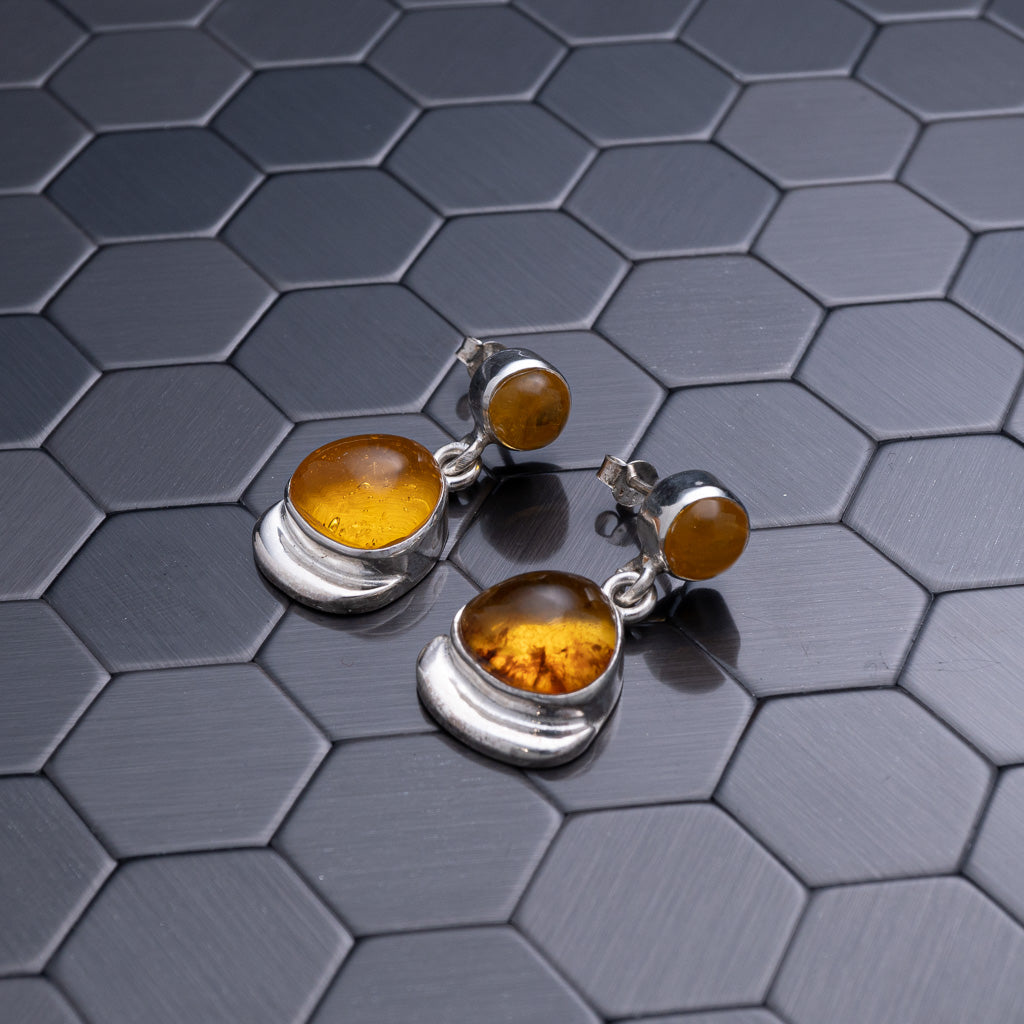
The setting matters just as much for wearable pieces. Sterling silver can emphasize amber's cool blue and golden tones, while gold brings out its honeyed warmth. Handmade settings may show slight variations that signal individual workmanship rather than assembly-line production. What matters is that the amber is protected while remaining visible enough for its natural light to take center stage.

Caring for a Carved Amber Treasure

Amber deserves gentler care than diamond, sapphire, or quartz jewelry. Store it separately in a soft pouch or lined compartment so harder stones and metals do not scratch the surface. Remove amber jewelry before exercise, swimming, housework, or applying perfume, hairspray, lotion, and cleaning products.

To clean a carving, use a soft, dry cloth or a lightly damp cloth followed immediately by gentle drying. Do not use ultrasonic cleaners, steam cleaners, harsh chemical solutions, or abrasive polishing compounds. Extended heat and direct sun exposure are also best avoided, especially for pieces with fine detail or delicate settings.

With considerate care, natural amber develops an even more intimate presence over time. It is a material meant to be held, admired, and worn thoughtfully - not treated as disposable fashion.

A beautifully chosen amber carving can become more than an accessory or display object. Let its color, origin, craftsmanship, and quiet ancient character guide you toward the piece that feels unmistakably yours.


Let's Stay In Touch