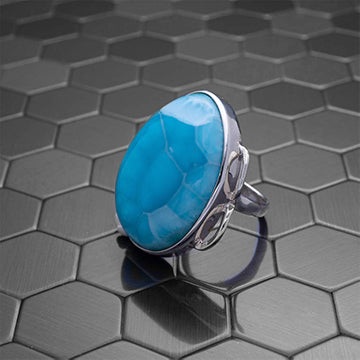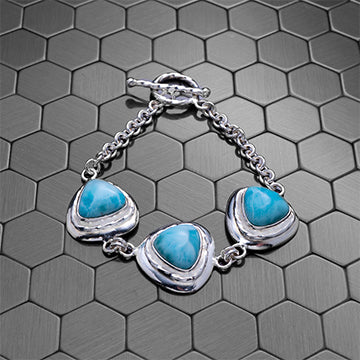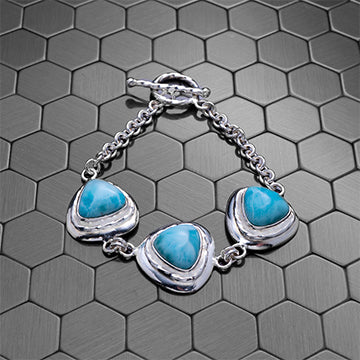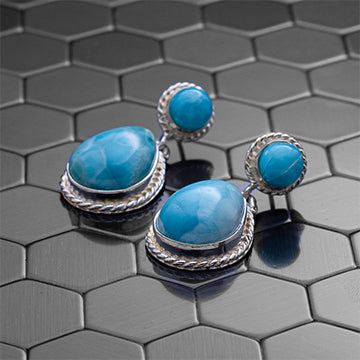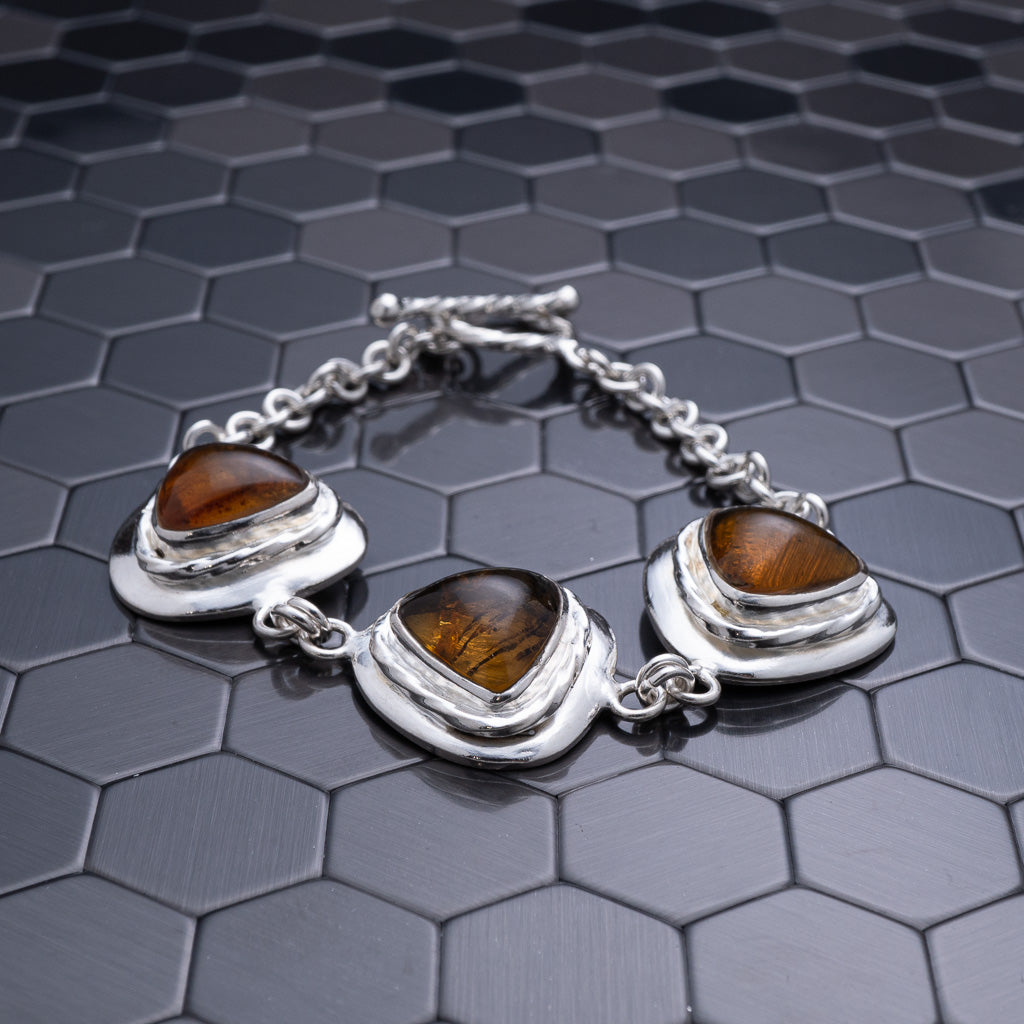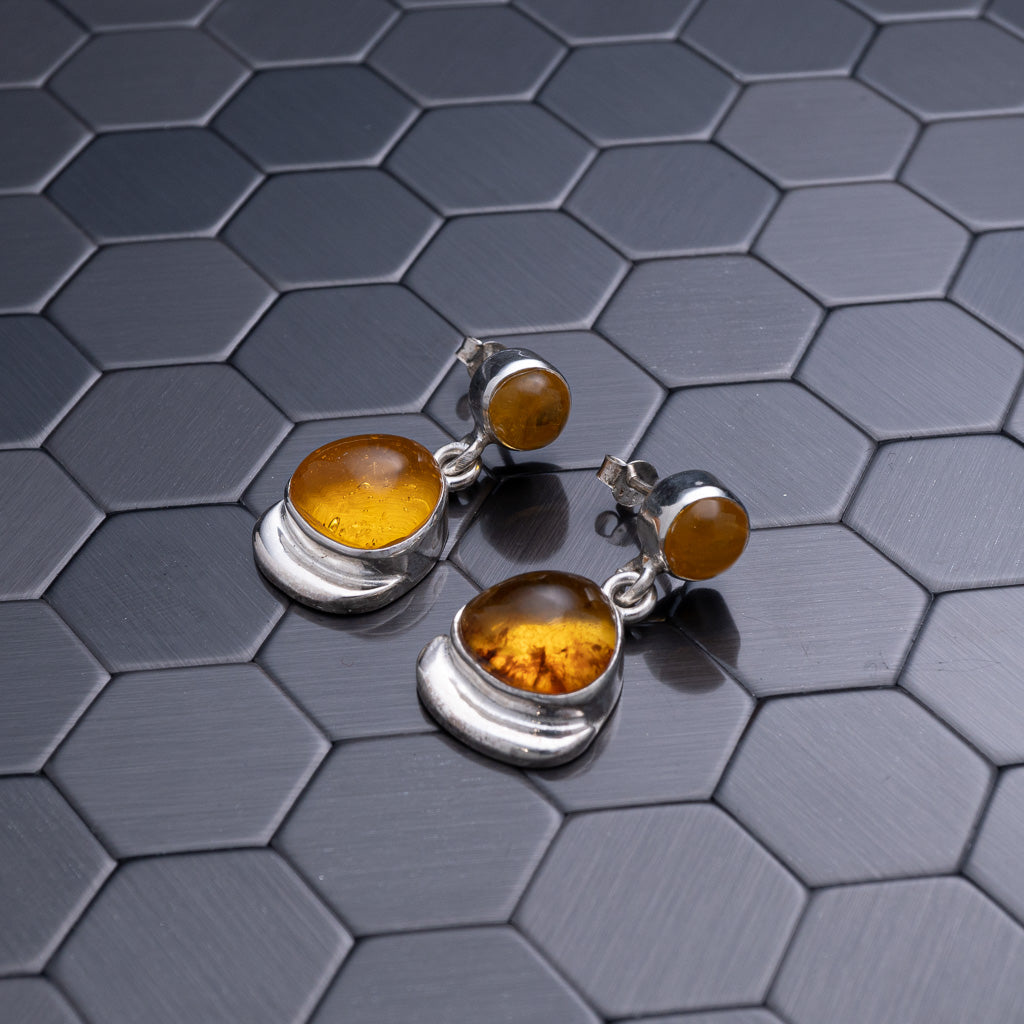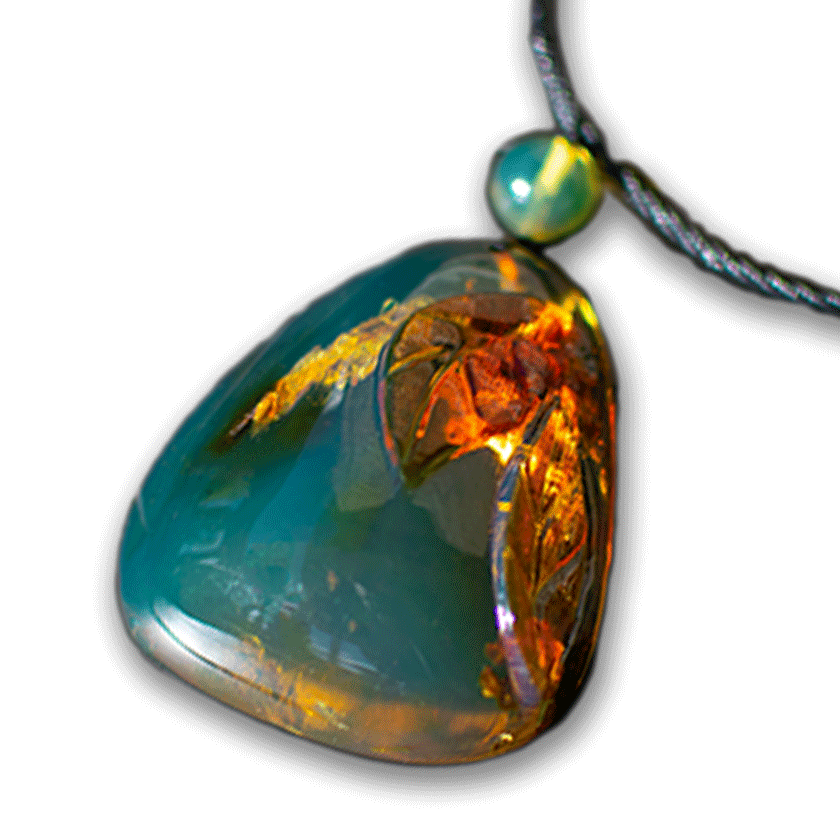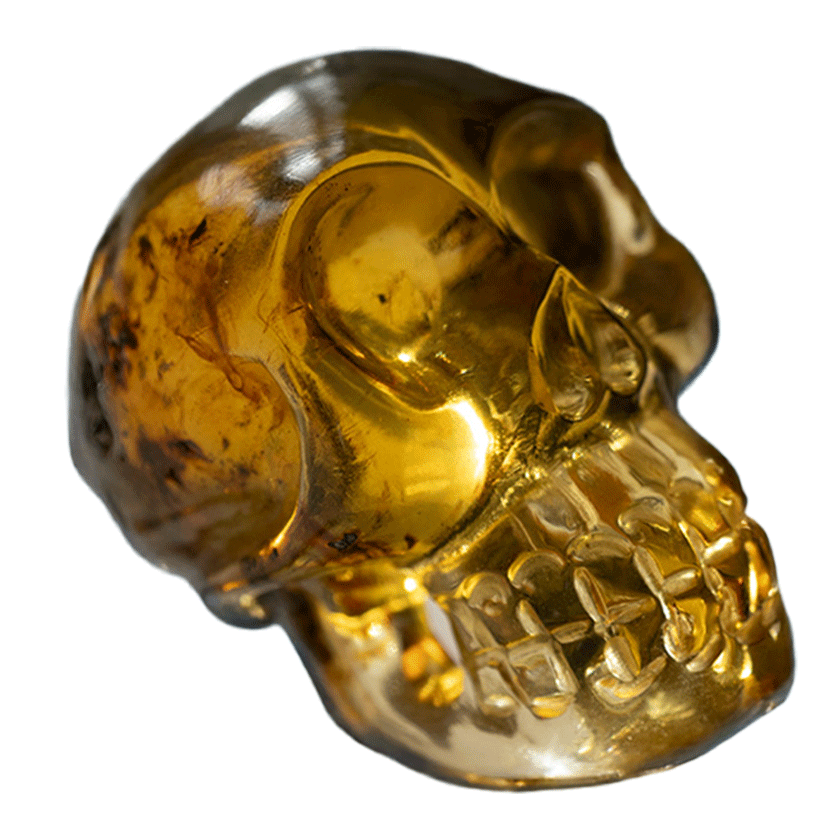


Handcrafted in DR.

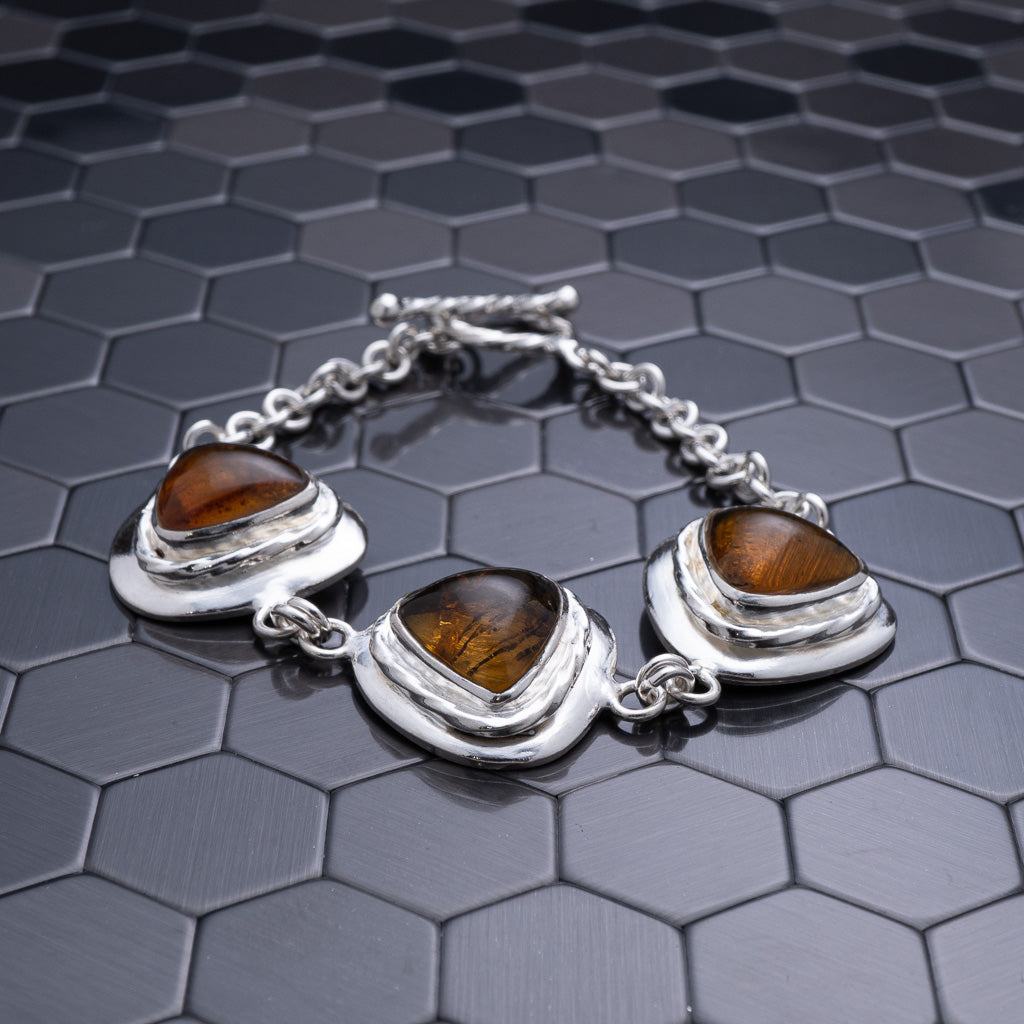
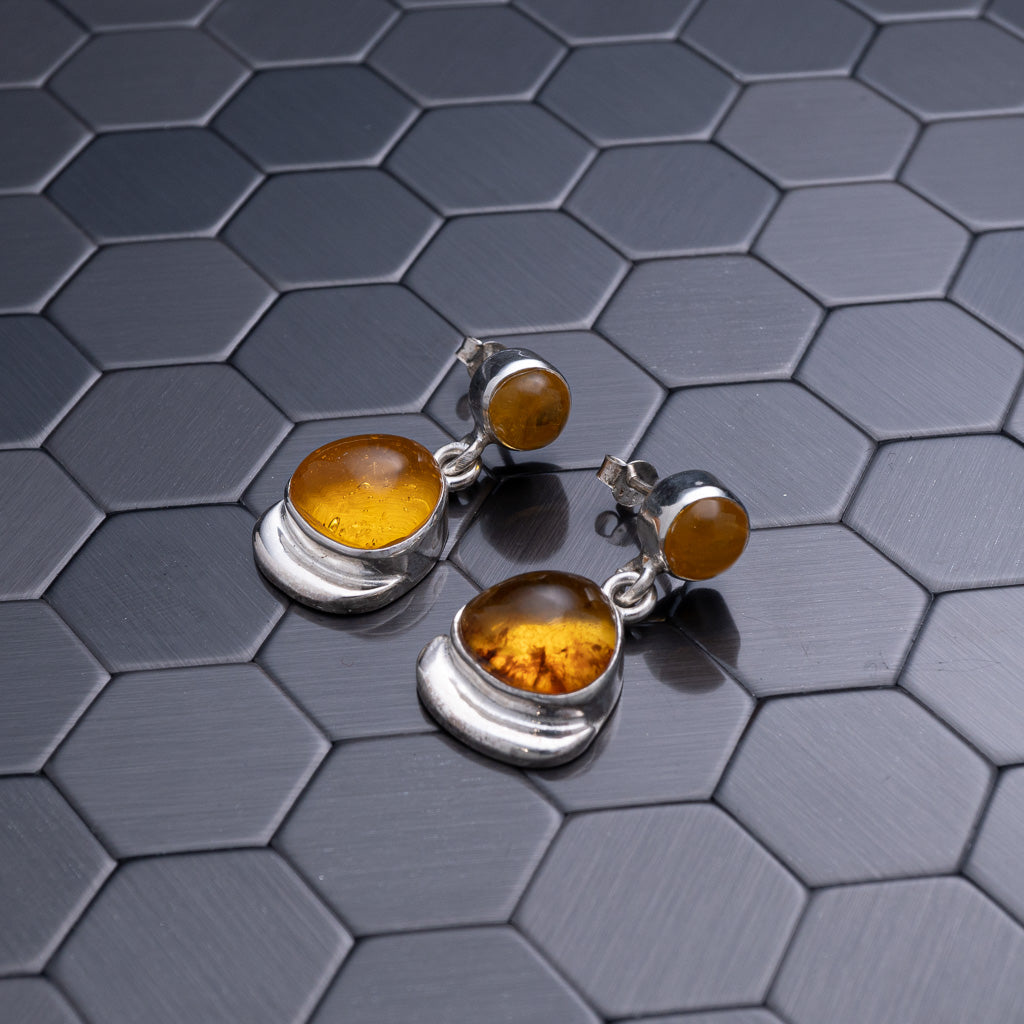


100% Handcrafted in DR.

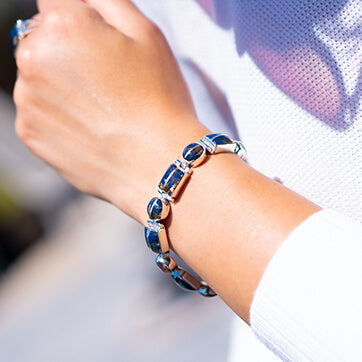
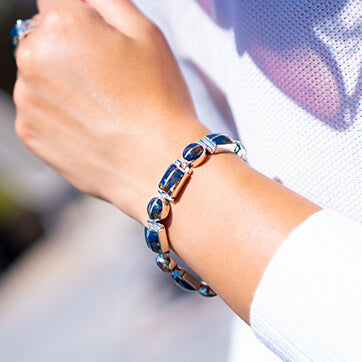
Bracelets with blue stones have captivated jewelry enthusiasts for centuries, offering a spectrum of hues from the palest sky blue to the deepest midnight navy. These stunning accessories combine the timeless elegance of natural gemstones with the personal expression of wrist jewelry. Whether you're drawn to the tranquil shades of larimar, the regal depth of sapphire, or the mystical allure of lapis lazuli, understanding the variety and characteristics of blue stones transforms shopping from overwhelming to exciting. This comprehensive guide explores the gemstone options, styling considerations, and care practices that help you select and maintain bracelets with blue stones that truly reflect your personality and complement your wardrobe.
The world of blue gemstones offers remarkable diversity, each stone bringing unique characteristics to bracelet designs. The color blue in gemstones results from specific mineral compositions and trace elements that interact with light in fascinating ways. According to detailed research on blue gemstones, the blue coloration can range from transparent to opaque, with varying levels of saturation and tone.
Sapphire stands as the most recognized blue gemstone, prized for its exceptional hardness and brilliant color. These corundum gems rate 9 on the Mohs hardness scale, making them ideal for everyday bracelet wear. Blue diamonds represent the pinnacle of luxury, though their rarity places them beyond most budgets. Aquamarine, a member of the beryl family, offers a lighter alternative with excellent clarity and a refreshing pale blue reminiscent of tropical waters.
Tanzanite has emerged as a contemporary favorite since its discovery in 1967, displaying a unique violet-blue hue found nowhere else on Earth. This stone's relative softness requires protective settings in bracelets, but its striking color justifies the extra care.
| Gemstone | Hardness (Mohs) | Color Range | Durability for Bracelets |
|---|---|---|---|
| Sapphire | 9 | Deep to medium blue | Excellent |
| Aquamarine | 7.5-8 | Light to medium blue | Very good |
| Tanzanite | 6-6.5 | Violet-blue | Moderate (needs care) |
| Blue Topaz | 8 | Sky to London blue | Very good |
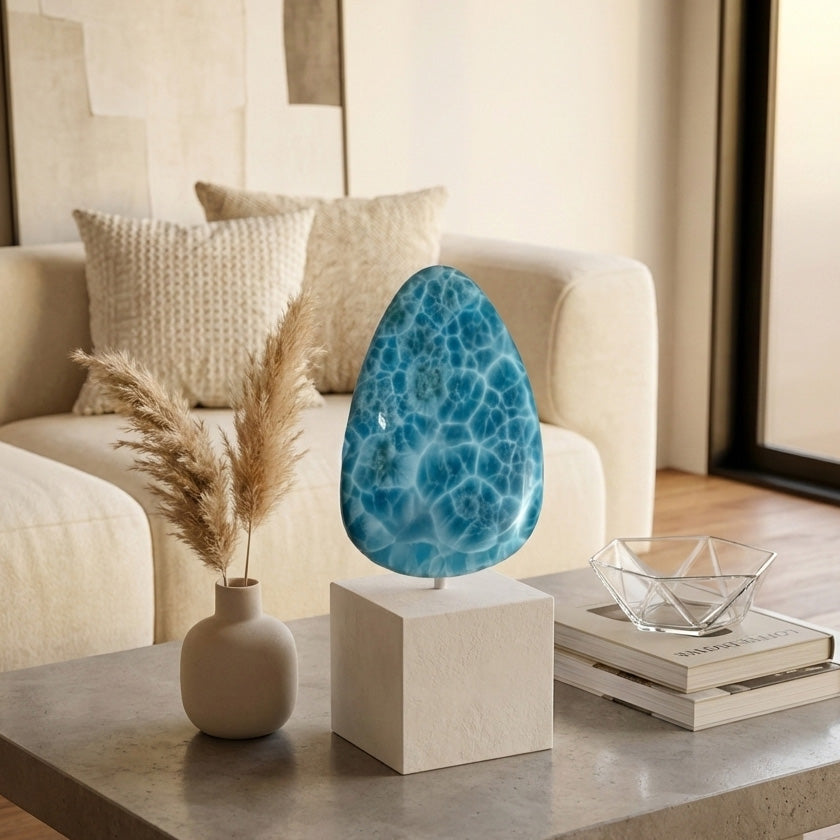
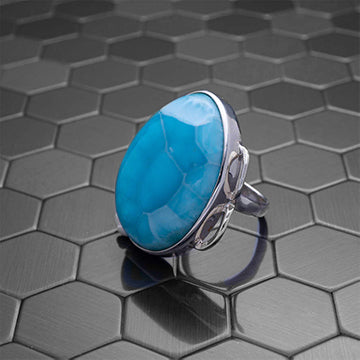
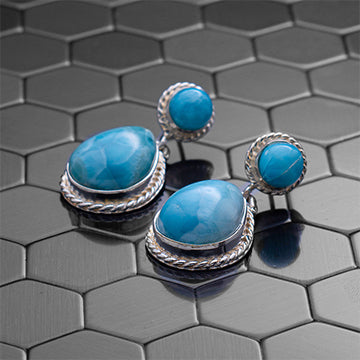
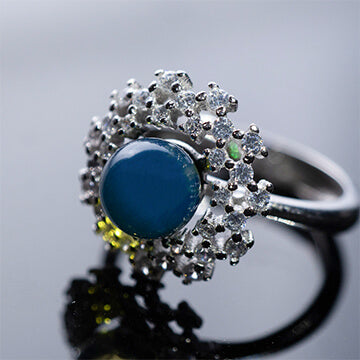
Larimar presents one of nature's most distinctive blue gemstones, found exclusively in the Dominican Republic. This rare stone captures the essence of Caribbean waters with its soothing turquoise-blue patterns. Larimar's unique properties make it particularly appealing for those seeking jewelry that tells a story beyond mere aesthetics.
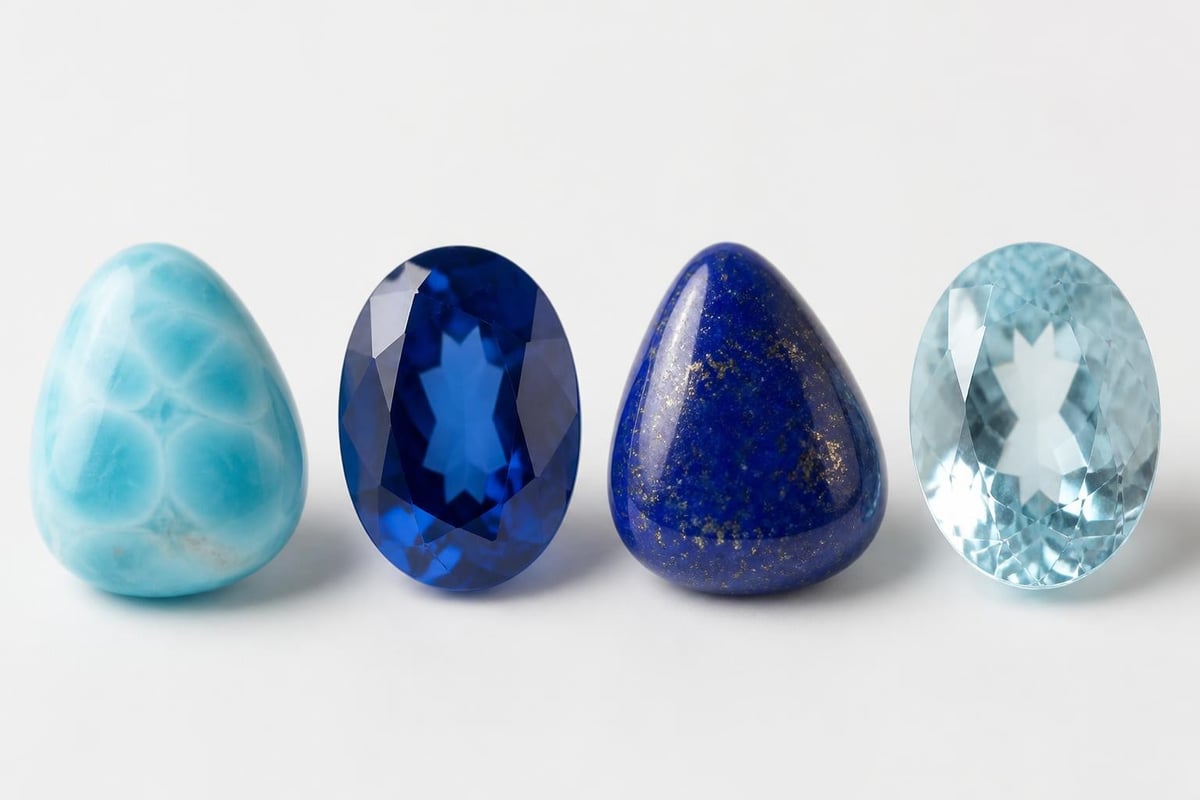
Lapis lazuli offers a completely different aesthetic with its opaque deep blue body punctuated by golden pyrite inclusions. This historical stone adorned ancient Egyptian royalty and continues to bring regal elegance to modern bracelets. Turquoise, another opaque option, ranges from greenish-blue to pure sky blue, often featuring distinctive matrix patterns that make each piece unique.
Blue chalcedony provides an affordable yet beautiful option for bracelets with blue stones. Its translucent quality and gentle color work beautifully in both casual and formal designs. Kyanite's distinctive blade-like crystal structure and variable blue shades create contemporary, edgy bracelet designs that appeal to modern sensibilities.
The setting style dramatically impacts how bracelets with blue stones appear and function in daily wear. Metal choice creates the foundation for showcasing blue gemstones effectively. White metals like platinum, white gold, and sterling silver enhance the cool tones of blue stones, creating a cohesive, modern aesthetic. Yellow gold provides warm contrast that makes lighter blue stones pop visually, while rose gold offers a romantic backdrop for deeper blue hues.
Tennis bracelets featuring blue stones deliver timeless sophistication. This continuous line of individually set gems wraps elegantly around the wrist, with each stone catching light from multiple angles. Sapphires work particularly well in tennis bracelet designs due to their durability and brilliant sparkle. The symmetry and repetition create visual harmony that suits both professional and evening occasions.
Charm bracelets allow collectors to showcase multiple blue stone varieties simultaneously. This approach lets wearers combine different jewelry pieces that tell personal stories through carefully selected stones. Blue topaz charms might represent December birthdays, while larimar additions commemorate tropical vacations or spiritual connections to the ocean.
Modern designers increasingly embrace asymmetry and mixed-media approaches in bracelets with blue stones. Combining different blue gemstones in a single piece creates depth and visual interest. A designer might pair the deep blue of lapis lazuli with the lighter tones of blue chalcedony, creating a gradient effect that mimics ocean depths.
Wrap bracelets have gained popularity for their versatility and bohemian appeal. These multi-strand designs incorporate blue stones among leather, fabric, or metal chain elements. The casual elegance suits contemporary lifestyles where jewelry transitions seamlessly from yoga class to dinner reservations.
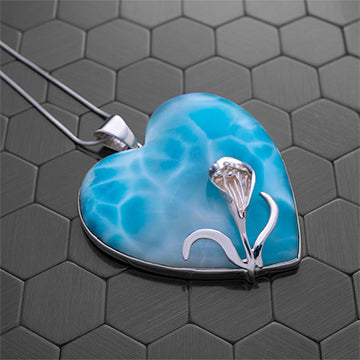
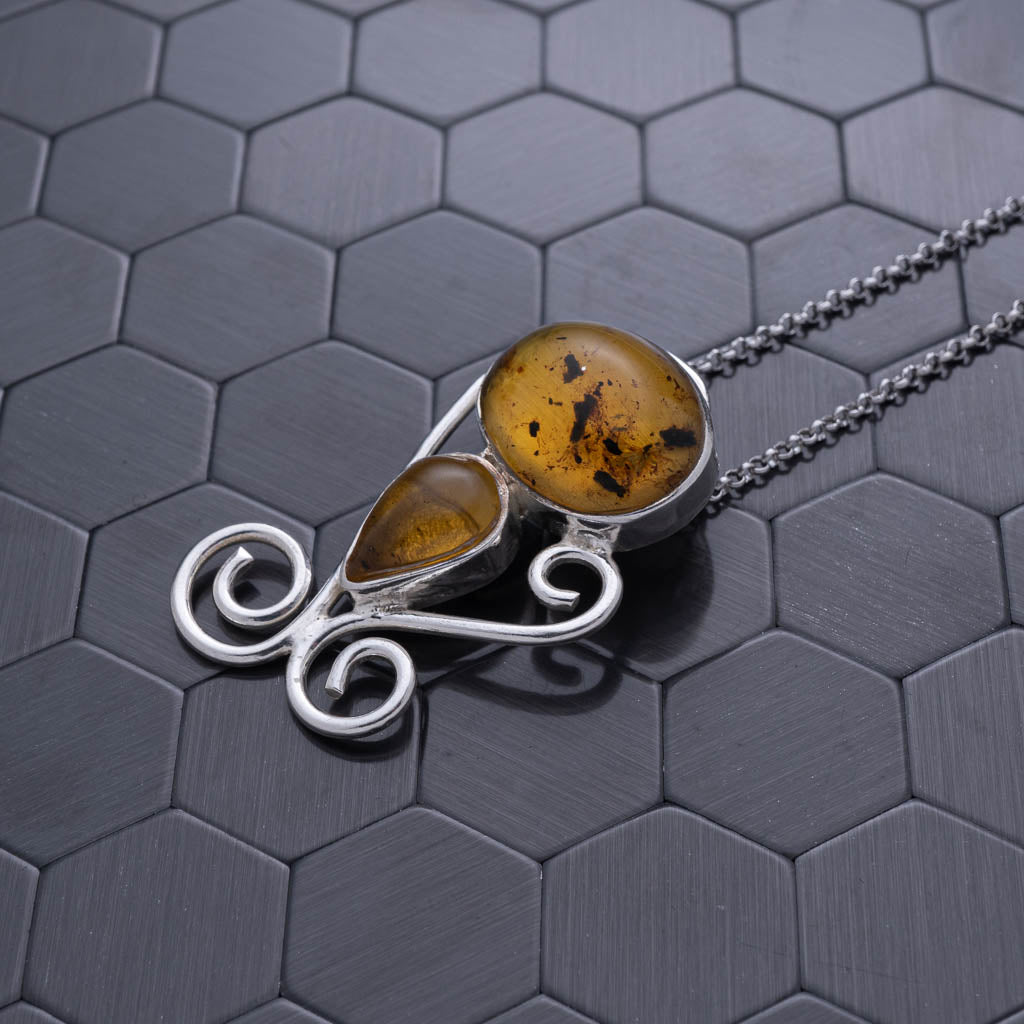
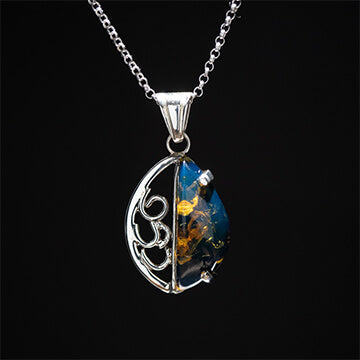
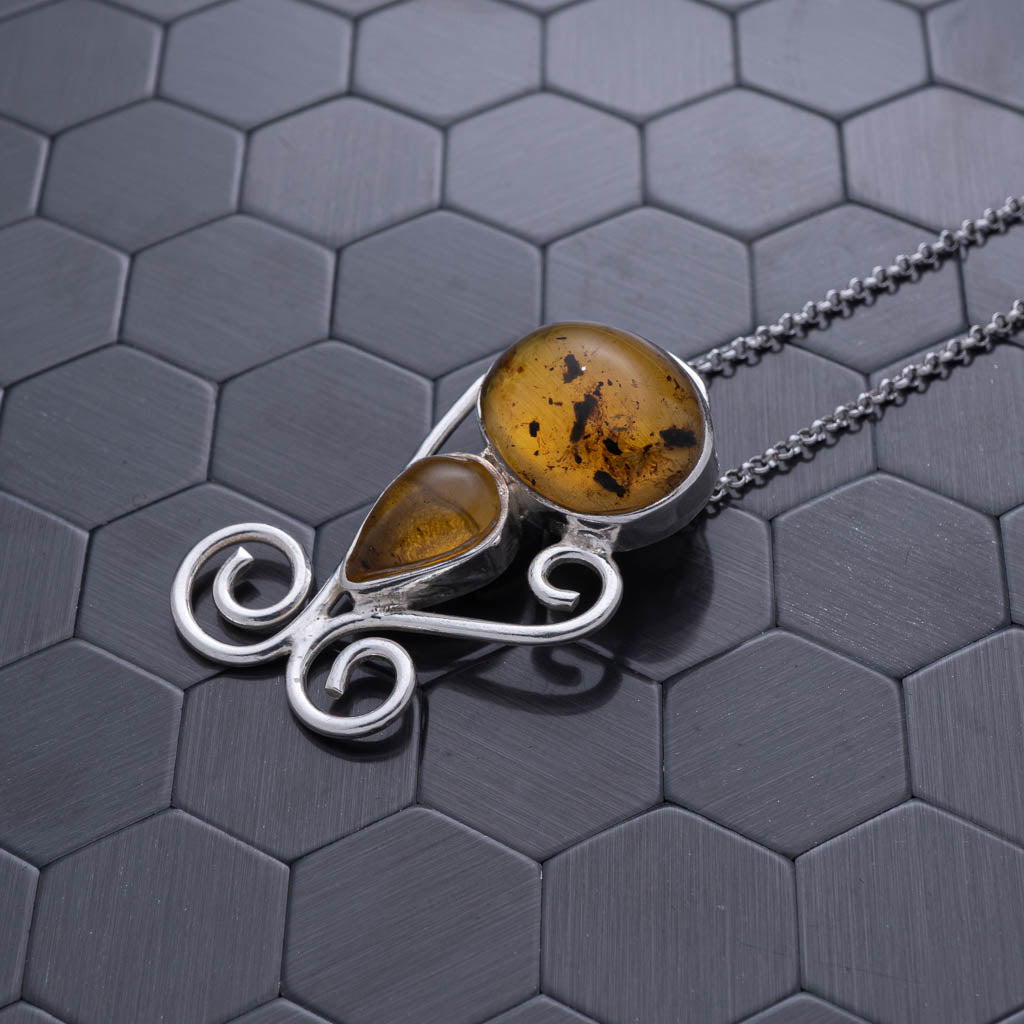
Statement cuffs featuring bold blue stones make powerful fashion statements. These substantial pieces often showcase rare or large specimens as centerpieces, surrounded by complementary metalwork. For those interested in truly unique pieces, larimar pendants demonstrate how rare blue stones can become conversation-starting jewelry that carries both beauty and meaning.
Matching bracelets with blue stones to specific occasions enhances both the jewelry's impact and your overall presentation. Professional environments typically call for subtle elegance rather than bold statements. Sapphire or aquamarine tennis bracelets in precious metals project competence and refinement without overwhelming business attire. Smaller stones in streamlined settings maintain professionalism while adding personality.
Daily bracelets require durability alongside beauty. Research on blue gemstone properties emphasizes selecting harder stones for pieces worn regularly. Blue topaz, sapphire, and aquamarine withstand the bumps and contact of daily activities better than softer alternatives like turquoise or lapis lazuli.
Simple beaded bracelets featuring uniform blue stones offer versatility that complements casual wardrobes. These understated pieces layer well with watches or other bracelets, creating personalized wrist stacks. The key involves selecting stones whose color intensity matches your typical clothing palette.
Practical features for daily wear:
Formal occasions permit more dramatic bracelets with blue stones that capture attention and complement elegant attire. Deep blue sapphires paired with diamonds create breathtaking evening pieces that rival any necklace or earring set. The contrast between brilliant white diamonds and rich blue stones produces a sophisticated glamour perfect for galas, weddings, or anniversary celebrations.
Larger statement pieces work beautifully for special events where dress codes encourage bold accessories. A substantial cuff featuring a prominent piece of larimar or a cluster of tanzanite stones becomes a focal point that elevates the entire ensemble. Consider the neckline and sleeve length of your outfit when selecting bracelet size to ensure visual balance.
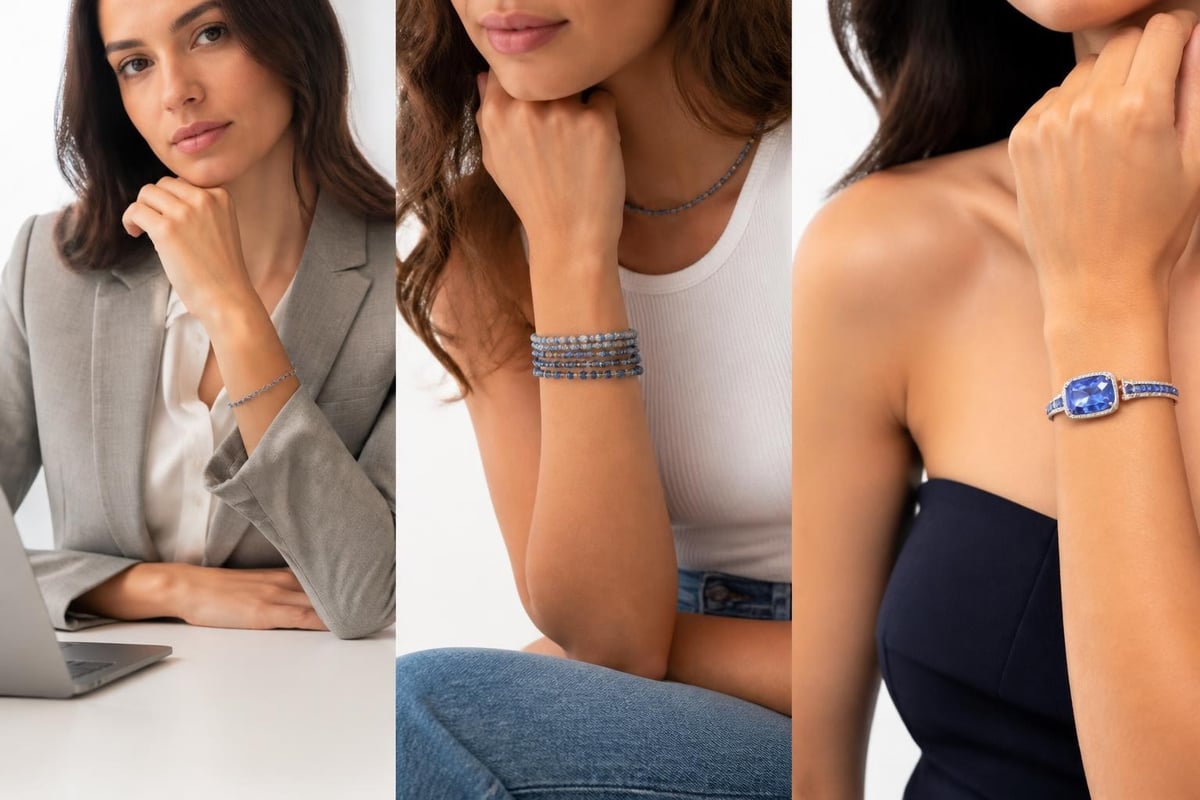
Beyond aesthetics, bracelets with blue stones carry symbolic significance that resonates with many wearers. Blue gemstones traditionally represent qualities like tranquility, wisdom, loyalty, and spiritual awareness. Understanding the symbolism behind blue gemstones adds depth to jewelry selection, transforming accessories into meaningful personal talismans.
Sapphire has symbolized nobility, truth, and sincerity throughout history. Medieval clergy wore sapphire rings believing the stones attracted heavenly blessings and divine favor. Today, wearing sapphire bracelets can represent commitment to personal integrity and pursuit of higher knowledge.
Certain communities attribute specific healing properties to blue stones, though scientific evidence doesn't support these claims. Larimar enthusiasts describe the stone as promoting relaxation and stress relief, possibly due to its soothing color reminiscent of calm waters. Whether these effects stem from actual energetic properties or psychological responses to beautiful objects remains debated.
| Blue Stone | Traditional Symbolism | Metaphysical Claims |
|---|---|---|
| Lapis Lazuli | Wisdom, truth | Enhances intellectual ability |
| Aquamarine | Courage, communication | Calms anxiety, aids expression |
| Turquoise | Protection, healing | Guards against negative energy |
| Larimar | Peace, clarity | Promotes emotional healing |
Turquoise holds particular significance in Native American traditions, where it's considered a protective stone that bridges earth and sky. Many cultures worldwide have independently developed similar reverence for this distinctive blue stone. Modern wearers may or may not subscribe to these beliefs, but acknowledging the cultural heritage enriches appreciation for the jewelry.
Proper maintenance ensures bracelets with blue stones retain their beauty for generations. Different stones require specific care approaches based on their hardness, porosity, and chemical composition. Comprehensive gemstone care guides provide detailed instructions, but several universal principles apply to most blue stones.
Regular cleaning prevents buildup that dulls a stone's natural brilliance. For harder stones like sapphire and aquamarine, mild soap and warm water with a soft brush effectively remove oils and debris. Gently scrub around settings where dirt accumulates, then rinse thoroughly and pat dry with a lint-free cloth.
Softer stones demand gentler approaches. Turquoise and lapis lazuli are porous and can absorb chemicals from cleaning solutions, permanently altering their color. These stones should only be wiped with slightly damp, soft cloths. Never use ultrasonic cleaners or steam cleaning for opaque stones, as the vibration or heat can cause damage.
Essential cleaning supplies:
Establish a cleaning schedule based on wear frequency. Daily-wear bracelets benefit from weekly gentle cleaning, while occasionally worn pieces need attention only monthly or after each use. Professional cleaning annually helps identify potential problems like loose stones or worn prongs before they result in gem loss.
Proper storage prevents scratches, tangling, and environmental damage to bracelets with blue stones. Individual soft pouches or compartmentalized jewelry boxes keep pieces separated, preventing harder stones from scratching softer ones. Never store multiple bracelets together without protection, as even light contact during drawer movement can cause abrasion.
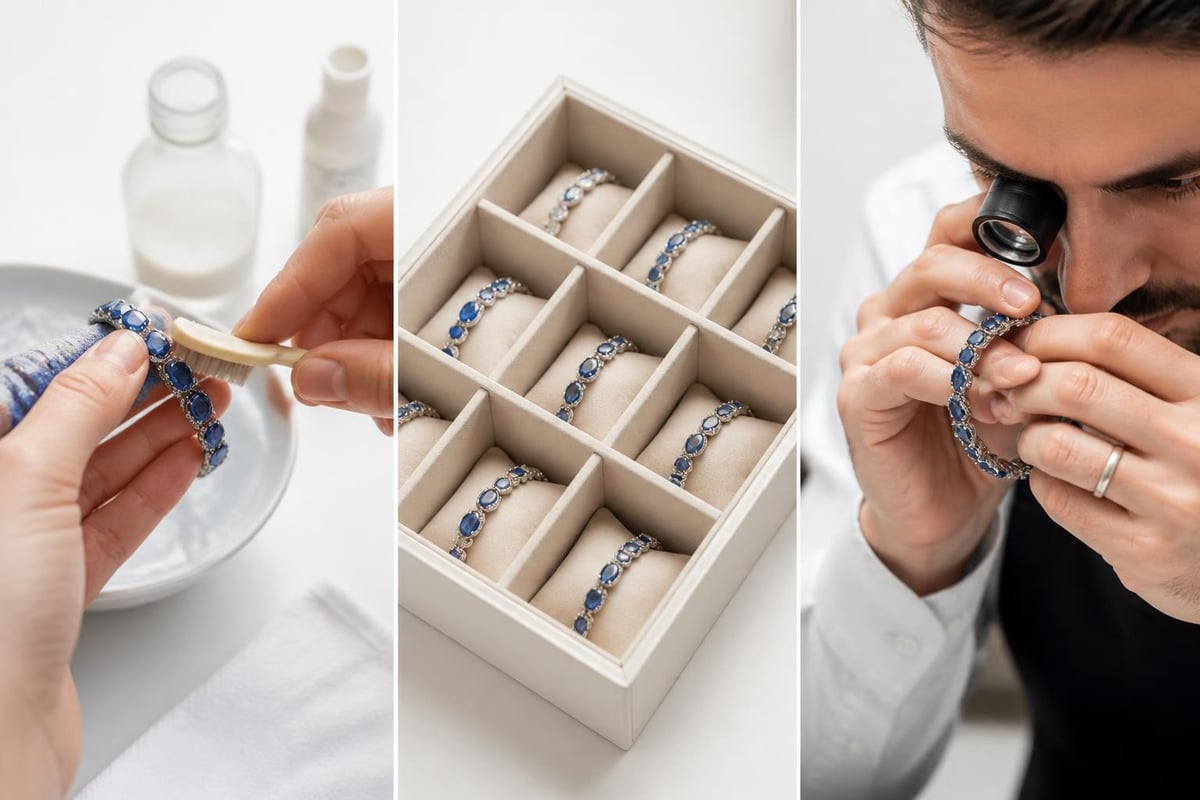
Environmental factors affect certain blue stones significantly. Turquoise fades when exposed to prolonged sunlight or heat, requiring storage in cool, dark locations. Tanzanite can change color if exposed to extreme heat, though normal wearing conditions pose no risk. Understanding your specific stone's vulnerabilities prevents accidental damage.
Remove bracelets before activities that risk impact or chemical exposure. Swimming pools contain chlorine that can damage both stones and metal settings. Household cleaners, perfumes, and hairsprays contain chemicals that cloud or discolor certain gemstones. Apply beauty products before putting on jewelry, allowing them to fully absorb or dry first.
Understanding quality factors helps buyers make informed decisions when purchasing bracelets with blue stones. Color represents the most significant value determinant for most blue gemstones. Intense, evenly distributed color without brown or gray tones commands premium prices. Sapphires demonstrate this principle clearly: vivid royal blue specimens cost substantially more than pale or grayish examples.
Clarity standards vary dramatically between transparent and opaque stones. Transparent blue stones like sapphire and aquamarine should show minimal visible inclusions, though some inclusion types actually enhance value. Star sapphires owe their mystical optical effect to specific needle-like inclusions that create asterism. For opaque stones like lapis lazuli, uniform color distribution and attractive matrix patterns matter more than clarity in the traditional sense.
Cut quality affects both beauty and durability in bracelets. Well-proportioned faceted stones maximize brilliance and color saturation, while cabochon cuts suit stones with optical phenomena or those that look best with smooth, polished surfaces. Examine bracelets for stones that align properly in their settings, with no tilting or gaps indicating poor workmanship.
Value factors to evaluate:
Size impacts value exponentially rather than linearly for precious stones. A two-carat sapphire costs more than double a one-carat stone of equivalent quality because larger specimens are exponentially rarer. For bracelets containing multiple stones, total carat weight provides one measure, but individual stone quality matters equally.
The jewelry market includes treated, synthetic, and imitation stones alongside natural specimens. Treatments like heat application commonly enhance color in sapphires and aquamarines. These processes are industry-standard and acceptable if properly disclosed. However, purchasing natural untreated stones when sellers claim treatments haven't occurred constitutes fraud.
Request gemstone certificates from recognized laboratories for significant purchases. These documents detail the stone's characteristics, treatments, and authenticity. Synthetic stones possess identical chemical composition to natural ones but form in laboratories rather than geological processes. They offer affordable alternatives but should never be sold as natural without clear disclosure.
Understanding treatment impacts both value and care requirements. Some treatments require special handling to maintain their effects. For example, coating treatments used on some turquoise can wear away with cleaning or wear, eventually requiring professional reapplication.
Fashion cycles influence which bracelets with blue stones gain prominence in different seasons. Spring and summer naturally align with lighter blue stones like aquamarine and blue chalcedony, whose refreshing hues complement warm-weather wardrobes. These stones pair beautifully with white, cream, and pastel clothing prevalent during warmer months.
The 2026 jewelry landscape shows strong interest in sustainable and ethically sourced gemstones. Consumers increasingly research where stones originate and how they're mined. Larimar's limited geographic source makes each piece inherently rare, appealing to those who value exclusivity alongside sustainability. Transparent supply chains have become selling points rather than mere details.
Layering multiple delicate bracelets continues trending, with mixed metals and varied blue stone types creating personalized wrist collections. This approach allows gradual collection building rather than single major purchases. Stacking also enables outfit coordination by adding or removing pieces to adjust the overall look's intensity.
Vintage and vintage-inspired designs featuring blue stones have resurged in popularity. Art Deco geometric patterns incorporating sapphires and aquamarines attract collectors who appreciate historical aesthetics with modern wearability. Estate jewelry markets thrive as younger generations discover quality craftsmanship from previous eras.
Color blocking in jewelry has emerged as a bold trend where designers combine blue stones with complementary or contrasting colored gems. Blue and orange create vibrant combinations, while blue and green evoke ocean and forest themes. These multi-color pieces make strong statements that elevate simple outfits.
Creating custom bracelets with blue stones allows perfect alignment between jewelry and personal preferences. Working with jewelers to design unique pieces ensures the bracelet reflects individual style rather than mass-market trends. The process typically begins with selecting the primary blue stone that serves as the design foundation.
Artisan jewelers bring expertise in translating visions into wearable reality. Initial consultations explore style preferences, budget parameters, and lifestyle considerations that affect design choices. Photographs of admired pieces help communicate aesthetic preferences more effectively than verbal descriptions alone.
Custom work permits selecting every element: stone type and quality, metal composition and finish, setting style, bracelet size and closure mechanism. This control ensures the final piece suits your exact specifications. Exploring collections from specialized craftspeople provides inspiration for custom projects while showcasing artisan capabilities.
Customization decision points:
Timeline expectations for custom work typically range from four weeks to several months, depending on complexity and whether stones need sourcing. Rush fees may apply for expedited completion. Reputable jewelers provide detailed quotes, design renderings, and timeline estimates before beginning work.
Bracelets with blue stones make meaningful gifts for various occasions and relationships. The combination of beauty, symbolism, and personal wearability creates presents that recipients treasure long-term. Selecting appropriate stones based on the recipient's birth month, favorite colors, or personal circumstances adds thoughtfulness that elevates the gift.
December birthdays particularly suit blue stone bracelets, as tanzanite, turquoise, and blue topaz all serve as that month's birthstones. However, blue's universal appeal means these bracelets work beautifully for any birthday or celebration. Anniversary gifts in blue stones can symbolize loyalty and devotion, with sapphire traditionally marking 45th anniversaries.
Proper bracelet sizing ensures comfort and security. Most bracelets should allow slight movement without sliding over the hand or feeling tight. Measure the recipient's wrist surreptitiously or estimate based on their watch fit. When uncertain, slightly larger proves safer than too small, as jewelers can often adjust sizing later.
Presentation packaging amplifies gifting impact. Quality jewelry boxes, attractive pouches, and thoughtful cards explaining the stone's properties or symbolism demonstrate care beyond the gift itself. Including care instructions helps recipients maintain their new bracelet properly from the start.
| Occasion | Suggested Blue Stone | Symbolic Meaning |
|---|---|---|
| Graduation | Sapphire | Wisdom and achievement |
| New Job | Lapis Lazuli | Success and confidence |
| Recovery/Healing | Larimar | Peace and stress relief |
| Travel Gift | Turquoise | Protection on journeys |
| Romantic Gift | Aquamarine | Clear communication and courage |
Gift certificates to specialized jewelers provide alternatives when selecting the specific piece feels overwhelming. This approach lets recipients choose their preferred style while you've ensured the source and established the budget. Some jewelry businesses offer consultation services where gift-givers and recipients collaborate on custom pieces.
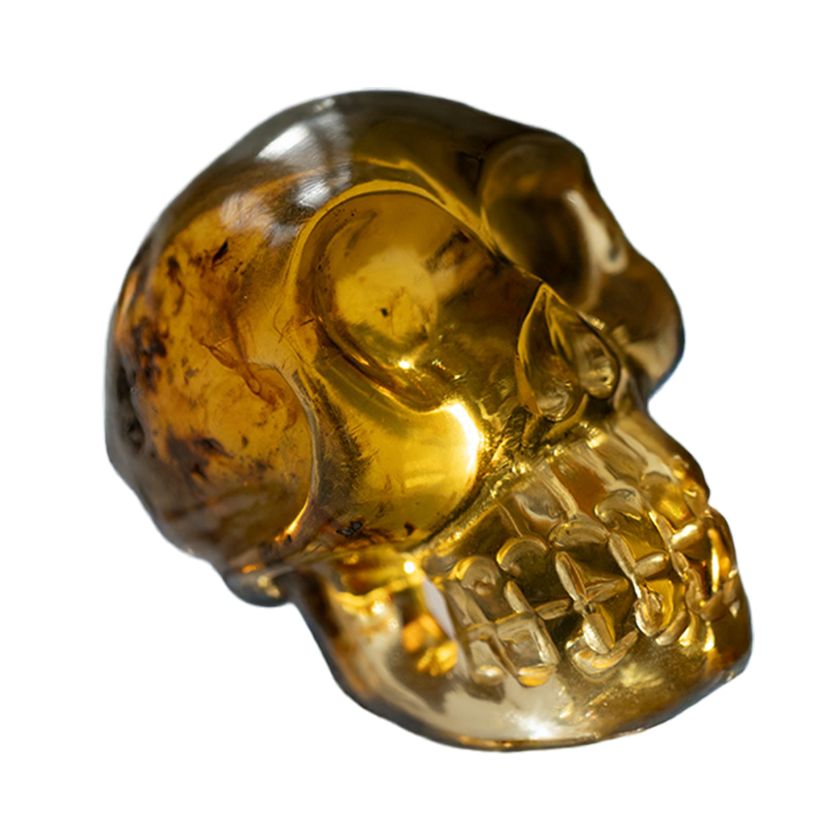
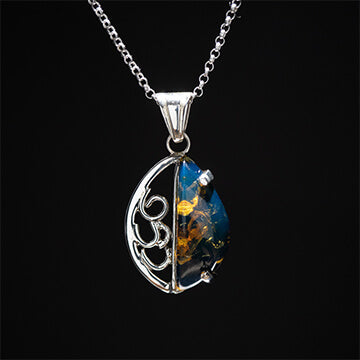
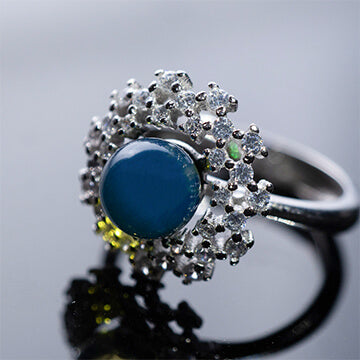
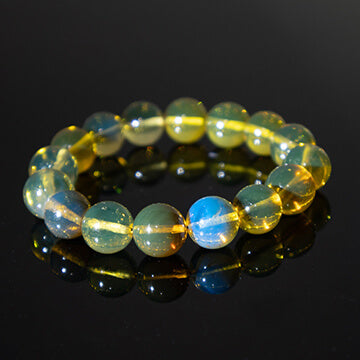
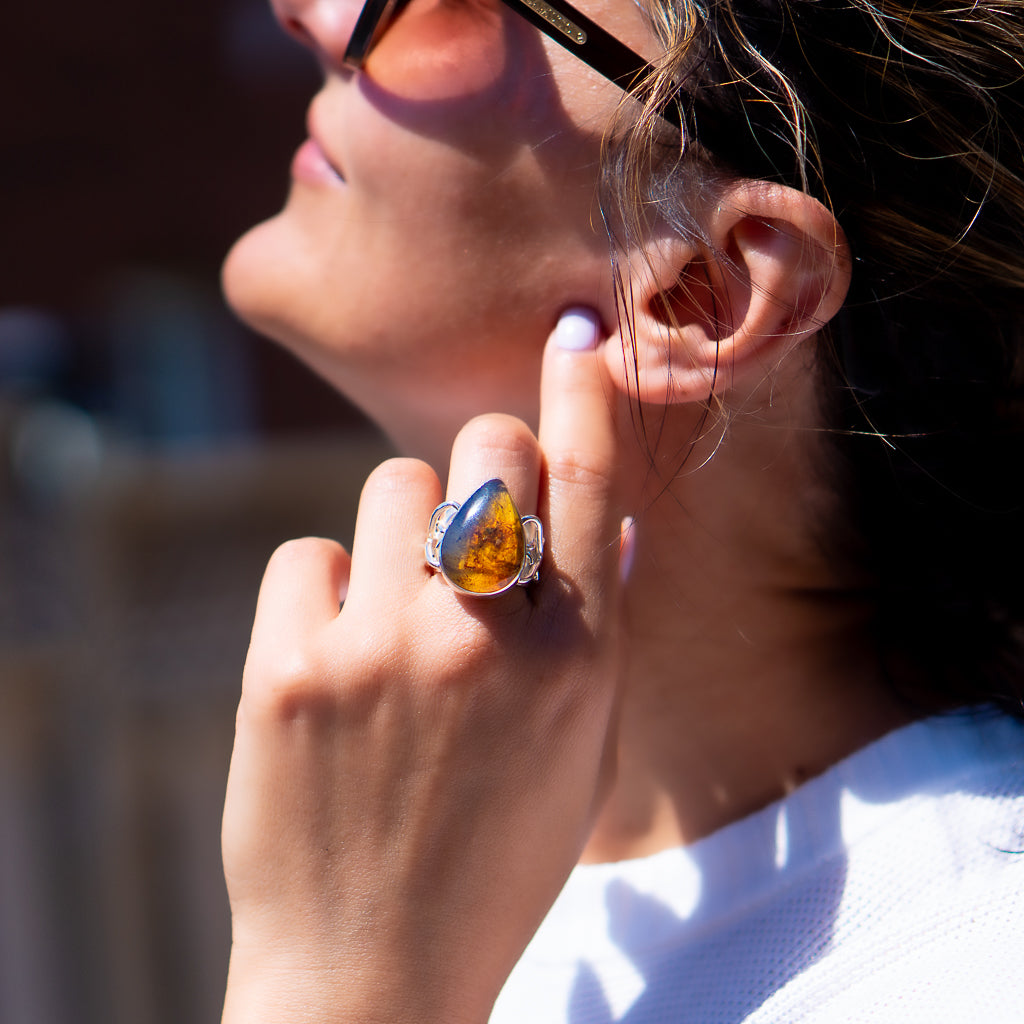
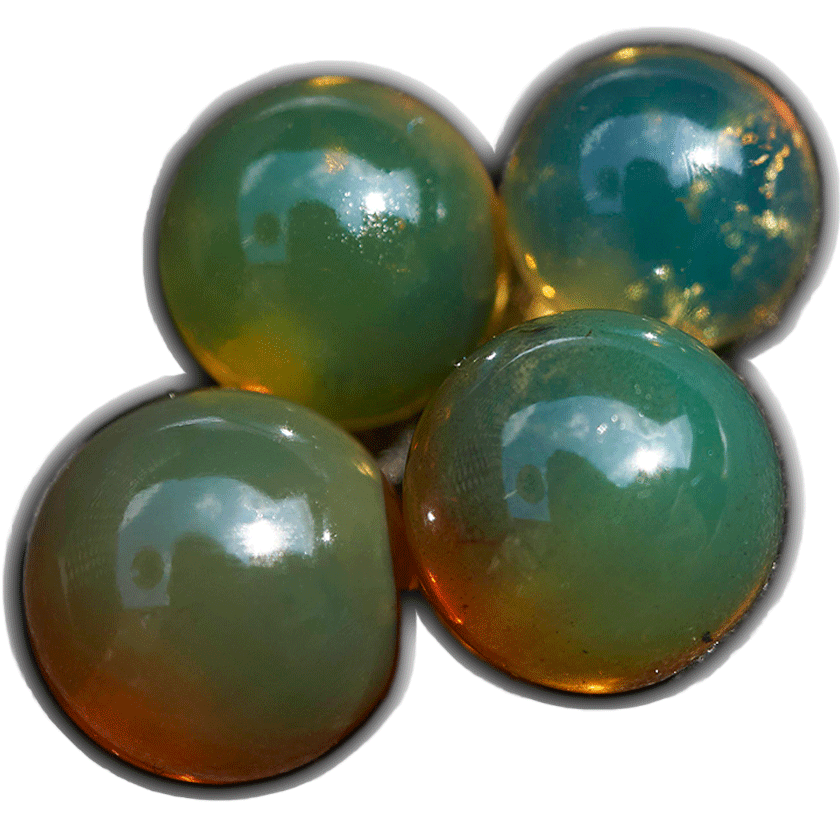
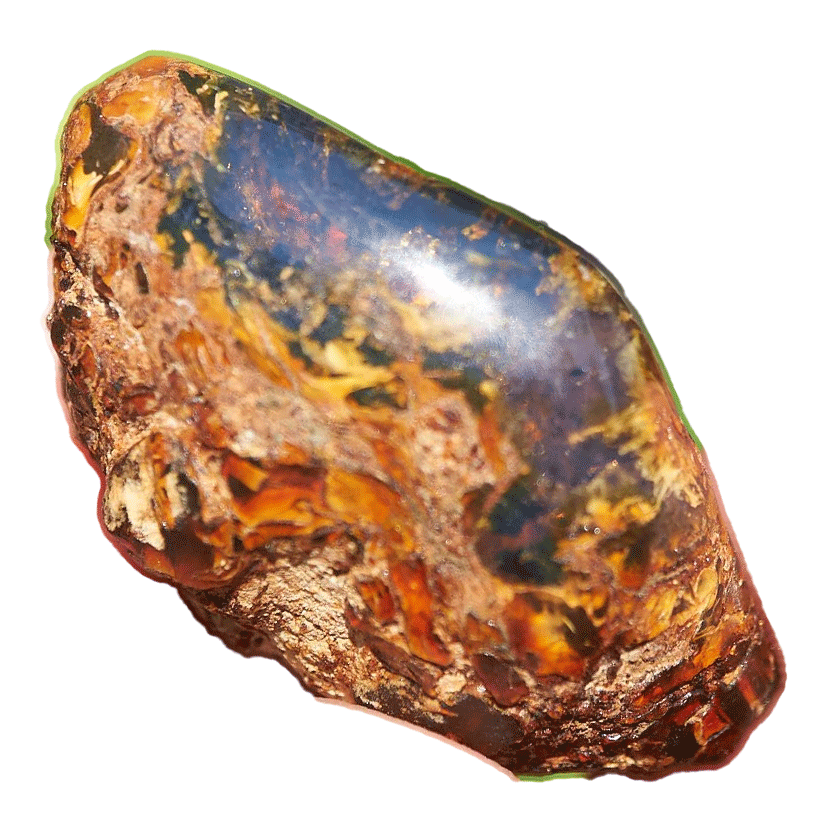
Bracelets with blue stones combine natural beauty, symbolic depth, and versatile styling options that suit diverse preferences and occasions. Understanding the variety of blue gemstones, their care requirements, and quality factors empowers confident selection whether purchasing for yourself or others. Larimar Creations specializes in rare blue stone jewelry, offering expertly crafted pieces featuring the Caribbean's exclusive larimar alongside Dominican blue amber. Explore their curated collection to discover handcrafted bracelets that capture the ocean's essence and bring timeless elegance to your jewelry wardrobe.