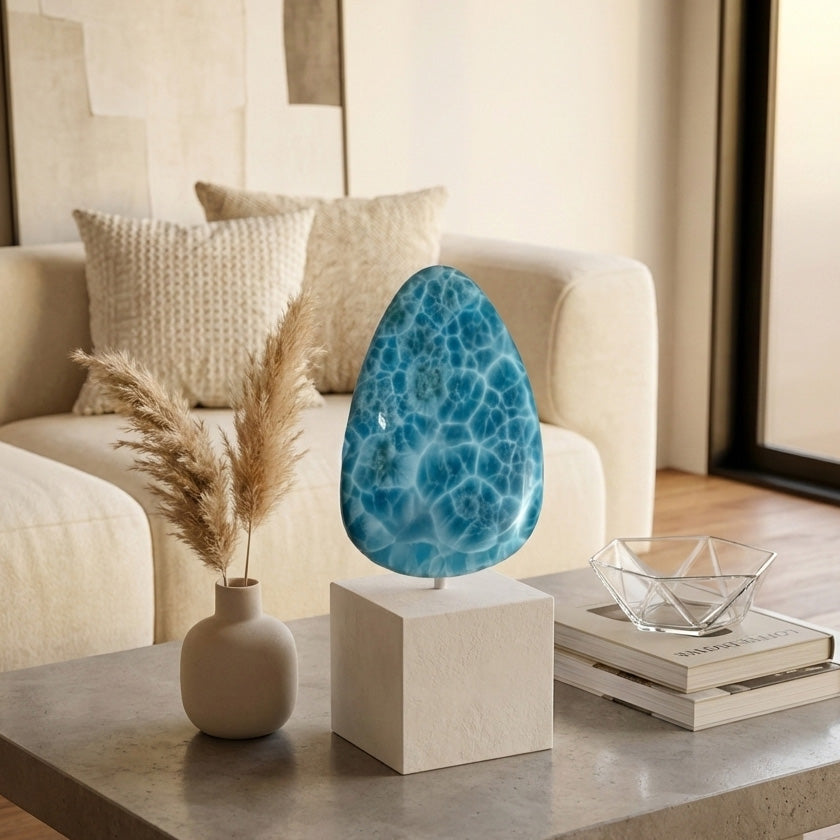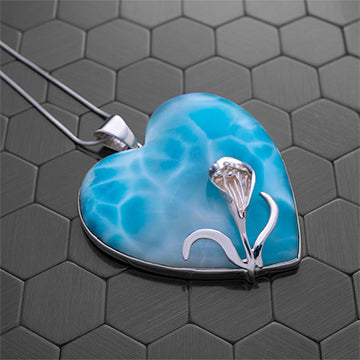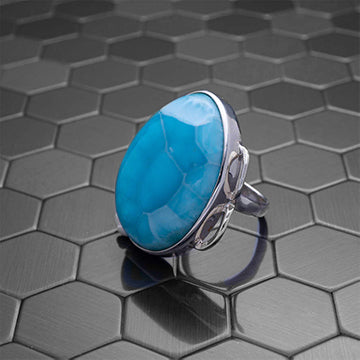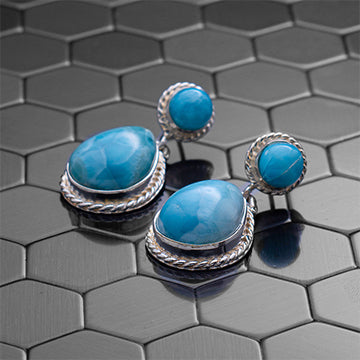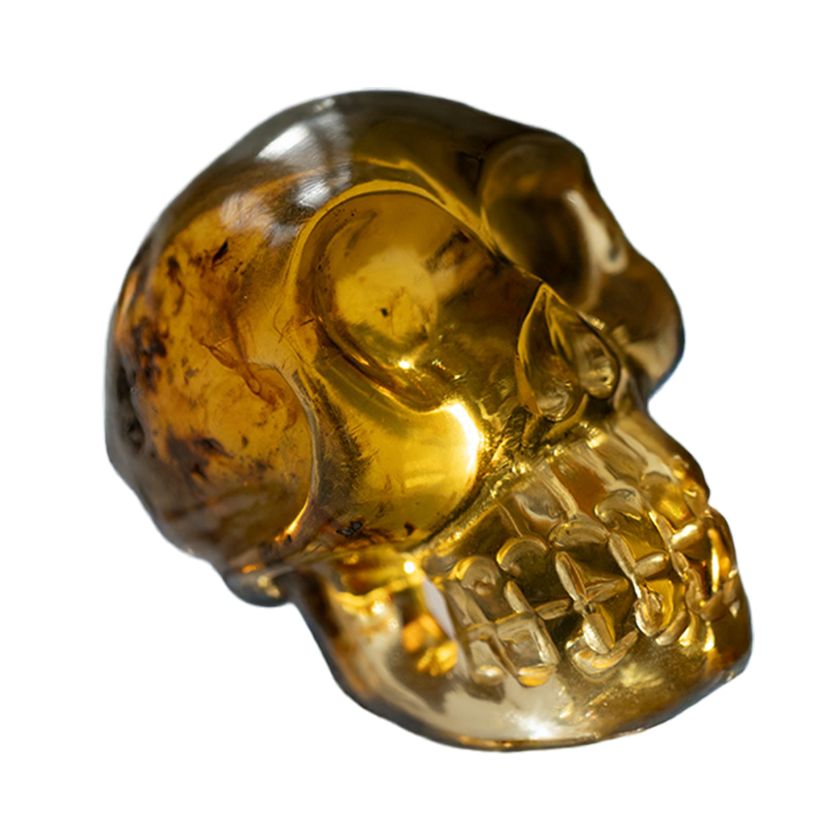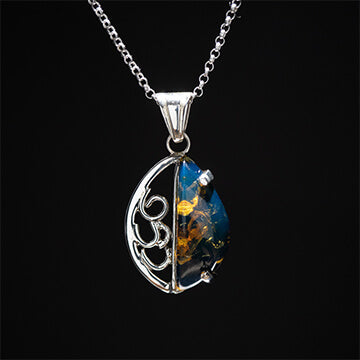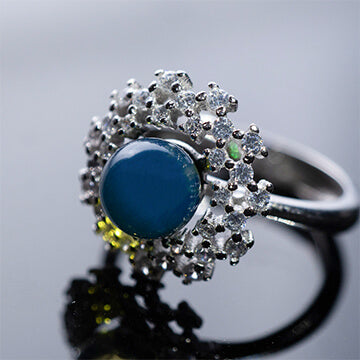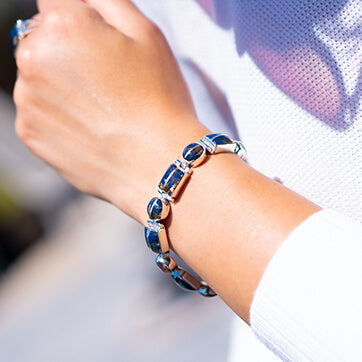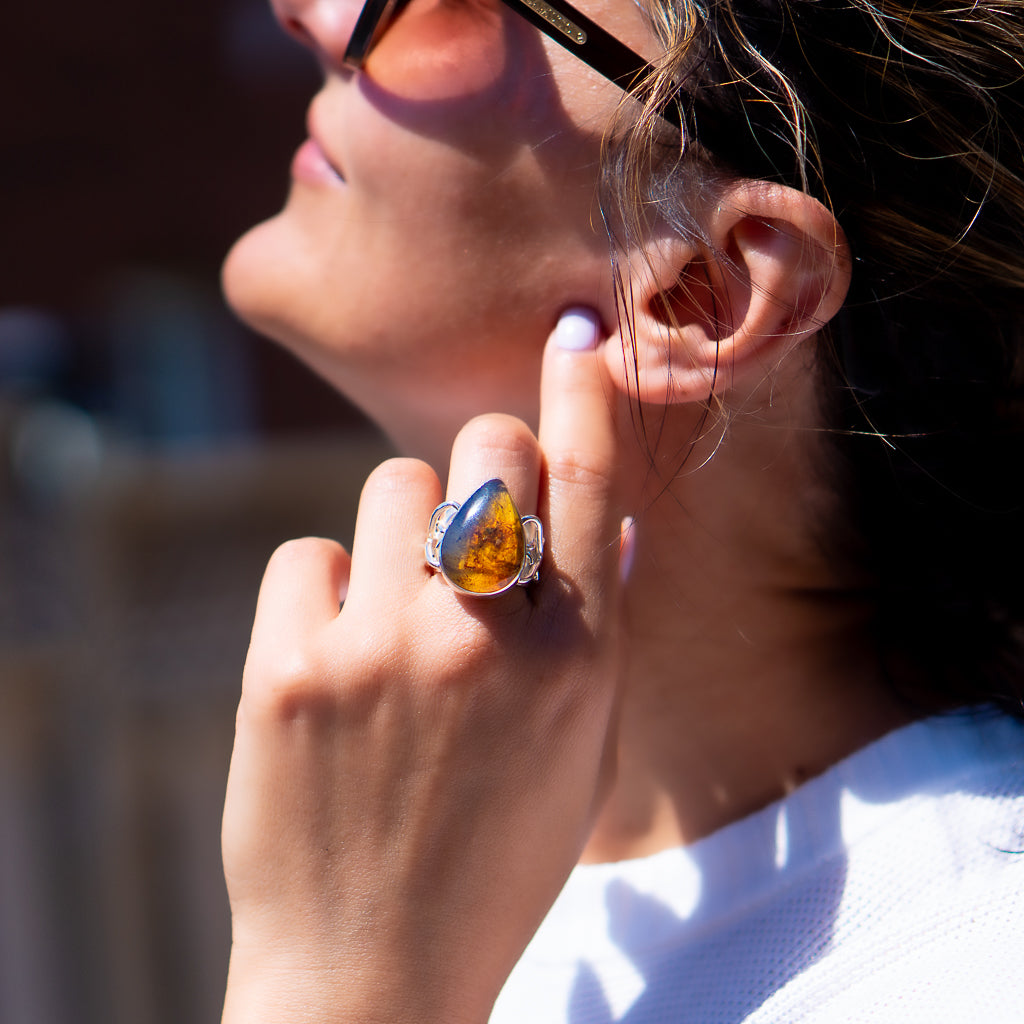

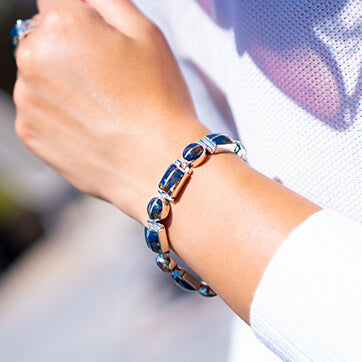
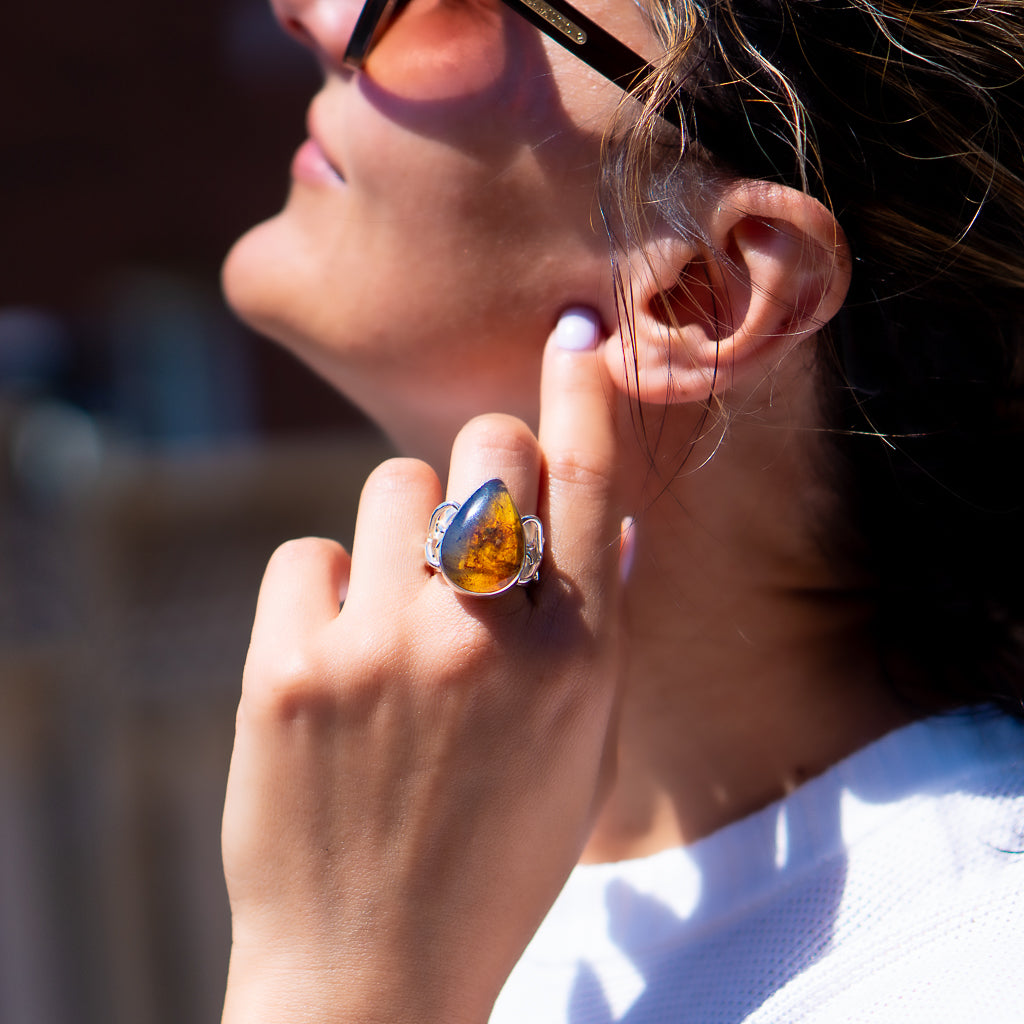
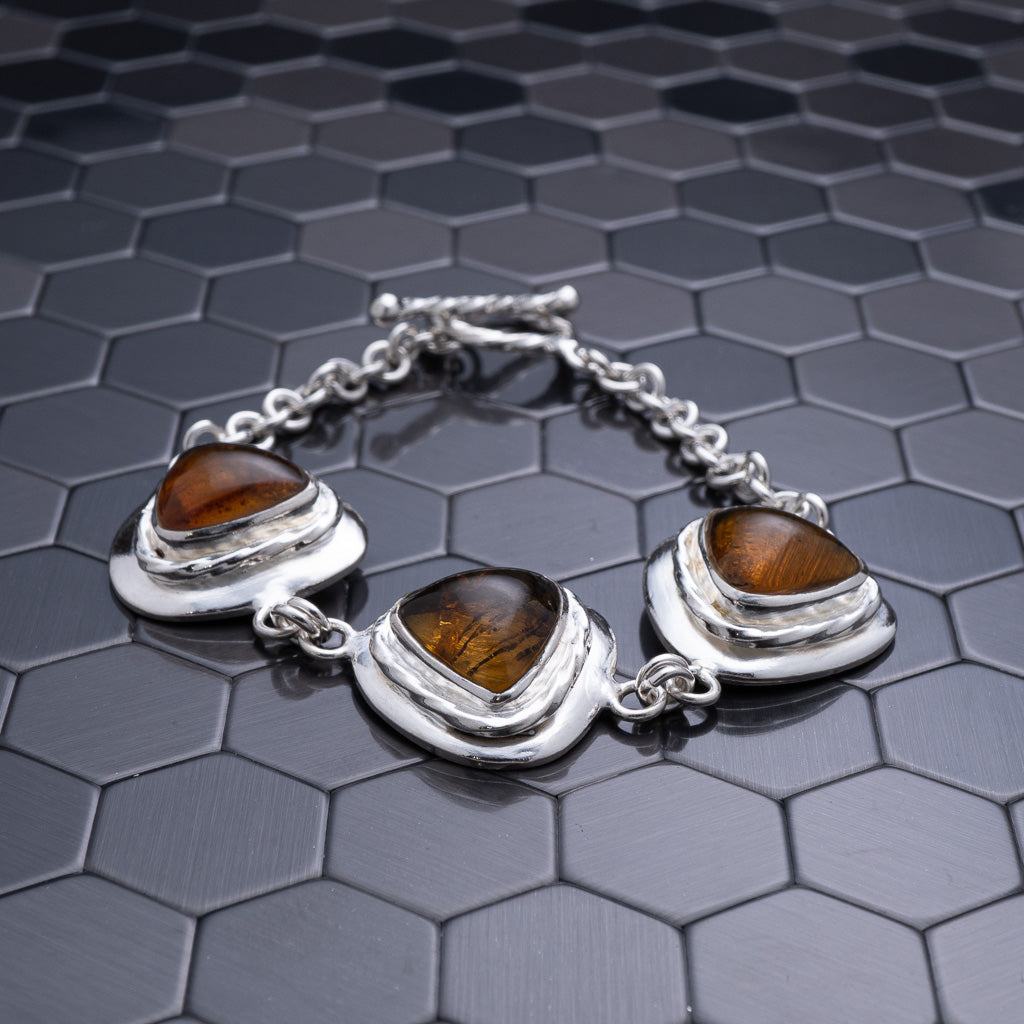
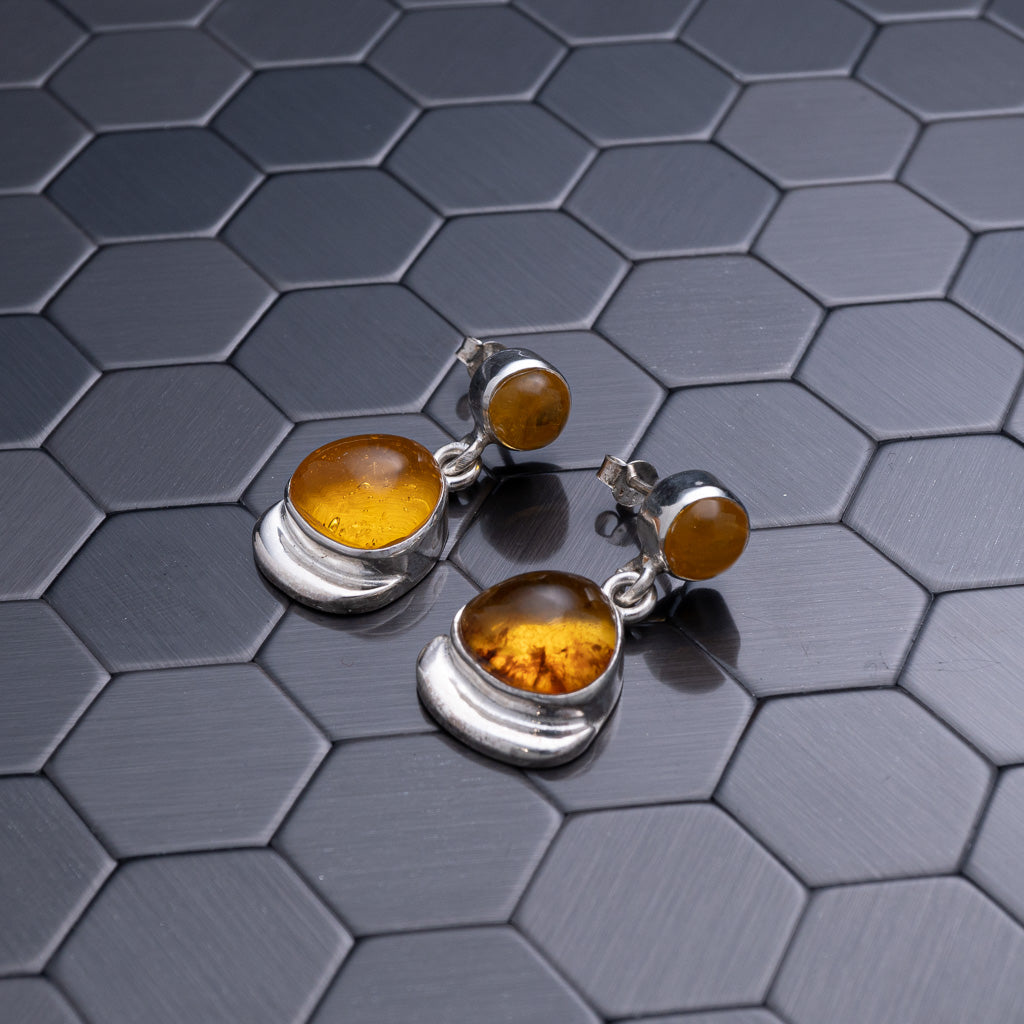
A sunlit Dominican amber pendant can appear warm and golden against the skin, then reveal an electric blue glow when it catches the right light. That transformation is why a guide to Dominican amber colors begins with one essential truth: amber is never just one color. Its appearance is shaped by its ancient organic origin, natural inclusions, clarity, thickness, cut, and the light surrounding it.
Dominican amber is treasured for this visual range. Formed from fossilized tree resin millions of years ago in the Caribbean, it can be clear as honey, richly cognac-toned, green, red, or famously blue. Every piece carries its own character, making amber jewelry feel personal rather than mass-produced. For collectors and gift buyers alike, understanding color helps reveal what makes a stone rare, desirable, and worth cherishing.
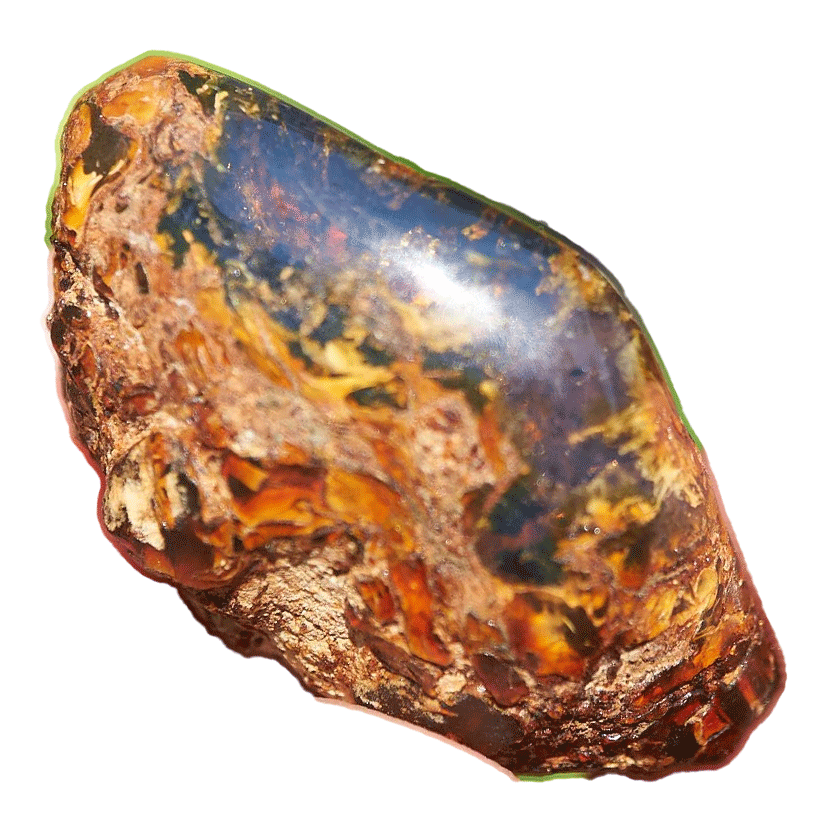
Amber began as resin, not mineral crystal. As resin fossilized over immense spans of time, microscopic structures, trapped plant material, air bubbles, and chemical changes influenced the color that remains today. The Dominican Republic is especially respected because its amber often has exceptional clarity and a remarkable ability to display unusual hues.
Color is also a matter of viewing conditions. A cabochon that looks pale yellow indoors may look deeper gold in direct daylight. Blue amber may appear nearly clear or softly golden at first, then produce blue, violet, or turquoise fluorescence outdoors or under ultraviolet light. This is not a flaw or a trick. It is part of the stone's natural optical personality.
For this reason, no responsible collector should judge Dominican amber solely from one photograph or one room's lighting. A beautiful stone deserves to be viewed in changing light, where its warmth and brilliance can fully emerge.
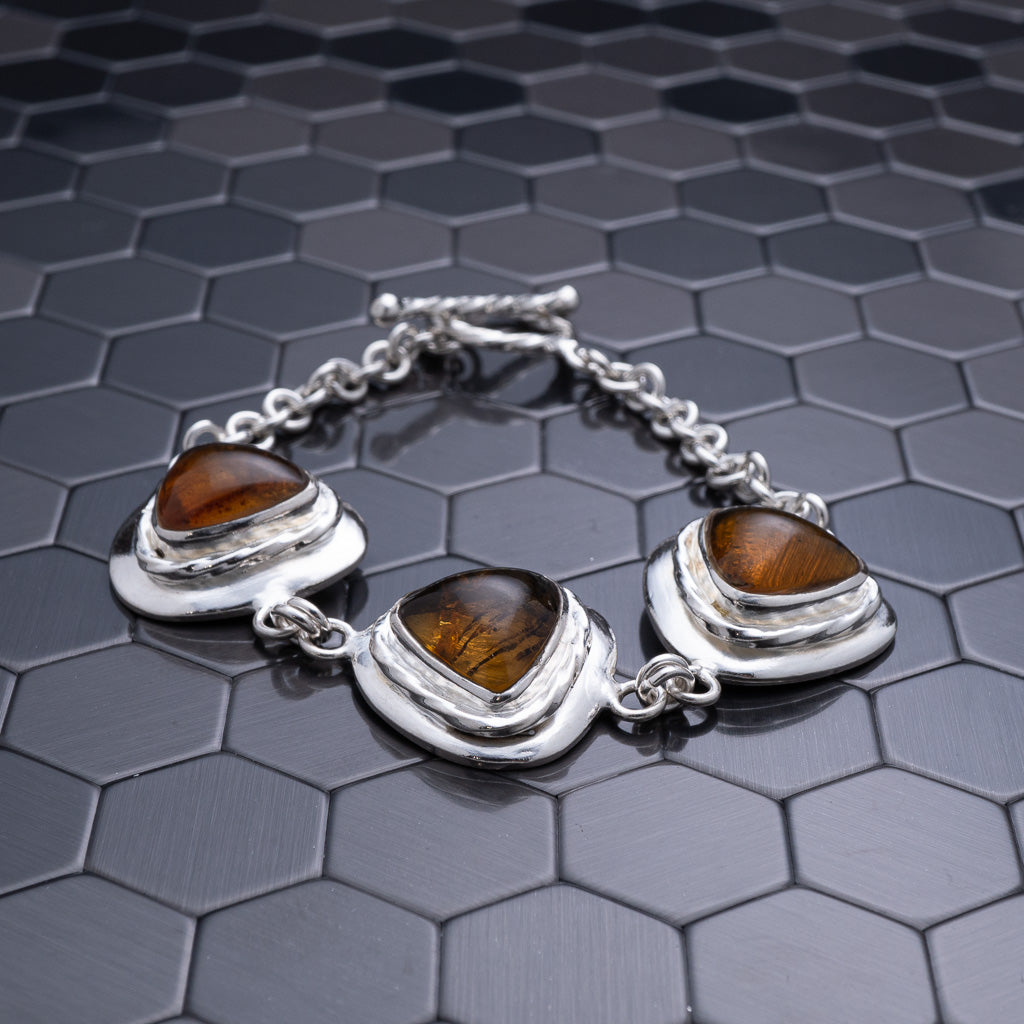
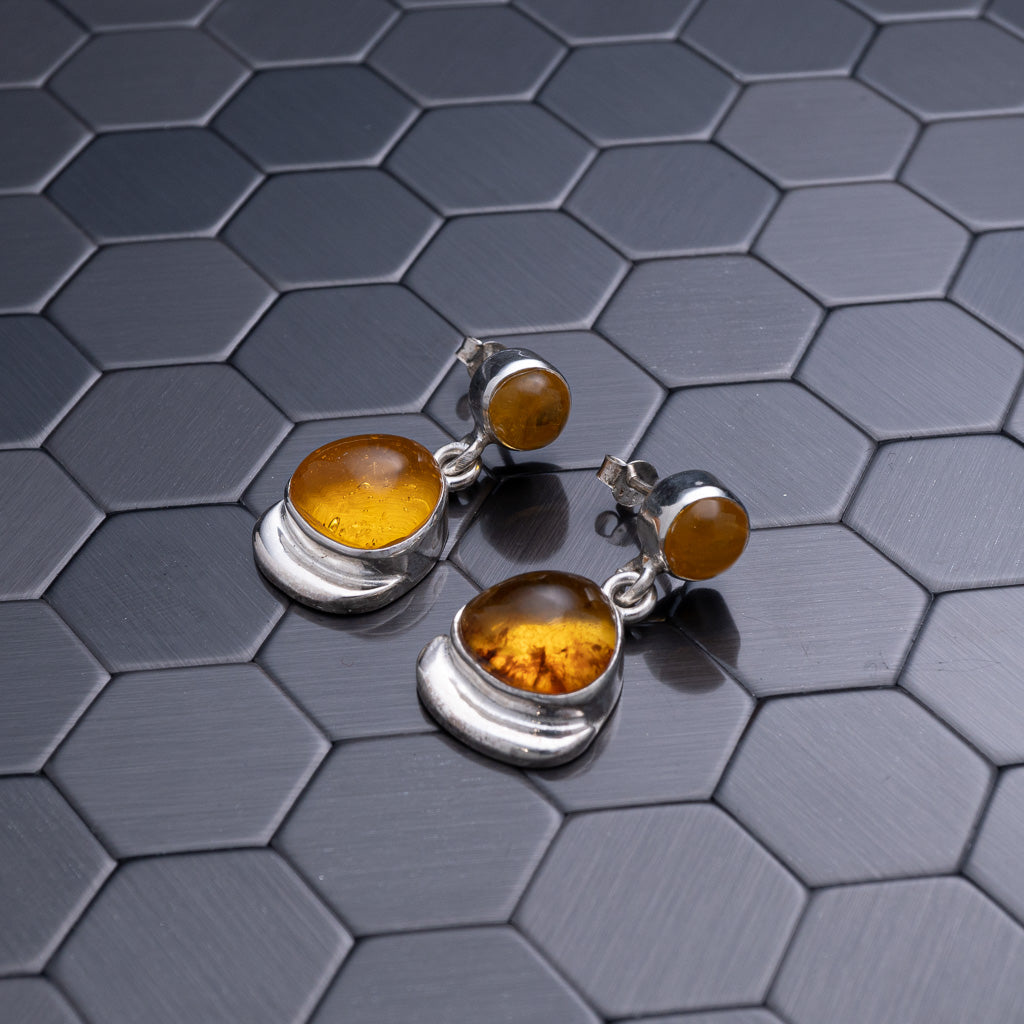
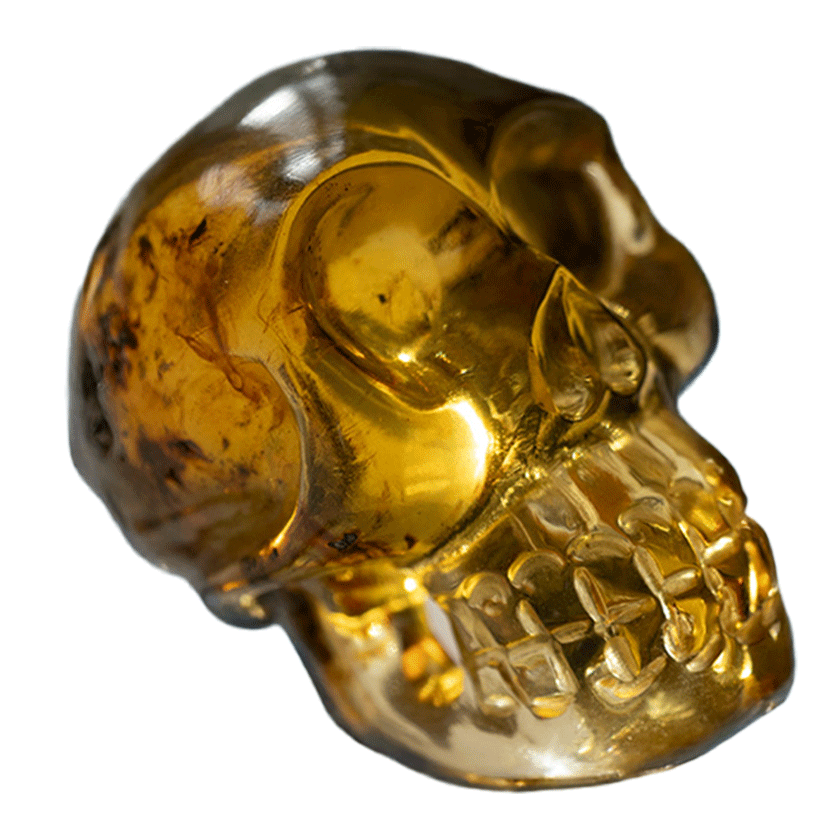
Golden amber is the classic Caribbean expression of fossilized resin. It ranges from light champagne and lemon-honey tones to saturated butterscotch and deep cognac brown. These colors are widely loved because they feel warm, luminous, and timeless, pairing naturally with yellow gold, sterling silver, and rose gold settings.
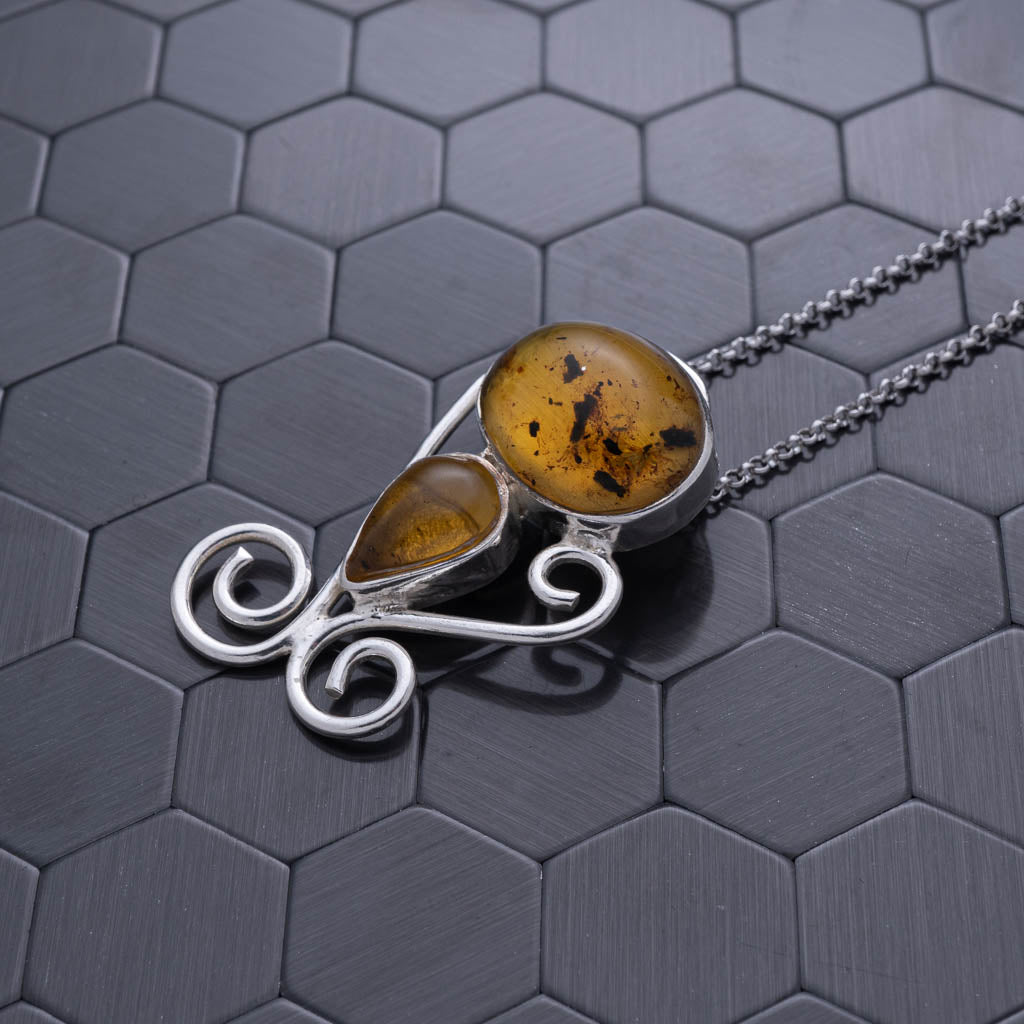
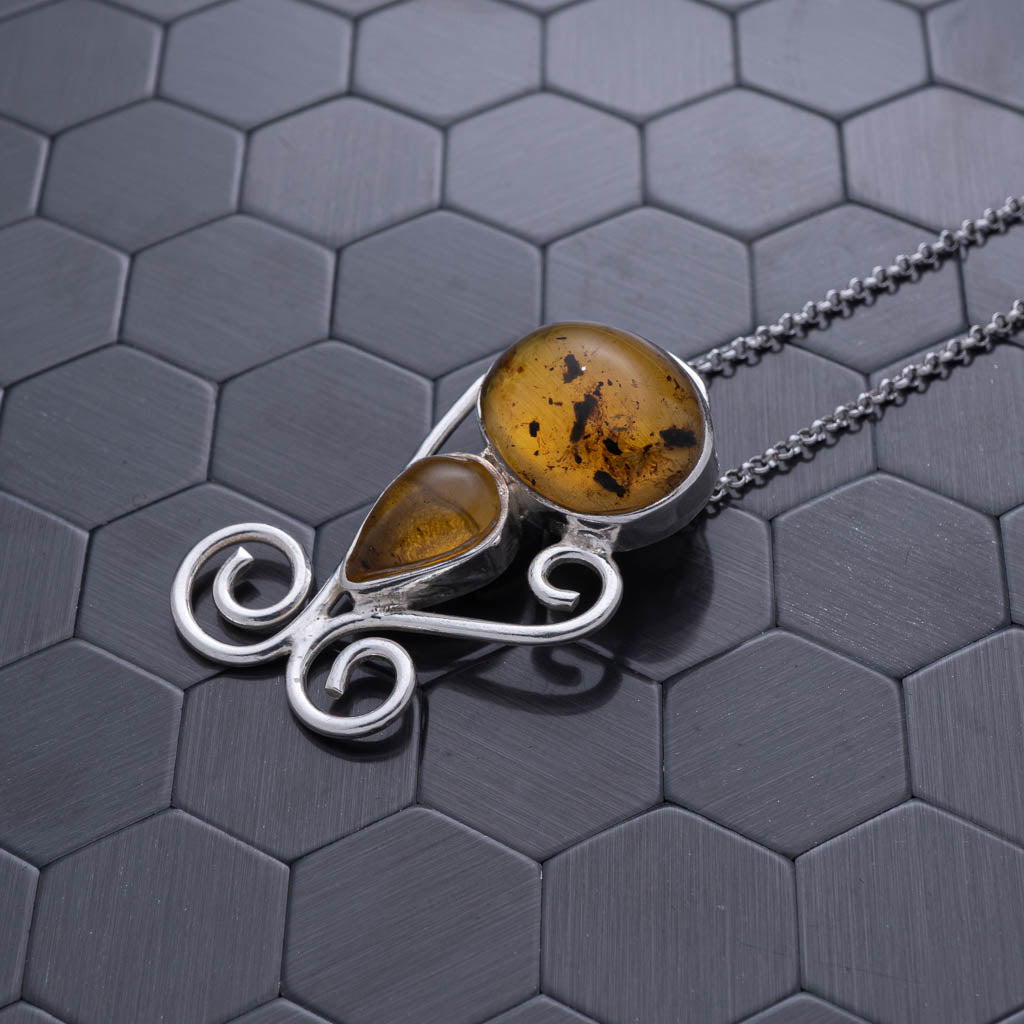
Clear golden amber can be especially appealing when it contains a crisp inclusion, such as a leaf fragment, tiny insect, or delicate air bubbles. Inclusions are not automatically defects. In many pieces, they are a preserved moment of prehistoric life and can add considerable collector interest. The value depends on clarity, condition, visibility, and the nature of the inclusion itself.
Cognac amber has a deeper, more dramatic presence. It is often an elegant choice for rings, substantial pendants, beads, and carved pieces, especially for those who prefer earthier tones over bright yellow gold.
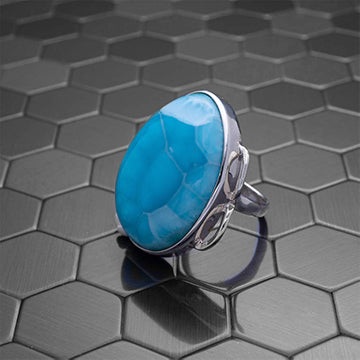
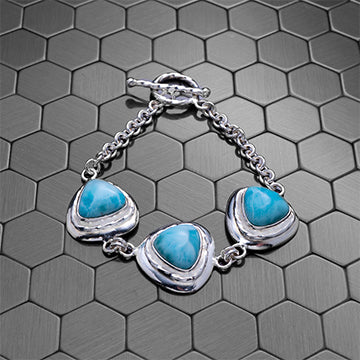
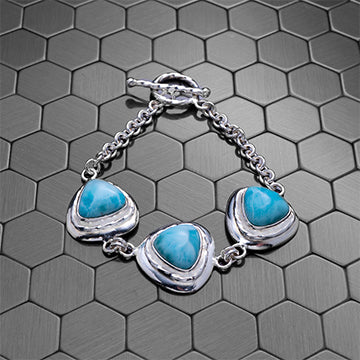
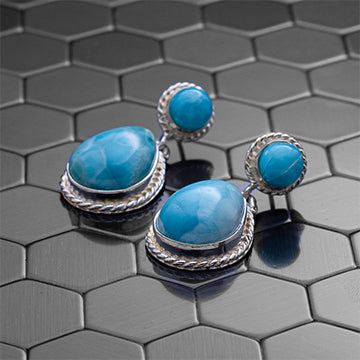
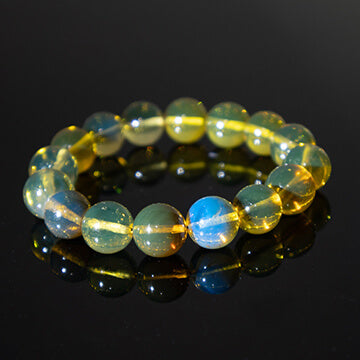
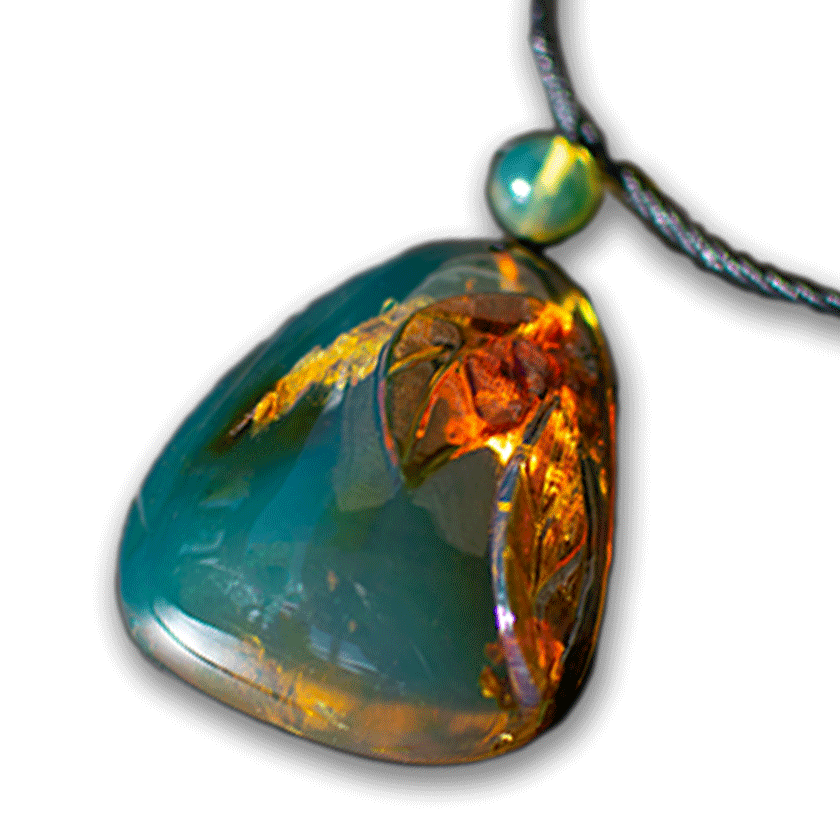
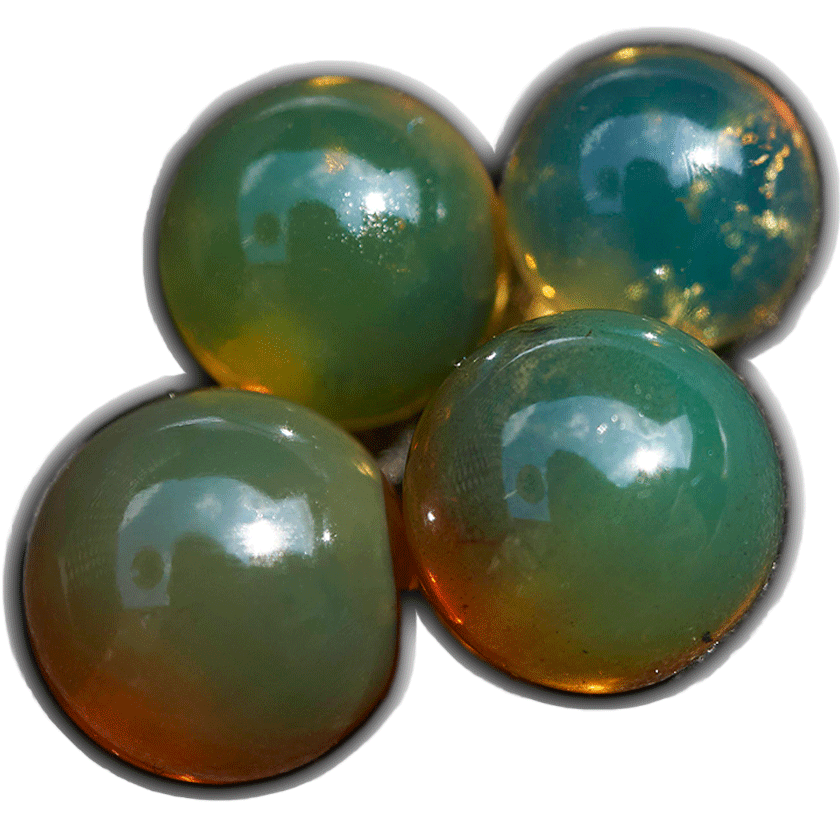
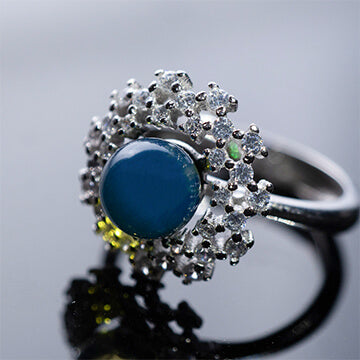
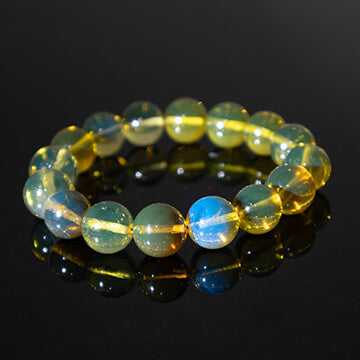
Blue amber is the Dominican Republic's most celebrated amber variety and among the rarest colors found in the world. In ordinary indoor light, authentic blue amber may look pale yellow, honey-colored, slightly greenish, or nearly transparent. Its blue character becomes more apparent in sunlight, against a dark background, or under UV light, where it can glow in shades of sky blue, turquoise, indigo, or violet-blue.
The intensity of blue varies considerably. Some stones offer a subtle cool flash, while premium specimens show a vivid, unmistakable blue glow. A more dramatic glow can be highly desirable, but color alone does not determine quality. Clarity, polish, cut, size, natural origin, and overall beauty all matter.
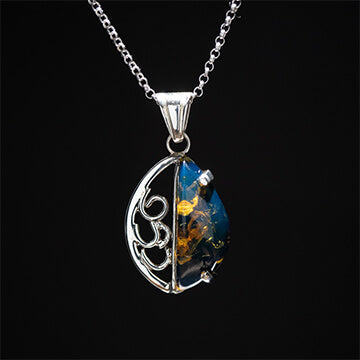
Blue amber is particularly compelling in pendants and earrings because movement allows the stone to catch changing light. A finely polished blue amber cabochon can feel like a small piece of Caribbean water held in gold or silver - quiet in one moment, radiant in the next.
Green Dominican amber can range from soft olive and moss tones to brighter yellow-green or blue-green flashes. It is less familiar to many jewelry shoppers than golden amber, which gives it a distinctive collector appeal. Green may be seen through the body of the stone, as a surface reflection, or in combination with blue fluorescence.
Because green amber varies so much, it should be appreciated for its individual appearance rather than forced into a narrow color category. A transparent green-gold pendant may feel light and botanical, while a deeper olive cabochon can look more mysterious and antique. Both can be authentic and beautiful expressions of Dominican amber.
Red amber, sometimes called cherry amber, is one of the most romantic and visually striking hues. It may appear in shades of russet, burnt orange, cherry red, or reddish cognac. Natural red tones can develop through oxidation and other changes over time, though the exact appearance differs from one specimen to another.
Because red amber is sought after, buyers should be especially attentive to provenance and disclosure. Some amber on the wider market is heat-treated, pressed, dyed, or otherwise enhanced to create or intensify color. Treatments are not necessarily wrong when honestly disclosed, but they should never be represented as the same as naturally colored, single-piece Dominican amber.
For a rich, expressive jewelry choice, red amber is exceptional. It pairs beautifully with warm metals and makes a meaningful gift for anniversaries, autumn birthdays, or anyone drawn to intense, glowing color.
Not every valuable amber stone is transparent. Milky white, creamy, or opaque amber contains countless tiny bubbles or particles that scatter light, creating a soft, clouded appearance. These pieces often have a gentle, organic beauty that feels different from clear amber's glasslike glow.
Opaque amber is a wonderful choice for carvings, statement beads, and larger cabochons. Rather than looking through the stone, the eye rests on the color and texture at its surface. Some collectors are drawn to this quieter, more ancient-looking quality.
Deep brown or nearly black amber can contain dense organic material, plant debris, or a high concentration of inclusions. It may look opaque from one angle and reveal warm reddish or golden edges when held to strong light. These darker pieces can be particularly compelling for collectors who value natural history as much as color.
A dark appearance should not be mistaken for low quality. The question is whether the stone is genuine, stable, well finished, and honestly represented. In amber, beauty often lives in the details that make each piece unlike the next.
Rarity influences value, but it is only part of the story. Fine Dominican blue amber is prized because of its limited availability and remarkable fluorescence, yet a clear golden piece with a beautifully preserved insect can be equally captivating to the right collector. A finely carved cognac amber pendant may also hold more artistic value than a larger but poorly finished stone.
When choosing amber, consider the balance of color, clarity, cut, craftsmanship, and authenticity. Look for a polished surface without major cracks, chips, or cloudy areas that diminish the piece's beauty. In jewelry, the setting should protect the stone while allowing its color to remain visible. Amber is softer than many gemstones, so thoughtful craftsmanship matters, especially in rings and bracelets that receive more everyday wear.
It also depends on what you want the piece to express. A vivid blue glow feels rare and luminous. Honey amber feels classic and welcoming. Green feels unexpected, while red offers depth and romance. There is no single best color - only the color that feels most like yours.
Authenticity should be as clear as the stone itself. Genuine Dominican amber has natural variation. Two pieces from the same source will not look mechanically identical, and no color should appear unnaturally uniform without explanation. Reputable sellers identify the origin, describe the stone accurately, and disclose any known treatment or enhancement.
Be cautious with claims that every bright blue piece is rare blue amber or that color alone proves value. True Dominican blue amber is known for its response to light, not simply for looking bright blue at all times. Likewise, a natural inclusion may add wonder and value, but it should be examined as part of the entire specimen rather than treated as an automatic guarantee of quality.
At Larimar Creations, the appeal of Dominican amber lies in this marriage of origin and artistry: a Caribbean treasure shaped by nature, then carefully transformed into a piece meant to be worn and remembered.
Store amber away from excessive heat, harsh chemicals, perfume, and prolonged direct sun. Clean it gently with a soft cloth rather than ultrasonic cleaners or abrasive products. With considerate care, its glow can remain a lasting connection to the Caribbean forests that created it.
The right amber color is the one that changes how you feel when you hold it to the light. Choose the shade that draws your eye, ask for clear details about its origin, and let its natural character make the final impression.