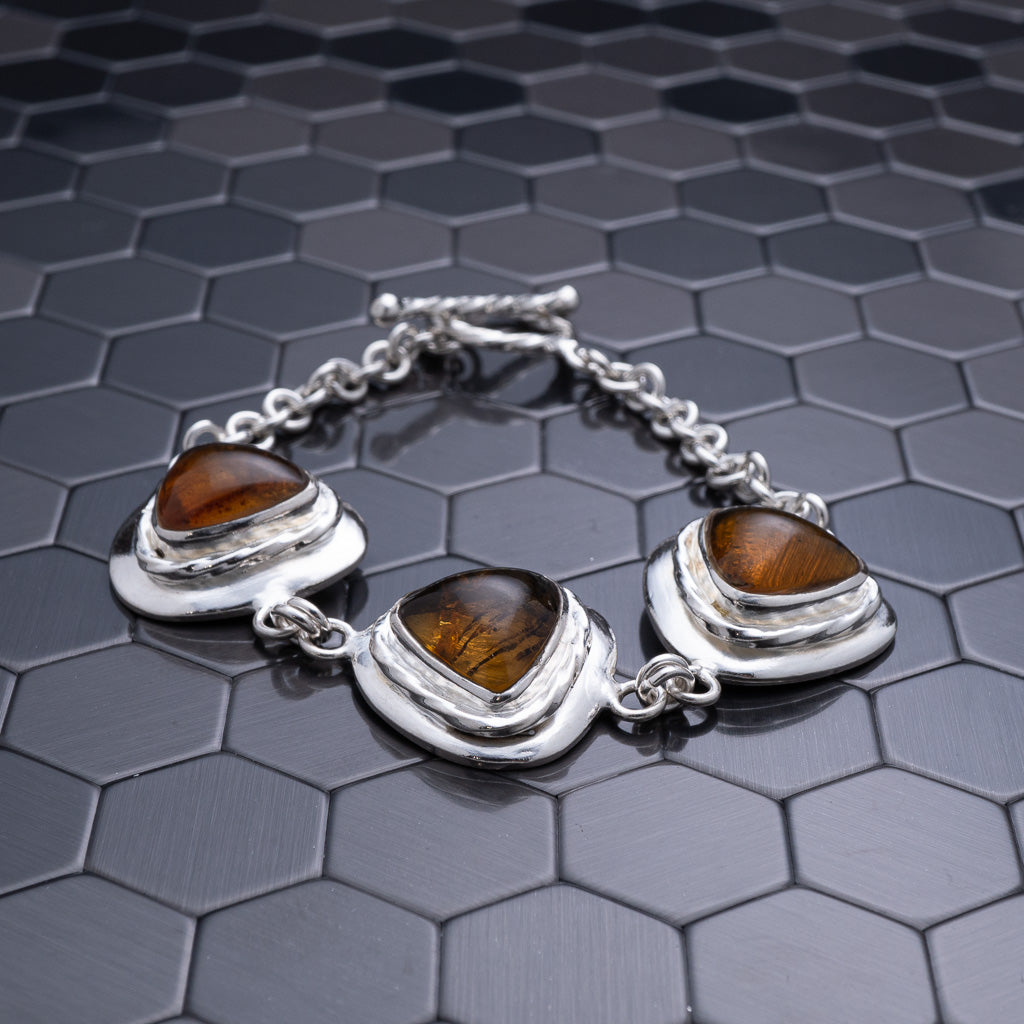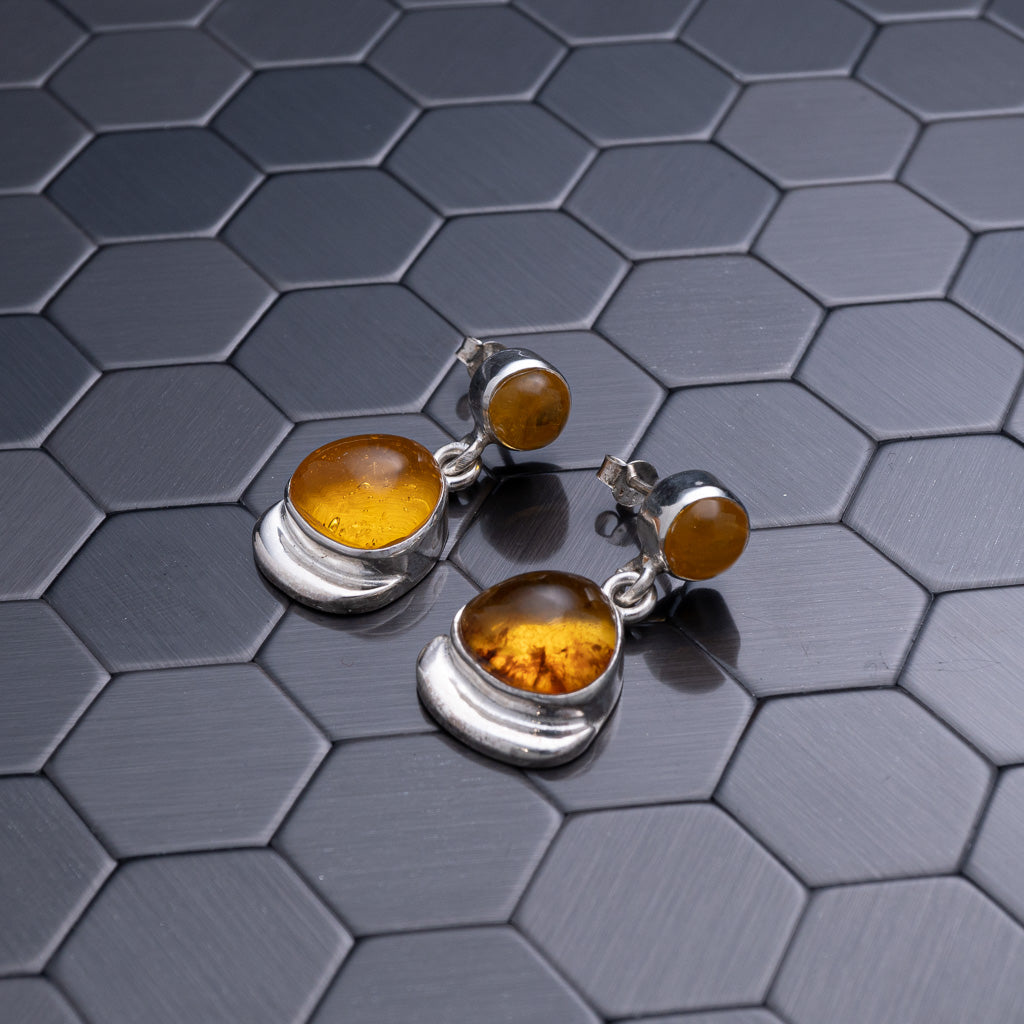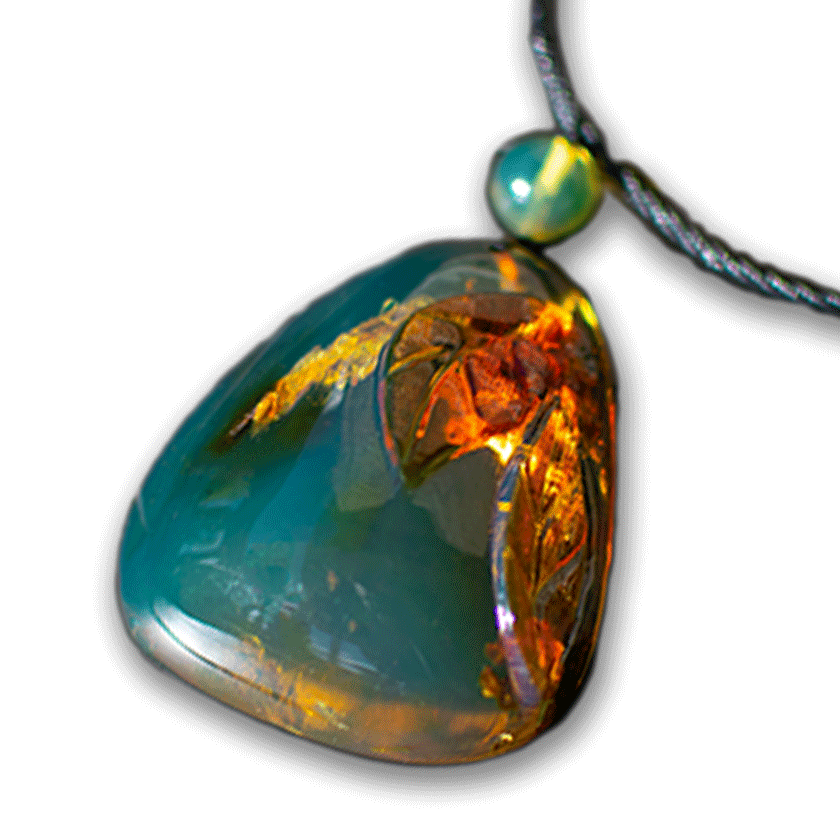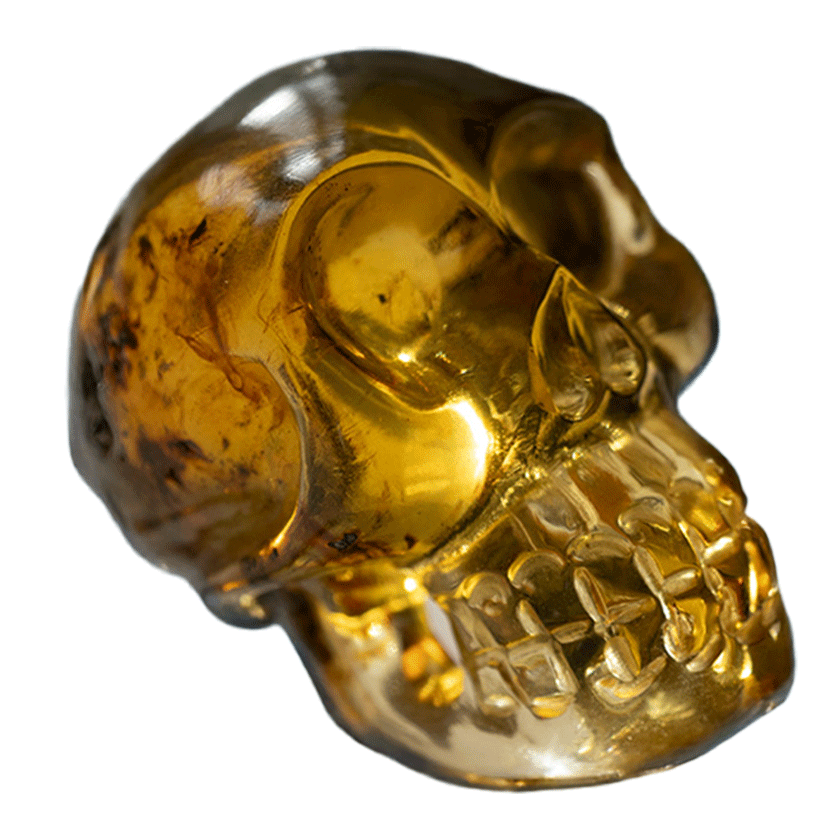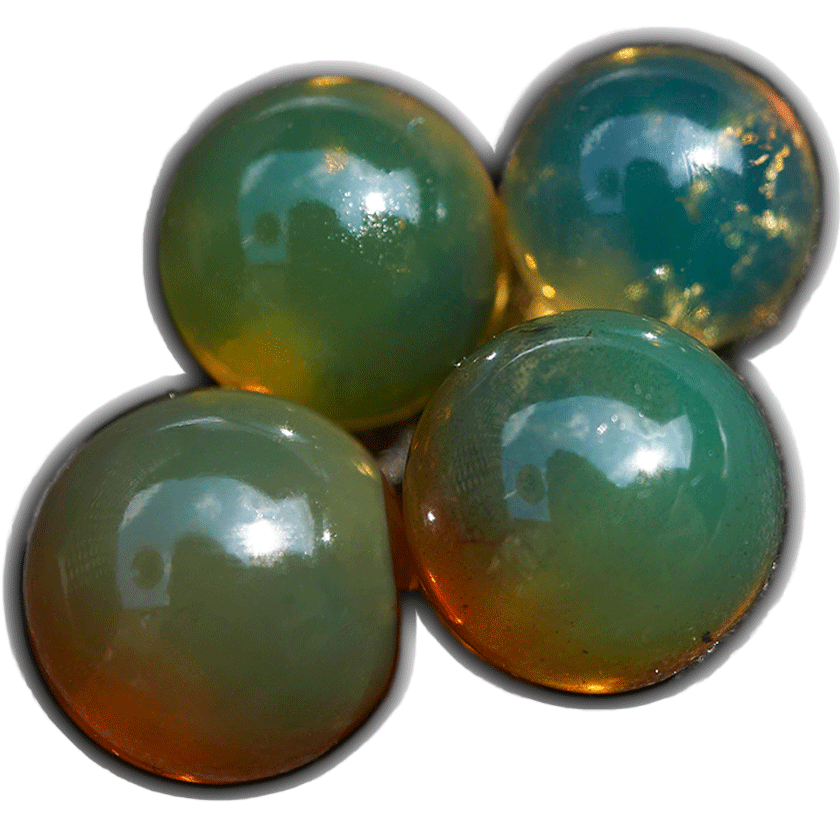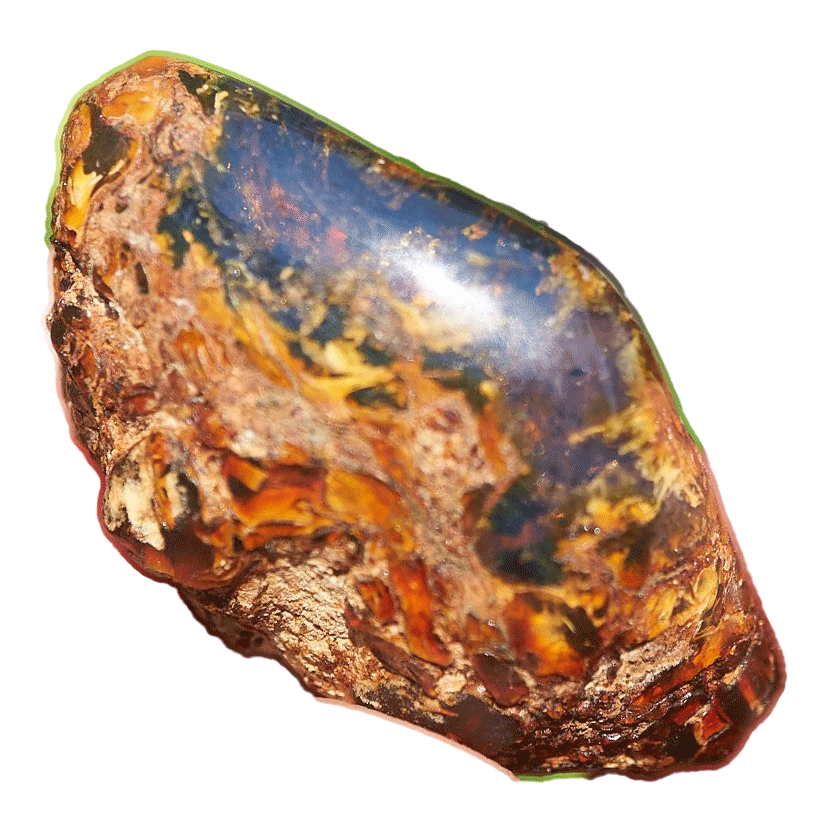


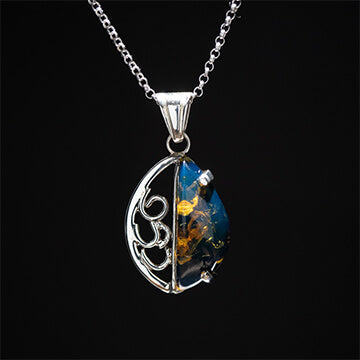
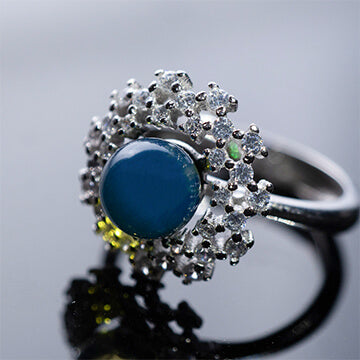
Handcrafted in DR.

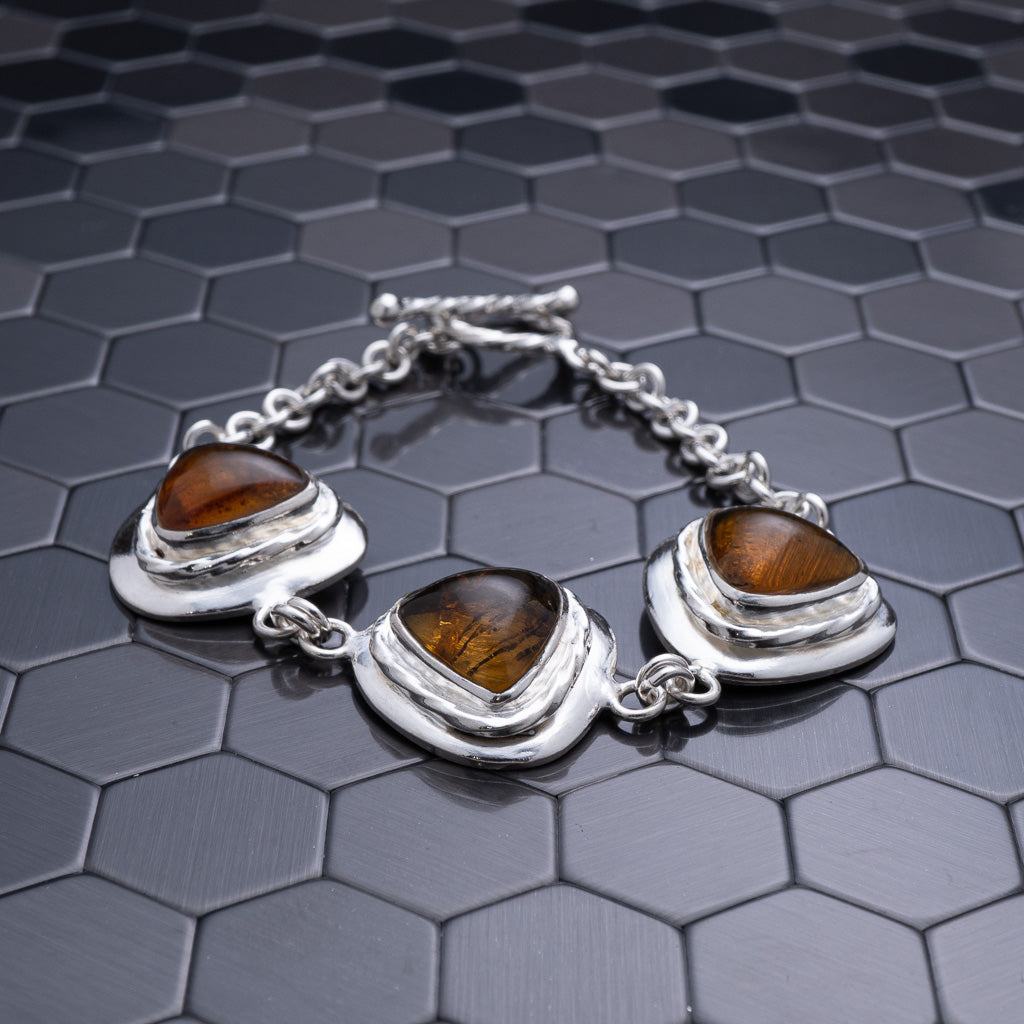
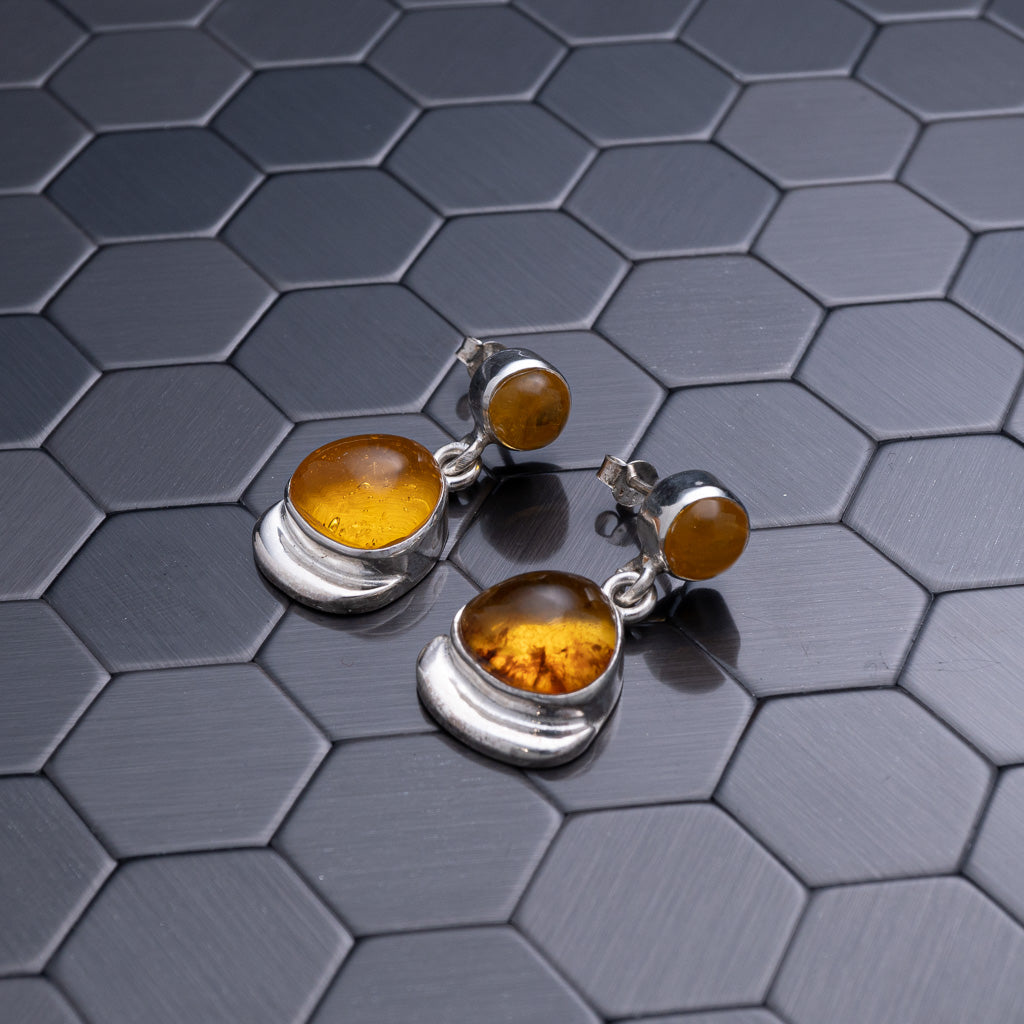


100% Handcrafted in DR.

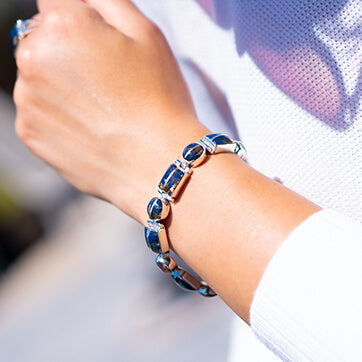
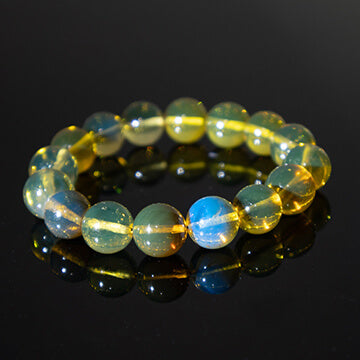
Blue gemstones have captivated jewelry lovers for millennia, from ancient Egyptian lapis lazuli to modern turquoise and larimar. When crafted into wearable art like crystal bracelets blue enthusiasts cherish, these stones blend aesthetic beauty with personal meaning. Whether you're drawn to the calming hues of aquamarine, the deep saturation of lapis lazuli, or the rare Caribbean blues of larimar and blue amber, understanding what makes these bracelets special helps you choose pieces that resonate with your style and values. This comprehensive guide explores the world of blue crystal bracelets, from gemstone varieties and their origins to styling advice and authentication tips.
Blue gemstones span an impressive spectrum, from pale sky blues to midnight navy. Each variety offers distinct characteristics that influence both appearance and value.
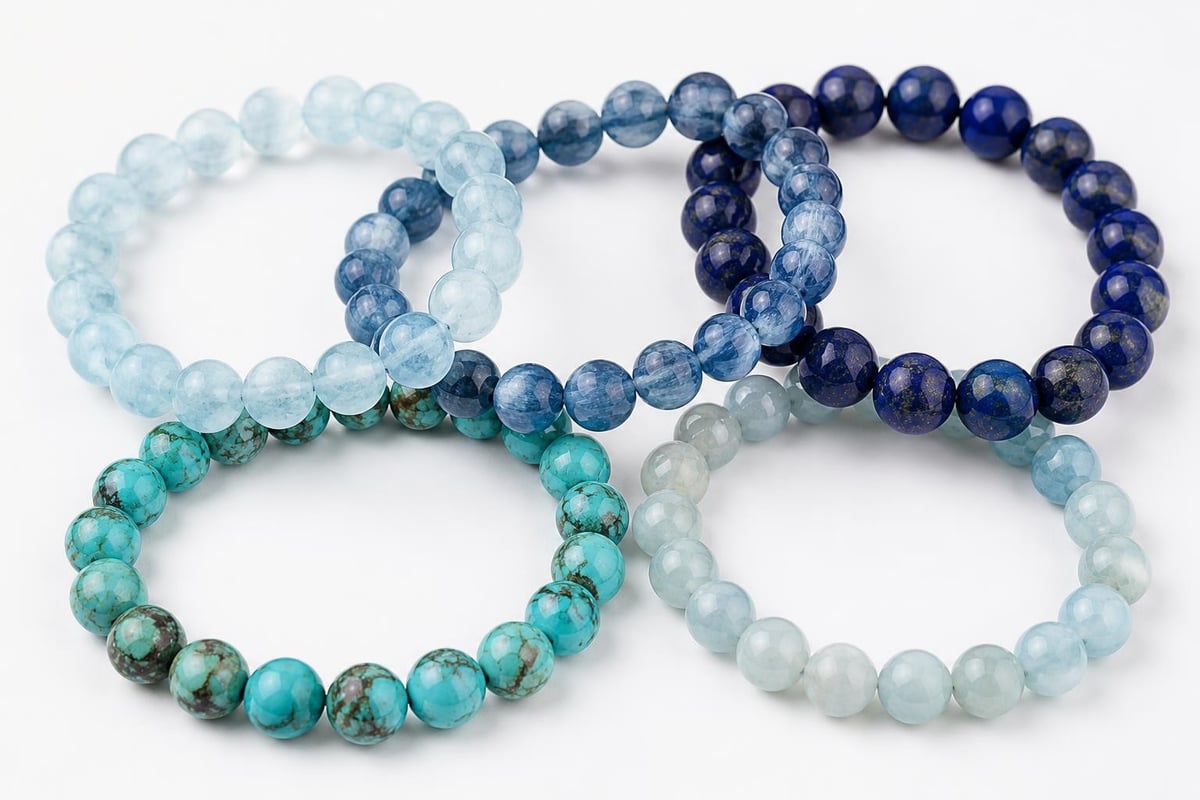
The market for crystal bracelets blue collectors seek features several standout gemstones. Turquoise remains one of the most recognizable, with its distinctive robin's egg blue often veined with brown or black matrix. Mined primarily in the southwestern United States, Iran, and China, this copper aluminum phosphate has adorned jewelry for over 7,000 years. The U.S. Geological Survey tracks global turquoise production, highlighting how mining practices and provenance affect both availability and ethical sourcing considerations.
Lapis lazuli delivers intense royal blue punctuated by golden pyrite flecks. This metamorphic rock, composed primarily of lazurite, has been treasured since ancient Mesopotamia and Egypt. Afghanistan's Badakhshan mines still produce the finest specimens today.
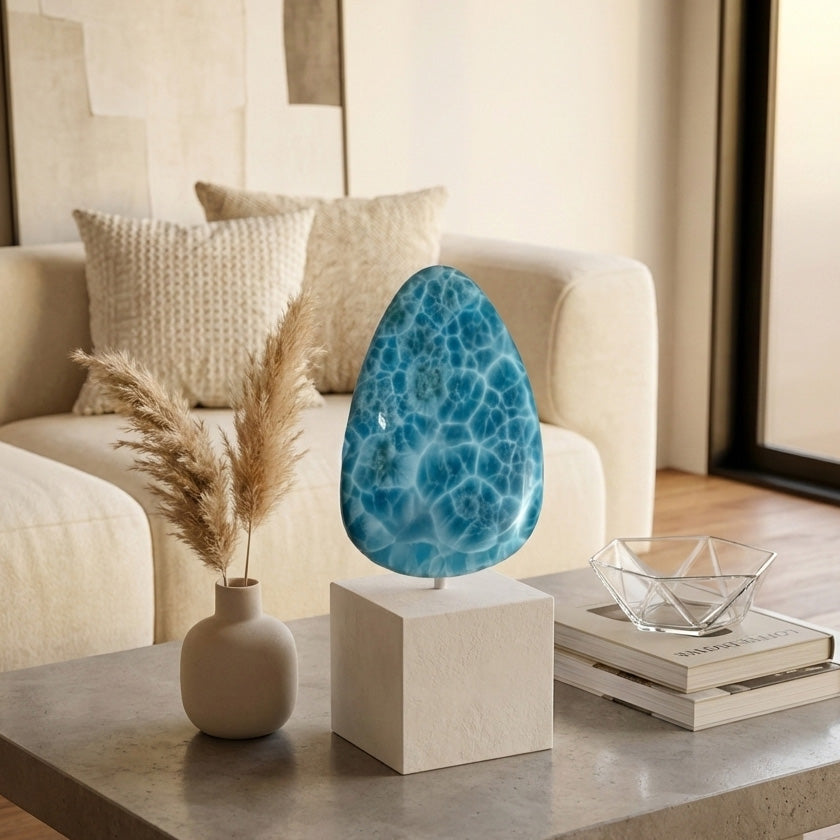
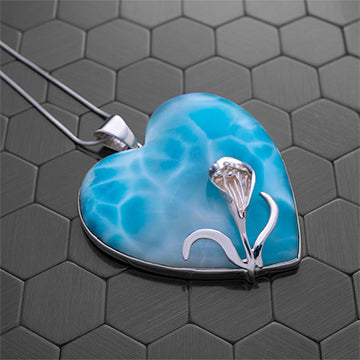
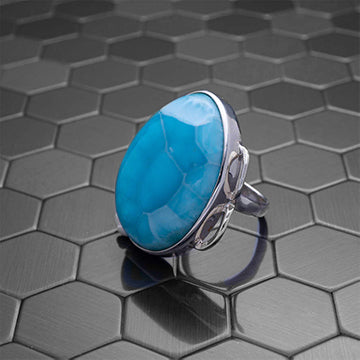
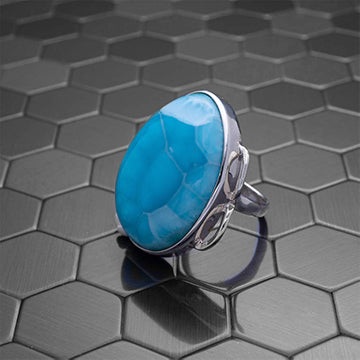
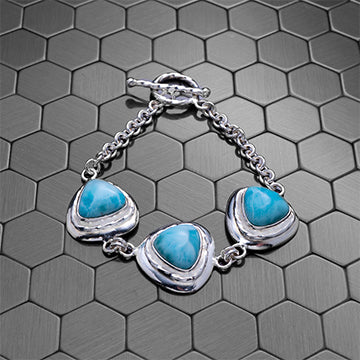
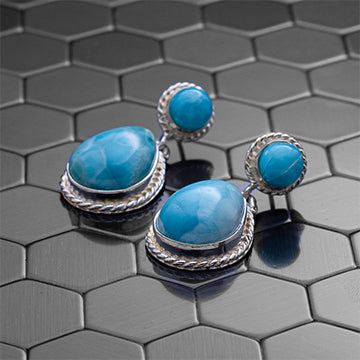
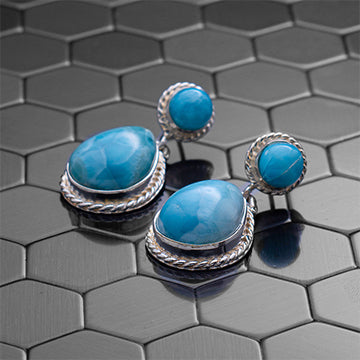
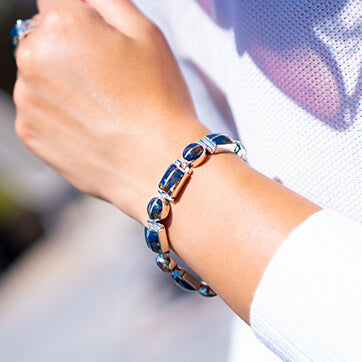
Larimar, found exclusively in the Dominican Republic, displays unique volcanic blue patterns ranging from soft sky blue to deep cerulean. This rare pectolite variety captures the essence of Caribbean waters in solid form.
Other popular options include:
Understanding treatments helps you evaluate quality and price fairly. Many blue gemstones undergo enhancement to improve color or durability. Heat treatment intensifies aquamarine's blue by removing yellow undertones. Turquoise frequently receives stabilization through resin impregnation to prevent color change and increase hardness. Blue topaz typically results from irradiation and heating of colorless material.
Historical records show gemstone enhancement dates back centuries, with dyeing, oiling, and coating techniques documented from the 16th century. Modern treatments employ more sophisticated methods, but disclosure remains essential for informed purchasing.
Natural, untreated specimens command premium prices due to rarity. Larimar and quality lapis lazuli often remain untreated, with their beauty emerging from geological processes alone. When shopping for crystal bracelets blue gemstone enthusiasts consider authentic, ask sellers about any treatments applied.
| Gemstone | Common Treatments | Detection Methods |
|---|---|---|
| Turquoise | Stabilization, dyeing | Acetone test, magnification |
| Blue Topaz | Irradiation, heating | Requires gemological testing |
| Lapis Lazuli | Dyeing (lower grades) | Acetone swab, UV light |
| Aquamarine | Heat treatment | Professional lab analysis |
| Larimar | None (typically) | Visual inspection, hardness test |
Color psychology research provides scientific grounding for blue's universal appeal. A comprehensive systematic review analyzing 128 years of psychological research found consistent associations between blue hues and emotions of calmness, tranquility, and trust across cultures. These findings align with centuries of symbolic use in religious art, royal insignia, and decorative traditions.
Blue consistently ranks as the world's most popular color, transcending geographic and cultural boundaries. Studies demonstrate physiological responses to blue environments, including reduced heart rate and lower blood pressure. Research in therapeutic settings confirms that blue and blue-green color palettes contribute to restorative, calming psychological effects, supporting why many people feel drawn to blue crystal bracelets.
This emotional connection enhances the appeal of wearing blue gemstones. Whether you subscribe to metaphysical beliefs or simply appreciate the aesthetic, crystal bracelets blue wearers choose often become personal talismans of peace and clarity.
Throughout history, blue gemstones signified royalty, divinity, and wisdom. The Victoria & Albert Museum's comprehensive gemstone archive documents how lapis lazuli adorned Egyptian pharaohs' death masks and medieval illuminated manuscripts used ground lazurite for ultramarine pigment. Turquoise protected Persian horsemen and decorated Native American ceremonial objects.
These historical associations continue influencing modern jewelry design. When you wear crystal bracelets blue stones create, you connect with millennia of human appreciation for these remarkable minerals.
Selecting the right bracelet requires attention to several quality indicators beyond simple color preference.
Color saturation and consistency significantly impact value. Look for even distribution without excessive patchiness. In larimar, for example, the most prized pieces display vibrant volcanic blue with attractive white patterning. Turquoise connoisseurs seek pure robin's egg blue, though many appreciate the character matrix veining adds.
Clarity matters differently depending on stone type. Transparent gems like aquamarine should show minimal inclusions, while opaque stones like lapis lazuli naturally contain pyrite and calcite. Understanding each material's typical characteristics prevents unfair comparisons.
Examine these quality factors:
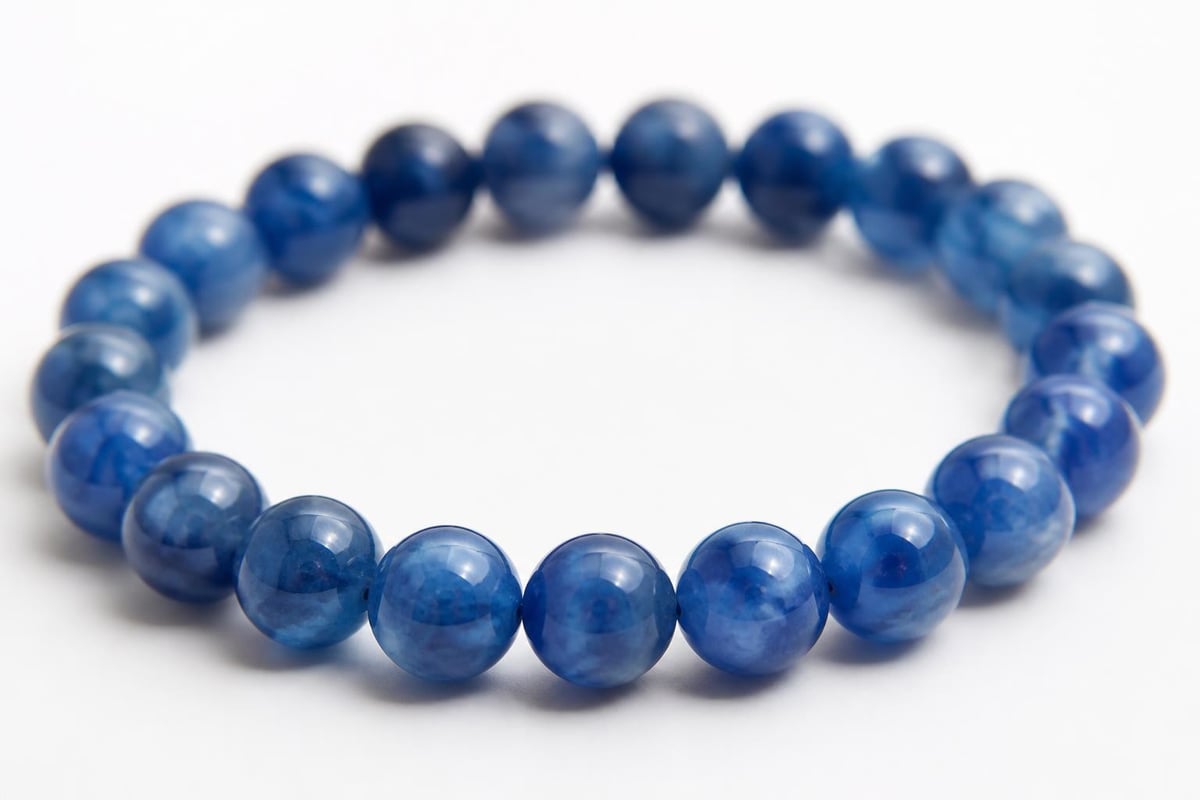
The popularity of crystal bracelets blue varieties attract means imitations and misrepresentations exist. Glass, dyed howlite, and synthetic materials frequently substitute for genuine gemstones.
Verification techniques include:
Reputable sellers provide clear information about stone origins and any treatments. Companies like Larimar Creations built their reputation on authenticity, sourcing rare materials directly and ensuring transparency about their unique properties.
Blue's versatility makes these bracelets exceptionally wearable across wardrobes and occasions.
Blue gemstones pair beautifully with various metals and outfits. Silver settings enhance cool-toned blues like larimar and aquamarine, creating cohesive, tranquil aesthetics. Yellow gold provides striking contrast with deep lapis or turquoise, adding warmth and luxury. Rose gold offers modern sophistication, particularly attractive with pale blue chalcedony.
Wardrobe coordination follows basic color theory:
Crystal bracelets blue enthusiasts often wear benefit from thoughtful stacking. Mix textures and stone sizes for visual interest while maintaining color harmony.
Effective stacking approaches:
Consider creating themed stacks around specific blue tones or mixing blue stones with neutral materials like wood, bone, or silver. The bracelets available at Larimar Creations' bracelet collection demonstrate how rare blue gemstones become focal points in both simple and complex designs.
Different settings call for different approaches to crystal bracelets blue wearers select:
| Occasion | Recommended Style | Gemstone Suggestions |
|---|---|---|
| Professional/Office | Single strand, subtle | Aquamarine, pale blue chalcedony |
| Casual Daily | Stacked, mixed materials | Turquoise, sodalite, howlite |
| Formal Events | Statement piece, precious metal | Sapphire, lapis lazuli, premium larimar |
| Beach/Vacation | Vibrant, elastic styles | Caribbean larimar, bright turquoise |
| Meditation/Wellness | Mala-style, 108 beads | Kyanite, blue lace agate, sodalite |
Proper care preserves both beauty and value in your crystal bracelets blue gemstones create.
Gemstone hardness varies significantly, affecting durability. The Mohs scale rates mineral scratch resistance from 1 (talc) to 10 (diamond). Understanding where your stones fall helps prevent damage.
Hardness reference:
Remove bracelets before activities involving chemicals, physical impact, or abrasion. Softer stones like turquoise and larimar scratch easily, while even harder aquamarine can chip if struck forcefully.
Clean most blue crystal bracelets with lukewarm water and mild soap. Use a soft cloth or brush, rinse thoroughly, and pat dry. Avoid ultrasonic cleaners for treated, porous, or fractured stones. Turquoise particularly suffers from soap residue and prolonged water exposure, which can alter color.
Material-specific care:
Store bracelets individually in soft pouches to prevent scratching. Keep away from extreme temperatures and direct sunlight, which can fade some materials over time.
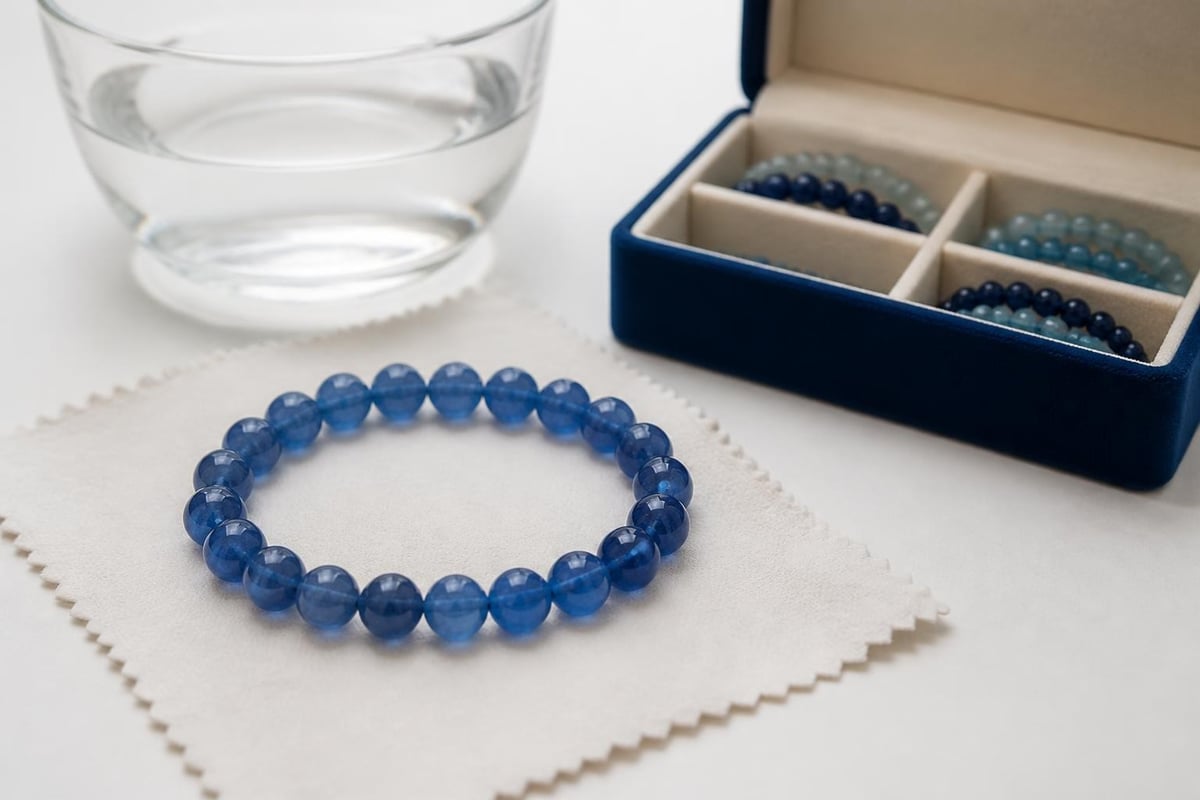
Many wearers appreciate crystal bracelets blue stones feature for their purported energetic properties. While scientific evidence for crystal healing remains limited, the practice has ancient roots and continues attracting modern interest.
Blue gemstones traditionally connect with throat chakra activation, communication enhancement, and emotional tranquility. Different stones carry specific associations:
Practitioners suggest wearing these stones as bracelets allows direct skin contact, facilitating energy exchange throughout the day.
Medical experts note that while crystals themselves lack scientifically verified healing powers, the mindfulness practices surrounding them offer real benefits. Setting intentions, practicing meditation with meaningful objects, and creating rituals promote stress reduction and emotional awareness through well-documented psychological mechanisms.
If crystal bracelets blue enthusiasts wear serve as reminders of personal goals or bring aesthetic joy, they fulfill valuable functions regardless of energetic properties. The placebo effect itself demonstrates real physiological responses, making the wearer's belief and experience meaningful even without supernatural mechanisms.
Conscious consumers increasingly consider mining practices and environmental impact when selecting jewelry.
Small-scale artisanal mining operations often provide livelihood for communities while minimizing ecological disruption. Large commercial operations vary widely in environmental stewardship and worker treatment. Research indicates transparent supply chains and direct sourcing relationships help ensure ethical practices.
Questions to ask sellers include:
Companies specializing in rare materials like larimar often maintain closer supplier relationships. The limited geographic source of certain stones makes origin tracking more straightforward than widely distributed materials.
Gemstone mining impacts vary by scale and method. Surface collection causes minimal disruption, while deep mining requires significant land disturbance. Water usage, chemical processing, and waste management practices differ substantially between operations.
Supporting jewelers committed to sustainability encourages better industry practices. Look for businesses that:
While most buyers choose crystal bracelets blue gemstones create for personal enjoyment, some pieces appreciate in value.
Rarity drives long-term value. Gemstones from limited deposits or discontinued mines increase in worth as supply dwindles. Larimar's single-source origin in the Dominican Republic's Bahoruco Mountains makes it increasingly collectible. Similarly, premium Afghan lapis from historic mines commands growing prices.
Quality matters profoundly. Exceptional color, size, and clarity in any material outperform average specimens. A bracelet featuring museum-grade larimar with intense volcanic blue will appreciate more than pale, heavily veined examples.
Craftsmanship adds value beyond material costs. Hand-selected, perfectly matched beads from skilled artisans create heirloom pieces. Documentation of origin, certification, and provenance further enhance investment potential.
The market for crystal bracelets blue collectors seek reflects broader jewelry trends. Current demand favors:
Vintage pieces from notable makers or containing now-depleted material sources attract premium prices. Modern bracelets gain collectibility through exceptional quality and documented provenance.
Creating custom crystal bracelets blue specifications meet allows perfect alignment with style preferences and sizing needs.
Work with jewelers offering customization to specify:
Many appreciate incorporating meaningful elements like birthstones, initials, or symbolic charms alongside blue gemstones. The ability to select specific stone qualities ensures the finished piece meets exact expectations.
Commissioning custom work provides unique advantages. Artisans can source exceptional individual stones, create complex patterns, and ensure proper sizing. Communication throughout the process allows adjustments and ensures satisfaction.
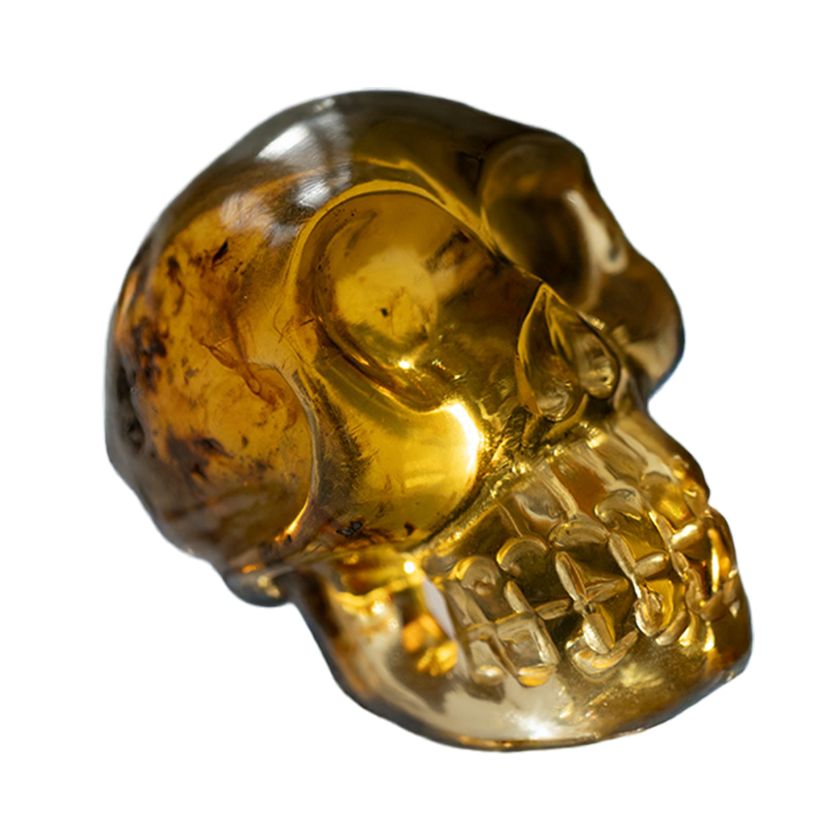
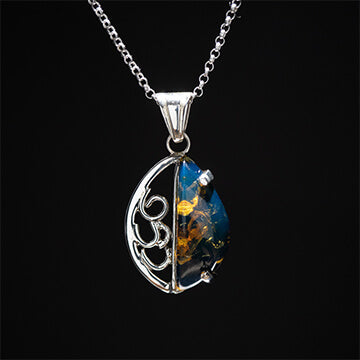
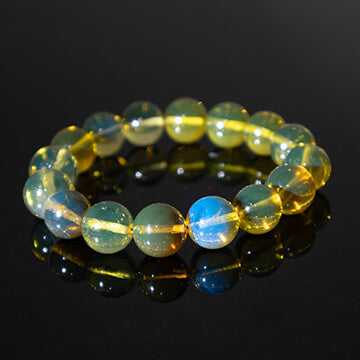
Specialized jewelers focusing on rare blue gemstones often maintain stone selections unavailable through mass retailers. Their expertise helps navigate quality variations and design options specific to materials like larimar or blue amber.
These versatile pieces make thoughtful gifts for numerous occasions, combining beauty with symbolic meaning.
Match gemstone symbolism and style to recipients and events:
Consider the recipient's existing jewelry when selecting metals and styles. Classic designs suit traditional tastes, while contemporary asymmetrical arrangements appeal to modern aesthetics.
Thoughtful presentation enhances the gifting experience. Include care instructions and information about the specific gemstone's properties and origins. Share the story behind rare materials or explain traditional symbolism.
Quality packaging protects the piece while creating memorable unboxing. Many jewelers provide elegant boxes or pouches suitable for gift presentation. Adding personal touches like handwritten notes describing why you selected that particular stone deepens the emotional connection.
Crystal bracelets blue gemstones showcase represent timeless investments in beauty, meaning, and personal expression. Whether drawn to the calming psychology of blue hues, the rich cultural history of these stones, or simply their aesthetic appeal, understanding quality, care, and sourcing helps you make informed choices that bring lasting satisfaction. Larimar Creations specializes in rare Caribbean blue gemstones, offering authentic larimar and Dominican blue amber pieces crafted with exceptional attention to quality and shipped worldwide, bringing the unique beauty of these treasured materials to collectors and jewelry enthusiasts everywhere.