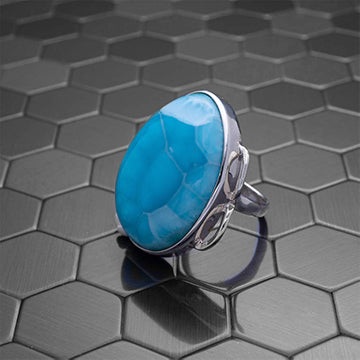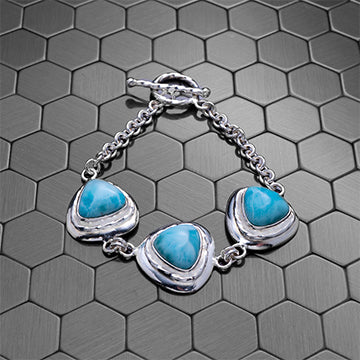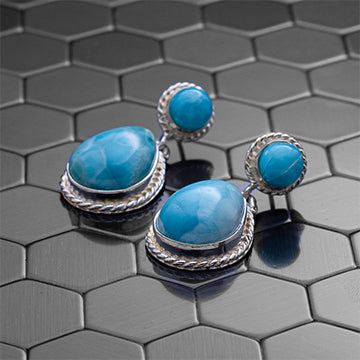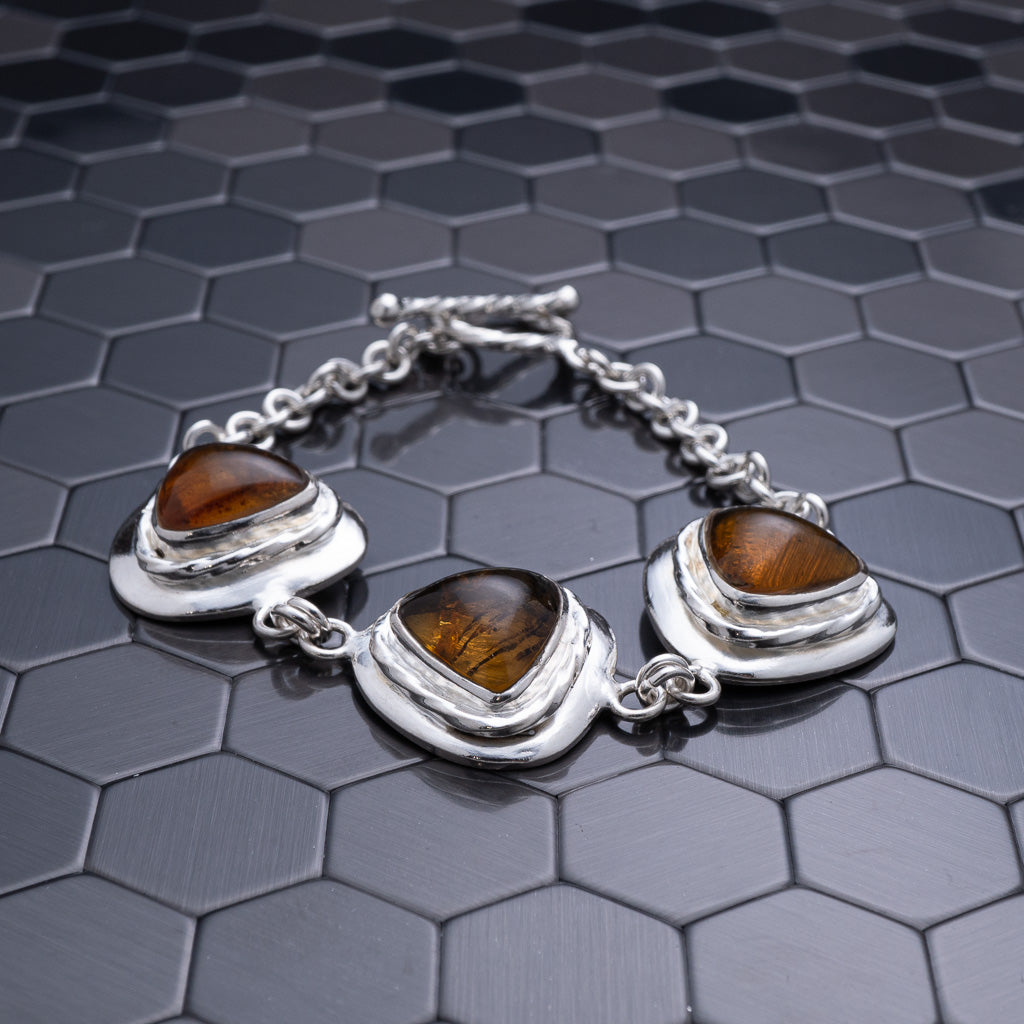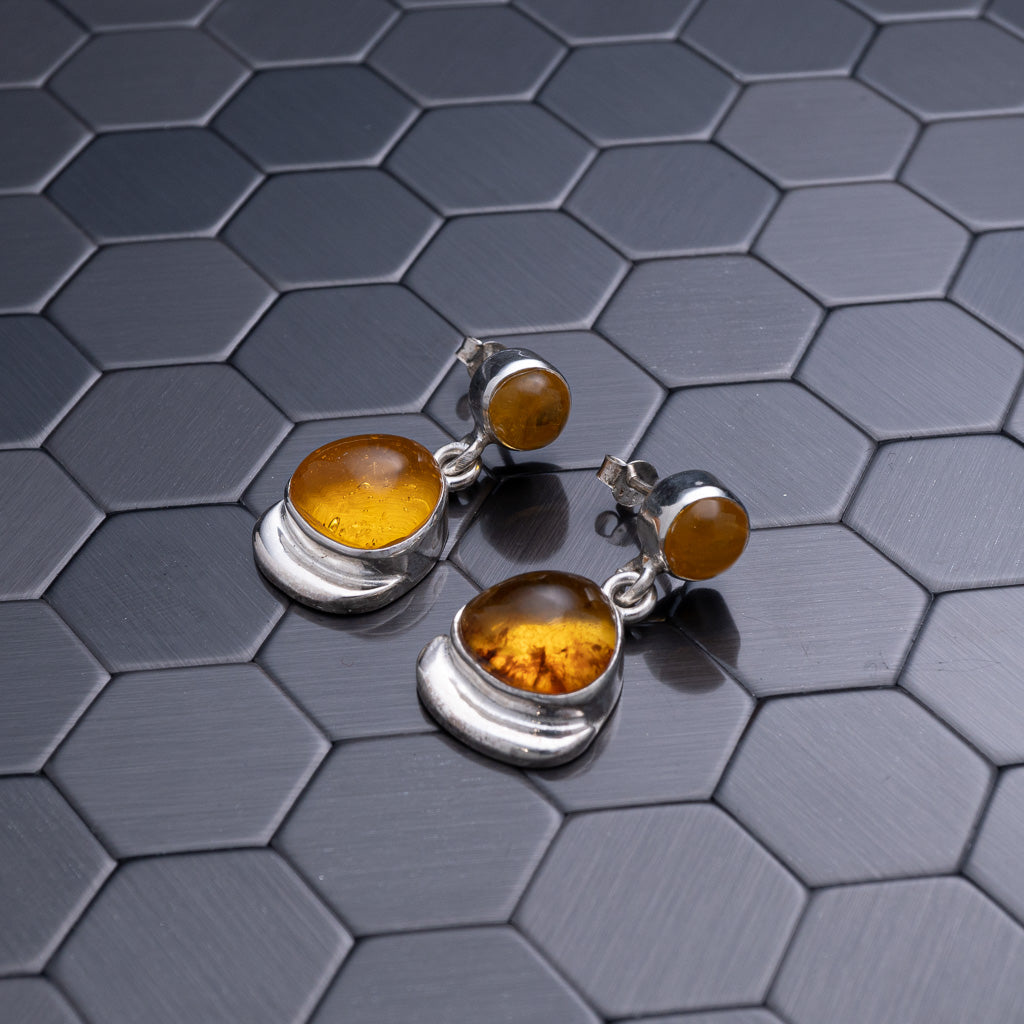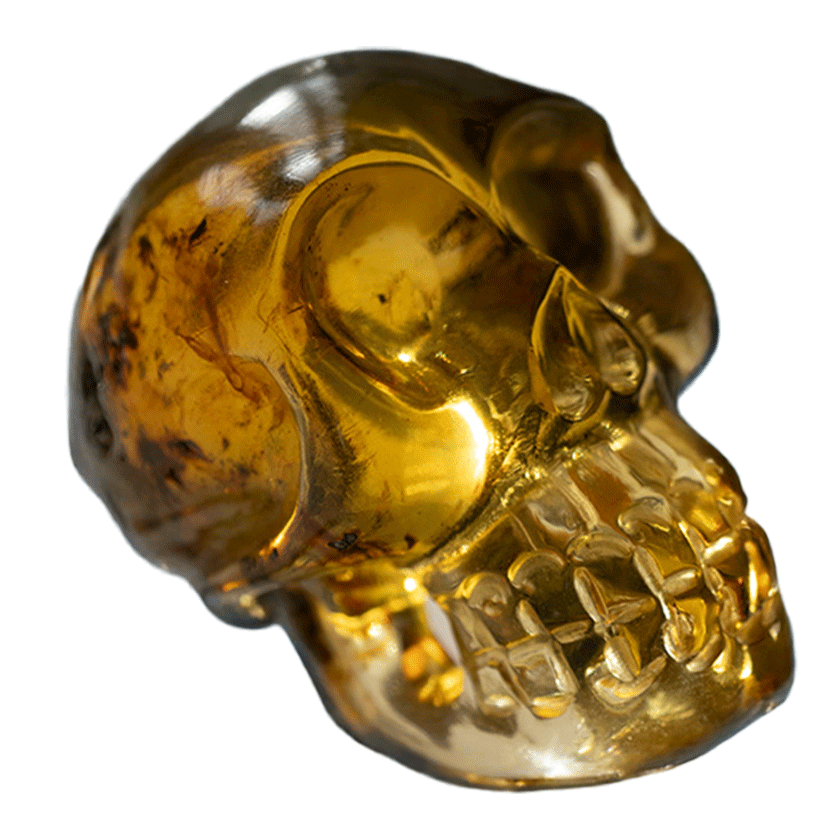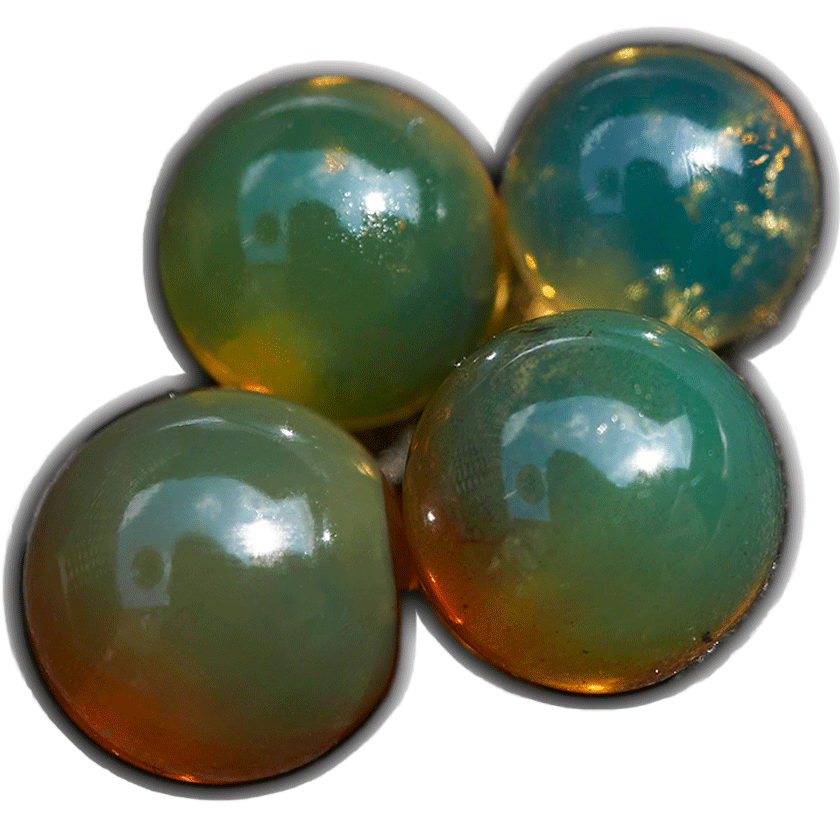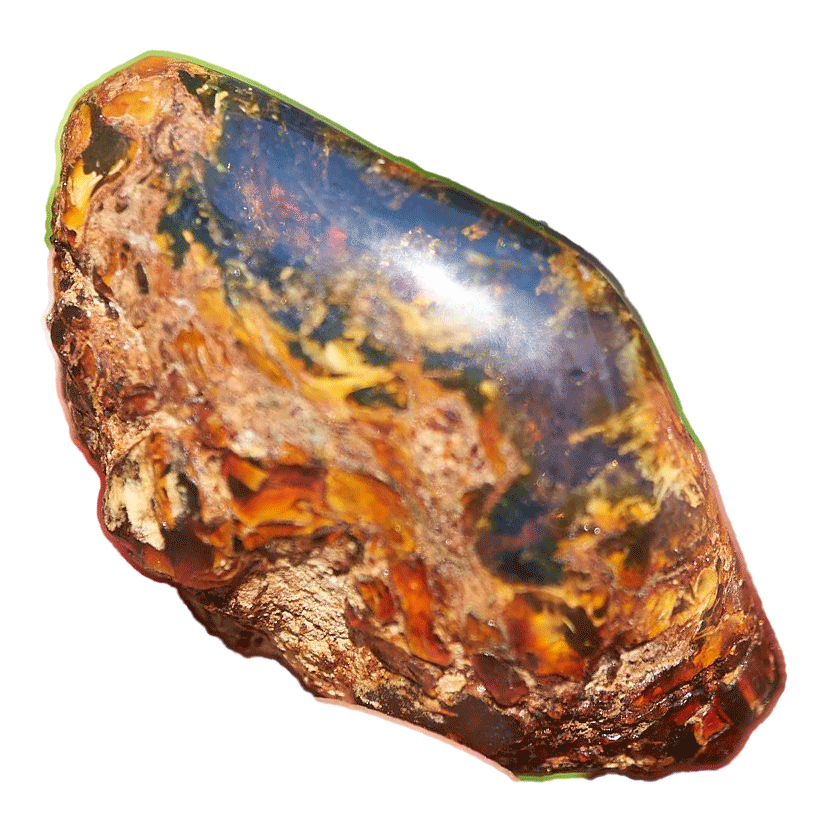


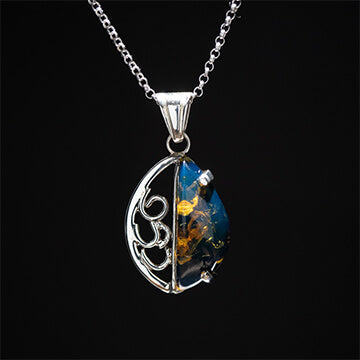
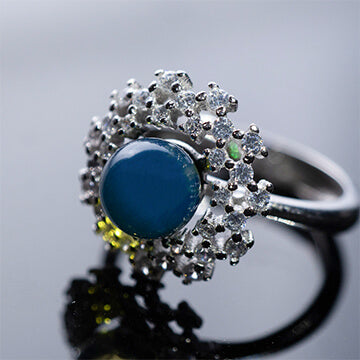
Handcrafted in DR.

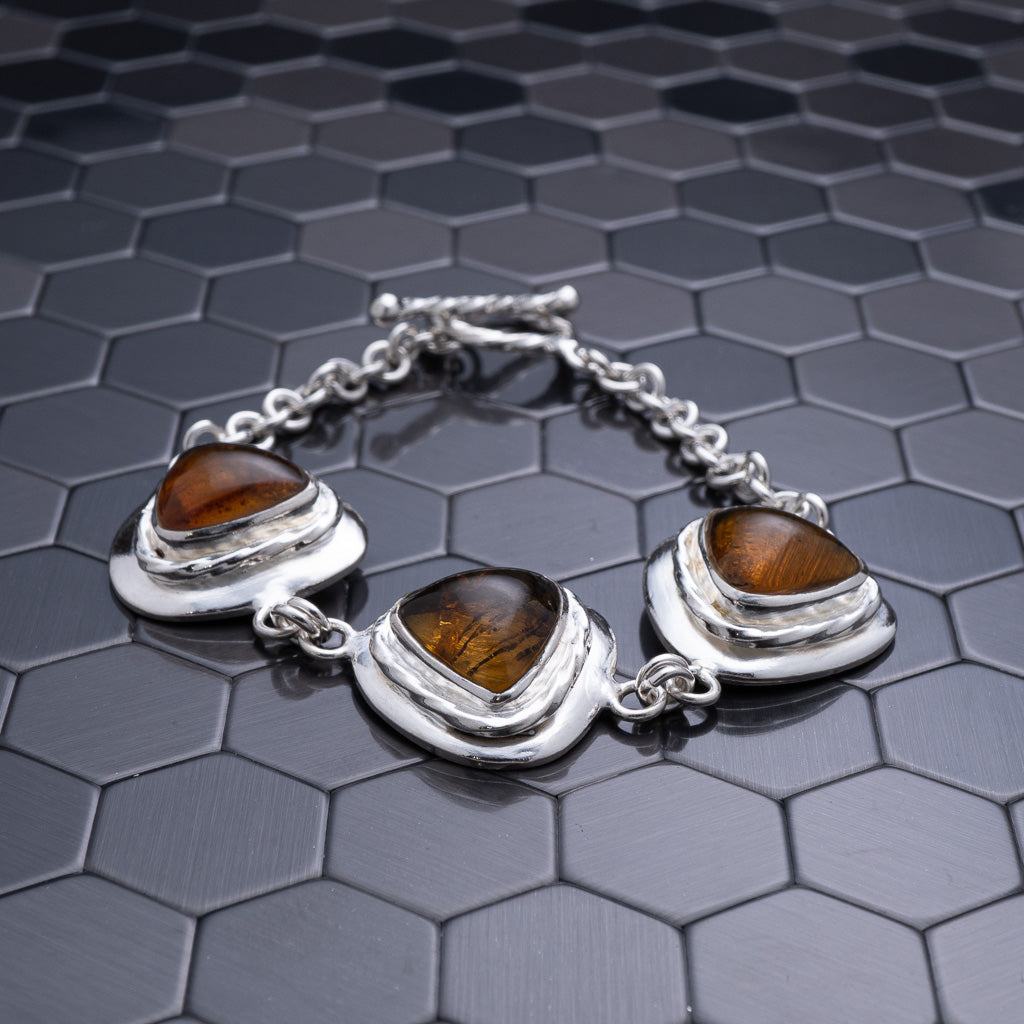
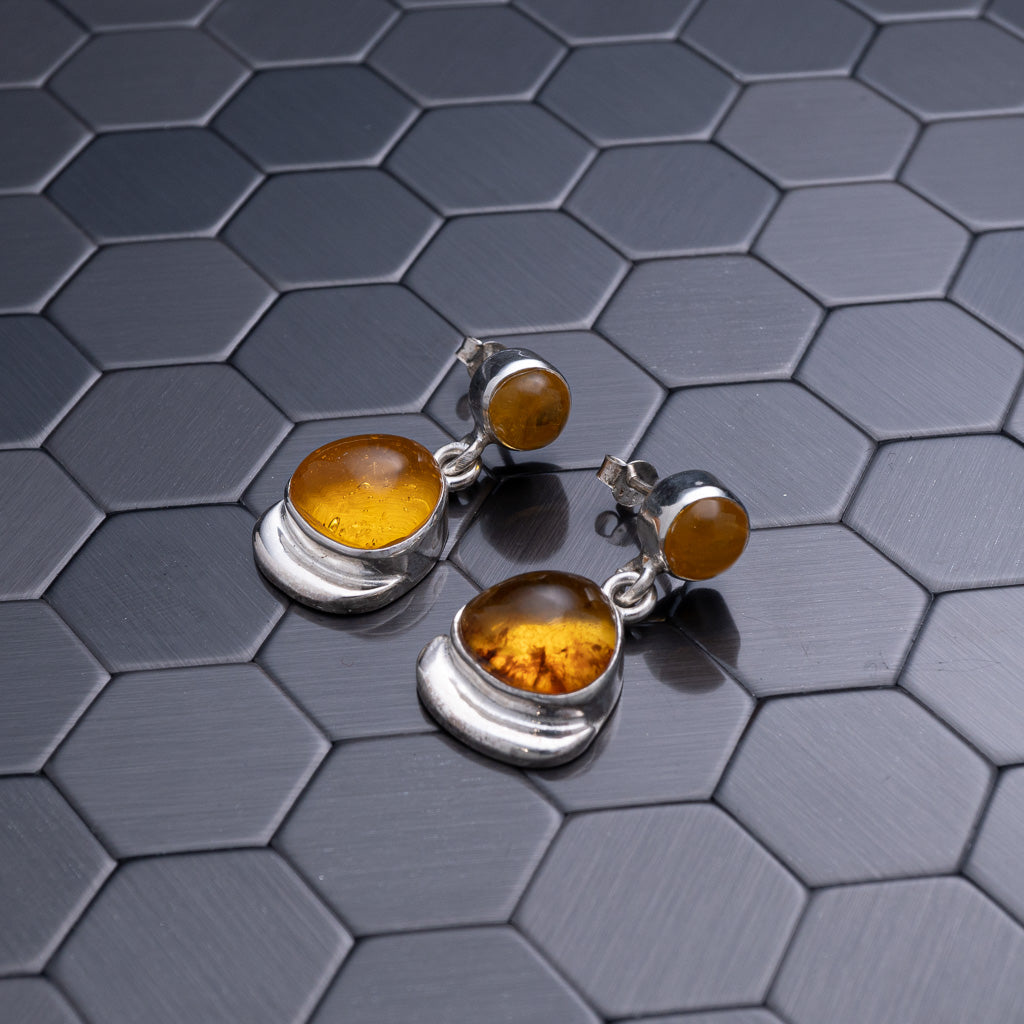


100% Handcrafted in DR.

Crystal necklace pendants have captivated jewelry enthusiasts for centuries, combining natural beauty with symbolic meaning. These versatile accessories serve as both fashion statements and personal talismans, with each crystal type offering unique properties and visual appeal. Whether you're drawn to the calming blues of rare gemstones or the clarity of quartz, understanding how to select, style, and maintain crystal pendants enhances both their longevity and significance in your collection. The market for these pieces continues to expand in 2026, with artisans worldwide crafting everything from minimalist designs to elaborate statement pieces that showcase the inherent beauty of natural crystals.
Different crystals carry distinct energetic properties and symbolic associations, making the selection of crystal necklace pendants a deeply personal process. According to comprehensive research on crystal necklace meanings, each stone type resonates with specific intentions and purposes.
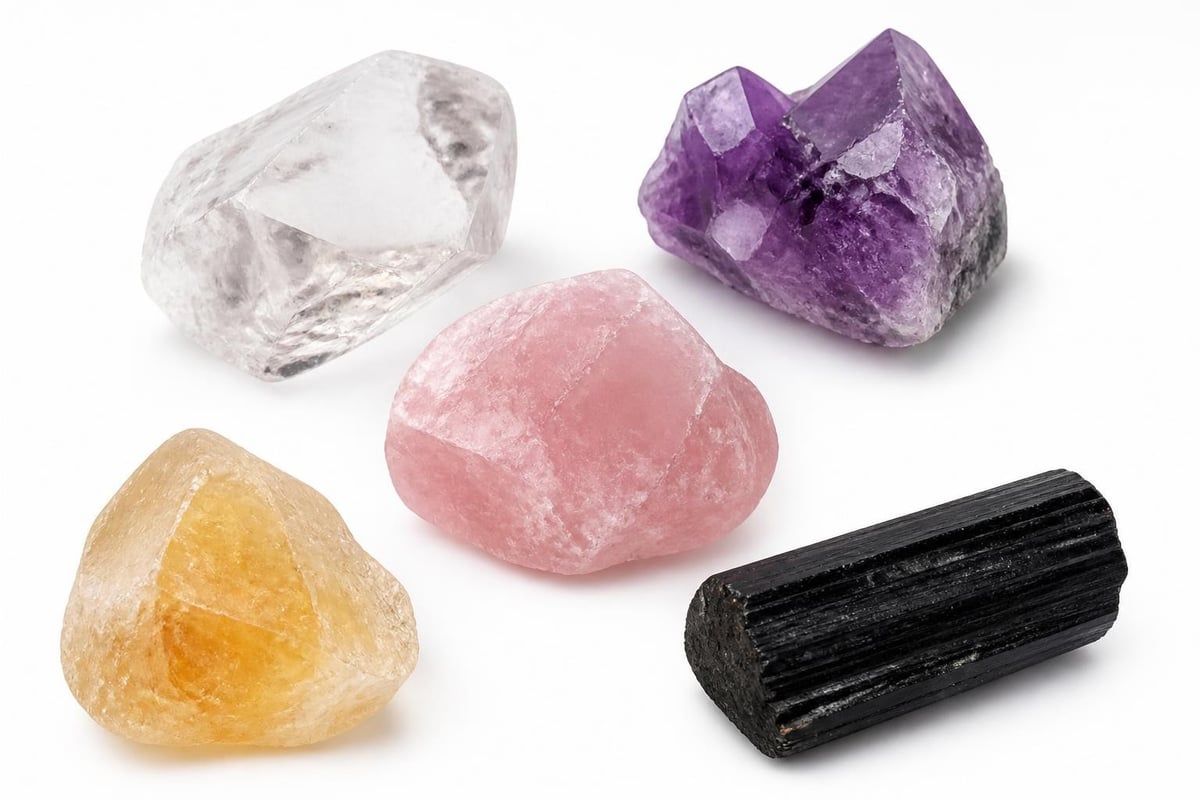
Clear quartz stands as one of the most versatile options, often called the "master healer" for its amplifying properties. This transparent crystal works well with any outfit and complements other stones beautifully. Amethyst appeals to those seeking tranquility and spiritual awareness, with its purple hues ranging from pale lavender to deep violet.
Rose quartz represents unconditional love and emotional healing, making it a popular choice for gifts. The gentle pink tones suit both casual and formal wear. Citrine attracts abundance and positivity with its warm yellow to amber coloring, while black tourmaline provides grounding and protection with its deep, opaque appearance.
Less common but equally powerful options include:
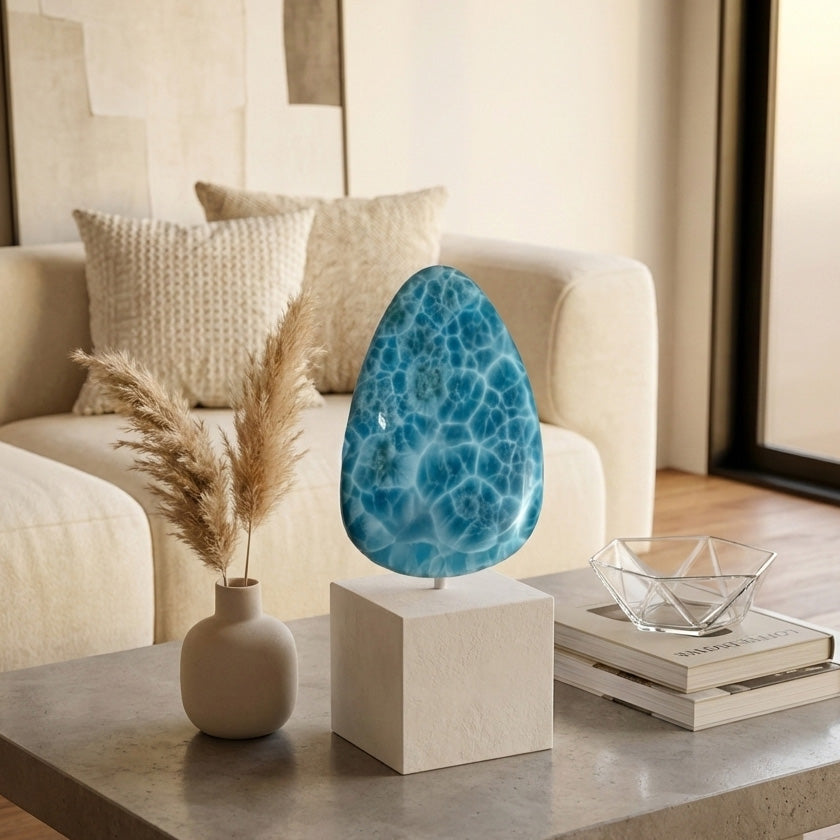
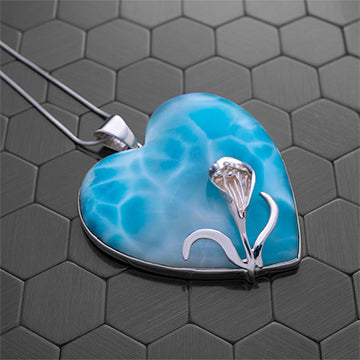
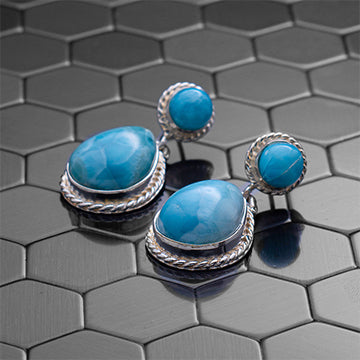
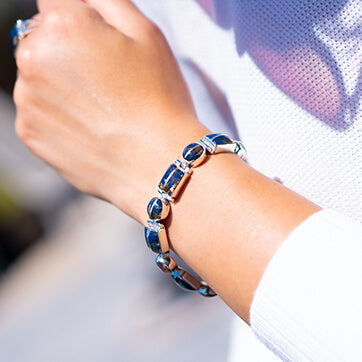
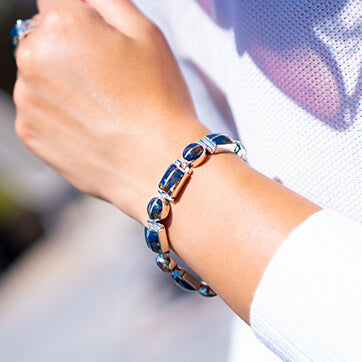
Beyond mainstream crystals, rare gemstones offer exceptional beauty and exclusivity. Larimar jewelry represents a unique category, with this rare blue stone found only in the Dominican Republic. Its ocean-like patterns and calming energy make it particularly sought-after for pendant designs.
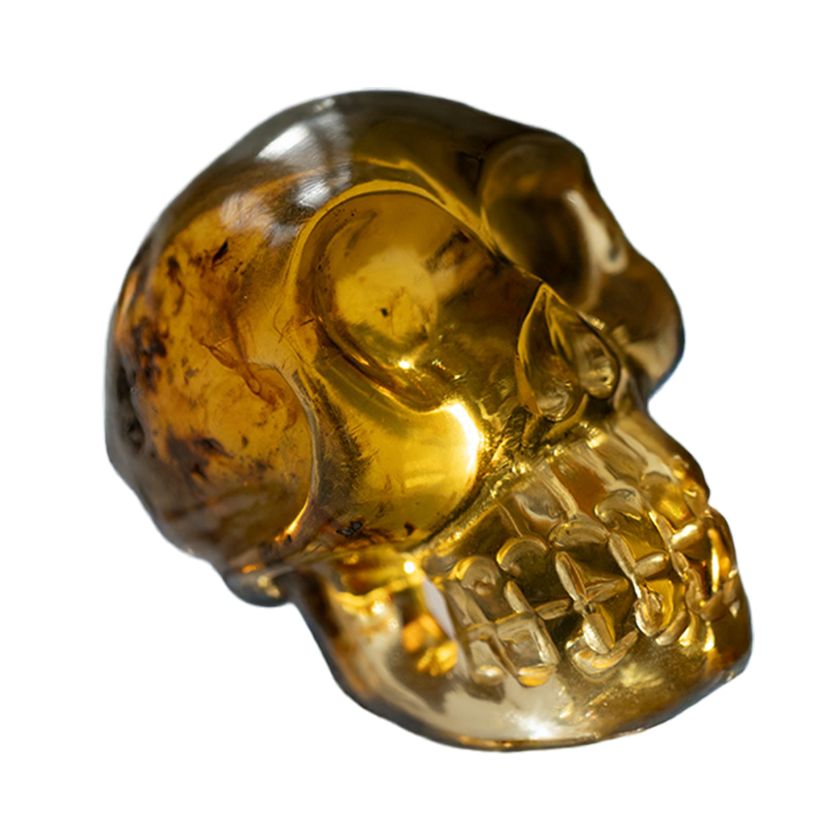
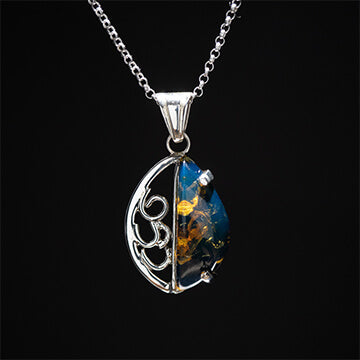
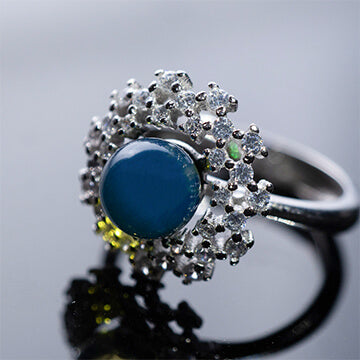
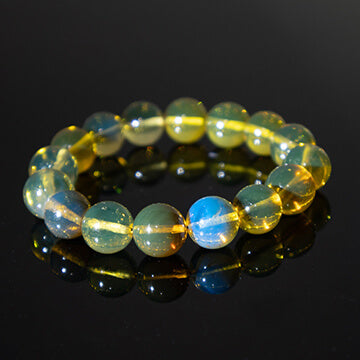
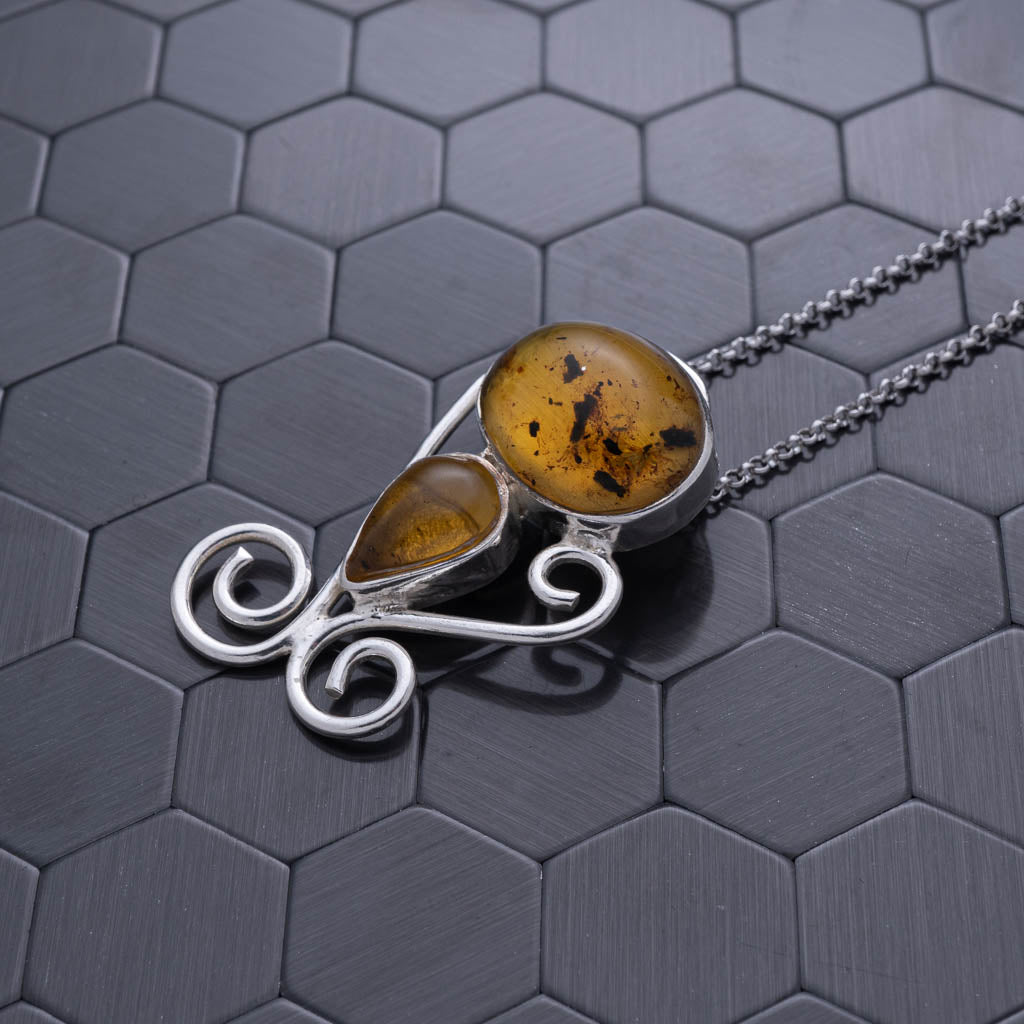
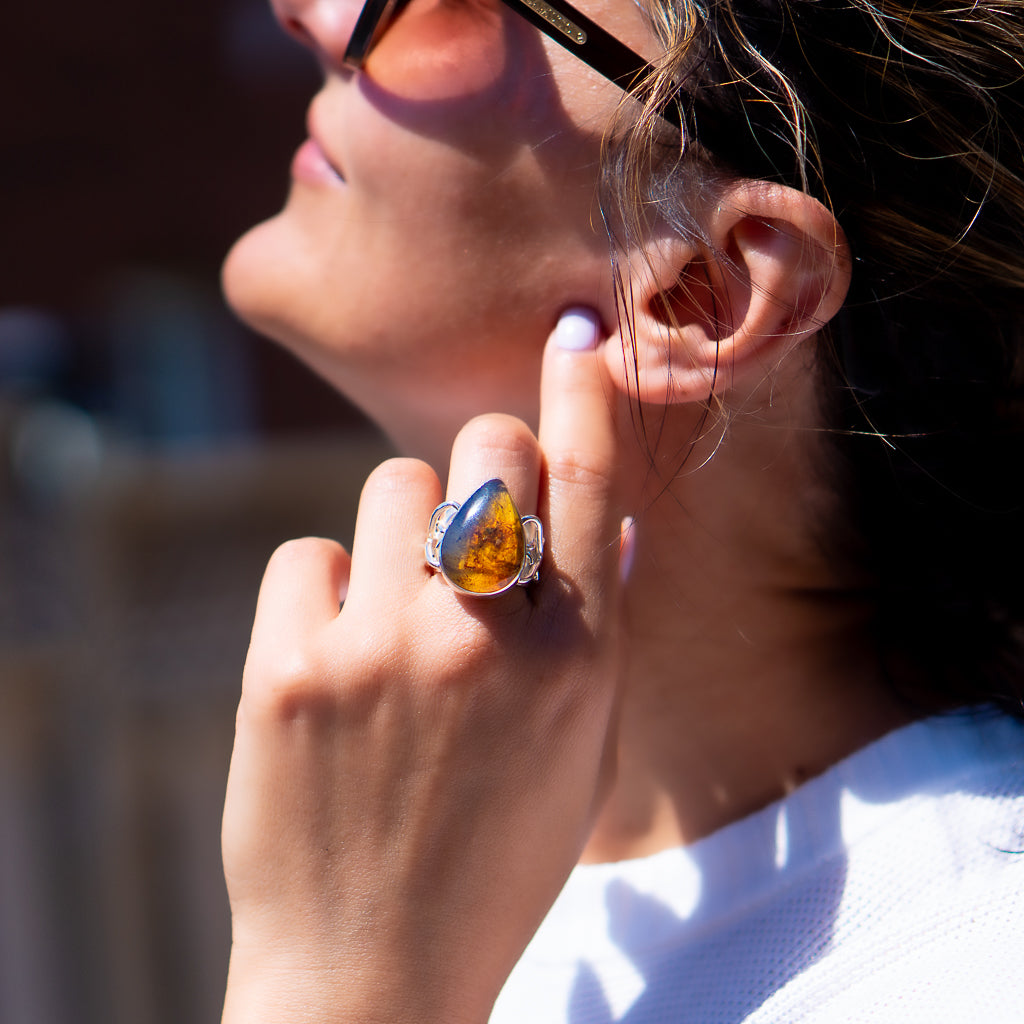
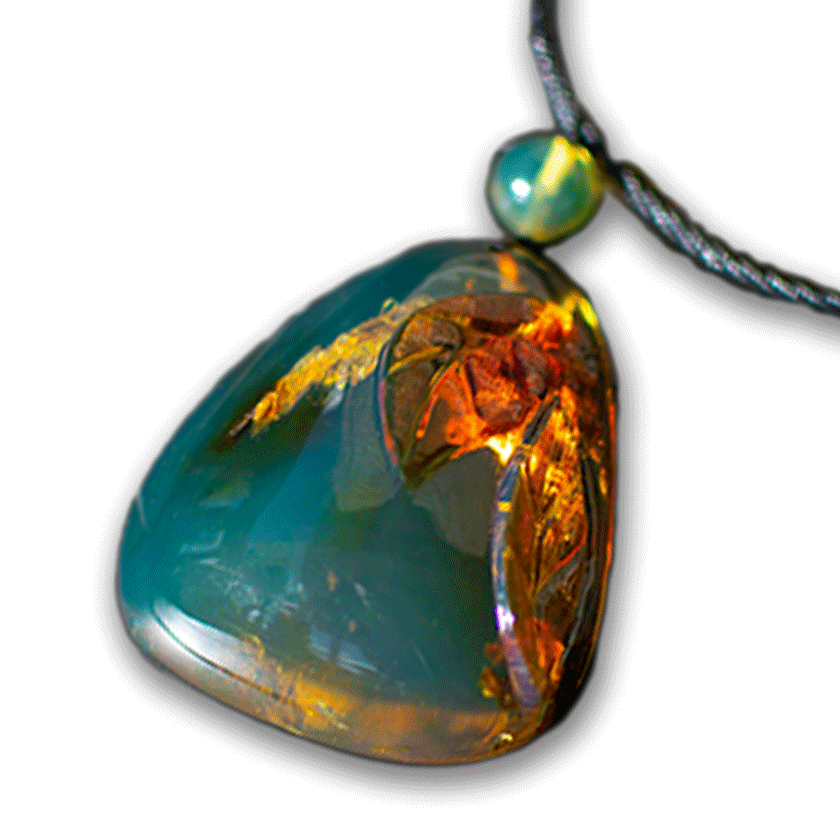
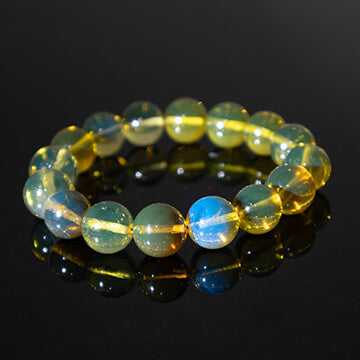
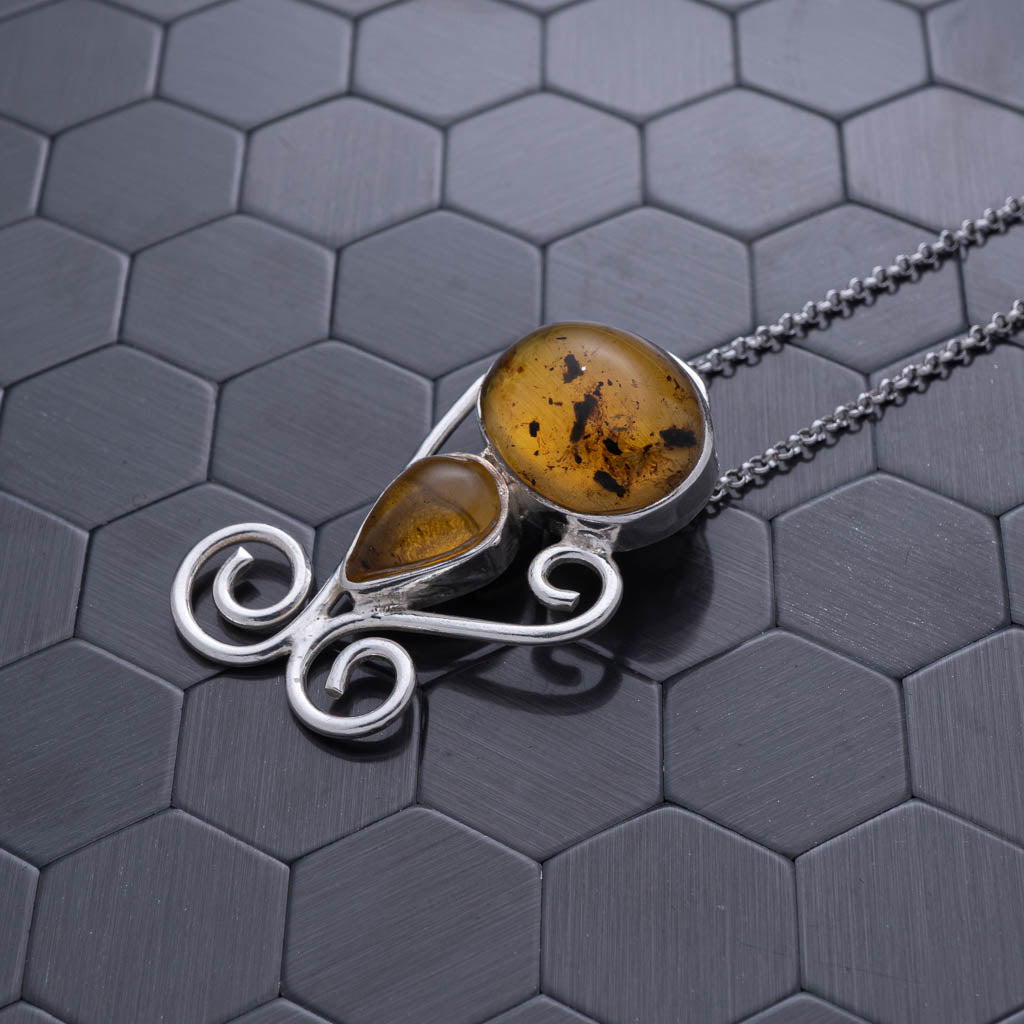
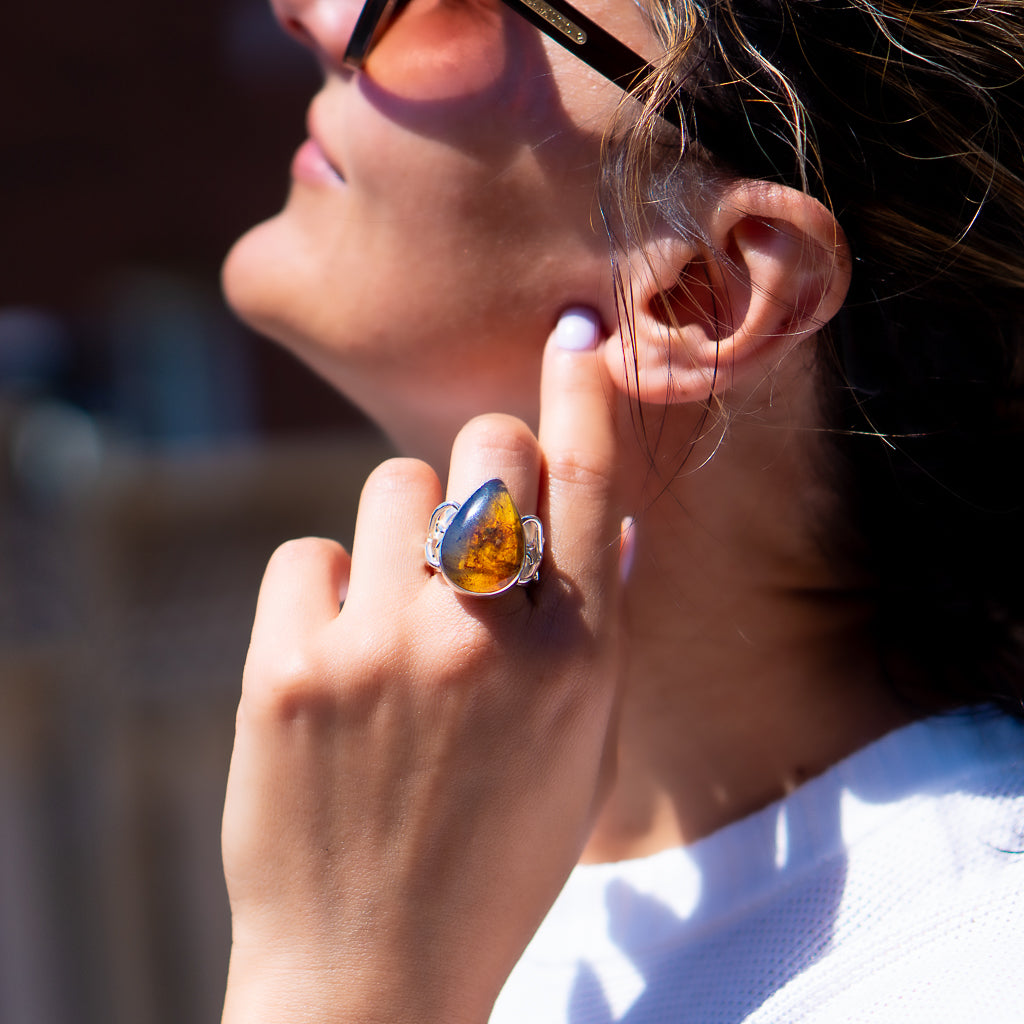
Dominican Blue Amber presents another extraordinary option, with its unusual fluorescent properties creating stunning visual effects under different lighting conditions. These rare materials command higher prices but deliver unmatched character and conversation-starting appeal.
Selecting high-quality crystal necklace pendants requires attention to several critical factors that affect both appearance and value. The distinction between natural, treated, and synthetic stones significantly impacts pricing and authenticity.
| Verification Method | What to Look For | Reliability Level |
|---|---|---|
| Visual Inspection | Natural inclusions, color variations | Medium |
| Temperature Test | Crystals remain cool to touch | Low |
| Certificate of Authenticity | Third-party gemological certification | High |
| Seller Reputation | Established dealers with expertise | High |
| Price Analysis | Too-good-to-be-true pricing indicates fakes | Medium |
Natural crystals display minor imperfections, inclusions, and color variations that confirm their authenticity. Perfect clarity often indicates glass or synthetic materials. Weight provides another clue, as genuine crystals feel heavier than plastic or resin imitations.
The setting quality matters as much as the crystal itself. Sterling silver, gold, or platinum settings ensure durability and prevent skin reactions. Check for proper stamps (925 for sterling silver, 14K or 18K for gold) and secure prong or bezel settings that protect the stone.
Pendant size should complement your body type and personal style preferences. Small pendants (under 1 inch) suit delicate chains and minimalist aesthetics, while medium pendants (1-2 inches) offer versatility for both casual and dressy occasions. Large statement pendants (over 2 inches) create dramatic focal points but require balanced proportions to avoid overwhelming your frame.
Consider these sizing guidelines:
Incorporating these accessories into your wardrobe involves understanding both fashion principles and personal expression. The historical significance of necklaces and pendants shows their enduring role across cultures and time periods.
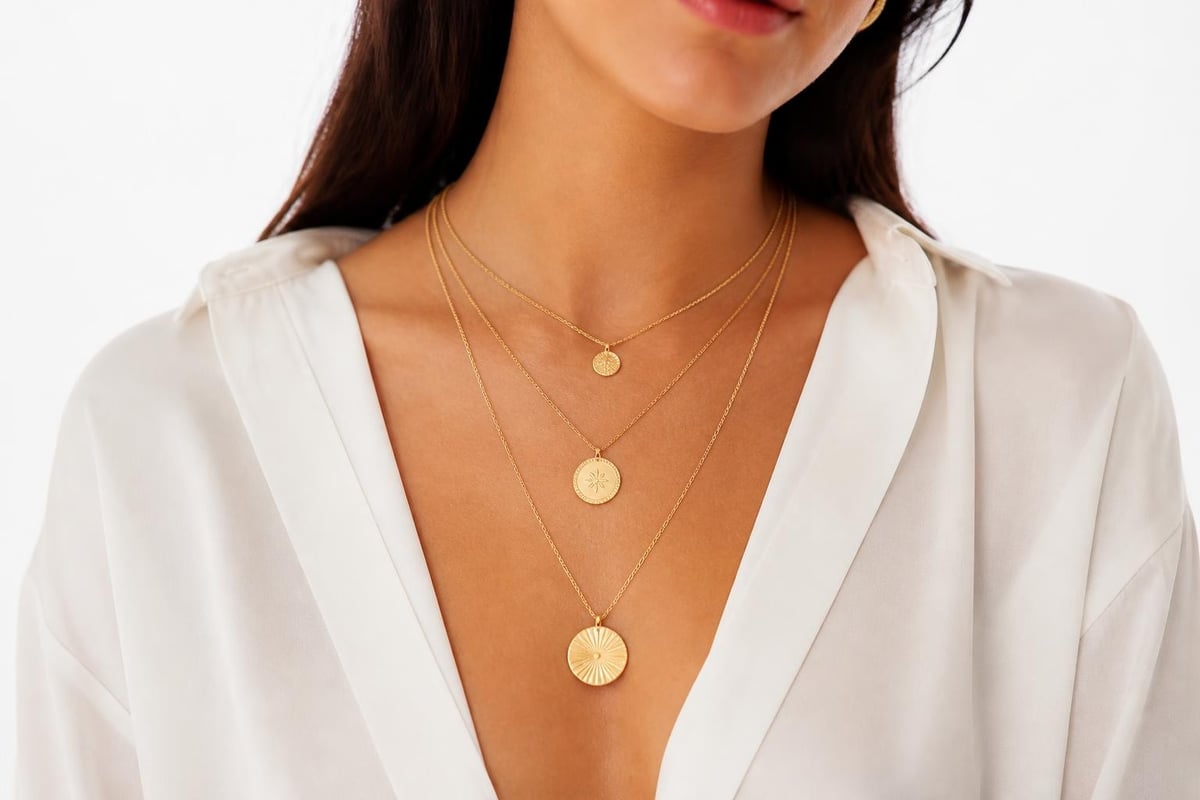
Single statement pieces work best with simple outfits, allowing the crystal to capture attention. Choose solid colors rather than busy patterns to let the pendant shine. Layered looks combine multiple chains at varying lengths, typically spacing them 2-3 inches apart for optimal visual effect.
When layering crystal necklace pendants, follow these principles:
Professional settings benefit from understated elegance. Choose smaller crystals in neutral settings, avoiding anything too flashy or distracting. Clear quartz, smoky quartz, or subtle gemstones in simple silver or gold settings maintain professionalism while adding personality.
Casual everyday wear allows more experimentation. Mix materials, try bolder colors, and don't hesitate to express your unique style. This environment suits rare Larimar colors beautifully, with their distinctive blue tones adding visual interest to jeans and t-shirts or summer dresses.
Formal events call for sophisticated choices that complement rather than compete with elegant attire. Consider the following matches:
| Event Type | Recommended Crystals | Setting Style |
|---|---|---|
| Black Tie | Clear quartz, diamonds, sapphires | White gold, platinum |
| Cocktail Party | Amethyst, citrine, colored stones | Yellow gold, rose gold |
| Wedding Guest | Rose quartz, pearls, moonstone | Sterling silver, delicate chains |
| Gallery Opening | Bold statement pieces, unique stones | Mixed metals, artistic designs |
Proper maintenance extends the life and beauty of crystal necklace pendants significantly. Different stones require specific care protocols based on their hardness, porosity, and chemical composition.
Hard crystals (quartz family, including amethyst and citrine) tolerate gentle soap and water cleaning. Use a soft brush to remove dirt from settings, then rinse thoroughly and pat dry with a lint-free cloth. Softer stones (calcite, fluorite, selenite) require more delicate handling, with dry polishing cloths preferred over water exposure.
Avoid these common cleaning mistakes:
Individual soft pouches prevent scratching and tangling, particularly important for delicate chains. Jewelry boxes with compartments organize multiple pieces while keeping them separated. Store crystal pendants away from direct sunlight, as some stones (amethyst, citrine) may fade with prolonged UV exposure.
Climate control matters more than many realize. Excessive humidity can tarnish metal settings and affect certain porous stones. Conversely, extreme dryness may cause organic materials or included crystals to crack. Aim for stable room temperature and moderate humidity levels.
The market for crystal necklace pendants varies dramatically based on factors including rarity, quality, craftsmanship, and current trends. Understanding value helps both collectors and casual buyers make informed decisions.
Stone rarity drives significant price variations. Common quartz varieties remain affordable, while rare specimens like authentic Dominican Blue Amber command premium prices due to limited global supply. Size increases value exponentially rather than linearly-a two-carat stone typically costs more than double a one-carat equivalent.
Cut and polish quality separate fine jewelry from costume pieces. Expert lapidary work maximizes brilliance and color while minimizing visible flaws. Hand-faceted crystals generally cost more than tumbled or rough specimens but deliver superior visual appeal.
Setting craftsmanship adds substantial value through:
Contemporary buyers increasingly prioritize ethical sourcing and environmental responsibility. Artisans who provide transparency about material origins and sustainable practices attract conscientious consumers willing to pay premium prices for verified ethical production.
Selecting the best crystal necklaces involves balancing personal preferences with quality indicators. The shift toward supporting small-scale artisans over mass production has strengthened, with buyers valuing unique handcrafted pieces that tell authentic stories.
Beyond aesthetic appeal, many wearers choose crystal necklace pendants based on believed energetic properties and personal resonance. While scientific validation remains limited, the psychological benefits of intentional jewelry selection deserve consideration.
Cleansing rituals help many users feel connected to their pendants. Methods include moonlight exposure, sage smudging, sound vibrations, or visualization techniques. These practices create meaningful relationships with jewelry pieces, transforming them from simple accessories into personal talismans.
Programming crystals involves setting specific intentions while holding the pendant. This mindfulness practice may include meditation, affirmations, or simply quiet reflection on desired outcomes. Whether attributed to crystal energy or focused intention, users often report positive associations with regularly worn pieces.
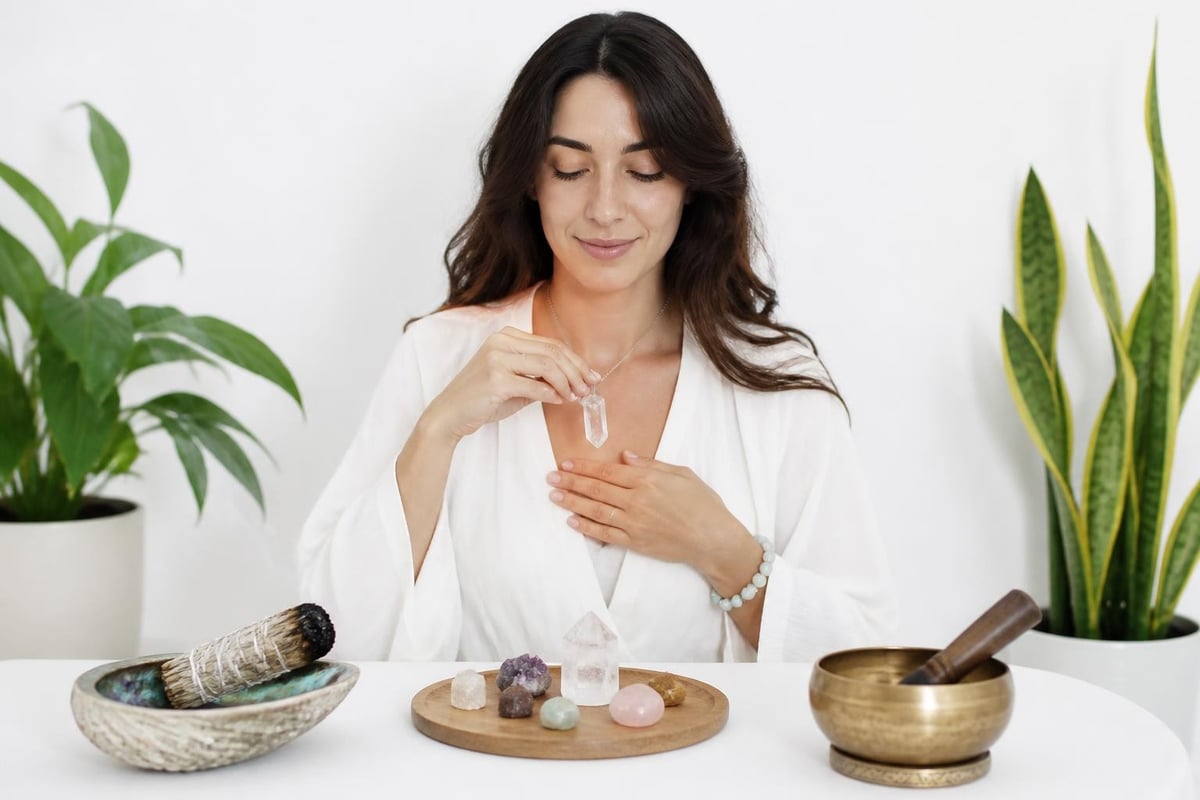
Different life situations may call for specific crystal selections:
Exploring unique jewelry options often reveals unexpected connections to specific stones. Trust your intuition when selecting pieces-the crystals that draw your attention frequently align with your current needs or growth areas.
Custom-designed crystal necklace pendants allow complete creative control over materials, settings, and final presentation. Working with skilled artisans transforms vision into wearable reality while ensuring quality craftsmanship.
Initial consultations establish design direction, budget parameters, and timeline expectations. Bring inspiration images, describe your vision clearly, and discuss any symbolic elements you want incorporated. Reputable artisans provide sketches or digital renderings before beginning work.
Material selection involves choosing both the central crystal and complementary elements. Consider how sterling silver complements gemstones differently than gold or platinum. Some stones pair beautifully with mixed metals, while others shine brightest in specific settings.
Custom pendant design stages typically include:
Birthstones add personal meaning to crystal pendants, connecting the wearer to traditional astrological associations. Anniversary stones commemorate special dates, while healing stones address specific wellness intentions. Combining multiple smaller crystals within a single pendant creates complex symbolic narratives.
Engraving options personalize metal settings with dates, initials, coordinates, or meaningful phrases. These additions transform generic pieces into heirloom-quality treasures with deep personal significance. Consider placement carefully to maintain the pendant's visual balance while incorporating these elements.
The jewelry industry faces increasing scrutiny regarding mining practices, environmental impact, and labor conditions. Conscious consumers seek transparency and ethical sourcing when purchasing crystal necklace pendants.
Certifications and documentation provide verification of ethical practices. Look for suppliers who disclose mine locations, labor conditions, and environmental mitigation efforts. Reputable sellers of rare gemstones often provide detailed provenance information distinguishing them from mass-market retailers.
Fair trade practices ensure miners and artisans receive equitable compensation. This approach supports local communities while preserving traditional craftsmanship techniques. Small-scale operations typically maintain stronger ethical standards than large commercial mining operations.
Red flags indicating potential ethical issues include:
Reclaimed and recycled materials reduce new mining demands. Some artisans specialize in reworking vintage pieces or using crystals from closed mines. Lab-created alternatives exist for certain stone types, though many purists prefer natural specimens despite higher environmental costs.
Minimal processing stones retain more natural character while requiring less energy and chemical use. Simple tumbling or basic cutting produces beautiful results with reduced ecological footprint compared to elaborate treatments and enhancements.
Throughout human history, crystal necklace pendants have served religious, protective, and decorative purposes across diverse cultures. Understanding this heritage enriches appreciation for contemporary pieces.
Historical perspectives on crystals reveal their longstanding role in spiritual and protective practices. Ancient Egyptians buried their dead with crystal amulets, while medieval Europeans wore specific stones to ward off disease and evil spirits.
Tribal traditions worldwide incorporate local stones into ceremonial jewelry. Native American cultures value turquoise for protection and communication, while Tibetan practices feature clear quartz and coral in prayer malas. These culturally-inspired crystal designs continue influencing modern jewelry aesthetics.
The late twentieth century wellness movement revived interest in crystal properties and metaphysical applications. This cultural shift transformed crystal pendants from purely decorative items into tools for personal development and spiritual practice.
Contemporary designers blend traditional symbolism with modern aesthetics, creating pieces that honor heritage while appealing to current tastes. Eco-conscious gemstone designs exemplify this fusion, combining sustainable practices with timeless appeal.
Crystal necklace pendants make thoughtful gifts for various occasions, conveying both aesthetic beauty and symbolic meaning. Selecting appropriate pieces requires considering the recipient's style, beliefs, and the occasion's significance.
| Occasion | Suggested Crystals | Symbolic Meaning |
|---|---|---|
| Birthdays | Birthstone or favorite color | Personal celebration |
| Graduations | Citrine, clear quartz | New beginnings, clarity |
| Weddings | Rose quartz, moonstone | Love, partnership |
| Sympathy | Amethyst, apache tears | Comfort, healing |
| Thank You | Any meaningful stone | Appreciation, gratitude |
Presentation matters significantly when gifting jewelry. Quality packaging, a card explaining the crystal's properties, and care instructions demonstrate thoughtfulness. Consider including information about how to identify authentic gemstones if giving rare or valuable pieces.
Conservative recipients appreciate classic designs with subtle elegance. Stick with neutral stones in traditional settings rather than bold statement pieces. Creative individuals often embrace unique materials, artistic settings, and unconventional combinations that express personality.
First-time crystal wearers benefit from versatile options like clear quartz or small birthstones that integrate easily into existing wardrobes. Experienced collectors seek rare specimens, unusual cuts, or pieces from specific artisans that expand their curated collections.
Crystal necklace pendants offer endless possibilities for personal expression, combining natural beauty with meaningful symbolism that resonates across cultures and generations. Whether you're drawn to common varieties or rare gemstones, understanding quality indicators, care requirements, and styling options ensures selections that bring lasting joy and value. Larimar Creations specializes in handcrafted pendants featuring rare Larimar and Dominican Blue Amber, offering authentic pieces with worldwide shipping for those seeking truly distinctive crystal jewelry that tells a unique story. Explore their collection to discover how exceptional craftsmanship transforms rare gemstones into wearable art.