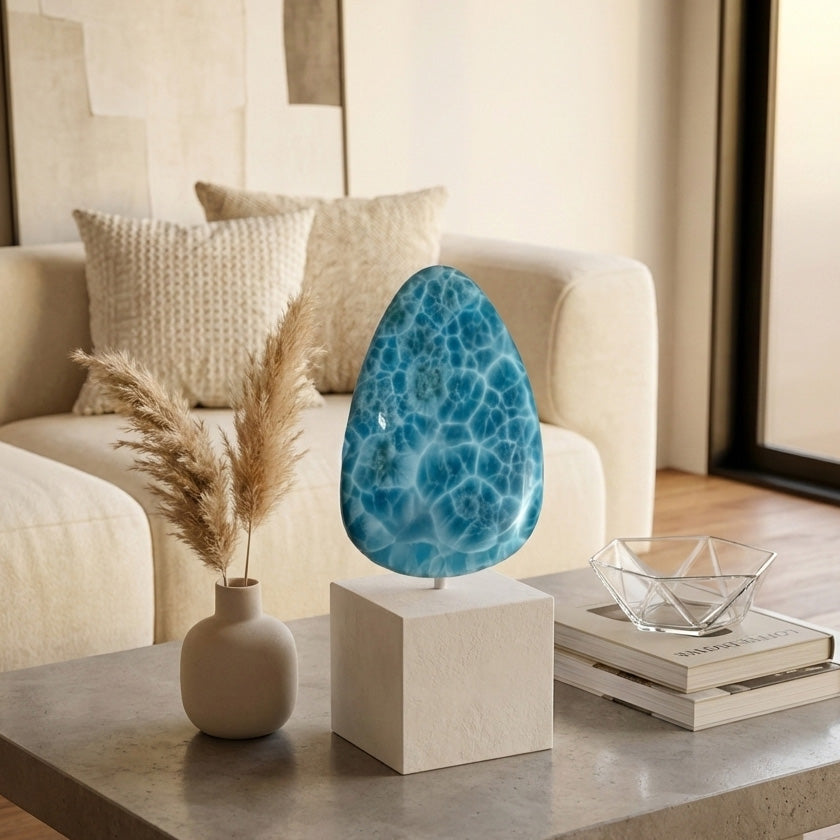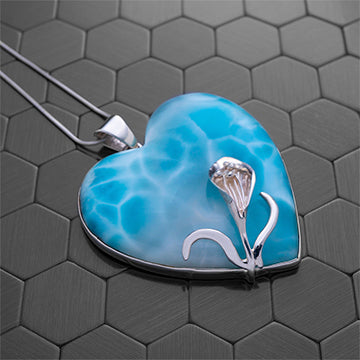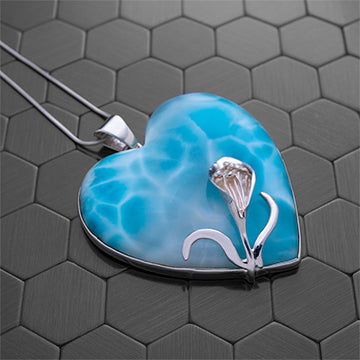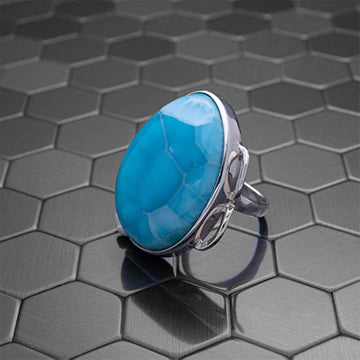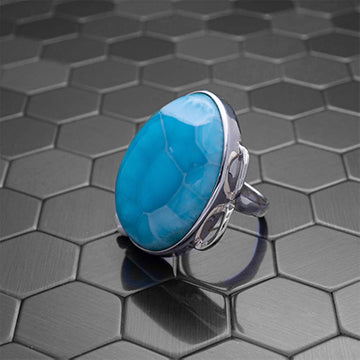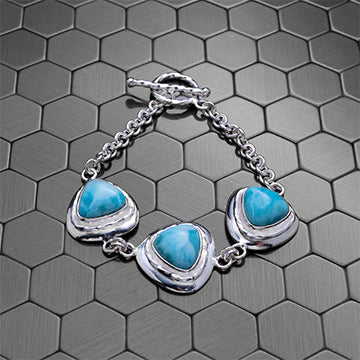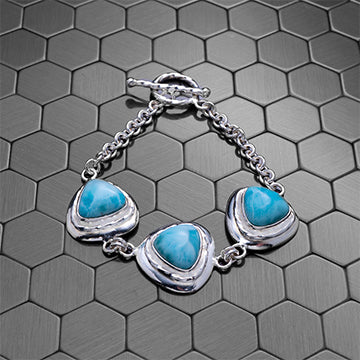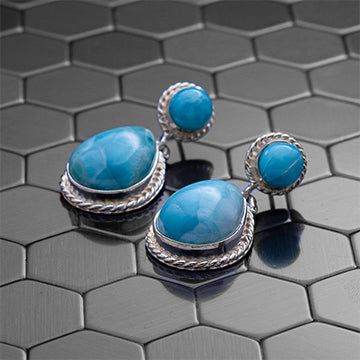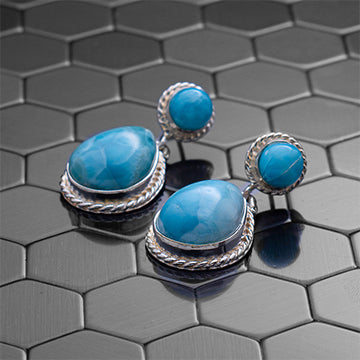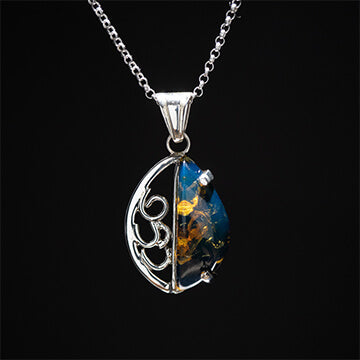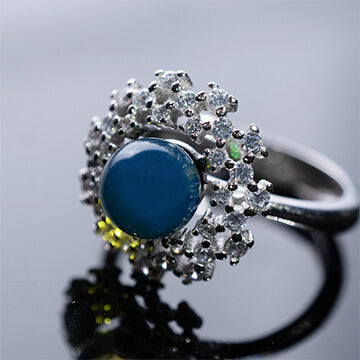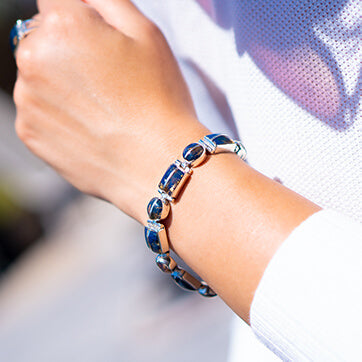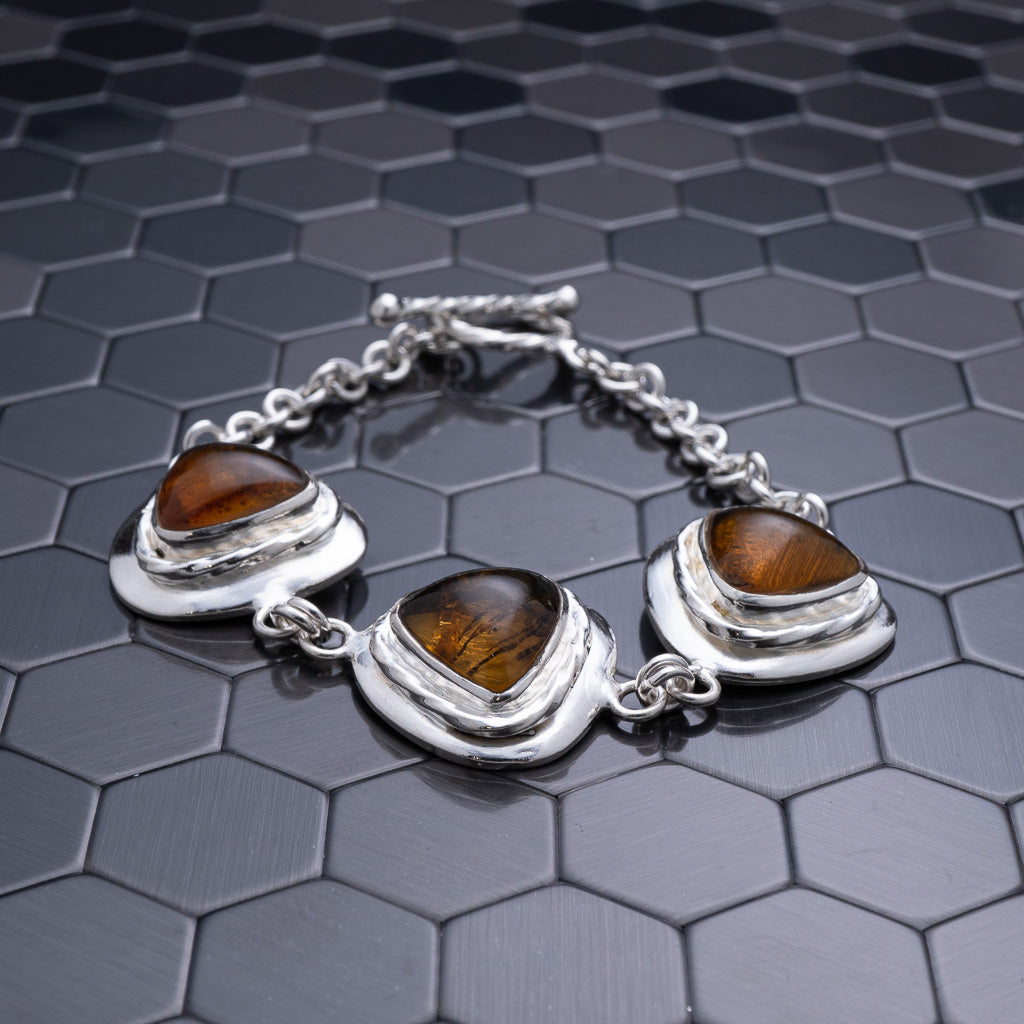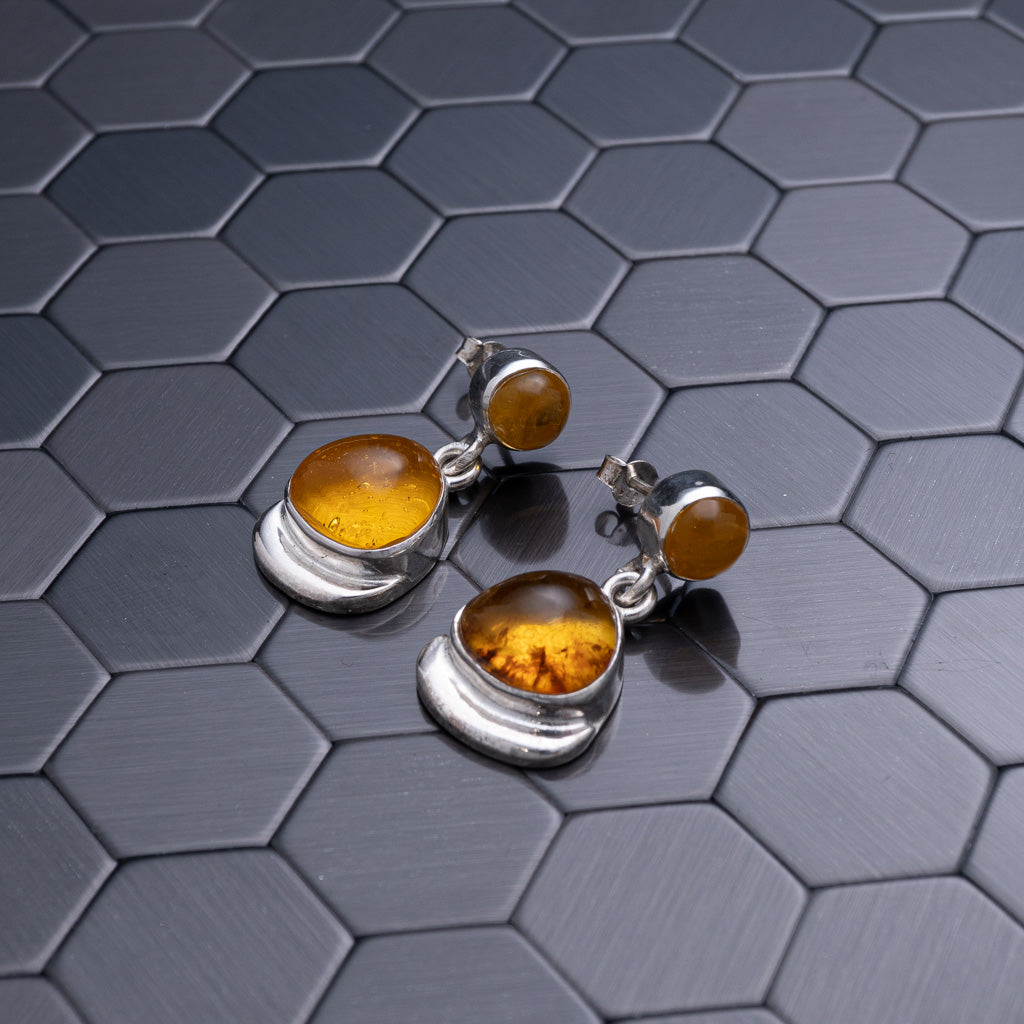


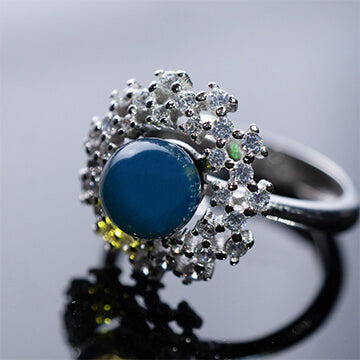
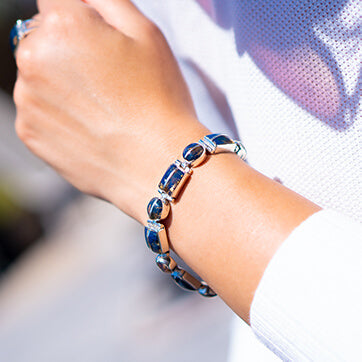
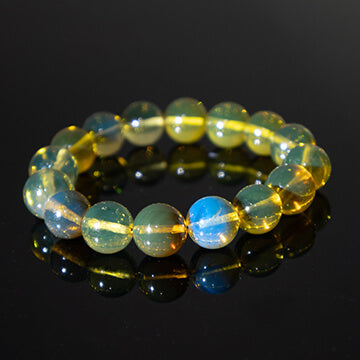
Handcrafted in DR.

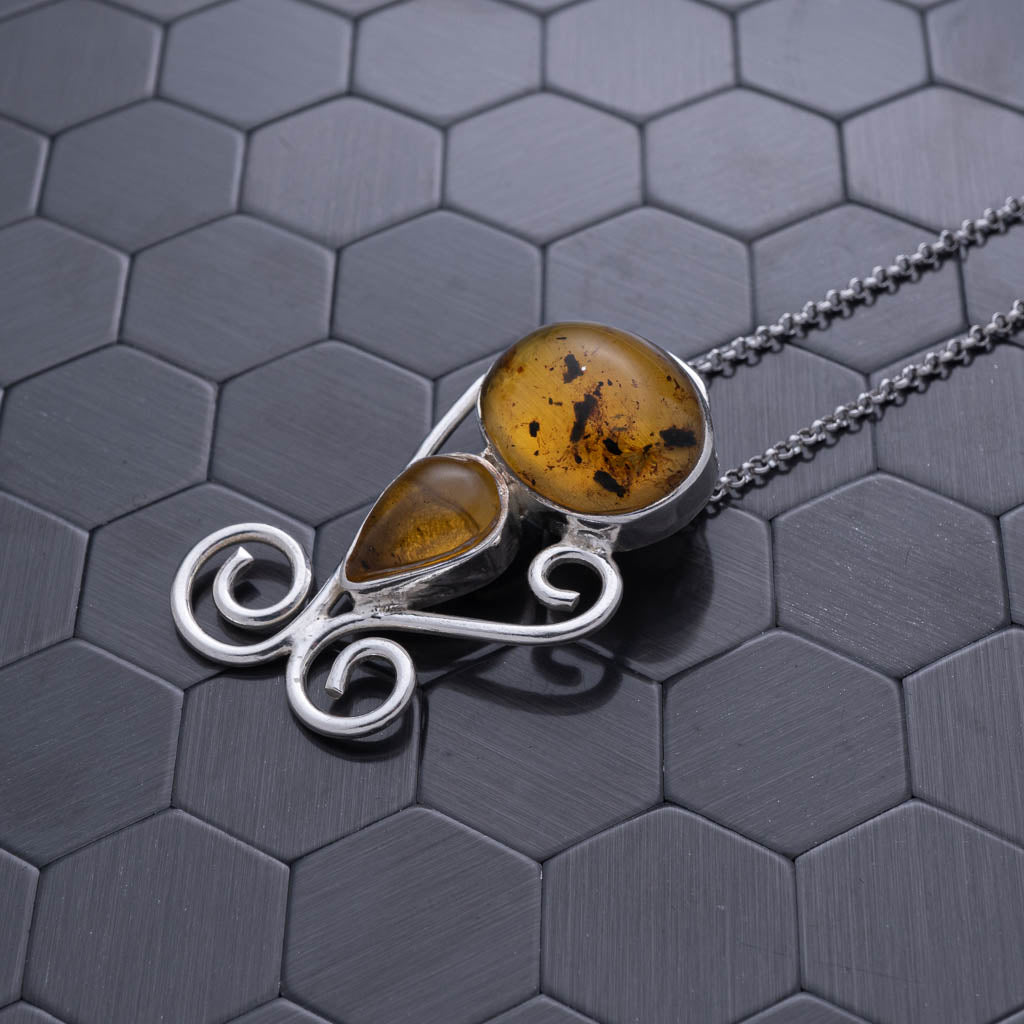
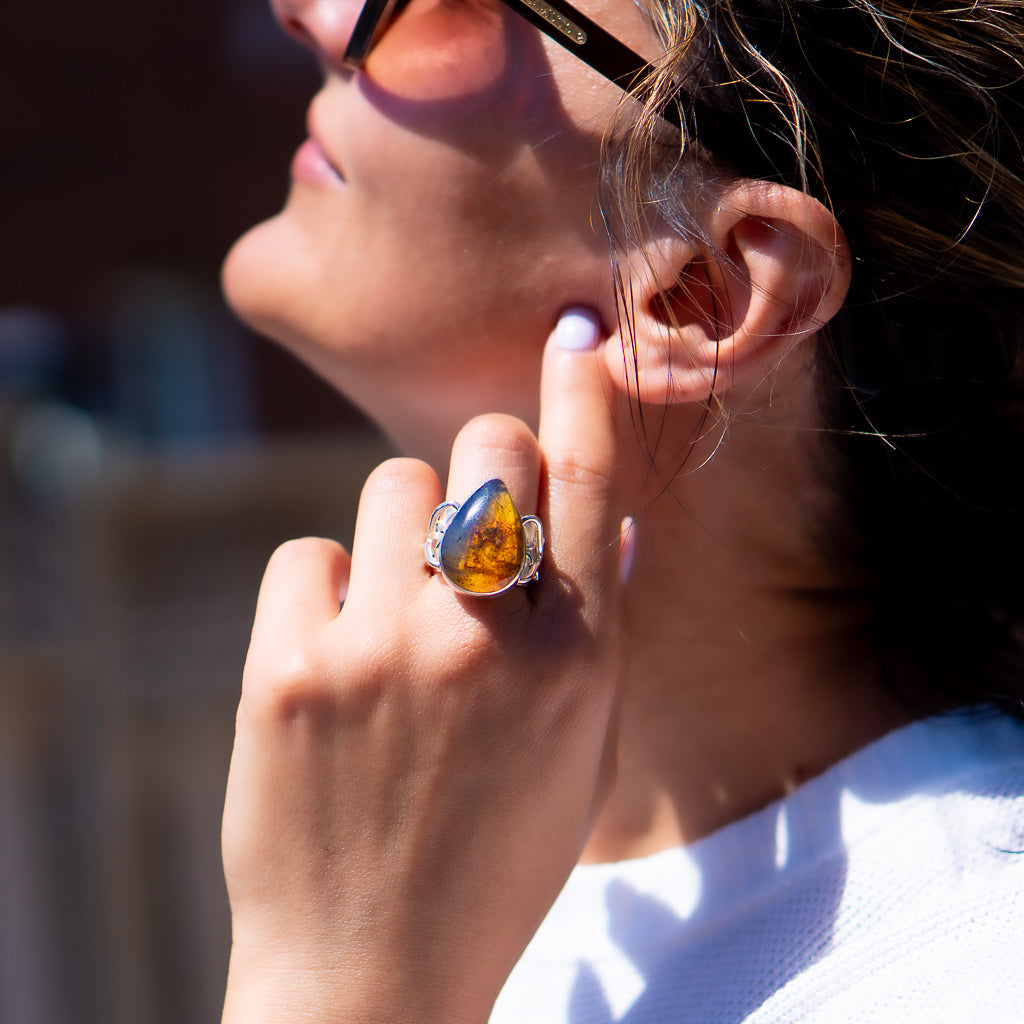
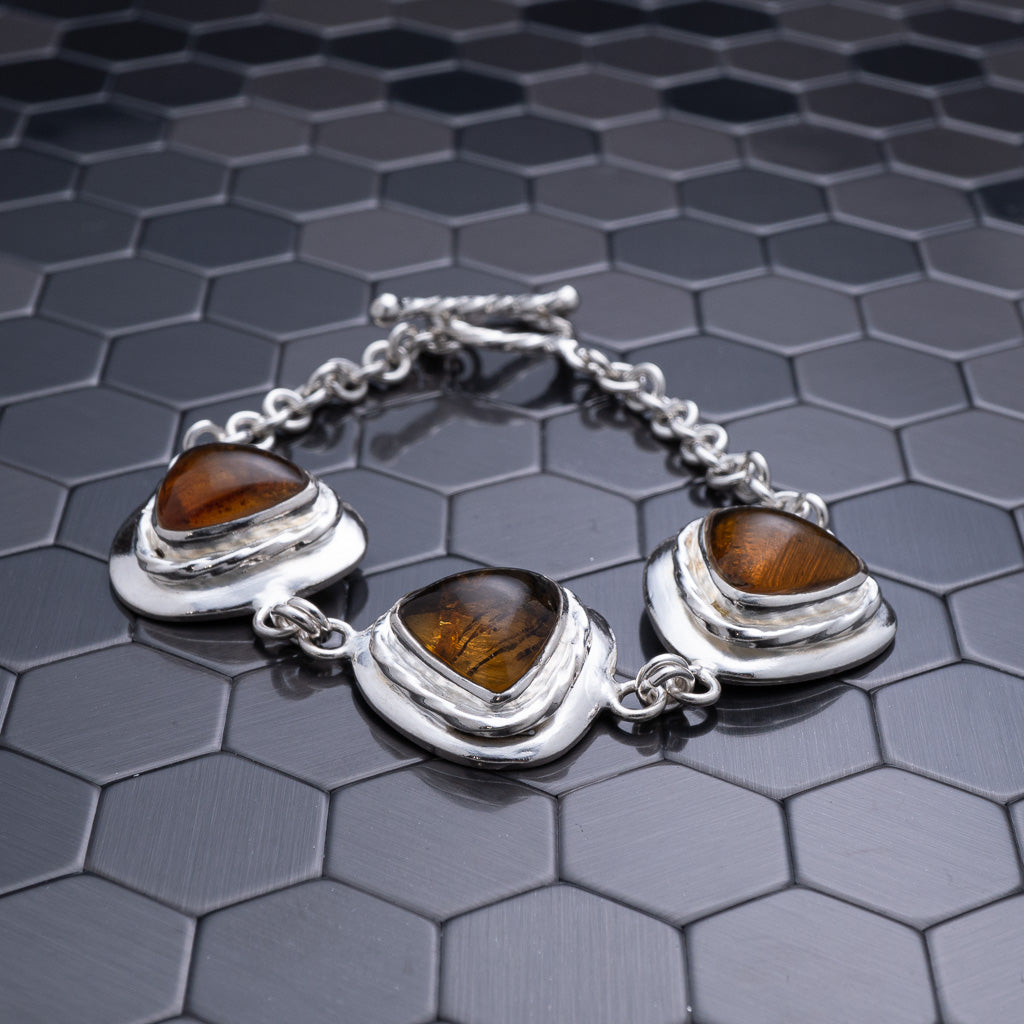
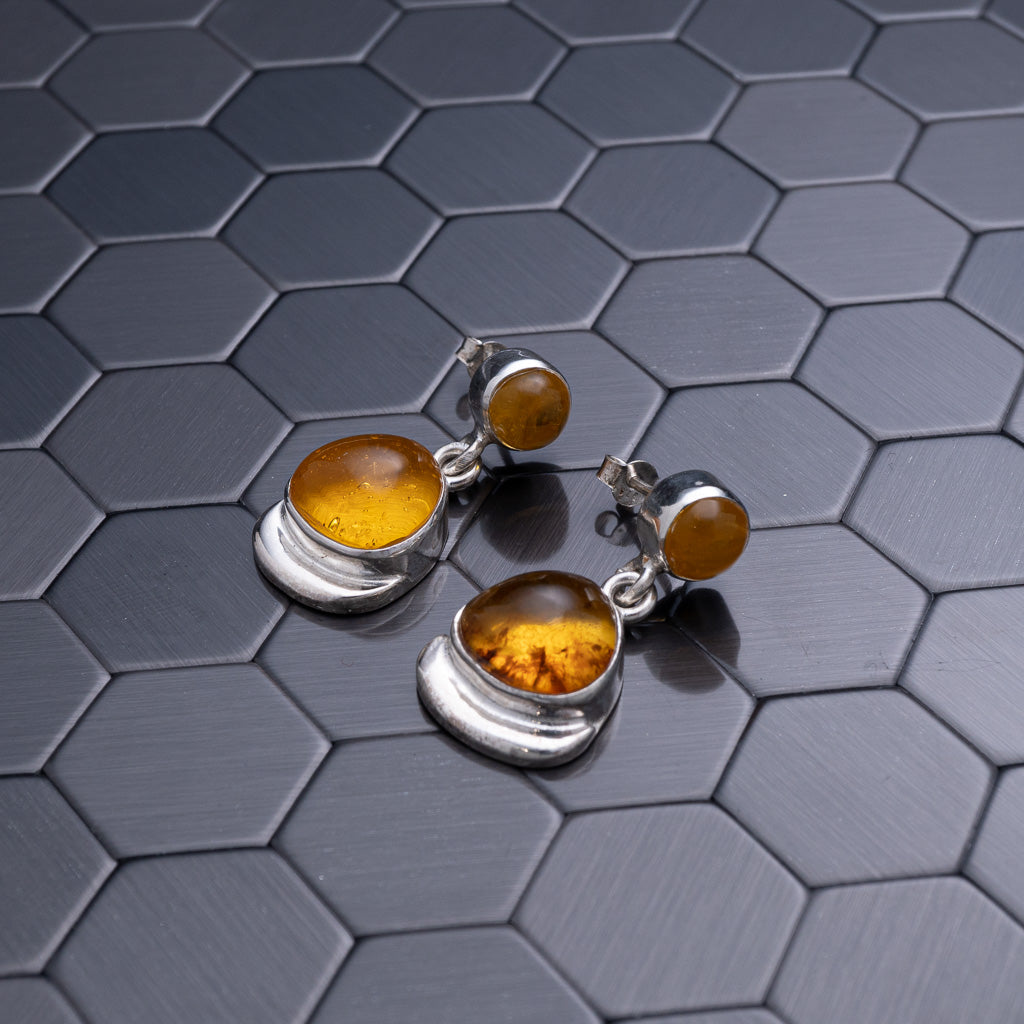


100% Handcrafted in DR.

Dominican amber is fossilized tree resin from the Dominican Republic, prized for its clarity, its range of colors, and the ancient insects and plants often trapped inside it. It is not a mineral but an organic gemstone, formed over tens of millions of years, and its rare blue variety is one of the most sought-after amber types in the world.
For women shopping for a meaningful gift and for collectors of carved and fossil-bearing stones, understanding what makes this material distinctive helps separate genuine pieces from imitations and fair prices from inflated ones.
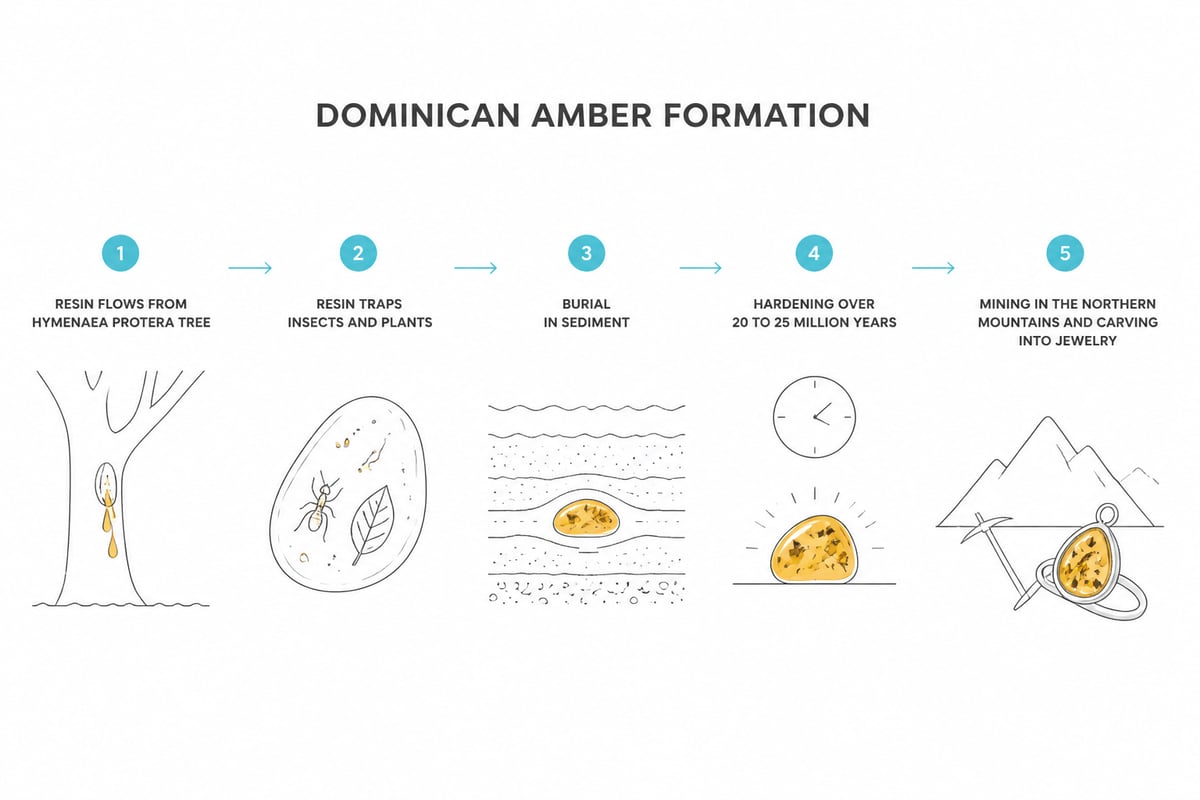
Dominican amber is hardened resin from an extinct tropical tree that grew on the island of Hispaniola millions of years ago. One specialist account in Deposits Magazine identifies the source as Hymenaea protera, an extinct tree in the legume family.
The resin oozed from wounds in the bark, trapped whatever touched it, then was buried, compressed, and slowly polymerized into the stable material we call amber. Because the parent forest was tropical, the trapped organisms reflect a warm, humid ecosystem rather than the cooler conifer forests behind other amber types.
Most Dominican amber is dated to roughly 20 to 25 million years ago, according to the same source, although some deposits may be 40 to 45 million years old. That age range sits between the young copal sold in some markets and the much older amber of other regions.
The best-known deposits sit in the Cordillera Septentrional, the northern mountain range, where miners work narrow shafts and tunnels by hand. Smaller deposits exist in the eastern part of the country as well.
Amber forms when resin survives burial, loses its volatile compounds, and hardens under pressure over millions of years. The process only works when sediment seals the resin away from oxygen and heat before it can decay.
The sequence is consistent across amber deposits worldwide:
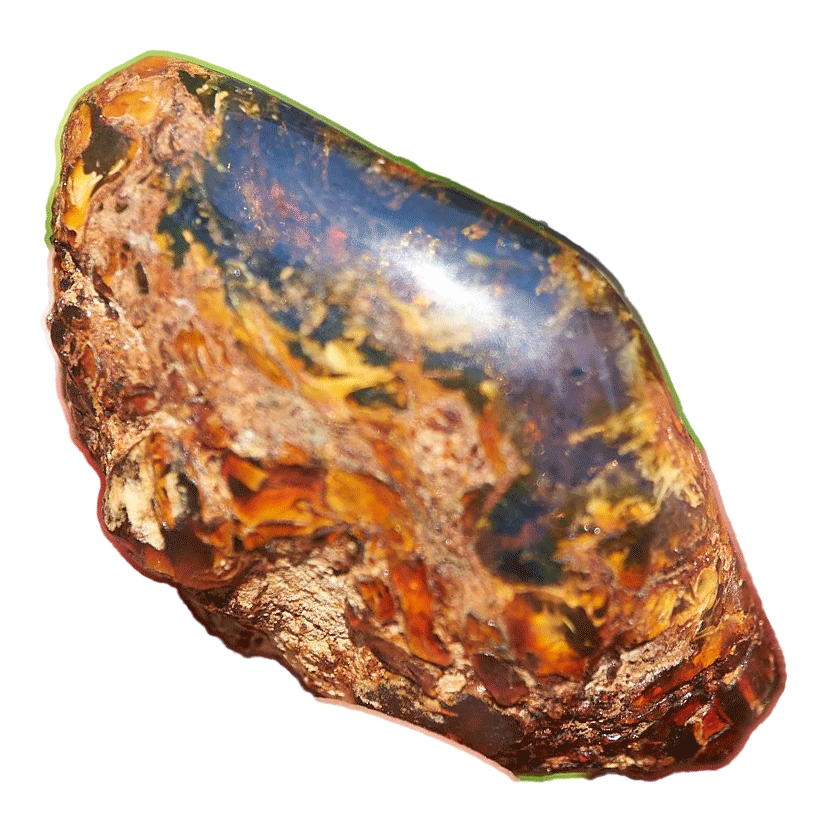
In the Dominican Republic, much of the mining is small-scale and manual. Miners follow amber-bearing seams through clay and sandstone, extract nodules, and sort them by color, clarity, and inclusions. Rough pieces are then cut, carved, or polished by artisans, which is where a raw nodule becomes a pendant or sculpture.
Two gemstones are strongly tied to the Dominican Republic: amber and Larimar. Amber is the organic fossil resin described here, while Larimar is a rare blue variety of pectolite found only in the country's southwest, and nowhere else on Earth.
Both are mined and handcrafted locally, and they share a Caribbean-blue color story that makes them natural companions in jewelry. Larimar Creations, a company that crafts Larimar and Dominican Blue Amber jewelry, works with both stones and offers worldwide shipping.
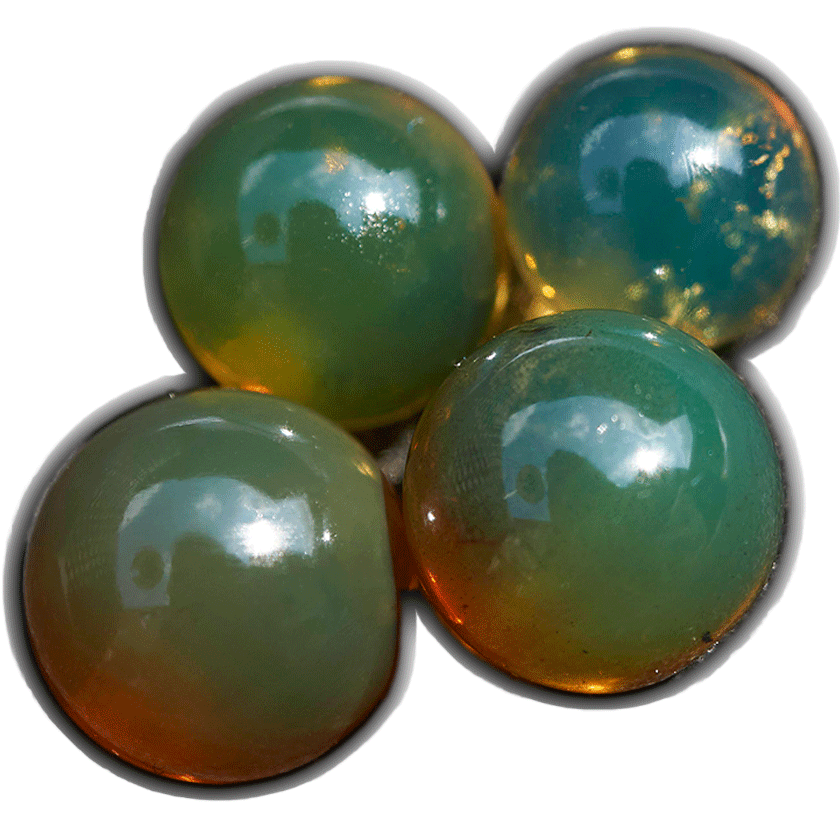
Dominican amber comes in a wider color range than most buyers expect, from pale yellow through deep honey and red to green and the celebrated blue. Color depends on the original resin chemistry, the minerals and organic compounds present, and how light interacts with the material.
| Type | Appearance | Typical Use |
|---|---|---|
| Yellow and honey | Warm gold to amber-orange, often clear | Beads, pendants, classic jewelry |
| Red | Deep reddish-brown, rich transparency | Statement pieces, beads |
| Green | Olive to forest green, often with a natural glow | Carvings, pendants |
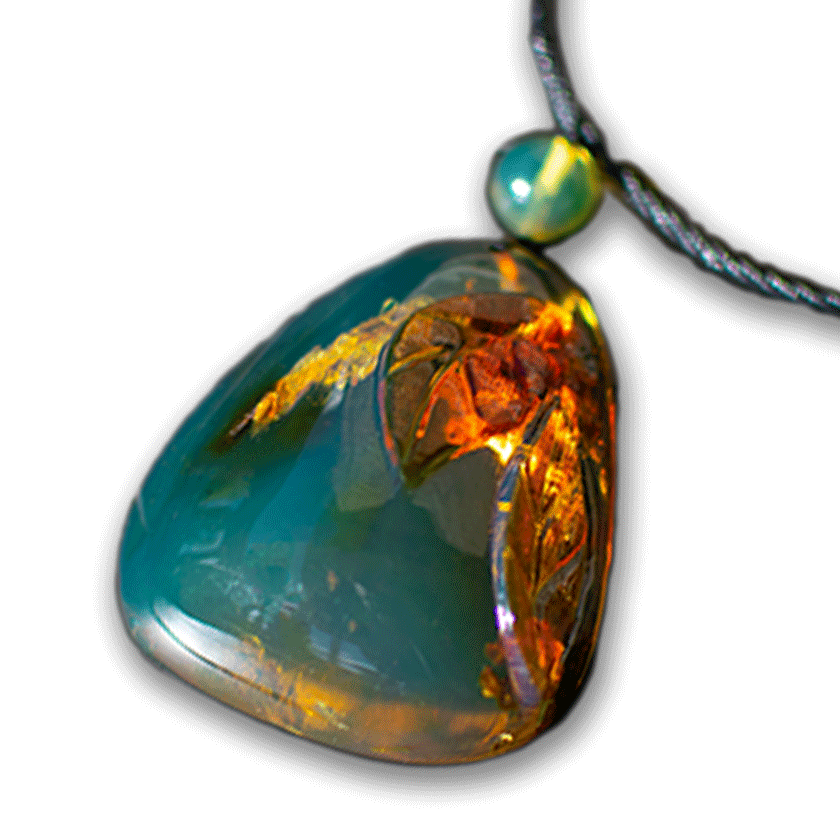
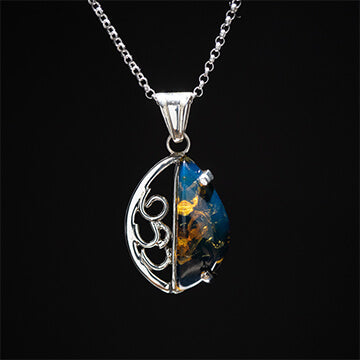
| Blue | Appears blue in sunlight, honey in dim light | Pendants, cabochons, collector pieces |
| Fossil-bearing | Any color with insects, plants, or flowers inside | Collector specimens, display pieces |
The color shift in blue amber is a feature of the material itself rather than a treatment. Many buyers are surprised that a stone can look golden indoors and strikingly blue outdoors, and that behavior is part of what makes it distinctive.
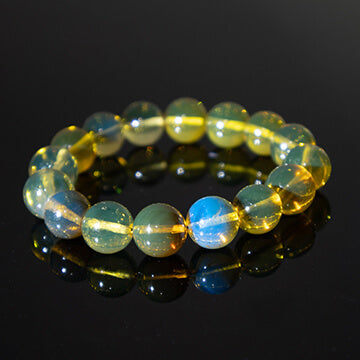
Blue amber is real: it is natural fossil resin whose blue appearance comes from fluorescence, a property of certain Dominican deposits. The blue is a light effect caused by organic compounds in the resin reacting to ultraviolet-rich light, and it is strongest in direct sunlight.
Fakes do exist, usually dyed plastic, glass, or pressed resin sold as blue amber. These checks help identify authentic material:
Buying from a jeweler who sources directly from the mines reduces the risk considerably, because the chain between mine and maker is short and traceable.
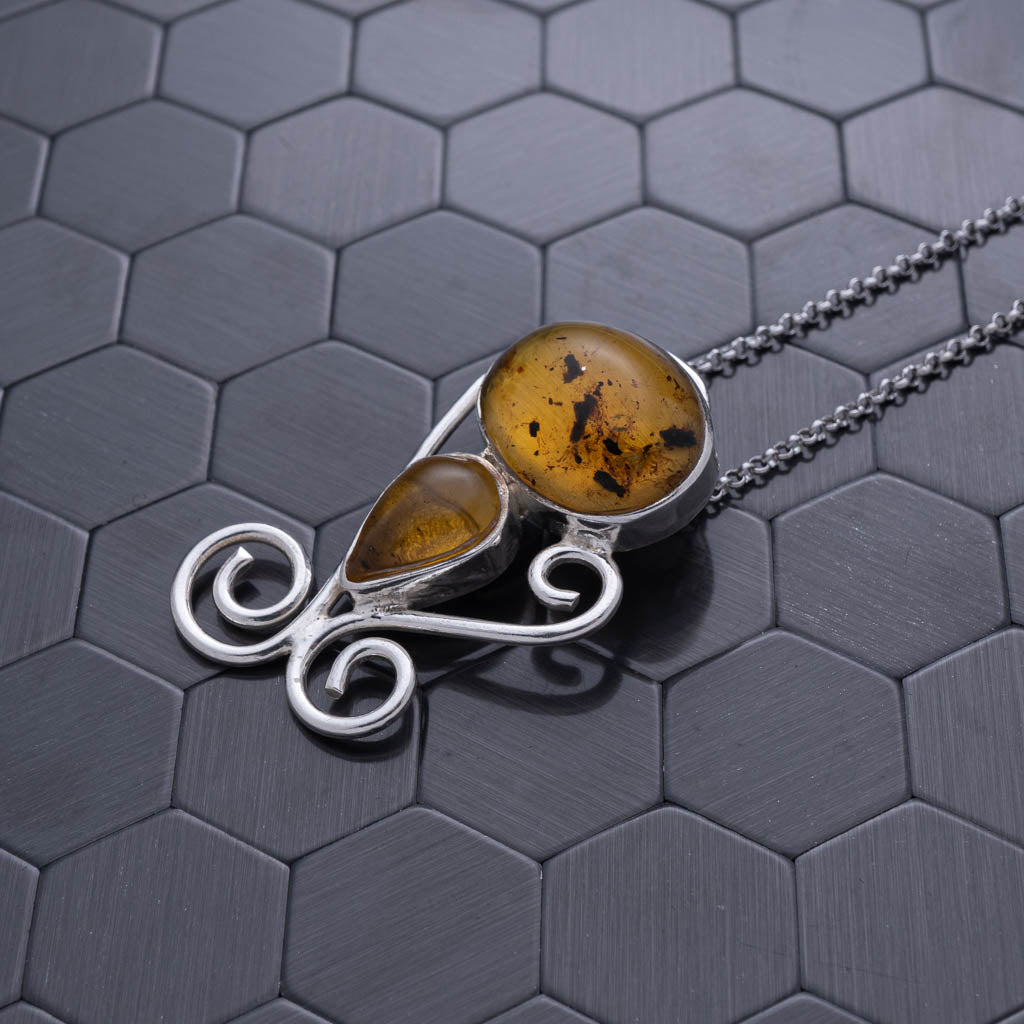
Dominican amber is famous for its inclusions because its clarity lets trapped insects and plants remain visible in remarkable detail. Deposits Magazine describes it as about ten times more likely than Baltic amber to contain identifiable inclusions such as insects or plants.
That frequency makes it valuable to both scientists and collectors. Researchers use inclusions to reconstruct ancient tropical ecosystems, while collectors prize pieces where a complete organism sits cleanly in transparent resin.
The Amber Museum in Puerto Plata displays specimens containing fossils dated to 15 to 20 million years ago, including a scorpion, a centipede, wasp nests, and two beetles preserved mating, according to Dominican Republic Tourism. The museum also highlights a lizard preserved in amber that measures nearly 43 centimeters, or 17 inches, which gives a sense of how remarkable the best specimens can be.
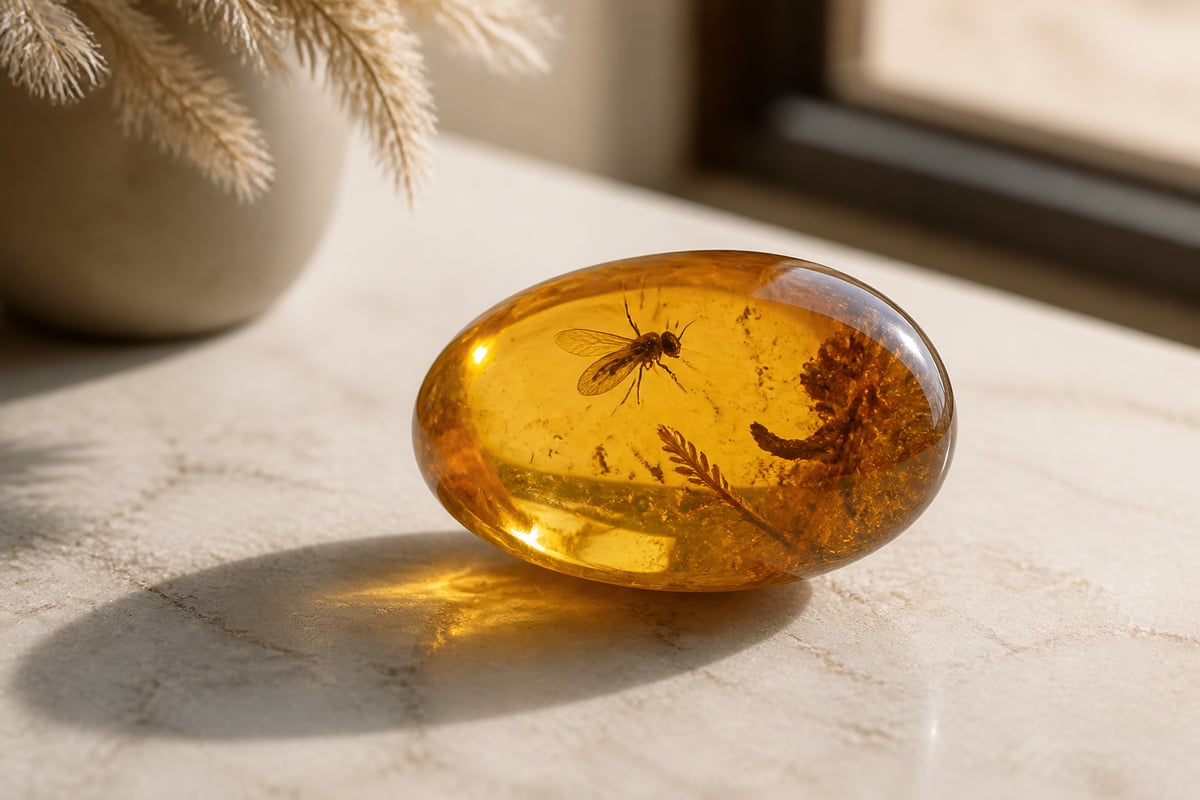
For jewelry buyers, fossil-bearing pieces add a layer of meaning. A Dominican green amber fossil flower or a piece with fossil insect wings turns a gemstone into a small window on a world that disappeared millions of years ago.
Amber ranges from affordable to very expensive depending on color, clarity, size, craftsmanship, and inclusions. Common yellow beads cost little, while rare blue amber, large carved pieces, and specimens with complete fossils command much higher prices.
Several factors drive value:
A smaller or less expensive piece is not automatically a lesser stone. Larimar Creations is committed to quality and authenticity in its handcrafted pieces. For gift buyers, that means a modest budget can still bring home real, handcrafted material.
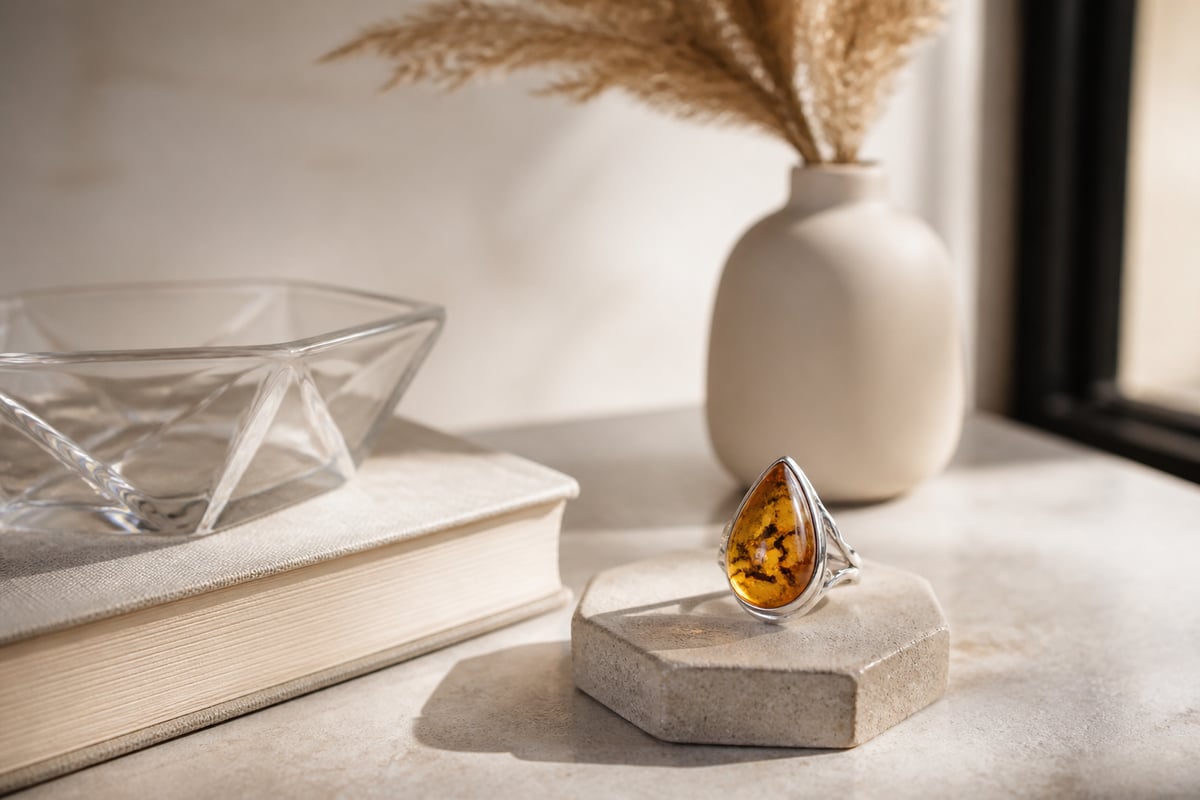
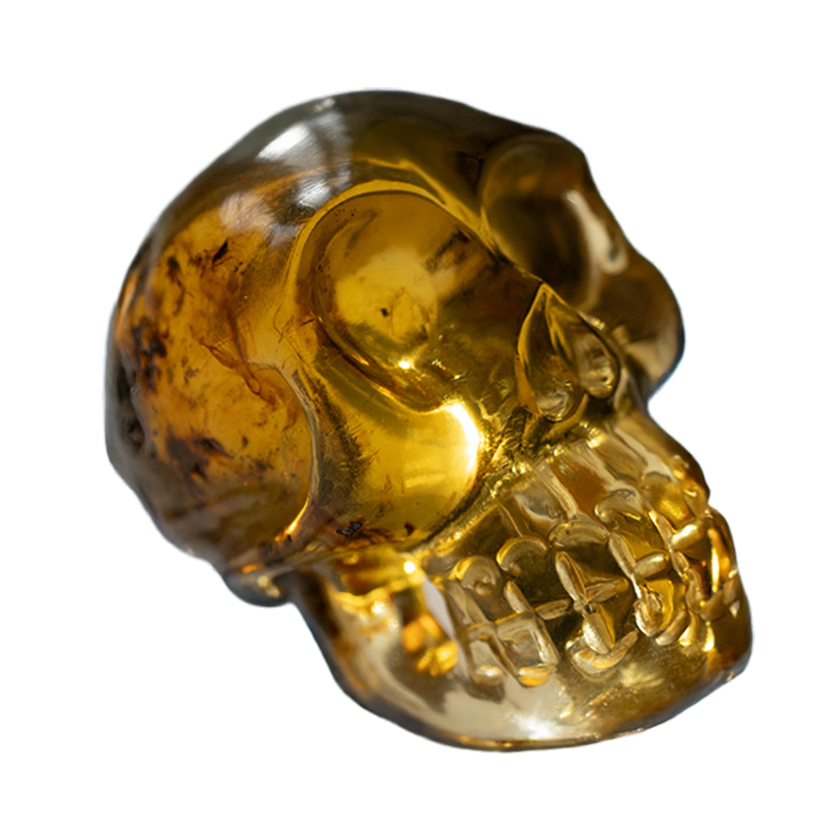
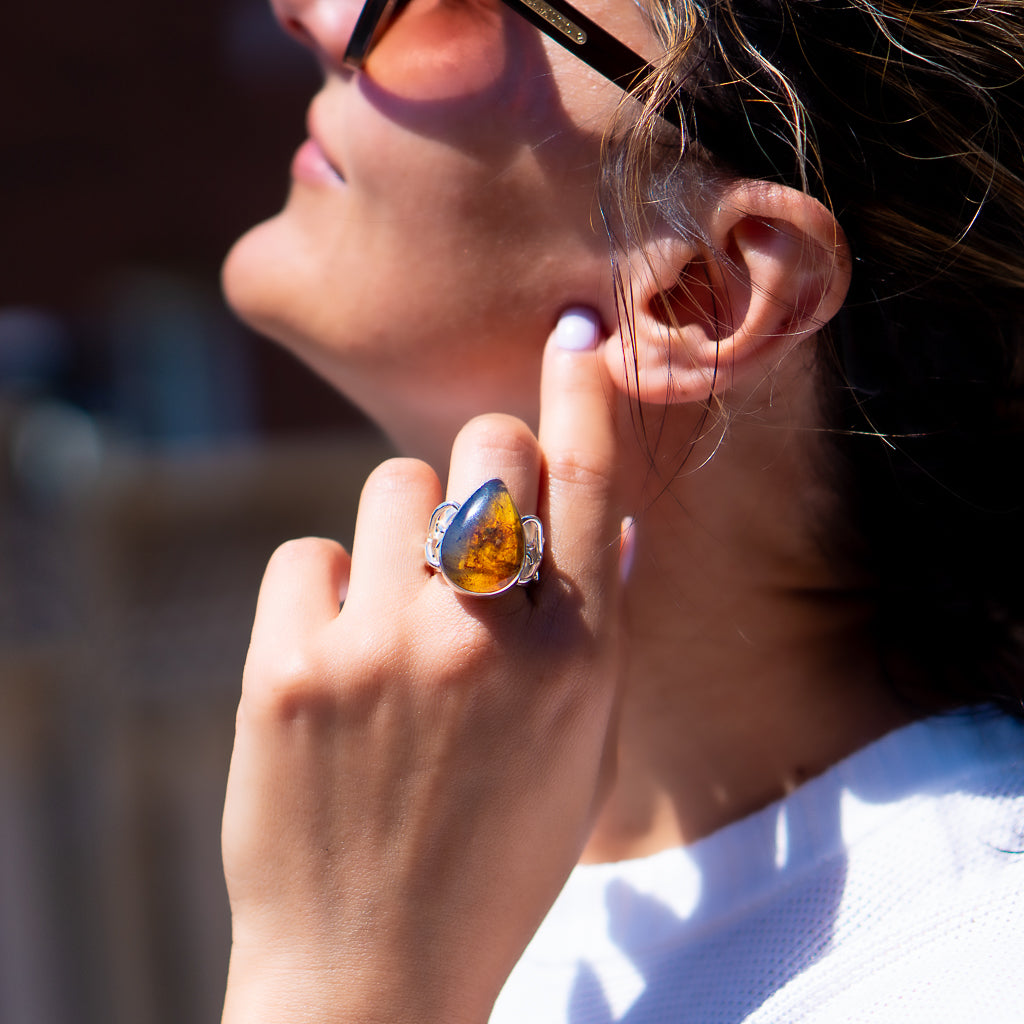
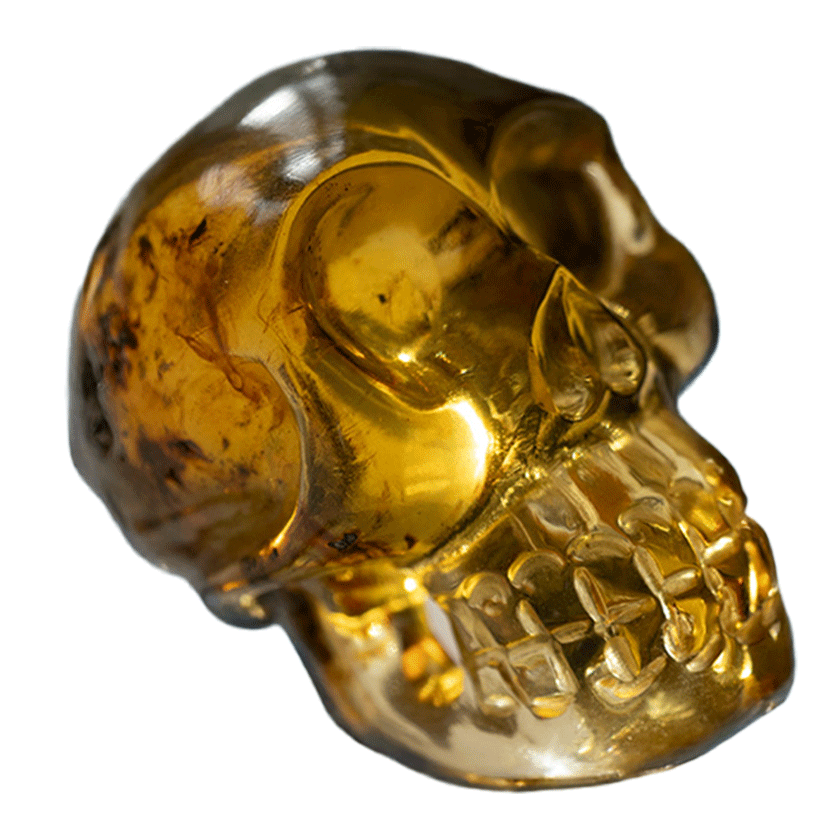
Handcrafted Dominican amber jewelry ranges from simple polished cabochons to detailed carvings of figures, animals, and symbols. Artisans work with the natural shape of each nodule, which is why no two pieces are identical.
Popular designs include:
For readers who love the Caribbean-blue palette, Larimar Pendants pair naturally with amber pieces, since both stones come from the same island and share a calm, sea-toned character.
Dominican amber is softer and more heat-sensitive than most gemstones, so it needs gentle handling. It sits at roughly 2 to 2.5 on the Mohs scale, which means it scratches more easily than quartz or Larimar.
Basic care keeps it looking its best:
Treated with care, handcrafted pieces are durable and long lasting, and they can be worn for decades.
Dominican amber matters for three reasons: scientific, cultural, and personal. Scientifically, its inclusions preserve evidence of ancient tropical life that would otherwise be lost. Culturally, it is a recognized part of Dominican heritage, and the country highlights it among its cultural attractions and sightseeing, including the Amber Museum in Puerto Plata.
Personally, it offers something rare in jewelry: a material with a verifiable story. A buyer who chooses a piece of Dominican amber is wearing resin from a forest that stood 20 million years ago or more, shaped by a Dominican artisan, and traceable to a single island.
These terms appear often when shopping for or researching amber:
Amber Cove is a cruise port near Puerto Plata on the Dominican Republic's north coast, used by visitors exploring the region.
Yes, with sensible care. Because amber is soft, it is best protected from scratches, chemicals, and heat, and it suits pendants and necklaces more than rings or bracelets that take daily knocks.
Look for a color shift between light sources in blue amber, a light and warm feel in the hand, and natural interior features such as small bubbles or fossil traces. Buying from a seller who sources directly from the mines and answers questions about origin is the most dependable safeguard.
If you are weighing a first purchase, start by deciding between a clear blue or green stone and a fossil-bearing piece, then compare how each looks in daylight and indoor light. Larimar Creations specializes in Larimar and Dominican Blue Amber jewelry, and its range includes handcrafted Larimar Pendants alongside carved Dominican amber. To see authentic, fairly priced pieces and explore the full collection, Shop Larimar and find the stone that suits you or the person you are gifting.