
Larimar
Blue Amber
Green Amber
Amber Carvings
More

by Admin November 13, 2026 5 min read

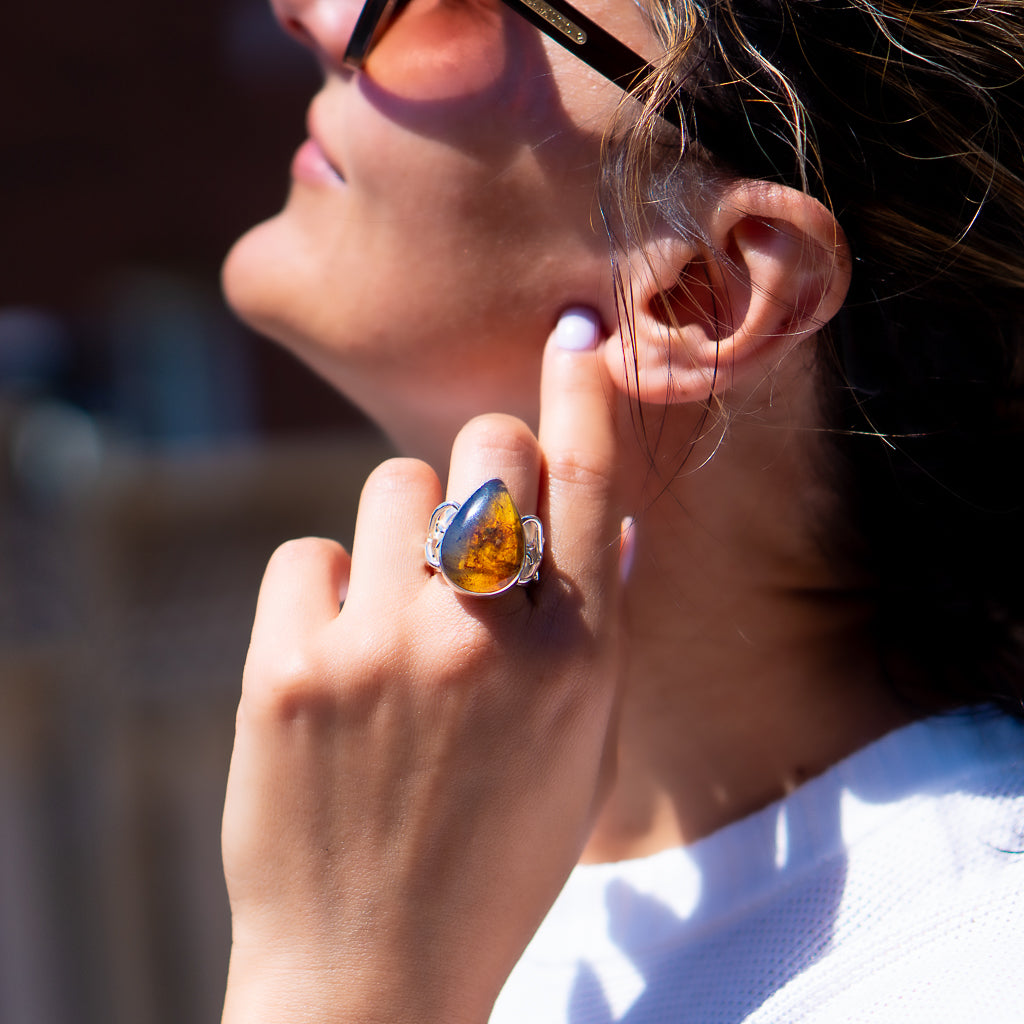
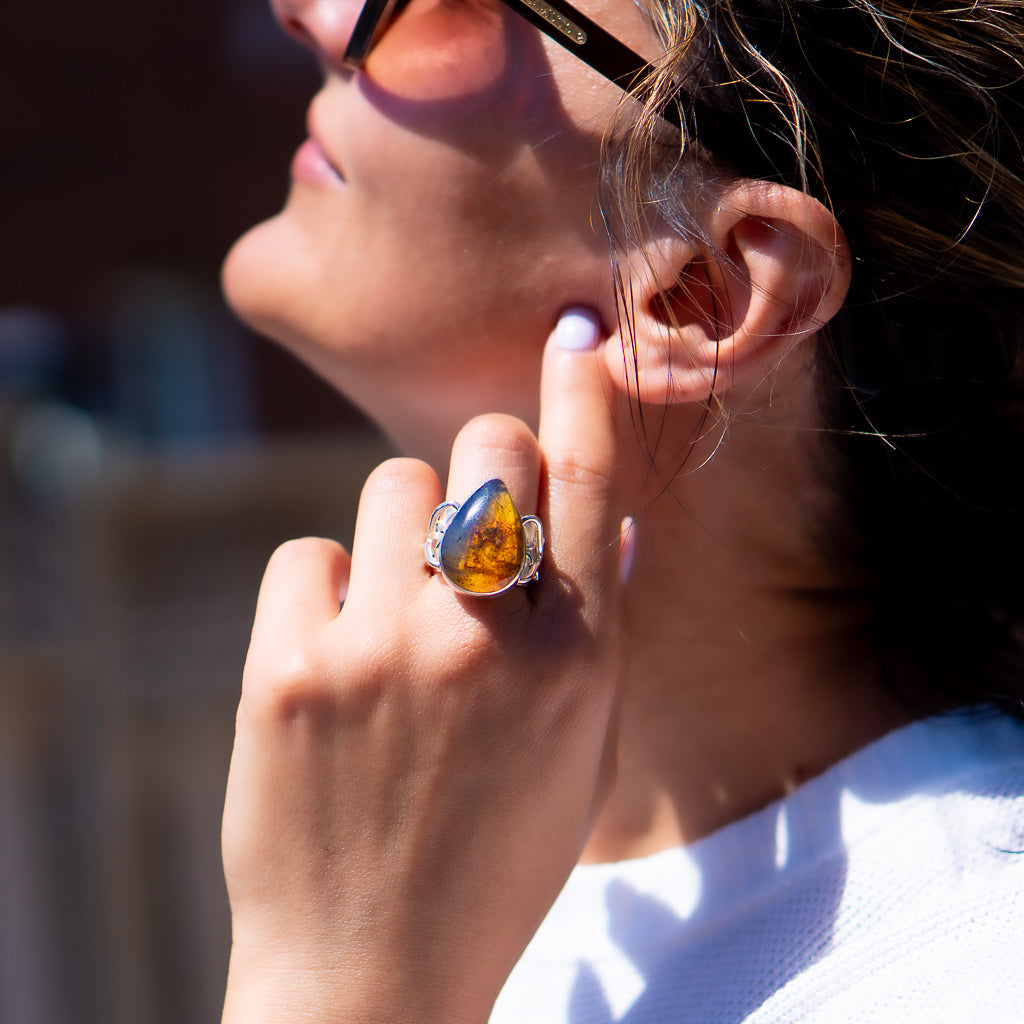
A vivid blue Larimar pendant or a warm Dominican Blue Amber ring should feel like more than a beautiful purchase. It should come with confidence in what the stone is, where it came from, and how it was represented. Gemstone certificates can provide that confidence, but only when buyers understand what a certificate can verify, what it cannot promise, and which details deserve a closer look.

For rare Caribbean stones, documentation matters because appearance alone is not always enough. Larimar’s ocean-blue patterns can be imitated, and amber is often confused with younger copal, treated material, or synthetic resin. A meaningful certificate helps connect the jewelry in your hands to its natural identity and, when applicable, its remarkable Dominican origin.

What Gemstone Certificates Actually Verify

A gemstone certificate is a written report identifying a stone based on examination. Depending on the issuer and the type of gem, it may describe the material, natural or manufactured status, observable treatments, measurements, weight, color, transparency, and sometimes geographic origin.

The strongest reports are specific. Rather than simply stating “blue stone” or “natural amber,” they identify the material clearly and record the details that distinguish that individual gem. For a Larimar cabochon, this may include its identity as pectolite, its dimensions, weight, and visual characteristics. For amber, a report may address whether the material is natural fossilized resin rather than copal or a man-made imitation.

A certificate is not merely a decorative card. It is part of the story of a gemstone - a record that supports the seller’s description and helps a future owner retain important information about the piece.

Why Certification Matters for Larimar and Dominican Amber

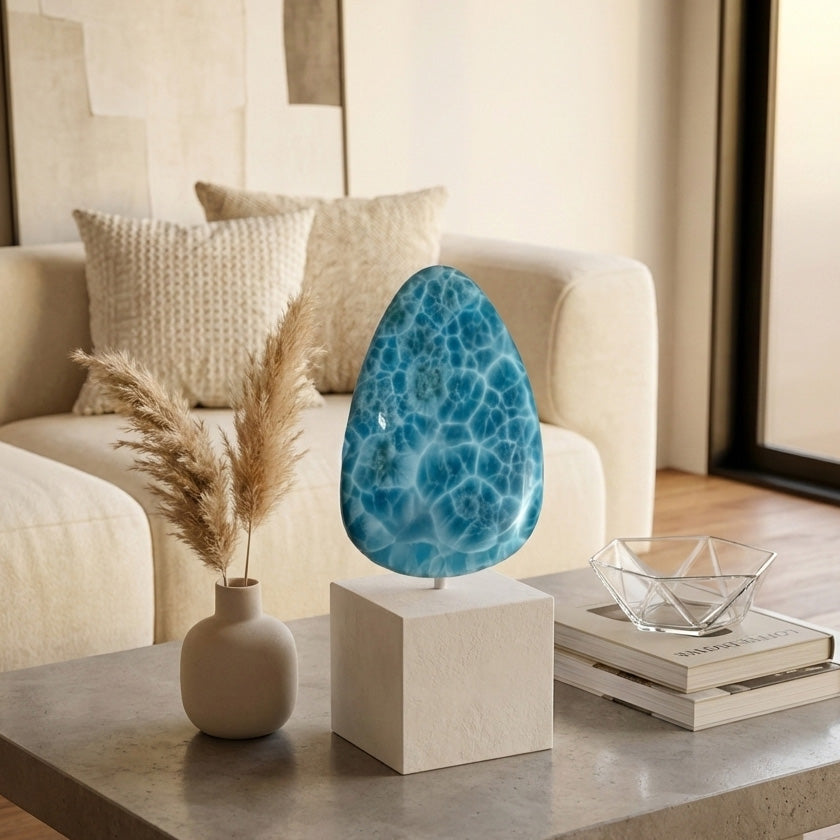
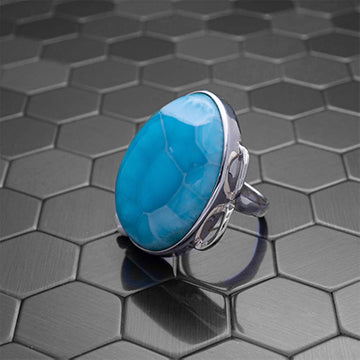
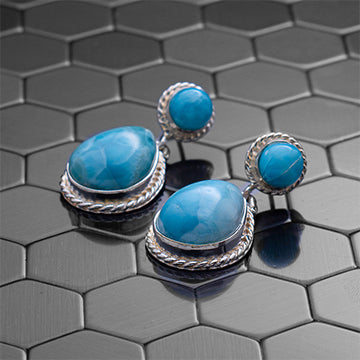
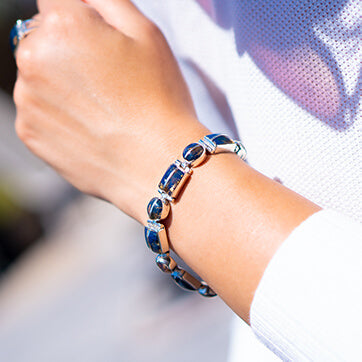
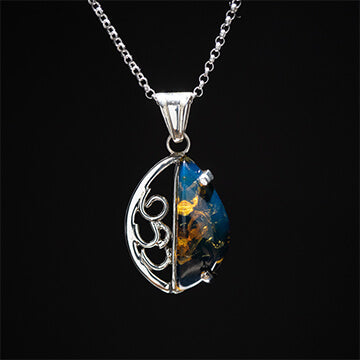
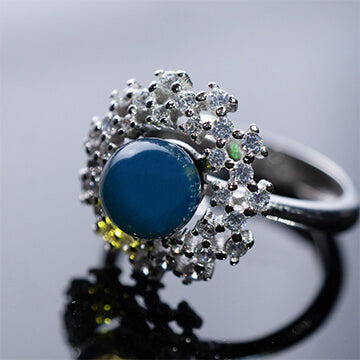
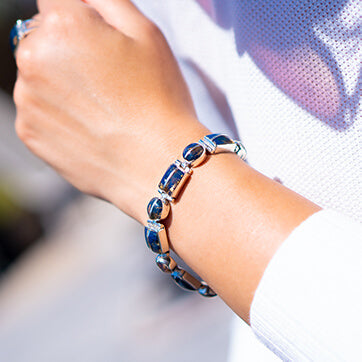
Larimar is found in only one known place: the Dominican Republic. Its soft white clouds, pale sky tones, deep volcanic blue, and occasional greenish notes create the look that has earned it a place among the Caribbean’s most admired gems. Yet its rarity also makes clear sourcing and accurate representation especially valuable.

A certificate or supporting documentation can help establish that a stone has been identified as genuine Larimar rather than dyed howlite, glass, resin, or another blue material sold under a more romantic name. That distinction is meaningful whether you are selecting an everyday pendant or building a collector’s collection of exceptional cabochons.

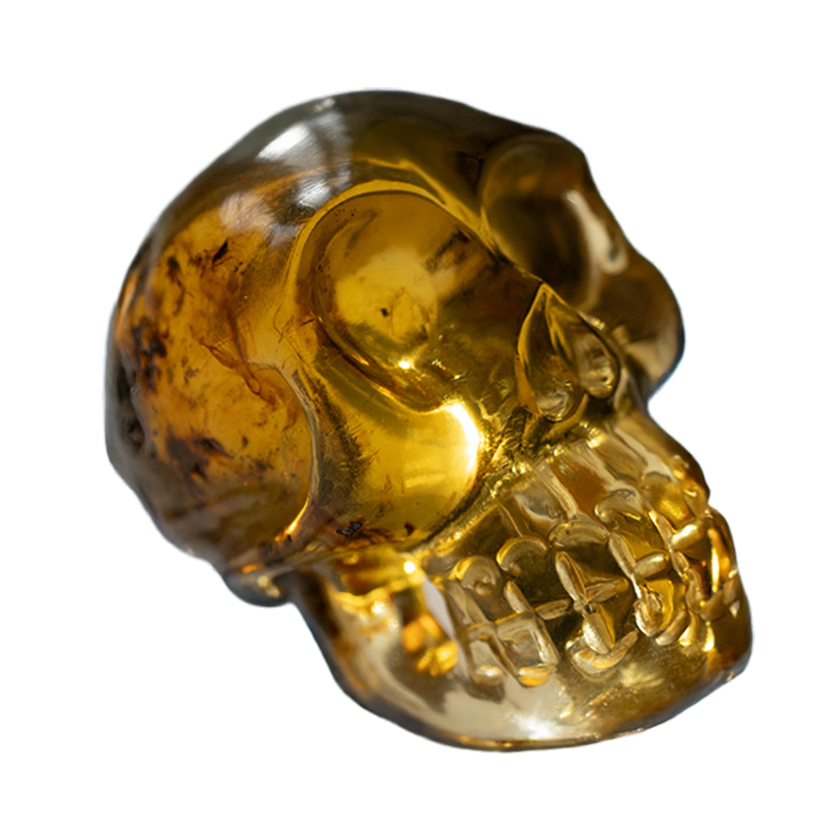
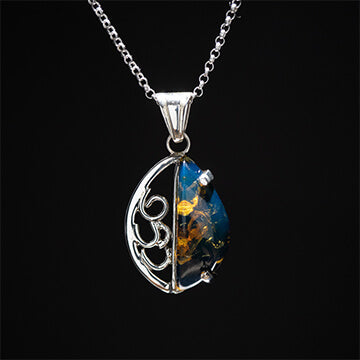
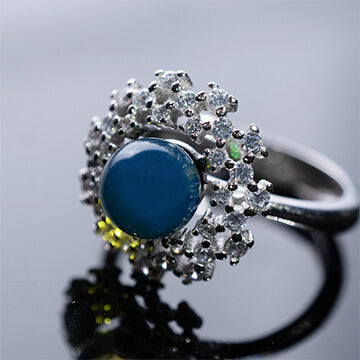
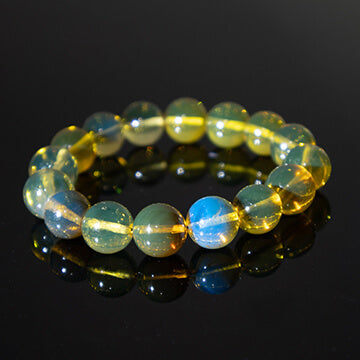
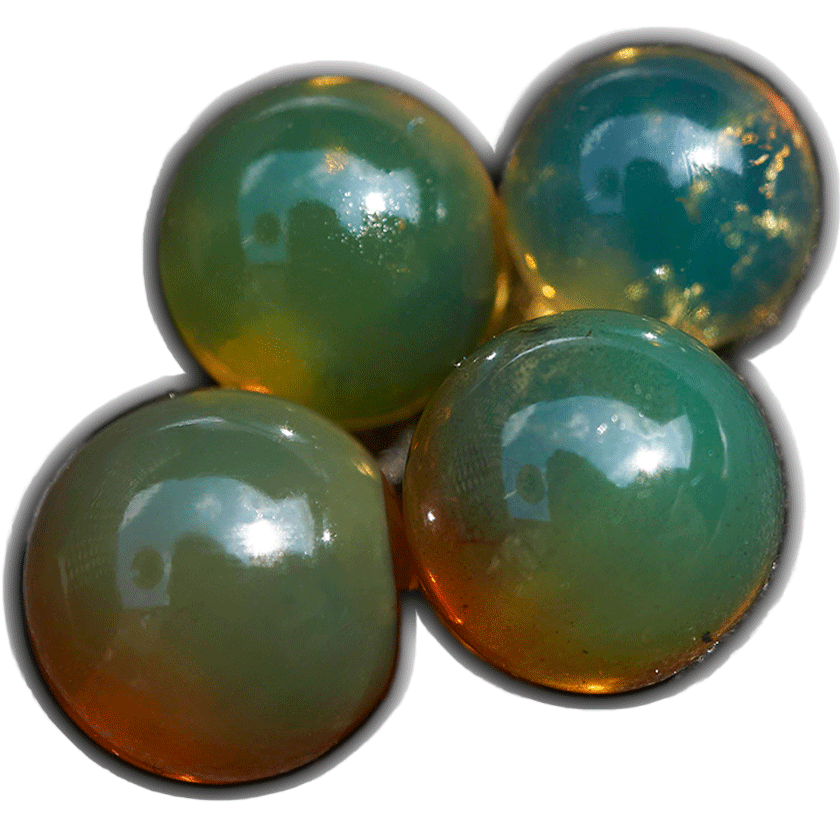
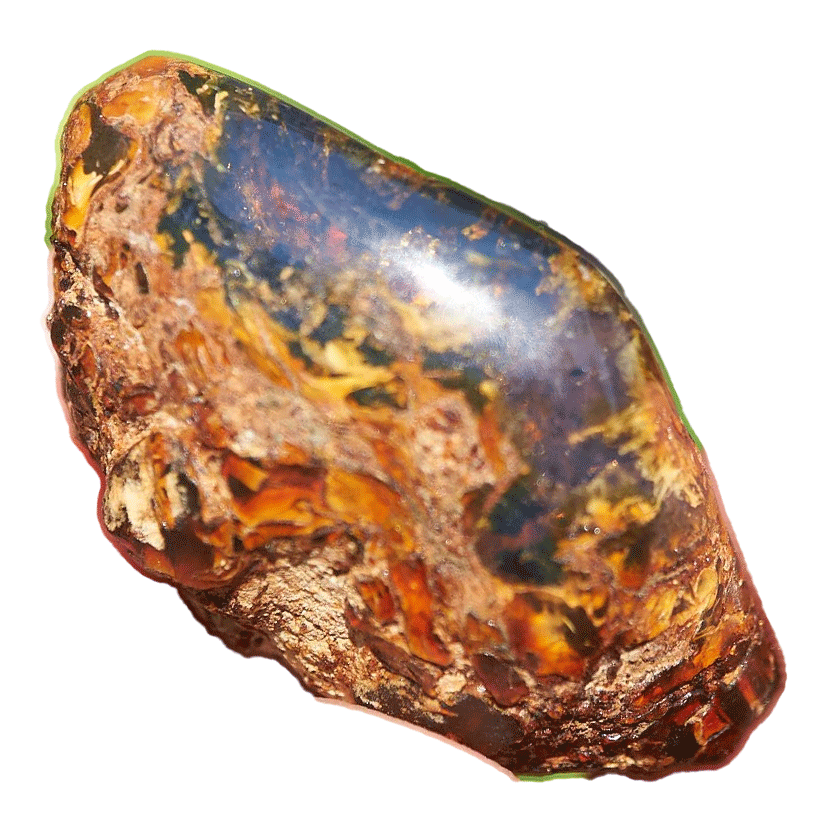
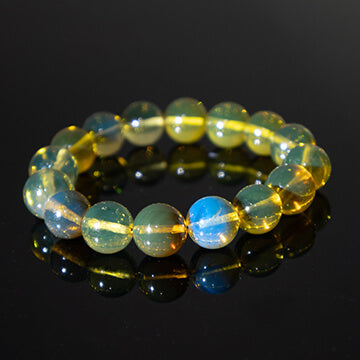
Dominican amber deserves the same care. Dominican amber is prized for its clarity, range of golden and reddish hues, and extraordinary blue fluorescence seen in select pieces under the right light. Dominican Blue Amber, in particular, is rare and often misunderstood. Its blue effect is not simply a surface color. It is an optical phenomenon that can shift with lighting, background, angle, and the character of the individual piece.

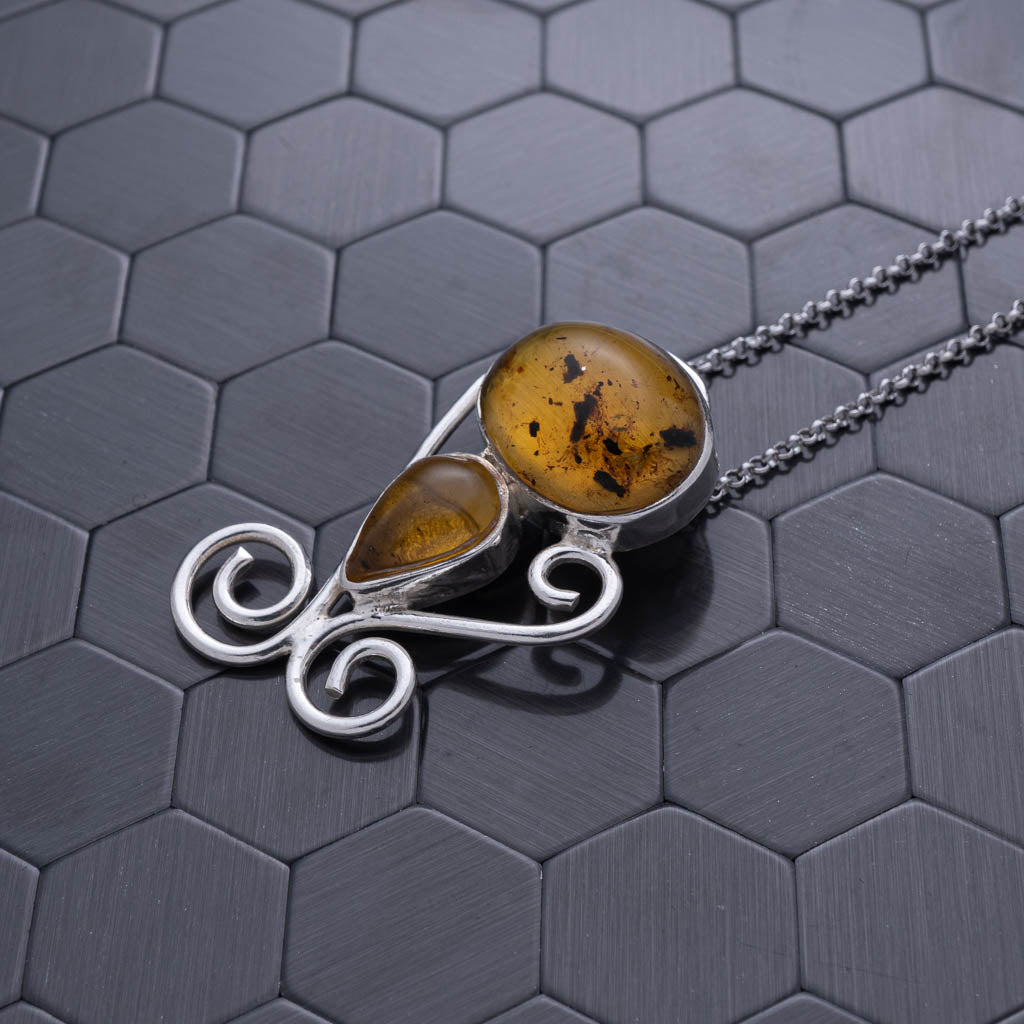
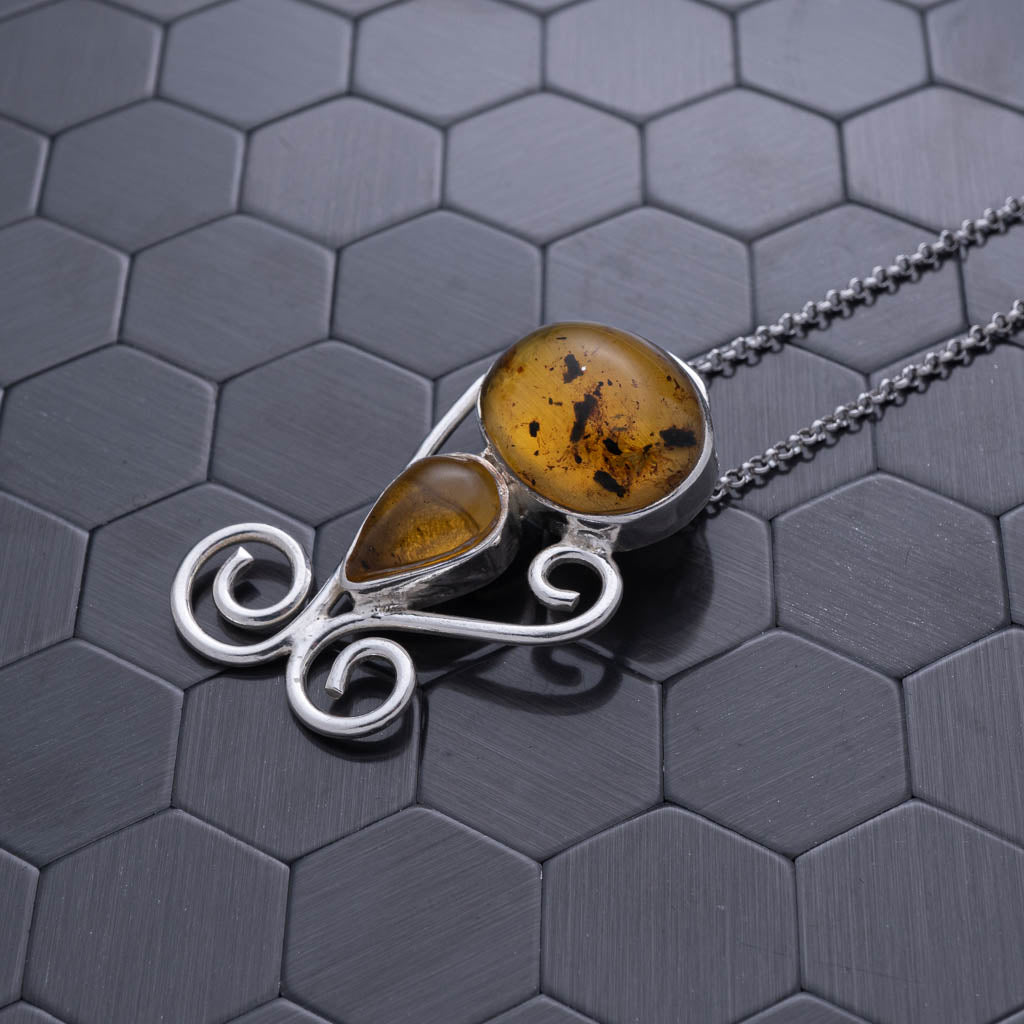
Because amber is organic rather than mineral, its evaluation differs from that of a faceted diamond or sapphire. Inclusions, internal texture, polish, age-related features, and the possibility of enhancement all matter. A credible report helps distinguish natural amber from copal, pressed amber, plastic, or resin-based substitutes.

Certificate, Appraisal, and Seller Guarantee Are Different

These terms are often used together, but they serve different purposes.

A gemstone certificate identifies the gemstone. It focuses on what the material is and may comment on origin or treatment when the testing supports that conclusion. An appraisal estimates monetary value, usually for insurance, replacement, or estate purposes. A seller guarantee is the retailer’s direct promise regarding authenticity, quality, sourcing, or workmanship.

A piece of jewelry can have all three, but one does not automatically replace another. An appraisal does not necessarily prove origin. A certificate does not establish what an item should cost in every market. And a seller’s claim is more reassuring when it is backed by knowledgeable sourcing, transparent descriptions, and appropriate documentation.

For a handcrafted Larimar ring or Dominican amber pendant, the most useful approach is to consider the full picture: the gemstone report, the seller’s reputation, the quality of the setting, and the clarity of the product description.

What to Look for on a Gemstone Certificate

Not every certificate carries equal weight. A useful document should make it possible to connect the report to the stone or jewelry you are buying. If the paperwork is vague, generic, or disconnected from the item, it may add little real assurance.

Look for the name of the issuing laboratory or qualified gemologist, a report or certificate number, the date of issue, and a clear description of the material. Measurements and weight are particularly helpful for loose stones, cabochons, carvings, and collector specimens. For finished jewelry, the report should still contain enough detail to reasonably identify the featured gemstone.

Treatment disclosure is another essential point. Many gemstones are routinely heated, dyed, filled, coated, stabilized, or otherwise enhanced. Treatment is not automatically negative, but it should be disclosed honestly because it affects care, rarity, durability, and value. Natural Larimar and natural amber should never be described in a way that obscures meaningful alterations.

Origin statements require special care. Geographic origin can be difficult to determine for some gems, and not every laboratory offers origin opinions for every material. A report that simply says “natural pectolite” is useful, but it does not necessarily confirm Dominican origin unless the report expressly makes that statement or the seller provides reliable sourcing documentation. The same principle applies to amber described as natural without a specific origin conclusion.

Questions Worth Asking Before You Buy

A trusted seller should be comfortable answering direct questions about the stone. Ask whether the certificate applies to the exact gemstone in the piece, whether it identifies treatments, and whether it makes an origin determination or only a material identification.

For Dominican Blue Amber, ask how the blue effect appears in natural light, sunlight, or ultraviolet light. Blue Amber can look honey-gold, reddish, or nearly clear from one angle, then reveal an electric blue glow in another setting. Photographs should be treated as a guide, not a guarantee that every lighting condition will produce the same visual effect.

For Larimar, ask about color, pattern, and polish rather than expecting a single universal grading scale. Some buyers seek deep, saturated blue with minimal white, while others love the cloudlike contrast that makes each stone look like a miniature Caribbean horizon. The finest choice depends on personal taste, not color alone.

If you are purchasing a substantial loose stone, a high-value piece, or a collector-grade inclusion specimen, independent testing may be worthwhile. For a smaller handcrafted jewelry piece, a reputable specialist retailer’s documentation and clear authenticity commitment may be the most practical form of assurance. The right level of verification depends on the stone’s value, rarity, and purpose.

Documentation Should Support Beauty, Not Replace It

A certificate can verify facts, but it cannot tell you whether a stone moves you. It cannot measure the calm of Larimar’s blue-and-white waters or the fascination of ancient amber holding a flicker of Caribbean light. Those qualities remain deeply personal.

Still, beauty is more satisfying when it is honestly represented. At Larimar Creations, the appeal of certified Dominican stones begins with that respect: the belief that rare materials deserve careful sourcing, skilled handcrafting, and straightforward information.

Keep your certificate with purchase records, care instructions, and photographs of the piece. If the jewelry is passed down, insured, or later appraised, that small archive becomes part of its value and provenance. Wear a piece of the Caribbean for its beauty, but keep its story close as well.

Amber Stone Jewelry: A Buyer's Guide to Real Amber - Larimar Creations

Amber Stone Jewelry: A Buyer's Guide to Real Amber

8 min read

Learn how to spot genuine amber stone jewelry, understand color and value, and care for your pieces so they last for years.
Read More
Amber Inclusion Examples Worth Looking For - Larimar Creations

Amber Inclusion Examples Worth Looking For

6 min read

See amber inclusion examples, from ancient insects to leaves and air bubbles, and learn how Dominican blue amber reveals natural history in warm light.
Read More
How to Choose a Pendant and Earrings Set for Your Style - Larimar Creations

How to Choose a Pendant and Earrings Set for Your Style

8 min read

Learn how to match a pendant with earrings by style, stone, metal, and face shape so your set looks intentional, balanced, and easy to wear every day.
Read More