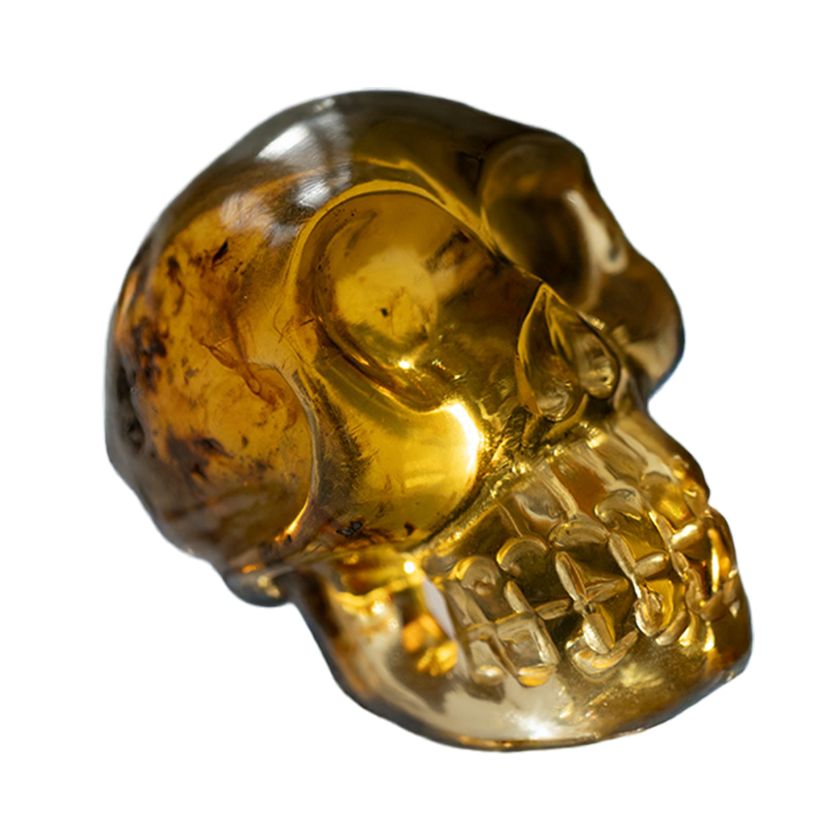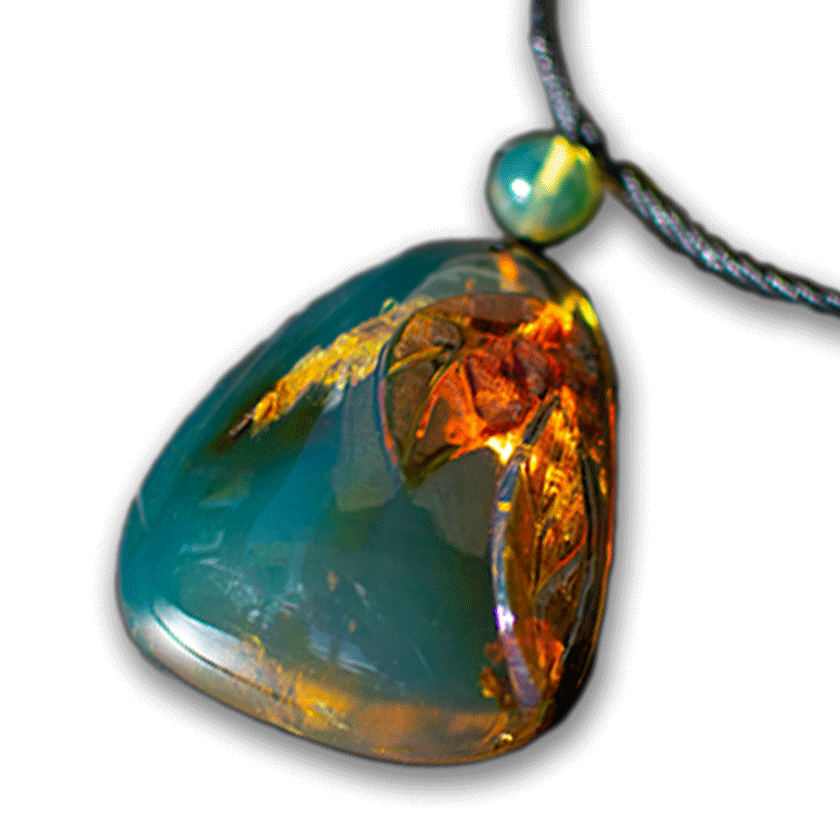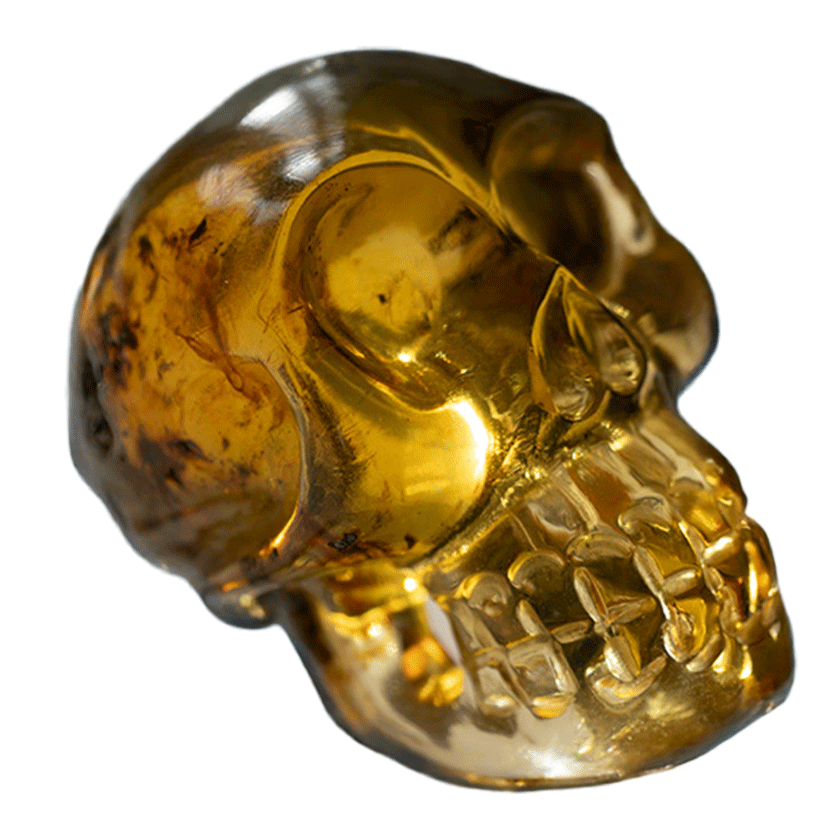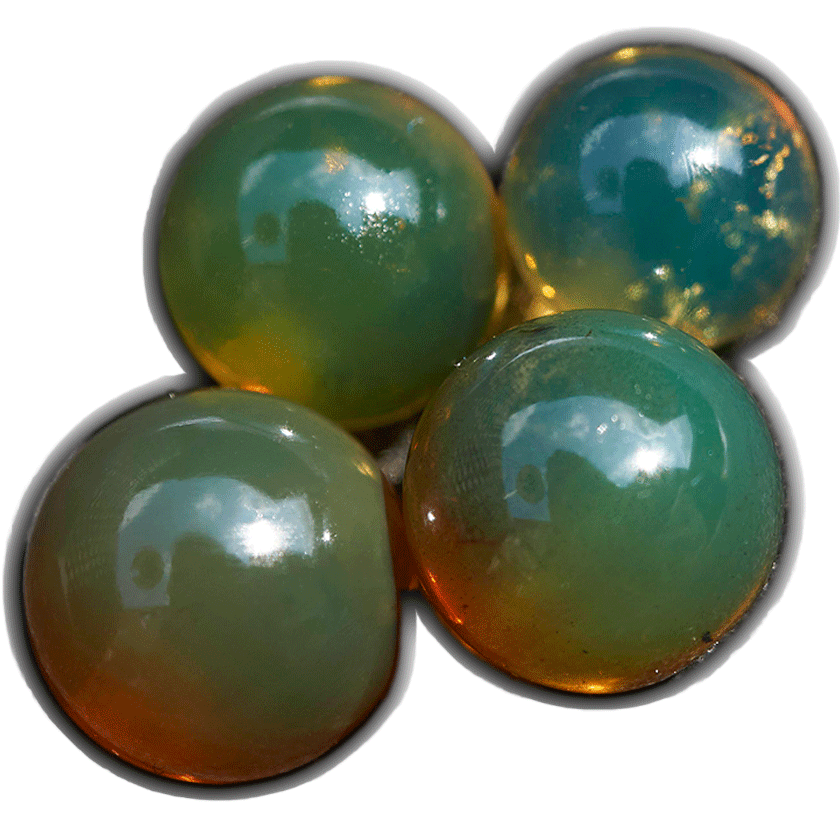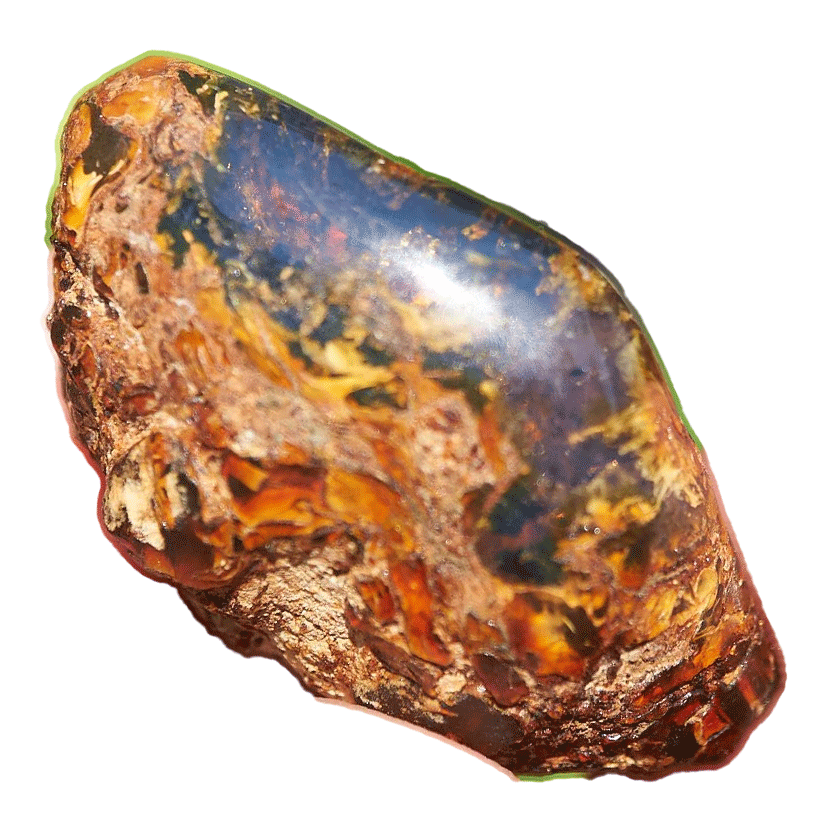






Handcrafted in DR.







100% Handcrafted in DR.

The Dominican Republic stands as a significant player in Caribbean mineral extraction, hosting some of the world's most productive gold deposits. While travelers and gemstone enthusiasts often associate the country with rare treasures like Larimar and Dominican Blue Amber, the nation's subsurface holds substantial precious metal reserves that have attracted major international mining corporations. Understanding the dominican republic gold mine sector reveals not only geological marvels but also the economic forces shaping this tropical nation's development and the complex interplay between resource extraction and environmental stewardship.
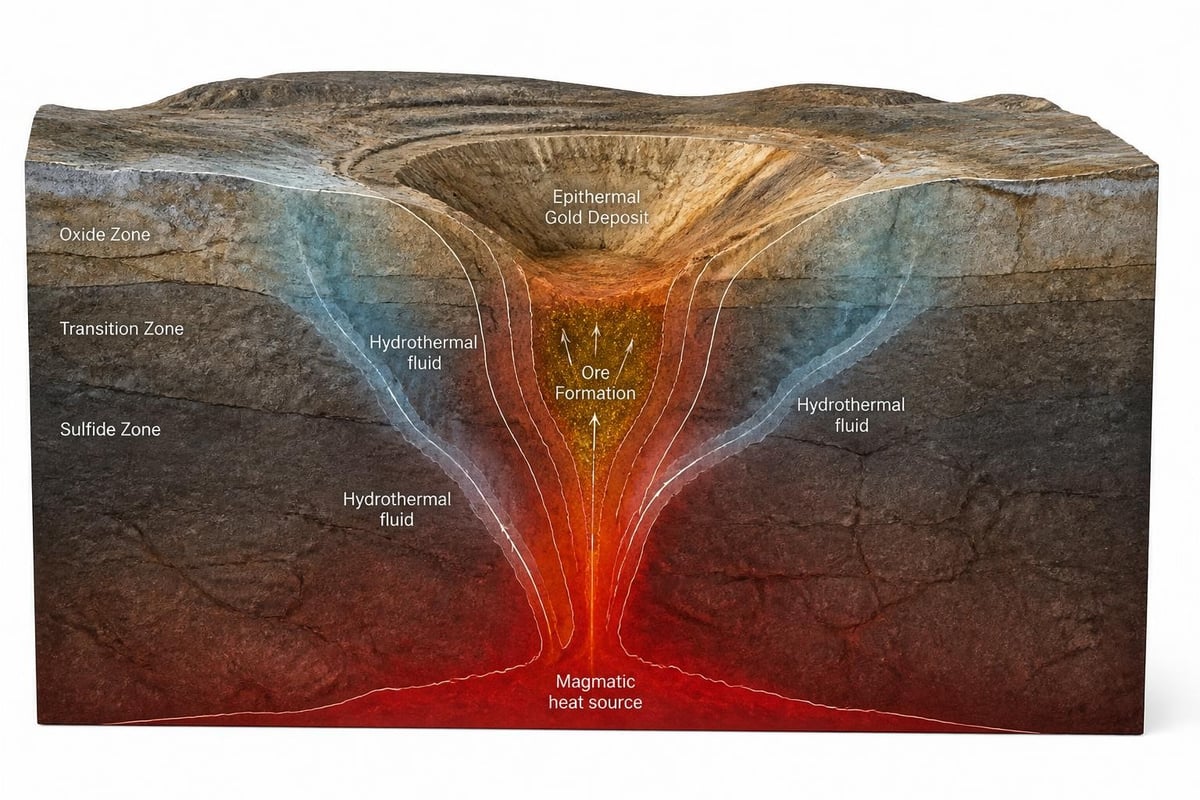
The Dominican Republic's gold deposits formed through complex geological processes spanning millions of years. The island of Hispaniola, shared with Haiti, sits at a tectonically active zone where the North American and Caribbean plates converge. This geological setting created ideal conditions for hydrothermal mineral deposits, including gold-bearing ore bodies.
The most significant dominican republic gold mine formations occur in epithermal systems, where hot, mineral-rich fluids migrated through fractured rock and deposited gold alongside other metals. These deposits contain gold in association with silver, copper, and zinc, creating polymetallic ore bodies that require sophisticated extraction techniques.
The Pueblo Viejo mine represents the largest dominican republic gold mine operation and ranks among the top ten gold mines globally by production volume. Located in the Sánchez Ramírez province in central Dominican Republic, this world-class deposit has attracted mining attention since the Spanish colonial period.
According to the comprehensive technical report for Pueblo Viejo, the mine features proven and probable reserves exceeding 20 million ounces of gold. The deposit's unique characteristics include:
The Pueblo Viejo dominican republic gold mine operates as a joint venture between Barrick Gold Corporation and Newmont Corporation, two of the world's premier gold mining companies. This partnership has invested billions in developing state-of-the-art processing facilities and environmental management systems.
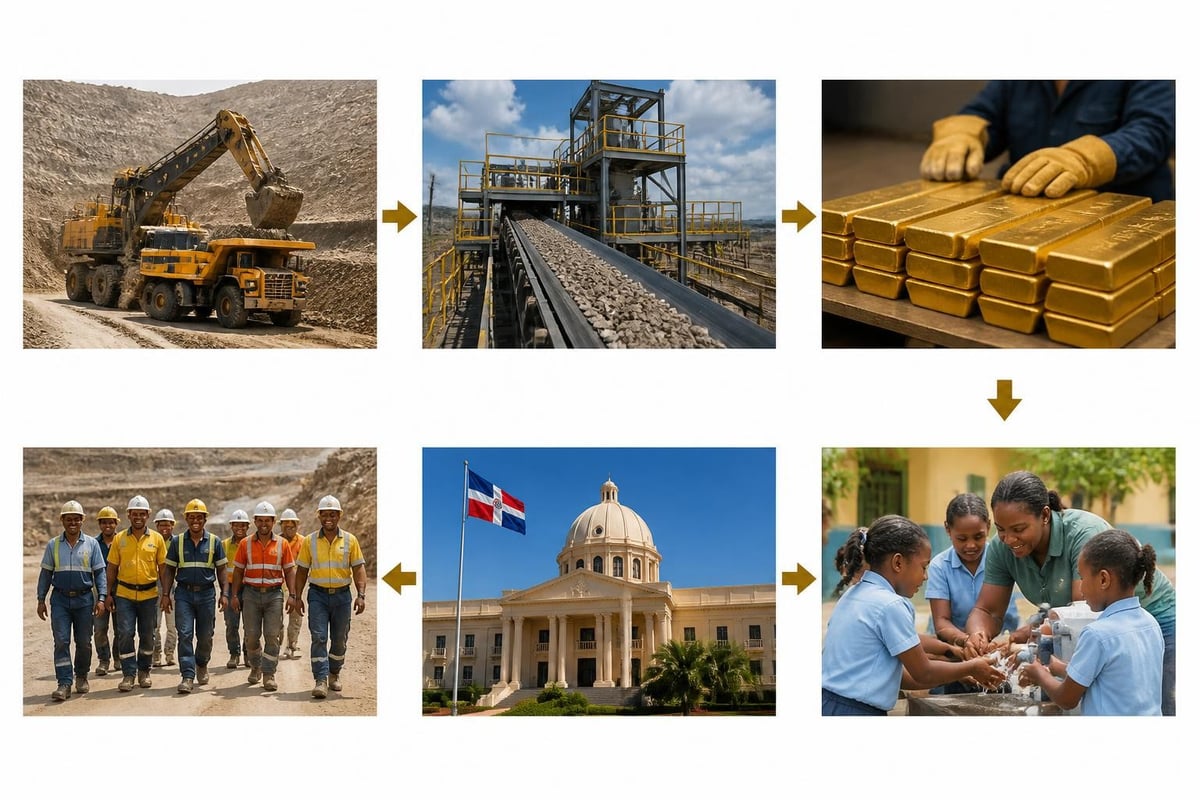
Modern dominican republic gold mine operations employ advanced techniques that differ substantially from historical artisanal methods. The Pueblo Viejo complex utilizes open-pit mining, moving millions of tons of material annually to access gold-bearing ore.
The mining process follows a carefully orchestrated sequence designed to maximize recovery while minimizing environmental impact:
The autoclave technology at the dominican republic gold mine facilities represents a significant technological achievement. These high-pressure vessels process refractory sulfide ore that would otherwise be economically unviable, expanding the mine's recoverable reserves substantially.
| Processing Stage | Purpose | Technology Used |
|---|---|---|
| Crushing | Size reduction | Gyratory and cone crushers |
| Grinding | Liberation | SAG and ball mills |
| Oxidation | Sulfide breakdown | Pressure oxidation autoclaves |
| Leaching | Gold dissolution | Carbon-in-leach tanks |
| Recovery | Gold extraction | Electrowinning cells |
The dominican republic gold mine sector contributes substantially to national economic indicators. Mineral exports, primarily gold, represent a significant percentage of the country's total export value, providing crucial foreign exchange earnings that support the Dominican peso and fund government services.
Direct employment at major mining operations exceeds several thousand workers, with thousands more employed in supporting industries and services. The ripple effect extends throughout regional economies, supporting businesses in transportation, catering, equipment maintenance, and professional services.
The Dominican government collects revenue from gold mining through multiple channels:
These revenue streams fund infrastructure development, education, healthcare, and other public services. Communities near the dominican republic gold mine operations often receive additional support through corporate social responsibility programs that build schools, health clinics, and water systems.
While Pueblo Viejo dominates gold production, other deposits contribute to the Dominican Republic's metallic mineral portfolio. The Cerro de Maimón mine produces copper with gold and silver credits, demonstrating the polymetallic nature of Dominican mineral deposits.
Several exploration projects investigate potential new dominican republic gold mine developments. Geological surveys have identified promising targets in various provinces, though bringing these from exploration to production requires substantial capital investment and permitting processes.
Companies pursuing new mining projects face multiple hurdles:
The geological research on mineralization in Dominican mining districts provides valuable insights for exploration geologists seeking to understand ore genesis and predict favorable locations for new discoveries.
Modern dominican republic gold mine operations implement comprehensive environmental management systems that address water quality, air emissions, waste management, and biodiversity conservation. The scale of these operations demands rigorous oversight to prevent contamination and protect ecosystems.
Water plays a critical role in processing operations and represents a primary environmental concern. Mining companies maintain:
Recent coverage of environmental oversight at Pueblo Viejo highlights ongoing stakeholder engagement and regulatory compliance efforts. These initiatives reflect growing expectations for environmental performance in the global mining industry.
Responsible dominican republic gold mine operators develop detailed closure plans from the project's inception. These plans outline:
Financial assurance mechanisms, including bonds and trust funds, guarantee resources for implementing closure plans regardless of the operator's future financial condition.
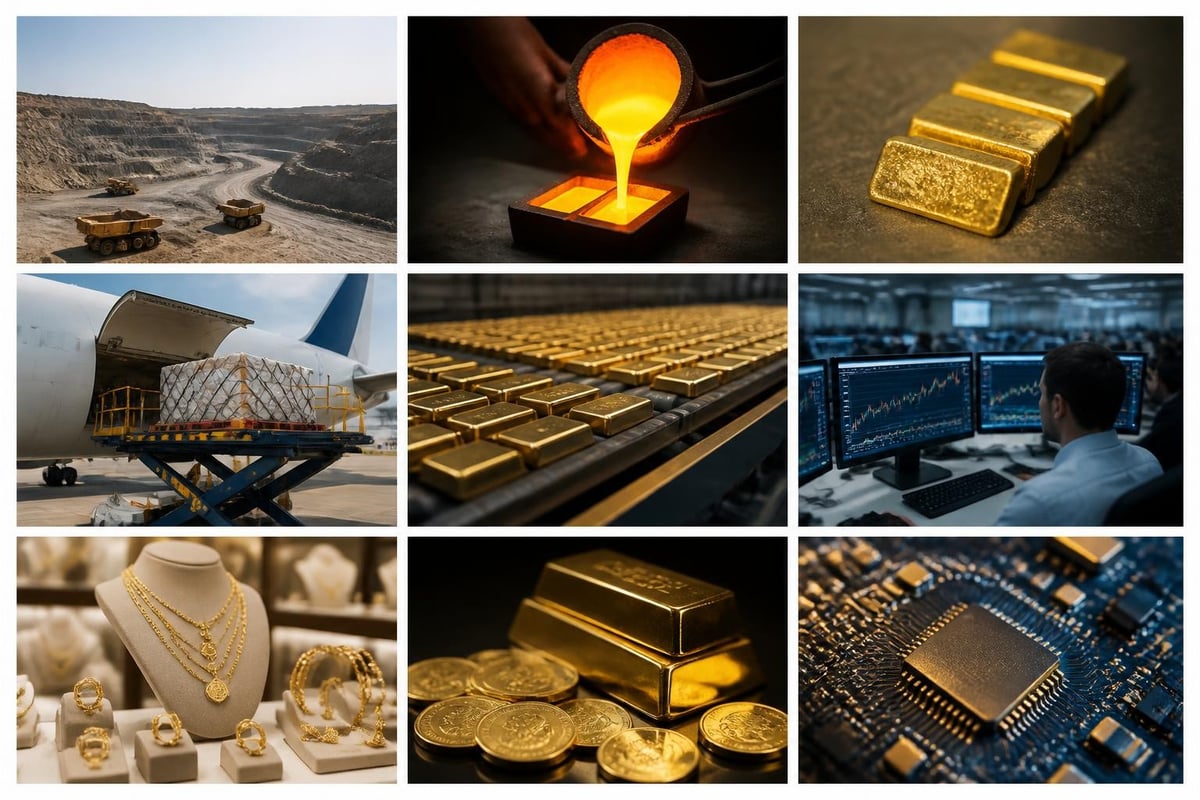
Dominican gold enters global precious metals markets where prices fluctuate based on numerous factors including currency movements, inflation expectations, geopolitical tensions, and jewelry demand. The dominican republic gold mine sector responds to these market signals, adjusting production levels and exploration activity as economic conditions warrant.
| Market Factor | Impact on Production | Timeframe |
|---|---|---|
| Gold price increases | Accelerated development, expanded operations | 12-36 months |
| Currency fluctuations | Cost competitiveness changes | Immediate |
| Regulatory changes | Permitting delays or expansions | 6-24 months |
| Technology advances | Improved recovery, lower costs | 2-5 years |
The quality of Dominican doré bars, containing gold with silver and trace metals, meets international refining standards. These bars travel to specialized refineries where gold separates to investment-grade purity of 99.99% for use in financial products, electronics manufacturing, and jewelry production.
The dominican republic gold mine industry operates under safety regulations designed to protect workers from hazards inherent in extracting minerals from underground and open-pit environments. Companies implement comprehensive safety management systems addressing:
Despite these measures, mining remains an inherently hazardous occupation. Recent incidents in mining areas underscore the importance of continuous safety improvement and emergency preparedness. Industry leaders benchmark performance against international standards and share best practices to prevent injuries and fatalities.
Operating a world-class dominican republic gold mine requires specialized technical knowledge spanning geology, mining engineering, metallurgy, environmental science, and numerous other disciplines. Mining companies invest substantially in workforce development through:
This investment builds national capacity in mining technology and creates career pathways for Dominican professionals in a high-value industry. The technical skills developed in mining operations transfer to other sectors, contributing to broader economic development.
Alongside industrial-scale operations, artisanal and small-scale mining persists in certain areas of the Dominican Republic. These informal operations extract gold using basic techniques and often operate outside formal regulatory frameworks. The Dominican government faces ongoing challenges balancing economic opportunities for small miners with environmental protection and worker safety.
Formalization efforts aim to bring artisanal miners into regulated systems where they can access technical assistance, environmental guidance, and market access while complying with safety and environmental standards. This approach recognizes the social and economic importance of small-scale mining while addressing its negative externalities.
While gold captures significant attention and investment, the Dominican Republic produces other valuable minerals that contribute to its reputation as a gemstone source. The country's volcanic geology created conditions for unique gemstone formation, including the rare blue pectolite known as Larimar, found exclusively in the southwestern province of Barahona.
Larimar's distinctive blue coloration makes it highly sought after for jewelry applications, and skilled artisans craft stunning pieces that showcase this national treasure. Similarly, Dominican Blue Amber exhibits extraordinary fluorescence and rarity, attracting collectors worldwide. For those seeking exceptional pieces featuring these unique Dominican gemstones, Larimar Pendants offer timeless designs that celebrate the island's geological heritage.
The mining of these gemstones operates at a much smaller scale than industrial gold extraction but represents an important cultural and economic niche. Small-scale miners and artisan jewelers create value chains that employ communities and preserve traditional craftsmanship while showcasing the Dominican Republic's mineral diversity.
The Dominican Republic's mining sector operates under laws and regulations governing exploration licensing, environmental permitting, mine operation, and closure. The Ministry of Energy and Mines administers the regulatory framework, issuing concessions and monitoring compliance with operating conditions.
Mining companies must navigate a comprehensive permitting process that includes:
Transparency initiatives aim to improve governance by requiring companies to disclose payments to government entities and providing communities with access to environmental monitoring data. These measures respond to international standards for responsible mining and address concerns about resource extraction in developing economies.
The dominican republic gold mine sector faces both opportunities and challenges in coming years. Pueblo Viejo operators continue evaluating expansion possibilities that could extend mine life and increase production. These potential developments require significant capital investment and must demonstrate economic viability under various gold price scenarios.
Exploration activity continues across the country, with junior mining companies investigating targets identified through geological surveys and geochemical sampling. The transition from exploration discovery to producing mine typically spans a decade or more, requiring patient capital and successful navigation of technical, environmental, and social challenges.
Mining technology continues advancing, offering opportunities for improved efficiency and environmental performance:
Adoption of these technologies at dominican republic gold mine operations could enhance competitiveness while addressing stakeholder concerns about environmental impact. The capital intensity of mining creates opportunities for technology providers and engineering firms supporting the sector's evolution.
Mining companies operating in the Dominican Republic recognize that maintaining social license to operate requires ongoing engagement with affected communities. Corporate social responsibility programs address community priorities including:
These programs aim to ensure that communities near dominican republic gold mine operations benefit from proximity to mineral wealth. However, tensions sometimes arise regarding environmental concerns, land access, and the distribution of economic benefits, requiring ongoing dialogue and transparent grievance mechanisms.
The Dominican Republic's development strategy recognizes mining as one component of a diversified economy that includes tourism, agriculture, manufacturing, and services. Government policies seek to maximize the sector's contribution to national development while managing environmental and social risks.
Strategic priorities include:
Balancing these objectives requires ongoing policy refinement and stakeholder collaboration. The dominican republic gold mine industry's long-term sustainability depends on maintaining this balance and demonstrating value creation that extends beyond immediate project economics.
The Dominican Republic's gold mining sector represents a significant component of the nation's mineral wealth and economic development, from the world-class Pueblo Viejo operation to smaller deposits contributing to the country's metallic mineral portfolio. While industrial gold extraction operates on a vastly different scale than artisanal gemstone mining, both sectors showcase the geological diversity that makes this Caribbean nation remarkable. When you seek to celebrate the Dominican Republic's unique geological treasures through exceptional handcrafted jewelry, Larimar Creations offers exquisite pendants, rings, and carvings featuring rare Larimar and Dominican Blue Amber, with worldwide shipping bringing these precious pieces to collectors and jewelry enthusiasts everywhere.