
Larimar
Blue Amber
Green Amber
Amber Carvings
More

by Admin September 04, 2026 6 min read

That beautiful new pendant should bring the calm blue of the Caribbean close to your heart, not leave behind an itchy red outline. Yet for many jewelry lovers, a reaction can turn a meaningful gemstone piece into something that stays in its box. This guide to jewelry metal allergies explains what may be happening, which materials deserve a closer look, and how to choose jewelry that feels as good as it looks.

What a jewelry metal allergy actually is

Most jewelry-related allergies are a form of allergic contact dermatitis. Your immune system recognizes a substance touching the skin as a threat and responds with inflammation. Nickel is the best-known trigger, but it is not the only one. Cobalt and chromium can also cause reactions, while some people react to metals or alloy ingredients less commonly used in fine jewelry.

An allergy is different from simple irritation. Irritation can happen when sweat, soap, fragrance, sunscreen, or trapped moisture sit beneath a ring or bracelet. Tight jewelry and rough edges can also aggravate sensitive skin without involving an allergy. The distinction matters because changing your care routine may solve irritation, while a true allergy usually calls for avoiding the triggering metal.

Common signs include itching, redness, dryness, swelling, small bumps, or a rash exactly where a post, clasp, ring shank, or watch back touches the skin. A reaction may appear quickly, but it can also develop hours or days after wear. If symptoms are severe, persistent, or spreading, speak with a dermatologist rather than trying to self-diagnose.

Why nickel is often the culprit

Nickel is strong, durable, and relatively economical, so it has historically appeared in many jewelry alloys and base metals. It may be present beneath plating, in earring posts and backs, in chain clasps, or in the internal structure of a piece that otherwise appears gold or silver.

White gold deserves particular attention. Its bright white appearance comes from alloying yellow gold with white metals. Some white gold alloys contain nickel, while others use palladium. Two rings with the same karat stamp can therefore feel very different on sensitive skin. Rhodium plating often gives white gold its luminous final finish, but plating can wear with time, especially on rings exposed to water, lotion, and daily friction. Once the underlying alloy becomes more exposed, a nickel-sensitive wearer may begin reacting.

Stainless steel can also contain nickel. Many people wear it comfortably because the nickel is tightly bound within the alloy and does not release easily, but that is not a universal rule. Terms such as “surgical steel” are not a guarantee that a piece is nickel-free. When sensitivity is established, clear material information is more useful than broad marketing labels.

A guide to jewelry metal allergies by material

The right metal depends on your specific sensitivity, how often you wear the piece, and where it sits on the body. Earrings and rings often create the most trouble because they meet delicate skin, moisture, and frequent movement.

Gold jewelry: purity and alloy matter

Pure 24K gold is soft, so most wearable gold jewelry is blended with other metals for strength. Higher-karat yellow gold, such as 18K or 22K, generally contains more gold and less alloy material than 10K or 14K gold. For some sensitive wearers, that makes it a more comfortable choice. It is not an automatic promise, however, because the remaining alloy metals still vary by maker.

Yellow gold is often a practical option for people avoiding nickel, particularly when the alloy composition is known. White gold requires a more specific question: is it nickel-free, and if so, is palladium used instead? Rose gold typically contains copper, which many people tolerate beautifully but which can occasionally cause sensitivity or leave a temporary greenish cast when skin chemistry and moisture are involved.

Sterling silver: beautiful, but not always simple

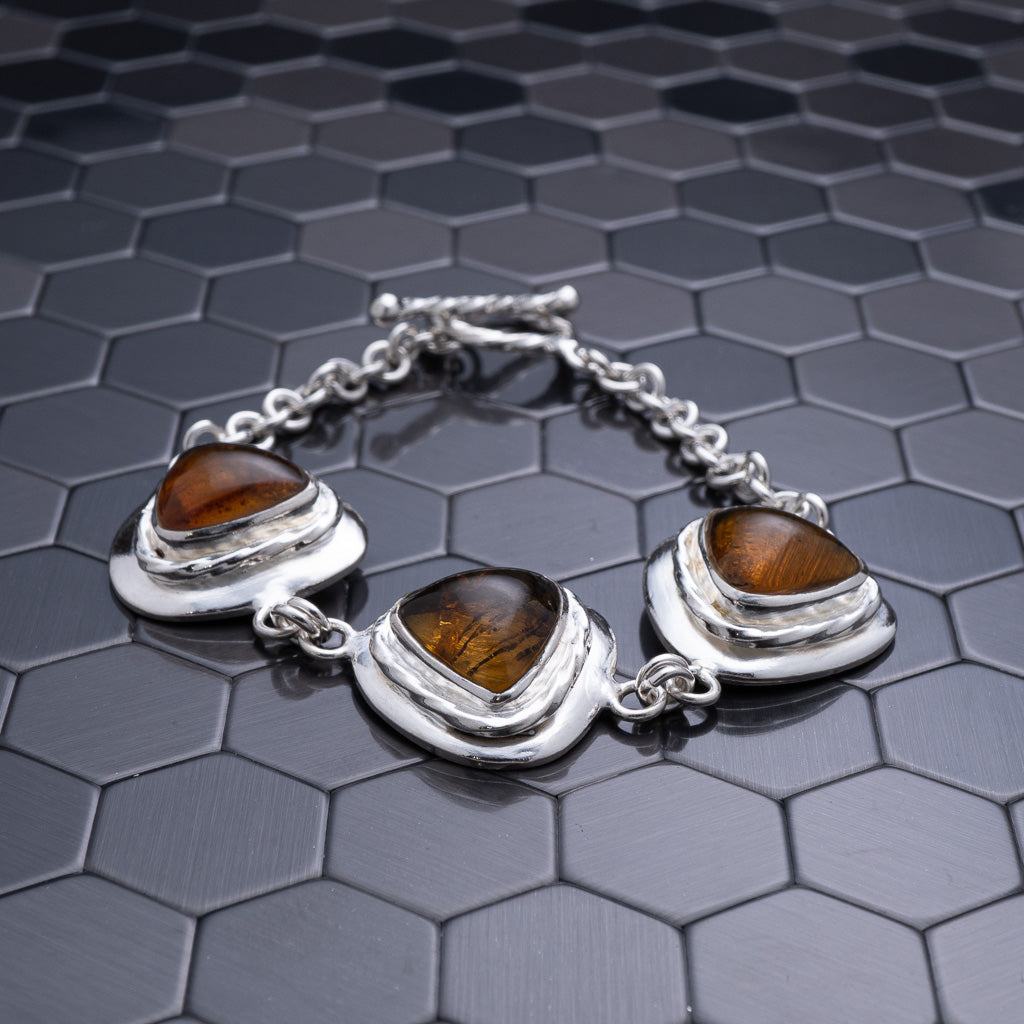
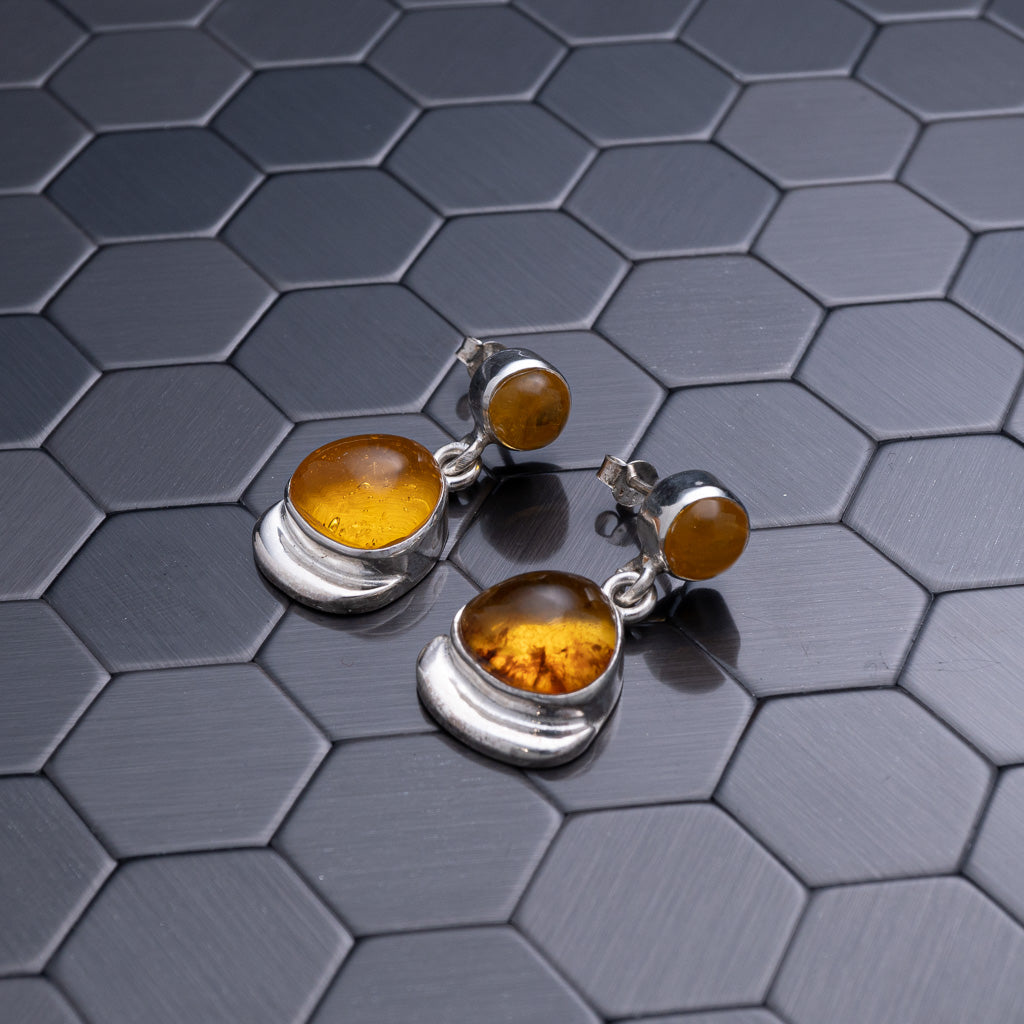
Sterling silver is traditionally 92.5% silver and 7.5% other metals, usually copper. It is a beloved setting for artisan gemstone jewelry because its soft white sheen complements Larimar’s ocean-blue character and Dominican amber’s warm inner light. Still, sterling silver can tarnish, and tarnish or residue from cleaning products may irritate very reactive skin.

A genuine silver sensitivity is less common than nickel allergy, but it can happen. If sterling silver causes discomfort, do not assume the silver itself is solely responsible. Examine the clasp, earring post, plating, solder, or any mixed-metal detail before ruling out an entire category.

Platinum, titanium, and niobium

Platinum is dense, precious, and widely regarded as a strong choice for sensitive skin. Fine platinum jewelry is commonly made with a high percentage of platinum, although alloys still exist. Its durability and naturally white tone make it especially appealing for heirloom rings and frequently worn pieces.

Titanium and niobium are lightweight, contemporary options often favored by those with nickel allergies. They can be excellent choices for earring posts and body jewelry. Their trade-off is that they are more difficult to resize or repair than gold, and their design language may be less traditional for fine gemstone settings.

Plated and vermeil jewelry

Gold-plated jewelry and vermeil can offer a rich golden finish at a more accessible price, but the thickness and longevity of that outer layer matter. When plating wears away, the base metal becomes the skin-contact surface. A necklace may remain comfortable while its clasp begins to irritate, simply because that small area experiences more friction.

Vermeil has a sterling silver base beneath gold plating, which may suit someone who tolerates sterling silver. Standard gold plating may use a different base metal. If you have a known allergy, ask what sits below the surface, not only what color the jewelry appears to be.

Gemstones are rarely the problem

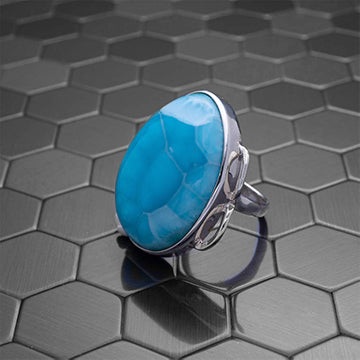
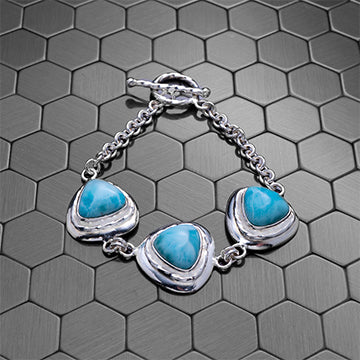
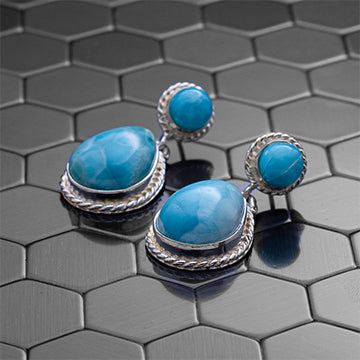
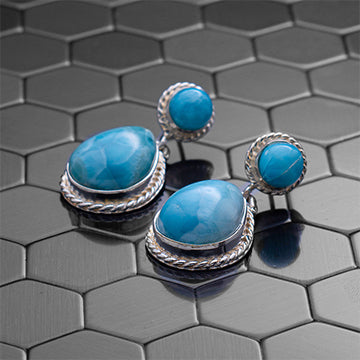
Natural stones such as Larimar and Dominican amber are not metals, and the gemstone itself is rarely the source of a metal allergy. The setting, chain, post, jump ring, clasp, or bail is more likely to be responsible.

This is reassuring for collectors drawn to rare Caribbean materials. You do not necessarily need to avoid the stone that speaks to you. Instead, focus on the entire construction of the piece. A Larimar cabochon can be set in an appropriate yellow gold, platinum, titanium, or carefully selected sterling silver design. An amber pendant may be comfortable on one chain and irritating on another because chain alloys and clasps differ.

How to identify the source of a reaction

Start by looking at the pattern. Does the rash appear only under a ring, behind the ears, at the neckline, or directly beneath a clasp? A localized reaction is a useful clue. Remove the suspected piece until your skin is fully calm, then avoid repeated testing on irritated skin.

Keep a brief record of the jewelry you wore, its stated metal, how long it touched your skin, and whether you had applied lotion, perfume, or sunscreen nearby. This can reveal patterns that are easy to miss when several pieces are in rotation.

For a clear answer, a dermatologist can perform patch testing. This is particularly worthwhile if you react to everyday items such as belt buckles, eyeglasses, watch backs, buttons, or keys in addition to jewelry. Testing can identify nickel and other contact allergens, giving you a more reliable standard for future purchases.

Choosing comfortable jewelry with confidence

Ask direct questions before buying: What metal is in the setting? What are the earring posts and backs made of? Does white gold contain nickel or palladium? Is the chain clasp the same material as the chain? These details are not excessive for a fine jewelry purchase. They are part of understanding the craftsmanship behind a piece you hope to wear for years.

Be cautious with vague terms such as “hypoallergenic.” There is no single legal formula behind that word, and a material that is comfortable for one person may still bother another. Specific alloy and component information carries far more value.

Care also plays a role. Remove jewelry before swimming, exercising, showering, or applying fragrance and lotion. Clean pieces gently according to their metal and gemstone needs, then dry them thoroughly. This is especially helpful for rings, bracelets, and earrings, where moisture and product residue can remain against the skin.

Your jewelry should feel personal, never problematic. With thoughtful attention to metals, components, and craftsmanship, you can keep the rare stone you love close - and let its color, origin, and story be the only thing you notice.

The Best Amber Gifts for Meaningful Anniversaries

The Best Amber Gifts for Meaningful Anniversaries

6 min read

Find the best amber gifts for anniversaries, from glowing Dominican blue amber pendants to heirloom rings chosen for rarity, romance, and lasting wear.
Read More
Beaded Amber Necklace: History, Types & Expert Guide - Larimar Creations

Beaded Amber Necklace: History, Types & Expert Guide

10 min read

Discover the timeless beauty of beaded amber necklaces. Learn about authentic Baltic and Dominican amber, historical significance, and care tips.
Read More
Handmade Rings: Artisan Craft Meets Timeless Elegance - Larimar Creations

Handmade Rings: Artisan Craft Meets Timeless Elegance

9 min read

Discover the artistry behind handmade rings, from traditional techniques to gemstone settings. Learn what makes handcrafted jewelry unique and valuable.
Read More