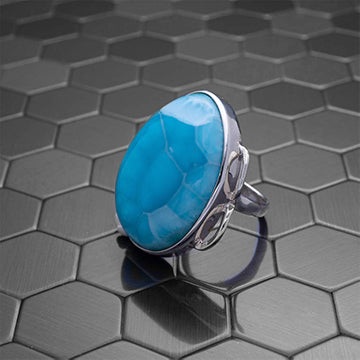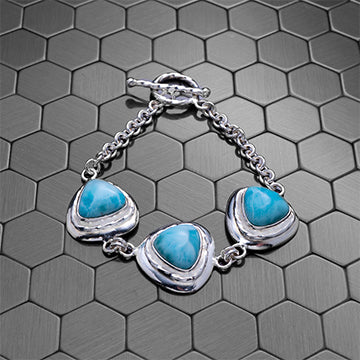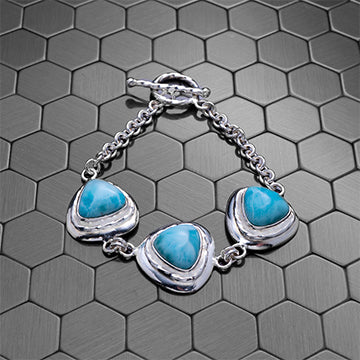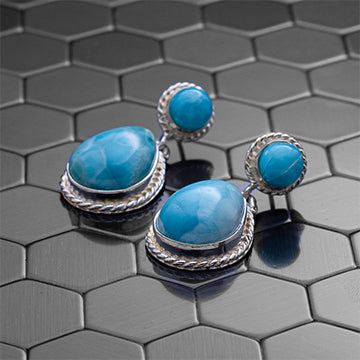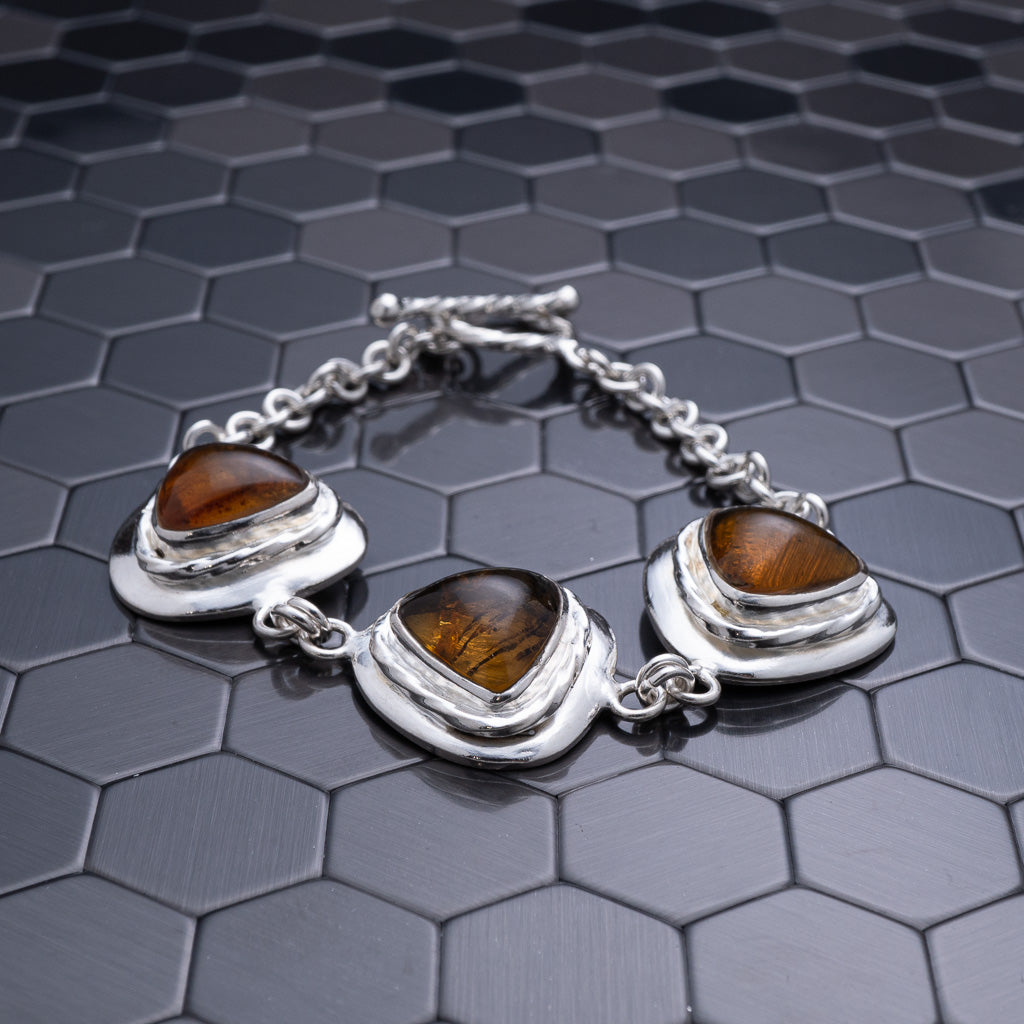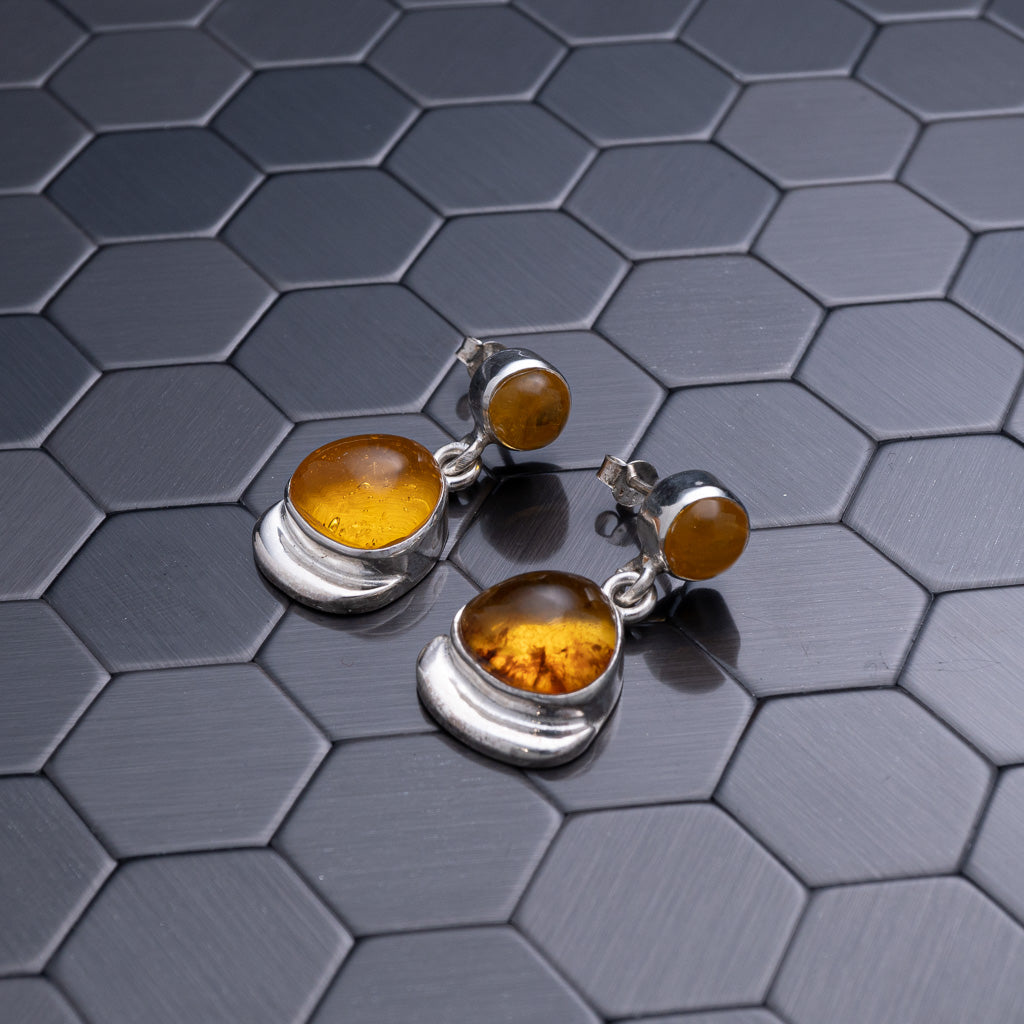


Handcrafted in DR.

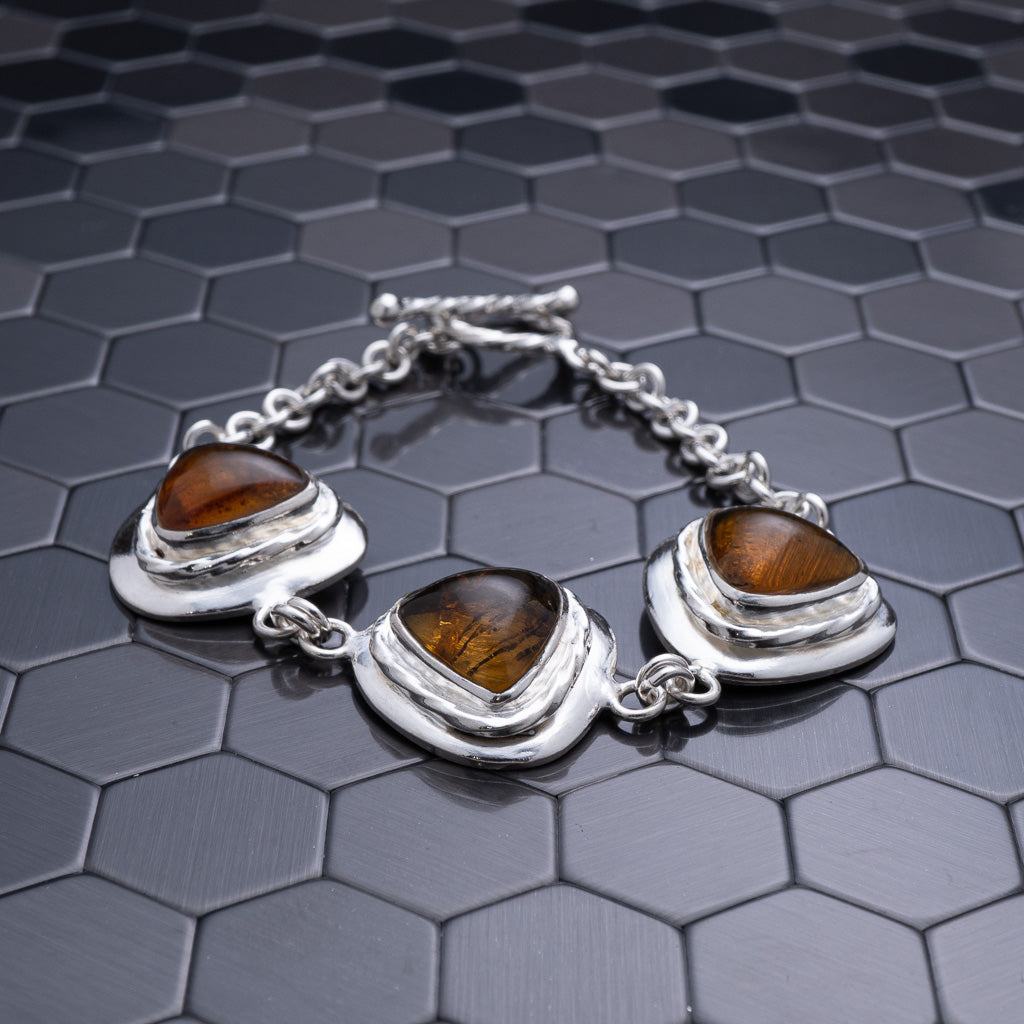
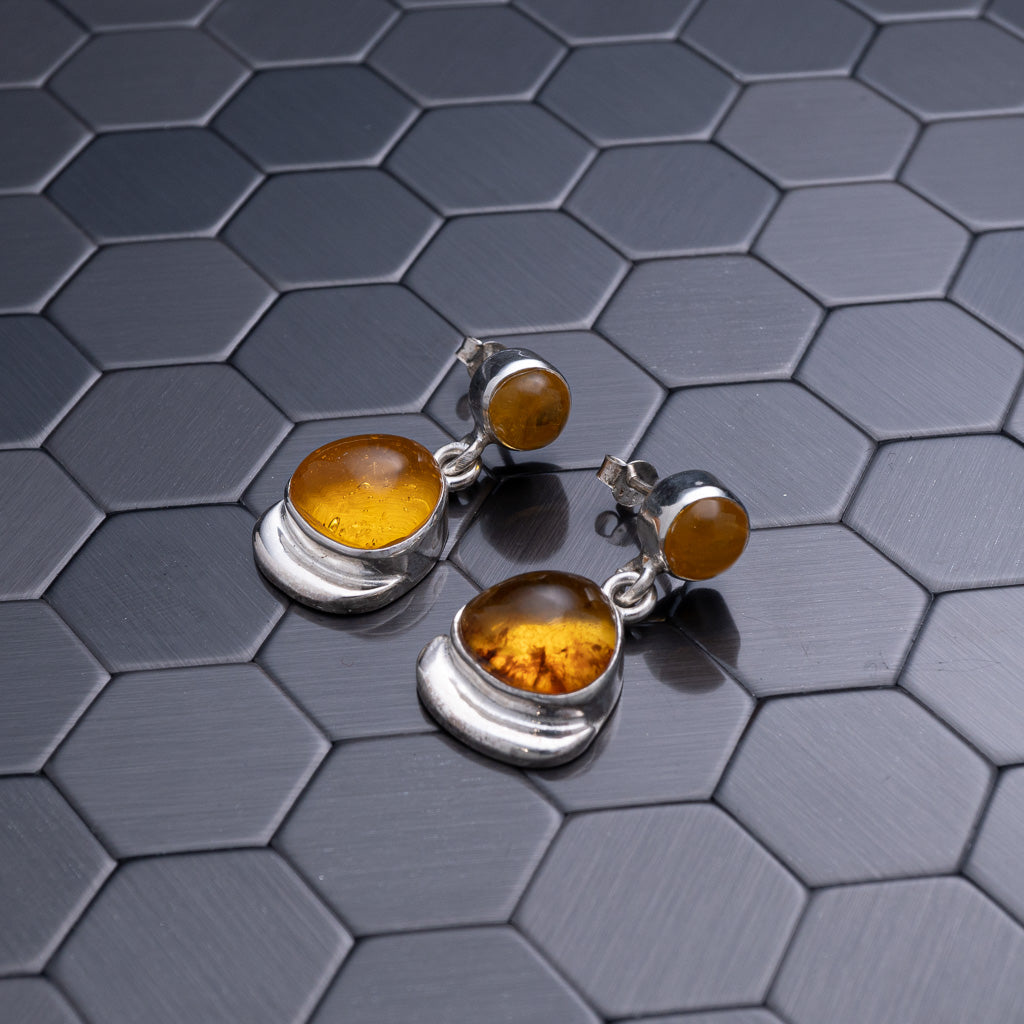


100% Handcrafted in DR.

Selecting the right gemstone for jewelry making transforms a simple design concept into an extraordinary wearable piece of art. Whether you're a professional artisan or an enthusiastic hobbyist, understanding gemstone properties, sourcing considerations, and crafting techniques ensures your creations stand the test of time. This comprehensive guide explores essential factors that influence gemstone selection, from hardness ratings and color stability to ethical sourcing and cutting methods, empowering you to make informed decisions that elevate your jewelry-making craft.
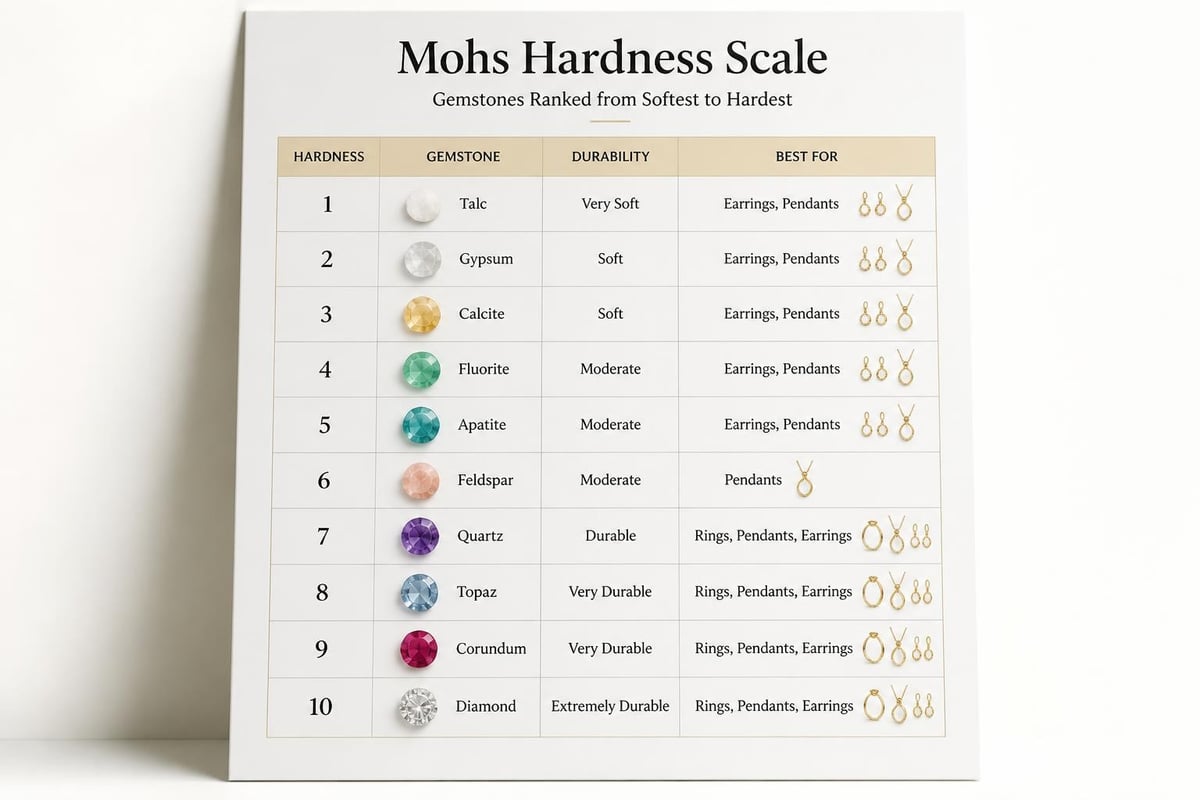
The longevity of any jewelry piece depends heavily on the physical characteristics of the gemstone for jewelry making you select. Hardness ranks as the most critical property, measured on the Mohs scale from 1 to 10, with diamonds rating a perfect 10. For daily-wear jewelry such as rings and bracelets, gemstones rating 7 or higher provide the durability needed to resist scratching and abrasion.
Beyond hardness, toughness measures a stone's resistance to breaking, chipping, or cracking. Jade, for instance, ranks relatively low on the Mohs scale but possesses exceptional toughness due to its interlocking crystal structure. This distinction matters significantly when designing pieces that experience regular impact or pressure.
Color represents one of the most captivating aspects of gemstones, yet not all hues remain stable over time. Some materials fade when exposed to prolonged sunlight, while others change tone with heat exposure. The American Gem Society's gemstone buying guide provides valuable insights into how different treatments affect color permanence and market value.
Common treatments include:
Professional jewelers should always disclose treatments to clients, as transparency builds trust and meets industry standards established by organizations like CIBJO.
The origin of your gemstone for jewelry making influences both quality and ethical considerations. Direct relationships with reputable suppliers ensure authenticity while supporting responsible mining practices. Established gem laboratories provide certification that verifies natural origin, treatment disclosure, and quality grading.
| Verification Factor | What to Check | Why It Matters |
|---|---|---|
| Certifications | Lab reports from GIA, AGS, or SSEF | Confirms authenticity and treatment disclosure |
| Mining practices | Ethical sourcing documentation | Ensures responsible environmental and labor standards |
| Return policy | Clear terms for returns | Protects against misrepresentation |
| Track record | Industry references and reviews | Establishes reliability and reputation |
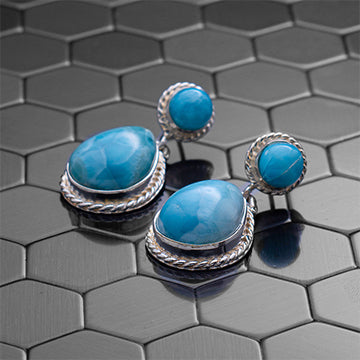
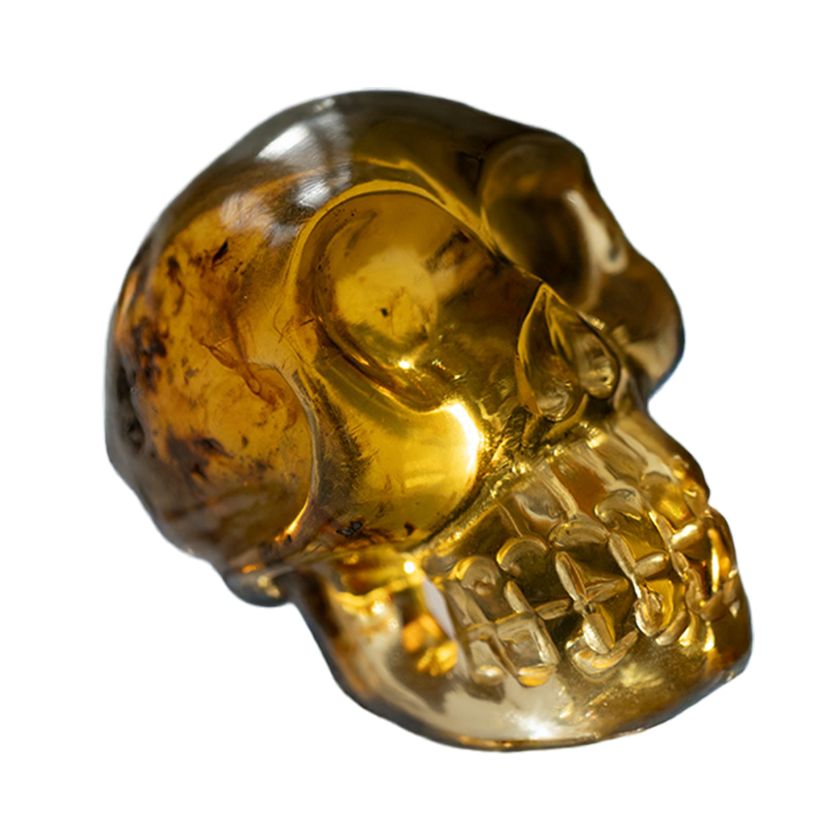
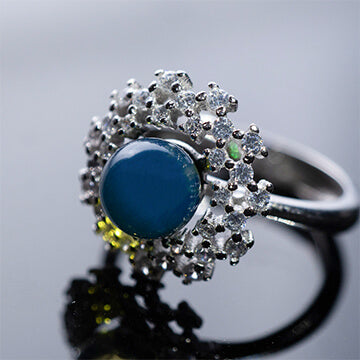
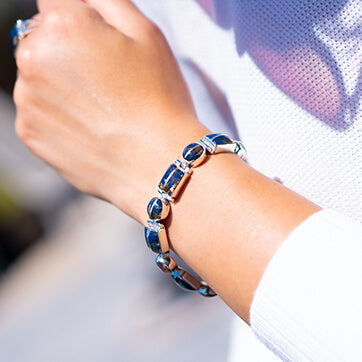
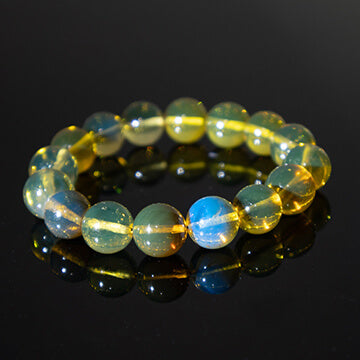
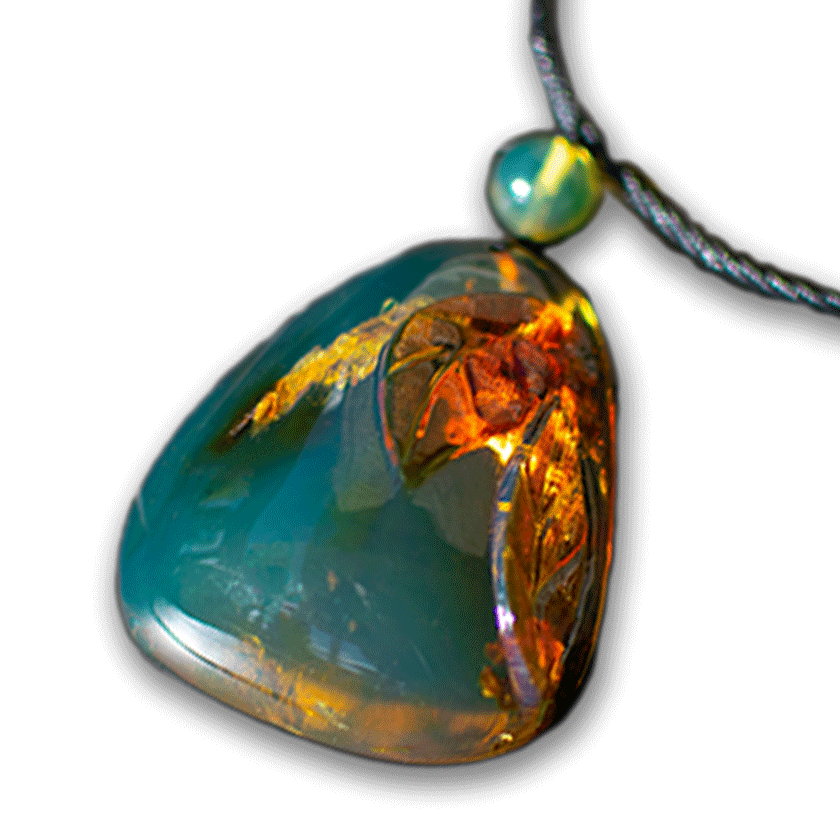
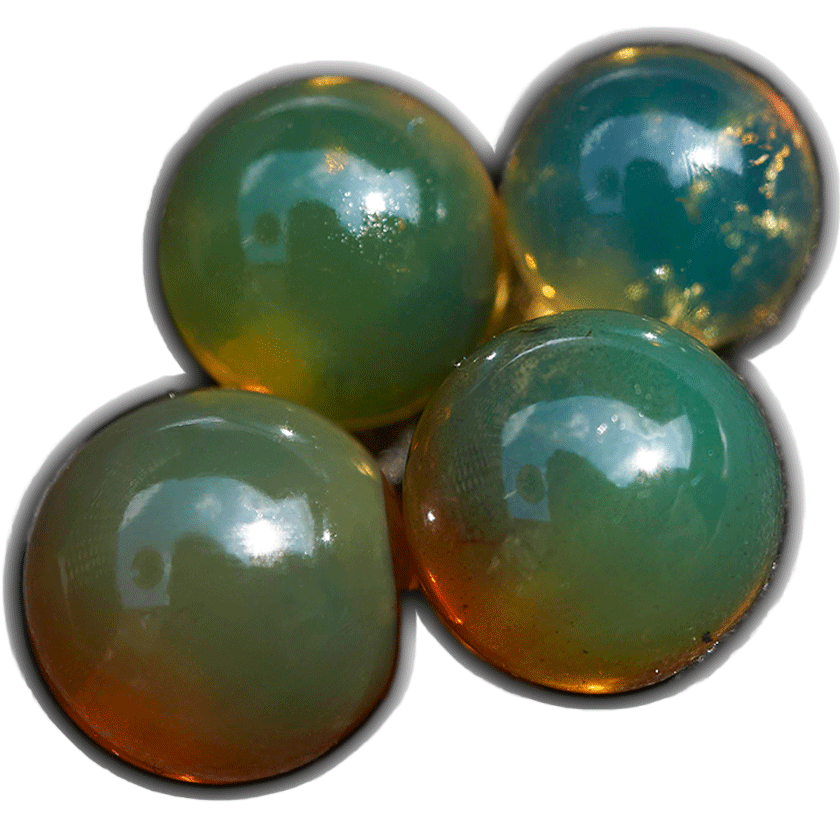
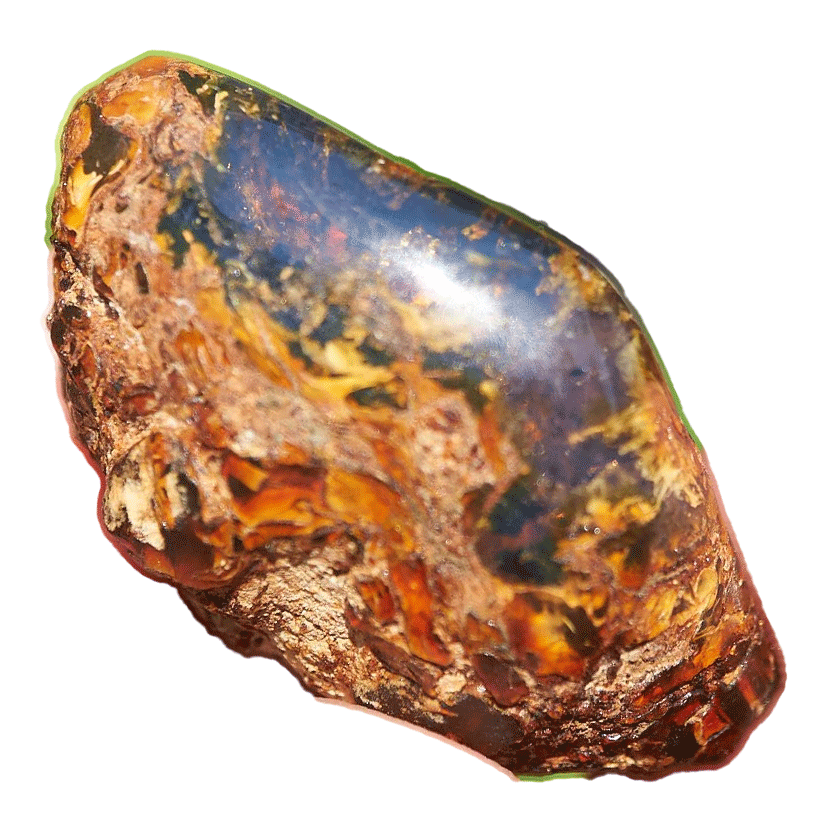
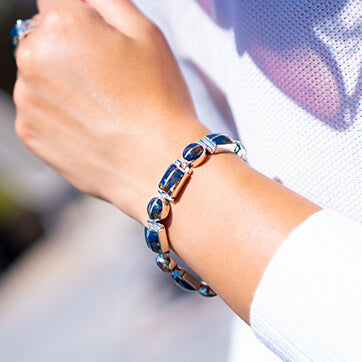
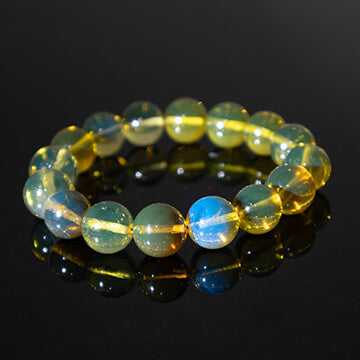
Building relationships with specialized suppliers allows access to rare materials and exclusive selections. For instance, Larimar remains exclusive to the Dominican Republic, making direct connections with Caribbean sources essential for obtaining genuine specimens. Similarly, Dominican Blue Amber's unique fluorescence requires supplier expertise to authenticate properly.
The way a gemstone for jewelry making is cut dramatically affects its final appearance and value. Faceted cuts maximize brilliance through precise angle calculations, while cabochon cuts showcase phenomena like chatoyancy, asterism, or opalescence in stones with special optical properties.
Standard faceted cuts include:
Cabochon styles work exceptionally well for opaque or translucent materials. Stones exhibiting chatoyancy, like tiger's eye, or asterism, like star sapphires, require precise orientation during cutting to center these optical effects perfectly.
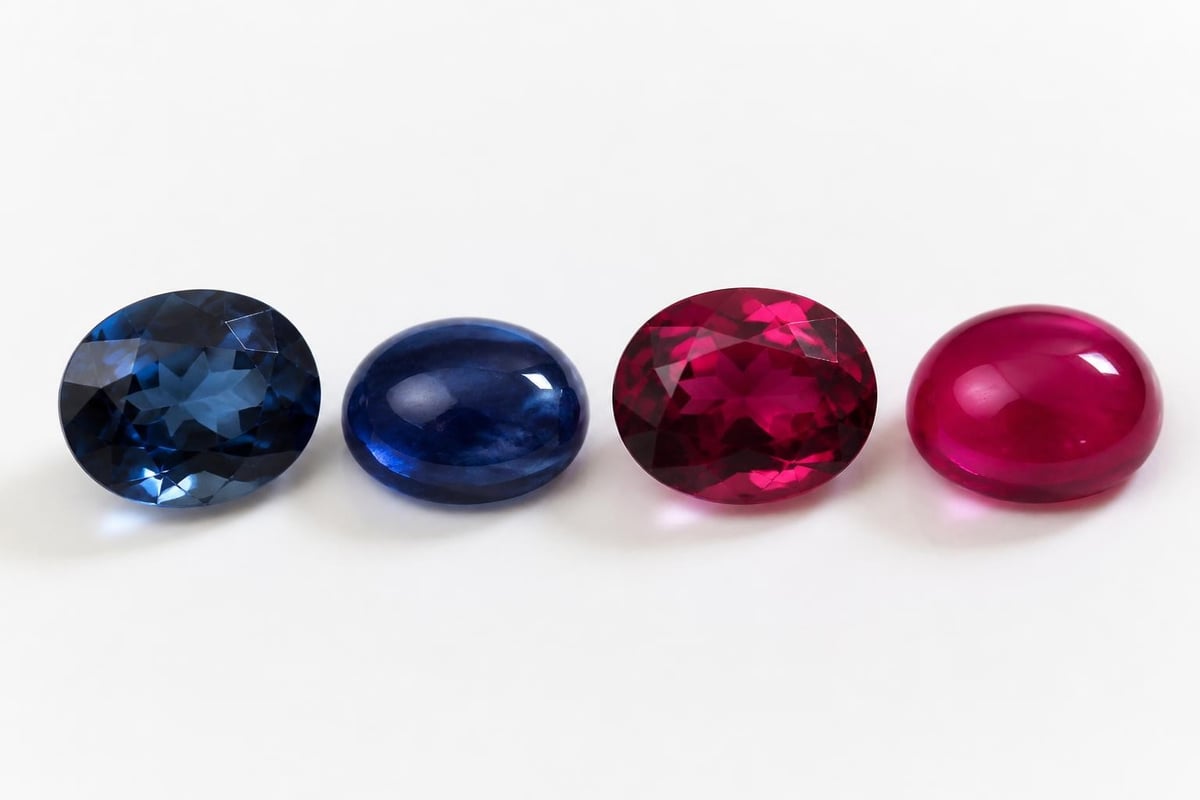
Working with a skilled lapidary opens possibilities for custom shapes that align perfectly with your design vision. Fantasy cuts, carved elements, and calibrated sizes for specific settings allow complete creative control. The Natural History Museum's minerals collection showcases historical examples of exceptional gem cutting that continue to inspire contemporary artisans.
Custom cutting requires clear communication about:
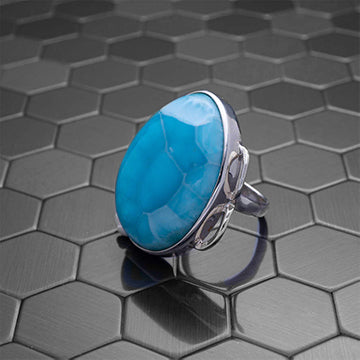
Proper setting methods protect your carefully selected gemstone for jewelry making while showcasing its beauty effectively. Prong settings allow maximum light entry, ideal for faceted transparent stones, while bezel settings provide superior protection for softer materials or pieces subject to daily wear.
Different gemstones require specific setting approaches based on their physical properties and intended use. Delicate stones benefit from protective bezels, while harder materials can showcase dramatic open designs.
Prong Settings work best for:
Bezel Settings excel with:
Channel Settings suit:
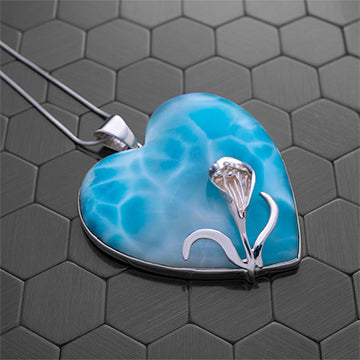
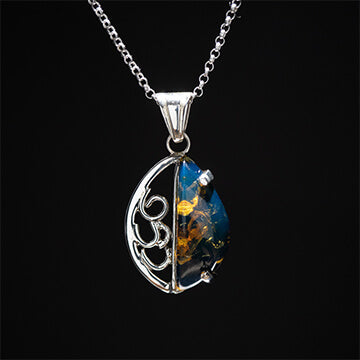
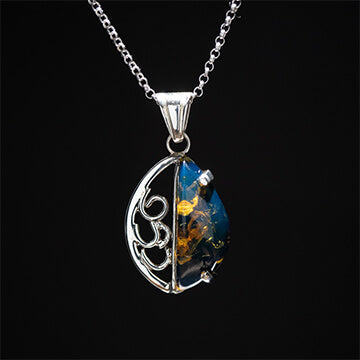
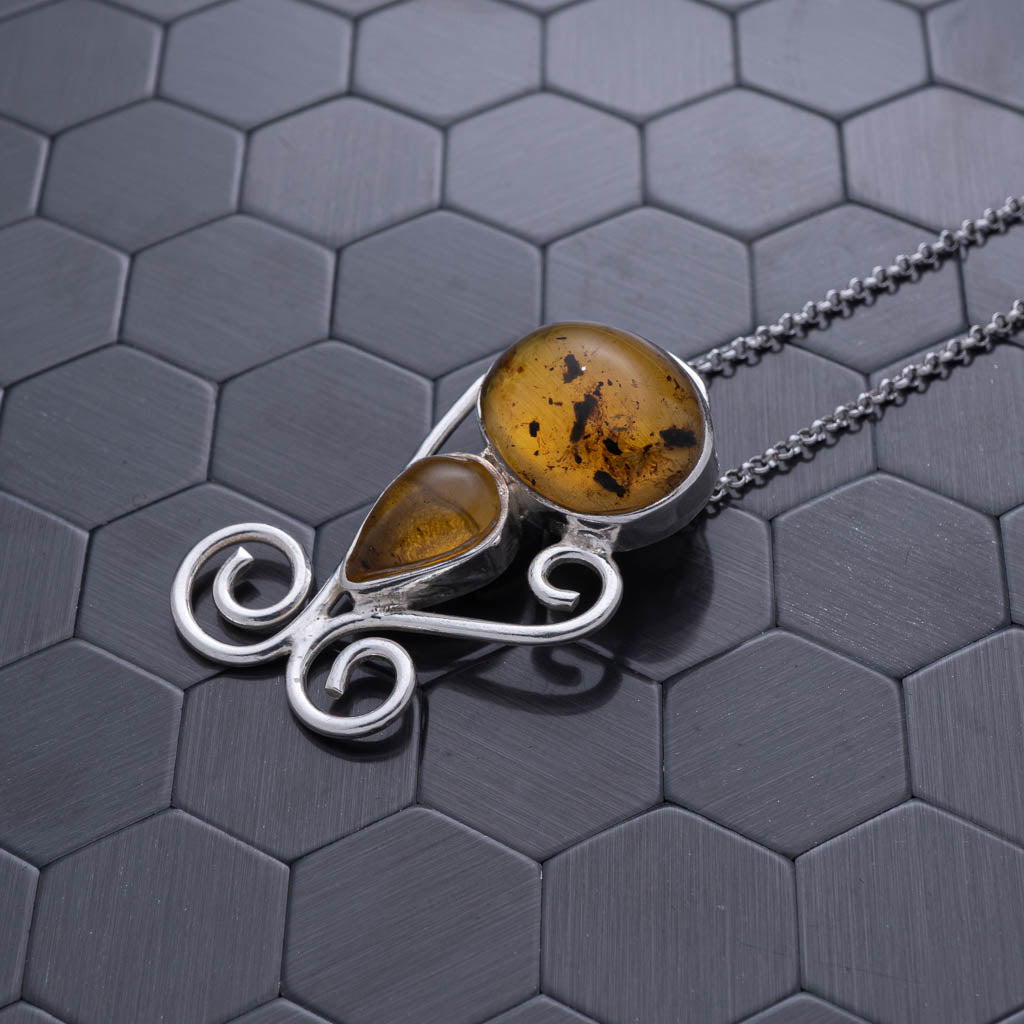
For unique specimens like Larimar pendants, designers often combine bezel security with open-back settings that allow light to illuminate the stone's characteristic blue patterning, creating depth and movement within the piece.
Strategic color selection elevates jewelry designs from attractive to extraordinary. Understanding how gemstones interact visually helps create harmonious combinations or intentional contrasts that capture attention. The color wheel provides fundamental guidance, with complementary colors creating vibrant energy and analogous colors offering sophisticated harmony.
Complementary pairings that create visual impact:
Analogous combinations for subtle elegance:
Color saturation matters equally. Highly saturated gemstones command attention as statement pieces, while pastel tones create delicate, romantic aesthetics. Mixed-saturation designs require careful balance to prevent dominant stones from overwhelming subtler companions.
Professional gemstone evaluation follows the "Four Cs" framework adapted from diamond grading: Color, Clarity, Cut, and Carat weight. However, colored gemstone grading introduces additional complexity, as different species have varying standards and expectations.
| Factor | Evaluation Criteria | Impact on Value |
|---|---|---|
| Color | Hue, tone, saturation balance | 50-70% of value determination |
| Clarity | Inclusion visibility and impact | 10-25% depending on species |
| Cut | Proportions, symmetry, polish | 15-25% of overall value |
| Carat Weight | Size relative to rarity | Variable by availability |
Color dominates value assessment for most colored stones. A vivid, evenly distributed hue in proper tone commands premium pricing regardless of minor clarity characteristics. Conversely, pale or overly dark tones diminish value even in perfectly clean specimens.
Gem-A's gemstone identification guide offers practical methods for evaluating these factors in workshop settings, enabling informed purchasing decisions before committing to expensive materials.
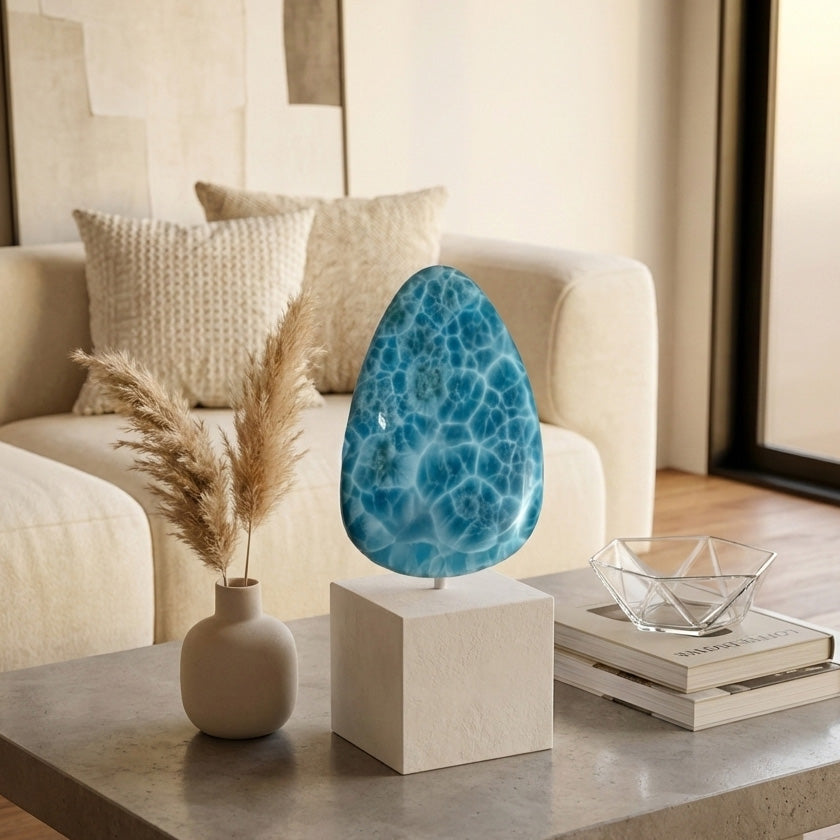
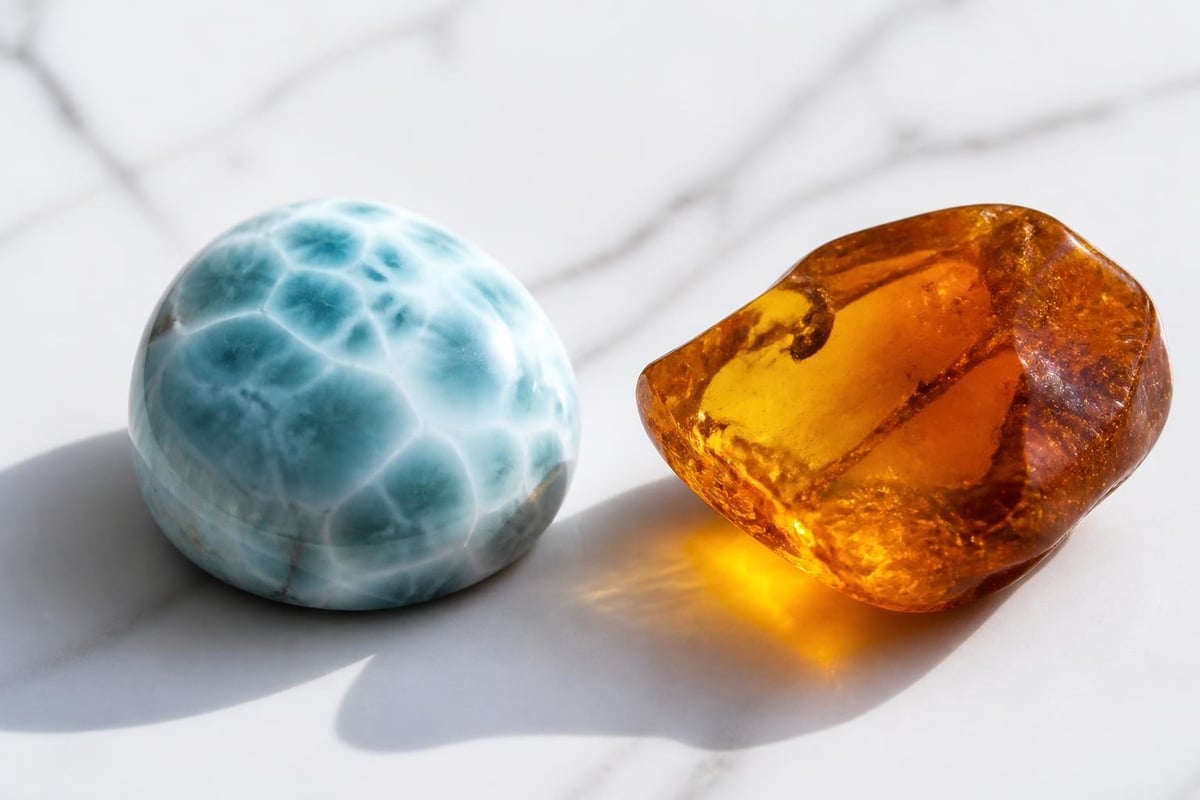
Certain gemstones present unique opportunities and challenges for jewelry makers. Larimar, found exclusively in the Dominican Republic, displays distinctive blue and white patterning that resembles Caribbean waters. Its relative softness (hardness 4.5-5) requires protective settings and careful handling during fabrication.
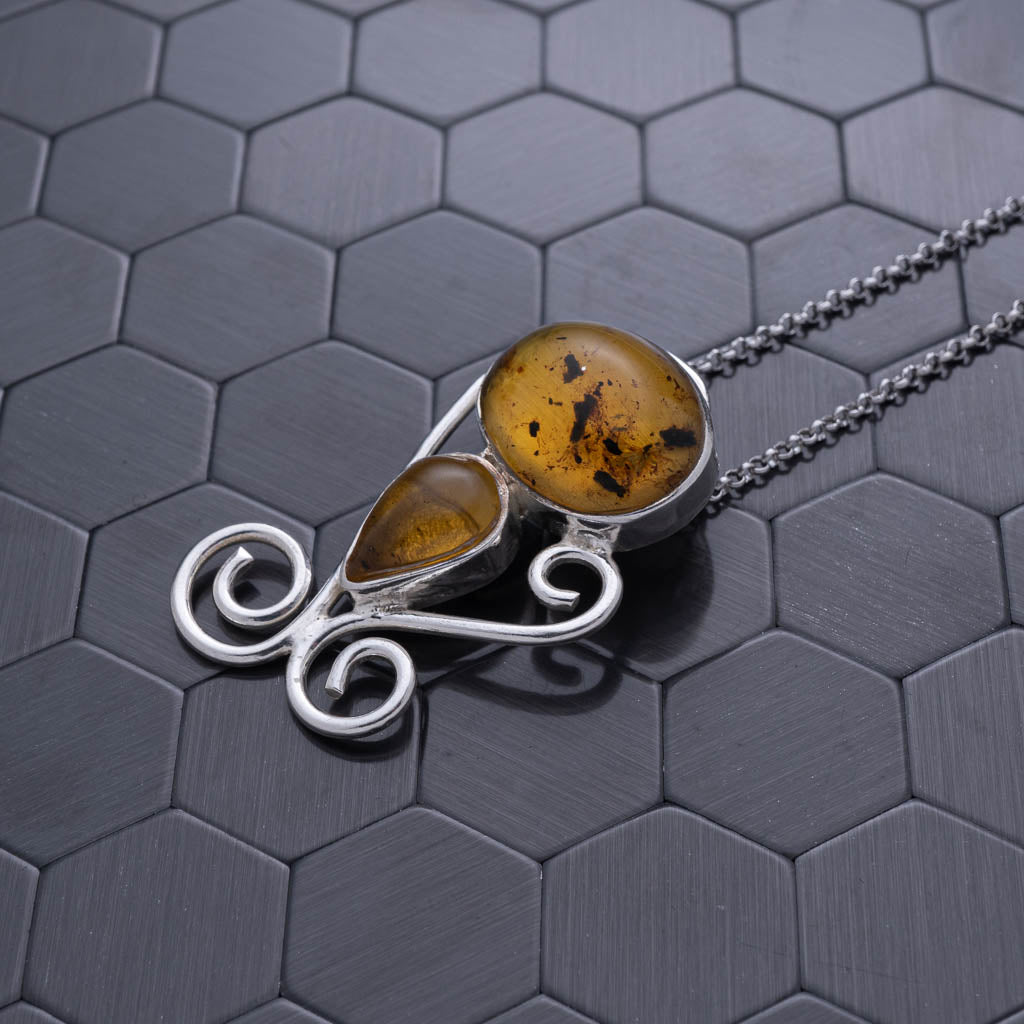
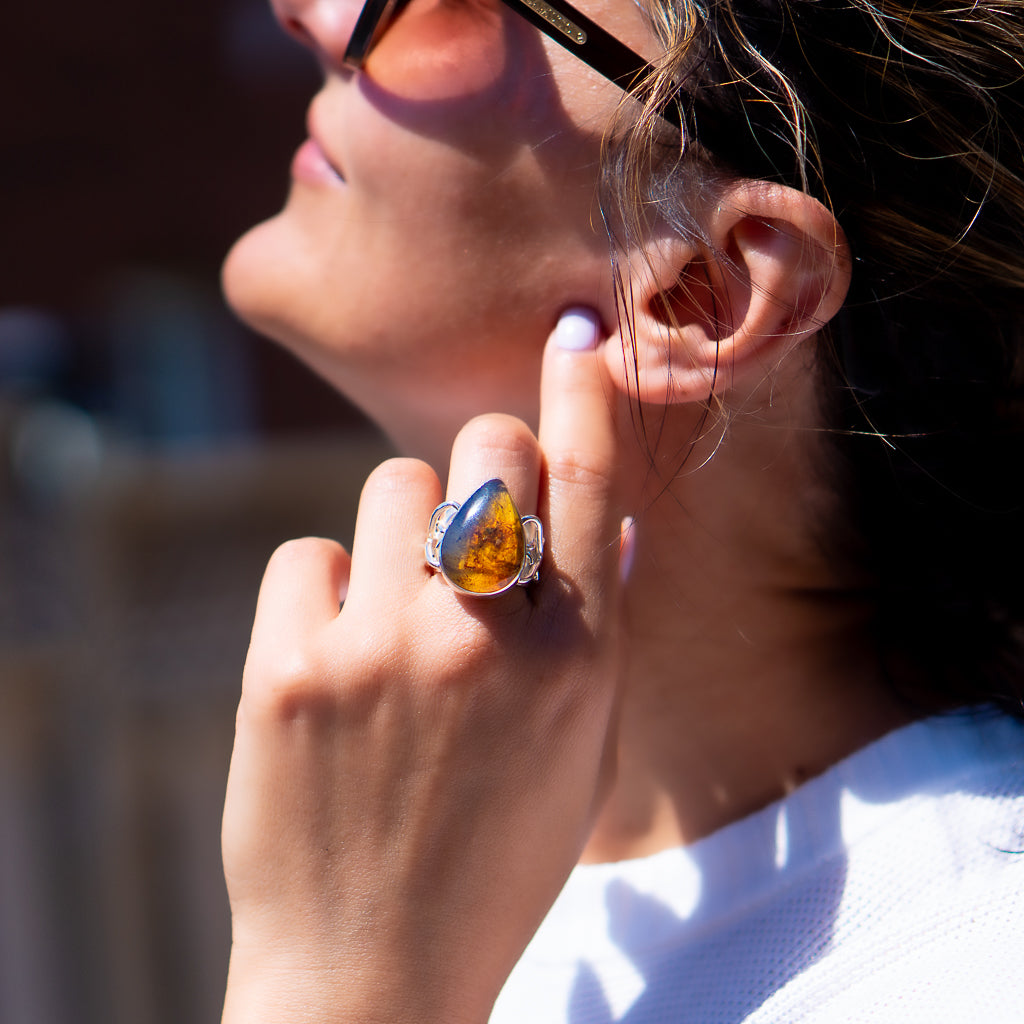
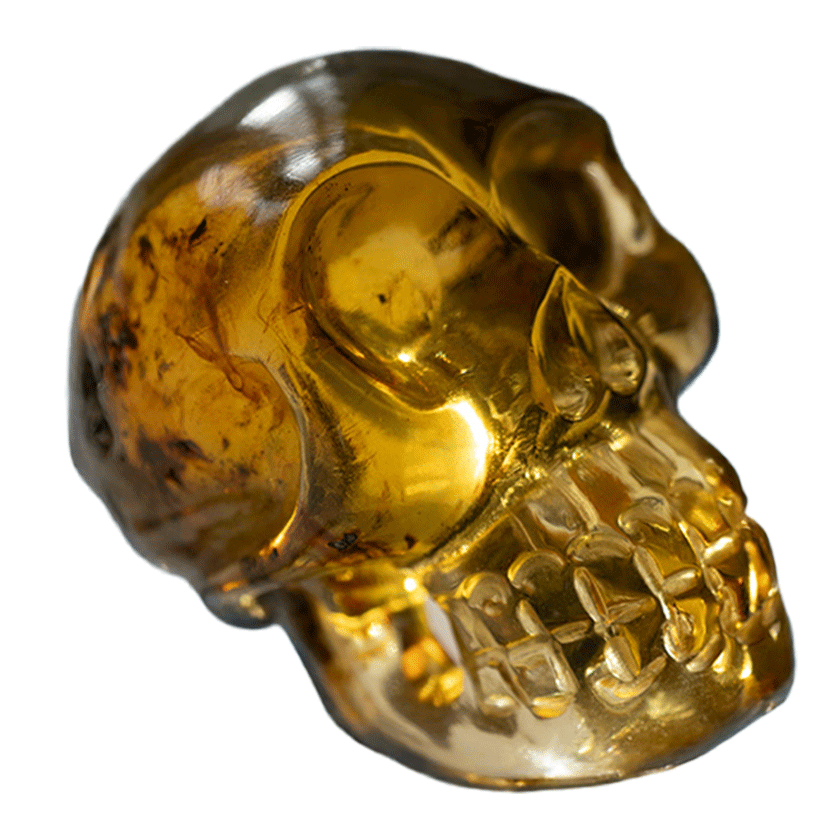
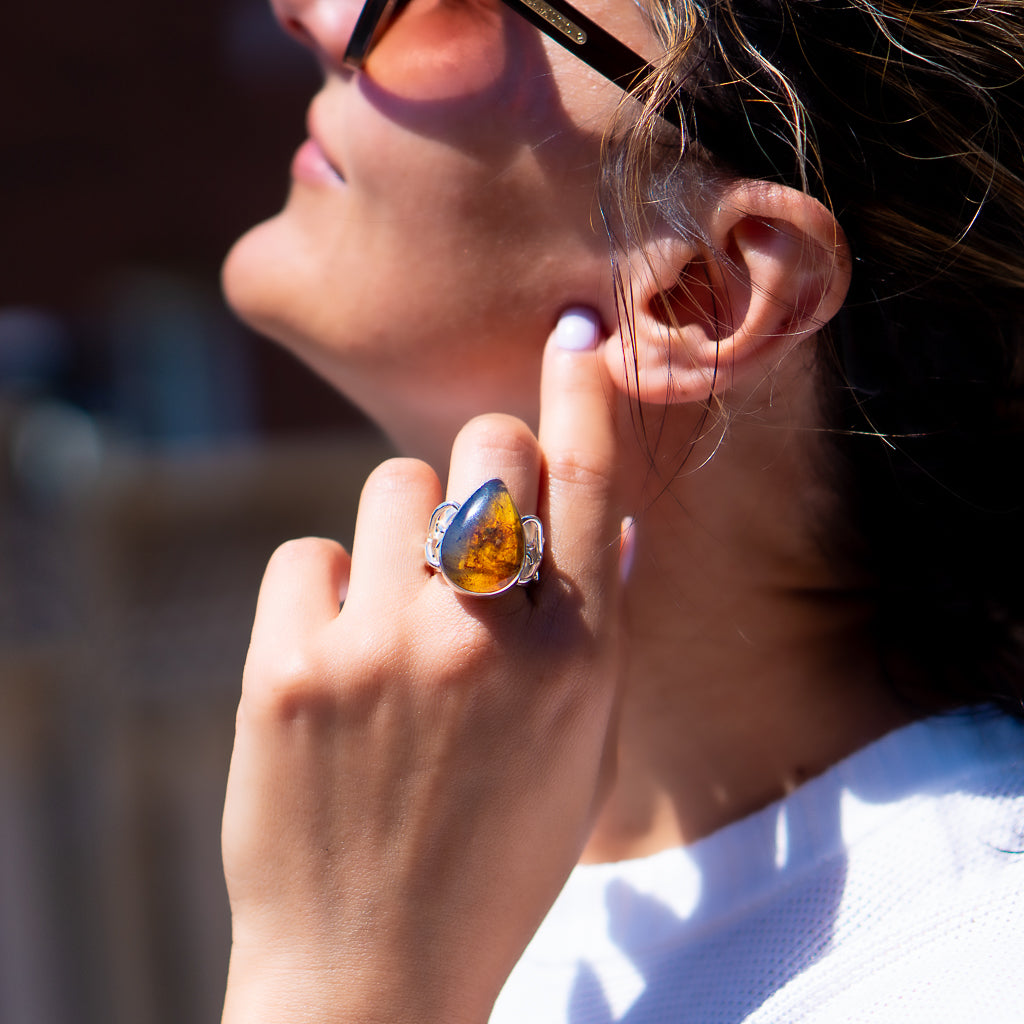
Amber, particularly the rare Dominican Blue Amber, represents fossilized tree resin rather than crystalline mineral material. This organic origin means amber requires different care than traditional gemstones. It remains sensitive to heat, harsh chemicals, and prolonged UV exposure. For those interested in exploring amber jewelry designs, understanding amber's unique properties proves essential for long-lasting pieces.
Specialty gemstones often demand modified techniques:
Testing unfamiliar materials on small samples before committing full pieces to potentially damaging processes protects both time investment and expensive gemstone for jewelry making purchases.
Professional gemstone for jewelry making requires specific equipment beyond standard metalworking tools. Precision measuring instruments ensure accurate stone sizing and setting preparation, while specialized holding devices secure gemstones safely during setting operations without causing damage.
Essential gemstone-specific tools include:
Advanced workshops benefit from gem microscopes that reveal internal characteristics and treatment evidence. The SSEF's research on gemstone testing demonstrates how professional laboratories employ sophisticated analytical methods to identify treatments and origins, though basic field testing suffices for most artisan applications.
Successful gemstone for jewelry making balances technical execution with aesthetic vision. The stone should drive design decisions rather than being forced into predetermined concepts. A gemstone's shape, color distribution, and optical properties suggest complementary metal choices, setting styles, and overall composition.
Step 1: Stone Assessment - Examine the gemstone from all angles, noting color zones, inclusions that might affect setting placement, and optimal viewing orientation.
Step 2: Purpose Definition - Determine the piece's intended use (daily wear, special occasions, investment) to guide durability and setting choices.
Step 3: Metal Selection - Choose metals that enhance rather than compete with the stone's color. Cool-toned gems often pair beautifully with white metals, while warm-hued stones glow against yellow or rose gold.
Step 4: Proportional Balance - Scale the setting and surrounding elements appropriately to the stone's size, avoiding overwhelming small gems or underwhelming larger specimens.
Step 5: Technical Planning - Identify potential fabrication challenges and develop solutions before beginning metalwork.
Sketching multiple variations helps visualize how different approaches affect the final piece. Digital design software allows virtual testing of proportions and configurations without material commitment.
Establishing fair pricing for gemstone jewelry requires accounting for material costs, labor time, skill level, and market positioning. Material expenses include not only the gemstone for jewelry making itself but also precious metals, findings, and consumable supplies used during fabrication.
| Cost Component | Calculation Method | Typical Percentage |
|---|---|---|
| Gemstone | Purchase price + sourcing costs | 25-40% |
| Precious metals | Weight × current spot price + premium | 15-30% |
| Labor | Hours × skilled rate | 30-50% |
| Overhead | Studio costs, tools, utilities | 10-15% |
Professional makers typically multiply total material and labor costs by 2-2.5 for wholesale pricing, then double again for retail. However, rare or exceptionally crafted pieces command premium positioning beyond standard formulas.
Contemporary jewelry buyers increasingly value transparency and authenticity in gemstone sourcing. Providing detailed information about stone origins, treatments, and characteristics builds customer confidence and justifies premium pricing. The trend toward ethical consumption makes responsibly sourced materials significant selling points.
Current design preferences lean toward:
Understanding these preferences helps target designs toward current market demand while maintaining distinctive artistic voice. Successful makers balance trend awareness with signature style development that differentiates their work in competitive markets.
Educating customers about proper care extends the life of jewelry pieces and reduces returns or repair requests. Each gemstone for jewelry making has specific vulnerabilities that owners should understand. Providing care cards with completed pieces demonstrates professionalism and protects your reputation.
Universal care guidelines apply to most gemstones:
Species-specific warnings prevent damage to vulnerable stones. Opals require humidity maintenance, pearls need isolation from acidic materials, and emeralds shouldn't undergo ultrasonic cleaning due to common fracture filling treatments.
Continuous education strengthens both technical skills and design capabilities. Building a comprehensive reference library supports informed material selection and problem-solving during complex projects. Physical sample collections allow direct comparison of color variations, treatment effects, and quality grades within species.
Essential references for serious makers include:
Digital resources complement physical references. Online databases provide updated treatment information, while video tutorials demonstrate advanced techniques. Following industry standards for ethics and sustainability ensures your practices align with professional expectations and legal requirements.
Mastering gemstone for jewelry making combines technical knowledge, artistic vision, and commitment to quality that distinguishes exceptional work from ordinary production. Whether you're drawn to the serene blues of Caribbean Larimar or the rare fluorescence of Dominican Blue Amber, selecting and working with premium materials elevates every creation. Larimar Creations offers exquisitely crafted pieces showcasing these remarkable gemstones, with worldwide shipping bringing the beauty of the Dominican Republic's most treasured materials to discerning collectors everywhere.