
FREE WORLD WIDE SHIPPING
HANDCRAFTED IN THE DOMINICAN REPUBLIC
30% DISCOUNT APPLIED AT CHECKOUT
FREE WORLD WIDE SHIPPING
HANDCRAFTED IN THE DOMINICAN REPUBLIC
30% DISCOUNT APPLIED AT CHECKOUT
FREE WORLD WIDE SHIPPING
HANDCRAFTED IN THE DOMINICAN REPUBLIC
30% DISCOUNT APPLIED AT CHECKOUT
FREE WORLD WIDE SHIPPING
HANDCRAFTED IN THE DOMINICAN REPUBLIC
30% DISCOUNT APPLIED AT CHECKOUT
FREE WORLD WIDE SHIPPING
HANDCRAFTED IN THE DOMINICAN REPUBLIC
30% DISCOUNT APPLIED AT CHECKOUT
FREE WORLD WIDE SHIPPING
HANDCRAFTED IN THE DOMINICAN REPUBLIC
30% DISCOUNT APPLIED AT CHECKOUT
100% Handcrafted in DR.
by Admin September 14, 2026 5 min read
Amber does not respond to care like a diamond, sapphire, or even a typical quartz bead. It is a warm, ancient organic gem, formed from fossilized tree resin, and its softness is part of its character. Learning how to polish amber beads begins with one essential principle: restore their glow gently, never by trying to force a high shine with harsh products or aggressive friction.
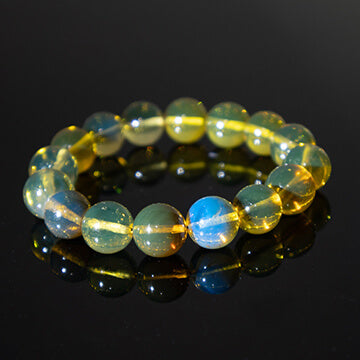
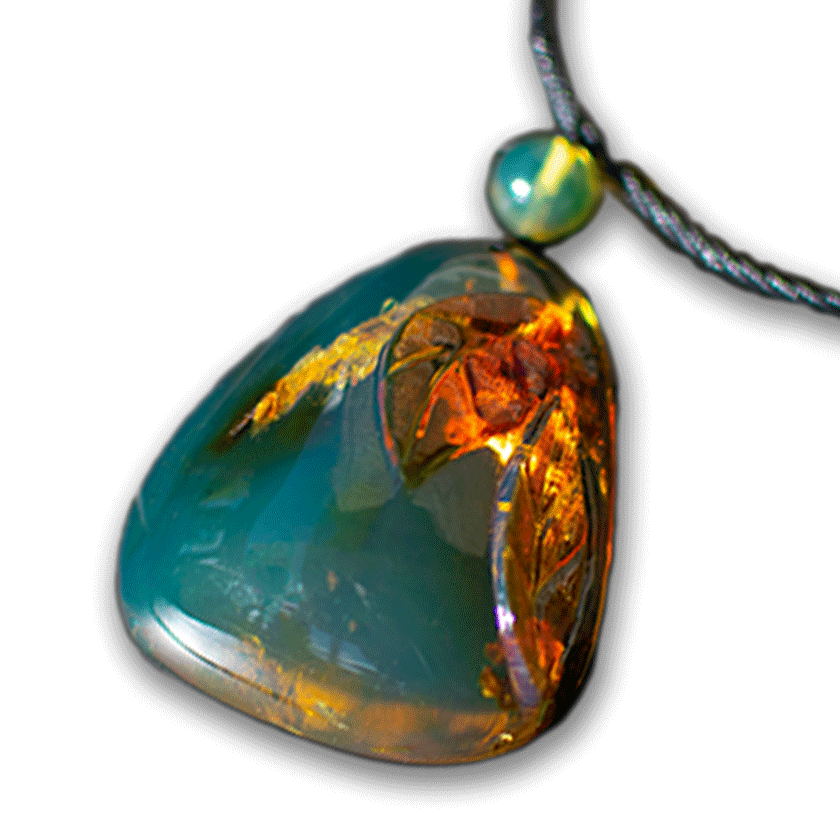
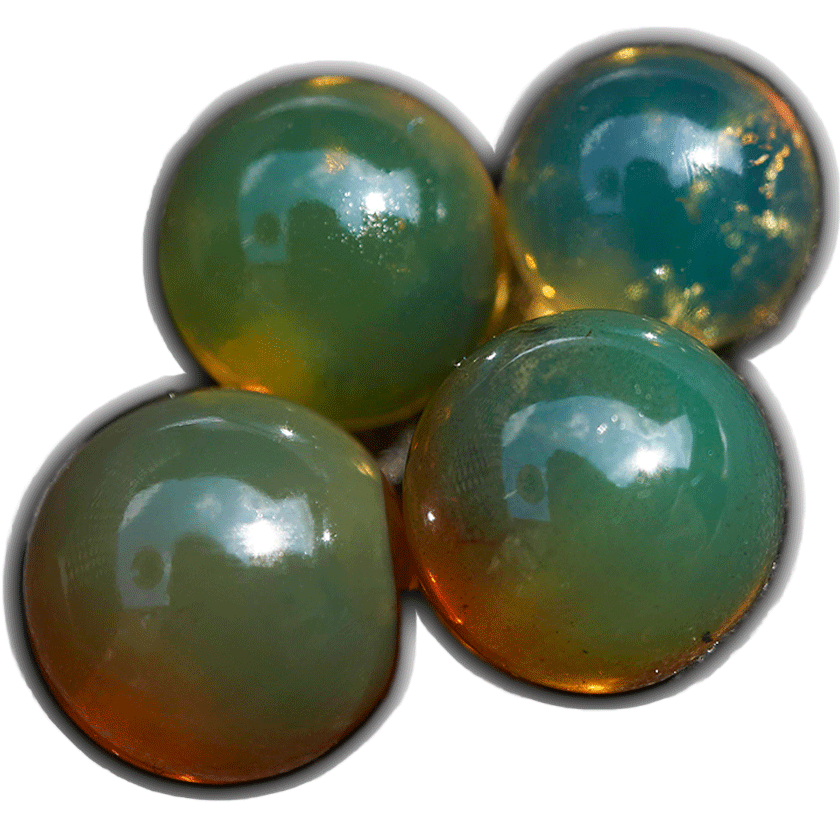
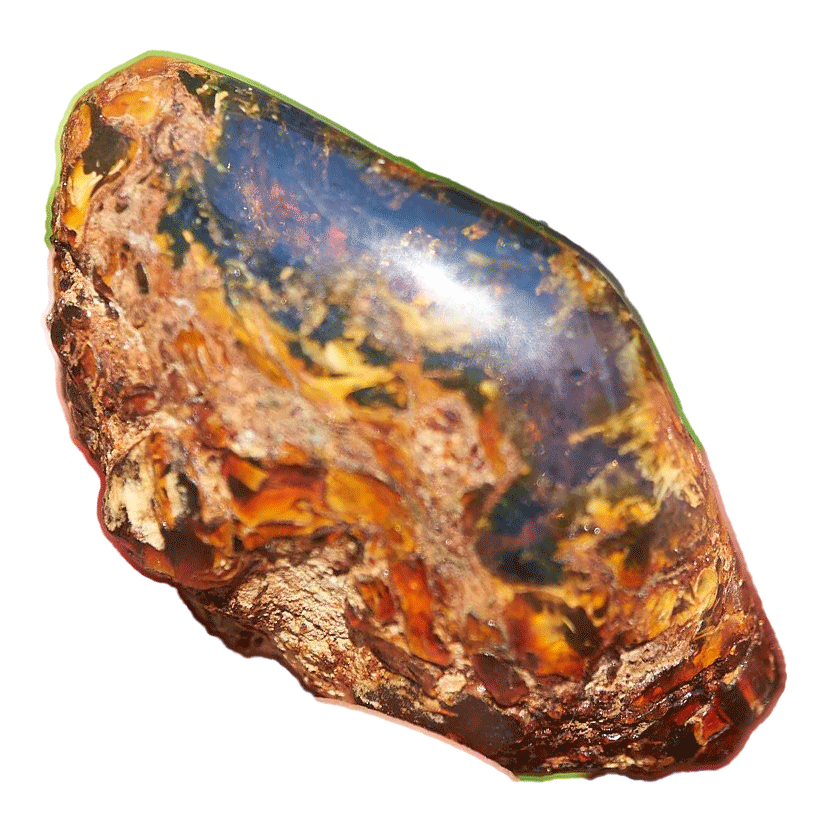
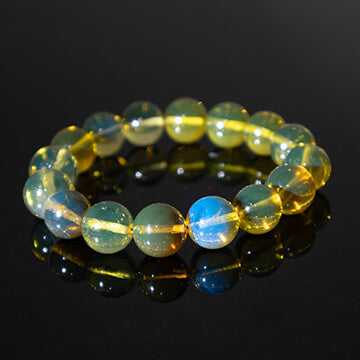
A properly cared-for amber bead has a quiet, luminous finish that seems to hold light beneath its surface. Dominican amber, especially the prized blue varieties, deserves an even more considered touch. Its color, clarity, and natural inclusions are part of its story - a piece of the Caribbean preserved across millions of years.
Not every dull-looking bead needs polishing. A light film from skin oils, hand lotion, or dust often makes amber appear cloudy, yet the surface itself may be perfectly healthy. In that case, careful cleaning is enough. A scratched, hazy, or worn bead is different, and it may need professional refinishing rather than a quick at-home remedy.
Amber ranks only about 2 to 2.5 on the Mohs hardness scale. That means it can scratch from contact with harder jewelry, abrasive cloths, countertop dust, or even improper storage. Its surface can also react poorly to heat, chemicals, and certain solvents. A method that works beautifully on gold hardware or crystal beads can permanently mark amber.
Examine the beads first in indirect natural light. Look for surface dust, fingerprints, residue, shallow scratches, cracks, or loose thread near the bead holes. If the beads are strung on silk, elastic, cord, or wire, consider the condition of the entire piece. Moisture and movement that are harmless to a loose bead may weaken an older strand.
For most amber beads, this is the safest and most effective approach. Place a clean, soft microfiber cloth or untreated cotton flannel on a stable surface. Hold each bead gently and buff in small circular motions using very light pressure. Let the cloth do the work rather than pressing hard against the gem.
This simple polishing motion removes fingerprints and refreshes the surface without removing material. It is particularly suitable for finished amber jewelry, smooth tasbih beads, and collectible beads with a natural polish. Take your time around drilled holes, carved details, and edges, where amber can be more vulnerable to wear.
If the cloth picks up visible residue or the beads still look muted, lightly dampen a second soft cloth with clean lukewarm water. Wring it out thoroughly before touching the amber. Wipe one bead at a time, then immediately dry it with a separate cloth. The goal is a barely damp wipe, never soaking.
For a necklace or bracelet, keep the thread and knots as dry as possible. Do not immerse strung amber beads in water. Extended moisture can affect the stringing material and leave water where it does not belong, particularly in pieces with intricate settings or bead caps.
You may see advice recommending olive oil, cooking oil, furniture polish, toothpaste, or wax to make amber glossy. These shortcuts are not a refined solution for valuable amber. Oil can temporarily deepen the appearance of color, but it may also collect dust, leave an uneven film, and make future cleaning more difficult. Toothpaste and household polishes often contain abrasives that can haze a soft amber surface.
A clean, dry cloth is the preferred first choice. If a trusted jewelry professional recommends a product specifically made for amber, use it only as directed and test it on an inconspicuous area first. Authentic amber does not need to look artificially slick to be beautiful.
Fine scratches, deeper scuffs, and a widespread matte finish can sometimes be corrected, but this is where patience protects value. Polishing amber removes a minute layer of material. On a valuable Dominican blue amber bead, over-polishing can soften a crisp carving, alter a pleasing organic shape, enlarge the appearance of a drill hole, or reduce the collectible appeal of an original finish.
For a single loose bead with light surface wear, an experienced lapidary or jeweler familiar with amber can refinish it using controlled, very fine abrasives and cool polishing techniques. Heat must be carefully managed because amber can soften, craze, or become damaged under excessive friction. This is not the same process used for hard gemstones.
Professional care is the wisest choice when beads are rare, deeply included, antique, heavily carved, or part of a matched set. It is also advisable if you see cracks, internal fractures, flaking, or an unusual pale film that does not lift with a gentle cloth. Those signs may call for preservation, not more polishing.
Amber’s natural origin makes it sensitive to products that many people keep at home. Avoid ultrasonic cleaners and steam cleaners entirely. Their vibration, heat, and pressure can damage both the amber and the construction of a beaded piece.
Keep amber away from alcohol-based cleaners, acetone, nail polish remover, perfume, hairspray, sunscreen, and harsh detergents. Apply personal-care products before putting on your jewelry, then allow them to dry completely. Remove amber beads before swimming, showering, exercising, or doing household cleaning.
Do not use paper towels, rough polishing cloths, stiff brushes, baking soda, or metal-cleaning compounds. Even if a product seems gentle, it may be intended for materials far harder than amber. Gold or sterling silver components may require their own care, but protect the beads from any cleaner used on metal.
The best way to polish amber less often is to prevent surface buildup and abrasion in the first place. After wearing your jewelry, give it a quick wipe with a clean, dry microfiber cloth before putting it away. This removes skin oils and keeps its warm glow visible without repeated treatment.
Store amber separately from diamonds, sapphires, quartz, metal chains, and other hard jewelry. A soft pouch or fabric-lined compartment offers better protection than a crowded jewelry box. Avoid leaving beads on a sunny windowsill, in a hot car, or close to a radiator. Long exposure to heat and direct sunlight can alter the appearance of amber over time.
For Dominican blue amber, thoughtful storage is especially worthwhile. Its celebrated blue fluorescence and changing tones are part of what make the material so rare. Keep it clean, cool, and protected so its natural optical character remains the focus.
Beaded jewelry experiences movement every time it is worn. Check strands periodically for stretched cord, loose knots, worn elastic, or sharp metal findings. A bead that rubs against a damaged spacer or exposed wire can develop a localized scratch that polishing alone cannot truly solve.
If a strand needs restringing, choose a jeweler or artisan who understands the value of bead order, matching, and hole condition. For collectors, preserving the original sequence of color, clarity, and inclusions can matter as much as preserving the shine.
Amber rewards a lighter hand than most gemstones. A few moments with a soft cloth, careful storage, and respect for its ancient nature will keep each bead luminous without asking it to become something it is not. Wear a piece of the Caribbean often, but let its natural warmth - not an artificial coating - be what catches the light.
Sign up to get the latest on sales, new releases and more …
5 min read
8 min read
6 min read