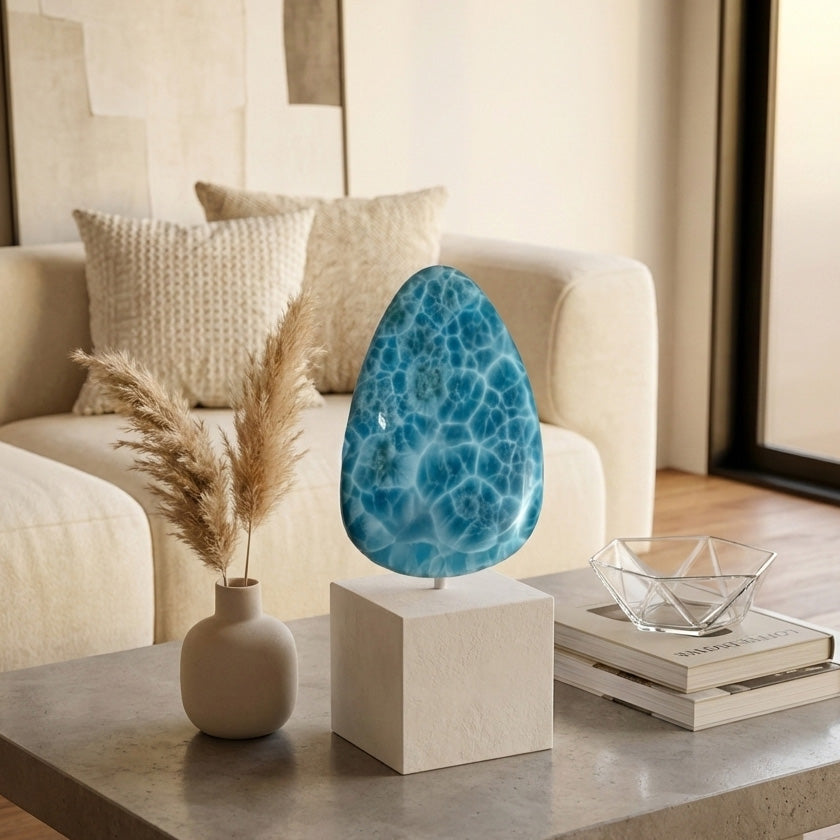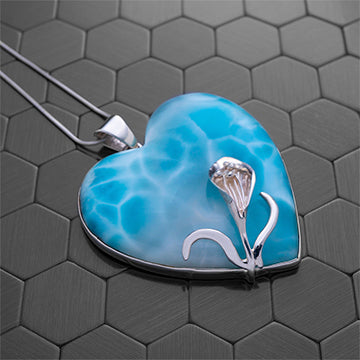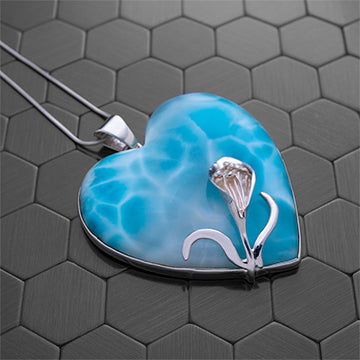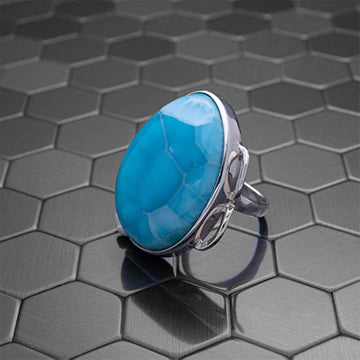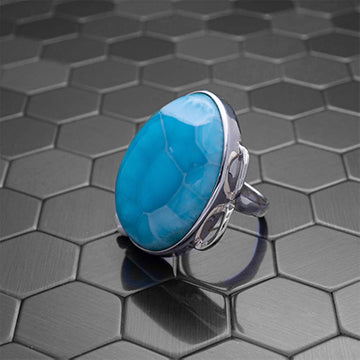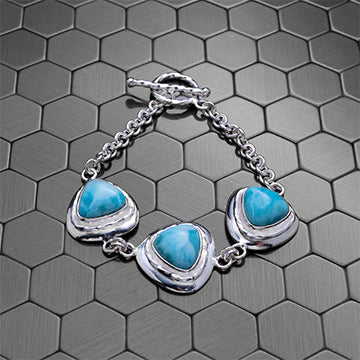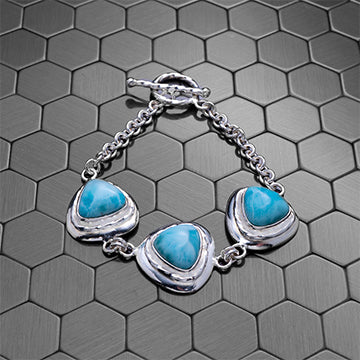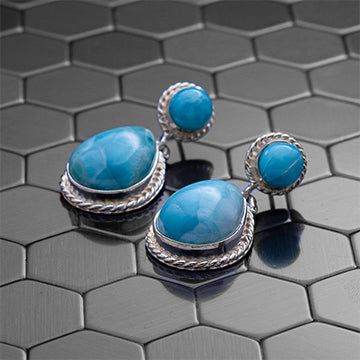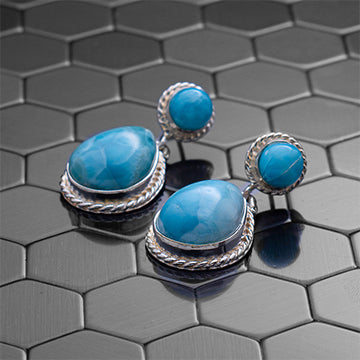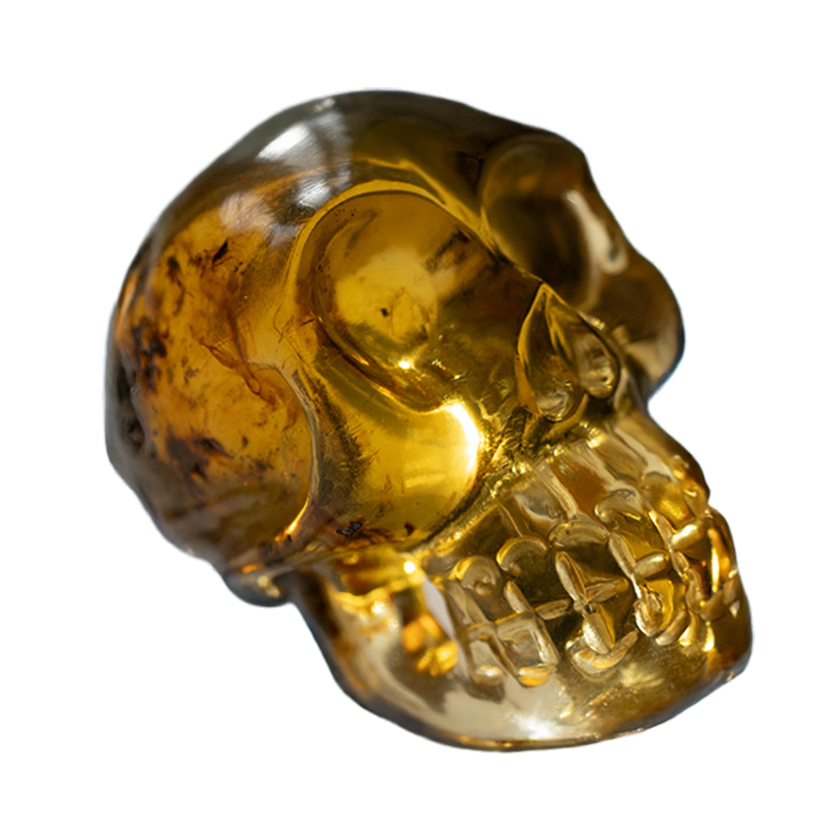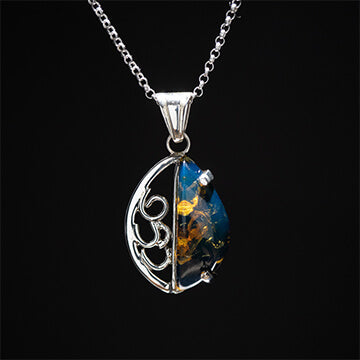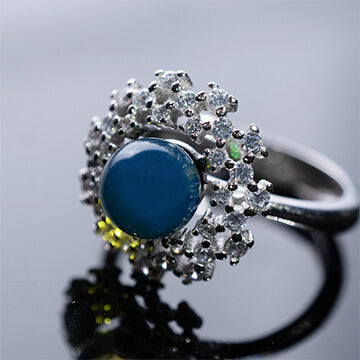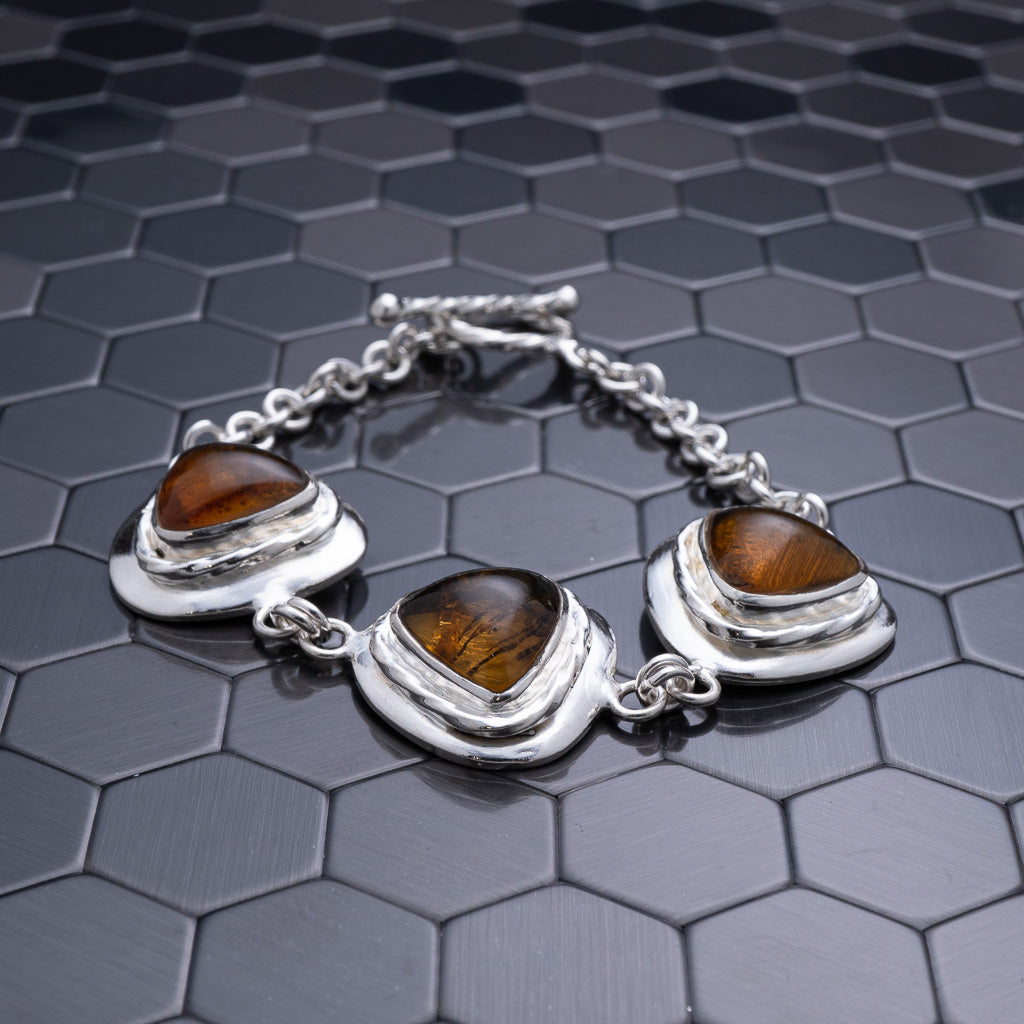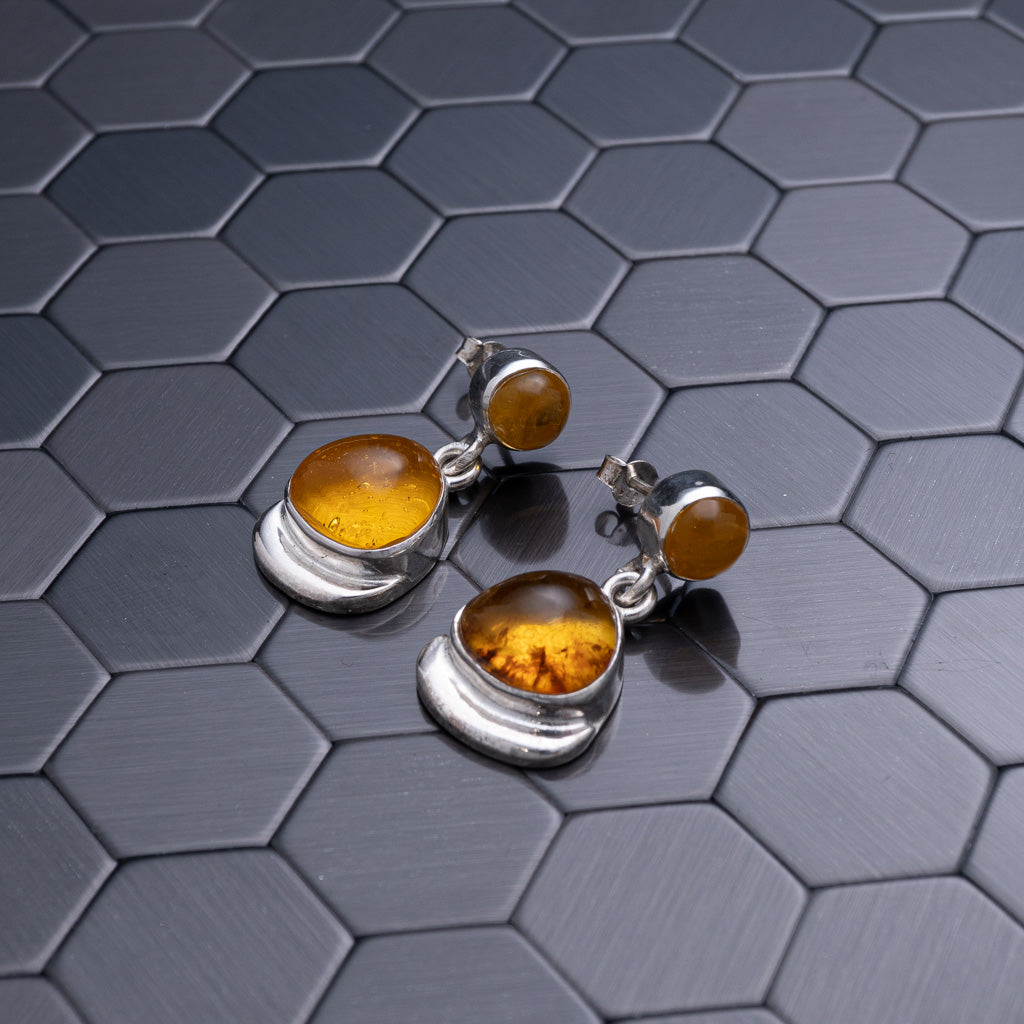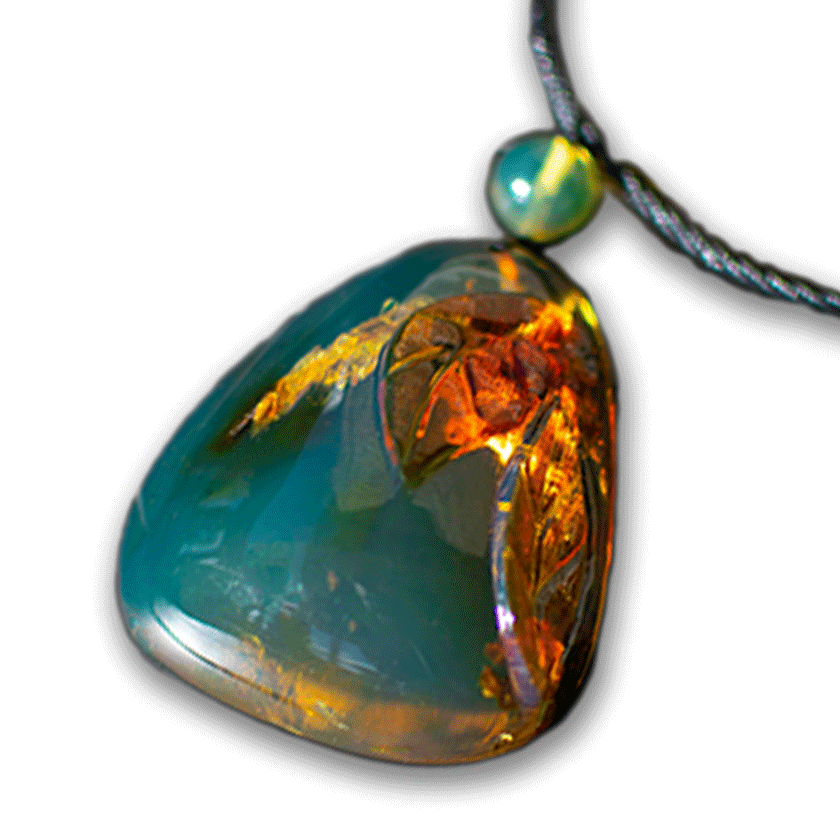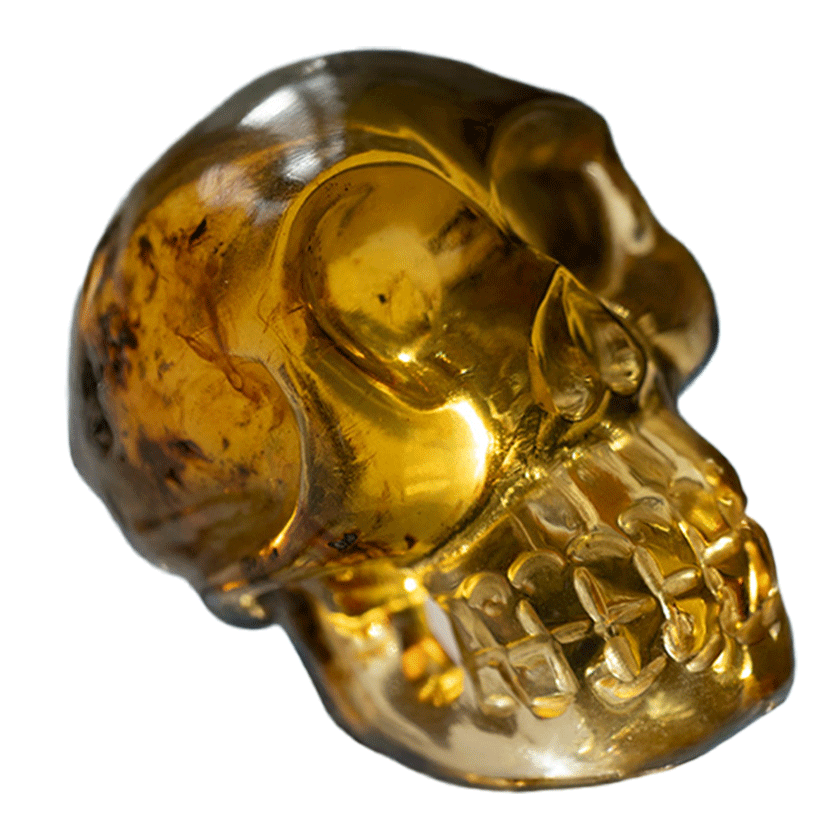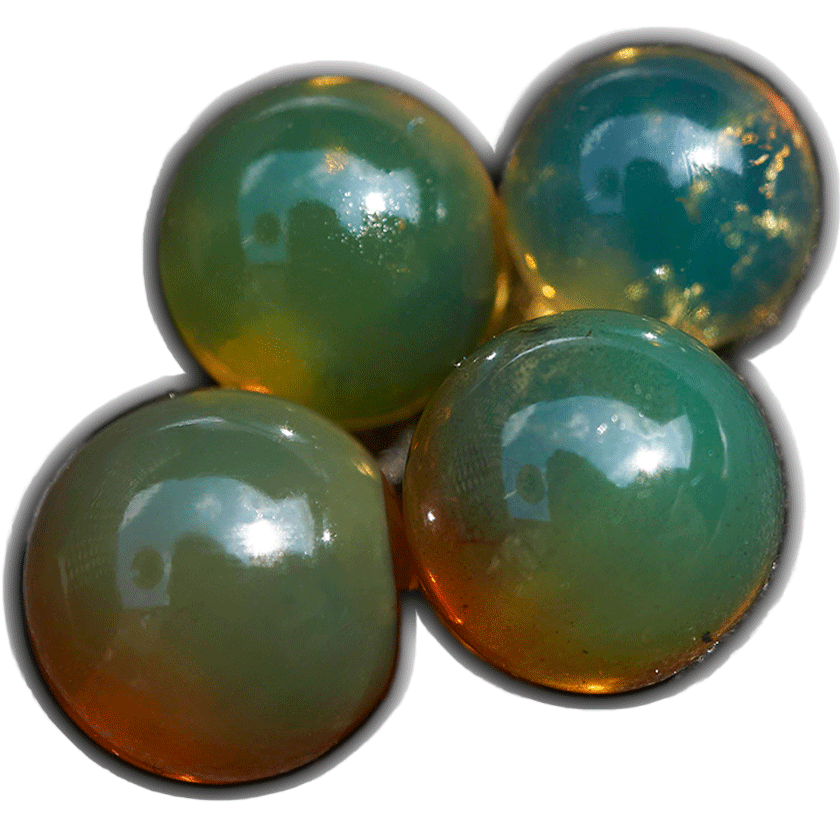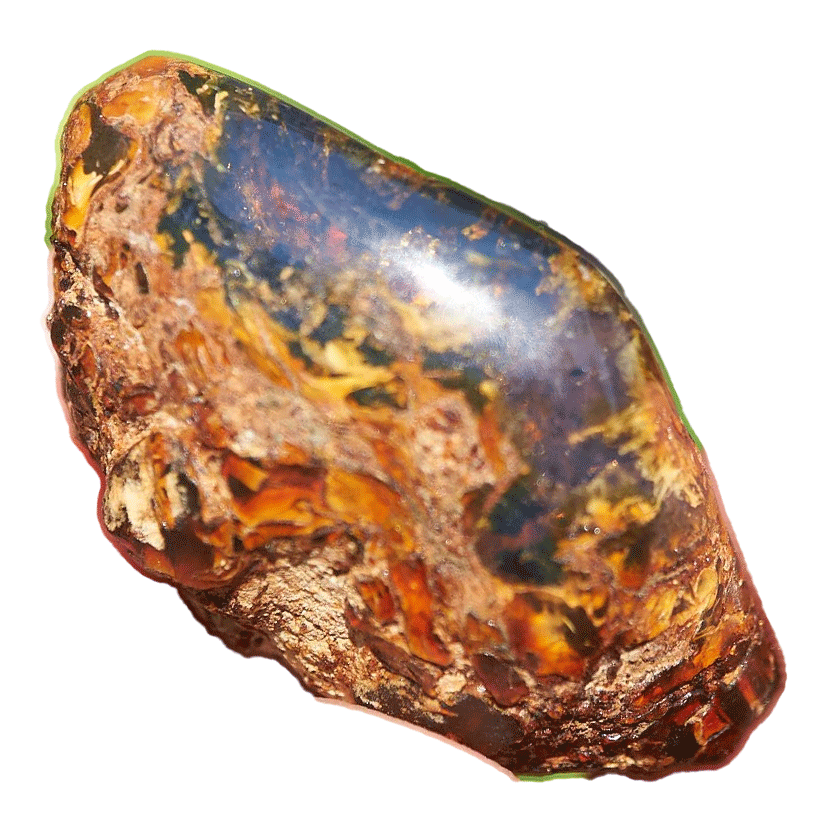


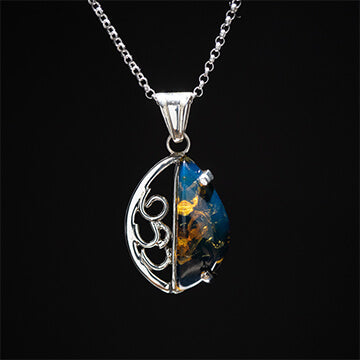
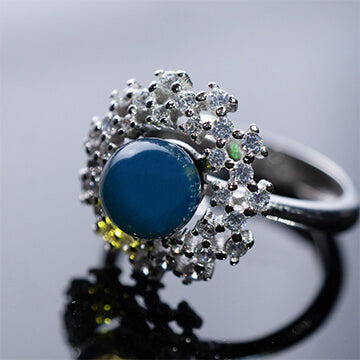
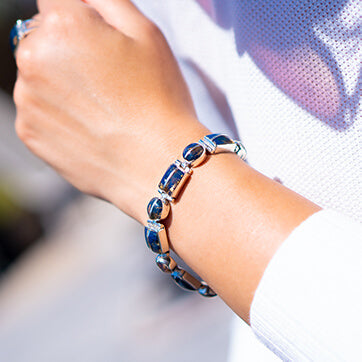
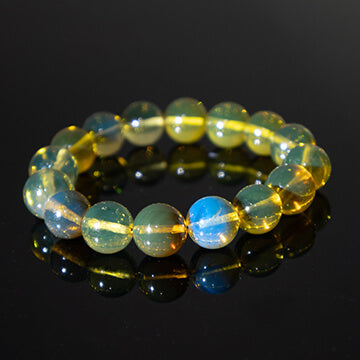
Handcrafted in DR.

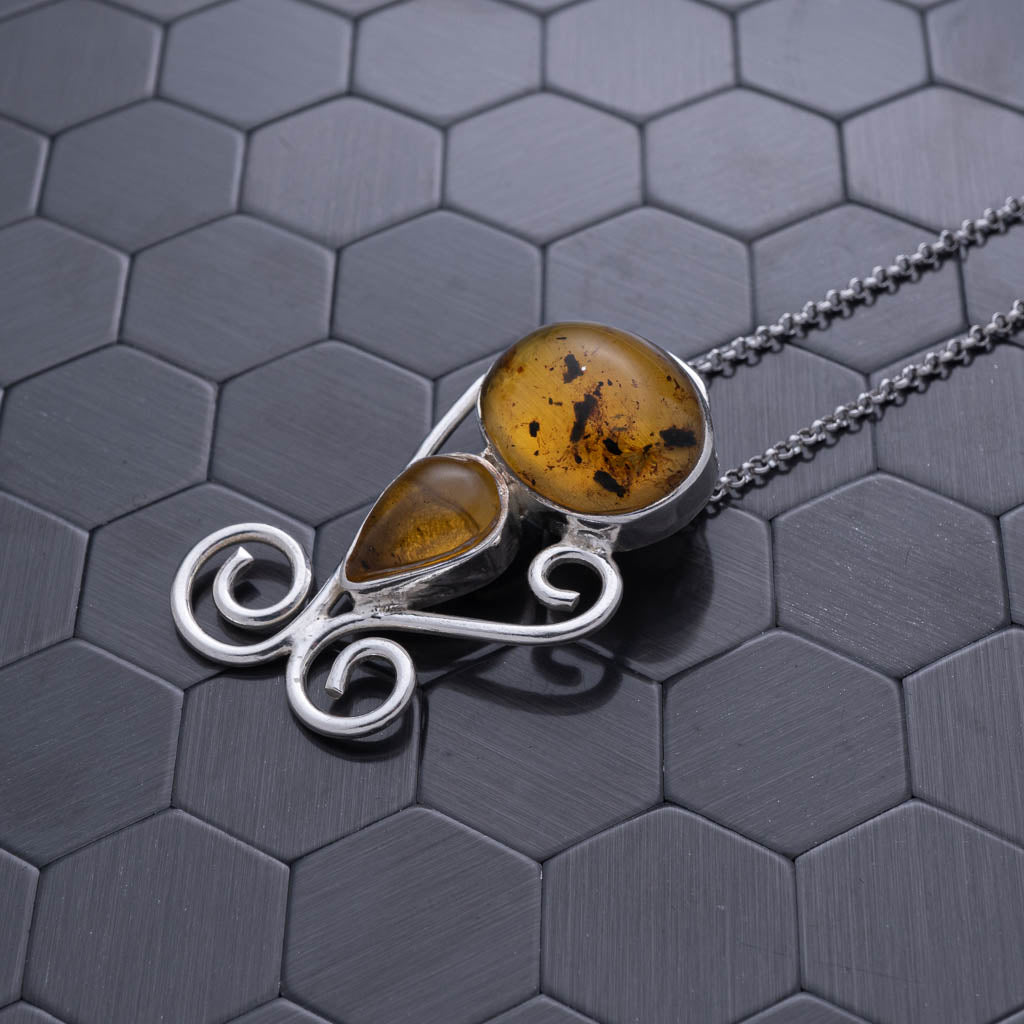
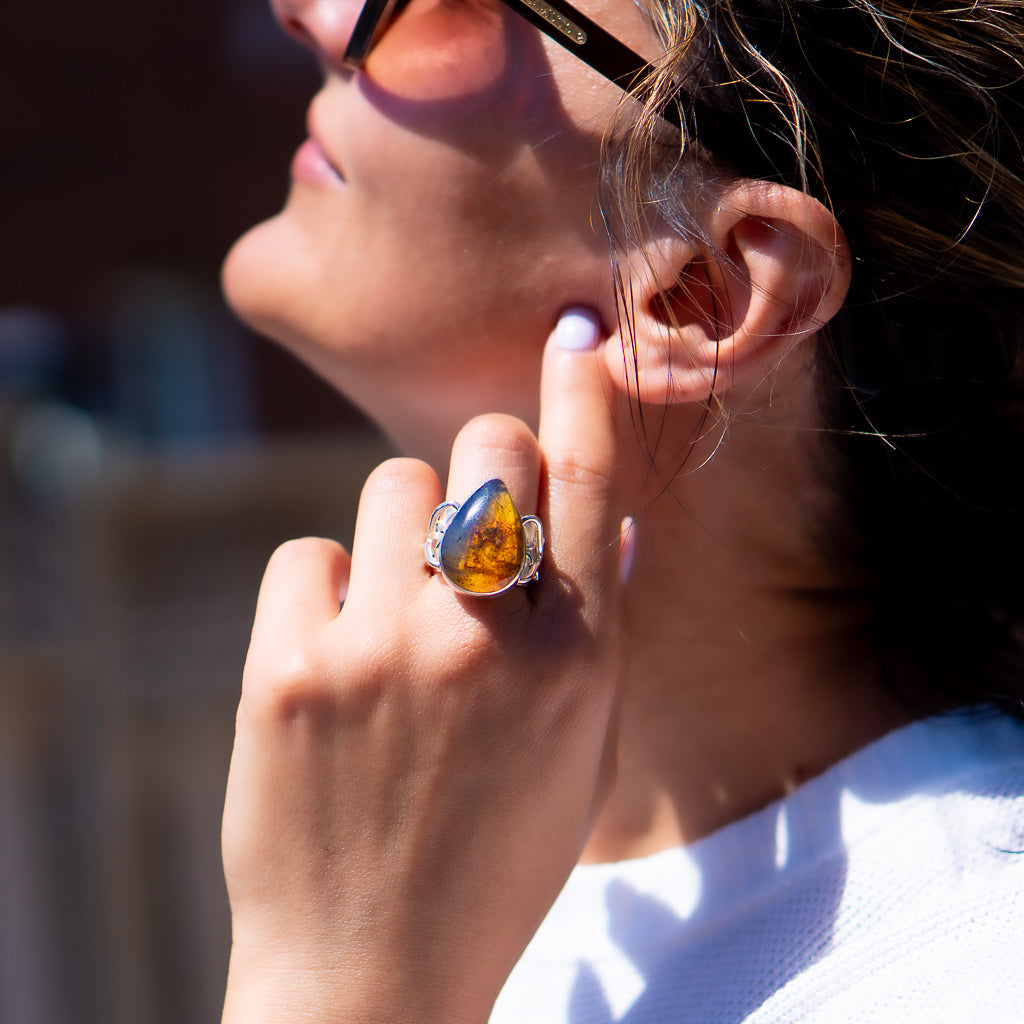
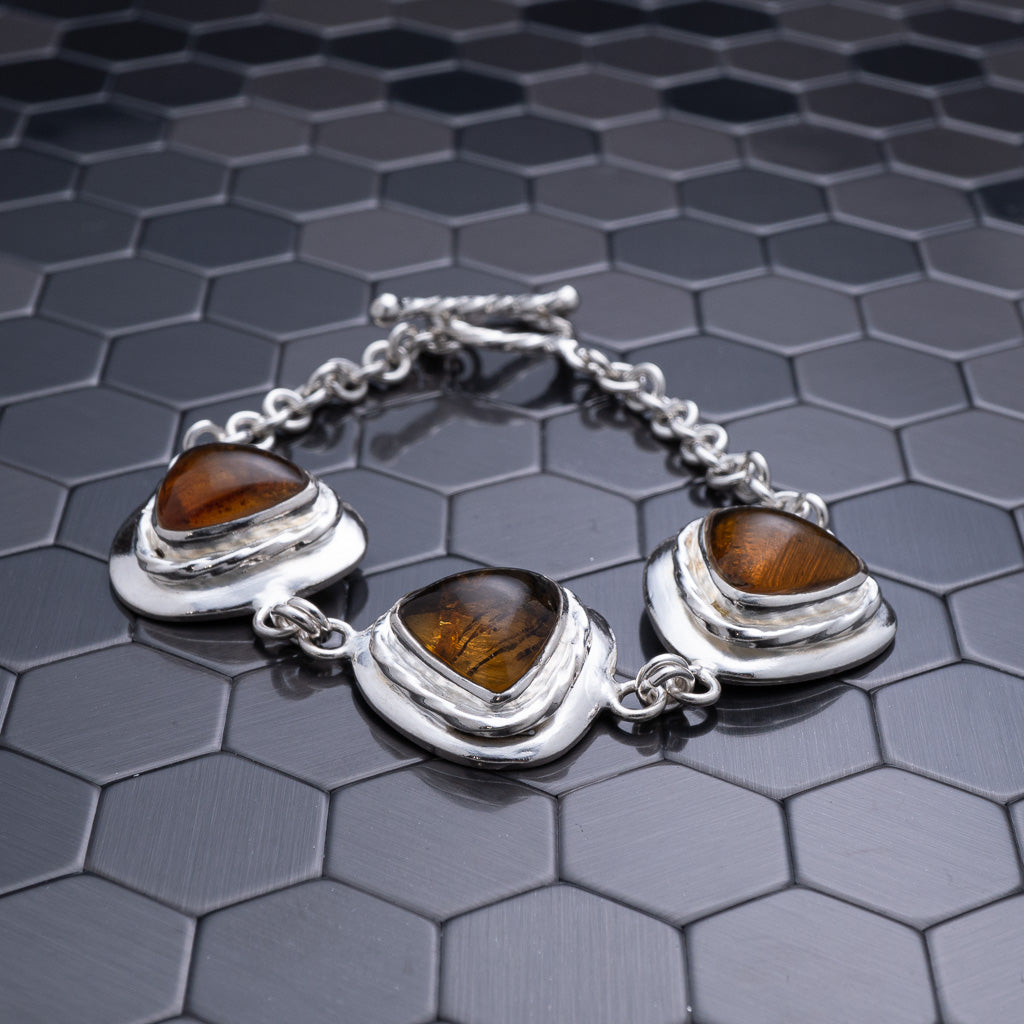
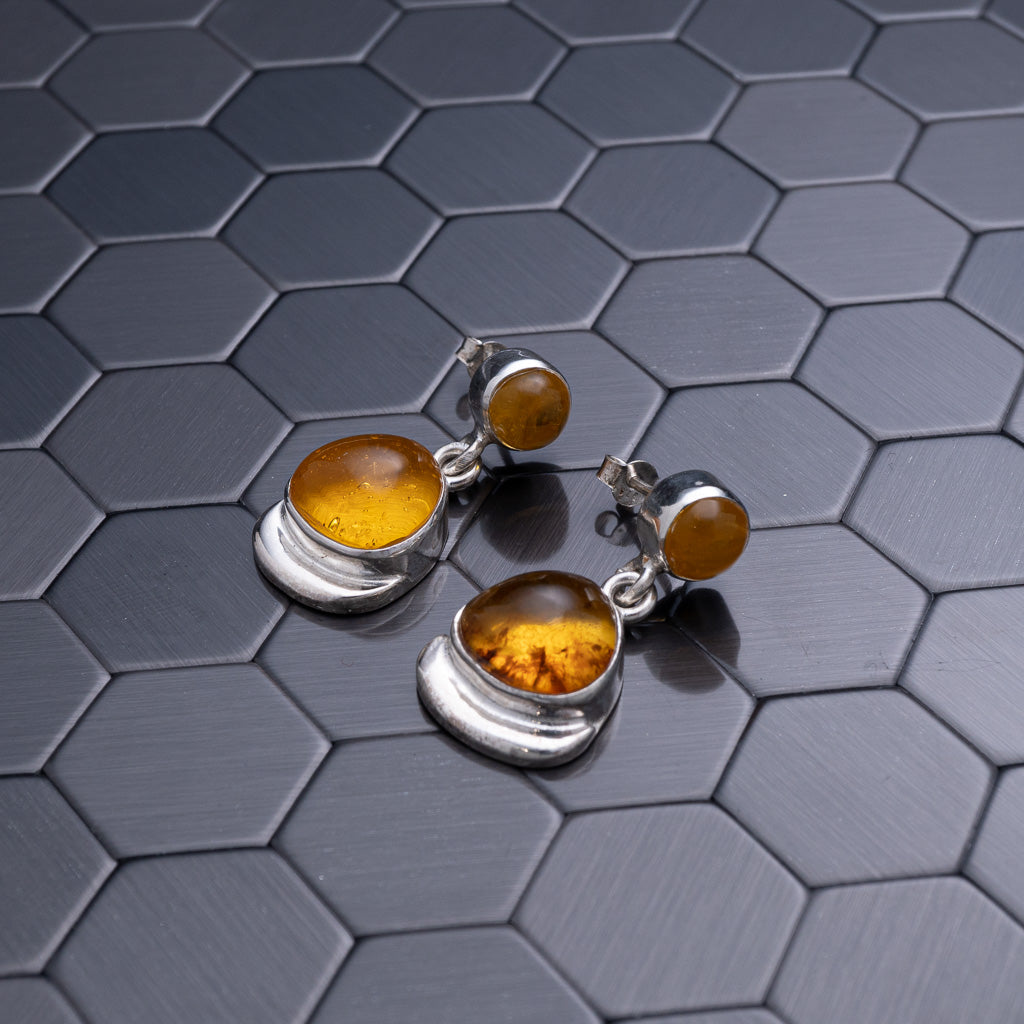


100% Handcrafted in DR.

The best gemstone pendant necklace is one whose stone suits your daily wear, whose setting protects it, and whose seller can tell you exactly what the stone is and where it came from. Color and design matter, but durability, authenticity and chain proportions decide whether you will still love the piece in ten years. This guide walks through each decision in the order you will face it.
Start by deciding who will wear the necklace, how often, and on what occasions, because those three answers narrow every other choice.
A pendant worn daily needs a stone that tolerates friction and a setting that shields its edges. A piece reserved for evenings or special dinners can carry a softer or more delicate stone. If you are buying a gift, think about the recipient's existing jewelry: does she wear silver or gold, small studs or statement pieces, and does she prefer cool colors or warm ones?
Set a budget range early, but judge value by quality rather than size alone. A modest pendant cut from fine material often outperforms a large pendant made from dull or heavily treated stone.
Choose the gemstone by balancing color preference, durability and rarity, since these three traits determine how a pendant looks and how it ages.
Durability is the factor buyers underestimate most often at the point of purchase. The Gemological Institute of America defines gemstone durability through hardness, toughness and stability, meaning resistance to scratching, to breaking or chipping, and to chemicals or temperature changes. A stone can score high on one measure and low on another, so a hard stone may still chip if struck at the wrong angle.
Here is a practical comparison of popular pendant stones:
| Stone | Color character | Everyday wear | Notes |
|---|---|---|---|
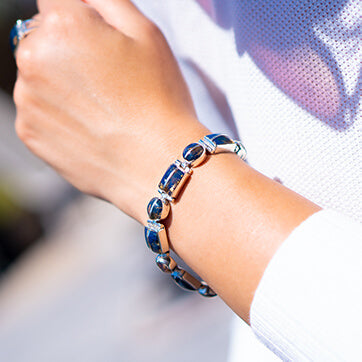
| Larimar | Sky blue to deep ocean blue with white swirls | Good with a protective setting | Mined in the Dominican Republic |
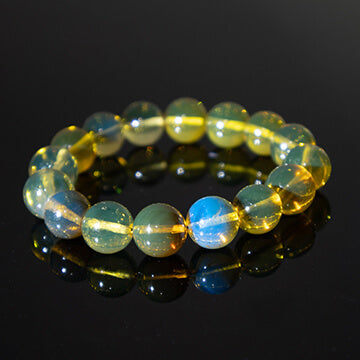
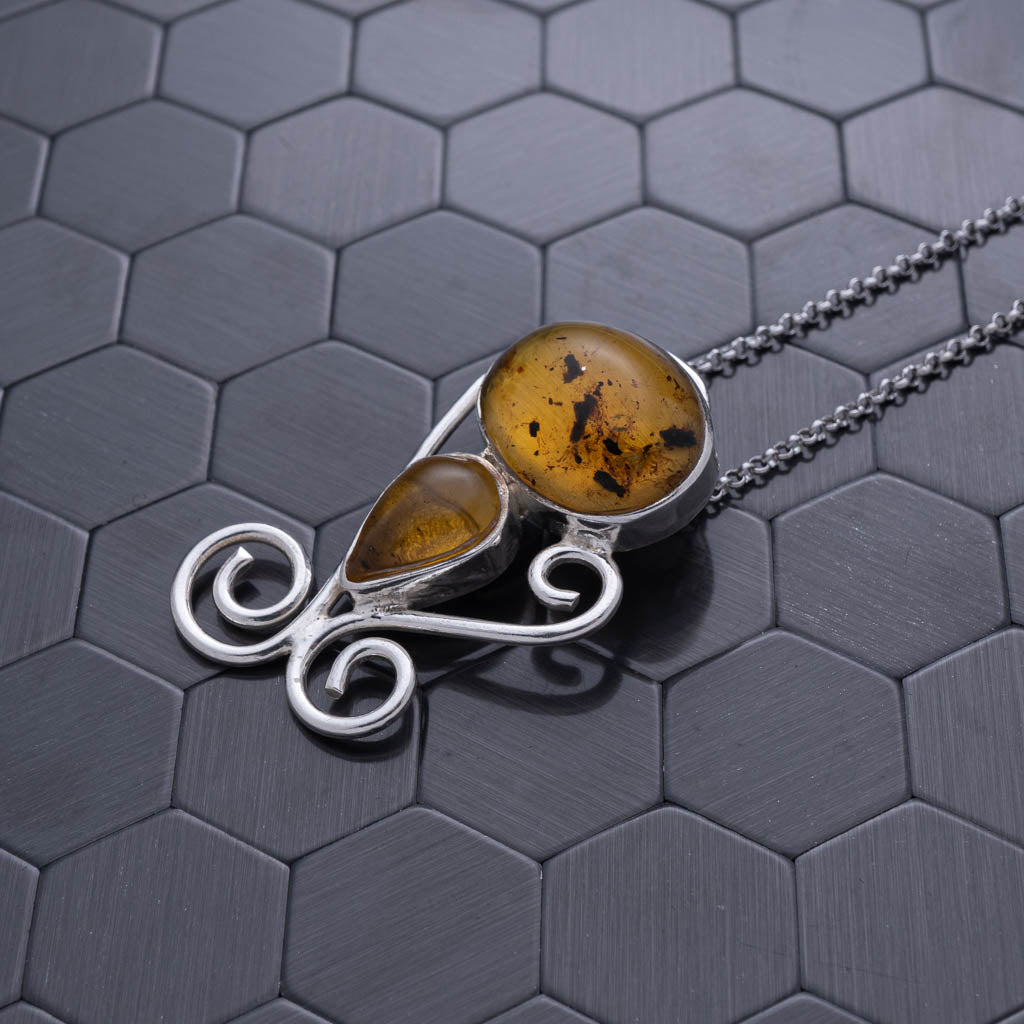
| Blue amber | Honey to blue-green glow in light | Gentle wear suggested | Lightweight, warm to the touch |
| Sapphire | Blue, pink, many shades | Excellent | Often heat treated |
| Moonstone | Soft milky glow | Moderate | Can be sensitive to knocks |
| Turquoise | Blue to green | Moderate | Porous; avoid lotions and water |
| Onyx | Deep black | Good | Classic, pairs with any metal |
If you want a stone that looks different from the usual diamond or sapphire pendant, a blue option like larimar offers a calm, watery color that few other gems match. For more on the category as a whole, the gemstone pendant guide from Larimar Creations covers stone types in more detail.
The traditional "precious" group contains four stones: diamond, ruby, sapphire and emerald, and nearly everything else is classed as semi-precious.
That label describes historical prestige rather than beauty or quality. A top-grade larimar with vivid blue color and clean pattern can be harder to source than a mid-grade sapphire, because larimar comes from a single mining region. Rarity, color saturation and clarity of pattern all affect price within every stone family.
When comparing pieces, ask three questions:
Origin matters because it affects both the value of a stone and your ability to trust what you are paying for.
The GIA notes that its colored stone reports provide information about a stone's identity, origin when determinable, and treatment status. Those three points are the right questions to put to any seller, whether or not a lab report is involved. Ask whether the stone is natural, whether it has been dyed, heated or stabilized, and where it was mined.
Larimar is a clear example of why origin counts. It is mined and handcrafted in the Dominican Republic, so any larimar sold as coming from elsewhere deserves immediate suspicion. Imitations made from dyed howlite, glass or blue-tinted resin are common at very low prices.
Larimar Creations, a family-owned business making Larimar and amber jewelry, sources stones directly from the mines, which keeps prices fair for authentic material. Every piece meets the same quality standard, and smaller or less expensive pieces are not lesser stones.
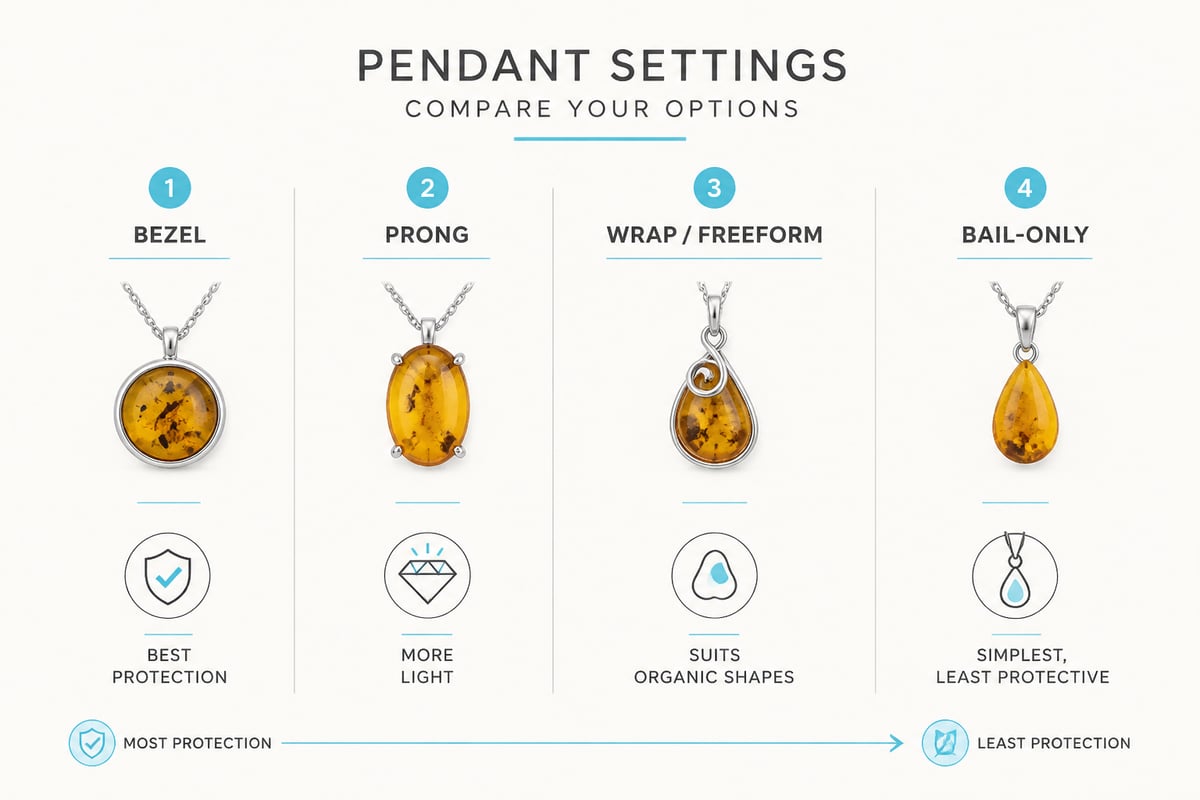
The right setting protects the stone from impact while showing off its color, and the metal should match the recipient's skin tone and existing jewelry.
Common pendant settings include:
Sterling silver suits cool-toned stones such as larimar, because its bright finish echoes the blue. Silver is also practical: it is durable, affordable and easy to maintain. You can browse options in the silver pendant necklace guide if you are weighing metals.
Look for stamps such as .925 for sterling silver, and check that the bail is thick enough to carry the stone's weight without bending.
Pick the shape and size by matching the pendant to the neckline you wear most and the visual weight you are comfortable carrying.
Small pendants, about the size of a thumbnail, read as dainty and work well for layering or office wear. Medium pendants suit most necklines and make good gifts because they flatter many styles. Large pendants make a statement and look best on a simple chain with plain tops.
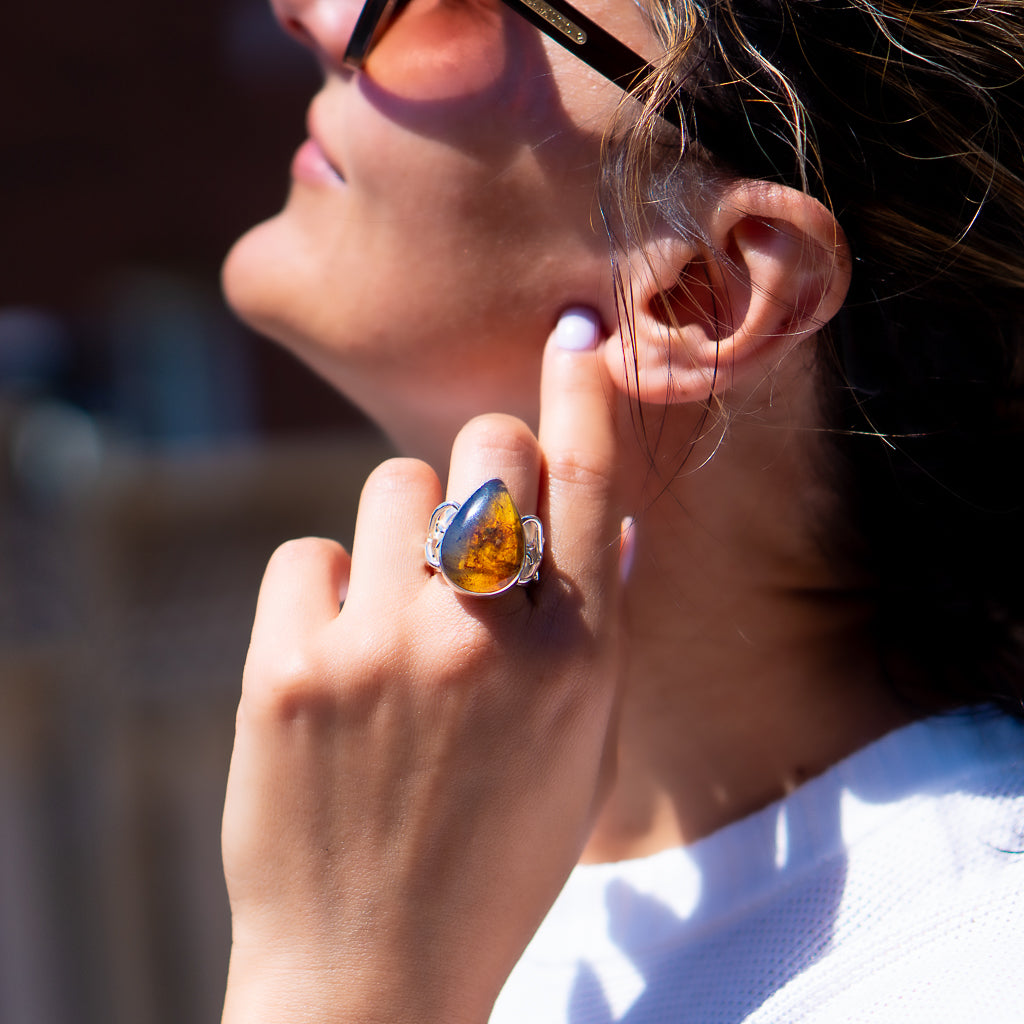
Shape also carries meaning. Hearts are popular for romantic gifts, teardrops and ovals are classic and versatile, and angel wings or moons add a symbolic touch. Within the Larimar Creations range, you can see this variety in pieces such as the larimar heart pendant, the teardrop larimar pendant in sterling silver and the large larimar moon pendant.
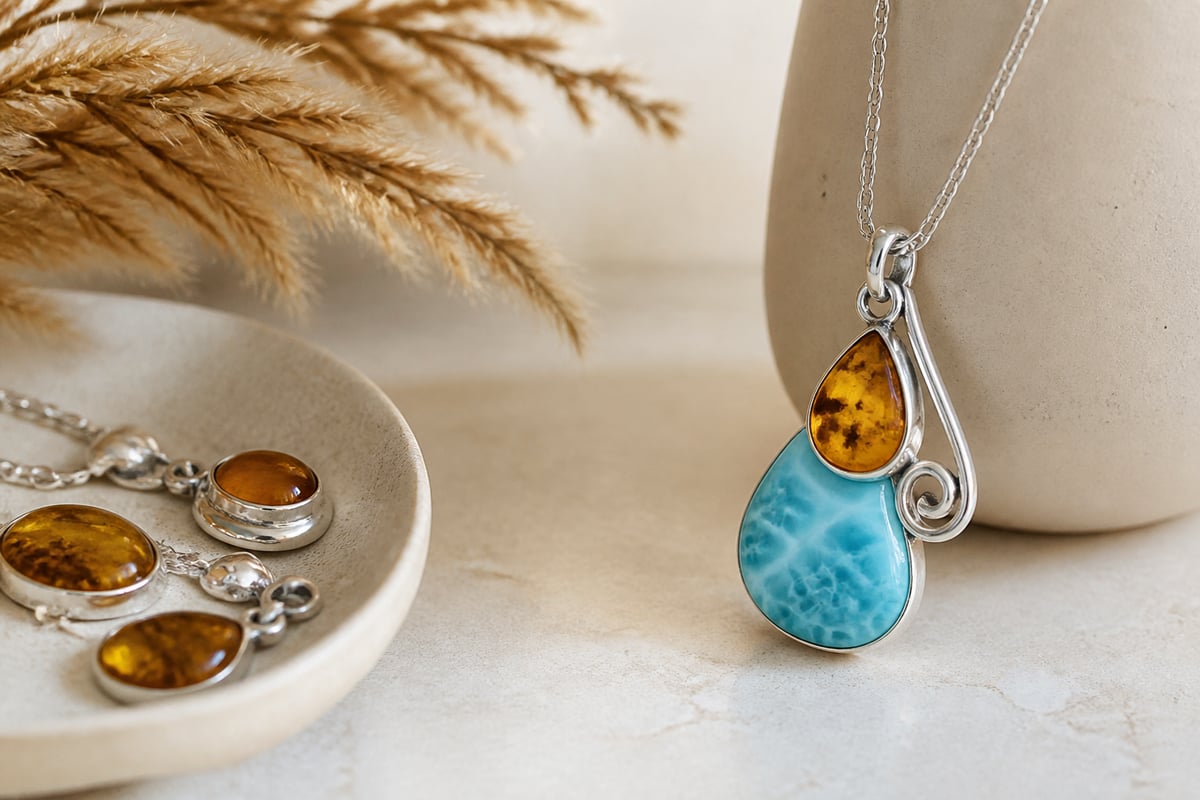
A chain between 16 and 18 inches suits most pendants, while 20 to 24 inches creates a longer drop that works with layering.
Use this quick guide:
Adjustable chains with a small extender give you flexibility, which is especially useful for gifts when you are unsure of the recipient's preference. Chain thickness should also fit the stone: a heavy pendant on a very thin chain wears out faster and may snap.
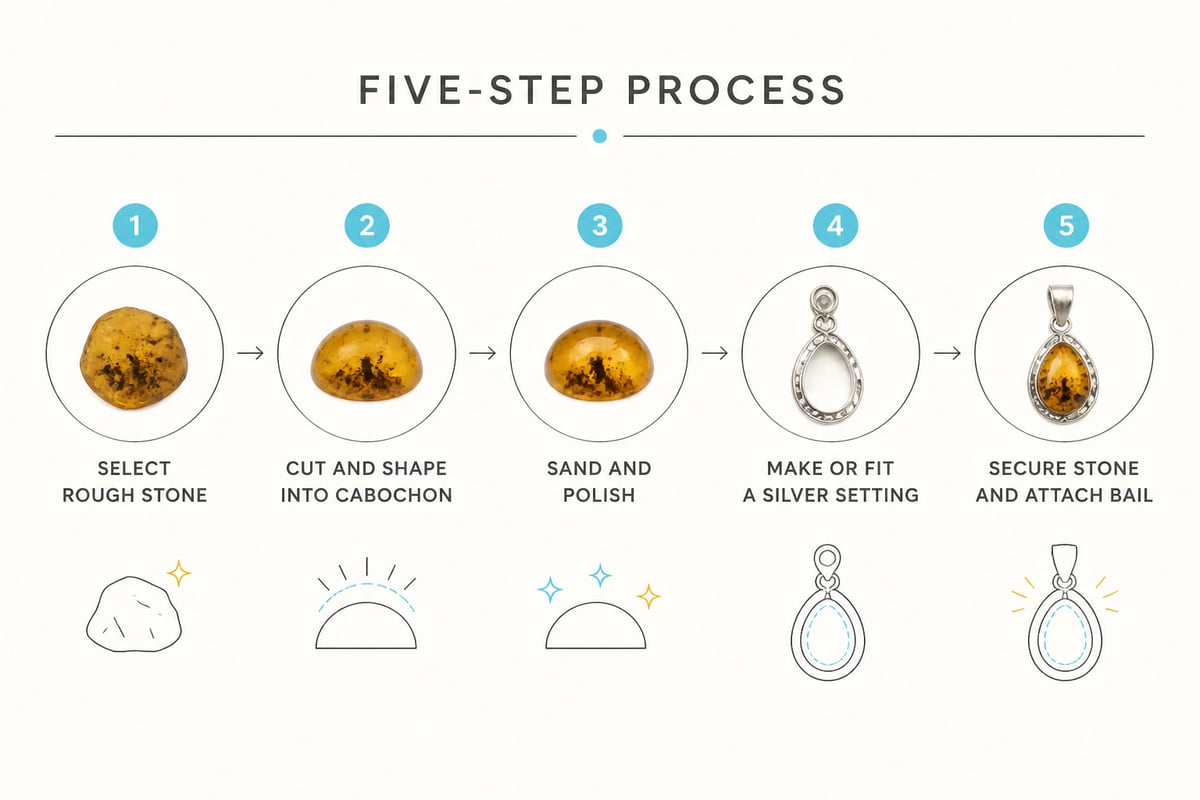
A raw or loose stone becomes a pendant through cutting, polishing and mounting, usually by a jeweler who shapes the gem into a cabochon or faceted cut and fits it into a metal setting with a bail.
For handcrafted pieces, the process generally follows these steps:
Stones with visible patterns, such as larimar's white and blue swirls, are cut to showcase those patterns rather than hide them. This is why no two handcrafted larimar pendants look exactly alike, and it is a quality worth valuing rather than a flaw.
A pendant with a meaningful color, shape or origin story makes the most memorable gift, because it carries personal significance beyond appearance.
Larimar is a natural fit here. Its soft blue is often associated with calm and peace, and its single-source origin in the Dominican Republic gives it a story to tell. Larimar Pendants from Larimar Creations are designed as a timeless piece for someone special or a treat for yourself, and the collection spans small dainty stones to extra large statement pieces. The brand holds a 4.6 rating from its customers, which offers reassurance for gift buyers who cannot inspect a piece in person.
For a gift, check three practical points: return or exchange policy, whether the piece ships worldwide to the recipient's location, and whether the box suits presenting. If your recipient loves travel, you might also pair the necklace with a keepsake from a curated trip planned through a specialist such as T4T - time for Travel, which designs customized itineraries.
Care for a gemstone pendant by keeping it away from harsh chemicals, storing it separately and wiping it with a soft cloth after wear.
Follow these habits:
Pieces made with care and attention to detail are durable and long lasting, but even strong stones benefit from basic respect. Check the bail and clasp once or twice a year for wear.
The popular directions right now are simple, wearable pieces: small pendants on delicate chains, natural stones with visible character, and layered necklaces mixing lengths.
Color-rich natural stones are favored over uniform, heavily processed ones, and buyers increasingly ask where a stone was mined and how it was made. Blue and green stones are especially in demand for their calming look, and organic, freeform shapes are replacing perfectly symmetrical cuts. For ideas on tying a necklace into a wider look, a planner or stationery brand such as Daily Grind Planner is an example of the kind of intentional, everyday-ritual aesthetic many shoppers want their jewelry to match.
Ask the seller for the stone's name, origin and whether it has been treated, then compare the answers against how the piece is priced. Very low prices for rare stones are a warning sign, and a reputable maker will describe the material openly.
Yes, if the stone is durable and set in a protective bezel or similar setting. Remove it for swimming, cleaning and workouts, and store it separately to keep the surface in good condition.
It can be, provided the metal is hypoallergenic. Sterling silver stamped .925 is generally well tolerated, but ask about the chain and clasp materials too, since those touch the skin most.
Before you buy anything, write down the stone, setting, pendant size and chain length that suit the wearer, then hold every piece you consider up against that list. If a blue, handcrafted Dominican stone fits what you have in mind, the Larimar Pendants collection is a good place to compare shapes and sizes. Shop Larimar directly from a family-owned maker who ships worldwide and keeps prices fair by sourcing straight from the mines.