
Larimar
Blue Amber
Green Amber
Amber Carvings
More

by Admin September 30, 2026 6 min read

A vivid blue flash inside Dominican amber or the tide-pool color of genuine Larimar can make a piece of jewelry feel instantly personal. But beauty alone cannot tell you where a stone came from, how it was handled, or whether its story is being represented honestly. This gemstone provenance buying guide helps you look beyond the first impression and choose a rare gemstone with the confidence that its origin, character, and craftsmanship are worthy of its place in your collection.

For collectors, gift buyers, and anyone drawn to jewelry with meaning, provenance is not a technical detail tucked beneath a product description. It is part of the stone itself. A gemstone from a known source carries cultural context, geological rarity, and a closer connection to the hands that brought it from earth to jewelry box.

Why Gemstone Provenance Changes What You Are Buying

Provenance means the documented or credibly represented origin and path of a gemstone. At its simplest, it answers a central question: where did this material come from? For a rare stone, a fuller answer may also include how it was mined, cut, treated, set, and sold.

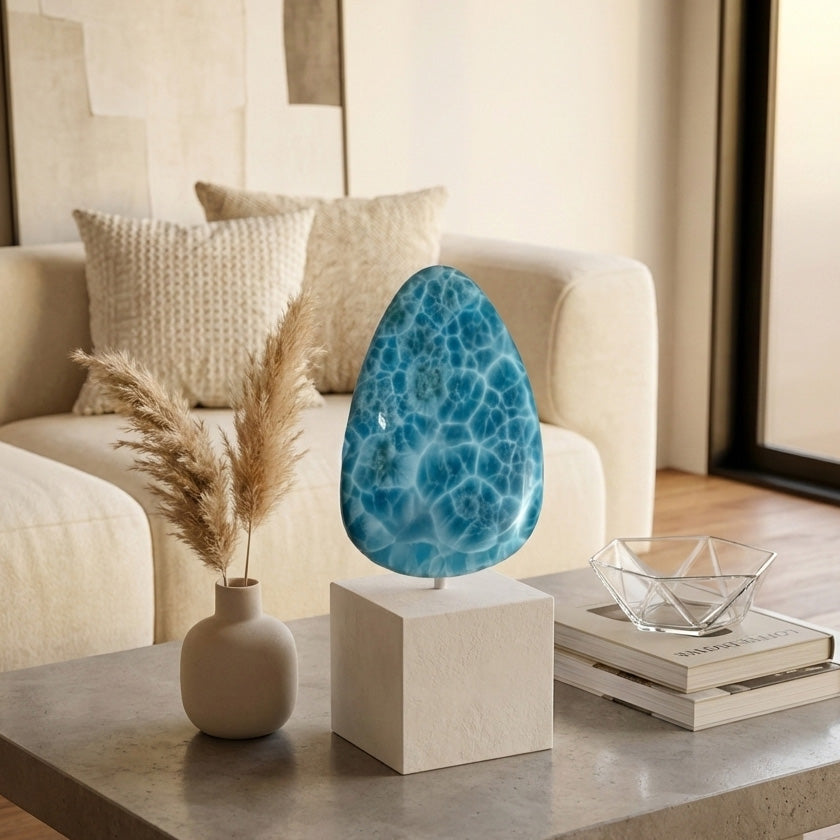
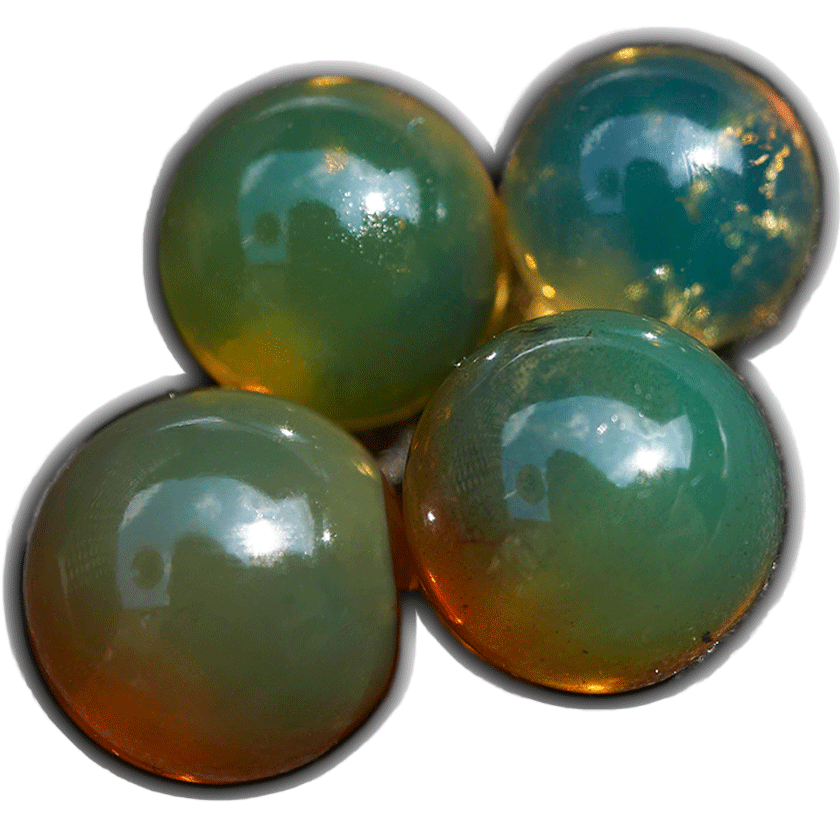
This matters especially with gemstones whose identity is inseparable from one place. Larimar is found only in the Dominican Republic, in the mountainous region of Bahoruco. Its soft blue, white, and sea-green patterns are often compared to Caribbean water, but its true value lies in its limited geological source. Dominican blue amber is equally distinctive. While amber occurs in several regions of the world, Dominican material is prized for exceptional clarity, rich natural color, and, in rare cases, its electric blue fluorescence under the right light.

A provenance claim should create clarity, not simply romance. “Caribbean-inspired” jewelry is not the same as jewelry made with a Caribbean gemstone. “Amber color” does not confirm natural amber, and “blue amber” should prompt further questions about source, appearance, and transparency. When the origin is specific and meaningful, a trusted seller should be prepared to state it plainly.

A Gemstone Provenance Buying Guide: What to Ask First

Begin with the origin claim. Ask whether the stone is identified by country or region, and whether that location is known to be a genuine source for the material. A seller does not need to reveal every private supplier relationship to offer a credible answer. They should, however, be able to explain whether the gemstone is Dominican Larimar, Dominican amber, Baltic amber, or another material entirely.

Next, ask whether the stone is natural, treated, reconstructed, or synthetic. These categories are not automatically good or bad. Treatment can be an accepted practice when disclosed, and lab-created gemstones have their own appeal for some buyers. The issue is transparency. A natural Larimar cabochon with ordinary surface variation is not less beautiful because it is natural. In fact, its variation is often the point. What matters is that you are paying for the material you believe you are receiving.

Then consider documentation. A certificate, invoice description, appraisal, or gemological report can support an origin claim, though the right document depends on the gemstone and the purchase. Not every artisan pendant requires a laboratory report, particularly when the stone is a modest size. For an exceptional blue amber specimen, a high-value Larimar ring, a fossil inclusion, or a collector-grade carving, stronger documentation becomes more valuable.

Documentation should name the item clearly and avoid vague language. Look for descriptions that identify the stone type, declared origin when available, dimensions or weight, and any known treatments. A certificate is most useful when it connects to the actual piece rather than serving as a generic card placed with every order.

Learn What Natural Variation Looks Like

Provenance becomes easier to evaluate when you understand the visual language of the gemstone. Natural stones are rarely uniform, and a perfectly identical appearance across many pieces can be a reason to look more closely.

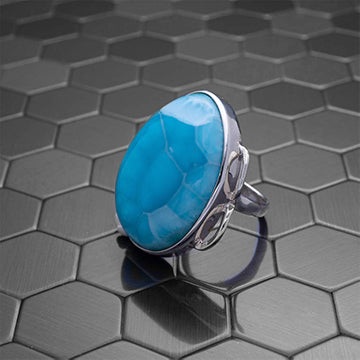
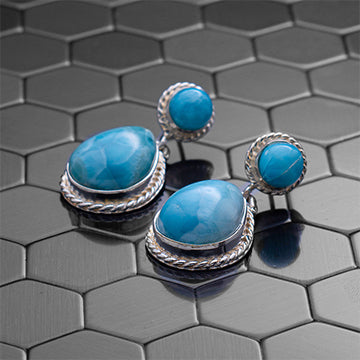
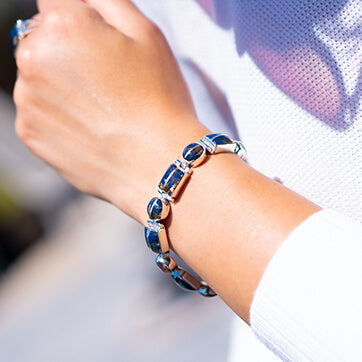
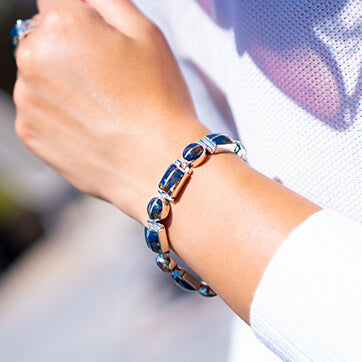
Larimar commonly shows white marbling, blue fields, greenish tones, gray areas, and occasional natural matrix. The most sought-after color is often an intense ocean blue, but color is only one factor. Pattern, polish, cut, stability, and the overall balance of the stone affect desirability. A pale Larimar with graceful cloud-like movement may be more captivating than a darker stone with little character.

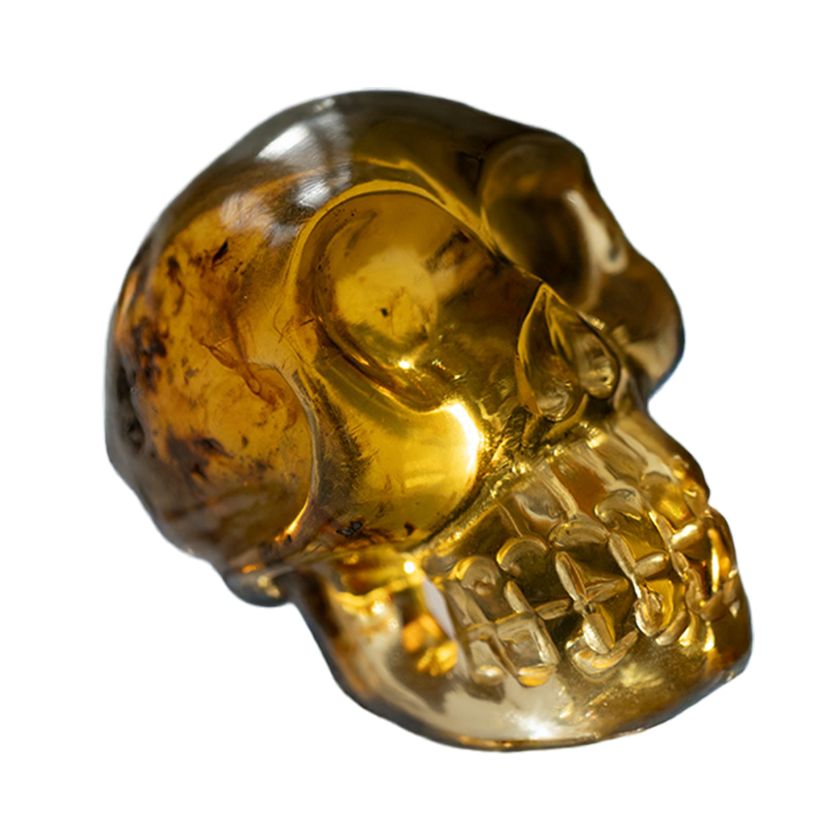
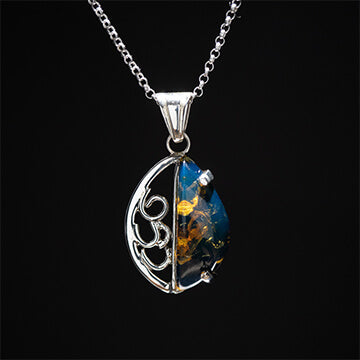
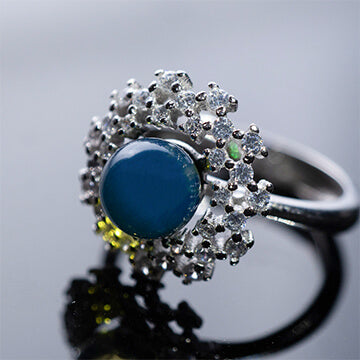
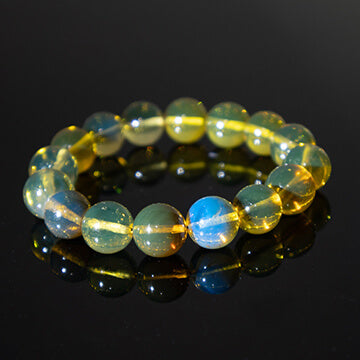
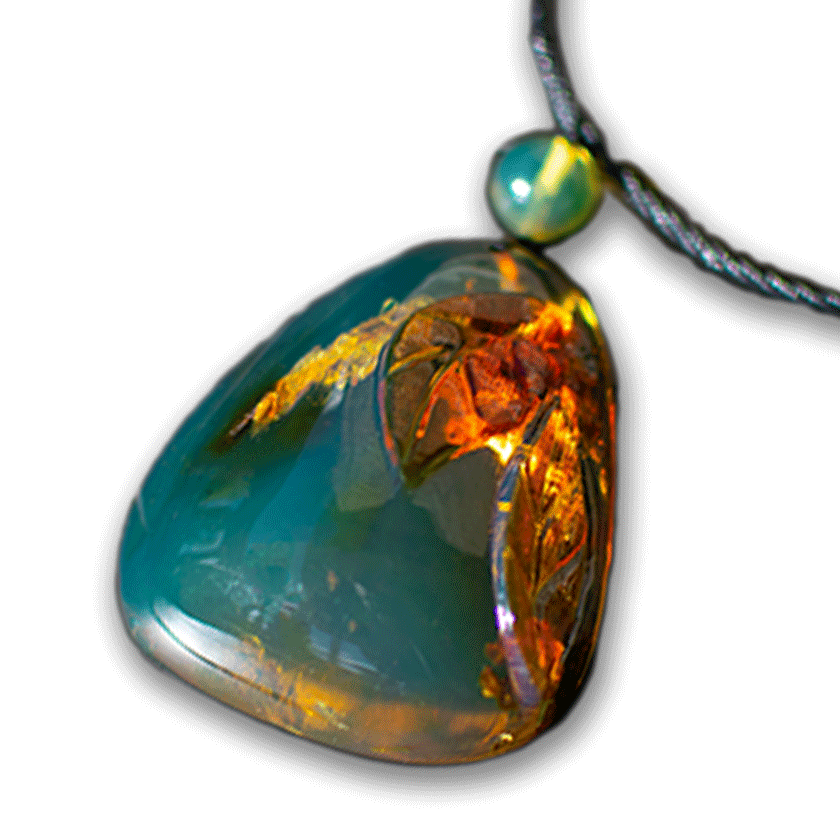
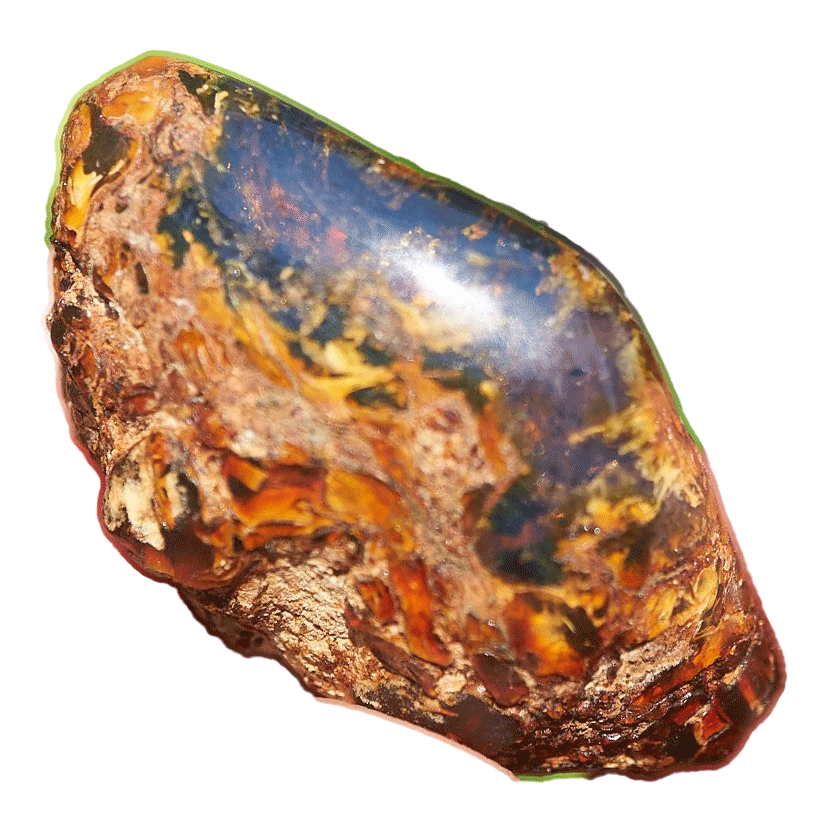
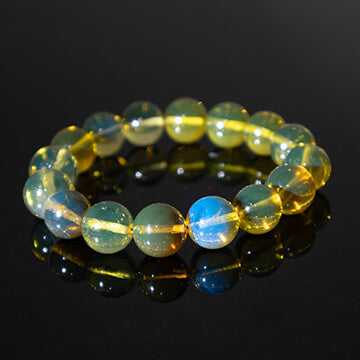
Dominican amber can range from honey and cognac to red, green, and blue. Blue amber is often misunderstood because its blue effect can depend on lighting, background, thickness, and viewing angle. It may appear warm or golden in one setting and reveal a remarkable blue glow in another. That change is part of its natural magic, not necessarily a flaw or an inconsistency.

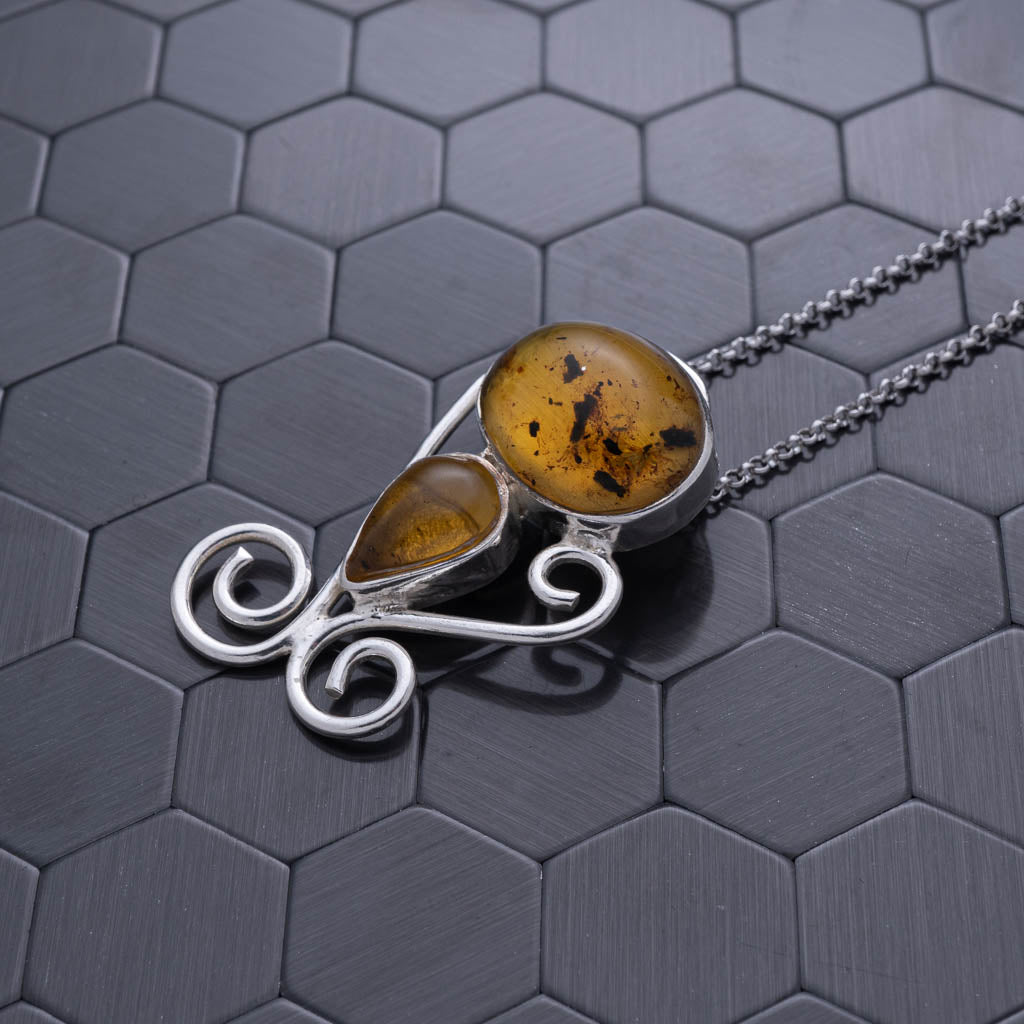
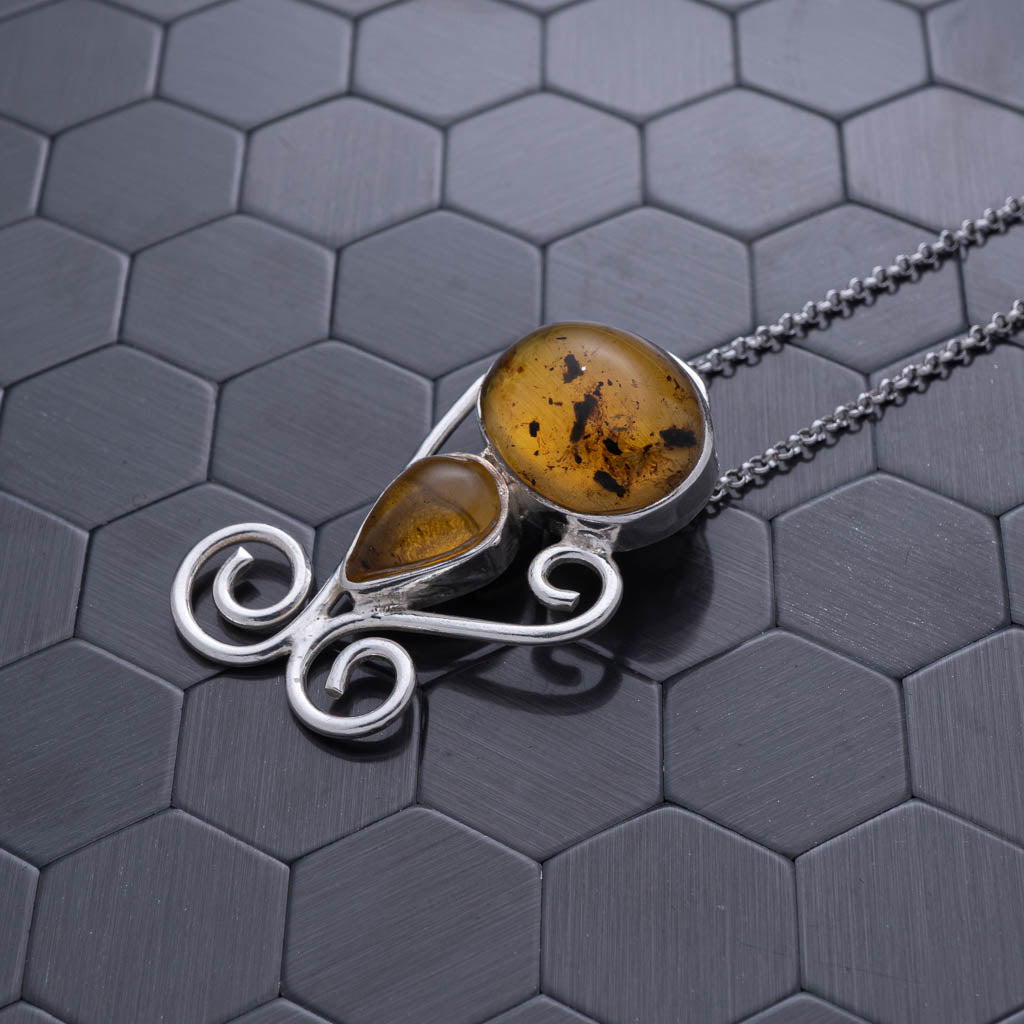
Inclusions deserve thoughtful attention as well. A tiny leaf fragment, insect, bubble, or mineral feature can make amber especially compelling to collectors. Yet not every inclusion increases value, and not every clear piece is superior. The best choice depends on whether you want luminous wearability, scientific interest, visual drama, or a balance of all three.

Match the Evidence to the Value of the Piece

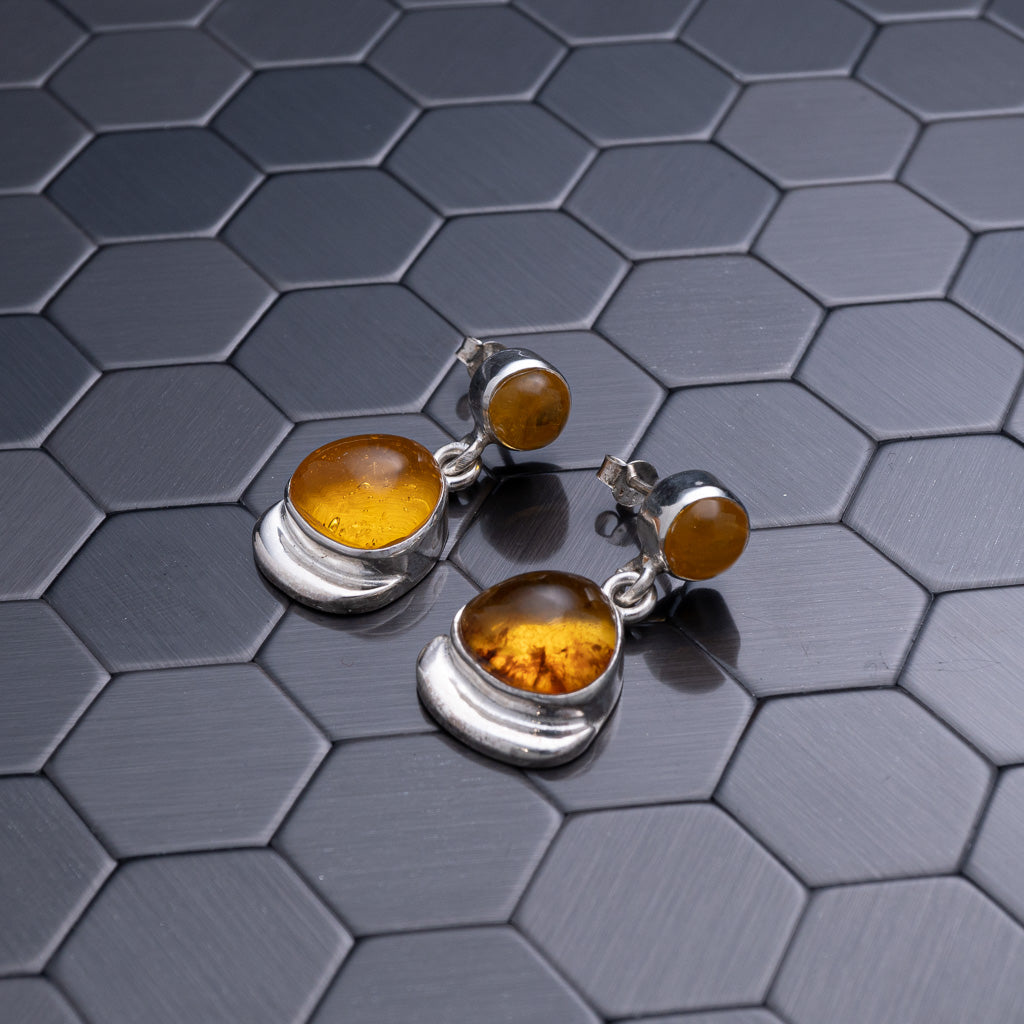
The level of research should rise with the rarity, price, and purpose of your purchase. A simple pair of amber earrings may call for a clear origin statement and good product photography. A large Larimar cabochon intended for custom jewelry merits closer questions about dimensions, color consistency, visible fractures, and whether the stone has been stabilized.

For collector pieces, ask for photographs in natural light and, when relevant, under UV light. Ask to see the back and sides of a cabochon, not only the polished face. This can reveal matrix, thickness, color distribution, and workmanship. For amber, close images can help you assess clarity and inclusions, although photographs should never be treated as laboratory proof.

Be realistic about what provenance can and cannot guarantee. A stated Dominican origin may be supported by a respected specialist, established sourcing practices, and documentation, yet individual gemstones do not always arrive with a mine-level chain of custody. That degree of tracing is more feasible in some supply chains than others. The goal is not perfection on paper. The goal is credible, consistent information from a seller who treats authenticity as a responsibility.

Consider Craftsmanship Alongside Origin

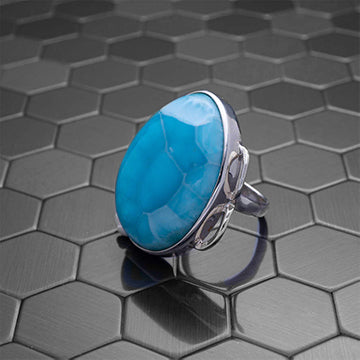
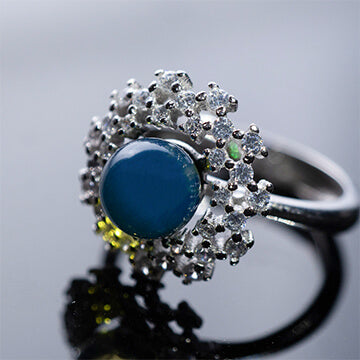
A genuine gemstone deserves a setting that protects and honors it. Examine how the stone is cut and mounted. Larimar is relatively soft compared with sapphire or diamond, so it benefits from thoughtful bezel settings, protective designs, and care during wear. Amber is lightweight and beautiful but can scratch or chip more easily than harder gems. Delicate prongs, sharp impacts, harsh chemicals, and prolonged heat are all considerations.

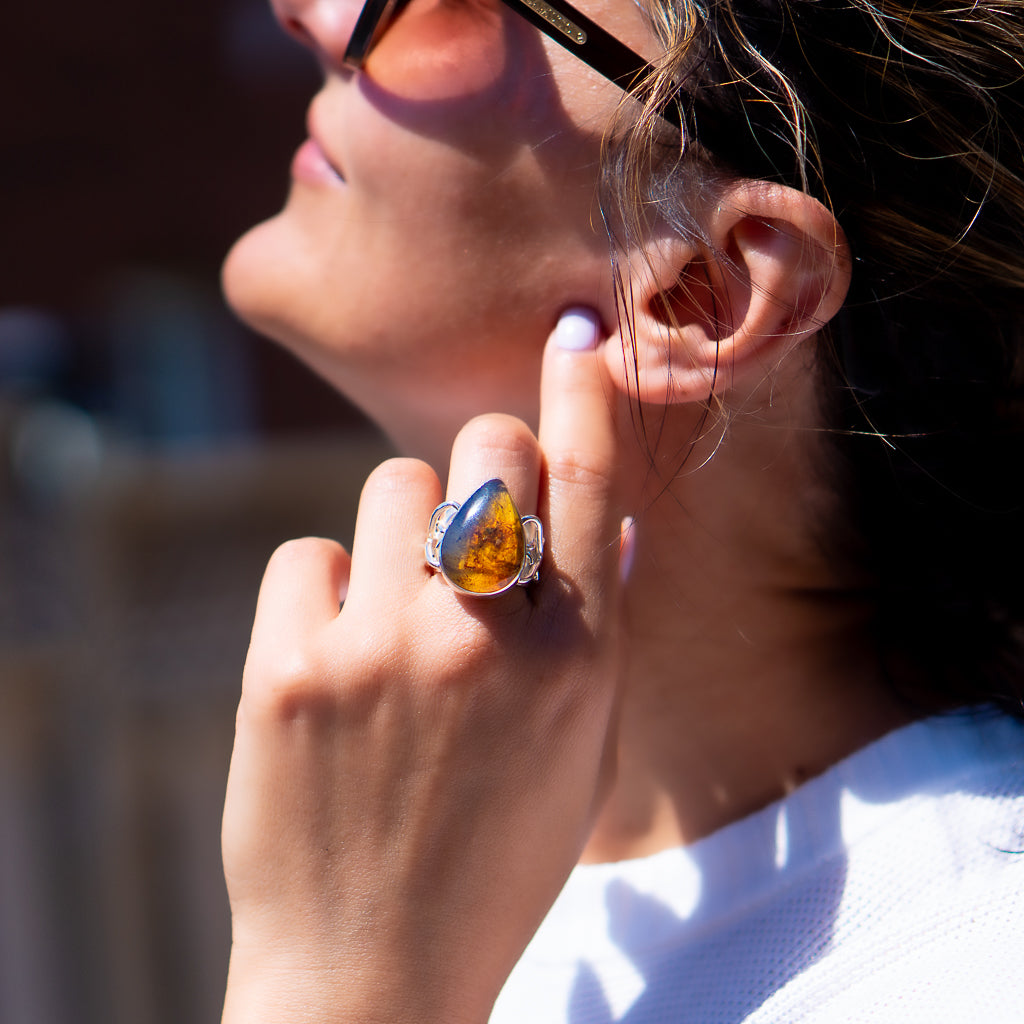
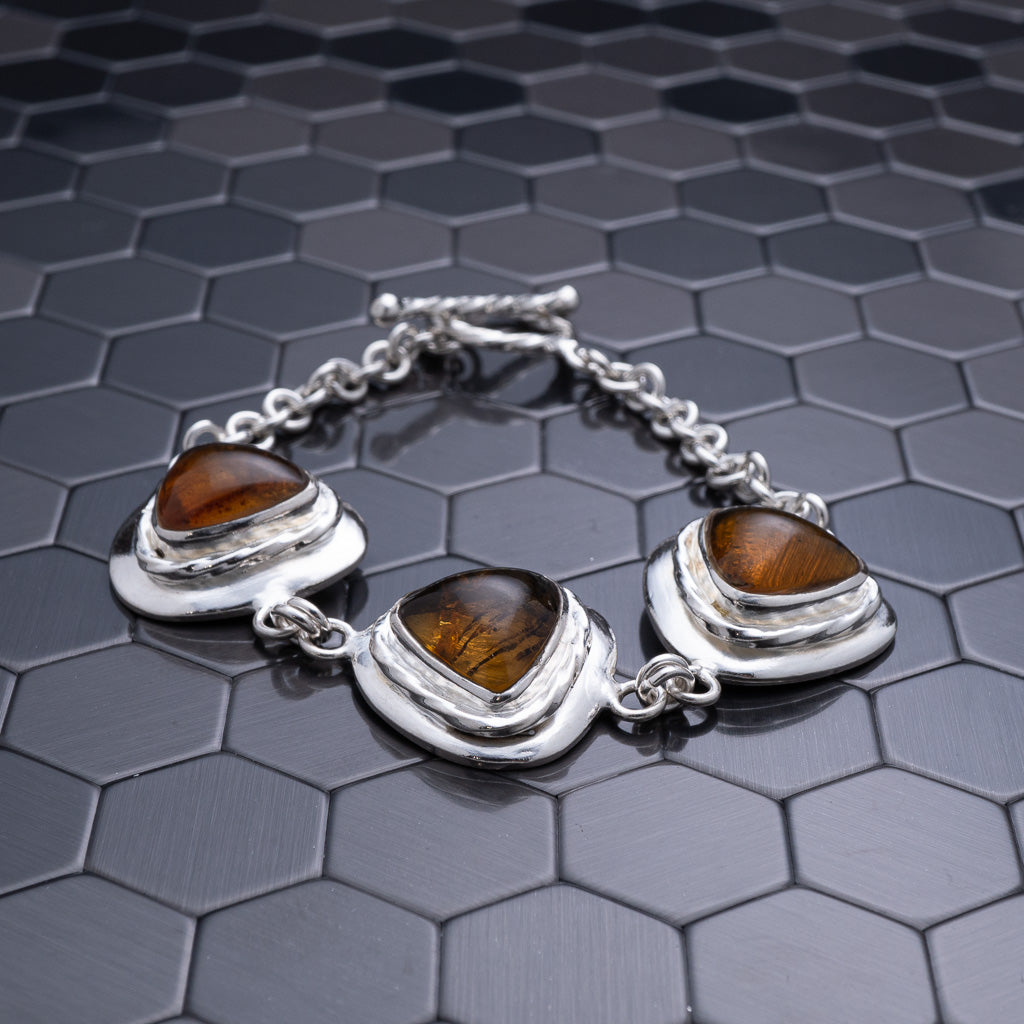
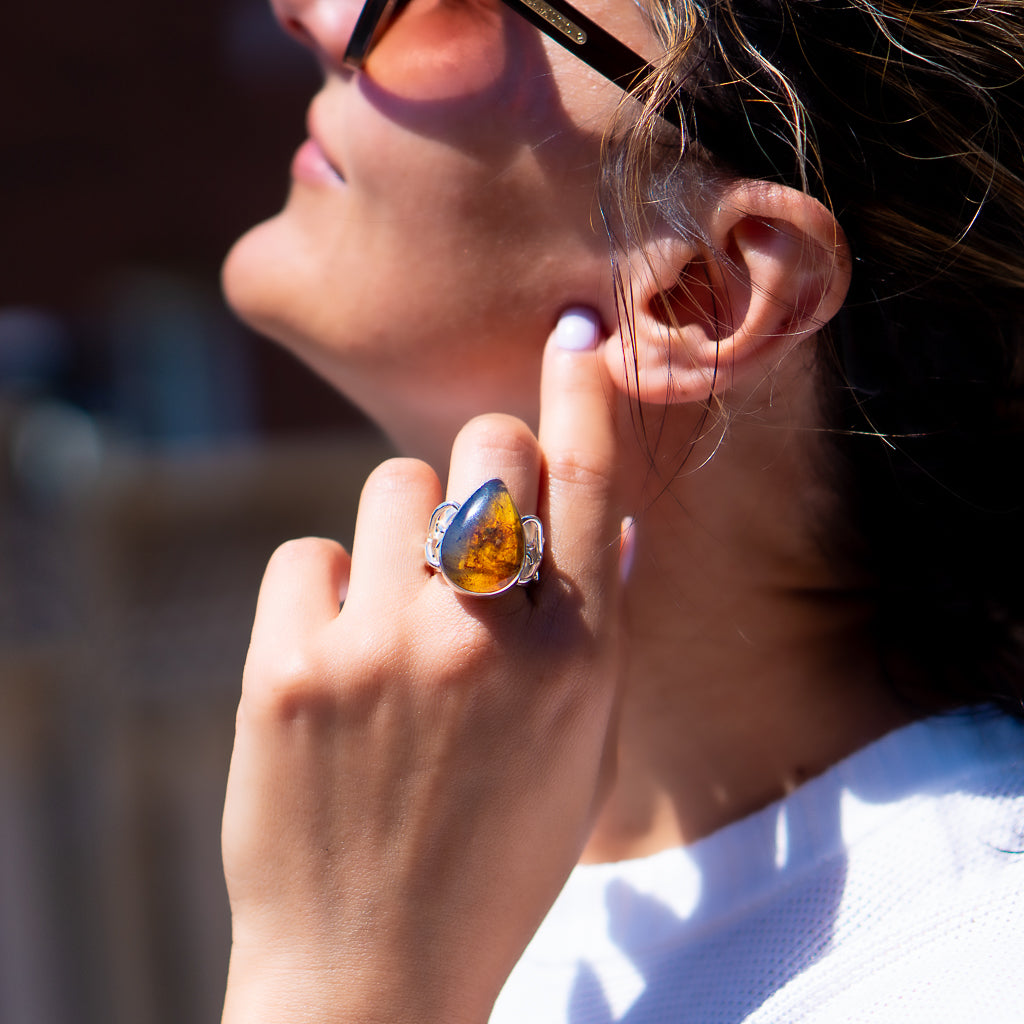
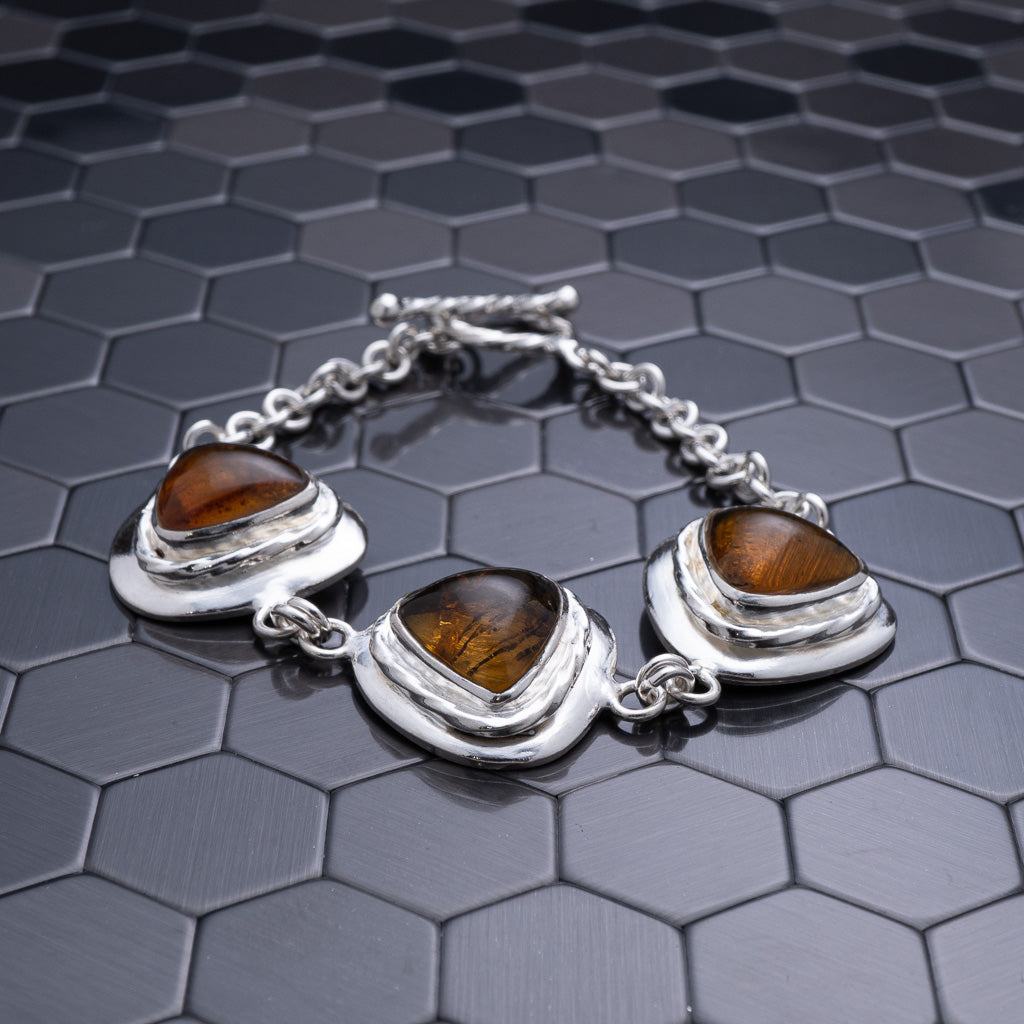
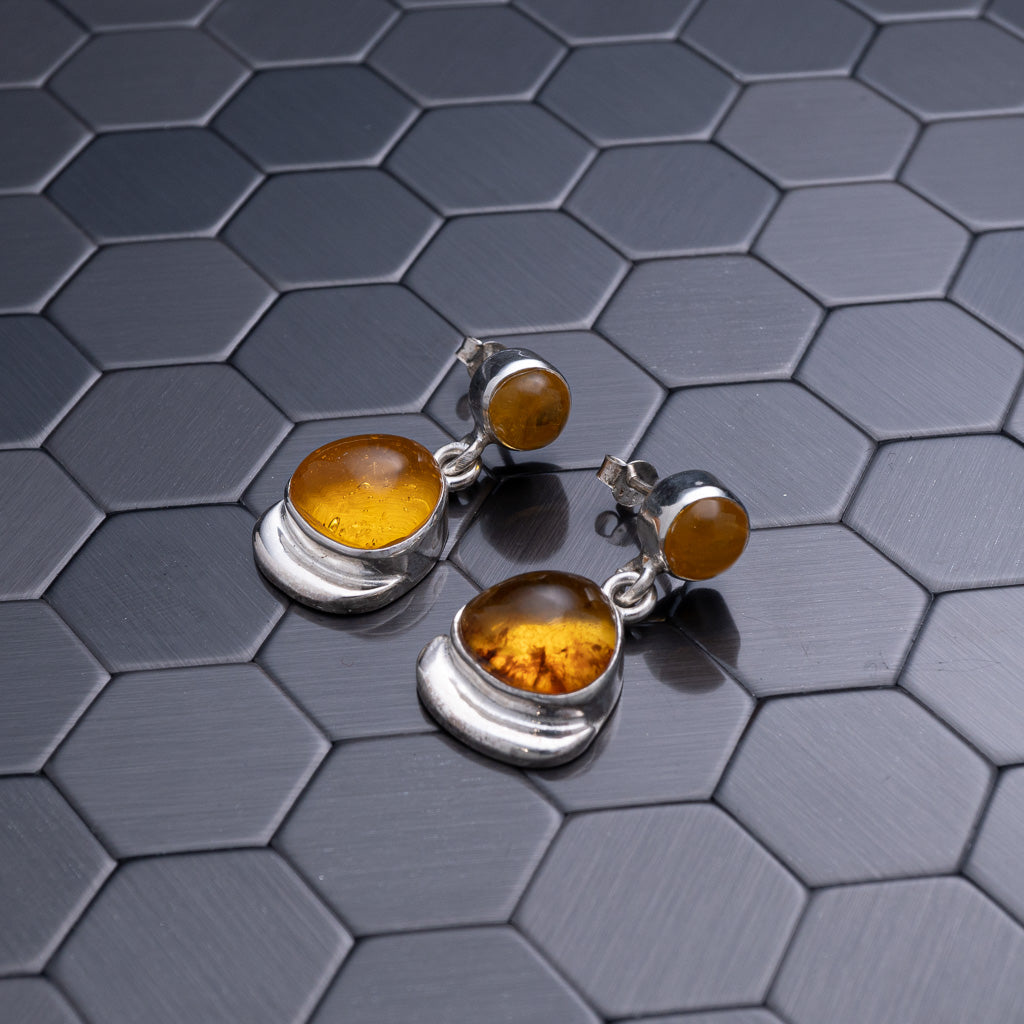
Handcrafted jewelry often carries small signs of individuality: a slightly organic silver bezel, a one-of-a-kind stone shape, or subtle variations in wirework. These details can be part of artisan value rather than evidence of poor quality. Still, the finish should feel intentional. The stone should sit securely, edges should be smooth, and the metalwork should complement rather than overwhelm the gem.

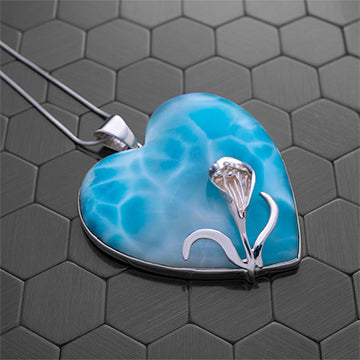
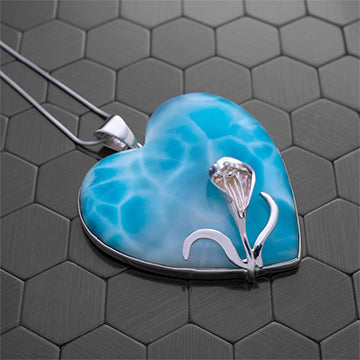
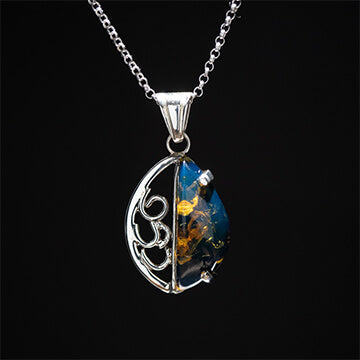
When choosing a gift, provenance also adds emotional weight. A Larimar heart pendant can represent calm, affection, and the blue water of the Dominican coast. A blue amber piece can feel like carrying a rare moment of Caribbean light. The story becomes more meaningful when it is rooted in the actual material, not borrowed from a marketing phrase.

Red Flags Worth Taking Seriously

Trust your instincts when a price appears dramatically below the expected range for a rare, vividly colored natural stone. Low pricing does not always signal a problem, but it should invite questions. So should descriptions that rely on superlatives while avoiding basic facts such as gemstone type, origin, treatment, or dimensions.

Be cautious with claims of flawless natural material at a mass-market price, especially if every item looks exactly alike. Watch for sellers who call resin “amber” without distinction, describe glass as a gemstone, or use photographs that are heavily filtered. An honest seller can celebrate exceptional color without promising that every natural stone will look identical in every light.

Avoid making a decision based only on a certificate image. Read the product details, compare the image to the listed piece, and ask whether the document applies to that specific gemstone. A compelling answer should be direct, consistent, and free of pressure.

Buy the Story You Can Verify and the Stone You Love

A well-chosen gemstone does more than complete an outfit. It can carry a place, a process, and a human touch into everyday life. Larimar Creations selects authentic Dominican stones for buyers who want that connection to be more than a beautiful idea.

Take your time with color, ask clear questions about origin, and choose workmanship suited to how you will wear the piece. The finest choice is often not the most flawless-looking gemstone, but the one whose natural character and honest story make you want to wear a piece of the Caribbean again and again.

Pendant Silver 925: The Complete Guide to Sterling Quality - Larimar Creations

Pendant Silver 925: The Complete Guide to Sterling Quality

11 min read

Discover everything about pendant silver 925, from purity standards to care tips. Learn why 925 sterling is the gold standard for pendants.
Read More
Gemstone Provenance Buying Guide for Rare Finds - Larimar Creations

Gemstone Provenance Buying Guide for Rare Finds

6 min read

Use this gemstone provenance buying guide to evaluate origin, treatment, and documentation before choosing rare Caribbean jewelry with confidence, every time.
Read More
Larimar Stone Price: 2026 Value Guide for Collectors - Larimar Creations

Larimar Stone Price: 2026 Value Guide for Collectors

9 min read

Discover what determines larimar stone price in 2026. Learn grading factors, market rates, and how to assess value for Dominican gemstones.
Read More