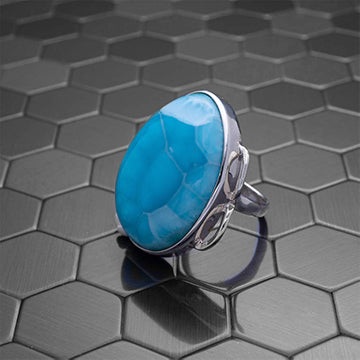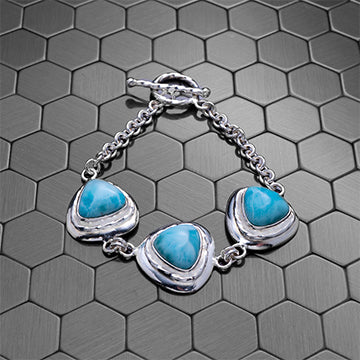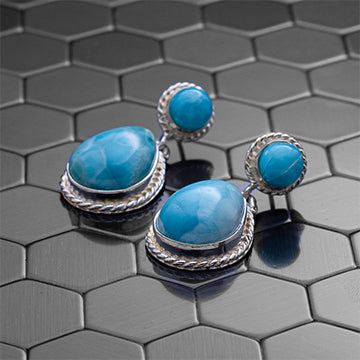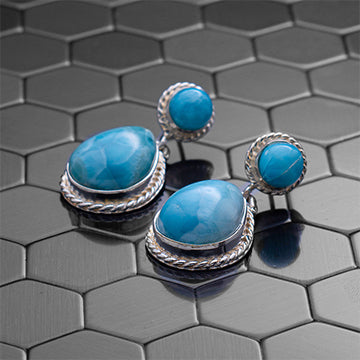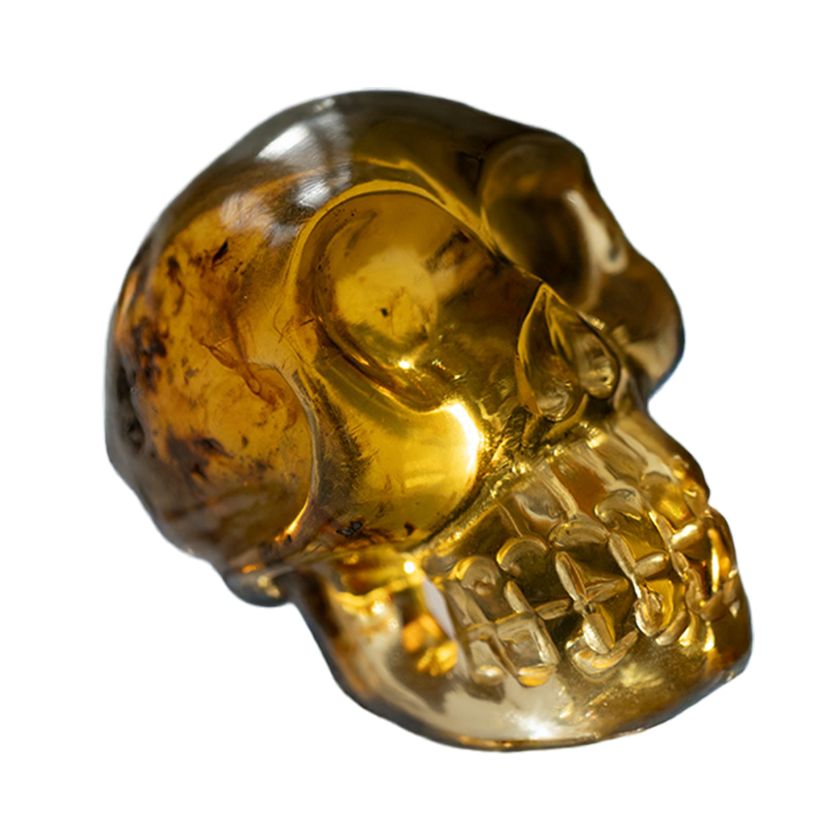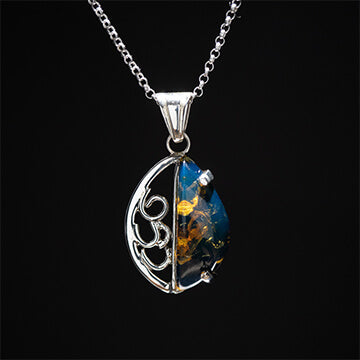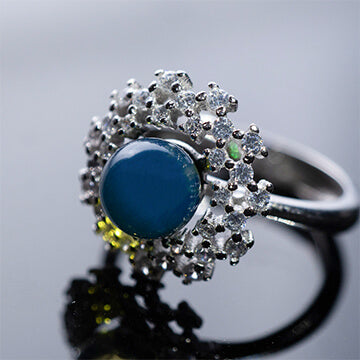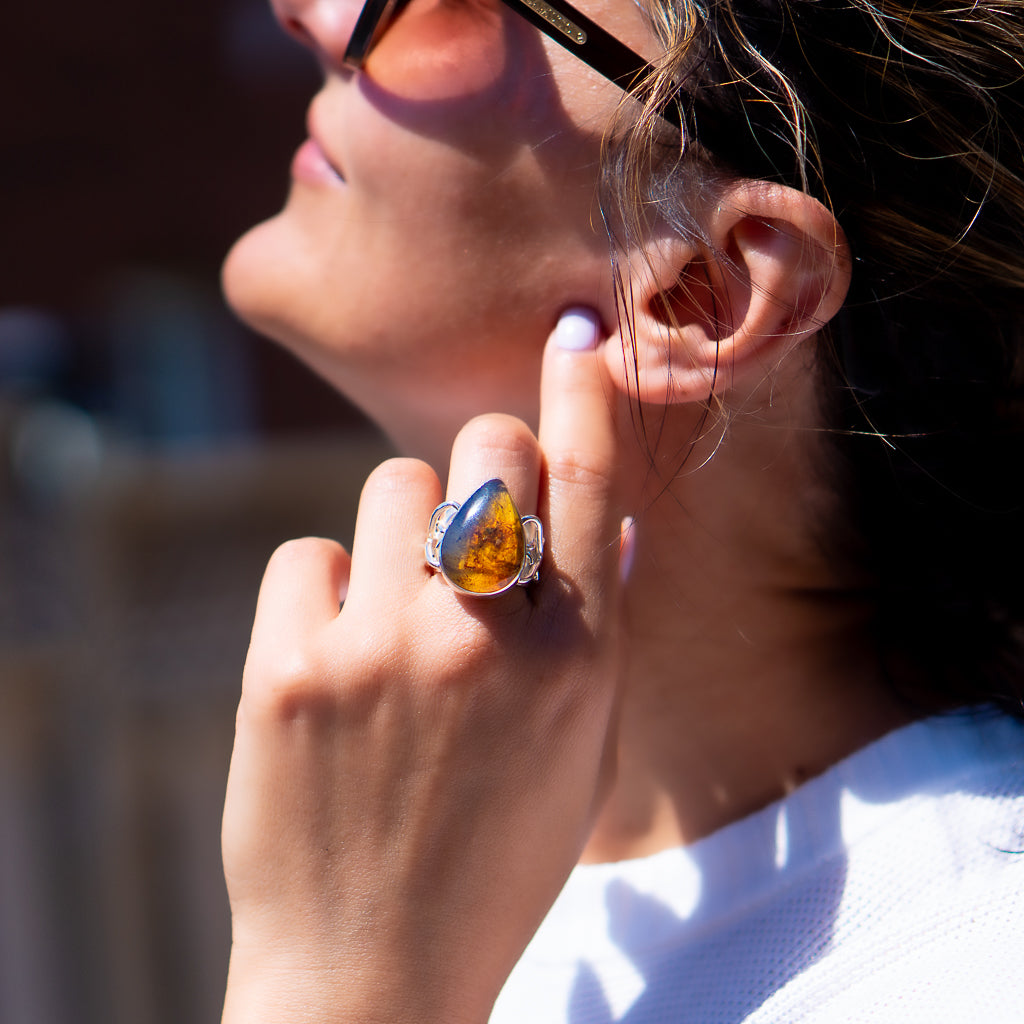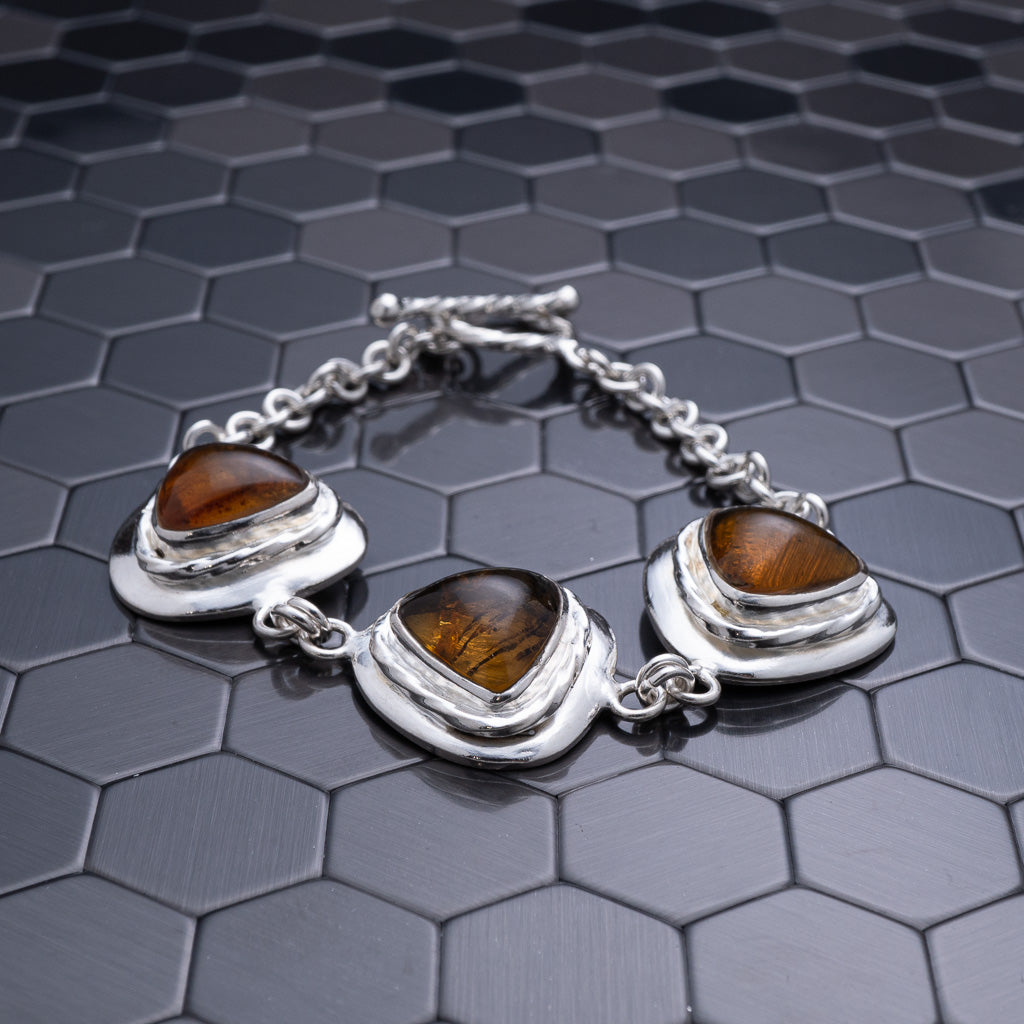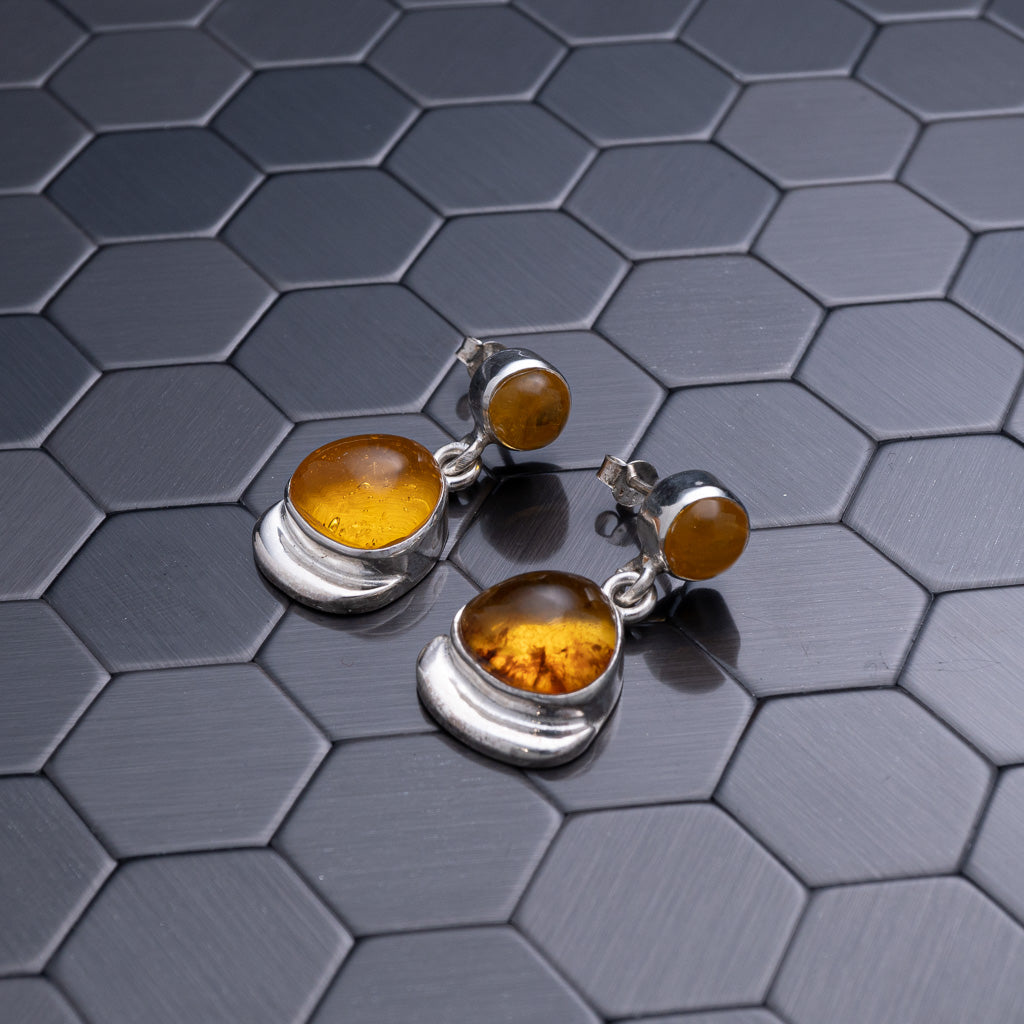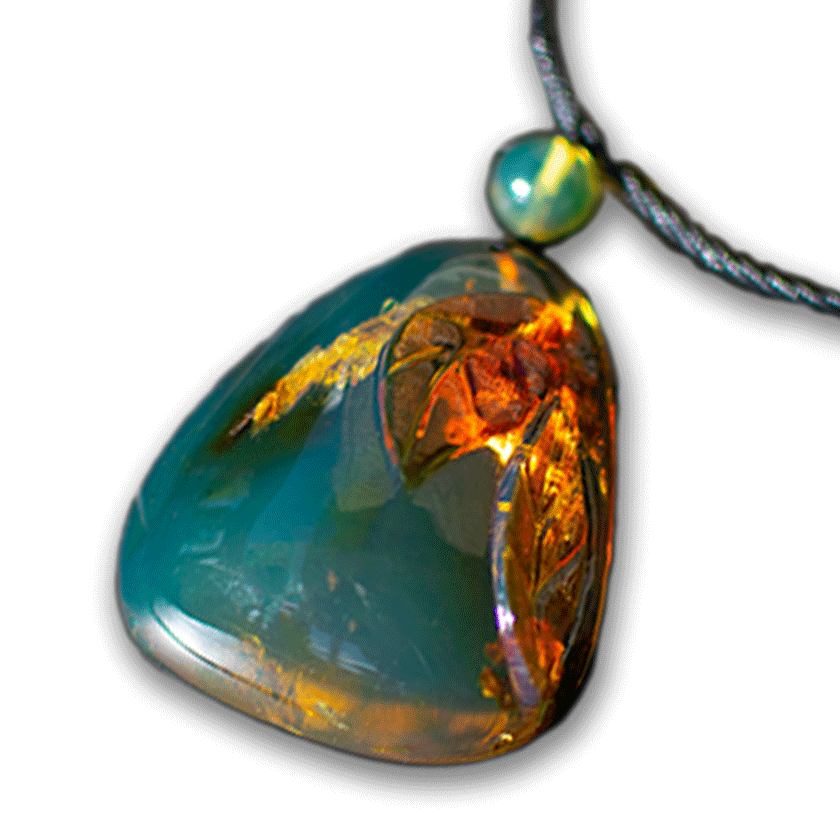


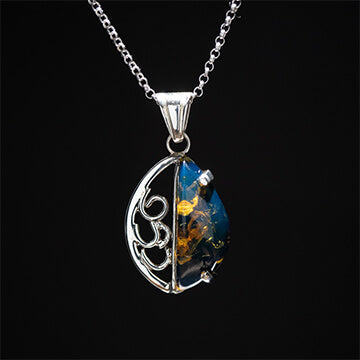
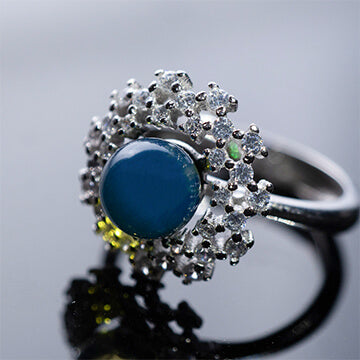
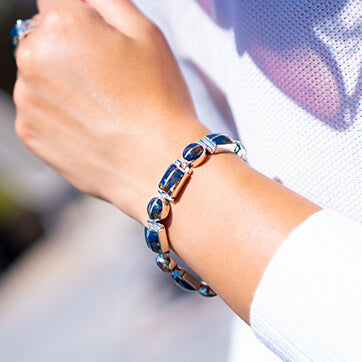
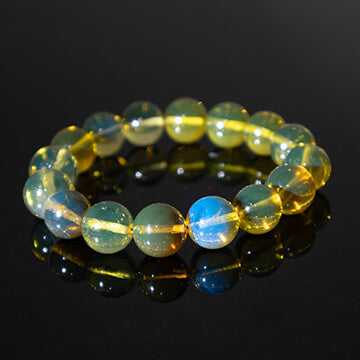
Handcrafted in DR.

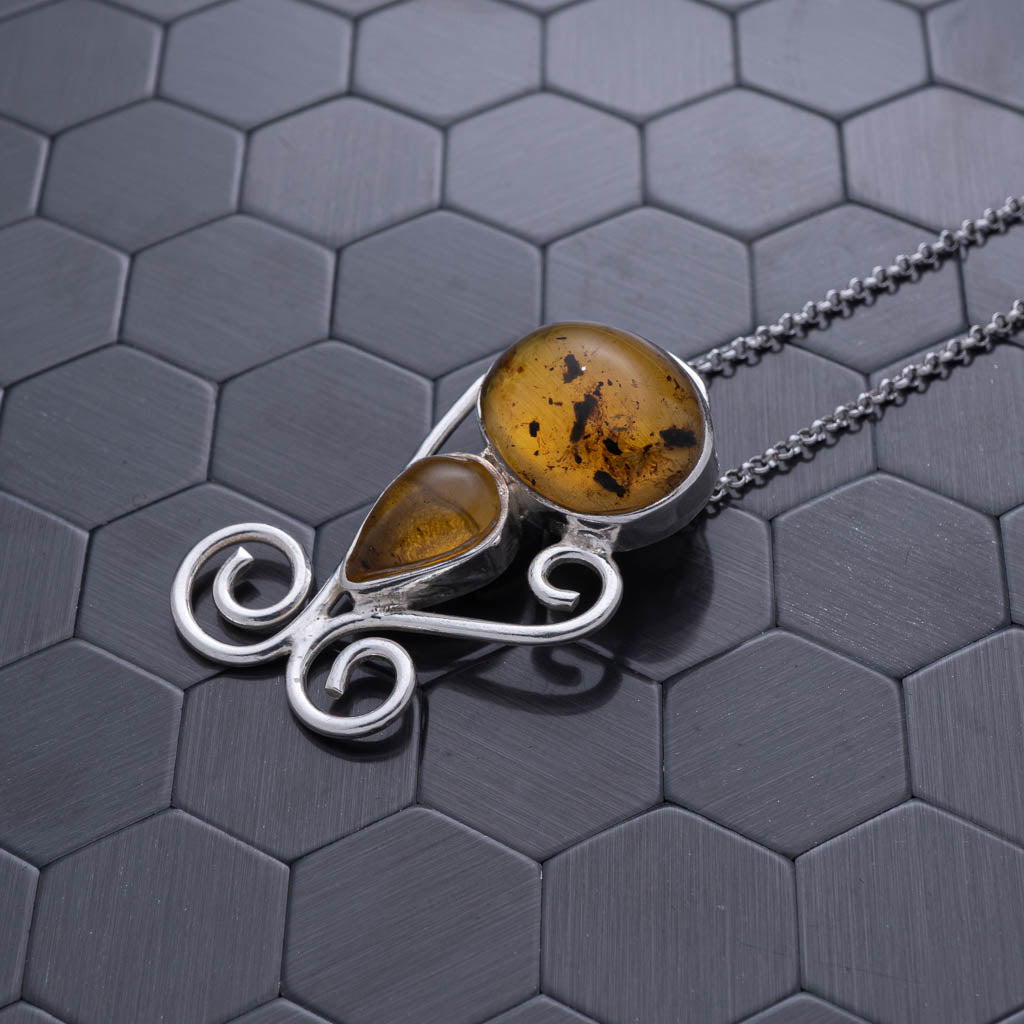
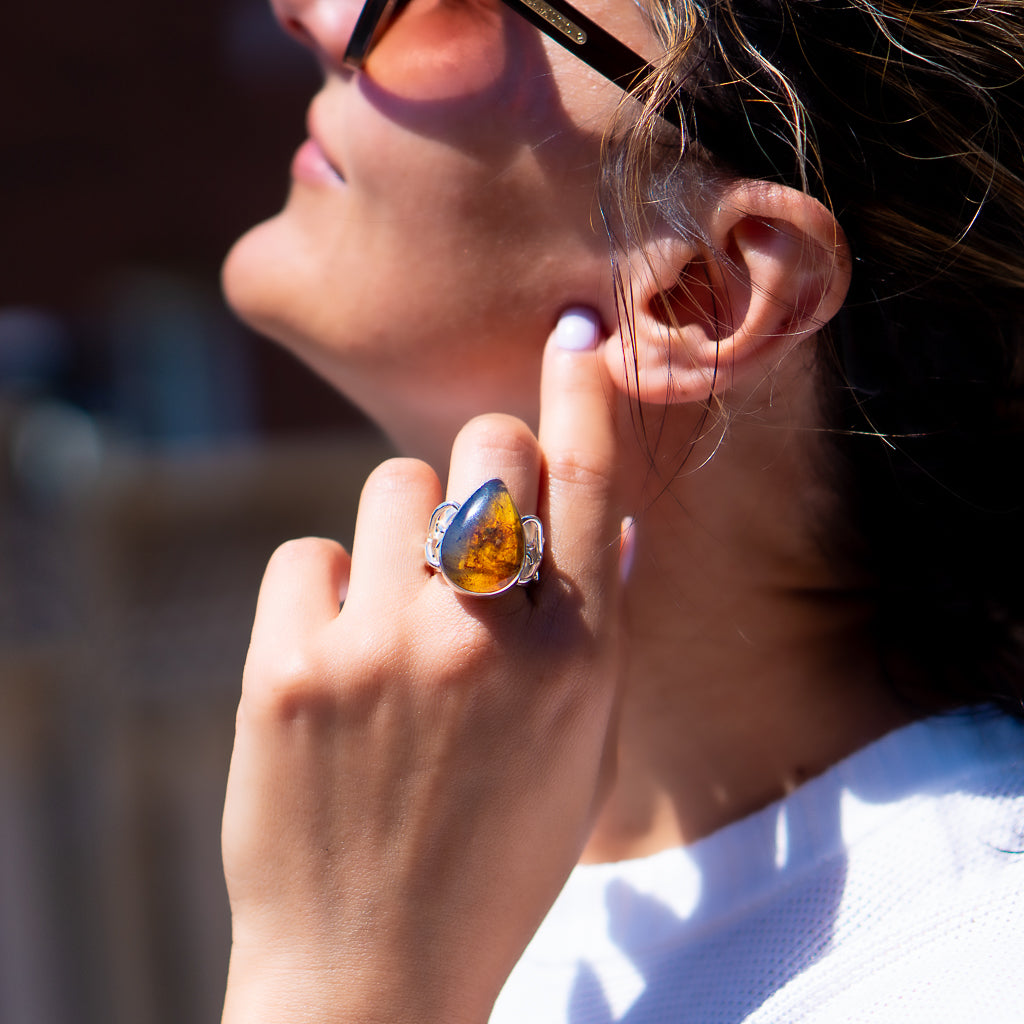
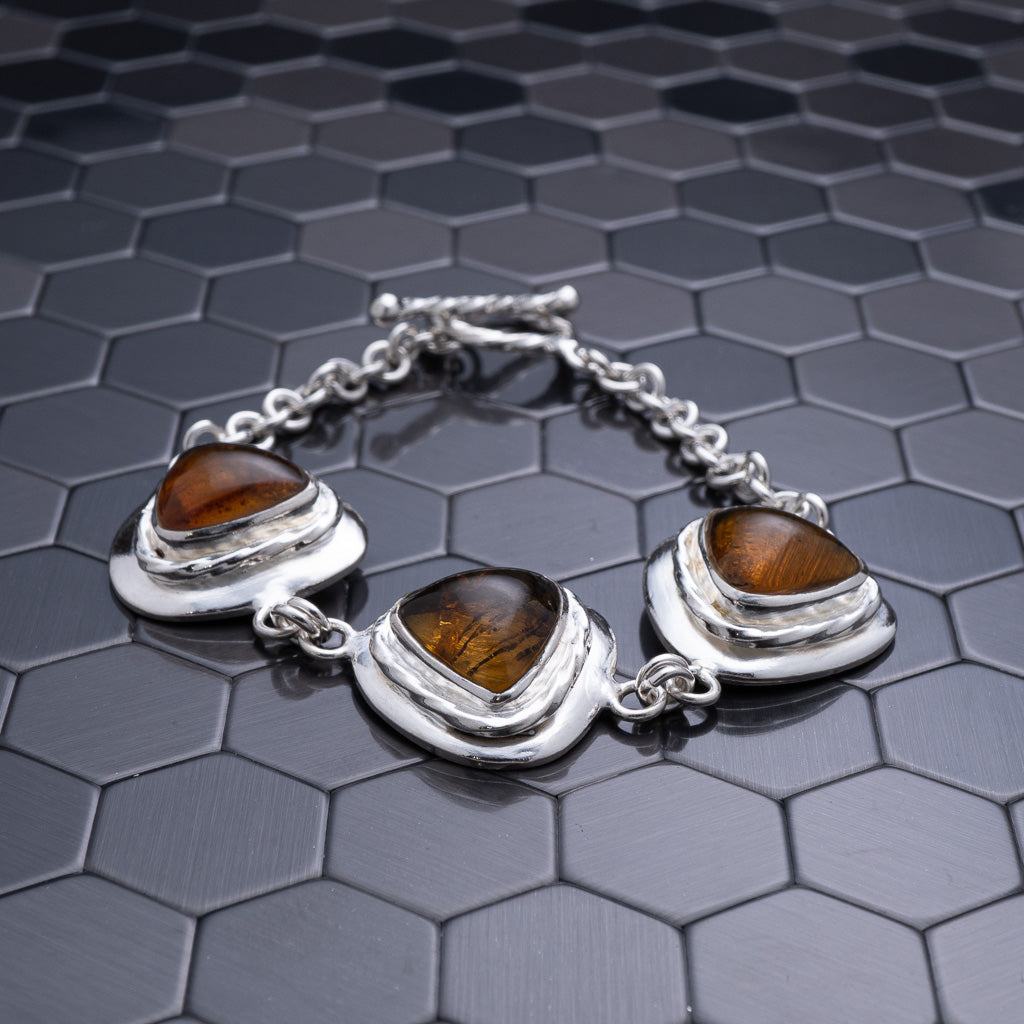
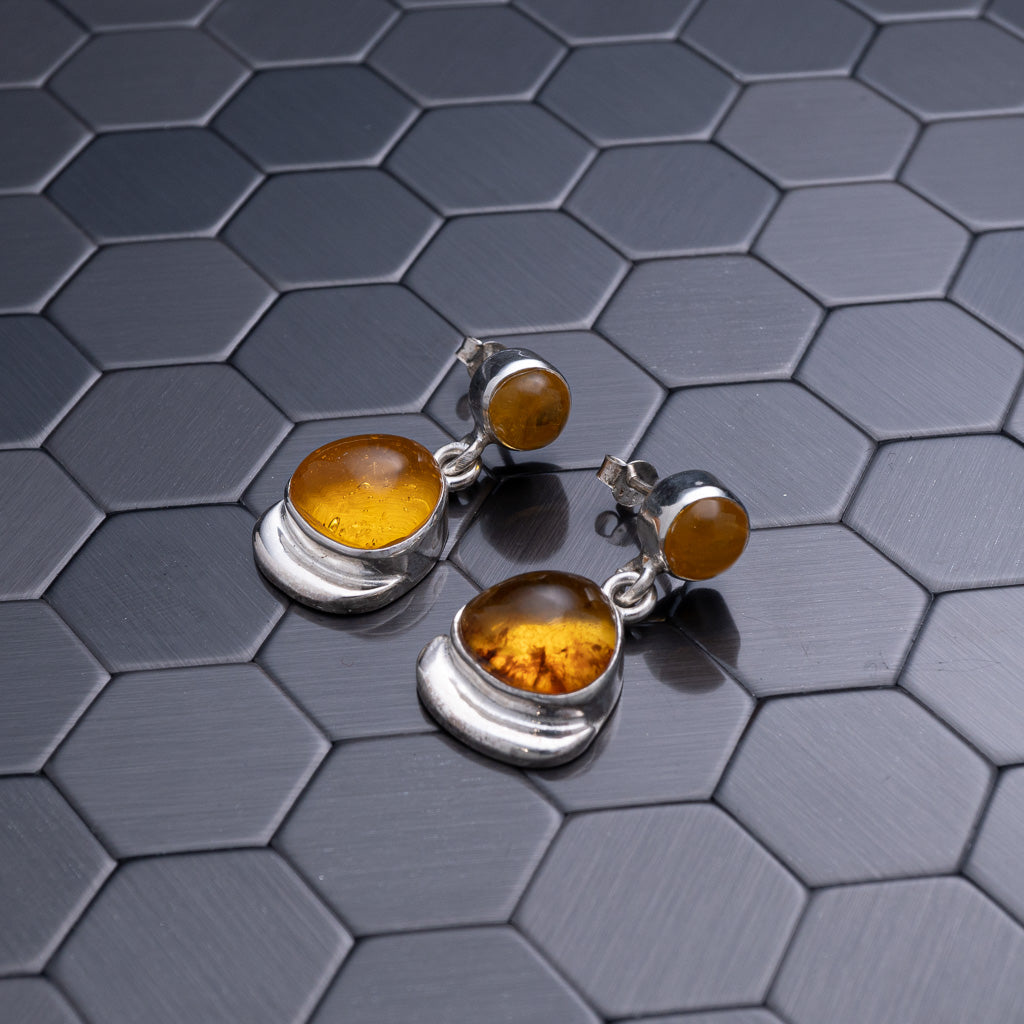


100% Handcrafted in DR.

Understanding the market value of larimar gemstones requires knowledge of multiple factors that influence pricing in the global marketplace. This rare blue stone, found exclusively in the Dominican Republic, commands prices that vary significantly based on quality, size, color intensity, and market demand. Whether you're a collector, investor, or jewelry enthusiast, comprehending the nuances of larimar stone price helps you make informed purchasing decisions and appreciate the true value of this Caribbean treasure.
The pricing structure for larimar gemstones follows complex evaluation criteria similar to other precious stones, yet with unique characteristics specific to this Dominican pectolite variety. Multiple factors converge to establish market value, creating a pricing spectrum that ranges from affordable specimens to investment-grade pieces.
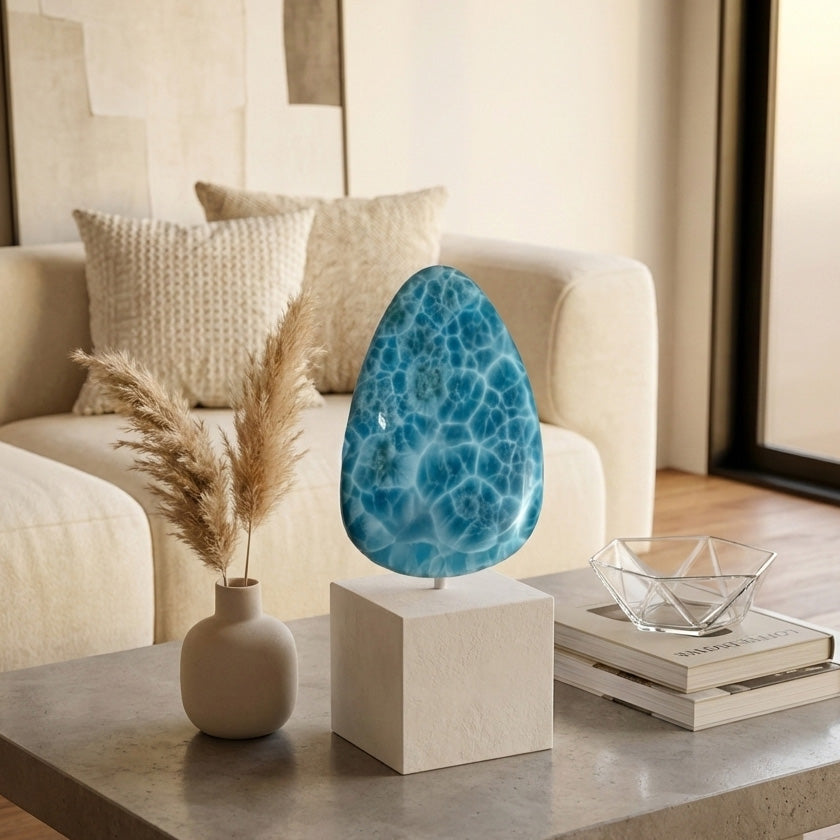
Color represents the most significant factor affecting larimar stone price. The most valuable specimens display deep volcanic blue coloration with white patterns resembling ocean waves. Stones exhibiting intense turquoise-blue hues command premium prices, sometimes reaching $200 to $400 per carat for exceptional quality.
Mid-range larimar typically features lighter sky-blue tones mixed with white veining, pricing between $50 to $150 per carat. Pale blue or predominantly white stones occupy the lower price brackets, generally valued at $10 to $40 per carat.
The presence of secondary colors also impacts valuation:
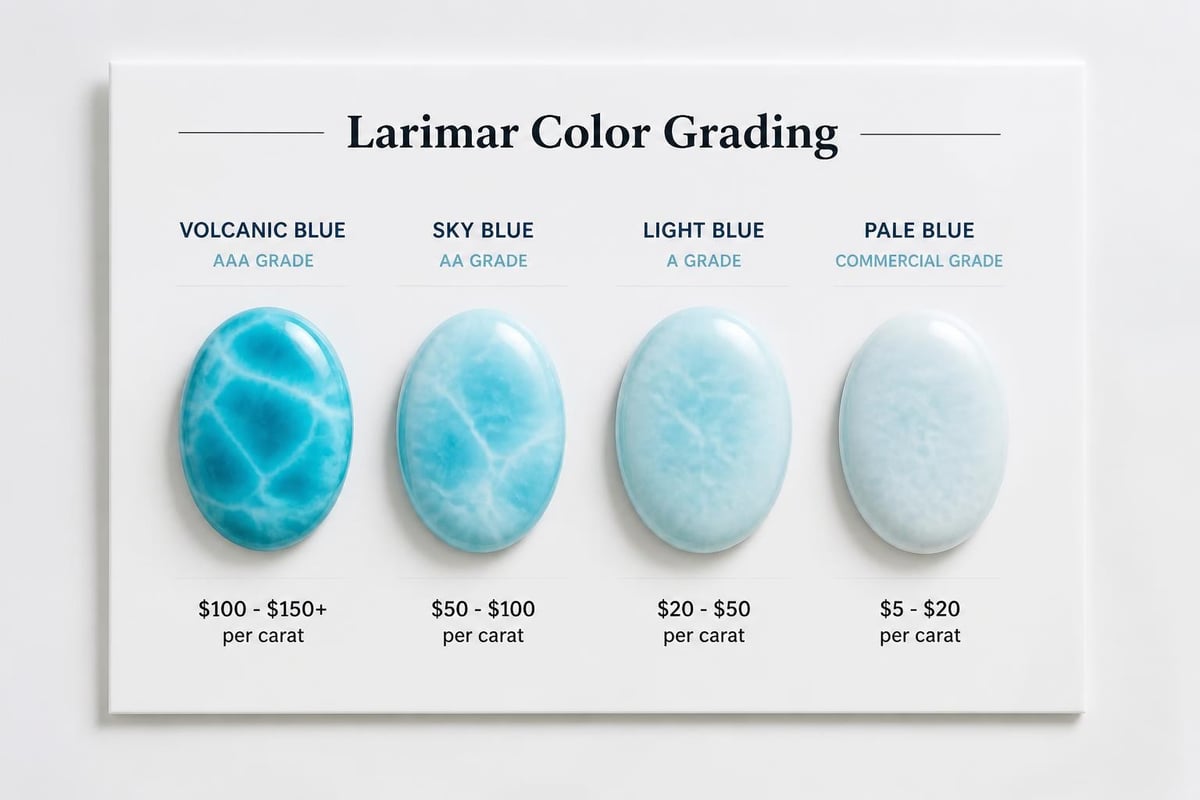
Transparency and pattern distribution create distinct pricing tiers within the larimar market. Translucent stones with minimal inclusions achieve higher valuations than opaque specimens. According to gemological parameters documented by GemDat, clarity significantly influences commercial desirability.
Pattern characteristics and their price impact:
| Pattern Type | Price Multiplier | Market Demand |
|---|---|---|
| Feathery waves | 1.5x - 2.0x | Very High |
| Cellular structure | 1.3x - 1.6x | High |
| Solid color | 1.0x | Moderate |
| Mixed/chaotic | 0.7x - 0.9x | Lower |
Fine needle-like inclusions arranged in flowing patterns enhance value, while irregular brown spots or heavy matrix inclusions decrease pricing. Collectors specifically seek stones displaying the characteristic "atlantis pattern" with swirling blue and white formations.
Larger larimar specimens command exponentially higher prices due to their rarity. The pricing structure doesn't increase linearly but rather follows a stepped progression as size increases.
Small stones (under 5 carats) remain most abundant and affordable. Medium pieces (5-15 carats) show moderate price elevation. Large specimens exceeding 20 carats become increasingly rare and may double or triple the per-carat price of smaller stones.
Exceptional cabochons weighing over 50 carats represent significant investments, often reserved for museum-quality collections or premium jewelry applications. These specimens may reach $300 to $500 per carat when displaying optimal color and clarity.
Current market conditions reflect both scarcity concerns and growing international demand for authentic Dominican larimar. Price ranges have stabilized compared to previous years, with certain quality grades showing modest appreciation.
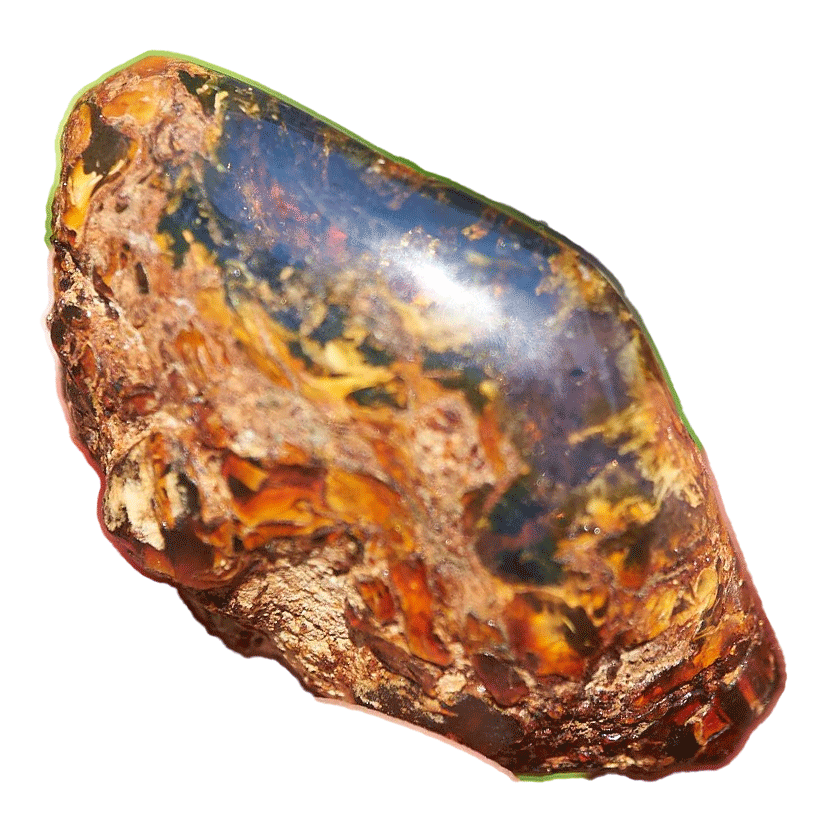
Uncut larimar material trades at wholesale rates significantly below finished gemstone prices. Mining operations and authorized dealers offer rough stones in various quality grades, providing opportunities for lapidaries and collectors.
Rough larimar price brackets:
Bulk purchases of rough material often receive discounted pricing, with wholesale lots measured in pounds rather than ounces. However, buyers must account for substantial material loss during cutting and polishing, typically 60-75% waste from rough to finished cabochon.
Finished larimar cabochons ready for jewelry setting represent the most common form of commercial trade. These polished stones reflect both material quality and craftsmanship value.
Professional cutting adds approximately 40-70% to the base material cost, depending on complexity and size. A well-proportioned cabochon maximizing color and pattern commands premium pricing over poorly executed cuts.
Standard oval cabochons measuring 10x8mm in AA grade typically retail between $45-80 per stone. Larger designer cuts in AAA grade may reach $200-400 for exceptional specimens. The International Gem Society provides detailed information about how cut quality influences final valuation.
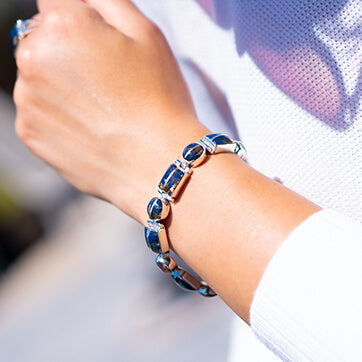
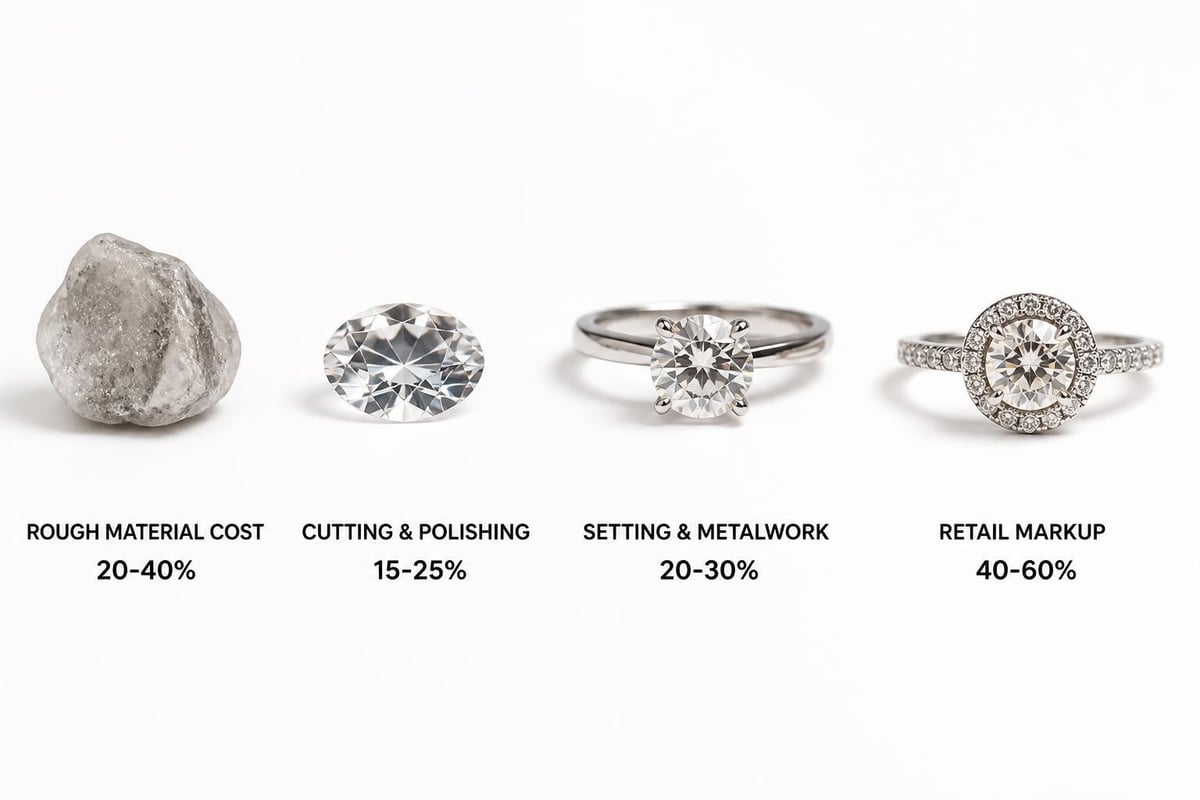
Finished jewelry incorporating larimar adds setting costs, precious metal value, and craftsmanship fees to the base stone price. Sterling silver settings represent the most common mounting choice, offering affordability while complementing larimar's blue tones.
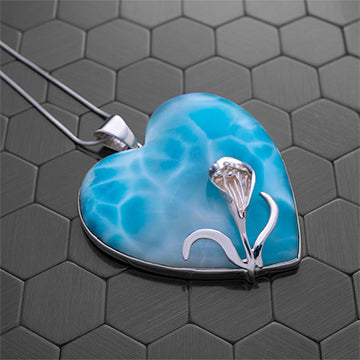
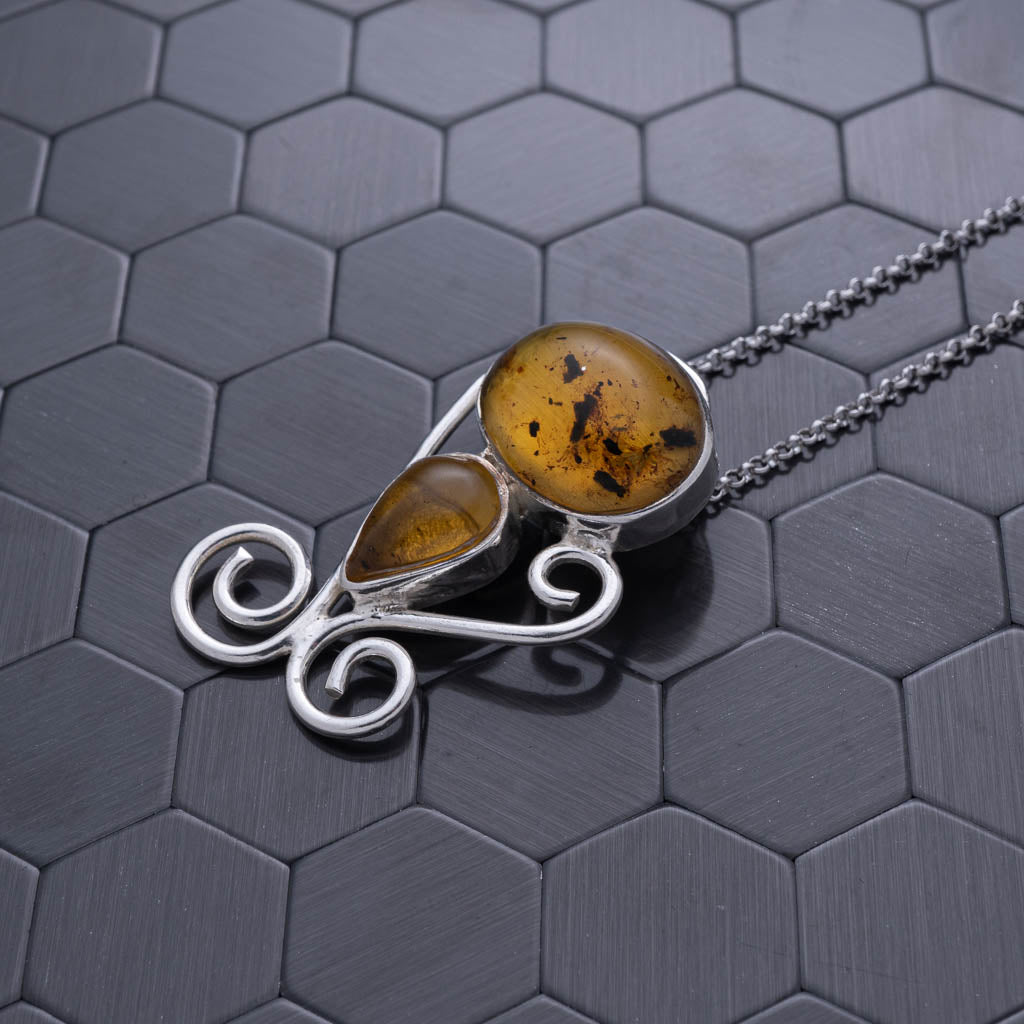
Simple pendants featuring 5-10 carat larimar stones in sterling silver typically range from $75-200, depending on stone quality and design complexity. For those seeking handcrafted Larimar Pendants, pieces featuring premium AAA-grade stones with intricate silver work can command $250-600.
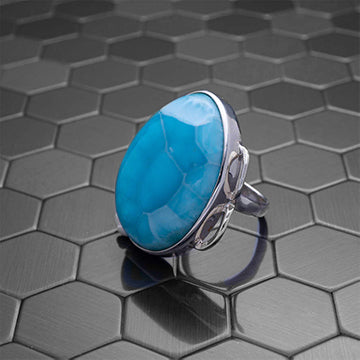
Rings, earrings, and bracelets follow similar pricing structures, with final costs reflecting total carat weight and mounting sophistication. Gold settings naturally increase prices by $200-800 depending on gold weight and karat purity.
The larimar industry employs various grading classifications, though no universally standardized system exists comparable to diamond grading. Different dealers may use distinct terminology, creating potential confusion for buyers.
Most reputable dealers utilize a letter-based system correlating with color intensity and overall quality. Understanding these classifications helps buyers interpret larimar stone price listings accurately.
AAA Grade (Volcanic Blue) The finest quality larimar displays deep, saturated blue coloration with minimal white matrix. These stones exhibit excellent translucency and distinctive pattern formation. Prices for AAA material range from $150-400 per carat for cut stones.
AA Grade (Sky Blue) Representing high-quality material, AA grade larimar shows vibrant medium-blue coloration with attractive white patterning. These stones maintain good translucency and appeal. Typical pricing falls between $75-180 per carat.
A Grade (Ocean Blue) Good quality larimar featuring lighter blue tones mixed with more prominent white areas. These stones remain attractive for jewelry applications while offering moderate pricing of $30-85 per carat.
Commercial Grade Pale blue or predominantly white specimens with minimal blue coloration. While still genuine larimar, these stones command lower prices of $10-35 per carat and suit budget-conscious buyers.
Genuine larimar stone price reflects rarity and authentic Dominican origin. Unfortunately, market presence of imitations, synthetic materials, and misrepresented stones necessitates verification measures.
Authentic larimar exhibits specific characteristics:
Buyers should request certification from reputable gemological laboratories when purchasing high-value specimens. Learning to identify genuine larimar through authenticity guides protects against costly mistakes.
Larimar stone price varies not only by quality but also through market dynamics, supply conditions, and economic factors affecting the gemstone industry broadly.
All commercial larimar originates from a single mountain region near Barahona in the Dominican Republic. Mining operations remain small-scale and artisanal, creating inherent supply limitations that support pricing stability.
Production challenges include:
When mining operations experience disruptions or reduced output, wholesale prices typically increase by 15-30% within months. Conversely, periods of abundant production may soften prices temporarily, though high-grade material remains consistently valued.
Growing awareness of larimar in Asian markets, particularly China and Japan, has strengthened demand since 2024. European markets maintain steady interest, while North American buyers represent the largest consumer base.
Tourism to the Dominican Republic directly impacts retail pricing in source-country markets. Visitor purchases create demand spikes during peak travel seasons, sometimes elevating prices by 10-20% in tourist-oriented shops.
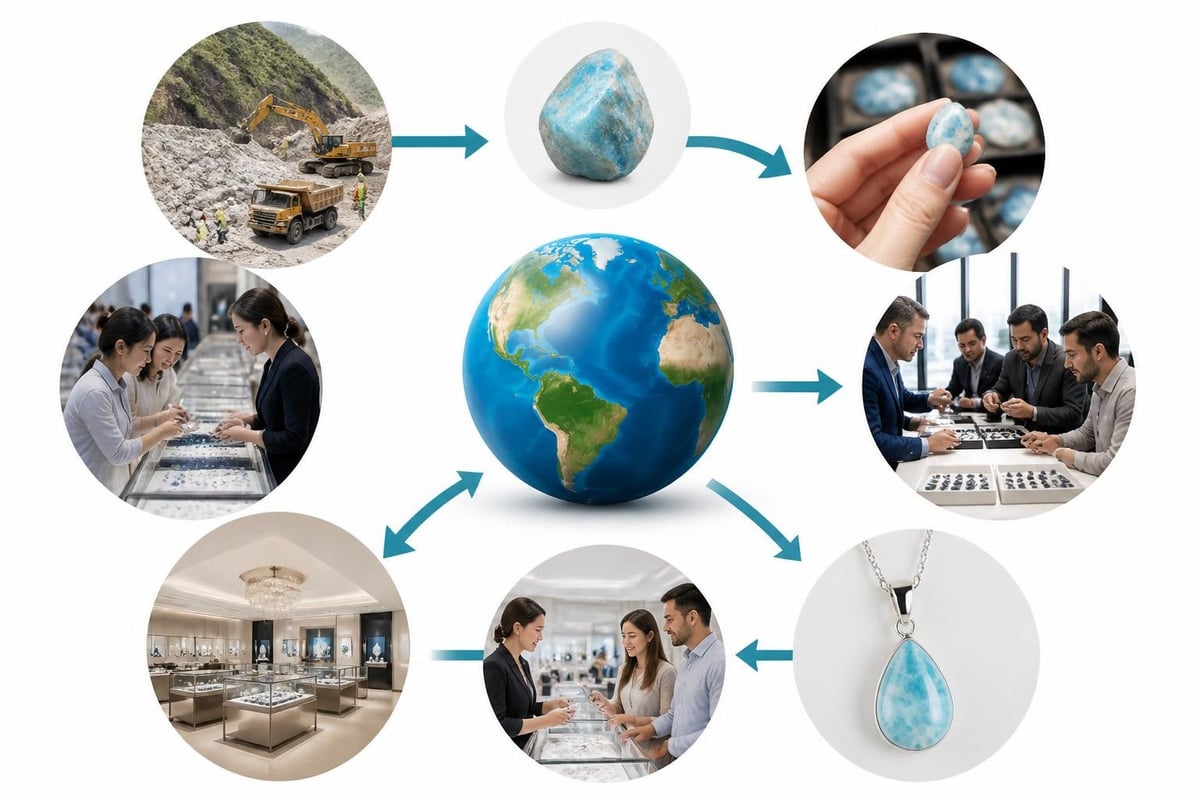
The larimar stone price in US dollars remains relatively stable, but currency fluctuations affect international buyers and Dominican sellers. Peso valuation changes can create pricing adjustments at the source level.
Precious metal prices also influence finished jewelry costs. Silver price increases directly impact mounting costs, potentially adding $15-40 to pendant or ring prices depending on metal weight.
Informed buyers employ strategic approaches to acquire quality larimar at fair market prices, balancing quality expectations with budget constraints.
Buying directly from Dominican dealers or visiting mining regions offers potential cost savings of 30-50% compared to retail prices in destination countries. However, buyers must navigate authenticity concerns and quality assessment without familiar consumer protections.
Advantages include access to broader selection and wholesale pricing. Disadvantages encompass travel costs, language barriers, and limited recourse for quality disputes. Recent conference materials on larimar market dynamics highlight the importance of established dealer relationships.
Established gemstone dealers and specialized larimar retailers provide quality assurance, return policies, and expert guidance. While prices exceed source-country rates, the added security justifies modest premiums for most buyers.
When evaluating dealers, consider:
Specialists focusing exclusively on Dominican gemstones, including those offering comprehensive larimar jewelry guides, often provide superior expertise compared to general gemstone retailers.
Digital platforms offer convenience and broad selection but require heightened scrutiny regarding authenticity and accurate quality representation. Photograph lighting can dramatically alter perceived color, leading to disappointment upon receipt.
Online buying best practices:
| Practice | Purpose | Risk Reduction |
|---|---|---|
| Request multiple photos | Assess true color | 40% |
| Verify return policy | Ensure satisfaction | 60% |
| Check seller ratings | Gauge reliability | 50% |
| Request certification | Confirm authenticity | 80% |
| Compare prices | Identify fair value | 30% |
Platforms specializing in gemstones rather than general marketplaces typically offer better quality control and knowledgeable sellers. Be cautious of prices significantly below market rates, which may indicate quality issues or authenticity concerns.
Collectors increasingly view premium larimar as an alternative investment vehicle, though gemstone investments carry different risk profiles than traditional assets.
Historical data from 2015-2026 shows AAA-grade larimar appreciating approximately 35-45% in wholesale pricing. This growth stems from increasing scarcity, growing international awareness, and limited supply expansion potential.
However, appreciation rates vary significantly by quality grade. Commercial-grade material shows minimal price increase over the same period, while AA and AAA grades demonstrate stronger performance. Investment-grade specimens weighing over 20 carats with exceptional color have appreciated 50-70% during this timeframe.
Serious collectors focus on acquiring the finest available specimens rather than accumulating quantity. A single AAA-grade 25-carat cabochon may offer better long-term value than twenty commercial-grade stones totaling equivalent weight.
Documentation proves essential for investment pieces. Maintain detailed records including:
These records support insurance valuation, eventual resale, and estate planning considerations. Understanding rare larimar colors and investment value helps collectors identify specimens with superior appreciation potential.
Unlike precious metals or major gemstones with established commodity markets, larimar requires specialized buyers for resale. This limited liquidity means selling investment pieces may require months rather than immediate conversion to cash.
Auction houses occasionally feature exceptional larimar specimens, though most transactions occur through dealer networks or private collector sales. Resale typically realizes 60-75% of current retail replacement value, with exceptional pieces potentially achieving 80-90% if properly marketed to qualified buyers.
Larimar stone price differs substantially across geographic markets, reflecting import costs, local demand, and dealer markup structures.
Source-country pricing offers the lowest rates globally, particularly when purchasing directly from miners or local wholesalers. Retail shops in tourist areas charge higher prices but still remain 20-40% below international markets.
Popular purchasing locations include:
Negotiation remains expected in Dominican markets, with initial asking prices often 30-50% above seller's acceptable minimum. Cultural familiarity with bargaining etiquette improves transaction outcomes.
United States and Canadian retailers typically price larimar 50-80% above Dominican source costs, reflecting import duties, shipping, dealer markup, and retail overhead. European markets show similar or slightly higher premiums depending on country-specific VAT and import regulations.
Specialized gemstone shows and mineral exhibitions offer opportunities to purchase from multiple dealers in concentrated settings, facilitating price comparison and quality assessment. These events occasionally feature Dominican vendors selling directly at reduced markups.
Emerging Asian demand, particularly from Chinese collectors and jewelry manufacturers, has created new pricing dynamics since 2023. Asian buyers increasingly purchase at Dominican source, sometimes creating local supply constraints and upward price pressure.
Japanese markets show particular appreciation for the finest AAA-grade material, willingly paying premium prices for exceptional color and pattern. This demand segment supports higher valuations for investment-grade specimens globally.
Proper maintenance protects larimar stone price value over time, as damaged or poorly maintained specimens experience significant devaluation.
With a Mohs hardness of 4.5-5, larimar remains relatively soft compared to many gemstones. This characteristic necessitates careful handling and appropriate jewelry design to prevent scratching, chipping, or fracturing.
Pendant settings provide better protection than ring applications where stones face greater impact risk. Those interested in repairing larimar gemstone jewelry should understand that professional restoration may be necessary following damage.
Protection strategies:
Prolonged exposure to intense sunlight may gradually fade larimar's blue coloration over years or decades. While not rapidly photosensitive, valuable specimens benefit from reasonable light exposure limitations.
Heat exposure poses minimal risk under normal jewelry-wearing conditions. However, extreme temperatures during jewelry repair procedures require careful management to prevent thermal shock fracturing.
Chemical exposure from cosmetics, perfumes, or household cleaners can dull surface polish and potentially affect coloration. Applying makeup, hairspray, and perfume before donning larimar jewelry minimizes contact with these substances.
Understanding larimar stone price empowers collectors and jewelry enthusiasts to make confident purchasing decisions based on quality factors, market conditions, and personal preferences. The unique combination of Dominican exclusivity, distinctive beauty, and growing global appreciation ensures larimar's continued value in the gemstone marketplace. Whether you're seeking an elegant jewelry piece or building an investment collection, Larimar Creations offers authentic, handcrafted larimar jewelry with transparent quality grading and worldwide shipping, helping you find the perfect piece that matches both your aesthetic vision and budget considerations.