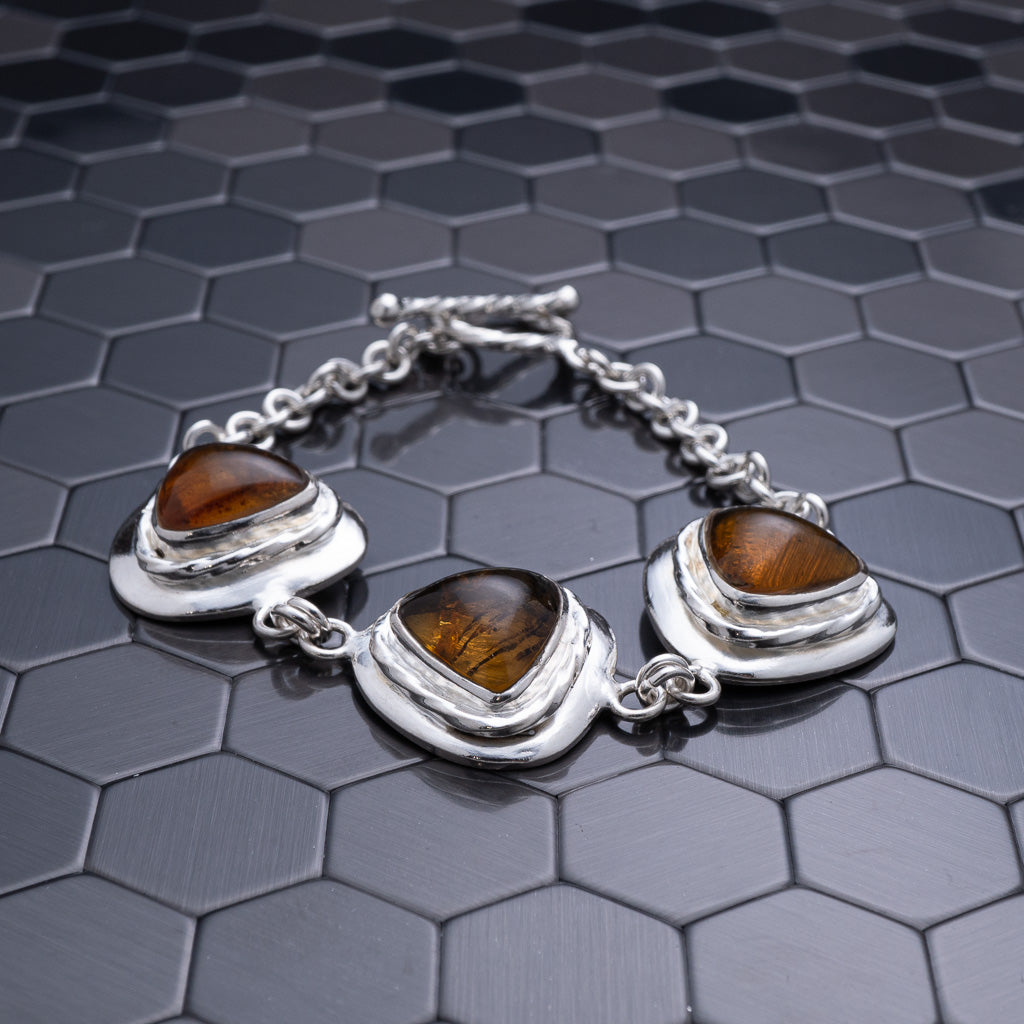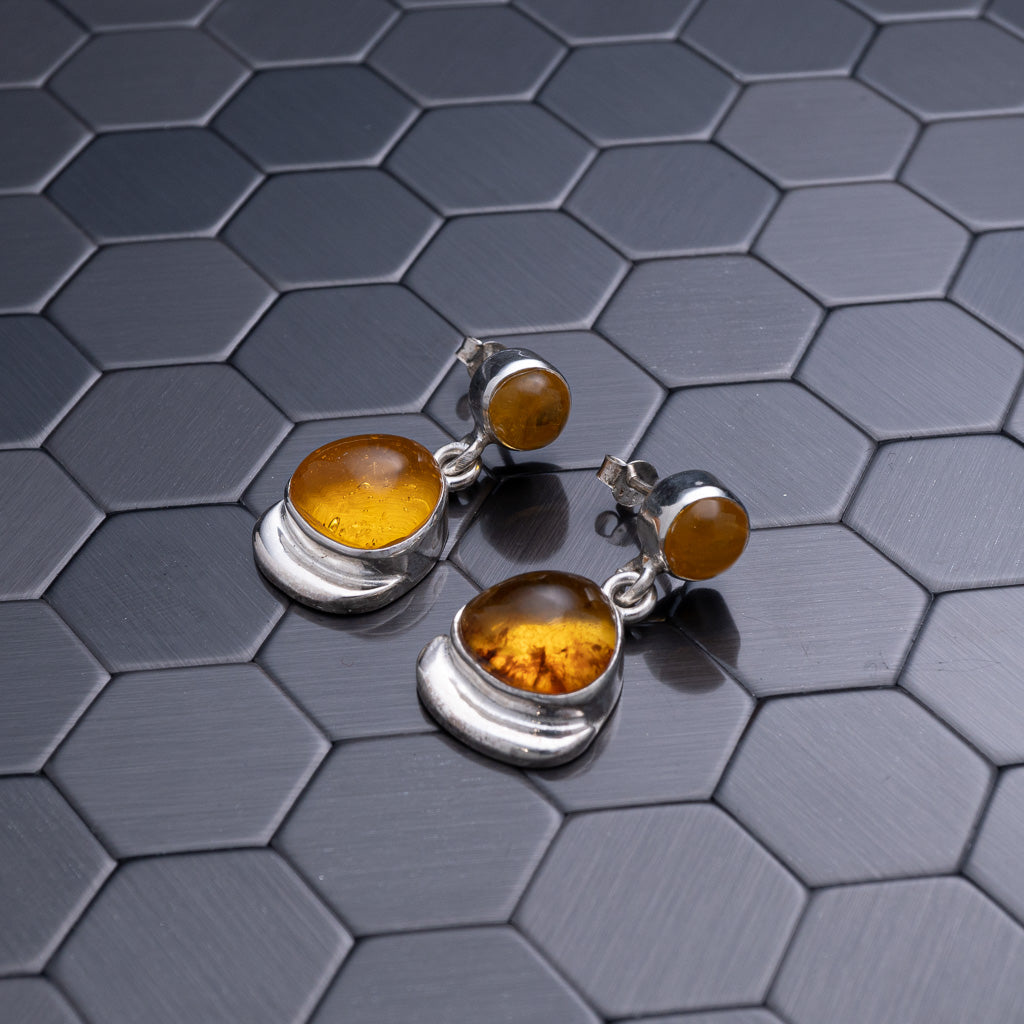


Handcrafted in DR.

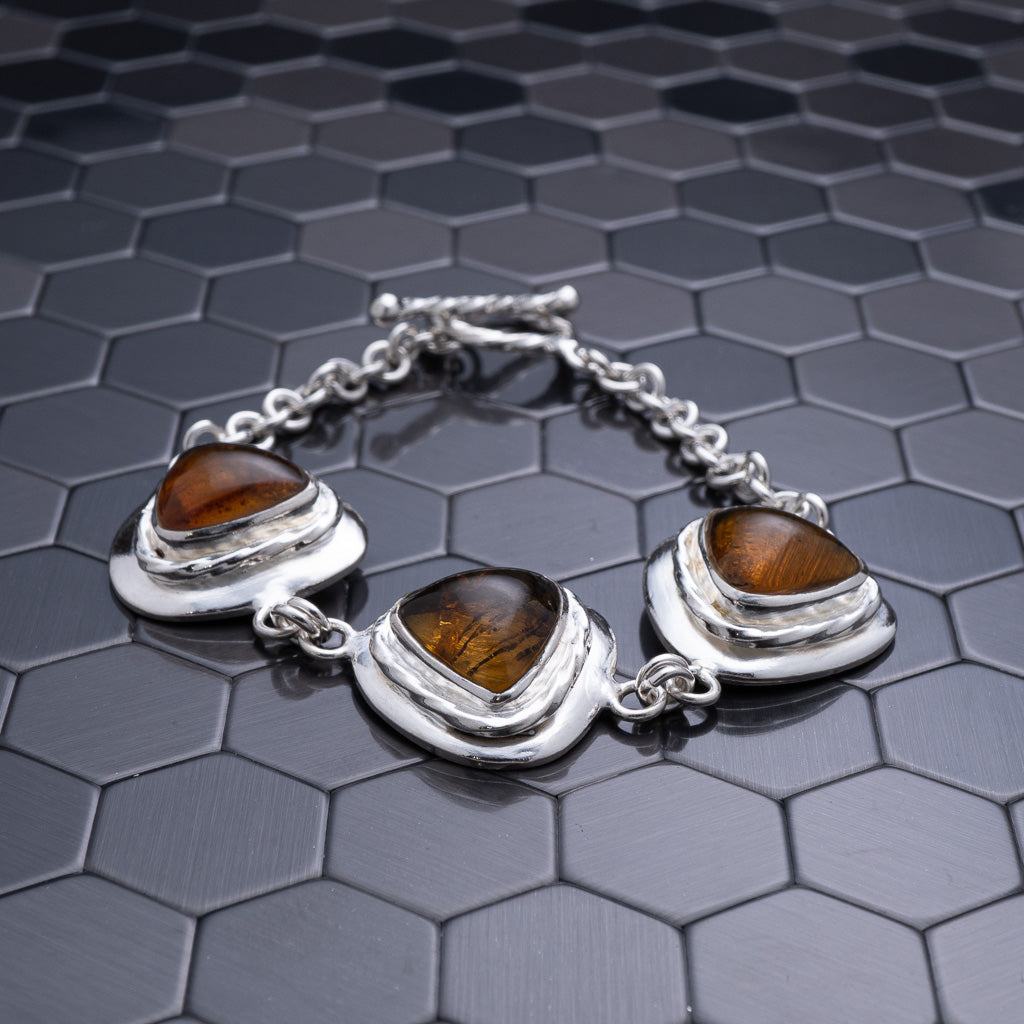
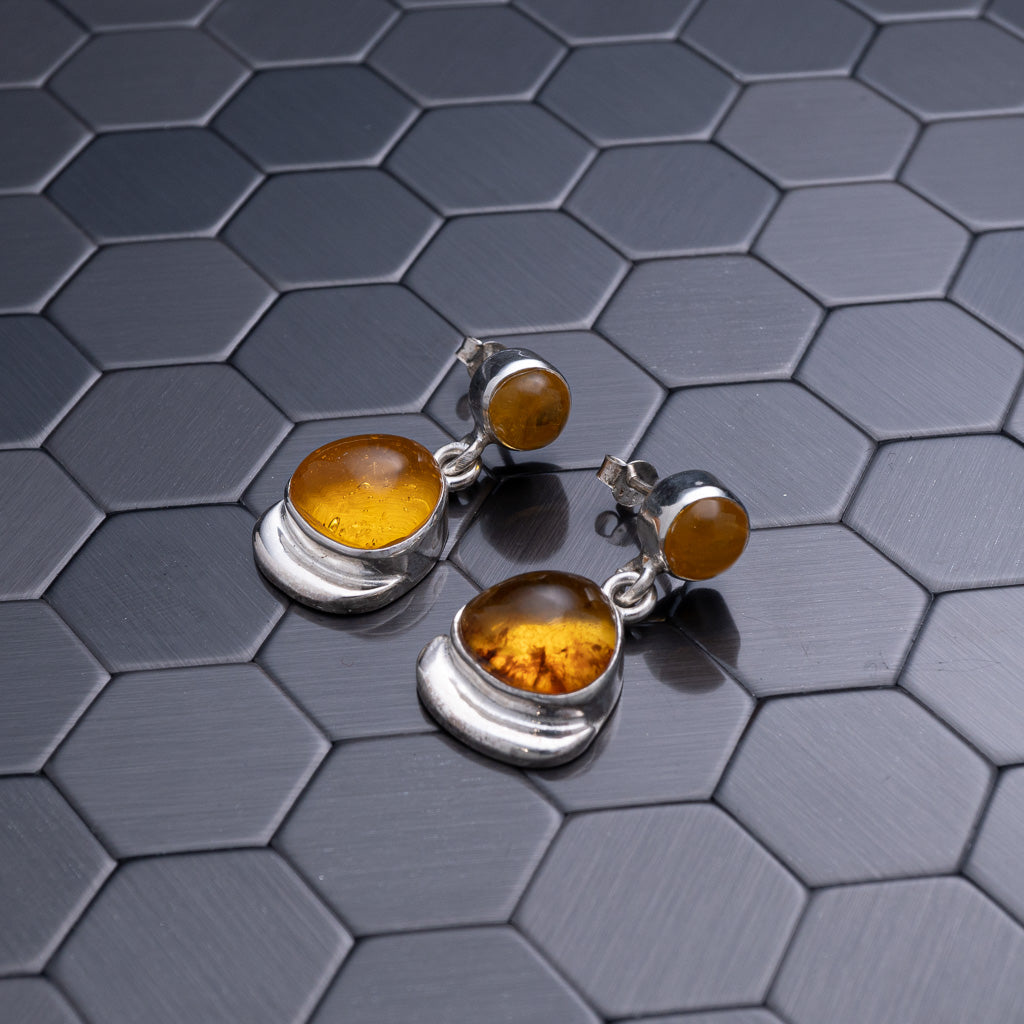


100% Handcrafted in DR.

The world of fine jewelry has evolved dramatically in recent years, with discerning consumers moving beyond conventional diamond solitaires to seek pieces that reflect their individuality. Gemstone rings unique in both material and design have surged in popularity, driven by a desire for authenticity, rarity, and personal expression. Whether you're drawn to the celestial blue of Larimar, the iridescent glow of opal, or the color-changing magic of alexandrite, understanding what makes these rings truly exceptional helps you make informed choices that align with your style and values. This comprehensive guide explores the characteristics that define gemstone rings unique, from the geological rarity of the stones themselves to the artisanal craftsmanship that transforms them into wearable art.
Authenticity begins with understanding what separates a genuinely exceptional piece from mass-produced jewelry. The term "unique" carries specific weight in the gemstone world, encompassing several critical factors.
Rarity of the gemstone forms the foundation of uniqueness. Stones like Larimar exist in only one geographic location worldwide (the Dominican Republic), making each piece inherently limited. Similarly, rare color varieties of common minerals, such as padparadscha sapphires or Paraíba tourmalines, command premium prices due to their scarcity. According to JCK's recent Colored Stones Report, supply constraints for unusual gemstones have intensified in 2026, making truly rare stones even more valuable.
Every gemstone carries a distinctive fingerprint created during its formation over millennia. These internal features include:
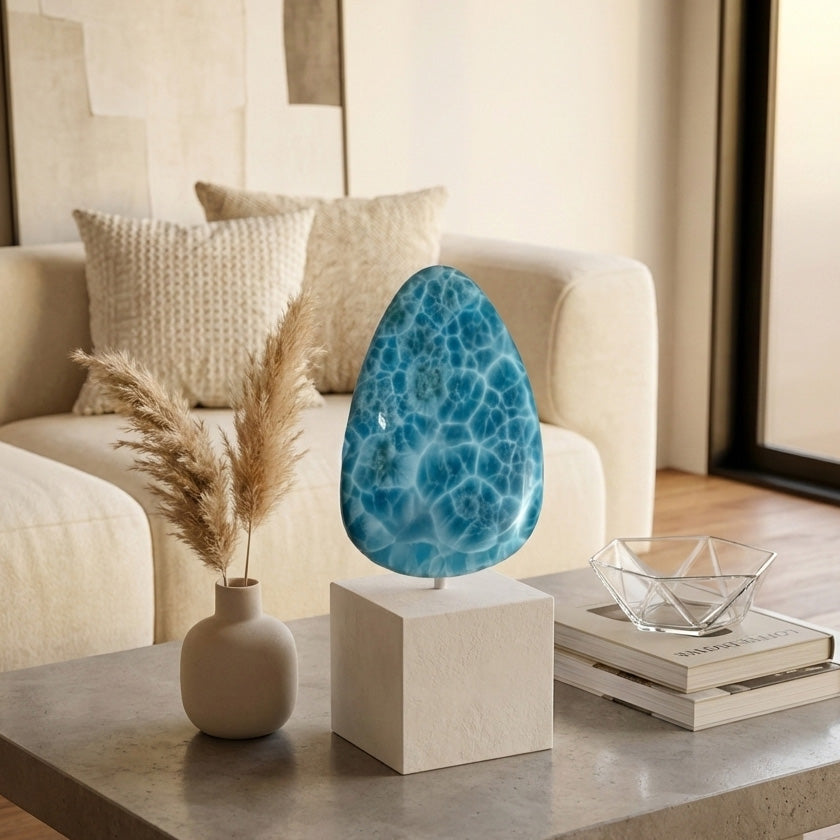
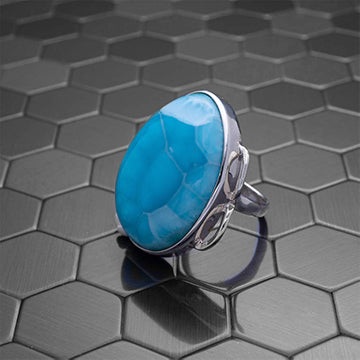
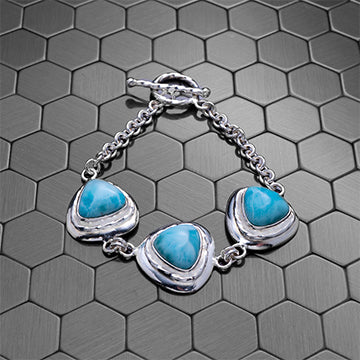
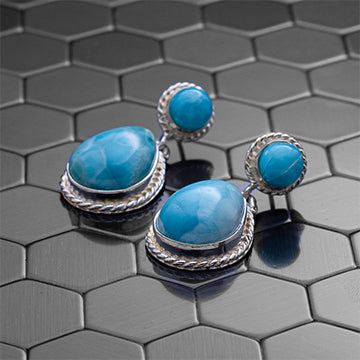
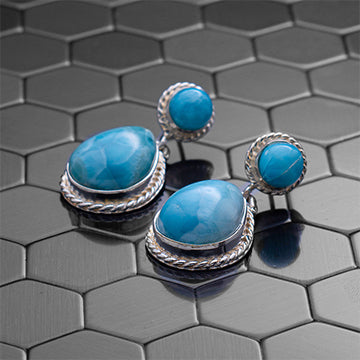
For example, Larimar displays distinctive volcanic blue patterns with white streaks that vary dramatically from stone to stone, ensuring no two rings are identical. This natural variation stands in sharp contrast to lab-created or synthetic alternatives that, while beautiful, lack the geological history and individuality of earth-mined specimens.

The Federal Trade Commission provides clear guidance on how jewelers must disclose whether gemstones are natural, treated, or laboratory-grown, ensuring consumers understand exactly what they're purchasing when seeking gemstone rings unique to their collection.
Beyond the traditional ruby, sapphire, and emerald trinity, a world of exceptional gemstones awaits exploration. Each offers distinct aesthetic and symbolic qualities.
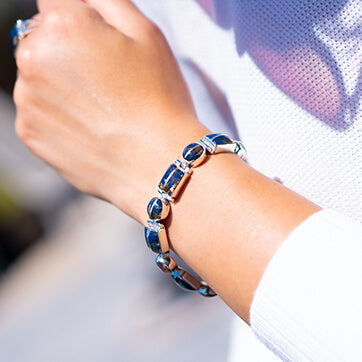
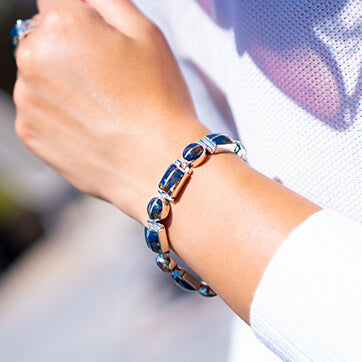
Larimar represents perhaps the most geographically exclusive gemstone available today. This volcanic blue pectolite forms exclusively in the Dominican Republic's mountainous regions, where specific geological conditions converge. Its coloration ranges from milky white-blue to deep volcanic blue with distinctive patterns resembling Caribbean waters. The stone's relative softness (4.5-5 on Mohs scale) requires thoughtful setting choices, but its rarity and beauty make it highly sought after for rings and other jewelry pieces.
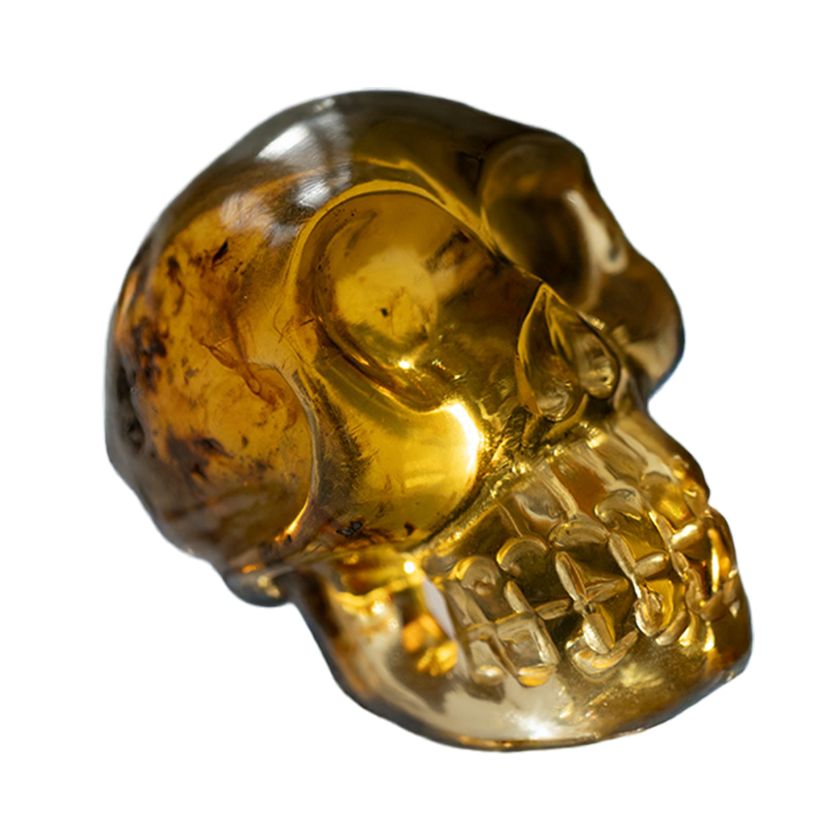
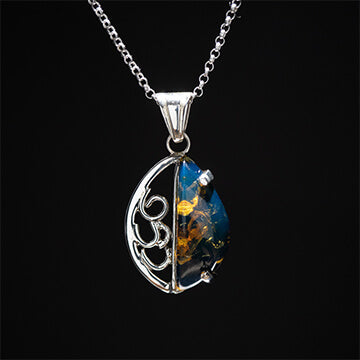
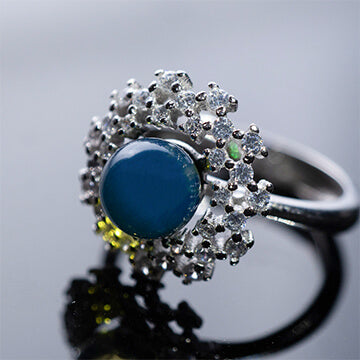
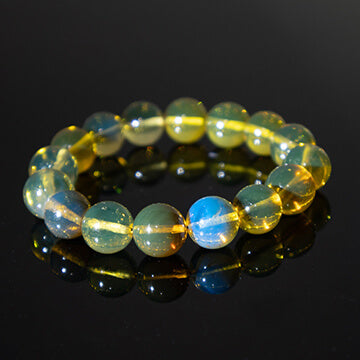
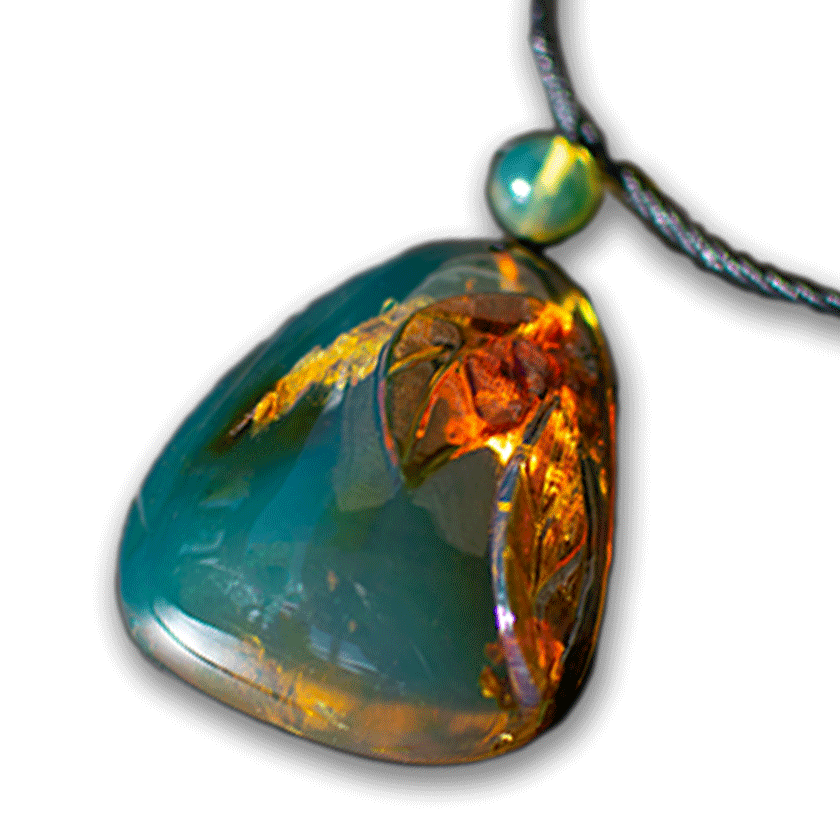
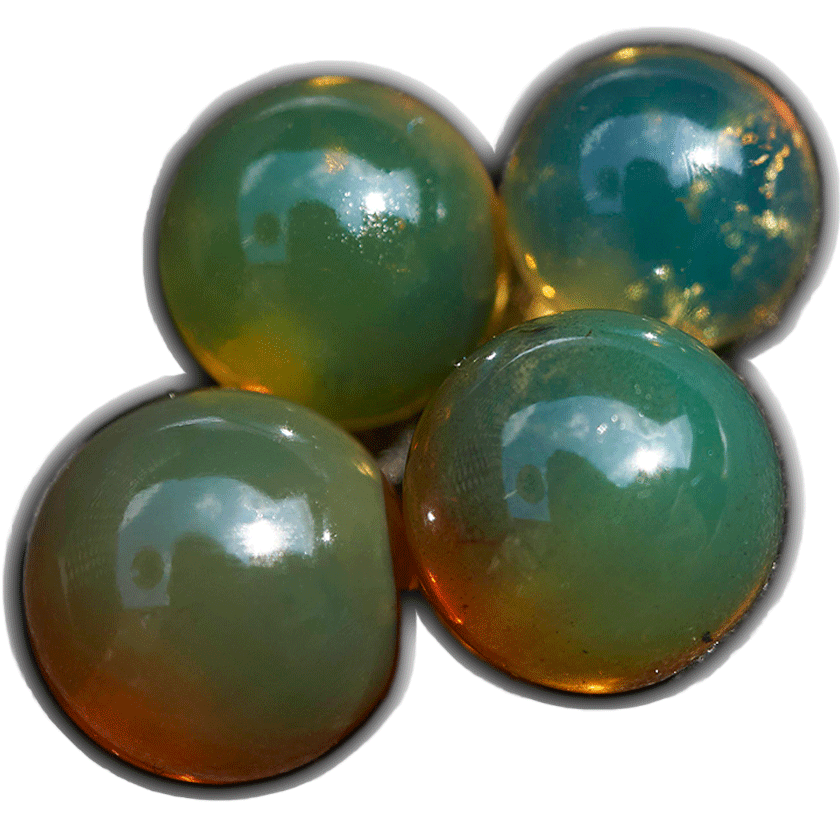
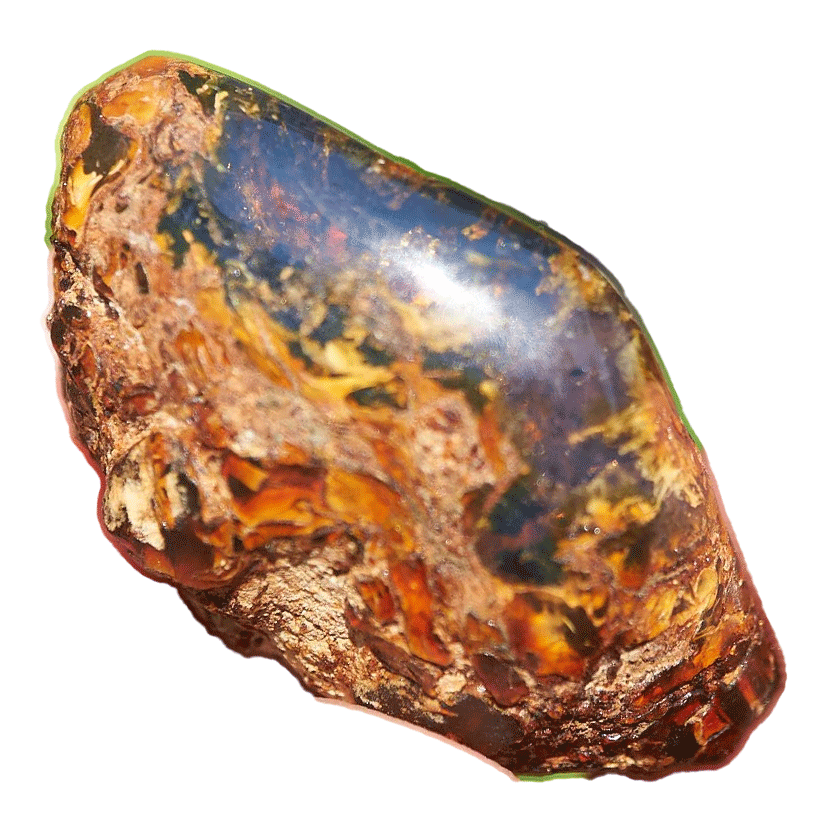
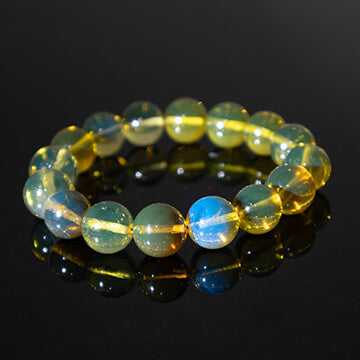
Dominican Blue Amber offers another rare option from the same region. Unlike traditional amber, blue amber exhibits a remarkable fluorescent blue glow under natural sunlight due to perylene compounds. This optical property creates an ever-changing appearance as lighting conditions shift throughout the day.
| Gemstone | Unique Property | Rarity Level | Durability (Mohs) |
|---|---|---|---|
| Alexandrite | Color change (green to red) | Extremely Rare | 8.5 |
| Sunstone | Aventurescence (glitter effect) | Moderate | 6-6.5 |
| Labradorite | Iridescent flash (labradorescence) | Common, high-quality rare | 6-6.5 |
| Fire Opal | Transparent orange-red color | Rare | 5.5-6 |
| Black Opal | Play-of-color on dark body | Very Rare | 5.5-6 |
These phenomenal stones create visual interest impossible to achieve with conventional faceted gems. The American Gem Society offers comprehensive guidance on evaluating quality factors specific to each gemstone variety, helping consumers identify exceptional specimens.
Spinel has emerged from ruby's shadow as collectors recognize its brilliant colors and superior durability. Tsavorite garnet provides emerald-like green without the typical inclusions that plague Colombian emeralds. Teal sapphires and parti-colored sapphires showcase nature's artistic color combinations within single crystals.
The Responsible Jewellery Council's guidance emphasizes traceability for colored gemstones, ensuring ethical sourcing practices for these increasingly popular alternatives.
The gemstone represents only half of what makes gemstone rings unique. The design, setting, and metalwork contribute equally to creating a one-of-a-kind piece.
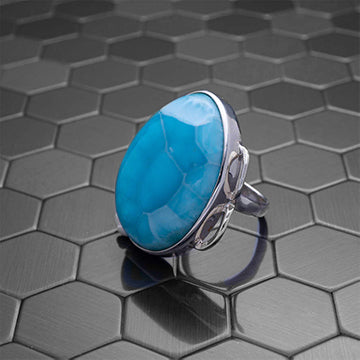
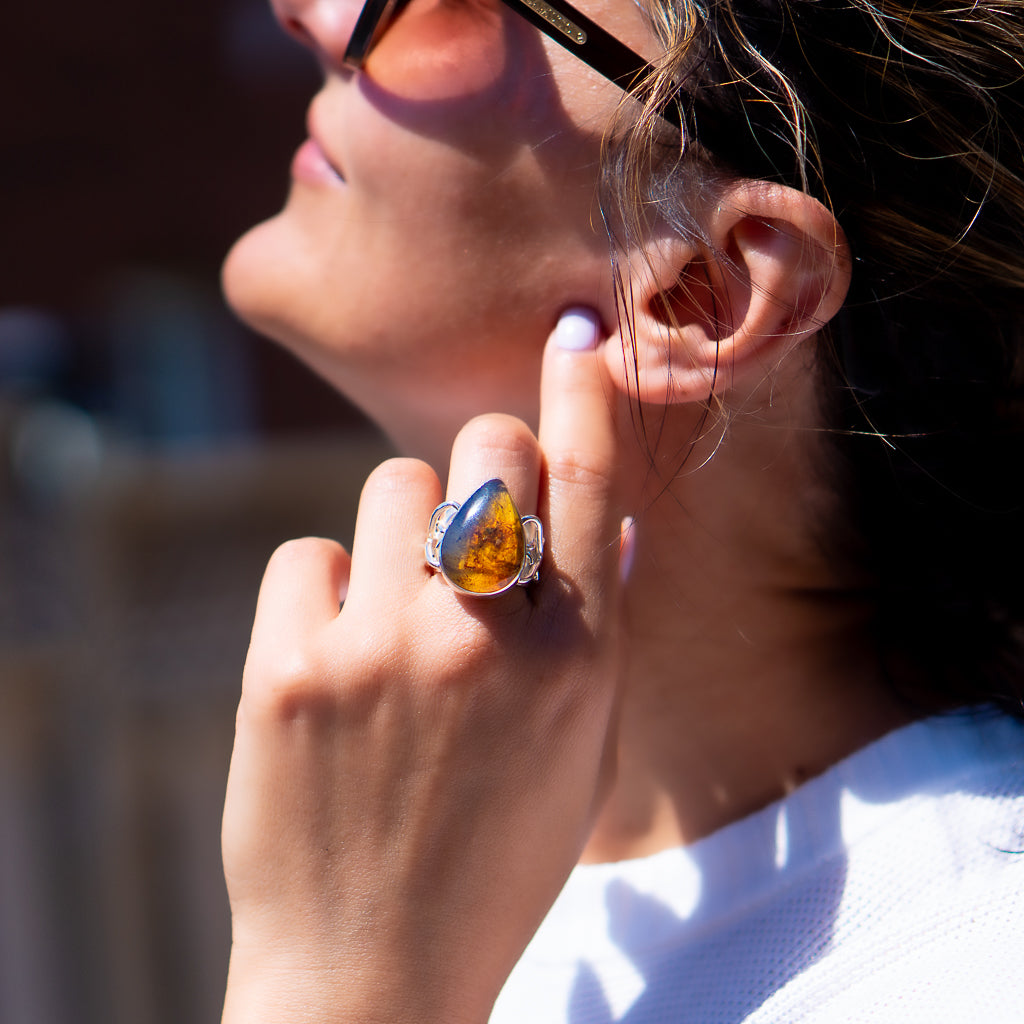
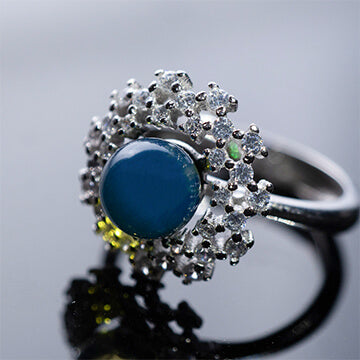
Bezel settings completely surround the gemstone with metal, providing maximum protection while highlighting the stone's outline. This approach works exceptionally well for softer gemstones like Larimar or opal that require additional security.
Prong settings elevate the stone, allowing maximum light penetration and visibility. Artisans can customize prong number, shape, and placement to complement each gem's unique proportions. For unusual cuts or asymmetrical stones, custom prong work ensures secure mounting without obscuring the gem's best features.
Split-shank and bypass designs create visual movement and asymmetry, enhancing the ring's uniqueness while drawing attention to the center stone. These contemporary styles pair particularly well with unconventional gemstone choices.

Beyond the standard yellow, white, and rose gold options, contemporary jewelers offer increasingly diverse metal selections:
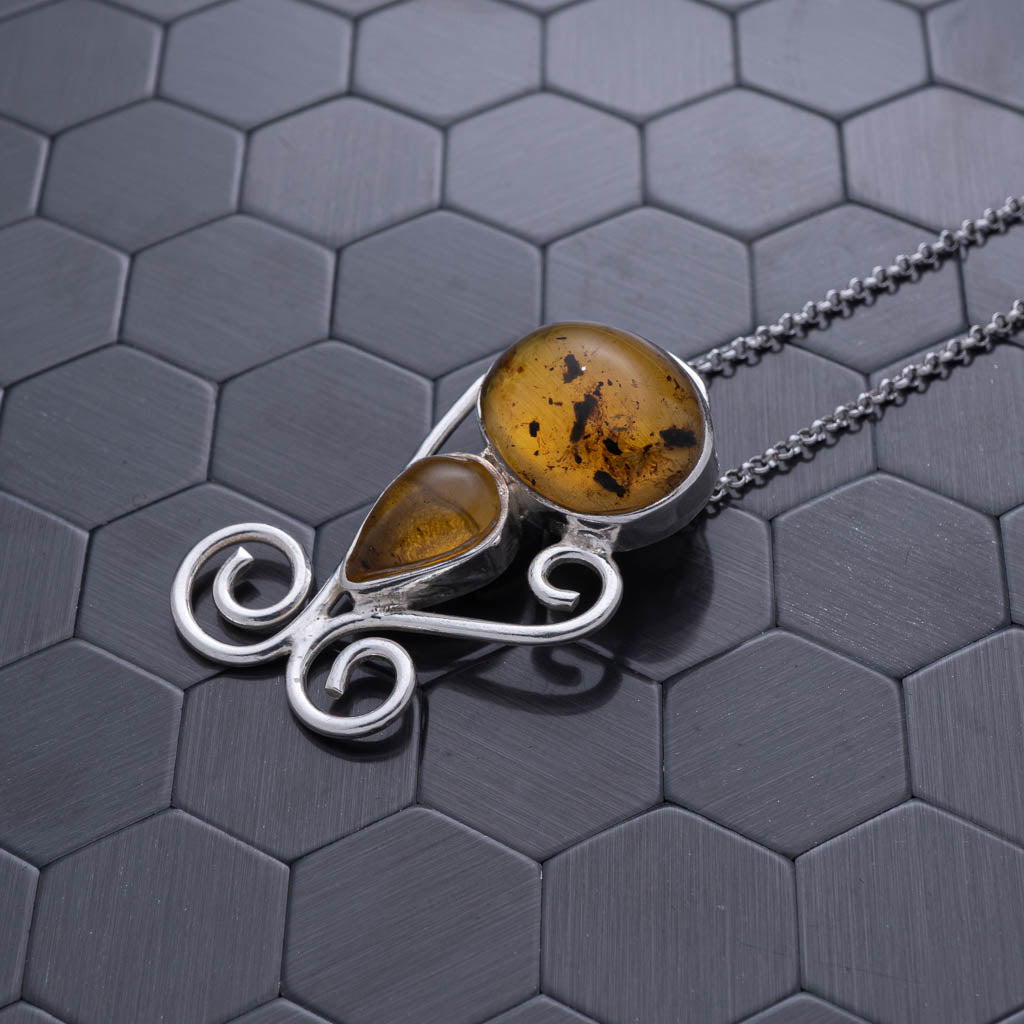
The interplay between metal choice and gemstone color significantly impacts the final appearance. Cool-toned stones like Larimar often pair beautifully with white metals, while warm amber tones complement yellow or rose gold.
The way a gemstone is cut fundamentally affects its appearance and the overall uniqueness of the finished ring. Understanding cutting terminology helps you evaluate quality and make informed selections.
Cabochon cuts feature smooth, rounded surfaces without facets. This approach maximizes phenomenal effects like chatoyancy, asterism, and opalescence that would be disrupted by faceting. The International Gem Society explains when cutters choose cabochon over faceted styles, primarily for translucent to opaque materials and stones exhibiting special optical effects.
Larimar, for instance, is almost exclusively cut en cabochon to showcase its distinctive color patterns and silky luster. The smooth surface allows light to interact with internal structure, creating the stone's characteristic glow.
Faceted cuts maximize brilliance and fire in transparent gemstones. However, unique gemstone rings often feature unconventional facet arrangements:
Truly exceptional gemstone rings unique in every aspect often incorporate custom lapidary work. Skilled gem cutters can design facet arrangements specifically for individual stones, maximizing their best features while minimizing visible inclusions or color weaknesses. This bespoke approach commands premium pricing but results in genuinely unrepeatable pieces.
Understanding gemstone treatments is essential when seeking authentic, unique pieces. The National Association of Jewellers provides clear guidance on disclosure requirements for treated gemstones in 2026.
Most colored gemstones undergo some level of treatment to enhance their appearance. Transparency about these processes maintains trust between jeweler and customer:
Untreated gemstones command significant premiums due to their rarity. Natural Larimar and Dominican Blue Amber typically receive no treatments beyond cutting and polishing, preserving their inherent characteristics and enhancing their value as components of gemstone rings unique in the marketplace.
Reputable jewelers provide clear treatment disclosure without prompting. However, informed buyers should specifically inquire:
Transparency in these matters separates ethical artisans from mass-market retailers prioritizing profit over customer education.
Exceptional pieces require appropriate maintenance to preserve their beauty and structural integrity. Different gemstones demand specific care protocols based on their physical properties.
The Mohs hardness scale helps predict how well gemstones withstand daily wear:
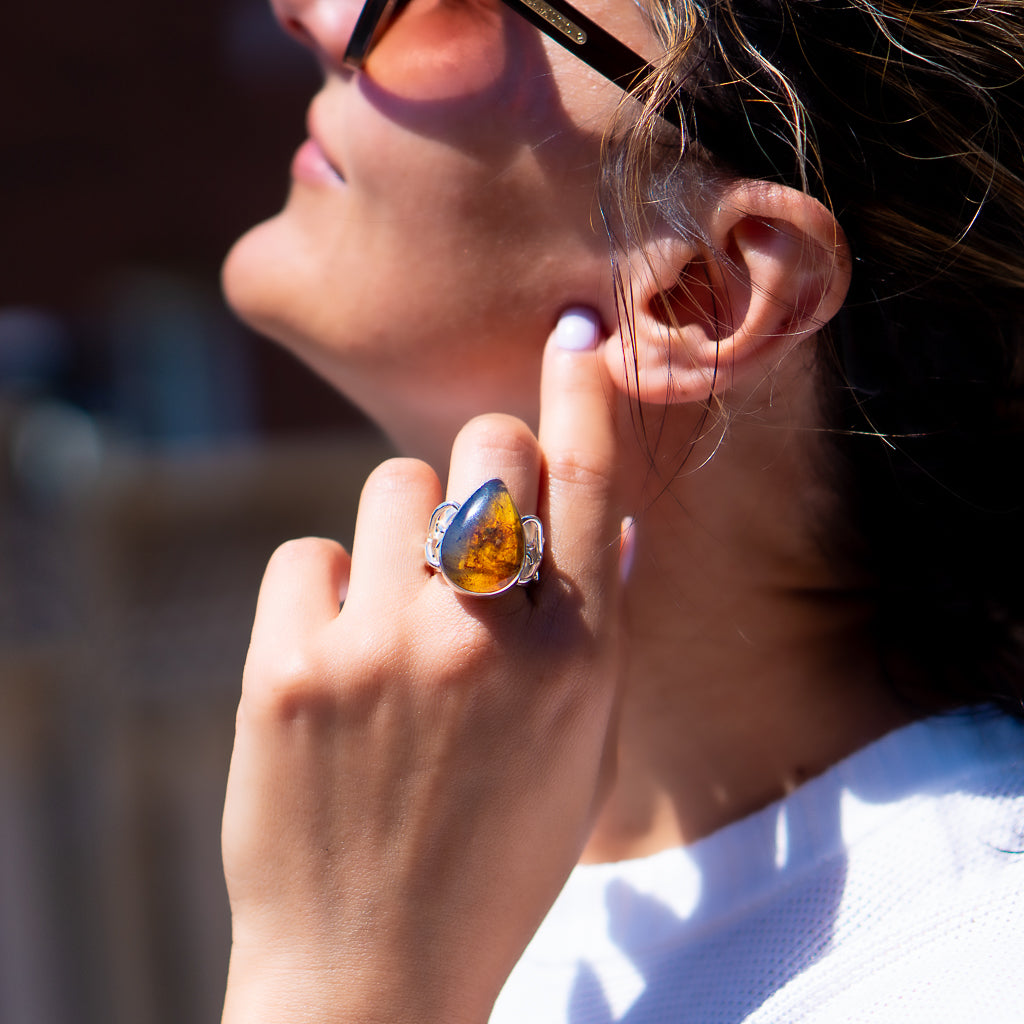
For softer gemstones, bezel settings or halo designs provide physical protection against impacts. Customers seeking Dominican blue amber rings or similar pieces should understand these materials' care requirements before purchase.
Safe for most gemstones: Lukewarm water with mild dish soap and a soft brush removes accumulated oils and debris. Rinse thoroughly and pat dry with lint-free cloth.
Avoid for vulnerable stones: Ultrasonic and steam cleaners can damage emeralds, opals, pearls, and other porous or included gemstones. Heat and vibration may exploit existing fractures or cause thermal shock.
Special considerations:
The source of your gemstone ring significantly impacts both quality and uniqueness. Mass retailers offer convenience but limited customization, while specialty artisans provide personalized service and distinctive designs.
Expertise in specific gemstones indicates deep knowledge rather than superficial familiarity. Jewelers specializing in particular materials, like those focusing exclusively on Caribbean gemstones, understand their stones' characteristics, sources, and optimal settings. This specialization often translates to better stone selection, appropriate design choices, and accurate care guidance.
Transparency about sourcing has become increasingly important as consumers prioritize ethical considerations. Reputable jewelers can discuss their supply chains, whether they work directly with miners, and how they ensure responsible practices. To explore the unique properties of specific stones, resources like what causes blue amber provide educational context that demonstrates expertise.
Customization capabilities separate true artisans from retailers. Can the jeweler modify existing designs? Do they create entirely custom pieces? Will they work with stones you provide? These services indicate genuine craftsmanship rather than simple inventory sales.
When investing in gemstone rings unique to your specifications, establish clear communication from the outset:
Understanding the jeweler's process, policies, and capabilities prevents misunderstandings and ensures your vision translates into reality.

While emotional value often exceeds financial considerations for personal jewelry, understanding market dynamics helps you make sound decisions when acquiring gemstone rings unique in rarity or design.
Geographic exclusivity creates inherent value ceilings. Gemstones found in single locations (Larimar, Tanzanite, Benitoite) carry premium pricing that typically appreciates as deposits deplete. Conversely, widely distributed stones like amethyst or citrine rarely appreciate significantly regardless of quality.
Treatment status dramatically impacts value retention. Natural, untreated gemstones in desirable colors command exponential premiums over treated equivalents and maintain value more reliably over time.
Size and quality follow exponential rather than linear pricing. A 3-carat exceptional stone costs far more than three 1-carat stones of similar quality, and this disparity increases with size.
Maintaining comprehensive documentation protects your investment:
Proper documentation becomes particularly important for gemstone rings unique in rarity, where replacement value may significantly exceed original purchase price due to market appreciation or depleting supplies.
Standard sizing approaches sometimes require modification for unconventional gemstone rings. Understanding these technical considerations prevents future problems.
Wide bands and bold settings may fit differently than standard rings. A person who typically wears size 7 might require 7.5 or 8 in a wide comfort-fit band. Using a ring sizer designed for the specific band width provides more accurate measurements than traditional sizing tools.
Asymmetric designs create varying widths around the finger, potentially causing spinning or discomfort. Skilled jewelers counterbalance weight distribution or incorporate subtle sizing features to maintain proper orientation.
Bezel-set or integrated stones limit future resizing options. Before finalizing size, consider factors like weight fluctuation, pregnancy, or climate that might affect finger size. Some designs simply cannot be sized after creation without compromising structural integrity.
For the most accurate sizing when commissioning gemstone rings unique to your specifications:
Professional jewelers can accommodate these variables through design modifications, split sizing, or adjustable elements while maintaining aesthetic integrity.
Coordinating exceptional pieces with existing jewelry requires thoughtful consideration of color, metal, and style compatibility.
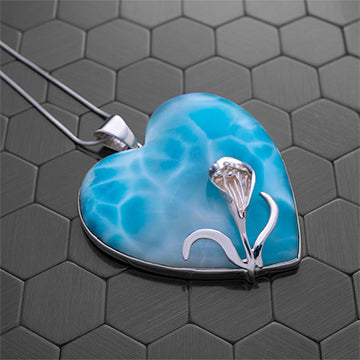
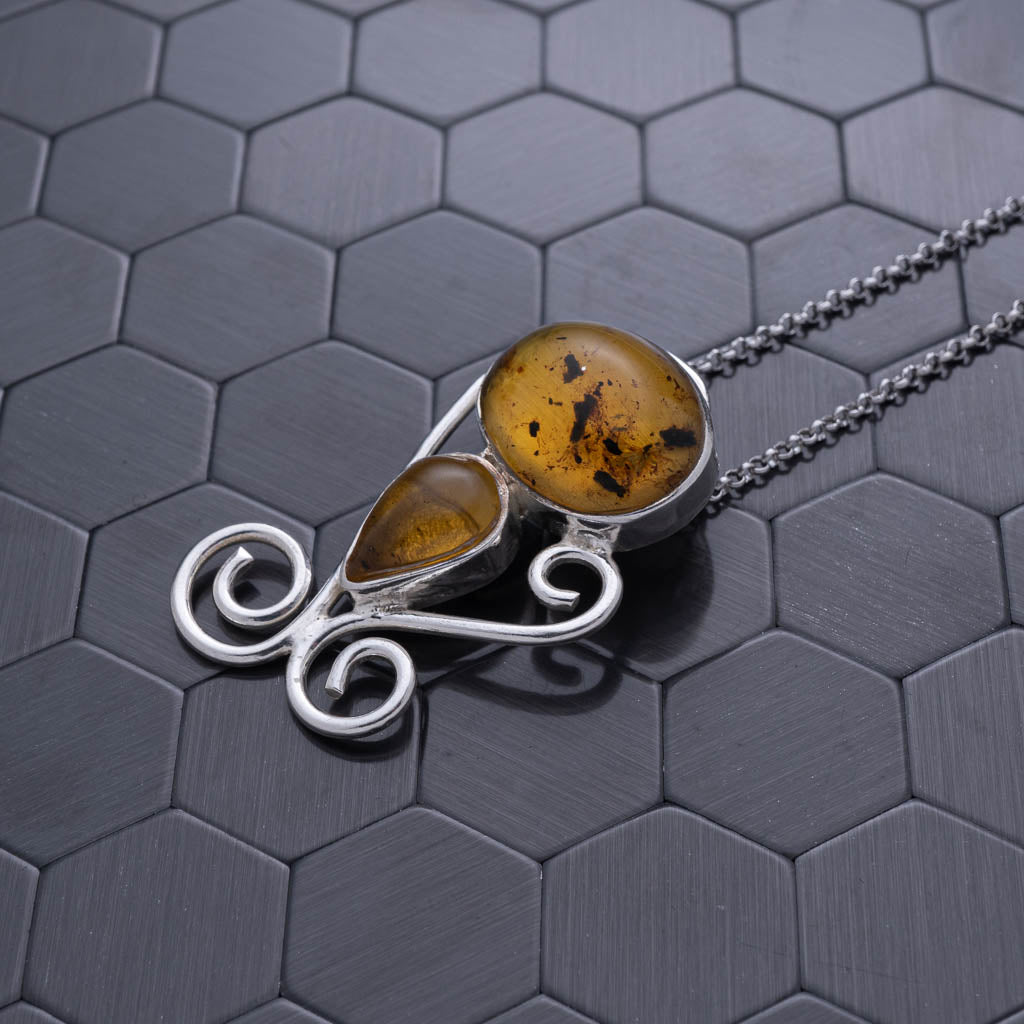
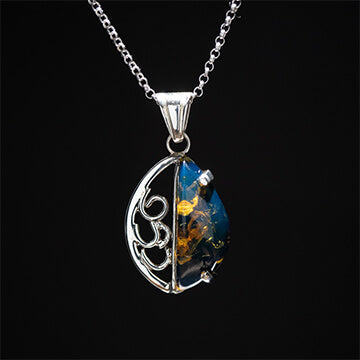
Monochromatic approaches pair different gemstones within the same color family. Deep blue Larimar might coordinate beautifully with lighter aquamarine or blue topaz pieces, creating visual harmony through color while maintaining variety in stone type. Complementing Larimar pendants with matching rings creates unified sets without exact duplication.
Contrasting metal strategies use different gold colors or mixed metals to define each piece's identity while maintaining overall coherence. A rose gold gemstone ring might pair with yellow gold earrings when both feature similar design elements like milgrain detailing or vintage-inspired settings.
Stacking and layering allows you to showcase multiple unique pieces simultaneously. This approach works particularly well with thinner bands featuring smaller gemstones, creating a curated, collected-over-time aesthetic rather than a matched set appearance.
Sometimes the most exceptional pieces stand alone rather than coordinate with existing jewelry. This independence shouldn't discourage acquisition. Truly unique gemstone rings often make the strongest statements when worn without competing elements, allowing their distinctive characteristics to command full attention.
Finding gemstone rings unique in character, rarity, and craftsmanship requires knowledge, patience, and connection with artisans who share your appreciation for exceptional materials and design. Whether you're drawn to the volcanic blues of Caribbean gemstones, the color-changing magic of alexandrite, or the iridescent flash of high-quality opal, selecting pieces that reflect your individuality creates lasting satisfaction that transcends passing trends. Larimar Creations specializes in transforming rare gemstones like Larimar and Dominican Blue Amber into handcrafted rings, pendants, and other jewelry pieces that celebrate these materials' distinctive beauty, with worldwide shipping ensuring collectors everywhere can access these exceptional treasures.