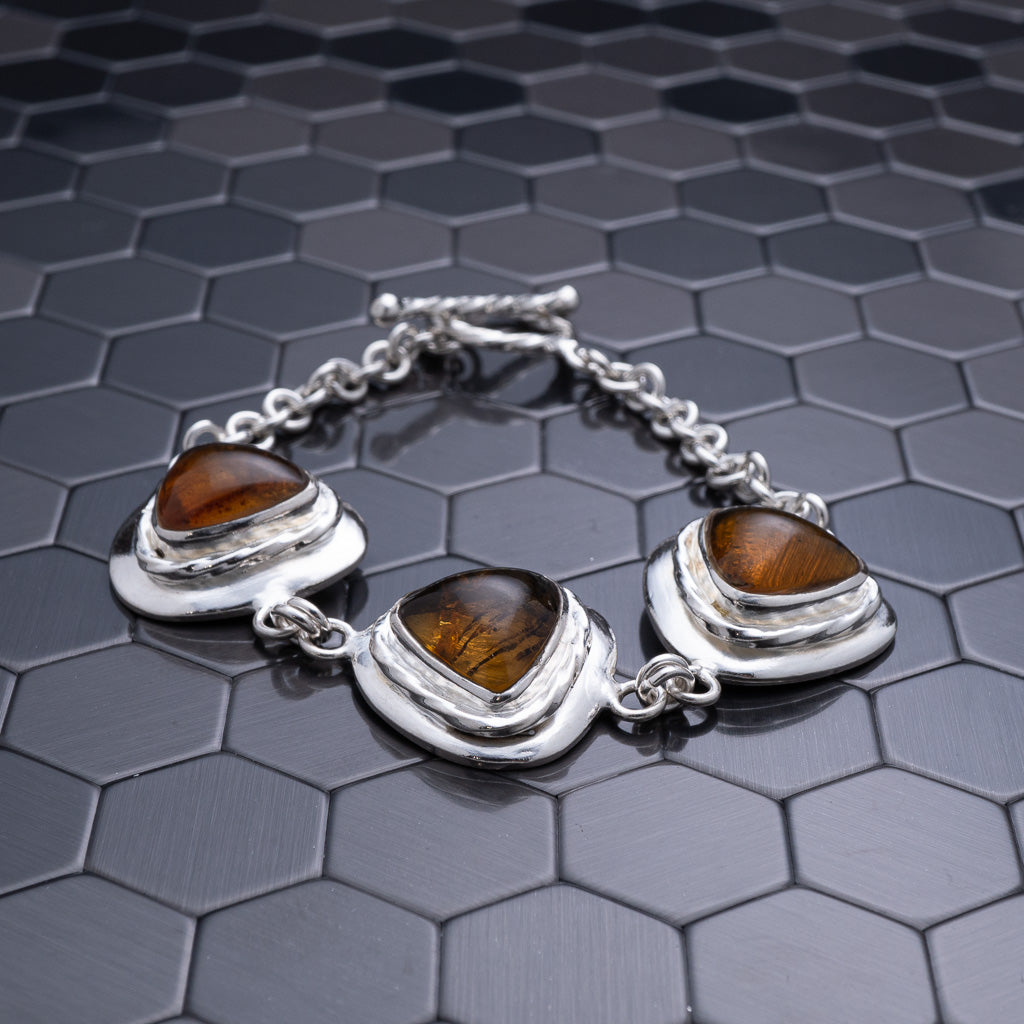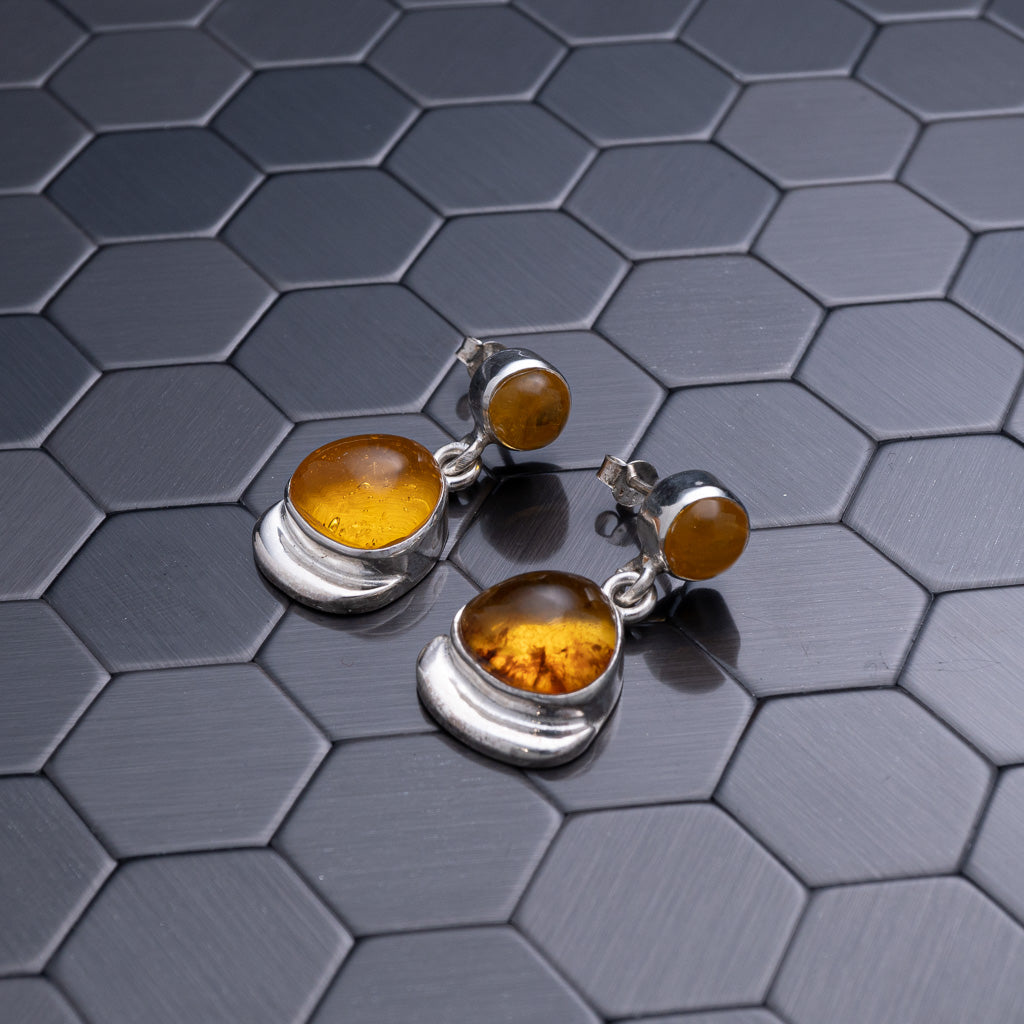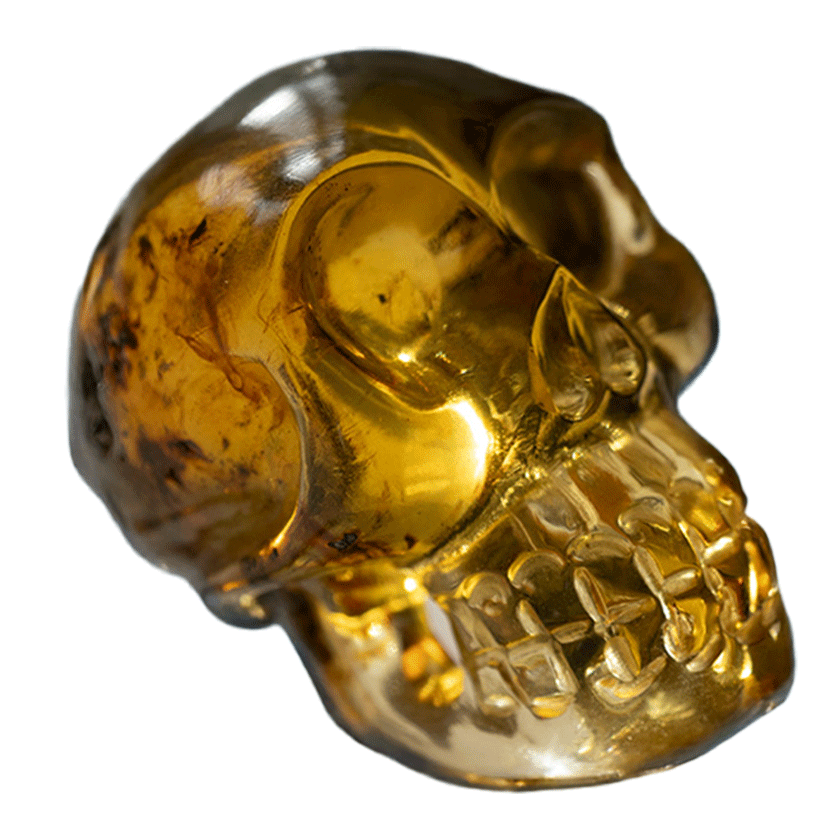


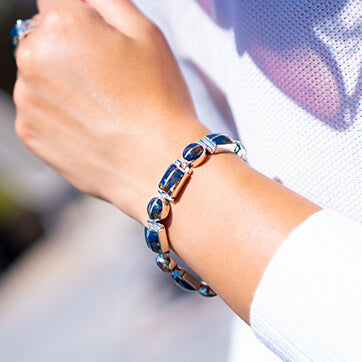
Handcrafted in DR.

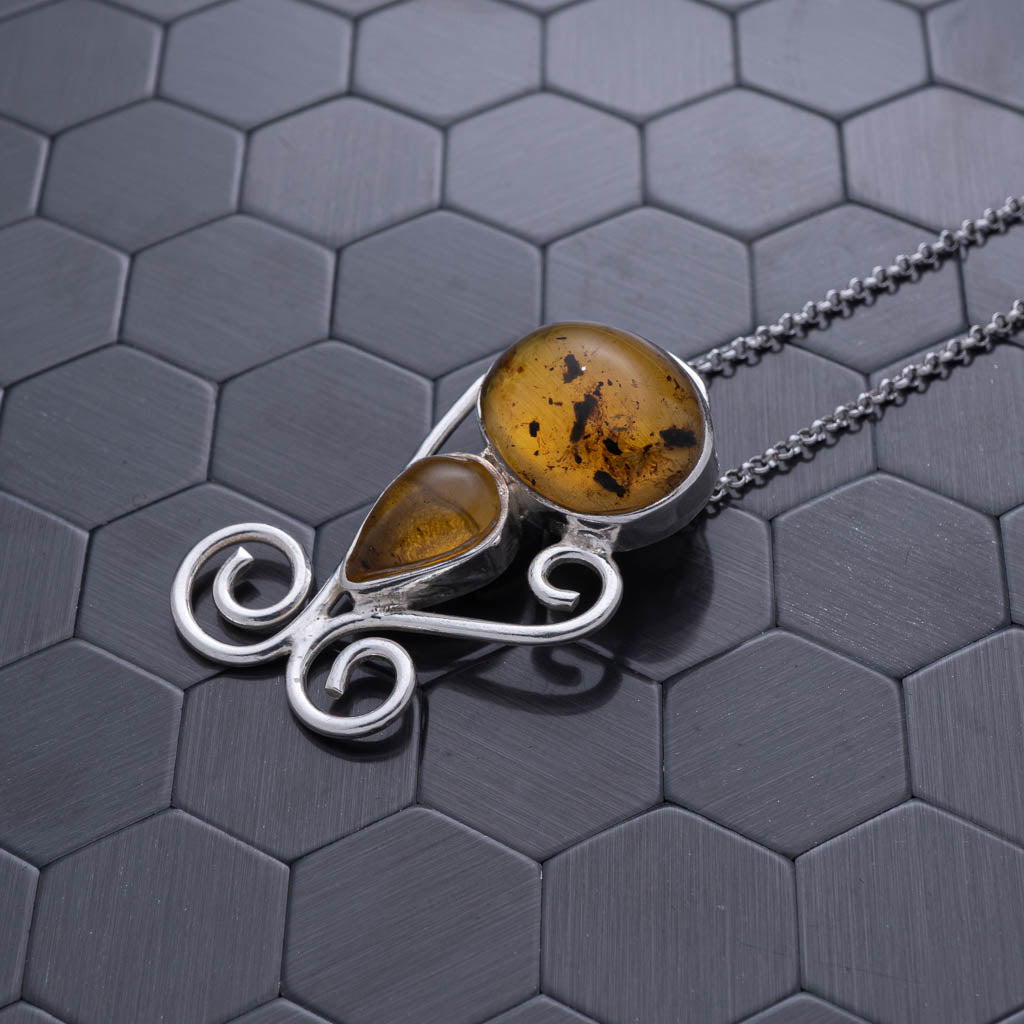
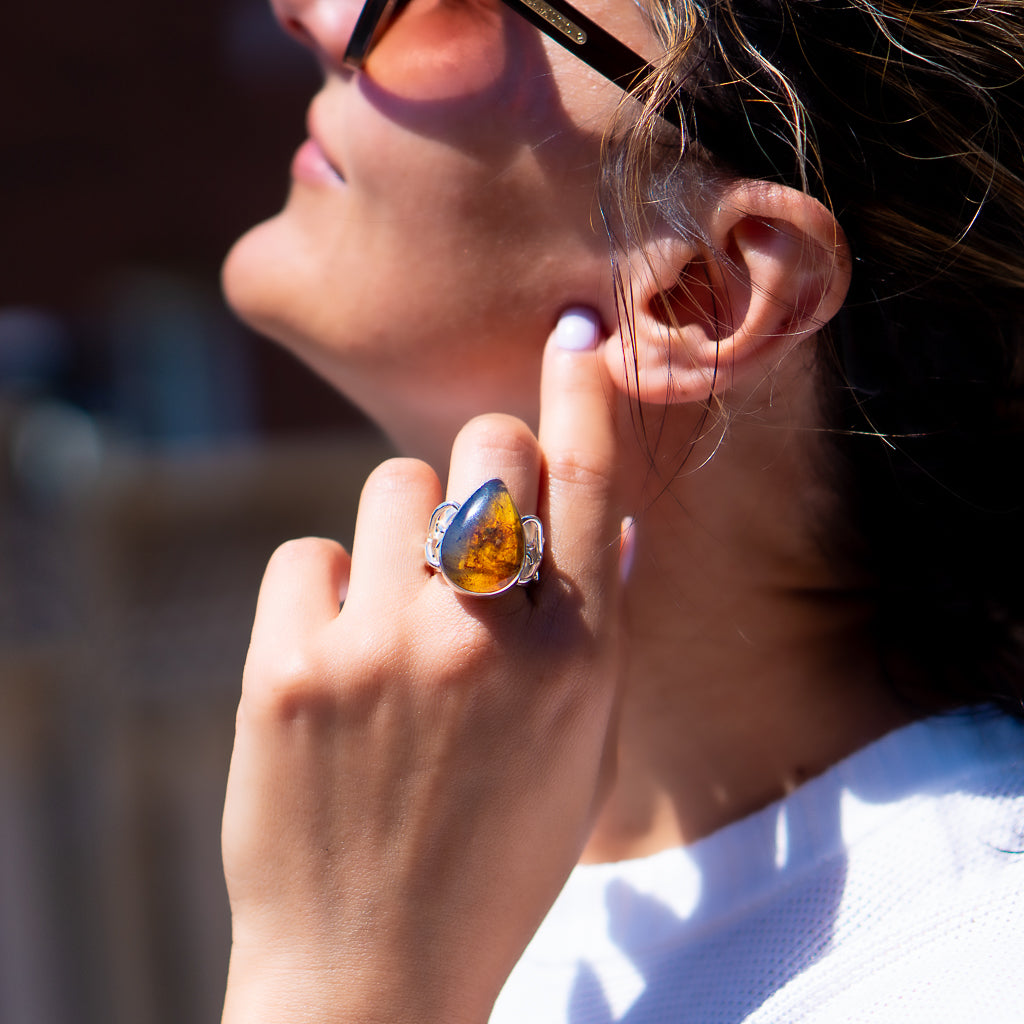
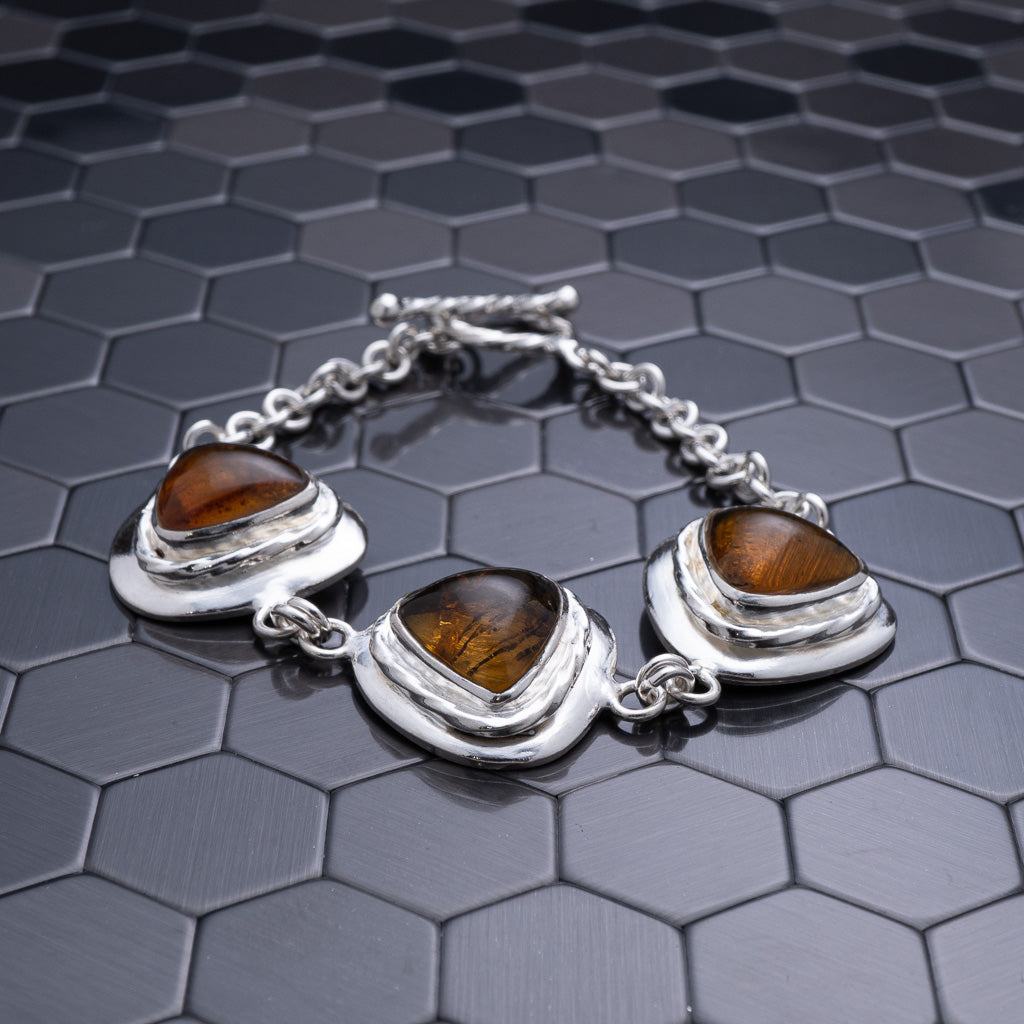
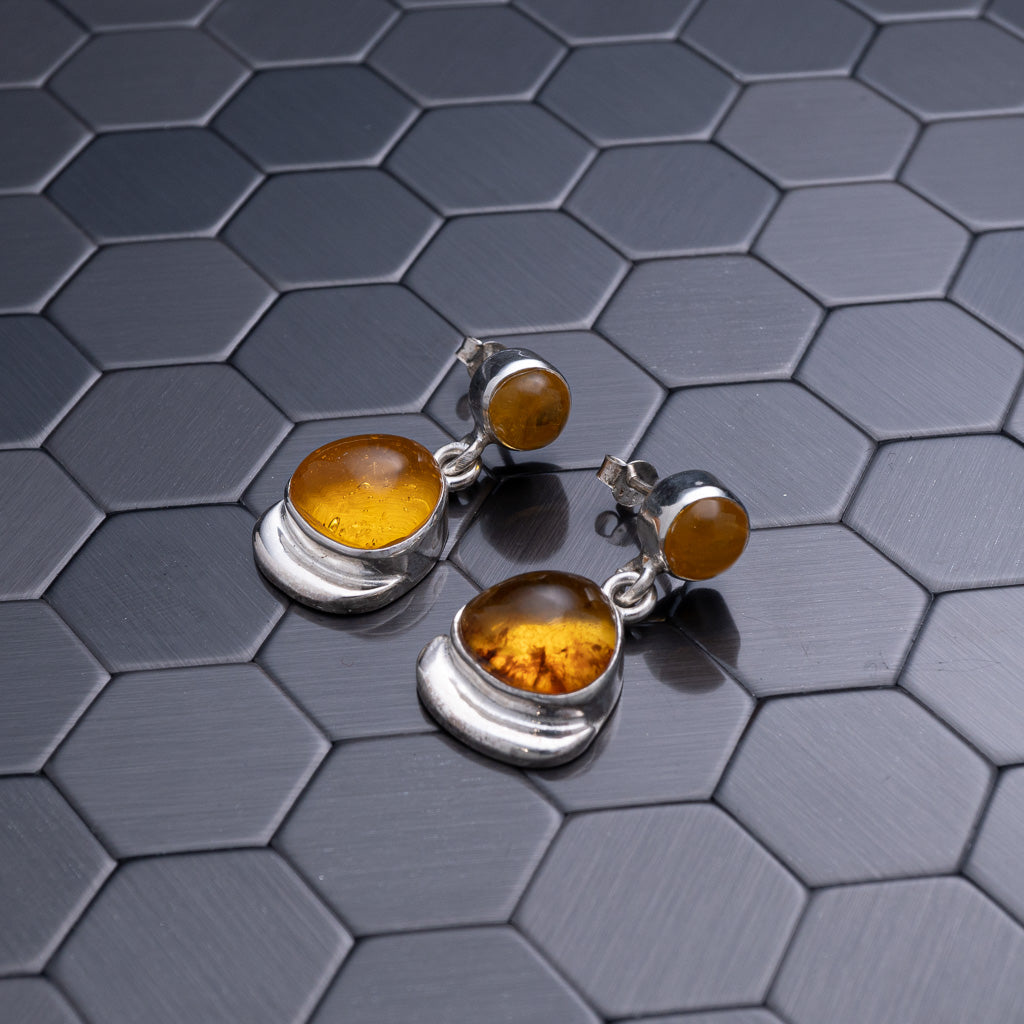


100% Handcrafted in DR.

The enchanting world of gemstones offers few treasures as captivating as those that bridge the spectrum between green and blue. Green blue gemstones represent nature's most sophisticated color palette, where ocean depths meet tropical forests in crystalline form. These remarkable minerals captivate collectors, jewelry enthusiasts, and gemologists alike with their unique ability to shift between cool blue tones and vibrant green hues depending on lighting conditions and mineral composition. Understanding these exceptional stones requires exploring their geological origins, distinctive properties, and the factors that make each variety truly unique.
The mesmerizing colors found in green blue gemstones result from complex interactions between light, mineral composition, and trace elements. When light enters a gemstone, specific wavelengths are absorbed while others are reflected, creating the colors we perceive. Copper, iron, chromium, and vanadium serve as the primary chromophores responsible for producing these distinctive aquatic hues.
Copper particularly excels at creating the most vivid green blue gemstones. This element absorbs red and yellow wavelengths while reflecting blue and green light. The concentration of copper directly influences whether a stone appears more blue, more green, or perfectly balanced between the two. Iron can also contribute to these colors, though it typically produces softer, more subtle variations.
The arrangement of atoms within a gemstone's crystal lattice significantly impacts how color distributes throughout the stone. Some green blue gemstones display uniform coloration, while others exhibit fascinating color zoning patterns. Pleochroism, the property of appearing different colors when viewed from different angles, adds another dimension to these already complex minerals.
Temperature and pressure during formation also play critical roles. Gemstones formed under specific conditions develop distinct color characteristics that serve as geological fingerprints. These formation histories help gemologists identify natural stones and distinguish them from synthetic alternatives.
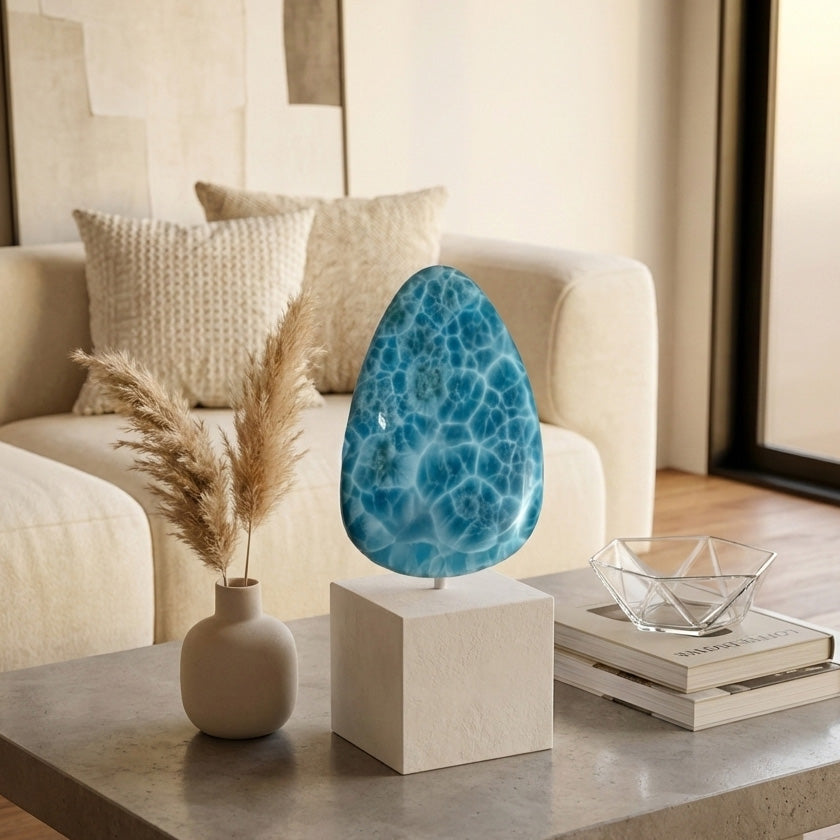
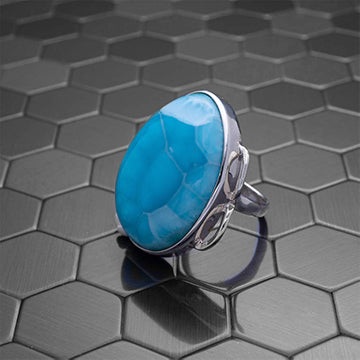
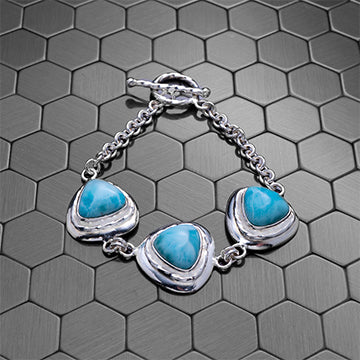
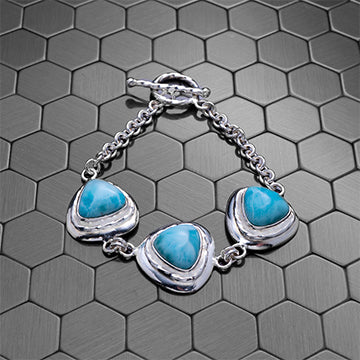
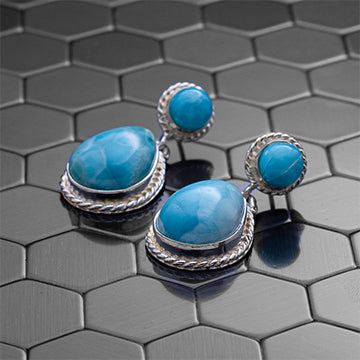
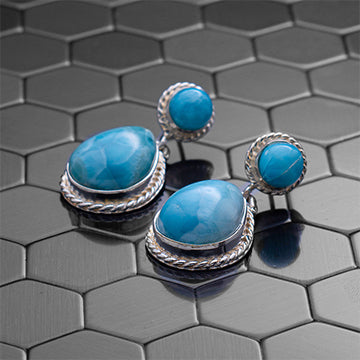
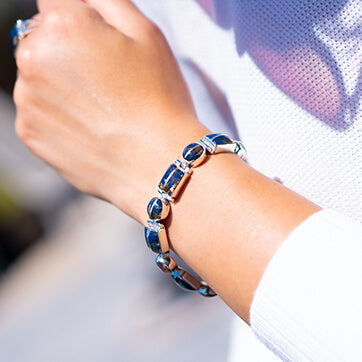
Larimar stands among the most sought-after green blue gemstones in today's market. Found exclusively in the Dominican Republic, this rare pectolite variety displays ethereal patterns reminiscent of Caribbean waters. The stone's unique blue-green coloration comes from copper substitution within its crystal structure, creating colors that range from pale sky blue to deep volcanic blue with green undertones.
Discovered in 1974, Larimar has quickly become a favorite among collectors who appreciate rare and distinctive gemstones. Its limited geographic distribution makes it inherently valuable, as the single mine producing gem-quality material operates under challenging conditions. The stone exhibits a vitreous to silky luster, and the finest specimens display chatoyancy or a soft glow that seems to emanate from within.
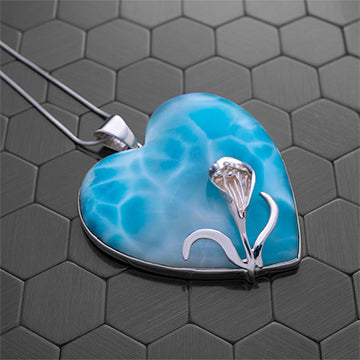
The patterns within Larimar create its most distinctive feature. White streaks, volcanic inclusions, and color variations form landscapes that make each piece genuinely one-of-a-kind. Jewelry designers particularly value this uniqueness, as no two Larimar pendants will ever look identical.
Key Larimar Characteristics:
Turquoise has adorned humanity for thousands of years, prized by ancient civilizations from Egypt to Persia to the Americas. This opaque gemstone displays perhaps the widest range of green-blue coloration among all colored stones. Copper provides the blue tones, while iron content shifts colors toward green. The ratio between these elements determines where individual specimens fall on the color spectrum.
Different mining regions produce distinctive turquoise characteristics. Persian turquoise from Iran typically shows pure sky-blue colors with minimal green. American turquoise from Arizona and Nevada often displays more green influence, creating stunning teal and seafoam variations. Chinese turquoise spans the full range from deep green to bright blue.
| Turquoise Type | Primary Color | Matrix Pattern | Origin |
|---|---|---|---|
| Persian | Sky blue | Minimal | Iran |
| Sleeping Beauty | Pure blue | Clean | Arizona |
| Kingman | Blue-green | Varied | Arizona |
| Hubei | Green-blue | Heavy | China |
| Bisbee | Deep blue | Brown/red | Arizona |
Natural turquoise varies significantly in hardness and porosity. Many specimens undergo stabilization treatments to improve durability and enhance color stability. Stabilized turquoise receives polymer or resin infiltration, filling pores and hardening the material. While this practice is widely accepted in the industry, disclosure remains essential for ethical commerce.
Reconstituted turquoise, created from turquoise powder and binding agents, represents a more controversial category. These products should be clearly labeled to avoid confusion with natural material. Collectors seeking investment-grade stones typically prefer untreated specimens, while jewelry applications often benefit from stabilized material's enhanced durability.
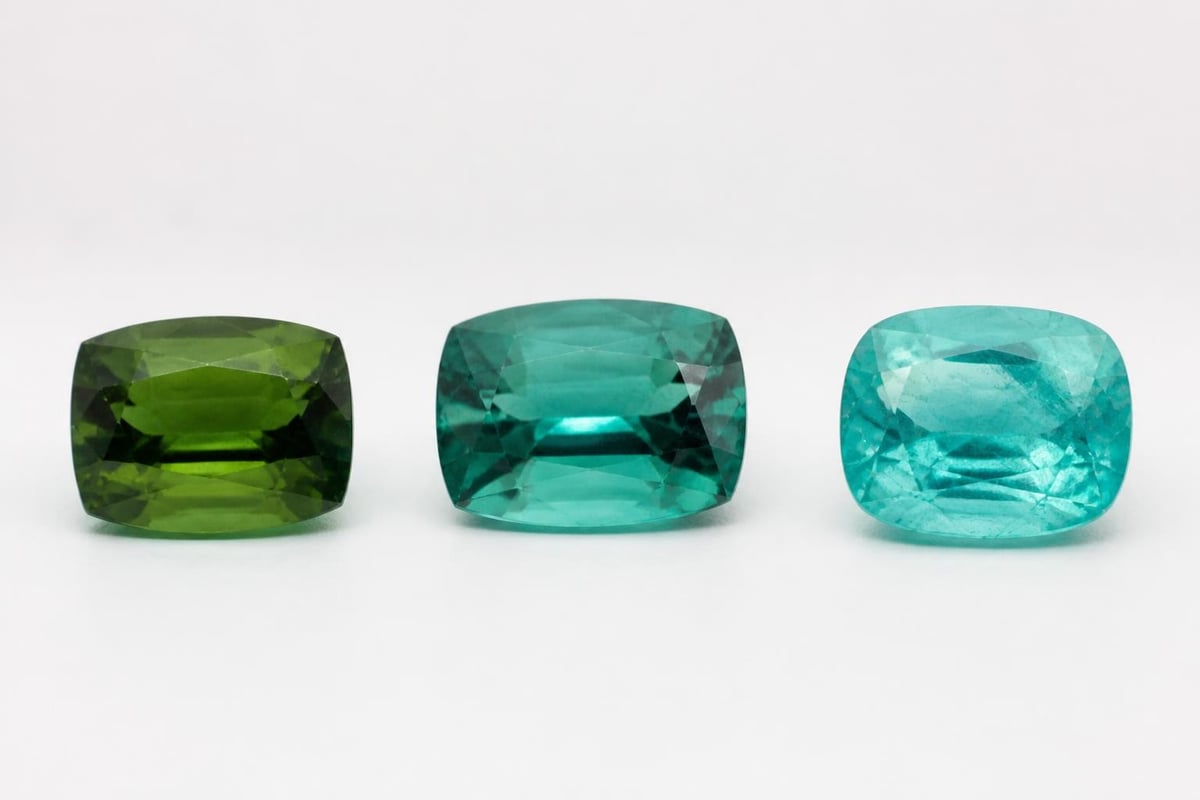
Paraiba tourmaline revolutionized the gemstone market when discovered in Brazil during the late 1980s. These extraordinary green blue gemstones contain copper and manganese, creating electric neon colors unlike any previously known tourmaline. The most valuable specimens display pure turquoise or swimming pool blue, though many exhibit beautiful blue-green combinations.
The original Brazilian deposits quickly depleted, sending prices soaring. Subsequent discoveries in Mozambique and Nigeria have expanded availability while sparking debates about nomenclature. Today, the term "Paraiba" applies to any copper-bearing tourmaline displaying these characteristic colors, regardless of origin, though purists reserve it exclusively for Brazilian material.
Standard green tourmaline contains iron and chromium rather than copper, producing different color profiles. While beautiful in their own right, these stones lack the electric intensity that makes Paraiba so exceptional. However, some iron-rich tourmalines exhibit lovely blue-green colors that bridge the gap between traditional green tourmaline and true Paraiba.
Paraiba Tourmaline Valuation Factors:
Aquamarine, the blue variety of beryl, occasionally displays green influences that create captivating transitional colors. While pure blue aquamarine commands higher prices in the commercial market, many collectors appreciate stones showing slight green undertones. These green blue gemstones evoke deeper ocean waters rather than the pale sky-blue associated with standard aquamarine.
Iron causes aquamarine's coloration, specifically ferrous iron for blue tones. Heat treatment can remove yellowish or greenish modifiers, shifting stones toward pure blue. Many commercial aquamarines receive this treatment, which permanently alters color and remains stable under normal conditions. Untreated stones showing natural blue-green colors attract collectors interested in unmodified specimens.
Green beryl, distinct from emerald, contains iron rather than chromium or vanadium. Some specimens display colors transitioning between green and blue, creating unique beryl varieties that challenge traditional classification. These intermediate stones may be marketed as blue-green beryl or described with geographic origin names.
Blue topaz frequently gets confused with aquamarine in the marketplace, particularly the enhanced varieties marketed as "Swiss Blue" or "London Blue." However, topaz exhibits higher refractive indices and different optical properties. Dichroism provides another distinguishing feature, with aquamarine showing stronger pleochroism than topaz.
Synthetic spinel and glass imitations also appear in the market. Professional gemological testing identifies these substitutes through specific gravity measurements, refractive index readings, and microscopic inclusion patterns. Natural aquamarine typically contains characteristic hollow tubes and two-phase inclusions that confirm authenticity.
Apatite remains one of gemology's best-kept secrets despite producing some of the most saturated green blue gemstones available. This phosphate mineral occurs in numerous colors, but the neon blue-green varieties from Madagascar and Brazil rival Paraiba tourmaline for intensity. Unfortunately, apatite's softness (5 on the Mohs scale) limits jewelry applications primarily to earrings and pendants rather than rings.
The most desirable apatite shows pure, electric colors without gray or brown modifiers. Fine specimens display remarkable transparency and brilliance when properly cut. The stone's relative affordability compared to similarly colored Paraiba tourmaline makes it attractive to collectors seeking maximum visual impact per dollar invested.
Apatite Care Requirements:
Chrysocolla creates some of nature's most artistic green blue gemstones, though technically it qualifies as a mineraloid rather than a true mineral due to its variable composition. This copper-bearing material produces colors ranging from bright turquoise to deep teal, often intermixed with malachite, azurite, and quartz. The mixture creates stunning patterns and color combinations valued for ornamental applications.
Pure chrysocolla is too soft for most jewelry uses, but when intergrown with quartz (creating gem silica), it becomes substantially more durable. Gem silica ranks among the most valuable opaque gemstones, with top-grade material commanding prices exceeding many transparent colored stones. The finest specimens from Arizona and Peru show translucent to transparent blue-green colors with exceptional saturation.
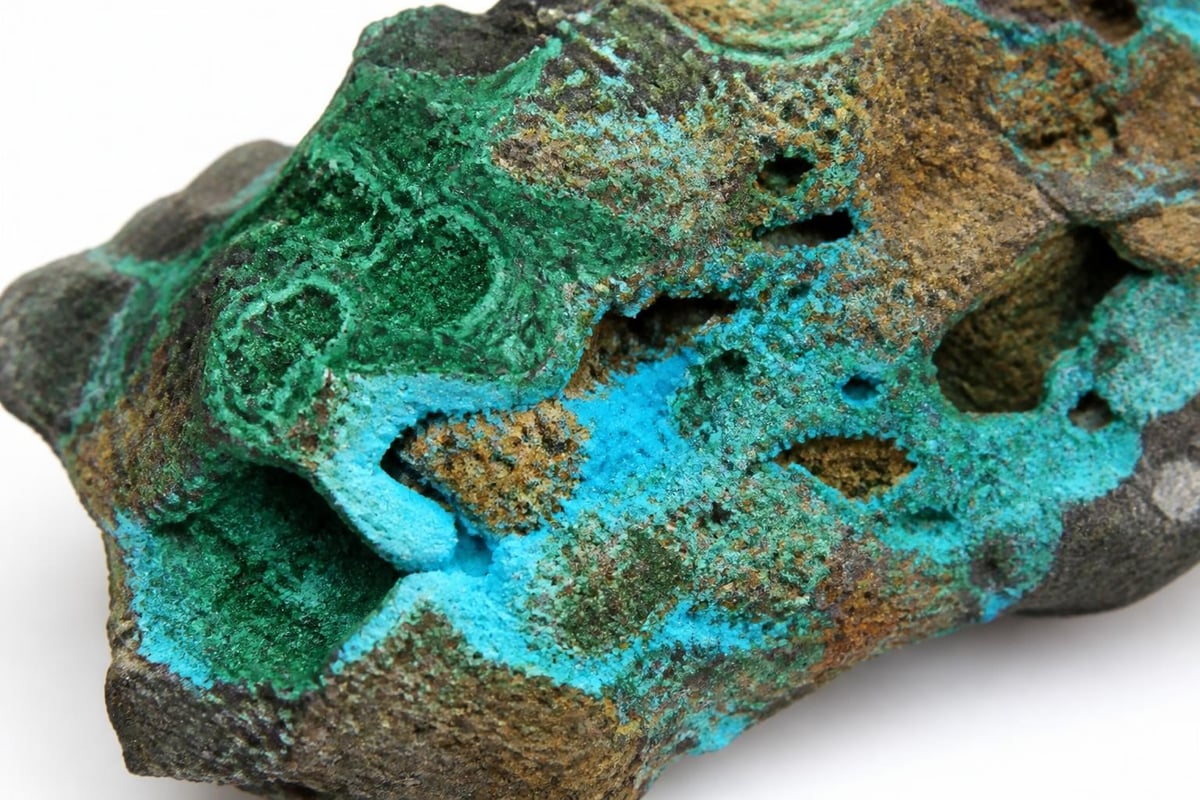
These zinc-bearing minerals occasionally produce exceptional green blue gemstones, though they remain relatively unknown outside collector circles. Smithsonite forms botryoidal masses with a distinctive bubbly surface texture. Colors range from apple green to turquoise to sky blue, with some specimens showing gradations across this spectrum. The material polishes to a beautiful satiny luster that highlights its unique formations.
Hemimorphite similarly creates blue and blue-green specimens, sometimes forming drusy crystals that create sparkle when incorporated into jewelry. Both minerals exhibit moderate hardness (4-5 on Mohs scale), limiting their use to carefully designed pieces. However, their rarity and unique aesthetic qualities make them desirable for collectors seeking unusual additions to their portfolios.
Many smithsonite and hemimorphite specimens originate from historical mining districts, as modern operations typically focus on zinc extraction rather than mineral specimens. This limited supply contributes to steady appreciation in collector markets, particularly for pieces showing exceptional color and form.
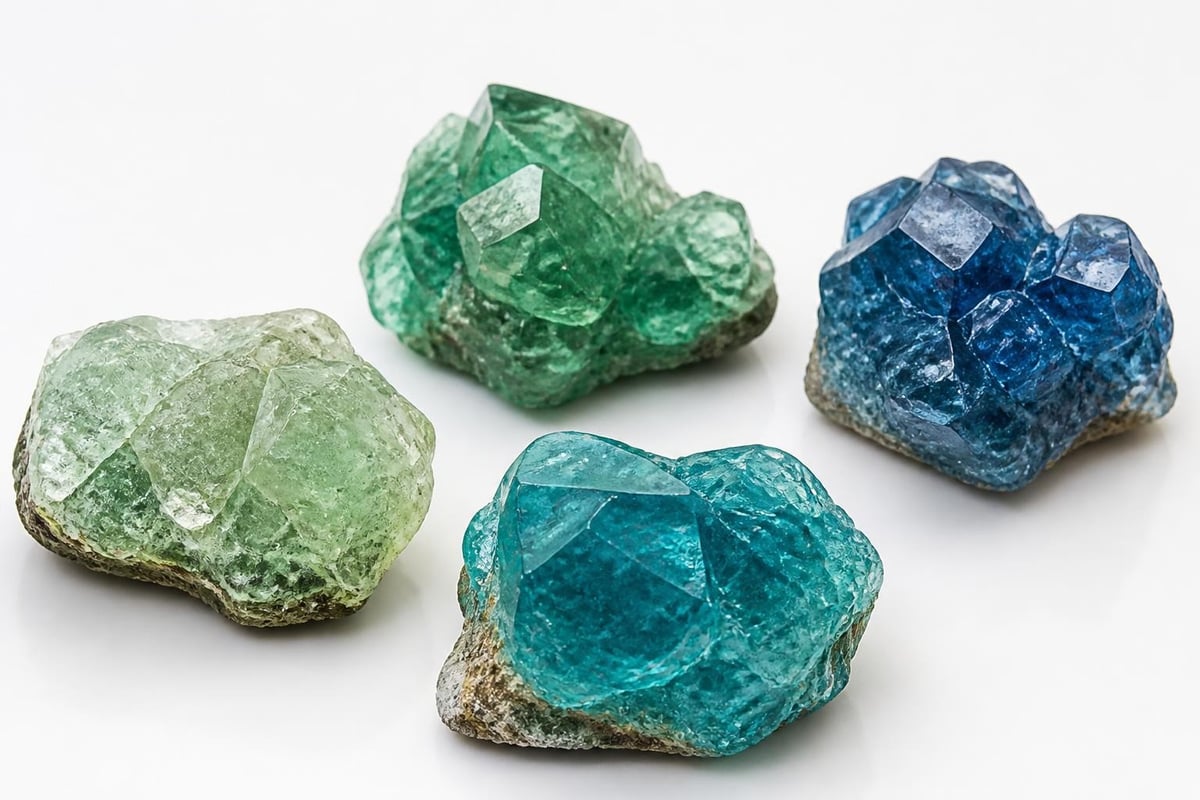
Fluorite produces green blue gemstones with remarkable transparency and color depth, though its extreme softness (4 on Mohs scale) restricts most applications to collectors' specimens rather than jewelry. The mineral exhibits perfect octahedral cleavage, making it fragile and challenging to cut. Despite these limitations, well-cut fluorite displays fire and brilliance that rivals many more valuable gemstones.
Color zoning frequently occurs in fluorite, creating specimens that transition between green and blue within single crystals. These color variations result from trace elements incorporated during different growth stages. Some specimens show color changes under ultraviolet light, displaying the fluorescence that gives the mineral its name.
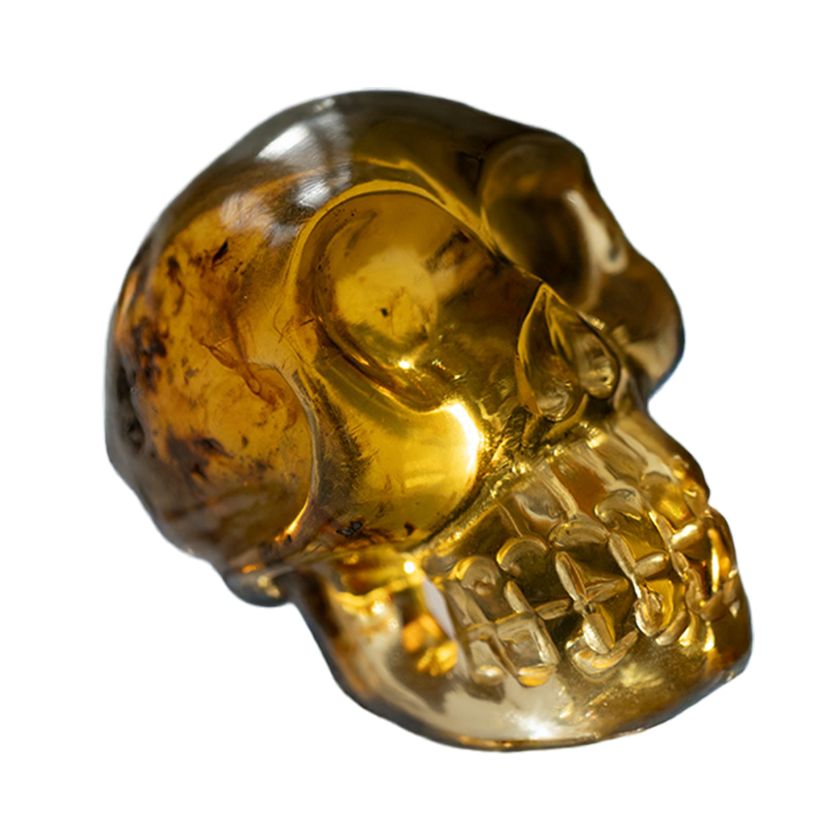
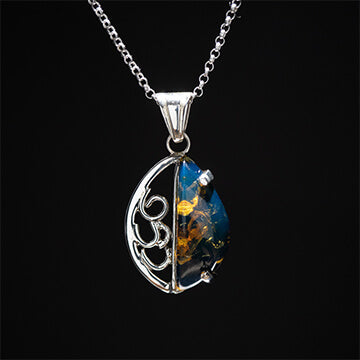
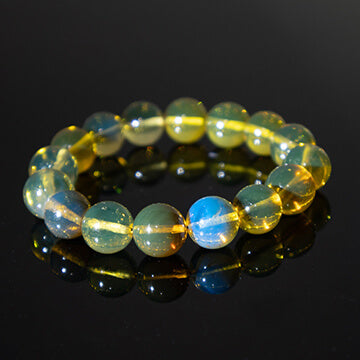
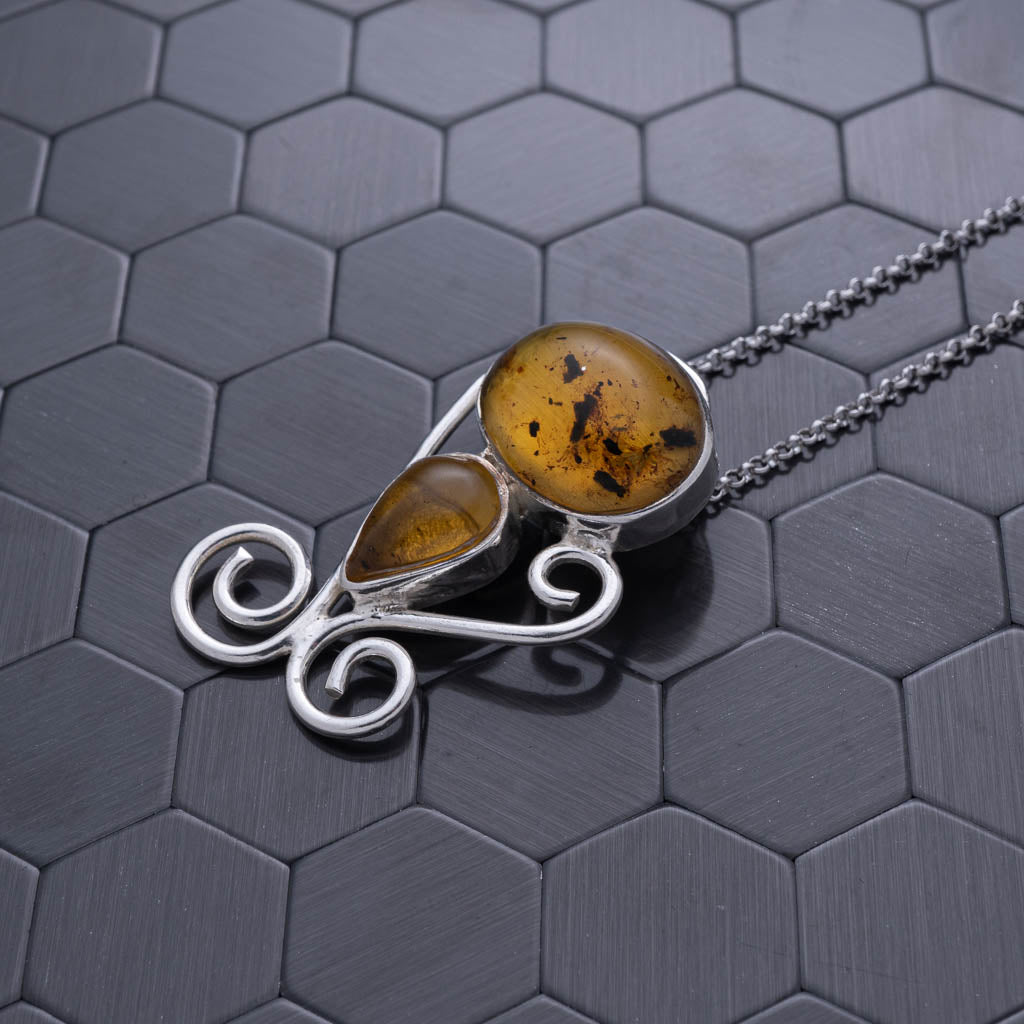
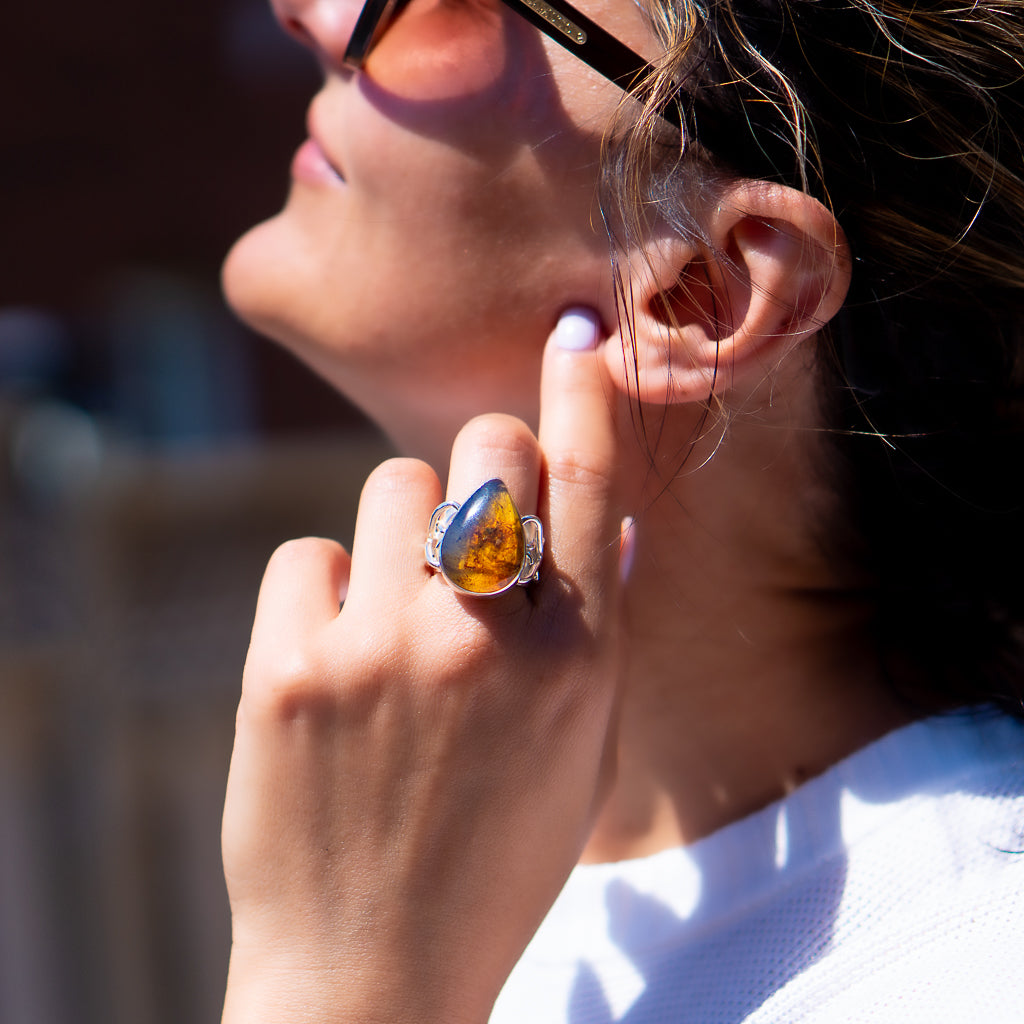
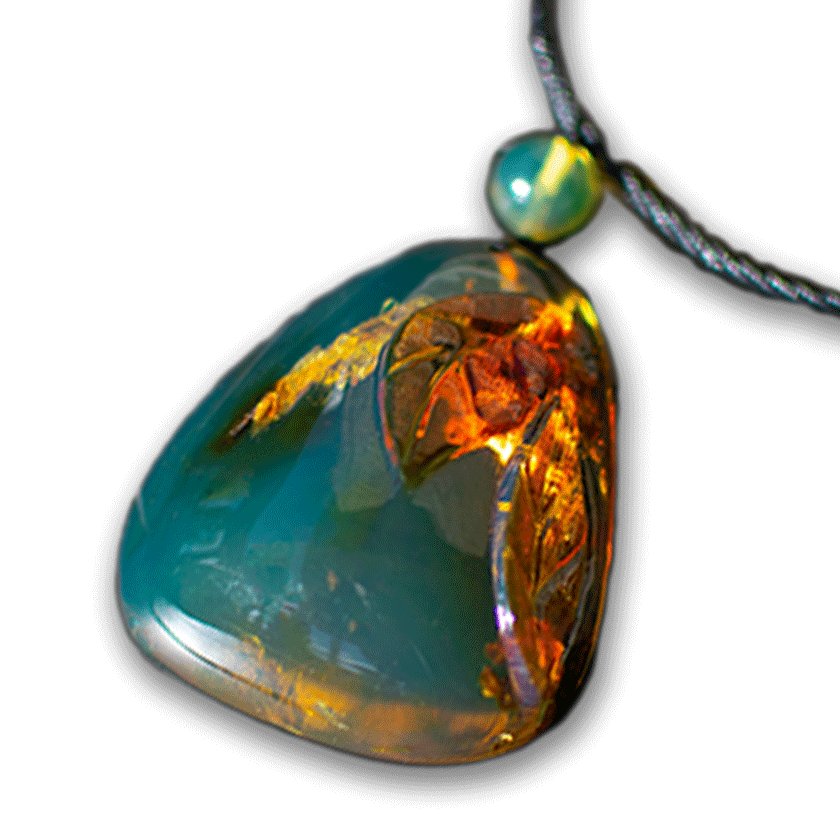
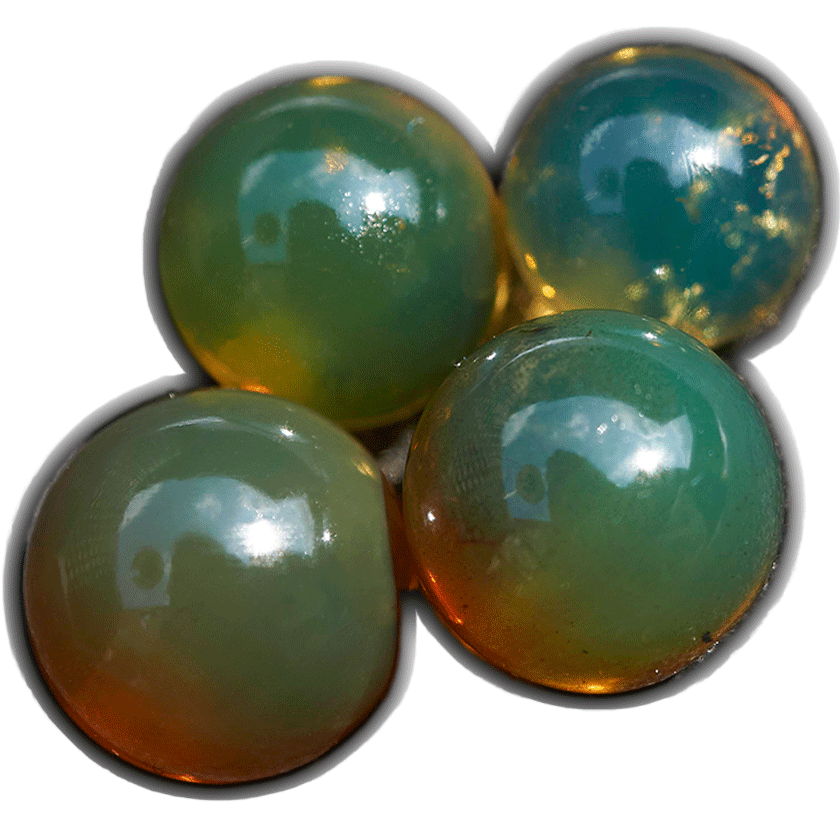
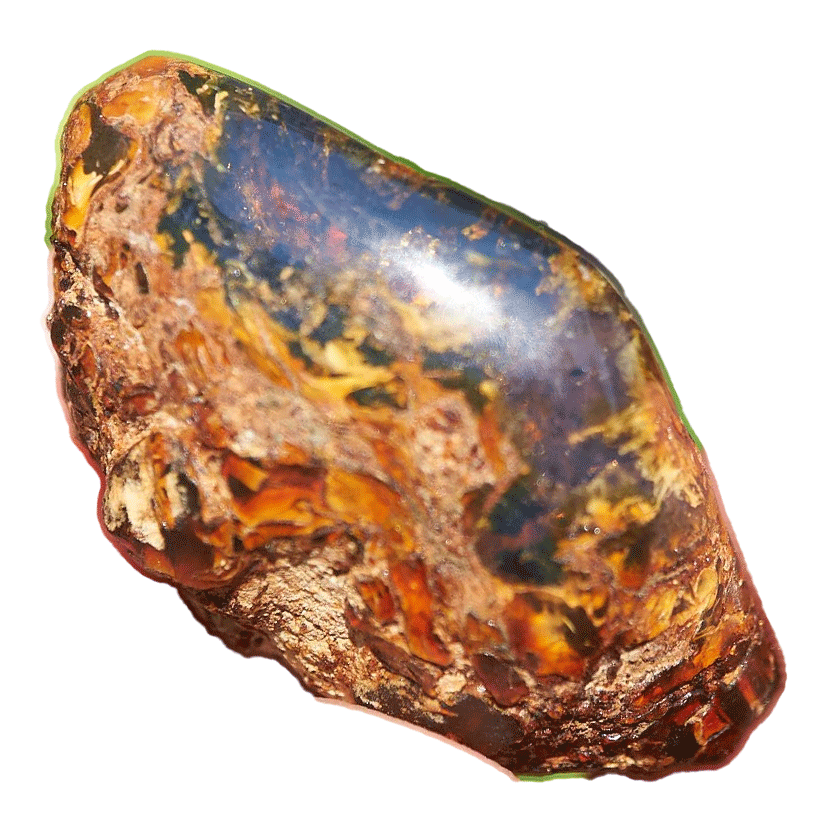
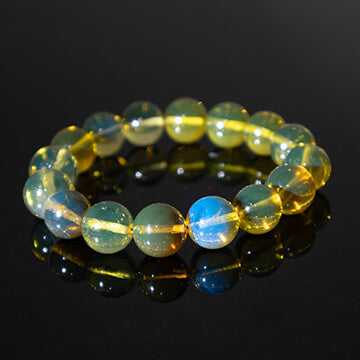
While not technically a mineral, Dominican Blue Amber deserves mention among exceptional green blue gemstones. This fossilized resin exhibits blue fluorescence under UV light and can display blue to blue-green colors even in natural light due to light scattering from microscopic particles. The organic origin creates entirely different optical properties compared to crystalline gemstones.
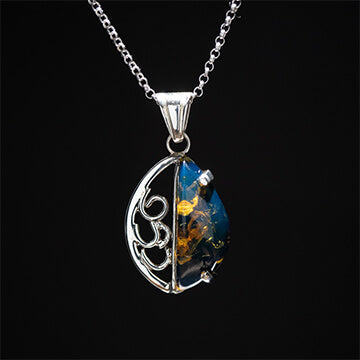
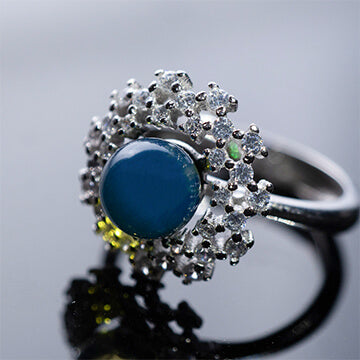
Blue amber forms from the resin of an extinct tree species that grew in the Dominican Republic millions of years ago. The blue appearance results from polycyclic aromatic hydrocarbons created during the fossilization process. Specimens showing strong blue or blue-green colors are significantly rarer than standard yellow or cognac amber, commanding premium prices in international markets. Collectors interested in these rare gems can explore Dominican blue amber offerings from specialized sources.
Proper maintenance ensures green blue gemstones retain their beauty for generations. Different materials require specific care approaches based on their hardness, chemical composition, and stability. Understanding these requirements prevents damage and preserves value.
Most green blue gemstones benefit from gentle cleaning with lukewarm water and mild soap. Use a soft brush to remove debris from settings and behind stones. Rinse thoroughly and dry with a lint-free cloth. This simple approach works safely for aquamarine, beryl, tourmaline, and most other hard, stable stones.
Softer materials like turquoise, smithsonite, and chrysocolla require extra caution. Avoid chemical cleaners entirely, as they may react with copper-bearing minerals. Never use ultrasonic or steam cleaners on these materials, as they can cause cracking or color changes. Simple wiping with a damp cloth provides sufficient cleaning for regular maintenance.
Store green blue gemstones separately to prevent harder materials from scratching softer ones. Individual cloth pouches or compartmentalized jewelry boxes work well. Keep stones away from heat sources, as some materials like amber and certain treated stones may be affected by temperature extremes.
Remove jewelry before engaging in activities that might expose stones to impacts, chemicals, or extreme conditions. Swimming pools, hot tubs, and household cleaners pose particular risks. Taking these simple precautions dramatically extends the lifespan and appearance of your gemstone jewelry.
The market for green blue gemstones has shown steady growth over the past decade, with certain varieties experiencing dramatic appreciation. Paraiba tourmaline leads investment-grade colored stones, with top-quality Brazilian material appreciating 10-15% annually. Larimar has similarly gained recognition as supply constraints from its single source drive collector interest.
Understanding which blue gemstones and green gemstones hold investment potential requires considering multiple factors. Rarity, durability, size availability, and market recognition all influence long-term value. Stones combining beauty with geological scarcity typically outperform common materials over extended timeframes.
Investment-Grade Selection Criteria:
| Factor | Importance | Evaluation Method |
|---|---|---|
| Rarity | High | Geographic limitation, deposit depletion |
| Color | High | Saturation, purity, consistency |
| Clarity | Medium-High | Eye-clean preference for most varieties |
| Size | Medium | Availability in larger sizes |
| Treatment | High | Untreated stones command premiums |
| Provenance | Medium | Documented origin adds value |
Purchasing green blue gemstones requires diligence to ensure authenticity and fair pricing. Reputable dealers provide gemological documentation for significant purchases, including reports from recognized laboratories. These certificates verify natural origin, identify any treatments, and confirm variety identification.
Online marketplaces have democratized gemstone access, but they've also created opportunities for misrepresentation. Learning to recognize red flags like unrealistic pricing, vague descriptions, or reluctance to provide detailed information protects buyers. Building relationships with established dealers like Larimar Creations provides access to authenticated material backed by expertise and reputation.
Laboratory-grown gemstones increasingly enter markets across all color categories, including green blue varieties. Synthetic aquamarine, emerald, and turquoise exist, though some materials prove more economically viable to produce than others. These lab-created stones possess identical chemical composition and physical properties to natural materials, making detection possible only through advanced gemological testing.
Disclosure requirements mandate identifying synthetic and treated stones in commercial transactions. However, enforcement varies internationally, and casual sellers may lack expertise to make accurate determinations. When investing significant sums, independent verification through qualified gemological laboratories provides essential protection.
Treatment disclosure equally impacts value and marketability. Heat-treated aquamarine, stabilized turquoise, and clarity-enhanced emeralds serve legitimate market segments when properly identified. Problems arise when treatments go undisclosed, leaving buyers believing they've purchased more valuable natural or untreated material.
Green blue gemstones have adorned humanity throughout recorded history, appearing in artifacts from ancient Egypt, Mesopotamia, Persia, and the Americas. Turquoise held particular significance for Native American peoples, who incorporated it into ceremonial objects and personal adornment. Persian turquoise decorated manuscripts and architecture throughout the Islamic world.
The ancients attributed various metaphysical properties to these stones, associations that continue influencing modern crystal healing practices. While scientific evidence doesn't support these claims, the cultural and historical significance adds context and interest for collectors. Understanding these traditional connections enriches appreciation beyond purely aesthetic considerations.
Gemstone exploration continues identifying new deposits of green blue gemstones worldwide. Recent discoveries of copper-bearing tourmaline in Africa expanded Paraiba availability significantly. However, finding deposits of gem quality material remains challenging and unpredictable. Many promising sources produce material unsuitable for faceting or jewelry applications.
Climate considerations and environmental regulations increasingly impact mining operations globally. Responsible sourcing has become a priority for many consumers, driving demand for ethically mined and processed materials. This trend may particularly benefit single-source gemstones like Larimar, where origin is guaranteed and environmental impact can be directly monitored and minimized.
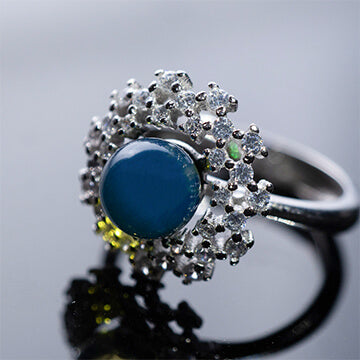
Green blue gemstones offer exceptional beauty spanning subtle seafoam whispers to electric neon intensity, with each variety bringing unique characteristics shaped by geological history and mineral composition. Whether you're drawn to the exclusive Caribbean origins of Larimar, the ancient allure of turquoise, or the modern electric brilliance of Paraiba tourmaline, these remarkable stones create jewelry that captures nature's most sophisticated color palette. Larimar Creations specializes in showcasing these extraordinary gems through expertly crafted pendants, rings, and other jewelry pieces, offering worldwide shipping so collectors everywhere can enjoy authentically sourced, meticulously handcrafted treasures that celebrate the ocean-inspired beauty of rare gemstones.