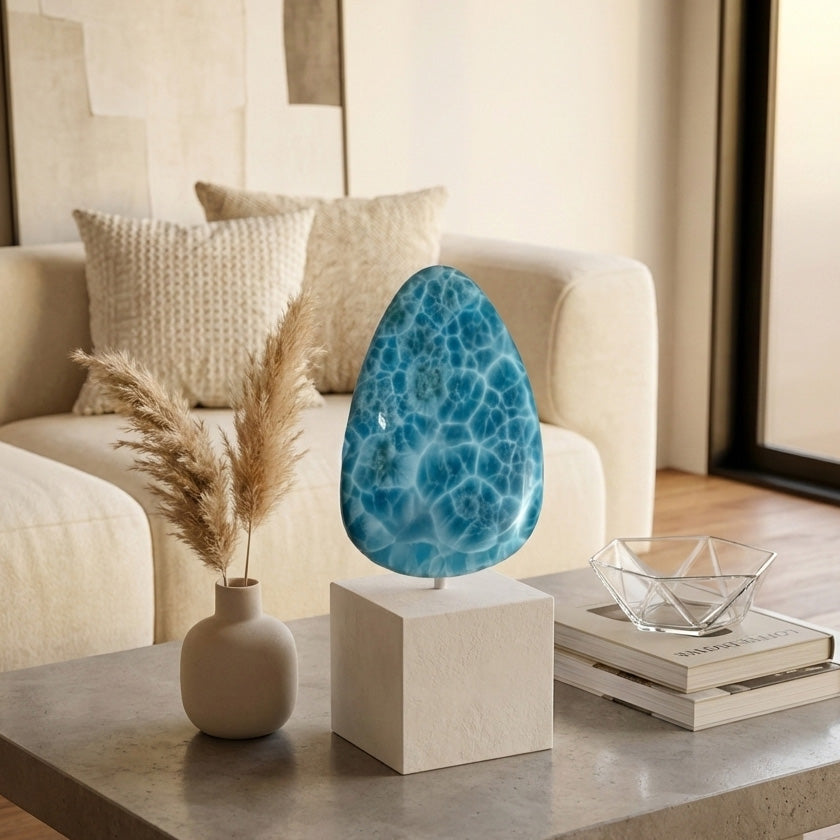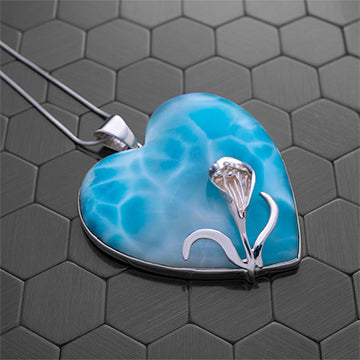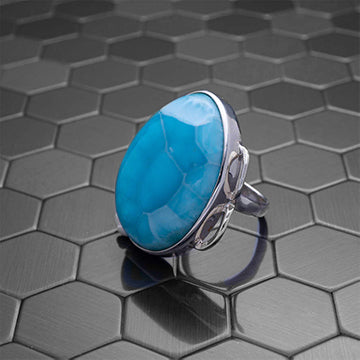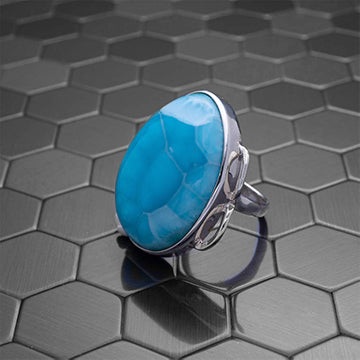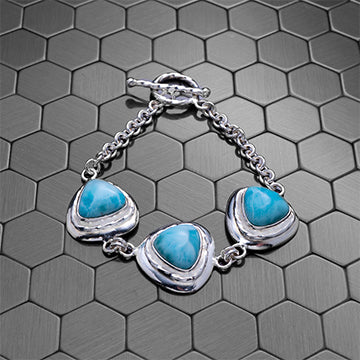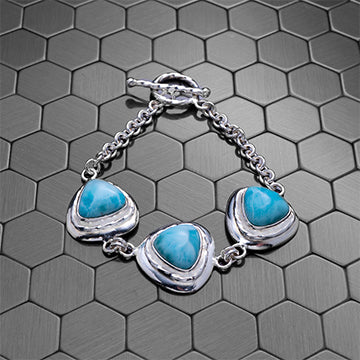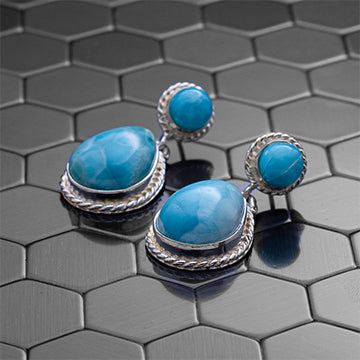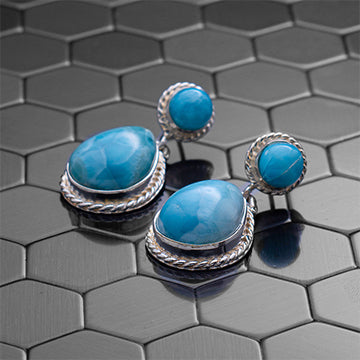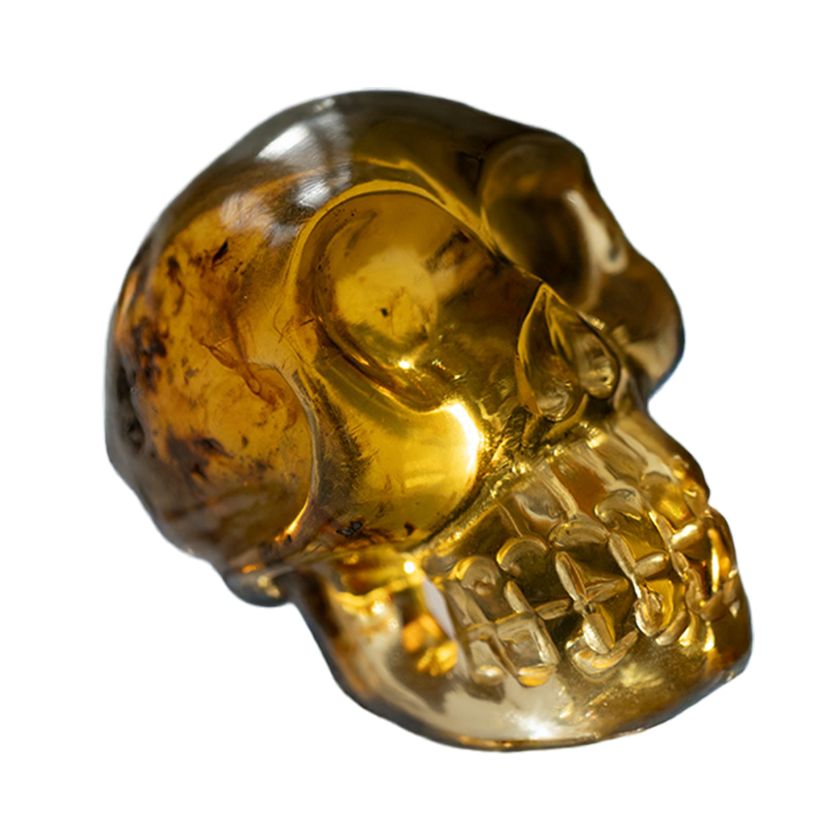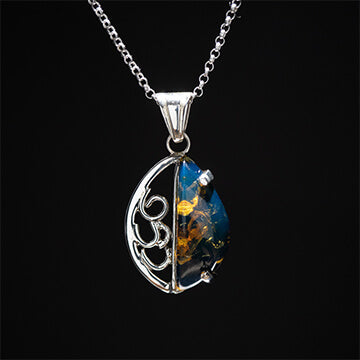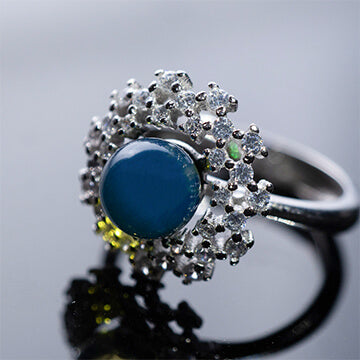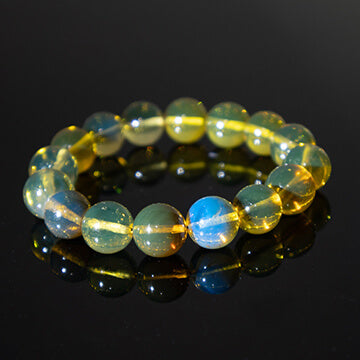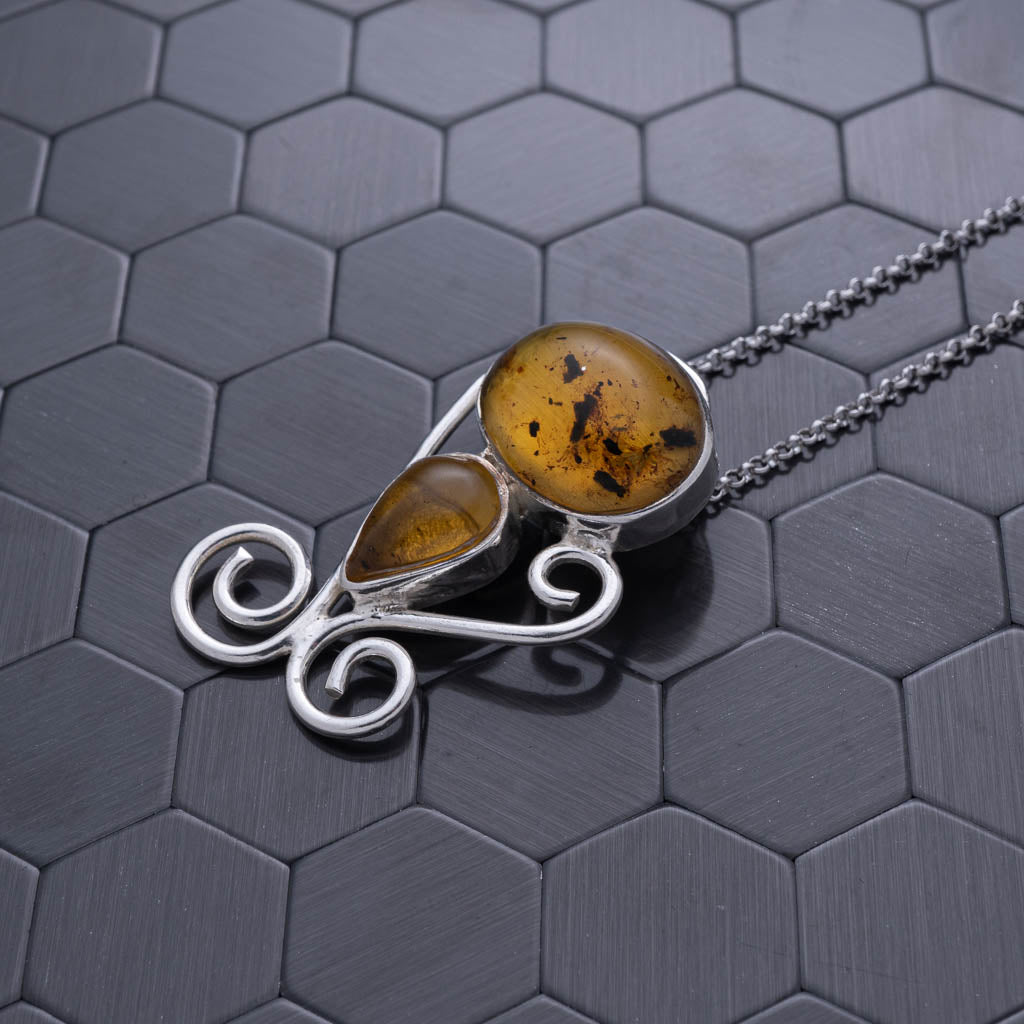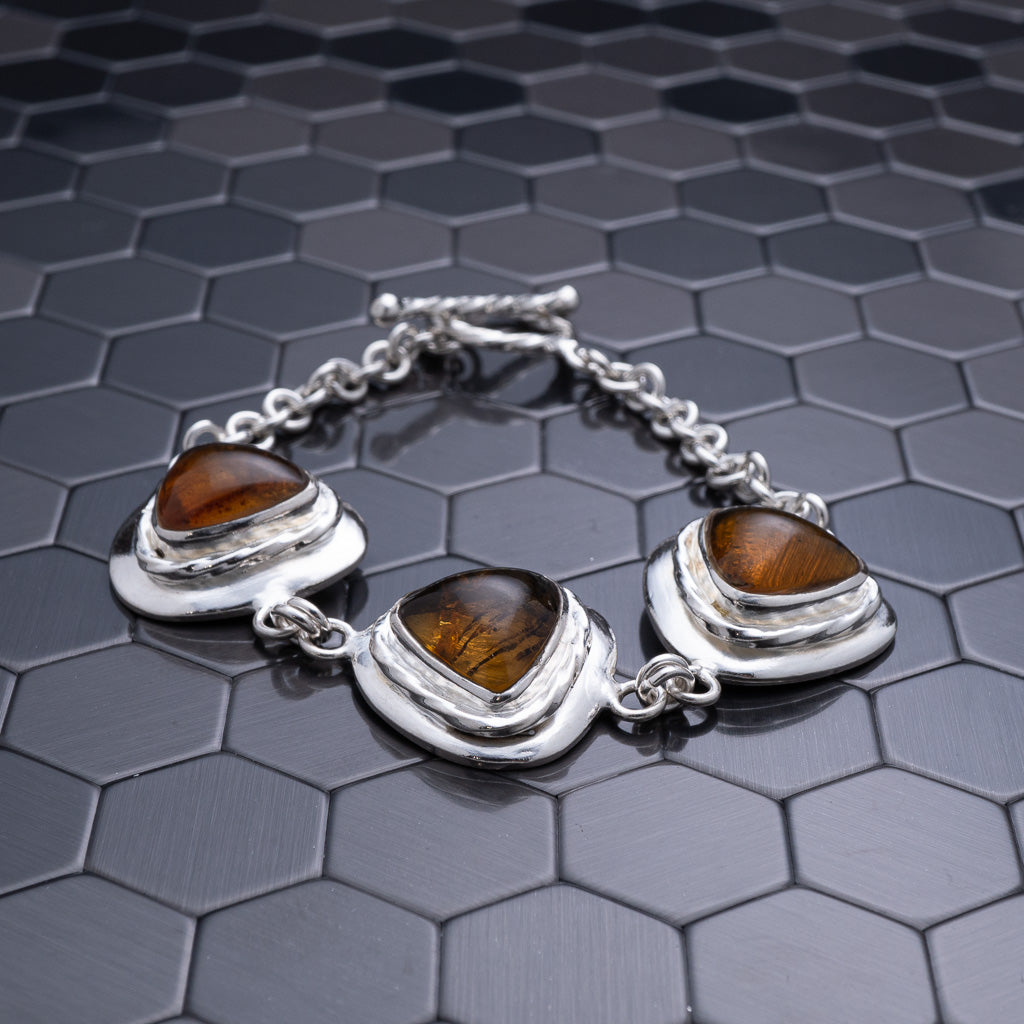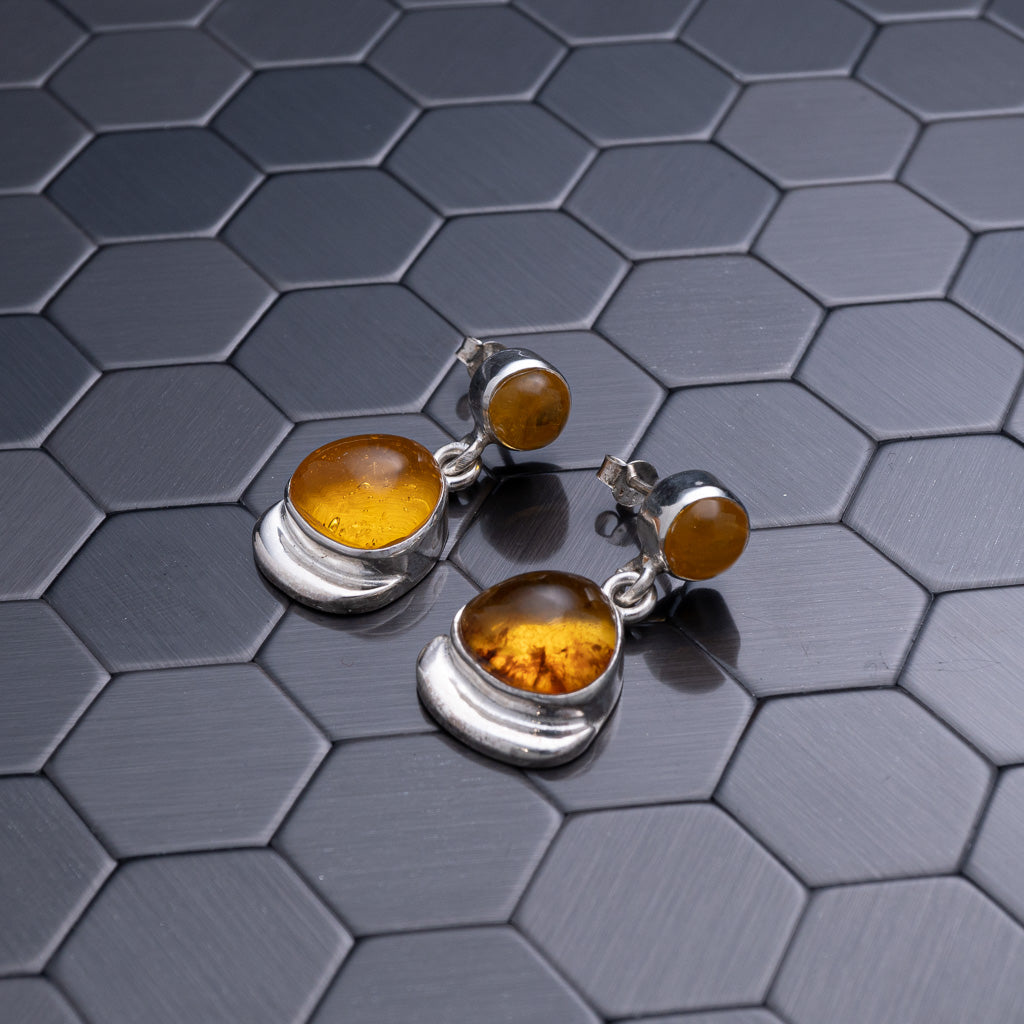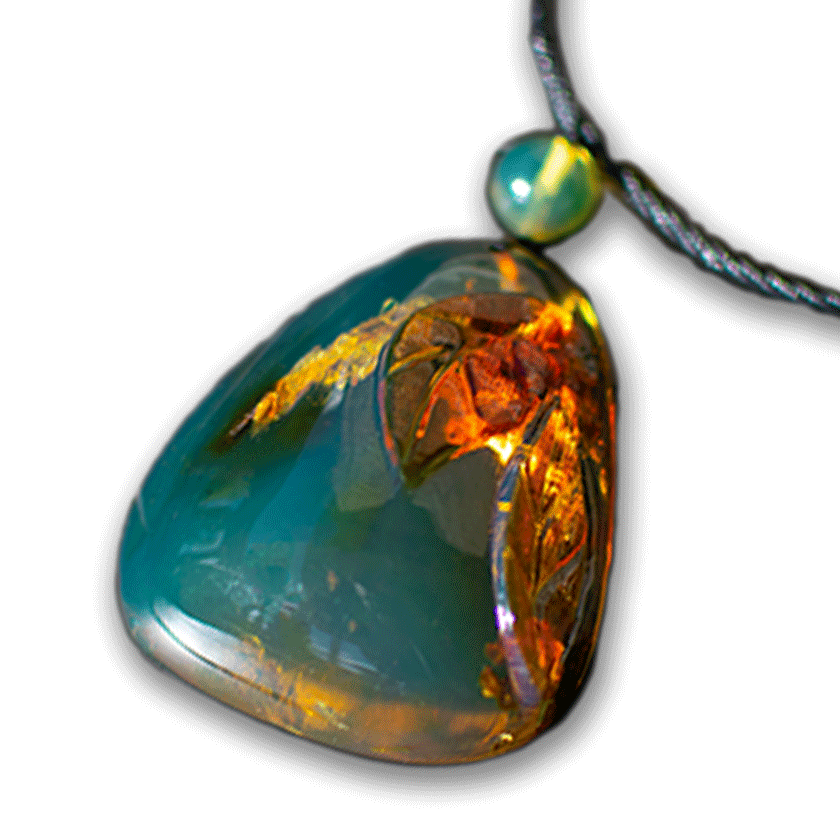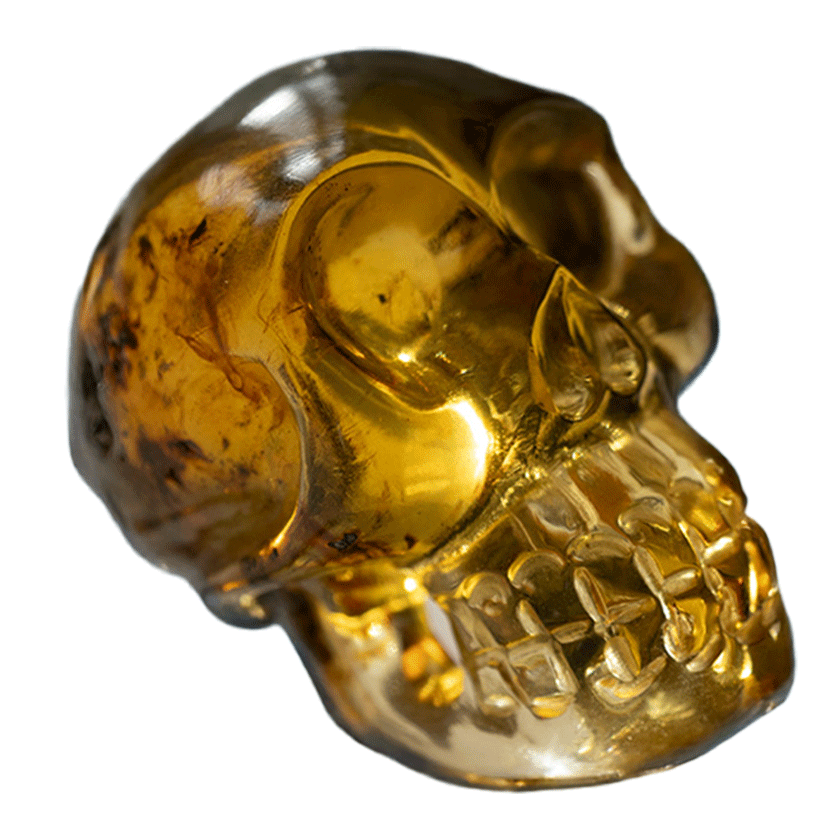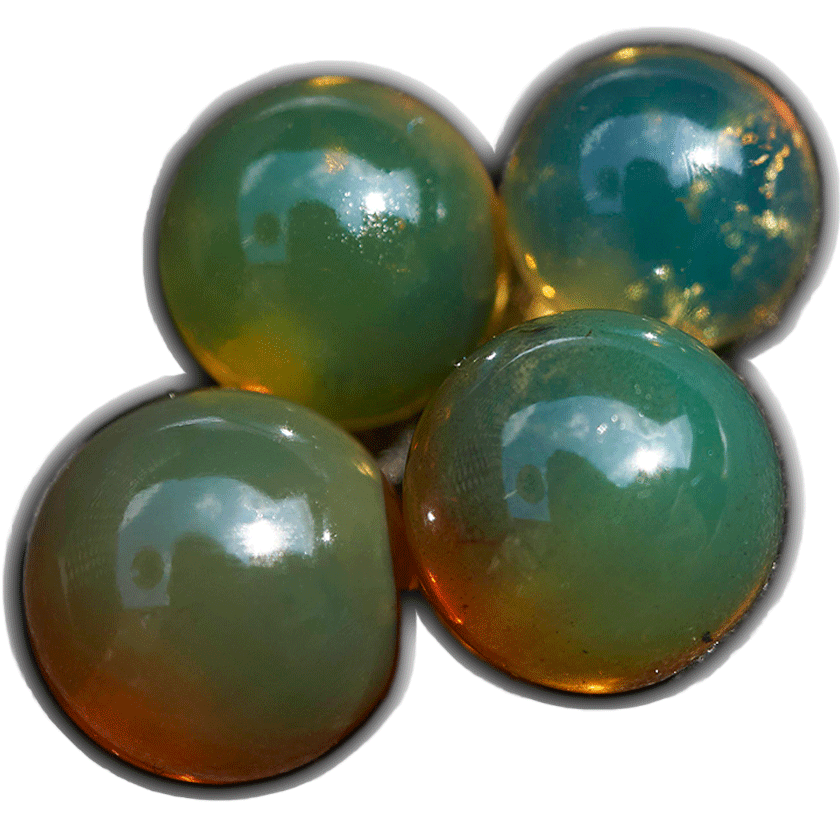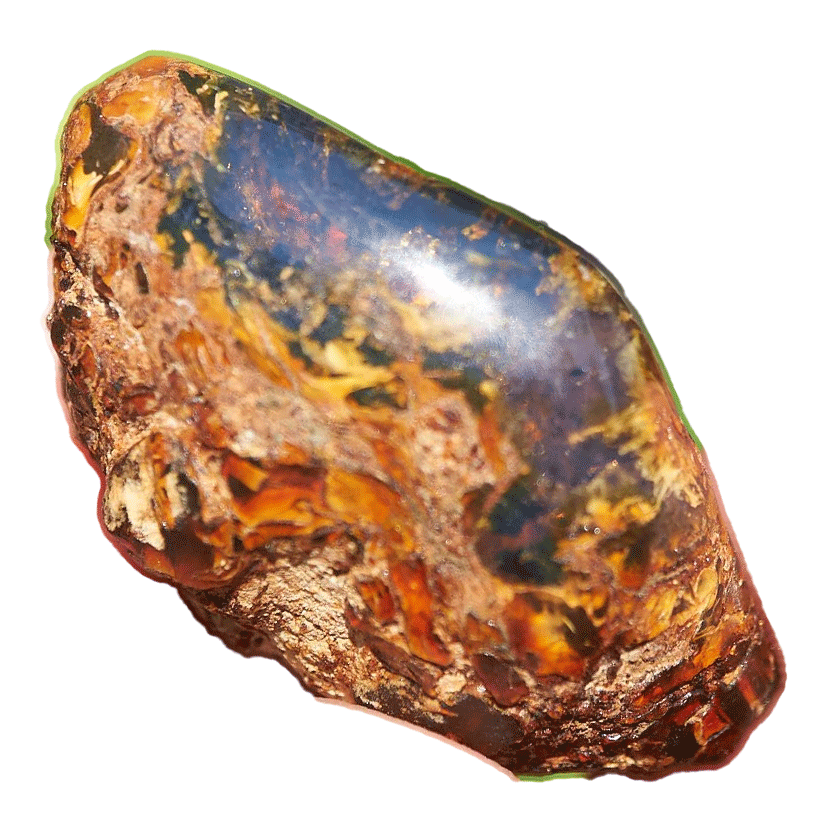


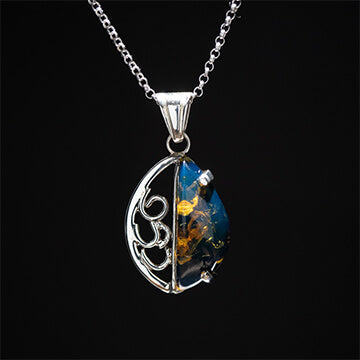
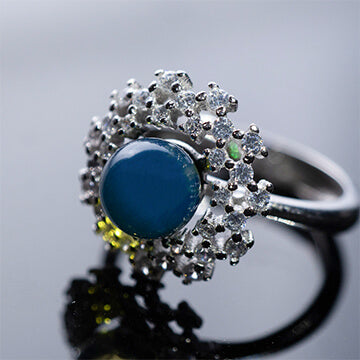

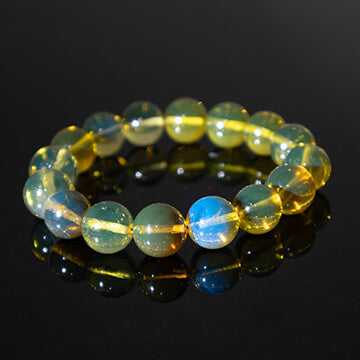
Handcrafted in DR.

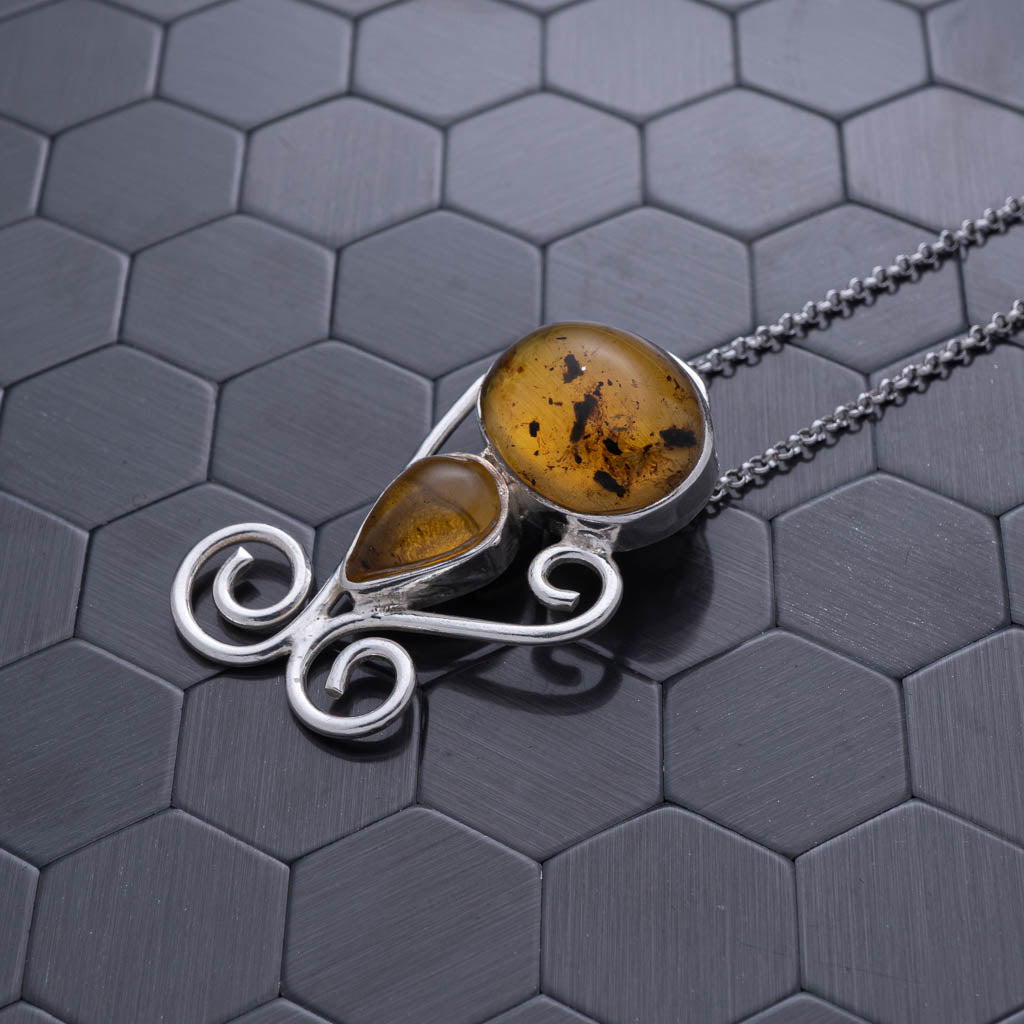

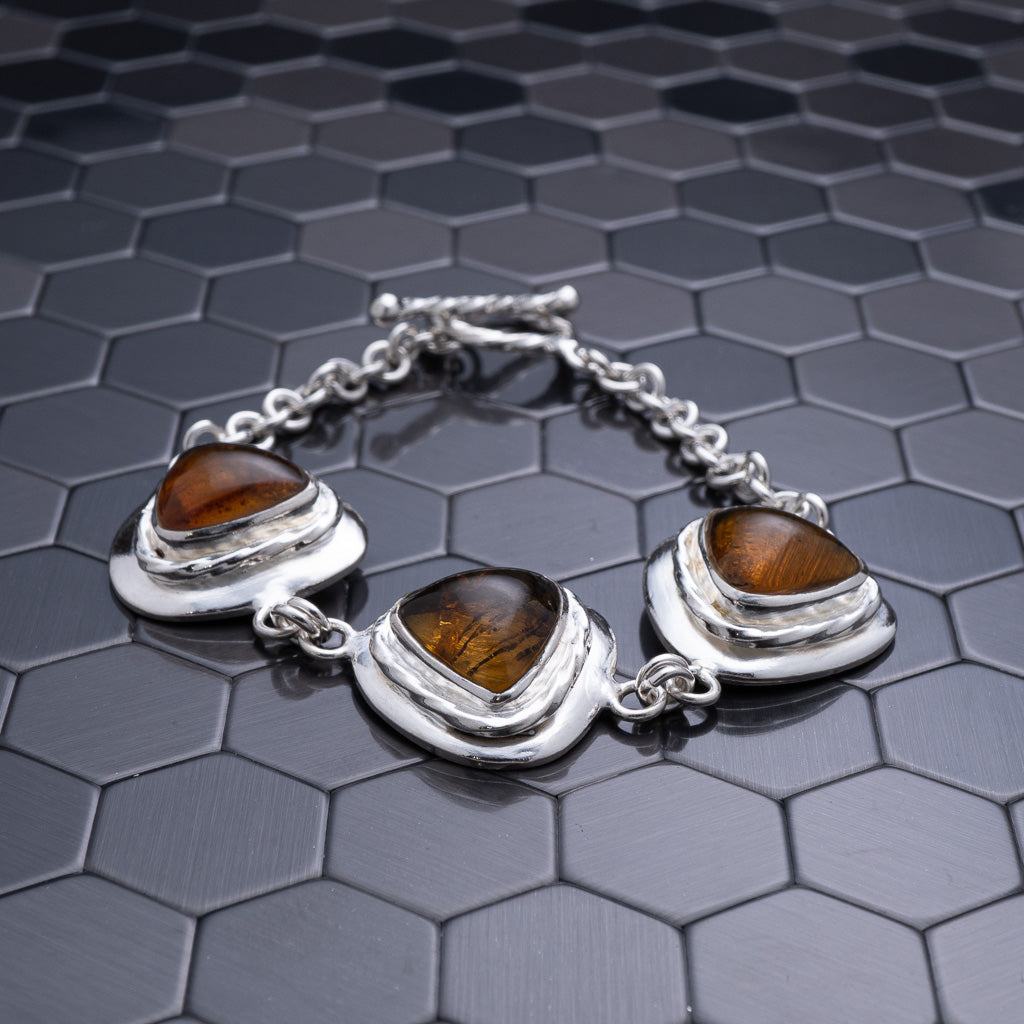
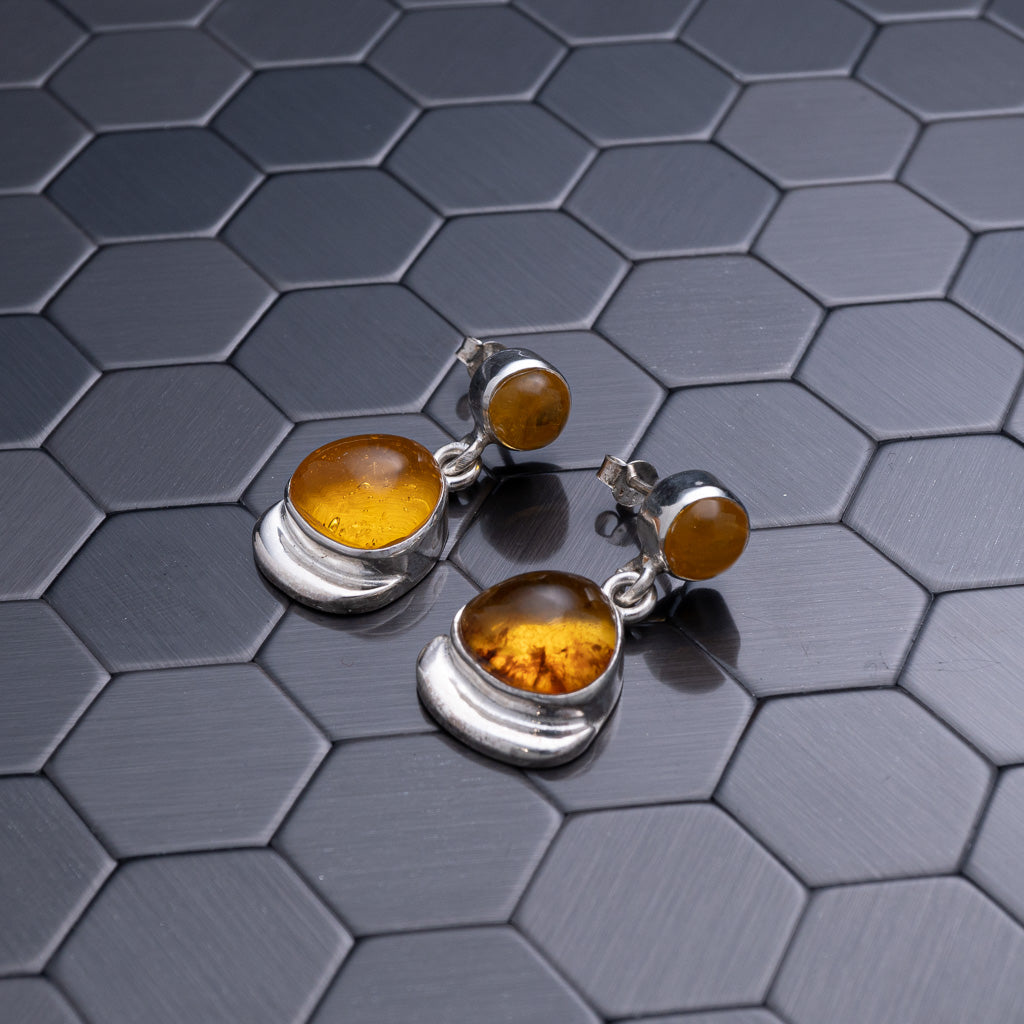


100% Handcrafted in DR.

The art of hand carving represents one of humanity's oldest and most revered crafts, connecting modern artisans to traditions spanning millennia. Whether shaping precious gemstones into wearable art, creating intricate wooden sculptures, or preserving cultural heritage through stone masonry, the deliberate touch of skilled hands transforms raw materials into extraordinary pieces. This meticulous process demands patience, precision, and an intimate understanding of each material's unique characteristics. In an era increasingly dominated by mass production and automated manufacturing, hand carved creations stand as testaments to human ingenuity, offering unparalleled quality and individuality that machines simply cannot replicate.
Hand carved items possess inherent qualities that distinguish them from machine-produced alternatives. Each piece carries the subtle marks of its creator's vision and skill, making every creation genuinely unique.
The irregularities and individual characteristics of hand carved work tell a story that mass production cannot match. Unlike factory-produced items created from identical molds, each hand carved piece reflects the artisan's interpretation, the specific properties of the raw material, and the evolution of technique during creation. These variations transform functional objects into personal expressions of artistry.
Key distinguishing features include:
When applied to gemstone jewelry, hand carving reveals internal patterns and optical properties that standardized cutting methods often obscure. A skilled carver works with the stone's natural inclusions and color variations rather than against them, producing pieces where the material itself becomes part of the artistic statement.
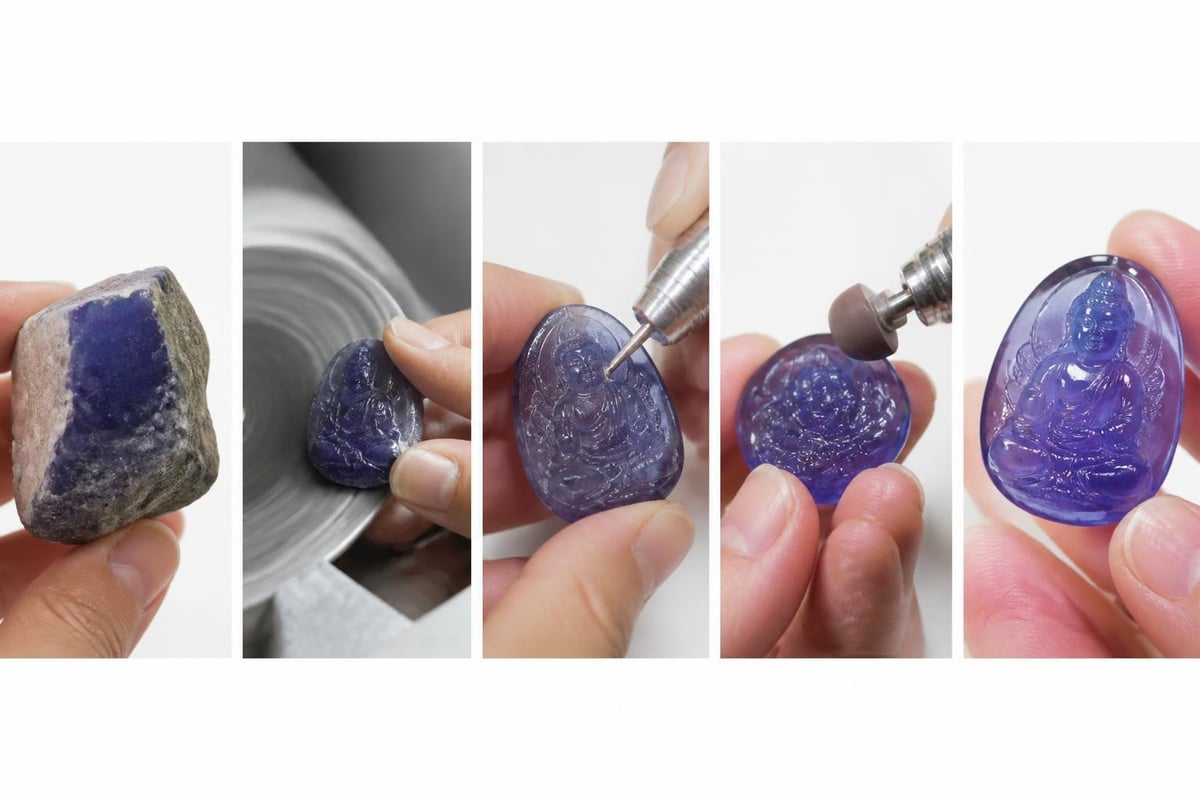
The creation timeline for hand carved pieces differs dramatically from automated production. A single pendant might require dozens of hours spread across multiple sessions, with the artisan carefully removing material in progressive stages.
| Production Method | Average Time per Piece | Skill Development Period | Uniqueness Factor |
|---|---|---|---|
| Hand Carved | 15-80+ hours | 5-15 years mastery | 100% unique |
| Machine Carved | 0.5-2 hours | Weeks to months | Limited variations |
| Cast/Molded | 0.1-0.5 hours | Days to weeks | Identical copies |
This significant time investment translates directly into value. Collectors and discerning buyers recognize that purchasing hand carved work means acquiring not just an object, but the culmination of years of practice and refined expertise.
Different materials demand distinct approaches, tools, and technical knowledge. Understanding these variations helps appreciate the specialized skills required for each medium.
Working with gemstones presents unique challenges due to their hardness, brittleness, and optical properties. Larimar Pendants, for instance, require specialized knowledge of the stone's characteristic pectolite composition and distinctive blue coloration patterns to maximize visual impact.
Essential considerations for gemstone carving:
The process typically begins with careful examination of the rough stone, planning cuts that honor its natural beauty while achieving the desired form. Successive grades of abrasive materials gradually refine the shape, moving from coarse removal to delicate finishing work.
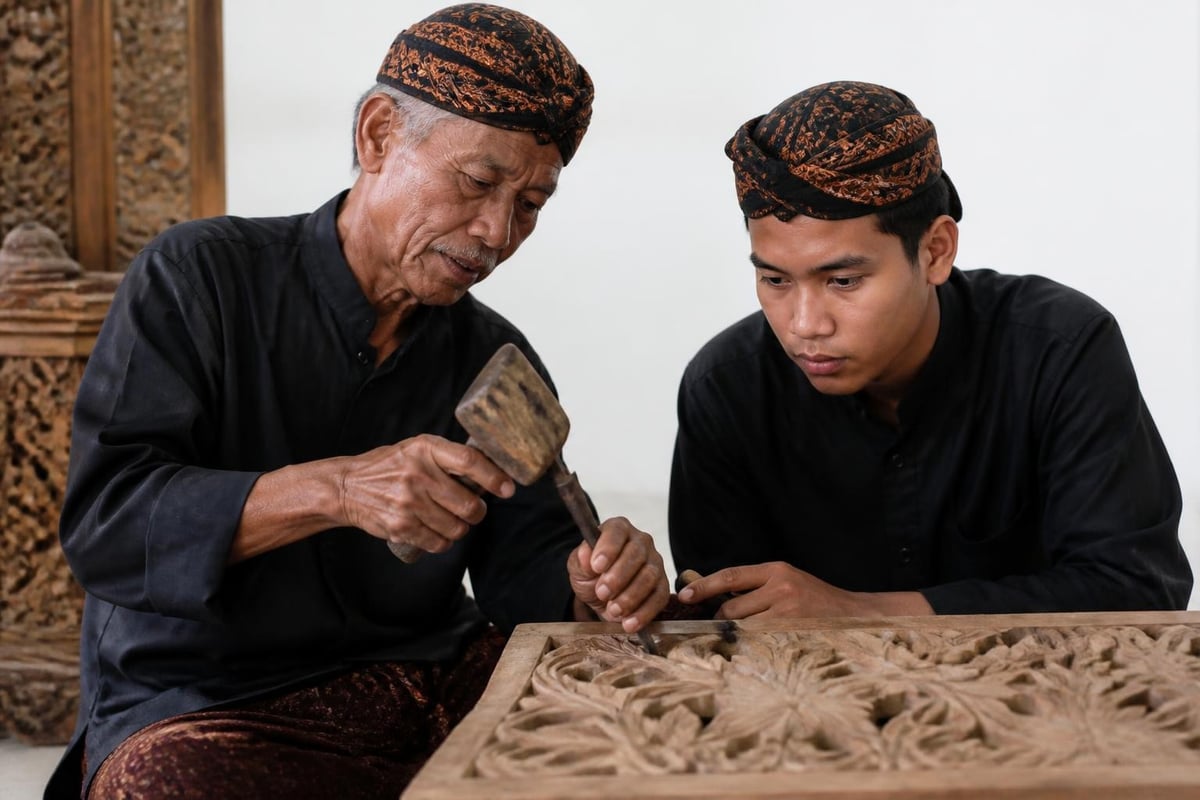
Wood carving encompasses an enormous range of techniques and applications, from utilitarian bowls to elaborate architectural details. The selection of appropriate chisels and gouges becomes critical, with each tool profile suited to specific cuts and grain orientations.
Common wood carving categories include:
Responsible artisans increasingly prioritize sustainable wood sourcing policies to ensure their craft doesn't contribute to deforestation or ecosystem degradation. This ethical dimension adds another layer of value to hand carved wooden pieces.
Hand carved objects often carry profound cultural meaning, serving as tangible links to ancestral traditions and community identity. The preservation of these artifacts and techniques represents essential heritage work.
In regions affected by conflict or cultural suppression, stone carvers help rebuild cultural heritage through meticulous restoration of damaged architectural elements and monuments. These artisans study historical techniques, often learning from fragmentary evidence, to recreate work that honors original craftspeople while stabilizing structures for future generations.
This reconstruction work demonstrates how hand carved elements function as more than decoration. They embody cultural narratives, religious significance, and community values that transcend their physical form.
Preserving hand carved heritage objects requires sophisticated understanding of material degradation and appropriate intervention strategies. The National Park Service carousel preservation efforts exemplify best practices for maintaining historic wooden carvings through controlled environments, careful cleaning protocols, and selective restoration.
Modern conservation increasingly incorporates digital documentation and 3D modeling to create detailed records of hand carved objects. These digital twins enable monitoring of subtle changes over time, planning conservation interventions, and preserving knowledge even if physical objects deteriorate.
Creating a hand carved piece follows a structured yet flexible progression that accommodates the material's unique properties and the artist's evolving vision.
Successful carving begins before the first cut. Experienced artisans spend considerable time examining potential materials, looking for characteristics that align with their intended design.
For gemstone work, this planning stage proves particularly crucial. A carver might study a piece of Dominican Blue Amber or Larimar for days, rotating it under different lighting conditions to understand how its internal structure will respond to various cutting approaches.
Hand carving proceeds through distinct phases, each requiring different tools and mindsets.
| Stage | Purpose | Tools Used | Skill Focus |
|---|---|---|---|
| Roughing | Remove bulk material, establish basic form | Heavy gouges, powered tools, coarse abrasives | Efficiency, spatial visualization |
| Shaping | Define major contours and proportions | Medium gouges, rasps, medium abrasives | Precision, symmetry assessment |
| Detailing | Add fine features, textures, refinements | Small chisels, fine tools, detail bits | Patience, steadiness |
| Finishing | Final surface treatment, polishing | Progressively fine abrasives, buffing compounds | Consistency, quality control |
The transition between stages isn't always linear. Artisans frequently move back and forth, refining earlier work as later details reveal necessary adjustments. This iterative approach distinguishes hand carved work from automated processes that follow predetermined, inflexible paths.
Discerning buyers benefit from understanding quality markers that separate exceptional hand carved pieces from inferior work.
Surface finish consistency reveals the carver's patience and skill. Truly refined work shows uniform texture across the entire piece, with no tool marks visible unless intentionally included as decorative elements. Transitions between different surface treatments should appear deliberate rather than accidental.
Proportional balance demonstrates spatial awareness and planning. Well-executed hand carved items maintain pleasing relationships between elements, creating visual harmony that feels natural rather than forced. This balance becomes particularly important in jewelry, where pieces must appear attractive from multiple viewing angles.
Structural integrity ensures longevity. Quality hand carved work considers stress points, grain orientation, and material properties to create durable pieces that withstand normal use without fragility.
Beyond technical proficiency, exceptional hand carved work exhibits artistic vision. The creator's personality and aesthetic sensibilities should emerge through design choices, surface treatments, and compositional decisions.
These qualities transform technically competent work into memorable art that justifies premium pricing and lasting appreciation.
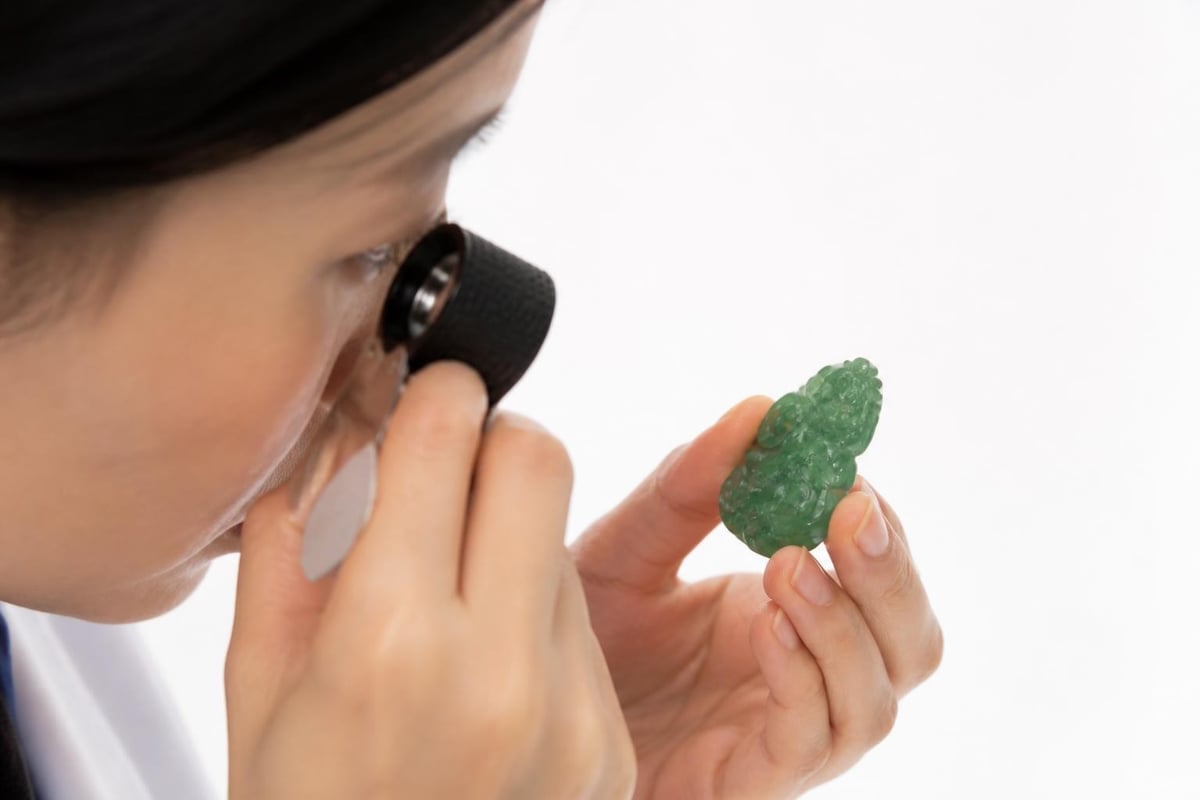
The hand carved market continues evolving, with traditional techniques finding new applications in modern contexts while maintaining connections to historical practices.
High-end jewelry increasingly emphasizes hand carved elements as differentiators in crowded markets. Consumers seeking authenticity and uniqueness gravitate toward pieces where skilled artisanship provides clear added value over mass-produced alternatives.
Rare gemstones particularly benefit from hand carved techniques that maximize their distinctive characteristics. When working with materials like Larimar from the Dominican Republic, skilled carvers enhance the stone's natural volcanic blue patterns through strategic shaping that catches and reflects light in ways standardized cuts cannot achieve.
Market drivers for hand carved jewelry include:
Hand carved elements remain prized for architectural detailing, furniture embellishment, and decorative objects where machine production lacks the necessary subtlety or customization. Contemporary designers commission hand carved work for projects requiring historical accuracy, cultural authenticity, or simply the irreplaceable quality of skilled handwork.
This sector particularly values artisans who combine traditional techniques with modern design sensibilities, creating work that honors craft heritage while serving contemporary aesthetic preferences.
The transmission of hand carving knowledge from experienced masters to new generations ensures these vital skills survive and evolve rather than disappearing into history.
Traditional apprenticeship models remain the gold standard for developing hand carving expertise. Working alongside accomplished carvers provides exposure to subtle techniques, problem-solving approaches, and quality standards that classroom instruction alone cannot convey.
Effective skill development requires:
Formal education programs in fine arts, jewelry design, and woodworking increasingly incorporate hand carving modules, though most acknowledge the extended practice time needed for genuine mastery.
Modern carvers benefit from interconnected communities that share knowledge, techniques, and encouragement. Online forums, workshops, and guild organizations provide networking opportunities and continuing education for artisans at all skill levels.
Documentation projects, instructional videos, and published technique guides help preserve specialized knowledge that might otherwise exist only in individual practitioners' memories. This democratization of information accelerates learning while maintaining respect for the depth of experience that separates competent practitioners from true masters.
Collectors and buyers evaluate hand carved work through multiple lenses, balancing aesthetic appeal with practical considerations of value retention and appreciation potential.
Several elements influence whether a hand carved piece will maintain or increase in value over time:
| Factor | Impact on Value | Assessment Method |
|---|---|---|
| Artist reputation | High | Research exhibition history, awards, critical recognition |
| Material rarity | Medium to High | Verify authenticity, assess scarcity, confirm quality grade |
| Technical excellence | High | Expert examination, comparison to similar works |
| Condition | High | Professional appraisal, documentation of any damage or restoration |
| Provenance | Medium | Documentation trail, ownership history, original receipts |
| Market demand | Variable | Track auction results, gallery pricing, collector interest |
Pieces combining multiple positive factors (renowned artist, rare material, exceptional technique) demonstrate the strongest appreciation patterns. Even work by lesser-known artisans can appreciate significantly if technical quality and material excellence are evident.
Proper stewardship preserves both the physical integrity and investment value of hand carved items. Each material category requires specific care protocols:
For carved gemstones: Store separately to prevent scratching from harder materials, clean with appropriate solutions (never harsh chemicals), protect from thermal shock, and have settings checked periodically for security.
For carved wood: Maintain stable humidity levels to prevent cracking, keep away from direct sunlight that causes fading, apply appropriate protective finishes as recommended, and address any pest issues immediately.
For carved stone: Clean with soft brushes and gentle solutions, protect from freeze-thaw cycles that cause spalling, seal porous varieties to prevent staining, and monitor for structural cracks requiring professional attention.
Regular professional assessment ensures early detection of potential problems before they become serious damage requiring expensive restoration.
Responsible hand carving practices extend beyond technical excellence to encompass environmental stewardship and ethical material acquisition.
Reputable artisans and retailers provide clear information about material origins, extraction methods, and labor conditions throughout their supply chains. This transparency allows consumers to make informed choices aligned with their values.
Questions to ask about hand carved pieces:
For gemstones, this includes verification that stones weren't obtained through environmentally destructive mining or in ways that fund conflict. For wood, it means confirming sustainable forestry practices and legal harvest.
While hand carving typically has lower environmental impact than industrial manufacturing (smaller energy consumption, minimal chemical use, less waste), responsible artisans take additional steps to minimize their ecological footprint.
These practices include maximizing material utilization to reduce waste, properly disposing of or repurposing scraps, using non-toxic finishing materials when possible, and supporting reforestation or habitat restoration initiatives in areas where materials are sourced.
Market confusion sometimes arises when machine-produced items are marketed as hand carved. Understanding genuine indicators helps buyers avoid misrepresentation.
Genuine hand carved work displays characteristics that production techniques cannot replicate:
Examining multiple pieces from the same source reveals patterns. If supposedly hand carved items show identical dimensions, perfectly symmetrical features, or completely uniform surfaces, machine assistance or complete automation is likely involved.
Some contemporary work combines hand and machine processes. Initial roughing might use powered equipment for efficiency, with final detailing completed by hand. While this hybrid approach is legitimate, it should be accurately represented rather than marketed as entirely hand carved.
Honest labeling might specify:
Transparency in production methods builds trust and allows consumers to select pieces matching their preferences and budgets.
The timeless appeal of hand carved artistry lies in its connection to human creativity, skill, and dedication. Whether you're drawn to the subtle variations that make each piece unique, the cultural heritage embodied in traditional techniques, or simply the superior quality that skilled hands produce, hand carved creations offer enduring value in an increasingly automated world. Larimar Creations brings this dedication to excellence to every piece, transforming rare Dominican gemstones into wearable art through meticulous hand carving and finishing. Explore our collection to discover how traditional craftsmanship creates jewelry that transcends ordinary adornment.