
FREE WORLD WIDE SHIPPING
HANDCRAFTED IN THE DOMINICAN REPUBLIC
30% DISCOUNT APPLIED AT CHECKOUT
FREE WORLD WIDE SHIPPING
HANDCRAFTED IN THE DOMINICAN REPUBLIC
30% DISCOUNT APPLIED AT CHECKOUT
FREE WORLD WIDE SHIPPING
HANDCRAFTED IN THE DOMINICAN REPUBLIC
30% DISCOUNT APPLIED AT CHECKOUT
FREE WORLD WIDE SHIPPING
HANDCRAFTED IN THE DOMINICAN REPUBLIC
30% DISCOUNT APPLIED AT CHECKOUT
FREE WORLD WIDE SHIPPING
HANDCRAFTED IN THE DOMINICAN REPUBLIC
30% DISCOUNT APPLIED AT CHECKOUT
FREE WORLD WIDE SHIPPING
HANDCRAFTED IN THE DOMINICAN REPUBLIC
30% DISCOUNT APPLIED AT CHECKOUT
100% Handcrafted in DR.
by Admin August 25, 2026 6 min read
A fine piece of Dominican blue amber can appear almost clear in one setting, then reveal an electric blue glow when light and angle align. So, is blue amber fluorescent? Yes. Authentic blue amber is known for fluorescence, particularly under ultraviolet light, but the effect is more nuanced than a simple on-or-off test. Its color, clarity, cut, origin, and the kind of light used all influence what you see.
For jewelry lovers and collectors, that shifting radiance is part of blue amber’s extraordinary appeal. It is a rare Caribbean gemstone with a visual character that feels alive: warm golden resin in the hand, cool blue illumination across the surface, and sometimes a trace of ancient natural history held within.
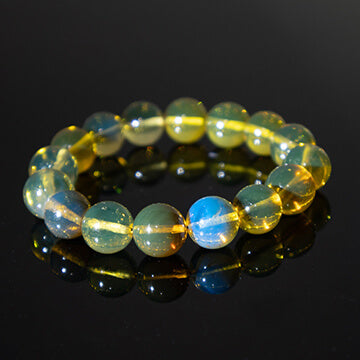
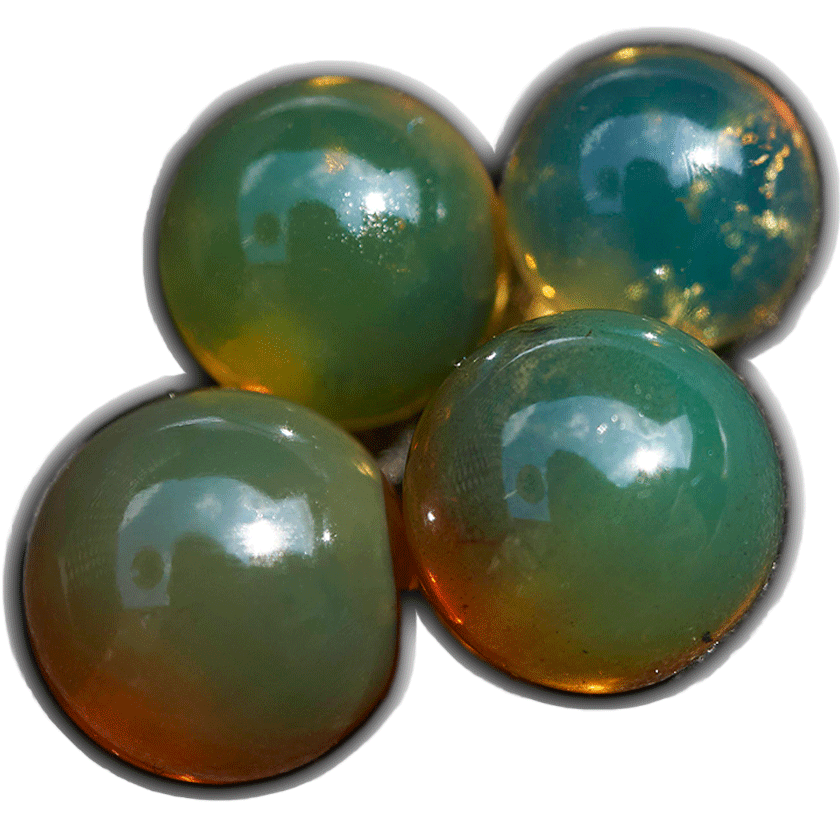
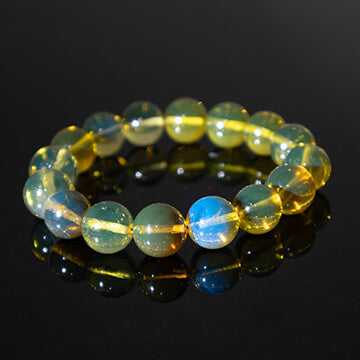
Yes, genuine Dominican blue amber commonly fluoresces under ultraviolet light. When exposed to a UV lamp, many pieces emit a blue, bluish-white, or blue-green glow. This is one of the most celebrated traits of Dominican blue amber and a reason it is treasured far beyond its classic honey-colored amber relatives.
Fluorescence happens when compounds in the fossilized tree resin absorb ultraviolet energy and release visible light. The precise chemistry is still complex, and individual pieces vary. A richly fluorescent specimen may look strikingly blue under UV, while another authentic piece may show a softer milk-blue or green-blue response.
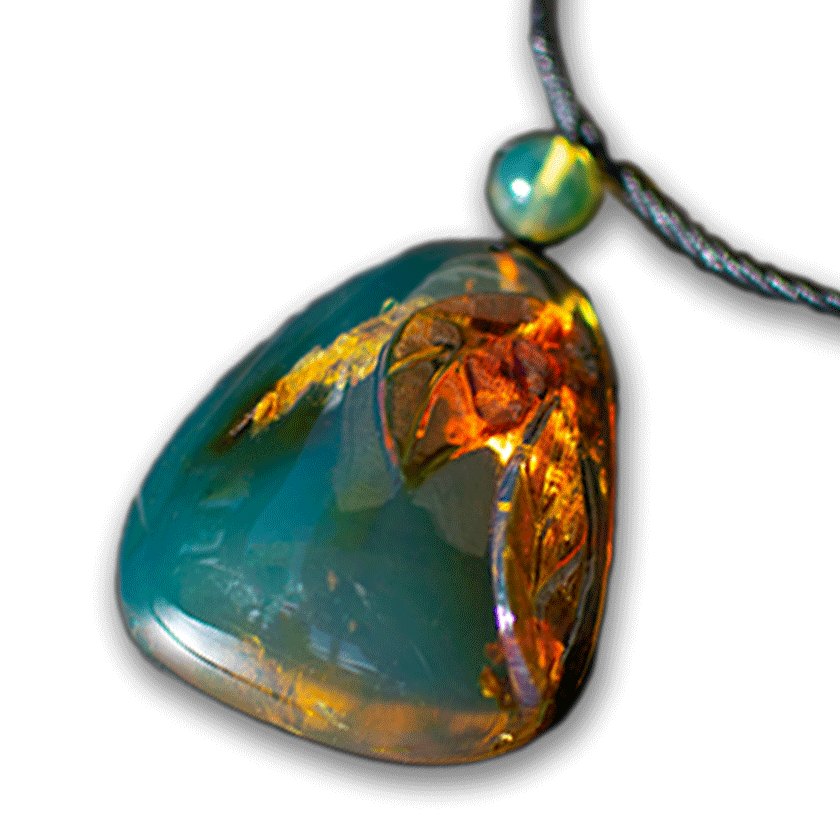
The important distinction is that blue amber does not necessarily look bright blue at every moment. Under direct sunlight or a focused light against a dark background, its famous blue effect can become more apparent. Under UV light, the fluorescence can be especially dramatic. In ordinary indoor lighting, the same stone may look golden, cognac, yellow, or nearly transparent.
The word “blue” can describe two related but different experiences. First, there is the visible blue appearance that certain amber shows in sunlight or reflected light. Second, there is fluorescence, the light emitted when the stone is exposed to ultraviolet radiation.
In blue amber, light scatters through the material in a way that favors shorter blue wavelengths. A darker surface behind the amber often makes this effect easier to see. That is why a pendant may appear blue against black fabric, yet look warm and golden against skin or a pale tabletop.
Fluorescence adds another layer. Under a UV flashlight, an authentic stone may produce a luminous blue response that seems to rise from within the resin. The effect can feel almost oceanic, which makes Dominican blue amber a natural companion to Larimar and other Caribbean treasures.
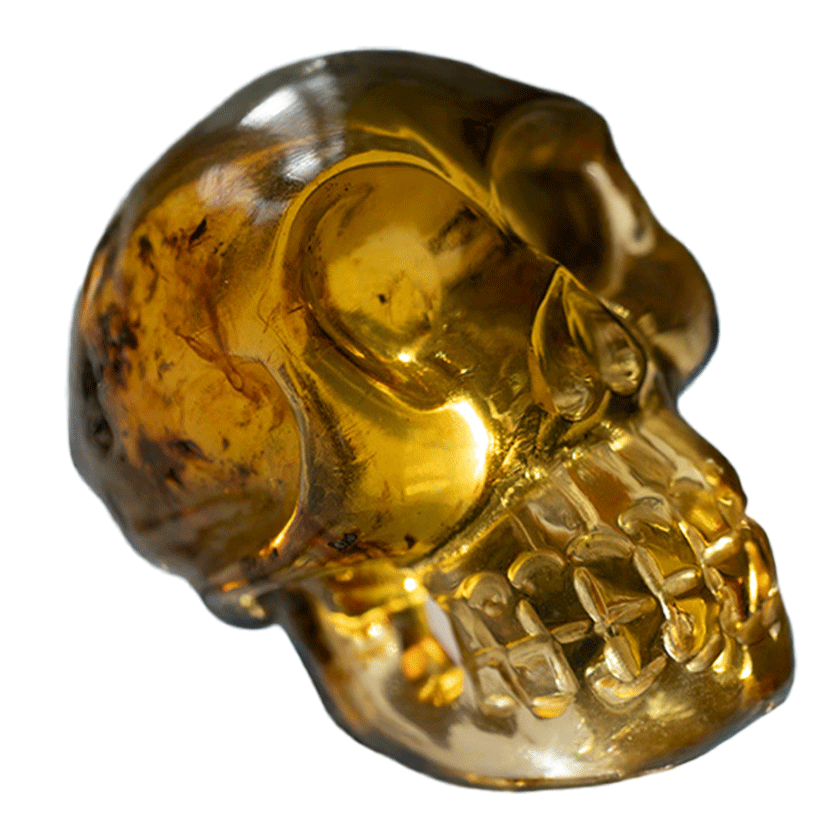
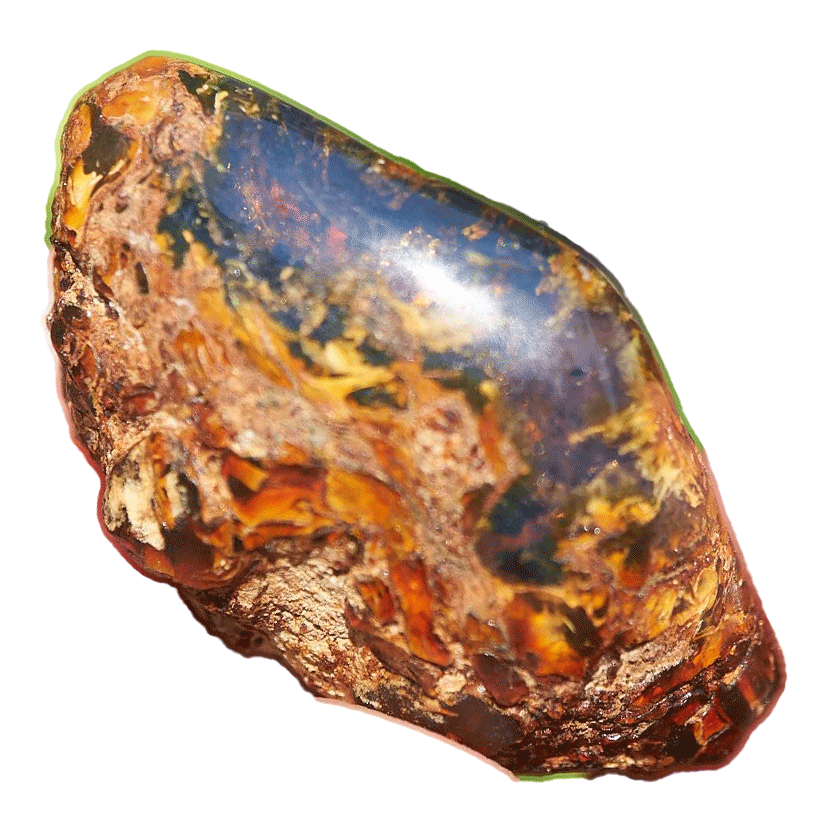
No two pieces perform exactly alike. A transparent cabochon with a well-polished surface may display its glow differently than a bead, carving, rough specimen, or fossil-bearing piece. A larger stone can offer more visible depth, but size alone does not guarantee stronger fluorescence.
Not all ultraviolet lights are equal. Long-wave UV, commonly called black light, is often used to view amber fluorescence. The strength of the lamp, the distance from the stone, and the surrounding darkness all affect the result. A weak UV flashlight in a bright room may make even a beautiful specimen seem quiet.
Sunlight is also variable. Blue amber often reveals its blue flash most clearly in strong natural daylight, but a cloudy sky, the angle of the sun, and the color of the background can change the appearance. This is not a flaw. It is a signature of a natural gem responding to its environment.
Buyers sometimes expect every authentic blue amber piece to be intensely cobalt blue. That expectation can lead to disappointment because natural amber has a wide visual range. Some pieces show a delicate blue haze. Others have a deeper blue-green flash. Some are prized for their clarity, while others are valued for rare inclusions, dramatic textures, or rich golden body color.
The most desirable piece is not always the bluest one under a single lamp. It is the one whose natural character, craftsmanship, and documented origin speak to you. A finely set pendant with a subtle blue transformation can be just as compelling as a collector specimen with bold UV fluorescence.
Fluorescence is a useful clue, but it is not proof of authenticity by itself. Some modern resins, plastics, coatings, and treated materials can fluoresce under ultraviolet light. Conversely, an authentic amber piece may display a modest response because of its composition, thickness, polish, or lighting conditions.
A trustworthy evaluation considers the whole stone. Provenance matters. Dominican amber has a distinct reputation for blue varieties and fossil inclusions, but origin claims should be supported by a reputable seller, clear material descriptions, and certification when offered. The stone’s weight, warmth, transparency, inclusions, workmanship, and UV reaction should make sense together.
Be cautious with listings that rely only on a dramatic black-light photograph. UV images can be enhanced by exposure settings, intense lamps, and dark backdrops. A seller should also show the amber in normal light and describe the piece honestly, including natural variations in color and fluorescence.
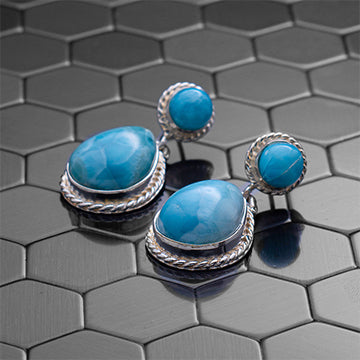
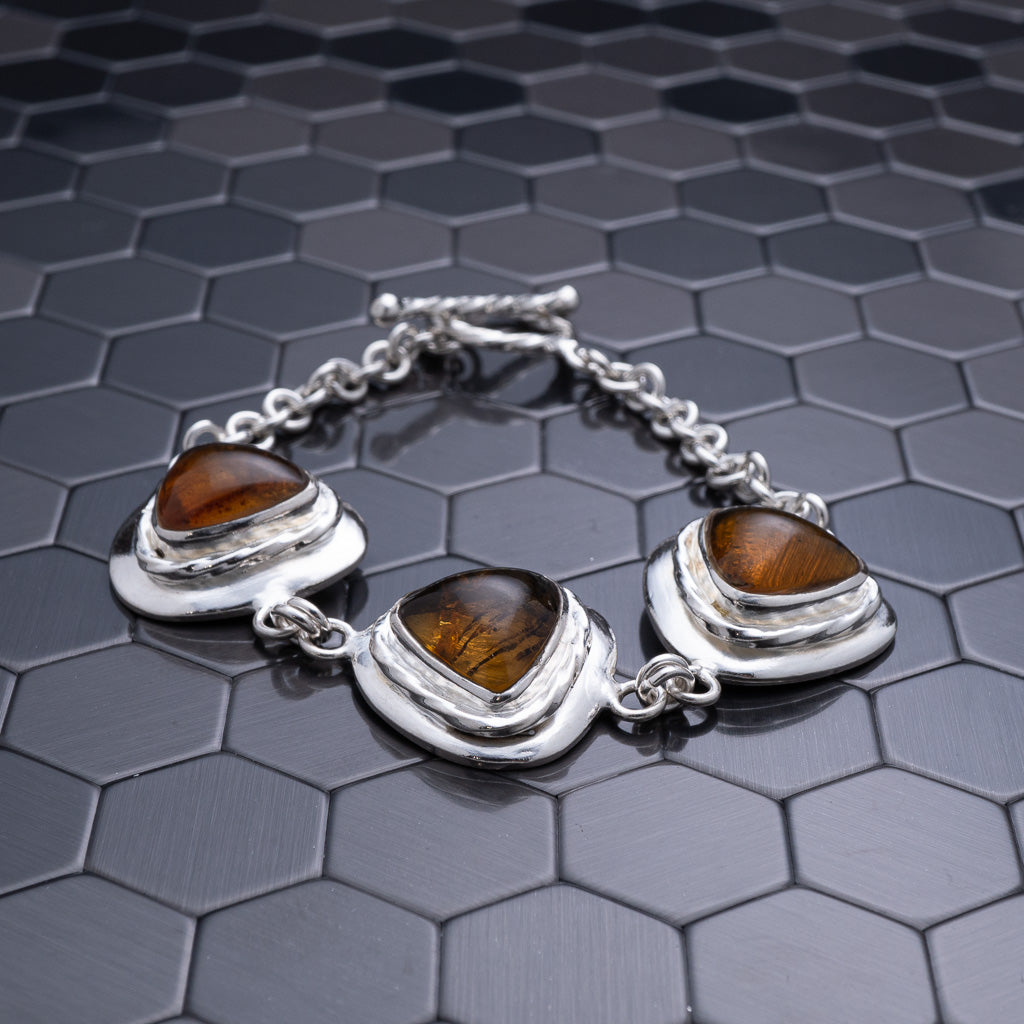
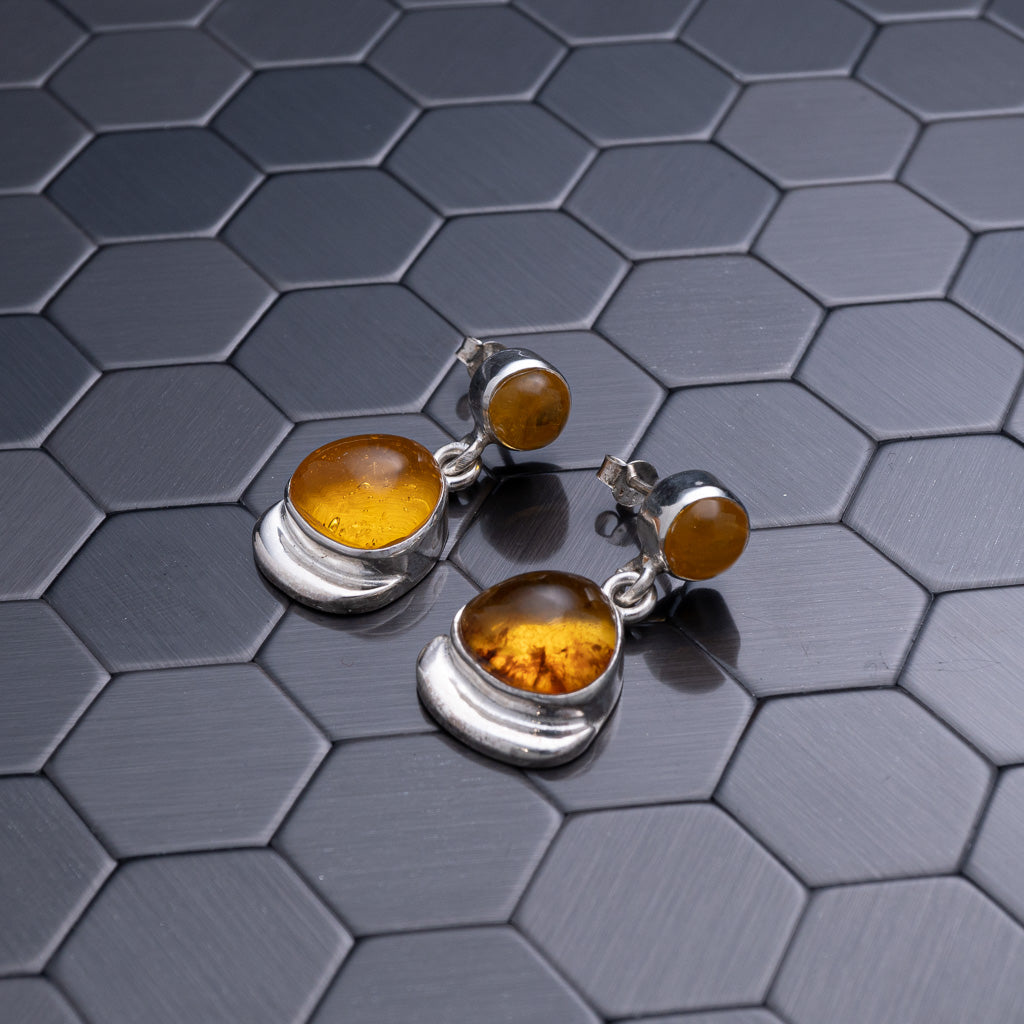
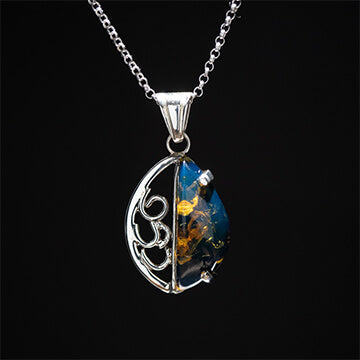
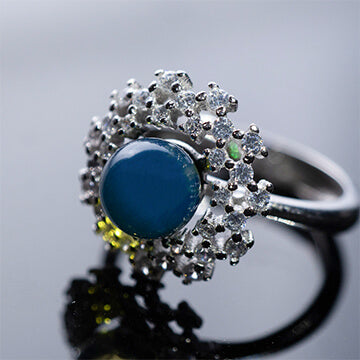
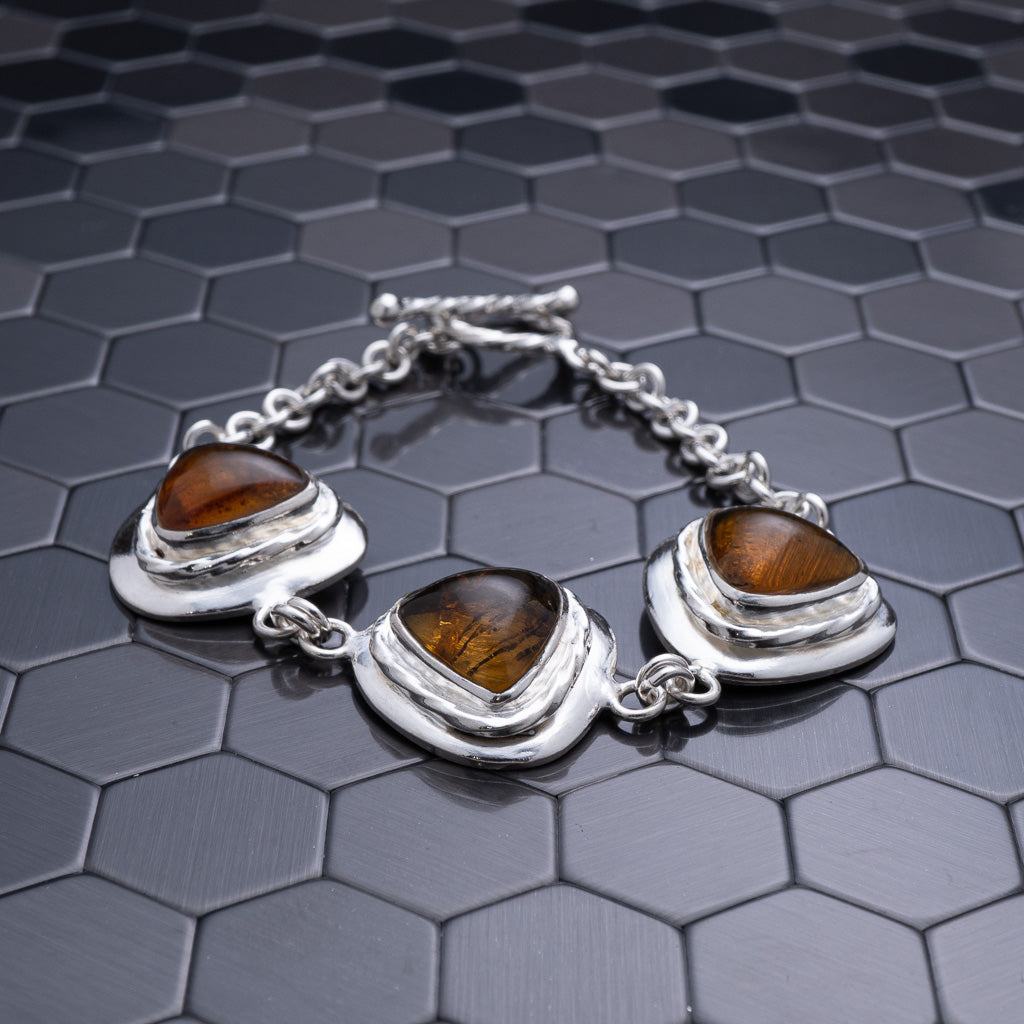
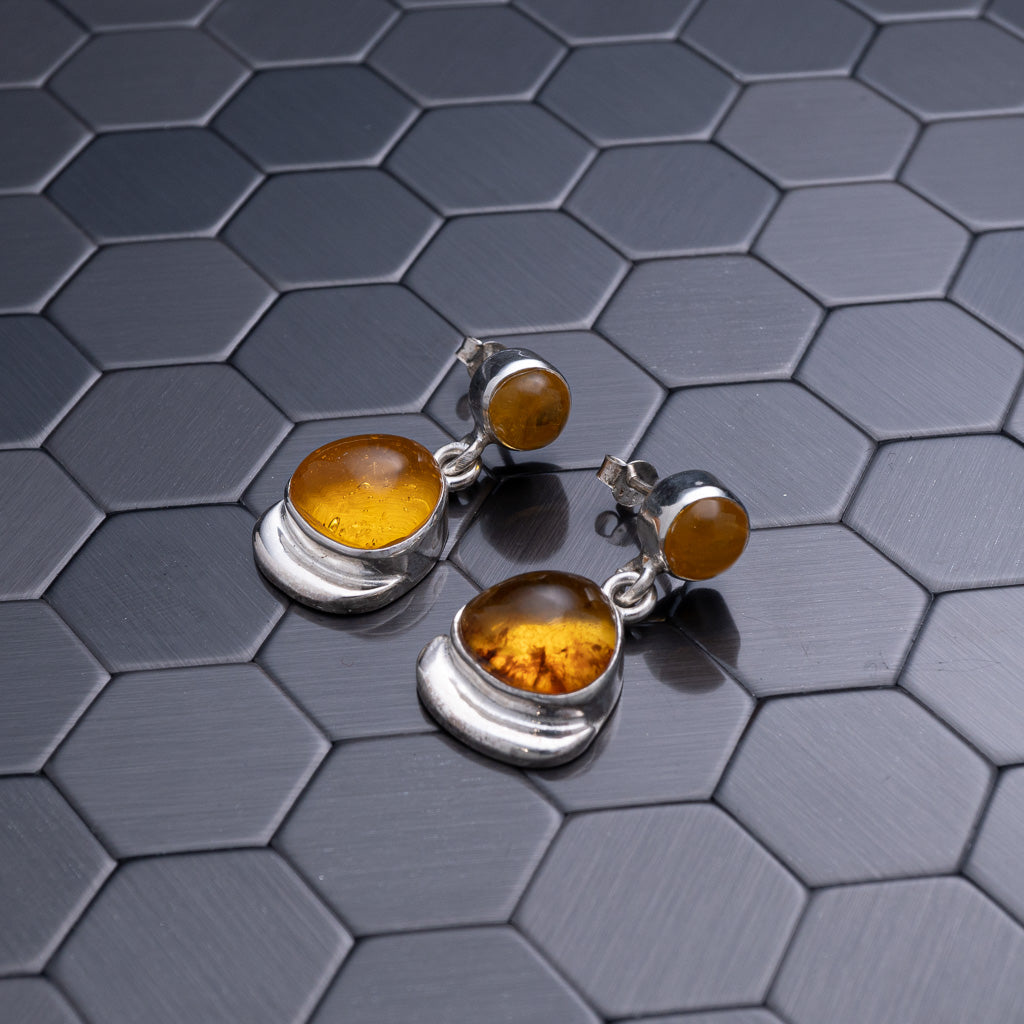
At Larimar Creations, the value of Dominican blue amber begins with authenticity and continues through considered craftsmanship. Whether you choose a ring, a heart pendant, a pair of earrings, or a collector cabochon, the goal is not merely a blue effect. It is a genuine piece of Caribbean resin shaped into something personal and lasting.
You do not need laboratory equipment to appreciate blue amber. Begin by viewing the stone in indirect daylight, then near a window with stronger sunlight. Place a dark cloth or black paper behind it and slowly change the angle. You may notice blue, violet-blue, or blue-green reflections moving across the surface.
For fluorescence, use a quality long-wave UV flashlight in a dim room. Hold the light a few inches from the amber and turn the jewelry gradually. Avoid staring directly into the UV beam, and keep the session brief. The aim is to enjoy the gemstone’s response, not to expose it to unnecessary heat or prolonged radiation.
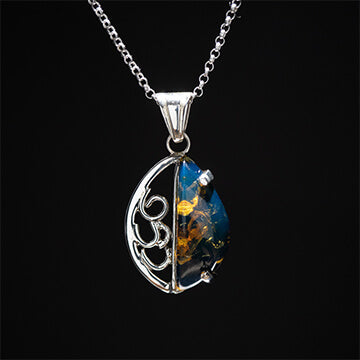
A bezel, prong setting, and open-backed pendant can each present blue amber differently. Open-backed designs allow more light through the stone, often emphasizing transparency and inner glow. A more protective setting may be better suited to daily wear, especially for rings and bracelets that meet more surfaces throughout the day. Beauty and practicality should be chosen together.
Start with the seller’s knowledge of origin. Dominican blue amber is rare, and a confident claim should come with more than a generic product label. Ask whether the stone is natural amber, whether its Dominican source is identified, and whether documentation or certification accompanies the purchase.
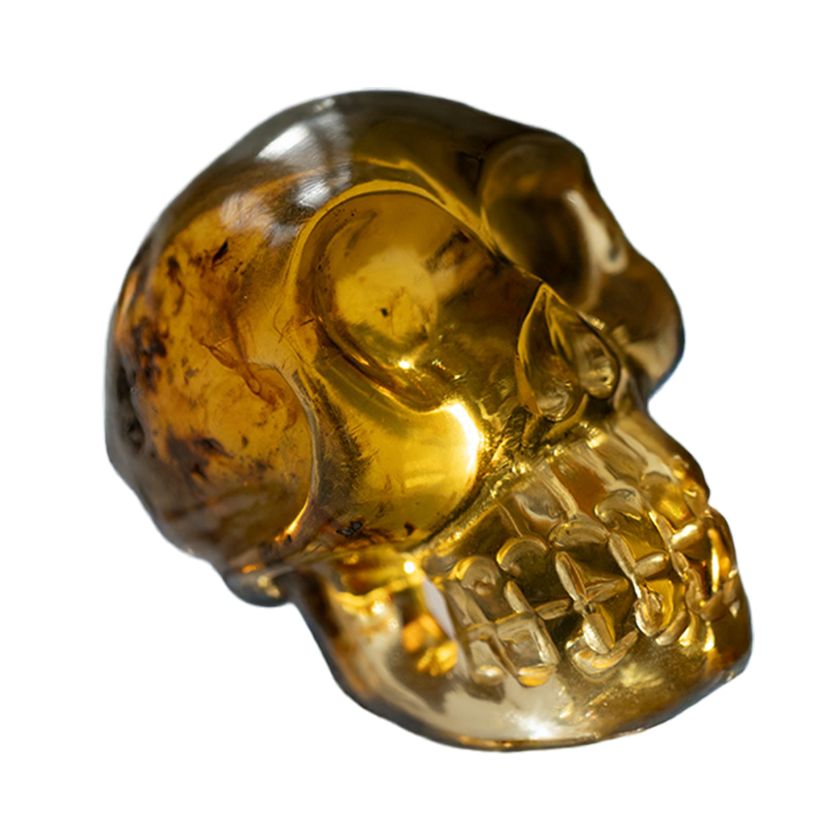
Then assess the piece in both standard and UV photography, if available. Look for honest variation rather than a perfectly uniform neon-blue image. Natural amber can contain tiny bubbles, plant matter, internal flow lines, and other details that make each gem individual. A fossil inclusion can add collector value, though it should never be treated as the only sign of authenticity.
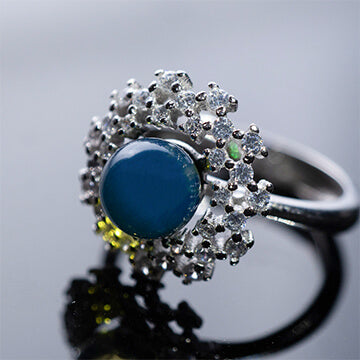
Finally, consider how you plan to wear it. A luminous pendant offers the most room for a larger stone and changing light. Earrings bring blue amber’s glow close to the face, where it can feel refined and unexpected. A ring is intimate and expressive, but amber is softer than many traditional gemstones, so it benefits from mindful wear and a protective setting.
Amber is fossilized resin, not a mineral crystal. It deserves gentler care than diamonds, sapphires, or quartz. Remove blue amber jewelry before swimming, exercising, cleaning, or applying perfume, hairspray, and lotion. Heat, harsh chemicals, and abrasive surfaces can dull the polish or damage the stone over time.
Clean it with a soft, dry or slightly damp cloth, then store it separately in a pouch or lined jewelry box. Do not use ultrasonic cleaners, steam cleaners, or commercial jewelry dips. If a piece has a silver or gold setting, clean around the amber carefully rather than immersing the entire item in chemical solutions.
Let your blue amber be seen in changing light. A quiet blue flash at a window, a vivid UV glow during a collector’s inspection, and a warm golden presence against the skin are all authentic expressions of the same rare Caribbean gem.
Sign up to get the latest on sales, new releases and more …
9 min read
6 min read
11 min read