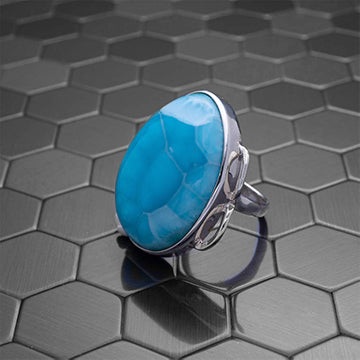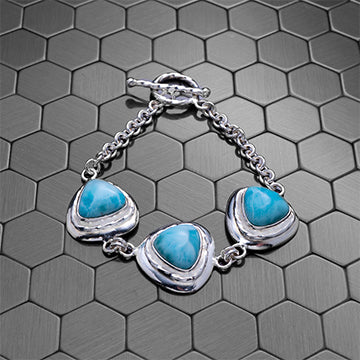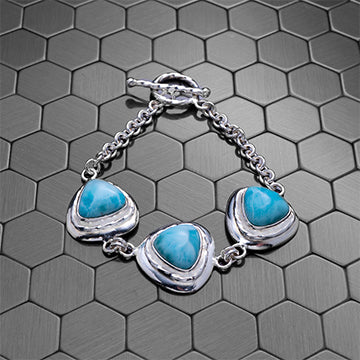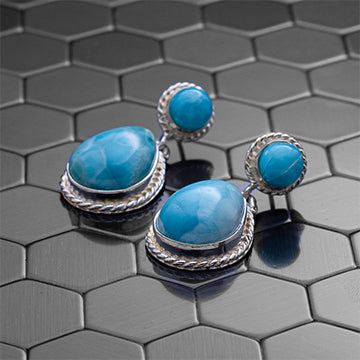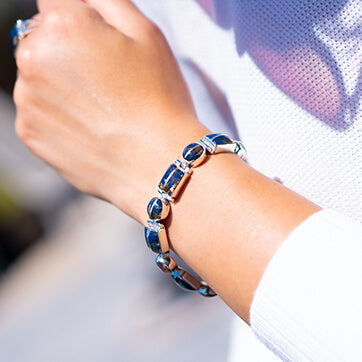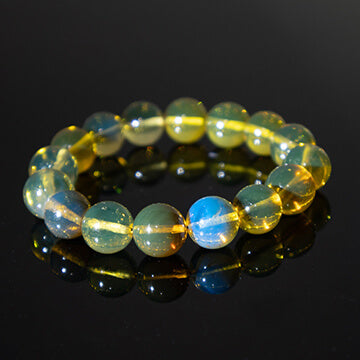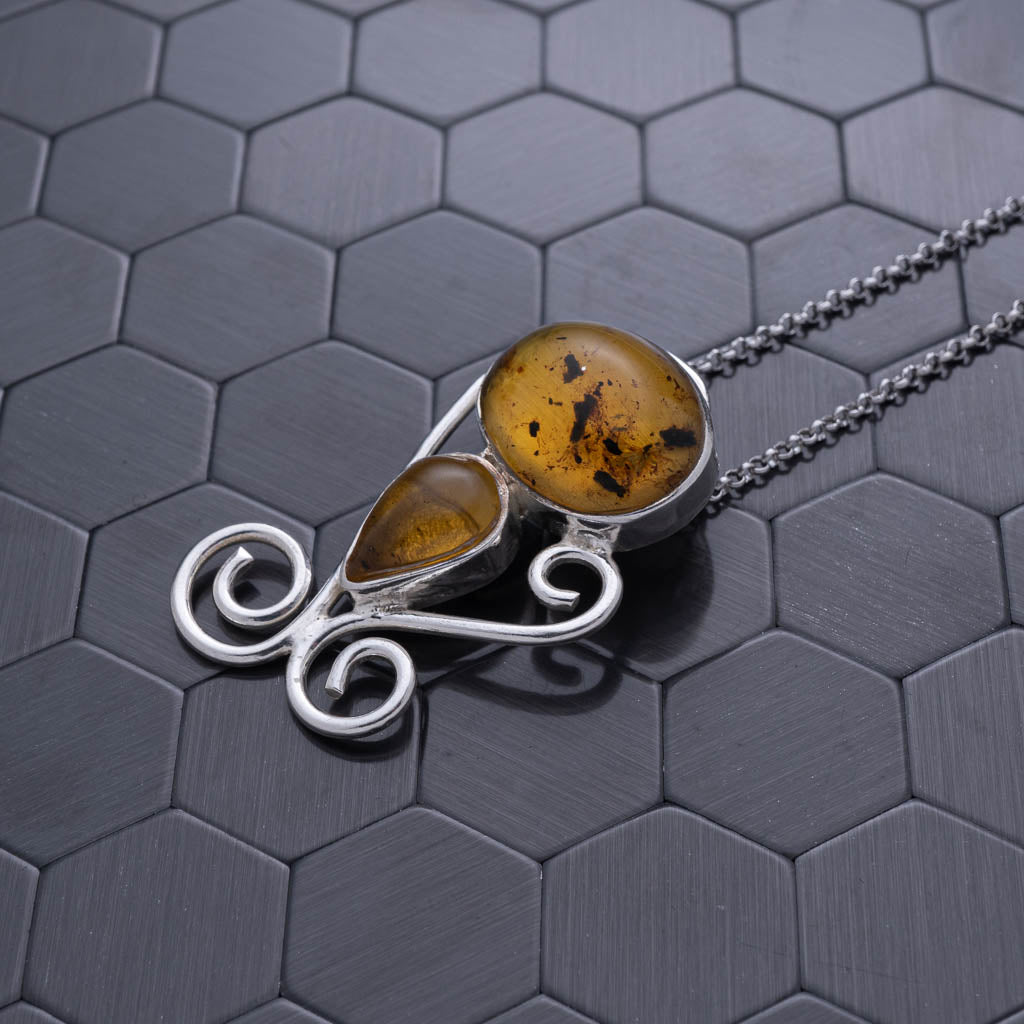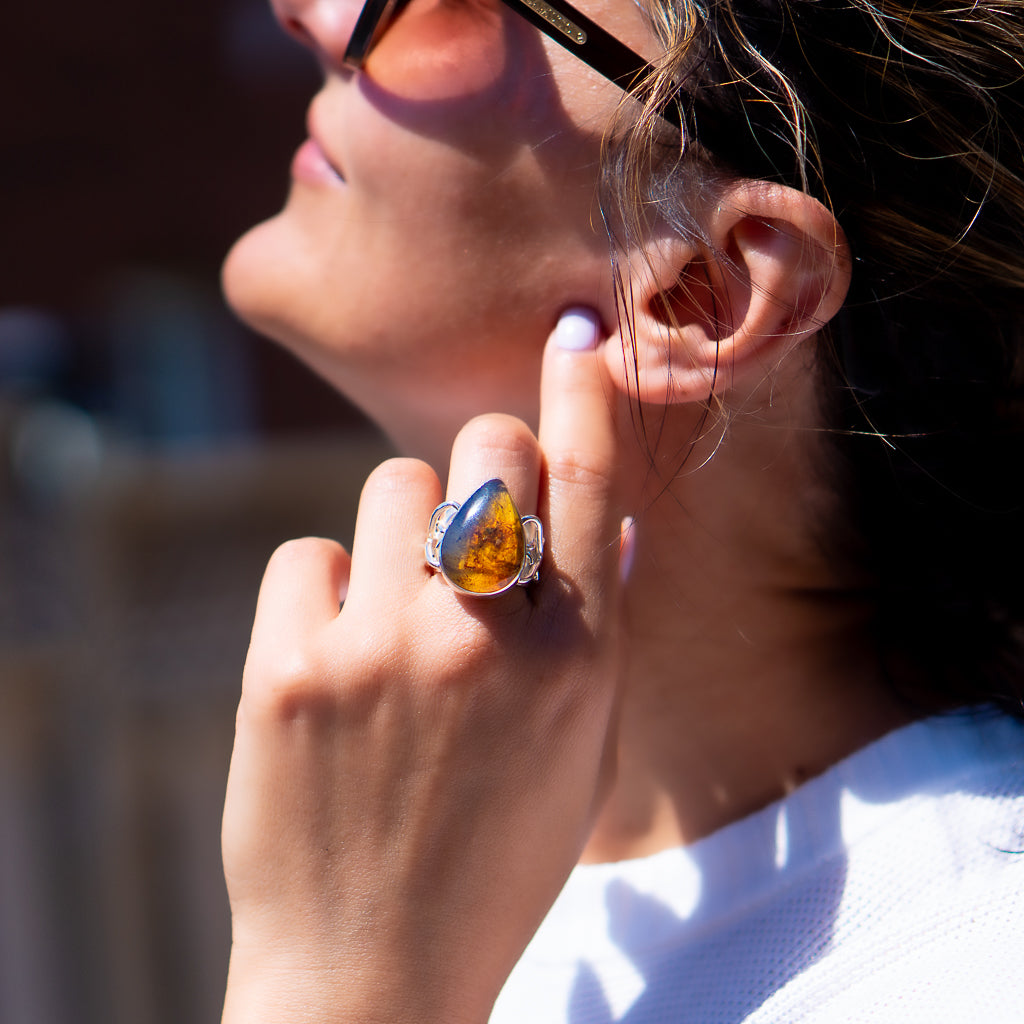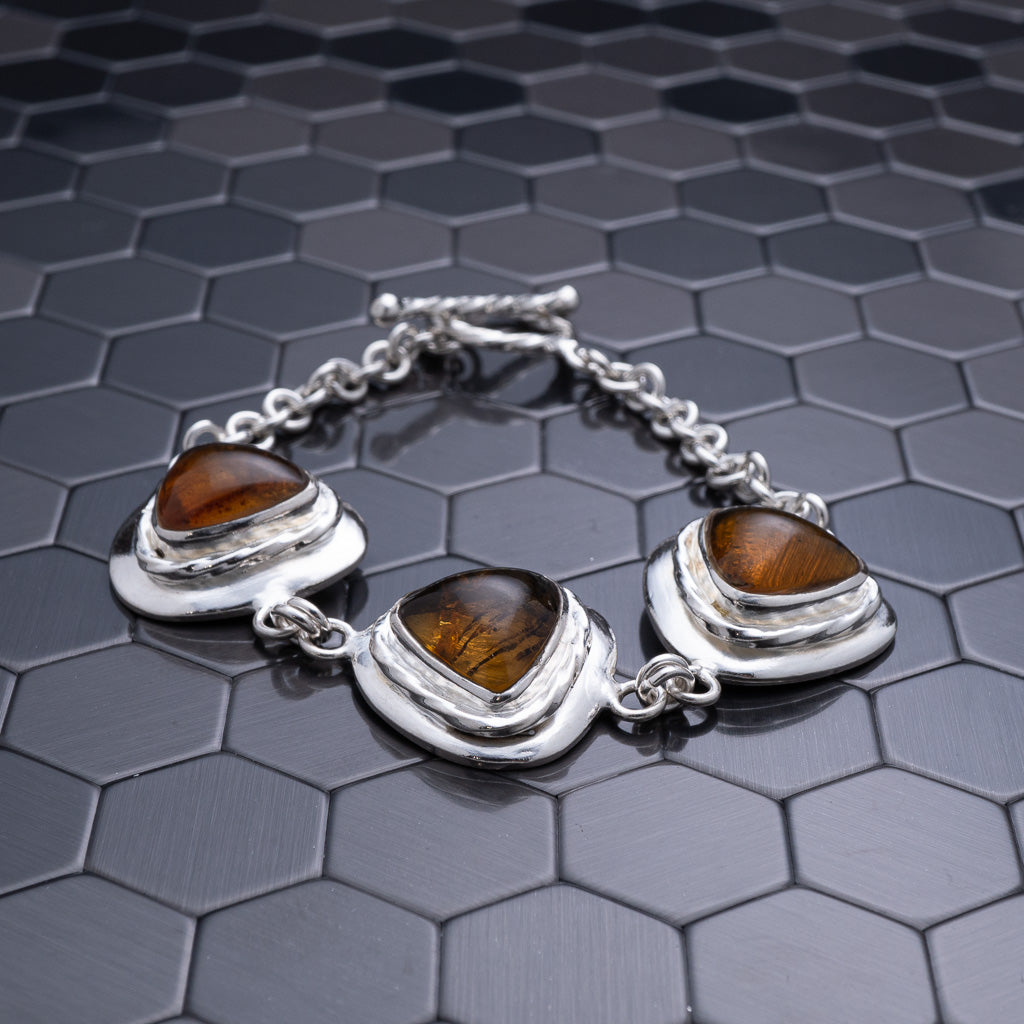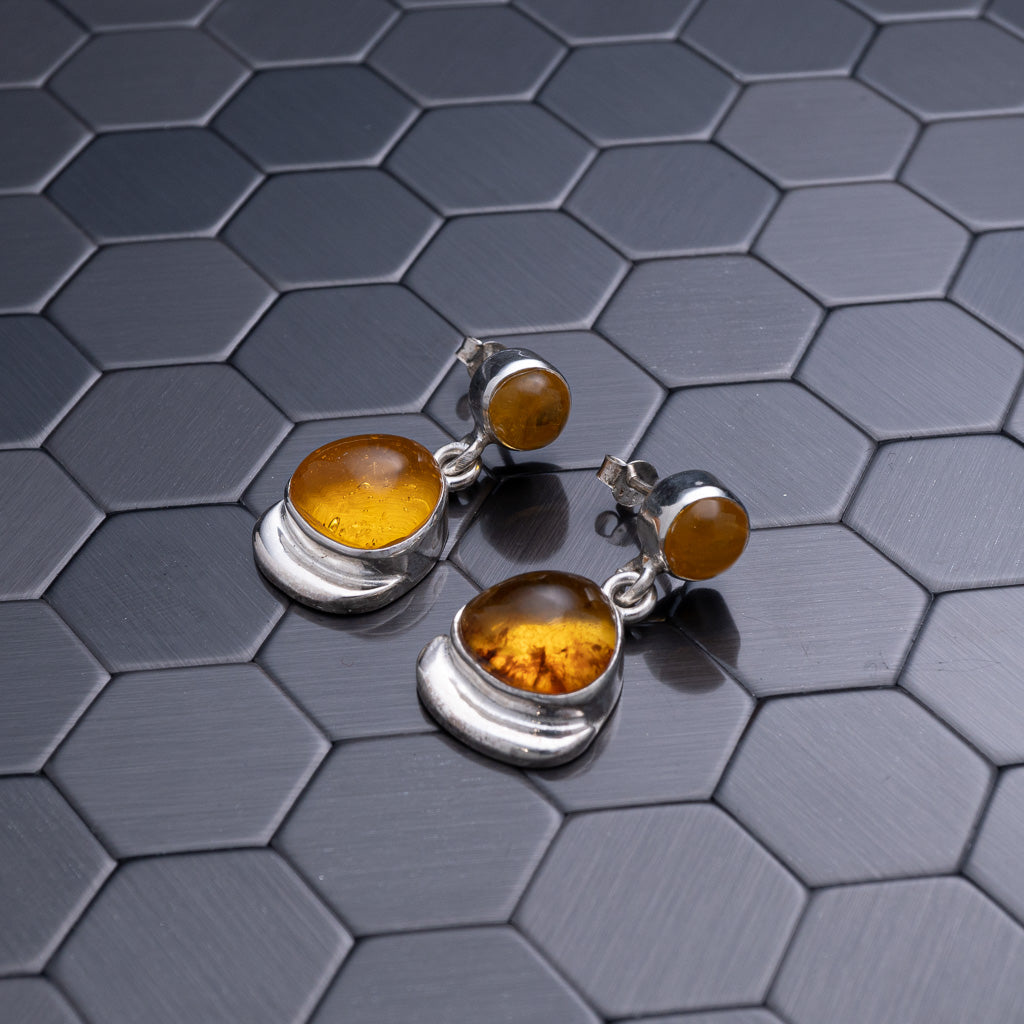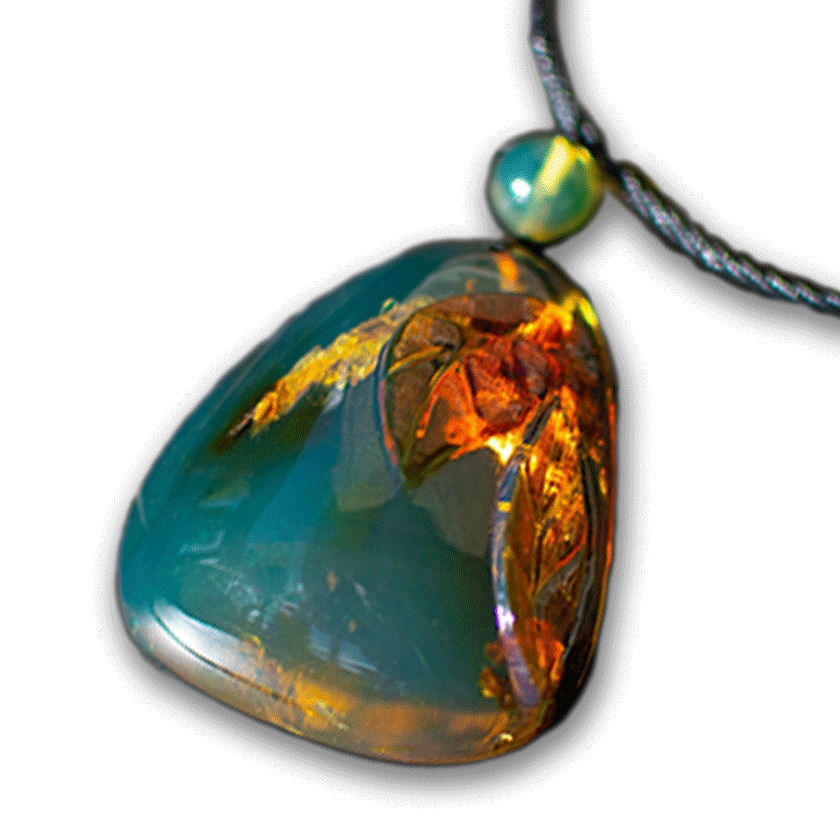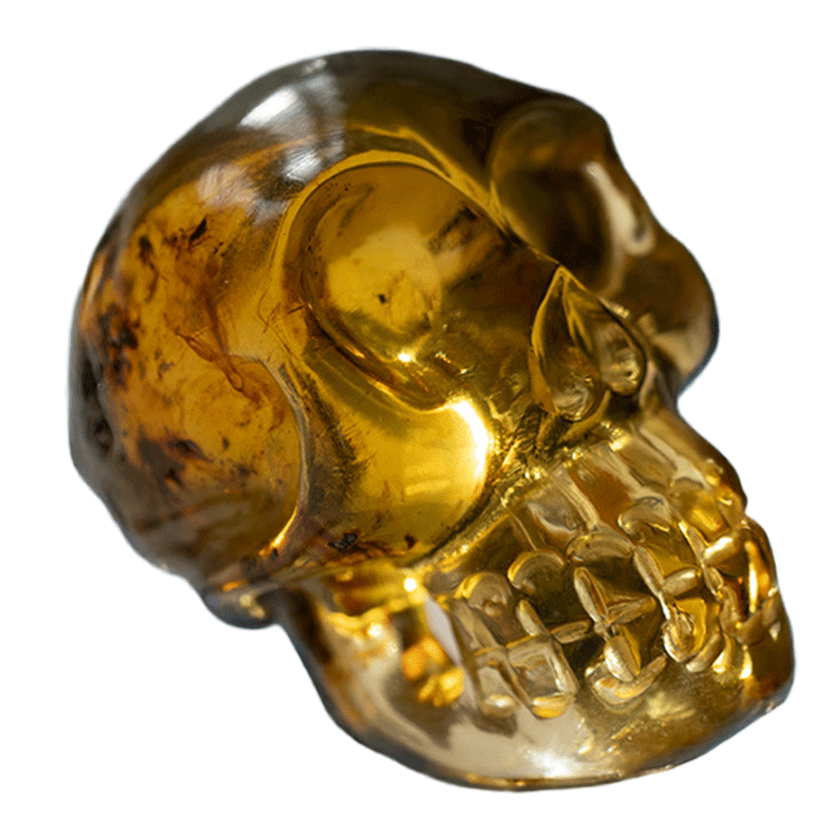


Handcrafted in DR.

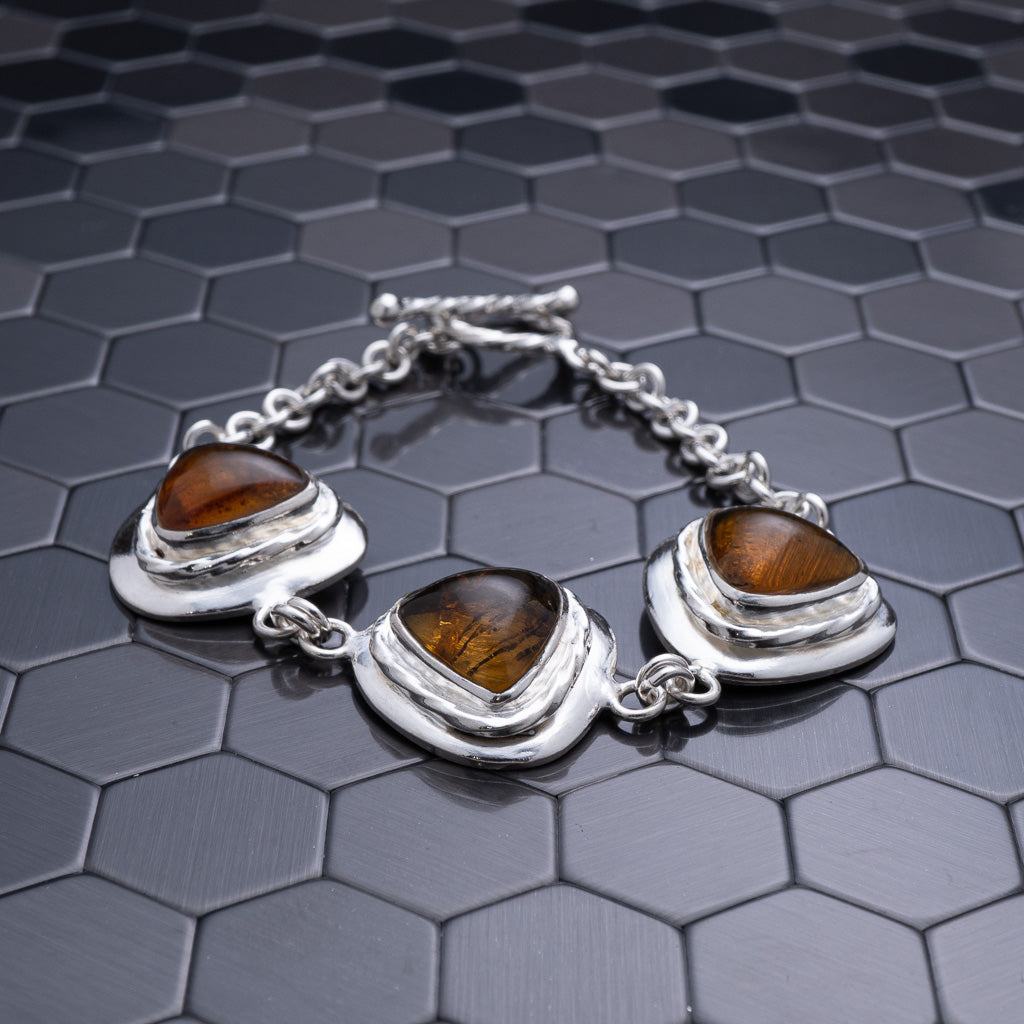
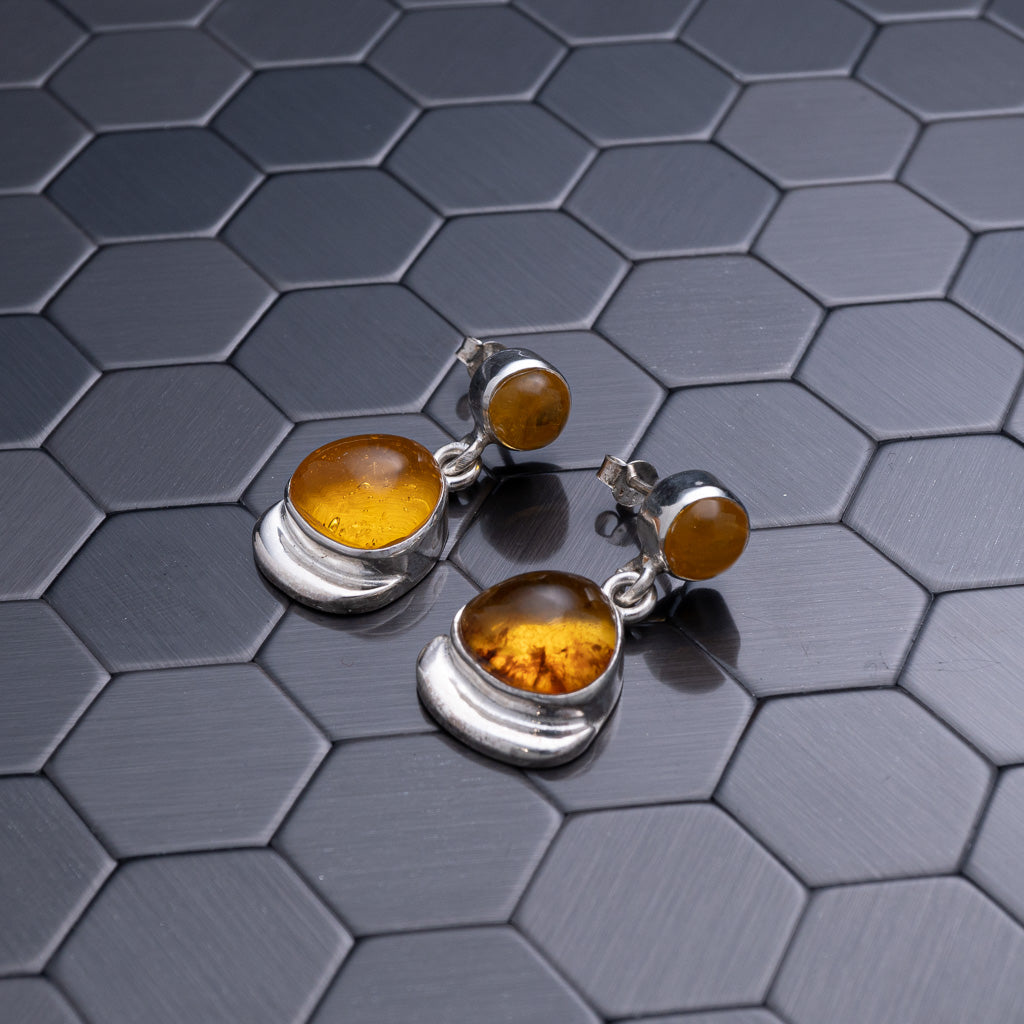


100% Handcrafted in DR.

The allure of a necklace handmade by skilled artisans transcends mere adornment. Each piece represents hours of meticulous work, artistic vision, and technical mastery that mass-produced jewelry simply cannot replicate. In 2026, consumers increasingly seek authentic connections to the items they wear, driving renewed appreciation for handcrafted jewelry that tells a story. Whether fashioned from rare gemstones, precious metals, or innovative sustainable materials, handmade necklaces embody the intersection of tradition and personal expression. This comprehensive exploration reveals what elevates handcrafted necklaces beyond ordinary accessories and why discerning collectors value the human touch in every link, setting, and clasp.
Handcrafted necklaces possess inherent qualities that distinguish them from factory-made alternatives. The most immediate difference lies in uniqueness-no two pieces are truly identical when created by hand. Even when following the same design, subtle variations in wire wrapping, stone placement, or finishing details ensure each necklace handmade by an artisan carries its own personality.
The creation process demands extensive skill development across multiple disciplines. Artisans must master:
Quality handmade jewelry reveals itself through precise execution. Solder joints appear seamless, clasps function smoothly through thousands of openings, and settings hold stones securely for decades. The history of jewelry demonstrates how these techniques evolved over millennia, with contemporary artisans building upon centuries of accumulated knowledge.
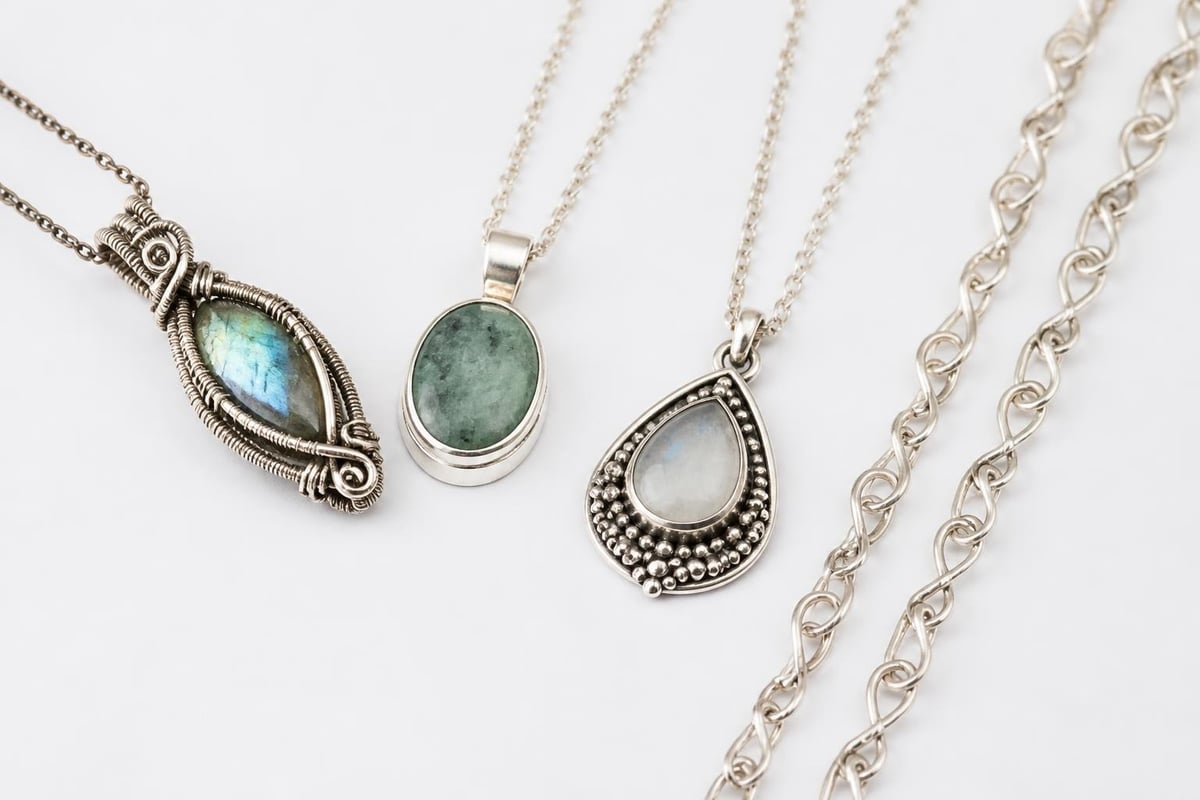
The choice of materials profoundly impacts both appearance and value. Handmade necklace creators carefully select components based on quality, origin, and compatibility. Gemstones undergo individual evaluation for color, clarity, and cut quality-a level of scrutiny impossible in mass production.
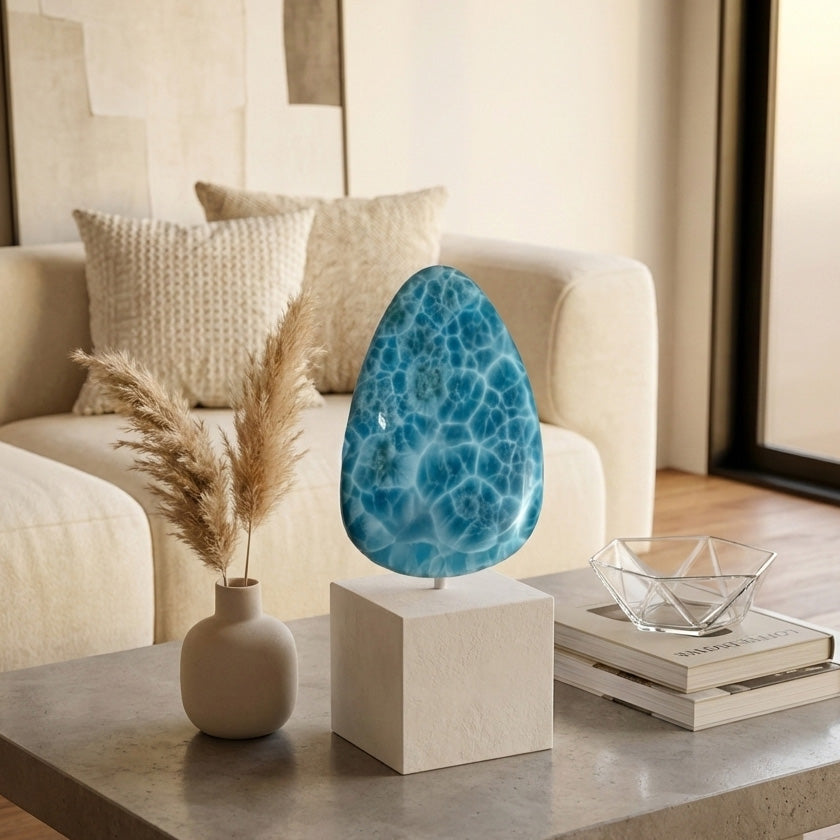
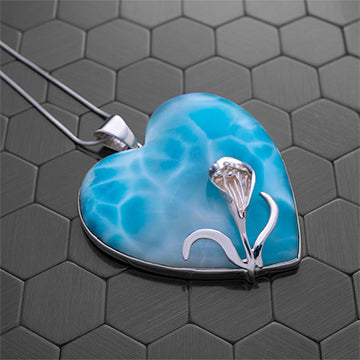
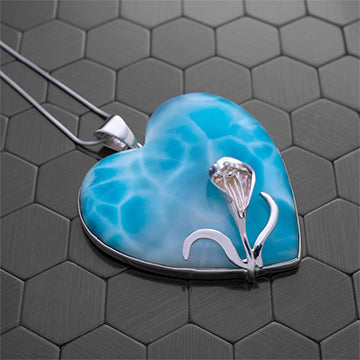
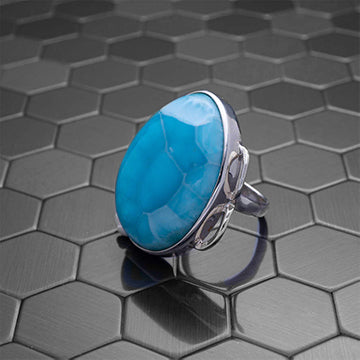
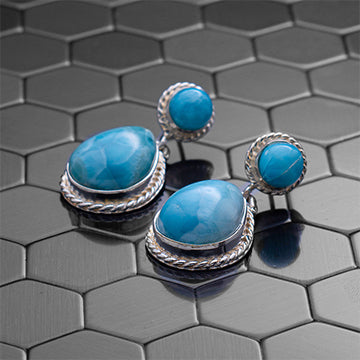
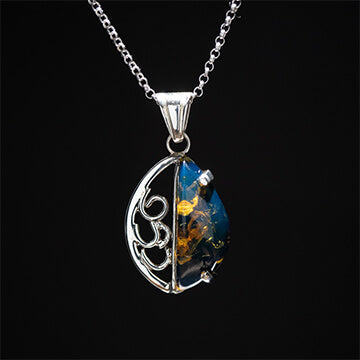
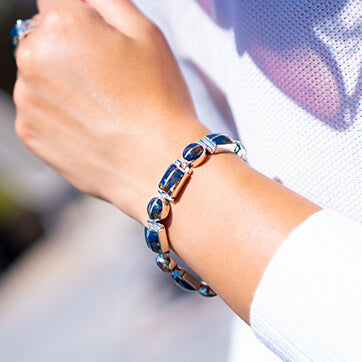
Rare materials like Larimar command particular attention. This distinctive blue stone, found exclusively in the Dominican Republic, requires specialized knowledge to work effectively. Larimar pendants showcase how expert artisans highlight the stone's natural patterns and translucent qualities through thoughtful design.
| Material Category | Handmade Approach | Mass Production Approach |
|---|---|---|
| Gemstone Selection | Individual inspection, pattern matching | Batch sorting by size/grade |
| Metal Quality | Verified composition, often recycled precious metals | Mixed alloys, minimal verification |
| Findings & Components | Hand-selected for durability and aesthetic harmony | Standard bulk-ordered parts |
| Finishing Materials | Premium polishing compounds, custom patinas | Industrial-grade standardized finishes |
Modern artisans combine traditional methods with innovative approaches, expanding creative possibilities while maintaining handmade integrity. The necklace handmade today might incorporate ancient granulation techniques alongside contemporary cold-connection methods that avoid heat entirely.
Wire wrapping remains one of the most accessible yet sophisticated handmade techniques. Artisans manipulate precious metal wire to create structural elements, decorative flourishes, and stone settings without soldering. Advanced practitioners achieve remarkable complexity through:
This technique particularly suits stones sensitive to heat, allowing artisans to showcase fragile or porous materials that cannot withstand torch work.
Metalsmithing encompasses techniques that shape sheet metal and wire through cutting, forming, and joining. A necklace handmade through fabrication might begin as flat metal sheets that the artisan saws, files, domes, and textures before assembling into a cohesive design.
Soldering represents a critical skill in this domain. Clean, strong joints require precise temperature control, proper flux application, and years of practice to execute consistently. The difference between amateur and master-level work becomes immediately apparent in solder seam quality.
Recent trends in handmade necklace design emphasize mixed-metal combinations, where artisans combine gold, silver, and copper to create striking contrasts. These multi-metal pieces demand additional expertise since different metals require different soldering temperatures and techniques.
Securing gemstones represents perhaps the most critical technical challenge in necklace creation. Several primary methods dominate handmade jewelry:
Prong settings use metal claws to grip the stone, maximizing light exposure and visual impact. Creating secure prongs requires precise metal thickness, proper claw height, and carefully angled tips that hold firmly without damaging the stone.
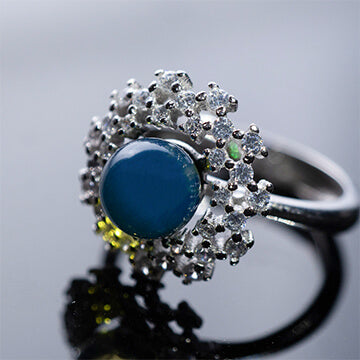
Bezel settings surround the stone with a metal rim, offering superior protection and a sleeker aesthetic. The artisan must calculate exact dimensions, ensuring the bezel wall height accommodates the stone's depth while remaining proportionate to the design.
Channel settings position multiple stones side-by-side in a metal groove, popular for graduated necklaces. This technique demands exceptional precision since even minor measurement errors prevent proper stone alignment.
Contemporary consumers increasingly prioritize sustainability and ethical sourcing when purchasing handcrafted jewelry. The Responsible Jewellery Council establishes standards that many handmade necklace creators voluntarily adopt, even without formal certification requirements.
Ethical artisans document their supply chains, ensuring materials derive from responsible sources. This transparency extends beyond conflict-free diamonds to encompass:
Research on sustainable design in jewelry reveals that material choices significantly affect environmental footprints. Handmade necklace creators who prioritize sustainability often select locally sourced materials, reducing transportation emissions while supporting regional economies.
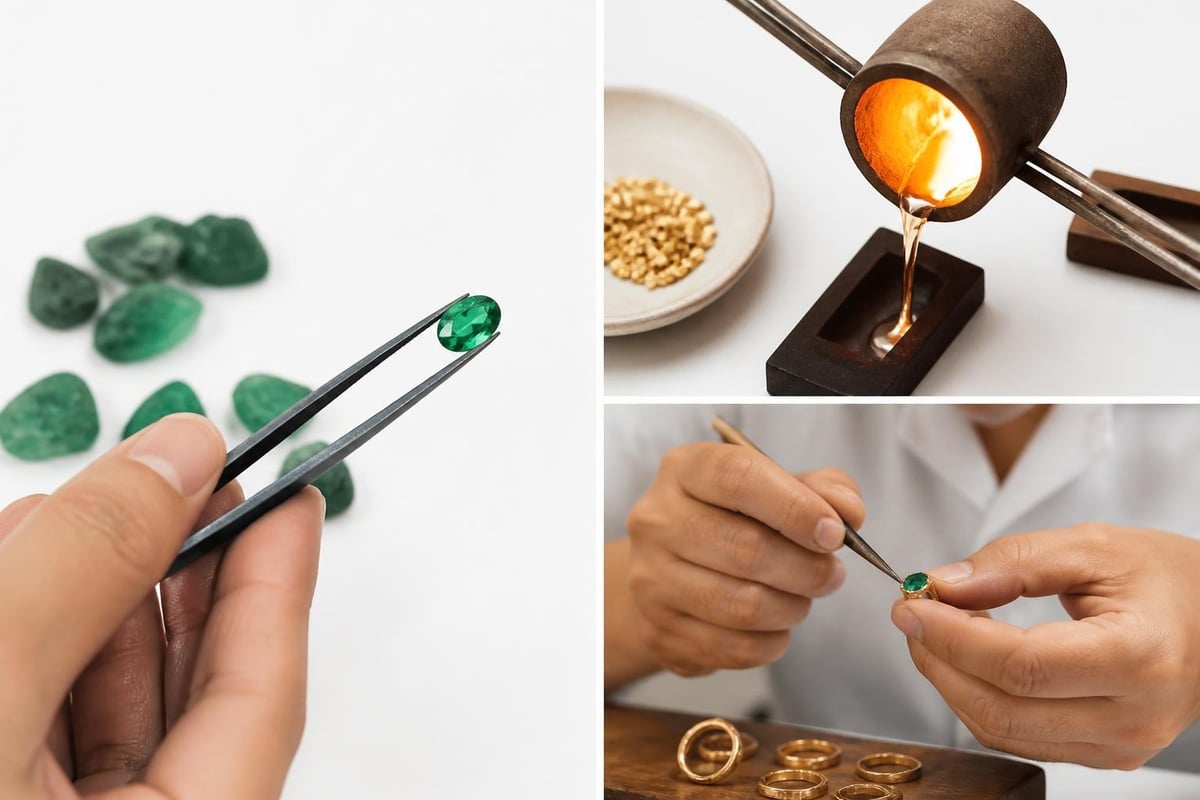
Responsible artisans follow safety protocols that protect both makers and consumers. The U.S. Art & Craft Safety Guide provides recommendations for handling materials, ventilation requirements, and hazard mitigation relevant to jewelry creation.
Environmental stewardship extends to studio practices:
The CIBJO 2025 Sustainable Development Report outlines how small-scale jewelry businesses can implement meaningful sustainability measures without compromising quality or artistry. Many handmade necklace creators find that sustainable practices enhance rather than constrain their creative output.
Beyond technical proficiency, successful handmade necklaces embody thoughtful design that balances aesthetics, wearability, and meaning. The necklace handmade as wearable art occupies a unique position between fashion accessory and sculptural object.
Exceptional design considers how pieces interact with the human body. Necklace weight distribution affects comfort during extended wear-a consideration absent from display-only art pieces. Artisans must balance:
A necklace might appear stunning on a display bust yet prove unwearable due to poor weight balance or irritating textures against skin. Master artisans test prototypes extensively, refining proportions until pieces achieve both visual appeal and practical functionality.
Necklace history spanning antiquity to present day reveals recurring motifs and construction methods that contemporary artisans reinterpret. Ancient techniques like granulation-fusing tiny metal spheres to create texture-experience periodic revivals as makers rediscover historical methods.
Cultural jewelry traditions inform modern handmade work without direct replication. An artisan might draw inspiration from Byzantine chain mail techniques, adapting the structural principles to contemporary aesthetics. This dialogue between historical precedent and modern innovation keeps handmade jewelry vibrant and evolving.
When working with exceptional gemstones, skilled artisans design around the stone rather than forcing it into predetermined settings. This philosophy proves particularly important for rare materials with unique characteristics.
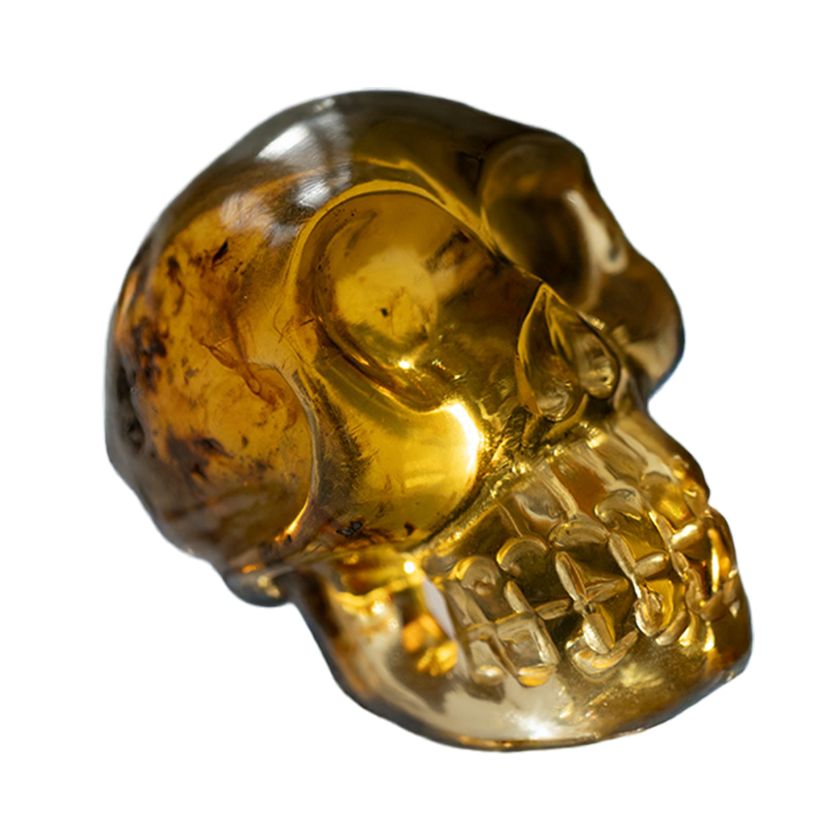
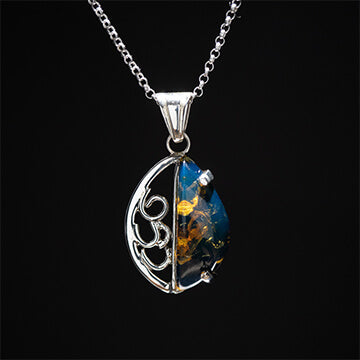
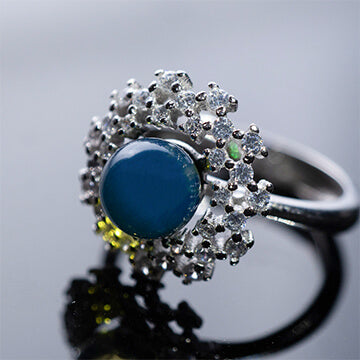
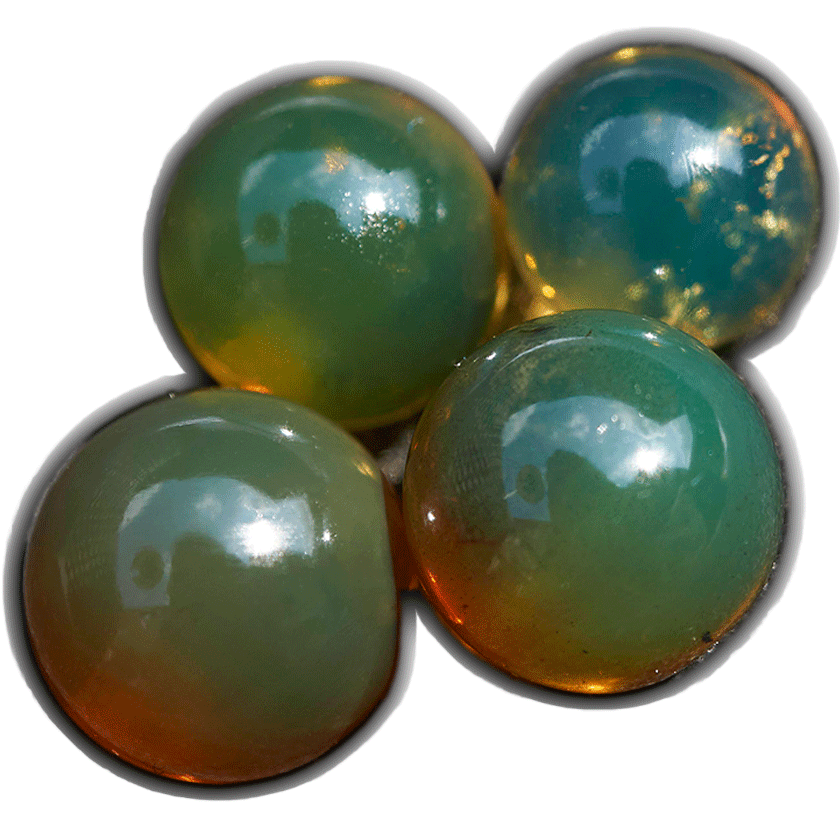
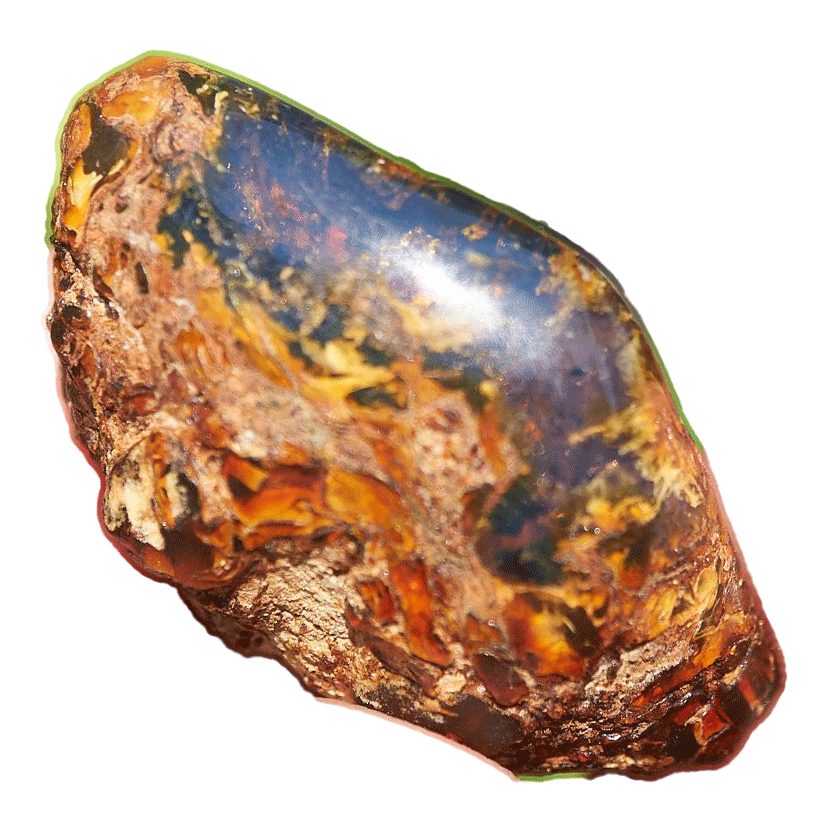
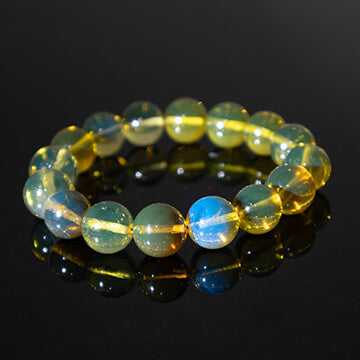
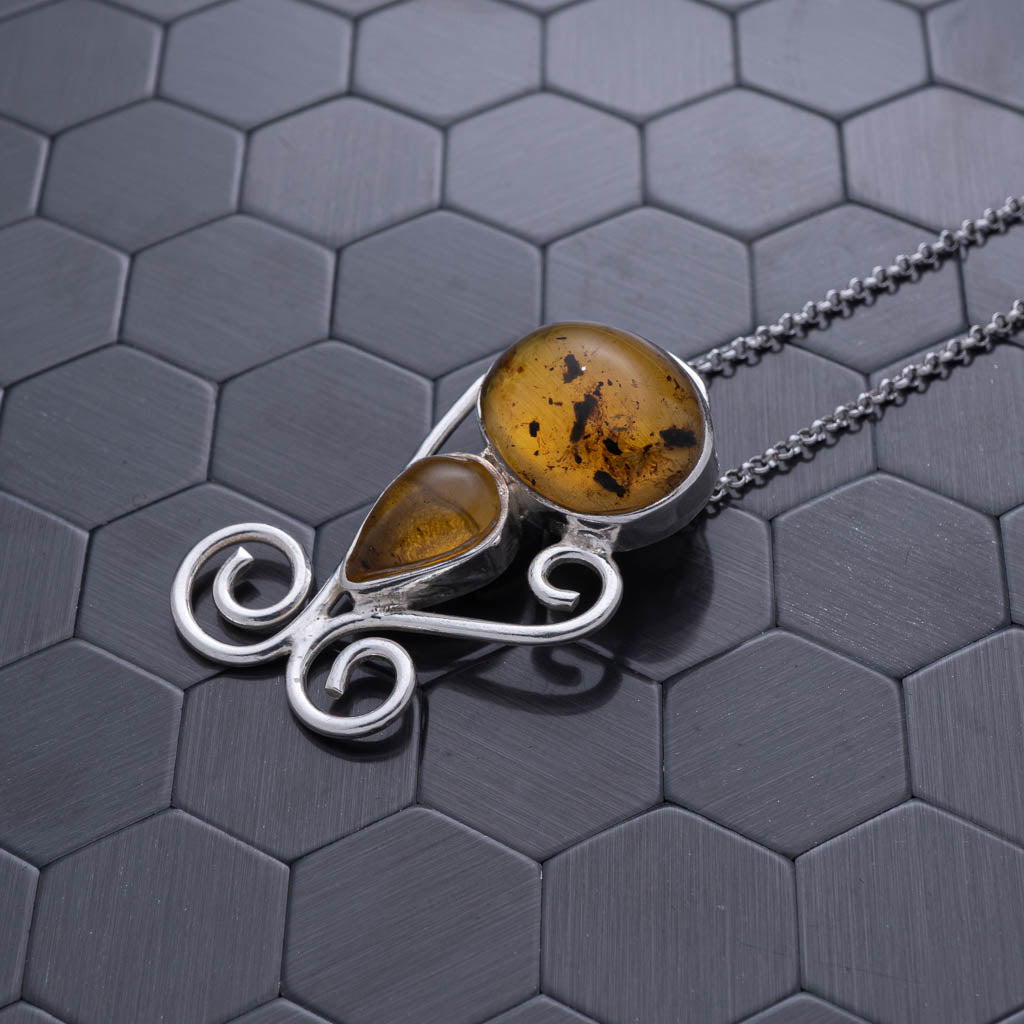
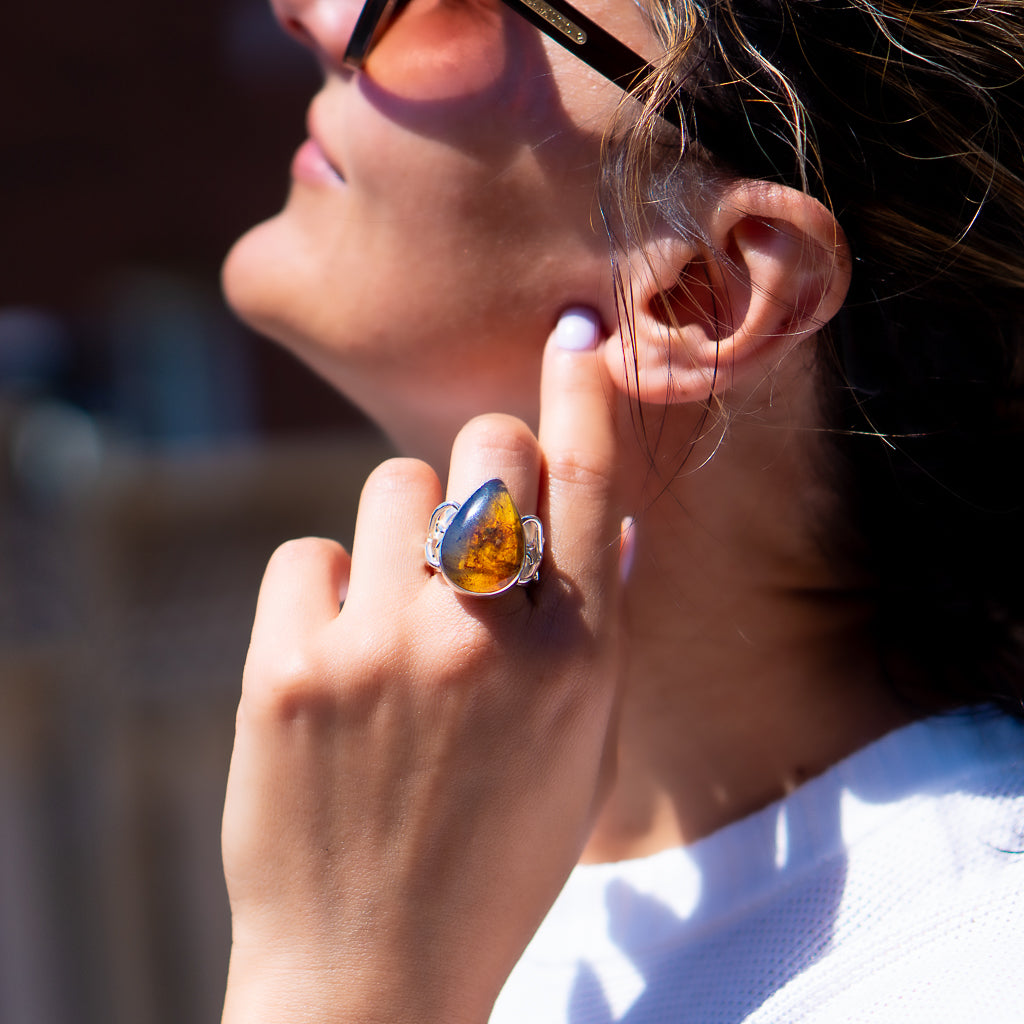
Dominican Blue Amber exemplifies stones requiring specialized approaches. Its fluorescent properties demand settings that allow UV light exposure to reveal the characteristic blue glow. Similarly, Larimar's natural patterns suggest organic, flowing designs that complement rather than compete with the stone's inherent beauty.
Understanding what determines a necklace handmade value helps collectors make informed purchasing decisions. Multiple factors beyond material cost contribute to fair pricing.
Labor represents the primary cost component in handmade jewelry. A complex piece might require 20-40 hours of work, with hourly rates reflecting the artisan's skill level, experience, and specialization. Advanced techniques like micro-pavé setting or hand-engraving command premium rates due to the extensive training required.
| Complexity Level | Typical Time Investment | Skill Requirements |
|---|---|---|
| Simple beaded strand | 1-3 hours | Basic stringing, crimping |
| Wire-wrapped pendant | 4-8 hours | Intermediate wire manipulation |
| Fabricated statement piece | 15-30 hours | Advanced metalsmithing, soldering |
| Multi-stone collar | 30-50+ hours | Master-level setting, design integration |
Precious metal prices fluctuate daily, directly impacting handmade necklace costs. Beyond base metal value, gemstone rarity significantly affects pricing. Common stones like amethyst or citrine remain affordable, while rare materials like fine Larimar or exceptional blue amber command substantial premiums.
Material authenticity verification adds value. Certified gemstones, hallmarked precious metals, and documented provenance justify higher prices by eliminating uncertainty about composition and origin.
Original designs created by the artisan carry greater value than pieces following generic patterns or tutorials. Collectors prize unique artistic vision, particularly from established makers with recognizable styles. Limited production runs enhance exclusivity, distinguishing handmade work from mass-produced alternatives.
Signature techniques or innovative approaches add premium value. An artisan who develops a distinctive stone-setting method or proprietary metal treatment creates pieces that cannot be replicated elsewhere, enhancing both monetary and artistic worth.
Proper maintenance preserves both beauty and structural integrity. A necklace handmade with quality materials and expert construction should last generations with appropriate care.
Remove necklaces before activities that expose them to harsh chemicals, extreme temperatures, or physical impact:
Apply cosmetics and fragrances before putting on jewelry, allowing products to dry completely. This simple practice prevents residue buildup that dulls finishes and penetrates porous gemstones.
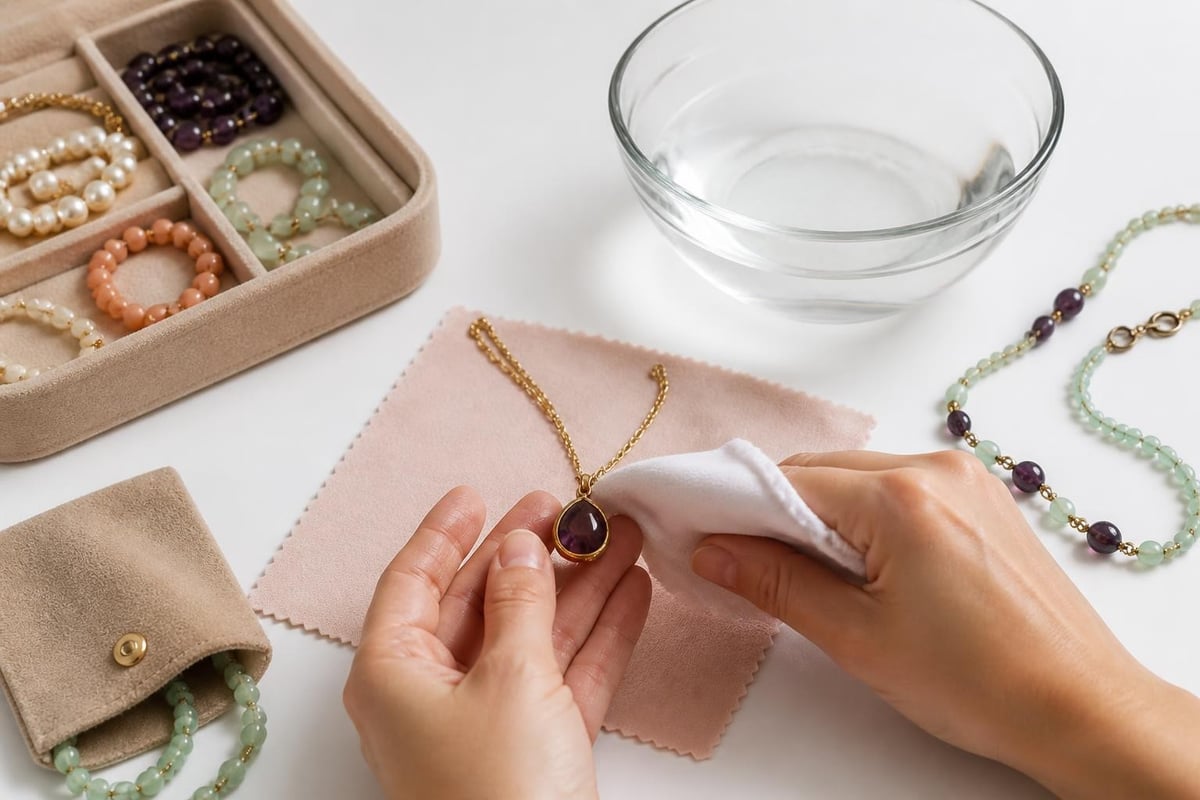
Different materials require specific cleaning approaches. Soft, porous stones like Larimar need gentler treatment than hard gems like sapphire:
Store necklaces individually in soft pouches or lined compartments to prevent scratching. Chains benefit from hanging storage that prevents tangling and kinking. Avoid storing different metals together, as harder metals can scratch softer ones.
Annual professional inspection identifies wear before it becomes problematic. Jewelers check:
Prompt attention to minor issues prevents catastrophic failures like lost stones or broken chains. Many artisans offer complimentary inspections for pieces they created, fostering long-term relationships with collectors.
Educated purchasing ensures satisfaction and fair value. Whether acquiring from local artisans or exploring handmade necklace collections online, several evaluation criteria apply universally.
Examine pieces closely under good lighting. Quality indicators include:
Request detailed photographs showing construction from multiple angles. Reputable makers provide close-up images revealing craftsmanship quality rather than hiding imperfections through artistic photography alone.
Ask for material specifications in writing. Precious metal content should be stamped when possible, though some handmade pieces cannot accommodate stamps due to design constraints. Request independent appraisals for significant purchases, confirming both material authenticity and estimated replacement value.
Gemstone documentation matters increasingly in 2026. Ethical consumers want assurance that materials derive from responsible sources. Artisans committed to sustainable jewelry practices provide documentation tracing materials to verified origins.
Research artisan backgrounds and training. Formal education, apprenticeships, and professional organization memberships indicate serious dedication to the craft. However, exceptional self-taught makers also produce museum-quality work, so evaluate pieces individually rather than relying solely on credentials.
Customer reviews and testimonials reveal important information about communication, shipping reliability, and post-purchase support. Established makers maintain consistent quality across multiple pieces and stand behind their work with reasonable guarantees.
While primary motivation for acquiring handmade jewelry typically centers on personal enjoyment, some pieces appreciate significantly over time. Understanding investment dynamics helps collectors make strategic decisions.
Handmade necklaces maintain or increase value when they possess:
Works by deceased artisans or those who cease production often appreciate substantially, particularly when distinctive styles developed devoted followings during the maker's active period.
The handmade jewelry market differs fundamentally from mass-produced accessories. Resale typically occurs through specialized venues including:
Realistic expectations matter. Most handmade necklaces resell for 30-60% of original retail unless created by highly sought-after artisans or featuring exceptionally rare materials. The primary return comes through years of wearing pleasure rather than financial profit.
Bespoke commissions allow clients to participate in the creative process, resulting in truly personalized pieces. The necklace handmade specifically for an individual carries unique significance beyond ready-made alternatives.
Successful commissions require clear communication throughout multiple stages:
Allow adequate time for custom work. Complex pieces may require 8-12 weeks from concept to completion, accounting for design development, material acquisition, and fabrication.
Discuss budget parameters early in the process. Experienced artisans can suggest design modifications that achieve desired aesthetics within financial constraints. Be realistic about material costs-requesting a substantial Larimar centerpiece with minimal budget proves impossible.
Custom commissions typically require deposits covering material purchases, with final payment upon completion. Written agreements specifying design details, materials, timeline, and pricing protect both parties and prevent misunderstandings.
Handmade necklaces represent the pinnacle of wearable artistry, combining technical mastery with creative vision to produce pieces of enduring beauty and personal significance. Understanding the craftsmanship, materials, and dedication behind each handcrafted creation deepens appreciation for these exceptional objects. Whether you're drawn to rare gemstones, innovative designs, or sustainable practices, Larimar Creations offers meticulously crafted necklaces featuring extraordinary Larimar and Dominican Blue Amber, with worldwide shipping bringing these unique treasures directly to discerning collectors everywhere.